
Beta-Glucans Bioactive Framework
Definition
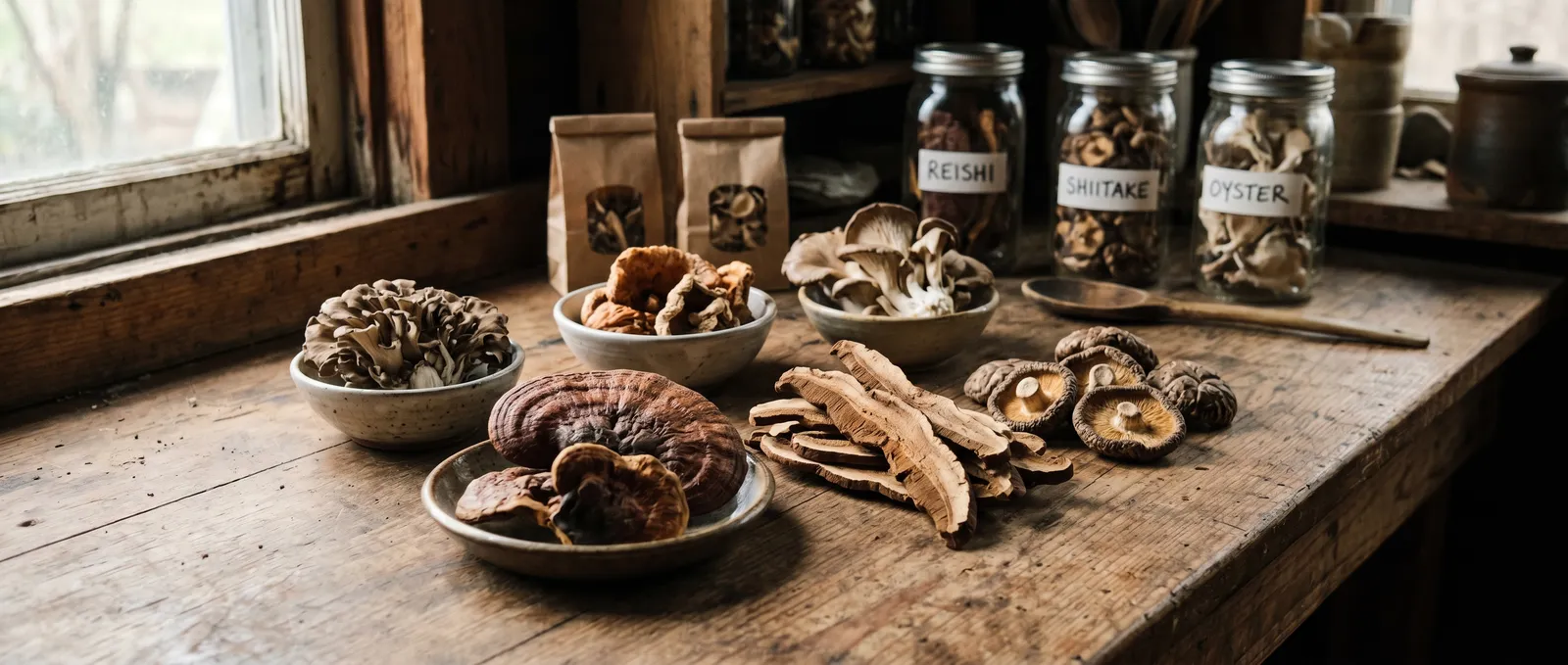
Beta-glucans are β-(1→3)(1→6)-linked polysaccharides found in fungal cell walls that interact with innate immune receptors, primarily Dectin-1. First isolated from shiitake as lentinan by Chihara et al. (1969), they remain the most studied bioactive compound class in functional mushrooms — though structural differences between species and preparations mean the term covers a wide range of distinct molecules.
Beta-glucans bioactive framework is a term that describes the structural and functional role of β-(1→3)(1→6)-linked polysaccharides — long chains of glucose molecules joined by beta-glycosidic bonds — found in the cell walls of fungi, certain cereals, bacteria, and algae. In the context of functional mushrooms, beta-glucans represent the most studied class of bioactive compounds, with research stretching back to the 1960s when Chihara et al. (1969) first isolated lentinan from shiitake (Lentinula edodes) and observed its effects on immune markers in animal models. Understanding how these molecules differ structurally across species, how extraction affects their availability, and what the research actually shows (rather than what wellness marketing claims) is the foundation for making sense of any functional mushroom product you might order or buy. The beta-glucans bioactive framework provides a structured way to evaluate these differences across species and preparations.
What Beta-Glucans Are, Structurally
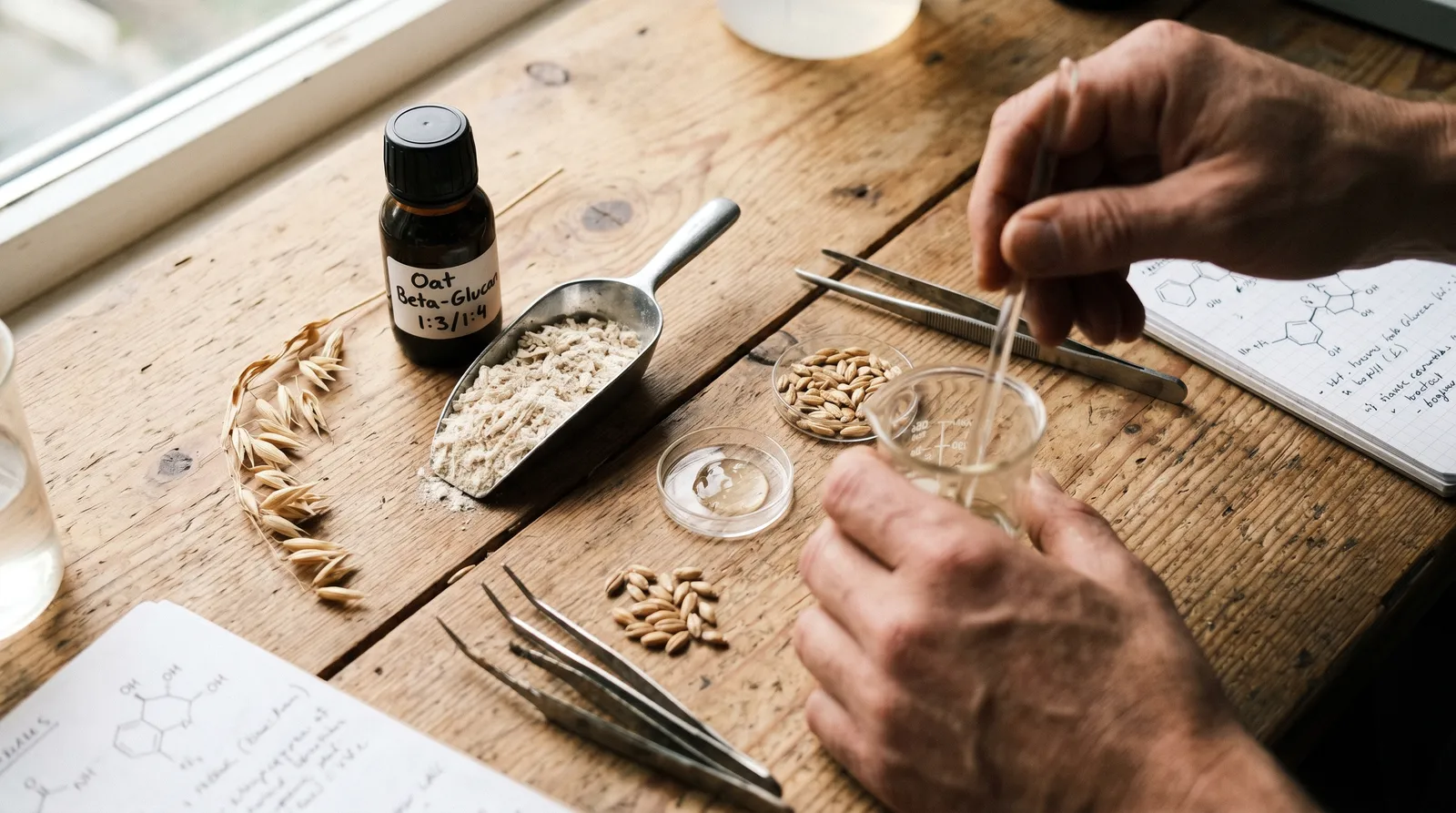
Beta-glucans are polysaccharides built from glucose units joined by β-glycosidic linkages, where the specific linkage pattern determines their biological behaviour entirely. Cereal beta-glucans — the kind in oats and barley — are predominantly β-(1→3)(1→4)-linked and are best known for their viscosity in the gut, which is the mechanism behind their association with cholesterol markers. Fungal beta-glucans are a different animal entirely: they feature a β-(1→3)-linked backbone with β-(1→6) side branches. This branching pattern is what gives mushroom-derived beta-glucans their distinctive interaction with immune-cell receptors, and it is the structural centrepiece of the beta-glucans bioactive framework.
The degree and frequency of that β-(1→6) branching varies between species and even between preparations of the same species. Lentinan from Lentinula edodes is a relatively high-molecular-weight β-(1→3)(1→6)-glucan. Grifolan from maitake (Grifola frondosa) shares the same linkage type but differs in molecular weight, branching frequency, and tertiary structure — the way the molecule folds in solution. PSK (polysaccharide-K, also called krestin) and PSP (polysaccharopeptide) from turkey tail (Trametes versicolor) are protein-bound polysaccharides, meaning they carry peptide residues attached to the glucan chain, which appears to affect both solubility and receptor interaction. According to Murphy et al. (2020), these structural variations across fungal species lead to measurably different immunomodulatory profiles in laboratory models, which is precisely why you cannot treat "beta-glucan" as a single uniform substance.
This matters practically. A product label stating "contains beta-glucans" tells you almost nothing about which structural type is present, at what molecular weight, or with what branching pattern. Two products with identical beta-glucan percentages by weight can contain structurally distinct molecules with different biological profiles.
The following table summarises key structural differences across the most commonly studied fungal beta-glucans within the beta-glucans bioactive framework:
| Source Species | Beta-Glucan Name | Linkage Type | Notable Features |
|---|---|---|---|
| Shiitake (Lentinula edodes) | Lentinan | β-(1→3)(1→6) | High molecular weight; triple-helix conformation |
| Maitake (Grifola frondosa) | Grifolan / D-fraction | β-(1→3)(1→6) | Different branching frequency; extensively studied in Japan |
| Turkey Tail (Trametes versicolor) | PSK / PSP | β-(1→3)(1→6) + peptide | Protein-bound; used in Japanese oncology protocols |
| Reishi (Ganoderma lucidum) | Various fractions | β-(1→3)(1→6) | Also contains triterpenes; dual extraction needed for full profile |
| Chaga (Inonotus obliquus) | Various fractions | β-(1→3)(1→6) | Lower beta-glucan content than often marketed; high melanin content |
How Beta-Glucans Interact with Immune Cells
Fungal beta-glucans activate innate immune responses primarily by binding to Dectin-1, a pattern-recognition receptor found on macrophages, dendritic cells, and neutrophils. Brown and Gordon (2001) identified Dectin-1 as a specific beta-glucan receptor on leukocytes, and subsequent work has mapped the signalling cascade that follows binding: activation of the Syk/CARD9 pathway, leading to NF-κB signalling and downstream cytokine production. This receptor-mediated activation is one of the best-characterised mechanisms within the beta-glucans bioactive framework.
In plainer terms: certain immune cells have surface receptors that recognise the β-(1→3)(1→6) branching pattern as a microbial signature. When a beta-glucan molecule docks onto Dectin-1, the cell responds as though it has detected a potential pathogen — not with a full inflammatory alarm, but with a kind of heightened readiness. In-vitro studies have observed increased macrophage phagocytosis, enhanced natural-killer-cell activity, and shifts in cytokine profiles (including TNF-α, IL-1β, and IL-6) following beta-glucan exposure. Complement receptor 3 (CR3) is another receptor involved, particularly for smaller beta-glucan fragments.
There is also a body of research on what is sometimes called "trained immunity" — the idea that innate immune cells can develop a form of immunological memory after beta-glucan exposure. Quintin et al. (2012) reported that monocytes pre-treated with β-glucan showed enhanced cytokine responses upon subsequent stimulation, mediated by epigenetic reprogramming at the level of histone methylation. This is a genuinely interesting finding, but it comes predominantly from in-vitro and animal-model work. Whether oral consumption of a mushroom extract at typical supplement doses produces the same epigenetic priming in human immune cells remains an open question — the gap between a controlled cell-culture experiment and a capsule taken with breakfast is substantial.
Dectin-1 Versus Complement Receptor 3
Within the beta-glucans bioactive framework, Dectin-1 and CR3 represent two distinct pathways of immune recognition. Dectin-1 responds primarily to particulate, high-molecular-weight beta-glucans and triggers direct cellular activation. CR3, by contrast, binds smaller, soluble beta-glucan fragments and primes neutrophils for complement-mediated responses. The practical implication is that the size and solubility of the beta-glucan molecules in a given product may influence which receptor pathway is predominantly engaged — another reason why extraction method and molecular weight matter.
Source Matters: Species and Preparation
The species of mushroom and the method of preparation are the two variables that most determine which beta-glucans — and how much of them — end up in any product you buy or order. This is not a minor footnote — it is the single most important consideration when evaluating a functional mushroom supplement within the beta-glucans bioactive framework.
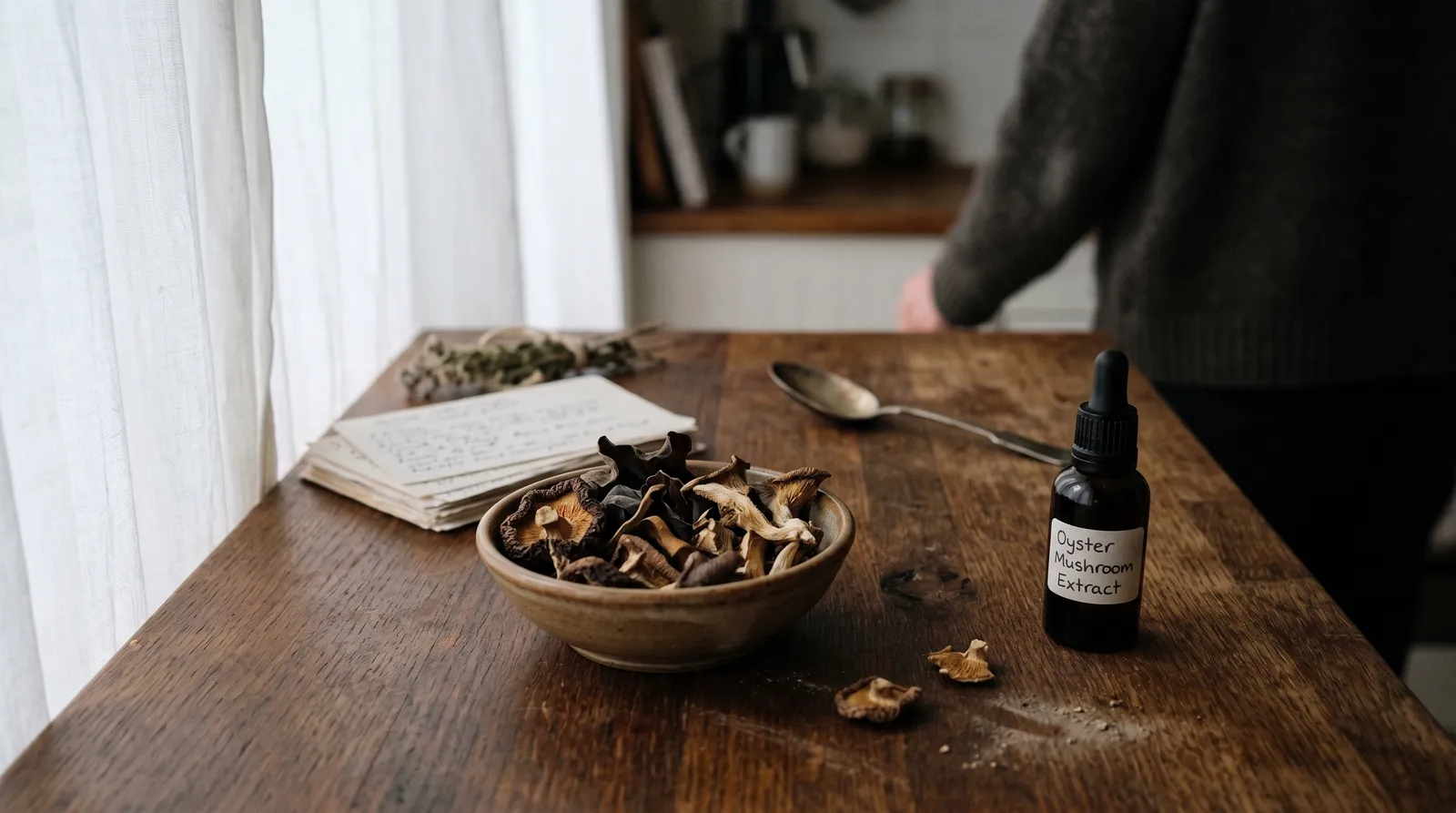
Hot-water extraction is the method that most closely resembles traditional decoction (boiling mushrooms for extended periods, as in classical TCM preparation). It concentrates water-soluble polysaccharides, including beta-glucans. Alcohol extraction concentrates triterpenes and sterols but leaves most polysaccharides behind. Dual extraction — hot water followed by alcohol, or a simultaneous process — captures both compound classes. When a study reports immune-modulating effects from a specific mushroom extract, the extraction method defines which molecules were present. A hot-water extract of reishi (Ganoderma lucidum) is a polysaccharide-rich preparation. An alcohol tincture of the same species is a triterpene-rich preparation. They are not interchangeable, and findings from one do not transfer to the other.
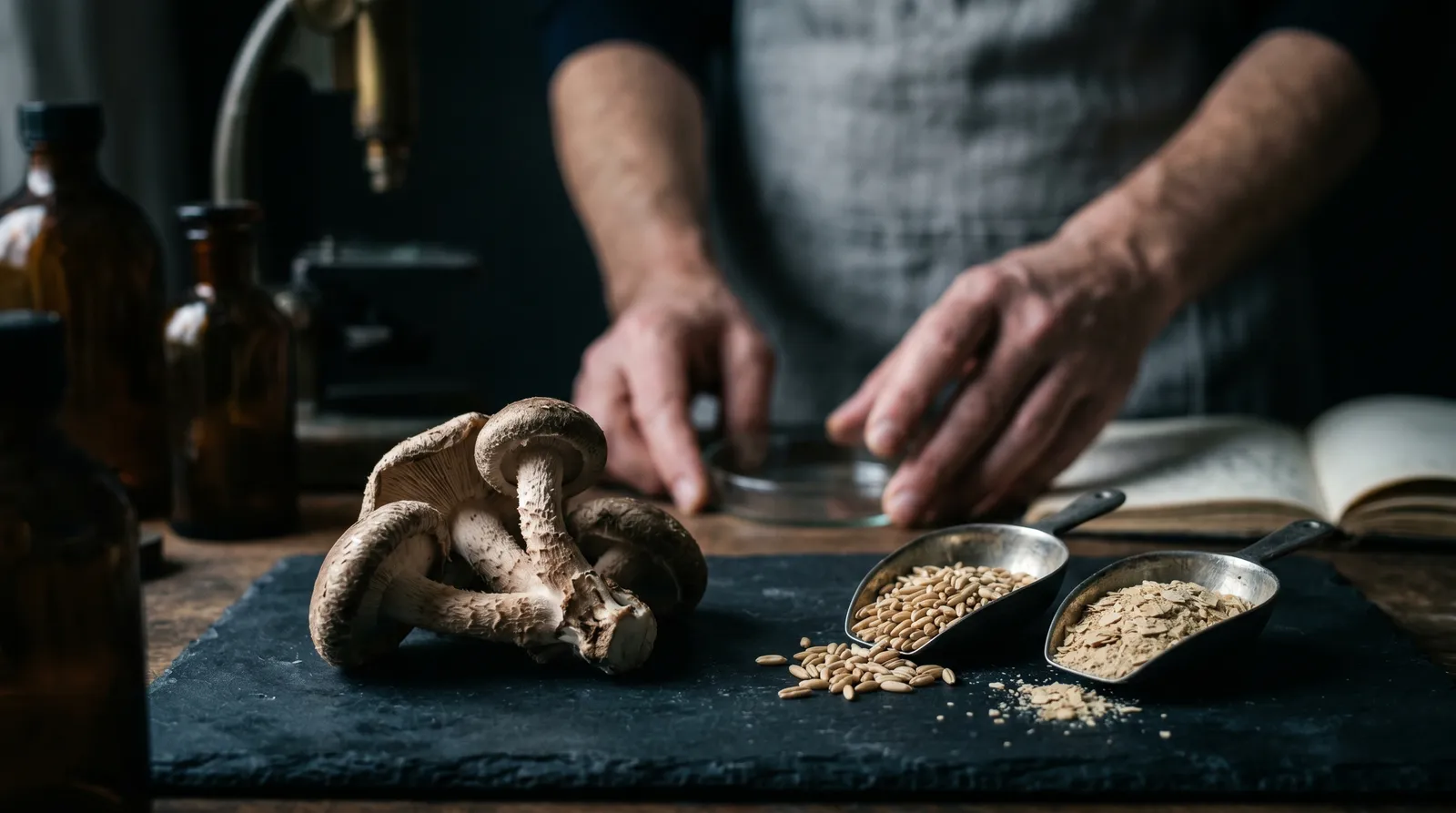
The mycelium-versus-fruiting-body distinction is equally critical. Many commercially available supplements use mycelium grown on grain substrates (typically rice or oats). The mycelium is harvested together with the grain it grew on, dried, and powdered. These mycelium-on-grain products typically contain substantially lower beta-glucan content than fruiting-body extracts, and higher starch content from the residual grain — starch that some testing methods can misidentify as beta-glucan if they measure total polysaccharides rather than specifically β-(1→3)(1→6)-glucans. The Megazyme assay, which uses specific enzymatic hydrolysis, distinguishes genuine beta-glucans from starch; not all manufacturers use it.
Key factors to evaluate when choosing a beta-glucan product:
- Whether the product uses fruiting body, mycelium-on-grain, or a combination
- The extraction method (hot-water, alcohol, or dual extraction)
- Whether beta-glucan content is verified using the Megazyme assay or a comparable specific method
- The species used — different species produce structurally distinct beta-glucans
- Whether the stated percentage refers to β-(1→3)(1→6)-glucans specifically or total polysaccharides (which may include starch)
Some producers defend mycelium-on-grain preparations on the grounds that they contain a broader spectrum of metabolites (the "full-spectrum biomass" argument), while beta-glucan-focused researchers argue that the fruiting body is the material most traditional preparations and most published studies actually used. This is a live industry debate, and honest evaluation of any product requires knowing which side of it the product sits on.
What the Research Shows — and Where It Stops
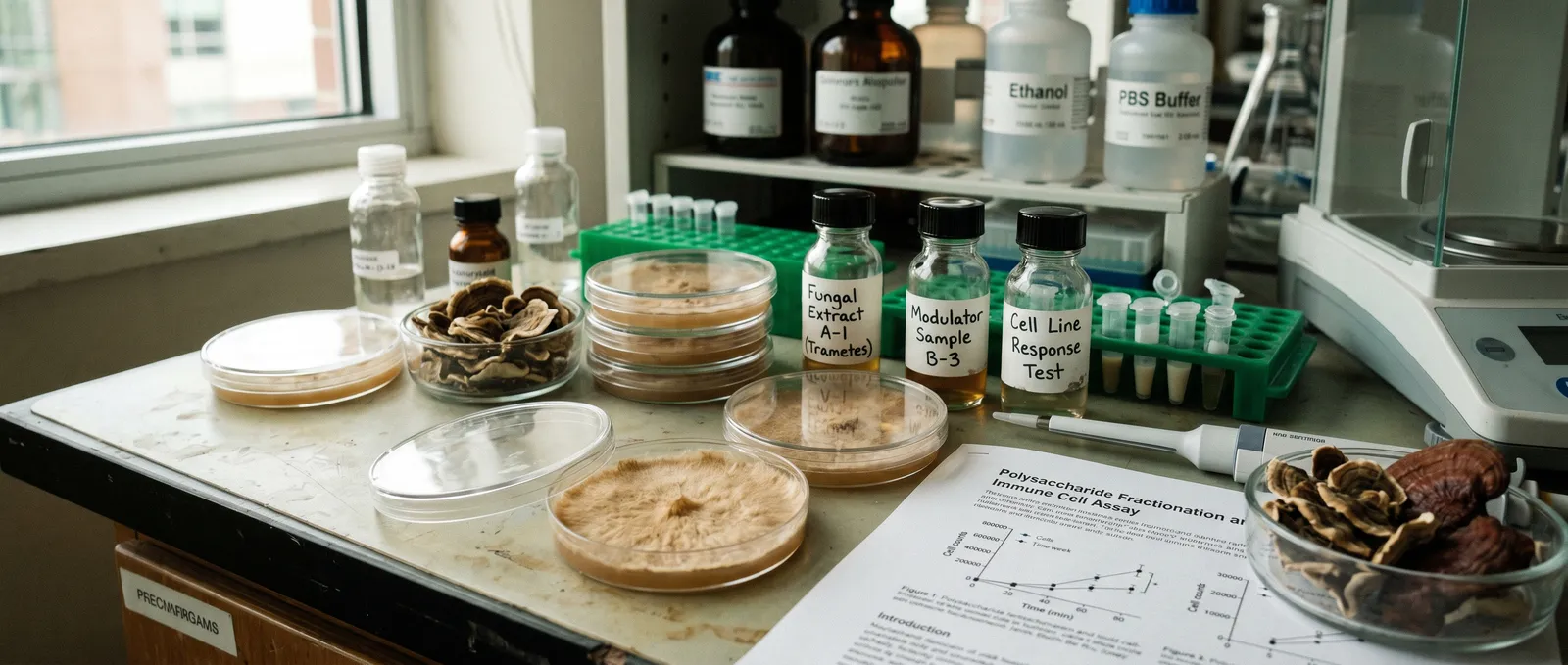
The strongest evidence for fungal beta-glucan immune modulation comes from in-vitro and animal-model studies, while human clinical data remains more limited and more mixed. Measurable effects on macrophage activation, natural-killer-cell cytotoxicity, and cytokine profiles have been reported across dozens of studies using isolated polysaccharide fractions from multiple species — lentinan, grifolan, schizophyllan, PSK, and PSP among the most studied. This is the strong end of the evidence base within the beta-glucans bioactive framework.
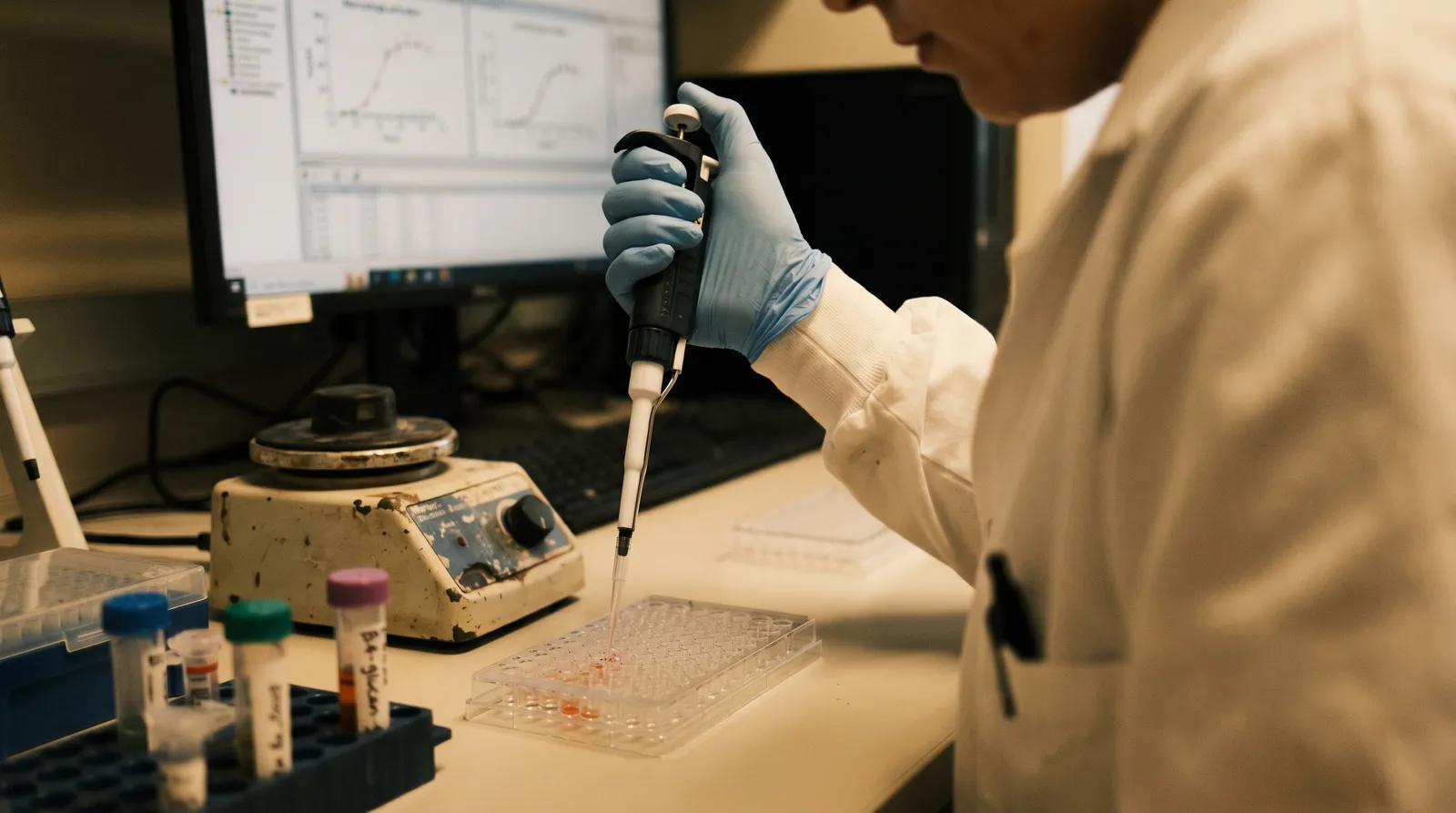
Vetvicka and Vetvickova (2014) reviewed clinical trials on orally administered beta-glucans and found evidence of immune-marker modulation, but noted significant heterogeneity in study design, preparation type, dosage, and outcome measures. Some trials used pharmaceutical-grade isolated fractions (particularly PSK in Japanese oncology research from the 1980s and 1990s); others used commercial whole-mushroom supplements. Transferring the results of a study using intravenously administered lentinan in a hospital oncology ward onto an over-the-counter shiitake capsule is not scientifically valid — the preparation, dose, route of administration, and patient population are entirely different.
Dosing is another area where the data is fragmented. Published clinical studies have used widely varying doses depending on the species, preparation, and indication being investigated. There is no universally agreed-upon standard dose for "beta-glucan supplementation" because the term covers too many structurally distinct molecules from too many sources in too many formats. Research doses of isolated lentinan in oncology contexts, for instance, bear no relationship to the beta-glucan content of a typical reishi capsule.
The bioavailability question is also genuinely unresolved. Beta-glucans are large polysaccharide molecules. Whether they survive digestion intact, are absorbed through the gut mucosa, or exert their effects primarily through interaction with gut-associated lymphoid tissue (Peyer's patches and M-cells in the intestinal wall) is still being investigated. Rice et al. (2005) demonstrated that orally administered particulate beta-glucan could be taken up by macrophages in the gut and transported to lymph nodes and bone marrow in a mouse model, but extrapolating murine gut pharmacokinetics to humans requires caution — the data specifically supporting oral bioavailability in humans at typical supplement doses remains limited. The EMCDDA and Beckley Foundation have noted similar evidence gaps in the broader area of bioactive compound research, underscoring that rigorous human pharmacokinetic data is still needed.
Comparing Beta-Glucan Sources: What Sets Fungi Apart
Fungal beta-glucans are structurally and functionally distinct from cereal and yeast-derived beta-glucans, differing in both linkage pattern and studied biological effects. While oat beta-glucans (β-(1→3)(1→4)-linked) have strong evidence for cholesterol reduction via gut viscosity — a mechanism that has nothing to do with immune modulation — and yeast beta-glucans (from Saccharomyces cerevisiae) share the β-(1→3)(1→6) linkage pattern with fungal sources, mushroom-derived beta-glucans offer additional complexity through their co-occurrence with other bioactive compounds: triterpenes in reishi, erinacines in lion's mane, and melanin complexes in chaga. This co-occurrence of multiple compound classes is what makes the fungal branch of the beta-glucans bioactive framework particularly rich.
The following table compares the three main beta-glucan source categories side by side:
| Source Category | Primary Linkage | Main Studied Effect | Key Distinction |
|---|---|---|---|
| Cereal (oats, barley) | β-(1→3)(1→4) | Cholesterol reduction via gut viscosity | No immune-receptor interaction; linear structure |
| Yeast (Saccharomyces cerevisiae) | β-(1→3)(1→6) | Immune modulation via Dectin-1 | Shared linkage with fungi; no co-occurring triterpenes or erinacines |
| Fungi (mushroom species) | β-(1→3)(1→6) | Immune modulation; species-specific additional effects | Co-occurrence with triterpenes, erinacines, melanin; greatest structural diversity |
An honest limitation: We should be transparent about what we do not know — and what the entire industry does not know. No one has yet conducted large-scale, long-term, placebo-controlled human trials that definitively establish optimal dosing for any specific fungal beta-glucan in healthy populations. The most compelling clinical data comes from Japanese oncology research on PSK as an adjunctive therapy — a very specific context that does not generalise to daily wellness supplementation. Anyone who tells you otherwise is selling certainty that the science has not yet delivered.
Safety Considerations and Interactions
Beta-glucan-rich mushroom extracts carry the most significant drug-interaction concerns in the functional mushroom category due to their proposed mechanism of immune-cell activation. Because the proposed mechanism of action involves immune-cell activation and cytokine modulation, there is a direct theoretical conflict with immunosuppressive therapy. Anyone taking immunosuppressants — methotrexate, tacrolimus, ciclosporin, corticosteroids — should not combine them with concentrated beta-glucan supplements without clinical guidance, because the mechanisms work in direct opposition.
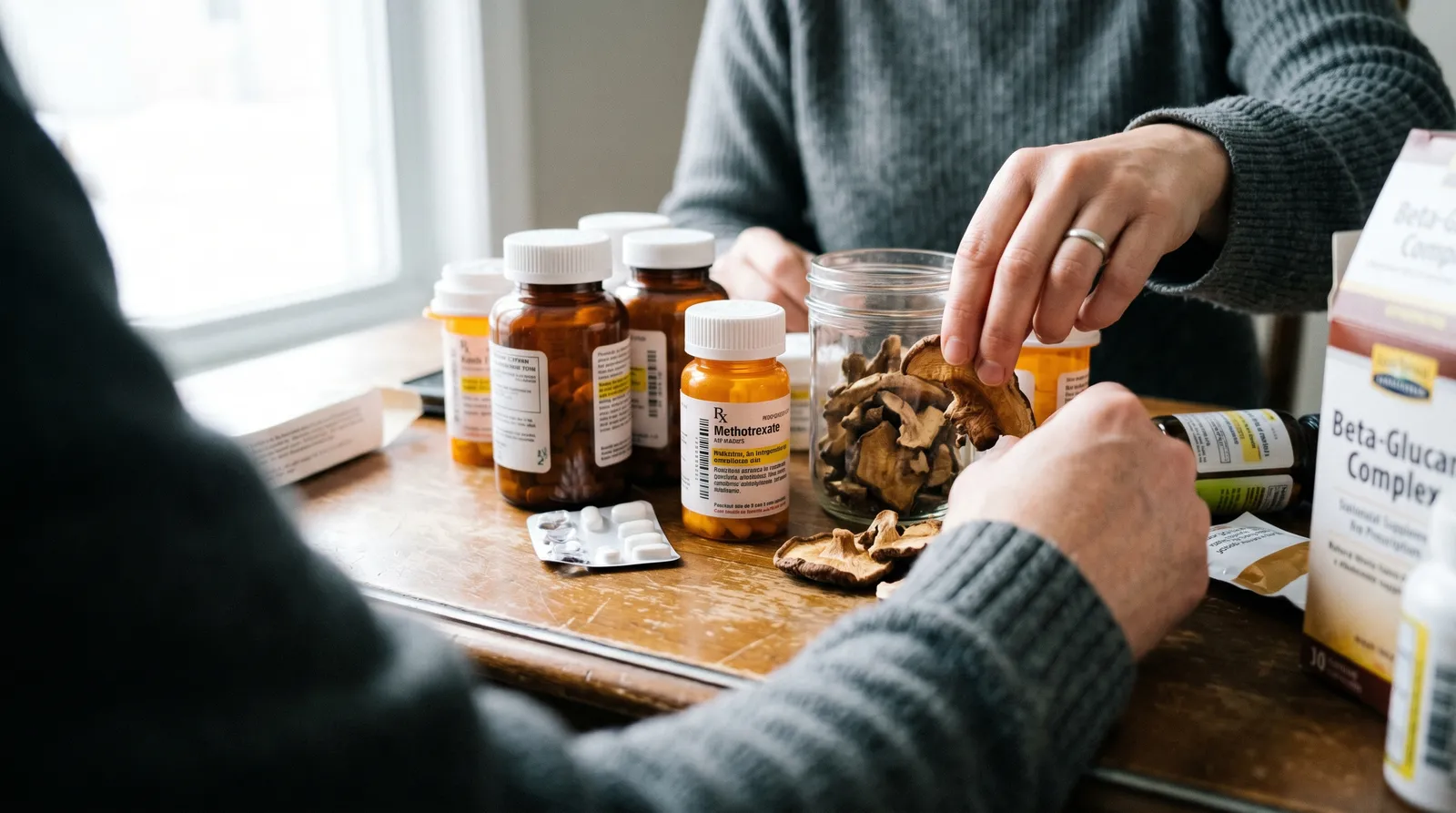
The same logic applies to autoimmune conditions. If a person's immune system is already inappropriately activated, adding a compound that further stimulates innate immune responses is a legitimate concern. The clinical evidence on this specific interaction is thin, but the theoretical basis is sound enough to warrant caution. Reishi specifically carries additional interaction risks: in-vitro studies have observed antiplatelet and anticoagulant effects from Ganoderma lucidum triterpenes, which may compound the effects of warfarin, apixaban, rivaroxaban, and other blood thinners. Anyone on prescription medication — particularly anticoagulants, immunosuppressants, antihypertensives, or hypoglycaemic agents — should speak with a prescriber before adding concentrated mushroom extracts.
Where to Learn More and What to Get
For a deeper look at how individual species differ in their beta-glucans bioactive framework profiles and other bioactive compounds, the per-species wiki articles on lion's mane, reishi, turkey tail, maitake, and shiitake each address the specific polysaccharide fractions relevant to that organism. The wiki article on extraction methods and bioavailability explores how processing choices affect which compounds reach you in the final product. Our blog post on reading mushroom supplement labels walks through how to interpret beta-glucan percentages and assay methods on product packaging.

If you want to get or buy functional mushroom extracts, the Azarius product pages for Lion's Mane Extract, Reishi Extract, Turkey Tail Extract, and Chaga Extract list verified beta-glucan content where available. You can also order sample sizes of most extracts to compare species and preparations before committing to a larger quantity. For those interested in the broader category, our functional mushrooms collection page groups all available species and formats in one place.
Disclaimer: This article is for informational purposes only and does not constitute medical advice. Functional mushroom supplements are not intended to diagnose, treat, cure, or prevent any disease. Always consult a qualified healthcare professional before using mushroom extracts, especially if you are pregnant, nursing, taking medication, or managing a health condition.
Last updated: April 2026
Frequently Asked Questions
10 questionsAre beta-glucans from mushrooms the same as beta-glucans from oats?
Why does extraction method affect beta-glucan content?
Can starch be mistaken for beta-glucan on supplement labels?
Do orally consumed beta-glucans survive digestion?
Why can't findings from isolated beta-glucan fractions be applied to whole-mushroom supplements?
What should I look for when I buy a beta-glucan supplement?
Does the molecular weight of beta-glucans affect their biological activity?
What is the difference between protein-bound and free beta-glucans in mushrooms?
How are beta-glucan levels measured in mushroom products?
Do different mushroom species contain structurally different beta-glucans?
About this article


Adam Parsons is an external cannabis and psychedelics writer and editor who contributes to Azarius's wiki as both author and reviewer. On the writing side, he authors Azarius's kratom and kanna clusters, drawing on exten
This wiki article was drafted with AI assistance and reviewed by Adam Parsons, External contributor. Editorial oversight by Joshua Askew.
Medical disclaimer. This content is for informational purposes only and does not constitute medical advice. Consult a qualified healthcare provider before use of any substance.
Last reviewed April 24, 2026
References (3)
- [1]Brown, G. D., & Gordon, S. (2003). Fungal β-glucans and mammalian immunity. Immunity, 19(3), 311-315. DOI: 10.1016/S1074-7613(03)00233-4
- [2]Chan, G. C., Chan, W. K., & Sze, D. M. (2009). The effects of β-glucan on human immune and cancer cells. Journal of Hematology & Oncology, 2(1), 25. DOI: 10.1186/1756-8722-2-25
- [3]Vetvicka, V., Vannucci, L., & Sima, P. (2014). The effects of β-glucan on fish immunity. North American Journal of Medical Sciences, 6(11), 580-588. DOI: 10.4103/1947-2714.145489
Related Articles

Medicinal Mushrooms TCM Western Pharmacognosy Guide
Guide to medicinal mushrooms TCM Western pharmacognosy — how reishi, lion's mane, cordyceps are classified, extracted, and studied.
Research on Immune Modulation by Functional Mushrooms
What does research on immune modulation by functional mushrooms actually show? Beta-glucans, Dectin-1 signalling, human trials, and the honest gap...
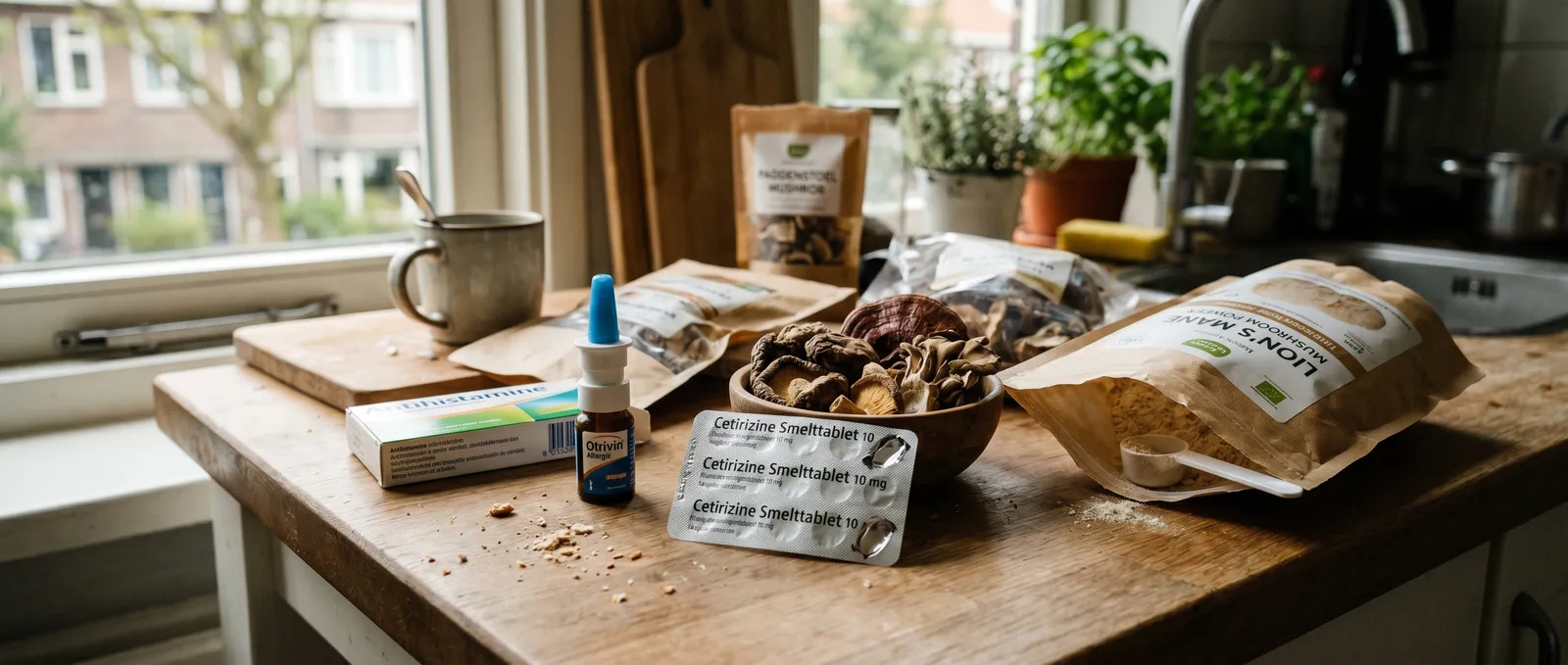
Allergic Reactions & Mushroom Sensitivities
Understand allergic reactions and mushroom sensitivities: mould cross-reactivity, shiitake dermatitis, species-specific risks, and safer product…
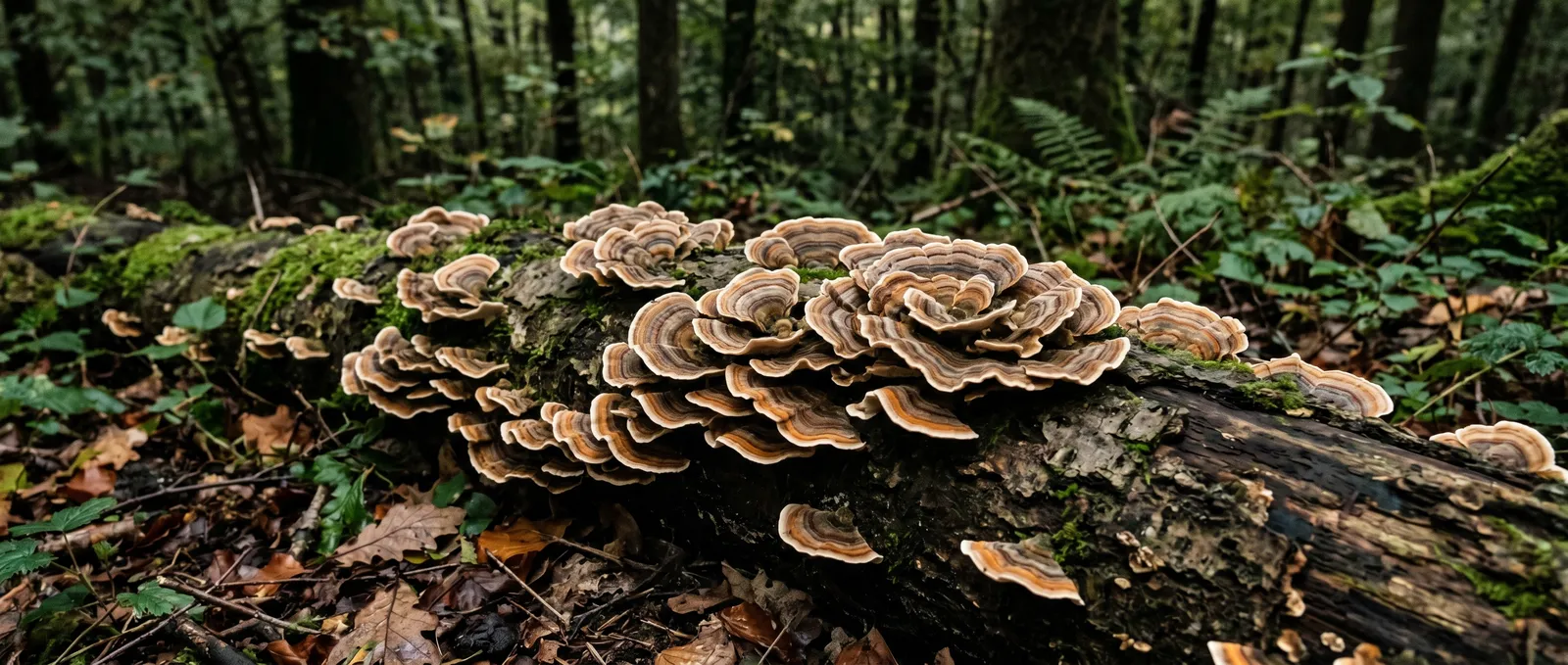
Turkey Tail Trametes versicolor — Buy Supplements
Buy turkey tail Trametes versicolor supplements at Azarius. PSK and PSP evidence, beta-glucan dosage, extraction methods, and safety.
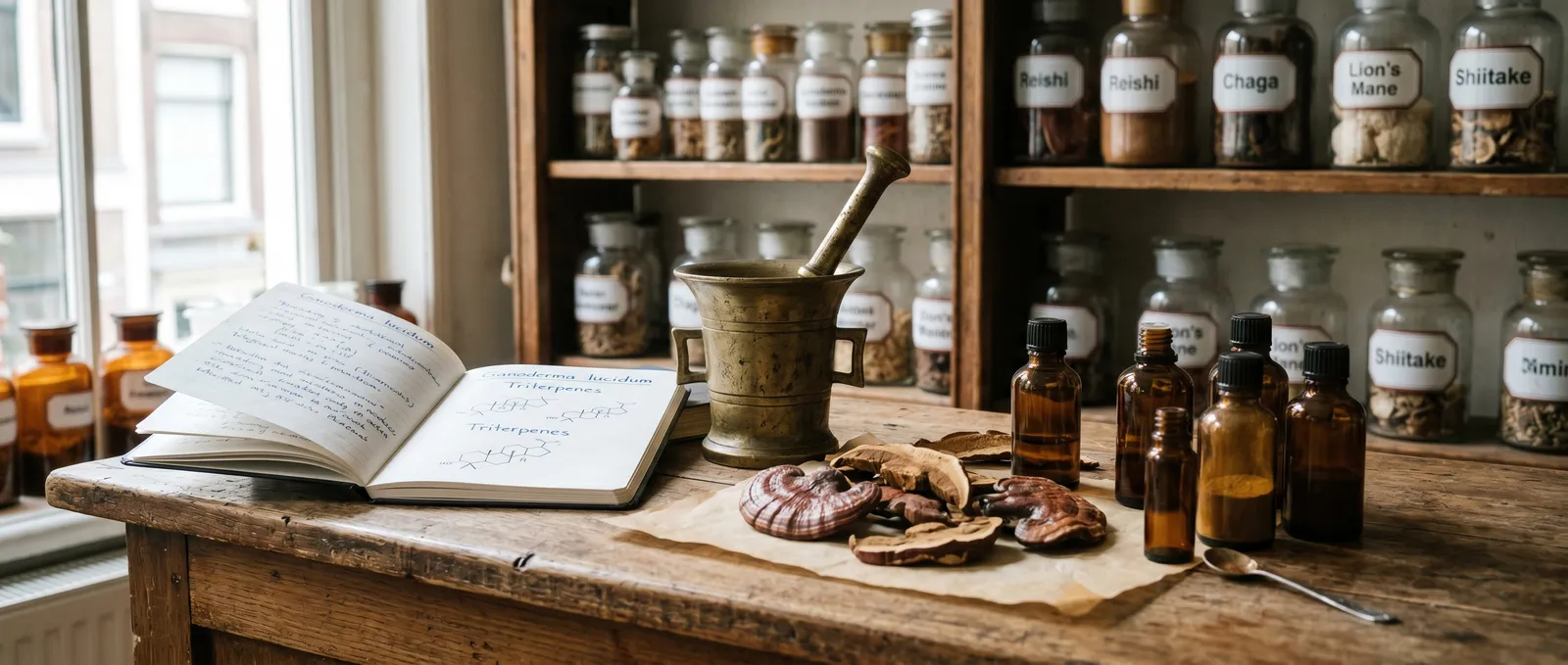
Triterpenes In Medicinal Mushrooms
Triterpenes in medicinal mushrooms are a class of 30-carbon terpenoid compounds produced as secondary metabolites by several functional mushroom species…
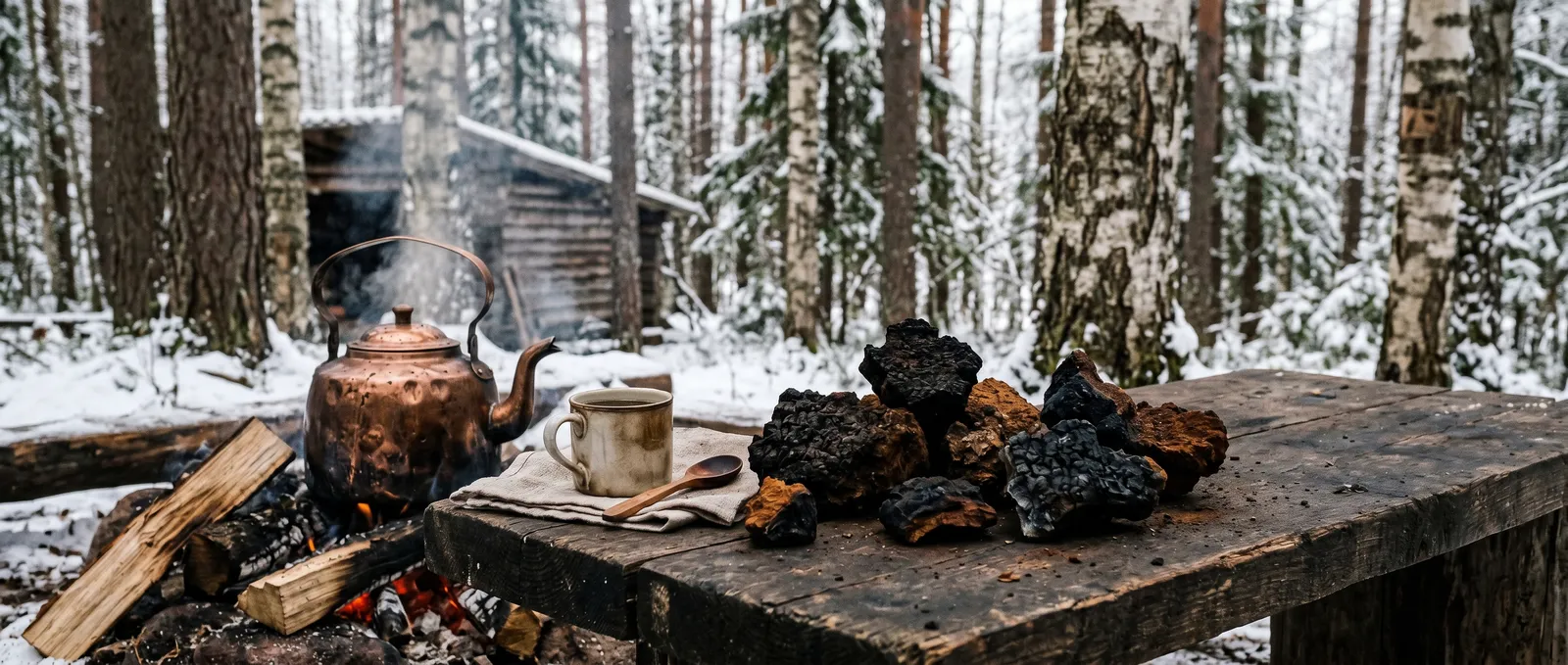
Chaga Siberian Nordic Folk Use
Chaga Siberian Nordic folk use is a centuries-old tradition in which indigenous Siberians and Nordic communities brewed the birch-parasitising fungus…
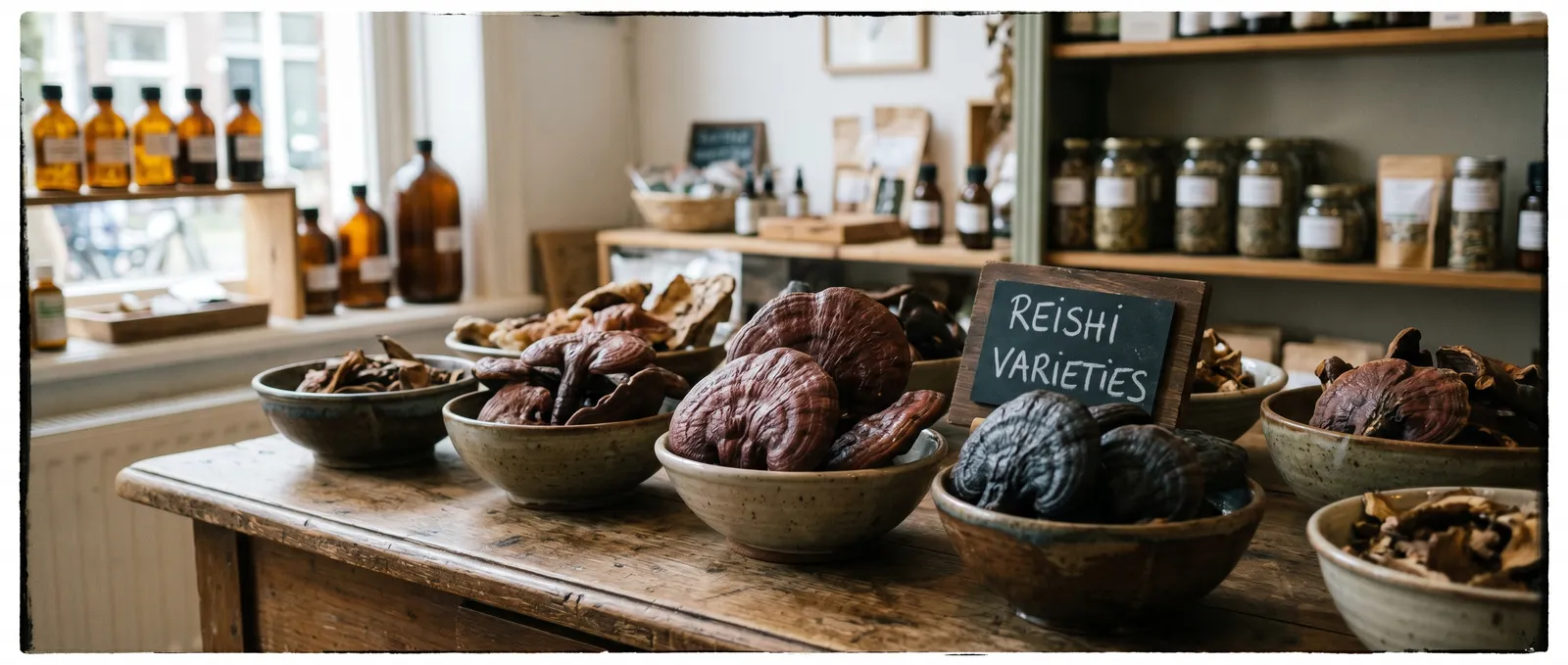
Red and Black Reishi Varieties
Red reishi (Ganoderma lucidum) and black reishi (Ganoderma sinense) both fall under the lingzhi umbrella in traditional Chinese medicine, but they differ in…
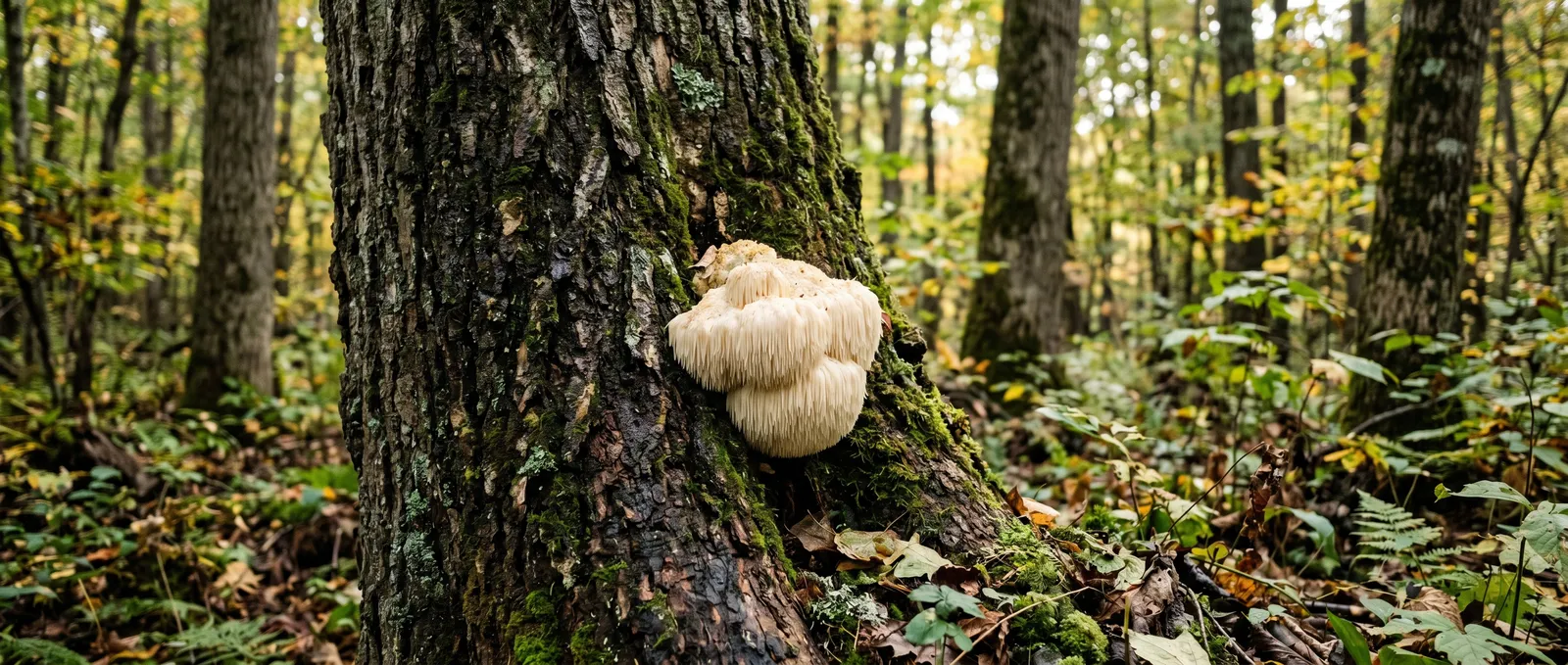
Lion's Mane Identification & Habitat
Hericium erinaceus is a tooth fungus that fruits as a single white, spine-covered mass on wounded or dead hardwood trees.
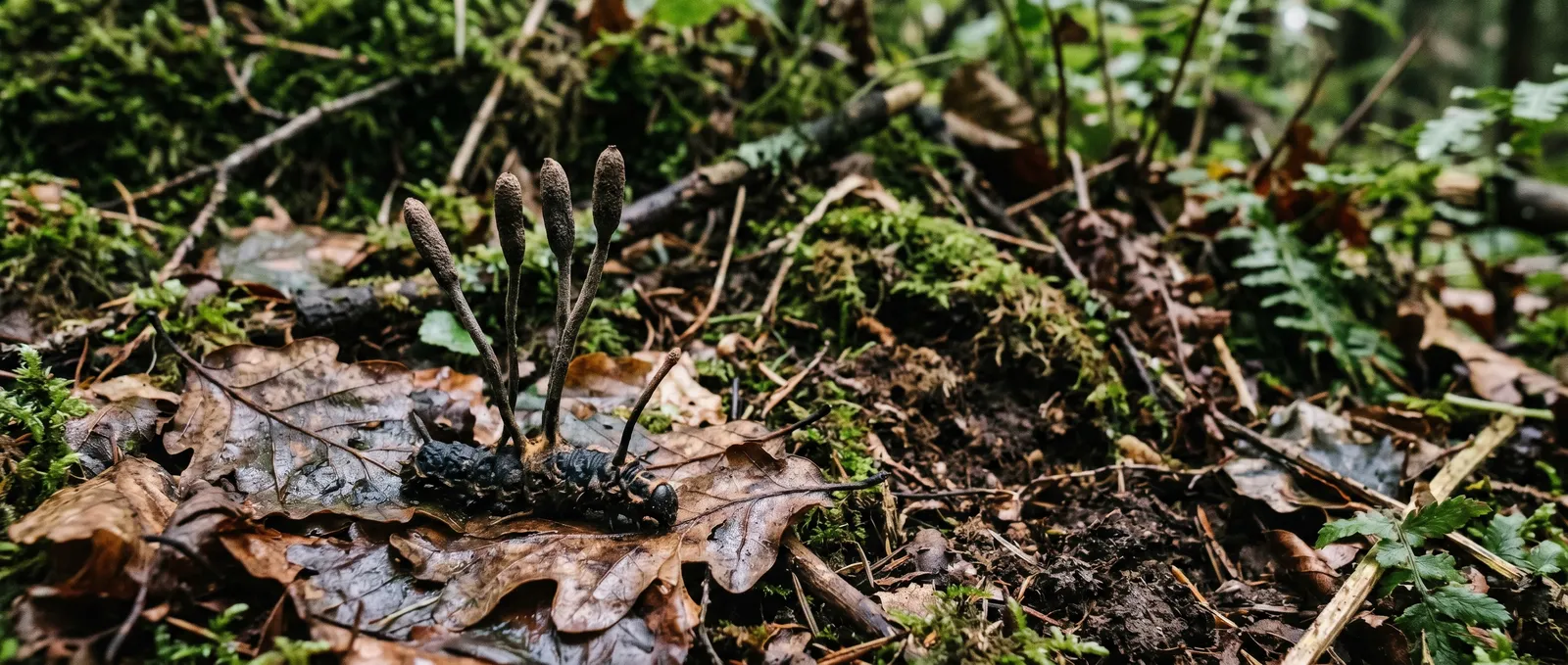
Cordyceps Lifecycle
The cordyceps lifecycle is a parasitic biological sequence in which a fungus infects an insect host, colonises its body from within, and erupts as a…