
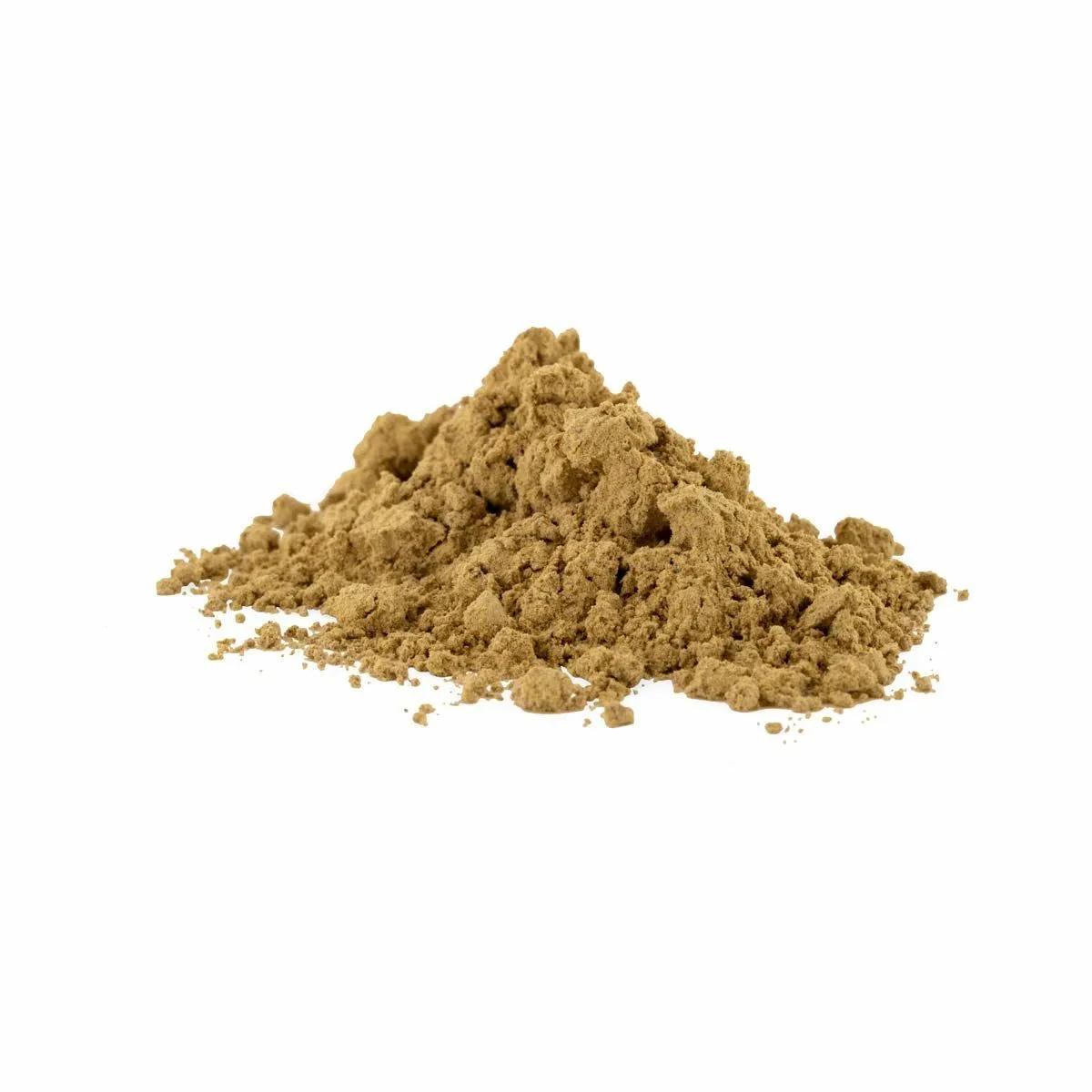
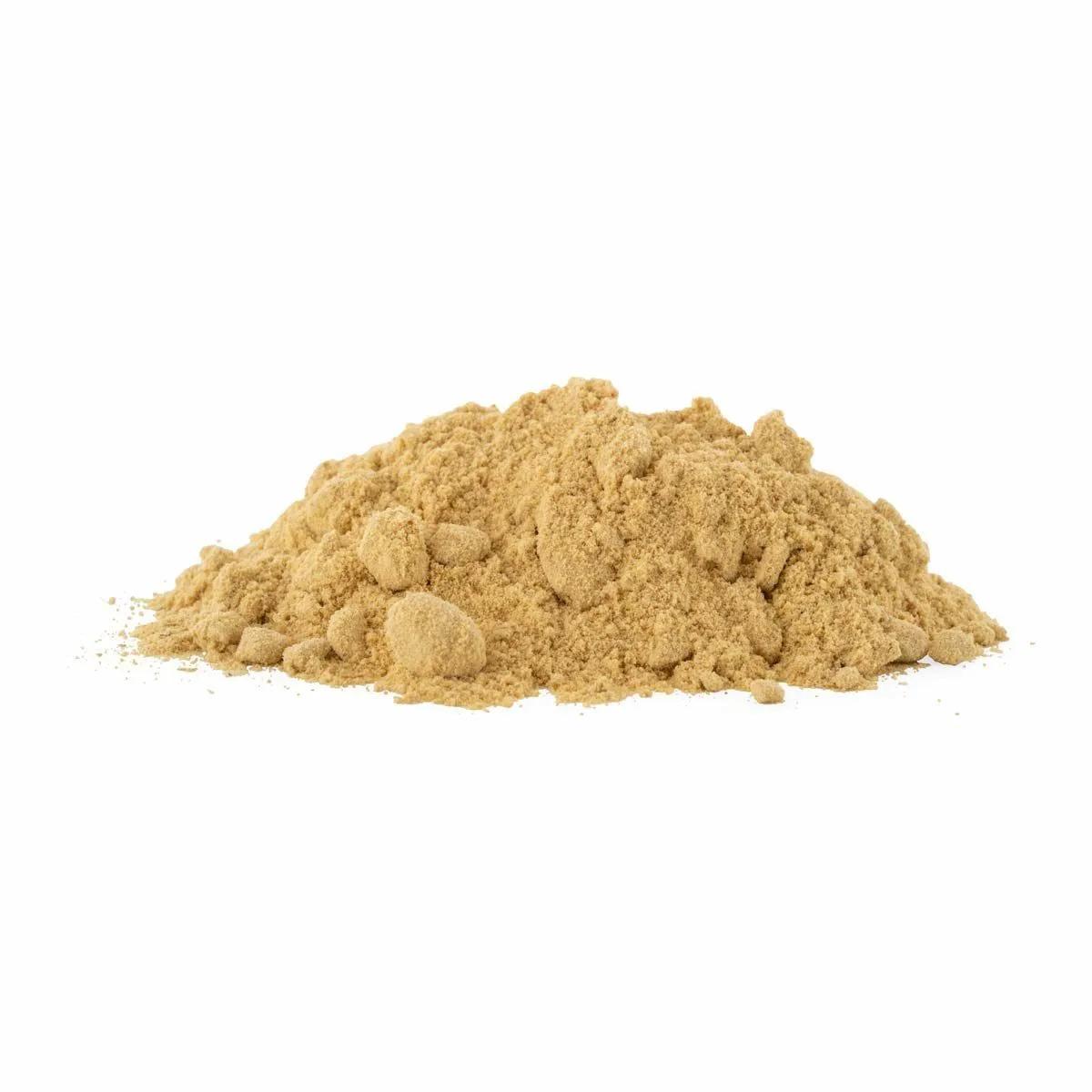
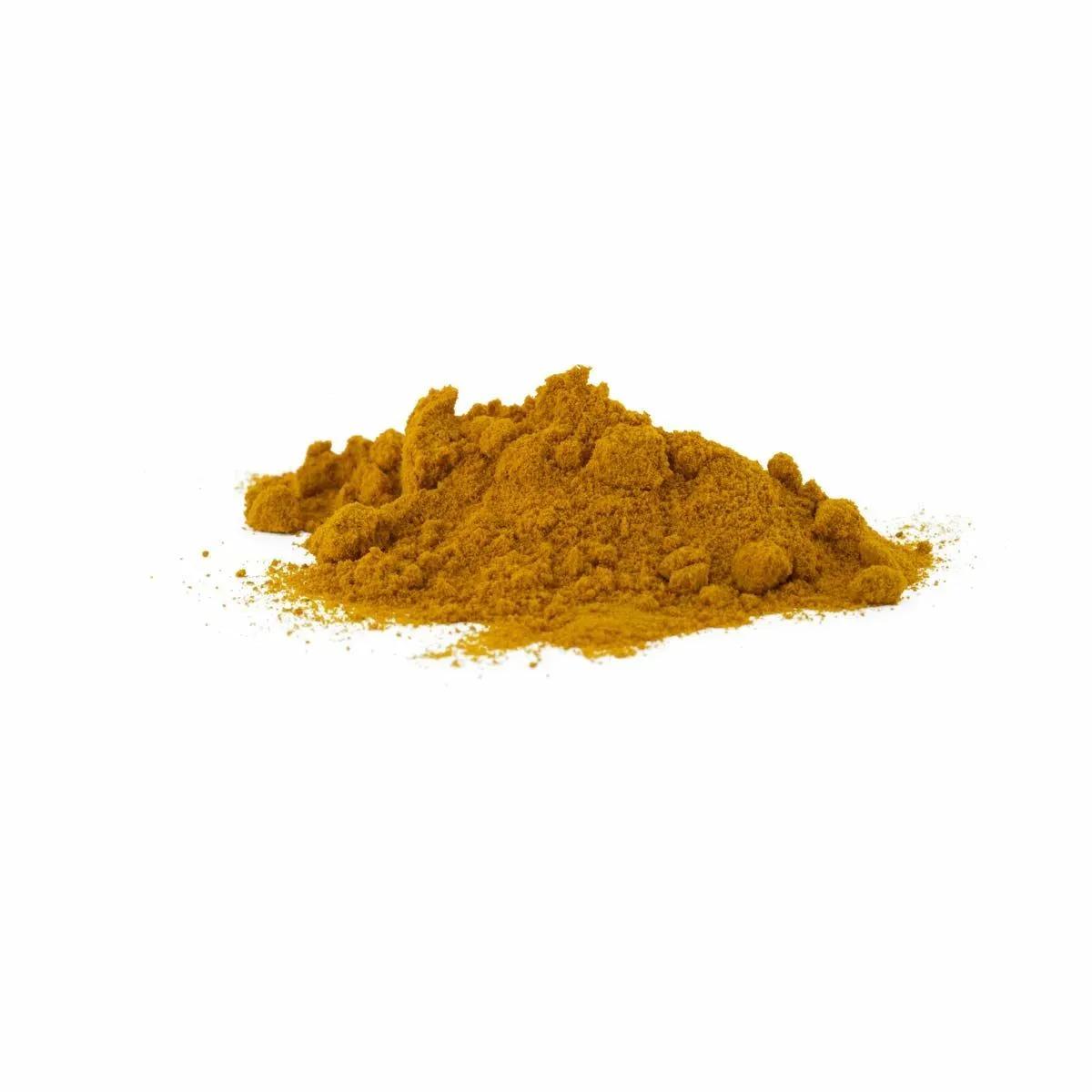
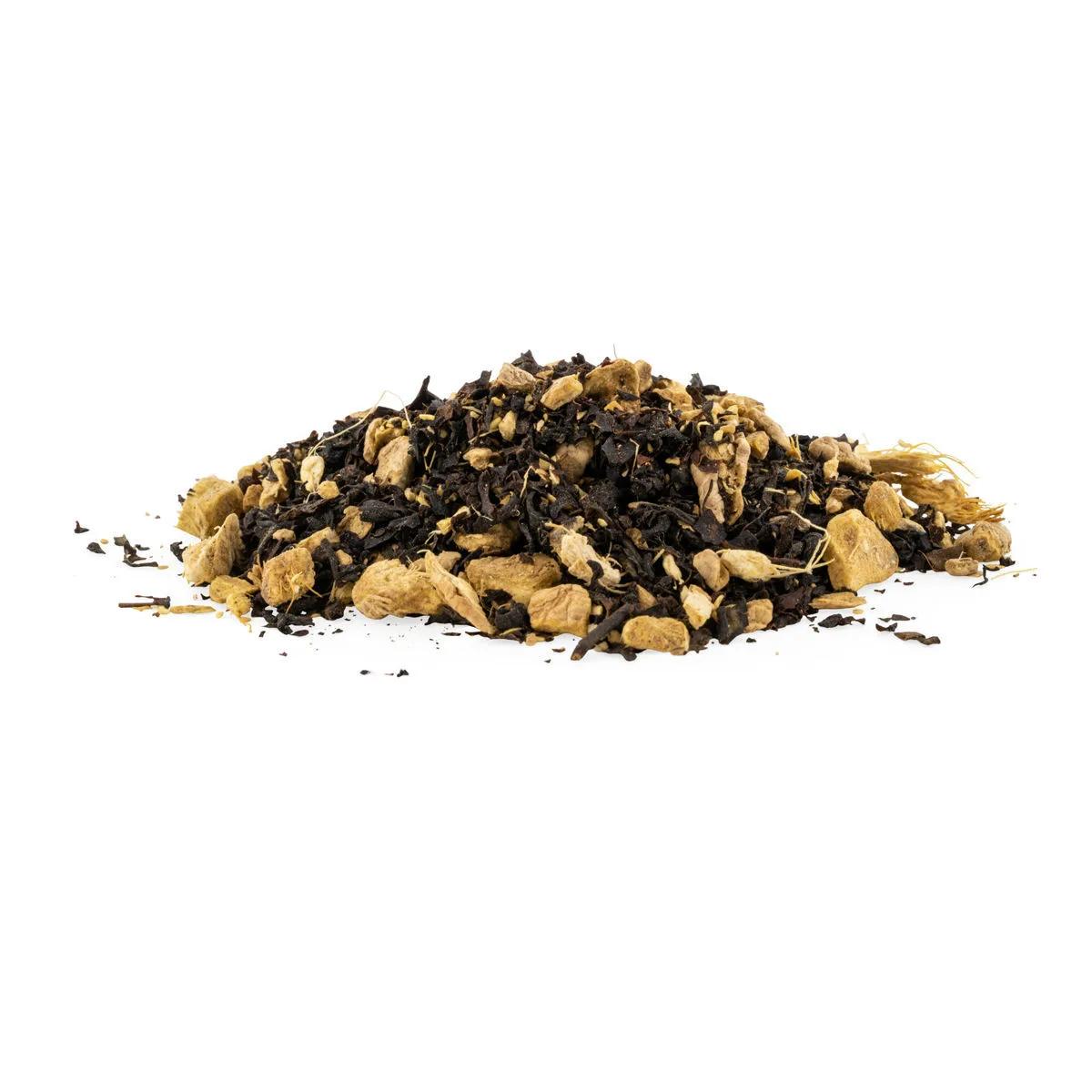
Digestion support herbs and supplements are botanical and enzyme-based products that help your gut do what it's meant to do — break down food, move it through, and keep the post-meal heaviness at bay. We carry a tight range of traditional Ayurvedic powders, carminative tea blends, and bitter-warming roots you can brew or stir into food. Shop digestive support at Azarius — running since 1999, shipped across the EU.
Digestion Supplements & Digestive Support Herbs — A Buyer's Guide
If your gut's grumbling after dinner or things aren't moving the way they used to, the classic herbal toolkit is split into three jobs: bitters that wake up your stomach before you eat, carminatives that settle gas and bloating after, and regularity support for the longer game. Azarius stocks a focused selection across all three — no 40-SKU wall of capsules, just the stuff that's stood the test of several thousand years and a few clinical trials.
Quick honest take: most people don't need a fancy enzyme blend. They need a bitter before meals and a warm carminative tea after. Start there.
Which digestive herb for which problem?
| Product | Traditional category | Best for | When to take |
|---|---|---|---|
| Triphala Powder Organic | Mild laxative / tonic (Ayurveda) | Bowel regularity, daily gut tonic | Evening, on an empty stomach |
| Ginger Germ-Reduced Powder Organic | Carminative / warming | Post-meal heaviness, nausea, cold stomach | After meals or in tea |
| Turmeric Powder Organic | Warming digestive (Ayurveda) | Sluggish digestion, heavy meals | Cooked into food or golden milk |
| Top Fit! Tea | Carminative blend (fennel, star anise, chamomile) | Bloating, gas, post-meal settling | 10–20 minutes after eating |
| Ginger Chai Tea | Warming carminative + caffeine | Morning sluggishness, slow gut | Morning or mid-afternoon |
Choosing by job (bloating vs regularity vs post-meal heaviness) is more useful than choosing by brand or hero compound. Figure out the problem first, then pick the herb.
Bitters, carminatives, and the before-vs-after question
Bitters are herbs you taste before a meal to stimulate gastric secretion — saliva, stomach acid, bile. That's the traditional framing, and it lines up with what the research calls the cephalic phase of digestion. In our range, triphala leans bitter-astringent; you'd take it well away from food as a tonic, not as a pre-meal aperitif. If you want true pre-meal bitter action, that's a gap in our current shelf — we'd rather you knew than pretended otherwise.
Carminatives are the after-dinner crew. Fennel, star anise, chamomile, peppermint, ginger — they help settle gas and relax the gut wall. Top Fit! Tea is built around exactly this combination: fennel and star anise for depth, chamomile and rose to smooth, rosemary on the finish. Brew it loose-leaf, 10 minutes, after you've eaten too much. Ginger Chai does a similar job with more bite and a caffeine kick from the black tea base — better if your digestion runs cold and slow.
Ayurvedic powders — triphala and turmeric
Triphala is the one herbal product we'd put in the "start here" slot for general gut support. It's three dried Indian fruits — amla, bibhitaki, haritaki — ground together, and in Ayurvedic practice it's used as a daily tonic for bowel regularity. Traditionally taken in warm water before bed. The taste is famously rough (five of the six traditional tastes in one mouthful), so capsules exist for a reason, but the loose powder is what we stock.
Turmeric is the other Ayurvedic staple. Curcuma longa rhizome, steam-sterilised, sourced from Indian farms. It's traditionally used as a warming digestive — stirred into dal, simmered in golden milk with black pepper and a bit of fat (the curcumin absorbs better that way). Not a quick fix for acute bloating; this one's for cooking into your regular meals.
How to choose your digestion support
If this is your first time buying digestive support herbs, the honest starter kit looks like this: Top Fit! Tea for post-meal bloating, triphala powder for regularity, and ginger powder in the cupboard for the nights you ate something that isn't sitting right. That covers maybe 80% of everyday digestive gripes without needing a single capsule.
If you're already running a kitchen that uses spices seriously, the organic turmeric and ginger germ-reduced powders are the upgrades — germ-reduced ginger in particular gives you a cleaner, sweeter flavour and a lower microbial load for raw use in smoothies or yoghurt. When in doubt, order triphala and Top Fit! Tea and build from there.
What about digestive enzyme supplements?
Digestive enzyme capsules (amylase, protease, lipase blends) aren't something we currently stock — our shelf is herbal and Ayurvedic, not supplemental enzyme blends. If you've got a diagnosed insufficiency, that's a conversation with your GP, not a shop purchase. For the everyday "I ate too much" situation, a bitter-carminative approach (Top Fit! Tea, ginger, triphala) does the job your enzymes need a nudge to finish.
Frequently Asked Questions
What's the best herb to buy for post-meal bloating?
Fennel-based carminative teas are the traditional go-to — our Top Fit! Tea combines fennel, star anise, chamomile, and rose for exactly this. Brew loose-leaf for 10 minutes and drink 15–20 minutes after eating.
When should I take triphala for bowel regularity?
Traditionally taken in the evening on an empty stomach, stirred into warm water. Start with half a teaspoon — the taste is intense, and your gut responds better to a gentle introduction than a loading dose.
Can I take turmeric and ginger together?
Yes — they're classic companions in Ayurvedic cooking and both are warming digestives. Golden milk (turmeric, ginger, black pepper, milk or plant milk) is the traditional format. The pepper and fat help curcumin absorption.
Do you sell digestive enzyme supplements?
Not currently. Our digestion range is herbal — bitters, carminatives, and Ayurvedic powders. For general post-meal comfort and regularity, the herbal route usually does the job without needing enzyme capsules.
Is ginger chai better than plain ginger tea for digestion?
Depends what you're after. Ginger Chai Tea adds black tea (and caffeine) for a morning pick-up with digestive warmth. Plain germ-reduced ginger powder in hot water is cleaner and caffeine-free — better after dinner or if caffeine disagrees with you.
Last updated: April 2026