
Tremella Fuciformis
Definition
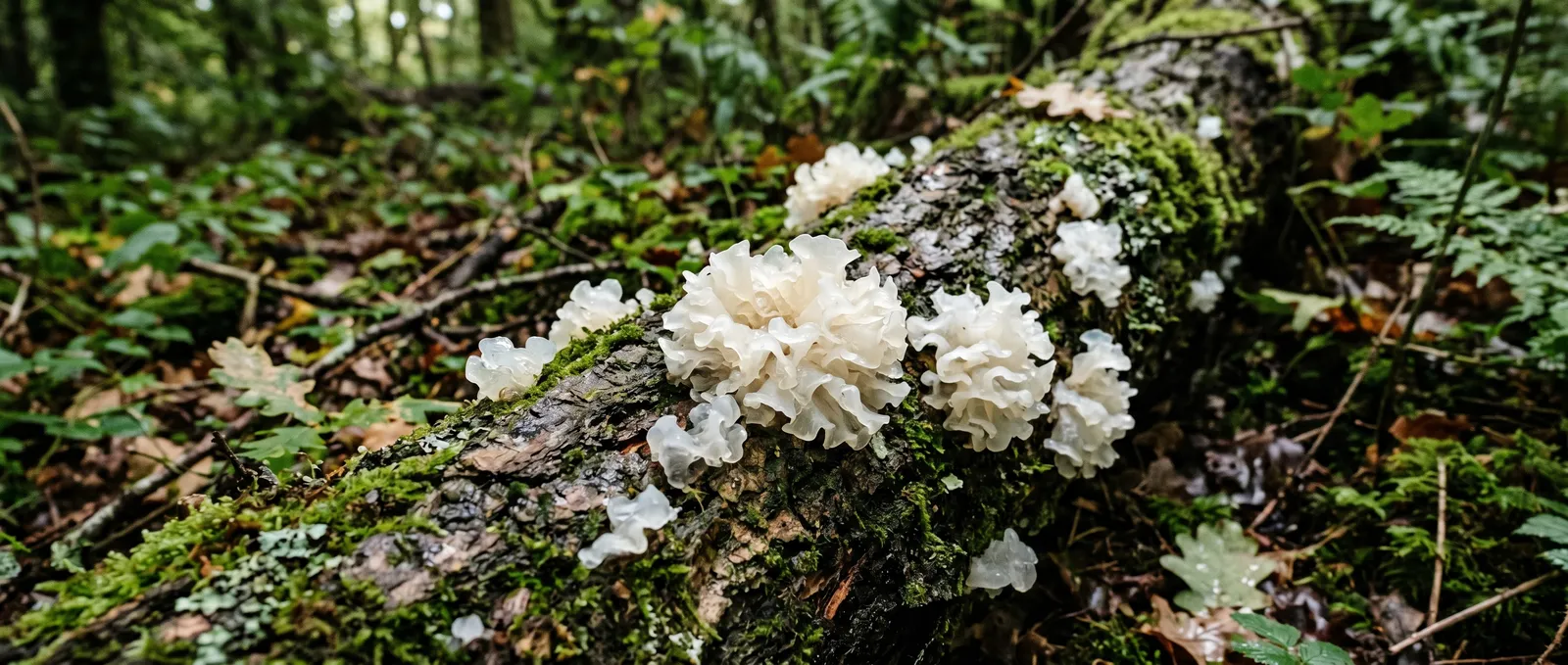
Tremella fuciformis is a parasitic jelly fungus with a long history in East Asian cuisine and traditional medicine. Its acidic heteropolysaccharides show remarkable water-retention capacity in vitro — roughly 500 times their dry weight (Wen et al., 2016) — which has driven its modern reputation as a cosmetic and hydration-focused functional mushroom, though human clinical evidence remains limited.
Tremella fuciformis is a jelly fungus prized in East Asian cuisine and traditional medicine for centuries. You might know it as snow fungus, silver ear, or white jelly mushroom — names that describe its translucent, ruffled, almost gelatinous fruiting body. Unlike most functional mushrooms discussed in this wiki, tremella's recent popularity owes less to beta-glucan immune research and more to its unusual polysaccharide chemistry, which has drawn attention from dermatological and cosmetic researchers investigating skin hydration. But as with every species in the functional mushroom field, the gap between what the research actually shows and what wellness marketing claims is worth understanding clearly.
What Is Tremella Fuciformis, Exactly?
Tremella fuciformis is a parasitic jelly fungus belonging to the class Tremellomycetes and the order Tremellales. It doesn't decompose wood directly but instead parasitises other fungi, typically species of Annulohypoxylon (formerly Hypoxylon), which themselves grow on hardwood logs. This makes cultivation slightly more complex than, say, growing shiitake on oak logs: you need both the tremella and its host fungus present. Commercial cultivation, primarily in China, typically uses sawdust-based substrates inoculated with both organisms.

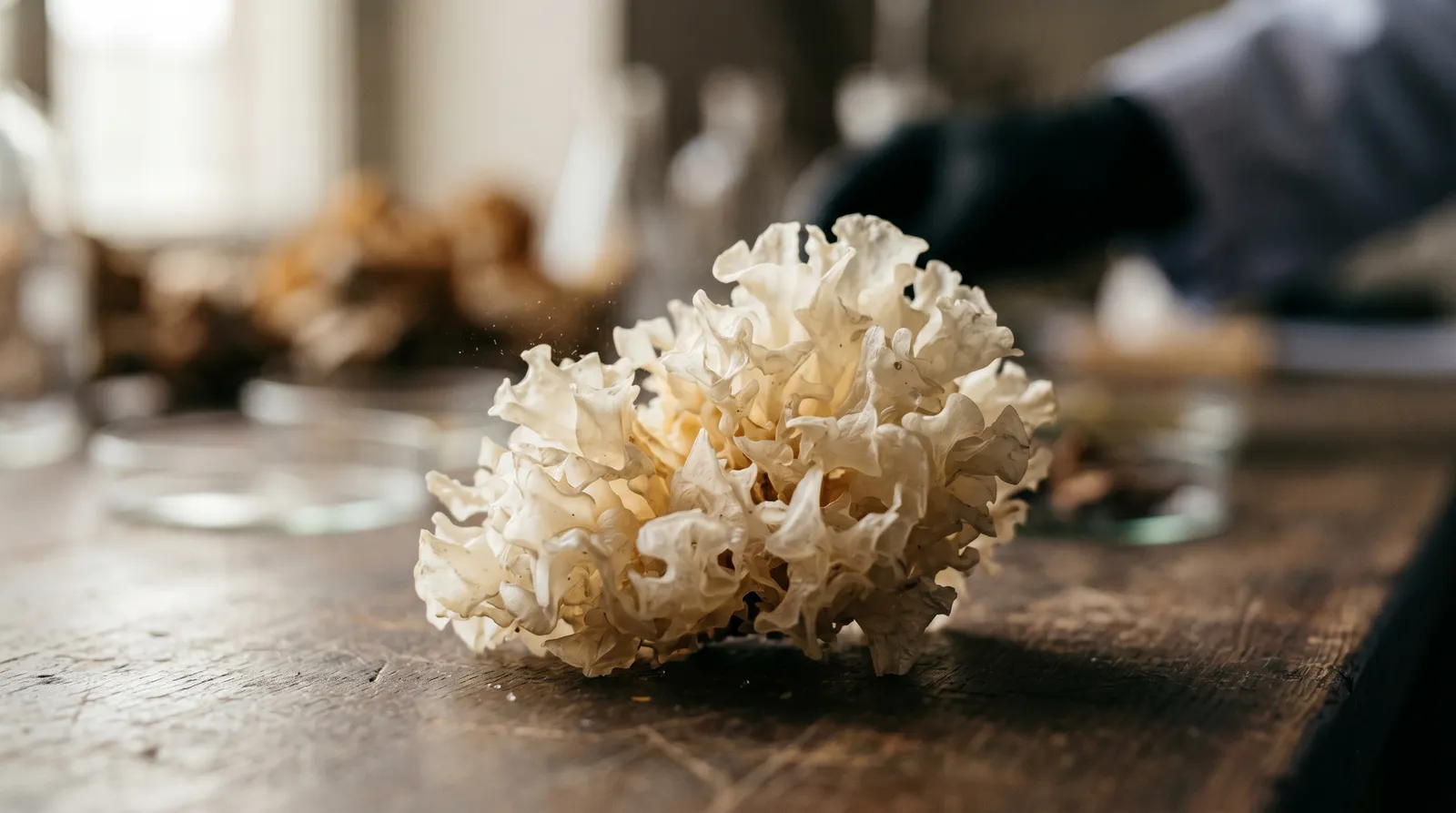
The fruiting body is the part used in both cooking and supplementation. It's white to pale yellow, frilly, and almost translucent when fresh — somewhere between a loofah and a brain coral in appearance. Dried, it shrinks to a fraction of its size and reconstitutes dramatically in water, which hints at the water-holding capacity of its polysaccharides.
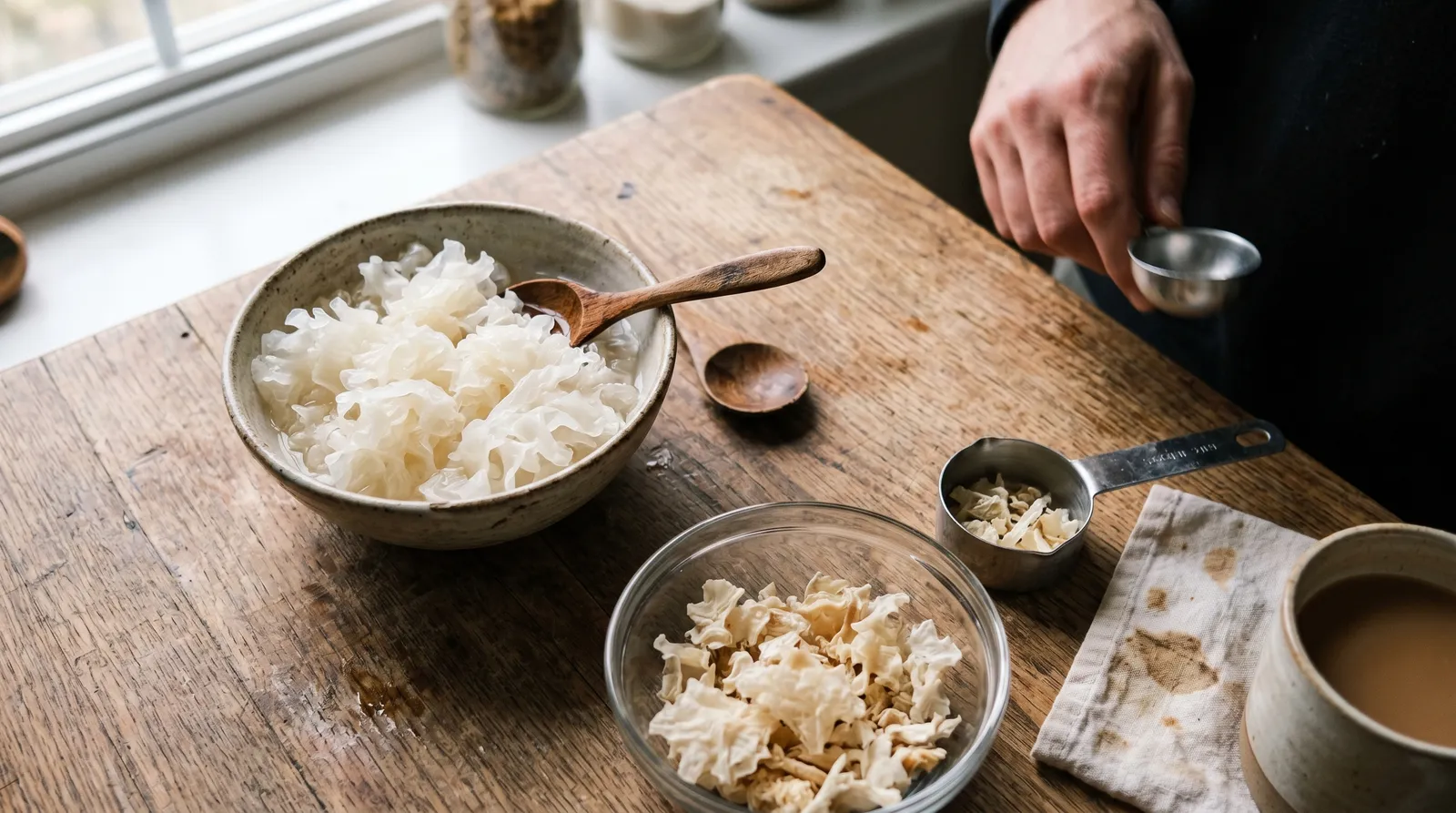
In traditional Chinese medicine (TCM), tremella appears in texts dating back to at least the Ming Dynasty. It was classified as a yin-nourishing tonic, used in sweet soups and desserts, and associated with lung and skin health in the TCM framework. The classic preparation — tremella simmered for hours with rock sugar, jujube, and goji berries — remains a staple dessert across China, Taiwan, and Southeast Asia. That slow-cooking process is essentially a hot-water extraction, which is relevant to how the bioactive compounds are released.
Polysaccharide Chemistry: Where It Gets Interesting
Tremella's signature bioactive compounds are acidic heteropolysaccharides — structurally distinct from the beta-glucans found in reishi, turkey tail, or shiitake. These are often referred to collectively as tremella polysaccharides (TP) or snow fungus polysaccharides (TFPS). Where those other species produce primarily (1→3)- and (1→6)-beta-D-glucans, tremella's polysaccharides are acidic glucuronoxylomannan chains — branched structures containing mannose, xylose, fucose, and glucuronic acid residues (Kakuta et al., 1979; De Baets & Vandamme, 2001).
This structural difference matters. Beta-glucans from other functional mushrooms interact with immune receptors like Dectin-1 and complement receptor 3 (CR3). Tremella polysaccharides appear to operate through partially overlapping but distinct pathways, and the research base for their immune-modulating effects is thinner than for, say, lentinan from shiitake or PSK from turkey tail.
What tremella polysaccharides do share with hyaluronic acid is a remarkable capacity to hold water. In-vitro comparisons have measured the water-retention capacity of TFPS at roughly 500 times their dry weight — a figure sometimes cited alongside hyaluronic acid's well-known hydration properties (Wen et al., 2016). This is the basis for tremella's popularity in cosmetic formulations and the "beauty mushroom" marketing angle. Whether topical application of a polysaccharide extract translates to meaningful skin hydration in living humans is a separate question from its water-holding capacity in a test tube, and the clinical evidence there remains limited.
Beyond polysaccharides, tremella contains smaller quantities of other compounds: ergosterol (a precursor to vitamin D₂ when exposed to UV light), dietary fibre, trace minerals, and some phenolic compounds with antioxidant activity in vitro. But the polysaccharides are the main event in the research literature.
What the Research Actually Shows
The research base for tremella fuciformis is weighted heavily toward in-vitro and animal-model studies, with very limited human clinical data — far sparser than for lion's mane, reishi, or turkey tail. Here's what exists, sorted honestly by evidence quality.

Skin hydration and dermatological effects. This is tremella's headline claim in the wellness space, and the evidence is mostly preclinical. A study by Wen et al. (2016) characterised the moisture-retention properties of TFPS in vitro and found performance comparable to hyaluronic acid at equivalent concentrations. Animal-model work by Park et al. (2015) observed that topical application of a tremella polysaccharide fraction appeared to improve skin hydration markers and reduce transepidermal water loss in mice with UV-induced skin damage. These are suggestive findings, but controlled human trials measuring clinically meaningful skin outcomes (wrinkle depth, hydration scores, barrier function) from oral or topical tremella supplementation are essentially absent from the peer-reviewed literature as of early 2026.
Immune modulation. Several animal studies have reported that tremella polysaccharides can stimulate macrophage activity and modulate cytokine production. Reshetnikov et al. (2001) reviewed the immunomodulatory potential of various Tremellales species and noted measurable effects on macrophage and splenocyte activity in murine models. However, the specific polysaccharide fractions, doses, and extraction methods varied across studies, making generalisation difficult. The immune-modulation literature for tremella is considerably less developed than for turkey tail (PSK/PSP) or shiitake (lentinan), both of which have been studied in human oncology contexts.
Anti-inflammatory and neuroprotective effects. In-vitro and animal-model studies have examined whether TFPS can reduce markers of neuroinflammation and oxidative stress. Kim et al. (2007) reported that a tremella polysaccharide extract reduced nitric oxide production and pro-inflammatory cytokine expression in lipopolysaccharide-stimulated microglial cells. This is interesting mechanistically but sits firmly in the preclinical category — no human trials have tested tremella for neuroprotective outcomes.
Cardiovascular markers. Animal studies have investigated whether tremella polysaccharides affect blood lipid profiles. Cheung (1996) observed reductions in total cholesterol and LDL cholesterol in hyperlipidaemic rats fed tremella polysaccharide fractions. Again, these are animal-model findings at specific doses of isolated fractions, and they have not been replicated in controlled human trials.
The pattern across all these areas is consistent: mechanistically plausible, preclinically interesting, clinically unproven. That's not a dismissal — it's an accurate description of where the science stands. Many functional mushrooms started in exactly this position before human trials caught up. But anyone telling you that tremella "hydrates your skin from within" or "reduces heart disease risk" is running well ahead of the published evidence.
How Tremella Compares to Other Functional Mushrooms
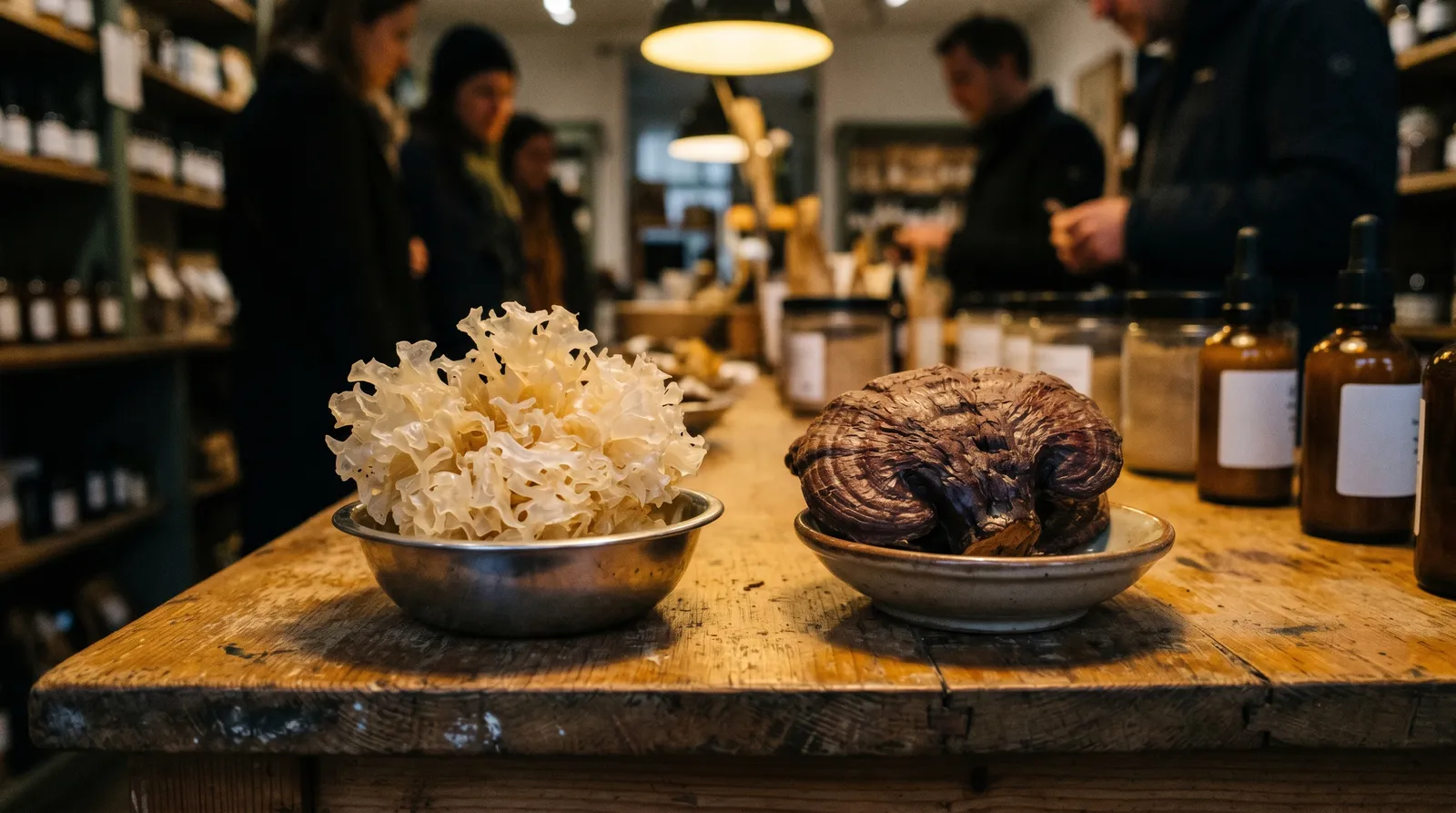
Tremella fuciformis occupies a distinct niche among functional mushrooms, primarily because its polysaccharide chemistry differs so markedly from the beta-glucan-dominant profiles of better-studied species. The following table puts these differences in context:
| Species | Primary Bioactive Class | Main Research Focus | Human Clinical Evidence |
|---|---|---|---|
| Tremella fuciformis | Acidic glucuronoxylomannan polysaccharides | Skin hydration, cosmetic applications | Very limited — mostly preclinical |
| Reishi (Ganoderma lucidum) | Beta-glucans + triterpenes | Immune modulation, sleep, stress | Moderate — several human trials |
| Lion's mane (Hericium erinaceus) | Beta-glucans + hericenones/erinacines | Cognition, nerve growth factor | Moderate — growing clinical base |
| Turkey tail (Trametes versicolor) | PSK / PSP beta-glucans | Immune support, oncology adjunct | Strong — used clinically in Japan |
| Chaga (Inonotus obliquus) | Beta-glucans + melanin + betulinic acid | Antioxidant, anti-inflammatory | Very limited — mostly preclinical |
If you're comparing tremella to lion's mane or reishi, the key difference isn't just the compounds — it's the depth of clinical validation. Lion's mane has published human trials on cognition; reishi has human data on sleep quality and immune markers. Tremella's human evidence base is, frankly, still catching up. That said, its unique polysaccharide profile means it's not simply a weaker version of those species — it's doing something chemically different, and future research may carve out a distinct evidence-based role for it.
Extraction, Preparation, and the Bioavailability Question
Hot-water extraction is the primary method used to concentrate tremella's bioactive polysaccharides, which are water-soluble. This also means that the traditional slow-cooked sweet soup is, functionally, a crude hot-water extract. Alcohol extraction is less relevant here than it is for, say, reishi, because tremella doesn't contain significant triterpene content. Dual extraction (hot water plus alcohol) adds little for this species specifically.
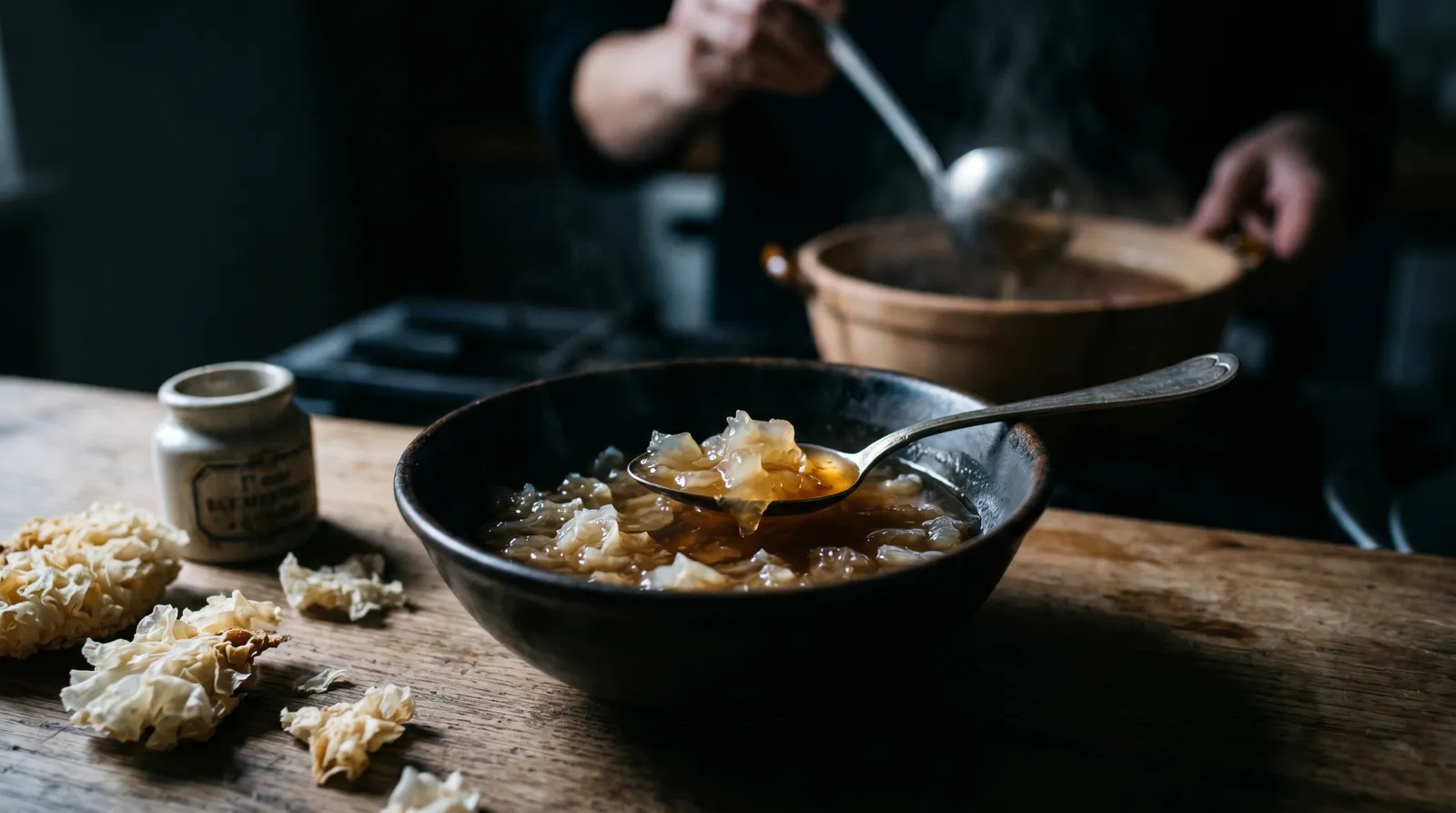
This raises a practical point about supplement formats. Tremella products on the market range from whole dried fruiting body (the kind you'd buy in an Asian grocery shop and simmer into soup) to spray-dried hot-water extracts standardised to polysaccharide content, to capsules containing ground whole mushroom powder. These are not equivalent preparations. A hot-water extract concentrated to, say, 30% polysaccharides delivers a fundamentally different dose of active compounds per gram than whole dried mushroom powder, which also contains indigestible chitin, fibre, and structural material.
The mycelium-versus-fruiting-body debate that runs through the entire functional mushroom category applies here too, though tremella is less commonly sold as mycelium-on-grain than species like lion's mane or reishi. Most tremella supplements use fruiting-body material, partly because the fruiting body is where the polysaccharide content is concentrated and partly because tremella's parasitic cultivation requirements make large-scale mycelium-only production less straightforward. If you're evaluating a tremella product, checking whether it specifies fruiting-body extract and lists a polysaccharide or beta-glucan percentage on the label is a reasonable starting point — though "polysaccharide content" on a label can include starch from grain substrates unless the manufacturer tests specifically for alpha-glucans (starch) versus beta-glucans.
How to Buy and Use Tremella Fuciformis
Tremella fuciformis is available in several forms, and choosing between them depends on what you're after. If you want to order tremella as a culinary ingredient, whole dried fruiting bodies are widely available in Asian grocery shops and online — look for pale, intact clusters without yellowing or off-odours. These are rehydrated and simmered into soups, desserts, or tonic drinks.
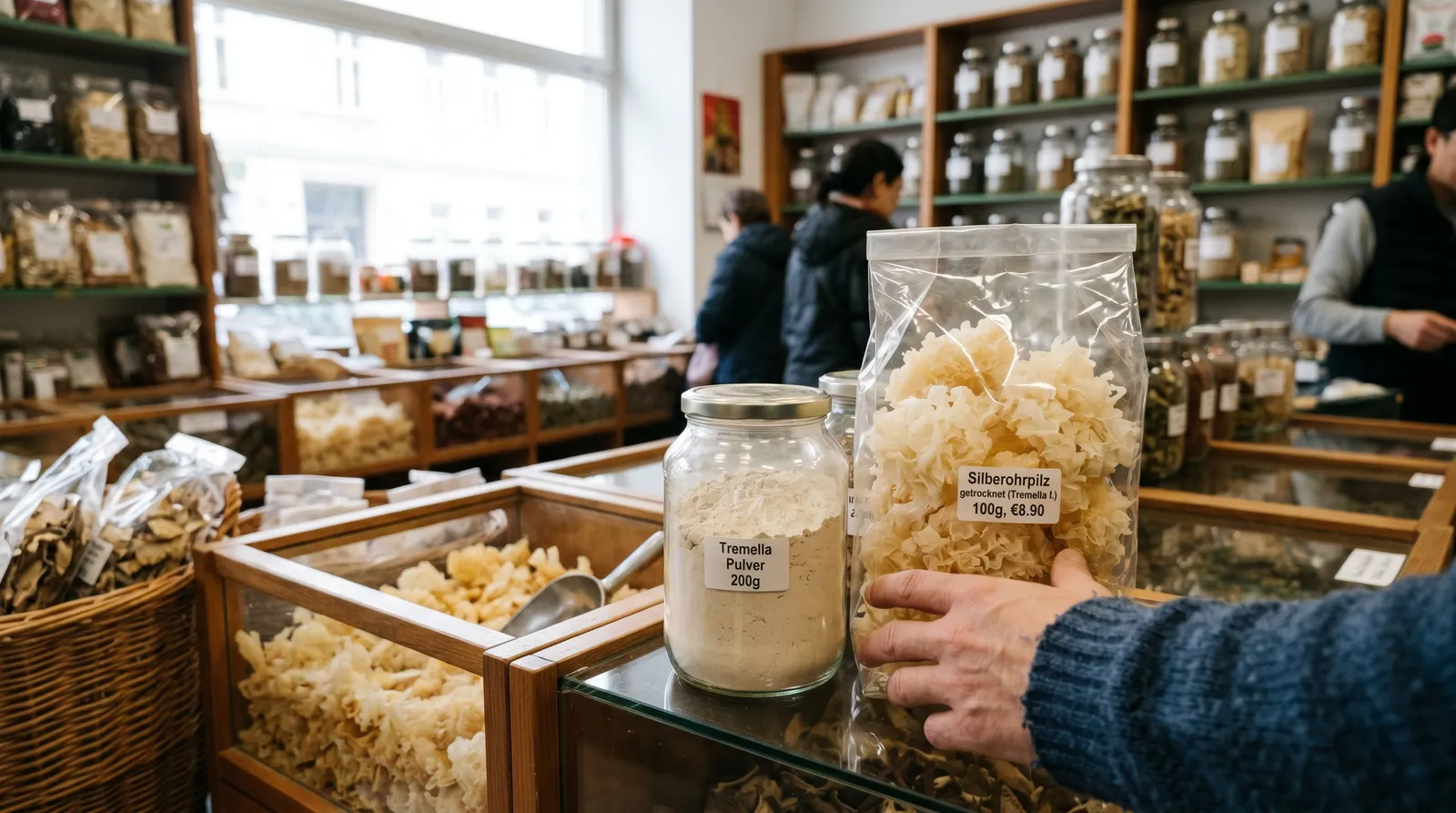
For supplementation, you can buy tremella fuciformis as a hot-water extract powder or in capsule form. When evaluating products, look for these markers of quality:
- Fruiting-body extract specified (not mycelium on grain)
- Polysaccharide content listed (ideally 20%+ for a concentrated extract)
- Beta-glucan testing that distinguishes from alpha-glucans (starch)
- Third-party testing for heavy metals and contaminants
- Country of origin and cultivation method disclosed
Typical supplement doses in the market range from 500 mg to 2,000 mg of extract per day, though these figures are not derived from clinical dose-finding studies. There is no established optimal dose for any specific outcome. If you're new to tremella, starting at the lower end and observing your response is a reasonable approach — the same advice we'd give for any functional mushroom you haven't tried before.
Safety Considerations
Snow fungus has a long history of culinary use across East Asia with minimal reported acute toxicity at food-level doses. Published adverse-effect data from supplementation is thin — not because safety has been rigorously established, but because large-scale human supplementation studies haven't been conducted.
A few points deserve attention. Tremella is a fungus, and fungal allergies are real. Anyone with known mushroom allergies or broader fungal sensitivities should approach with appropriate caution. Cross-reactivity between different fungal species is documented, though specific data on tremella cross-reactivity is limited.
Because tremella polysaccharides have shown immune-modulating activity in preclinical models, the same theoretical caution that applies to other immune-active mushroom species is relevant: individuals with autoimmune conditions or those taking immunosuppressive medication (methotrexate, tacrolimus, ciclosporin, corticosteroids) face a potential mismatch between immune stimulation and the goal of their therapy. The evidence for this specific interaction with tremella is not established in human studies, but the theoretical concern is grounded in the same beta-glucan and polysaccharide immunology that applies across the functional mushroom category. The EMCDDA and other European monitoring bodies have not flagged tremella specifically, though functional mushroom supplements in general remain an area where regulatory oversight varies significantly by country.
If you take prescription medication — particularly immunosuppressants, blood thinners, or blood-sugar-lowering drugs — consult a healthcare provider before adding any functional mushroom to your routine. The dedicated drug interactions article in this wiki covers the broader interaction profile for functional mushrooms in more detail.
Long-term safety data from daily supplementation at extract-level doses simply doesn't exist in the published literature. Centuries of culinary use at food-level quantities in soups and desserts is reassuring but not the same thing as safety data for concentrated polysaccharide extracts taken daily for months or years. We think that distinction matters, even though it's not what you'll read on most product pages.
Traditional Context and Modern Marketing
Tremella's position in the functional mushroom market is unusual — it is sold primarily as a beauty supplement rather than on cognitive, athletic, or immune grounds. Sometimes called "the beauty mushroom" or compared to hyaluronic acid, that marketing angle is built on the genuine water-retention chemistry of its polysaccharides but extends those in-vitro findings to oral supplementation claims (glowing skin, reduced wrinkles, improved hydration) that haven't been validated in human trials.
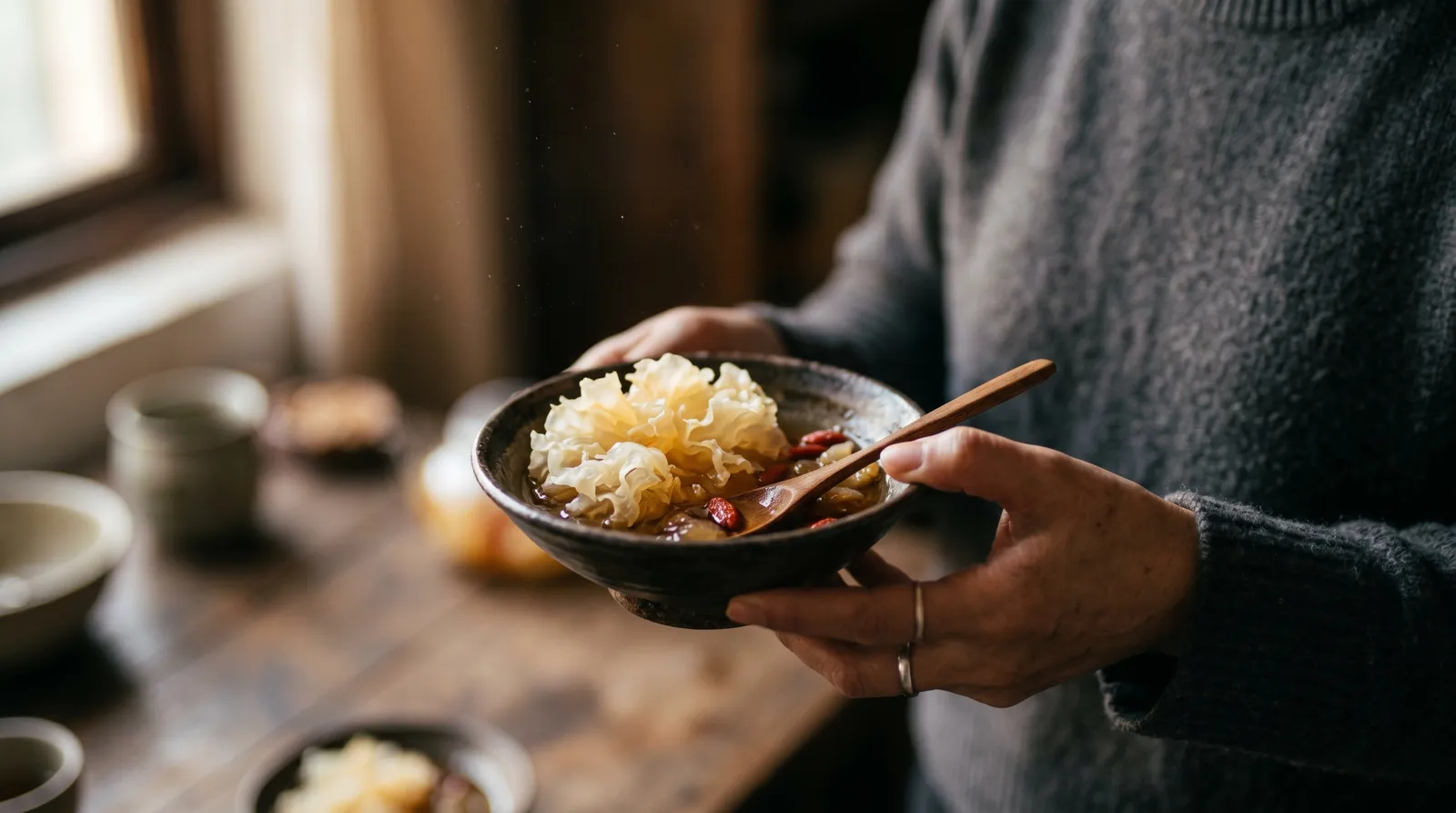
In TCM, tremella was associated with nourishing yin, moistening the lungs, and promoting a clear complexion. The beauty connection isn't a modern invention — it's rooted in traditional use going back centuries. Yang Guifei, the legendary Tang Dynasty consort, is often cited as having attributed her complexion to tremella consumption. Whether that's historical fact or marketing mythology is impossible to verify, but it illustrates how deeply embedded the cosmetic association is in the cultural context.
What's worth keeping in mind is that traditional use describes a pattern of human experience over time. It doesn't constitute clinical evidence for a specific mechanism or outcome. The traditional preparation — hours of simmering into a gelatinous sweet soup — also delivers the polysaccharides in a very different matrix (alongside sugars, other foods, and in a hydrated form) than a dried extract capsule taken with a glass of water.
What We Don't Know Yet
The biggest gap in the tremella fuciformis evidence base is the near-total absence of controlled human clinical trials. Specifically, we lack human data on whether oral tremella supplementation measurably improves skin hydration, elasticity, or appearance. We don't have dose-response data in humans for any outcome. We don't know how bioavailable tremella polysaccharides are after oral ingestion — whether they survive digestion intact, are broken down into smaller fragments, or are metabolised by gut bacteria into secondary compounds that may or may not retain bioactivity.

We also don't have head-to-head comparisons between tremella extract and hyaluronic acid supplements in human subjects, despite the marketing comparisons between the two. And long-term safety data at supplement-level doses remains absent. These aren't minor gaps — they're the foundational questions that would need answers before any firm health claims could be justified. We flag this not to discourage interest but because we think you deserve to know exactly where the evidence stands before you decide to get tremella into your routine.
Last updated: April 2026
Frequently Asked Questions
10 questionsIs tremella fuciformis the same as hyaluronic acid?
Does tremella fuciformis actually improve skin hydration when taken orally?
What is the difference between tremella polysaccharides and beta-glucans?
Is tremella fuciformis safe to take with medication?
Why is tremella fuciformis called a parasitic fungus?
Should I choose tremella fruiting body or mycelium supplements?
Can you cook with tremella fuciformis or is it only used as a supplement?
How is tremella fuciformis cultivated if it's a parasitic fungus?
How long does it take to see results from tremella fuciformis?
What does tremella fuciformis taste like?
About this article


Adam Parsons is an external cannabis and psychedelics writer and editor who contributes to Azarius's wiki as both author and reviewer. On the writing side, he authors Azarius's kratom and kanna clusters, drawing on exten
This wiki article was drafted with AI assistance and reviewed by Adam Parsons, External contributor. Editorial oversight by Joshua Askew.
Medical disclaimer. This content is for informational purposes only and does not constitute medical advice. Consult a qualified healthcare provider before use of any substance.
Last reviewed April 18, 2026
References (7)
- [1]Cheung, P.C.K. (1996). The hypocholesterolemic effect of two edible mushrooms: Auricularia auricula (tree-ear) and Tremella fuciformis (silver-ear) in hypercholesterolemic rats. Nutrition Research , 16(10), 1721–1725. DOI: 10.1016/0271-5317(96)00191-1
- [2]De Baets, S. & Vandamme, E.J. (2001). Extracellular Tremella polysaccharides: structure, properties and applications. Biotechnology Letters , 23, 1361–1366.
- [3]Kakuta, M. et al. (1979). A new polysaccharide from Tremella fuciformis Berk. Agricultural and Biological Chemistry , 43(7), 1659–1663.
- [4]Kim, J.H. et al. (2007). Anti-neuroinflammatory activities of the exopolysaccharide fraction from Tremella fuciformis . International Immunopharmacology , 7(13), 1758–1767.
- [5]Park, H.J. et al. (2015). Moisturising and anti-photoaging effects of Tremella fuciformis polysaccharides on human skin. Korean Journal of Chemical Engineering , 32(9), 1867–1872.
- [6]Reshetnikov, S.V. et al. (2001). Higher Basidiomycetes as a source of antitumor and immunostimulating polysaccharides. International Journal of Medicinal Mushrooms , 3(4), 361–394.
- [7]Wen, L. et al. (2016). Structure and biological properties of Tremella fuciformis polysaccharides and their moisture-retention activity. International Journal of Biological Macromolecules , 93, 62–71.
Related Articles

Medicinal Mushrooms TCM Western Pharmacognosy Guide
Guide to medicinal mushrooms TCM Western pharmacognosy — how reishi, lion's mane, cordyceps are classified, extracted, and studied.
Research on Immune Modulation by Functional Mushrooms
What does research on immune modulation by functional mushrooms actually show? Beta-glucans, Dectin-1 signalling, human trials, and the honest gap...
Allergic Reactions & Mushroom Sensitivities
Understand allergic reactions and mushroom sensitivities: mould cross-reactivity, shiitake dermatitis, species-specific risks, and safer product…
Turkey Tail Trametes versicolor — Buy Supplements
Buy turkey tail Trametes versicolor supplements at Azarius. PSK and PSP evidence, beta-glucan dosage, extraction methods, and safety.

Triterpenes In Medicinal Mushrooms
Triterpenes in medicinal mushrooms are a class of 30-carbon terpenoid compounds produced as secondary metabolites by several functional mushroom species…
Chaga Siberian Nordic Folk Use
Chaga Siberian Nordic folk use is a centuries-old tradition in which indigenous Siberians and Nordic communities brewed the birch-parasitising fungus…
Red and Black Reishi Varieties
Red reishi (Ganoderma lucidum) and black reishi (Ganoderma sinense) both fall under the lingzhi umbrella in traditional Chinese medicine, but they differ in…
Lion's Mane Identification & Habitat
Hericium erinaceus is a tooth fungus that fruits as a single white, spine-covered mass on wounded or dead hardwood trees.
Cordyceps Lifecycle
The cordyceps lifecycle is a parasitic biological sequence in which a fungus infects an insect host, colonises its body from within, and erupts as a…