
Tinctures vs Powders vs Capsules: Functional Mushroom Formats Compared
Definition
Functional mushroom tinctures, powders, and capsules differ not just in convenience but in which active compounds they actually deliver. Extraction method — hot water, alcohol, or dual — determines whether beta-glucans, triterpenes, or both reach your system. Grienke et al. (2014) identified over 300 triterpenes in Ganoderma species alone, most of which require alcohol extraction and are absent from hot-water preparations.
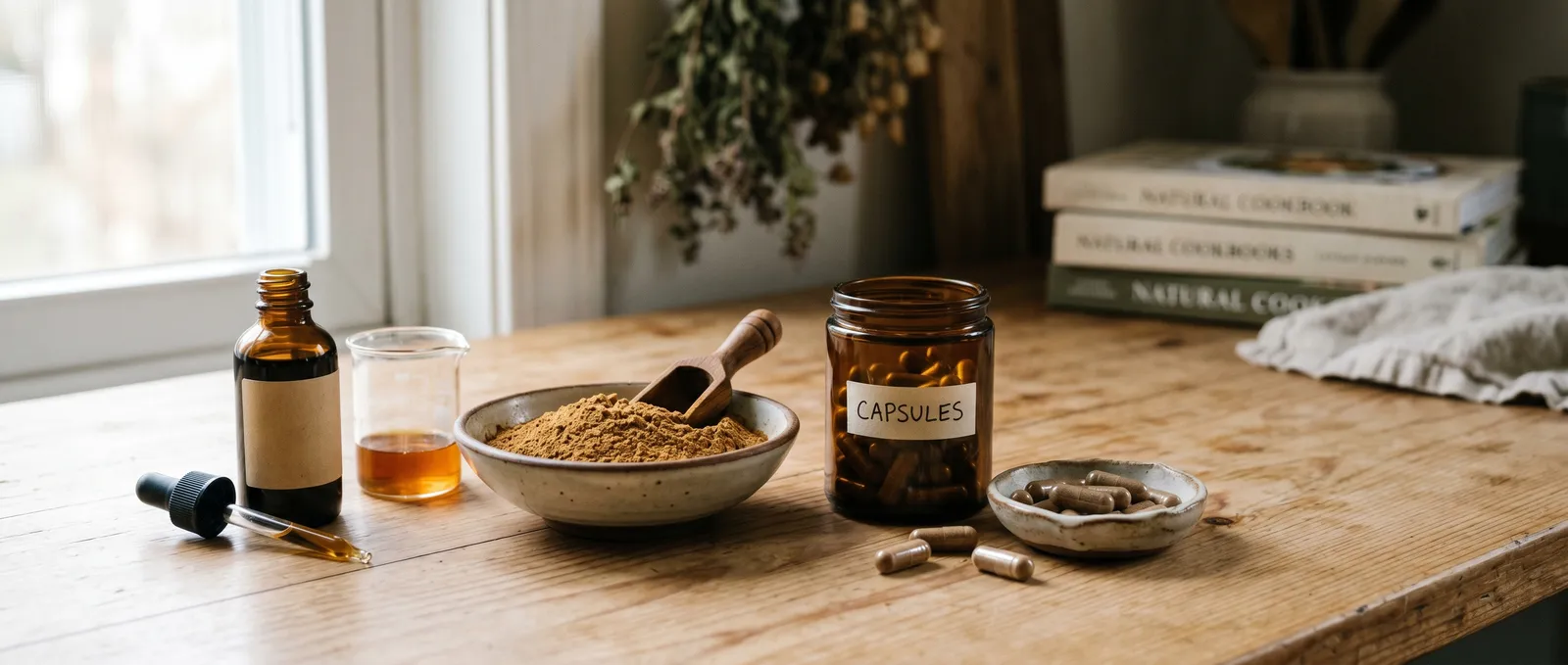
A functional mushroom format is a delivery method — tincture, powder, or capsule — that determines which active compounds you actually absorb and how quickly they reach circulation. Choosing whether to buy tinctures vs powders vs capsules isn't just a matter of convenience: each format carries a different extraction profile, a different compound class bias, and a different bioavailability curve. When you order tinctures vs powders vs capsules, the format you pick shapes the entire pharmacokinetic outcome. This comparison breaks down the real differences so you can match the delivery method to the mushroom species and the compounds you're after.
| Dimension | Tinctures (liquid extract) | Powders (loose) | Capsules |
|---|---|---|---|
| Typical extraction method | Alcohol, hot-water, or dual extraction (alcohol + hot water) | Varies: whole dried mushroom milled, or spray-dried extract powder | Varies: filled with either whole-mushroom powder or concentrated extract |
| Compound class bias | Alcohol-based: triterpenes, sterols. Hot-water-based: beta-glucans. Dual: both | Whole powder: full spectrum but unextracted. Extract powder: depends on extraction method used | Mirrors whatever is inside — whole powder or extract |
| Onset speed | Fastest — sublingual absorption bypasses first-pass metabolism for some compounds | Moderate — requires digestion, though mixing into hot water may improve dissolution | Slowest — capsule must dissolve first, then contents require digestion |
| Dosing precision | Moderate — dropper-based, some variation between drops | Low without a scale — scoops vary. High with a milligram scale | High — pre-measured per capsule |
| Taste factor | Strong — alcohol burn plus mushroom bitterness (especially reishi triterpene extracts) | Moderate to strong — earthy, sometimes gritty. Species-dependent | None — encapsulated |
| Portability | Low — glass bottles, potential leakage | Moderate — requires measuring on the go | High — pocket-friendly, no measuring needed |
| Shelf stability | Good — alcohol acts as preservative (typically 25-30% ethanol) | Moderate — hygroscopic; absorbs moisture if not sealed well | Good — sealed from air and moisture inside capsule shell |
| Flexibility | Can be added to drinks but alters taste | Blends into coffee, smoothies, cooking | Fixed dose, no blending options |
| Typical beta-glucan delivery | Hot-water or dual tinctures: moderate to high. Alcohol-only: low | Extract powder: potentially high if hot-water extracted. Whole powder: low bioavailability | Depends entirely on capsule contents |
| Typical triterpene delivery | Alcohol or dual tinctures: high. Hot-water-only: low | Whole powder: present but poorly extracted. Alcohol-extract powder: high | Depends entirely on capsule contents |
Extraction Method Matters More Than Format
The extraction method used to produce the contents determines the active compound profile far more than whether the product arrives as a liquid, powder, or capsule. Here's the thing most comparison articles get wrong: the delivery format is secondary. A capsule filled with dual-extracted lion's mane fruiting body and a capsule filled with raw milled mycelium-on-grain are the same format but wildly different products in terms of active compound content.
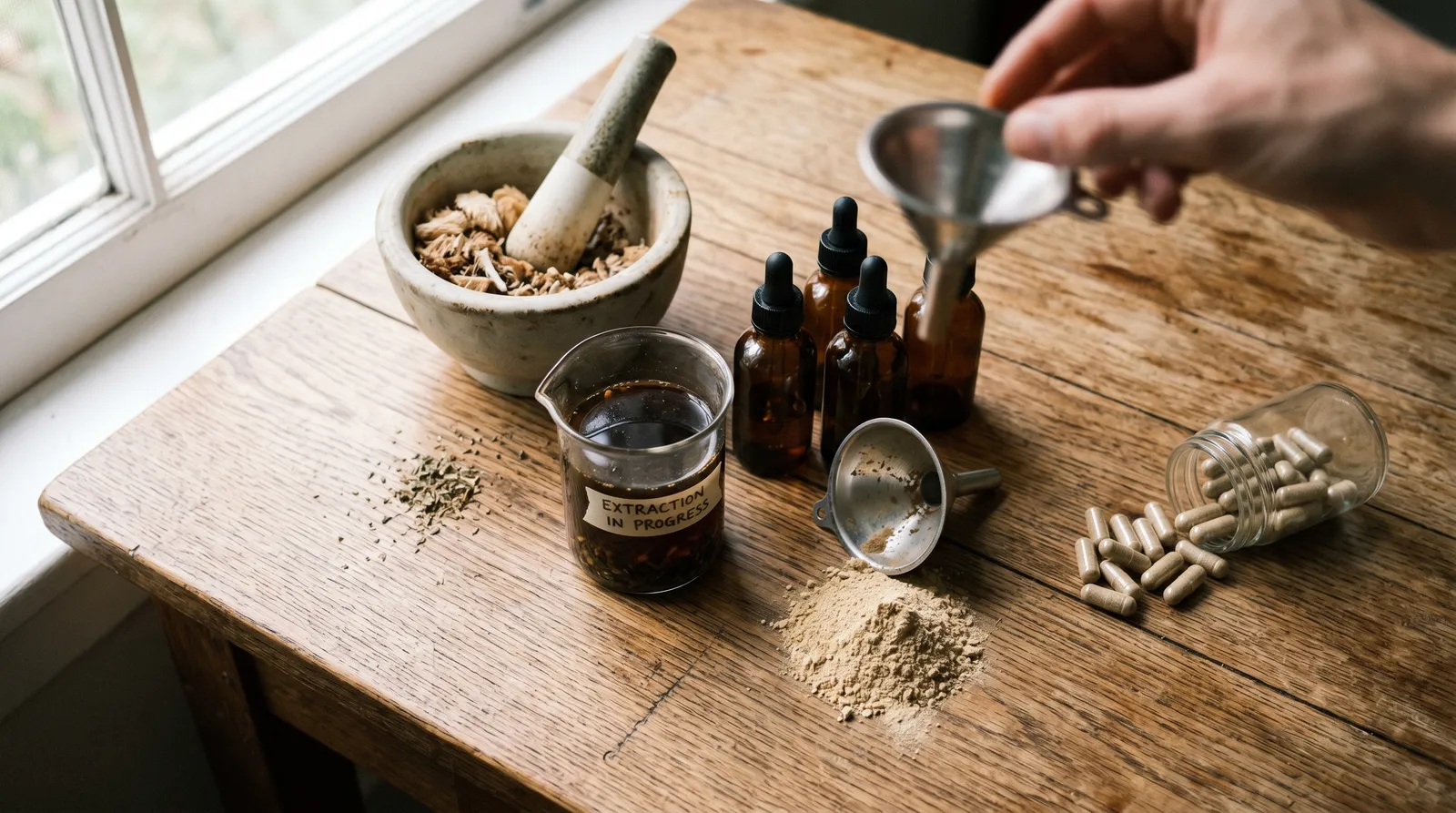
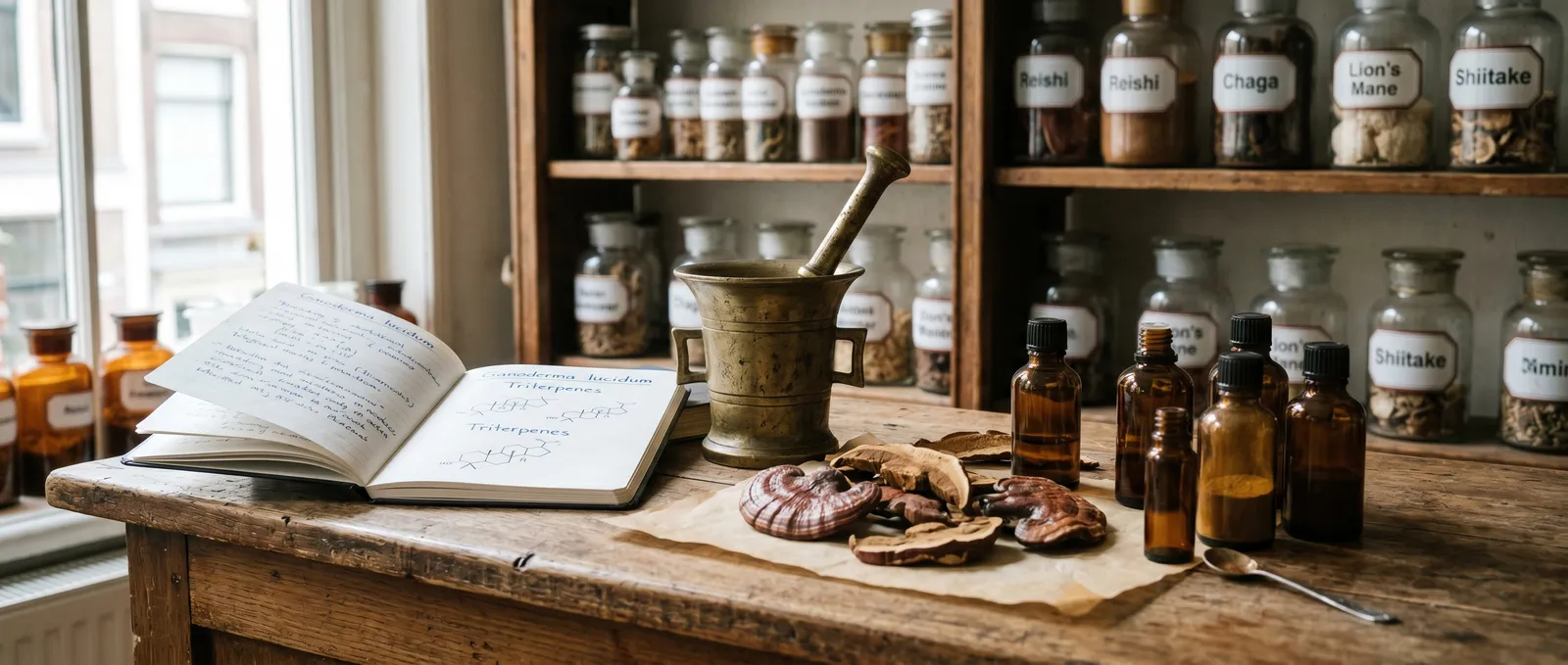
Beta-glucans — the polysaccharides most studied for immune-related activity — are concentrated through hot-water extraction, which mirrors the traditional decoction method used in Chinese medicine for centuries. Triterpenes, such as the ganoderic acids found in reishi (Ganoderma lucidum), are poorly water-soluble and require alcohol extraction. A dual-extraction process captures both compound classes. Grienke et al. (2014) characterised over 300 lanostane-type triterpenes from Ganoderma species, and these compounds are essentially absent from a hot-water-only preparation.
So when you're comparing tinctures vs powders vs capsules, the first question isn't "tincture or capsule?" — it's "what extraction method was used, and does it match the compound class I'm interested in?"
An alcohol-based reishi tincture concentrates triterpenes effectively. A hot-water reishi extract powder (in capsule or loose form) concentrates beta-glucans. A dual-extracted tincture or a dual-extracted spray-dried powder captures both. None of these are interchangeable, regardless of whether they arrive in a dropper bottle or a capsule shell. You can buy all three formats from the Azarius functional mushroom category and compare labels directly.
Tinctures: What They Do Well and Where They Fall Short
Tinctures offer the fastest potential onset of the three formats due to sublingual absorption. Liquid extracts typically suspended in 25–30% ethanol, sometimes with a glycerine base, allow some compounds to enter circulation through the oral mucosa when held under the tongue for 30–60 seconds, bypassing hepatic first-pass metabolism. This is most relevant for smaller lipophilic molecules like triterpenes rather than for large-molecular-weight polysaccharides like beta-glucans, which are too large for efficient sublingual uptake.
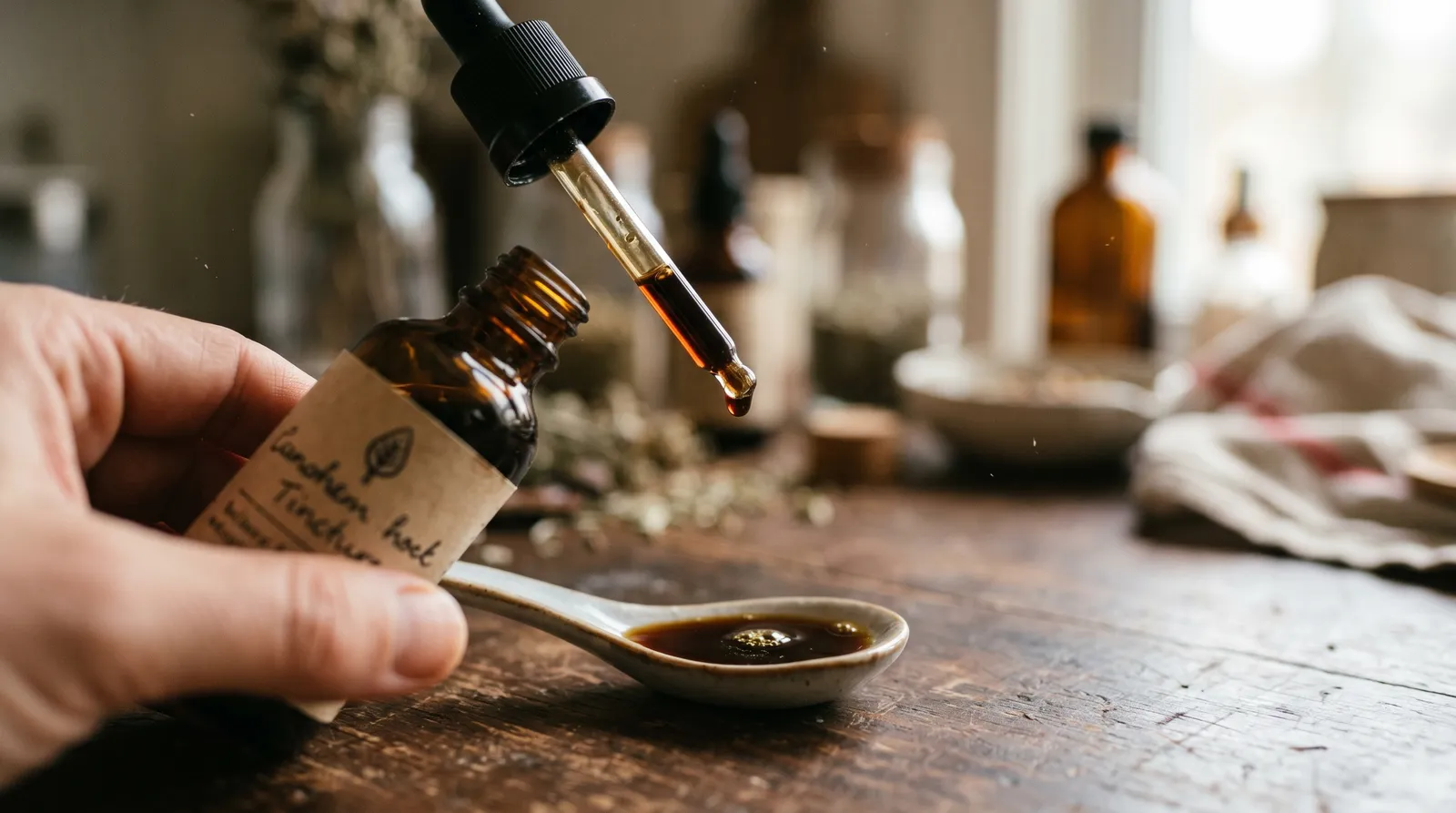
For reishi specifically, where the triterpene profile is a primary point of interest, an alcohol-based or dual-extracted tincture is arguably the best-matched format. The bitterness of a reishi tincture — and it is genuinely, intensely bitter — is actually a rough quality indicator: ganoderic acids taste bitter, so a reishi tincture that doesn't make you wince is probably low in the compounds you're paying for.
The limitations are practical. Tinctures vs powders vs capsules each have trade-offs in portability and dosing. Tinctures are less portable, harder to dose consistently (dropper volumes vary with squeeze pressure and viscosity), and the alcohol content, while low per serving, may matter to people avoiding ethanol for personal or medical reasons. Glycerine-based tinctures exist as an alternative, though glycerine is a less effective solvent for triterpenes than ethanol.
There's also a bioavailability question that remains genuinely unresolved: how much of a sublingual dose actually absorbs through the mucosa versus being swallowed and digested normally? Clinical pharmacokinetic data specific to mushroom tinctures is thin. Most sublingual absorption research comes from pharmaceutical contexts (nitroglycerin, buprenorphine) involving very different molecular profiles. We'd love to cite a definitive human pharmacokinetic study comparing sublingual mushroom tincture absorption to oral capsule absorption — but as of this writing, that study doesn't exist. Honesty about evidence gaps matters more than confident claims.
Powders: Flexibility Versus the Bioavailability Problem
Loose extract powders offer the greatest flexibility for integrating functional mushrooms into food and drink, but whole-mushroom powders carry a significant chitin bioavailability barrier. Powders come in two fundamentally different forms, and conflating them is one of the most common errors in the functional mushroom space.
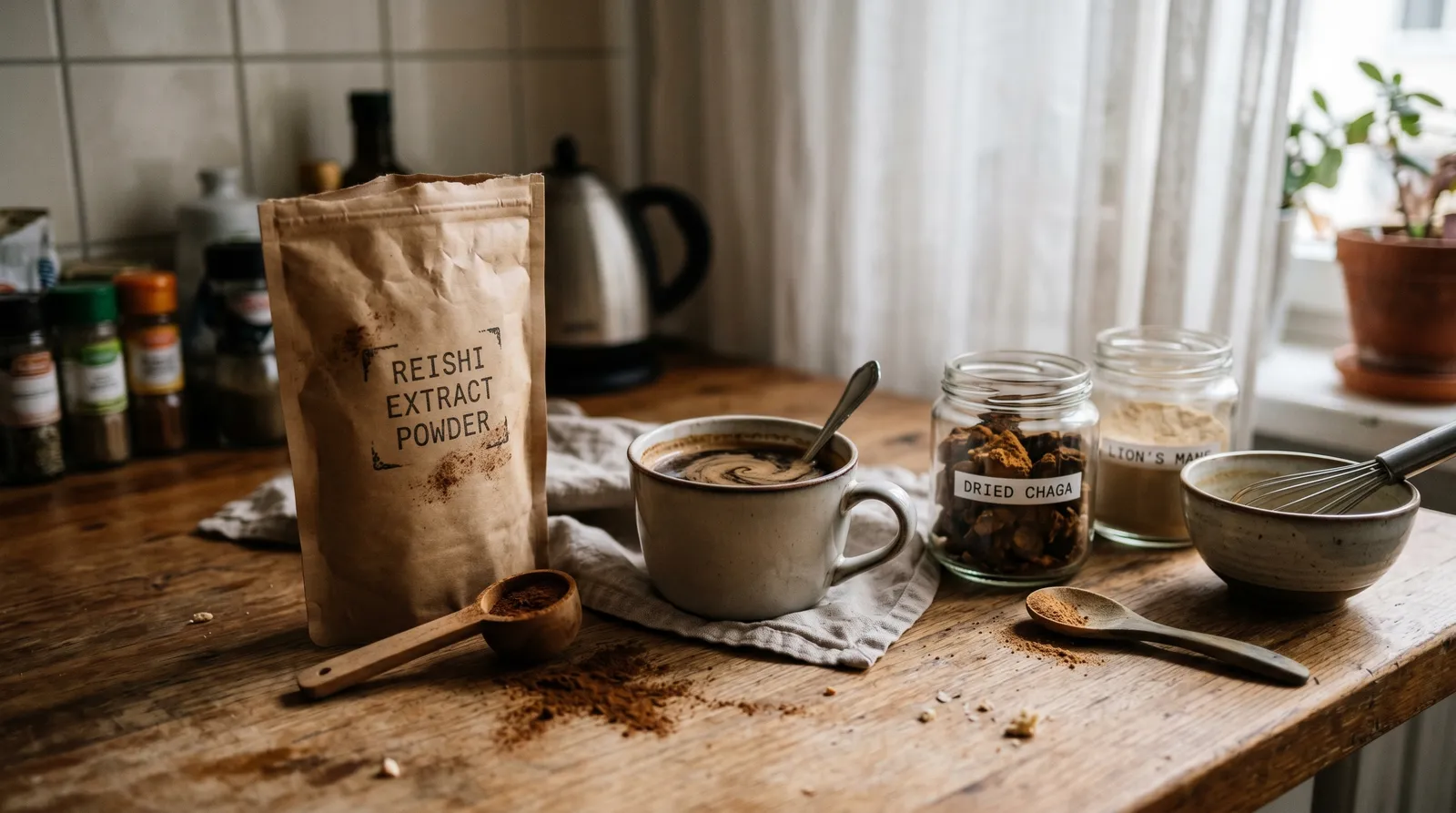
Whole-mushroom powder is dried fruiting body (or mycelium-on-grain) that's been milled into a fine powder without undergoing extraction. The cell walls of fungi are made of chitin — the same structural polymer found in crustacean shells — and chitin is not efficiently broken down by human digestive enzymes. Chitinase activity in the human gut is limited and individually variable (Ober & Bhatt, 2023). This means that a significant portion of the beta-glucans and other active compounds locked inside unextracted fungal cell walls may pass through the gut without being absorbed.
Extract powder is the result of a hot-water, alcohol, or dual extraction process that has been spray-dried or freeze-dried back into powder form. The extraction has already broken cell walls and concentrated the target compounds. A hot-water extract powder from lion's mane fruiting body, for instance, may contain 25–40% beta-glucans by weight, whereas a whole-mushroom powder of the same species might test at 5–15% — and even that figure overstates bioavailable content because the chitin barrier remains intact.
The flexibility advantage of powders is real: you can stir them into coffee, blend them into a smoothie, add them to porridge, or mix them into hot water to approximate a traditional decoction. Dissolving an extract powder in near-boiling water is, in principle, similar to what a TCM practitioner would prepare. Whole-mushroom powder in hot water is less effective — you're steeping unextracted material, which is better than swallowing it dry but not equivalent to a proper extraction.
The dosing precision issue is also real. A "heaped teaspoon" can vary by 30–50% depending on how you scoop. If consistent dosing matters to you — and it should, especially if you're tracking effects over weeks — use a digital scale.
Capsules: Convenience With a Caveat
Capsules deliver the highest convenience and dosing consistency of the three formats, but the label requires careful reading. Pre-measured, tasteless, portable, and requiring no preparation, capsules offer a significant compliance advantage for daily use over months — people are simply more likely to maintain a consistent routine with capsules than with tinctures vs powders.
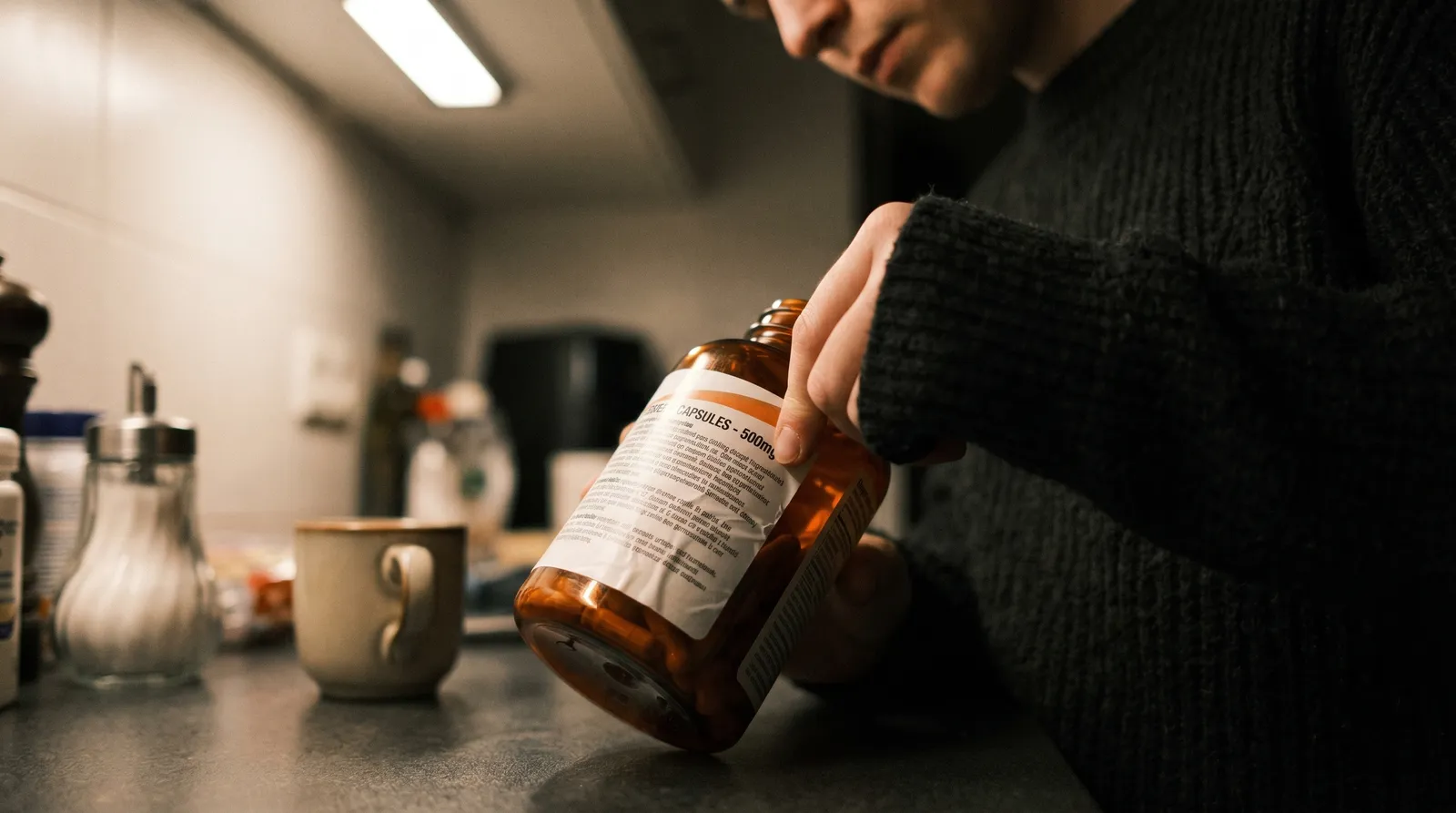
The caveat is that the capsule itself tells you almost nothing about what's inside. A capsule labelled "lion's mane 500mg" could contain:
- 500mg of hot-water-extracted fruiting body with 30%+ beta-glucans
- 500mg of raw milled fruiting body with intact chitin cell walls
- 500mg of mycelium-on-grain biomass, where a substantial fraction of the weight is residual grain starch rather than fungal material
These are not the same product. The mycelium-on-grain issue is particularly relevant here. Mycelium grown on rice or oat grain is harvested with the grain substrate included, and the resulting product may contain 30–60% starch by weight. Measurement of alpha-glucans (starch) versus beta-glucans is the standard way to assess this: a high alpha-glucan reading alongside a low beta-glucan reading suggests significant grain dilution. Wu et al. (2004) demonstrated that polysaccharide profiles differ substantially between mycelium and fruiting body preparations of the same species.
None of this means capsules are a bad format. It means you need to read the label more carefully with capsules than with a tincture, where the extraction method is usually stated on the bottle. Look for: extract source (fruiting body vs mycelium vs mycelium-on-grain), extraction method (hot water, alcohol, dual), and a beta-glucan percentage. If the label doesn't state these, that's informative in itself.
Matching Format to Species
The optimal format depends on the target compound class of each mushroom species, not on a universal ranking of tinctures vs powders vs capsules. Different mushroom species have different target compound classes, which means the best match isn't universal.
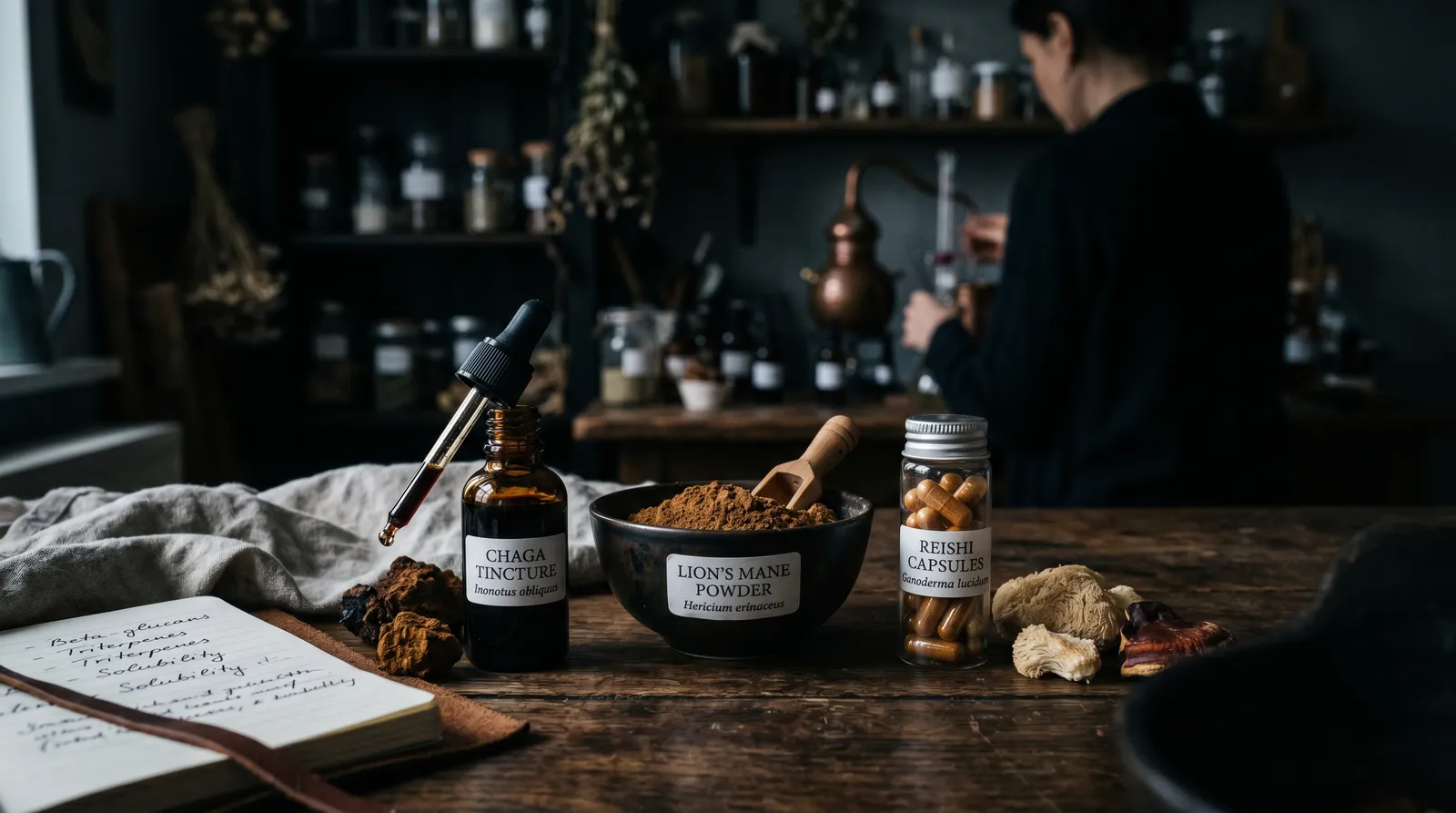
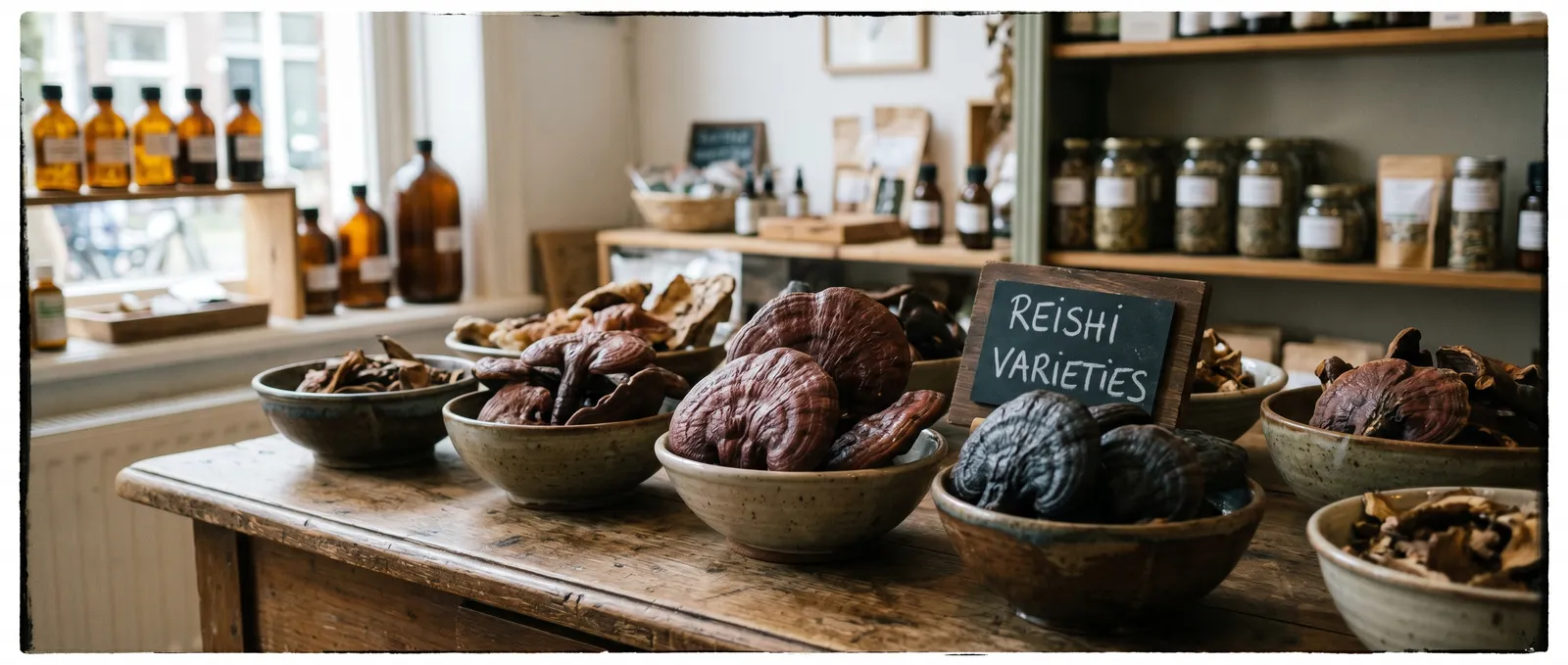
Reishi (Ganoderma lucidum): The triterpene profile (ganoderic acids, lucidenic acids) is a primary point of interest alongside beta-glucans. A dual-extracted tincture or dual-extracted capsule captures both compound classes. An alcohol-only tincture prioritises triterpenes. A hot-water-only extract misses most of the triterpene content. Reishi is also the species where in-vitro studies have observed anticoagulant and antiplatelet effects — anyone taking blood thinners such as warfarin or apixaban should consult a healthcare provider before using reishi in any format. The Azarius wiki article on functional mushroom drug interactions covers this in detail.
Lion's mane (Hericium erinaceus): The compounds of most research interest — hericenones (found in fruiting body) and erinacines (found primarily in mycelium) — have different solubility profiles. Hericenones are alcohol-soluble; erinacines are also extractable in ethanol. Mori et al. (2009) used a dried powder preparation in a small clinical trial investigating cognitive function in older adults, and Saitsu et al. (2019) used tablets containing Hericium erinaceus fruiting body powder. Hot-water extraction alone may not optimally capture hericenones. A dual-extracted format or an alcohol-containing tincture may be better matched to the compound class, though direct comparative bioavailability data in humans is limited. You can order lion's mane in all three formats from the Azarius functional mushroom range to compare for yourself.
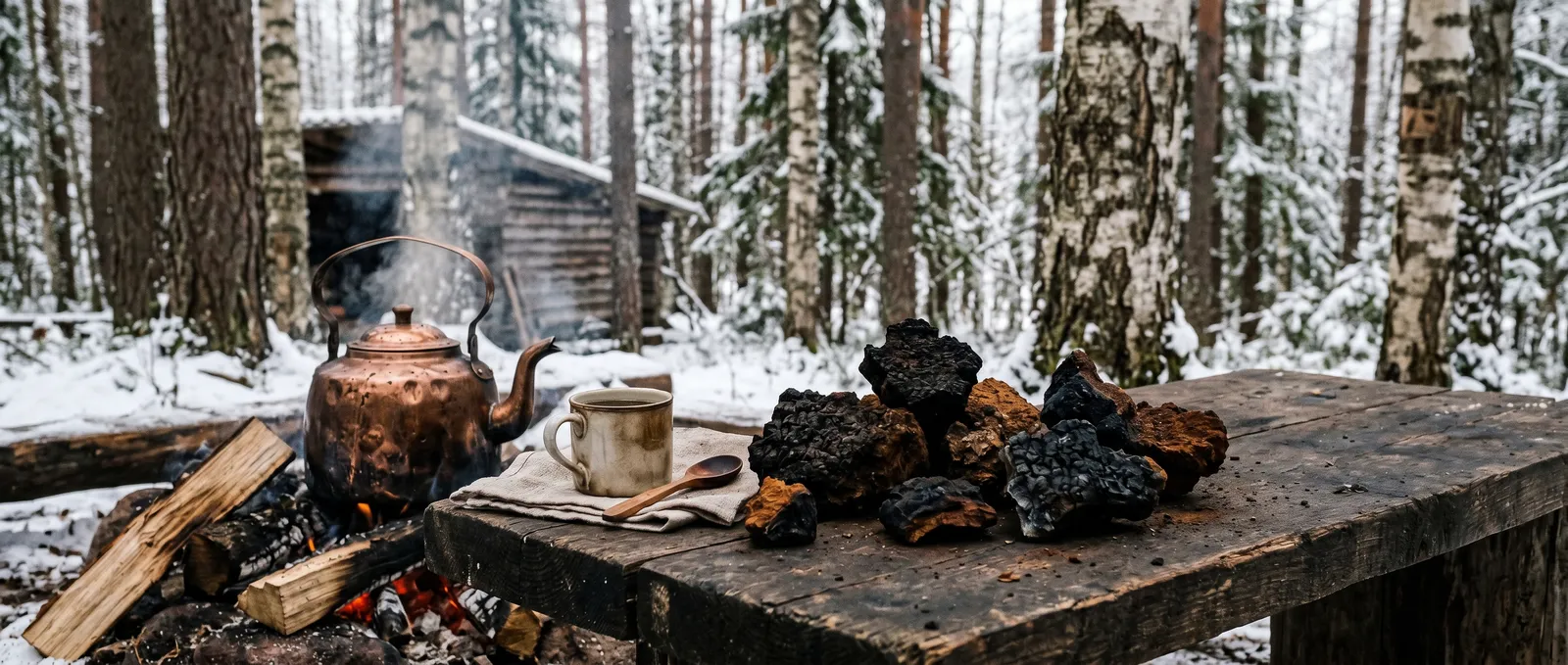
Chaga (Inonotus obliquus): The water-soluble polysaccharide fraction and the alcohol-soluble betulinic acid / triterpene fraction are both studied. Dual extraction is the logical match. Traditional Siberian preparation involved prolonged simmering — essentially hot-water extraction — which concentrates polysaccharides but leaves triterpenes largely behind.
Cordyceps (Cordyceps militaris): Cordycepin (3'-deoxyadenosine) is water-soluble and survives hot-water extraction well. A hot-water extract powder or capsule is a reasonable format for this species. Note that cordyceps may affect blood sugar levels and could potentiate hypoglycaemic medication — see the Azarius wiki article on functional mushroom drug interactions for specifics.
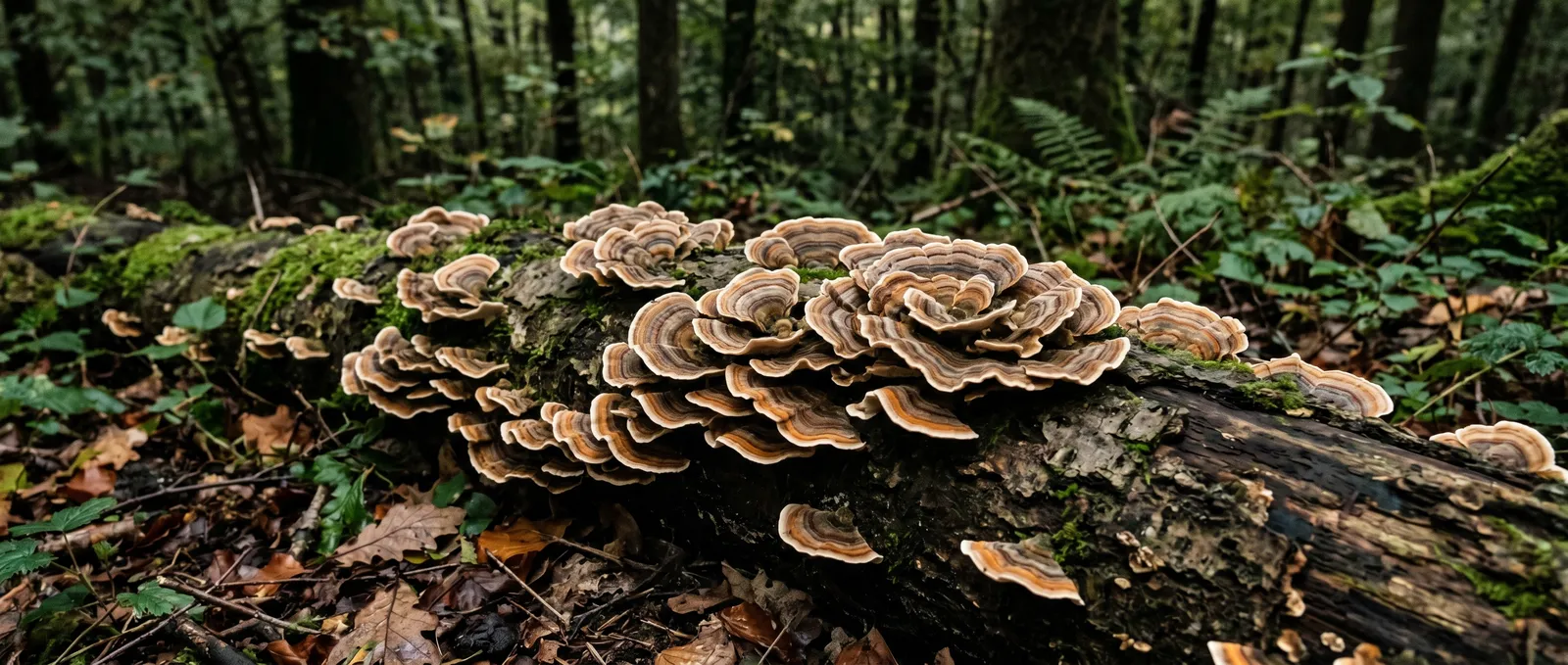
Turkey tail (Trametes versicolor): The polysaccharide fractions PSK and PSP are the most-studied compounds, and these are water-soluble. Hot-water extraction is the traditional and research-standard method. An alcohol-only tincture would be a poor match for turkey tail's primary studied compounds.
The Mycelium-on-Grain Question Across Formats
Mycelium-on-grain products can dilute active compound content by 30–60% with residual grain starch, regardless of whether they arrive as tinctures, powders, or capsules. This distinction cuts across all three formats but is most consequential in capsules and powders, where mycelium-on-grain products are common. A tincture made from mycelium-on-grain would carry the same dilution issue, but in practice most tincture manufacturers use either fruiting body or pure mycelium culture (without grain substrate) as starting material.
The debate is real and ongoing. Proponents of mycelium-on-grain preparations argue that the full-spectrum biomass — including extracellular compounds produced during the growth phase — offers benefits not captured by fruiting-body-only preparations. Proponents of fruiting-body extracts point to higher beta-glucan content, lower starch content, and the fact that most published clinical research used fruiting body or isolated fruiting-body polysaccharides, not mycelium-on-grain supplements. Chilton (2015) has argued that many commercial mycelium products contain more grain starch than fungal active compounds — a claim supported by independent testing showing alpha-glucan (starch) levels of 30–60% in some mycelium-on-grain products.
For the consumer, the practical takeaway is: check whether the product specifies fruiting body, mycelium, or mycelium-on-grain, and whether a beta-glucan percentage is stated. If neither is disclosed, you're guessing.
How to Spot Grain Dilution on a Label
The simplest indicator is the alpha-glucan to beta-glucan ratio. A product with alpha-glucans above 20% and beta-glucans below 15% is almost certainly carrying significant grain starch. Reputable brands like those in the Azarius herbal extracts category publish both figures. We honestly wish more brands did — the industry would be better for it.
Safety Considerations That Apply Across Formats
The format doesn't change the fundamental safety profile of the mushroom species, but concentrated extracts deliver more active compound per serving than whole-mushroom powders. This matters particularly for species with known interaction risks.
Immune-modulating species — reishi, maitake, turkey tail, and shiitake at high doses — may be inappropriate for individuals with autoimmune conditions or those on immunosuppressive therapy (methotrexate, tacrolimus, ciclosporin, corticosteroids). The theoretical concern is that beta-glucan-driven immune stimulation works in opposition to the goal of immunosuppressive treatment. Clinical data on this specific interaction is limited, but the mechanistic concern is sound enough to warrant caution. The EMCDDA and other European monitoring bodies have not issued specific guidance on functional mushroom supplements, which itself reflects the limited regulatory attention this category receives in the EU.
Allergic reactions to fungal proteins are possible across all formats. Individuals with known mushroom allergies or mould sensitivities should approach any functional mushroom product cautiously, regardless of whether it arrives as a tincture, powder, or capsule.
If you take prescription medication — particularly blood thinners, diabetes medication, immunosuppressants, or antihypertensives — consult a healthcare provider before adding functional mushrooms in any format. The Azarius wiki article on functional mushroom drug interactions covers species-specific risks in full.
So, Which Format?
There's no single best format — there's a best match between format, extraction method, target compound, and your daily routine. When deciding whether to buy tinctures vs powders vs capsules, these practical guidelines help:
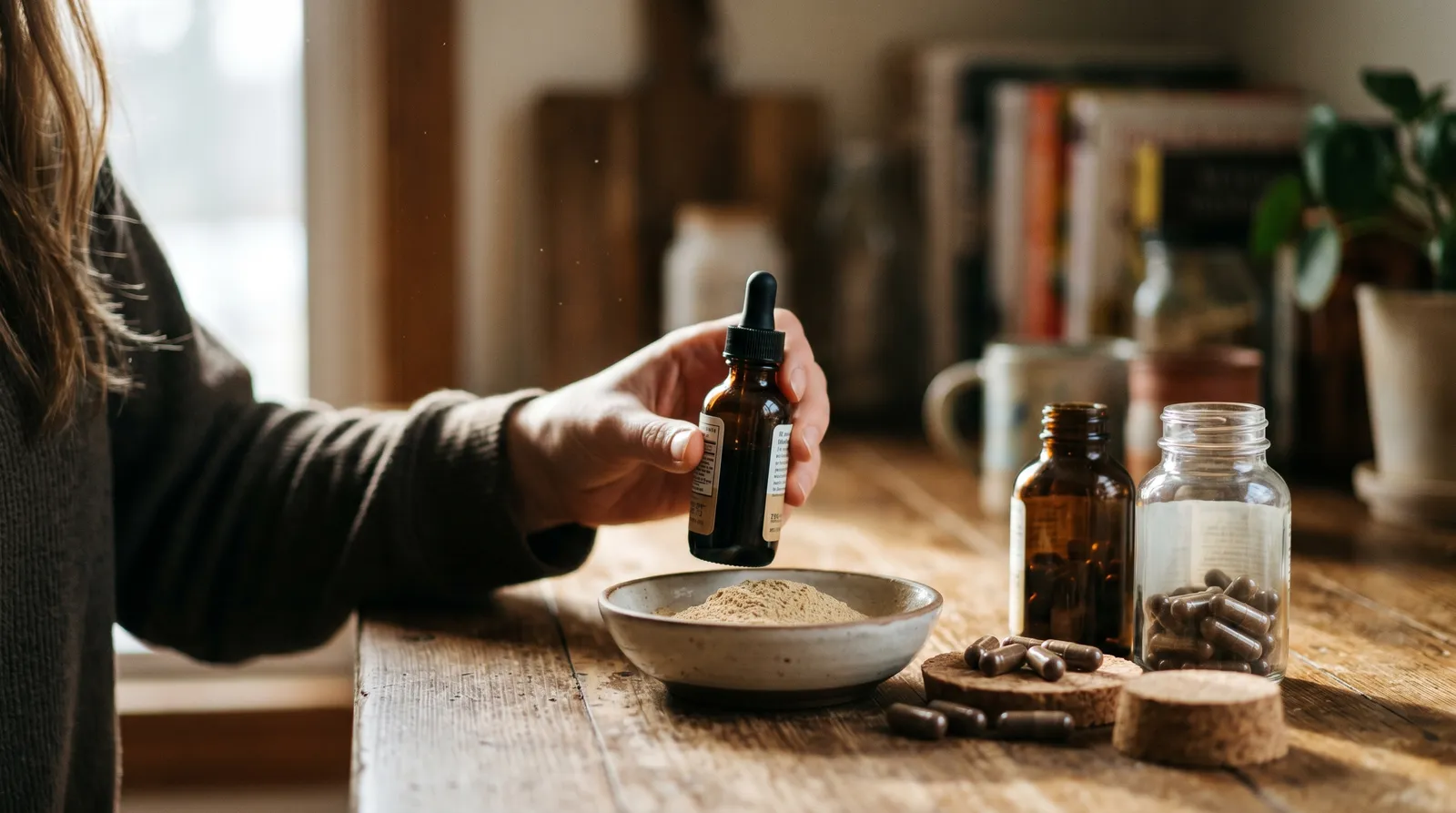
- If you're after triterpenes (reishi, chaga): get an alcohol-based or dual-extracted tincture, or a dual-extract powder/capsule.
- If you're after beta-glucans (turkey tail, maitake, shiitake): a hot-water extract powder or capsule. An alcohol-only tincture is a poor match.
- If you're after both compound classes from a single species: dual extraction in any delivery format.
- If daily consistency matters most: capsules with clearly labelled extract source and beta-glucan content.
- If you want to integrate mushrooms into food and drink: extract powders (not whole-mushroom powders, which carry the chitin bioavailability problem).
- If speed of onset matters to you: tinctures held sublingually, though the actual pharmacokinetic advantage for mushroom compounds specifically is not well quantified in published human studies.
Whatever format you choose, the label should tell you three things: extract source (fruiting body or mycelium), extraction method, and beta-glucan content. If it doesn't, you're paying for a mystery box — and mystery boxes are a poor basis for a daily health routine. Browse the Azarius functional mushroom category to order tinctures vs powders vs capsules side by side, or visit the Azarius blog for individual species profiles before you buy.
Related Products
The functional mushroom range at Azarius includes tinctures, extract powders, and capsules across several species — each listing states the extraction method and source material. Browse the Azarius functional mushroom category or the Azarius herbal extracts category to compare formats side by side. The Azarius blog also covers individual species profiles if you want deeper reading before choosing. You can also find species-specific wiki guides in the Azarius wiki section.
Last updated: April 2026
Frequently Asked Questions
10 questionsDoes a mushroom tincture absorb faster than a capsule?
Can I just stir whole mushroom powder into hot water instead of buying an extract?
Why do some reishi tinctures taste much more bitter than others?
How do I tell if a mushroom capsule contains mycelium-on-grain or fruiting body extract?
Is a dual-extracted product always better than a single extraction?
Where can I buy functional mushroom tinctures, powders, and capsules in Europe?
Do functional mushroom powders lose potency if I mix them into hot coffee or tea?
How should I store mushroom tinctures and powders to maintain shelf life?
Can I take mushroom tinctures and capsules together on the same day?
Why does my mushroom powder clump or stick to the sides of the glass?
About this article


Adam Parsons is an external cannabis and psychedelics writer and editor who contributes to Azarius's wiki as both author and reviewer. On the writing side, he authors Azarius's kratom and kanna clusters, drawing on exten
This wiki article was drafted with AI assistance and reviewed by Adam Parsons, External contributor. Editorial oversight by Joshua Askew.
Medical disclaimer. This content is for informational purposes only and does not constitute medical advice. Consult a qualified healthcare provider before use of any substance.
Last reviewed April 19, 2026
References (6)
- [1]Chilton, J. (2015). Redefining Medicinal Mushrooms. Nammex white paper on mycelium-on-grain versus fruiting body analysis.
- [2]Grienke, U., Zöll, M., Peintner, U., & Rollinger, J. M. (2014). European medicinal polypores — A modern view on traditional uses. Journal of Ethnopharmacology , 154(3), 564–583. DOI: 10.1016/j.jep.2014.04.030
- [3]Mori, K., Inatomi, S., Ouchi, K., Azumi, Y., & Tuchida, T. (2009). Improving effects of the mushroom Yamabushitake (Hericium erinaceus) on mild cognitive impairment. Phytotherapy Research , 23(3), 367–372.
- [4]Ober, C., & Bhatt, D. (2023). Human chitinase enzymes: Biological roles and relevance to disease. Annual Review of Immunology , 41, 315–343.
- [5]Saitsu, Y., Nishide, A., Kikushima, K., Shimizu, K., & Ohnuki, K. (2019). Improvement of cognitive functions by oral intake of Hericium erinaceus. Biomedical Research , 40(4), 125–131. DOI: 10.2220/biomedres.40.125
- [6]Wu, Y., Choi, M. H., Li, J., Yang, H., & Shin, H. J. (2004). Mushroom cosmetics: The present and future. Cosmetics , 3(3), 22. [Referenced for polysaccharide profile comparison methodology.]
Related Articles
Medicinal Mushrooms TCM Western Pharmacognosy Guide
Guide to medicinal mushrooms TCM Western pharmacognosy — how reishi, lion's mane, cordyceps are classified, extracted, and studied.
Research on Immune Modulation by Functional Mushrooms
What does research on immune modulation by functional mushrooms actually show? Beta-glucans, Dectin-1 signalling, human trials, and the honest gap...
Allergic Reactions & Mushroom Sensitivities
Understand allergic reactions and mushroom sensitivities: mould cross-reactivity, shiitake dermatitis, species-specific risks, and safer product…
Turkey Tail Trametes versicolor — Buy Supplements
Buy turkey tail Trametes versicolor supplements at Azarius. PSK and PSP evidence, beta-glucan dosage, extraction methods, and safety.
Triterpenes In Medicinal Mushrooms
Triterpenes in medicinal mushrooms are a class of 30-carbon terpenoid compounds produced as secondary metabolites by several functional mushroom species…
Chaga Siberian Nordic Folk Use
Chaga Siberian Nordic folk use is a centuries-old tradition in which indigenous Siberians and Nordic communities brewed the birch-parasitising fungus…
Red and Black Reishi Varieties
Red reishi (Ganoderma lucidum) and black reishi (Ganoderma sinense) both fall under the lingzhi umbrella in traditional Chinese medicine, but they differ in…
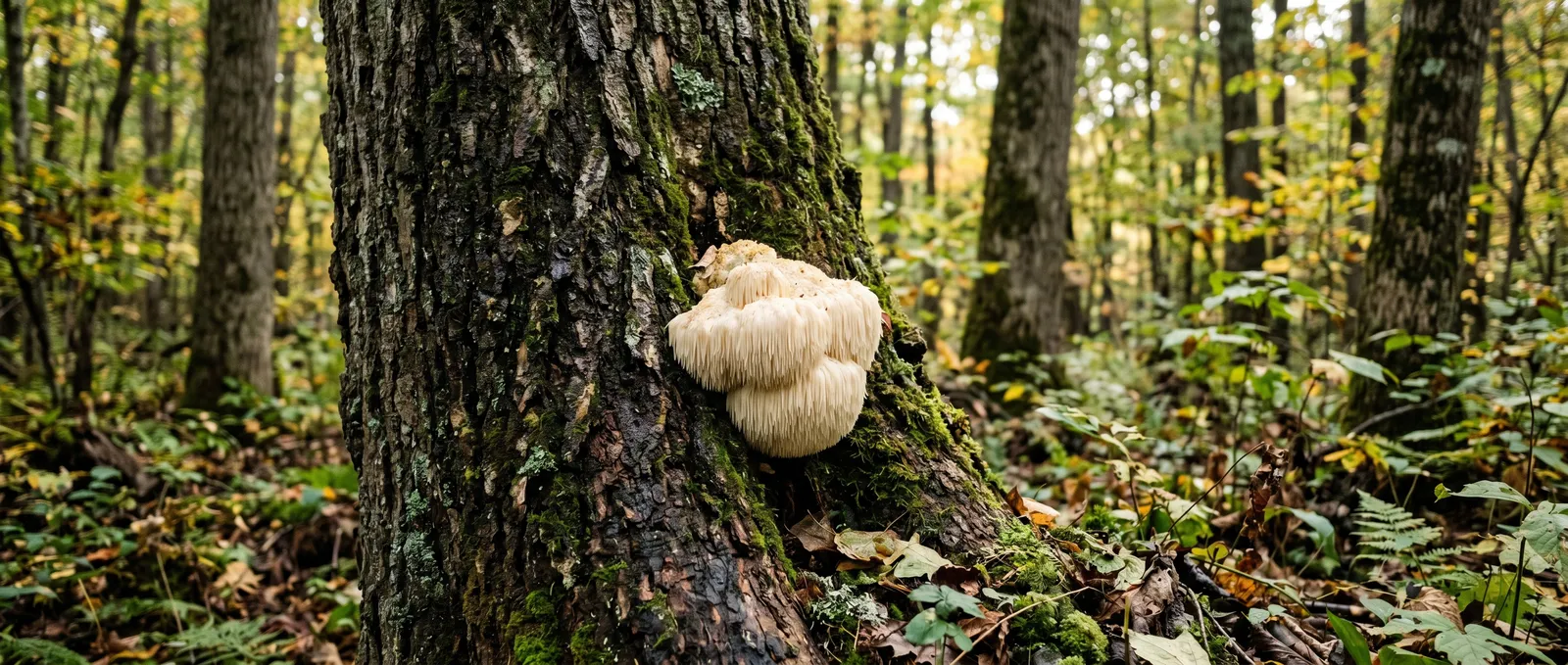
Lion's Mane Identification & Habitat
Hericium erinaceus is a tooth fungus that fruits as a single white, spine-covered mass on wounded or dead hardwood trees.
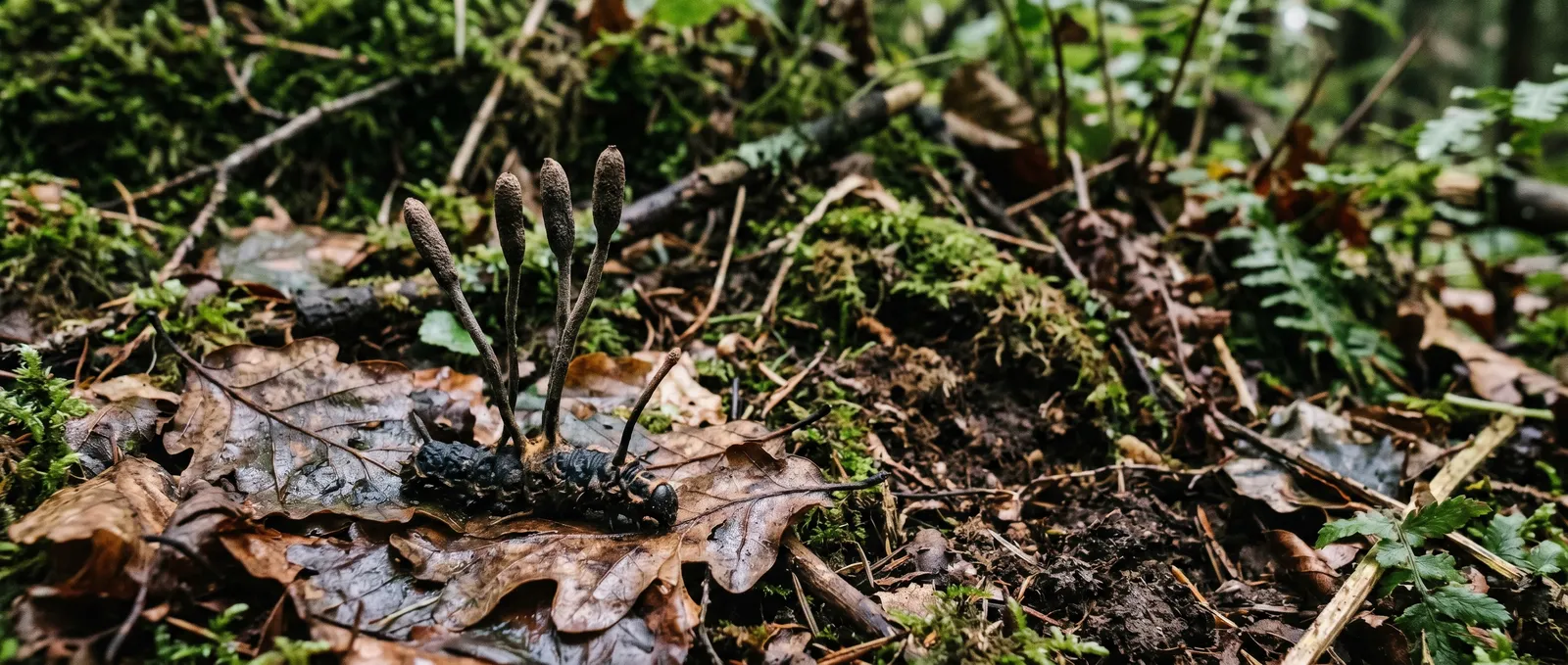
Cordyceps Lifecycle
The cordyceps lifecycle is a parasitic biological sequence in which a fungus infects an insect host, colonises its body from within, and erupts as a…