
Shiitake (Lentinula edodes)
Definition
Lentinula edodes — shiitake — is the world's second most cultivated mushroom and the source of lentinan, a purified beta-glucan fraction studied in oncology settings since Chihara et al. (1969) first described its immunological activity. Research interest spans immune markers, cholesterol metabolism, and ergothioneine, though the gap between isolated-compound clinical data and over-the-counter supplement claims remains wide.
Shiitake (Lentinula edodes) is a saprotrophic white-rot fungus native to East Asia that ranks as the world's second most cultivated mushroom species and has been used in Chinese and Japanese culinary and traditional medicine traditions for centuries. Beyond the kitchen, shiitake Lentinula edodes has attracted research interest primarily for its polysaccharide content, especially lentinan, a beta-glucan fraction that has been the subject of immunological studies since the 1960s. But the distance between a well-characterised polysaccharide studied in clinical oncology settings and a dried mushroom powder in a capsule is substantial — and worth understanding clearly.
This article is for informational purposes only and does not constitute medical advice. Shiitake supplements are not intended to diagnose, treat, cure, or prevent any disease. If you take prescription medication — particularly immunosuppressants, blood thinners, or cholesterol-lowering drugs — consult your healthcare provider before using concentrated shiitake extracts. Nothing on this page should be interpreted as a substitute for professional medical guidance.
Taxonomy and biology
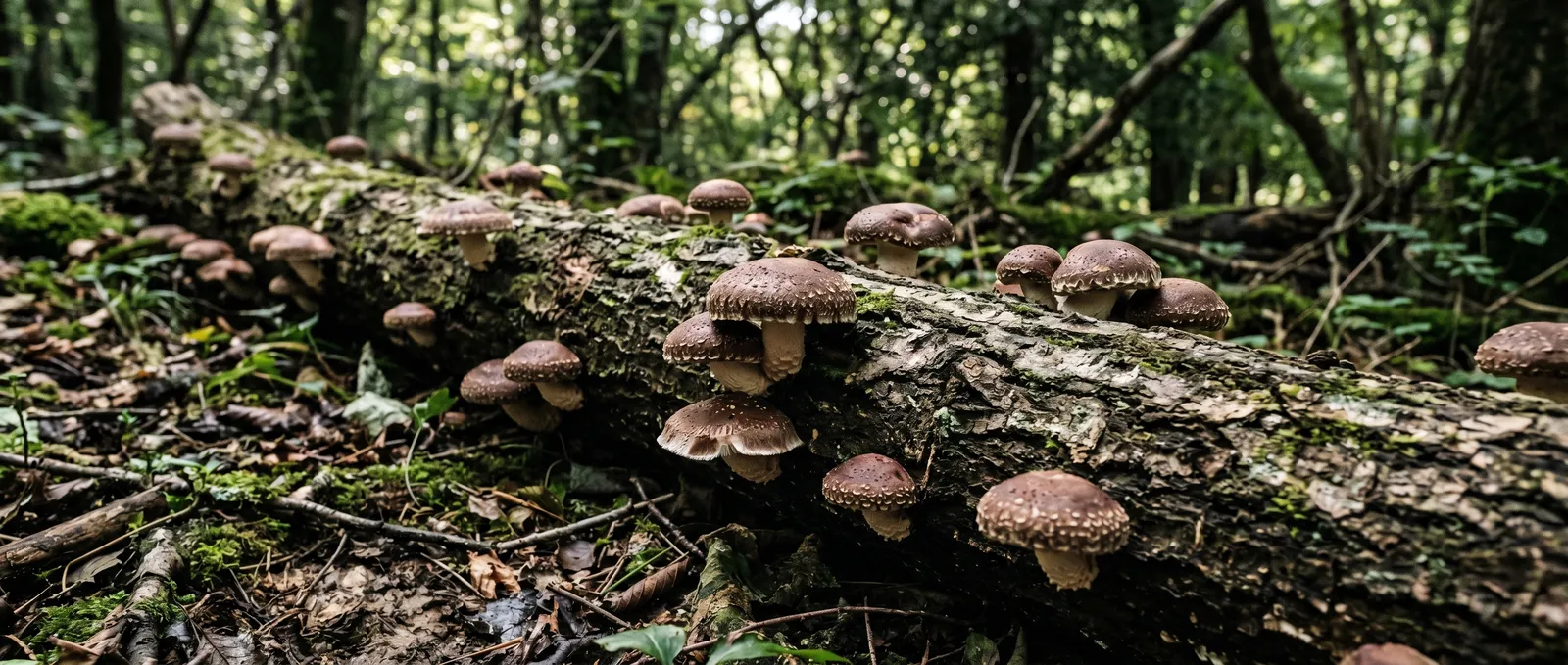
Lentinula edodes is a wood-decomposing fungus belonging to the family Omphalotaceae that breaks down dead hardwood in temperate and subtropical forests. In the wild, it colonises primarily oaks, beeches, and chestnuts across East Asia. The name "shiitake" itself comes from Japanese: shii (a species of chinquapin oak) and take (mushroom).
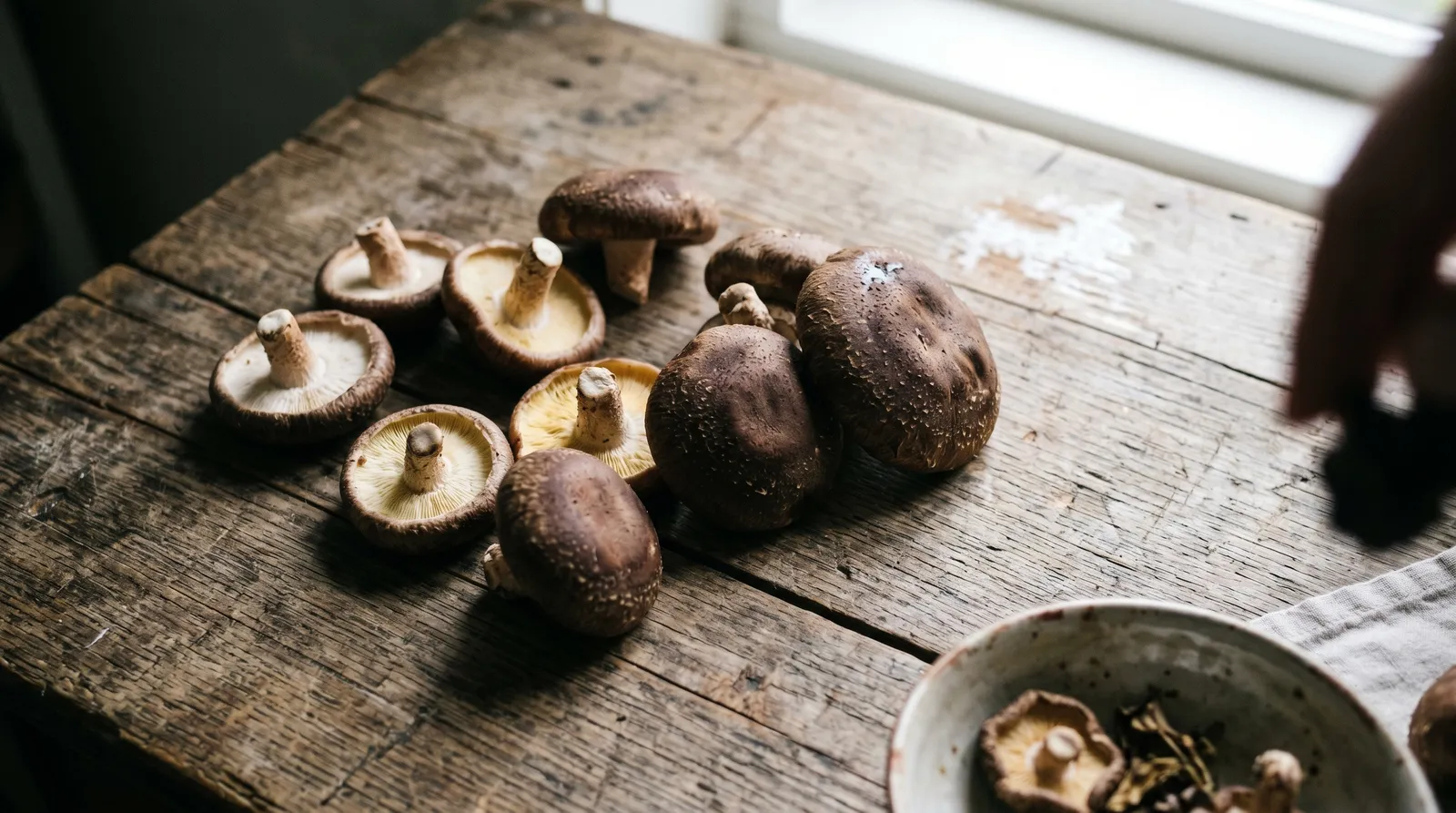
Commercially, shiitake Lentinula edodes is cultivated on either hardwood logs (the traditional method, still used in Japan and parts of China) or supplemented hardwood sawdust blocks (the dominant industrial method globally). The distinction matters for chemistry: substrate composition influences beta-glucan content, free amino acid profiles, and ergosterol levels. A comparative analysis by Jiang et al. (2015) found that sawdust-cultivated shiitake had higher total free amino acid content and different umami-compound profiles compared to log-cultivated specimens, though beta-glucan concentrations were broadly comparable when growing conditions were controlled.
The fruiting body — the familiar brown-capped mushroom — is the part most commonly consumed and studied. Mycelium-on-grain preparations also exist in the supplement market, though the beta-glucan content of these products tends to be substantially lower than fruiting-body extracts, with a correspondingly higher starch content from the grain substrate. This is the same mycelium-versus-fruiting-body debate that runs through the entire functional mushroom sector, and it applies to shiitake just as much as to lion's mane or reishi.
Key bioactive compounds
Shiitake Lentinula edodes contains at least five well-characterised bioactive compound classes, making its chemistry better documented than that of most functional mushrooms. The compounds that attract the most research attention include the following:
| Compound | Type | Source | Key research context |
|---|---|---|---|
| Lentinan | Beta-1,3/1,6-glucan | Fruiting body (purified) | Injectable immunological agent in oncology (Chihara et al., 1969) |
| AHCC | Proprietary alpha-glucan-rich extract | Mycelium (liquid culture) | Oral supplement; small immune-marker trials (Spierings et al., 2007) |
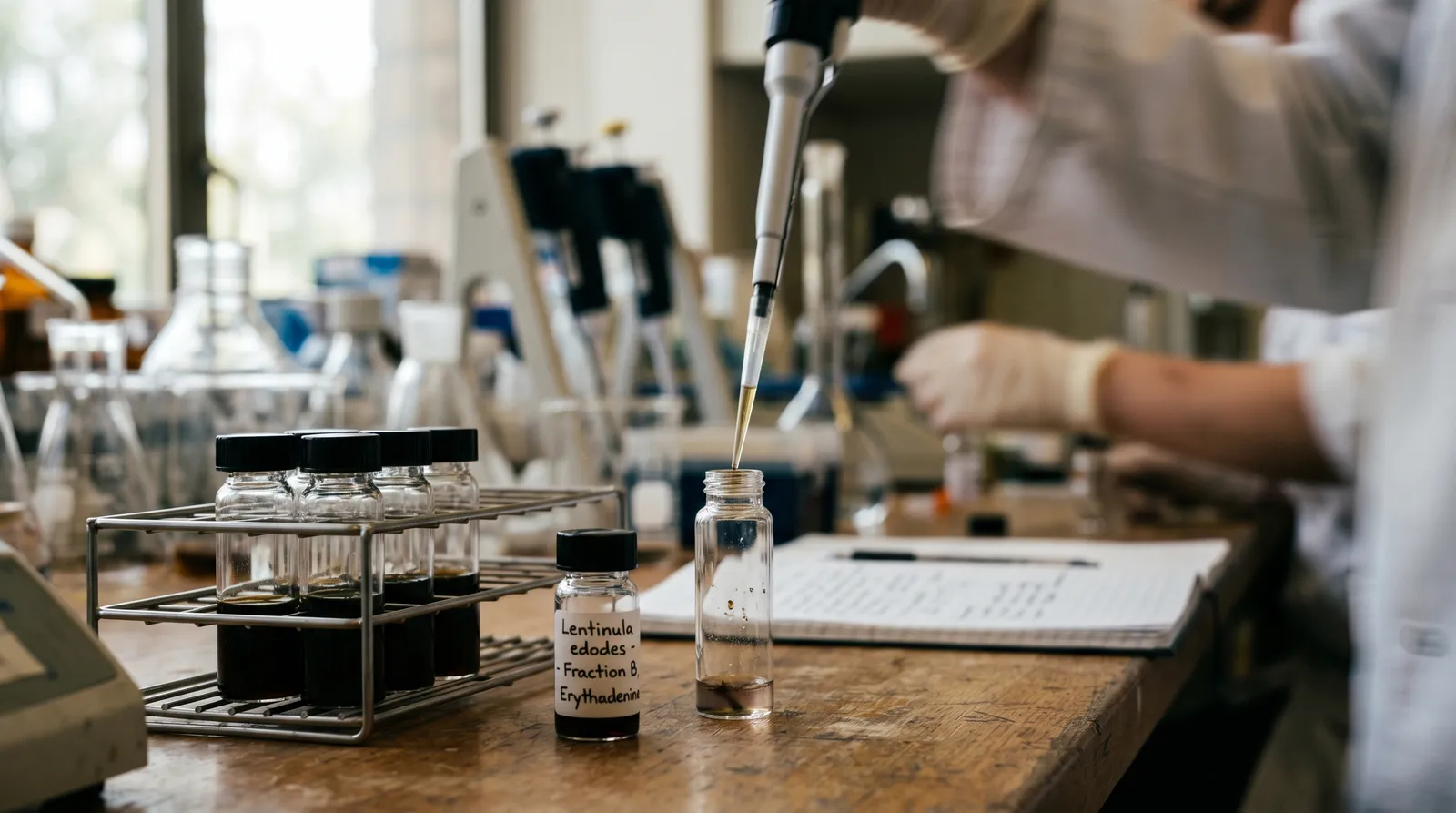
| Eritadenine | Purine alkaloid | Fruiting body | Cholesterol metabolism in rat models (Enman et al., 2007) |
| Ergothioneine | Sulfur-containing amino acid | Fruiting body | Antioxidant with dedicated human transporter (OCTN1) |
| Beta-glucans (general) | Polysaccharides | Fruiting body & mycelium | Immune-marker modulation in various in vitro and animal models |
| Preparation type | Typical beta-glucan content | Key consideration |
|---|---|---|
| Fruiting body hot-water extract | 20–40% | Concentrates polysaccharides; most studied form |
| Fruiting body dual extract | 15–35% | Broader compound spectrum including sterols |
| Whole dried mushroom powder | 10–20% | Contains everything but at lower concentrations |
| Mycelium-on-grain | 5–15% | Significant grain starch dilutes fungal compounds |
Lentinan. A purified beta-1,3/1,6-glucan isolated from shiitake fruiting bodies. Lentinan is not something you get from eating shiitake at dinner — it is a specific, isolated, high-molecular-weight polysaccharide fraction, typically administered by injection in the clinical studies that established its profile. Chihara et al. (1969) first described lentinan's anti-tumour activity in a sarcoma-180 mouse model, and subsequent work characterised its mechanism as indirect: lentinan does not attack tumour cells directly but appears to modulate immune-cell activity, particularly macrophage and natural killer cell responses in animal models.
AHCC (Active Hexose Correlated Compound). A proprietary extract derived from shiitake mycelium cultured in liquid medium. AHCC is heavily marketed as a supplement and has its own body of research, mostly from Japanese institutions. A phase I safety study by Spierings et al. (2007) found that healthy volunteers tolerated AHCC at the tested protocol for 14 days without serious adverse effects. But AHCC is a specific proprietary preparation, and its study results do not automatically extend to other shiitake mycelium products or to whole dried mushroom powder.
Eritadenine. A unique purine alkaloid found in shiitake that has been studied for its effects on cholesterol metabolism in animal models. Enman et al. (2007) demonstrated that eritadenine inhibits S-adenosylhomocysteine hydrolase, an enzyme involved in methionine metabolism, which in turn affects phospholipid composition in rat liver. Whether this translates to meaningful cholesterol-lowering effects in humans consuming dietary quantities of shiitake remains an open question — controlled human trials are limited.
Ergothioneine. A sulfur-containing amino acid with antioxidant properties, found at relatively high concentrations in shiitake compared to many other foods. Ergothioneine is absorbed via a dedicated transporter (OCTN1) in humans, suggesting a biological role, though what that role is precisely remains under investigation.
The extraction method determines which of these compounds end up in a given product. Hot-water extraction concentrates polysaccharides (including beta-glucans). Alcohol extraction pulls out different compound classes — sterols, some terpenoids. Dual extraction captures a broader spectrum. A dried whole-mushroom powder contains everything the fruiting body contained, but at lower concentrations than a targeted extract, and with variable bioavailability.
What the research actually shows
The clinical evidence on shiitake Lentinula edodes is strongest for purified lentinan in oncology settings and weakest for over-the-counter oral supplements in healthy populations. The research spans several decades across oncology, immunology, and metabolic endpoints, but varies enormously depending on the preparation, dose, and route of administration studied.

Lentinan in oncology contexts. The most robust clinical data on any shiitake-derived compound comes from lentinan used as an adjunct in cancer treatment protocols, primarily in Japan. Oba et al. (2009) published a meta-analysis of three randomised controlled trials examining lentinan combined with chemotherapy in advanced gastric cancer, reporting a statistically significant improvement in overall survival compared to chemotherapy alone. This is meaningful — but it describes intravenous or intramuscular administration of a purified, pharmaceutical-grade polysaccharide fraction within a managed oncology setting. It does not describe what happens when someone takes a shiitake capsule from a health-food shop.
Immune markers in healthy adults. Dai et al. (2015) conducted a four-week trial in which 52 healthy adults consumed dried whole shiitake mushrooms daily. They observed changes in several immune markers, including increased proliferation of gamma-delta T cells and natural killer T cells, along with increased secretory IgA and reduced C-reactive protein. The study was small, unblinded, and lacked a placebo control — the participants knew they were eating mushrooms. It is suggestive but not definitive.
Cholesterol. Animal studies on eritadenine have shown lipid-lowering effects in rats, but controlled human clinical trials on shiitake consumption and blood cholesterol are scarce. The evidence here sits in the "thin" category — interesting mechanistically, not established clinically.
AHCC and immune function. Several small trials have examined AHCC in various populations, including cancer patients receiving chemotherapy and healthy volunteers. Results have been mixed, with some showing changes in natural killer cell activity and cytokine profiles, others showing no significant difference from placebo. The proprietary nature of AHCC complicates independent replication.
How shiitake compares to other functional mushrooms
Compared to reishi (Ganoderma lucidum), shiitake has a stronger culinary tradition and arguably better-characterised individual compounds — lentinan has more clinical trial data behind it than most reishi-derived polysaccharides. Compared to lion's mane (Hericium erinaceus), shiitake research focuses on immunological rather than neurological endpoints. Turkey tail (Trametes versicolor) is perhaps the closest parallel: its PSK/PSP polysaccharides occupy a similar niche to lentinan in Japanese oncology research. The honest summary is that shiitake sits in the upper tier of evidence quality among functional mushrooms, which still means the evidence for over-the-counter supplement use is limited. For a broader look at how different species stack up, see the Azarius functional mushroom comparison guide in the encyclopedia.
Safety and drug interactions
Shiitake is generally recognised as safe at dietary intake levels according to available toxicological literature, but concentrated supplements carry specific risks that deserve attention before you buy. A few mushrooms in a stir-fry pose minimal risk for most people, though the picture changes somewhat at supplement-level concentrations or with concentrated extracts.
Shiitake dermatitis. The best-documented adverse effect specific to shiitake is flagellate dermatitis — a distinctive whip-like skin rash caused by lentinan. It typically occurs after consumption of raw or undercooked shiitake and resolves within one to three weeks without treatment. Nakamura (1992) first characterised the condition, and subsequent case reports have confirmed it occurs across populations. Thorough cooking degrades lentinan sufficiently to prevent this reaction in most cases.
Respiratory sensitivity. Occupational exposure to shiitake spores — primarily among commercial growers — has been associated with hypersensitivity pneumonitis. This is an inhalation risk, not an ingestion risk, but it is worth noting for anyone cultivating shiitake at home in poorly ventilated spaces.
Drug interactions. At high supplemental concentrations, shiitake's beta-glucan content places it in the same interaction-risk category as other immune-modulating mushrooms. Individuals taking immunosuppressant medications — methotrexate, tacrolimus, ciclosporin, corticosteroids — should be aware that beta-glucan immune stimulation works in the opposite direction to their medication. The theoretical concern is real even if direct clinical interaction studies are limited. If you take prescription medication, particularly immunosuppressants or blood thinners, speak with your prescriber before adding concentrated shiitake extracts to your routine. For a more detailed treatment of mushroom-drug interactions across species, see the dedicated functional mushroom drug interactions article on the Azarius encyclopedia.
Allergies. Fungal cross-reactivity is a genuine phenomenon. People with known mould allergies may react to shiitake or other edible mushrooms. Reactions range from mild gastrointestinal discomfort to, rarely, anaphylaxis.
The food-versus-supplement gap
The difference between eating shiitake as food and taking it as a concentrated supplement is substantial in compound concentration, bioavailability, and expected outcomes. Shiitake Lentinula edodes is a nutritious, flavourful mushroom with a well-characterised chemistry. Lentinan is a genuinely interesting immunological compound with real clinical data behind it — in specific preparations, at specific concentrations, administered in specific ways, within specific medical contexts. Eritadenine has a plausible mechanism for cholesterol effects in animal models. Ergothioneine is an unusual dietary antioxidant with a dedicated human transporter.
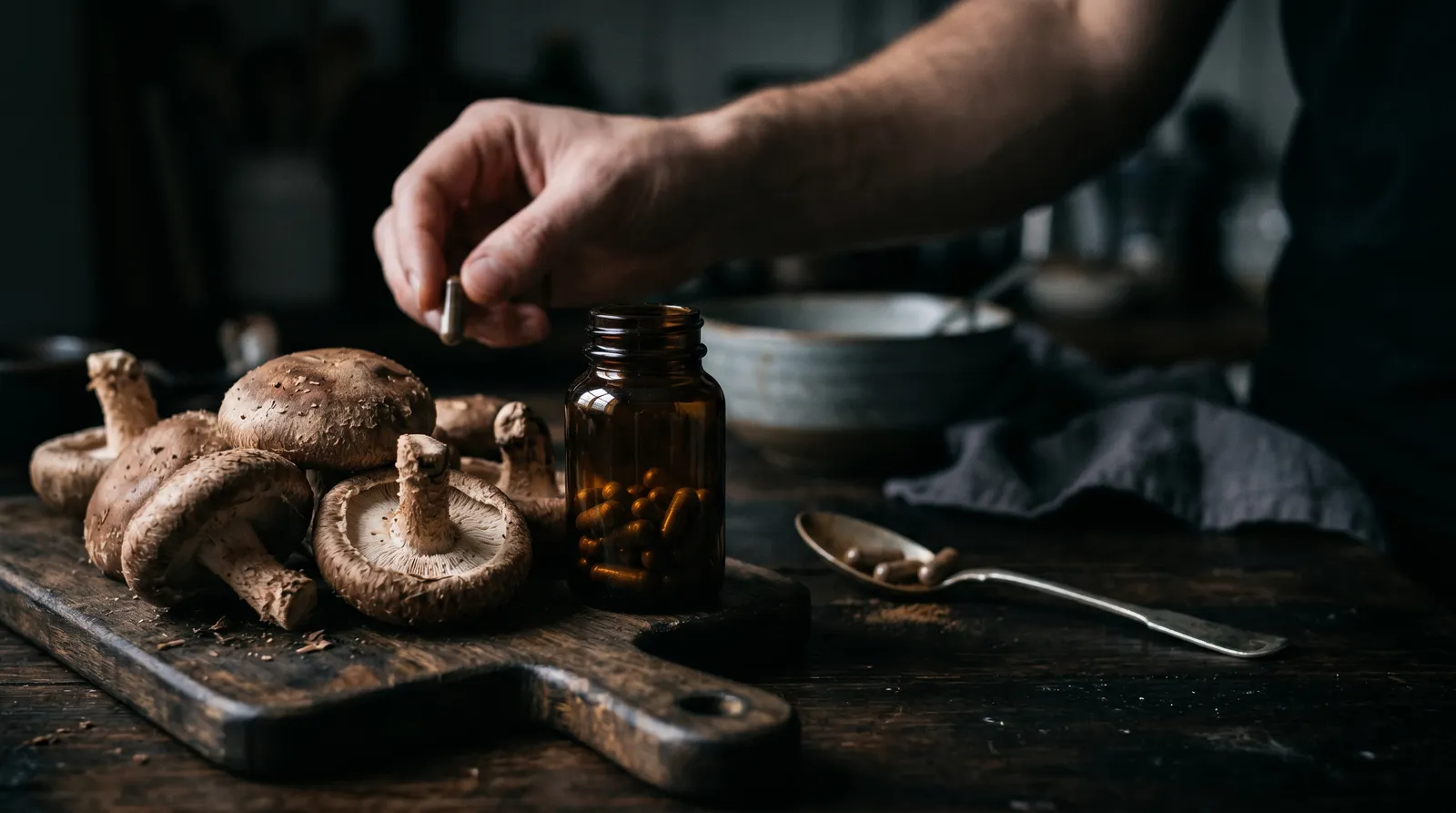
None of that means a dried shiitake powder capsule does what pharmaceutical-grade lentinan does in any clinically validated sense. The gap between purified lentinan injected in a hospital and a capsule of ground-up mushroom is enormous — in purity, in bioavailability, in the population studied. Recognising this gap is not dismissing shiitake. It is respecting the actual state of the evidence, which is richer than most functional mushrooms but still does not support the sweeping claims that wellness marketing routinely attaches to it.
Long-term safety data for chronic daily supplementation with concentrated shiitake extracts remain limited, as do data on use during pregnancy, breastfeeding, or in children. These are not areas where absence of evidence means evidence of safety.

We carry several mushroom products in the Azarius smartshop catalogue, and we would rather someone buy the right product for their goals than the most expensive one on the shelf. If you are exploring functional mushrooms more broadly, the Azarius mushroom supplements category page is a good place to compare options side by side.
We had a regular customer last year who came in convinced that shiitake capsules would replace his statin medication. We spent twenty minutes walking him through the eritadenine research — how the cholesterol-lowering data comes from rat models, how there are no controlled human trials at dietary quantities, and how stopping a prescribed medication based on animal studies is a genuinely bad idea. He kept his statin, added shiitake to his cooking for the flavour and the ergothioneine, and came back a month later to say his doctor appreciated the conversation. That is the kind of outcome we aim for: informed choices, not wishful thinking.
Another interaction that sticks with us: a woman who had been taking a mycelium-on-grain shiitake product for months without noticing any difference. When we looked at the label together, the beta-glucan content was not listed at all — just "polysaccharides," which could have been mostly grain starch. We helped her get a fruiting-body extract with a verified 30% beta-glucan content from the Azarius mushroom supplements range instead. She came back two weeks later and said she wished someone had explained the difference sooner. That is why we keep hammering on the fruiting-body-versus-mycelium point — it is not snobbery, it is chemistry.
One more thing we are honest about: we genuinely do not know whether the customers who report feeling "more energised" after a few weeks on shiitake extract are experiencing a real physiological shift or a placebo response. The studies that exist measured immune markers in blood draws, not subjective energy levels. We tell people this upfront, because we think you deserve to know what the evidence actually supports and where you are entering anecdote territory.
We also get asked surprisingly often whether it matters where you order shiitake supplements from. Our honest answer: it matters less who sells it and more what is in it. A fruiting-body extract with third-party-verified beta-glucan content from a transparent manufacturer beats a premium-priced mystery blend every time. We have seen customers save money and get better products simply by learning to read labels — and that is a win we are always happy to help with.
Here is one more story we think is worth sharing. A couple came in last month wanting to buy shiitake and reishi together for what they called a "mushroom stack." They had done their homework — they knew shiitake was primarily studied for immune markers and reishi for triterpene-related endpoints — but they were unsure about combining them. We walked them through the beta-glucan content of each product we carry, pointed out that stacking two high-beta-glucan extracts means a higher combined immunomodulatory load (relevant if either of them were on medication, which one was), and suggested they check with their GP first. They came back the following week with the green light from their doctor and ordered both. That kind of careful, informed approach is exactly what we like to see, and it is why we always encourage people to get the full picture before they buy.
We will add one more honest limitation here, because it matters: even among the fruiting-body extracts we sell, batch-to-batch variation in beta-glucan content is a reality. Mushrooms are biological organisms, not pharmaceutical compounds, and growing conditions, harvest timing, and extraction parameters all introduce variability. When a label says "30% beta-glucans," that is typically a batch average verified by a third-party lab — but individual capsules are not individually tested. We think customers deserve to know that, and it is one more reason we recommend treating supplement labels as useful approximations rather than pharmaceutical-grade guarantees.
A recent counter conversation deserves mention too. A university student came in asking whether she could order shiitake capsules to help with exam-season fatigue. We asked what she had read, and it turned out she had confused shiitake with cordyceps — which has a different (and also limited) evidence base around oxygen utilisation and exercise performance. We walked her through the distinction: shiitake research centres on immune markers and lentinan, while cordyceps studies focus on VO2 max and endurance endpoints. She ended up choosing a cordyceps extract from the Azarius cordyceps product page instead, which was a better match for what she was actually looking for. Moments like that remind us why product education matters more than upselling — getting the right mushroom for the right goal is the whole point.
Here is a limitation we do not see discussed enough: the timing question. Most shiitake supplement studies that measured immune markers ran for four to eight weeks. We have no robust data on what happens at twelve months of daily use, or whether any observed marker changes persist, plateau, or reverse. When customers ask us how long they should take shiitake extract, the honest answer is that nobody really knows the optimal duration — the long-term supplementation data simply does not exist yet. We mention this because we think it is better to be upfront about uncertainty than to imply that indefinite daily use is well-supported by evidence.
What we honestly do not know
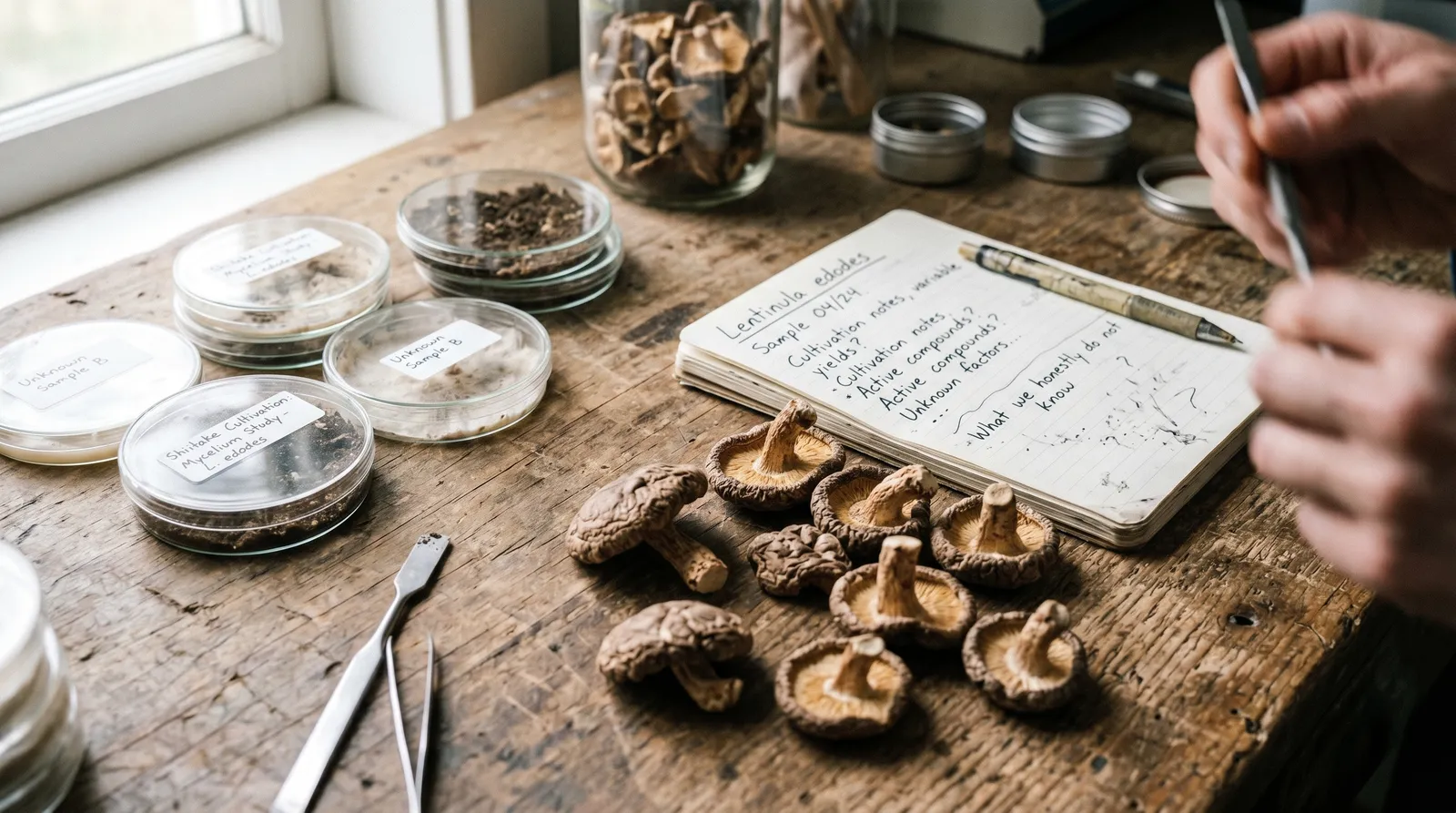
Large, well-controlled human trials showing that oral shiitake supplements meaningfully alter immune function in healthy people do not yet exist. For all the research on shiitake Lentinula edodes, the gaps are real. We do not know whether eritadenine lowers cholesterol in humans at dietary quantities. We do not have long-term safety data for daily supplementation with concentrated extracts. We do not know how much beta-glucan from an oral shiitake capsule actually reaches immune cells in the gut-associated lymphoid tissue versus being degraded in digestion. These are not minor footnotes — they are the central questions that remain unanswered. Anyone telling you otherwise is selling something.
Traditional use
Shiitake has been cultivated in China and Japan for at least 800 years, with historical accounts suggesting cultivation practices dating to the Song Dynasty (960–1279 CE). In traditional Chinese medicine, it was classified as a qi-tonifying food — used according to practitioners to promote general vitality rather than to treat specific diseases. Japanese traditional use similarly frames shiitake as a health-maintaining food rather than a medicine in the Western pharmaceutical sense.
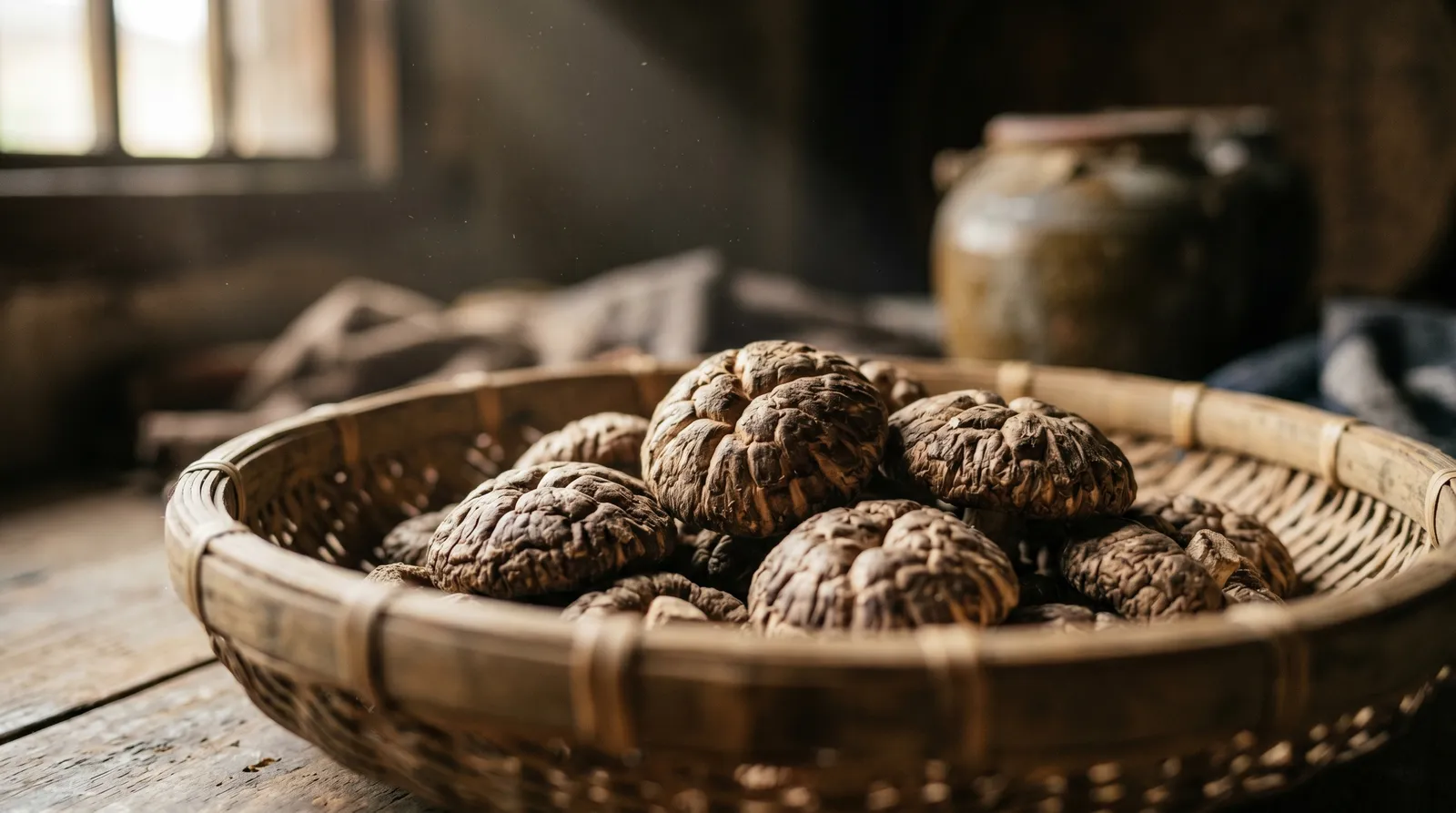
This traditional framing is actually more honest than much modern supplement marketing: shiitake was understood as a nourishing food with health-supporting properties, not as a treatment for named conditions. The escalation from "good food" to "immune-modulating supplement" is a modern commercial phenomenon, not a traditional one.
How to get the most from shiitake
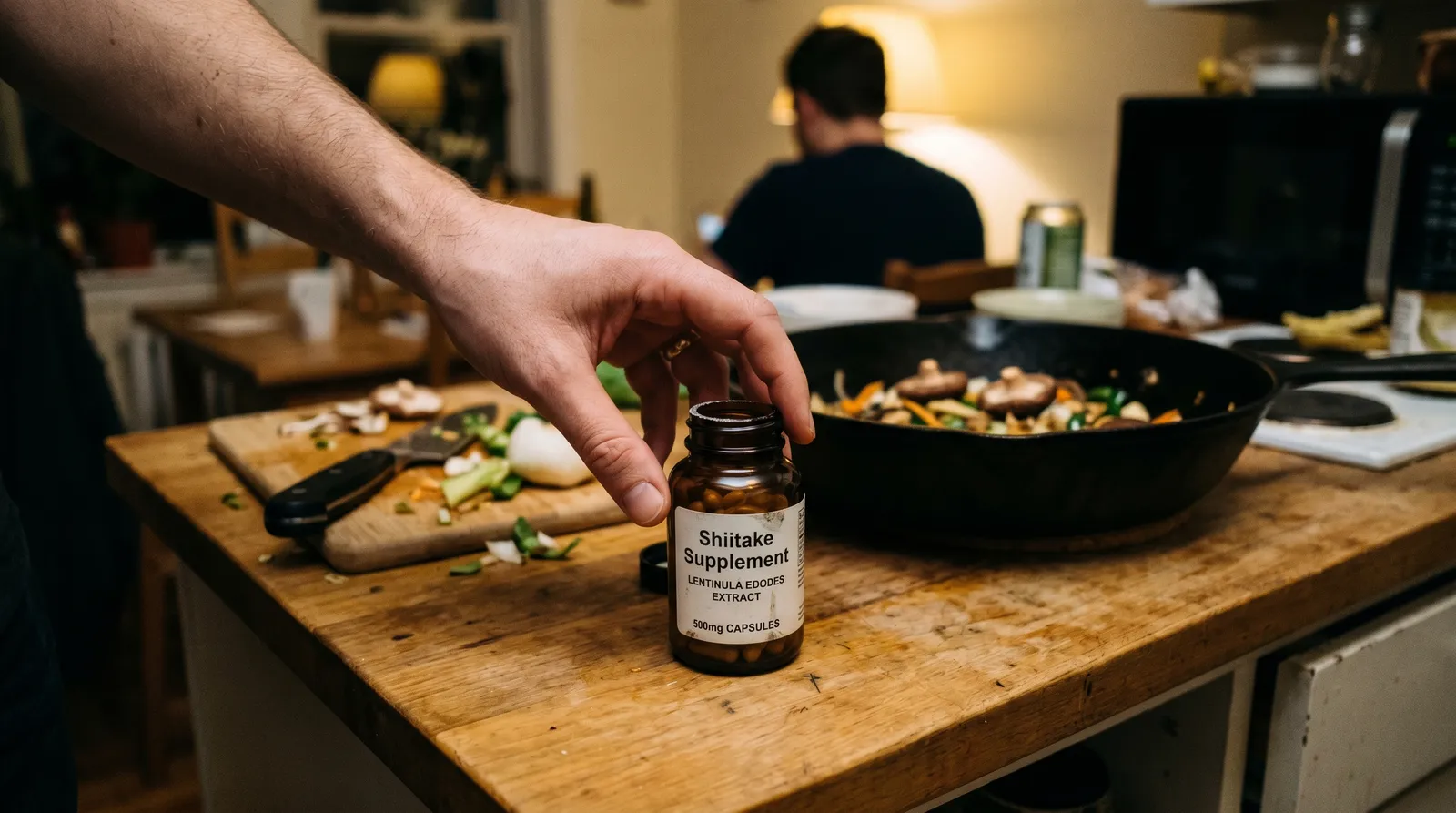
Choosing a fruiting-body extract with verified beta-glucan content is the single most impactful decision when you buy shiitake Lentinula edodes as a supplement. This distinction affects beta-glucan content more than almost any other variable. Second, look for products that list a verified beta-glucan percentage on the label; if a manufacturer does not test for this, that is a red flag. Third, consider whether an extract or a whole powder suits your goals: extracts concentrate specific compound classes, while whole powders offer a broader but more dilute profile.

For culinary use, fresh or dried shiitake mushrooms remain the simplest way to incorporate this fungus into your diet. Dried shiitake, rehydrated and cooked thoroughly, delivers eritadenine, ergothioneine, and dietary beta-glucans alongside excellent umami flavour — and thorough cooking eliminates the flagellate dermatitis risk associated with raw consumption. If you want to order dried shiitake for the kitchen, most Asian grocery suppliers carry high-quality options, and the Azarius blog on functional mushroom preparation methods covers cooking techniques that preserve bioactive compounds.
Comparing shiitake products: what to look for
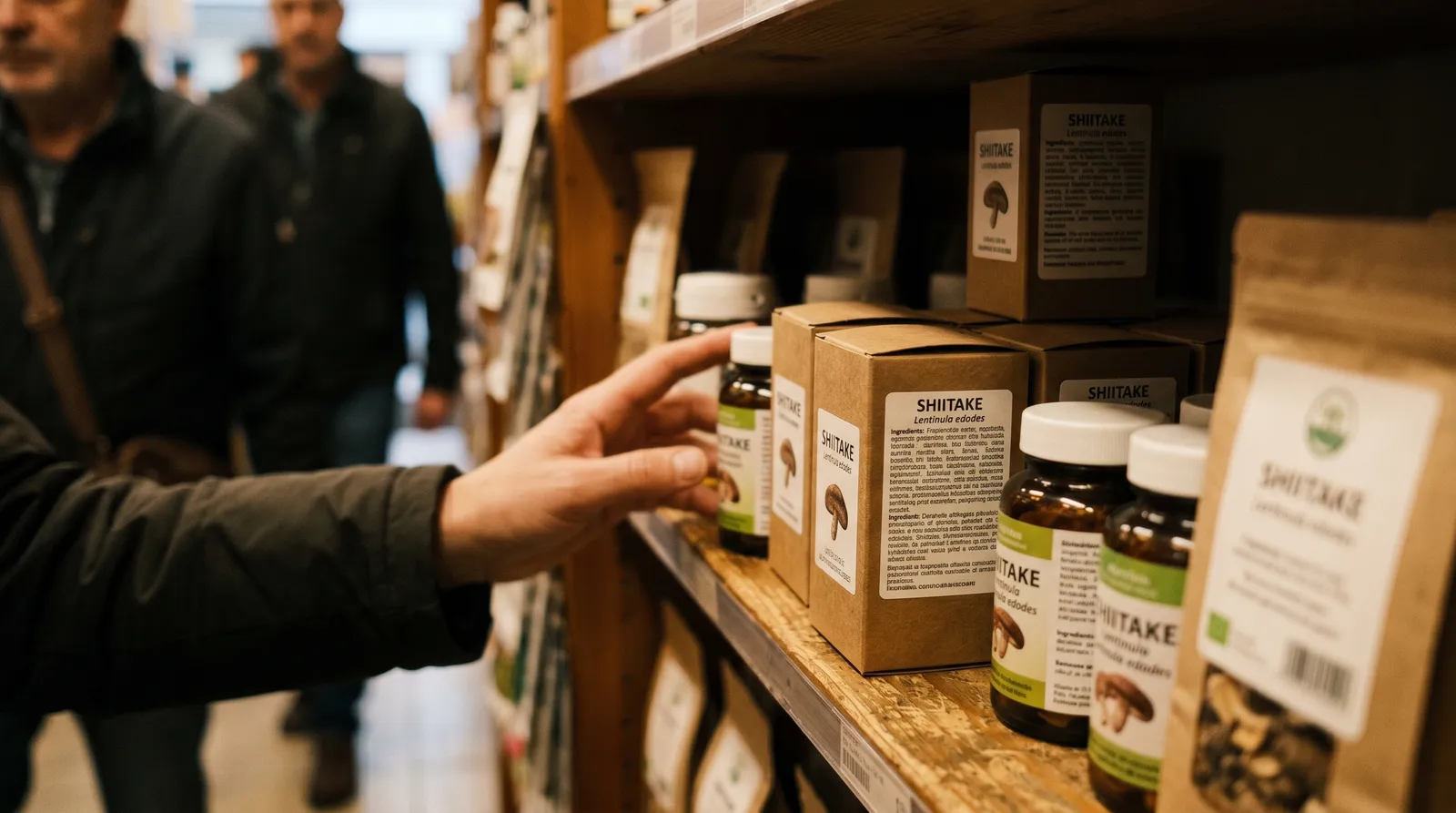
Not all shiitake products on the market are equivalent, and the differences matter more than most marketing copy suggests. When you order a shiitake supplement, the label should tell you the source material (fruiting body versus mycelium), the extraction method (hot water, alcohol, dual, or none for whole powders), and ideally a third-party-verified beta-glucan percentage. Products that list only "polysaccharides" without specifying beta-glucans may be measuring starch from grain substrates — a common issue with mycelium-on-grain preparations. We find that customers who take the time to compare labels before they buy end up more satisfied with their purchase and more realistic about what to expect. For side-by-side product comparisons, the Azarius mushroom supplements category page lists beta-glucan percentages where available, and the Azarius functional mushroom wiki entry provides additional context on reading supplement labels. If you are also considering stacking shiitake with other species, the Azarius lion's mane product page and the Azarius reishi product page are worth reviewing alongside the Azarius blog post on functional mushroom stacking strategies.
Last updated: April 2026
Frequently Asked Questions
10 questionsWhat is lentinan and how is it different from eating shiitake?
Can shiitake cause a skin rash?
Is AHCC the same as shiitake extract?
Does shiitake interact with immunosuppressant drugs?
Does the extraction method matter for shiitake supplements?
Should I buy shiitake fruiting body or mycelium supplements?
Does the cultivation method (log vs. sawdust) affect shiitake's nutritional value?
How many bioactive compound classes have been identified in shiitake?
How much dried shiitake is typically used in culinary or traditional preparations?
Why do dried shiitake smell and taste stronger than fresh ones?
About this article


Adam Parsons is an external cannabis and psychedelics writer and editor who contributes to Azarius's wiki as both author and reviewer. On the writing side, he authors Azarius's kratom and kanna clusters, drawing on exten
This wiki article was drafted with AI assistance and reviewed by Adam Parsons, External contributor. Editorial oversight by Joshua Askew.
Medical disclaimer. This content is for informational purposes only and does not constitute medical advice. Consult a qualified healthcare provider before use of any substance.
Last reviewed April 24, 2026
References (8)
- [1]Chihara, G. et al. (1969). Fractionation and purification of the polysaccharides with marked antitumour activity, especially lentinan, from Lentinus edodes. Cancer Research , 29(3), 734–735.
- [2]Dai, X. et al. (2015). Consuming Lentinula edodes (shiitake) mushrooms daily improves human immunity: a randomized dietary intervention in healthy young adults. Journal of the American College of Nutrition , 34(6), 478–487. DOI: 10.1080/07315724.2014.950391
- [3]Enman, J. et al. (2007). Eritadenine from the mushroom Lentinula edodes and its analogues as inhibitors of S-adenosylhomocysteine hydrolase. Bioorganic Chemistry , 35(5), 356–368.
- [4]Jiang, T. et al. (2015). Comparison of chemical compositions of shiitake (Lentinus edodes) grown on logs and on sawdust substrates. Journal of Food Quality , 38(6), 397–408.
- [5]Nakamura, T. (1992). Shiitake (Lentinus edodes) dermatitis. Contact Dermatitis , 27(2), 65–70. DOI: 10.1111/j.1600-0536.1992.tb05211.x
- [6]Oba, K. et al. (2009). Individual patient based meta-analysis of lentinan for unresectable/recurrent gastric cancer. Anticancer Research , 29(7), 2739–2745.
- [7]Spierings, E.L.H. et al. (2007). A phase I study of the safety of the nutritional supplement, active hexose correlated compound, AHCC, in healthy volunteers. Journal of Nutritional Science and Vitaminology , 53(6), 536–539. DOI: 10.3177/jnsv.53.536
- [8]EMCDDA. (2024). European drug report: functional food and supplement regulatory context. European Monitoring Centre for Drugs and Drug Addiction.
Related Articles

Medicinal Mushrooms TCM Western Pharmacognosy Guide
Guide to medicinal mushrooms TCM Western pharmacognosy — how reishi, lion's mane, cordyceps are classified, extracted, and studied.
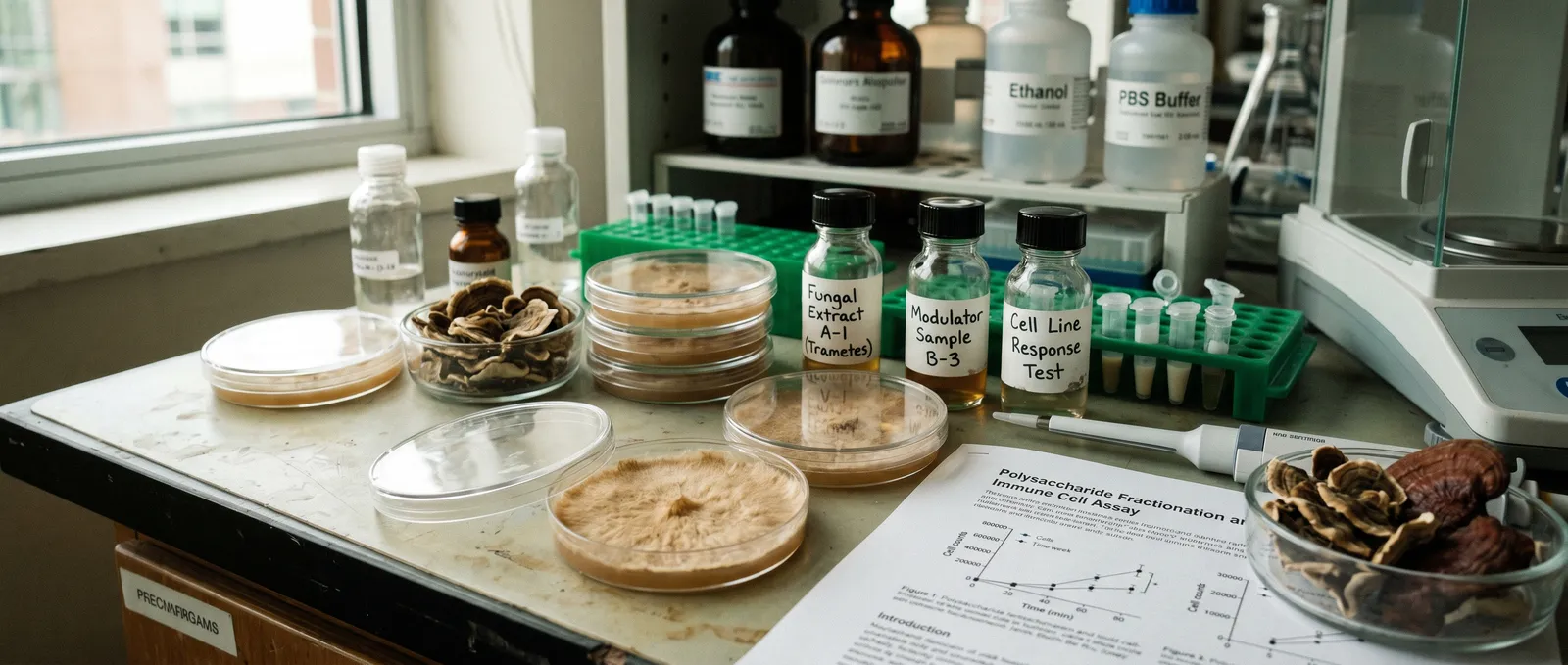
Research on Immune Modulation by Functional Mushrooms
What does research on immune modulation by functional mushrooms actually show? Beta-glucans, Dectin-1 signalling, human trials, and the honest gap...
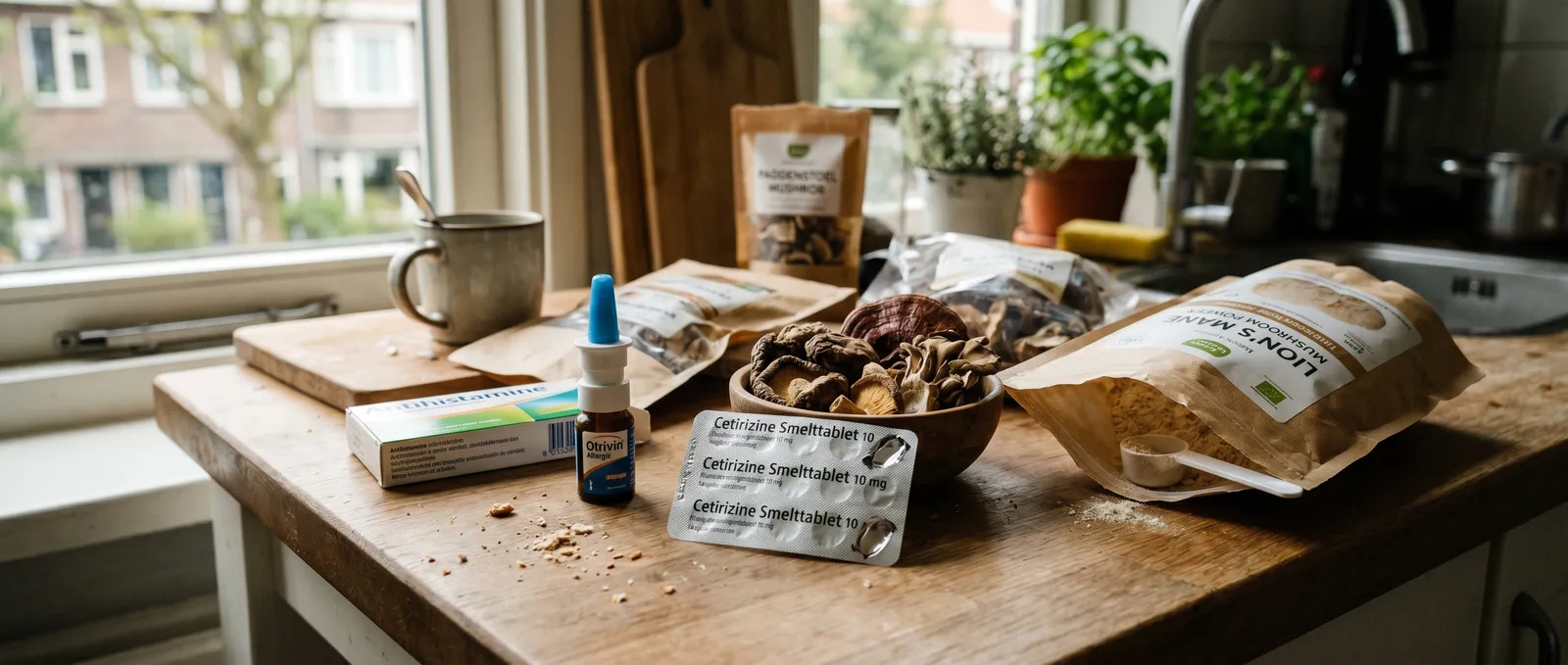
Allergic Reactions & Mushroom Sensitivities
Understand allergic reactions and mushroom sensitivities: mould cross-reactivity, shiitake dermatitis, species-specific risks, and safer product…
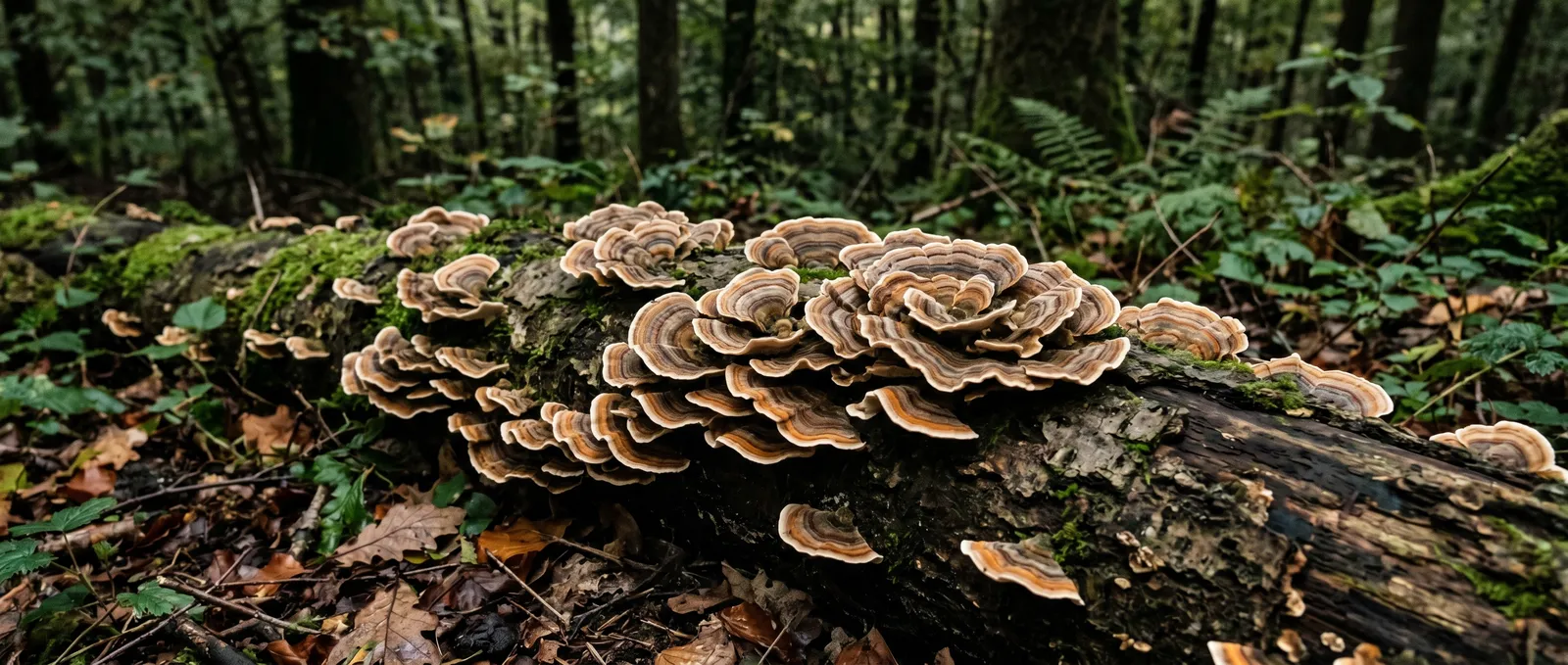
Turkey Tail Trametes versicolor — Buy Supplements
Buy turkey tail Trametes versicolor supplements at Azarius. PSK and PSP evidence, beta-glucan dosage, extraction methods, and safety.

Triterpenes In Medicinal Mushrooms
Triterpenes in medicinal mushrooms are a class of 30-carbon terpenoid compounds produced as secondary metabolites by several functional mushroom species…
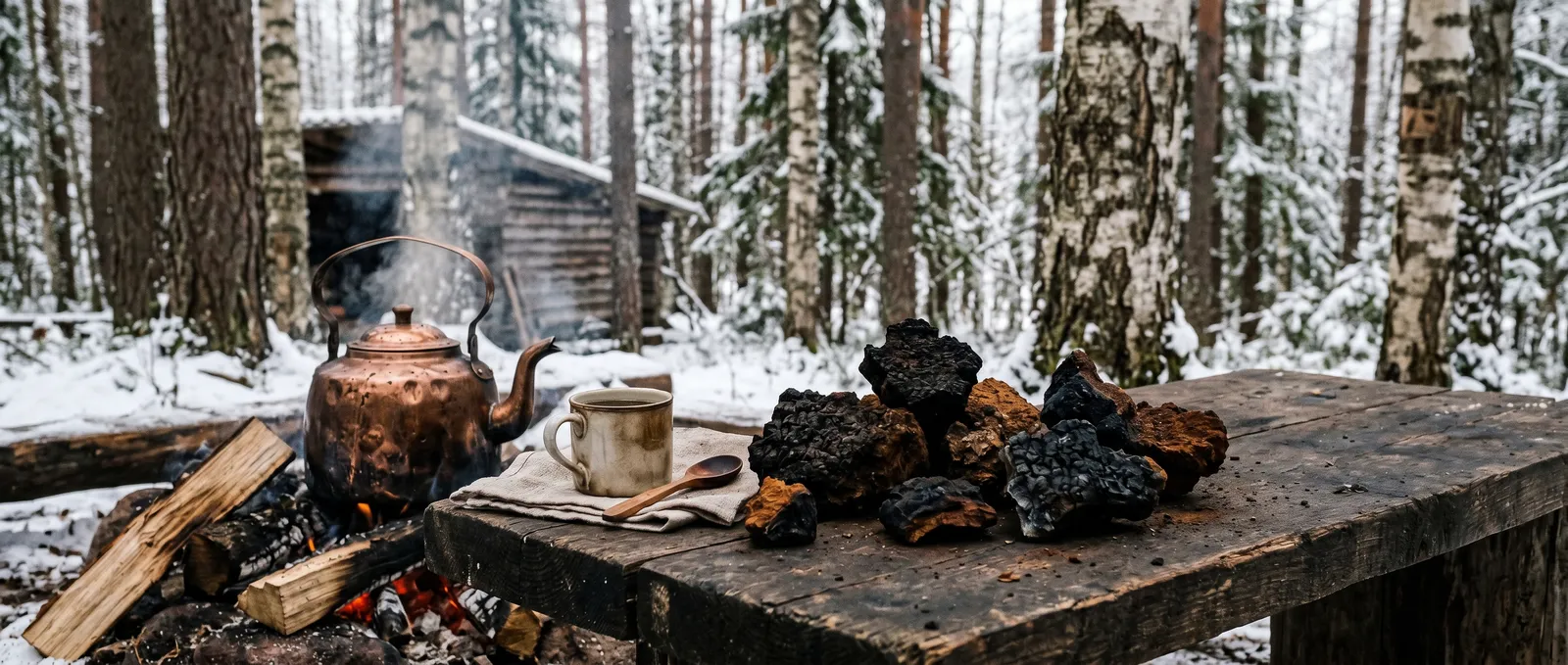
Chaga Siberian Nordic Folk Use
Chaga Siberian Nordic folk use is a centuries-old tradition in which indigenous Siberians and Nordic communities brewed the birch-parasitising fungus…
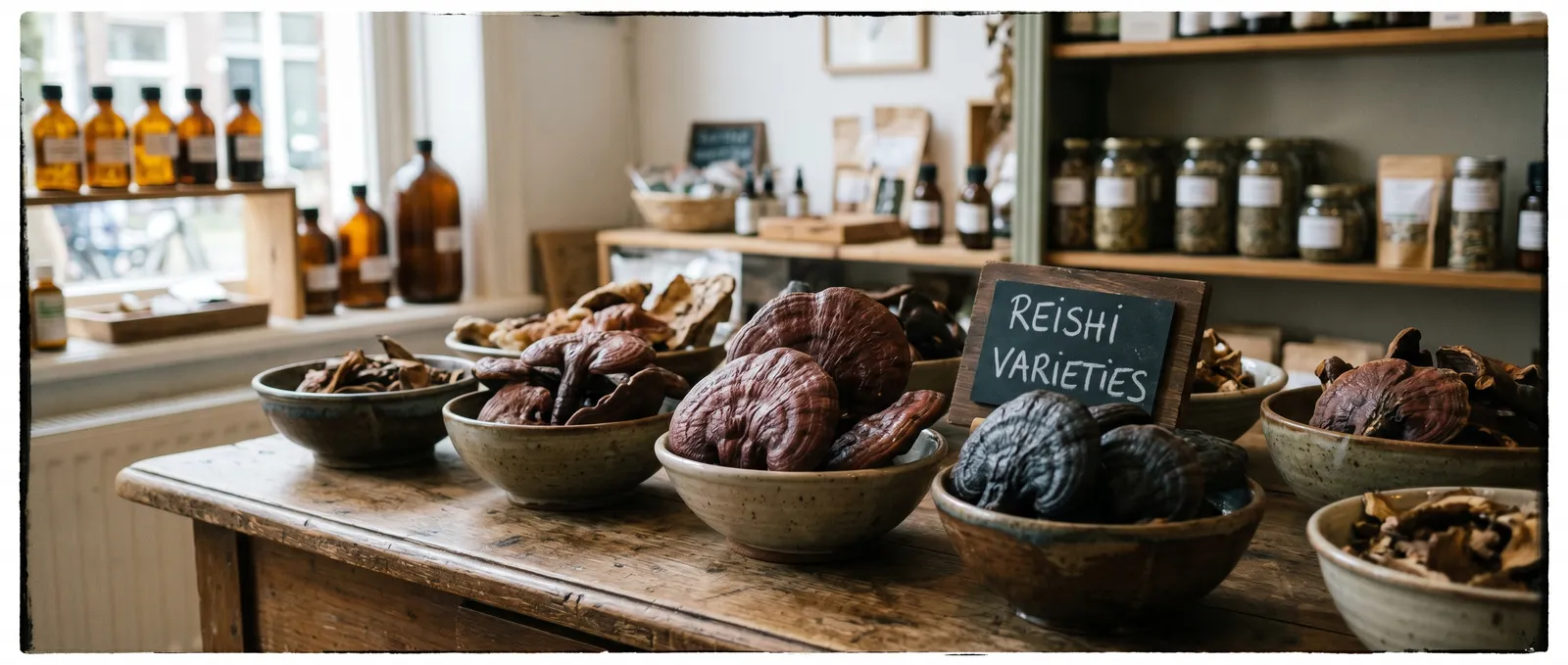
Red and Black Reishi Varieties
Red reishi (Ganoderma lucidum) and black reishi (Ganoderma sinense) both fall under the lingzhi umbrella in traditional Chinese medicine, but they differ in…
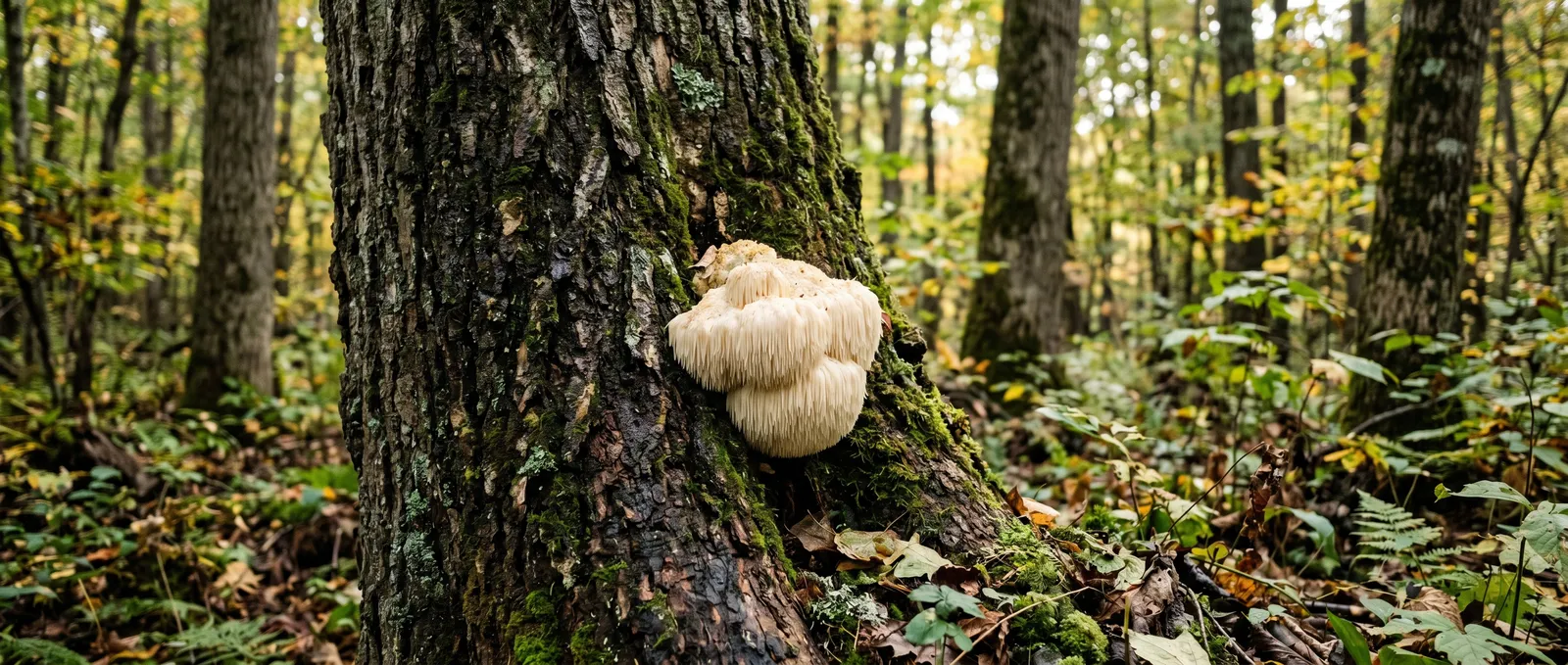
Lion's Mane Identification & Habitat
Hericium erinaceus is a tooth fungus that fruits as a single white, spine-covered mass on wounded or dead hardwood trees.
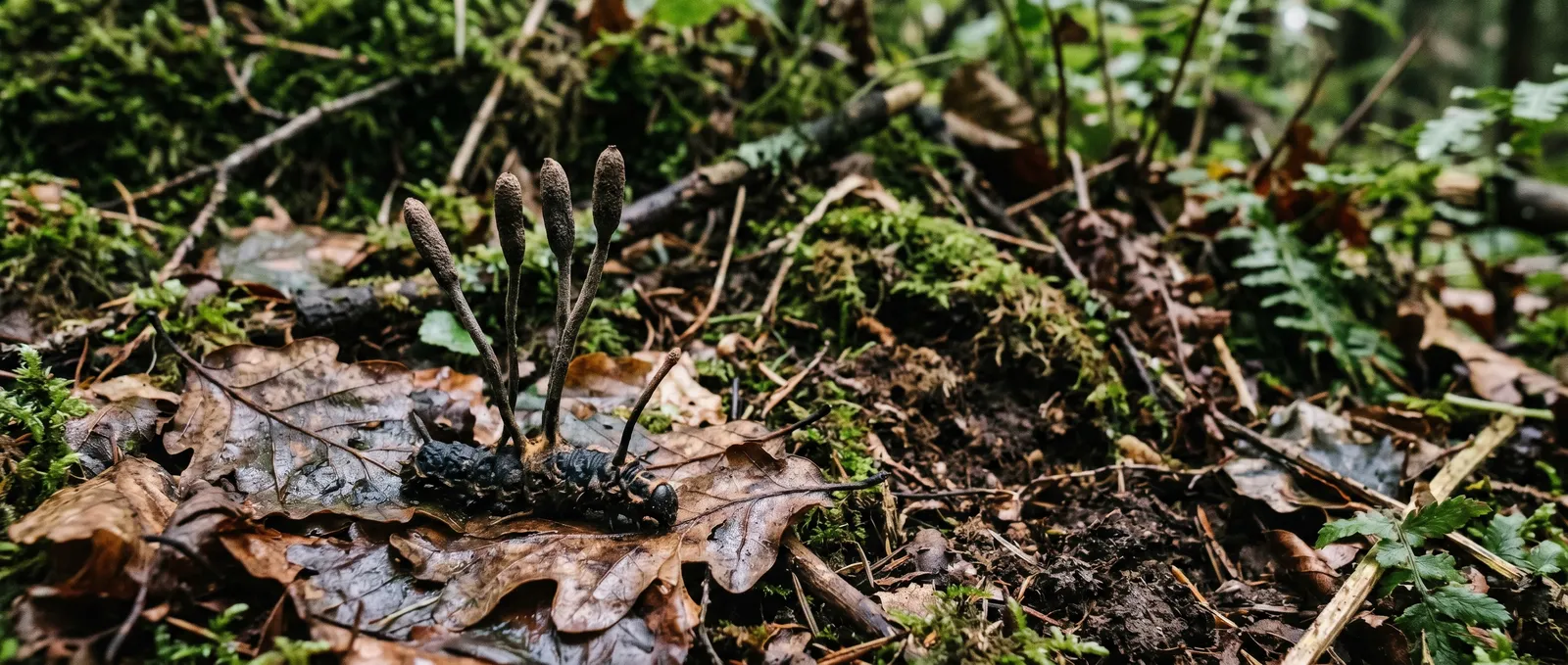
Cordyceps Lifecycle
The cordyceps lifecycle is a parasitic biological sequence in which a fungus infects an insect host, colonises its body from within, and erupts as a…