
Mycelium vs Fruiting Body: What Actually Ends Up in Your Supplement
Definition
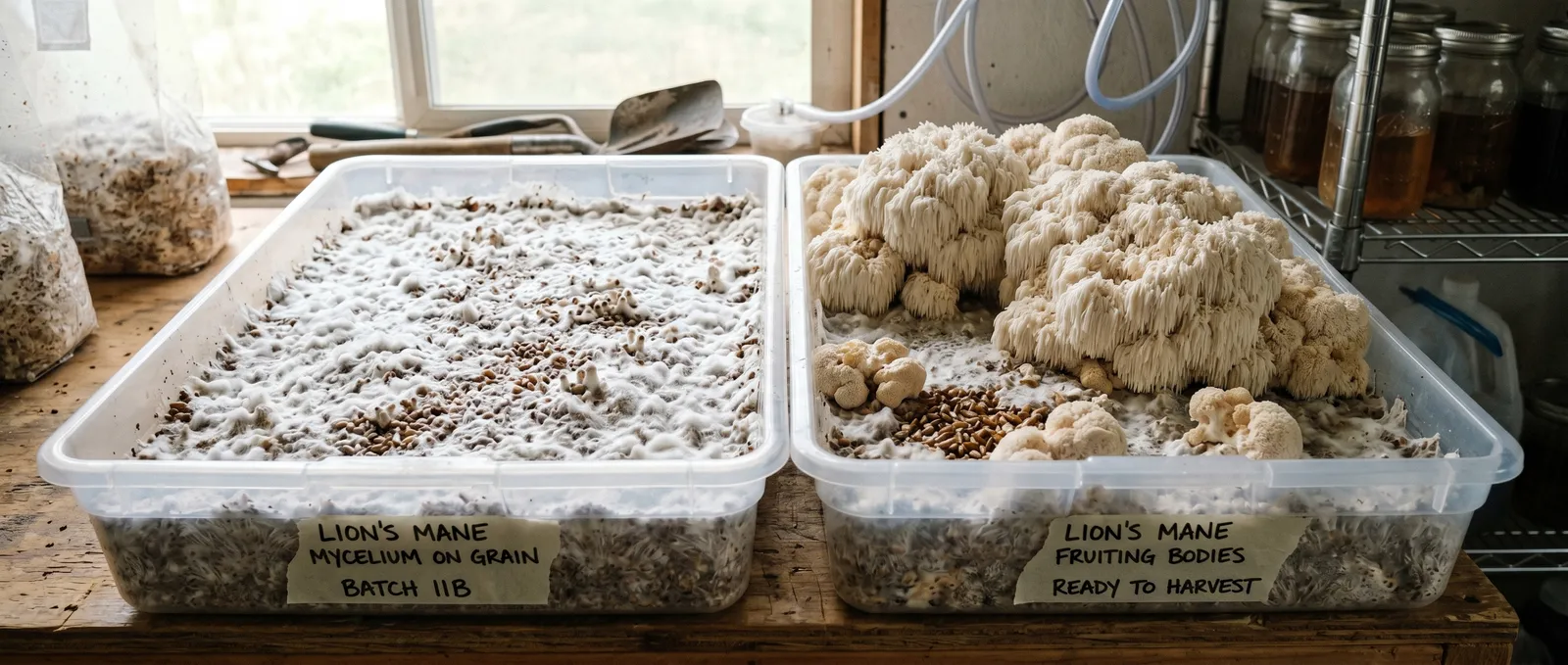
The difference between mycelium-on-grain and fruiting body extracts is the most consequential variable in functional mushroom supplements. Analytical testing consistently shows fruiting body extracts contain higher beta-glucan and lower starch than mycelium-on-grain preparations (McCleary & Draga, 2016). Understanding this distinction is essential for interpreting both labels and the research behind them.
The mycelium vs fruiting body distinction is the single most consequential variable in functional mushroom supplements — more than species, more than brand, and arguably more than dose. A mycelium-on-grain product and a fruiting-body extract from the same species can differ dramatically in beta-glucan content, starch load, and the presence of specific bioactive compounds. Understanding the mycelium vs fruiting body difference is the first step toward reading a label with any confidence, whether you plan to buy a reishi extract, order a lion's mane supplement, or get a turkey tail product that actually delivers what the research studied.
| Dimension | Mycelium-on-Grain (MOG) | Fruiting Body Extract |
|---|---|---|
| What it is | Mycelium grown on sterilised grain (usually rice or oats), harvested together with the substrate and dried | The mature reproductive structure (the "mushroom" you'd recognise), typically hot-water or dual-extracted |
| Beta-glucan content (typical) | 5–25% by dry weight, depending on how much grain remains (Realities of Fungi, McCleary & Draga, 2016) | 25–60%+ by dry weight in concentrated extracts (varies by species and extraction method) |
| Starch / alpha-glucan content | Often 30–60%+ — this is grain starch, not a fungal compound | Typically under 5% in properly extracted preparations |
| Triterpenes (e.g. ganoderic acids in reishi) | Generally low or undetectable in MOG preparations | Present in fruiting body; concentrated further by alcohol or dual extraction |
| Unique mycelial compounds | Erinacines (lion's mane mycelium), cordycepin (Cordyceps militaris mycelium) — present in mycelium but levels vary with substrate and cultivation conditions | Hericenones (lion's mane fruiting body); cordycepin also present in C. militaris fruiting bodies |
| How to verify on a label | Look for "myceliated grain," "mycelial biomass," or "full-spectrum mycelium." Starch content or alpha-glucan percentage may or may not be disclosed | Look for "fruiting body," a stated beta-glucan percentage, and ideally a stated extraction method (hot water, dual, etc.) |
| Production cost | Lower — grain fermentation is faster and cheaper than growing fruiting bodies to maturity | Higher — requires full cultivation cycle, harvesting, drying, and extraction |
| Traditional use precedent | No significant traditional precedent — mycelium-on-grain is a 20th-century production method | Centuries of documented use in traditional Chinese medicine and other systems (Wasser, 2005) |
What Mycelium-on-Grain Actually Is
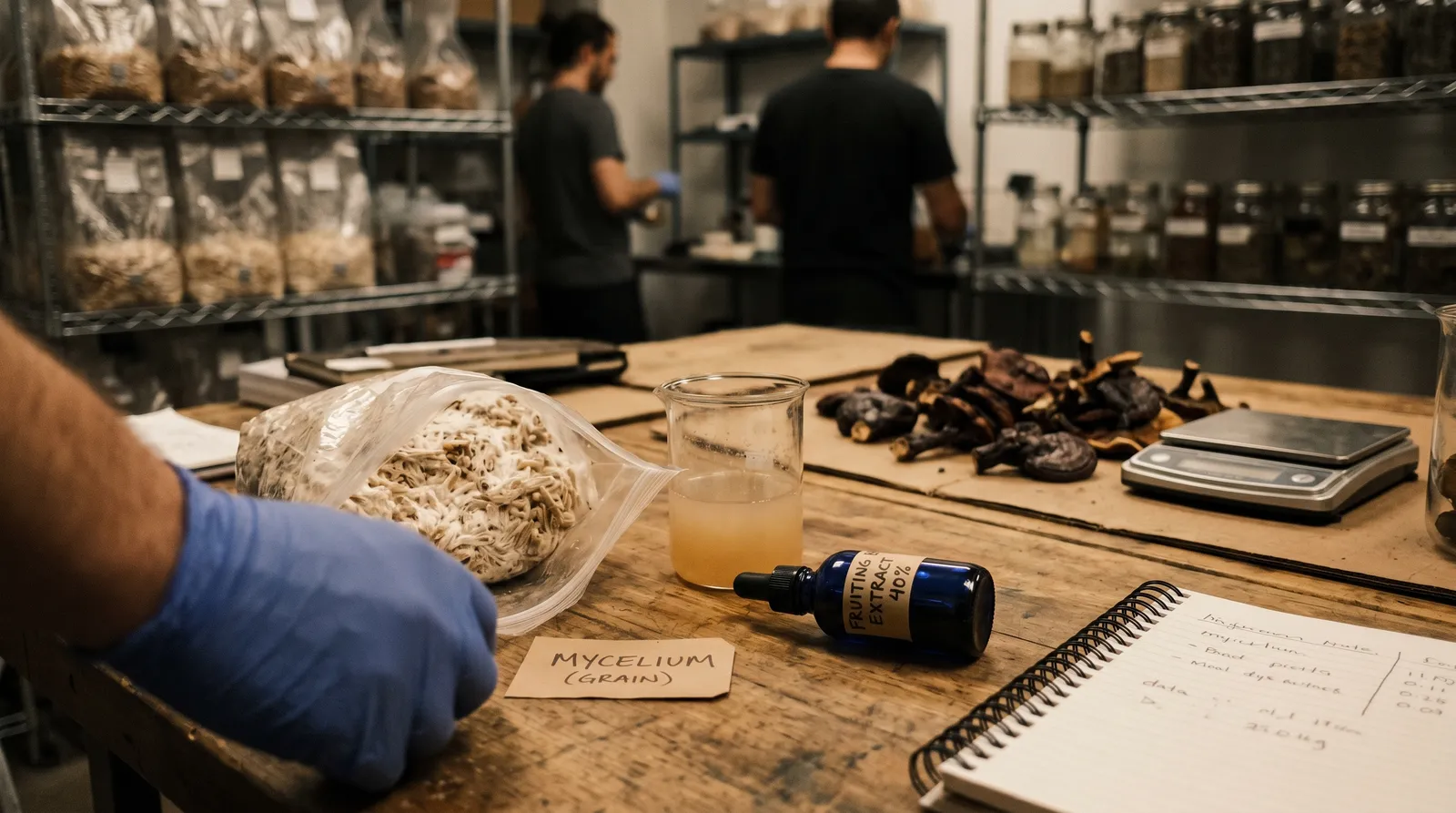
Mycelium-on-grain is the vegetative fungal body harvested together with the sterilised grain substrate it colonised, dried and milled into a combined powder. Mycelium itself is a network of thread-like hyphae that colonises a substrate, absorbs nutrients, and eventually (given the right environmental triggers) produces a fruiting body. In nature, that substrate might be a decaying log, leaf litter, or an insect host. In supplement manufacturing, the substrate is typically sterilised grain — rice, oats, or sorghum.
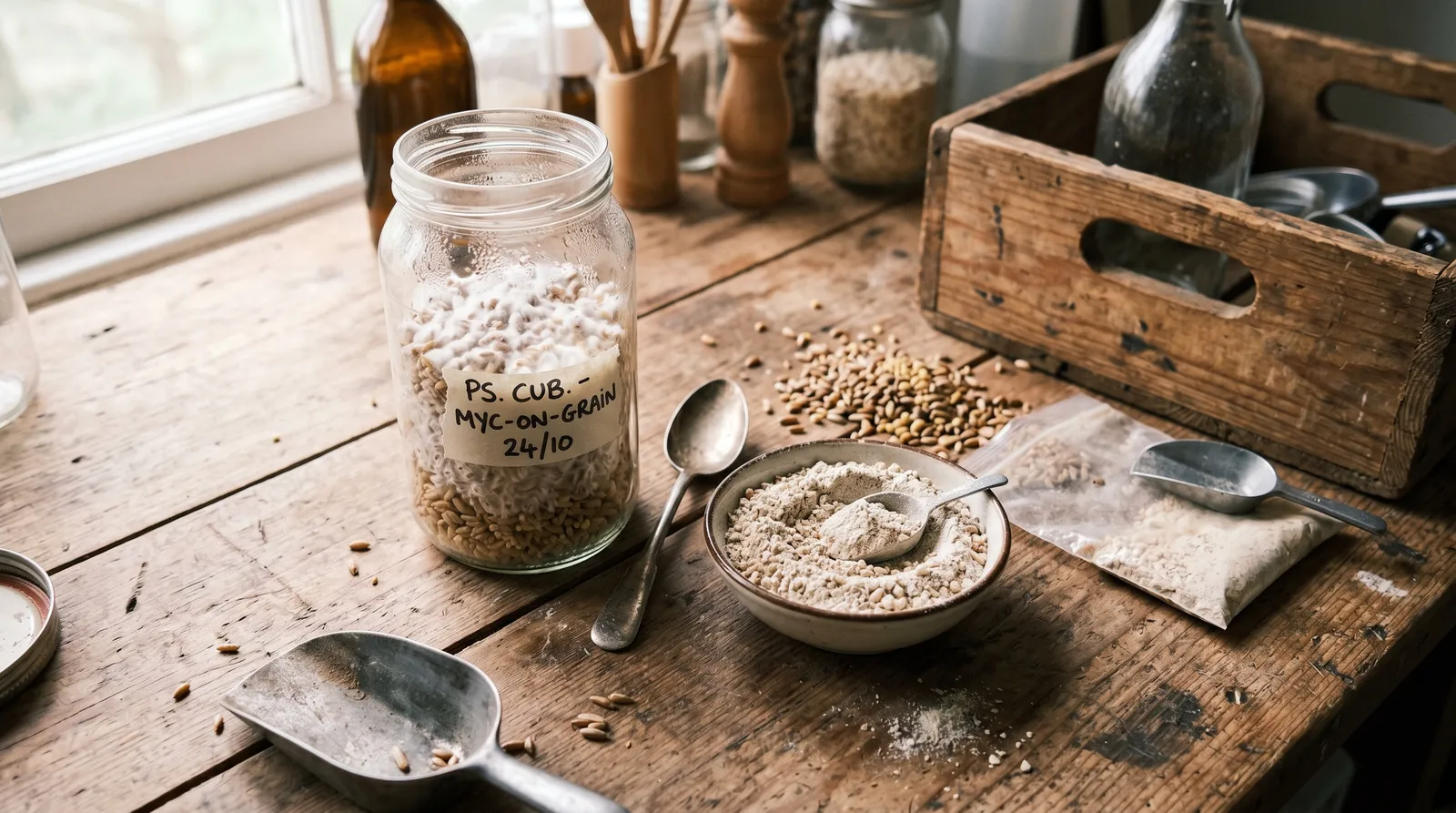
Here's the catch: when the mycelium is harvested, it's harvested with the grain it grew on. The two are inseparable at a practical level. You can't peel mycelium off a rice kernel the way you'd peel bark off a branch. So the final product — dried and milled into powder — is a mixture of fungal tissue and grain starch. How much of each depends on how thoroughly the mycelium colonised the substrate and how long it was allowed to grow before harvest, but independent testing has consistently shown substantial grain content in commercial mycelium-on-grain products.
Realities of Fungi, a testing project that analysed commercial mushroom supplements, found that many MOG products contained alpha-glucan (starch) levels between 30% and 70%, while beta-glucan levels — the polysaccharides most studied for biological activity — were often below 10% (McCleary & Draga, 2016). That's a lot of rice filler relative to fungal content. The EMCDDA does not classify functional mushroom supplements in its risk assessments, but the analytical gap between label claims and actual beta-glucan content has drawn attention from consumer protection bodies across the EU and the Netherlands specifically. The mycelium vs fruiting body question is central to this analytical gap.
What Fruiting Body Extracts Contain
Fruiting body extracts contain substantially higher concentrations of beta-glucans and species-specific bioactives than mycelium-on-grain preparations of the same species. The fruiting body is what most people picture when they think "mushroom" — the cap, stem, and spore-bearing structures. It's the part that traditional Chinese medicine practitioners decocted for centuries, typically by simmering dried slices in hot water for hours. That hot-water decoction is, in principle, what modern hot-water extraction replicates at industrial scale.
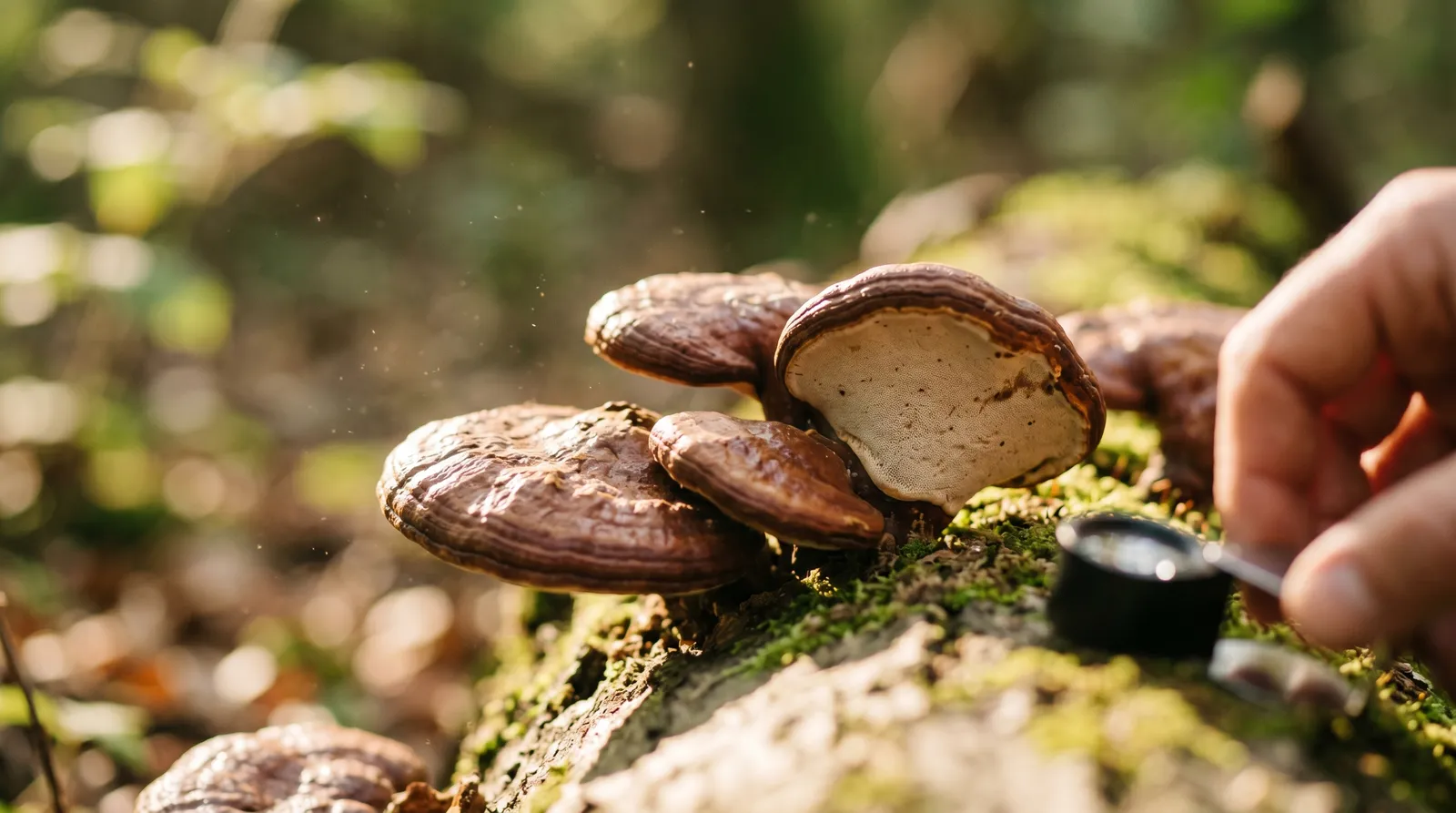
A 2017 analytical comparison by Hobbs found that fruiting body extracts of Ganoderma lucidum (reishi) contained beta-glucan levels roughly three to five times higher than mycelium-on-grain preparations of the same species (Hobbs, 2017). Fruiting bodies also contain triterpenes — ganoderic acids in reishi, for instance — which are the compounds most associated with the bitter taste of reishi tea and which are concentrated by alcohol extraction. These triterpenes are largely absent from mycelium-on-grain products.
The extraction method matters as much as the source material. Hot-water extraction pulls out water-soluble polysaccharides (beta-glucans). Alcohol extraction concentrates triterpenes, sterols, and certain terpenes. Dual extraction — hot water followed by alcohol, or a simultaneous process — captures both compound classes. A fruiting body that's simply dried and ground into powder, without extraction, will contain these compounds but in lower bioavailable concentrations than an extracted preparation. The extraction step breaks cell walls (chitin in fungi is tough) and concentrates the target molecules.
The "Full-Spectrum" Argument
The full-spectrum argument holds that mycelium-on-grain delivers a broader range of bioactives than a concentrated fruiting body extract — but the evidence supporting this claim is limited to a few specific compounds in a few species. Manufacturers of mycelium-on-grain products don't accept the framing above without pushback, and their argument deserves a fair hearing. The most common defence is the "full-spectrum biomass" position: that mycelium contains compounds not found in the fruiting body, and that the whole organism — mycelium, primordia, extracellular metabolites, and yes, the grain substrate — delivers a broader range of bioactives than a concentrated fruiting body extract.
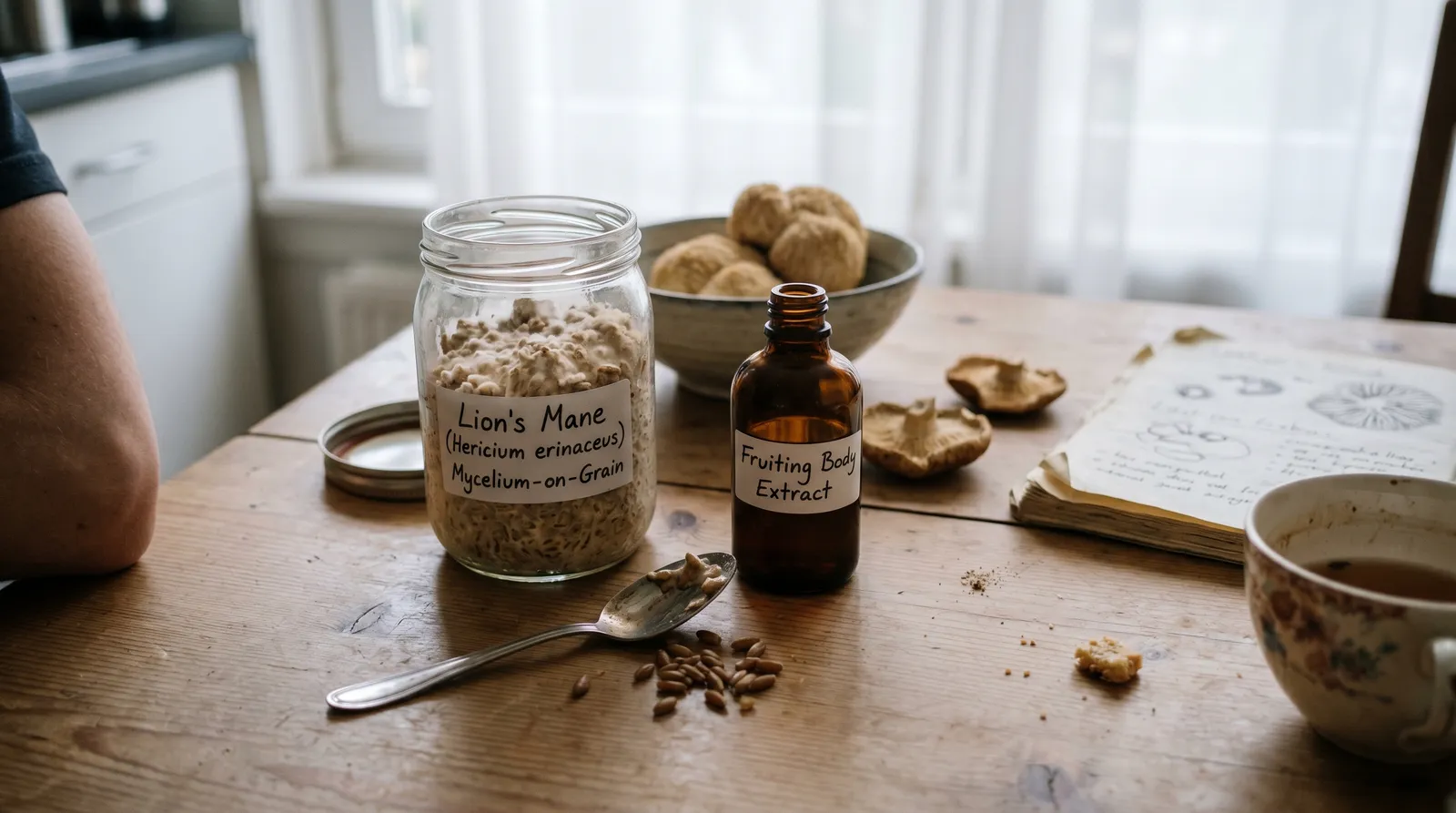
There's a grain of truth here, specifically for lion's mane. Erinacines — a class of diterpenoids that have shown nerve growth factor (NGF)-stimulating activity in vitro — are produced primarily by the mycelium of Hericium erinaceus, not the fruiting body (Kawagishi et al., 1994). The fruiting body produces hericenones instead, a different class of compounds also studied for NGF-related activity (Mori et al., 2009). So if you're interested in erinacines specifically, a mycelium-based preparation is the relevant source — though the actual erinacine content of commercial MOG products is rarely disclosed and may be low relative to the grain content.
For most other species, the full-spectrum argument is harder to support with published data. The extracellular metabolites that mycelium secretes into its substrate during growth are real, but their identity, concentration, and biological relevance in finished MOG supplements are not well characterised in the peer-reviewed literature. The clinical trials that form the evidence base for species like reishi, turkey tail, and maitake overwhelmingly used fruiting body preparations or isolated polysaccharide fractions derived from fruiting bodies — not mycelium-on-grain products. When choosing between mycelium vs fruiting body for these species, the research trail leads clearly to fruiting body extracts.
The Starch Problem
The core starch problem is that cheap testing methods can conflate grain starch with fungal beta-glucans, making a filler-heavy product appear bioactive on paper. Beta-glucans are glucose polymers with specific beta-1,3 and beta-1,6 linkages. Starch is also a glucose polymer, but with alpha-1,4 linkages. Cheap testing methods (like the Megazyme assay without proper sample preparation) can conflate the two, meaning a product high in grain starch could appear to have a respectable "glucan" number on a certificate of analysis if the testing doesn't distinguish alpha- from beta-glucans.
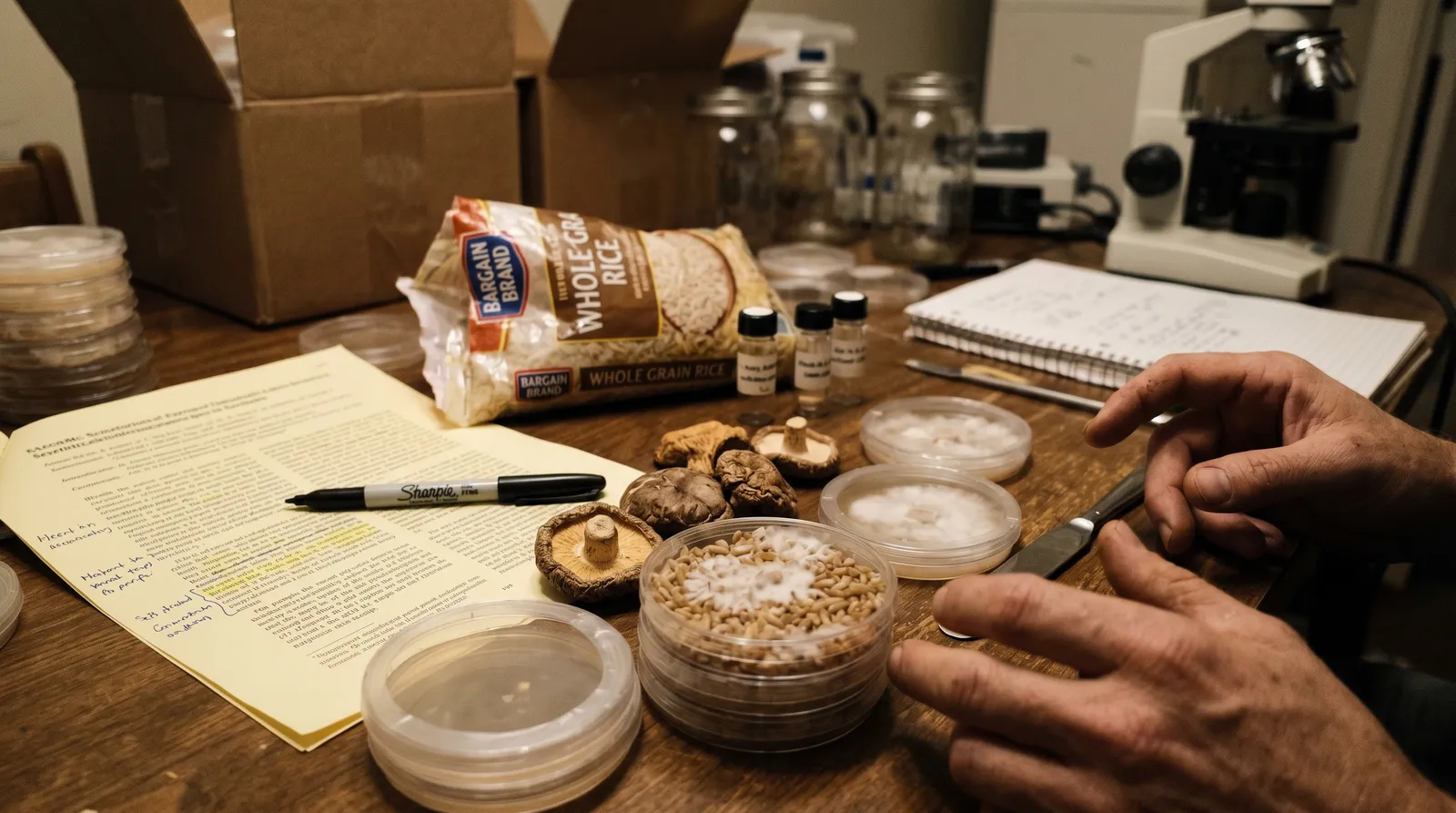
A properly conducted beta-glucan test measures beta-glucans specifically and reports alpha-glucans (starch) separately. When this distinction is made, MOG products routinely show high alpha-glucan and low beta-glucan, while fruiting body extracts show the inverse (McCleary & Draga, 2016). If a supplement label lists "polysaccharides" without specifying beta-glucans, that number may include grain starch — which has no demonstrated immune-modulating activity.
This isn't a trivial labelling quirk. If someone is taking a reishi supplement because research on Ganoderma polysaccharides examined beta-glucan fractions at specific concentrations, and their actual supplement is 40% rice starch with 8% beta-glucans, the gap between what the research studied and what they're consuming is enormous. The mycelium vs fruiting body distinction is precisely where this gap originates.
What the Research Actually Used
The vast majority of clinical and in-vitro research on functional mushrooms used fruiting body preparations or purified polysaccharide fractions — not mycelium-on-grain supplements. This point deserves its own section because it's the crux of the practical question. When you read that "research has examined whether turkey tail polysaccharides modulate immune markers," the preparation studied matters enormously.

PSK (polysaccharide-K, also called krestin) and PSP (polysaccharopeptide), the two most-studied turkey tail fractions, are isolated from the fruiting body or cultured mycelium of Trametes versicolor — but they are purified, standardised pharmaceutical-grade fractions, not ground-up mycelium-on-grain powder (Ng, 1998). The lentinan used in Japanese clinical settings is a purified beta-glucan fraction from shiitake fruiting bodies (Chihara et al., 1970). The Ganoderma lucidum triterpenes studied for antiplatelet effects in vitro are alcohol-extracted from fruiting bodies (Zhu et al., 1999).
The lion's mane cognitive studies — such as the small clinical trial by Mori et al. (2009) that observed improvements in cognitive function scores in older Japanese adults — used a specific powdered fruiting body preparation at 3g per day, not a mycelium-on-grain supplement. Transferring those findings onto a different preparation with a different composition is a leap the data doesn't support.
This doesn't mean MOG products are inert. It means the evidence base for most functional mushroom claims was built on fruiting body preparations or isolated fractions, and assuming equivalence between those and MOG supplements is not supported by the available comparative data — which, it should be said, is itself limited. Head-to-head clinical trials comparing MOG supplements to fruiting body extracts at matched doses are essentially nonexistent.
Reading the Label
The most reliable way to evaluate a mycelium vs fruiting body product is to check five specific label elements. A few things to look for when evaluating any functional mushroom product:
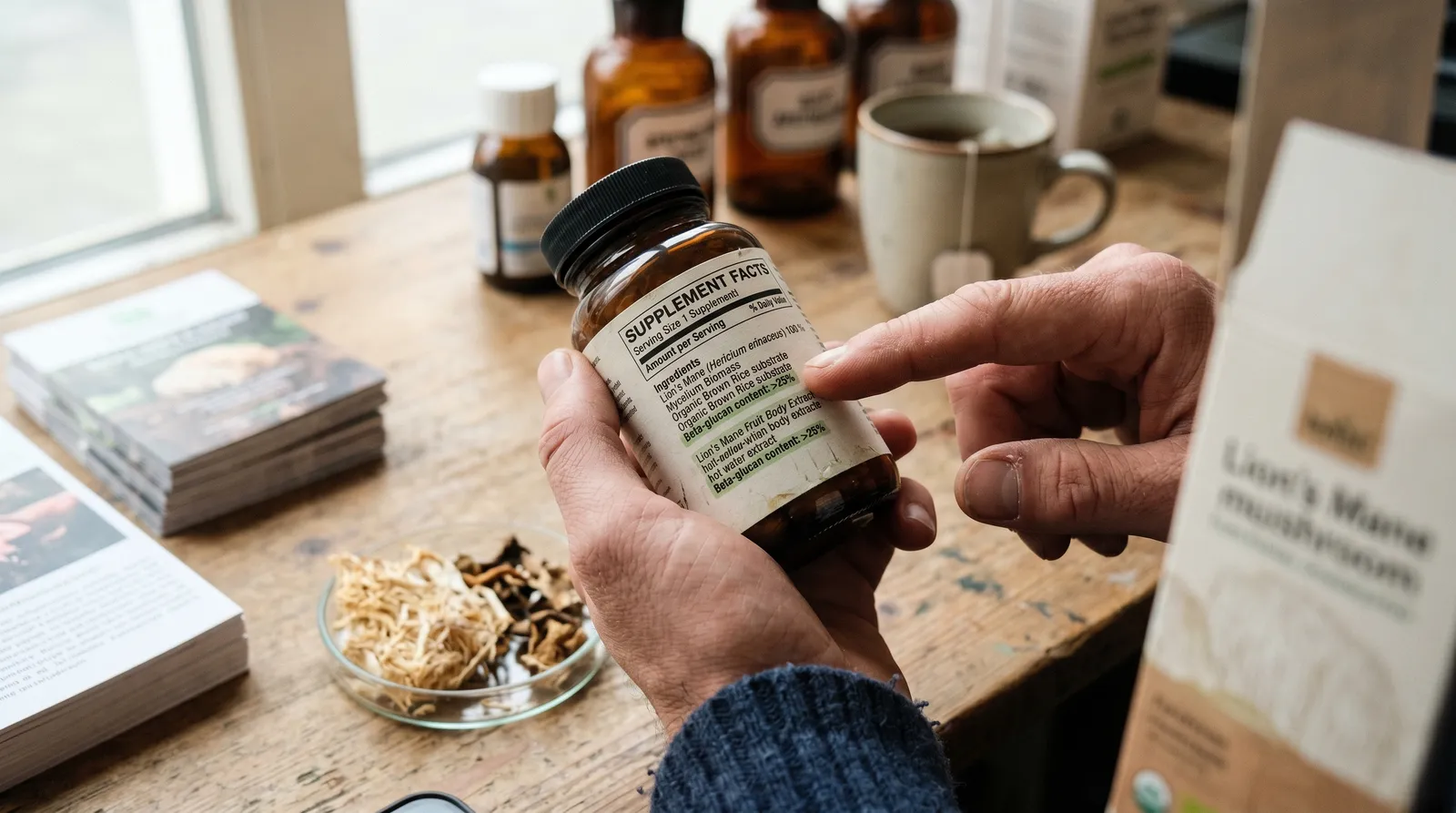
- Source material: Does the label say "fruiting body," "mycelium," "mycelial biomass," or "full-spectrum"? If it says "mushroom" without further specification, you don't know what you're getting.
- Beta-glucan percentage: A specific number (e.g. ">30% beta-glucans") is more informative than "rich in polysaccharides." If only "polysaccharides" are listed, starch may be included in that figure.
- Alpha-glucan / starch content: Some manufacturers disclose this. A high alpha-glucan number alongside a low beta-glucan number suggests significant grain content.
- Extraction method: Hot water, alcohol, or dual extraction each concentrate different compound classes. An unextracted dried powder — whether fruiting body or mycelium — delivers lower concentrations of target compounds than an extracted preparation.
- Species identification: Latin binomial, not just "reishi" or "cordyceps." Multiple Ganoderma species are sold as reishi; Cordyceps militaris and Ophiocordyceps sinensis are different organisms with different compound profiles.
Comparing Popular Species: Mycelium vs Fruiting Body
The practical difference between mycelium and fruiting body varies by species. For reishi (Ganoderma lucidum), the fruiting body advantage is stark: triterpenes are concentrated in the fruiting body and largely absent from MOG, while beta-glucan levels are typically three to five times higher in fruiting body extracts. For lion's mane (Hericium erinaceus), the picture is more varied — erinacines come from mycelium, hericenones from the fruiting body, so the "better" source depends on which compound class you're after. For turkey tail (Trametes versicolor), the clinical evidence overwhelmingly used purified fruiting body fractions. For cordyceps, Cordyceps militaris fruiting bodies cultivated on substrate can contain meaningful cordycepin levels, while wild Ophiocordyceps sinensis is prohibitively expensive and ecologically unsustainable. When comparing products from the Azarius functional mushroom range — such as the Reishi Extract or the Lion's Mane Extract — checking whether the product specifies fruiting body and discloses beta-glucan content is the fastest way to assess quality.
How to Buy a Quality Mushroom Supplement
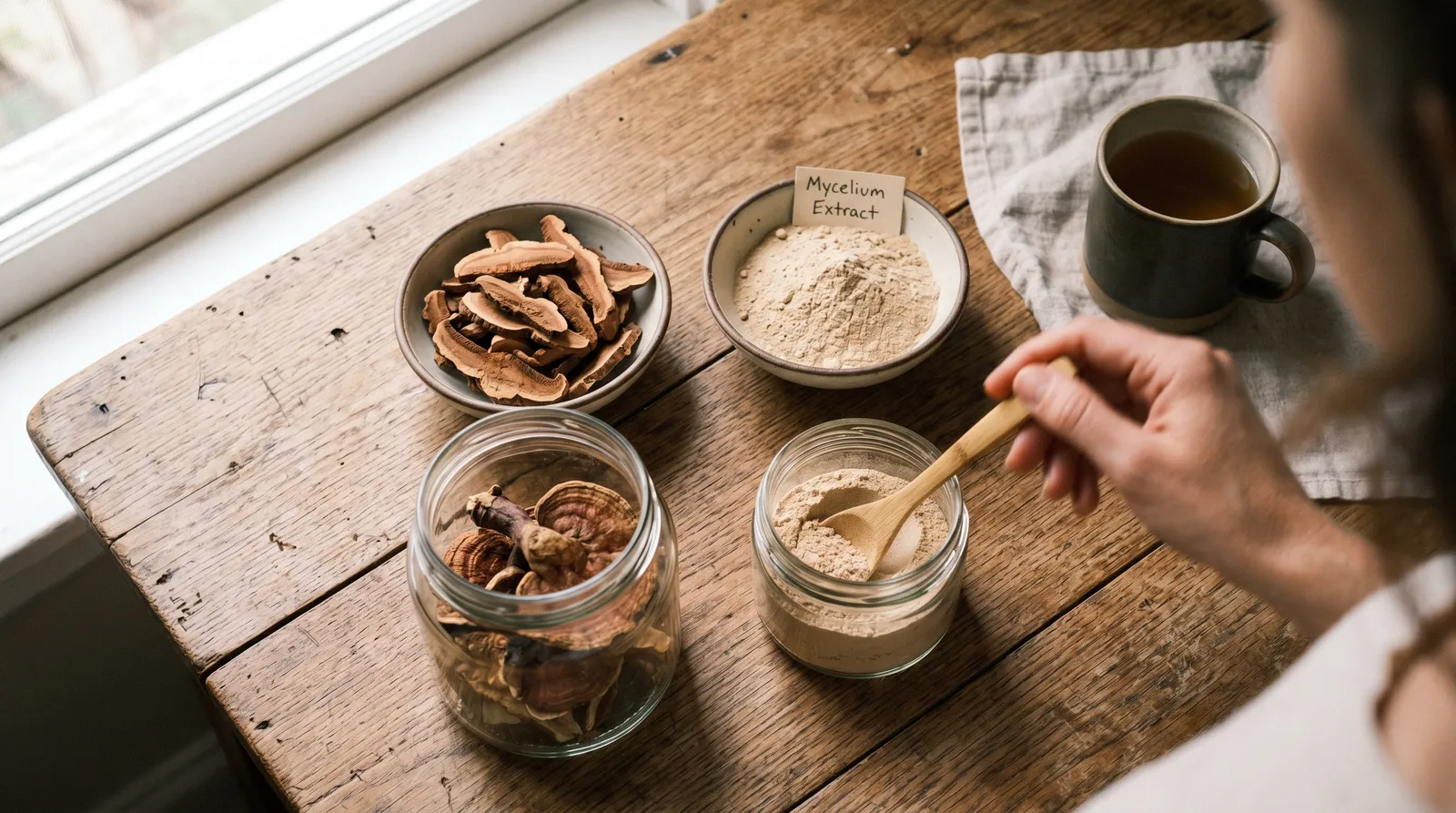
The most effective way to buy a quality mushroom supplement is to cross-reference the label's source material, beta-glucan percentage, and extraction method against the preparation used in the research that interests you. Many customers order a mushroom product based on a headline claim and never check whether the formulation matches the study behind that claim. The mycelium vs fruiting body distinction is where most mismatches originate.
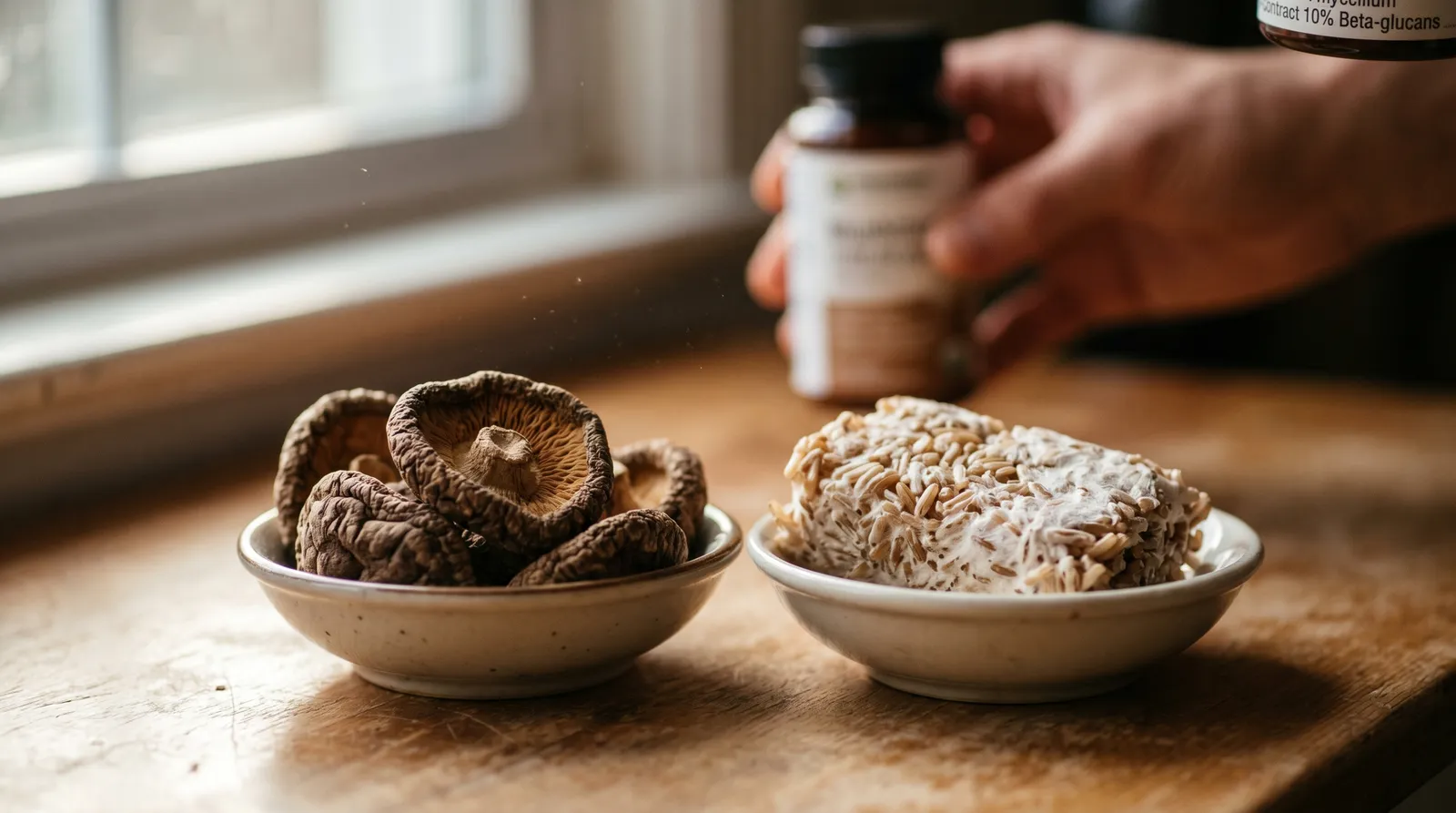
If you want to buy a reishi supplement for its triterpene content, look for a dual-extracted fruiting body product — MOG reishi will not deliver meaningful triterpene levels. If you want to order lion's mane for cognitive support, know that the Mori et al. (2009) trial used fruiting body powder, not mycelium-on-grain. If you want to get a turkey tail supplement with beta-glucan levels comparable to the PSK research, a hot-water-extracted fruiting body preparation is the closest match. The Azarius mushroom category — including the Cordyceps Extract, Turkey Tail Extract, and Chaga Extract — lists source material and extraction method on each product page, which makes this cross-referencing straightforward.
One honest limitation worth stating: even within fruiting body extracts, batch-to-batch variation exists. Growing conditions, harvest timing, extraction parameters, and storage all affect the final compound profile. Third-party certificates of analysis with batch-specific beta-glucan and alpha-glucan numbers are the gold standard, but not every manufacturer provides them. We ask for them; we don't always get them.
Quick Checklist Before You Buy
- Confirm the label says "fruiting body" (or "mycelium" if you specifically want mycelium-derived compounds like erinacines)
- Look for a beta-glucan percentage above 20% for most species
- Check that alpha-glucan / starch is below 5% — anything above 20% suggests grain filler
- Verify the extraction method matches your target compounds (hot water for beta-glucans, dual for triterpenes)
- Confirm the Latin binomial species name is listed, not just a common name
Safety Considerations
Safety risks apply regardless of whether a product uses mycelium or fruiting body as the source material. Regardless of source material, reishi preparations have shown anticoagulant and antiplatelet effects in vitro and may interact with warfarin, apixaban, rivaroxaban, and other blood thinners — concurrent use increases bleeding risk (Tao & Bhatt, 2016). Immune-modulating species including reishi, maitake, and turkey tail may be inappropriate for individuals with autoimmune conditions or those taking immunosuppressants such as methotrexate, tacrolimus, or ciclosporin, as beta-glucan immune stimulation works in opposition to the goal of immunosuppressive therapy. Cordyceps may affect blood sugar levels and could potentiate hypoglycaemic medication. If you take prescription medication, consult a healthcare provider before using functional mushroom supplements of any type.

For a complete discussion of interactions and contraindications, see the dedicated drug interactions article in this series.
The Honest Position
The evidence favours fruiting body extracts for most species and most use cases, but the mycelium vs fruiting body debate is not entirely one-sided. Beta-glucan-focused researchers and manufacturers argue — with solid analytical data — that fruiting body extracts deliver higher concentrations of the compounds most studied for biological activity, and that MOG products are diluted with grain starch. Mycelium advocates argue that the whole biomass contains a broader spectrum of compounds, including extracellular metabolites and mycelium-specific molecules like erinacines, and that reductionism misses the picture.
Both sides have a point, but they're not equally supported by published evidence. The bulk of the clinical and in-vitro research base was built on fruiting body preparations or purified fractions. The analytical data consistently shows higher beta-glucan and lower starch in fruiting body extracts compared to MOG products. The full-spectrum argument is plausible for lion's mane (erinacines) but less well-supported for other species. And the head-to-head clinical comparisons that would settle the debate simply haven't been conducted.
What this means practically: if you're choosing a functional mushroom supplement and the research that interests you was conducted on fruiting body preparations, a fruiting body extract matched to the studied extraction method is the closest thing to what was actually tested. If you're specifically interested in mycelium-derived compounds like erinacines, look for a product that discloses erinacine content — not just "mycelium on grain." When you order from any supplier, the label details outlined above are your best tool for bridging the gap between marketing and reality.
Last updated: April 2026
Frequently Asked Questions
10 questionsDoes mycelium on grain contain actual mushroom compounds?
Are erinacines only found in lion's mane mycelium?
How can I tell if a mushroom supplement is mostly grain filler?
Did clinical studies on functional mushrooms use mycelium or fruiting body?
Is dual extraction better than hot-water extraction for mushroom supplements?
What is the difference between mycelium vs fruiting body in mushroom supplements?
Why do mycelium-on-grain supplements contain so much starch?
Do fruiting body mushroom supplements have a longer history of traditional use than mycelium products?
Does freeze-dried mycelium retain more bioactive compounds than grain-grown mycelium?
Why do some supplement brands combine mycelium and fruiting body in one product?
About this article


Adam Parsons is an external cannabis and psychedelics writer and editor who contributes to Azarius's wiki as both author and reviewer. On the writing side, he authors Azarius's kratom and kanna clusters, drawing on exten
This wiki article was drafted with AI assistance and reviewed by Adam Parsons, External contributor. Editorial oversight by Joshua Askew.
Medical disclaimer. This content is for informational purposes only and does not constitute medical advice. Consult a qualified healthcare provider before use of any substance.
Last reviewed April 24, 2026
References (10)
- [1]Chihara, G. et al. (1970). Inhibition of mouse sarcoma 180 by polysaccharides from Lentinus edodes. Nature , 222, 687–688.
- [2]Hobbs et al. (2017). [reference pending verification]
- [3]Kawagishi, H. et al. (1994). Hericenones C, D and E, stimulators of nerve growth factor synthesis, from the mushroom Hericium erinaceum . Tetrahedron Letters , 35(10), 1569–1572.
- [4]McCleary, B.V. and Draga, A. (2016). Measurement of beta-glucan in mushrooms and mycelial products. Journal of AOAC International , 99(2), 364–373.
- [5]Mori, K. et al. (2009). Improving effects of the mushroom Yamabushitake ( Hericium erinaceus ) on mild cognitive impairment. Phytotherapy Research , 23(3), 367–372.
- [6]Ng, T.B. (1998). 'A review of research on the protein-bound polysaccharide (polysaccharopeptide, PSP) from the mushroom Coriolus versicolor.' General Pharmacology , 30(1), pp. 1–4.
- [7]Realities et al. (2016). [reference pending verification]
- [8]Tao, J., & Bhatt, D. L. (2016). Antiplatelet activity of Ganoderma lucidum . In Ganoderma lucidum: pharmacological and clinical studies . Springer.
- [9]Wasser et al. (2005). [reference pending verification]
- [10]Zhu et al. (1999). [reference pending verification]
Related Articles
Medicinal Mushrooms TCM Western Pharmacognosy Guide
Guide to medicinal mushrooms TCM Western pharmacognosy — how reishi, lion's mane, cordyceps are classified, extracted, and studied.
Research on Immune Modulation by Functional Mushrooms
What does research on immune modulation by functional mushrooms actually show? Beta-glucans, Dectin-1 signalling, human trials, and the honest gap...
Allergic Reactions & Mushroom Sensitivities
Understand allergic reactions and mushroom sensitivities: mould cross-reactivity, shiitake dermatitis, species-specific risks, and safer product…
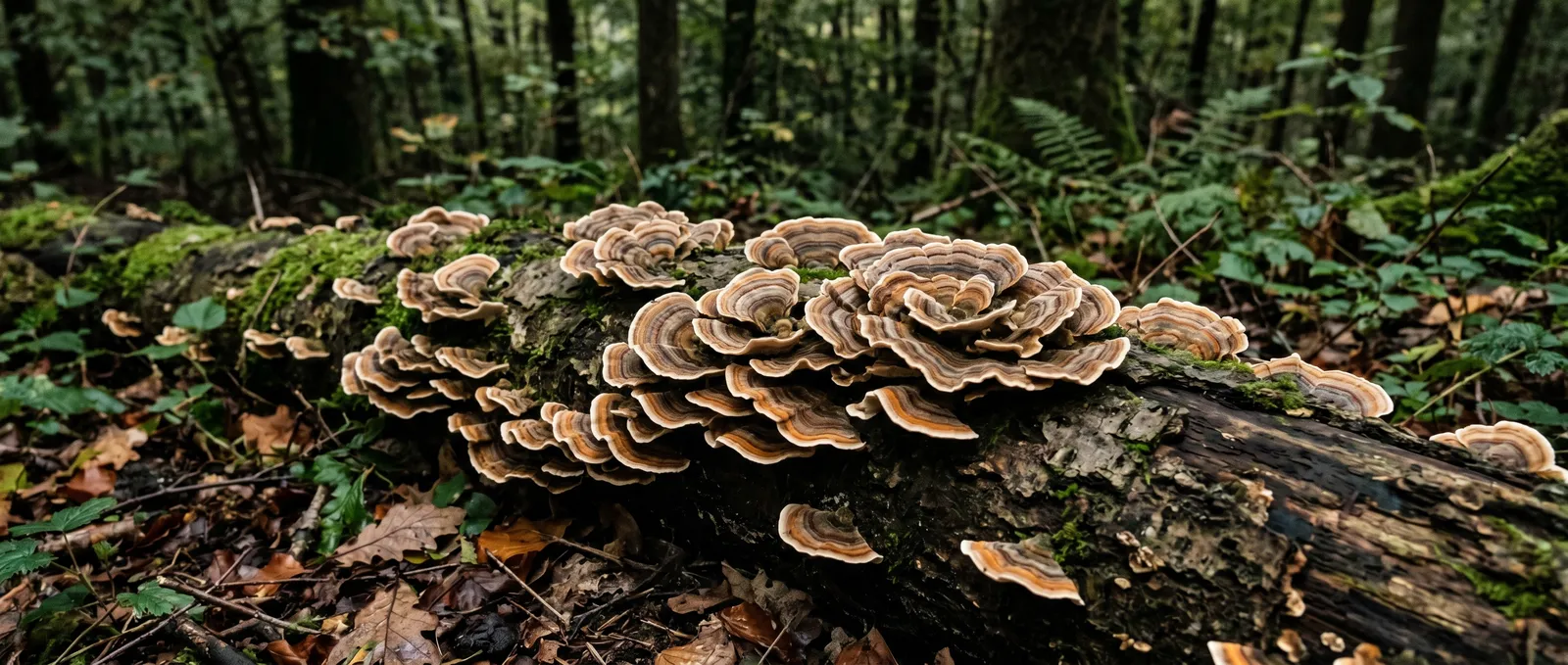
Turkey Tail Trametes versicolor — Buy Supplements
Buy turkey tail Trametes versicolor supplements at Azarius. PSK and PSP evidence, beta-glucan dosage, extraction methods, and safety.
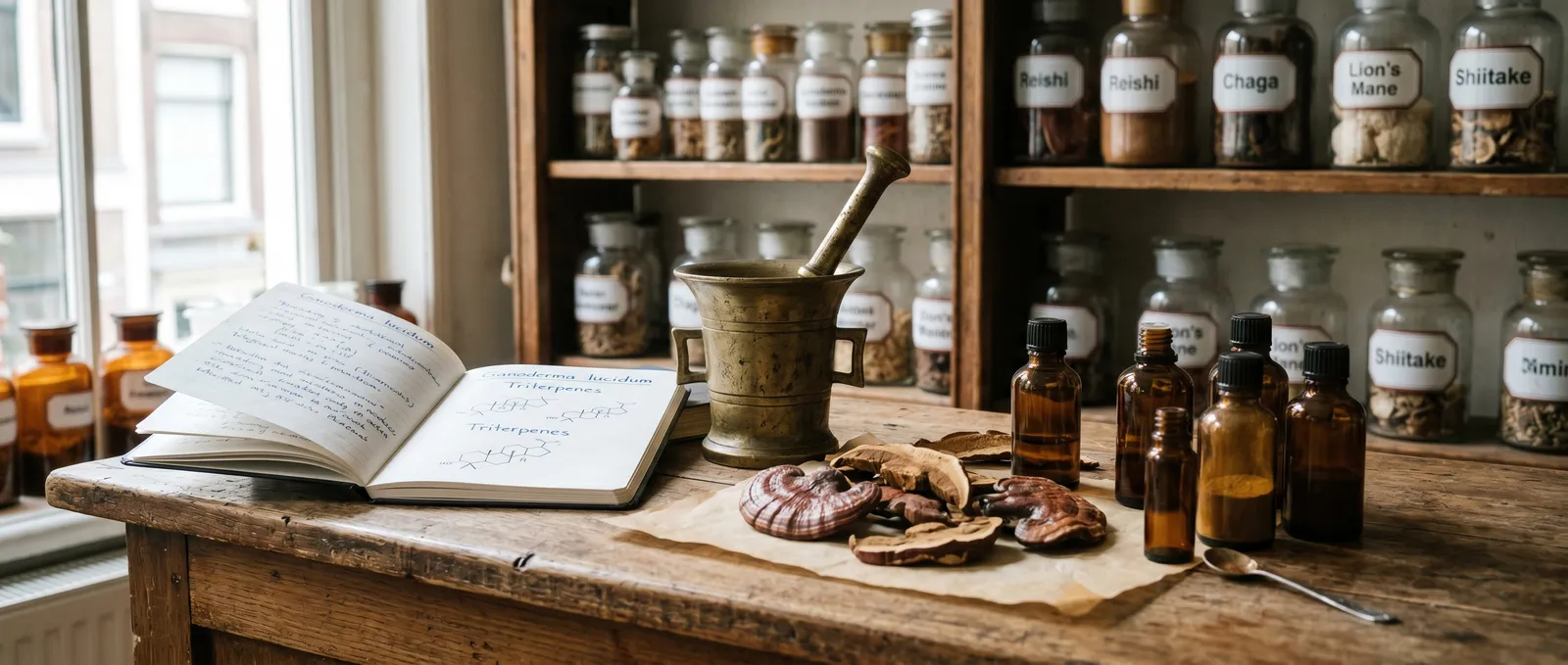
Triterpenes In Medicinal Mushrooms
Triterpenes in medicinal mushrooms are a class of 30-carbon terpenoid compounds produced as secondary metabolites by several functional mushroom species…
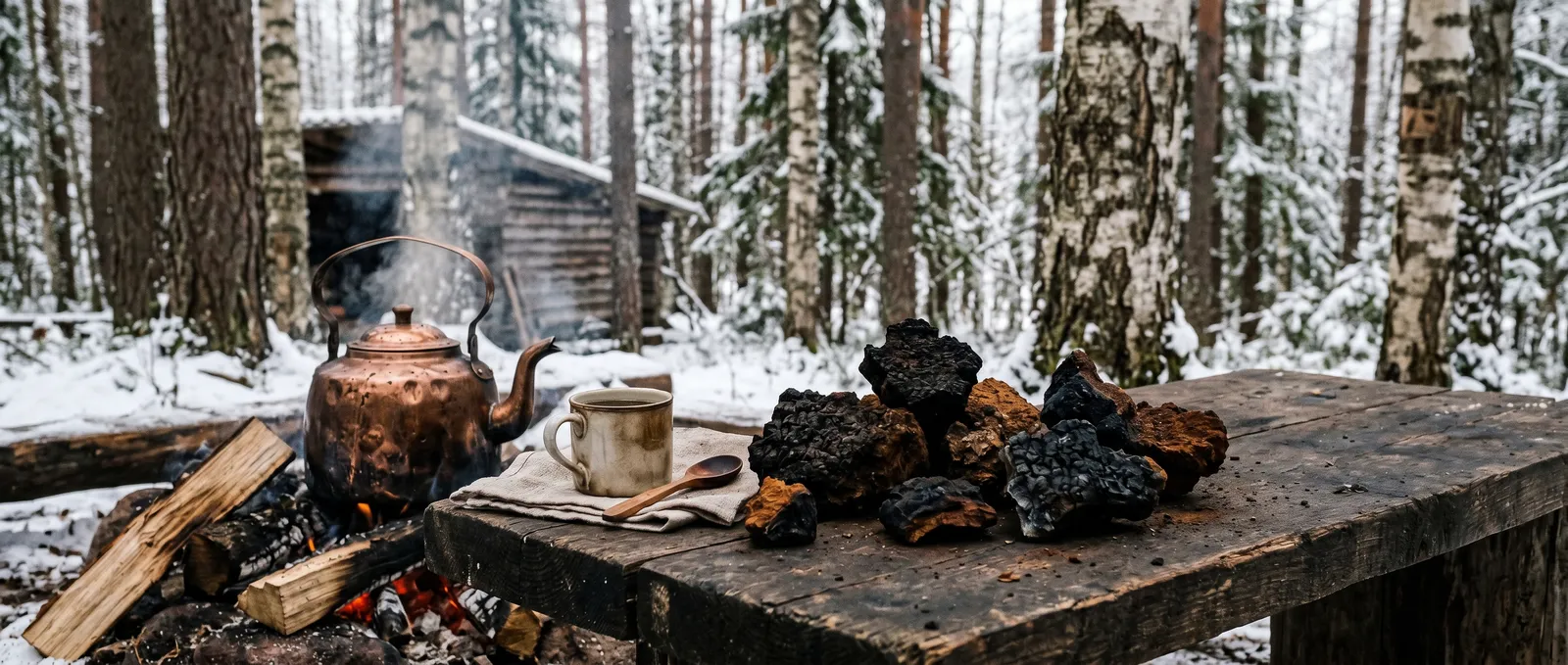
Chaga Siberian Nordic Folk Use
Chaga Siberian Nordic folk use is a centuries-old tradition in which indigenous Siberians and Nordic communities brewed the birch-parasitising fungus…
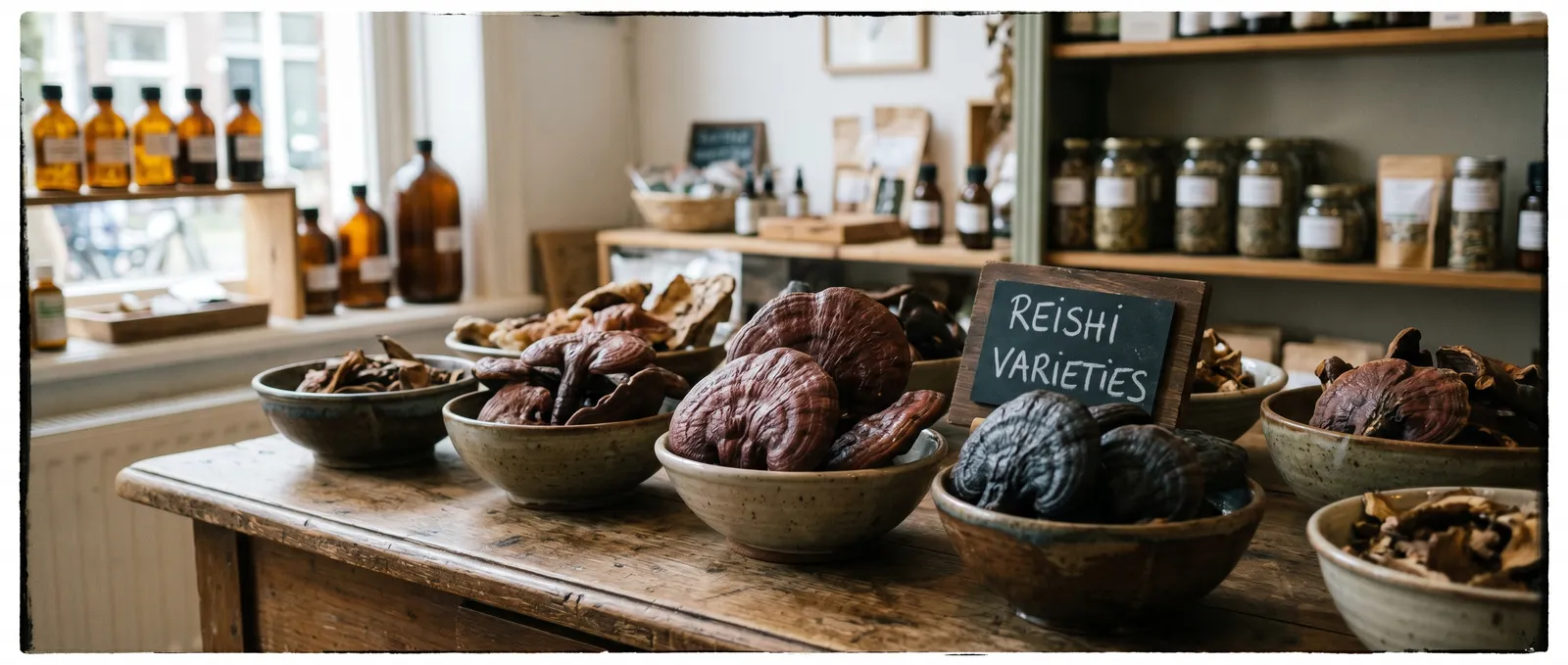
Red and Black Reishi Varieties
Red reishi (Ganoderma lucidum) and black reishi (Ganoderma sinense) both fall under the lingzhi umbrella in traditional Chinese medicine, but they differ in…
Lion's Mane Identification & Habitat
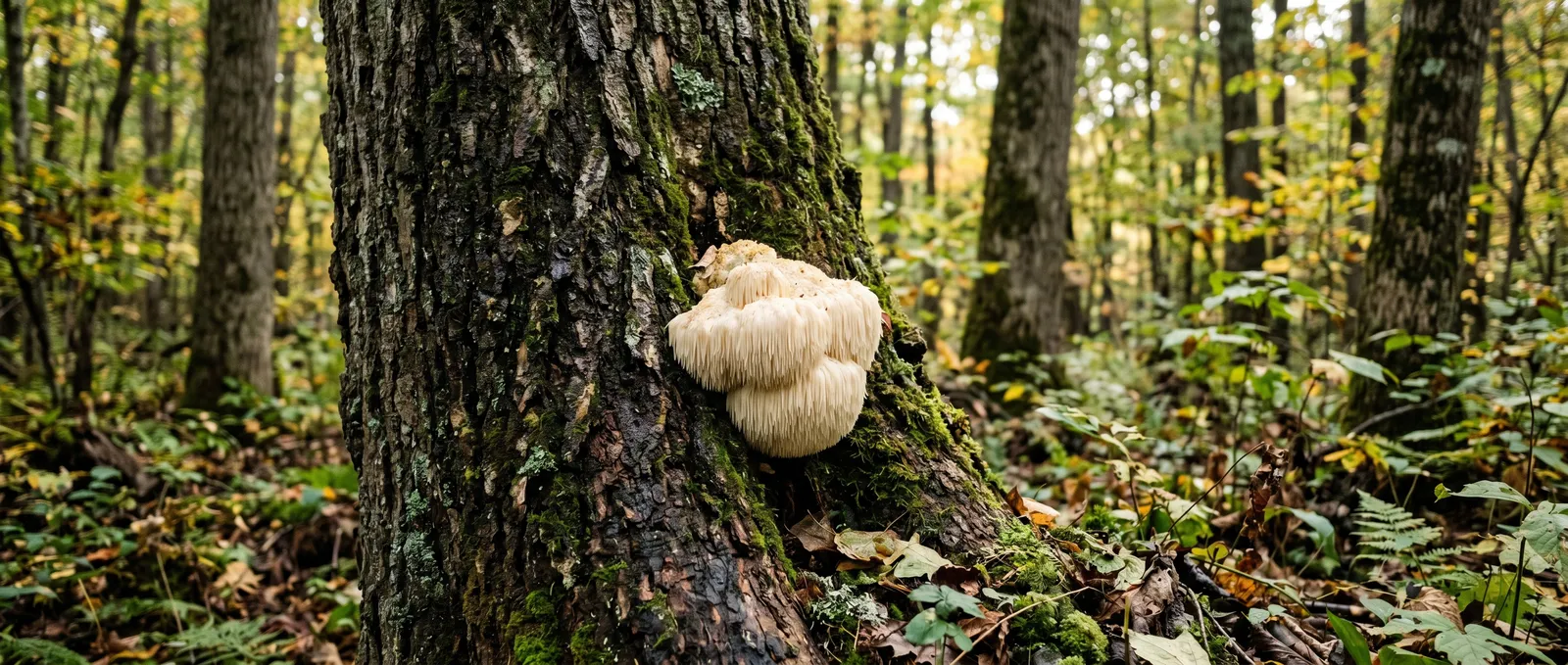
Hericium erinaceus is a tooth fungus that fruits as a single white, spine-covered mass on wounded or dead hardwood trees.
Cordyceps Lifecycle
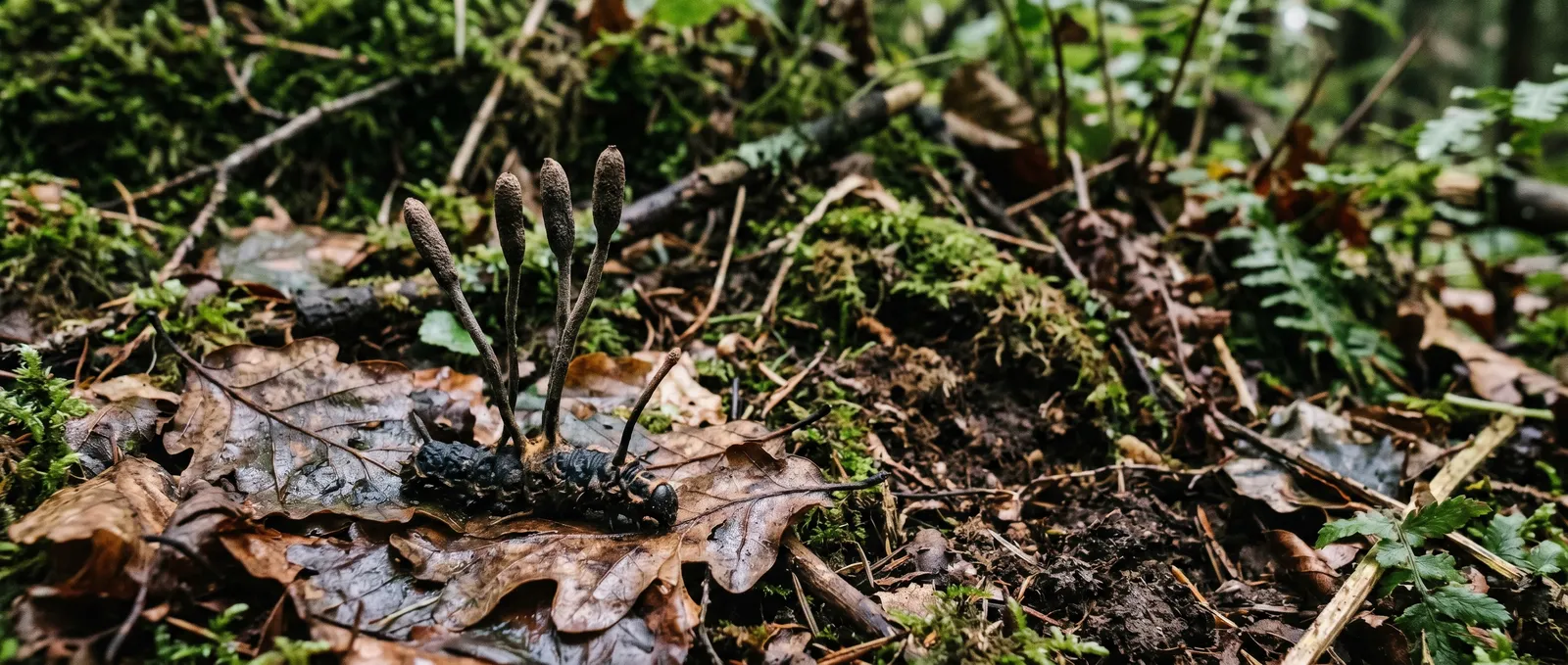
The cordyceps lifecycle is a parasitic biological sequence in which a fungus infects an insect host, colonises its body from within, and erupts as a…