
Maitake (Grifola frondosa)
Definition
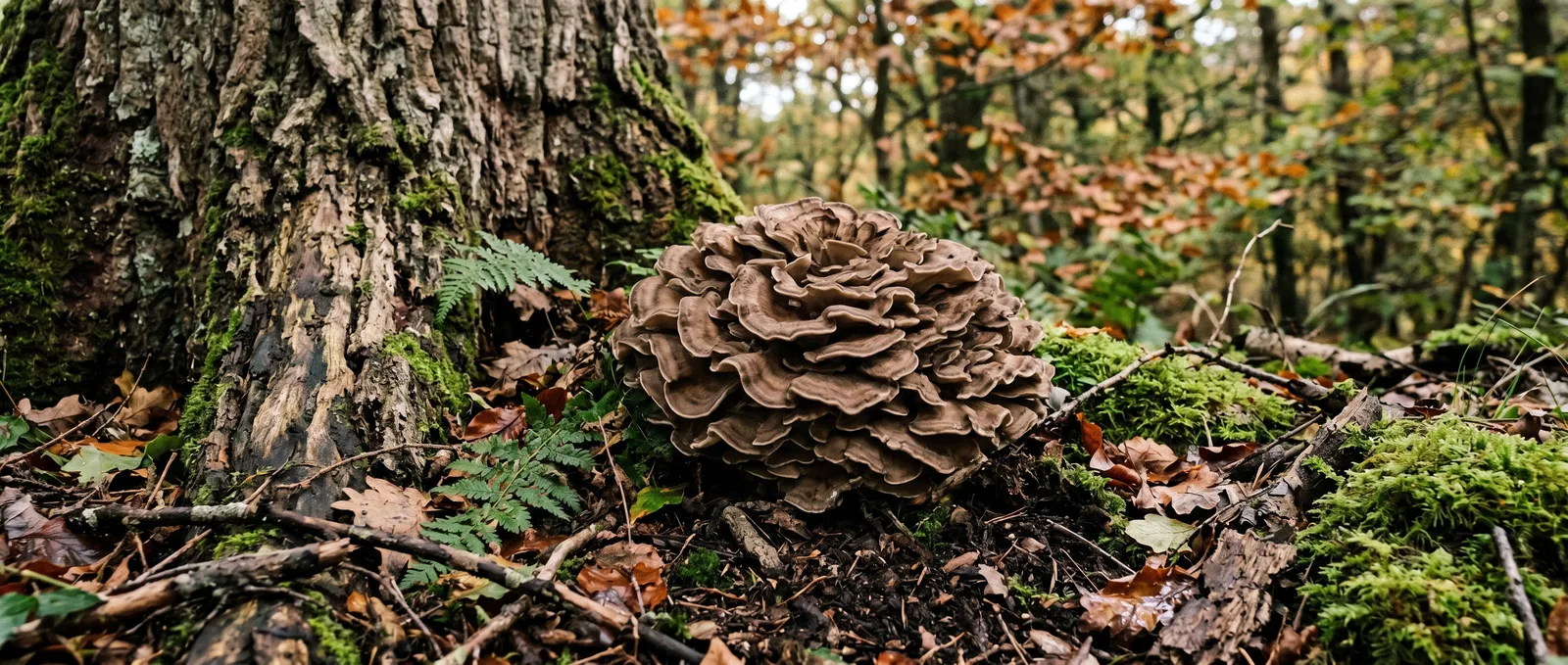
Grifola frondosa — commonly called maitake or hen of the woods — is a polypore mushroom native to temperate hardwood forests in Japan, North America, and Europe. Research has focused primarily on its beta-glucan fractions, particularly a purified proteoglucan called D-fraction first characterised by Nanba (1997), which has been studied for immune-modulating activity in both animal models and small human trials.
Maitake (Grifola frondosa) is a large, layered polypore mushroom that grows at the base of oaks and other hardwoods across temperate forests in Japan, North America, and Europe. The name maitake is Japanese for "dancing mushroom," supposedly because foragers danced with joy upon finding it. Maitake (Grifola frondosa) has been eaten as food in East Asia for centuries and has attracted research attention primarily for its beta-glucan fractions, particularly a purified proteoglucan preparation called D-fraction. It sits in an interesting position among functional mushrooms: widely consumed as a culinary species, yet carrying a body of immunological research that, while genuinely interesting, is frequently overstated by the supplement industry. If you want to buy maitake (Grifola frondosa) supplements, understanding the difference between marketing claims and actual evidence is essential before you order.
Disclaimer: This article is for informational purposes only and does not constitute medical advice. The content presented here has not been evaluated by the EMA, EFSA, or any regulatory body as a basis for treating, diagnosing, or preventing any disease. Always consult a qualified healthcare professional before using maitake or any supplement, especially if you take prescription medication, are pregnant or breastfeeding, or have an underlying health condition.
Taxonomy and identification
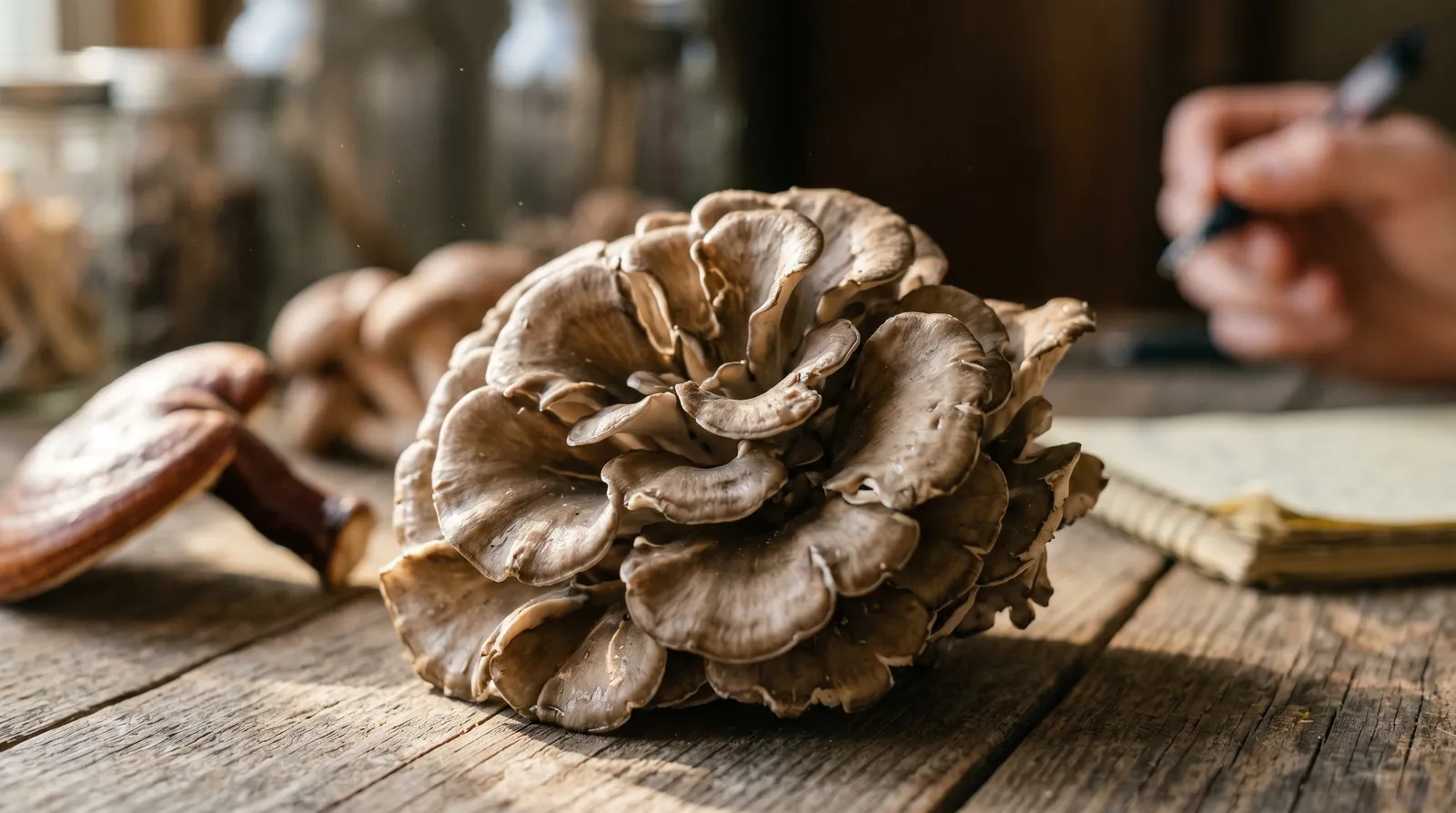
Grifola frondosa is a polypore belonging to the order Polyporales and the family Meripilaceae, making maitake (Grifola frondosa) one of the most taxonomically well-defined species in the functional mushroom space. It forms large, shelf-like clusters of overlapping grey-brown caps — sometimes reaching 50 cm across and weighing several kilograms — growing from a single branching stem base. The Japanese name "maitake" is the most commonly used in the supplement trade; in English-speaking countries it also goes by "hen of the woods" (not to be confused with "chicken of the woods," which is Laetiporus sulphureus — a completely different species). In Italian cuisine, the same mushroom appears as "signorina." The fruiting body is the part traditionally eaten and the part most commonly used in supplement production, though mycelium-based preparations also exist and carry different compositional profiles.
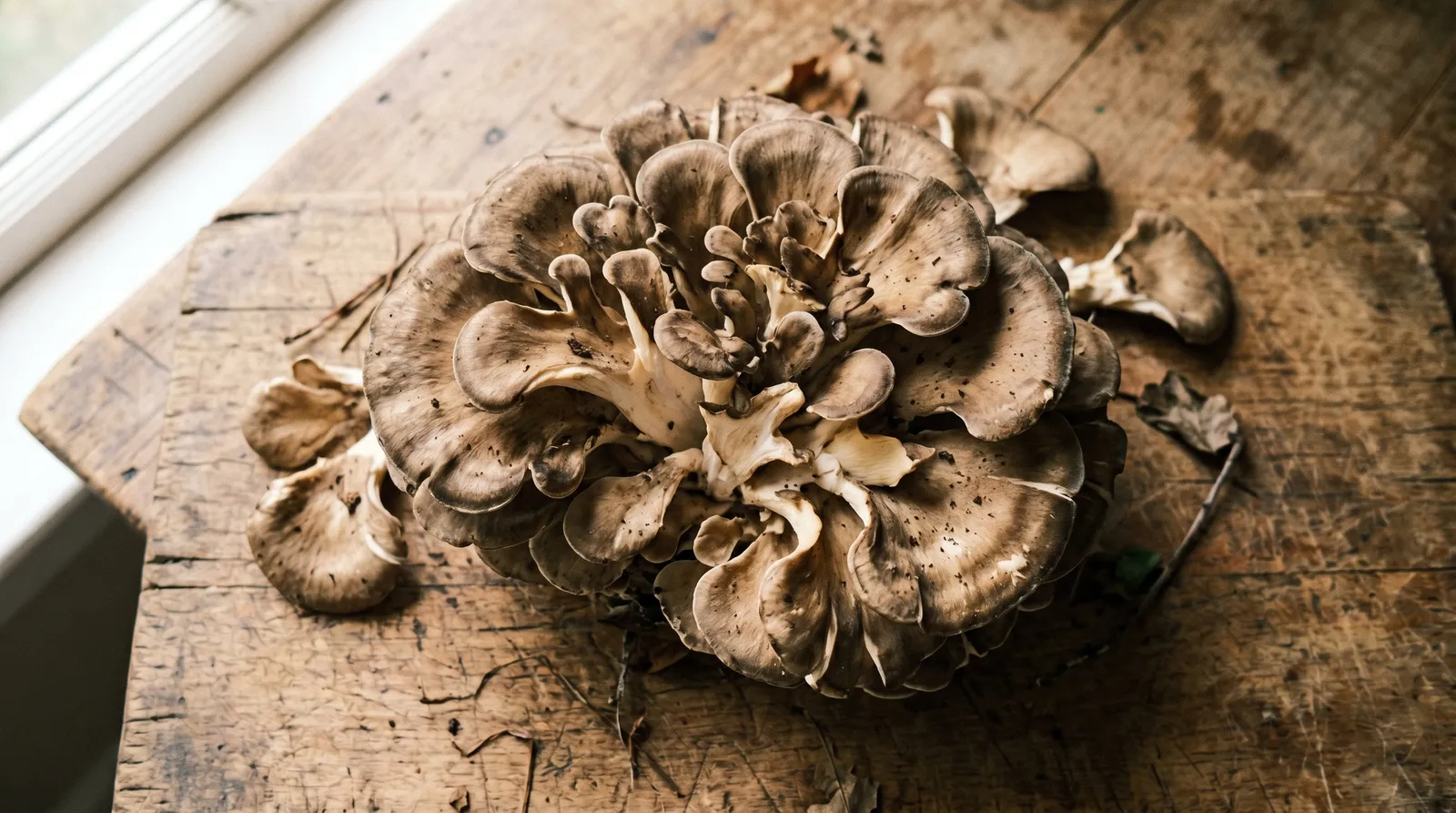
Wild maitake fruits in autumn, typically September through November in the Northern Hemisphere, and favours the base of ageing oaks, elms, and maples. Commercial cultivation is well established in Japan, China, and the United States, primarily on hardwood-based substrates. The cultivated form tends to be smaller and more uniform than wild specimens.
Key compounds and chemistry
The primary bioactive compounds in maitake (Grifola frondosa) are beta-glucans with a β-(1→3) backbone and β-(1→6) branches, which are the molecules most studied for immune-related activity. Several specific preparations have been isolated and named in the research literature, and it matters which one a given study actually used:
| Fraction | Developer / Source | Key Feature | Primary Research Context |
|---|---|---|---|
| D-fraction | Nanba, Kobe Pharmaceutical University | Purified protein-bound beta-glucan | Immune modulation, oncology-adjacent studies |
| MD-fraction | Nanba's group (further purification) | Higher β-(1→6)-branched glucan ratio | NK cell activation, cytokine production |
| Grifolan | Adachi et al. (1987) | β-(1→3)-glucan isolate | Macrophage activation (animal models) |
| SX-fraction | Various Japanese groups | Water-soluble glycoprotein | Blood sugar and insulin sensitivity |
| Extraction Method | Primary Compounds Captured | Typical Beta-Glucan Yield | Best For |
|---|---|---|---|
| Hot water | Polysaccharides (beta-glucans) | High (25–40%) | Immune-related research applications |
| Alcohol (ethanol) | Triterpenes, sterols, ergosterol | Low (5–15%) | Lipophilic compound concentration |
| Dual extraction | Both polysaccharides and triterpenes | Moderate-high (20–35%) | Broad-spectrum compositional coverage |
| Mycelium-on-grain (unextracted) | Mixed mycelial compounds + grain starch | Low (8–18%) | Cost-effective production, debated efficacy |
- D-fraction: A purified protein-bound beta-glucan extract developed by Hiroaki Nanba at Kobe Pharmaceutical University in the 1980s. This is a standardised, proprietary preparation — not something you get by boiling a maitake cap in water. Most of the immune-modulation research that gets cited in supplement marketing was conducted on D-fraction specifically.
- MD-fraction: A further-purified version of D-fraction, also developed by Nanba's group, with a higher proportion of the β-(1→6)-branched glucan.
- Grifolan: A β-(1→3)-glucan isolated from Grifola frondosa that has been studied separately, primarily in animal models, for macrophage activation (Adachi et al., 1987).
- SX-fraction: A water-soluble glycoprotein fraction investigated in the context of blood sugar and insulin sensitivity.
Beyond beta-glucans, maitake (Grifola frondosa) fruiting bodies contain ergosterol (a precursor to vitamin D₂ when exposed to UV light), various lectins, and smaller quantities of triterpenes — though the triterpene profile is far less characterised than that of reishi (Ganoderma lucidum). Ergothioneine, an antioxidant amino acid found across many edible mushrooms, is also present. Compared to lion's mane (Hericium erinaceus), which is valued primarily for its hericenones and erinacines targeting nerve growth factor, maitake's research profile skews heavily toward innate immune activation — a genuinely different pharmacological territory.
The extraction method determines which compounds end up in the final product. Hot-water extraction pulls polysaccharides (beta-glucans) into solution — this is essentially what a traditional decoction does. Alcohol extraction captures more of the triterpene and sterol content. Dual extraction (hot water followed by alcohol, or vice versa) captures both classes. If a product label says "hot-water extract" and you are interested in triterpene content, those numbers will be low. If it says "tincture" (alcohol-only), the beta-glucan yield will be modest. This is basic extraction chemistry, not marketing — it applies to every functional mushroom species.
What the research actually shows
Most published maitake (Grifola frondosa) research is preclinical — consisting of animal models and in-vitro assays — with only a handful of small human trials completed to date. The bulk of the work falls into two categories: immune modulation and glycaemic effects.

Immune modulation. In-vitro and animal-model studies have consistently shown that maitake beta-glucans — particularly D-fraction and grifolan — can activate macrophages, dendritic cells, and natural killer (NK) cells. Kodama et al. (2003) reported that oral administration of MD-fraction in mice enhanced NK cell activity and cytokine production. These are measurable, reproducible findings in controlled laboratory settings. The mechanism is reasonably well understood: beta-glucans bind to dectin-1 and complement receptor 3 (CR3) on innate immune cells, triggering signalling cascades that upregulate immune surveillance.
The jump from "activates macrophages in a petri dish" to "strengthens your immune system" is, however, enormous. In-vitro immune activation does not automatically translate to clinically meaningful immune changes in a living human taking an oral supplement. The bioavailability of orally consumed beta-glucans — how much actually reaches immune cells in the gut-associated lymphoid tissue intact — remains an active area of investigation.
A small open-label study by Deng et al. (2009) examined maitake D-fraction in cancer patients and observed stimulatory and inhibitory effects on different immune cell populations, depending on the cancer type. The study was uncontrolled (no placebo arm), had a small sample size, and used a specific standardised extract — not a general-purpose supplement. It is interesting preliminary data, not proof that maitake supplements modulate immunity in healthy people.
Glycaemic effects. Research has examined whether maitake extracts influence blood glucose and insulin sensitivity. Kubo et al. (1994) reported that maitake powder reduced blood glucose levels in streptozotocin-induced diabetic mice. Konno et al. (2001) investigated the SX-fraction in a small human pilot and observed improvements in insulin sensitivity in some participants. The evidence here is thin — small samples, limited replication, and the specific fractions used are not equivalent to a standard maitake capsule from a supplement shelf.
Oncology-adjacent research. This is where the gap between research and marketing is widest. Some studies — primarily from Japanese research groups — have investigated D-fraction and MD-fraction as adjuncts alongside conventional cancer treatment. Nanba (1997) published data suggesting D-fraction enhanced the activity of certain chemotherapy agents in animal models. A non-randomised clinical report by Kodama et al. (2002) described tumour regression in a subset of cancer patients receiving maitake alongside standard therapy, though the study design makes it impossible to attribute the effect to maitake alone. These findings apply to specific purified polysaccharide fractions administered under clinical supervision, not to over-the-counter maitake supplements. Transferring these results onto a capsule product is not supported by the evidence.
Mycelium versus fruiting body
Mycelium-on-grain maitake (Grifola frondosa) products typically contain lower beta-glucan levels and higher residual starch than fruiting-body extracts. Many commercial supplements use mycelium grown on grain substrate — the mycelium is harvested along with its grain base, dried, and powdered. The result is a product that contains mycelial biomass mixed with residual starch from the grain. Beta-glucan content in mycelium-on-grain products is typically lower than in fruiting-body extracts, while starch content is higher.
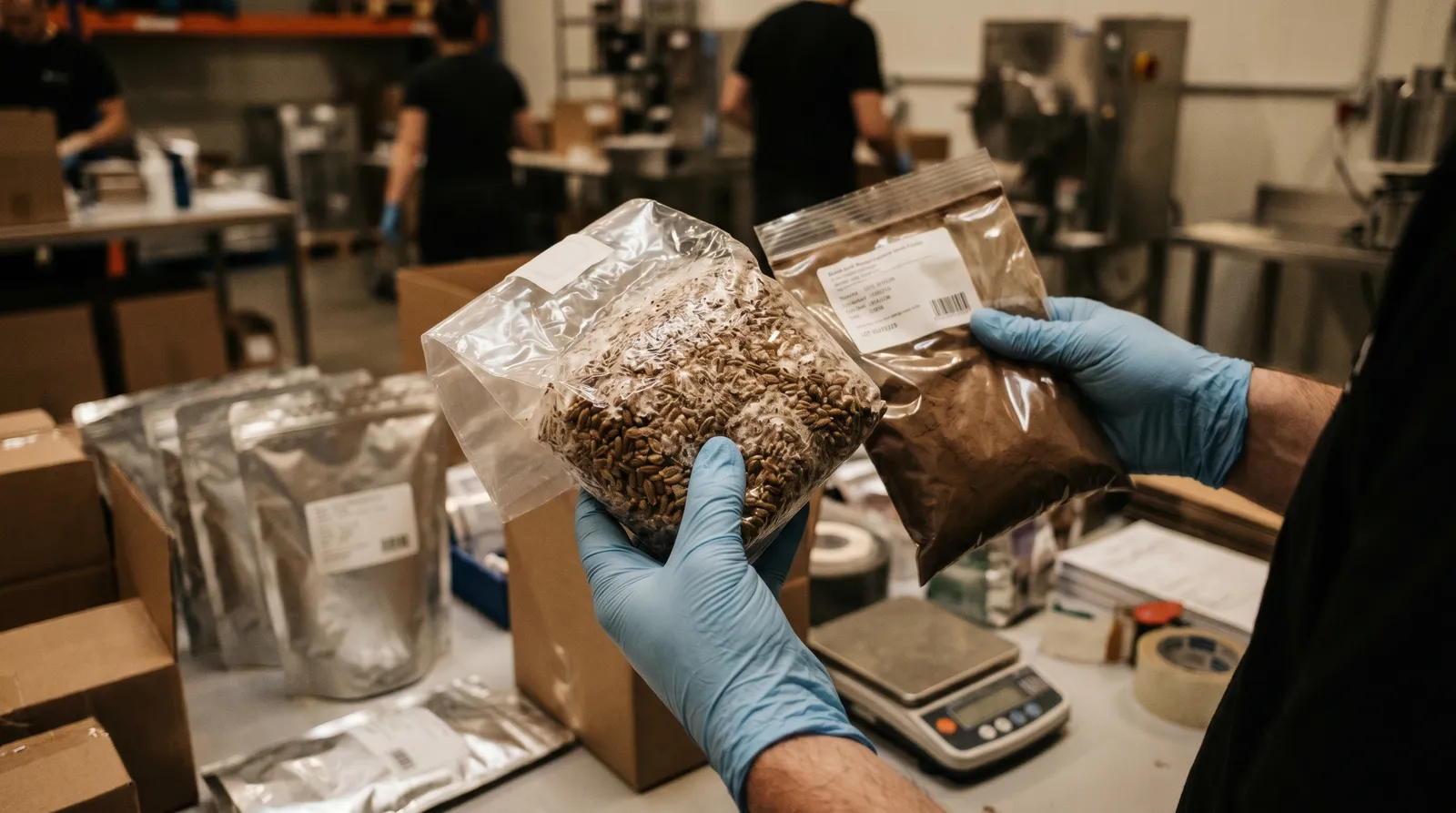
Some manufacturers argue that mycelium preparations contain a "full spectrum" of compounds, including intracellular metabolites not found in fruiting bodies. Others — particularly those focused on beta-glucan potency — counter that the fruiting body is the form used in most published research and delivers higher concentrations of the target polysaccharides. Both positions have some merit, but they are not equivalent claims, and the beta-glucan numbers on a certificate of analysis will reflect the difference. If a product lists a beta-glucan content below 15–20%, grain dilution is a likely factor. Fruiting-body extracts from reputable sources typically test above 25–30%. When you order maitake (Grifola frondosa) supplements, checking whether the source is fruiting body or mycelium-on-grain is one of the first things worth verifying.
Traditional use
Maitake (Grifola frondosa) has been consumed as food in Japan for centuries, making it one of the oldest culinary mushrooms in East Asian cuisine with documented use dating back to feudal-era foraging traditions. It is a genuinely prized culinary mushroom, not just a supplement ingredient. Traditional Japanese and Chinese medicine texts reference it primarily as a tonic, though its documentation in classical TCM materia medica is less extensive than that of reishi or cordyceps. The foraging tradition around maitake in Japan was historically competitive enough that collectors reportedly kept their harvest sites secret — which may or may not be the origin of the "dancing" story, but it does tell you something about how valued the mushroom was as food.
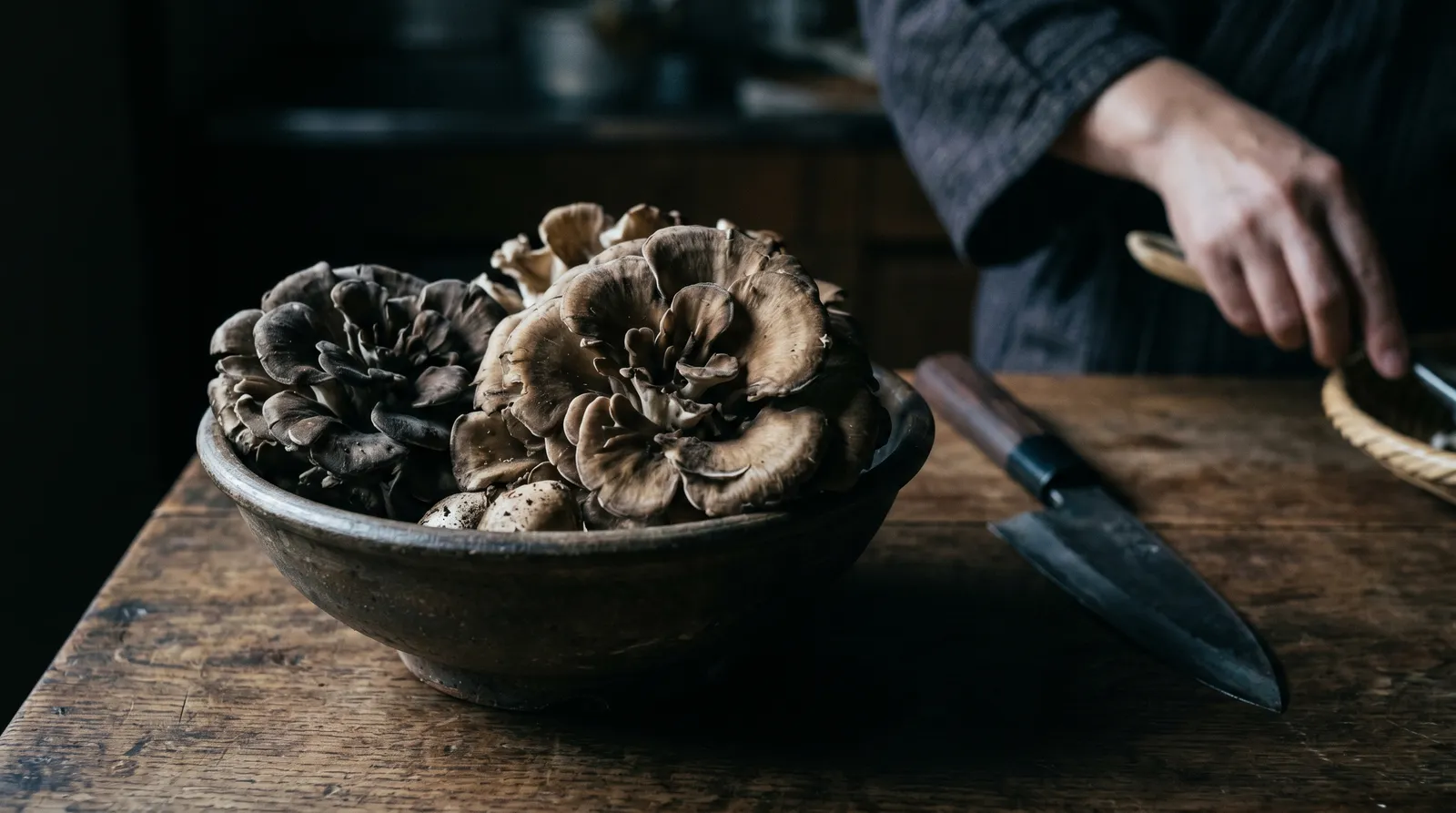
In North America, hen of the woods has long been a favourite among wild mushroom foragers, prized for its firm texture and ability to take on flavours when sautéed or roasted. Its culinary use is well established and entirely separate from its supplement applications.
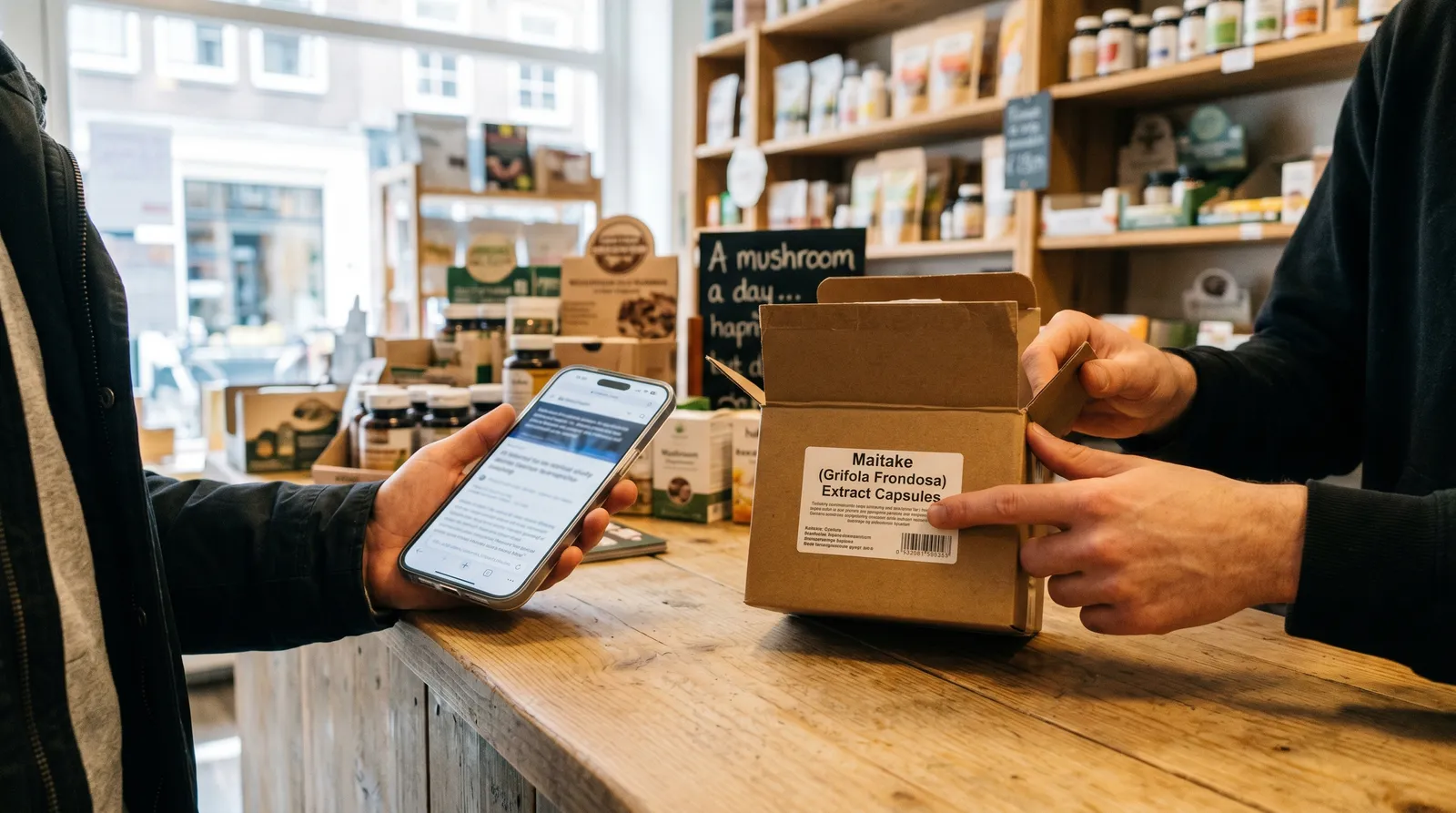
One thing we will say plainly: if a maitake product claims to treat cancer, walk away. The research is preliminary, the extracts used in studies are not what is on most shelves, and no responsible vendor should be making those claims. What maitake does offer — as a culinary mushroom with genuinely interesting immunological research behind it — is worth appreciating on its own terms, without the hype. If you want to get maitake (Grifola frondosa) supplements that actually reflect the research, compare certificates of analysis before you buy. Azarius carries fruiting-body maitake (Grifola frondosa) extracts alongside other functional mushroom products including reishi capsules, lion's mane extract, turkey tail supplements, and chaga powder — all listed with third-party testing data so you can compare beta-glucan content directly.
Honest limitations
No large-scale randomised controlled trial has demonstrated that a commercially available maitake (Grifola frondosa) supplement produces clinically meaningful immune changes in healthy adults. Most studies are small, uncontrolled, and use proprietary extracts that differ from what most people actually buy. The beta-glucan bioavailability question remains partially unanswered: we know these molecules interact with immune receptors in gut-associated lymphoid tissue, but the dose-response relationship in humans taking oral supplements is not well characterised. We sell maitake products because the research is interesting and the mushroom has a long history of safe culinary use — not because we can promise specific health outcomes. That distinction matters to us.

How maitake compares to other functional mushrooms
Maitake (Grifola frondosa) occupies a distinct niche among functional mushrooms, with research focused more narrowly on beta-glucan-mediated immune activation than most comparable species. Compared to reishi (Ganoderma lucidum), which has a much more developed triterpene profile and a longer history in classical TCM, maitake's research is more narrowly focused on beta-glucan-mediated immune activation. Reishi also tastes terrible — genuinely bitter — while maitake is a legitimate culinary ingredient that people eat for pleasure. Turkey tail (Trametes versicolor) shares maitake's beta-glucan focus but has stronger clinical data in the oncology-adjunct space, particularly the PSK and PSP preparations used in Japanese and Chinese hospitals. Chaga (Inonotus obliquus) is sometimes compared to maitake, but its compound profile — heavy on melanin and betulinic acid derivatives — is quite different, and its research base is thinner. Lion's mane targets a completely different system (neurotrophin production) and should not be considered interchangeable with maitake for immune-related purposes. For a deeper comparison of these species, see the Azarius functional mushroom comparison guide in the encyclopedia section.
The EMCDDA does not classify maitake or its extracts as controlled substances in any European jurisdiction, and the Beckley Foundation has not included Grifola frondosa in its research programmes — it is not a psychoactive species. For those looking to get maitake (Grifola frondosa) supplements, the European market offers both fruiting-body extracts and mycelium-on-grain products, and the quality variation is substantial. If you want to buy maitake (Grifola frondosa) from a source that provides certificates of analysis, Azarius carries several options worth comparing.
Safety and drug interactions
Maitake (Grifola frondosa) is generally well tolerated as both a food and a supplement at commonly used doses, with no serious adverse effects widely reported in the literature. That said, several interaction risks deserve attention, and they should be considered before combining maitake with prescription medication.

Because research has examined maitake's effects on blood glucose and insulin sensitivity, there is a theoretical and partially supported risk of interaction with hypoglycaemic medications — metformin, sulfonylureas, and insulin. If maitake does lower blood sugar (even modestly), stacking it with medication designed to do the same thing could produce excessive hypoglycaemia. Anyone on diabetes medication should discuss this with a prescriber.
As a beta-glucan-rich species with demonstrated immune-modulating activity in laboratory settings, maitake falls into the same caution category as reishi and turkey tail regarding immunosuppressive therapy. If you take methotrexate, tacrolimus, ciclosporin, or corticosteroids, the theoretical concern is that immune-stimulating mushroom compounds work in opposition to the goal of your medication. The clinical evidence for this specific interaction is limited, but the pharmacological logic is sound enough to warrant caution. The same reasoning applies to autoimmune conditions — if your immune system is already overactive, adding a compound that may further stimulate innate immune cells is not obviously a good idea.
For a more complete treatment of functional mushroom drug interactions, see the dedicated drug interactions article in the Azarius encyclopedia.
Data on maitake use during pregnancy, breastfeeding, and in children are limited. Long-term safety of daily supplementation has not been established in controlled studies.
What to look for in a preparation
The single most important number on a maitake (Grifola frondosa) supplement label is the beta-glucan content measured by enzymatic assay, not total polysaccharides which can include starch. If you are evaluating a maitake product to buy, a few compositional markers are worth checking. Beta-glucan content — measured by the Megazyme method or equivalent enzymatic assay — is the most relevant potency indicator for immune-related research applications. A certificate of analysis should distinguish beta-glucans from total polysaccharides and ideally report starch content as well. High starch alongside low beta-glucans suggests grain dilution from a mycelium-on-grain source.
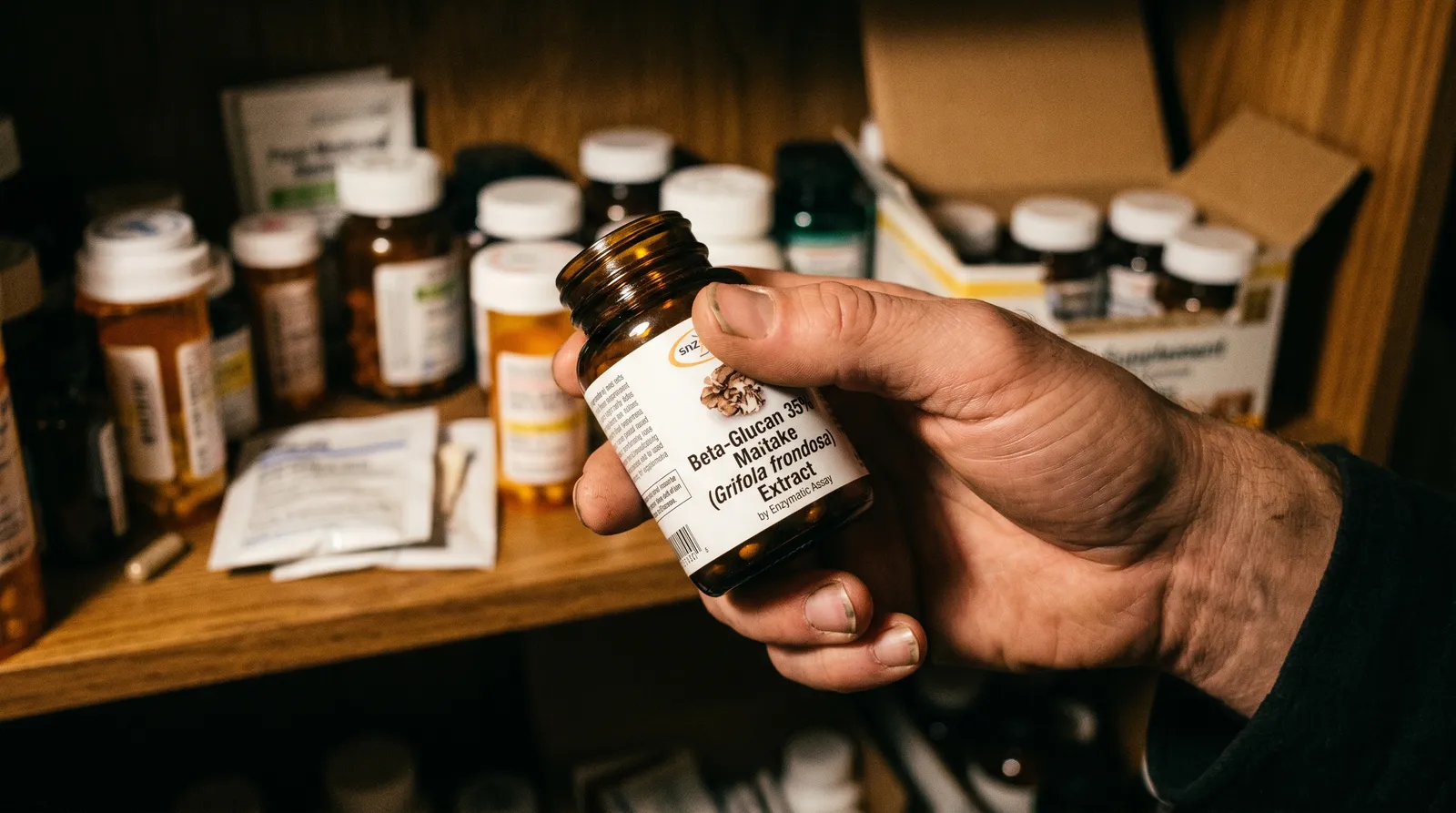
Whether the product uses fruiting body, mycelium, or a combination should be clearly stated on the label. The extraction method (hot water, alcohol, dual) determines which compound classes are concentrated. And the species should be verified — Grifola frondosa is well defined taxonomically, so misidentification is less of a concern here than with, say, the various Ganoderma species sold as "reishi," but it still warrants checking.
Research findings from D-fraction, MD-fraction, or SX-fraction studies do not automatically apply to a generic maitake powder or a mycelium-on-grain capsule. Those are specific, standardised preparations. A product that is not the same preparation used in the study cannot claim the study's results — full stop. When you order maitake (Grifola frondosa) supplements, always cross-reference the product's certificate of analysis against the specific extract type used in any study being cited by the manufacturer.
Frequently asked questions
What is maitake D-fraction and how does it differ from whole maitake powder?
D-fraction is a purified protein-bound beta-glucan extract developed at Kobe Pharmaceutical University. It is a standardised preparation with a specific molecular profile — not the same as grinding up a dried maitake cap. Most immune-modulation research on maitake used D-fraction or MD-fraction, not generic powders.
Does maitake lower blood sugar?
Animal studies (Kubo et al., 1994) and a small human pilot (Konno et al., 2001) observed blood glucose reductions, but the evidence is thin — small samples, limited replication, and specific extract fractions. Anyone on diabetes medication should discuss potential additive effects with a prescriber.
Is maitake mycelium on grain as effective as fruiting body extract?
Mycelium-on-grain products typically contain lower beta-glucan levels and higher starch from the grain substrate. Fruiting-body extracts generally test above 25–30% beta-glucans. Both forms exist on the market, but they are compositionally different and should not be treated as interchangeable.
Can you take maitake while on immunosuppressant medication?
Caution is warranted. Maitake beta-glucans have shown immune-stimulating activity in laboratory settings, which theoretically opposes the goal of immunosuppressive drugs like methotrexate or tacrolimus. Clinical data on this specific interaction are limited, but the pharmacological concern is real. Discuss with your prescriber.
How do you tell if a maitake supplement contains mostly starch filler?
Check the certificate of analysis for beta-glucan content measured by enzymatic assay (not total polysaccharides, which includes starch). If beta-glucans are below 15–20% and starch is high, the product likely contains significant grain substrate from mycelium-on-grain production.
Where can I buy maitake (Grifola frondosa) supplements?
Maitake (Grifola frondosa) supplements are available from specialist retailers including Azarius. When choosing a product, prioritise those with third-party certificates of analysis showing beta-glucan content above 25%, clearly stated fruiting body or mycelium source, and verified Grifola frondosa species identification.
What is the best extraction method for maitake (Grifola frondosa)?
Hot-water extraction yields the highest beta-glucan concentration (typically 25–40%) and is the method most aligned with immune-modulation research. Dual extraction captures both polysaccharides and triterpenes. The best method depends on which compound class you are targeting — hot water for beta-glucans, alcohol for sterols and triterpenes.
How long does it take to notice effects from maitake (Grifola frondosa) supplements?
No clinical trial has established a reliable onset timeline for maitake (Grifola frondosa) supplements in healthy adults. Immune biomarker changes in the small studies that exist were measured over weeks, not days. Individual responses vary, and any product claiming rapid results is not supported by the published evidence.
Last updated: April 2026
Frequently Asked Questions
9 questionsWhat is maitake D-fraction and how does it differ from whole maitake powder?
Does maitake lower blood sugar?
Is maitake mycelium on grain as effective as fruiting body extract?
Can you take maitake while on immunosuppressant medication?
How do you tell if a maitake supplement contains mostly starch filler?
What is the difference between maitake (hen of the woods) and chicken of the woods?
When is maitake season and can you forage it in Europe?
How much maitake should you take per day?
Can you cook maitake without losing its beneficial compounds?
About this article


Adam Parsons is an external cannabis and psychedelics writer and editor who contributes to Azarius's wiki as both author and reviewer. On the writing side, he authors Azarius's kratom and kanna clusters, drawing on exten
This wiki article was drafted with AI assistance and reviewed by Adam Parsons, External contributor. Editorial oversight by Joshua Askew.
Medical disclaimer. This content is for informational purposes only and does not constitute medical advice. Consult a qualified healthcare provider before use of any substance.
Last reviewed April 24, 2026
References (9)
- [1]Adachi, Y. et al. (1987). Activation of murine macrophages by grifolan. Chemical and Pharmaceutical Bulletin , 35(12), 4930–4933.
- [2]Deng, G. et al. (2009). A phase I/II trial of a polysaccharide extract from Grifola frondosa (maitake mushroom) in breast cancer patients. Journal of Cancer Research and Clinical Oncology , 135(9), 1215–1221. DOI: 10.1007/s00432-009-0562-z
- [3]Kodama, N. et al. (2002). Can maitake MD-fraction aid cancer patients? Alternative Medicine Review , 7(3), 236–239.
- [4]Kodama, N. et al. (2003). Effect of maitake (Grifola frondosa) D-fraction on the activation of NK cells in cancer patients. Journal of Medicinal Food , 6(4), 371–377. DOI: 10.1089/109662003772519949
- [5]Konno, S. et al. (2001). A possible hypoglycaemic effect of maitake mushroom on type 2 diabetic patients. Diabetic Medicine , 18(12), 1010. DOI: 10.1046/j.1464-5491.2001.00532-5.x
- [6]Kubo, K. et al. (1994). Anti-diabetic activity present in the fruit body of Grifola frondosa. Biological and Pharmaceutical Bulletin , 17(8), 1106–1110. DOI: 10.1248/bpb.17.1106
- [7]Nanba, H. (1997). Maitake D-fraction: healing and preventive potential for cancer. Journal of Orthomolecular Medicine , 12(1), 43–49.
- [8]EMCDDA (2024). European drug report: functional mushroom supplements and regulatory status. European Monitoring Centre for Drugs and Drug Addiction.
- [9]Beckley Foundation (2023). Research programme overview: psychoactive and non-psychoactive fungi. Beckley Foundation, Oxford.
Related Articles

Medicinal Mushrooms TCM Western Pharmacognosy Guide
Guide to medicinal mushrooms TCM Western pharmacognosy — how reishi, lion's mane, cordyceps are classified, extracted, and studied.
Research on Immune Modulation by Functional Mushrooms
What does research on immune modulation by functional mushrooms actually show? Beta-glucans, Dectin-1 signalling, human trials, and the honest gap...
Allergic Reactions & Mushroom Sensitivities
Understand allergic reactions and mushroom sensitivities: mould cross-reactivity, shiitake dermatitis, species-specific risks, and safer product…
Turkey Tail Trametes versicolor — Buy Supplements
Buy turkey tail Trametes versicolor supplements at Azarius. PSK and PSP evidence, beta-glucan dosage, extraction methods, and safety.

Triterpenes In Medicinal Mushrooms
Triterpenes in medicinal mushrooms are a class of 30-carbon terpenoid compounds produced as secondary metabolites by several functional mushroom species…
Chaga Siberian Nordic Folk Use
Chaga Siberian Nordic folk use is a centuries-old tradition in which indigenous Siberians and Nordic communities brewed the birch-parasitising fungus…
Red and Black Reishi Varieties
Red reishi (Ganoderma lucidum) and black reishi (Ganoderma sinense) both fall under the lingzhi umbrella in traditional Chinese medicine, but they differ in…
Lion's Mane Identification & Habitat
Hericium erinaceus is a tooth fungus that fruits as a single white, spine-covered mass on wounded or dead hardwood trees.
Cordyceps Lifecycle
The cordyceps lifecycle is a parasitic biological sequence in which a fungus infects an insect host, colonises its body from within, and erupts as a…