
Hot Water, Alcohol & Steam Extraction
Definition
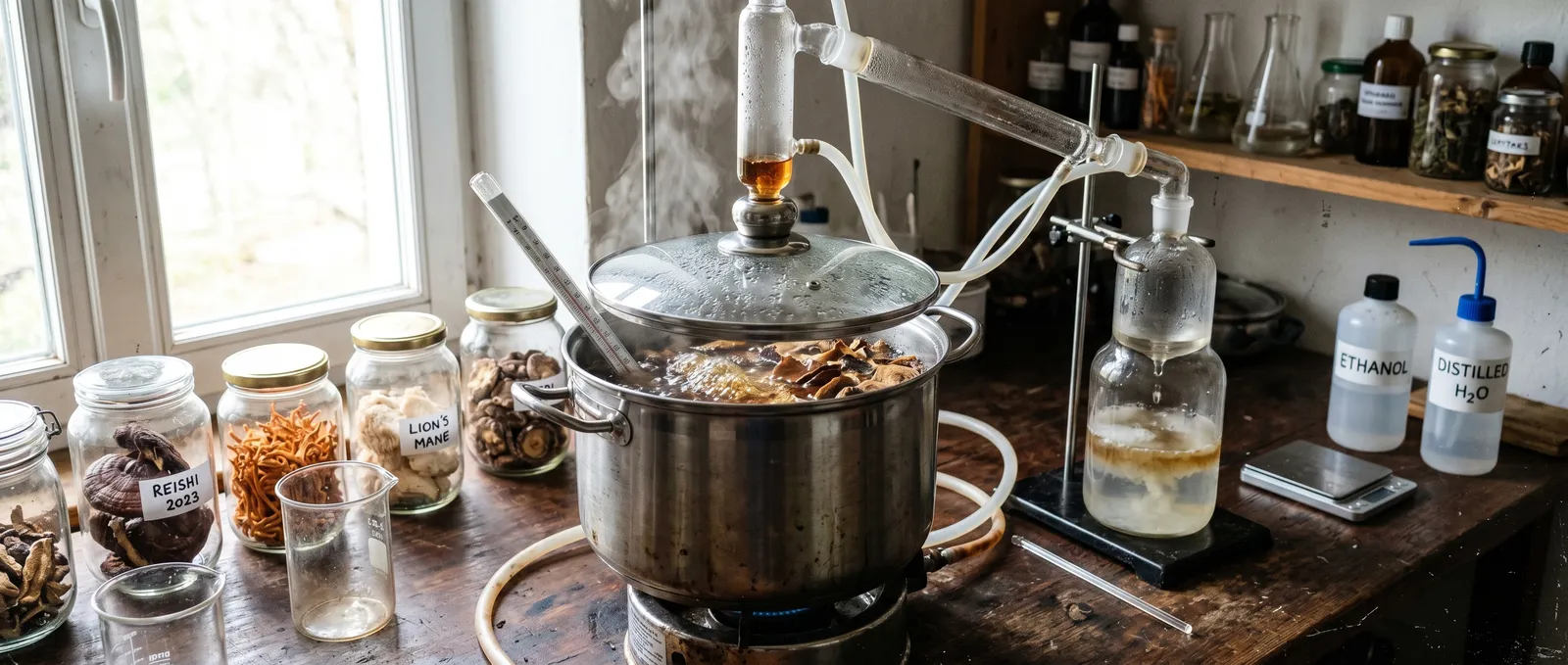
Hot water alcohol steam extraction is a set of three principal methods used to isolate bioactive compounds from functional mushrooms. Each solvent targets a different compound class — polysaccharides, triterpenes, or volatile aromatics — meaning the extraction method fundamentally shapes the product's chemistry. Cör et al. (2018) documented significant yield variation across solvent types, confirming that method choice is not a minor production detail.
Hot water alcohol steam extraction is a set of three principal methods used to concentrate bioactive compounds from functional mushrooms. Each method targets a different class of molecule — water pulls polysaccharides, alcohol pulls triterpenes, and steam captures volatile aromatics — which means the extraction method on the label tells you more about what is actually in the bottle than most consumers realise. Understanding these differences matters because research findings from one type of extract do not automatically apply to another: a hot-water reishi extract and an alcohol reishi tincture are, chemically speaking, quite different products. Cör et al. (2018) documented significant variation in both polysaccharide and triterpene yields depending on solvent choice and extraction parameters, reinforcing that hot water alcohol steam extraction method choice is not a minor detail.
Why Extraction Matters for Mushrooms Specifically
Fungal cell walls are built from chitin, a structural polymer that is nearly indigestible without extraction processing. Unlike plant cellulose, chitin is exceptionally resistant to digestion. Human stomach acid and digestive enzymes break down chitin poorly, which means that simply eating raw or dried mushroom powder leaves a large fraction of the bioactive compounds locked inside intact cell walls. This is not a marketing talking point; it is basic mycology. Stamets and Chilton (1983) described the structural role of chitin in fungal cell architecture decades ago, and the bioavailability implications have been discussed in extraction-science literature ever since.
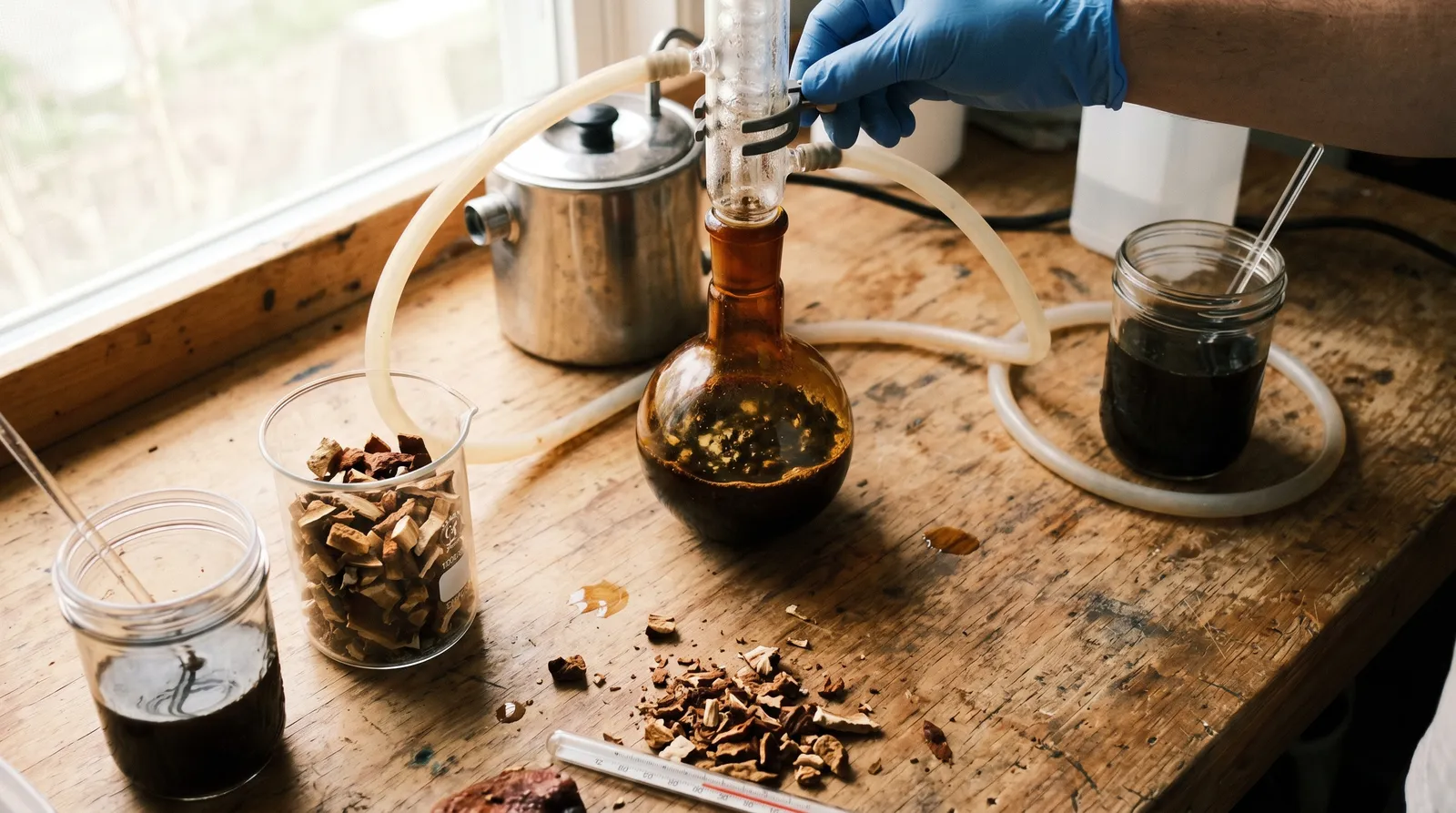
Extraction — whether by hot water, alcohol, or steam — disrupts those chitin walls and liberates the compounds inside. The specific solvent determines which compounds end up in the final product, because different molecules dissolve in different media. Polysaccharides like beta-glucans are hydrophilic (water-soluble). Triterpenes like the ganoderic acids in reishi are hydrophobic (alcohol-soluble). Volatile aromatic terpenes require steam distillation to capture without thermal degradation. A single solvent cannot do all three jobs well.
Hot Water Extraction
Hot water extraction is the oldest and most widespread method for isolating polysaccharides from functional mushrooms. It is essentially what traditional Chinese medicine (TCM) decoctions have been doing for centuries — simmering dried mushroom material in water for extended periods. Modern hot-water extraction typically runs at 80–100°C for anywhere from 2 to 12 hours, sometimes under pressure to push temperatures higher.
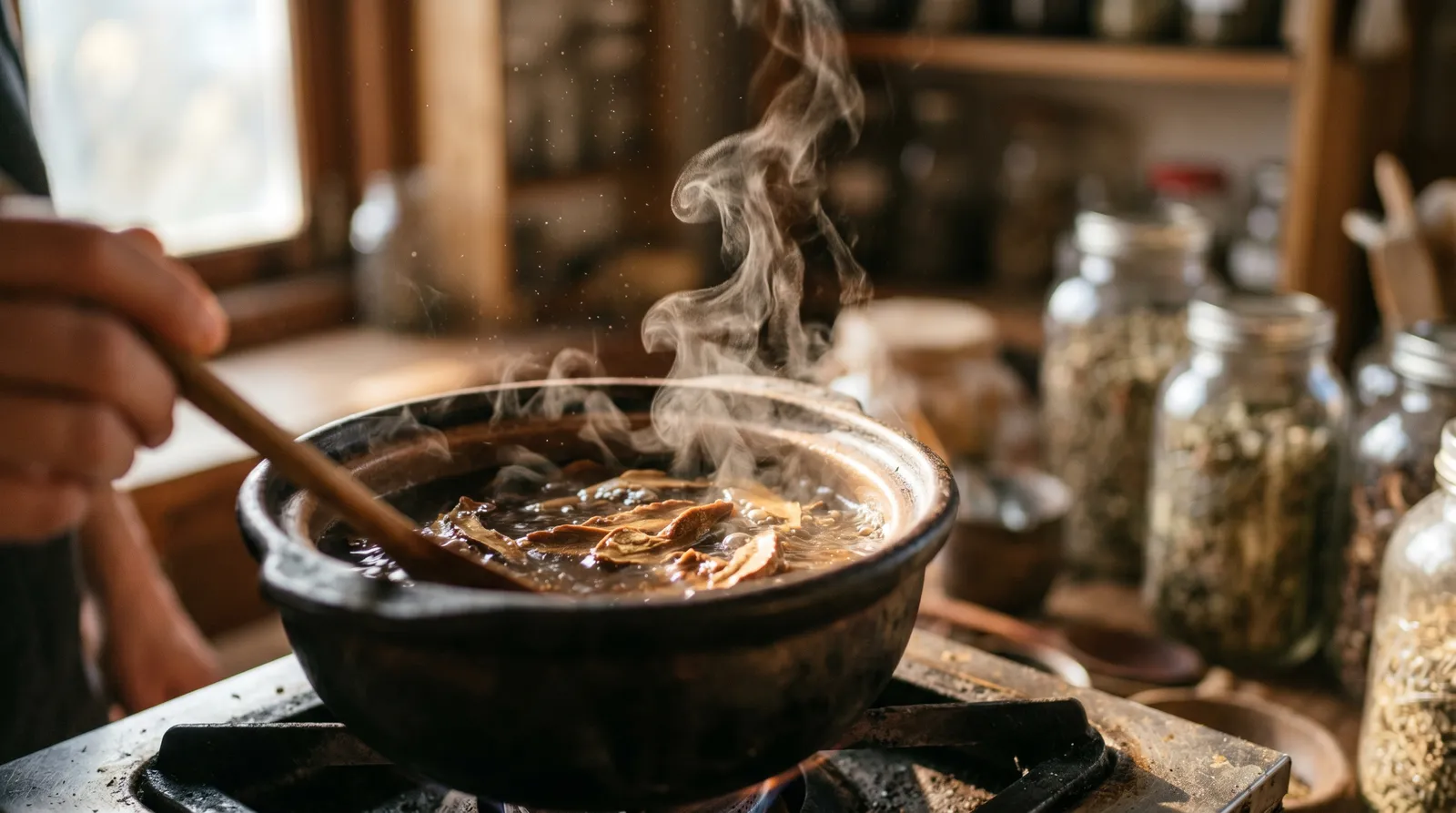
The target compounds are water-soluble polysaccharides, primarily beta-glucans. These are the molecules behind most of the immune-modulation research on functional mushrooms. Lentinan from shiitake, PSK and PSP from turkey tail, grifolan from maitake — all are polysaccharide fractions isolated through water-based extraction. Wasser (2002) reviewed the medicinal properties of beta-glucans from various Basidiomycetes and noted that hot-water extraction remains the standard preparation method for polysaccharide-focused research.
What hot water does not capture well: triterpenes, sterols, and most non-polar aromatic compounds. If you see a reishi product made exclusively by hot-water extraction, it will be rich in polysaccharides but low in ganoderic acids — the triterpene fraction that much of the reishi-specific research focuses on. This is not a flaw in the method; it is simply what water does and does not dissolve.
Beta-glucan content in a hot-water extract can range from roughly 15% to over 50% by dry weight, depending on species, starting material (fruiting body versus mycelium on grain), extraction duration, and temperature. Products using mycelium grown on grain substrate tend to carry substantially lower beta-glucan percentages because the grain starch dilutes the fungal material — a point worth keeping in mind when comparing labels.
Alcohol (Ethanol) Extraction
Alcohol extraction targets the non-water-soluble fraction of mushroom biomass, primarily triterpenes and sterols. Usually using ethanol at concentrations between 60% and 95%, this method captures ganoderic acids, phenolic compounds, and certain terpenes. For species like reishi, where the triterpene profile is a major point of interest, alcohol extraction is the method that captures ganoderic acids A through Z, lucidenic acids, and related compounds.
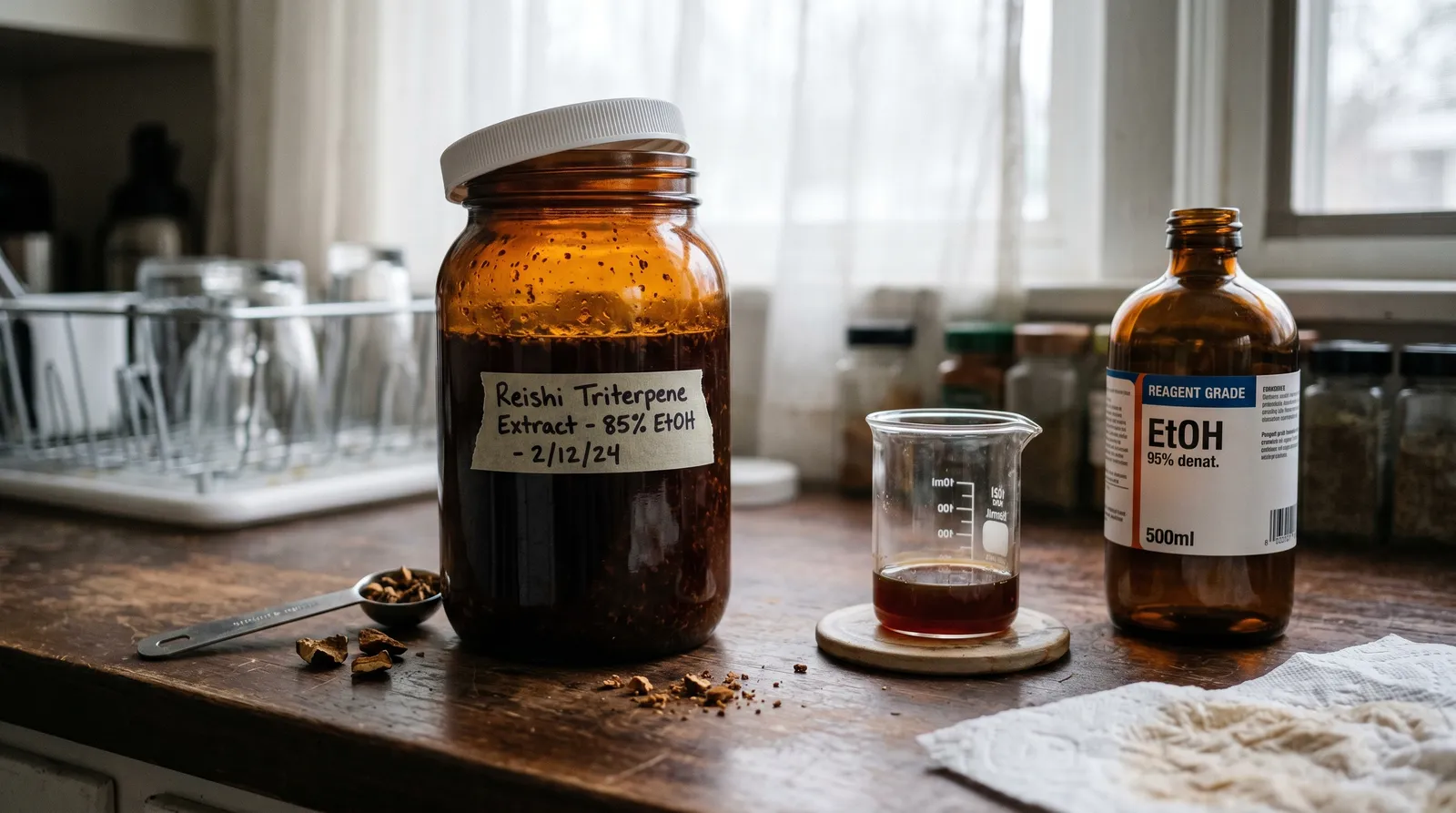
The classical "reishi tincture" is an alcohol extract. So are many chaga preparations that emphasise betulinic acid and inotodiol — both triterpene-class molecules that dissolve readily in ethanol but poorly in water. Hapuarachchi et al. (2018) catalogued over 130 triterpenoid compounds from Ganoderma species, the vast majority of which require organic solvents for efficient extraction.
The trade-off is the mirror image of hot water: alcohol extracts are typically low in beta-glucans. Ethanol actually precipitates polysaccharides out of solution (this is, in fact, how researchers isolate polysaccharides in the lab — by adding ethanol to crash them out). So an alcohol-only tincture of, say, turkey tail will contain minimal PSK or PSP, even though those are the compounds most studied in that species.
Alcohol concentration matters too. Lower ethanol percentages (around 25–40%) pull a broader but shallower range of compounds. Higher concentrations (70%+) are more selective for non-polar triterpenes but leave more polar molecules behind. Some manufacturers run sequential macerations at different ethanol strengths to widen the extraction window — though this adds cost and complexity.
Dual Extraction: Combining Both
Dual extraction uses both hot water and alcohol to capture the widest range of bioactive compounds in a single preparation. Sometimes called "double extraction," the logic is straightforward: if water gets the beta-glucans and alcohol gets the triterpenes, doing both gives you the most complete chemical profile.
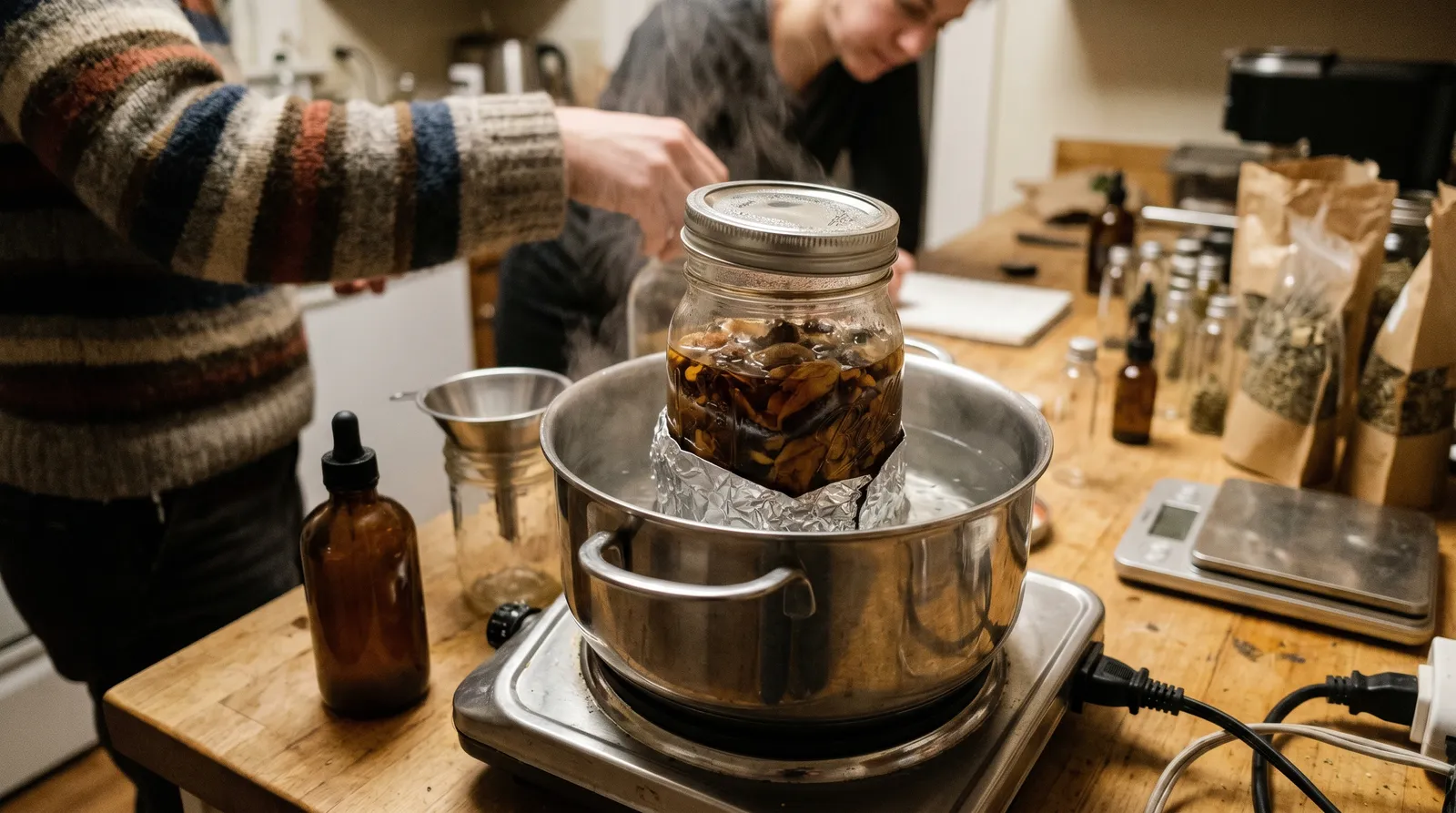
Sequential dual extraction typically runs the hot-water step first (concentrating polysaccharides), then subjects the same material — or the water extract — to alcohol extraction (capturing triterpenes). The two extracts are then combined and, in many commercial products, spray-dried into a powder. Simultaneous methods use a water-alcohol mixture (commonly around 30–40% ethanol), which is a compromise: it captures a moderate amount of both compound classes but may not maximise either.
Dual extraction is the method most often recommended for reishi, chaga, and other species where both polysaccharide and triterpene fractions are of interest. For species like lion's mane, where the compounds of primary research interest — hericenones and erinacines — have varied solubility profiles (hericenones are more alcohol-soluble; erinacines, found primarily in mycelium, also require organic solvents), dual extraction again captures a broader spectrum than either method alone. Friedman (2015) reviewed extraction methodologies across medicinal mushroom species and noted that dual-extraction protocols consistently yielded higher total bioactive content than single-solvent approaches.
The practical limitation is that "dual-extracted" on a label does not tell you the ratio, the temperatures, the durations, or the ethanol concentration used. Two dual-extracted reishi products can have meaningfully different chemical profiles. Without a certificate of analysis listing beta-glucan and triterpene percentages, you are taking the manufacturer's word for it.
Steam Distillation
Steam distillation captures volatile aromatic compounds that would be destroyed by sustained high heat or denatured by ethanol. The process passes steam through mushroom material at relatively low temperatures (typically below 100°C at atmospheric pressure). Volatile compounds evaporate into the steam, which is then condensed and collected. The resulting distillate is an essential-oil-like fraction, not a polysaccharide or triterpene concentrate.
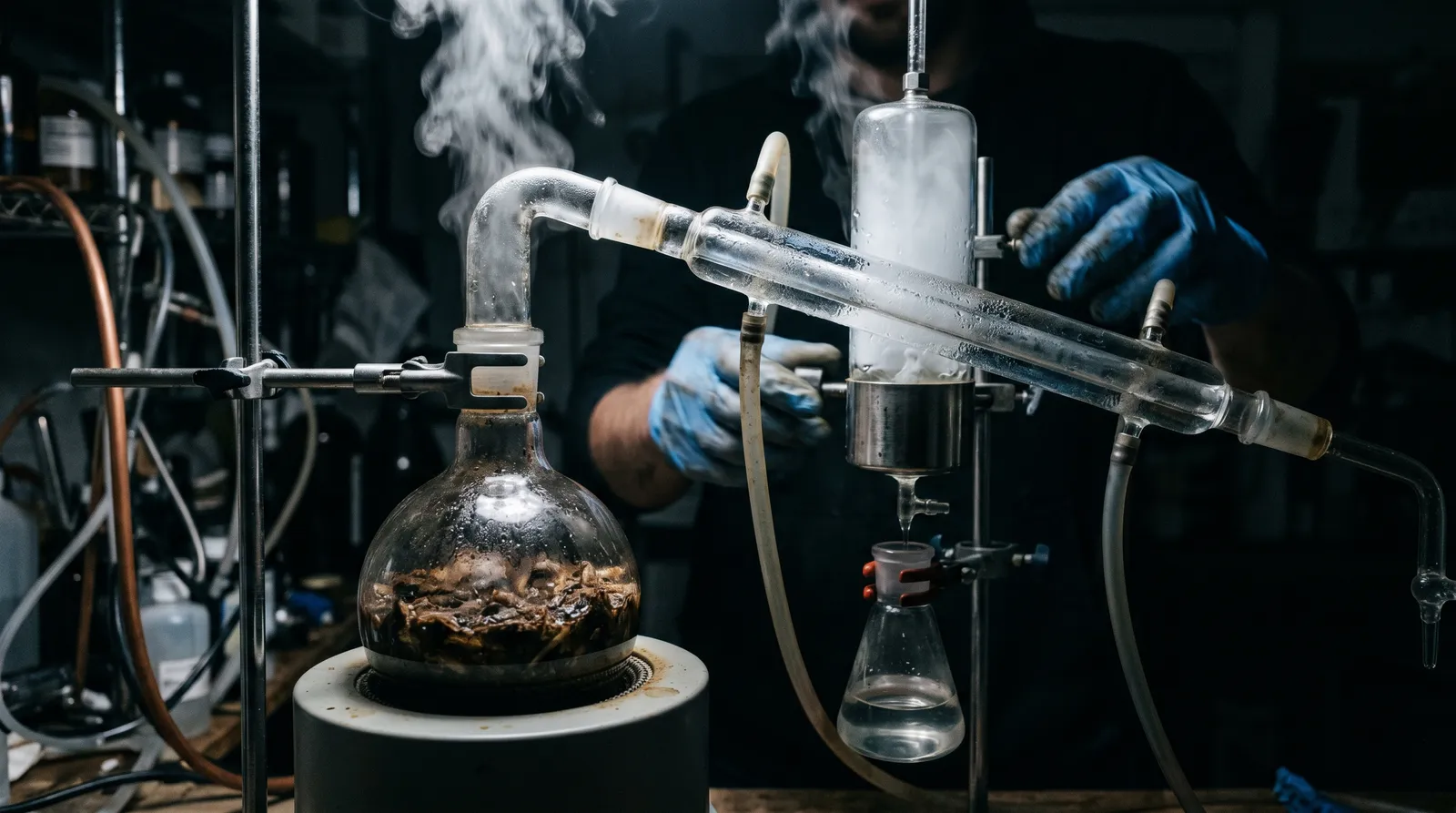
For most mainstream functional mushroom products — lion's mane capsules, reishi extracts, chaga powders — steam distillation is not the relevant method. It appears more often in aromatherapy-adjacent applications or in research isolating specific volatile fractions for analytical purposes. That said, some full-spectrum preparations combine steam-distilled volatile fractions with water and alcohol extracts to create a three-phase product, though these are uncommon and the added clinical value of the volatile fraction has not been established in controlled human studies.
Matching Method to Compound Class
| Extraction Method | Primary Target Compounds | What It Misses | Best-Suited Species |
|---|---|---|---|
| Hot water | Beta-glucans, polysaccharides, water-soluble proteins | Triterpenes, sterols, volatile aromatics | Turkey tail, maitake, shiitake, tremella |
| Alcohol (ethanol) | Triterpenes (ganoderic acids, betulinic acid), sterols, phenolics | Beta-glucans (precipitated out), heat-sensitive volatiles | Reishi (triterpene focus), chaga (betulinic acid focus) |
| Dual (water + alcohol) | Both polysaccharides and triterpenes | Volatile aromatics (partially) | Reishi, chaga, lion's mane, cordyceps |
| Steam distillation | Volatile monoterpenes, sesquiterpenes, aromatics | Polysaccharides, triterpenes, non-volatile compounds | Niche applications; not standard for most species |
This table is a simplification — real extraction chemistry involves gradients, not clean boundaries — but it captures the key principle: the method determines the product's chemical identity.
Comparing Extraction Methods Side by Side
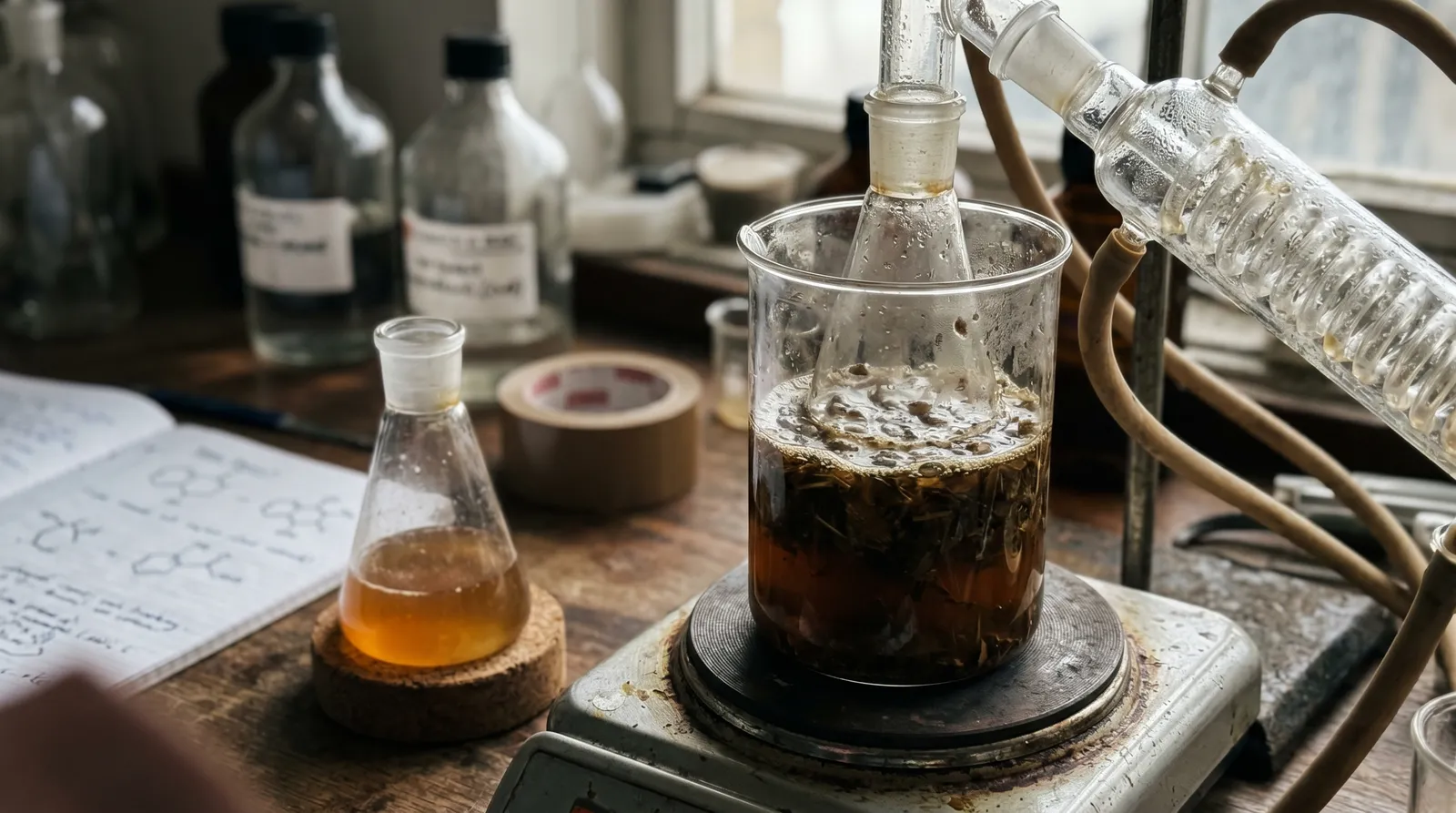
The most honest comparison between hot water, alcohol, and steam extraction comes down to what you are trying to get out of the mushroom. We have seen customers buy a reishi alcohol tincture expecting immune support from beta-glucans, only to learn that their product was optimised for triterpenes instead. Conversely, someone who wants the ganoderic acid profile of reishi will be disappointed by a hot-water-only extract, no matter how high the polysaccharide content reads on the label.
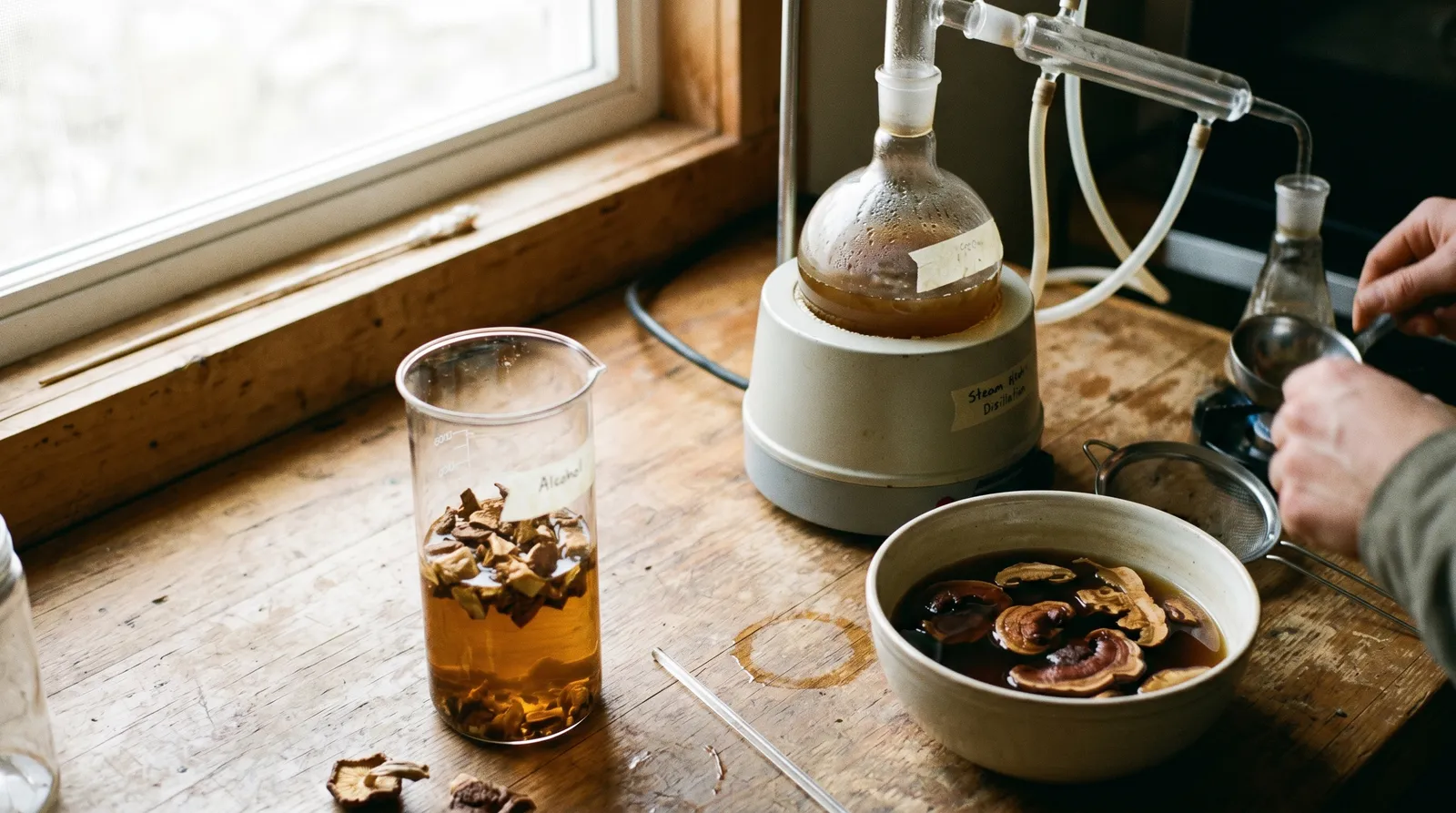
An honest limitation worth stating: no extraction method captures everything. Even the best dual-extraction protocol loses some volatile aromatics, and steam distillation misses the heavy-hitter compounds entirely. The idea of a single "complete" mushroom extract is aspirational rather than achievable with current commercial methods. If a product claims to contain "all" the bioactive compounds of a given species, treat that claim with scepticism unless backed by third-party analytical data.
Hot Water Alcohol Steam Extraction Compared to Raw Powder
Unextracted mushroom powder is simply dried and milled fruiting body or mycelium with no solvent step applied. The chitin matrix remains intact, which means bioavailability of polysaccharides and triterpenes is substantially lower than in any properly extracted product. A 2018 EMCDDA technical review on concentrated botanical preparations noted that extraction ratios of 8:1 to 15:1 are common in the mushroom supplement industry, meaning 8–15 kg of raw material yields 1 kg of extract. That concentration factor is the reason extracts deliver meaningfully higher doses of target compounds per gram.
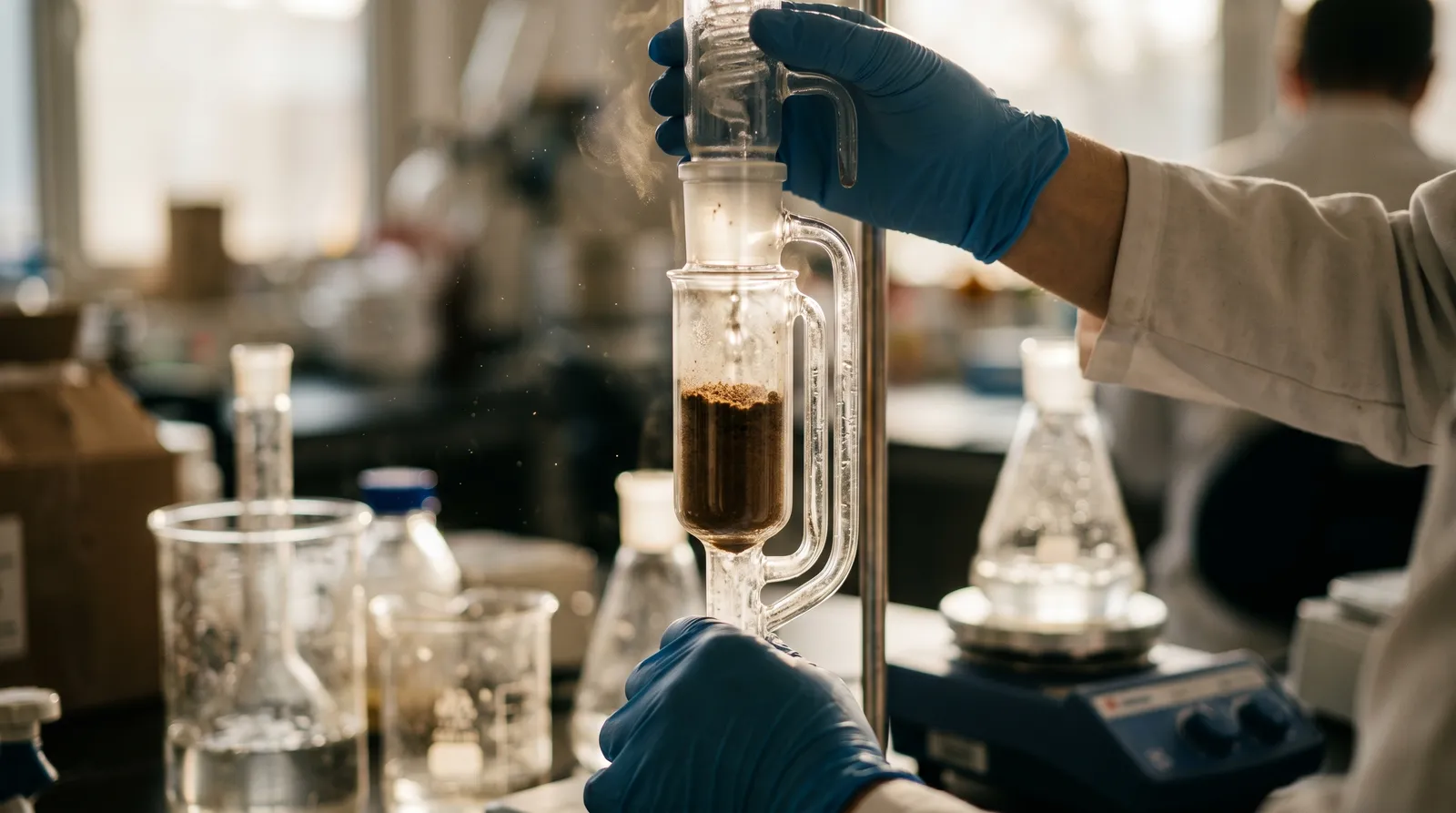
Raw powder does retain the full fibre matrix, including prebiotic chitin-glucan complexes that may support gut microbiota — a point sometimes raised in favour of unextracted products. However, for consumers seeking specific bioactive compounds at research-relevant doses, hot water alcohol steam extraction methods are the established route. The Beckley Foundation's research programme on dose-response relationships in bioactive compounds has similarly emphasised that concentration and standardisation are prerequisites for reproducible effects, whether the substance is a mushroom extract or any other botanical preparation.
How to Buy Mushroom Extracts Wisely
When you order a functional mushroom extract — whether from the Azarius range or elsewhere — three pieces of information matter more than most marketing copy:
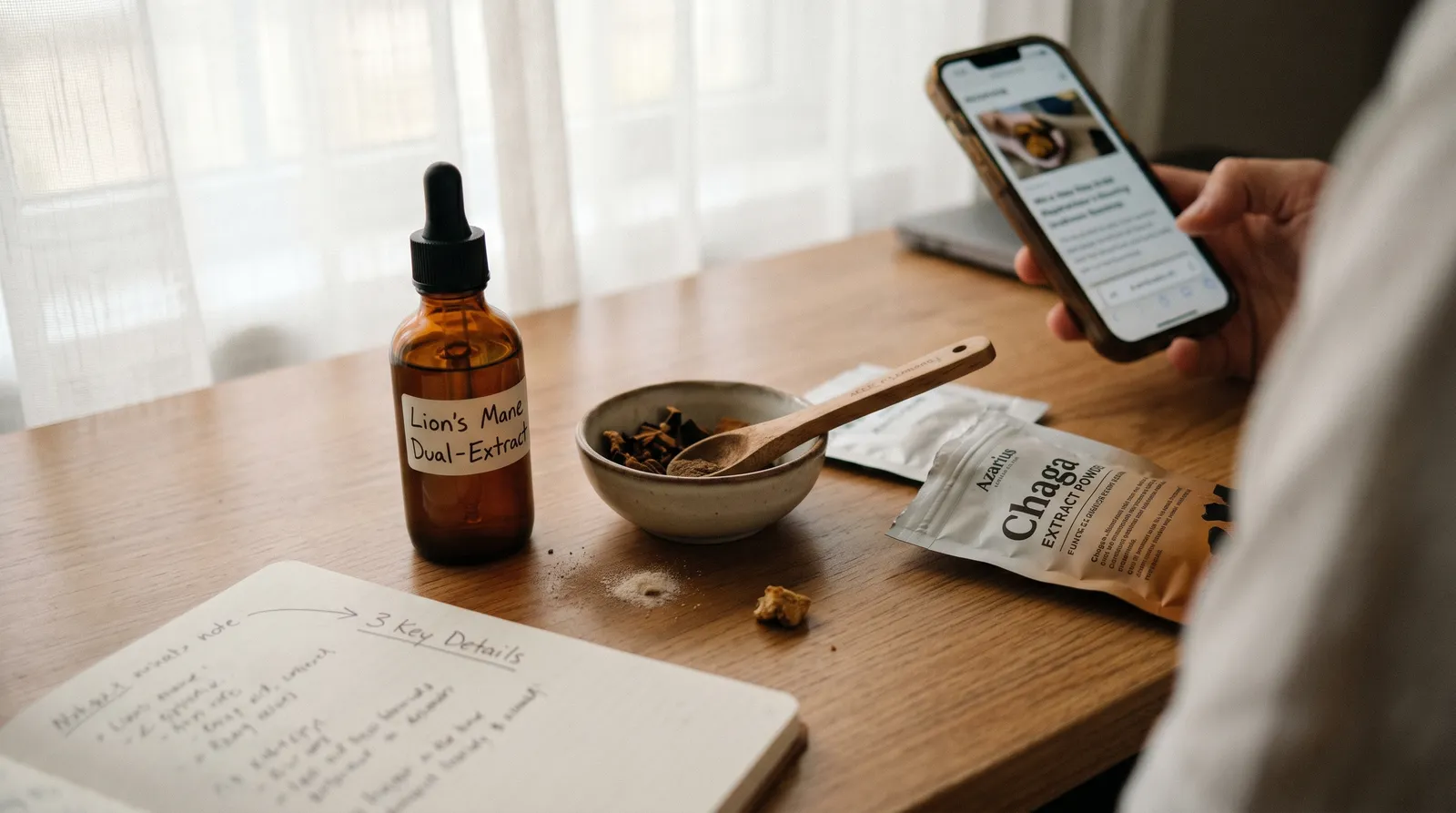
- Extraction method — hot water, alcohol, or dual. If the label says "full spectrum" without specifying the method, that phrase is doing marketing work, not chemistry work.
- Extract source — fruiting body, mycelium, or mycelium on grain. Fruiting-body extracts generally carry higher beta-glucan content per gram. Mycelium-on-grain products include residual grain starch, which inflates polysaccharide readings on non-specific assays (the Megazyme beta-glucan assay distinguishes fungal beta-glucans from starch; not all manufacturers use it). This is a genuine industry debate — some producers argue mycelium contains unique intracellular compounds not found in fruiting bodies, while beta-glucan-focused researchers counter that fruiting bodies are the material used in the majority of published studies.
- Standardised compound percentages — a beta-glucan percentage (for water extracts) or a triterpene percentage (for alcohol extracts) gives you something concrete. Products listing only "polysaccharides" without specifying beta-glucans may be counting starch, which is technically a polysaccharide but not the bioactive one you are after.
At Azarius, you can buy mushroom extracts that specify their extraction method on the product page. Products like the Reishi Dual Extract, Lion's Mane Extract, and Turkey Tail Extract each state whether they use hot water, alcohol, or dual extraction, so you know which compound class you are getting before you buy. If you want to get started with a dual-extracted product, the Reishi Dual Extract is a solid first choice for anyone interested in both polysaccharide and triterpene fractions.
Safety Considerations
Extraction concentrates bioactive compounds, which means extracts deliver meaningfully higher doses per serving than whole dried mushroom powder. This concentration effect is relevant to drug interaction risk. Reishi extracts — particularly alcohol or dual extracts rich in ganoderic acids — have demonstrated anticoagulant and antiplatelet effects in vitro and may interact with warfarin, apixaban, rivaroxaban, and other blood thinners; concurrent use increases bleeding risk. Immune-modulating species (reishi, maitake, turkey tail) in concentrated extract form should not be combined with immunosuppressants such as methotrexate, tacrolimus, or ciclosporin, as their mechanisms work in opposition. Cordyceps extracts may affect blood sugar and potentiate hypoglycaemic medication. If you take prescription medication, consult a healthcare provider before using concentrated mushroom extracts.
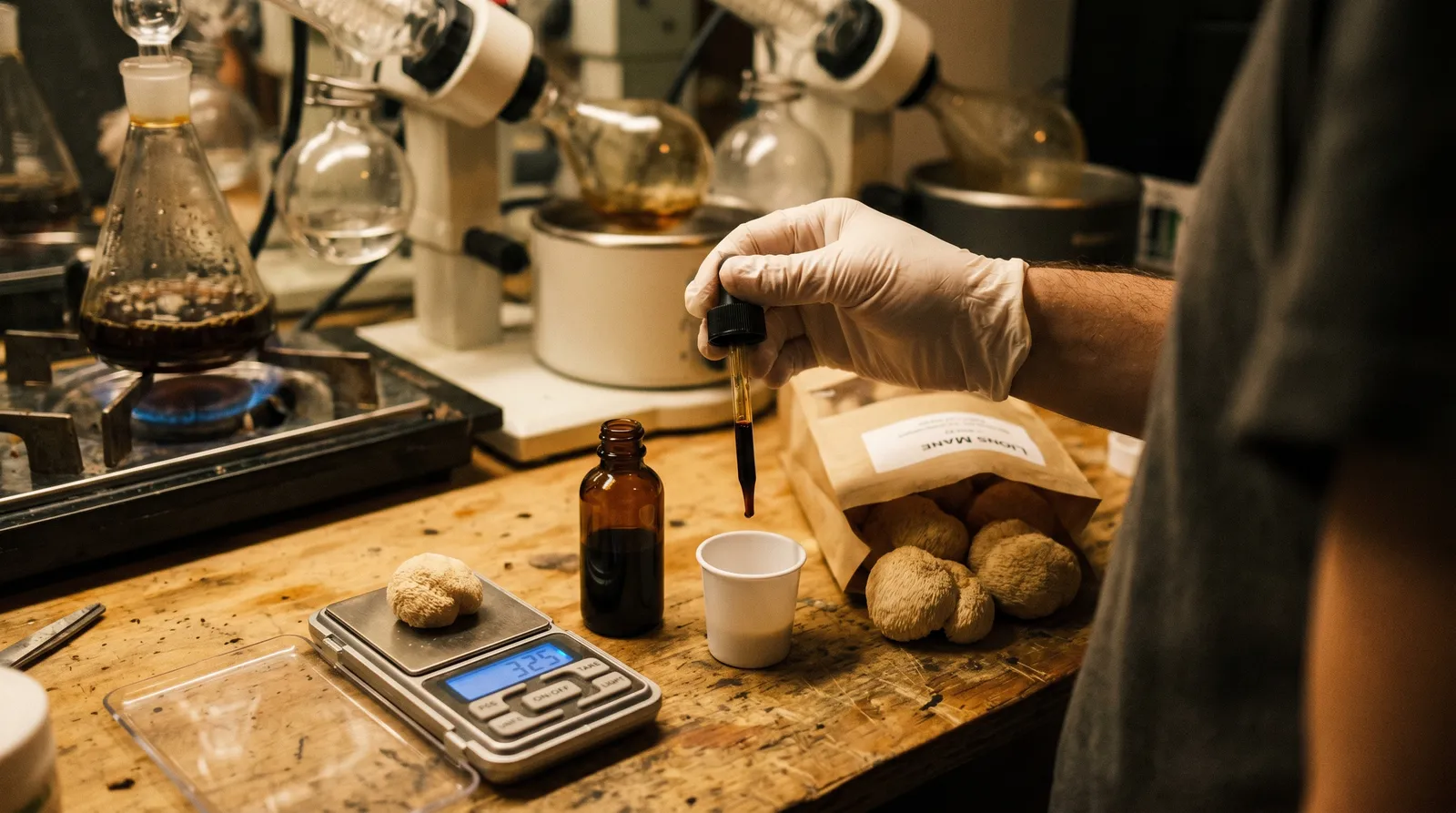
Individuals with autoimmune conditions should exercise particular caution with concentrated beta-glucan extracts — the theoretical concern that immune stimulation opposes the goal of autoimmune therapy is real, even if the direct clinical evidence on this specific point remains limited.
Last updated: April 2026
Frequently Asked Questions
9 questionsDoes hot water extraction destroy beneficial compounds in mushrooms?
Is dual extraction always better than single extraction?
Why do alcohol mushroom tinctures contain fewer beta-glucans?
How can I tell which extraction method a mushroom product uses?
Does mycelium-on-grain extraction yield the same compounds as fruiting body extraction?
What temperature and duration are used in hot water mushroom extraction?
Why can't you extract all mushroom compounds with a single solvent?
Can you perform dual extraction at home with dried mushrooms?
Does steam extraction work for all medicinal mushroom species?
About this article


Adam Parsons is an external cannabis and psychedelics writer and editor who contributes to Azarius's wiki as both author and reviewer. On the writing side, he authors Azarius's kratom and kanna clusters, drawing on exten
This wiki article was drafted with AI assistance and reviewed by Adam Parsons, External contributor. Editorial oversight by Joshua Askew.
Medical disclaimer. This content is for informational purposes only and does not constitute medical advice. Consult a qualified healthcare provider before use of any substance.
Last reviewed April 24, 2026
References (7)
- [1]Cör, D., Knez, Ž., & Knez Hrnčič, M. (2018). Antitumour, antimicrobial, antioxidant and antiacetylcholinesterase effect of Ganoderma lucidum terpenoids and polysaccharides: a review. Molecules , 23(3), 649. DOI: 10.3390/molecules23030649
- [2]Friedman, M. (2015). Chemistry, nutrition, and health-promoting properties of Hericium erinaceus (lion's mane) mushroom fruiting bodies and mycelia and their bioactive compounds. Journal of Agricultural and Food Chemistry , 63(32), 7108–7123. DOI: 10.1021/acs.jafc.5b02914
- [3]Hapuarachchi, K. K., et al. (2018). Current status of global Ganoderma taxonomy and systematics. Mycosphere , 9(5), 1025–1052.
- [4]Stamets, P., & Chilton, J. S. (1983). The Mushroom Cultivator: A Practical Guide to Growing Mushrooms at Home . Agarikon Press.
- [5]Wasser, S. P. (2002). Medicinal mushrooms as a source of antitumor and immunomodulating polysaccharides. Applied Microbiology and Biotechnology , 60(3), 258–274.
- [6]EMCDDA (European Monitoring Centre for Drugs and Drug Addiction). Technical review on concentrated botanical preparations and extraction ratios.
- [7]Beckley Foundation. Research programme on dose-response relationships in natural psychoactive and bioactive compounds.
Related Articles
Medicinal Mushrooms TCM Western Pharmacognosy Guide
Guide to medicinal mushrooms TCM Western pharmacognosy — how reishi, lion's mane, cordyceps are classified, extracted, and studied.
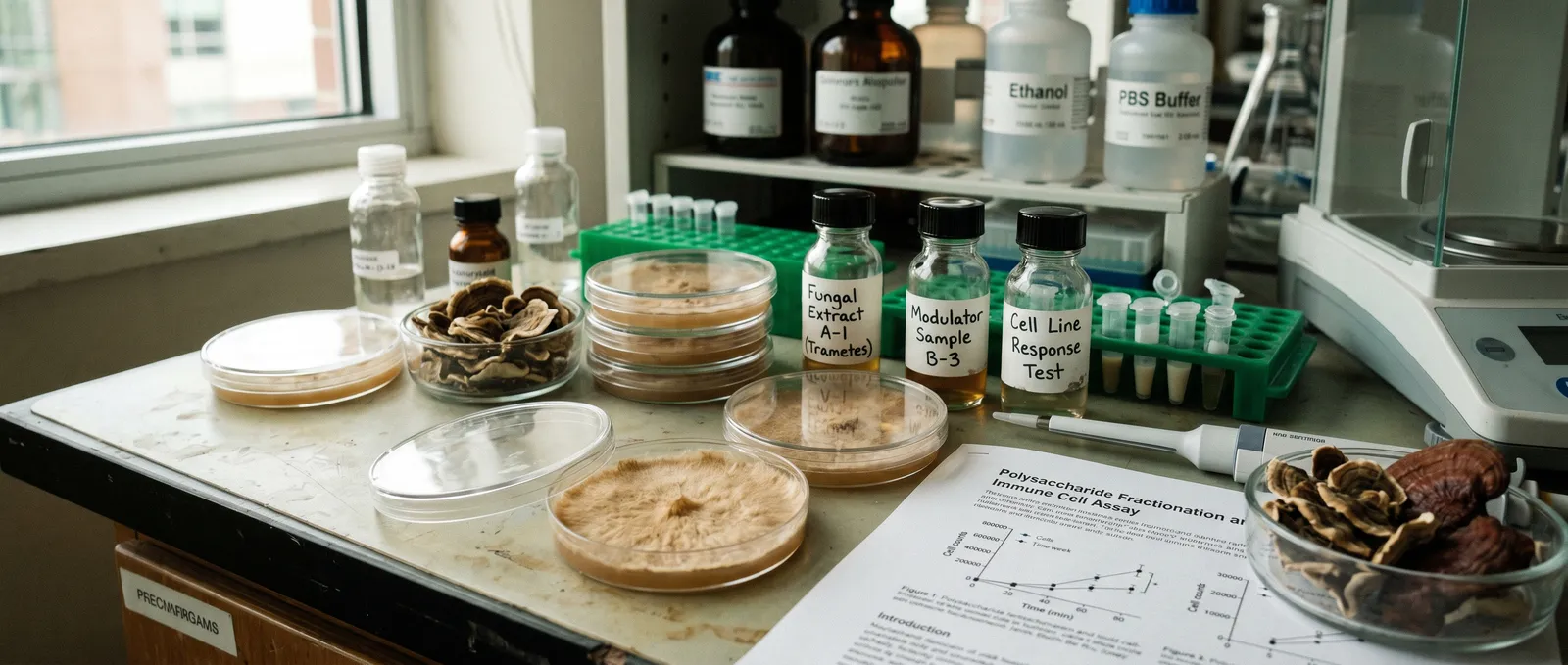
Research on Immune Modulation by Functional Mushrooms
What does research on immune modulation by functional mushrooms actually show? Beta-glucans, Dectin-1 signalling, human trials, and the honest gap...
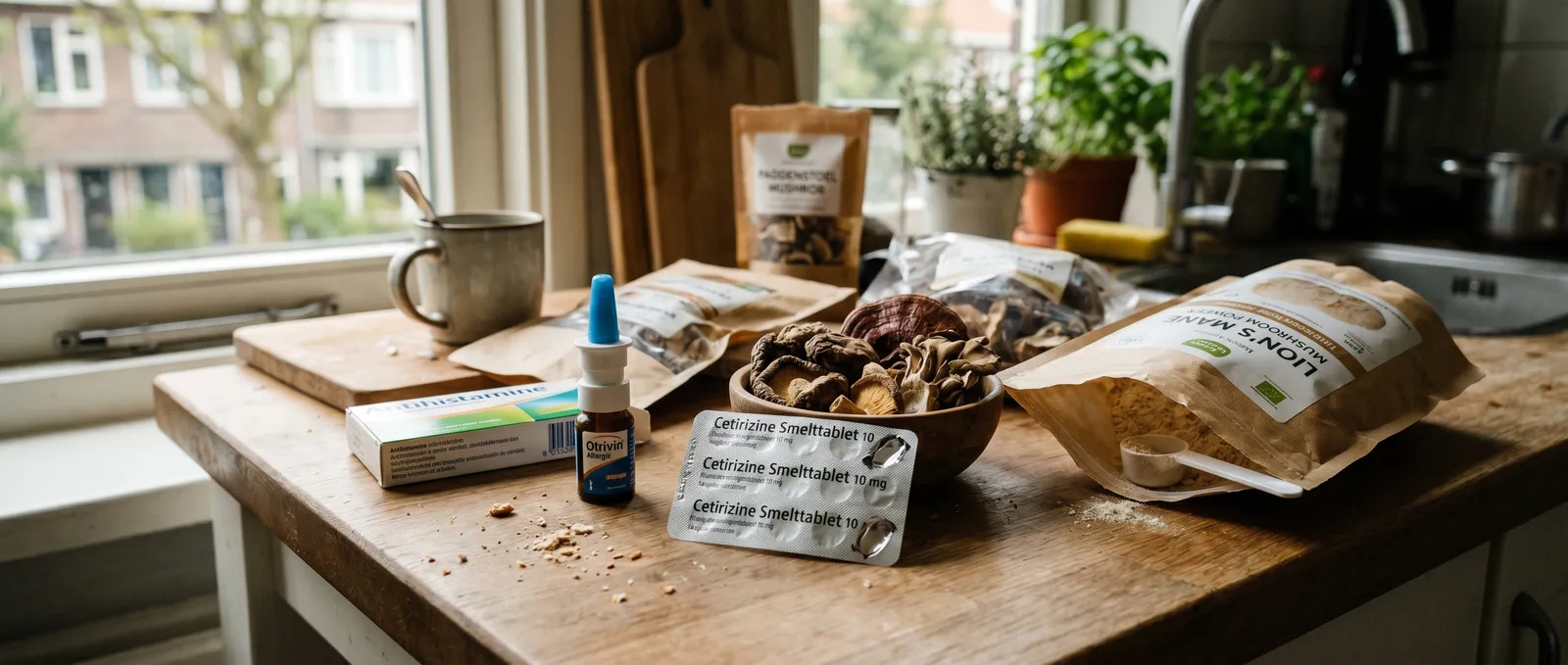
Allergic Reactions & Mushroom Sensitivities
Understand allergic reactions and mushroom sensitivities: mould cross-reactivity, shiitake dermatitis, species-specific risks, and safer product…
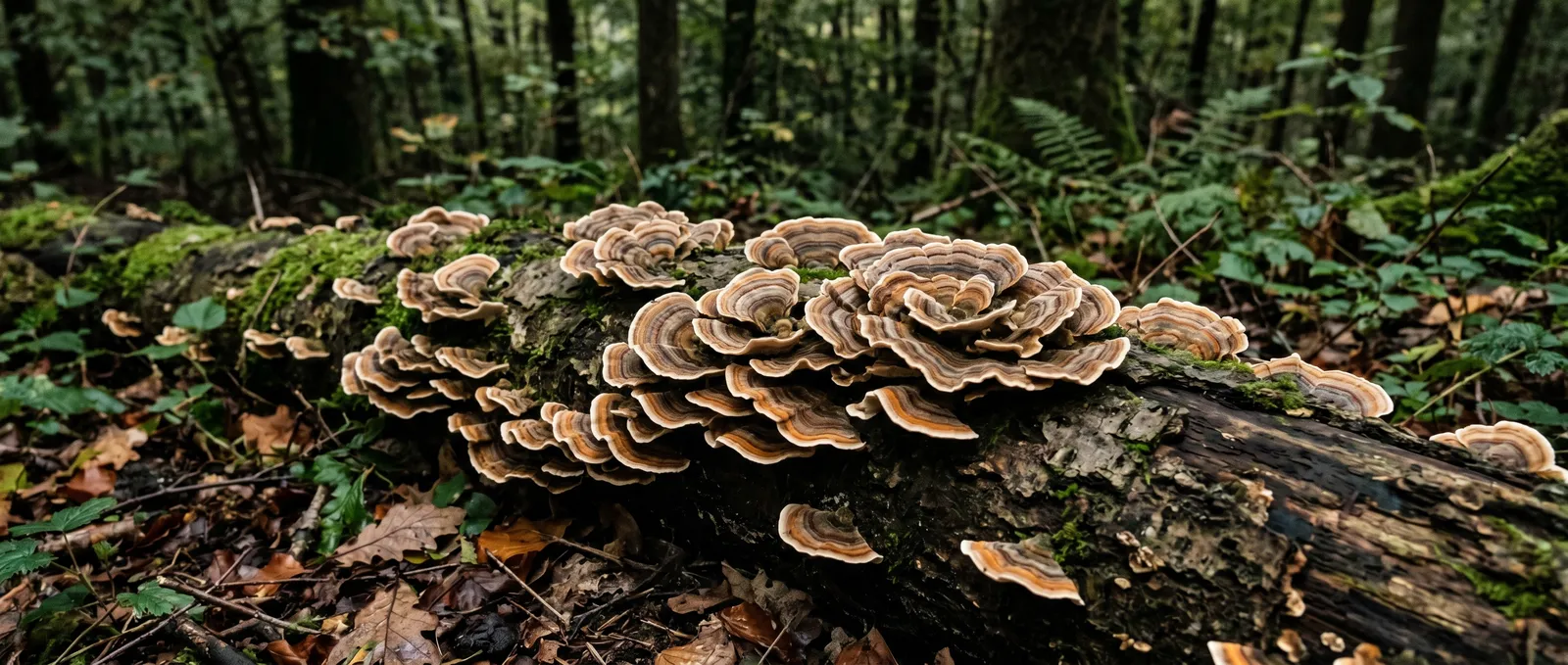
Turkey Tail Trametes versicolor — Buy Supplements
Buy turkey tail Trametes versicolor supplements at Azarius. PSK and PSP evidence, beta-glucan dosage, extraction methods, and safety.
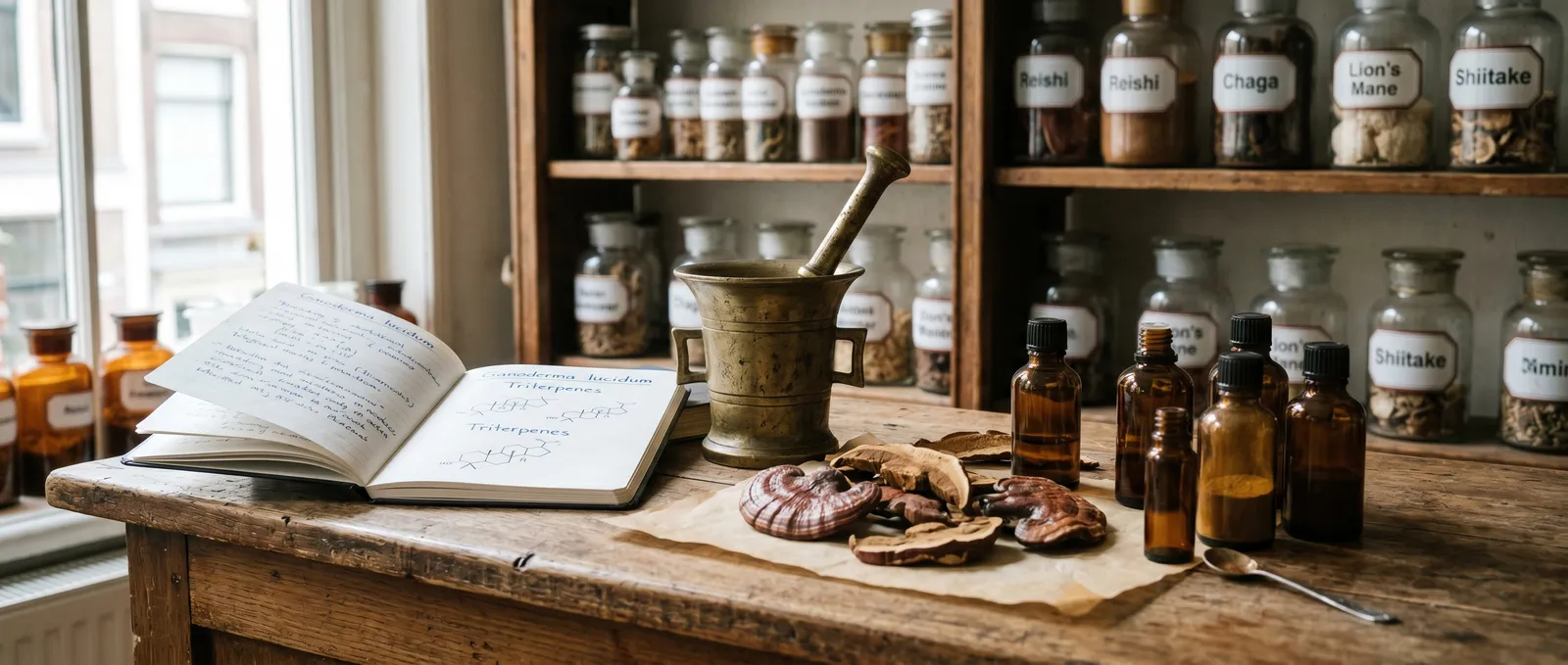
Triterpenes In Medicinal Mushrooms
Triterpenes in medicinal mushrooms are a class of 30-carbon terpenoid compounds produced as secondary metabolites by several functional mushroom species…
Chaga Siberian Nordic Folk Use
Chaga Siberian Nordic folk use is a centuries-old tradition in which indigenous Siberians and Nordic communities brewed the birch-parasitising fungus…
Red and Black Reishi Varieties
Red reishi (Ganoderma lucidum) and black reishi (Ganoderma sinense) both fall under the lingzhi umbrella in traditional Chinese medicine, but they differ in…
Lion's Mane Identification & Habitat
Hericium erinaceus is a tooth fungus that fruits as a single white, spine-covered mass on wounded or dead hardwood trees.
Cordyceps Lifecycle
The cordyceps lifecycle is a parasitic biological sequence in which a fungus infects an insect host, colonises its body from within, and erupts as a…