
Pregnancy, Breastfeeding, and Pediatric Use of Functional Mushrooms

Definition
Safety data on functional mushrooms during pregnancy, breastfeeding, and in children are almost entirely absent from the clinical literature. The pharmacological activity of beta-glucans, triterpenes, and compounds like cordycepin in adult models — including immune modulation and anticoagulant effects (Ulbricht et al., 2010) — raises theoretical concerns that remain untested in these vulnerable populations.
Pregnancy breastfeeding pediatric mushrooms is a combination of search terms that reflects a growing concern among parents and parents-to-be — and functional mushroom supplementation during these life stages is a topic where the honest answer is that controlled human studies essentially do not exist. A functional mushroom is a category of bioactive fungi — including lion's mane, reishi, chaga, cordyceps, turkey tail, and others — that sits on a growing body of pharmacological research in adults, yet data on safety during pregnancy, breastfeeding, or in children remain remarkably thin. That absence of evidence is itself the most important thing to understand before making any decisions about whether to buy or order any functional mushroom product for use during these sensitive periods.
Adult audience (18+). The dosing ranges and effects described in this article apply to adult physiology. This content is not intended for minors.
Why the Evidence Gap Exists
Ethical constraints on clinical research are the primary reason we lack pregnancy breastfeeding pediatric mushrooms safety data. You cannot randomise a group of pregnant women to receive an experimental supplement and compare outcomes against a placebo group — the risk to the foetus makes standard trial designs unacceptable for substances without an established safety profile. The same applies to paediatric populations, where dosing, metabolism, and developmental vulnerability differ substantially from adults. The result is a structural blind spot: the populations most vulnerable to harm are the populations least studied.

This is not unique to functional mushrooms. It applies to most dietary supplements, most herbal preparations, and many over-the-counter medications. But the gap matters more here than people tend to assume, because functional mushroom extracts contain bioactive compounds — beta-glucans, triterpenes, hericenones, erinacines, cordycepin — that demonstrably interact with immune signalling, nerve growth factor pathways, blood coagulation, and glucose metabolism in adult models. Compounds with measurable pharmacological activity in adults cannot be assumed inert in a developing foetus, a breastfeeding infant, or a child whose liver enzymes and immune system are still maturing.
What Animal and In Vitro Studies Show
Animal and in-vitro research provides limited mechanistic clues but cannot substitute for human pregnancy or paediatric safety data. A handful of studies have examined reproductive outcomes with specific mushroom compounds, but the findings are narrow in scope and difficult to extrapolate to human pregnancy.
Reishi (Ganoderma lucidum) has received the most attention in this context. A study by Ulbricht et al. (2010), reviewing the available safety literature on reishi, noted that ganoderic acids — the triterpene compounds concentrated by alcohol extraction — demonstrated anti-androgenic activity in vitro. The theoretical concern is that compounds affecting hormone signalling could interfere with foetal development, though no human data confirm or refute this. Separately, in-vitro work on reishi polysaccharides has shown immunomodulatory effects on macrophage and natural-killer-cell activity (Wachtel-Galor et al., 2011). During pregnancy, the maternal immune system undergoes carefully regulated shifts to tolerate the foetus — introducing compounds that stimulate immune-cell activity raises questions that have simply not been tested in pregnant humans.
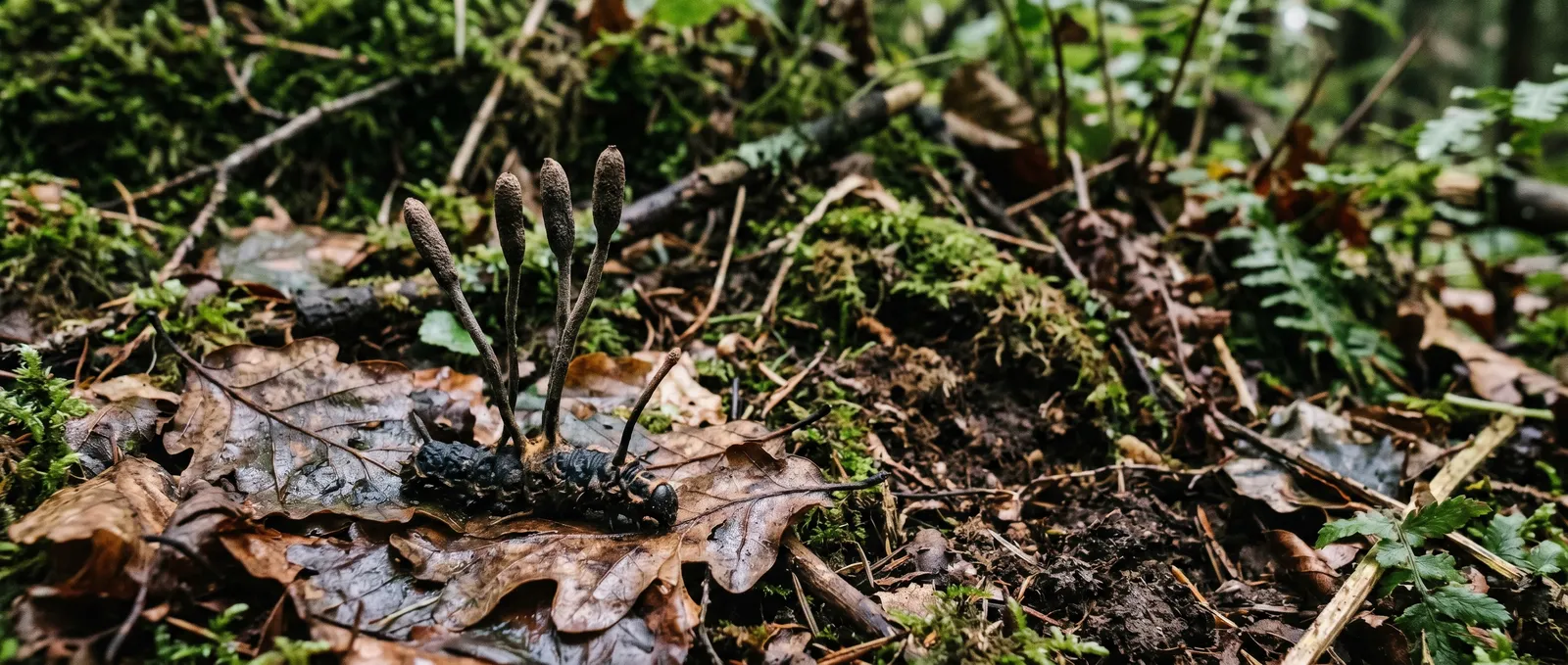
Cordyceps (Cordyceps militaris) contains cordycepin, a nucleoside analogue structurally similar to adenosine. Nucleoside analogues are a drug class used in antiviral and anticancer therapy, and some members of this class are known teratogens. Cordycepin is not the same molecule as those pharmaceuticals, and no animal study has demonstrated teratogenicity from cordyceps extracts specifically, but the structural similarity is enough to warrant caution in the absence of dedicated safety data. A review by Tuli et al. (2014) catalogued cordycepin's pharmacological activities — effects on cell proliferation, apoptosis, and inflammatory signalling — and noted that reproductive toxicity data were lacking.
Lion's mane (Hericium erinaceus) is often perceived as the gentlest of the functional mushrooms, partly because its primary research interest — nerve growth factor stimulation via hericenones and erinacines (Mori et al., 2009) — sounds benign. But NGF is a signalling molecule involved in neural development. Whether exogenous stimulation of NGF pathways during foetal or infant brain development is helpful, harmful, or irrelevant is simply unknown. No reproductive toxicity studies on lion's mane extracts in mammals have been published in peer-reviewed journals as of early 2026.
Turkey tail (Trametes versicolor) polysaccharide fractions PSK and PSP have been studied as immunotherapy adjuncts in oncology contexts (PDQ Integrative, Alternative, and Complementary Therapies Editorial Board, 2023). These are potent immune-stimulating compounds. Their effects on maternal-foetal immune tolerance have not been investigated.
Pregnancy-Specific Concerns
Several pharmacological properties of functional mushrooms raise specific theoretical concerns during pregnancy, even though none have been confirmed as harmful in human studies. The following table summarises the key mechanisms relevant to pregnancy breastfeeding pediatric mushrooms safety considerations.

| Concern | Species Involved | Mechanism | Pregnancy Relevance |
|---|---|---|---|
| Anticoagulant effects | Reishi, Chaga | Antiplatelet activity via triterpenes (Tao & Bhatt, 2016); oxalic acid compounds | Pregnancy already increases haemorrhage risk during delivery |
| Blood sugar modulation | Cordyceps, Maitake | Effects on glucose metabolism in adult models | Gestational diabetes requires careful blood sugar management |
| Immune modulation | Reishi, Turkey Tail, Maitake, Shiitake | Beta-glucan stimulation of innate immune responses | Maternal immune system must tolerate genetically distinct foetus |
| Hormonal activity | Reishi | Anti-androgenic properties of ganoderic acids | Foetal sex hormone signalling is active and sensitive to disruption |
| NGF stimulation | Lion's Mane | Hericenones and erinacines stimulate nerve growth factor | Foetal neural development may be sensitive to exogenous NGF modulation |
None of these concerns are confirmed harms. They are plausible mechanisms of harm in a context where no one has done the studies to rule them out. That distinction matters — it means we cannot say functional mushrooms are dangerous during pregnancy, but equally we cannot say they are safe.
Breastfeeding: What Transfers to Milk
No published study has measured whether bioactive compounds from functional mushroom extracts pass into breast milk at meaningful concentrations. The data simply do not exist.

What we can say is that many small molecules do transfer into breast milk. Triterpenes and cordycepin are relatively small molecules with lipophilic or amphiphilic properties, which generally favours milk transfer. Beta-glucans are large polysaccharides and less likely to transfer intact, but their metabolites and downstream immune-signalling effects in the mother could theoretically influence the infant indirectly through changes in milk composition or maternal immune status.
The LactMed database — a peer-reviewed resource on drugs and lactation maintained by the National Library of Medicine — contains no entries for lion's mane, reishi, cordyceps, turkey tail, chaga, or maitake as of early 2026. That absence is itself informative: it means no pharmacokinetic or safety evaluation has been conducted for these substances in lactating women.
Paediatric Use
Published clinical data on functional mushroom supplementation in healthy children are essentially absent. Children are not small adults. Hepatic enzyme systems (particularly cytochrome P450 isoforms) mature at different rates through childhood, meaning a child's capacity to metabolise bioactive compounds differs from an adult's in ways that are compound-specific and age-dependent. Renal clearance, body-water distribution, and blood-brain barrier permeability also differ.

A small number of paediatric oncology case series have used lentinan (a purified beta-glucan from shiitake) or PSK (from turkey tail) as adjunct therapy, but these were isolated polysaccharide fractions administered under medical supervision in hospital settings — not over-the-counter mushroom supplements given to otherwise healthy children (Torkelson et al., 2012). Transferring findings from purified pharmaceutical-grade fractions in oncology to retail mushroom powders in healthy paediatric populations is not scientifically valid.
The wellness market has increasingly positioned lion's mane as a cognitive support for children, particularly those with attention difficulties. No controlled clinical trial has evaluated lion's mane supplementation in children for any indication. The adult cognitive-function studies — themselves small-sample and conducted with proprietary extracts (Mori et al., 2009; Saitsu et al., 2019) — cannot be extrapolated to paediatric brains undergoing active neurodevelopment.
Culinary Versus Supplemental Exposure
Cooked culinary mushrooms deliver far lower concentrations of bioactive compounds than standardised supplement extracts — this is the most important distinction for pregnant women and parents. Culinary mushrooms have centuries of use across cultures, including by pregnant women and children, without documented patterns of harm. The bioactive compound load in a serving of cooked shiitake is orders of magnitude lower than in a standardised extract capsule delivering, say, 30% beta-glucans or a dual-extracted reishi tincture concentrated for triterpenes.
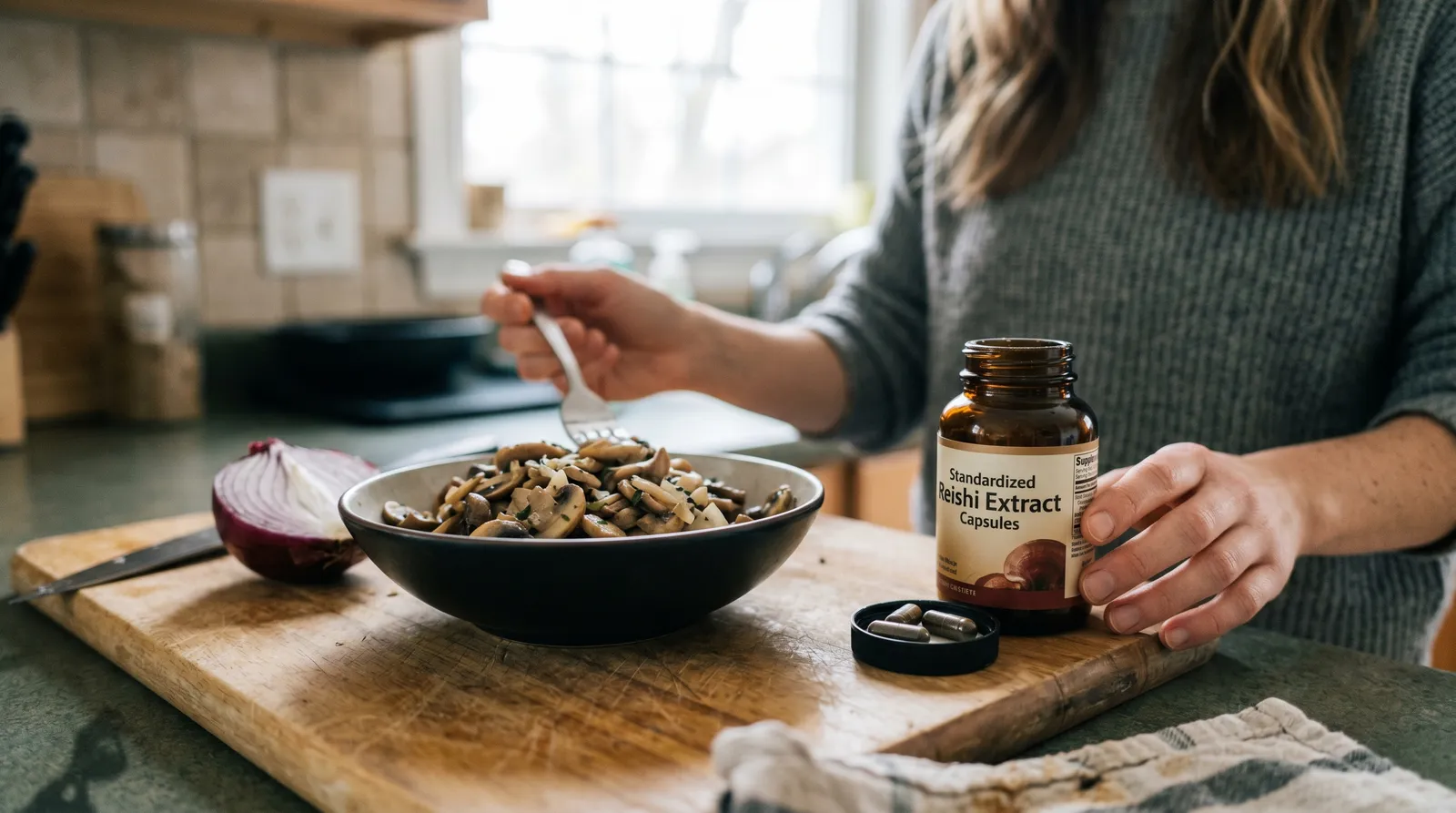
This does not mean culinary use is proven safe in a clinical sense — it means the exposure level is low enough that any risk is likely negligible. The concern with supplements is the concentrated, repeated dosing of specific bioactive fractions at levels that have no precedent in traditional dietary patterns. By comparison, pharmaceutical prenatal supplements undergo rigorous dosing studies in pregnancy — functional mushroom extracts have undergone none.
A Practical Comparison
To illustrate the difference in bioactive compound exposure between culinary and supplemental use, consider the following rough comparison. A typical serving of cooked shiitake mushrooms (about 100 g fresh weight) contains beta-glucan levels estimated at a few hundred milligrams, largely bound within the food matrix and partially degraded by cooking. A single capsule of a standardised shiitake or turkey tail extract may deliver 250–500 mg of concentrated, isolated beta-glucans per dose, taken daily. The difference is not just in quantity but in bioavailability and the absence of the food matrix that modulates absorption in whole-food consumption.
How Functional Mushrooms Compare to Other Supplements in Pregnancy
Functional mushroom extracts occupy a middle ground between well-studied prenatal supplements and completely unresearched herbal preparations — but they sit much closer to the unresearched end. The following comparison helps illustrate where the evidence stands relative to other supplements commonly discussed during pregnancy.
| Supplement Category | Human Pregnancy Data | Regulatory Status for Pregnancy | Risk Profile |
|---|---|---|---|
| Folic acid | Extensive RCTs; proven neural tube defect prevention | Recommended by WHO, EFSA, FDA | Well-characterised; safe at recommended doses |
| Iron | Extensive RCTs; standard prenatal care | Recommended by most health authorities | Well-characterised; dose-dependent side effects known |
| Omega-3 (DHA/EPA) | Multiple RCTs in pregnancy; generally positive | Permitted claims in some jurisdictions | Low risk at standard doses; fish-oil quality varies |
| Functional mushroom extracts | No RCTs; no observational studies | No approval for pregnancy use in any jurisdiction | Unknown — pharmacological activity documented in adults only |
| Herbal adaptogens (ashwagandha, rhodiola) | Very limited; some animal concerns | Generally advised against during pregnancy | Poorly characterised; some species contraindicated |
What to Consider Before You Buy
If you are pregnant, breastfeeding, or considering whether to buy functional mushroom supplements for a child, the following points deserve careful thought:
- Talk to your healthcare provider first. No online resource — including this one — can substitute for individualised guidance. Bring the specific product label so your doctor or midwife can review the extract type, dosing, and ingredients.
- Distinguish culinary from supplemental use. Cooking with shiitake, maitake, or oyster mushrooms as food is a different exposure category from taking concentrated extract capsules or tinctures.
- Recognise the marketing gap. Products marketed for "immune support during pregnancy" or "children's focus" using functional mushrooms are making claims unsupported by clinical evidence in those populations. When you order or get any supplement, check whether the manufacturer cites actual human studies in pregnant women or children — they almost certainly do not.
- Consider the precautionary principle. In the absence of safety data, the conservative approach is to avoid concentrated functional mushroom supplements during pregnancy and breastfeeding, and to not give them to children without guidance from a qualified professional.
- Review the product type carefully. If you do buy a functional mushroom product after speaking with your healthcare provider, understand the difference between fruiting body extracts, mycelium-on-grain products, and dual-extracted tinctures — each delivers different compound profiles at different concentrations.
An honest limitation of this article: We sell functional mushroom products at Azarius, which creates an obvious tension with advising caution. We believe transparency matters more than sales. If the research eventually demonstrates safety in these populations, we will update this page accordingly. Until then, we would rather lose a sale than contribute to uninformed risk-taking.
Dutch and European Regulatory Context
No regulatory body in the Netherlands or the EU has approved functional mushroom supplements for use during pregnancy, breastfeeding, or in children. The Netherlands Food and Consumer Product Safety Authority (NVWA) does not maintain a specific advisory on pregnancy breastfeeding pediatric mushrooms supplementation. Within the broader EU framework, EFSA has not approved any health claims for functional mushroom supplements in pregnant women, breastfeeding women, or children. Several mushroom species — including lion's mane — have been subject to novel food assessments under EU Regulation 2015/2283, but novel food authorisation addresses general safety for the adult population and does not constitute an endorsement for use during pregnancy or in paediatric populations.

Dutch smartshop regulations, which govern the sale of certain psychoactive and bioactive products, do not specifically address functional mushroom use during pregnancy or for children, leaving this in a regulatory grey area where consumer responsibility and healthcare provider guidance must fill the gap.
Comparing Regulatory Positions Across Regions
No major regulatory body worldwide has approved functional mushroom supplements for use during pregnancy, breastfeeding, or in children. Different regulatory bodies take varying approaches, but the conclusion is consistent across jurisdictions.

| Region / Authority | Position on Pregnancy / Paediatric Use | Labelling Requirement |
|---|---|---|
| EU (EFSA) | No approved health claims for mushroom supplements in pregnancy or children | Novel food regulations apply to some species |
| Netherlands (NVWA) | No specific guidance; general supplement caution applies | Must comply with EU food supplement directive |
| USA (FDA) | Supplements not evaluated for safety in pregnancy/children | Standard supplement disclaimer required |
| UK (MHRA/FSA) | No approved claims; general advice to consult GP during pregnancy | Must not make medicinal claims without licence |
| Japan (MHLW) | Some species classified as food; no pregnancy-specific approval | Functional food labelling does not extend to pregnancy claims |
Monitoring Data from European Sources
The EMCDDA (now EUDA) does not currently track functional mushroom supplements as a substance category, which reflects the fact that these products fall outside conventional drug-monitoring frameworks. However, the EMCDDA's broader work on novel psychoactive substances and herbal preparations provides useful context: when a bioactive compound class lacks systematic adverse-event reporting infrastructure, safety signals in vulnerable populations — including pregnant women and children — are unlikely to be captured even if they occur. The Trimbos Institute in the Netherlands, which collaborates with the EMCDDA on substance monitoring, similarly does not maintain a specific reporting stream for functional mushroom adverse events during pregnancy or in paediatric populations. This means that even anecdotal harm signals from Dutch consumers who order and use these products would not be systematically collected or analysed under current monitoring frameworks.
Related Reading on the Azarius Encyclopedia
For broader context on how functional mushroom compounds interact with medications and health conditions, the Azarius encyclopedia includes a dedicated article on drug interactions with functional mushrooms, covering CYP450 enzyme considerations and anticoagulant interactions relevant to anyone taking prescription medication alongside mushroom supplements. A separate article on autoimmune considerations and functional mushrooms explores the immune-modulation question in more depth, which is particularly relevant to the maternal immune tolerance concerns discussed above. The Azarius functional mushroom category page provides an overview of the lion's mane, reishi, cordyceps, chaga, and turkey tail products available in our shop, including extraction method details and beta-glucan content specifications. For those new to the topic, the Azarius blog post on how to choose a functional mushroom supplement explains the differences between fruiting body extracts, mycelium-on-grain products, and dual-extracted tinctures mentioned in the buying considerations above.

The Honest Position
Functional mushroom research in pregnant women, breastfeeding women, and children is not contested or mixed — it is largely nonexistent. The pharmacological activity of these species in adult models (immune modulation, anticoagulant effects, glucose-lowering potential, NGF stimulation, hormonal activity) provides plausible reasons for caution, even though none of these mechanisms have been confirmed as harmful in these populations.
The absence of data is not reassurance. A substance that has not been studied in pregnancy is not the same as a substance that has been studied and found safe. Anyone who is pregnant, breastfeeding, or considering functional mushroom supplements for a child should discuss this with a qualified healthcare provider who can weigh the specific product, dose, and individual circumstances — because the published literature currently cannot.
Last updated: April 2026
Frequently Asked Questions
9 questionsAre lion's mane supplements safe during pregnancy?
Can reishi mushroom affect blood clotting during pregnancy?
Do functional mushroom compounds pass into breast milk?
Is there any research on giving functional mushrooms to children?
Is eating culinary mushrooms like shiitake during pregnancy different from taking supplements?
Can cordyceps or chaga supplements affect fertility or early pregnancy?
Should I stop taking functional mushroom supplements if I find out I'm already pregnant?
Are functional mushroom supplements safe to use while trying to conceive?
Can toddlers or young children eat cooked functional mushrooms like lion's mane in food?
About this article


Adam Parsons is an external cannabis and psychedelics writer and editor who contributes to Azarius's wiki as both author and reviewer. On the writing side, he authors Azarius's kratom and kanna clusters, drawing on exten
This wiki article was drafted with AI assistance and reviewed by Adam Parsons, External contributor. Editorial oversight by Joshua Askew.
Medical disclaimer. This content is for informational purposes only and does not constitute medical advice. Consult a qualified healthcare provider before use of any substance.
Last reviewed April 24, 2026
References (9)
- [1]EMCDDA. (2023). European drug report: trends and developments. European Monitoring Centre for Drugs and Drug Addiction.
- [2]Mori, K., Inatomi, S., Ouchi, K., Azumi, Y., & Tuchida, T. (2009). Improving effects of the mushroom Yamabushitake ( Hericium erinaceus ) on mild cognitive impairment. Phytotherapy Research , 23(3), 367–372.
- [3]PDQ Integrative, Alternative, and Complementary Therapies Editorial Board. (2023). Medicinal mushrooms (PDQ) — health professional version. National Cancer Institute.
- [4]Saitsu, Y., Nishide, A., Kikushima, K., Shimizu, K., & Ohnuki, K. (2019). Improvement of cognitive functions by oral intake of Hericium erinaceus . Biomedical Research , 40(4), 125–131. DOI: 10.2220/biomedres.40.125
- [5]Tao, J., & Bhatt, D. L. (2016). Antiplatelet effects of Ganoderma lucidum : a review of mechanisms and clinical relevance. Platelets , 27(7), 607–610.
- [6]Torkelson, C. J., Sweet, E., Martzen, M. R., Sasagawa, M., Wenner, C. A., Gay, J., ... & Standish, L. J. (2012). Phase 1 clinical trial of Trametes versicolor in women with breast cancer. ISRN Oncology , 2012, 251632. DOI: 10.5402/2012/251632
- [7]Tuli, H. S., Sharma, A. K., Sandhu, S. S., & Kashyap, D. (2014). Cordycepin: a bioactive metabolite with therapeutic potential. Life Sciences , 93(23), 863–869.
- [8]Ulbricht, C., Weissner, W., Basch, E., Giese, N., Hammerness, P., Rusie-Seamon, E., ... & Woods, J. (2010). Reishi mushroom ( Ganoderma lucidum ): systematic review by the Natural Standard Research Collaboration. Journal of the Society for Integrative Oncology , 8(4), 148–159.
- [9]Wachtel-Galor, S., Yuen, J., Buswell, J. A., & Benzie, I. F. F. (2011). Ganoderma lucidum (Lingzhi or Reishi): a medicinal mushroom. In Herbal Medicine: Biomolecular and Clinical Aspects (2nd ed.). CRC Press/Taylor & Francis.
Related Articles

Medicinal Mushrooms TCM Western Pharmacognosy Guide
Guide to medicinal mushrooms TCM Western pharmacognosy — how reishi, lion's mane, cordyceps are classified, extracted, and studied.

Research on Immune Modulation by Functional Mushrooms
What does research on immune modulation by functional mushrooms actually show? Beta-glucans, Dectin-1 signalling, human trials, and the honest gap...
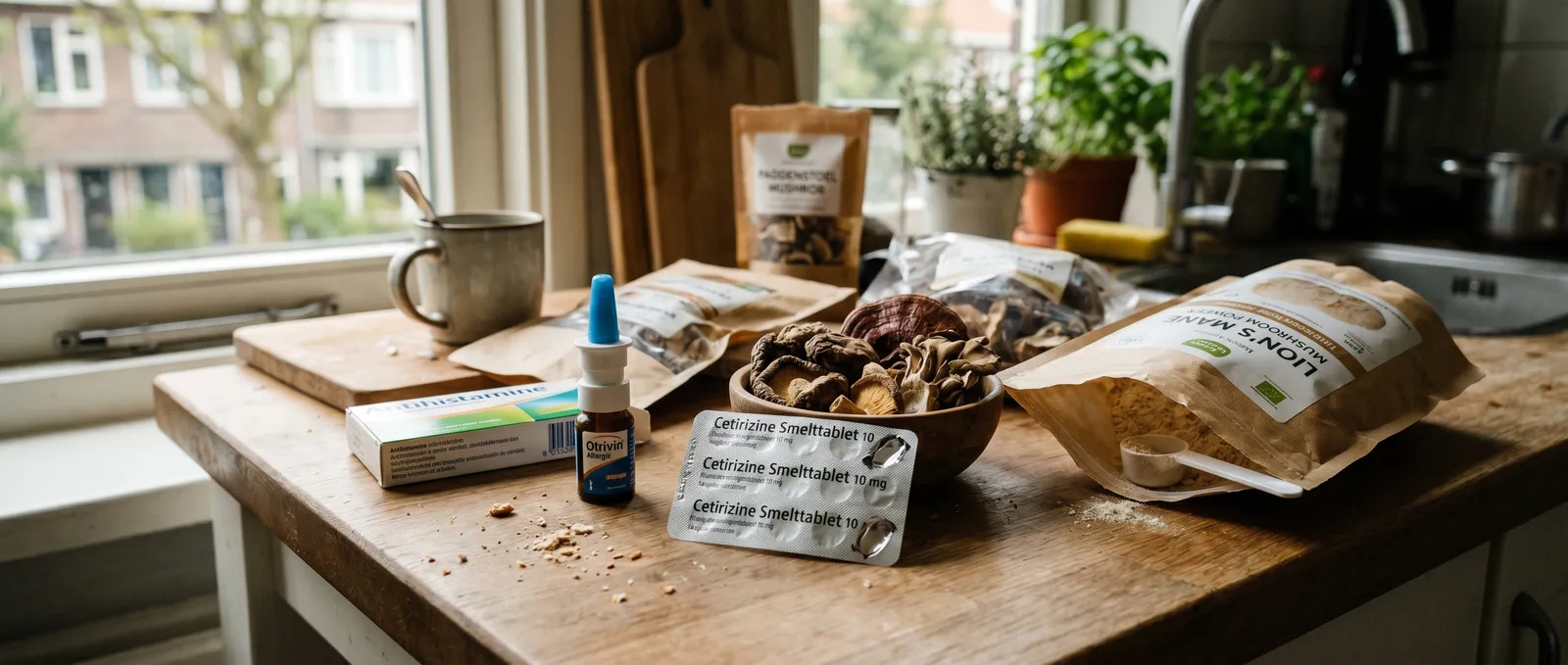
Allergic Reactions & Mushroom Sensitivities
Understand allergic reactions and mushroom sensitivities: mould cross-reactivity, shiitake dermatitis, species-specific risks, and safer product…
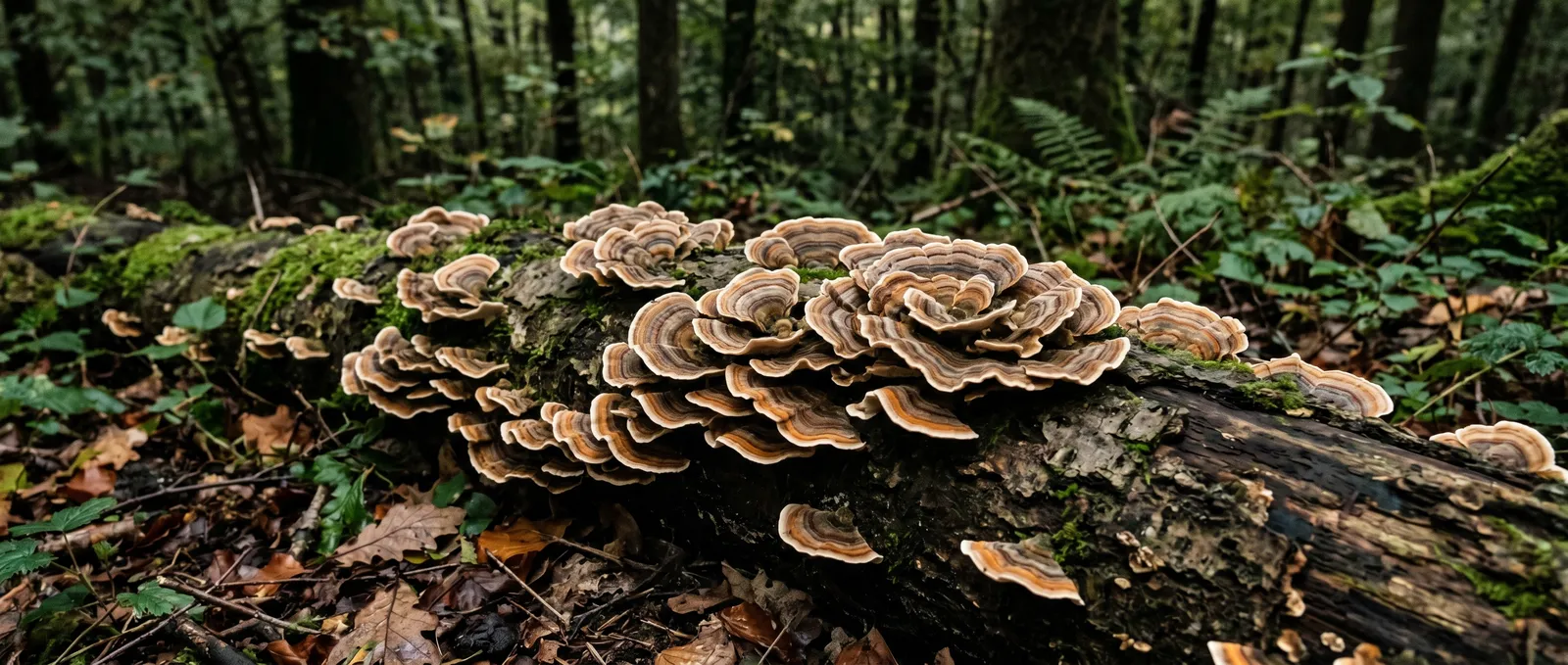
Turkey Tail Trametes versicolor — Buy Supplements
Buy turkey tail Trametes versicolor supplements at Azarius. PSK and PSP evidence, beta-glucan dosage, extraction methods, and safety.

Triterpenes In Medicinal Mushrooms
Triterpenes in medicinal mushrooms are a class of 30-carbon terpenoid compounds produced as secondary metabolites by several functional mushroom species…

Chaga Siberian Nordic Folk Use
Chaga Siberian Nordic folk use is a centuries-old tradition in which indigenous Siberians and Nordic communities brewed the birch-parasitising fungus…
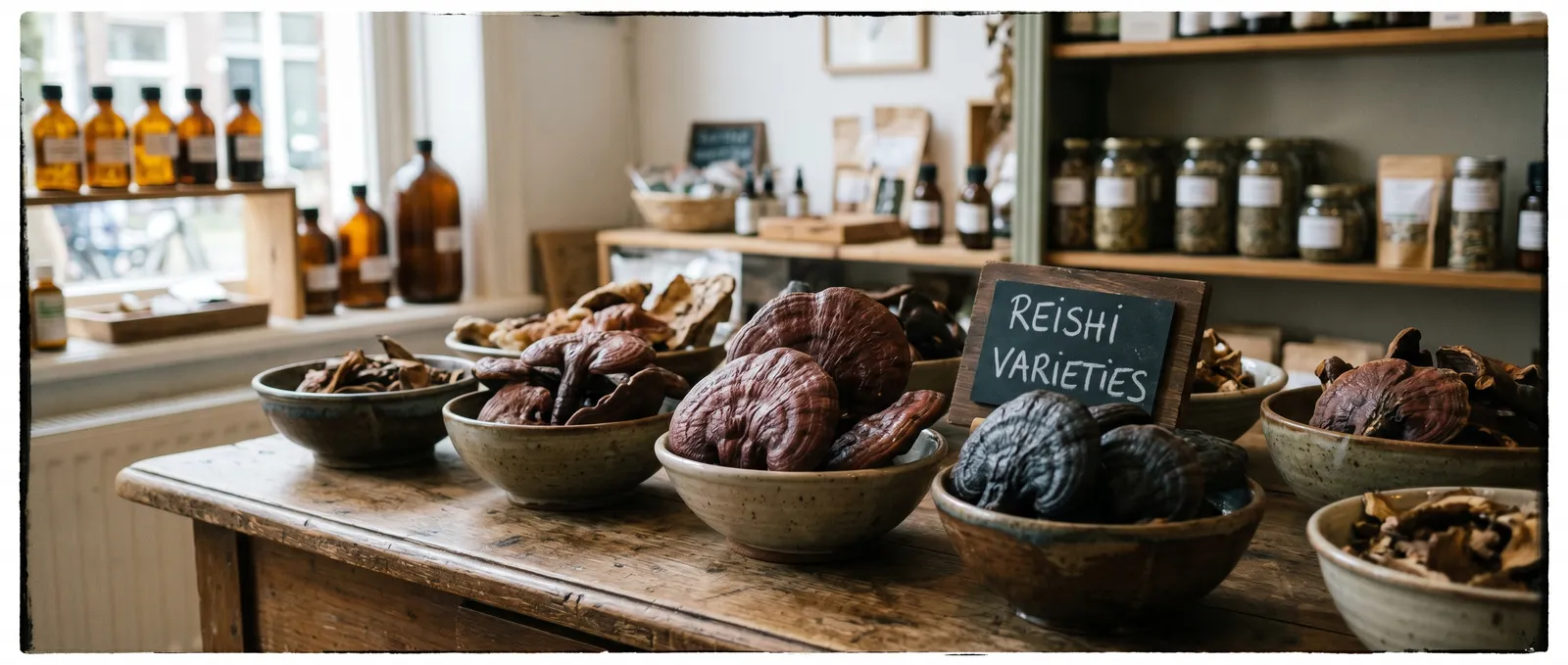
Red and Black Reishi Varieties
Red reishi (Ganoderma lucidum) and black reishi (Ganoderma sinense) both fall under the lingzhi umbrella in traditional Chinese medicine, but they differ in…
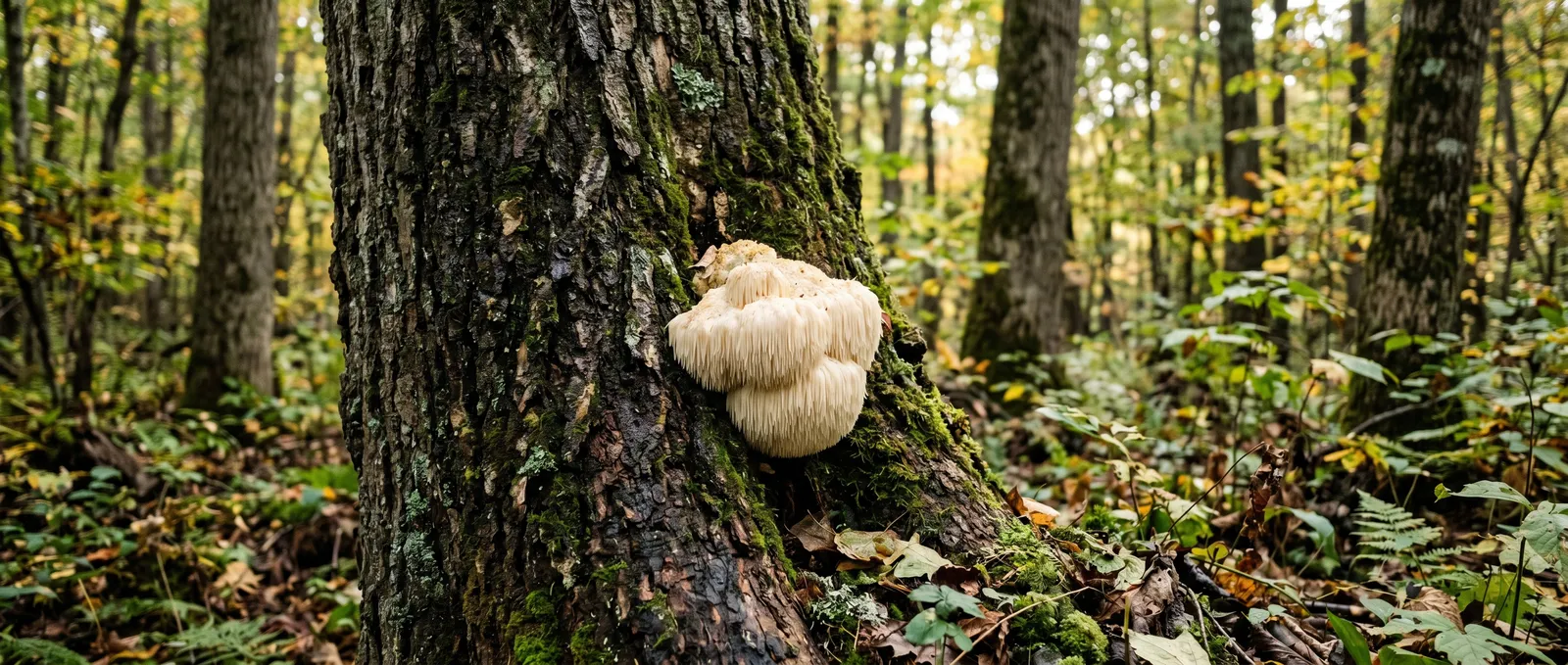
Lion's Mane Identification & Habitat
Hericium erinaceus is a tooth fungus that fruits as a single white, spine-covered mass on wounded or dead hardwood trees.
Cordyceps Lifecycle
The cordyceps lifecycle is a parasitic biological sequence in which a fungus infects an insect host, colonises its body from within, and erupts as a…