
Mycelium Network: How Fungi Work
Definition
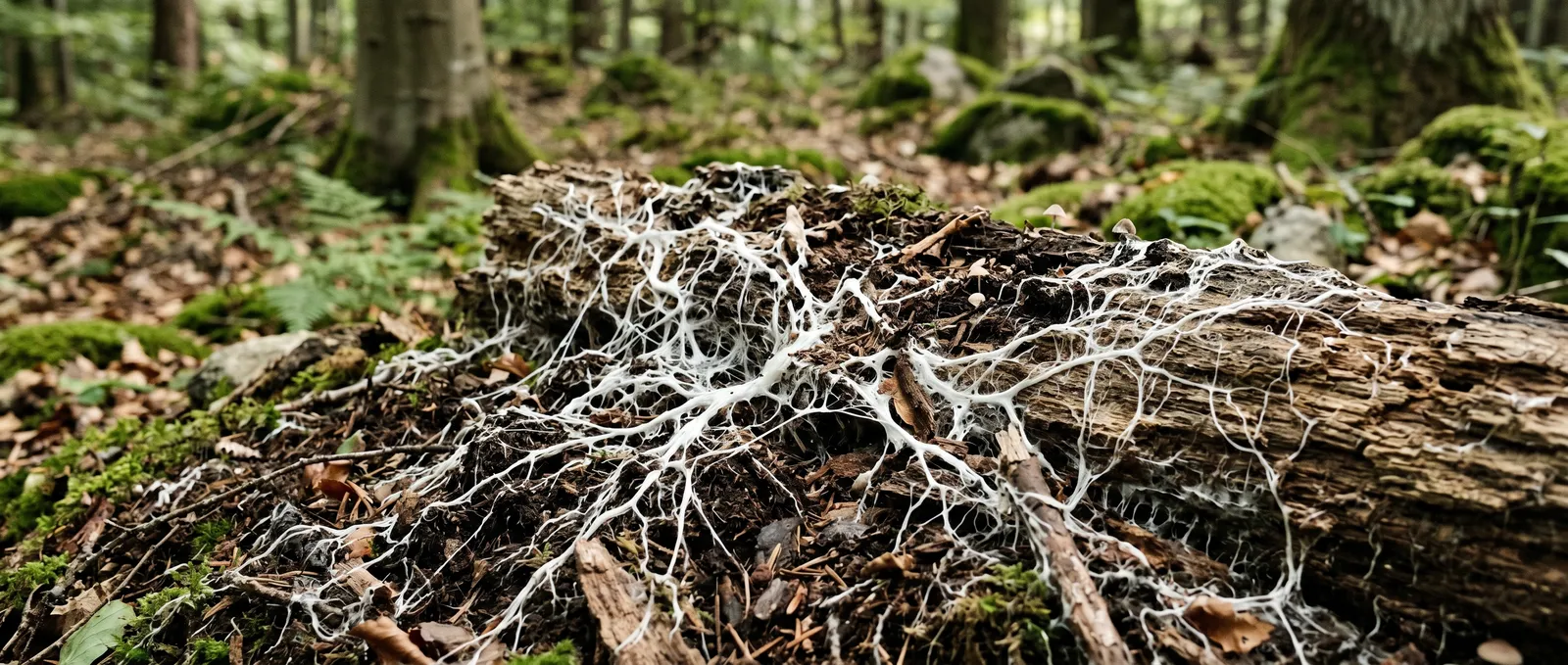
Mycelium is the thread-like vegetative body of a fungus — the actual organism, not the mushroom. This branching network of hyphae digests substrates, produces bioactive secondary metabolites including beta-glucans and triterpenes, and determines the compound profile of any functional mushroom product. Kawagishi et al. (1994) first demonstrated that compounds isolated from fungal tissue stimulated nerve growth factor in vitro, illustrating why understanding mycelial biology matters for evaluating mushroom extracts.
The mycelium network how fungi work is the single most important concept to grasp before you buy any functional mushroom product. Before a mushroom ever pushes through soil or bark, the organism has already been alive for weeks, months, or years — as mycelium. This thread-like network of cells is the actual body of a fungus. The mushroom you see is just its reproductive structure, roughly equivalent to a fruit on a tree. The compounds studied in species like Hericium erinaceus or Ganoderma lucidum are produced at different concentrations in the mycelial phase versus the fruiting body. Getting the basics of the mycelium network and how fungi work right here makes everything else — extraction, bioavailability, compound profiles — click into place. Whether you want to buy lion's mane capsules or order reishi extract, this knowledge helps you choose wisely.
This article is for educational purposes only. It is not medical advice. The information presented here draws on published research, but fungal biology and functional mushroom science are evolving fields. Do not use this content to diagnose, treat, cure, or prevent any disease. If you take prescription medication or have a health condition, consult a qualified healthcare professional before using any functional mushroom product. Azarius is a retail shop, not a medical or mycological authority.
What Mycelium Actually Is
Mycelium is the vegetative body of a fungus, composed of branching microscopic filaments called hyphae that collectively form a dense, interconnected mycelium network — the foundation of how fungi work at every biological level. A single fungal cell germinates from a spore and extends a tube-like filament called a hypha (plural: hyphae). Each hypha is roughly 2–10 micrometres wide — far thinner than a human hair. As hyphae branch and fuse, they form the mycelium. This network does all the metabolic heavy lifting: it digests food, absorbs nutrients, defends against competitors, and — when conditions are right — produces the fruiting body we call a mushroom.
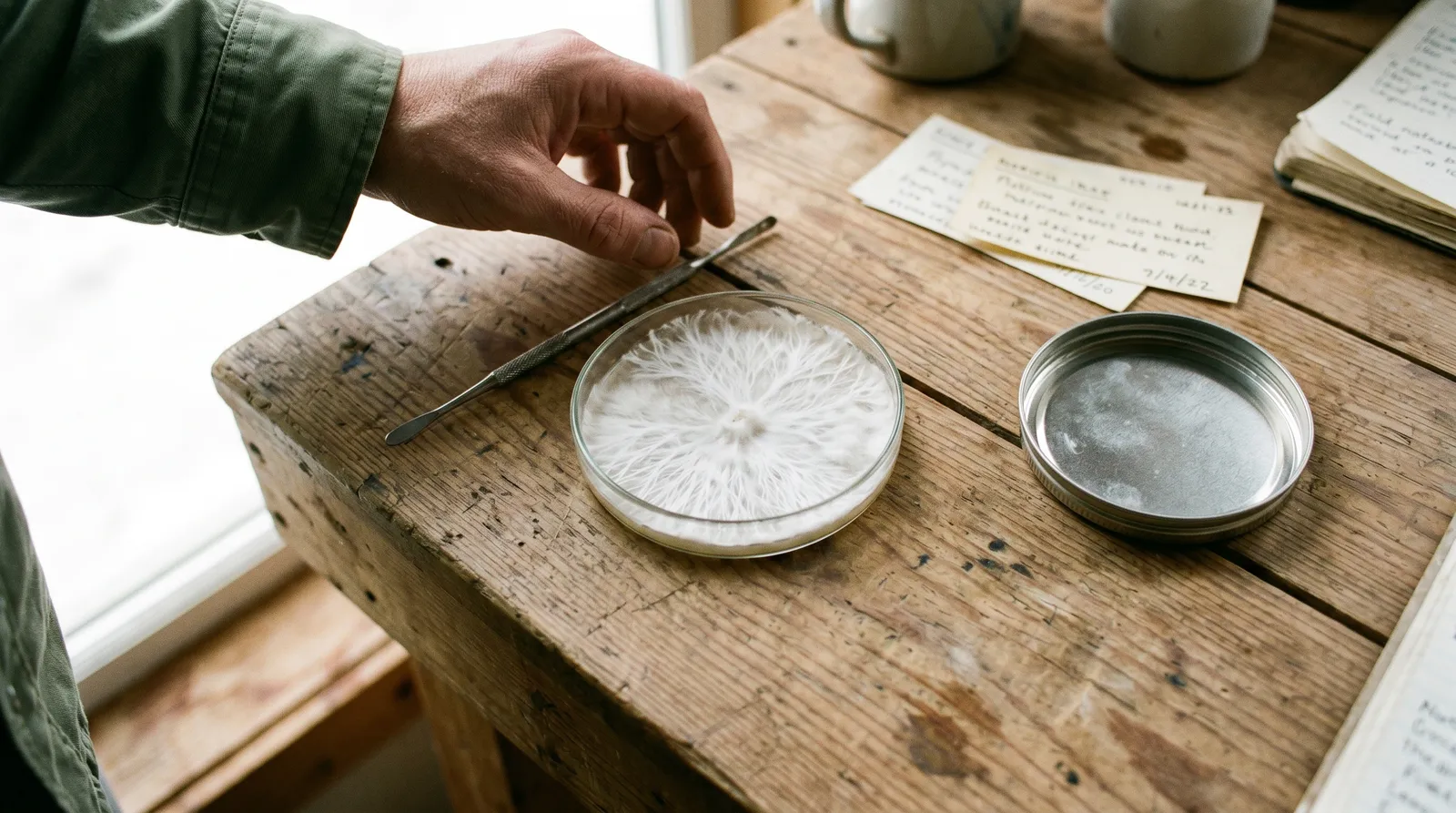
Fungi are not plants. They don't photosynthesise. They are heterotrophs: they obtain carbon and energy by breaking down organic matter externally, secreting enzymes into their substrate and absorbing the resulting small molecules through their hyphal walls. This extracellular digestion strategy is why fungi are such effective decomposers and why they colonise such varied substrates — wood, soil, grain, insect bodies, even rock surfaces.
The cell walls of fungal hyphae contain chitin — the same polymer found in insect exoskeletons — rather than the cellulose of plant cell walls. They also contain beta-glucans, the polysaccharides that show up so frequently in functional mushroom research. Beta-glucans are structural components of the fungal cell wall itself, which is why extraction method and source material (mycelium versus fruiting body) directly affect how much beta-glucan ends up in a given preparation.
How Mycelium Grows and Feeds
Mycelium grows exclusively at the hyphal tip, extending by depositing new cell-wall material at its apex through a vesicle-driven process called apical growth. The speed, direction, and branching pattern of this growth define how the mycelium network expands and how fungi work as colonisers of organic substrates. This process is driven by a structure called the Spitzenkörper — a cluster of vesicles that organises the delivery of wall-building enzymes and polysaccharides to the growing point. Branching occurs when a new tip forms along an existing hypha, allowing the network to spread outward in all directions.
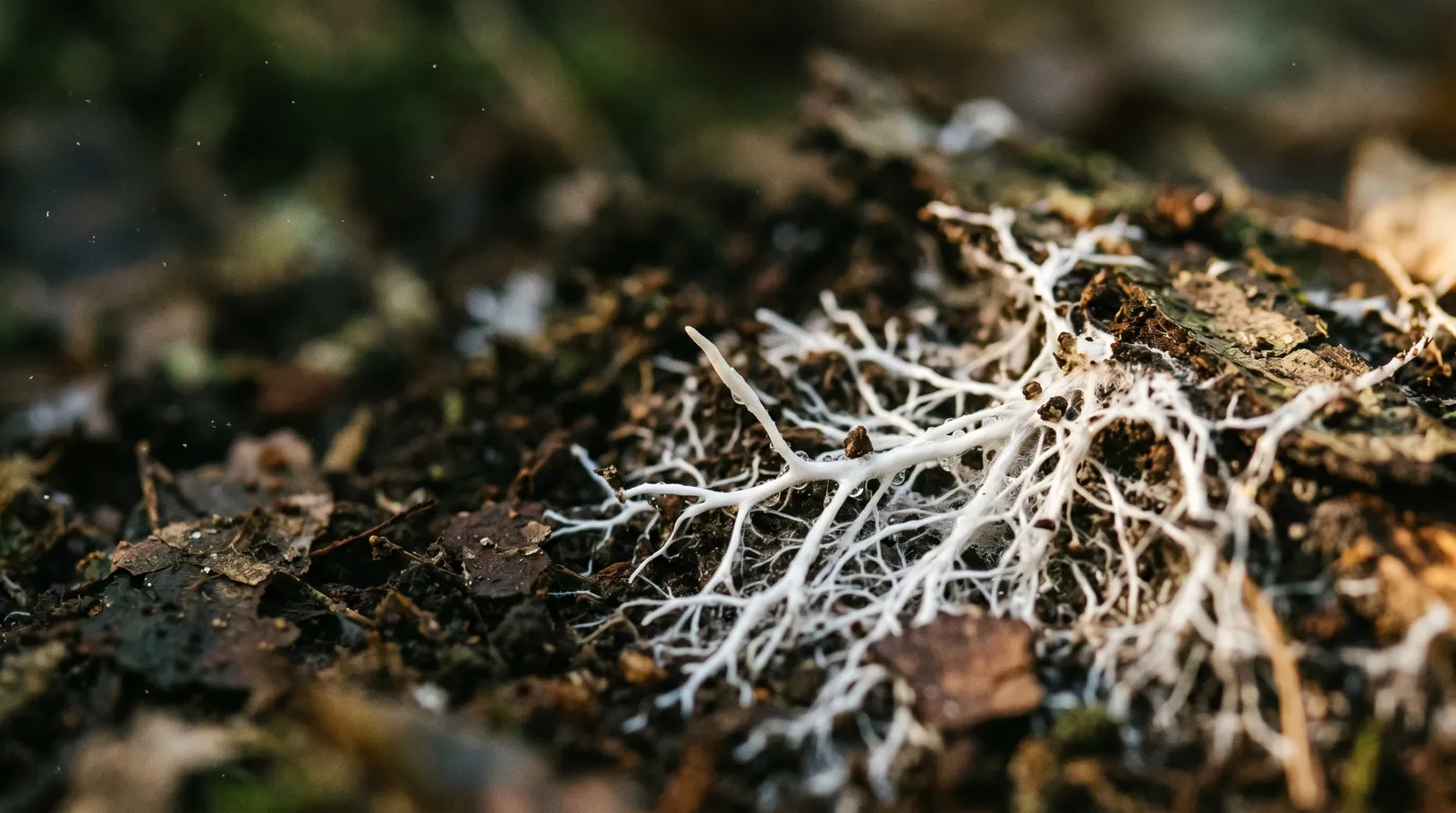
The speed of colonisation varies enormously by species and conditions. Pleurotus ostreatus (oyster mushroom) can visibly colonise a grain jar in under a week at 24°C. Ganoderma lucidum (reishi) is slower, often taking several weeks to fully colonise a hardwood substrate. Temperature, moisture, oxygen availability, and substrate composition all influence growth rate.
Fungi are classified by how they feed:
- Saprotrophic species — including shiitake (Lentinula edodes), lion's mane (Hericium erinaceus), reishi, turkey tail (Trametes versicolor), and maitake (Grifola frondosa) — decompose dead organic matter. They produce ligninases and cellulases that break down wood.
- Parasitic species — like Ophiocordyceps sinensis — infect living hosts, in that case caterpillar larvae, and consume them from the inside. Cordyceps militaris, the species more commonly available as a supplement, can be cultivated on grain or rice substrates without an insect host.
- Mycorrhizal species — form symbiotic relationships with living plant roots and cannot be cultivated on simple grain substrates.
- Mycoparasitic species — like tremella (Tremella fuciformis) — parasitise other fungi rather than plants or dead matter.
Chaga (Inonotus obliquus) is a parasitic species that grows on birch trees, and the dark mass harvested from birch bark is not technically a fruiting body but a sclerotium — a dense mass of mycelium and wood. These ecological roles matter because they determine whether a species can be cultivated on simple substrates or requires specific biological hosts, which in turn affects commercial availability and cost.
The "Wood Wide Web": Mycorrhizal Networks
Mycorrhizal networks are physical fungal connections between the root systems of different plants through which nutrients — particularly carbon and phosphorus — can move. The idea that trees communicate through these underground fungal networks has entered popular culture, sometimes with more enthusiasm than the data supports. Simard (1997) published early evidence that carbon transferred between paper birch and Douglas fir seedlings via shared ectomycorrhizal networks. Subsequent work by Simard's group and others has expanded on this, showing that mycorrhizal networks can link dozens of trees in a forest stand.

What remains contested is the degree to which this transfer is "intentional" or cooperative versus simply a byproduct of source-sink dynamics in the fungal network. Karst et al. (2023) published a critical review arguing that much of the popular narrative around the "wood wide web" overstates the evidence for tree-to-tree communication and mutual aid, and that the fungal network may primarily serve the fungus's own nutritional interests. The trees are, in a sense, being farmed.
For functional mushroom purposes, the relevant takeaway is simpler: mycorrhizal species cannot be cultivated on grain or sawdust in a lab the way saprotrophic species can. If a species requires a living tree partner, it must be wild-harvested or grown in forest conditions — which is why wild chaga from birch forests commands a premium and why most commercial functional mushroom cultivation focuses on saprotrophic species that thrive on controlled substrates. Understanding this aspect of the mycelium network and how fungi work in forest ecosystems helps explain why you cannot simply order lab-grown versions of every species.
Secondary Metabolites: Where the Compounds Come From
Secondary metabolites are compounds a fungus produces for ecological reasons — defence, competition, signalling — that have biological activity in human systems but are not required for the organism's basic survival. They are distinct from the primary metabolites (amino acids, sugars, fatty acids) that keep the organism alive. Understanding how the mycelium network produces these compounds is central to grasping how fungi work as sources of bioactive chemistry.
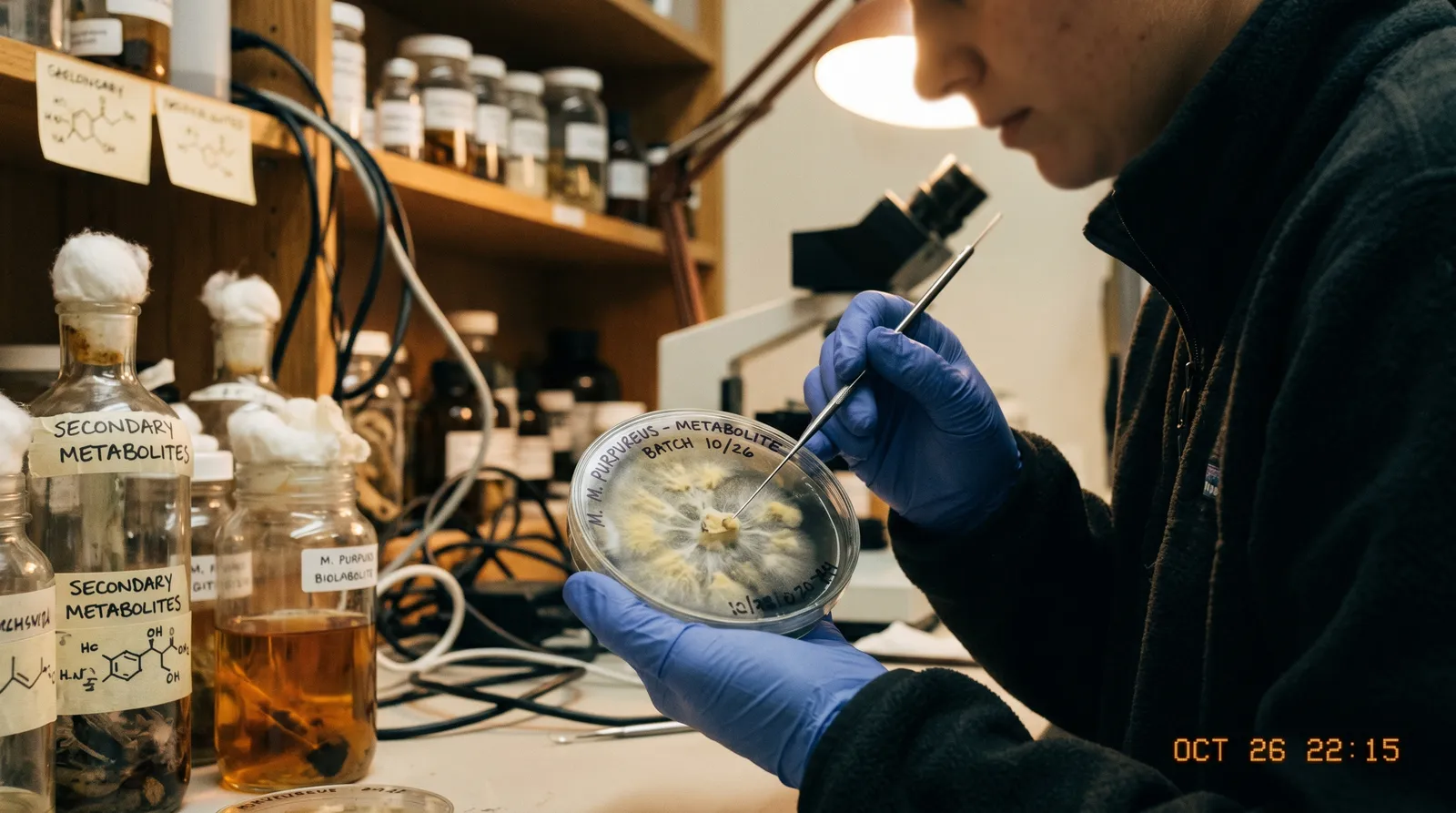
Beta-glucans, the most-studied class of fungal polysaccharides, are structural components of the cell wall. Their concentration varies by species, growth stage, and substrate. Fruiting bodies generally contain higher beta-glucan levels than mycelium grown on grain, partly because mycelium-on-grain preparations include residual starch from the grain substrate, which dilutes the fungal polysaccharide content. McCleary and Draga (2016) developed the Megazyme assay that distinguishes fungal beta-glucans from starch-derived alpha-glucans — a distinction that matters when evaluating supplement labels.
Triterpenes — including the ganoderic acids characteristic of reishi — are lipophilic compounds concentrated primarily in fruiting bodies and spores. They are not water-soluble, which is why hot-water extraction alone does not capture them; alcohol or dual extraction is needed. Hericenones, found in lion's mane fruiting bodies, and erinacines, found primarily in the mycelium, are another example of compound distribution varying by growth stage. Kawagishi et al. (1994) first isolated hericenones C–H from Hericium erinaceus fruiting bodies and demonstrated nerve growth factor (NGF) stimulation in vitro. Erinacines were later identified in mycelial cultures, also showing NGF-stimulating activity in vitro (Kawagishi et al., 1996). This is one case where both mycelium and fruiting body contain bioactive compounds of interest — but different ones.
The practical point: when a study reports results from a specific extract — say, a hot-water extract of Trametes versicolor fruiting body standardised to 40% polysaccharides — those results apply to that preparation. They do not automatically transfer to a mycelium-on-rice powder, an alcohol tincture, or a dual-extracted capsule from a different manufacturer. The organism is the same; the chemistry of the final product is not.
Honest limitation: Secondary metabolite research in fungi is advancing rapidly, but most published data comes from in vitro or animal studies. Extrapolating directly from a petri-dish result to a human health outcome skips several critical steps. We present the compound data here so you can evaluate products more carefully — not so you can assume a given compound will produce a specific clinical effect in your body.
Mycelium-on-Grain Versus Fruiting Body
Mycelium-on-grain products contain the entire colonised substrate — fungal tissue plus residual grain — dried and milled, whereas fruiting-body extracts are derived solely from the mushroom itself. This distinction is central to understanding the mycelium network and how fungi work in a commercial supplement context. It is a genuine industry debate, and it is worth understanding both sides rather than picking one as gospel.
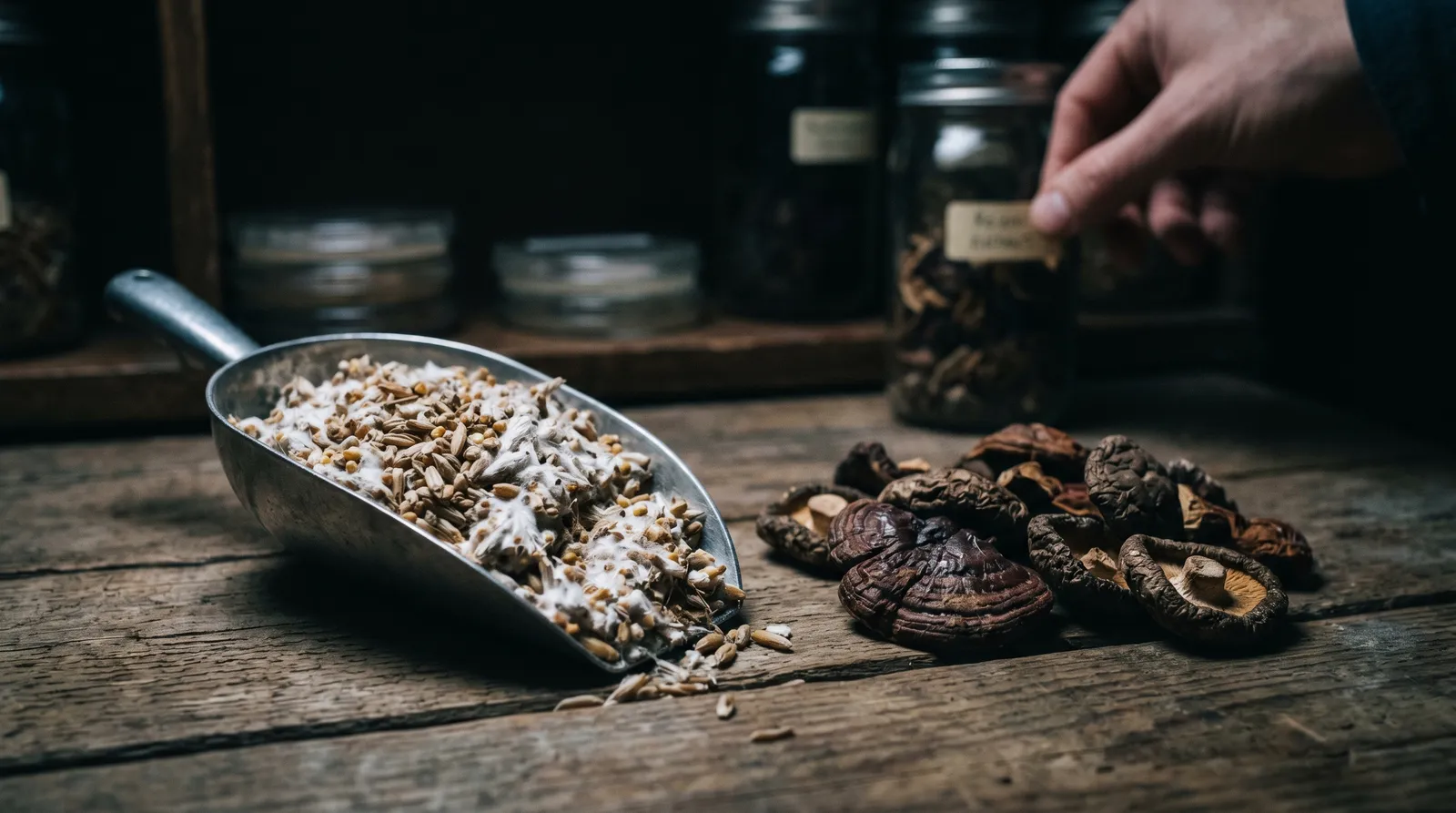
Most commercial mycelium products are grown on sterilised grain (typically rice or oats). Because the grain is not fully consumed, the final product contains significant starch. Independent testing by Realmushrooms (Wu et al., 2017, conference presentation) found that some mycelium-on-grain products contained as little as 5–8% beta-glucans, with alpha-glucan (starch) content exceeding 30%. Fruiting-body extracts from the same species tested at 30–60% beta-glucans.
| Parameter | Mycelium-on-Grain | Fruiting-Body Extract |
|---|---|---|
| Beta-glucan content | 5–8% (typical) | 30–60% (typical) |
| Alpha-glucan (starch) | Often >30% | Usually <5% |
| Triterpenes (reishi) | Low | Higher, esp. with alcohol extraction |
| Erinacines (lion's mane) | Present in mycelium | Absent or trace |
| Hericenones (lion's mane) | Absent or trace | Present in fruiting body |
| Grain filler | Significant | None |
Proponents of mycelium preparations — notably Stamets and colleagues — argue that mycelium-on-grain products contain a "full spectrum" of compounds, including extracellular metabolites and mycelial-specific compounds like erinacines, that fruiting-body extracts may lack. Stamets et al. (2018, conference data) have presented immune-activation data from mycelium-on-grain preparations of turkey tail.
The honest summary: fruiting-body extracts generally deliver higher beta-glucan concentrations per gram. Mycelium preparations may contain compounds not present in fruiting bodies, but they also contain substantial grain filler. The research literature does not yet provide head-to-head clinical comparisons between mycelium-on-grain and fruiting-body preparations for most species, so definitive claims about clinical equivalence or superiority in either direction outrun the data. We would love to tell you one format is clearly better — the truth is the evidence is not there yet for most species.
Honest limitation: The mycelium-on-grain versus fruiting-body debate generates strong opinions on both sides, but the clinical trial data to settle it simply does not exist for most species. We stock both formats and are upfront about what the current evidence does and does not support. If a manufacturer cannot provide a third-party COA showing beta-glucan content measured by the Megazyme assay, treat their label claims with caution — we do.
How to Evaluate Functional Mushroom Products
A reliable functional mushroom product lists its beta-glucan percentage, extraction method, and whether it uses mycelium-on-grain or fruiting body — and backs those claims with third-party testing data. Knowing how the mycelium network operates and how fungi work biologically is the foundation for reading these labels correctly. Here is what to look for and what to avoid when you buy functional mushroom extracts:
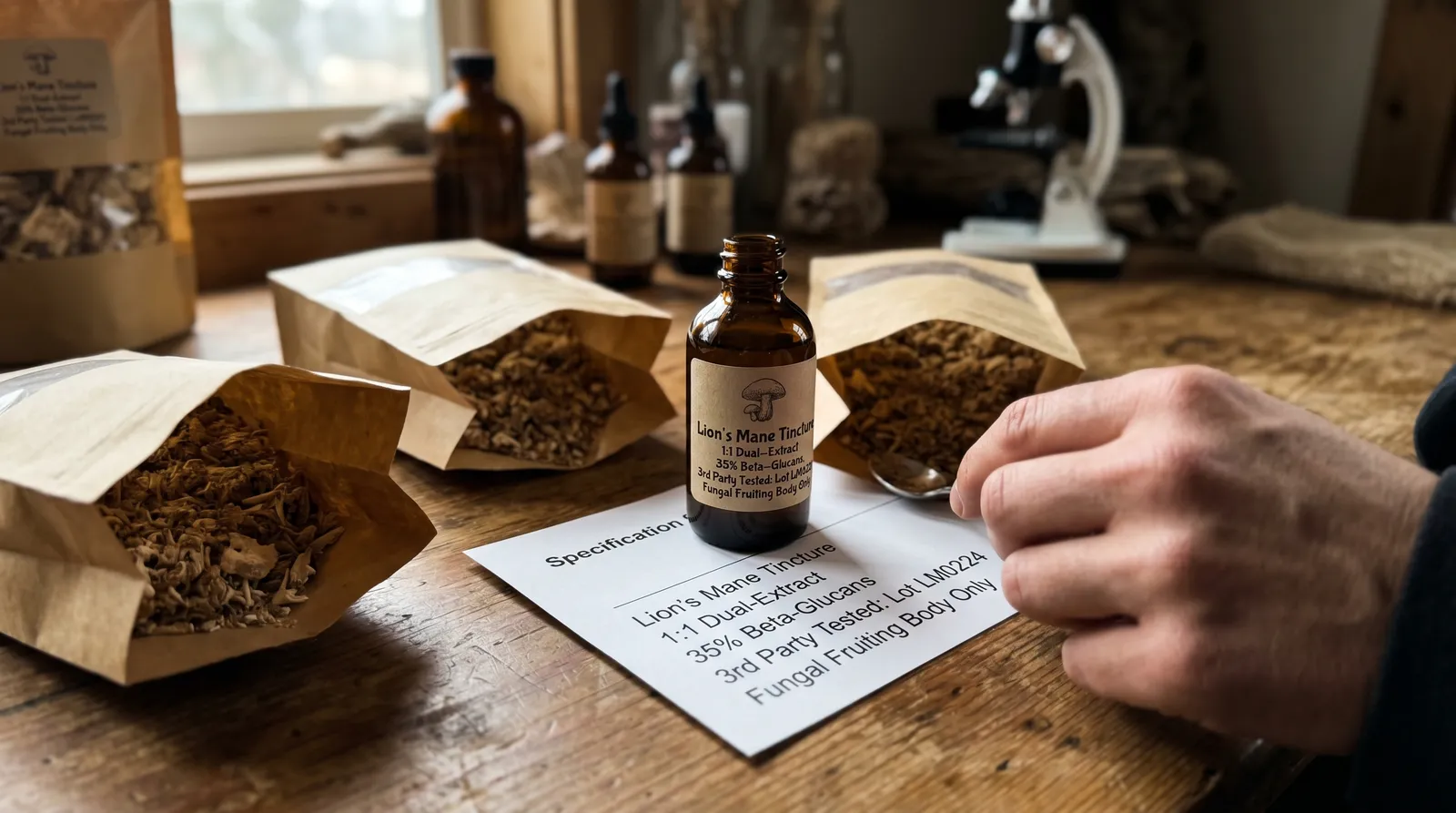
- Check beta-glucan percentage — Products listing only "polysaccharides" without distinguishing beta-glucans from alpha-glucans (starch) may be inflating their numbers with grain filler.
- Identify the source material — "Mushroom mycelium biomass" and "fruiting body extract" are very different products with different compound profiles, as the table above shows.
- Look for extraction method — Hot-water, alcohol, or dual extraction each captures different compound classes. The method should match your target compounds.
- Demand third-party testing — Certificates of analysis (COAs) from independent labs confirm what is actually in the product.
- Read the supplement facts panel — The front label is marketing; the supplement facts panel and "other ingredients" list tell you what you are actually getting.
A product claiming "full-spectrum mushroom complex" means nothing without data showing which compounds are present and at what concentrations. When you order functional mushroom extracts, the mycelium network and how fungi work should inform every purchasing decision you make.
Honest limitation: Even with good label-reading habits, consumers cannot independently verify extraction quality or compound bioavailability from a label alone. Third-party COAs help, but not every lab uses the same assay methods. The Megazyme beta-glucan assay (McCleary and Draga, 2016) is the current gold standard, but not all manufacturers use it. We flag this because we think you should know the limits of what label-reading can tell you.
Comparing Popular Species by Mycelium and Fruiting Body
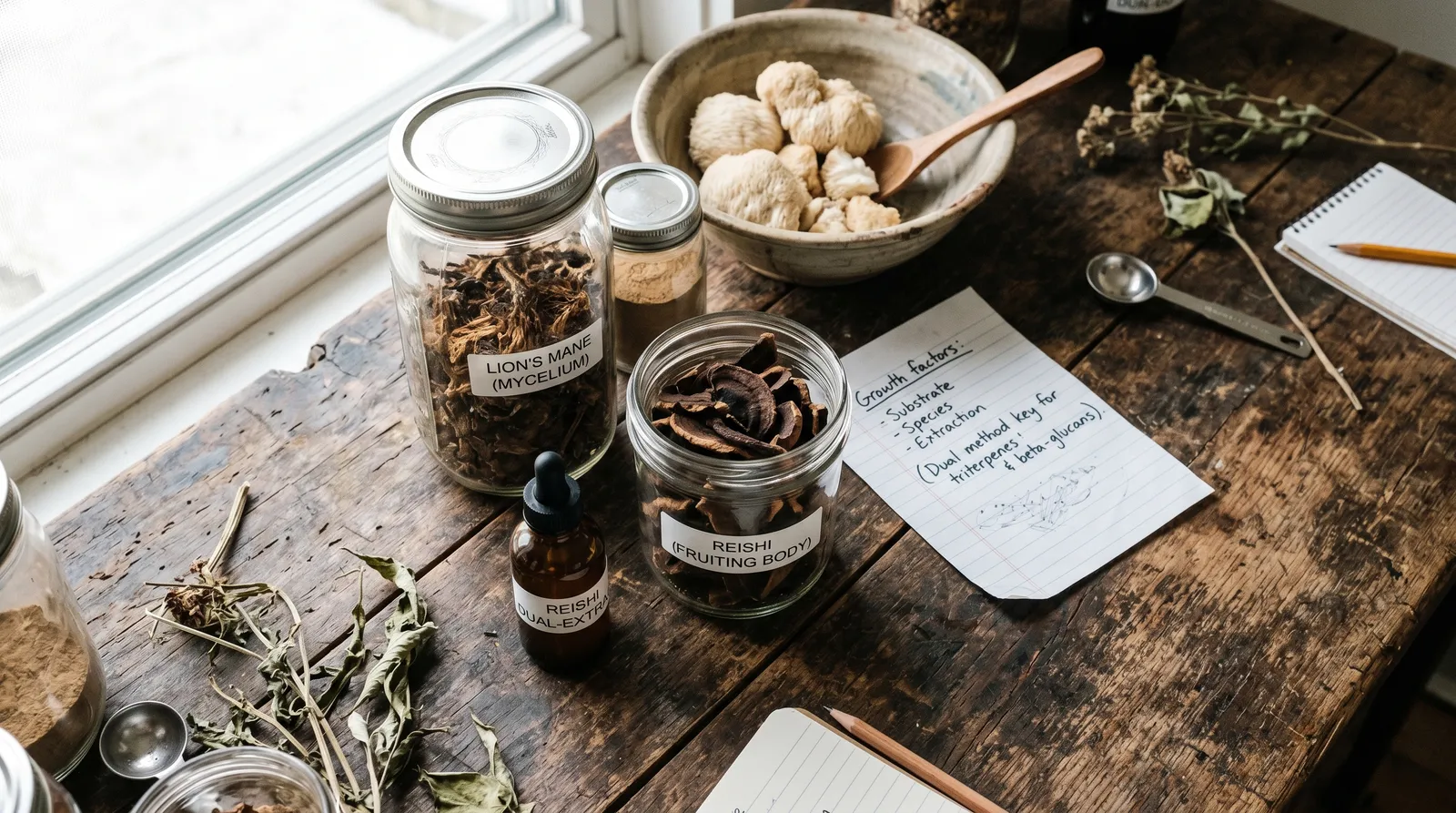
Each functional mushroom species distributes its bioactive compounds differently between the mycelium network and the fruiting body, which is why understanding how fungi work at the species level matters when you order extracts. The table below summarises the key differences for the most popular species you will encounter when you buy functional mushroom products.
| Species | Key Mycelium Compounds | Key Fruiting Body Compounds | Preferred Format |
|---|---|---|---|
| Lion's mane (Hericium erinaceus) | Erinacines | Hericenones, beta-glucans | Both have merit; depends on target compound |
| Reishi (Ganoderma lucidum) | Some polysaccharides | Triterpenes (ganoderic acids), beta-glucans | Fruiting body or dual extract for triterpenes |
| Turkey tail (Trametes versicolor) | PSK (from mycelium culture) | PSP, beta-glucans | Both studied; PSK is mycelium-derived |
| Cordyceps (C. militaris) | Cordycepin, adenosine | Cordycepin, beta-glucans | Both; fruiting body often higher in cordycepin |
| Chaga (Inonotus obliquus) | Sclerotium (mycelial mass) | No true fruiting body harvested | Wild-harvested sclerotium |
This species-level comparison illustrates why no single rule — "always buy fruiting body" or "always get mycelium" — holds across the board. The mycelium network and how fungi work differ meaningfully from one species to the next, and the best choice depends on which compounds you are targeting.
Honest limitation: The "preferred format" column in the table above reflects current research trends, not settled clinical consensus. For most species, large-scale head-to-head human trials comparing mycelium-on-grain versus fruiting-body extracts have not been conducted. We present this as a practical starting framework, not a definitive clinical recommendation.
Cultivation Substrates and Compound Quality
The substrate a fungus colonises directly shapes the compound profile of the final product — making substrate choice one of the most underappreciated variables in functional mushroom quality. Within the mycelium network, how fungi work metabolically depends on what they are digesting: a lion's mane culture grown on hardwood sawdust produces a different secondary metabolite profile than the same strain grown on brown rice. Hardwood substrates provide lignin and cellulose that more closely mimic the species' natural ecology, which may encourage production of defence-related secondary metabolites at higher concentrations.
Commercial growers balance compound quality against production speed and cost. Grain substrates colonise faster and scale more easily, but the residual starch dilutes fungal compounds in the final product. Sawdust and supplemented hardwood substrates take longer but tend to yield fruiting bodies with higher beta-glucan and triterpene content. Some producers use a hybrid approach — colonising grain spawn and then transferring to supplemented sawdust blocks for fruiting — to get the best of both worlds.
When you buy functional mushroom products, the substrate is rarely listed on the label, but it matters. If a product specifies "grown on organic brown rice," you know the mycelium-on-grain format was used. If it says "fruiting body grown on hardwood," the cultivation method more closely mirrors the species' natural habitat. Neither label is automatically better, but the information helps you understand what you are getting.
Honest limitation: Substrate-compound relationships are species-specific and not fully characterised for every functional mushroom. Most published data on substrate effects comes from cultivation studies measuring yield and a limited panel of target compounds, not complete metabolomic profiles. We present this as a useful framework for product evaluation, not a complete picture of how substrate choice affects every bioactive molecule.
Why This Matters for Functional Mushrooms
The species, growth stage, substrate, and extraction method collectively determine the compound profile of any functional mushroom product you order. Understanding the mycelium network and how fungi work is not academic trivia — it directly affects how you evaluate what you are getting. A hot-water extract of reishi fruiting body is a fundamentally different product from an alcohol tincture of reishi mycelium grown on rice, even though both carry the same species name on the label.
Research findings are similarly specific. When Mori et al. (2009) reported cognitive-function improvements in older adults taking lion's mane, the preparation was a specific powdered fruiting-body tablet at 3 g/day for 16 weeks. That result tells you something about that preparation at that dose in that population. It does not validate every lion's mane product on the market. The mycelium is the organism. The product is a processed derivative. Knowing how the organism works helps you understand why the gap between the two can be wide.
Honest limitation: We are a retail shop, not a mycology lab. The information in this wiki draws on published research and the EMCDDA and Beckley Foundation resources where applicable, but fungal biology is a fast-moving field. Kawagishi et al. (1994) demonstrated NGF stimulation in vitro; that is a long way from a clinical endpoint in humans. As the current scientific literature stands, no single mushroom product has been established by robust clinical evidence to treat, cure, or prevent any medical condition, and we do not suggest otherwise. We update this page when meaningful new data appears, but we encourage you to read the primary sources cited here rather than taking any single retailer's word as final.
If you take prescription medication — particularly blood thinners, immunosuppressants, antihypertensives, or blood-sugar-lowering drugs — read the dedicated drug interactions article in this wiki before combining any functional mushroom product with your medication. The interaction risks are real and species-specific.
Last updated: April 2026
Frequently Asked Questions
10 questionsIs mycelium the same thing as a mushroom?
Why does mycelium-on-grain have less beta-glucan than fruiting body?
Can all functional mushroom species be grown on grain?
Do mycelium and fruiting bodies contain the same bioactive compounds?
How does extraction method affect which compounds you get from fungi?
Where can I buy functional mushroom extracts?
What are fungal hyphae and how big are they?
Why do fungal cell walls contain chitin instead of cellulose?
How long can a single mycelium network live?
Can mycelium communicate or share nutrients between plants?
About this article


Adam Parsons is an external cannabis and psychedelics writer and editor who contributes to Azarius's wiki as both author and reviewer. On the writing side, he authors Azarius's kratom and kanna clusters, drawing on exten
This wiki article was drafted with AI assistance and reviewed by Adam Parsons, External contributor. Editorial oversight by Joshua Askew.
Medical disclaimer. This content is for informational purposes only and does not constitute medical advice. Consult a qualified healthcare provider before use of any substance.
Last reviewed April 24, 2026
References (2)
- [1]Kawagishi et al. (1996). [reference pending verification]
- [2]McCleary, B.V. and Draga, A. (2016). Measurement of beta-glucan in mushrooms and mycelial products. Journal of AOAC International , 99(2), 364–373.
Related Articles
Medicinal Mushrooms TCM Western Pharmacognosy Guide
Guide to medicinal mushrooms TCM Western pharmacognosy — how reishi, lion's mane, cordyceps are classified, extracted, and studied.
Research on Immune Modulation by Functional Mushrooms
What does research on immune modulation by functional mushrooms actually show? Beta-glucans, Dectin-1 signalling, human trials, and the honest gap...
Allergic Reactions & Mushroom Sensitivities
Understand allergic reactions and mushroom sensitivities: mould cross-reactivity, shiitake dermatitis, species-specific risks, and safer product…
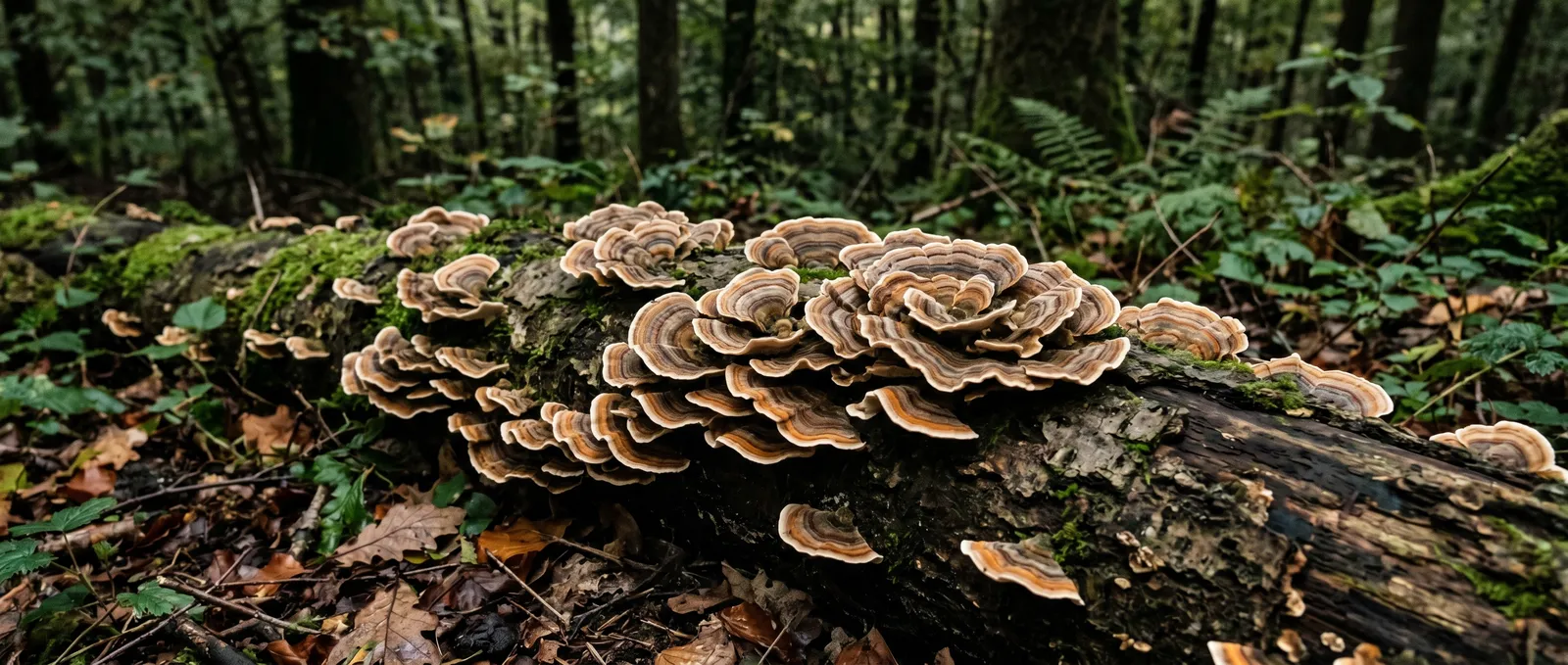
Turkey Tail Trametes versicolor — Buy Supplements
Buy turkey tail Trametes versicolor supplements at Azarius. PSK and PSP evidence, beta-glucan dosage, extraction methods, and safety.
Triterpenes In Medicinal Mushrooms
Triterpenes in medicinal mushrooms are a class of 30-carbon terpenoid compounds produced as secondary metabolites by several functional mushroom species…
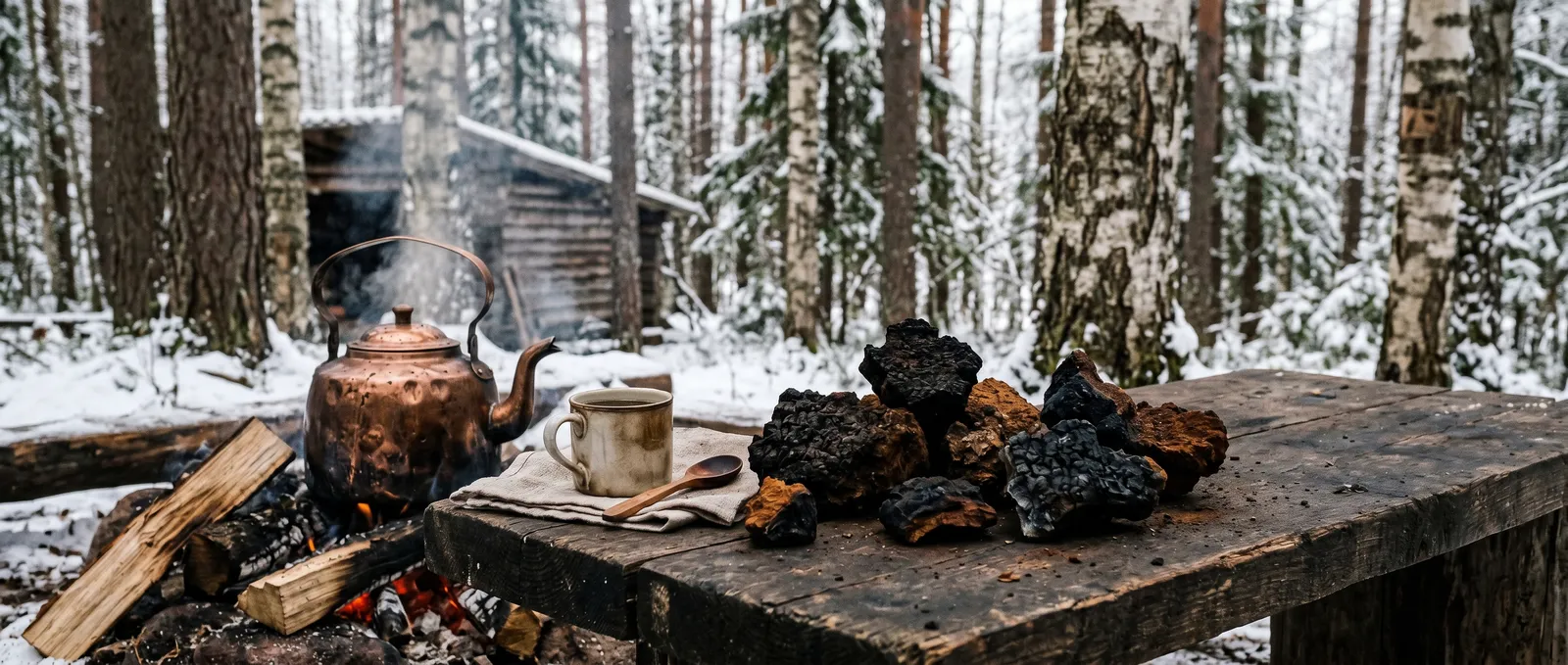
Chaga Siberian Nordic Folk Use
Chaga Siberian Nordic folk use is a centuries-old tradition in which indigenous Siberians and Nordic communities brewed the birch-parasitising fungus…
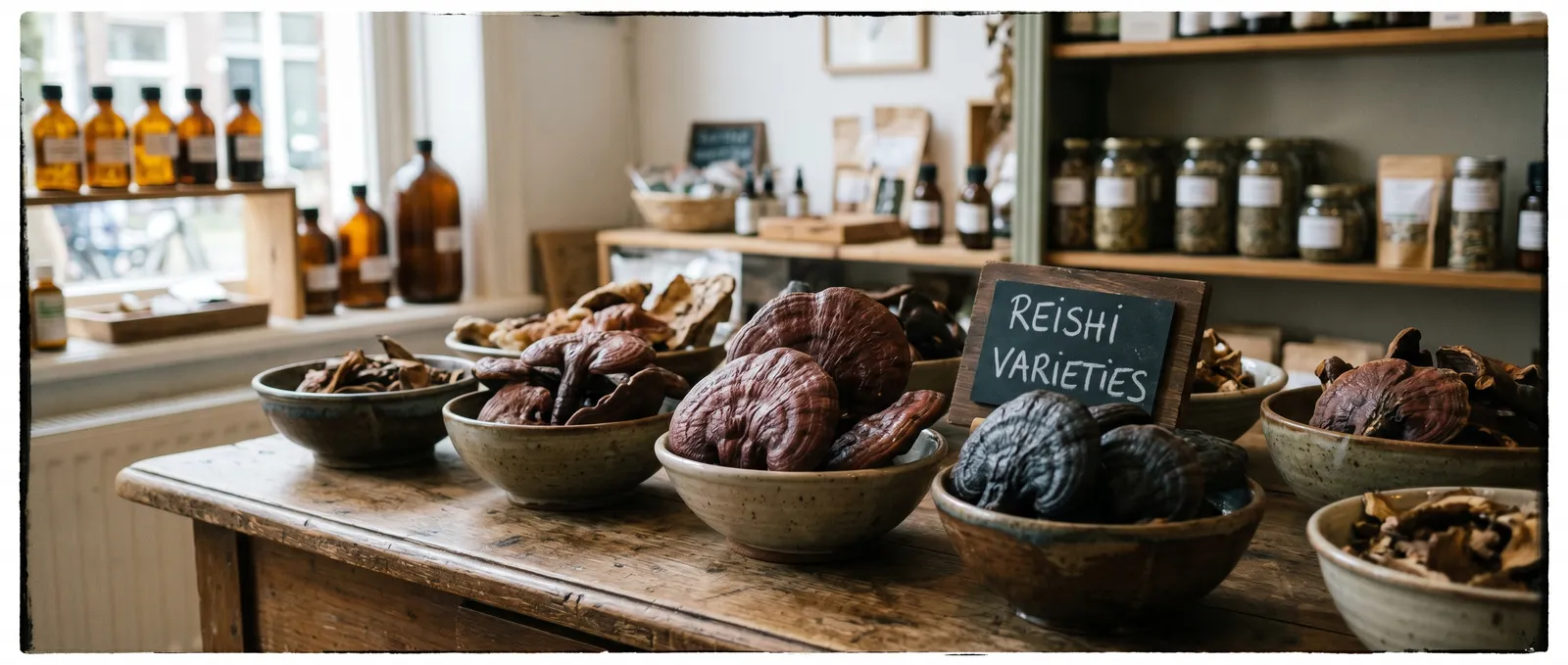
Red and Black Reishi Varieties
Red reishi (Ganoderma lucidum) and black reishi (Ganoderma sinense) both fall under the lingzhi umbrella in traditional Chinese medicine, but they differ in…
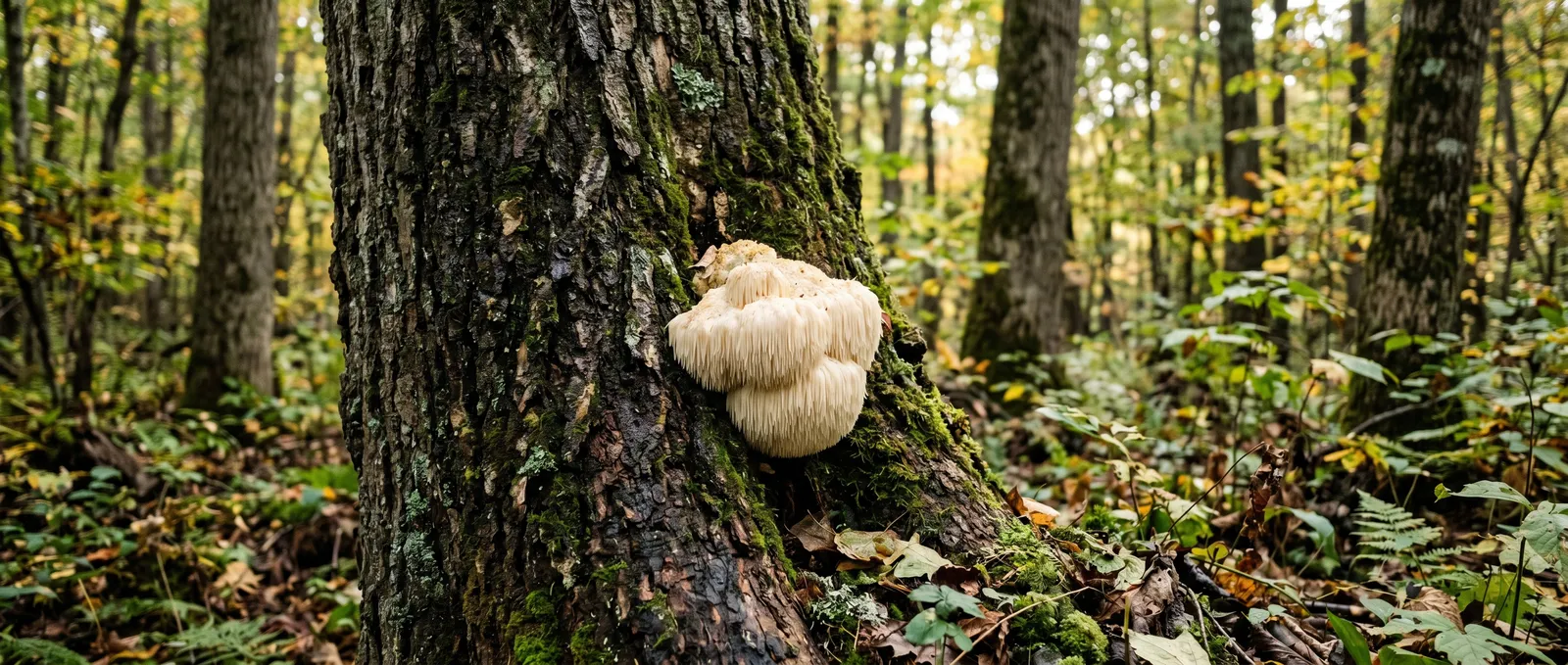
Lion's Mane Identification & Habitat
Hericium erinaceus is a tooth fungus that fruits as a single white, spine-covered mass on wounded or dead hardwood trees.
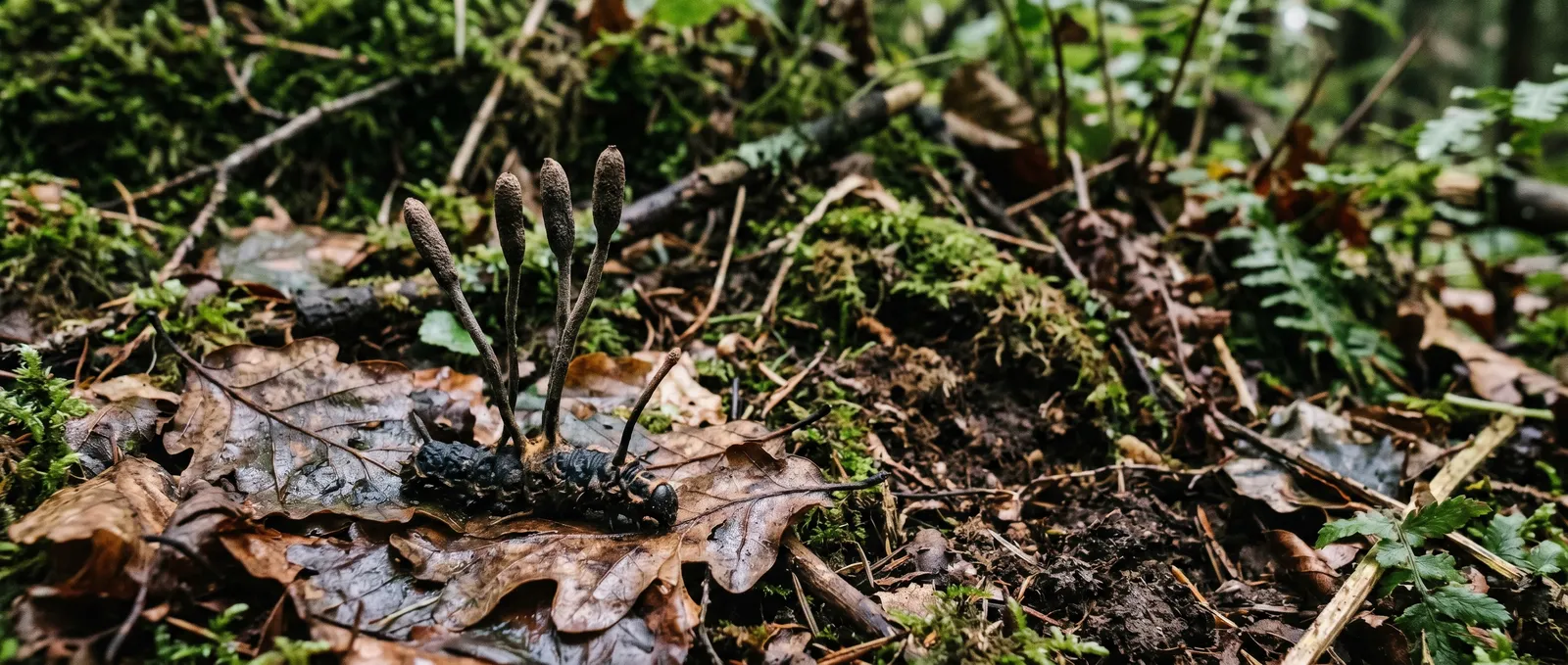
Cordyceps Lifecycle
The cordyceps lifecycle is a parasitic biological sequence in which a fungus infects an insect host, colonises its body from within, and erupts as a…