
Functional Mushroom Drug Interactions
Definition
Functional mushroom drug interactions occur when bioactive compounds in species like reishi, cordyceps, and maitake affect the same physiological pathways targeted by prescription medications. Tao and Bhatt (2016) documented antiplatelet mechanisms for Ganoderma triterpenes, while Akramiene et al. (2007) reviewed beta-glucan immune activation that directly opposes immunosuppressive therapy. These interactions range from well-characterised to theoretical, but several carry real clinical stakes.
A functional mushroom drug interaction is a pharmacological event that occurs when bioactive compounds in species like reishi, cordyceps, maitake, chaga, lion's mane, turkey tail, shiitake, or tremella affect the same physiological pathways targeted by prescription medications. Beta-glucans modulate immune pathways, triterpenes affect platelet aggregation, and several species influence blood glucose or blood pressure. If you take any regular medication and want to buy functional mushroom supplements, the functional mushroom drug interactions reference table below is where to start.
Adult audience (18+). The dosing ranges and effects described in this article apply to adult physiology. This content is not intended for minors.
Why These Interactions Matter
Functional mushroom drug interactions matter because concentrated mushroom extracts act on many of the same physiological pathways that pharmaceutical drugs target — and the combined effect can overshoot or undermine the drug's purpose entirely. Most people think of functional mushrooms as foods or gentle supplements — things that sit in a different category from pharmaceutical drugs. A hot-water reishi extract delivering meaningful doses of ganoderic acids is not pharmacologically inert just because it came from a mushroom rather than a pharmacy.
The core problem is additive or opposing effects. When a mushroom extract pushes a physiological parameter — platelet aggregation, blood glucose, immune activation, blood pressure — in the same direction as a drug you already take, the combined effect can overshoot. When it pushes in the opposite direction, it can undermine the drug's purpose entirely. Neither outcome is trivial.
Three categories of functional mushroom drug interactions dominate the literature:
- Anticoagulant and antiplatelet potentiation — primarily reishi, with some evidence for chaga
- Immune modulation opposing immunosuppressive therapy — reishi, maitake, turkey tail, shiitake at supplemental doses
- Blood glucose and blood pressure lowering — cordyceps, reishi, chaga
The evidence base varies by species. Some interactions rest on well-characterised in-vitro mechanisms with case-report support. Others are theoretical but grounded in plausible pharmacology. The table below distinguishes between these evidence levels.
Primary Interaction Table
The primary functional mushroom drug interactions table summarises the most clinically relevant combinations, organised by risk level and evidence quality. Each row pairs a mushroom species with a drug class, the mechanism behind the interaction, and the strength of supporting evidence.

| Mushroom Species | Drug Class / Specific Drugs | Mechanism | Potential Consequence | Evidence Level |
|---|---|---|---|---|
| Reishi (Ganoderma lucidum) | Anticoagulants: warfarin, heparin; DOACs: apixaban, rivaroxaban, edoxaban, dabigatran; Antiplatelets: clopidogrel, aspirin | Ganoderic acids inhibit platelet aggregation in vitro (Tao & Bhatt, 2016). Triterpene fractions also showed anticoagulant activity in animal models. | Increased bleeding risk — bruising, prolonged bleeding from cuts, potential for internal haemorrhage | In-vitro + animal model + case reports |
| Reishi, maitake (Grifola frondosa), turkey tail (Trametes versicolor), shiitake (Lentinula edodes) at supplemental doses | Immunosuppressants: methotrexate, tacrolimus, ciclosporin, mycophenolate, corticosteroids (prednisone, prednisolone), biologics (adalimumab, infliximab) | Beta-glucans (including lentinan, PSK, PSP, grifolan, D-fraction) stimulate macrophage and natural-killer-cell activity (Akramiene et al., 2007). This directly opposes the therapeutic goal of immunosuppressive drugs. | Reduced efficacy of immunosuppression — risk of organ rejection in transplant patients, flare of autoimmune conditions | Strong mechanistic basis; clinical interaction data limited but theoretical concern is well-established |
| Cordyceps (Cordyceps militaris) | Hypoglycaemic agents: metformin, sulfonylureas (glimepiride, gliclazide), insulin, SGLT2 inhibitors, GLP-1 agonists | Cordycepin and polysaccharide fractions reduced blood glucose in animal models (Dong et al., 2014). Mechanism appears to involve enhanced insulin sensitivity and glucose uptake. | Additive blood-glucose lowering — risk of hypoglycaemia (shakiness, confusion, fainting) | Animal model; limited human data |
| Maitake (Grifola frondosa) | Hypoglycaemic agents (same classes as above) | Maitake D-fraction and SX-fraction lowered blood glucose in animal models (Kubo et al., 1994). Small human pilot studies observed modest glucose-lowering effects. | Additive blood-glucose lowering — hypoglycaemia risk | Animal model + small pilot studies |
| Reishi, chaga (Inonotus obliquus), cordyceps | Antihypertensives: ACE inhibitors (ramipril, lisinopril), ARBs (losartan, valsartan), calcium channel blockers (amlodipine), beta-blockers, diuretics | Reishi triterpenes inhibited angiotensin-converting enzyme in vitro (Morigiwa et al., 1986). Chaga and cordyceps extracts lowered blood pressure in animal models. | Additive blood-pressure reduction — dizziness, lightheadedness, fainting on standing | In-vitro + animal model; human interaction data sparse |
| Chaga (Inonotus obliquus) | Anticoagulants and antiplatelets (same as reishi row) | Chaga polysaccharides inhibited platelet aggregation in vitro (Hyun et al., 2006). Less studied than reishi but similar mechanistic profile. | Increased bleeding risk | In-vitro; fewer case reports than reishi |
| Reishi | CYP450-metabolised drugs (broad category — includes statins, some antidepressants, some antiepileptics, some calcium channel blockers) | Ganoderma extracts inhibited CYP2E1, CYP1A2, and CYP3A4 in vitro (Guo et al., 2010). If replicated in vivo, this could alter plasma levels of co-administered drugs. | Increased or decreased plasma concentrations of co-administered drugs — unpredictable direction depending on the specific drug and CYP pathway | In-vitro only; clinical relevance uncertain |
| Lion's mane (Hericium erinaceus) | Anticoagulants and antiplatelets | Hericenone B inhibited collagen-induced platelet aggregation in vitro (Mori et al., 2010). Effect was modest compared to reishi triterpenes. | Theoretical increase in bleeding risk — lower concern than reishi but worth noting for patients already on anticoagulant therapy | In-vitro only; no case reports |
| Tremella (Tremella fuciformis) | Hypoglycaemic agents | Tremella polysaccharides reduced blood glucose in diabetic animal models (Lo et al., 2006). | Theoretical additive hypoglycaemia | Animal model; very limited data |
Reishi and Blood Thinners: The Best-Documented Case
Reishi is the functional mushroom with the strongest documented evidence for drug interactions involving anticoagulant and antiplatelet medications. Ganoderic acids — triterpenes concentrated by alcohol or dual extraction — inhibit platelet aggregation through multiple pathways. Tao and Bhatt (2016) reviewed the antiplatelet mechanisms and noted that ganoderic acid S and related compounds directly interfere with thromboxane formation and ADP-induced aggregation.
A case report published by Wachtel-Galor et al. (2004) described a 47-year-old patient on warfarin who experienced elevated INR values after starting a reishi supplement, consistent with potentiated anticoagulation. While a single case report does not establish causation, it aligns precisely with the in-vitro mechanism.
The practical implication: if you take warfarin, a direct oral anticoagulant (apixaban, rivaroxaban, edoxaban, dabigatran), or an antiplatelet drug like clopidogrel, adding a reishi extract — particularly an alcohol-extracted or dual-extracted product with meaningful triterpene content — introduces a real bleeding risk. Hot-water-only reishi extracts concentrate polysaccharides rather than triterpenes, so the antiplatelet concern is somewhat lower for those preparations, but not zero, since some ganoderic acids are partially water-soluble.
Anyone scheduled for elective surgery should discontinue reishi (and chaga, given its similar in-vitro profile) well in advance. How far in advance is a question for the surgeon, not for this article — but the conversation needs to happen, and it needs to include disclosure of exactly which mushroom supplements you take and in what form.
Immune-Modulating Mushrooms vs. Immunosuppressive Therapy
Beta-glucan-rich mushrooms — reishi, maitake, turkey tail, and shiitake — directly oppose the therapeutic goal of immunosuppressive drugs by stimulating the same innate immune pathways those drugs are designed to suppress. This is the functional mushroom drug interaction category that gets the least attention in popular supplement writing, yet it carries arguably the highest stakes. Akramiene et al. (2007) reviewed the immunomodulatory activity of beta-glucans and documented activation of macrophages, dendritic cells, and natural killer cells across multiple in-vitro and animal studies.
Now consider someone on immunosuppressive therapy — a transplant recipient taking tacrolimus to prevent organ rejection, or someone with lupus or rheumatoid arthritis on methotrexate or ciclosporin. The entire point of their medication is to dampen the immune response. Taking a supplement that activates the same immune pathways the drug is trying to suppress creates a direct pharmacological conflict.
Clinical data on this specific interaction in humans are limited — for obvious ethical reasons, nobody is running a trial that deliberately combines immune-stimulating mushrooms with post-transplant immunosuppression. But the mechanistic logic is straightforward: beta-glucan-driven immune activation opposes the goal of immunosuppressive therapy. The theoretical risk includes graft rejection, autoimmune flare, and loss of disease control.
This extends to high-dose corticosteroid therapy (prednisone, prednisolone) when used as immunosuppressants, and to biologic agents like adalimumab and infliximab that target specific immune pathways. The concern also applies to anyone with an autoimmune condition — even those not currently on immunosuppressive medication — since upregulating immune activity could theoretically worsen autoimmune symptoms. The evidence for that specific scenario is thin, but the theoretical basis is sound enough to warrant caution.
Turkey tail polysaccharide fractions (PSK, PSP) and maitake D-fraction have been studied as adjuncts in specific oncology contexts in Japan and China (Tsukagoshi et al., 1984; Kodama et al., 2002). Those studies used isolated, standardised fractions under medical supervision — not over-the-counter whole-mushroom supplements. Transferring those findings to self-supplementation is a category error, and a potentially dangerous one for anyone on immunosuppressive therapy.
Blood Glucose Interactions: Cordyceps, Maitake, and Diabetes Drugs
Cordyceps and maitake both lower blood glucose in animal models, creating additive hypoglycaemic risk when combined with diabetes medications. Dong et al. (2014) demonstrated that cordycepin — the primary bioactive nucleoside in Cordyceps militaris — enhanced glucose uptake and improved insulin sensitivity in diabetic mice. Kubo et al. (1994) showed that maitake SX-fraction reduced blood glucose in streptozotocin-induced diabetic rats.
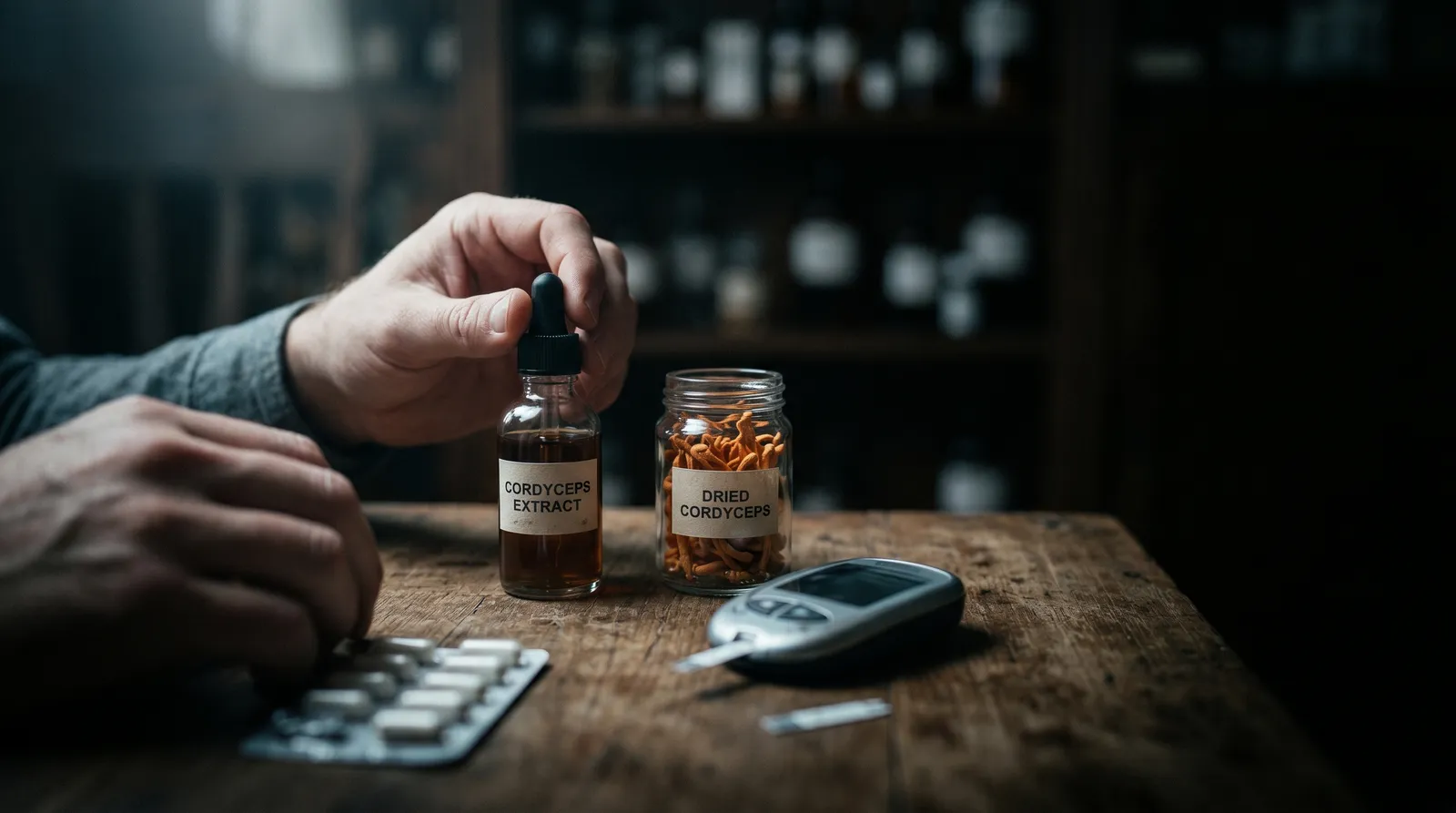
For someone managing type 2 diabetes with metformin, a sulfonylurea, or insulin, adding a supplement that independently lowers blood glucose creates cumulative hypoglycaemic risk. Hypoglycaemia — blood sugar dropping too low — causes symptoms ranging from shakiness and confusion to seizures and loss of consciousness. It is not a theoretical concern; it is an acute medical event.
The human evidence for clinically significant glucose-lowering from over-the-counter mushroom supplements is limited. Most studies used isolated fractions at doses that may not correspond to what a typical capsule or extract delivers. But "limited evidence of clinical significance" is not the same as "no risk." If you take diabetes medication and your blood glucose is well-controlled, introducing a variable that could push it lower — even modestly — changes the equation. More frequent glucose monitoring would be the minimum sensible response.
Blood Pressure: The Cumulative Lowering Effect
Reishi, chaga, and cordyceps all lower blood pressure in preclinical research, meaning they can compound the effect of antihypertensive medications and push blood pressure below the target range. Morigiwa et al. (1986) identified triterpenes from Ganoderma lucidum that inhibited angiotensin-converting enzyme (ACE) in vitro — the same target that ACE inhibitor drugs like ramipril and lisinopril act on.
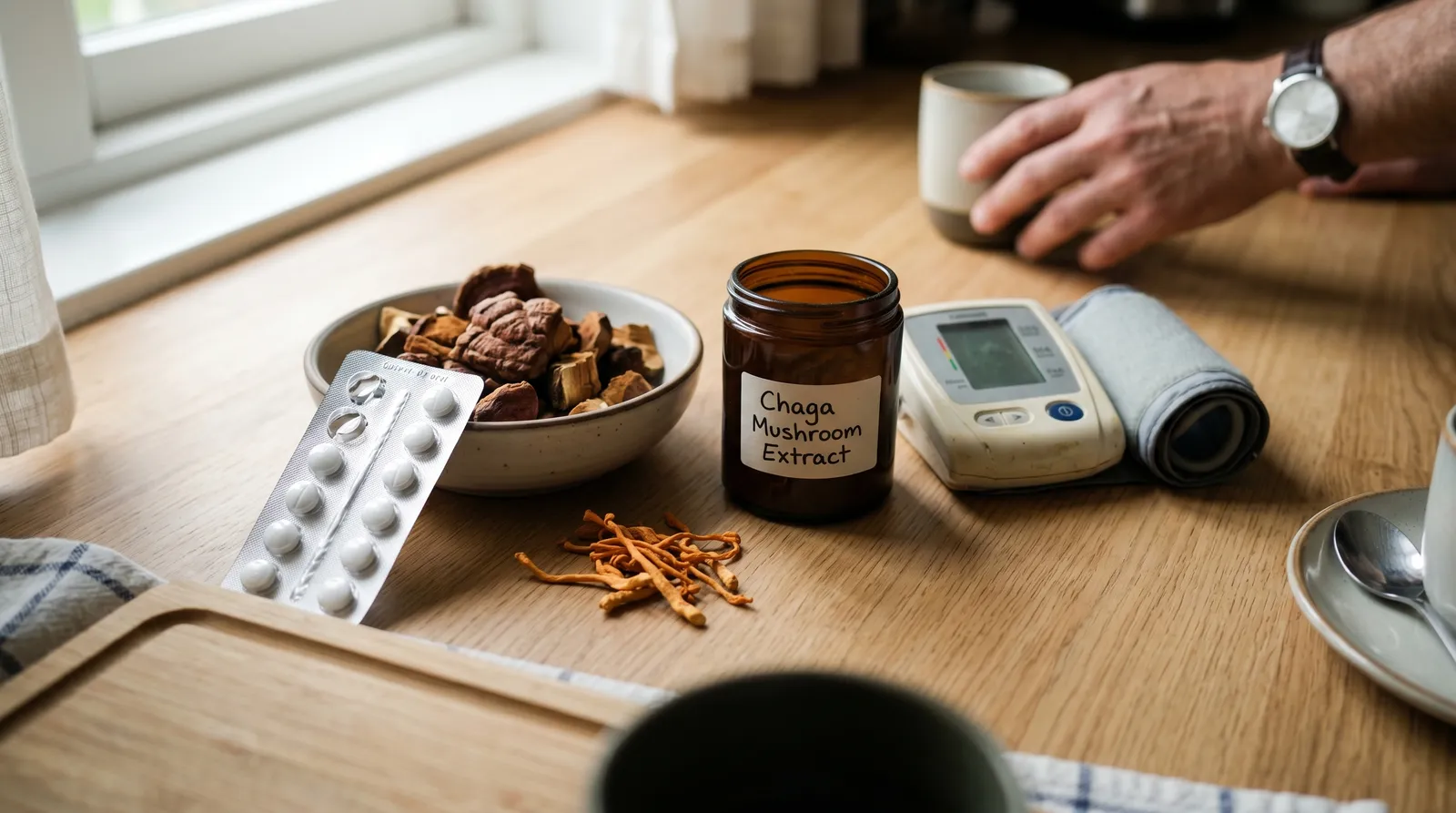
For someone already on antihypertensive medication, the concern is additive: if the drug brings blood pressure down to a target range, and a mushroom extract pushes it further, the result can be symptomatic hypotension — dizziness, lightheadedness, fainting, particularly on standing. This is more of a quality-of-life nuisance than a life-threatening emergency in most cases, but falls in elderly patients can cause serious injury.
The clinical evidence for this interaction in humans is sparse. Nobody has run a controlled trial combining reishi extract with amlodipine to measure the combined blood-pressure effect. The concern rests on mechanism and common sense: two things that lower blood pressure will, in combination, lower it more than either alone.
CYP450 Enzyme Inhibition: The Wildcard
CYP450 enzyme inhibition by reishi is the most uncertain category of functional mushroom drug interactions, with in-vitro evidence that has not yet been confirmed in human pharmacokinetic studies. Guo et al. (2010) found that Ganoderma lucidum extracts inhibited several cytochrome P450 enzymes in vitro, including CYP2E1, CYP1A2, and CYP3A4. CYP3A4 alone is responsible for metabolising roughly 50% of all pharmaceutical drugs. If reishi genuinely inhibits CYP3A4 at the concentrations achieved by oral supplementation, the implications are broad — it could raise plasma levels of statins, certain antidepressants, calcium channel blockers, some benzodiazepines, and many other drugs.

The critical caveat: in-vitro enzyme inhibition does not reliably predict in-vivo interactions. The concentrations used in cell-culture assays may not reflect what actually reaches the liver after oral ingestion, first-pass metabolism, and distribution. No controlled human pharmacokinetic studies have confirmed CYP450 inhibition by reishi at supplemental doses. This interaction remains theoretical — but it is the kind of theoretical that deserves mention, because the downstream consequences of altered drug metabolism can be serious and unpredictable.
Extraction Method Matters
The extraction method used to produce a mushroom supplement directly determines which bioactive compounds it contains and therefore which functional mushroom drug interactions are most relevant. The compounds responsible for antiplatelet effects (ganoderic acids, other triterpenes) are concentrated by alcohol extraction. The compounds responsible for immune modulation (beta-glucans, polysaccharides) are concentrated by hot-water extraction. Dual-extracted products contain both.
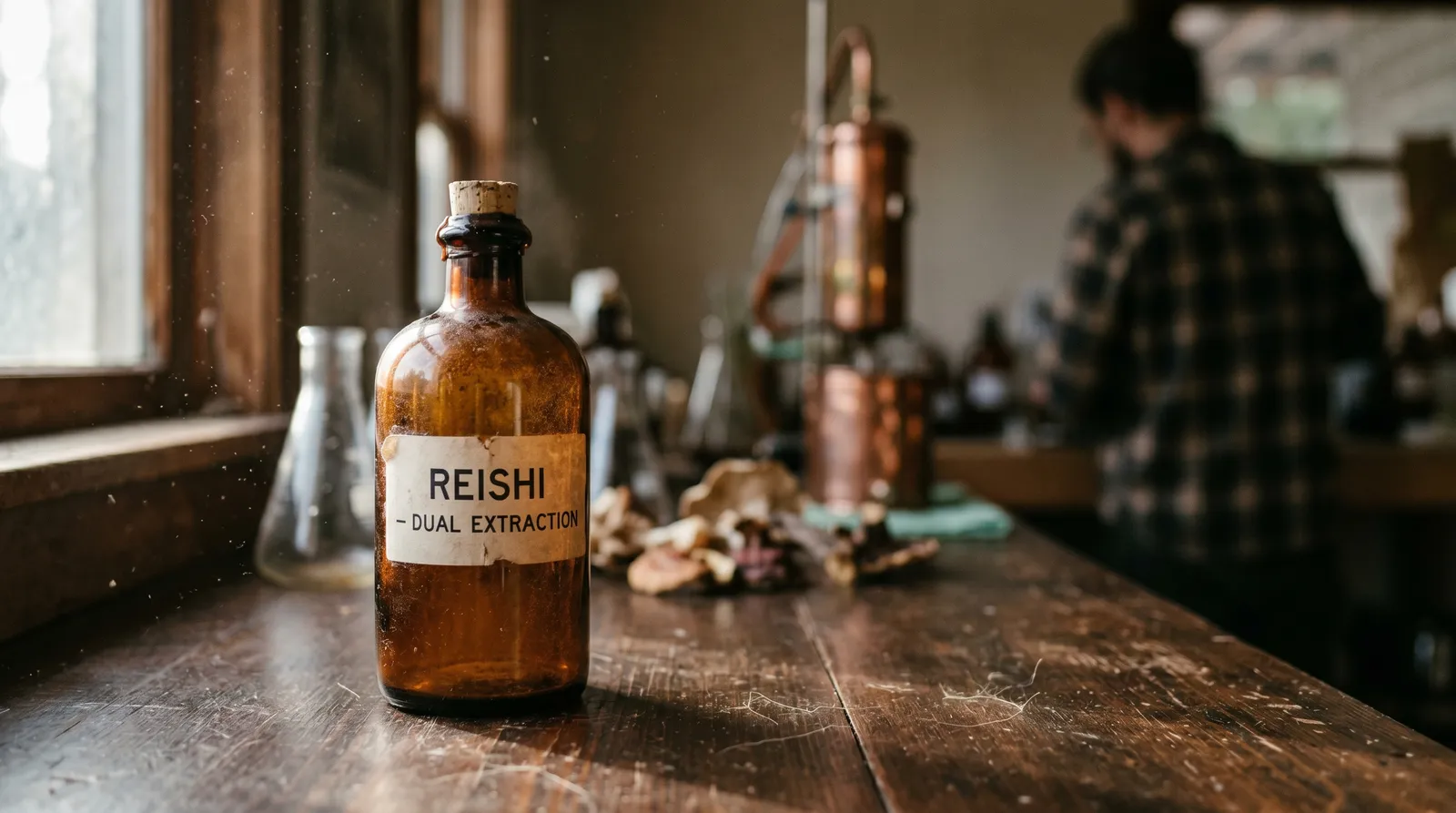
This means the interaction profile shifts depending on what you are actually taking:
- Alcohol-extracted reishi tincture: higher triterpene content → greater antiplatelet concern, greater CYP450 concern
- Hot-water reishi extract: higher beta-glucan content → greater immune-modulation concern, greater conflict with immunosuppressants
- Dual-extracted reishi: both compound classes present → both interaction categories apply
- Whole dried mushroom powder (unextracted): lower bioavailability of both compound classes, but not zero
The same logic applies to other species. A hot-water turkey tail extract is primarily a beta-glucan delivery vehicle — the immune-modulation interaction is the relevant one. A cordyceps alcohol tincture concentrates cordycepin and adenosine analogues rather than polysaccharides.
Research findings from one preparation do not automatically transfer to another. When Tao and Bhatt (2016) demonstrated antiplatelet activity from reishi triterpenes, they used a specific alcohol extract fraction. Applying that finding to a hot-water reishi tea is an overreach — though not applying it at all would be an underreach, since some triterpene crossover exists.
Mycelium-on-Grain vs. Fruiting Body: Does It Change the Risk?
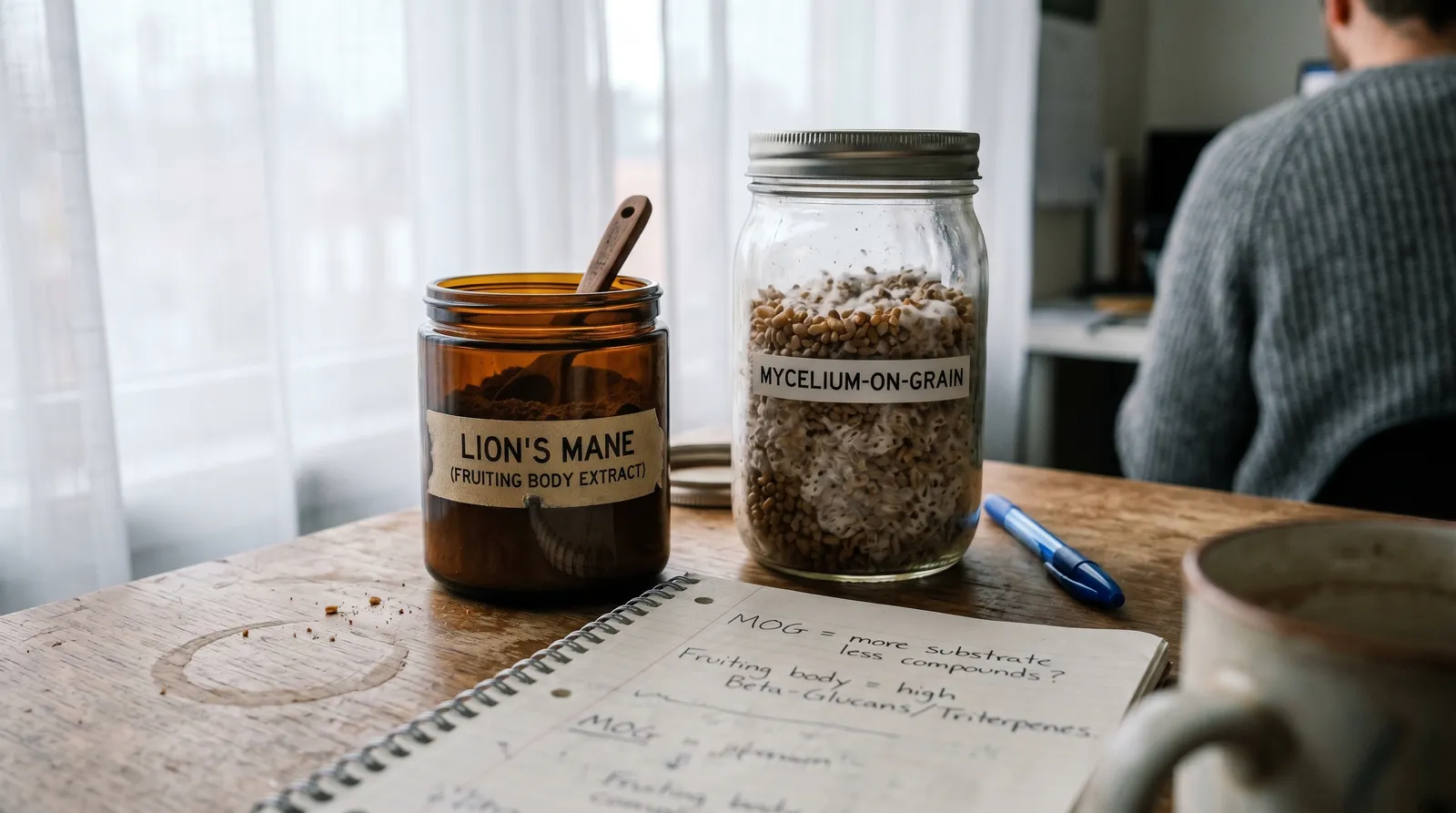
Mycelium-on-grain products typically contain substantially less beta-glucan and fewer triterpenes per gram than fruiting-body extracts, which likely reduces the magnitude of any functional mushroom drug interaction but does not eliminate the risk entirely. Many supplements on the market are mycelium grown on grain substrate, harvested together, with a significant proportion of the dry weight coming from residual grain starch. Whether this meaningfully reduces interaction risk is an open question — "lower potency" is not the same as "no interaction." The honest answer is that interaction studies have not been conducted on mycelium-on-grain products specifically, so the risk profile is extrapolated from fruiting-body and isolated-fraction data, which may overestimate the concern for lower-potency preparations.
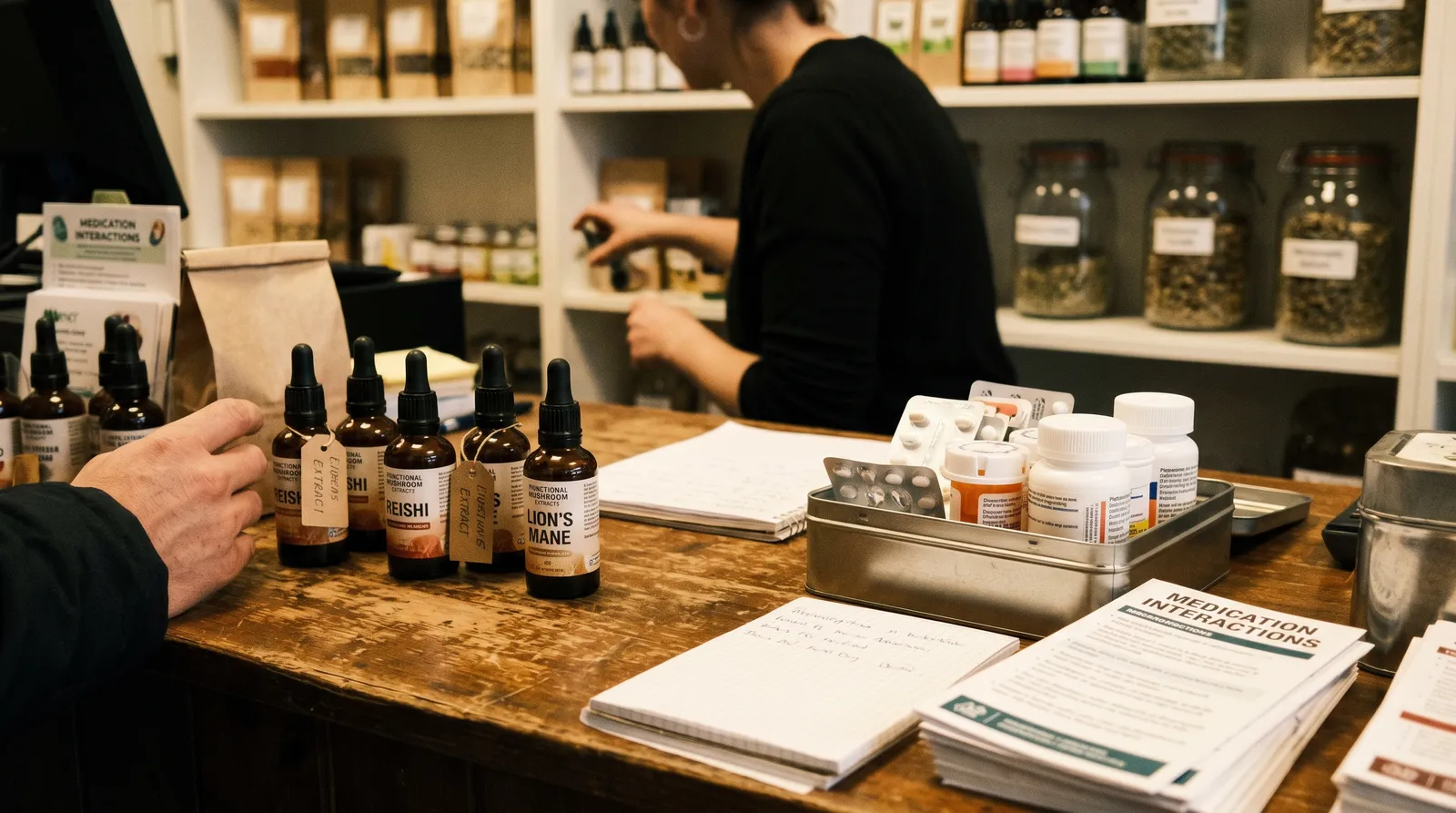
One thing we have noticed over the years: customers who buy dual-extracted reishi often do not realise they are getting both triterpenes and beta-glucans, which means both the anticoagulant and immune-modulation interaction categories apply. We flag this at the point of sale when we can, but it is worth repeating here. If you are going to get a functional mushroom supplement and you take any of the drug classes in the table above, know exactly what extraction method your product uses.
We also want to be transparent about what we do not know. The EMCDDA and other European regulatory bodies have not published specific guidance on functional mushroom drug interactions, and the Beckley Foundation's psychopharmacology research programme — while valuable for other substance classes — has not addressed functional mushrooms. The evidence base is a patchwork of in-vitro studies, animal models, and a handful of case reports. We think this information is important enough to present clearly, but we would be overstating our confidence if we claimed the interaction risks are fully quantified. They are not.
How Functional Mushrooms Compare to Other Common Supplement Interactions
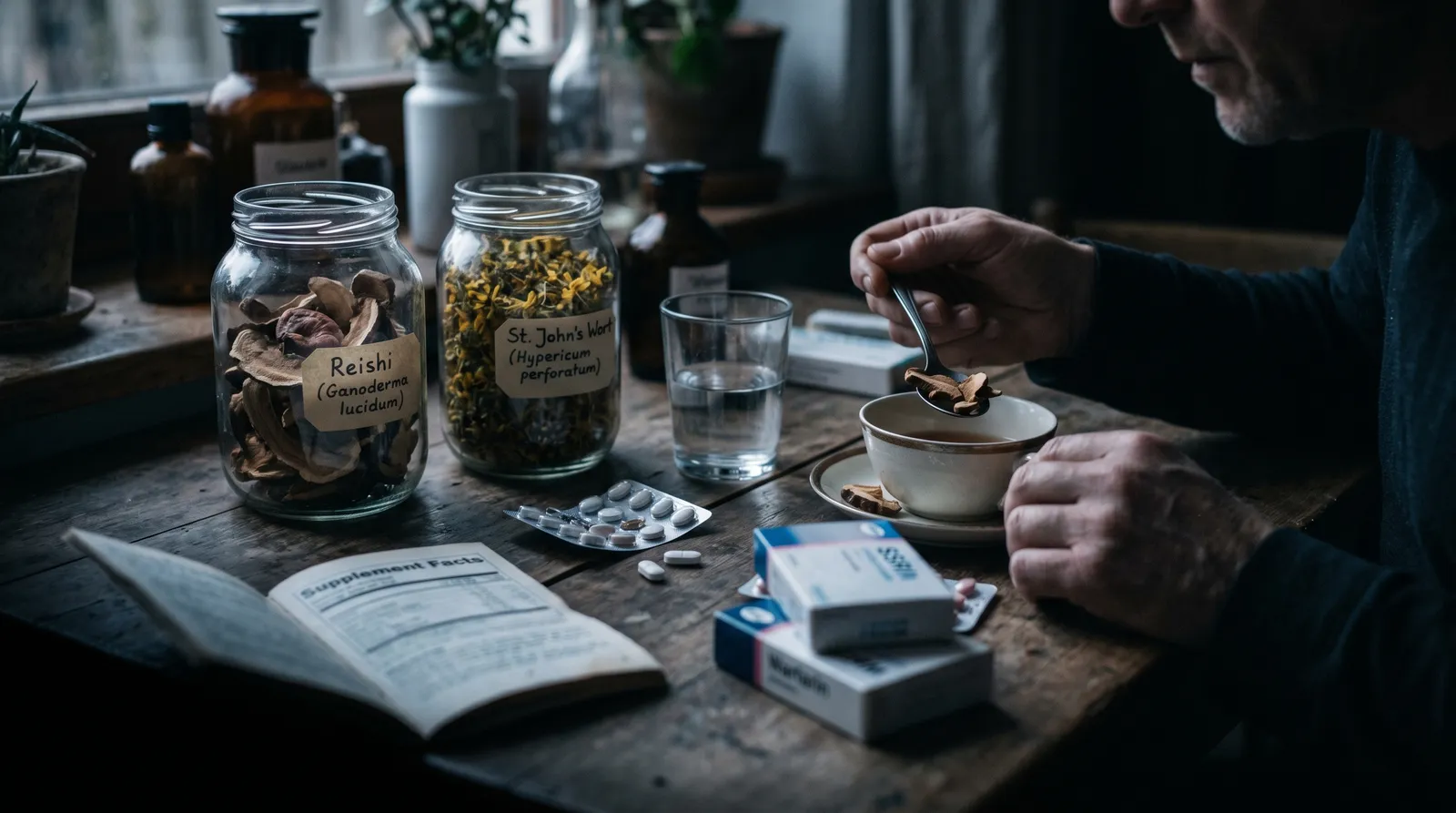
Functional mushroom drug interactions are comparable in mechanism and clinical concern to several well-known supplement-drug interactions, though they receive far less attention. St John's wort, for example, is a potent CYP3A4 inducer that can reduce the efficacy of oral contraceptives, antiretrovirals, and immunosuppressants — and it carries formal contraindication warnings in many countries. Reishi's potential CYP450 inhibition works in the opposite direction (raising rather than lowering drug levels), but the underlying principle is the same: a natural product altering drug metabolism.
Ginkgo biloba's antiplatelet effects parallel those of reishi and chaga, and ginkgo carries established warnings about concurrent use with anticoagulants. The evidence base for ginkgo's antiplatelet activity is more developed than for reishi, but the mechanistic similarity is striking. Fish oil at high doses also inhibits platelet aggregation and carries similar surgical-discontinuation advice.
The difference is awareness. Most pharmacists will ask about ginkgo or fish oil when dispensing warfarin. Very few will ask about reishi or chaga. This gap in clinical awareness is precisely why understanding functional mushroom drug interactions matters — the responsibility for flagging these combinations currently falls on the person taking the supplements.
What the Research Still Does Not Tell Us
The biggest gap in functional mushroom drug interaction research is the near-total absence of controlled human pharmacokinetic studies measuring how mushroom extracts alter drug levels in real patients. Almost everything in the table above rests on in-vitro assays, animal models, or isolated case reports. Nobody has run a crossover trial giving reishi extract to warfarin patients and measuring INR changes under controlled conditions. Nobody has measured whether a standard cordyceps capsule actually lowers blood glucose enough in humans to matter alongside metformin. These studies would be straightforward to design but have not been funded — partly because functional mushrooms sit in a regulatory grey zone between food and medicine, and partly because the commercial incentive to prove interactions exist is low.
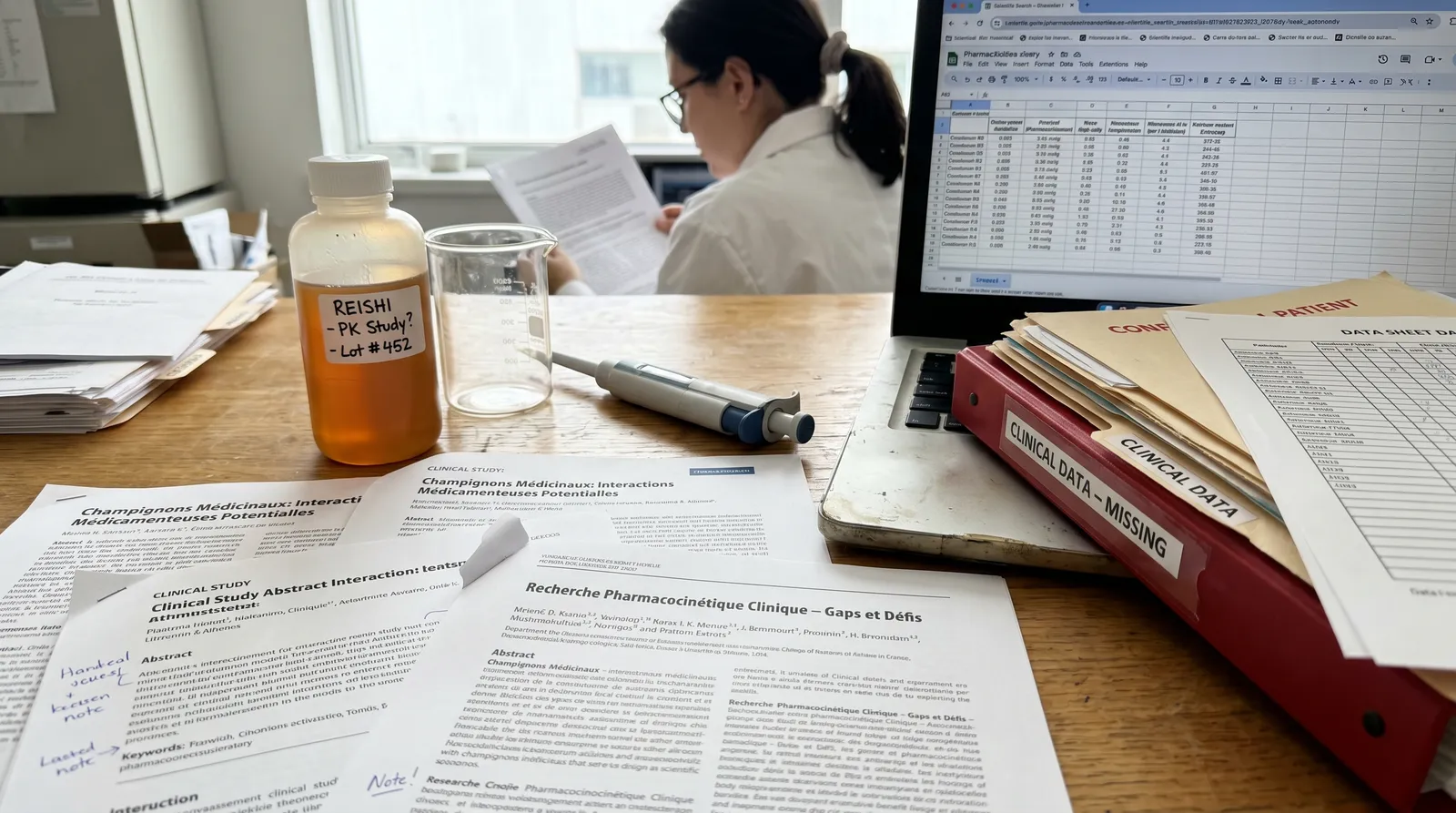
We do not know the dose thresholds at which these interactions become clinically relevant. We do not know whether chronic low-dose use carries the same risk as acute high-dose use. We do not know how much individual variation in gut microbiome composition or liver enzyme activity changes the picture. These are not reasons to dismiss the interactions — they are reasons to take them seriously while acknowledging that the evidence is incomplete.
What to Tell Your Prescriber
The single most important step for managing functional mushroom drug interactions is telling the person who prescribes your medication exactly what you are taking — with enough detail for them to assess the risk. Not "a mushroom supplement" — that tells them nothing. Useful information includes:

- The species (reishi, cordyceps, lion's mane, etc.)
- The extract source (fruiting body, mycelium-on-grain, or whole mushroom)
- The extraction method (hot water, alcohol, dual extraction) — this is usually on the label
- The dose and frequency
- Any standardisation data on the label (beta-glucan percentage, triterpene content)
Most prescribers will not be familiar with functional mushroom pharmacology in detail. That is not a reason to skip the conversation — it is a reason to bring specific information rather than vague generalities. The anticoagulant interaction with reishi, in particular, is documented well enough that any haematologist or anticoagulation clinic should take it seriously when presented with the evidence.

We are honest about the limits of what we can tell you. We are a supplement retailer, not a pharmacy. We can tell you what species is in the product, how it was extracted, and what the label says about beta-glucan or triterpene content. We cannot tell you whether your specific combination of medications and mushroom extracts is safe. That is a clinical question, and it deserves a clinical answer. What we can do — and what this article tries to do — is give you enough information to have a productive conversation with the person who can answer it.
Someone who wants to buy a reishi tincture (alcohol-extracted, triterpene-rich) faces a different interaction profile than someone who wants to order a reishi hot-water extract (beta-glucan-rich). We try to make this clear on every product page, but it bears repeating in the context of drug interactions. The species name alone is not enough information — the extraction method is what determines which bioactive compounds you are actually ingesting.
Disclaimer
This article is provided for informational and harm-reduction purposes only. It does not constitute medical advice, diagnosis, or treatment. Functional mushroom supplements can interact with prescription medications in clinically meaningful ways. Always consult a qualified healthcare professional before combining any supplement with prescription drugs. Do not start, stop, or change any medication or supplement regimen based solely on the information presented here. The interaction data summarised above are drawn from in-vitro studies, animal models, and limited clinical reports — they do not represent complete clinical evidence. Individual responses vary, and your prescriber is the appropriate person to assess your specific risk.
Last updated: April 2026
Frequently Asked Questions
10 questionsCan I take reishi if I am on warfarin or another blood thinner?
Does the extraction method of a mushroom supplement change its drug interaction risk?
Are mushroom supplements safe to take with immunosuppressant drugs after organ transplant?
Can cordyceps cause low blood sugar if I take metformin?
Should I stop taking functional mushroom supplements before surgery?
Does lion's mane interact with any medications?
Can I take chaga supplements while on blood pressure medication?
How long should I wait after stopping a mushroom supplement before it no longer affects my medication?
Can I drink alcohol while taking functional mushroom supplements?
Do functional mushrooms interact with antidepressants or SSRIs?
About this article


Adam Parsons is an external cannabis and psychedelics writer and editor who contributes to Azarius's wiki as both author and reviewer. On the writing side, he authors Azarius's kratom and kanna clusters, drawing on exten
This wiki article was drafted with AI assistance and reviewed by Adam Parsons, External contributor. Editorial oversight by Joshua Askew.
Medical disclaimer. This content is for informational purposes only and does not constitute medical advice. Consult a qualified healthcare provider before use of any substance.
Last reviewed April 24, 2026
References (12)
- [1]Akramiene, D. et al. (2007). Effects of beta-glucans on the immune system. Medicina (Kaunas) , 43(8), 597–606.
- [2]Dong, Y. et al. (2014). Studies on the antidiabetic activities of Cordyceps militaris extract in diet-streptozotocin-induced diabetic Sprague-Dawley rats. BioMed Research International , 2014, 160980. DOI: 10.1155/2014/160980
- [3]Guo, D.A. et al. (2010). Inhibitory effects of Ganoderma lucidum on cytochrome P450 enzymes. Journal of Ethnopharmacology , 130(2), 421–426.
- [4]Hyun, K.W. et al. (2006). Isolation and characterization of a novel platelet aggregation inhibitory peptide from the medicinal mushroom Inonotus obliquus . Peptides , 27(6), 1173–1178. DOI: 10.1016/j.peptides.2005.10.005
- [5]Kodama, N. et al. (2002). Can maitake MD-fraction aid cancer patients? Alternative Medicine Review , 7(3), 236–239.
- [6]Kubo, K. et al. (1994). Anti-diabetic activity present in the fruit body of Grifola frondosa . Biological and Pharmaceutical Bulletin , 17(8), 1106–1110. DOI: 10.1248/bpb.17.1106
- [7]Lo, H.C. et al. (2006). The anti-hyperglycemic activity of the fruiting body of Tremella fuciformis in streptozotocin-induced diabetic rats. International Journal of Medicinal Mushrooms , 8(2), 157–165.
- [8]Mori, K. et al. (2010). Inhibitory effect of hericenone B from Hericium erinaceus on collagen-induced platelet aggregation. Phytomedicine , 17(14), 1082–1085. DOI: 10.1016/j.phymed.2010.05.004
- [9]Morigiwa, A. et al. (1986). Angiotensin converting enzyme inhibitory triterpenes from Ganoderma lucidum . Chemical and Pharmaceutical Bulletin , 34(7), 3025–3028. DOI: 10.1248/cpb.34.3025
- [10]Tao, J. & Bhatt, D.L. (2016). Antiplatelet effects of Ganoderma lucidum . In: Ganoderma and Health , Advances in Experimental Medicine and Biology, vol 1182. Springer.
- [11]Tsukagoshi, S. et al. (1984). Krestin (PSK). Cancer Treatment Reviews , 11(2), 131–155. DOI: 10.1016/0305-7372(84)90005-7
- [12]Wachtel-Galor, S. et al. (2004). Ganoderma lucidum ("Lingzhi"), a Chinese medicinal mushroom: biomarker responses in a controlled human supplementation study. British Journal of Nutrition , 91(2), 263–269. DOI: 10.1079/bjn20041039
Related Articles

Medicinal Mushrooms TCM Western Pharmacognosy Guide
Guide to medicinal mushrooms TCM Western pharmacognosy — how reishi, lion's mane, cordyceps are classified, extracted, and studied.
Research on Immune Modulation by Functional Mushrooms
What does research on immune modulation by functional mushrooms actually show? Beta-glucans, Dectin-1 signalling, human trials, and the honest gap...
Allergic Reactions & Mushroom Sensitivities
Understand allergic reactions and mushroom sensitivities: mould cross-reactivity, shiitake dermatitis, species-specific risks, and safer product…
Turkey Tail Trametes versicolor — Buy Supplements
Buy turkey tail Trametes versicolor supplements at Azarius. PSK and PSP evidence, beta-glucan dosage, extraction methods, and safety.
Triterpenes In Medicinal Mushrooms
Triterpenes in medicinal mushrooms are a class of 30-carbon terpenoid compounds produced as secondary metabolites by several functional mushroom species…

Chaga Siberian Nordic Folk Use
Chaga Siberian Nordic folk use is a centuries-old tradition in which indigenous Siberians and Nordic communities brewed the birch-parasitising fungus…
Red and Black Reishi Varieties
Red reishi (Ganoderma lucidum) and black reishi (Ganoderma sinense) both fall under the lingzhi umbrella in traditional Chinese medicine, but they differ in…
Lion's Mane Identification & Habitat
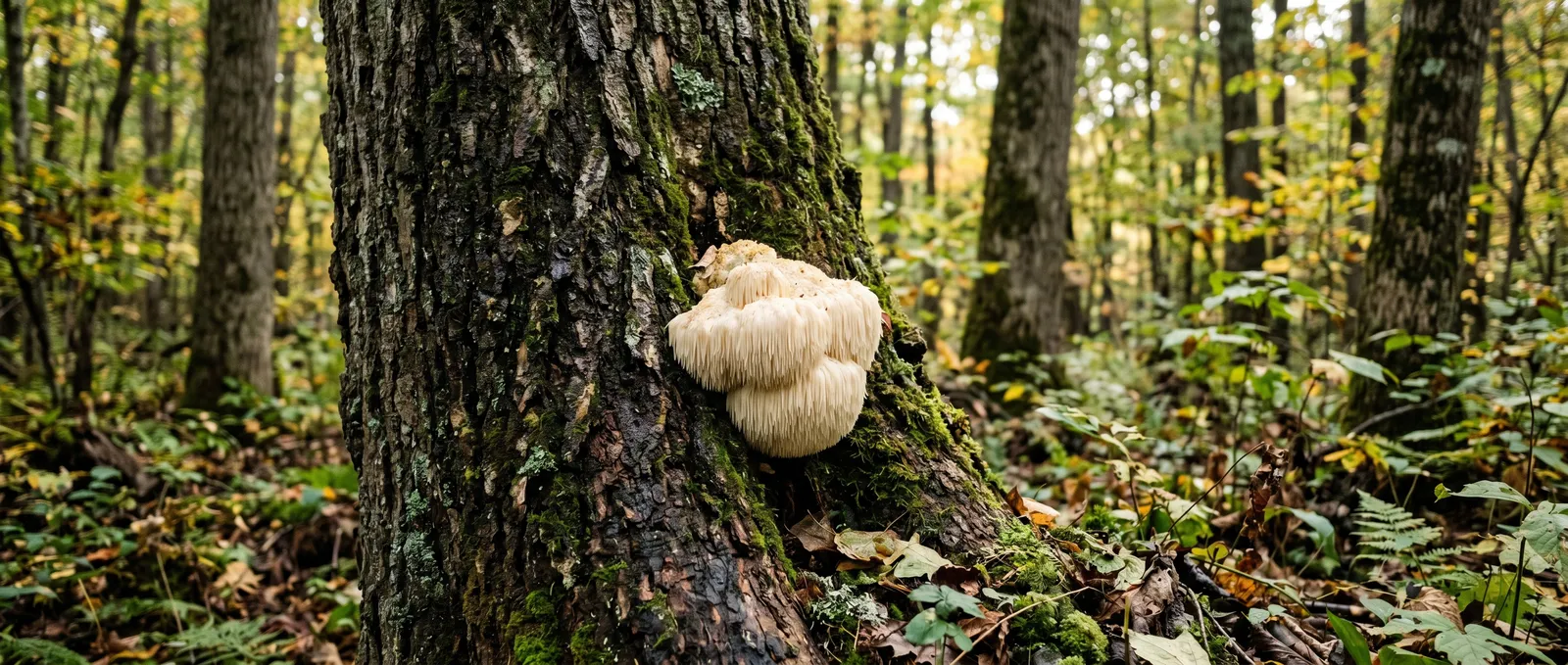
Hericium erinaceus is a tooth fungus that fruits as a single white, spine-covered mass on wounded or dead hardwood trees.
Cordyceps Lifecycle
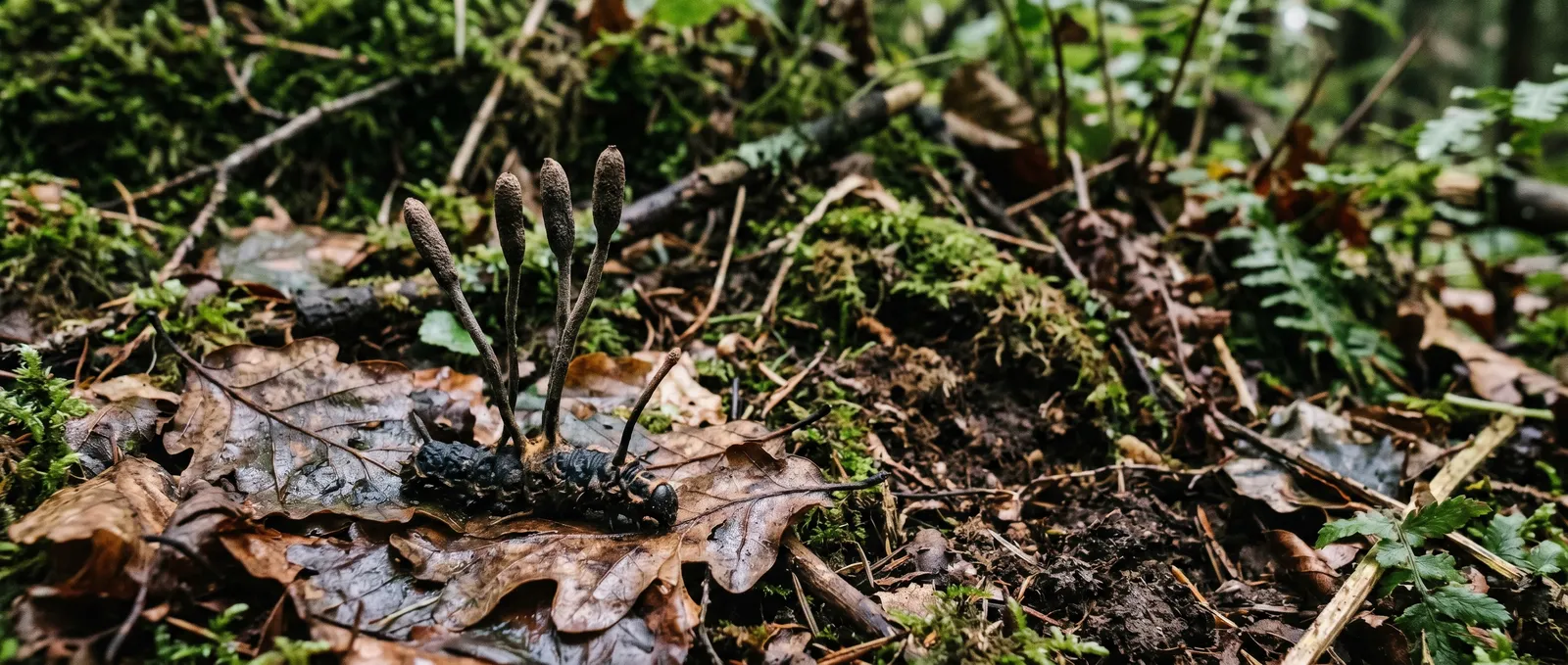
The cordyceps lifecycle is a parasitic biological sequence in which a fungus infects an insect host, colonises its body from within, and erupts as a…