
Autoimmune Conditions Mushrooms — Safety, Research, and What We Actually Know
Definition
Functional mushrooms like reishi, turkey tail, and maitake contain beta-glucans that can activate immune cells in laboratory settings (Chan et al., 2009). For people with autoimmune conditions — where the immune system is already overactive — this raises a genuine safety concern. Clinical data in autoimmune populations is essentially absent, but the theoretical conflict with immunosuppressive therapy is real.
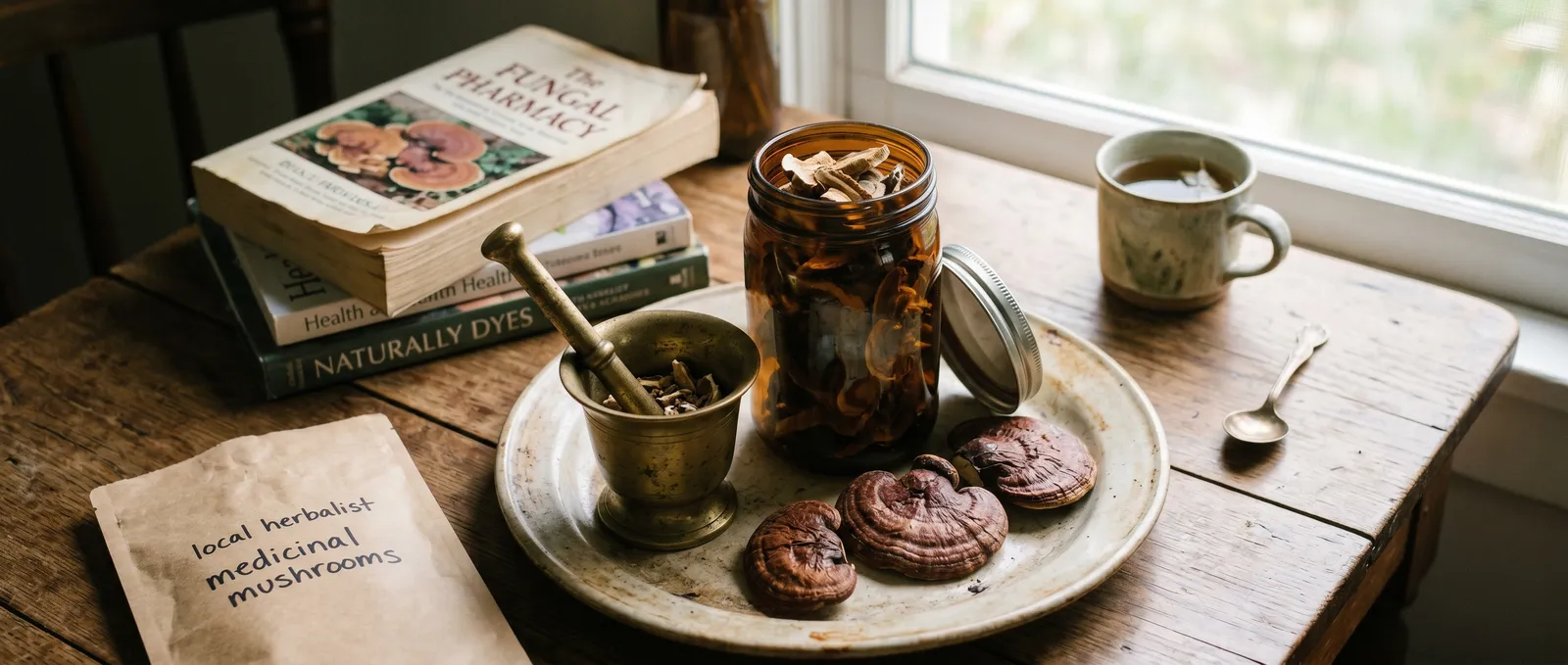
Autoimmune conditions mushrooms is a topic that deserves careful, evidence-based attention. An autoimmune condition is a disorder in which the immune system mistakenly attacks the body's own tissues — and functional mushrooms are bioactive fungi best known for their immune-modulating compounds that may interact unpredictably with autoimmune disease. That combination raises a genuine and underexplored question: if beta-glucans from species like reishi, turkey tail, and maitake can measurably shift immune-cell activity in laboratory settings (Akramiene et al., 2007), what happens when someone's immune system is already overactive? The short answer is that the research is thin, the theoretical concern is real, and caution is warranted. If you are considering whether to buy functional mushroom supplements and you have an autoimmune condition, this page lays out what the science does and does not support.
Adult audience (18+). The dosing ranges and effects described in this article apply to adult physiology. This content is not intended for minors.
What Autoimmune Conditions Actually Involve
Autoimmune conditions are disorders in which the immune system loses its ability to distinguish self from non-self, attacking the body's own tissues. In a normally functioning immune system, white blood cells distinguish between the body's own cells and foreign invaders — bacteria, viruses, fungi. Autoimmune conditions break that distinction. In rheumatoid arthritis, the immune system attacks joint tissue. In multiple sclerosis, it targets the myelin sheath around nerves. In lupus, the targets can include skin, joints, kidneys, and the brain. Hashimoto's thyroiditis involves immune destruction of the thyroid gland. There are more than 80 recognised autoimmune conditions, affecting roughly 5–8% of the population in Western countries, with women disproportionately affected (Jacobson et al., 1997).
The standard medical approach to managing autoimmune conditions typically involves suppressing or modulating the immune response. Medications like methotrexate, tacrolimus, ciclosporin, and corticosteroids are prescribed precisely because they dial down immune activity. That is the therapeutic goal: reduce the immune system's misdirected aggression against the body's own tissues.
This is where functional mushrooms enter an awkward territory — and where the autoimmune conditions mushrooms question becomes genuinely important.
Beta-Glucans and Immune Modulation — The Core Tension
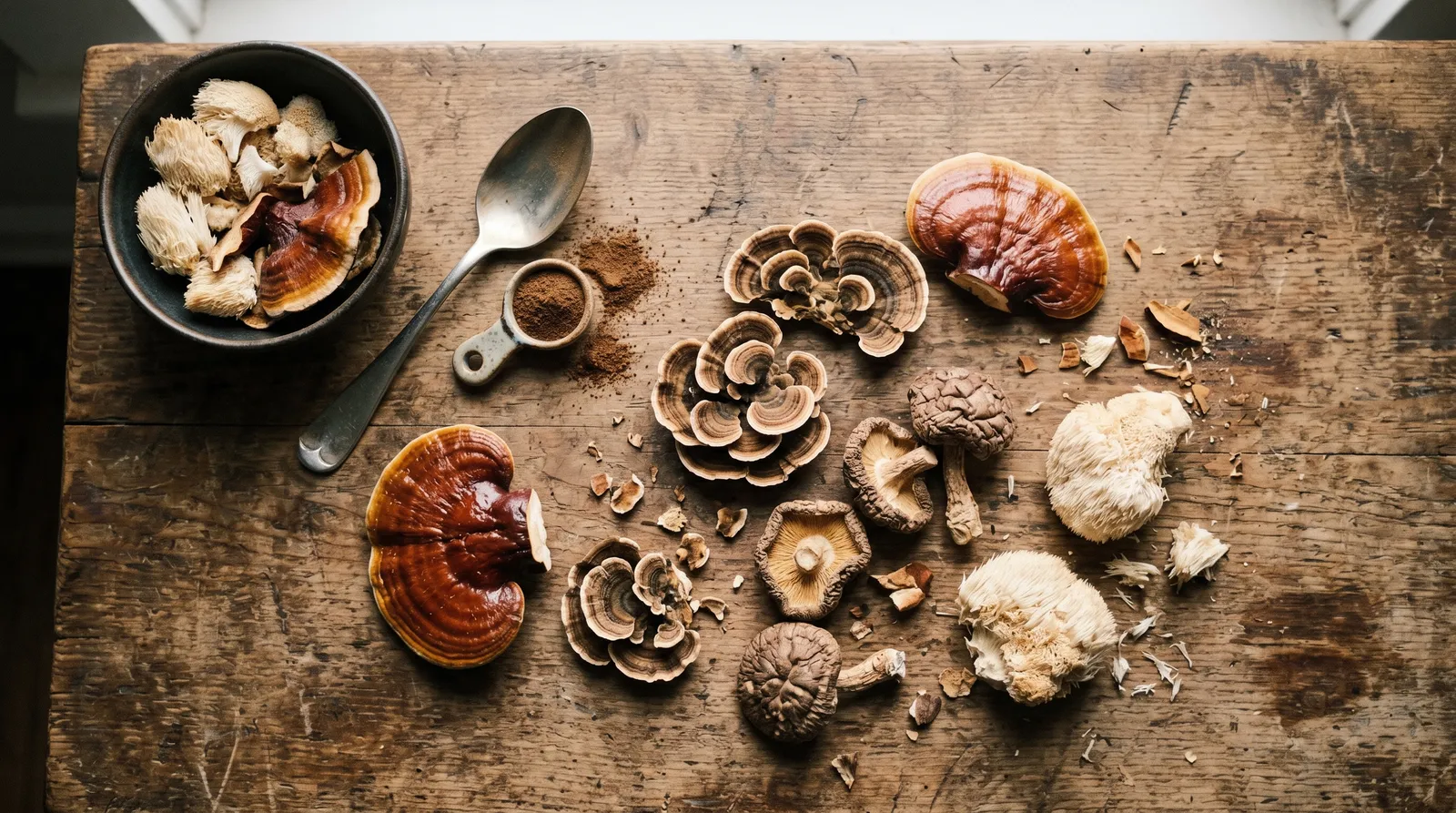
Beta-glucans are the most studied bioactive compounds in functional mushrooms and the primary source of concern for autoimmune conditions mushrooms safety. These polysaccharides, found in the cell walls of fungi, have documented immune-activating properties. In-vitro and animal-model studies have demonstrated that beta-glucans from species including Ganoderma lucidum (reishi), Trametes versicolor (turkey tail), Grifola frondosa (maitake), and Lentinula edodes (shiitake) can activate macrophages, dendritic cells, and natural killer cells (Chan et al., 2009). Specific polysaccharide fractions — lentinan from shiitake, PSK and PSP from turkey tail, grifolan and D-fraction from maitake — have been studied in isolation for their capacity to upregulate immune markers.
The word "modulation" gets used a lot in the functional mushroom space, and it deserves scrutiny. Proponents sometimes argue that beta-glucans are immunomodulatory rather than simply immunostimulatory — meaning they balance the immune system rather than just ramp it up. Some in-vitro evidence does suggest that certain polysaccharide fractions can influence regulatory T-cell populations, which are involved in dampening immune overactivity (Guggenheim et al., 2014). But here is the problem: the vast majority of published research on mushroom beta-glucans documents immune activation — increased cytokine production, enhanced phagocytosis, upregulated natural killer cell activity. The "balancing" narrative, while not baseless, rests on a much smaller evidence base, and almost none of it comes from human clinical trials in autoimmune populations.
To be direct: no controlled clinical trial has established that any functional mushroom extract safely modulates immune function in people with active autoimmune disease. The data simply does not exist yet.
Species-Specific Concerns for Autoimmune Conditions
The theoretical risk varies by species and scales roughly with the potency and breadth of immune-modulating compounds each one contains. Not every functional mushroom carries the same level of concern for autoimmune conditions.

Reishi (Ganoderma lucidum) is probably the species that warrants the most caution. Beyond beta-glucans, reishi contains triterpenes (ganoderic acids) that have shown anti-inflammatory activity in animal models (Cör et al., 2018), but its polysaccharide fractions have also demonstrated potent macrophage and lymphocyte activation in vitro. Reishi additionally carries anticoagulant and antiplatelet effects, which compounds the concern for people on immunosuppressive regimens that may also affect clotting. The combination of immune stimulation and blood-thinning potential makes reishi a poor candidate for unsupervised use alongside autoimmune medication. If you want to buy reishi supplements for general wellness, that is one thing — but combining them with immunosuppressive therapy is a different matter entirely. The Azarius reishi extract product page lists beta-glucan and triterpene content where available.
Turkey tail (Trametes versicolor) has been studied primarily for its polysaccharide fractions PSK and PSP, which showed measurable effects on immune-cell populations in oncology-adjacent research (Saleh et al., 2017). Those fractions were studied as isolated, standardised pharmaceutical preparations in specific clinical contexts — not as over-the-counter supplements. Still, the immune-activating profile of turkey tail polysaccharides is well-documented enough to raise the same theoretical concern in autoimmune conditions.
Maitake (Grifola frondosa) and its D-fraction have been investigated for effects on dendritic cell maturation and T-helper cell activation (Kodama et al., 2003). Again, the research describes immune activation, not suppression. For someone whose treatment plan involves keeping immune activity in check, that is a conflict.
Shiitake (Lentinula edodes) at culinary doses — a handful of mushrooms in a stir-fry — is unlikely to deliver pharmacologically meaningful beta-glucan concentrations. At high supplemental doses of concentrated extract, however, the lentinan content becomes relevant. Lentinan is one of the most studied fungal beta-glucans, with documented effects on macrophage and natural killer cell activity in vitro and in animal models.
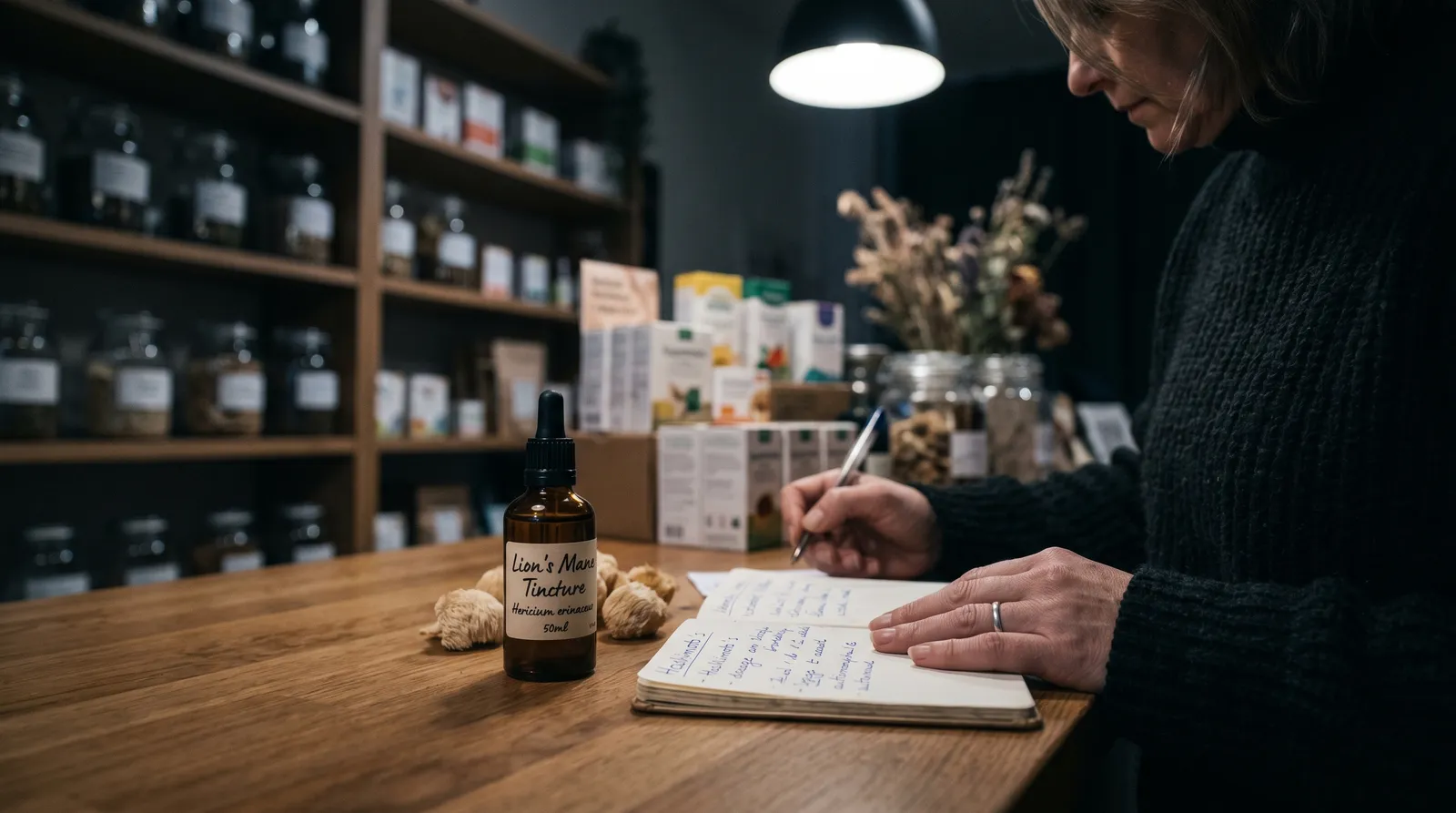
Lion's mane (Hericium erinaceus) is somewhat different. Its primary studied compounds — hericenones and erinacines — relate to nerve growth factor stimulation, not immune activation. Lion's mane does contain beta-glucans, but it is not typically categorised among the strongly immune-modulating species. The theoretical risk profile for autoimmune conditions is lower than for reishi or turkey tail, though data specifically examining lion's mane in autoimmune populations is essentially absent. If you want to order a mushroom supplement with a lower theoretical immune-activation profile, lion's mane is the species most commonly discussed in that context. The Azarius lion's mane extract product page includes compound breakdowns where available.
Cordyceps (Cordyceps militaris) occupies a middle ground. Some animal studies have reported immunomodulatory effects from cordycepin and polysaccharide fractions (Tuli et al., 2013), but the primary research interest in cordyceps has centred on metabolic and respiratory markers rather than immune activation. The concern is not zero, but it is less acute than with reishi or turkey tail. Cordyceps does carry a separate caution for people on blood-sugar-lowering medication.
Autoimmune Risk Comparison by Species
The following table summarises the theoretical autoimmune risk level for each commonly supplemented functional mushroom species, based on the strength of documented immune-activating compounds.
| Species | Primary Immune-Active Compounds | Theoretical Autoimmune Risk Level | Main Concern |
|---|---|---|---|
| Reishi (G. lucidum) | Beta-glucans, triterpenes | Higher | Potent macrophage/lymphocyte activation + anticoagulant effects |
| Turkey tail (T. versicolor) | PSK, PSP (polysaccharopeptides) | Higher | Well-documented immune-cell activation in clinical research |
| Maitake (G. frondosa) | D-fraction, grifolan | Moderate–Higher | Dendritic cell maturation, T-helper activation |
| Shiitake (L. edodes) | Lentinan | Dose-dependent | Culinary doses likely low risk; concentrated extracts raise concern |
| Cordyceps (C. militaris) | Cordycepin, polysaccharides | Moderate | Some immunomodulatory data; primary research focus is metabolic |
| Lion's mane (H. erinaceus) | Hericenones, erinacines | Lower | Primary compounds target NGF, not immune activation |
| Tremella (T. fuciformis) | Polysaccharides (hydration-focused) | Lower | Studied mainly for skin hydration, not immune stimulation |
Beta-Glucan Delivery by Product Format
| Product Format | Typical Beta-Glucan Delivery | Relevance to Autoimmune Risk |
|---|---|---|
| Culinary whole mushroom | Low | Unlikely to reach pharmacologically meaningful immune-activation thresholds |
| Mycelium-on-grain powder | Low–Moderate | Diluted by grain starch; beta-glucan content often unverified |
| Fruiting body powder (non-extracted) | Moderate | Contains beta-glucans but bioavailability limited without extraction |
| Hot-water extract | High | Concentrates polysaccharides including beta-glucans — highest immune-activation concern |
| Dual extract (hot-water + alcohol) | High | Delivers both polysaccharides and triterpenes — broadest compound profile |
| Alcohol-only tincture | Low (polysaccharides) | Concentrates triterpenes/sterols, not beta-glucans — lower immune-activation concern |
The Immunosuppressant Conflict
Beta-glucan-rich mushroom supplements may activate the very immune pathways that immunosuppressive medications are designed to suppress. If you are taking medication designed to suppress your immune system, consuming supplements that may activate your immune system works against the purpose of your medication. Methotrexate, tacrolimus, ciclosporin, and corticosteroids are prescribed to reduce immune activity. Beta-glucan-rich mushroom extracts have been studied specifically because they increase immune activity. Those two goals are in direct opposition.
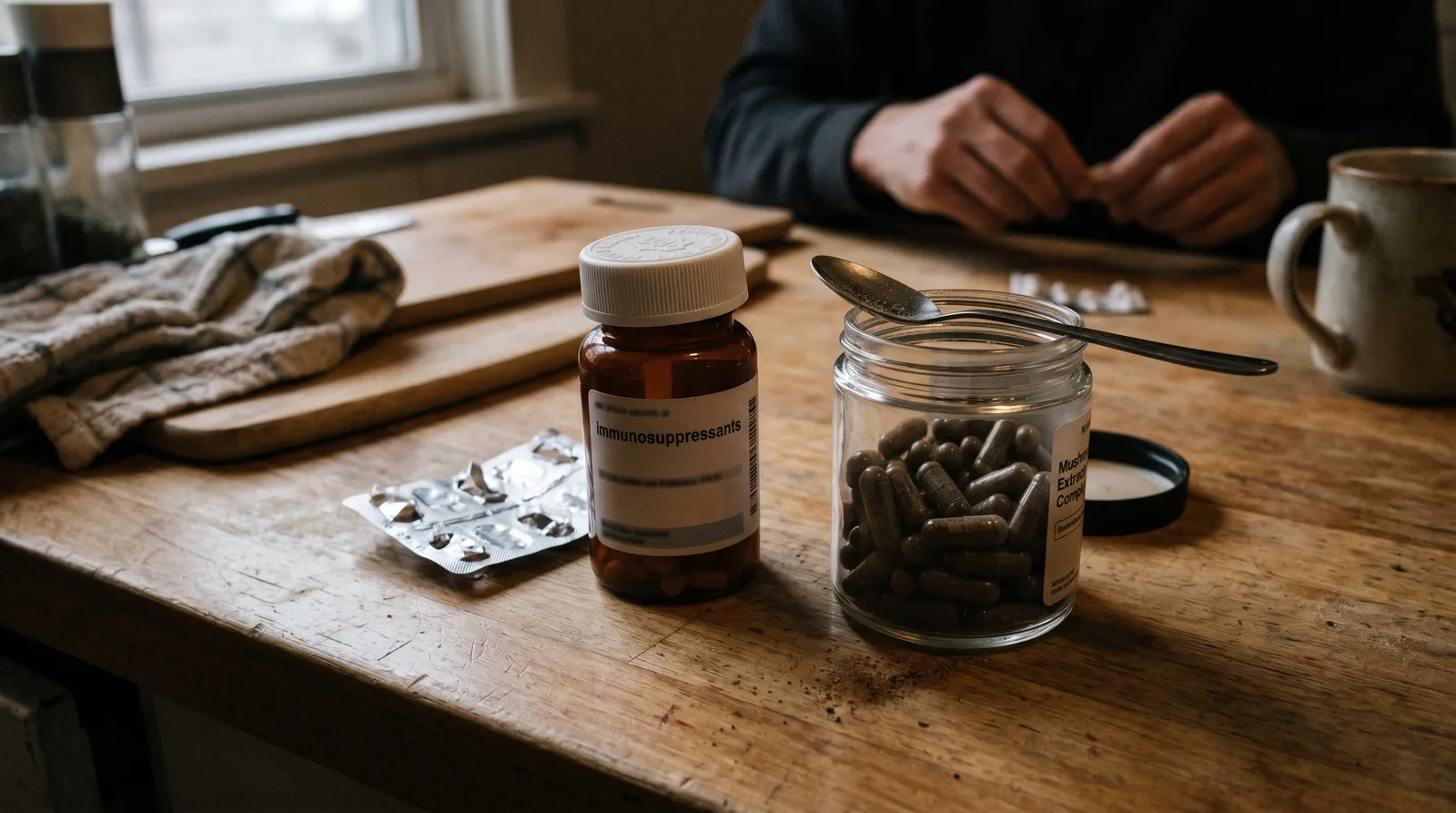
No published clinical trial has directly measured the interaction between, say, a standardised reishi extract and tacrolimus blood levels or efficacy in a transplant or autoimmune population. The absence of data does not mean the interaction is harmless — it means no one has formally tested it. Given the mechanistic conflict, the responsible position is to flag this as a real concern, not a hypothetical one.
For anyone taking immunosuppressive medication, the Azarius wiki article on drug interactions between functional mushrooms and common medications covers the specific combinations in more detail. The Azarius blog post on general safety considerations for mushroom supplementation is also worth reading. You can also browse the Azarius functional mushroom category page to see which products list beta-glucan content, and individual product pages such as the Azarius lion's mane extract page include compound breakdowns where available.
One conversation sticks with us: a customer with rheumatoid arthritis told us she had been taking a high-dose reishi dual extract for three months without telling her rheumatologist. She had read online that reishi "balances" the immune system and assumed that meant it would help. When her next blood panel showed elevated inflammatory markers, her doctor increased her methotrexate dose. She only mentioned the reishi afterwards. We cannot say the reishi caused the flare — correlation is not causation, and a single anecdote is not data — but the story illustrates exactly why the autoimmune conditions mushrooms question matters. The mechanistic concern is not abstract when someone's medication dose gets adjusted because of an undisclosed supplement.
Another customer recently asked us whether he could get a cordyceps extract to support his energy levels while managing ulcerative colitis. We walked him through the compound profile — cordycepin plus polysaccharides — and suggested he bring the product's beta-glucan content information to his gastroenterologist before placing an order. He came back a week later and told us his doctor had approved a low-dose cordyceps trial with monitoring. That felt like the right process: informed decision, medical oversight, not just clicking "add to cart" and hoping for the best.
A third interaction worth mentioning: a customer with psoriatic arthritis emailed asking whether she could safely order tremella extract for skin hydration. Tremella is one of the lower-risk species in terms of immune activation — its polysaccharides are studied primarily for moisture retention rather than macrophage stimulation — but we still recommended she discuss it with her dermatologist before purchasing. She appreciated that we did not just push the sale, and her doctor ended up giving a cautious green light with quarterly bloodwork monitoring. That kind of loop — customer question, honest information, medical consultation, informed decision — is what we think responsible retailing looks like in this space.
We will also be honest about a limitation of this article: we are a retailer with an interest in selling mushroom products, and that creates an inherent bias. We have tried to present the evidence as it stands — including the parts that might discourage a purchase. But you should weigh our perspective accordingly and seek independent medical advice.
An Honest Comparison: How We Stack Up Against the Usual Advice
Most supplement retailers either ignore the autoimmune conditions mushrooms question entirely or offer a vague "consult your doctor" footnote buried at the bottom of a sales page. We think that is insufficient. Compared to the typical online supplement store, this page goes further in laying out the mechanistic concerns, naming the specific species and compounds involved, and acknowledging the gaps in the evidence base. That said, we are still not a medical resource — and compared to a rheumatologist or immunologist who knows your specific condition, bloodwork, and medication regimen, our perspective is necessarily limited. The European Medicines Agency (EMA) has issued specific contraindication guidance for echinacea in autoimmune conditions (EMA, 2015), but no equivalent regulatory assessment exists yet for mushroom beta-glucans. Until it does, the precautionary principle applies.
What the Research Has Not Answered
Most critical questions about autoimmune conditions and mushroom supplementation remain unanswered — and naming those gaps honestly is more useful than glossing over them. Several questions are open:
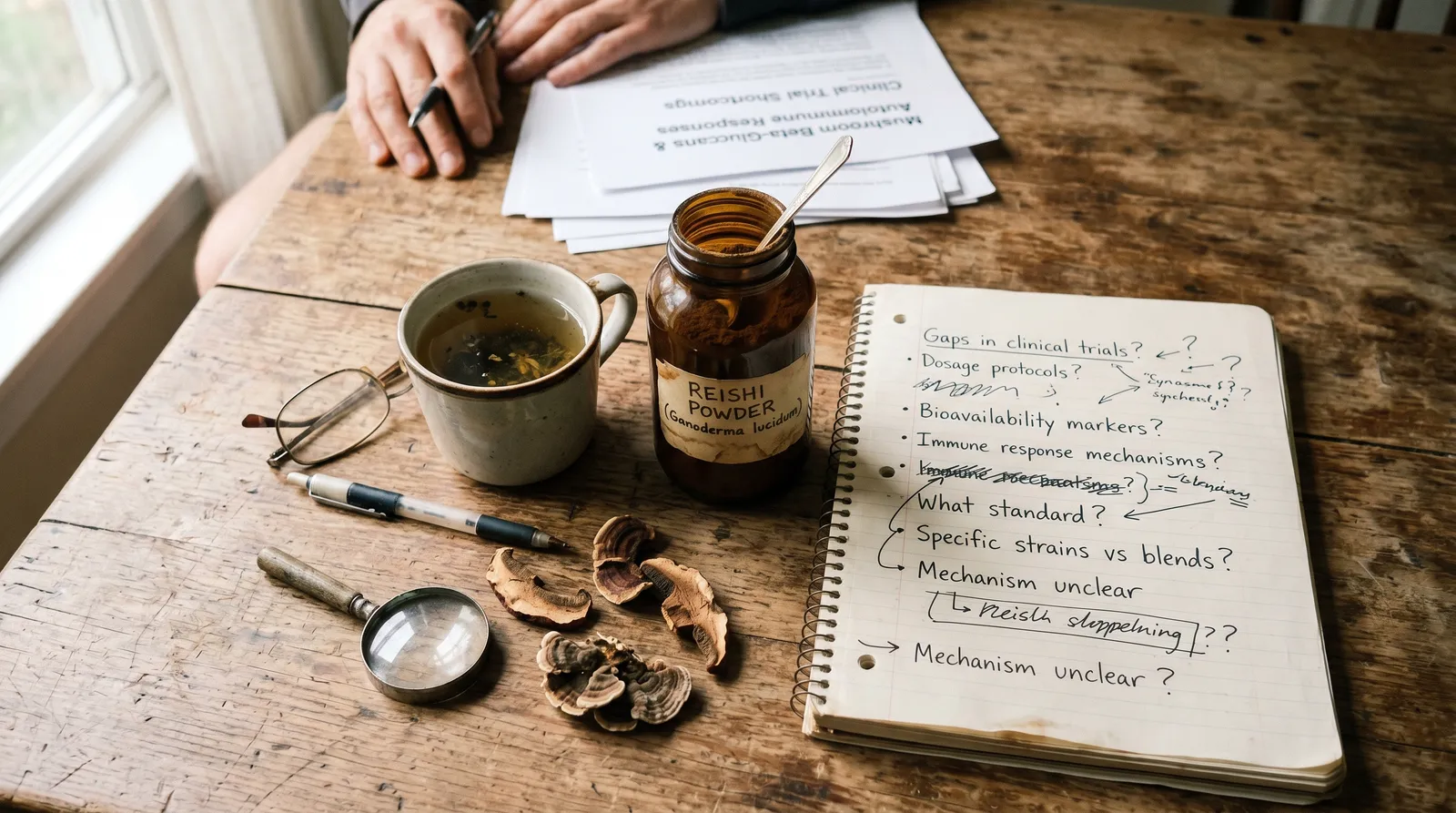
- Dose thresholds: Is there a dose of beta-glucans below which immune activation is negligible? Probably, but no study has mapped this in autoimmune populations.
- Extract source matters: Mycelium-on-grain products typically contain substantially lower beta-glucan concentrations than fruiting-body extracts, and higher starch content from the grain substrate. Whether this difference is meaningful for autoimmune risk is unknown — but it is a variable that should not be ignored. Research findings from one preparation do not transfer automatically to another.
- Extraction method matters: Hot-water extraction concentrates polysaccharides (including beta-glucans), while alcohol extraction concentrates triterpenes and sterols. A dual-extracted reishi product delivers a different compound profile than an alcohol-only tincture. The immune-activation concern is primarily about polysaccharides, so the extraction method is directly relevant to the risk profile.
- Condition specificity: Autoimmune conditions are not a single disease. The immune dysregulation in Hashimoto's thyroiditis is different from that in Crohn's disease or psoriasis. Whether beta-glucan immune modulation interacts differently with different autoimmune mechanisms has not been studied.
- The "immunomodulation" claim: Some researchers and manufacturers argue that beta-glucans modulate rather than simply stimulate — that they can upregulate underactive immunity and downregulate overactive immunity. A small number of in-vitro studies have explored effects on regulatory T cells that could theoretically support this claim (Guggenheim et al., 2014), but the evidence is preliminary, and no clinical trial has demonstrated this bidirectional effect in humans with autoimmune disease.
How Mushroom Beta-Glucans Compare to Other Immune Supplements
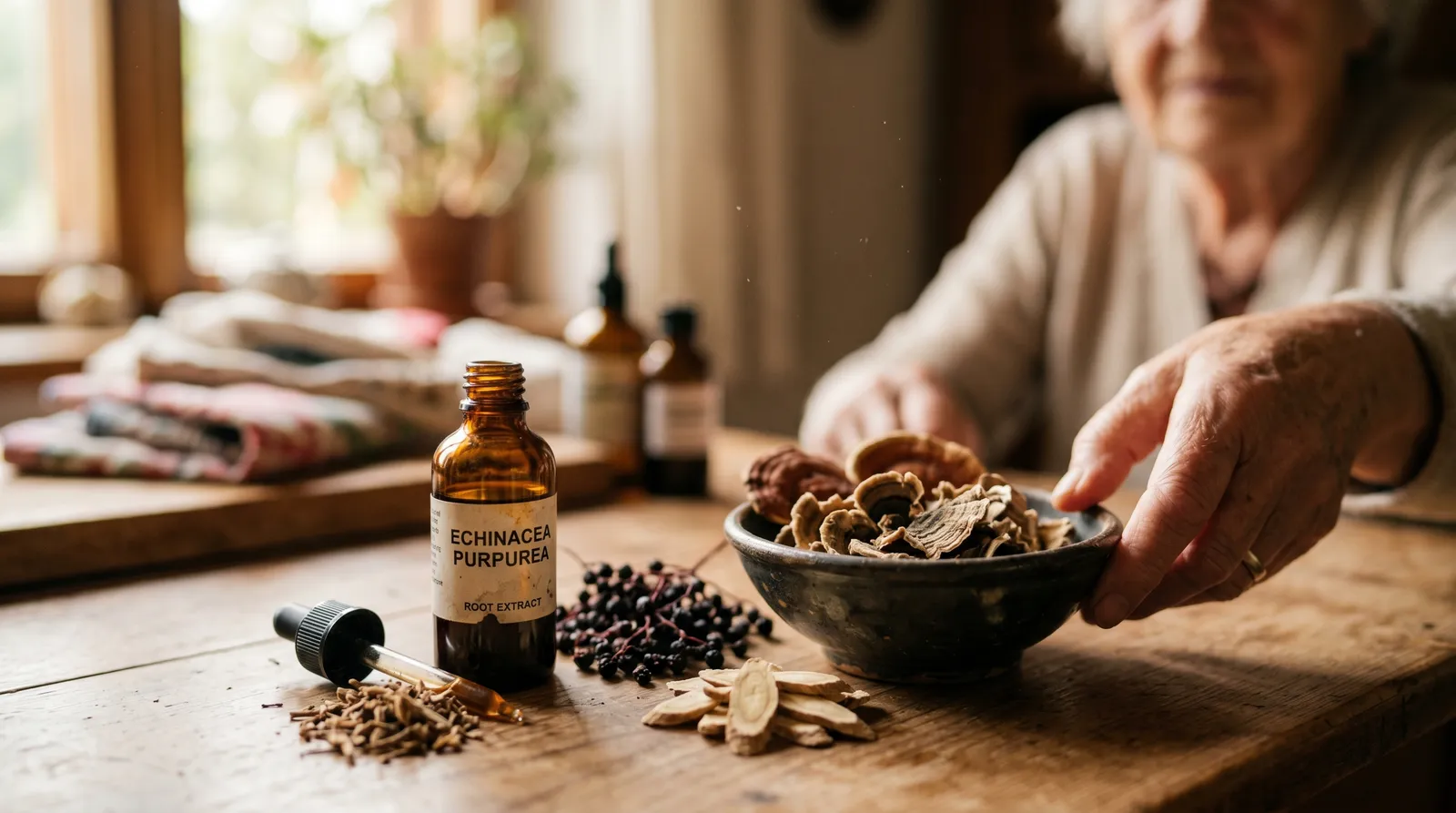
Mushroom beta-glucans are not the only supplements that raise concerns for autoimmune conditions — echinacea, elderberry, and astragalus all carry similar theoretical risks of immune stimulation. The difference is that mushroom beta-glucans have a more extensively documented mechanism of action through Dectin-1 receptor binding on macrophages and dendritic cells. Echinacea, by comparison, has a less clearly defined immune-activation pathway but has been more explicitly flagged in clinical guidance for autoimmune patients. Astragalus polysaccharides share structural similarities with fungal beta-glucans and carry overlapping concerns. The European Medicines Agency (EMA) has noted that echinacea preparations are contraindicated in progressive systemic diseases including autoimmune disorders (EMA, 2015) — a level of regulatory specificity that has not yet been applied to mushroom supplements, largely because the regulatory bodies have not evaluated them in this context rather than because they are safer. The EMCDDA drug profiles database does not currently cover functional mushroom supplements, which reflects their regulatory grey area rather than an established safety profile.
Practical Considerations if You Want to Buy Mushroom Supplements
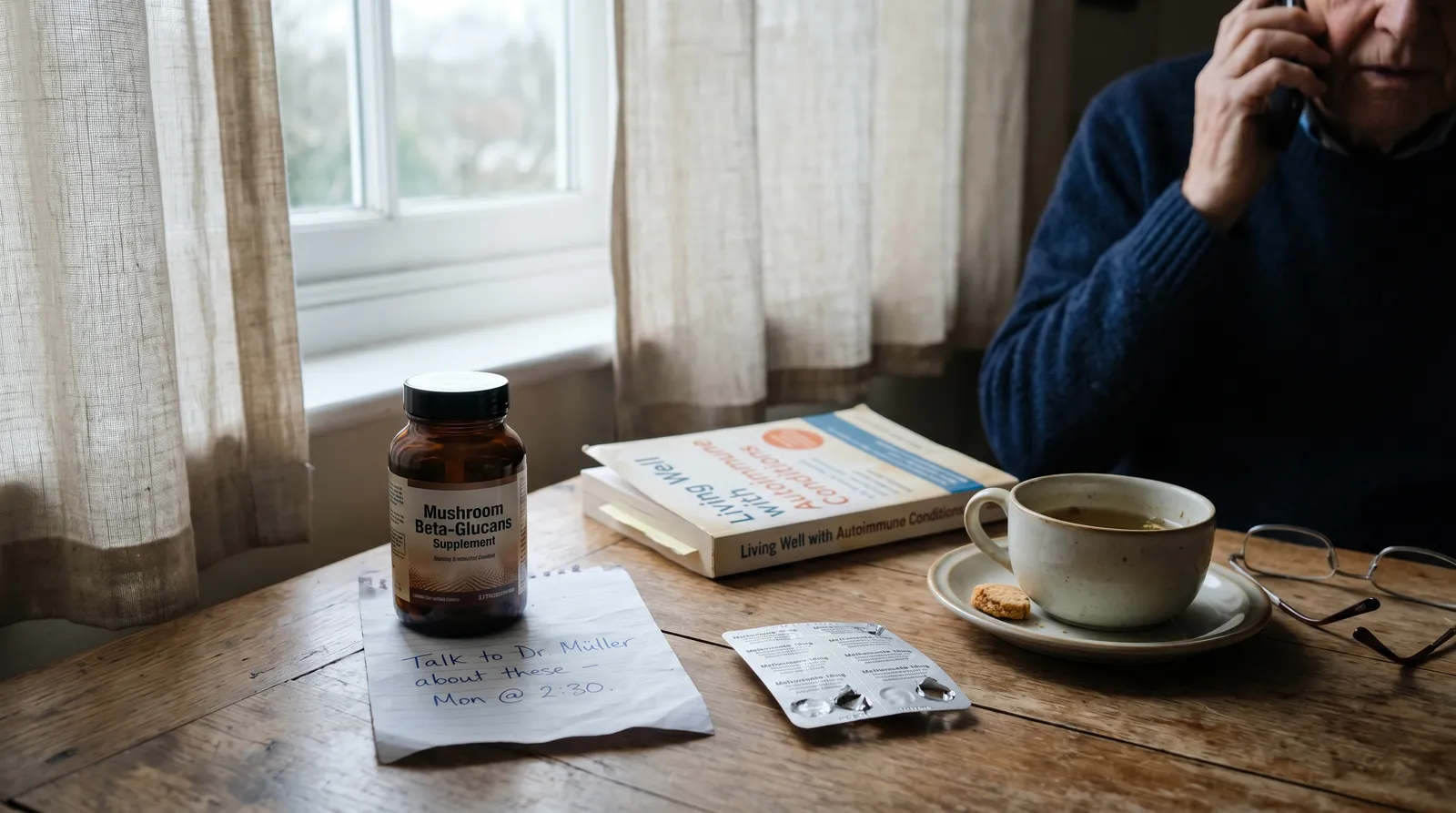
The most important practical step is to consult your prescribing physician before adding any beta-glucan-rich mushroom supplement to an autoimmune treatment regimen. If you have an autoimmune condition and are interested in functional mushrooms, a few points are worth keeping in mind:
The species with the strongest immune-modulating profiles — reishi, turkey tail, maitake, and shiitake at high supplemental doses — carry the most theoretical risk. Lion's mane and tremella, whose primary studied compounds relate to nerve growth factor and skin hydration respectively rather than immune activation, carry lower theoretical risk, though specific data in autoimmune populations is still lacking.
Product format and preparation directly affect what you are actually consuming. A culinary portion of shiitake is not the same as a concentrated hot-water extract capsule delivering a standardised beta-glucan percentage. The dose of immune-active polysaccharides differs by orders of magnitude. When you get a mushroom supplement, check whether it is fruiting body or mycelium-on-grain, and whether the extraction method is specified.
If you are on immunosuppressive medication — methotrexate, tacrolimus, ciclosporin, corticosteroids, or biologics — the mechanistic conflict between immune suppression and immune activation is real, not speculative. Speak with whoever prescribes your medication before adding any beta-glucan-rich supplement. The Azarius product pages for individual mushroom extracts list beta-glucan content where available, which can help inform that conversation. You can browse the full range on the Azarius functional mushroom category page.
Long-term safety data for chronic daily supplementation with functional mushroom extracts is limited in general populations, and essentially nonexistent for autoimmune populations specifically. That is not a reason to panic, but it is a reason to be cautious rather than cavalier. If you do decide to order a mushroom supplement after consulting your doctor, start with the lowest-risk species and the lowest available dose, and monitor for any changes in symptoms.
Last updated: April 2026
Frequently Asked Questions
10 questionsCan reishi make autoimmune symptoms worse?
Is lion's mane safer than reishi for autoimmune conditions?
Do mushroom beta-glucans balance the immune system or just stimulate it?
Can I take functional mushrooms while on methotrexate or tacrolimus?
Does the extraction method affect autoimmune risk from mushroom supplements?
Where can I buy functional mushroom supplements if I have an autoimmune condition?
Are turkey tail mushrooms safe for people with lupus or rheumatoid arthritis?
How long should I wait after an autoimmune flare before trying mushroom supplements?
Can cordyceps trigger autoimmune flares like other mushrooms might?
Should I stop functional mushrooms before autoimmune blood tests or biopsies?
About this article


Adam Parsons is an external cannabis and psychedelics writer and editor who contributes to Azarius's wiki as both author and reviewer. On the writing side, he authors Azarius's kratom and kanna clusters, drawing on exten
This wiki article was drafted with AI assistance and reviewed by Adam Parsons, External contributor. Editorial oversight by Joshua Askew.
Medical disclaimer. This content is for informational purposes only and does not constitute medical advice. Consult a qualified healthcare provider before use of any substance.
Last reviewed April 24, 2026
References (9)
- [1]Akramiene, D. et al. (2007). Effects of beta-glucans on the immune system. Medicina (Kaunas) , 43(8), 597–606.
- [2]Chan, G.C. et al. (2009). The effects of beta-glucan on human immune and cancer cells. Journal of Hematology & Oncology , 2, 25.
- [3]Cör, D. et al. (2018). Antitumour, antimicrobial, antioxidant and antiacetylcholinesterase effect of Ganoderma lucidum terpenoids and polysaccharides: a review. Molecules , 23(3), 649. DOI: 10.3390/molecules23030649
- [4]European Medicines Agency (EMA). (2015). European Union herbal monograph on Echinacea purpurea . EMA/HMPC/48704/2014.
- [5]Guggenheim, A.G. et al. (2014). Immune modulation from five major mushrooms: application to integrative oncology. Integrative Medicine , 13(1), 32–44.
- [6]Jacobson, D.L. et al. (1997). Epidemiology and estimated population burden of selected autoimmune diseases in the United States. Clinical Immunology and Immunopathology , 84(3), 223–243. DOI: 10.1006/clin.1997.4412
- [7]Kodama, N. et al. (2003). Can maitake MD-fraction aid cancer patients? Alternative Medicine Review , 8(3), 269–274.
- [8]Saleh, M.H. et al. (2017). Immunomodulatory properties of Coriolus versicolor : the role of polysaccharopeptide. Frontiers in Immunology , 8, 1087. DOI: 10.3389/fimmu.2017.01087
- [9]Tuli, H.S. et al. (2013). Pharmacological and therapeutic potential of Cordyceps with special reference to cordycepin. 3 Biotech , 4(1), 1–12. DOI: 10.1007/s13205-013-0121-9
Related Articles

Medicinal Mushrooms TCM Western Pharmacognosy Guide
Guide to medicinal mushrooms TCM Western pharmacognosy — how reishi, lion's mane, cordyceps are classified, extracted, and studied.
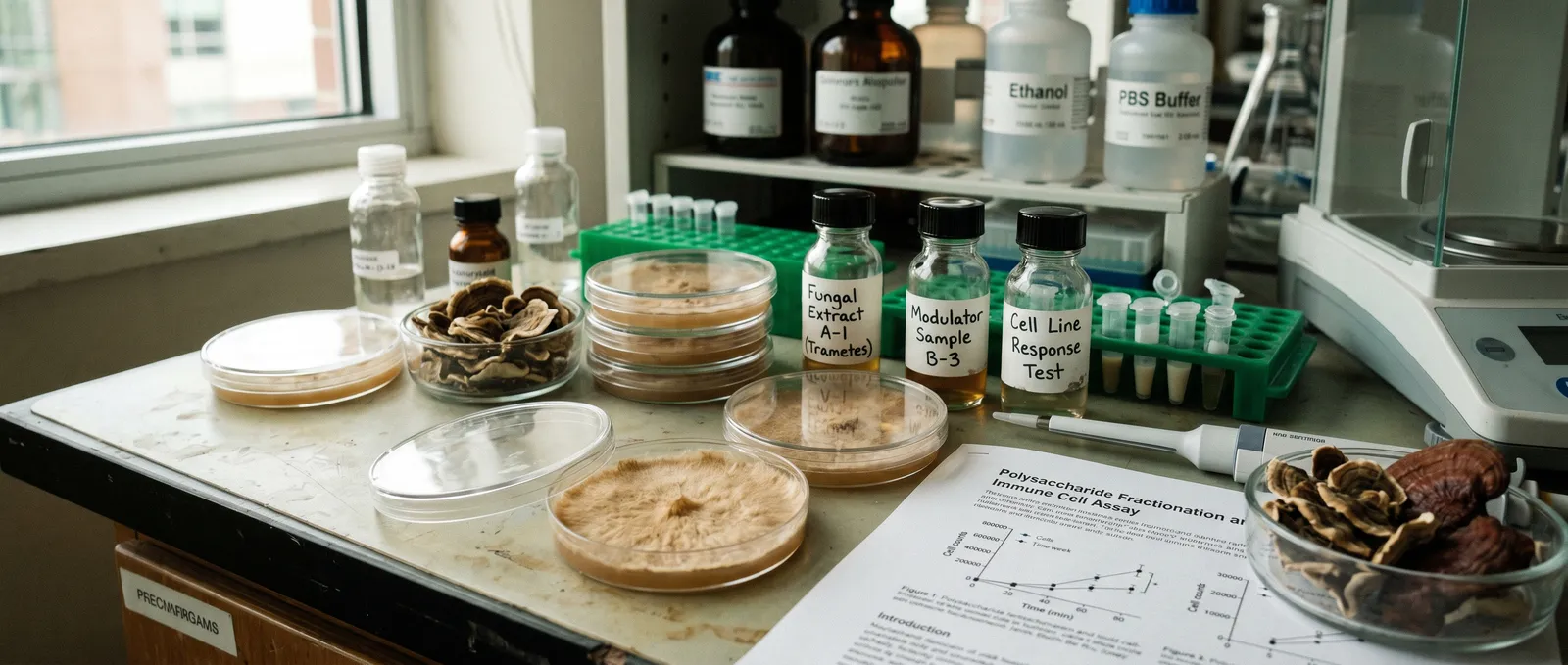
Research on Immune Modulation by Functional Mushrooms
What does research on immune modulation by functional mushrooms actually show? Beta-glucans, Dectin-1 signalling, human trials, and the honest gap...
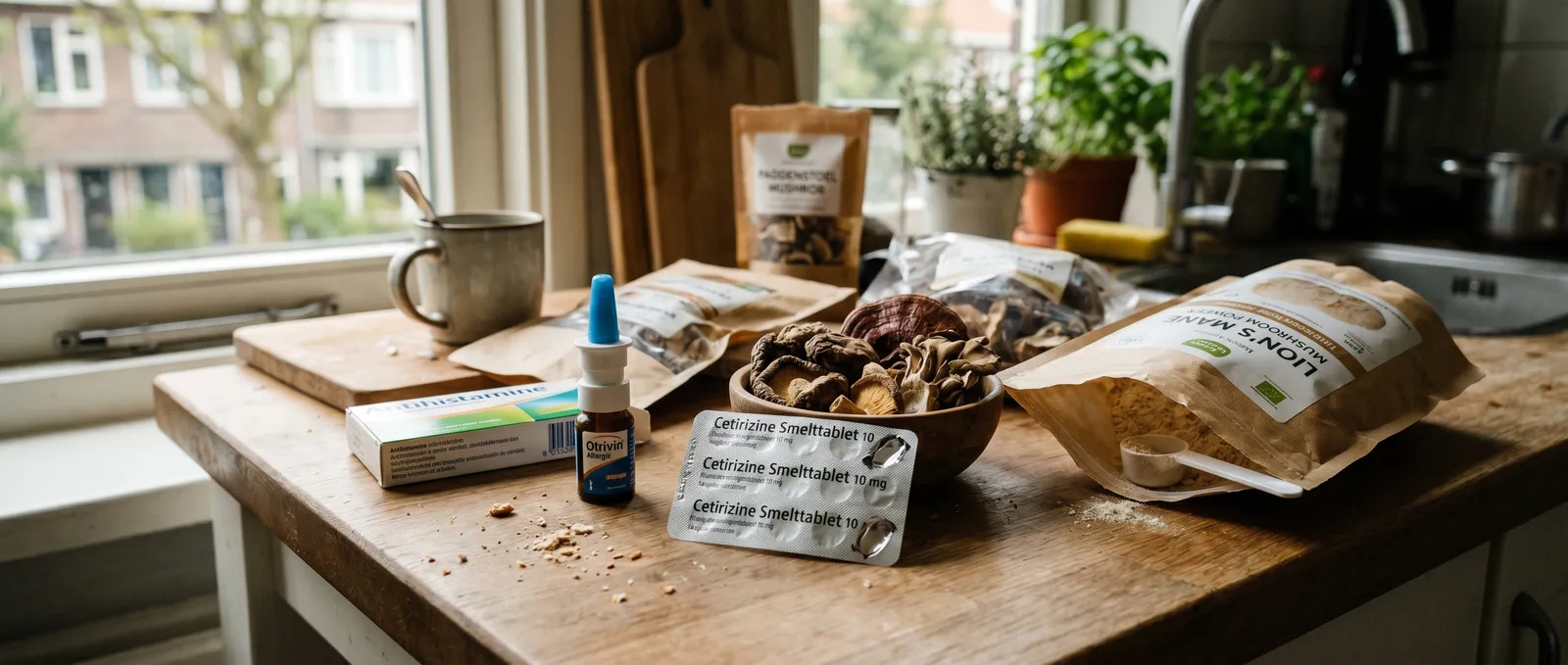
Allergic Reactions & Mushroom Sensitivities
Understand allergic reactions and mushroom sensitivities: mould cross-reactivity, shiitake dermatitis, species-specific risks, and safer product…
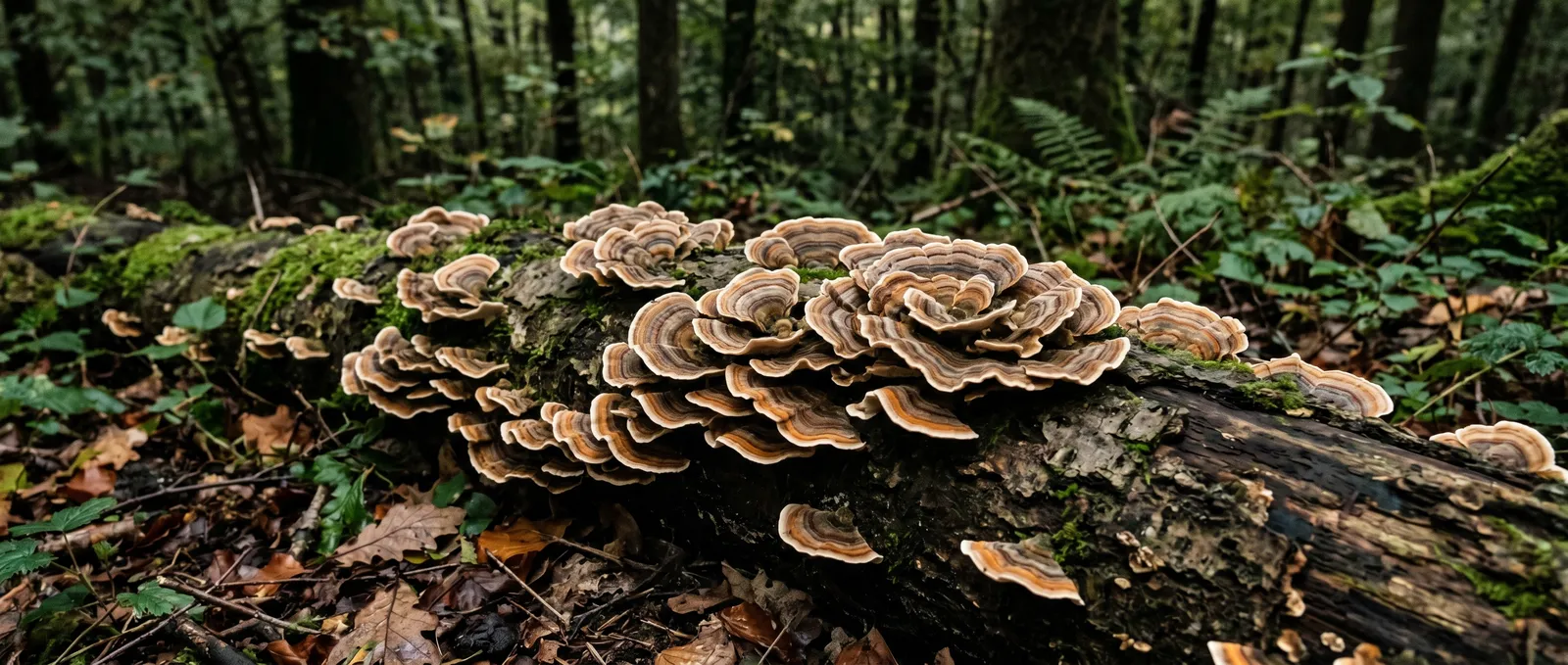
Turkey Tail Trametes versicolor — Buy Supplements
Buy turkey tail Trametes versicolor supplements at Azarius. PSK and PSP evidence, beta-glucan dosage, extraction methods, and safety.
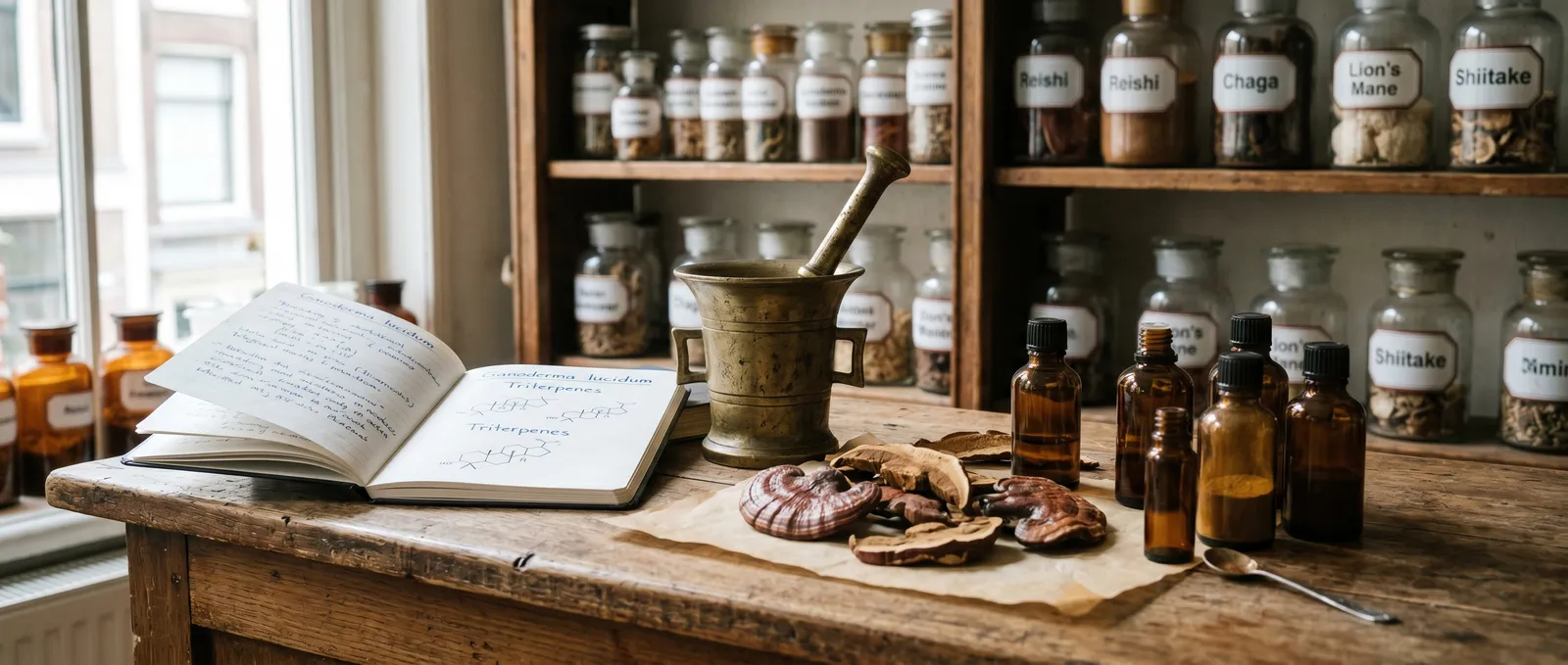
Triterpenes In Medicinal Mushrooms
Triterpenes in medicinal mushrooms are a class of 30-carbon terpenoid compounds produced as secondary metabolites by several functional mushroom species…
Chaga Siberian Nordic Folk Use
Chaga Siberian Nordic folk use is a centuries-old tradition in which indigenous Siberians and Nordic communities brewed the birch-parasitising fungus…
Red and Black Reishi Varieties
Red reishi (Ganoderma lucidum) and black reishi (Ganoderma sinense) both fall under the lingzhi umbrella in traditional Chinese medicine, but they differ in…
Lion's Mane Identification & Habitat
Hericium erinaceus is a tooth fungus that fruits as a single white, spine-covered mass on wounded or dead hardwood trees.
Cordyceps Lifecycle
The cordyceps lifecycle is a parasitic biological sequence in which a fungus infects an insect host, colonises its body from within, and erupts as a…