
Herbshop
An herb shop online is a specialty retailer focused on botanicals, traditional seeds, and plant-based extracts — not a supermarket aisle with dusty spice jars. Azarius has operated as exactly that kind of shop since 1999, shipping across the EU for over 25 years. If you're here, you're looking for dried leaves, raw seeds, concentrated resins, wellness powders, or something in between. Start by preparation method or potency, and you'll find what you need fast.
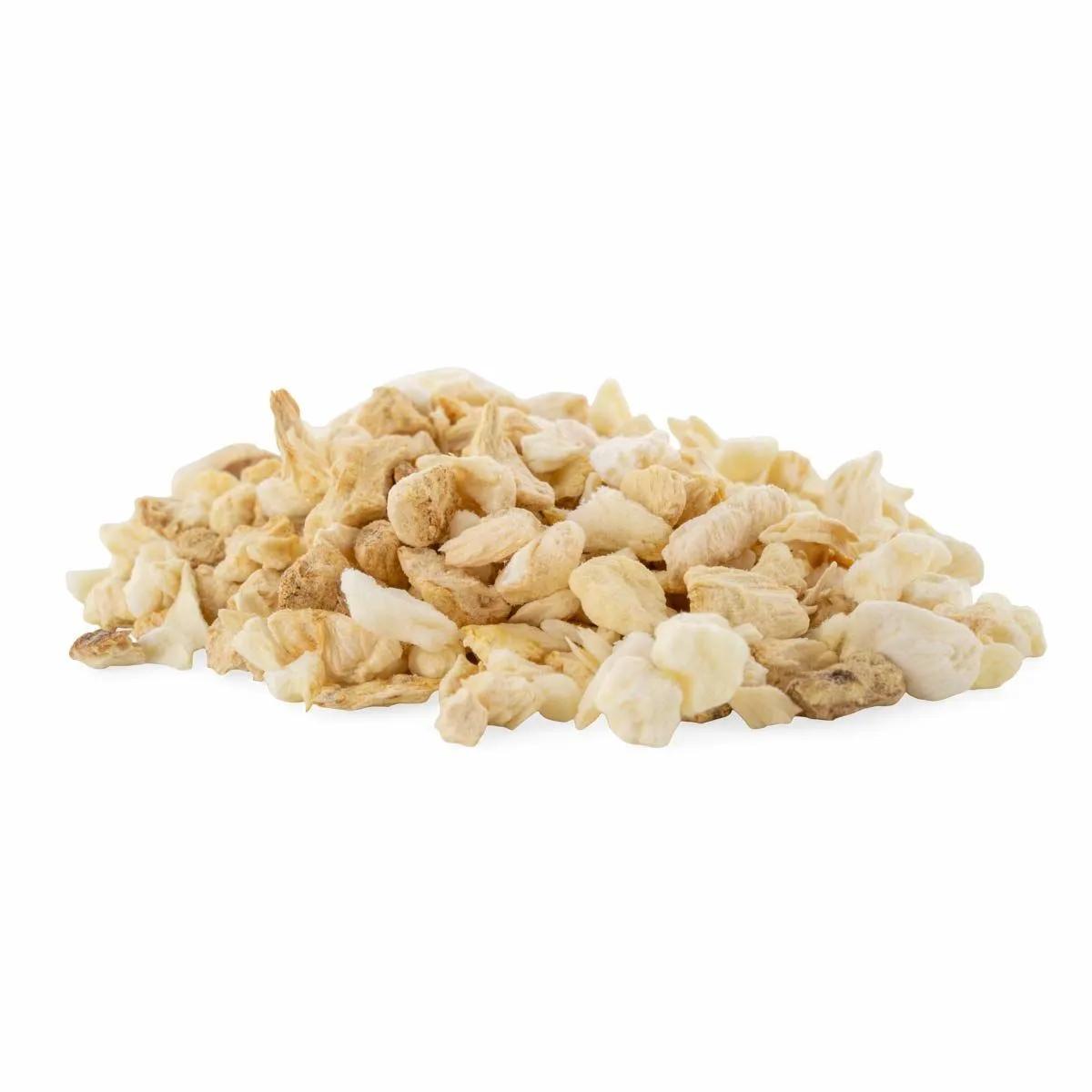
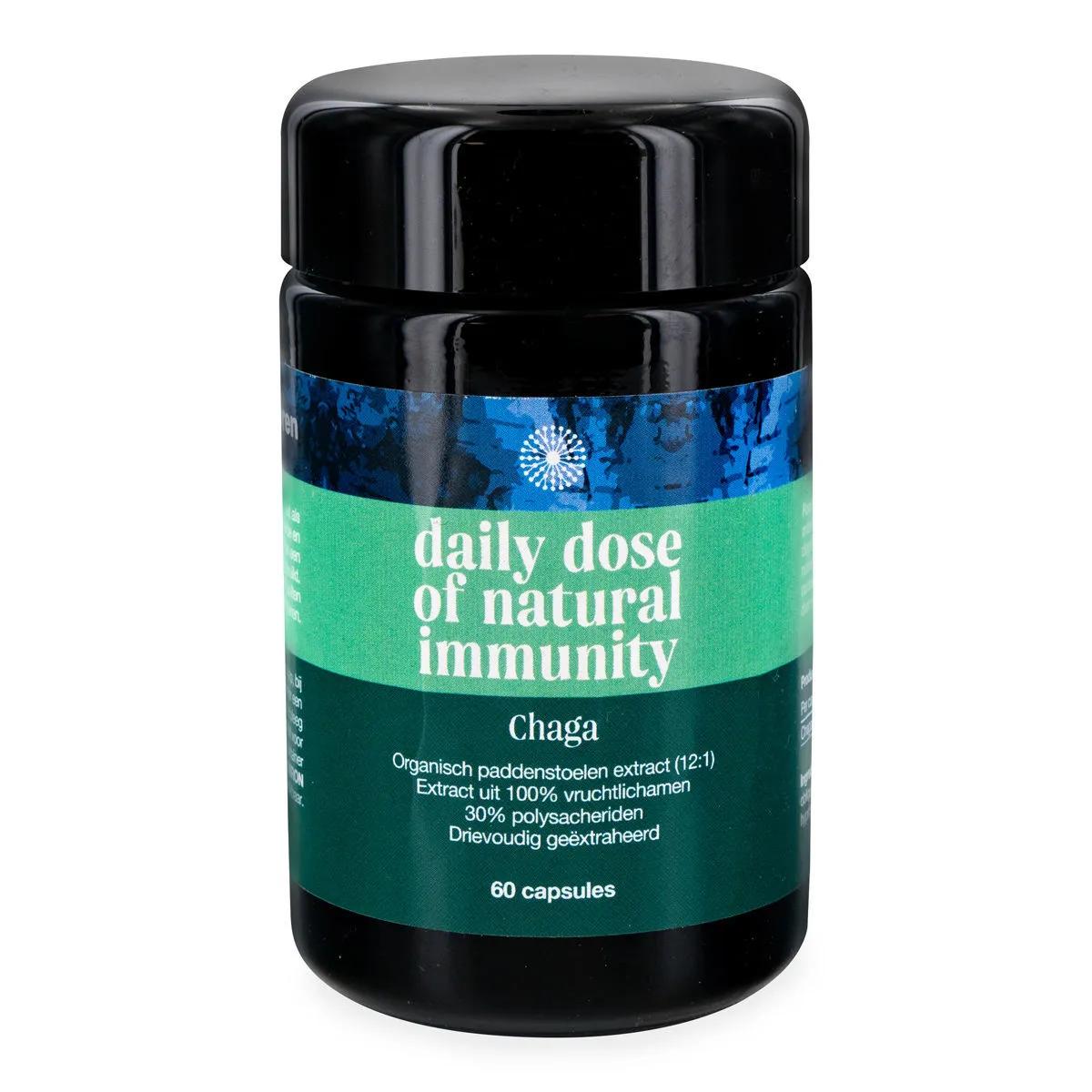
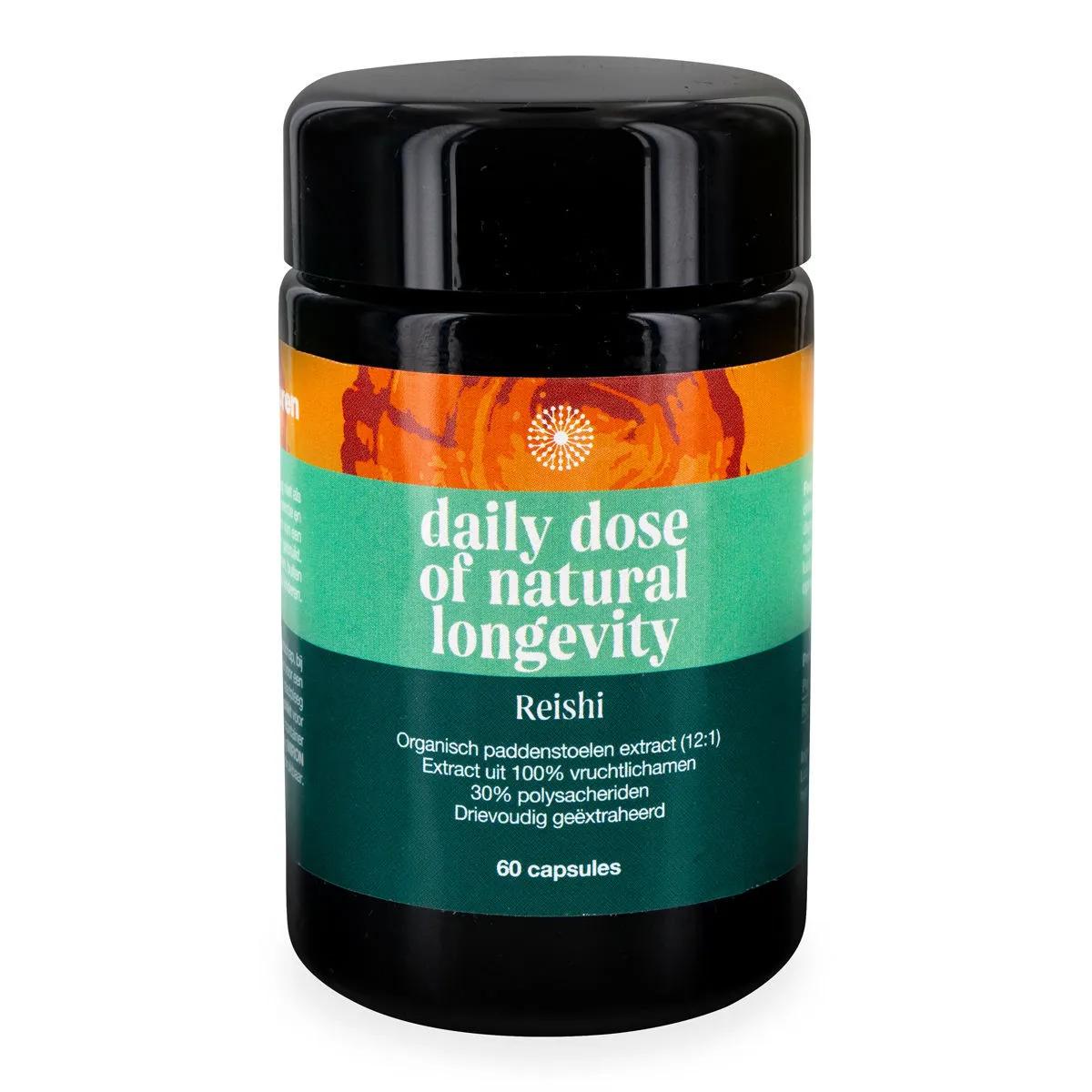
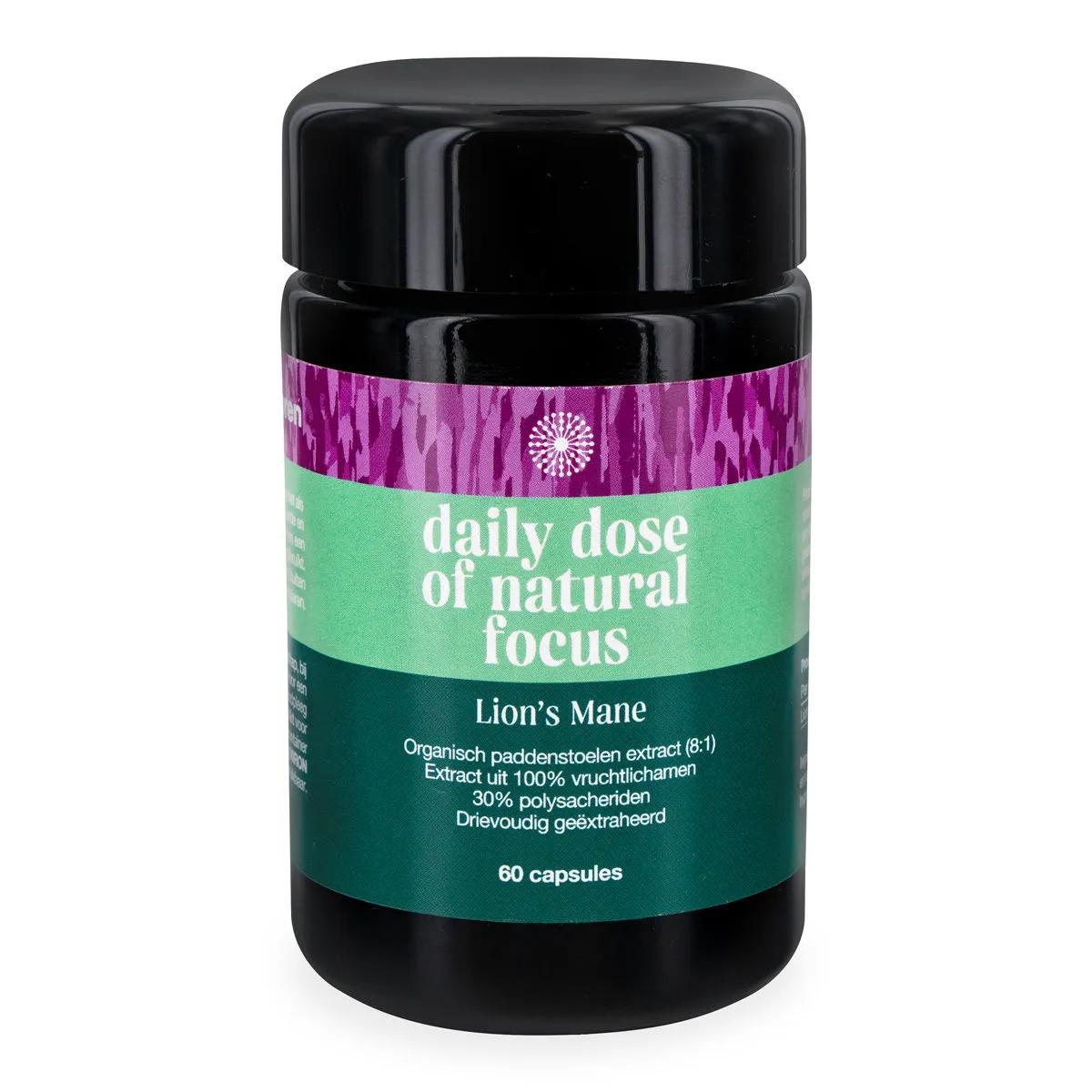
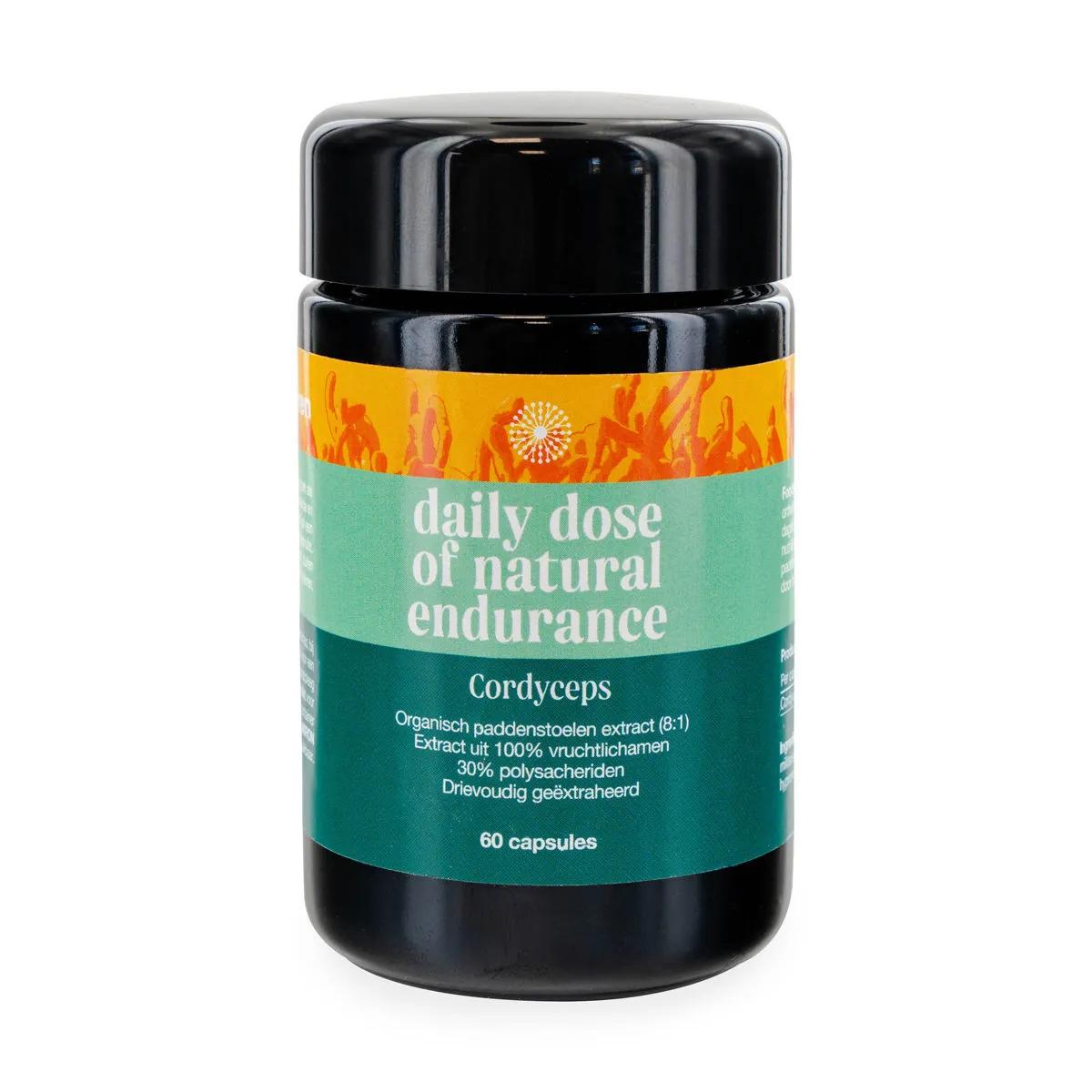
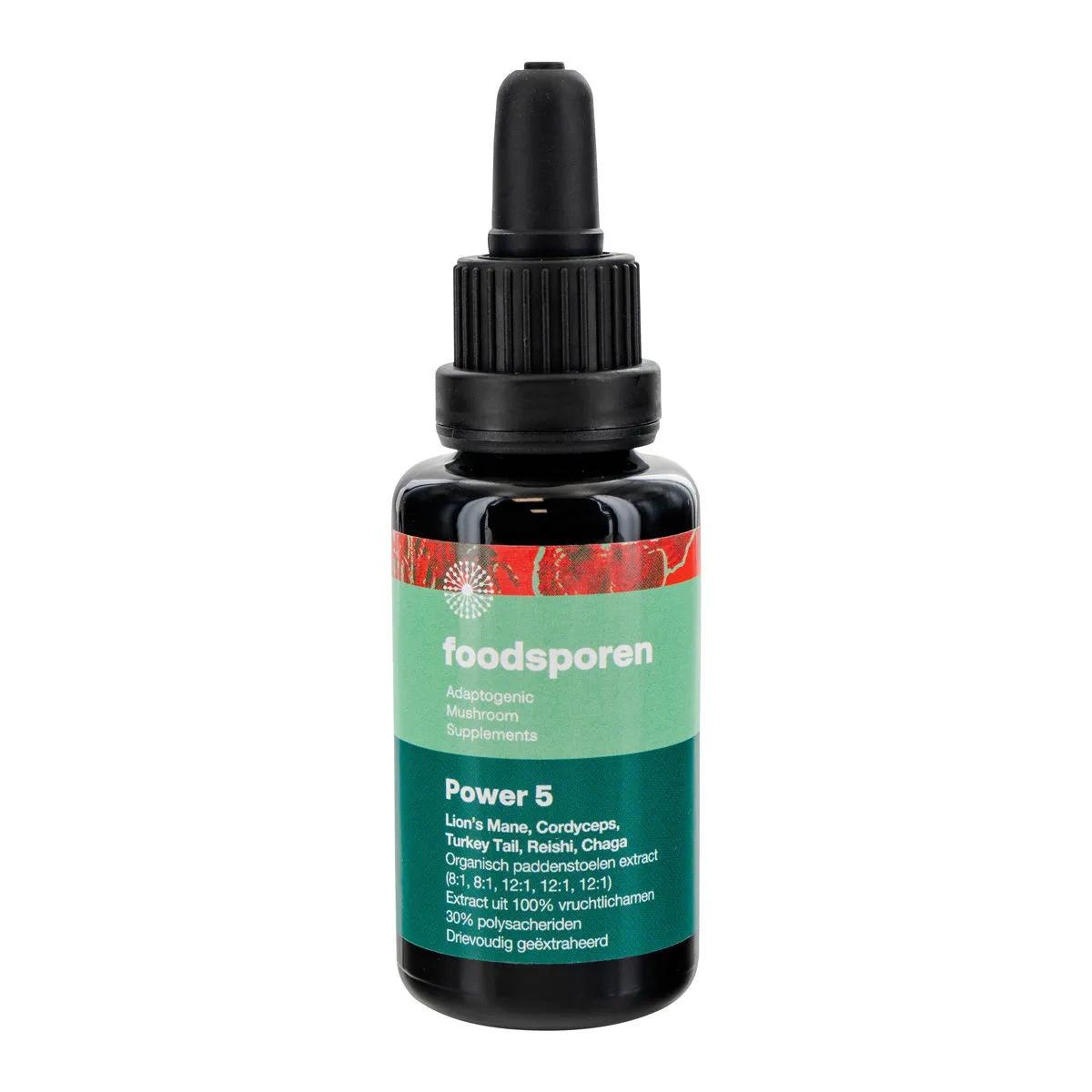
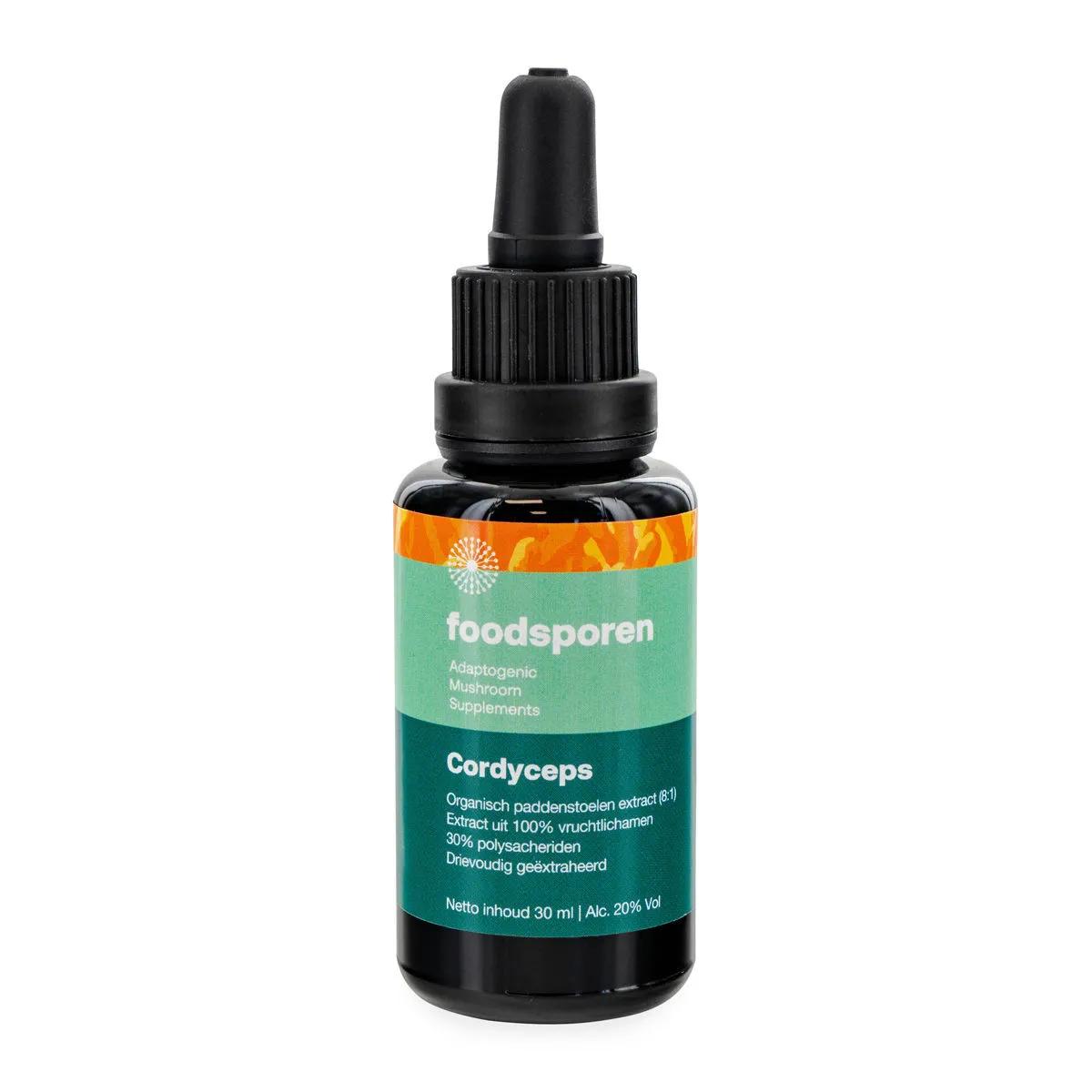
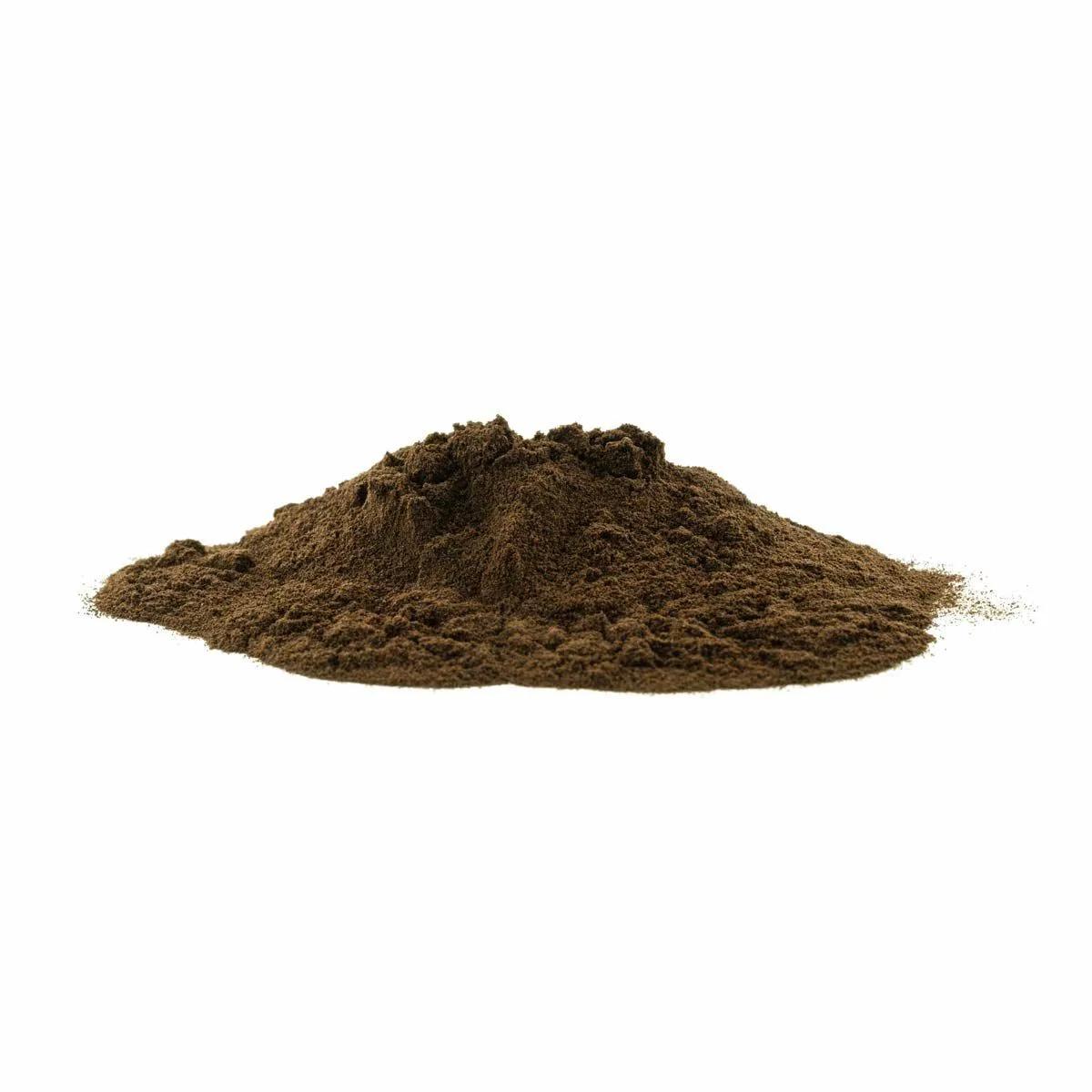
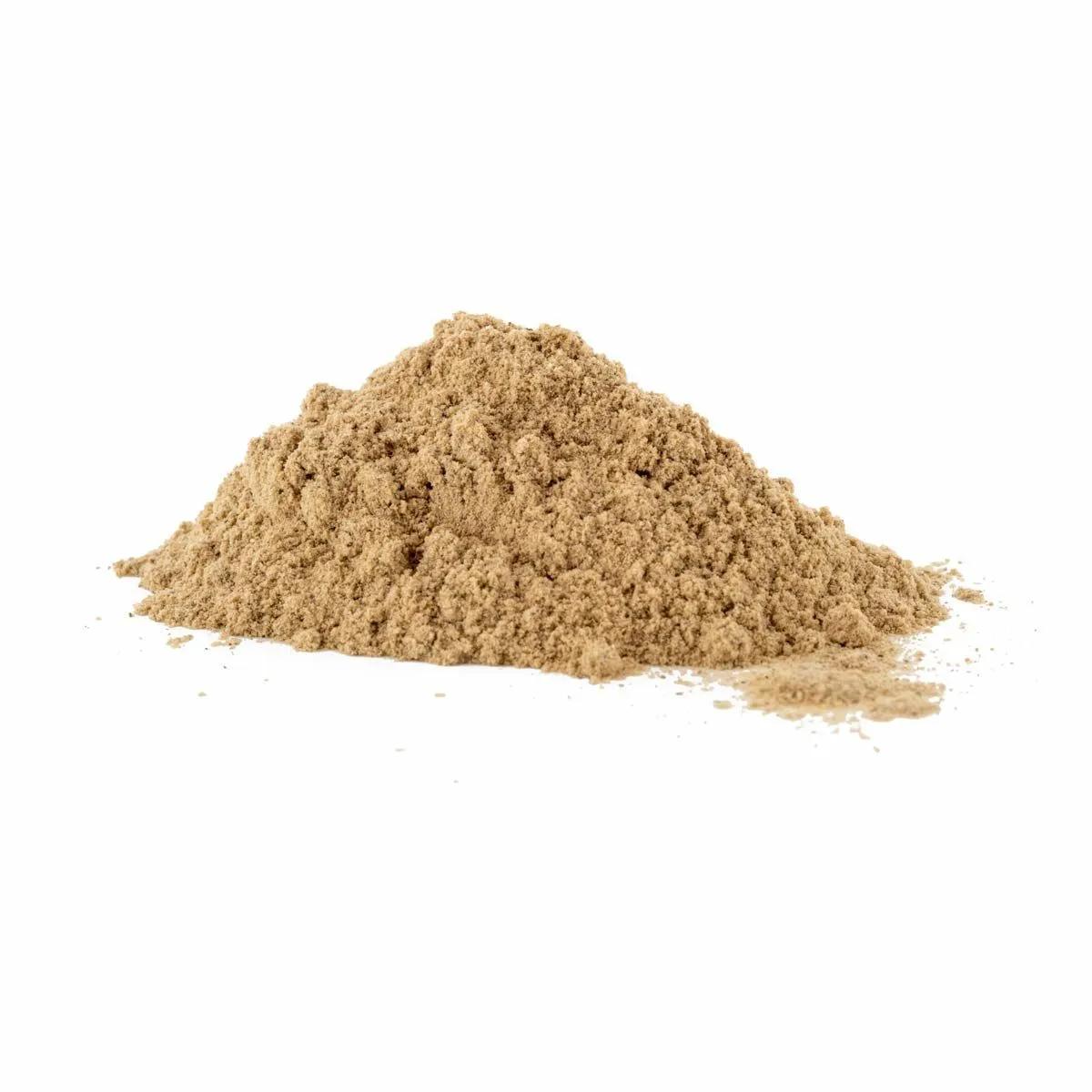
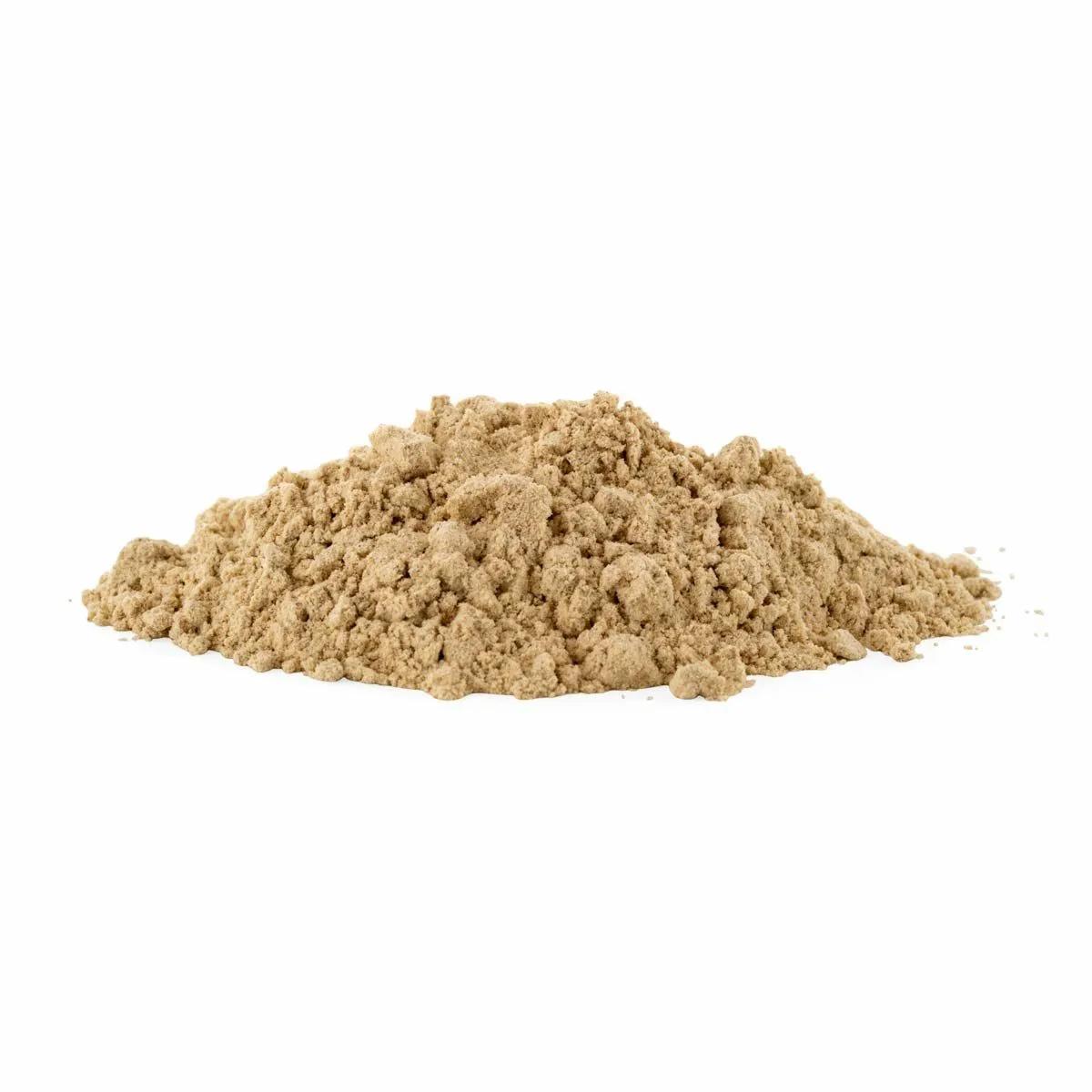
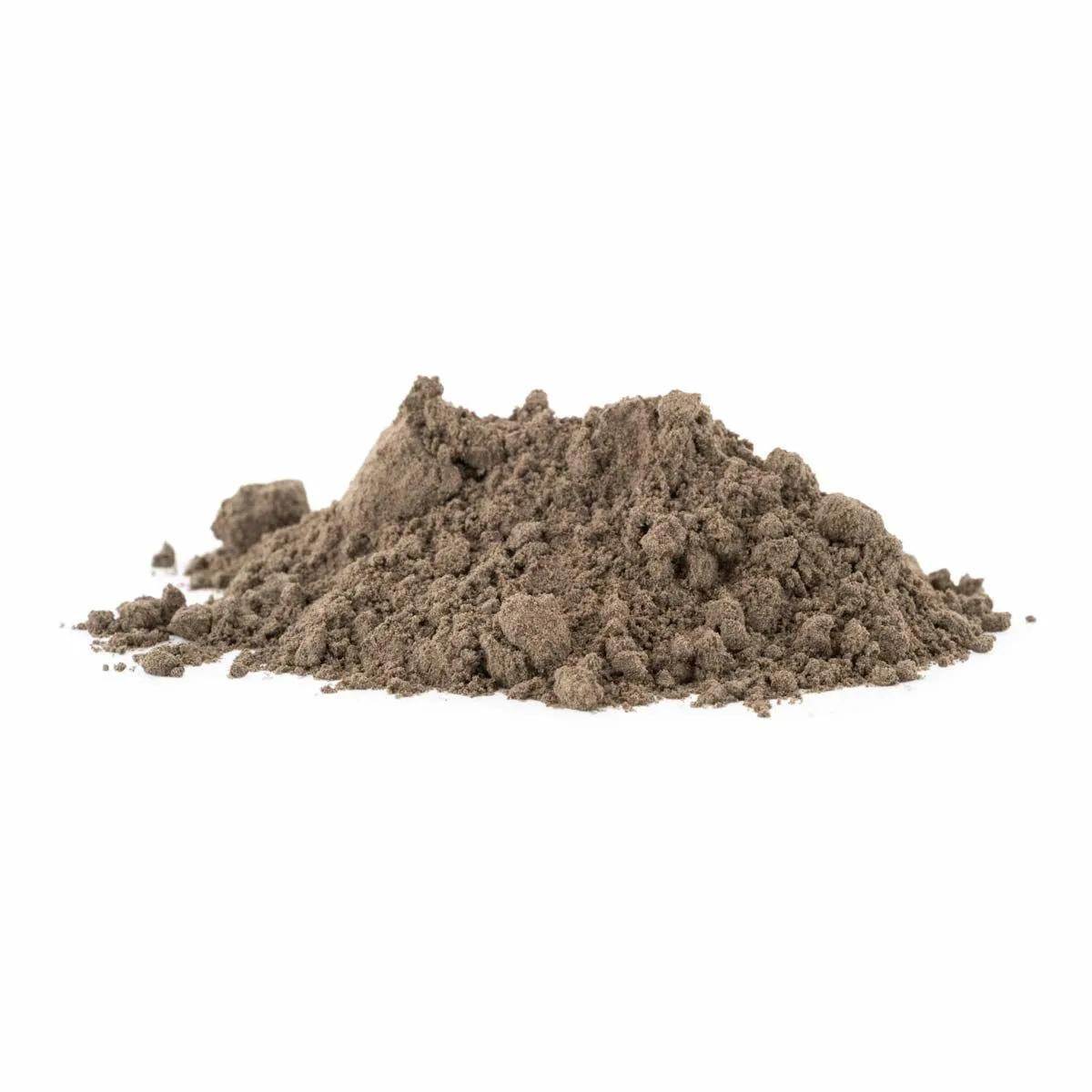
An herb shop online is a specialty retailer focused on botanicals, traditional seeds, and plant-based extracts — not a supermarket aisle with dusty spice jars. Azarius has operated as exactly that kind of shop since 1999, shipping across the EU for over 25 years. If you're here, you're looking for dried leaves, raw seeds, concentrated resins, wellness powders, or something in between. Start by preparation method or potency, and you'll find what you need fast.
Herb Shop Online — What We Stock & How to Choose
Every item in this category falls into one of four forms, each suited to a different preparation style and experience level. The table below is the quickest way to orient yourself across our 27 distinct botanical products.
| Type | Potency / Concentration | Best For | Prep Method |
|---|---|---|---|
| Raw Seeds | Variable (plant-dependent alkaloid content) | Traditional preparation, experienced users | Grinding, powdering, careful weighing |
| Dried Leaves | Mild to moderate (whole-plant potency) | Evening teas, gentle relaxation | Infusion at 80–90°C for 10–15 minutes |
| Extracts & Powders | 15x to 25x concentration | Precise dosing, stronger effects | Measured doses, blending into drinks |
| Resins & Liquids | 15x (liquid), 20x (resin) | Convenience or long shelf life | Direct mixing (liquid ~20 drops per 1mL) or gram-level portioning (resin) |
We've run this herb shop online since the late nineties, back when the only way to buy herbs and seeds like these was to know someone who knew someone. The internet changed that. Our catalogue grew from a handful of dried leaves to the current spread of seeds, extracts, culinary powders, and roots — all shipped from Amsterdam across all 27 EU member states with tracked, discreet packaging.
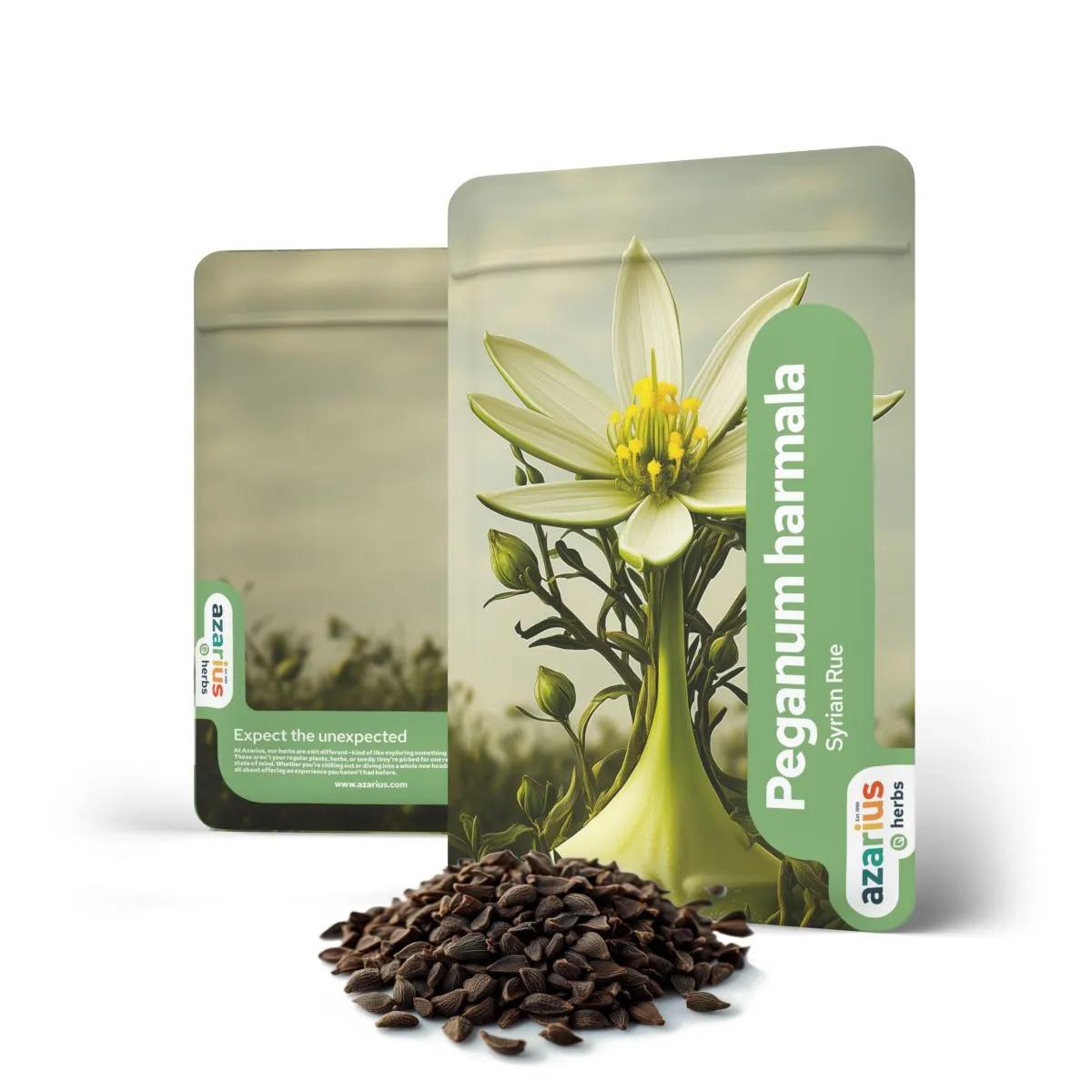
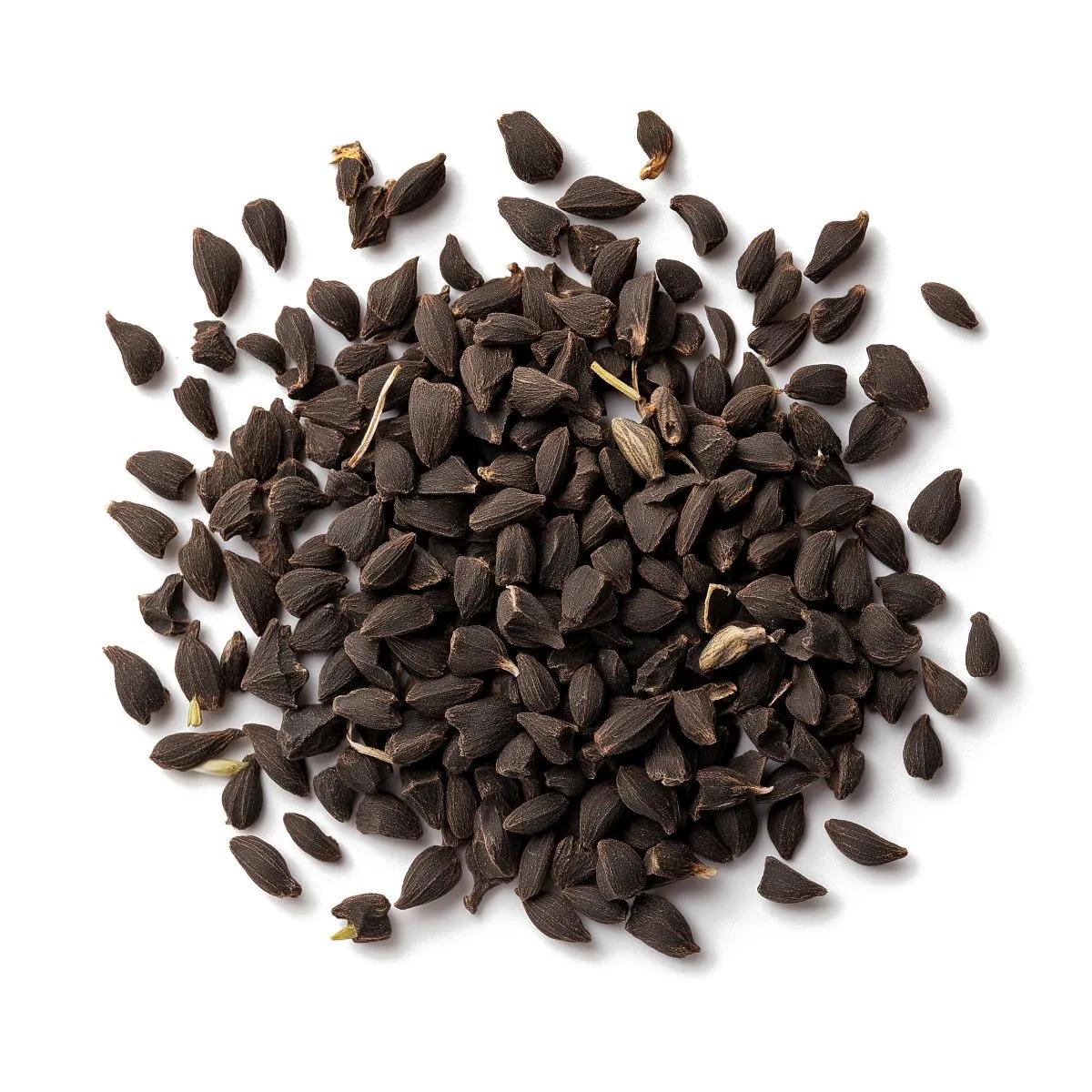
What sets a dedicated herb shop apart from a wellness megastore is specificity. We stock Peganum Harmala seeds and Uvuma-Omhlophe root alongside Matcha and Turmeric, because our customers range from people who want a better morning latte to those deep into ethnobotanical traditions. The best herb shop doesn't try to be everything; it knows its lane and stocks it properly.
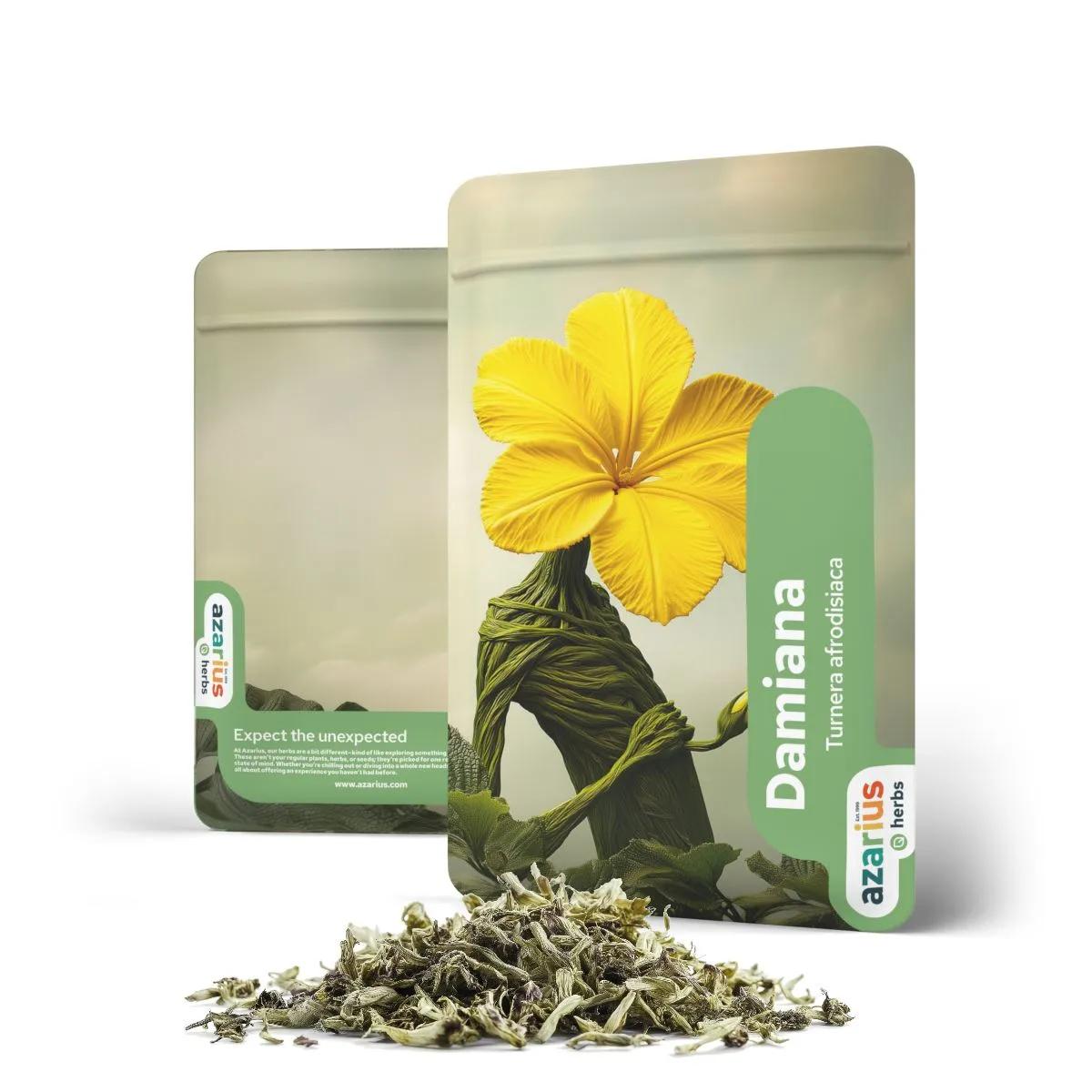
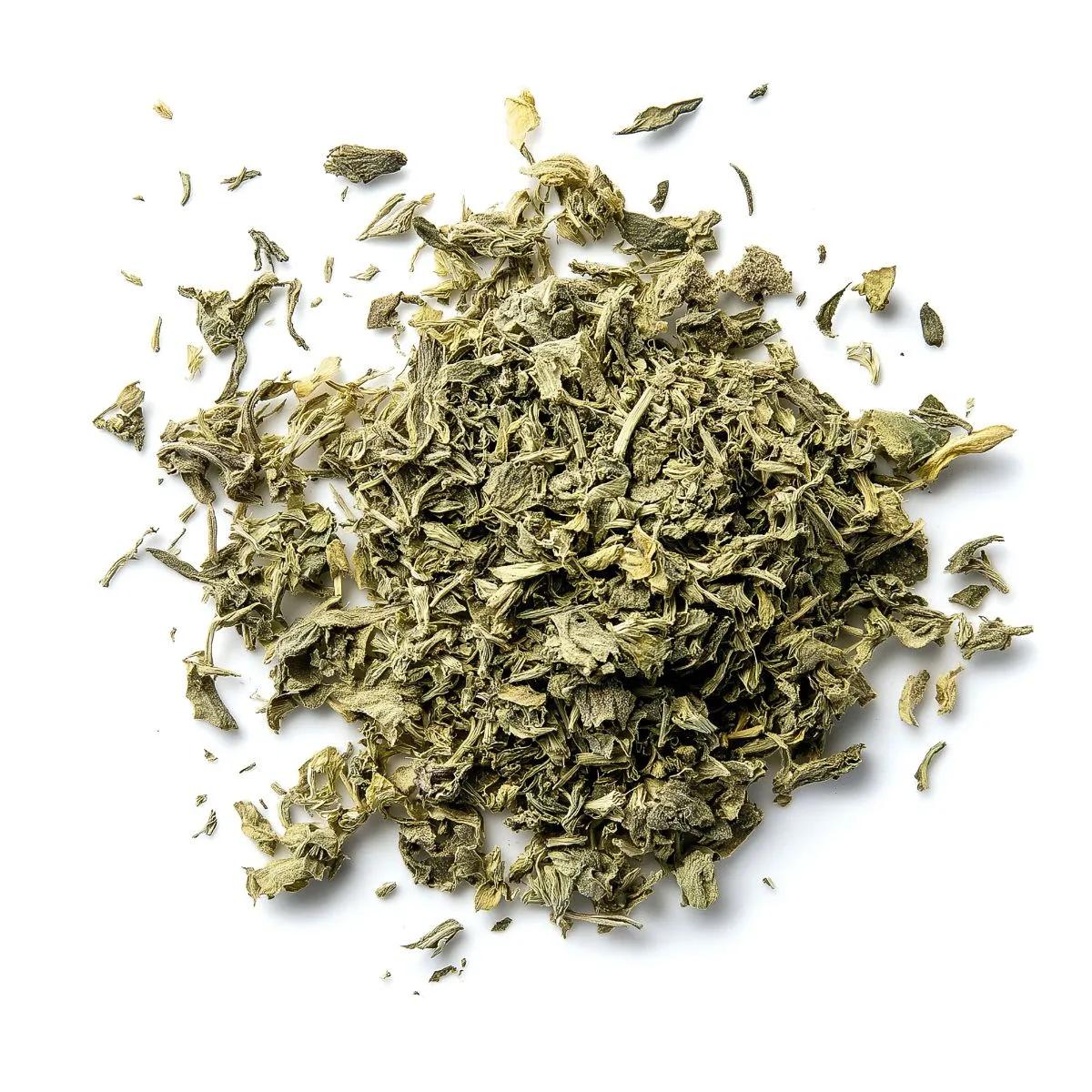
If you're newer to this, don't overthink it. Start with dried leaves — Passionflower, Damiana, Sage, Nettle — brewed as traditional herbal teas. They're forgiving, aromatic, and a solid introduction. If you've been around the block and want ethnobotanical extracts with measurable concentration ratios, scroll down to the Blue Lotus section. We'll get specific.
What We Carry
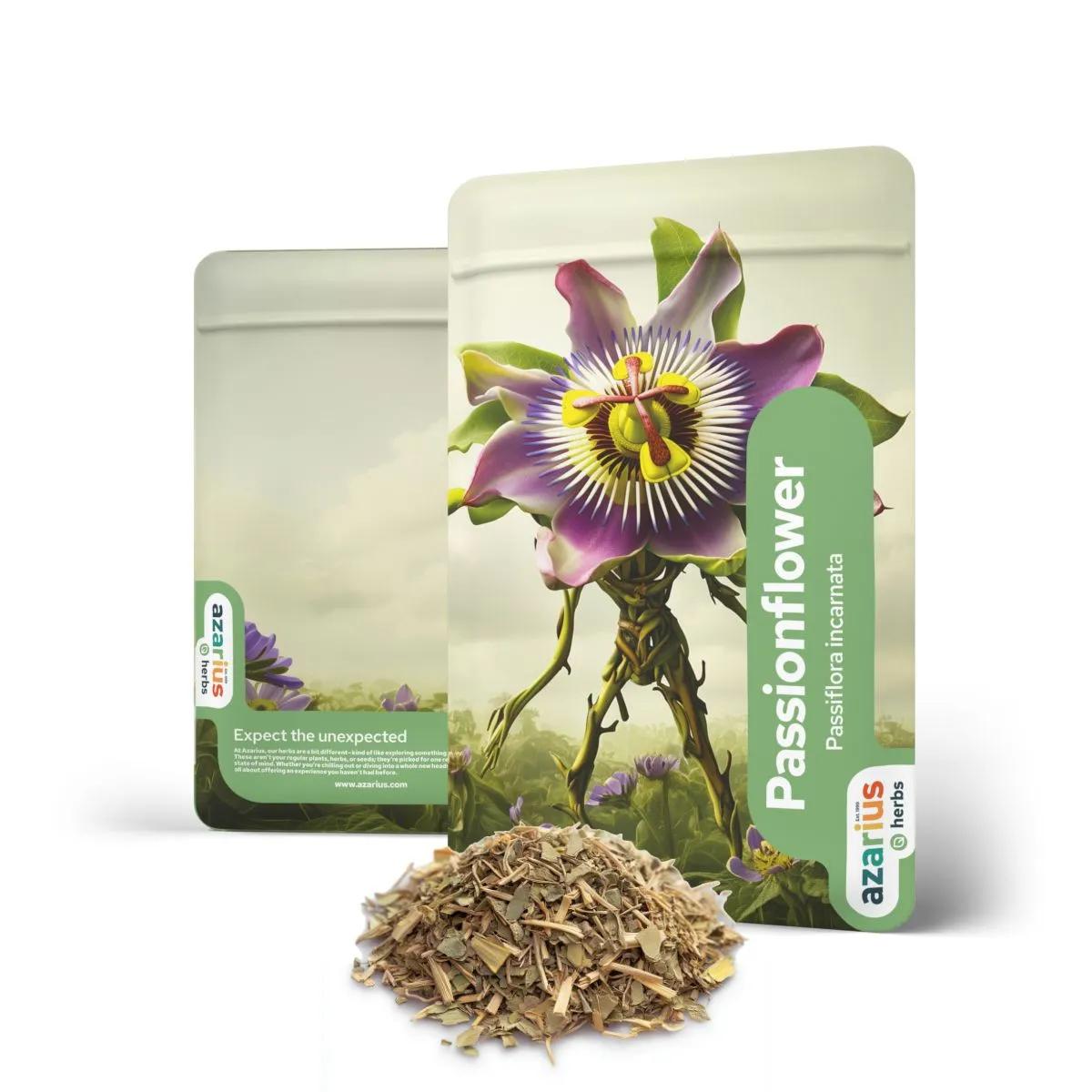
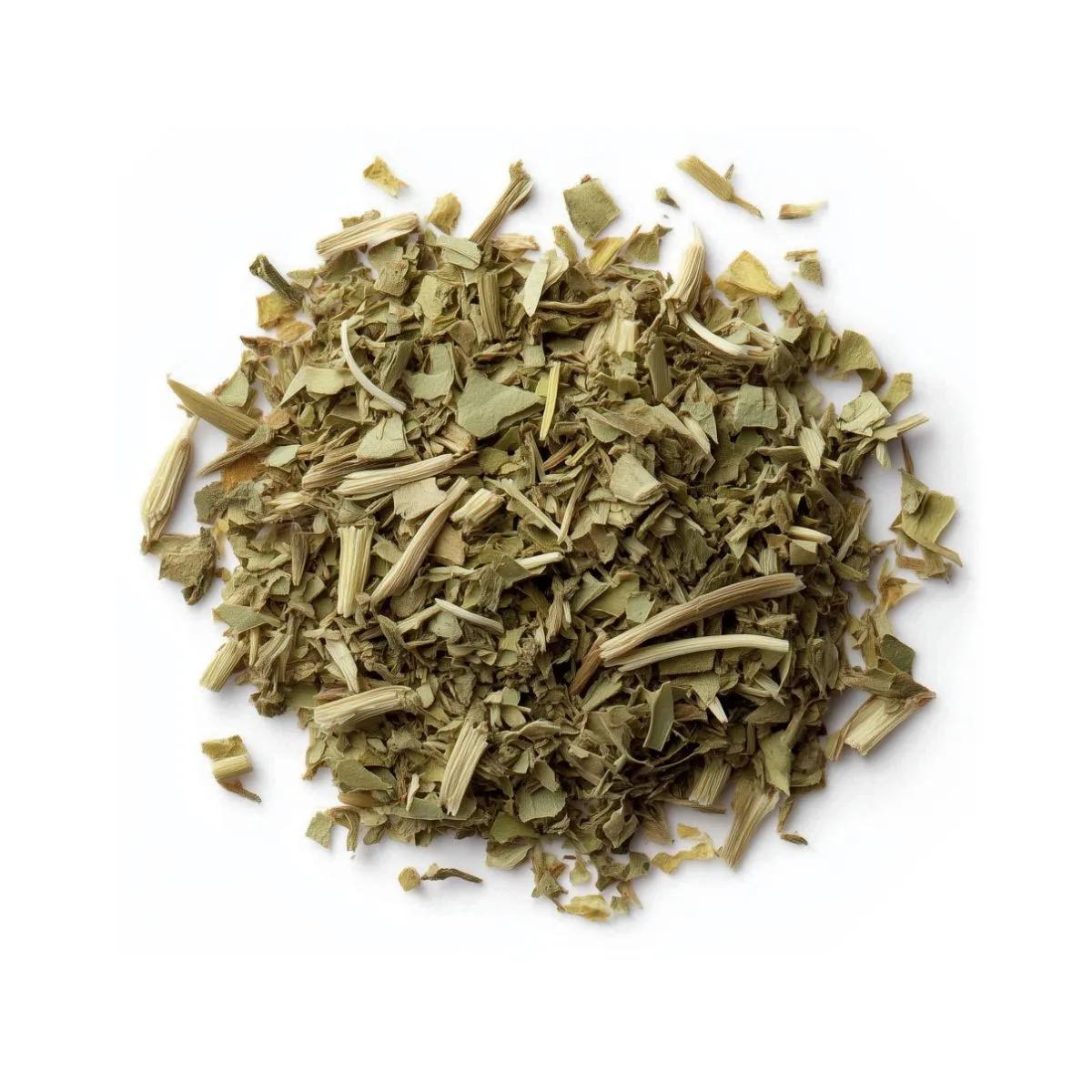
- Dried Leaves — Passionflower, Damiana, Nettle, and Sage, sold in 20g packs. Steep as traditional herbal teas for a mild evening wind-down.
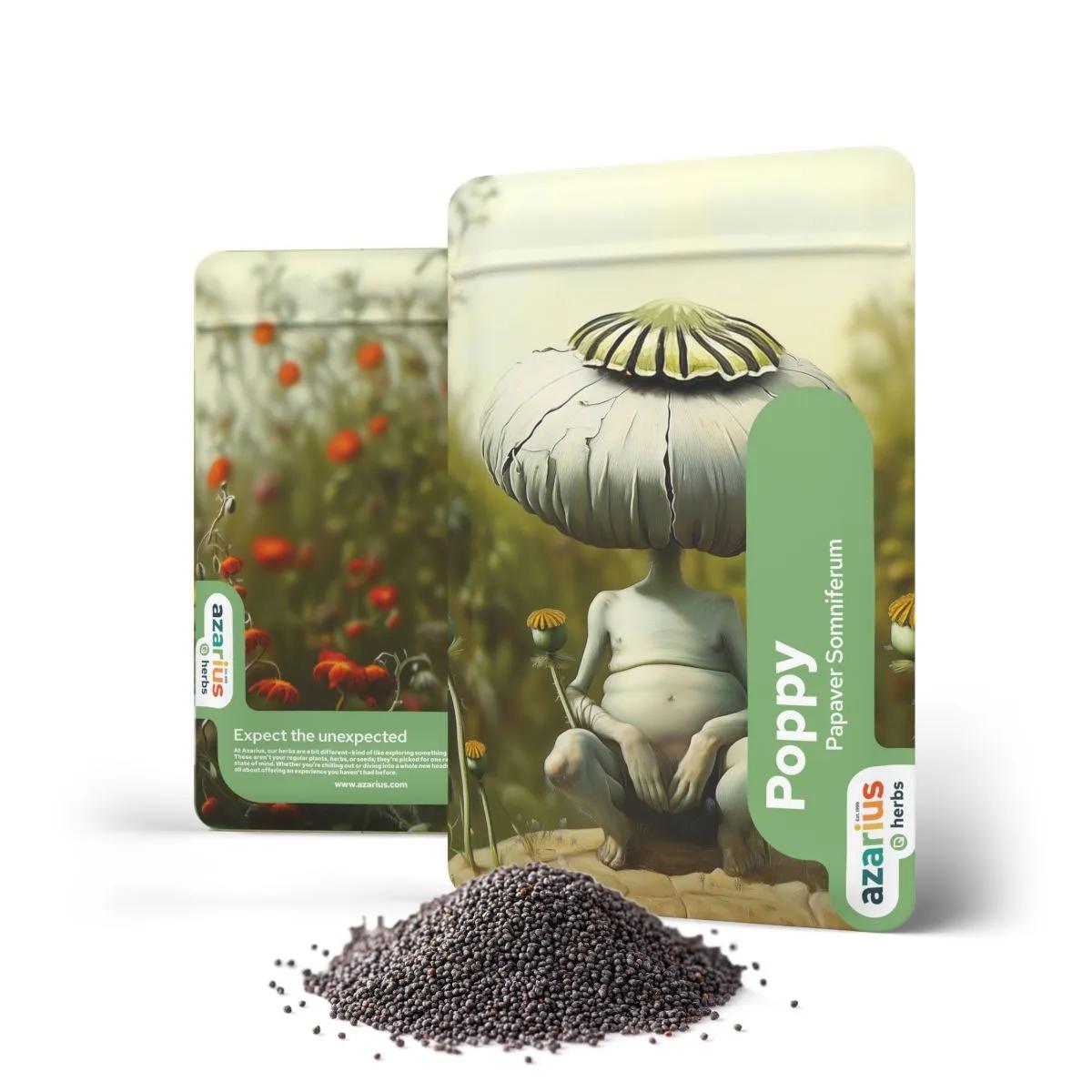
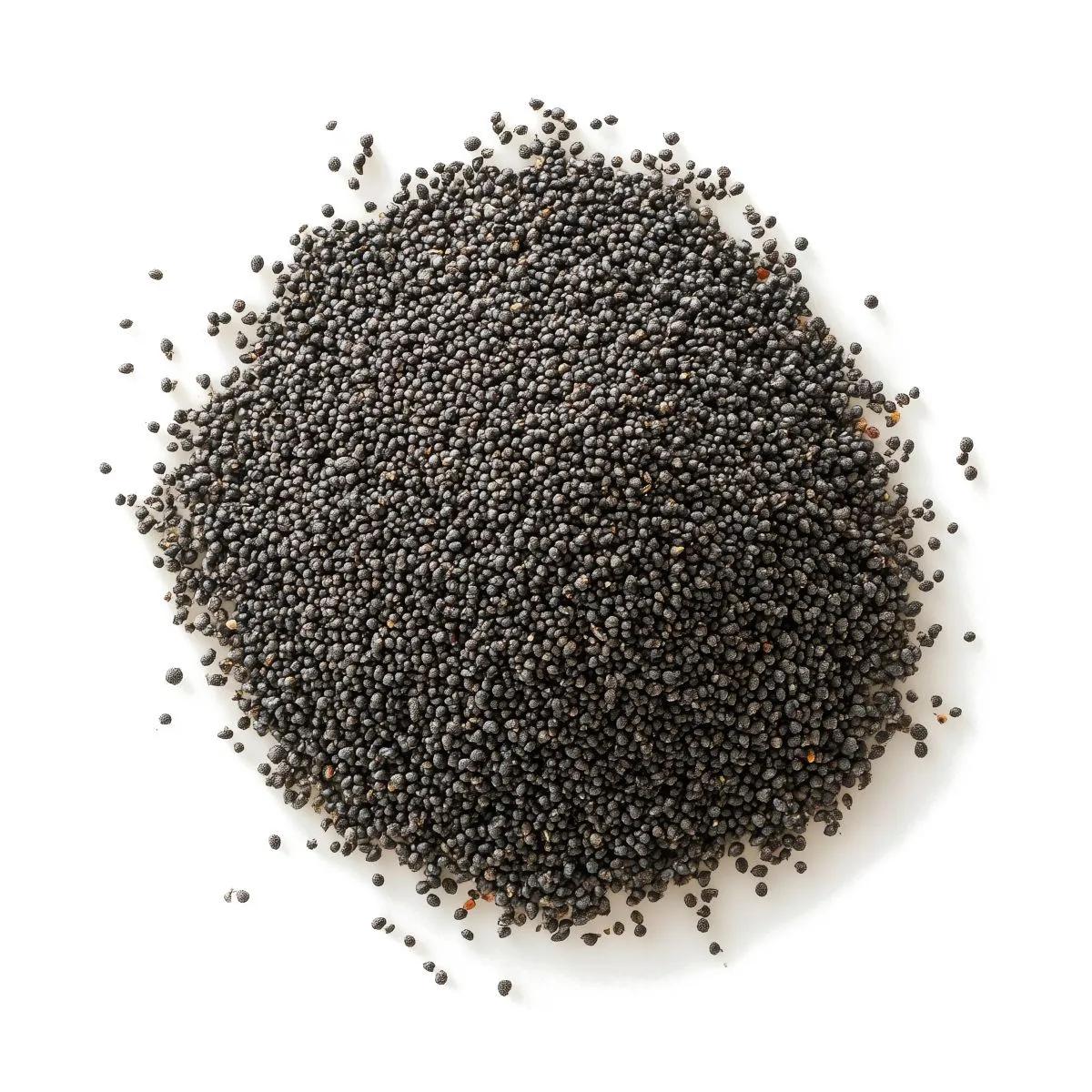
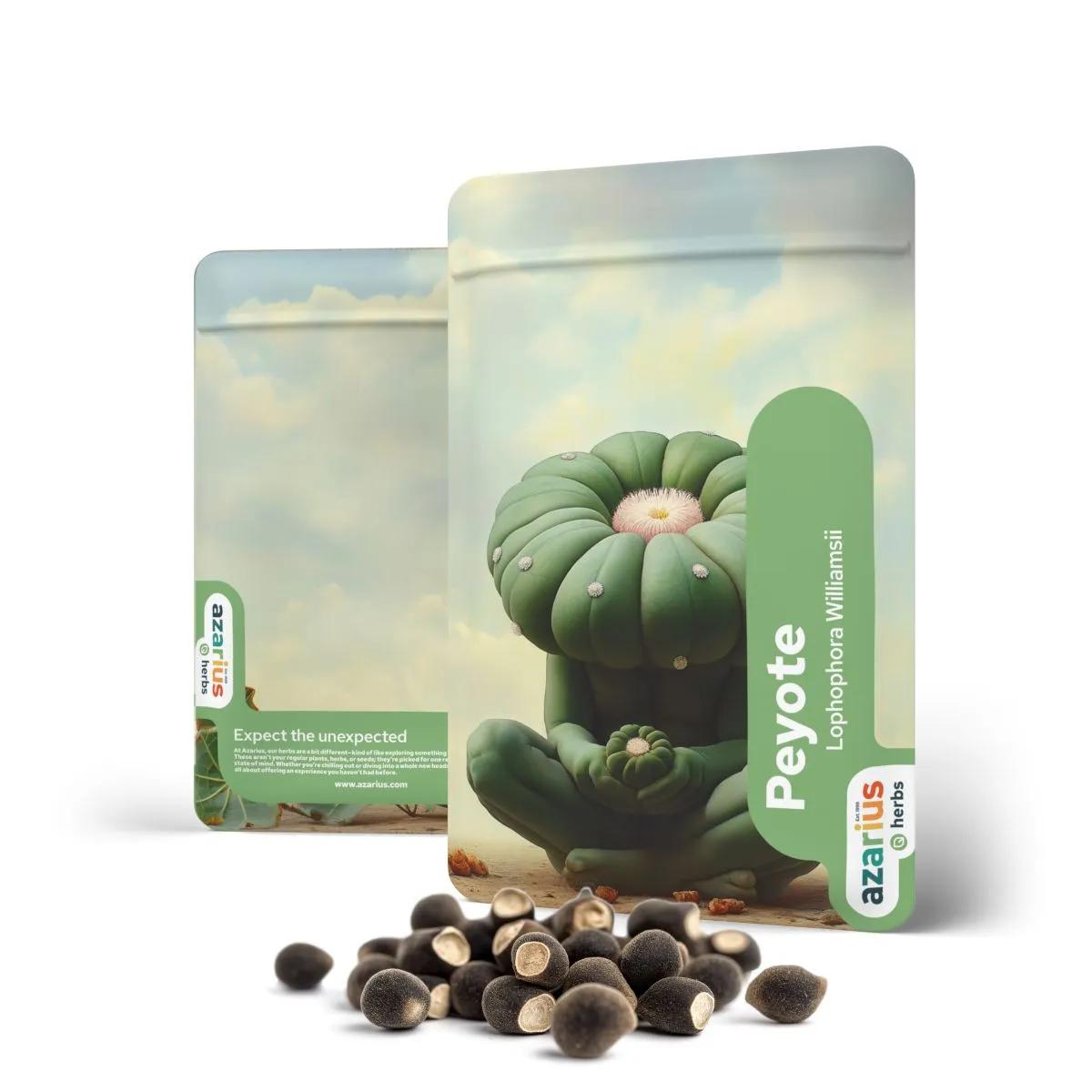
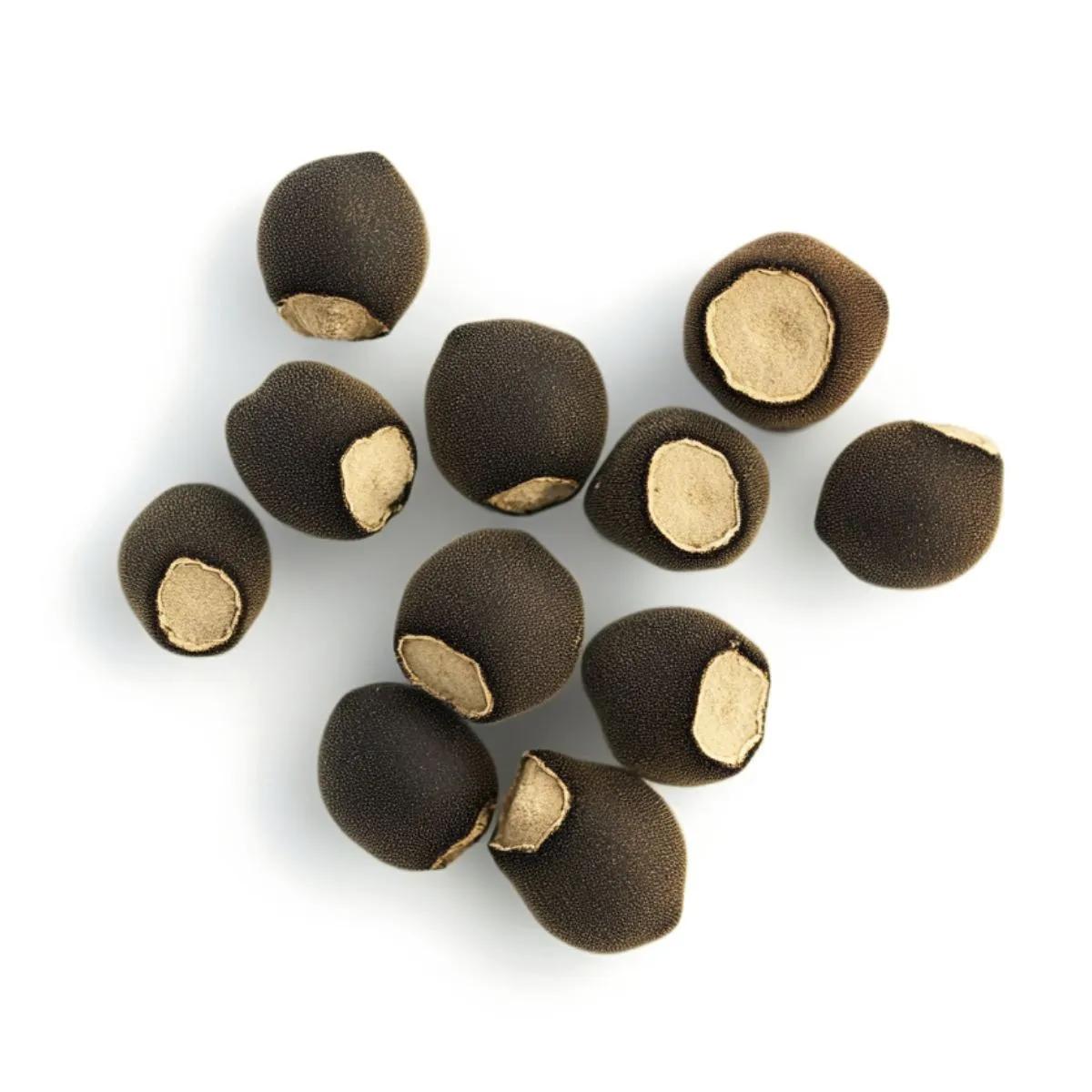
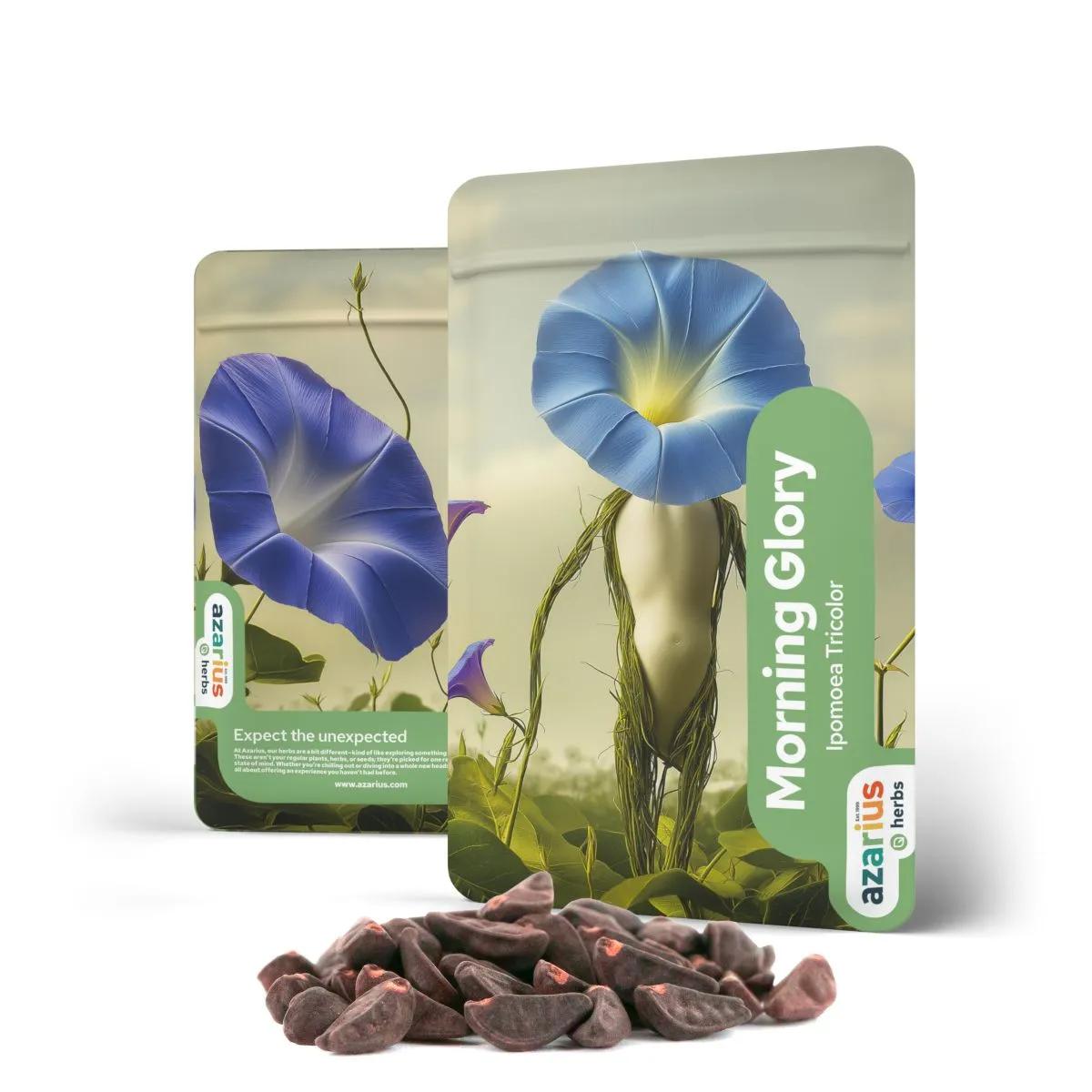
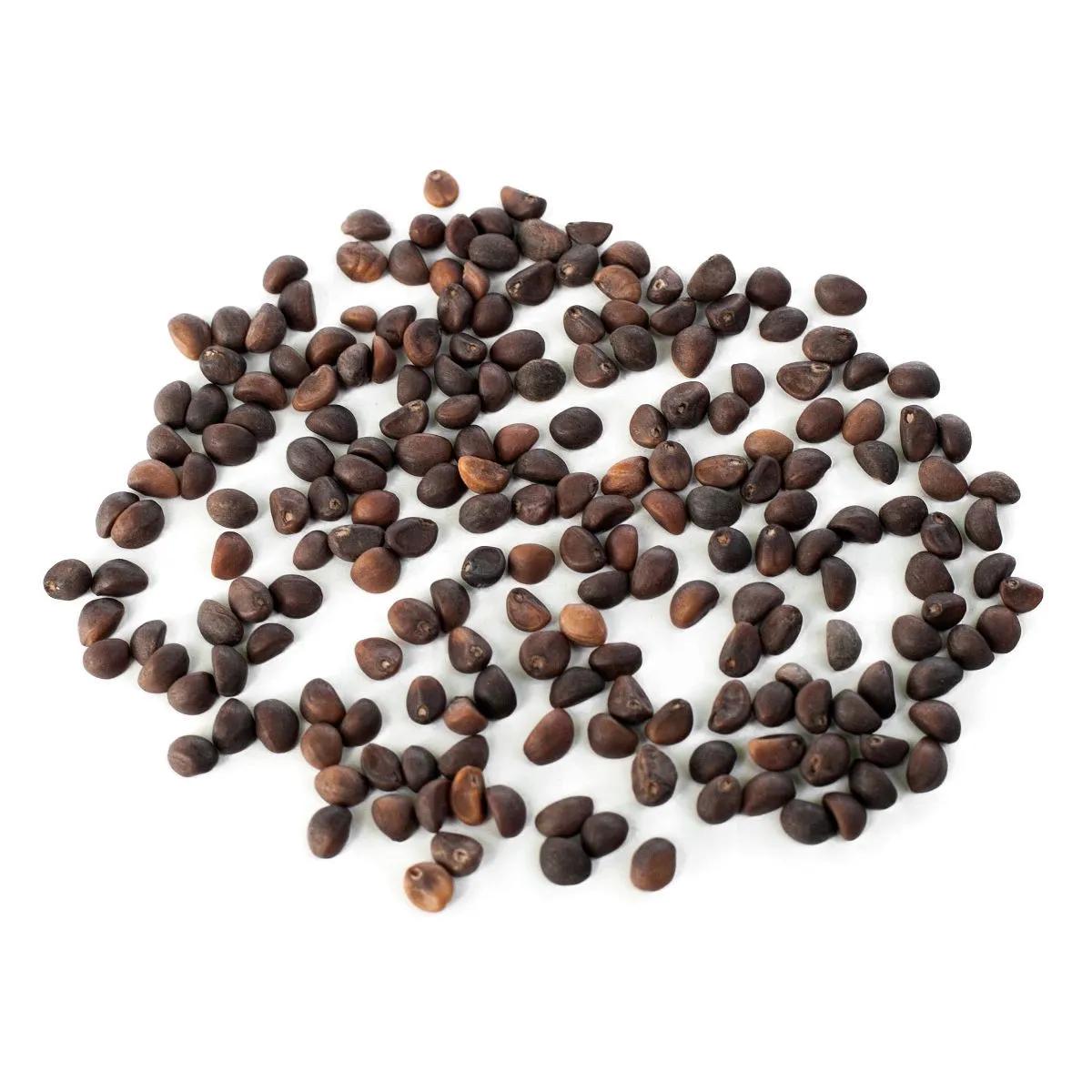
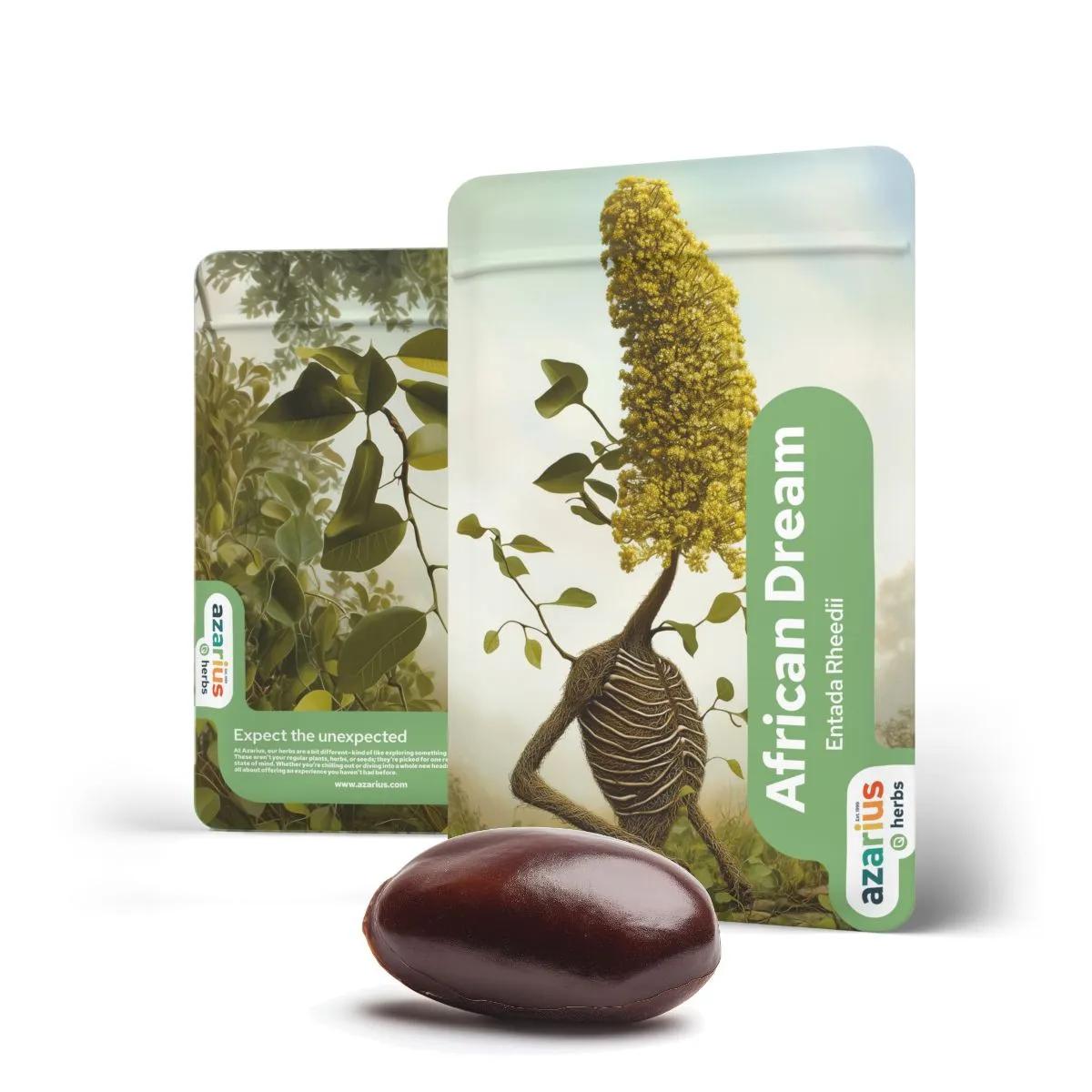
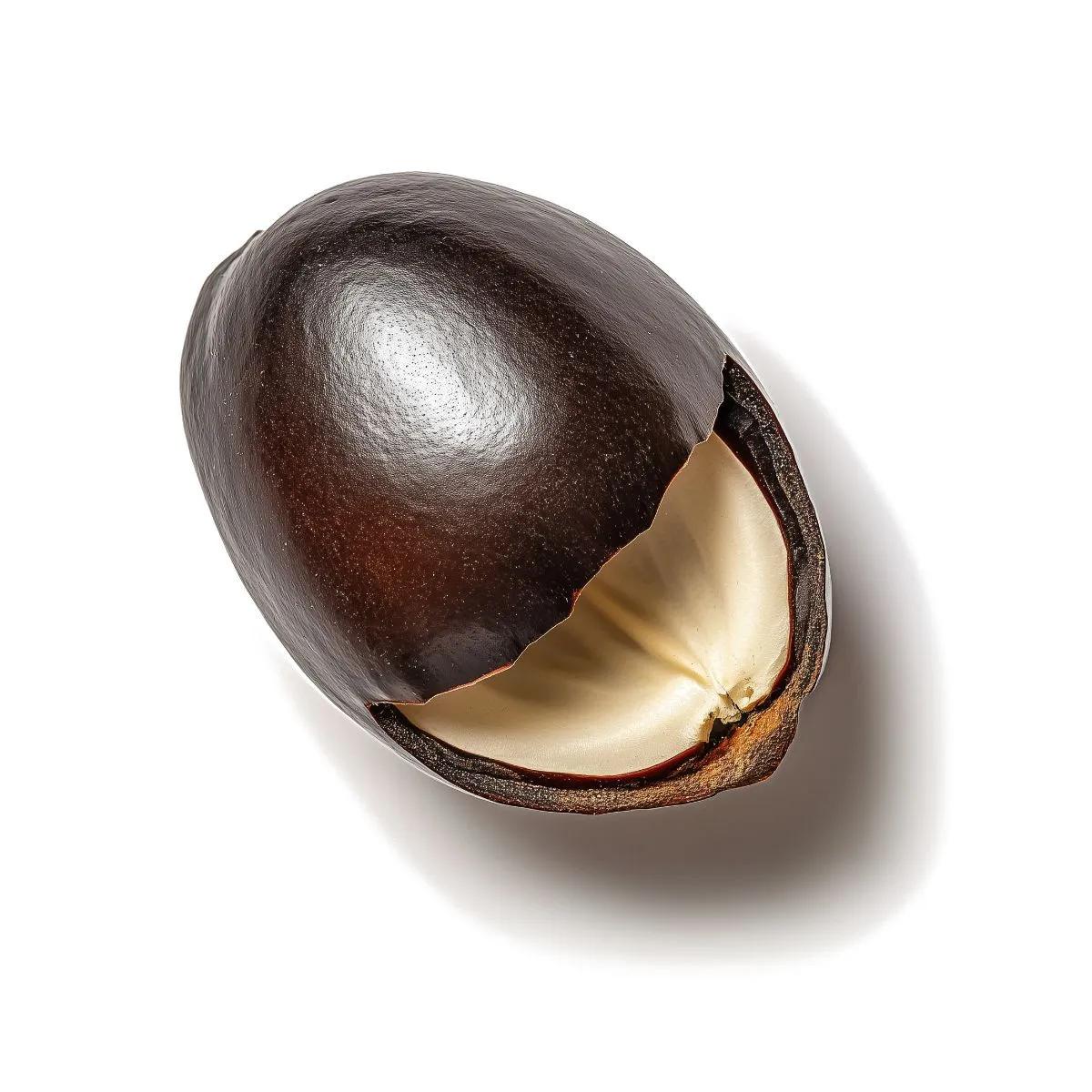
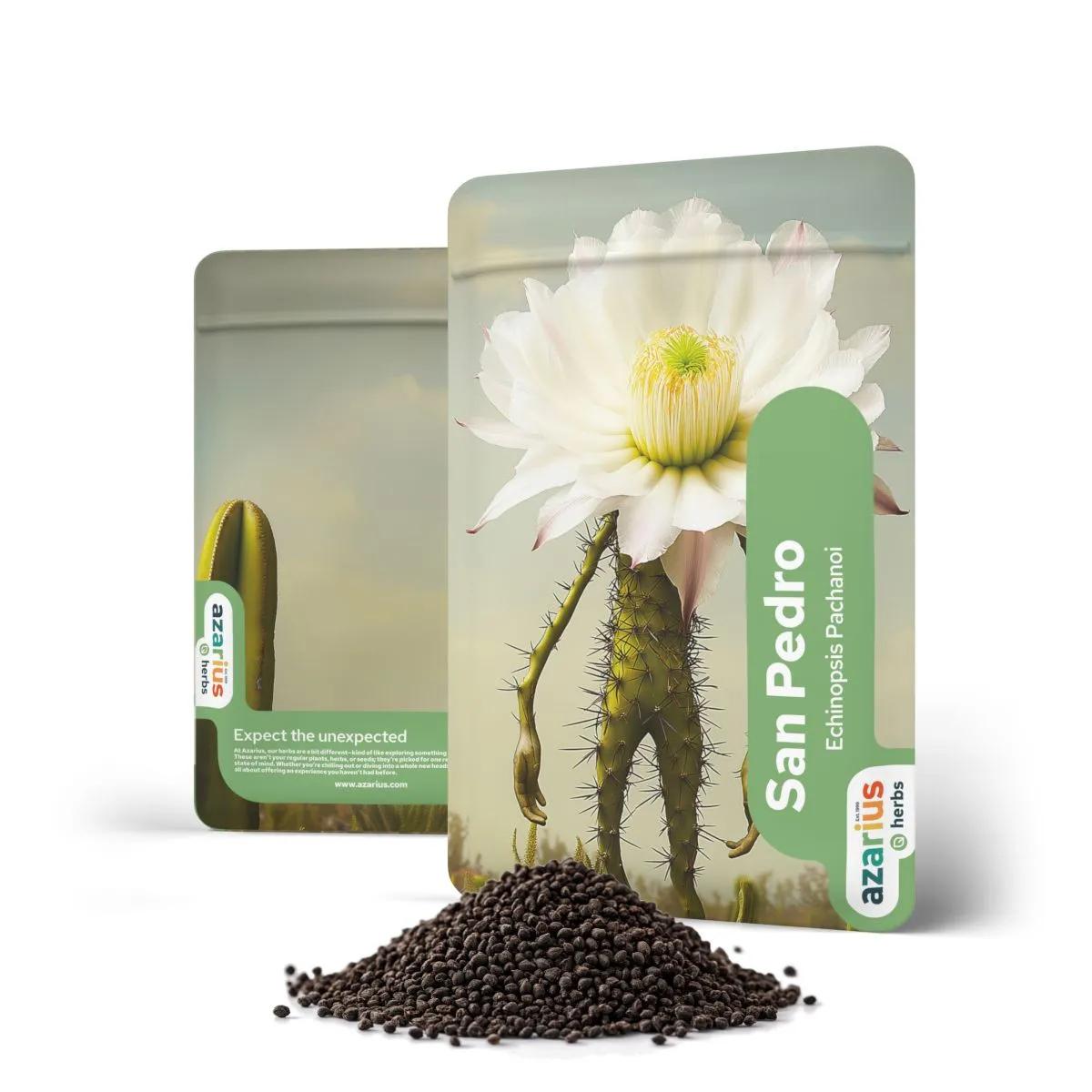
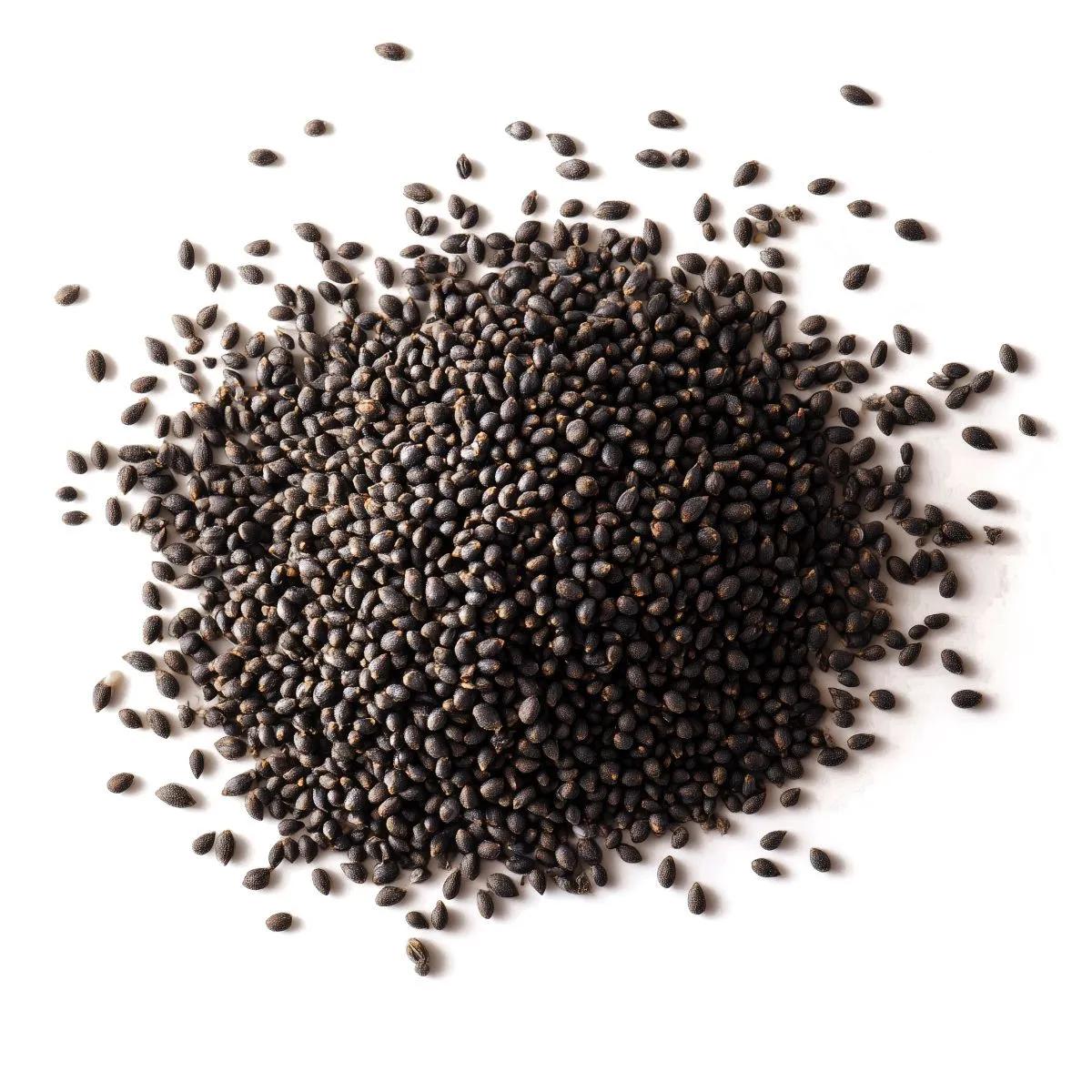
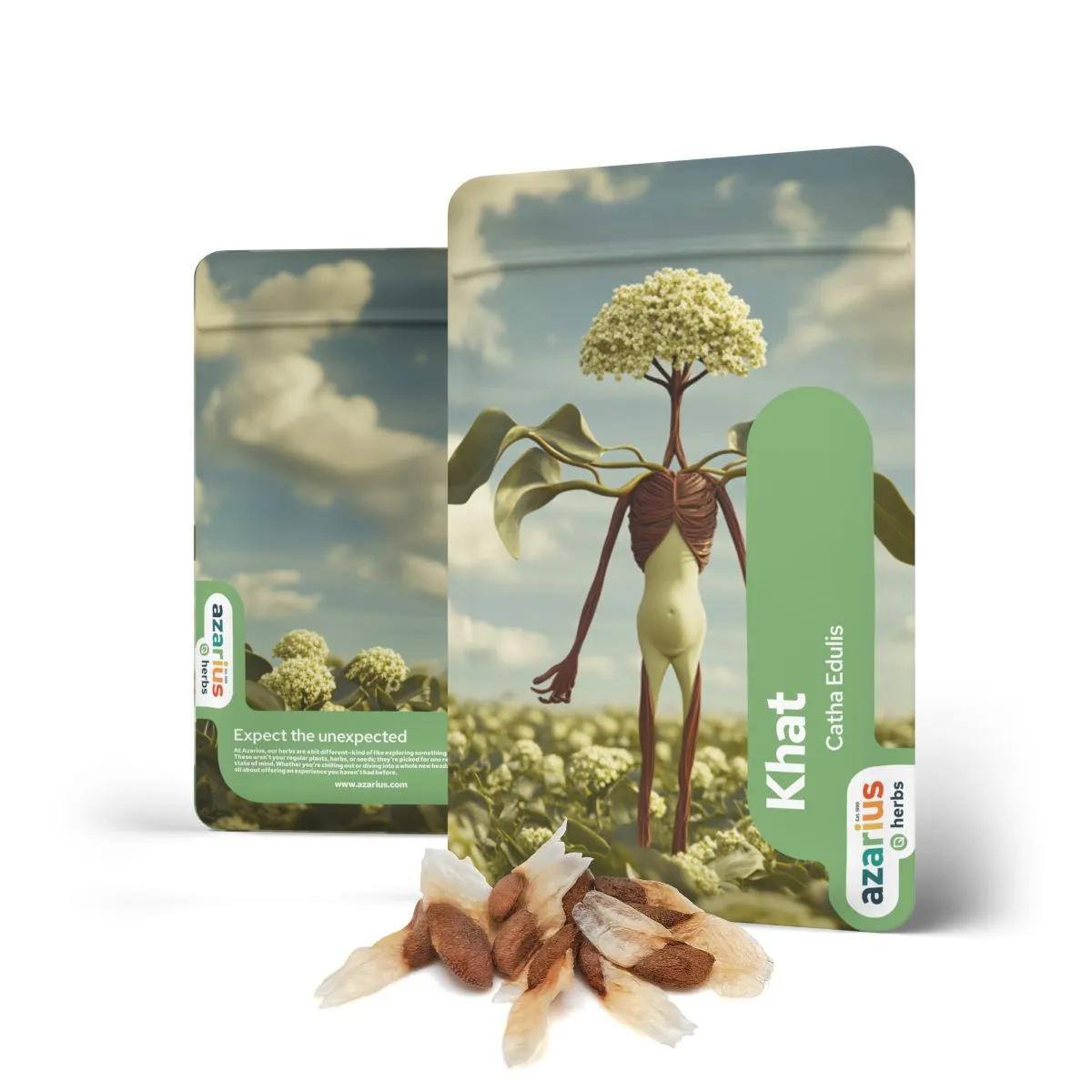
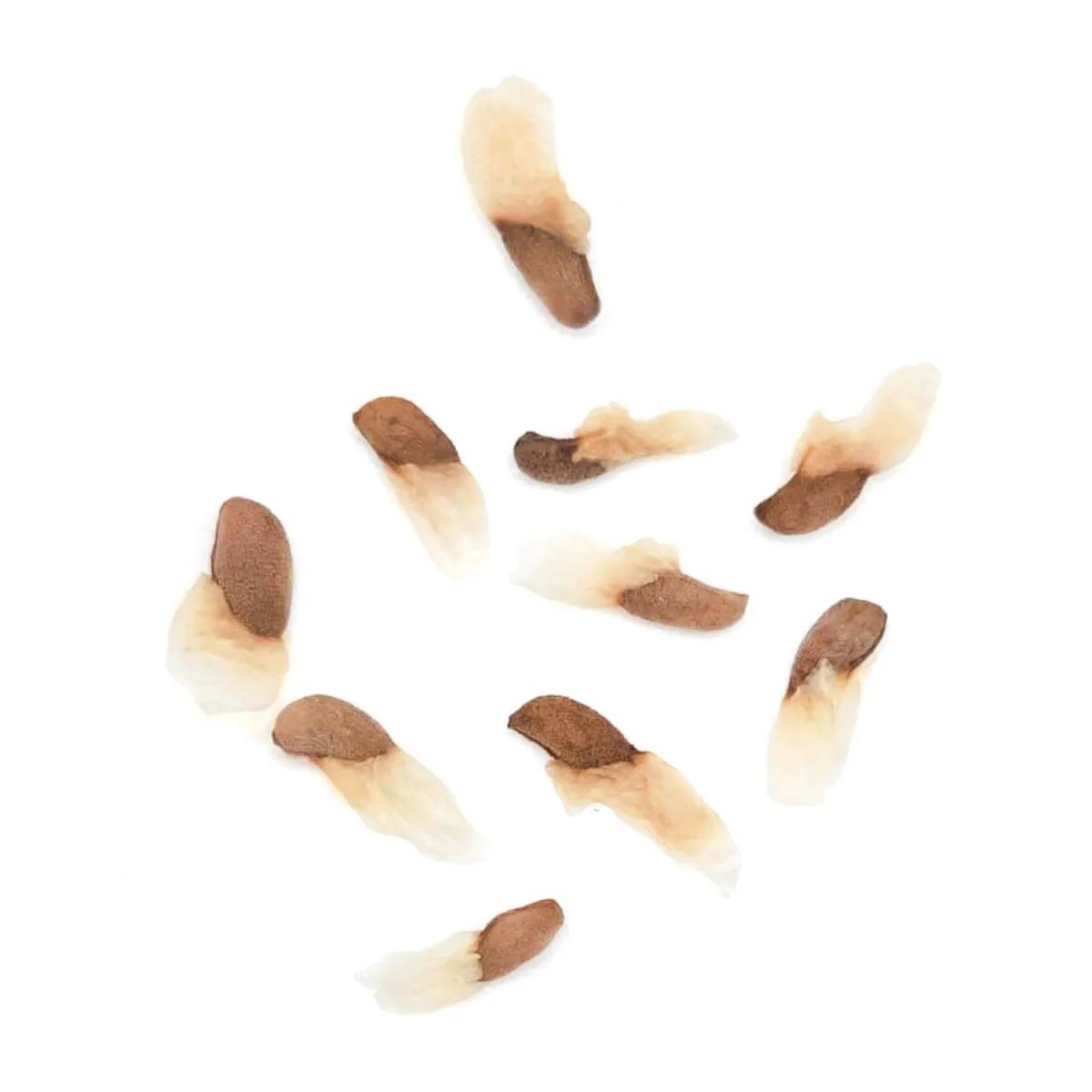
- Raw Seeds — Morning Glory, Baby Woodrose, Peyote, Poppy, African Dream, San Pedro, Peganum Harmala, Khat, and Ephedra. These require grinding, exact weighing, and patience.
- Concentrated Extracts — Blue Lotus 15x liquid, 20x resin, and 25x powder for precise dosing. A 25x concentration ratio means 25g of raw plant material condensed into 1g of final product.
- Shredded Botanicals — Blue Lotus (shredded, 20g), Pink Lotus (shredded, 20g), and White Lotus (shredded, 20g) for infusion or blending.
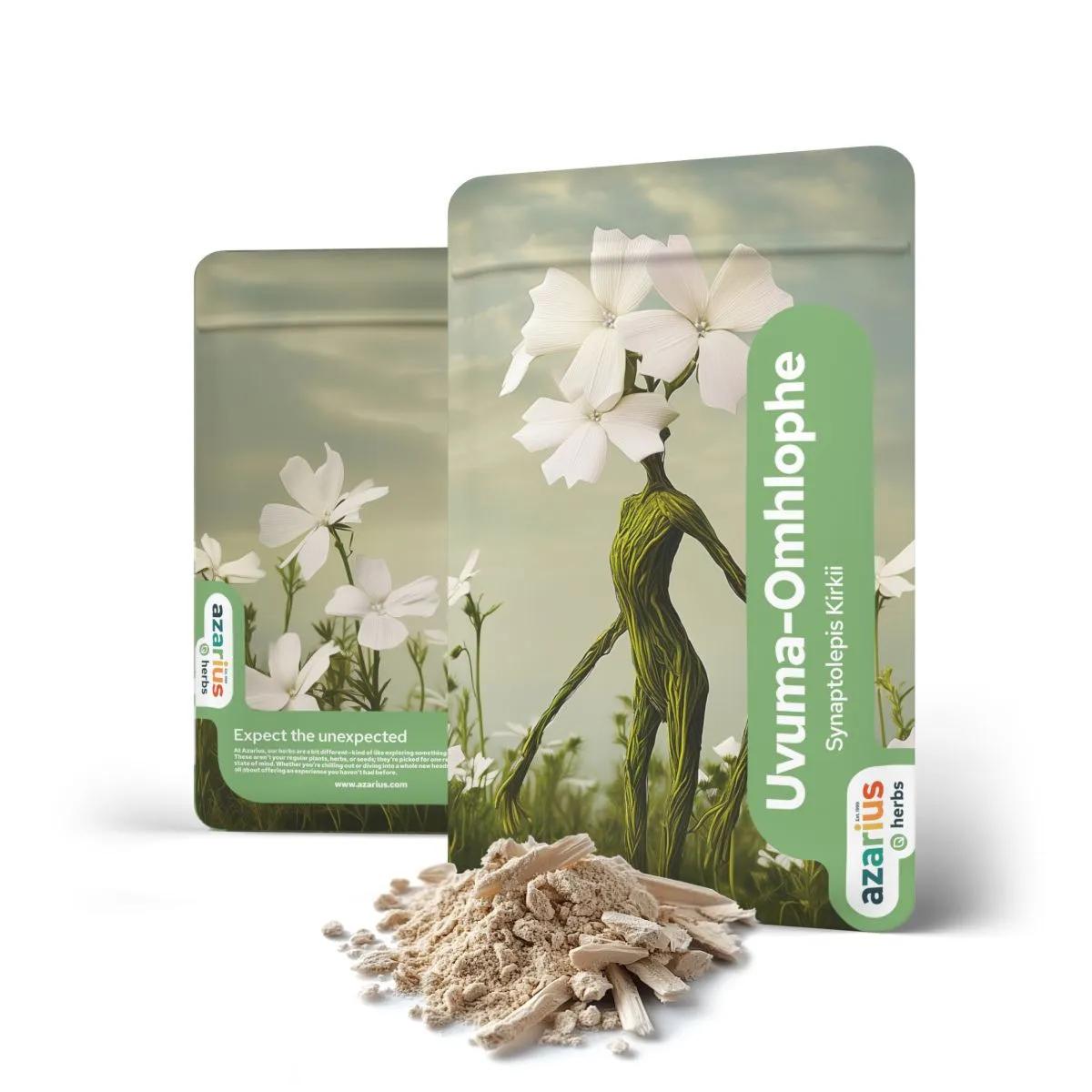
- Roots — Uvuma-Omhlophe, a traditional root used in Southern African dream practices, prepared by grinding or decoction.
- Culinary & Wellness Powders — Raw Cacao, Cocoa, Turmeric, Matcha, Ginger, Triphala, and Harad. Blend into drinks, food, or smoothies.
- Beans — Raw Cacao beans for those who prefer to grind their own.
How to Choose Your Herbs & Seeds
Beginners: Start with Passionflower leaves if you want a mild evening wind-down. They're forgiving, easy to steep, and won't overwhelm a first-time buyer. Damiana is another strong starting point — crushed Damiana leaves release a dry, chamomile-and-sage aroma that makes the whole brewing ritual feel worth it. Typical onset for these traditional infusions is 30–45 minutes on an empty stomach. Dried leaves keep well too: expect an average shelf life of 12–18 months when sealed properly in a cool, dry spot.
Intermediate: Once you're comfortable with teas, move into the Blue Lotus shredded flowers or the culinary powders like Matcha and Raw Cacao. These give you more to play with in terms of preparation without demanding a milligram scale. If you're deciding between Blue Lotus Resin (20x) and Liquid Extract (15x), pick the resin for longer shelf life and precise gram-level dosing; grab the liquid if you want instant tea mixing without measuring scales — roughly 20 drops per 1mL for dosing reference.
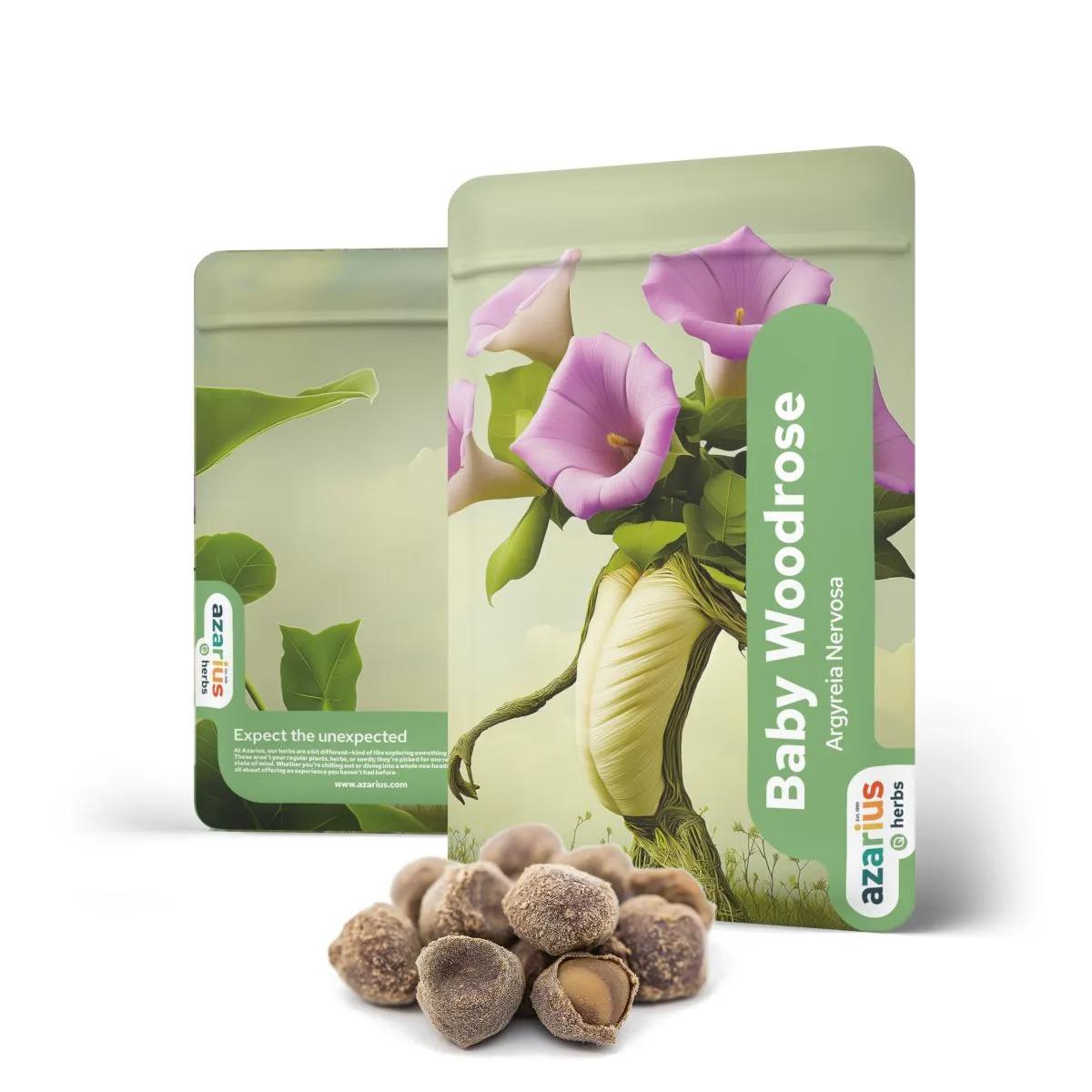
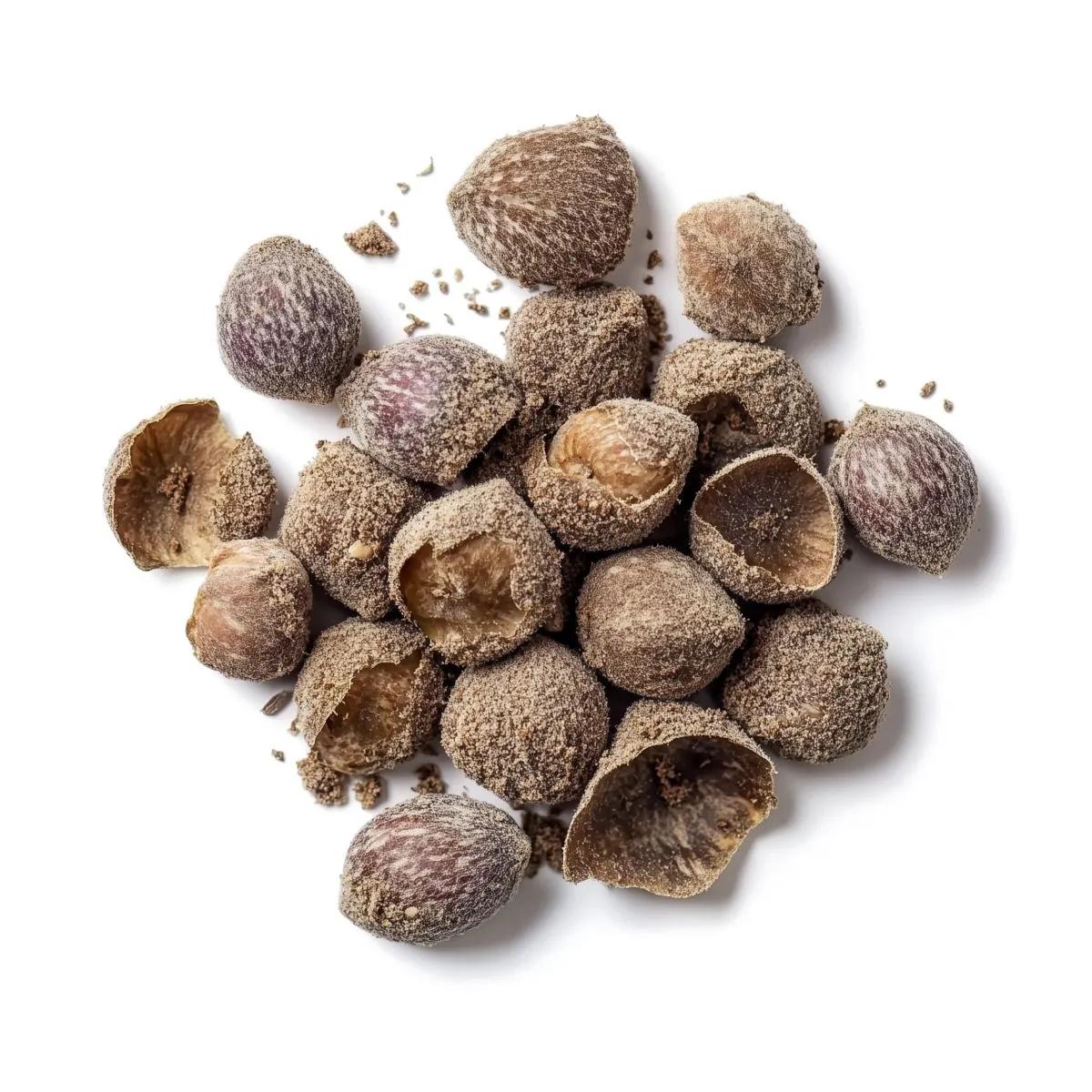
Advanced: Raw seeds like Morning Glory or Baby Woodrose aren't plug-and-play. They require careful preparation, exact weighing, and patience. Skip them if you want a quick, pre-measured tea bag. The same goes for ethnobotanical extracts like Blue Lotus 25x powder, which feels dense and slightly waxy to the touch, with a deep earthy scent that lingers on your fingers. Dosing at this concentration requires precision — this is 25 grams of raw lotus in every single gram of powder.
We've been fielding questions about Blue Lotus vs. Damiana since the early 2000s. The counter answer hasn't changed: Lotus hits heavier and faster, Damiana is a slow, gentle unwind. Knowing where you sit on that spectrum tells you exactly where to start in this herb shop online.
Ethnobotanical Seeds & Traditional Herbs
Seeds are the backbone of any serious herb shop online, and ours include some of the most sought-after ethnobotanical varieties available in the EU.
| Seed / Herb | Traditional Profile | Preparation | Storage Note |
|---|---|---|---|
| Morning Glory | Potent / Traditional | Grinding, measured doses | Below 60% RH, under 20°C (68°F) |
| Baby Woodrose | Potent / Traditional | Grinding, careful weighing | Below 60% RH, under 20°C (68°F) |
| Peganum Harmala | Potent / Traditional | Grinding or decoction | Below 60% RH, under 20°C (68°F) |
| African Dream | Potent / Traditional | Grinding or infusion | Below 60% RH, under 20°C (68°F) |
| Passionflower | Mild / Evening | Tea infusion, 10–15 min at 80–90°C | Airtight, away from light |
| Damiana | Mild / Evening | Tea infusion, 10–15 min at 80–90°C | Airtight, away from light |
All seeds need to be stored below 60% relative humidity to maintain viability and alkaloid stability. Keep them under 20°C (68°F) in airtight glass jars, away from direct light. Extracts degrade faster if exposed to heat or oxygen, so the same rules apply but with extra urgency — reseal immediately after use.
How to Buy Extracts & Powders for Your Routine
Buying from an herb shop online should be straightforward, so here's the order of operations when you're adding extracts or powders to your routine:
- Identify your goal — relaxation, morning energy, culinary use, or traditional ethnobotanical practice.
- Match the goal to a form: dried leaves for gentle teas, powders for blending, resins for measured dosing, liquids for quick mixing.
- Check the concentration. Blue Lotus powder at 25x is not the same animal as Blue Lotus shredded at 1x. The 25x means 25g of raw material per 1g of product.
- Start low. With blue lotus powder or any concentrated extract, begin with the smallest recommended amount and wait the full onset window — typically 30–45 minutes.
- Store properly. Cool, dry, light-proof. Seeds below 60% RH. Extracts resealed immediately. Dried leaves last 12–18 months sealed; extracts have a shorter window.
For the culinary and wellness side — Turmeric, Matcha, Ginger, Triphala, Harad, and Raw Cacao — preparation is simpler. These blend directly into drinks, smoothies, or food. No scales needed, no steep times to worry about. They're the easiest entry point if you want to buy herbs and seeds without any learning curve.
Brewing Passionflower or Damiana tonight? Pair them with our Matcha or Raw Cacao for a morning counterpart — gentle evening tea, energising morning blend.
Frequently Asked Questions About Our Herb Shop
What is an herb shop?
It's a specialty retailer for botanicals, traditional seeds, and plant extracts — distinct from general grocery or wellness stores. A dedicated herb shop online like Azarius stocks ethnobotanical seeds, concentrated extracts, dried leaves, and culinary powders under one roof, with specific knowledge about each product's preparation and traditional use.
How do I choose the right herb or seed?
Start by matching the plant's traditional preparation method — tea, grind, or extract — to your goal. If you want a gentle evening tea, begin with lower-potency options like Damiana or Passionflower leaves. For stronger effects, look at concentrated extracts. Always start with the mildest option in a category and work up from there.
Are concentrated extracts like Blue Lotus 25x strong?
Yes. A 25x powder means 25 grams of raw plant material is condensed into 1 gram of final product, so dosing requires precision. The Blue Lotus range spans 15x (liquid), 20x (resin), and 25x (powder). Treat these with respect — measure carefully and allow 30–45 minutes for onset before adjusting.
How should I store dried herbs and seeds?
Keep them in airtight glass jars away from direct light and humidity to preserve active compounds and prevent mould. Seeds specifically need storage below 60% relative humidity and under 20°C (68°F). Dried leaves last 12–18 months when sealed properly. Extracts degrade faster with heat or oxygen exposure, so reseal immediately.
Do you ship these products internationally?
We ship across the EU — all 27 member states — under free movement of goods, using discreet packaging with tracked delivery. We've been doing this from Amsterdam for over 25 years, so the process is well sorted.
Last updated: April 2026
Medical disclaimer. This content is for informational purposes only and does not constitute medical advice. Consult a qualified healthcare provider before use of any substance.