
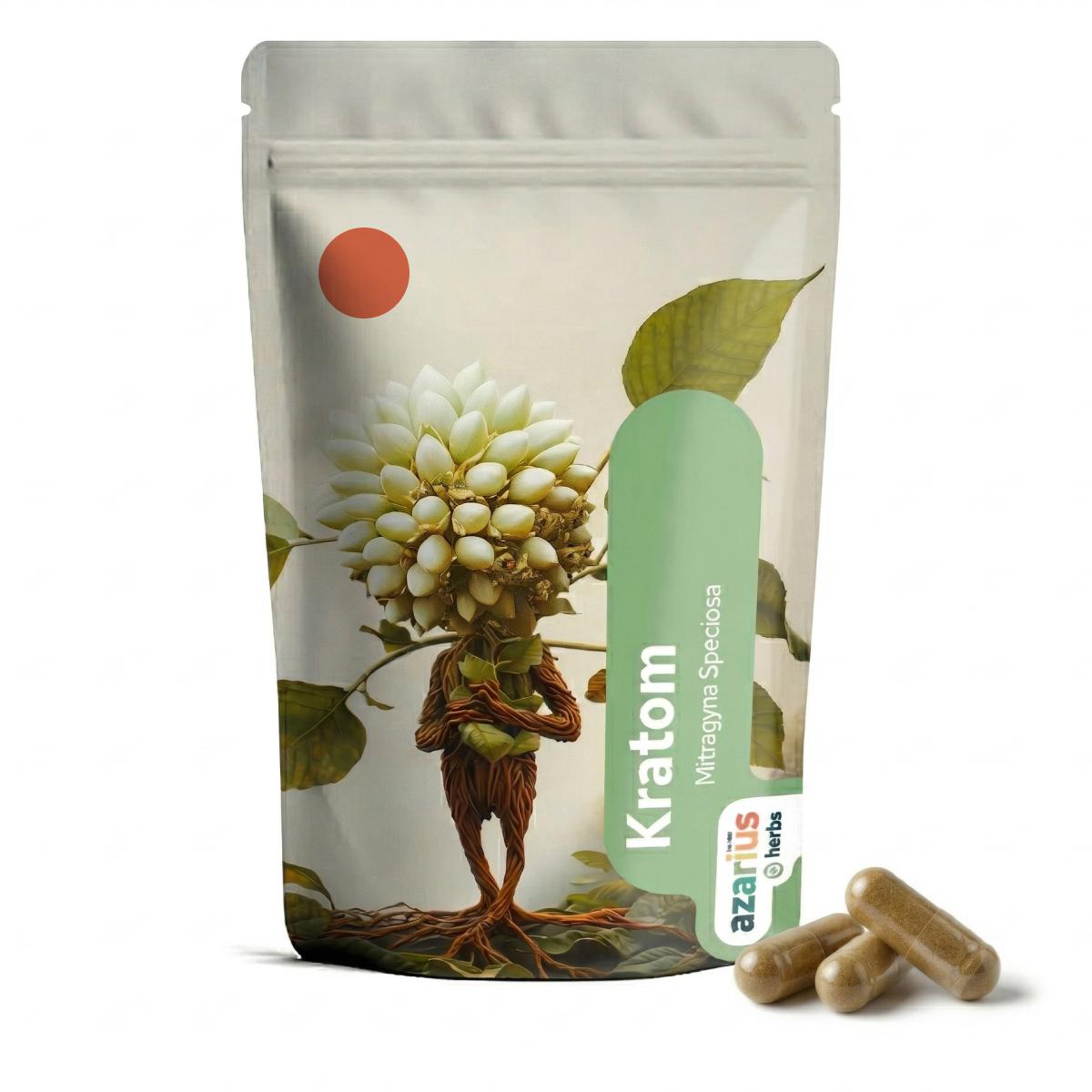
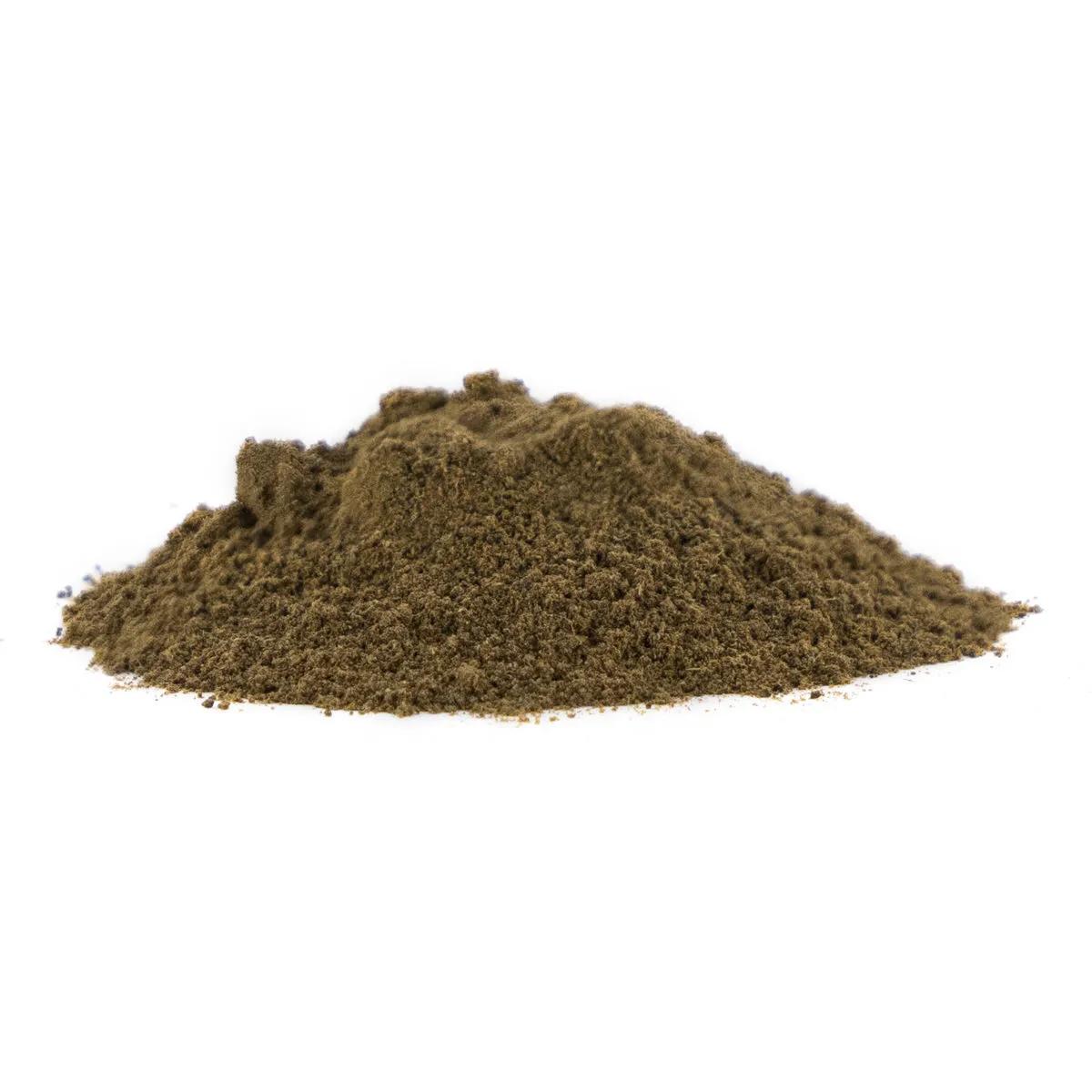
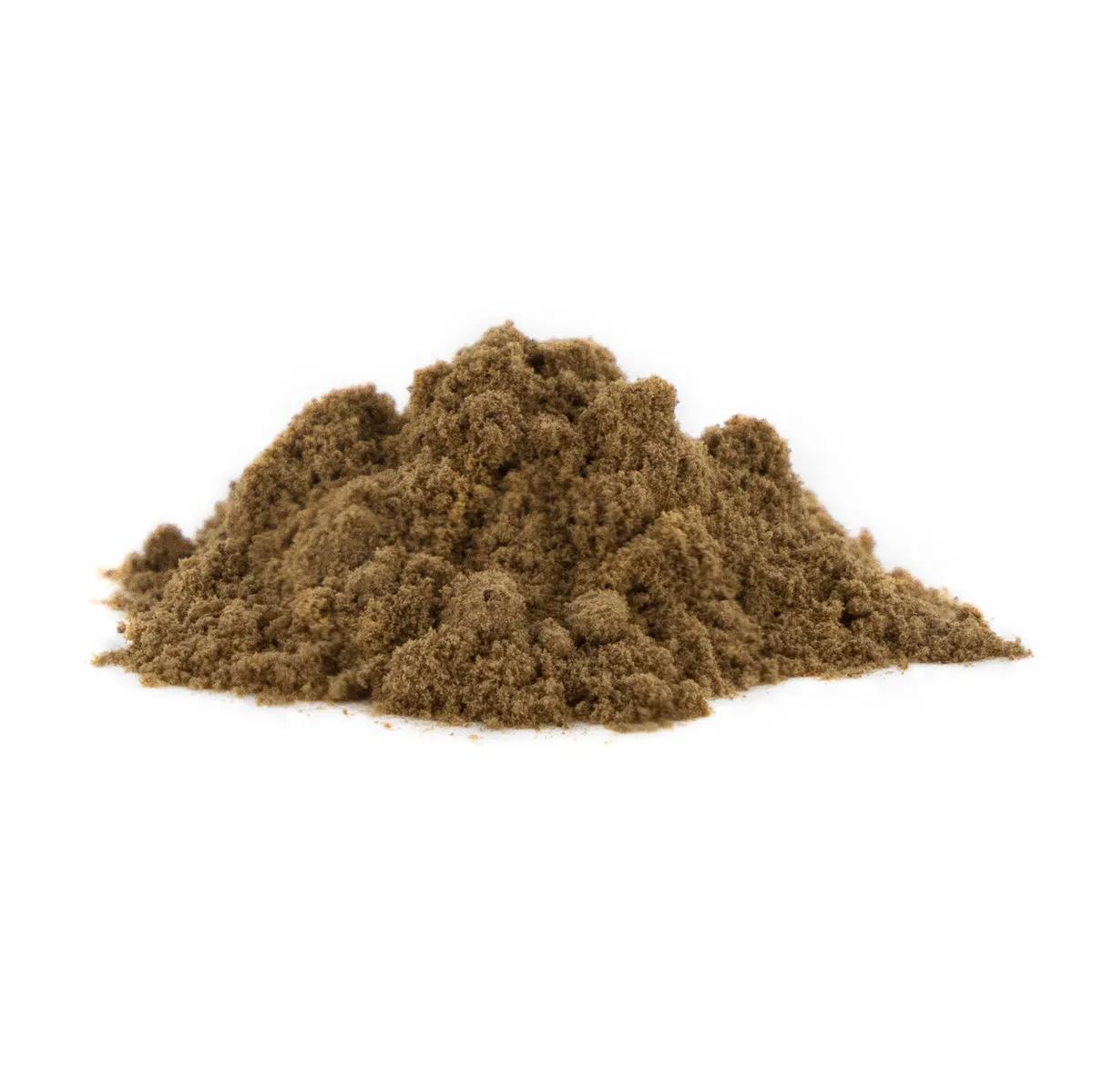
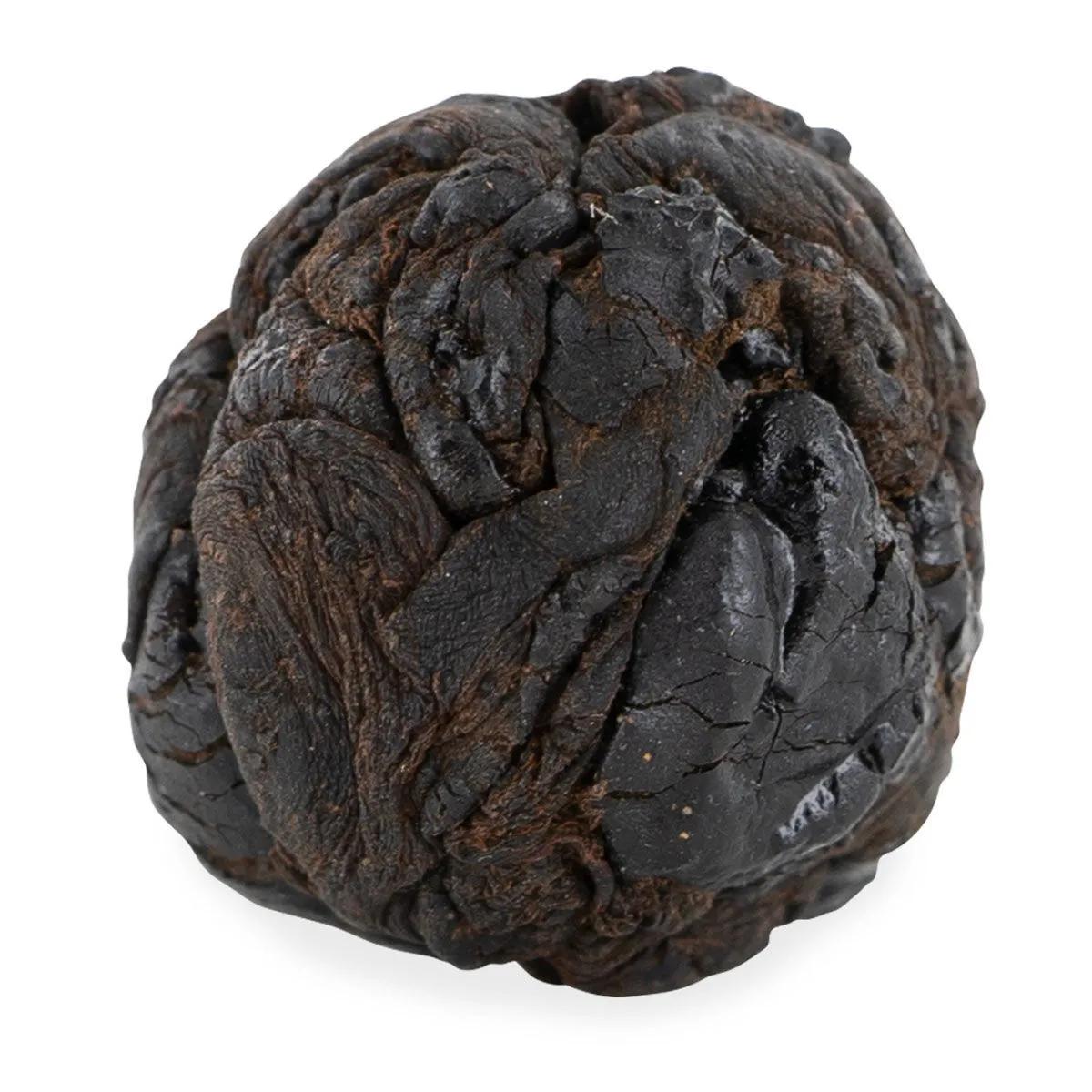
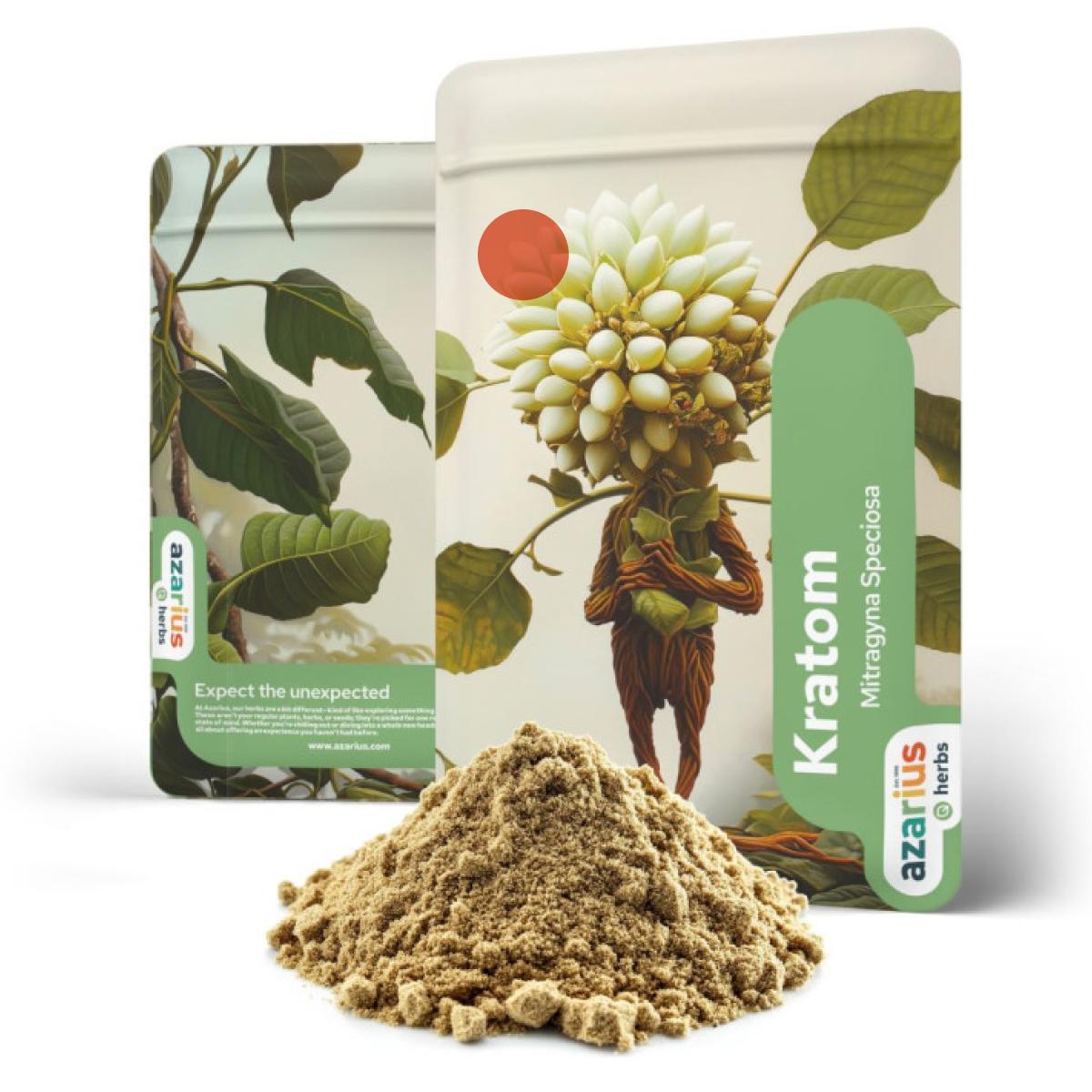
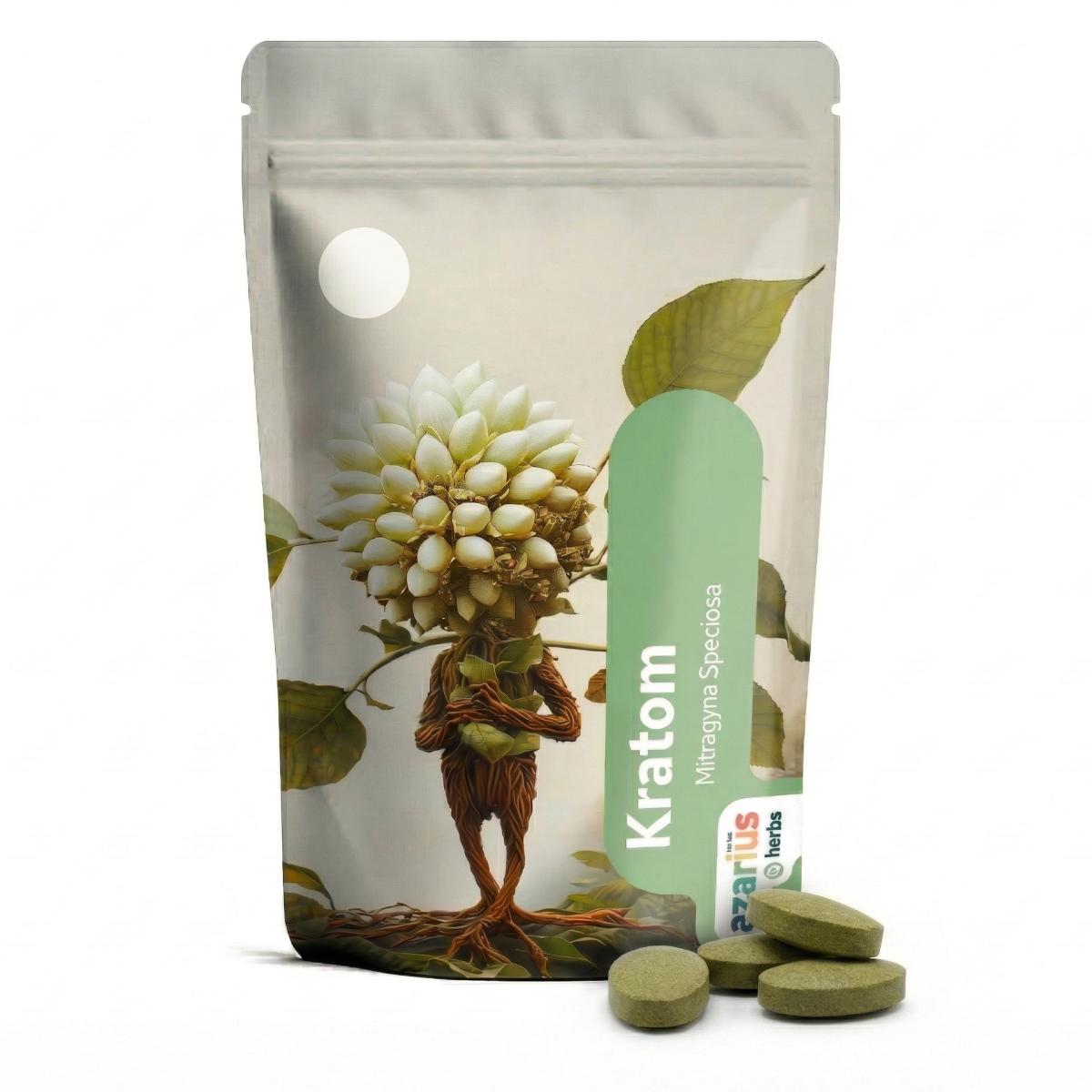
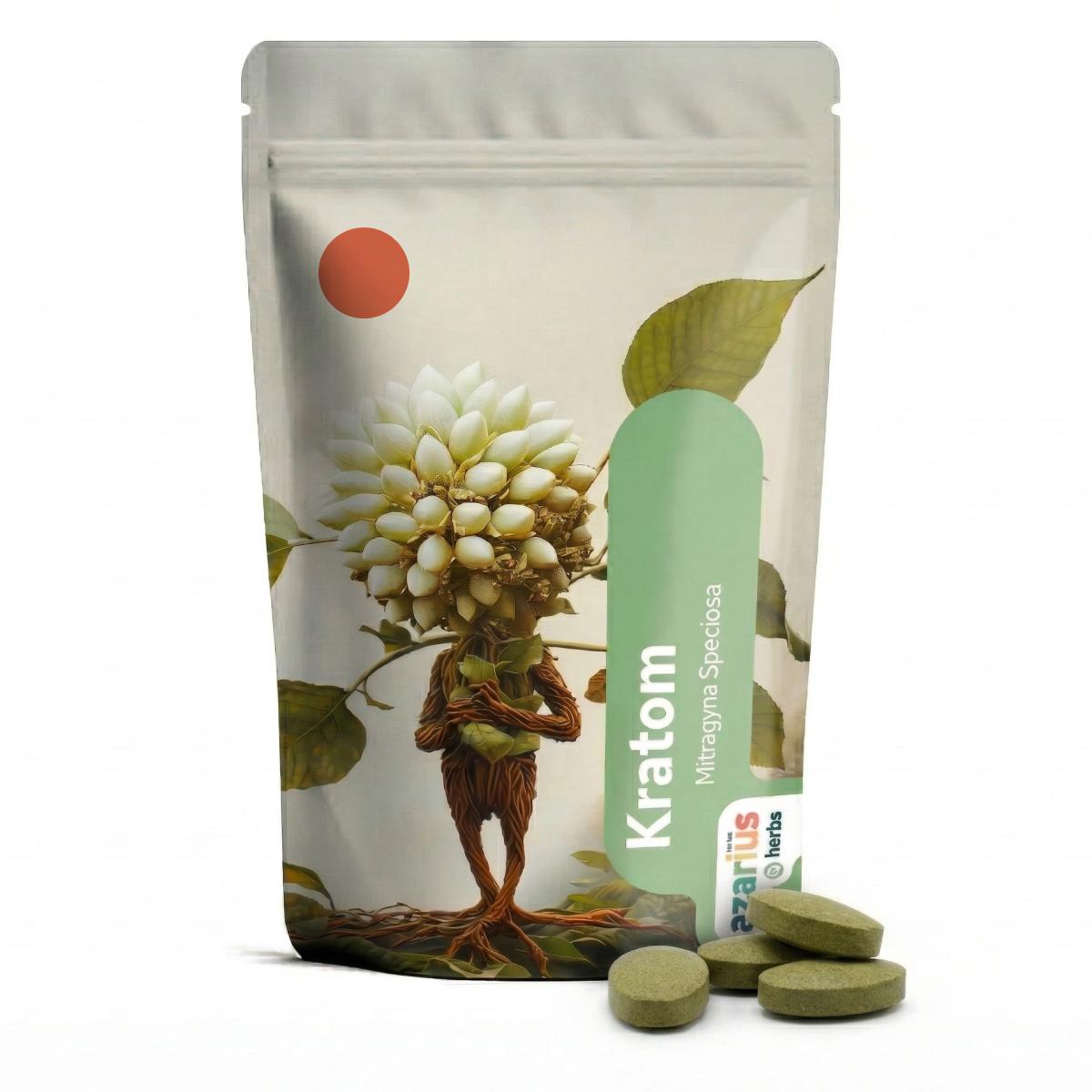
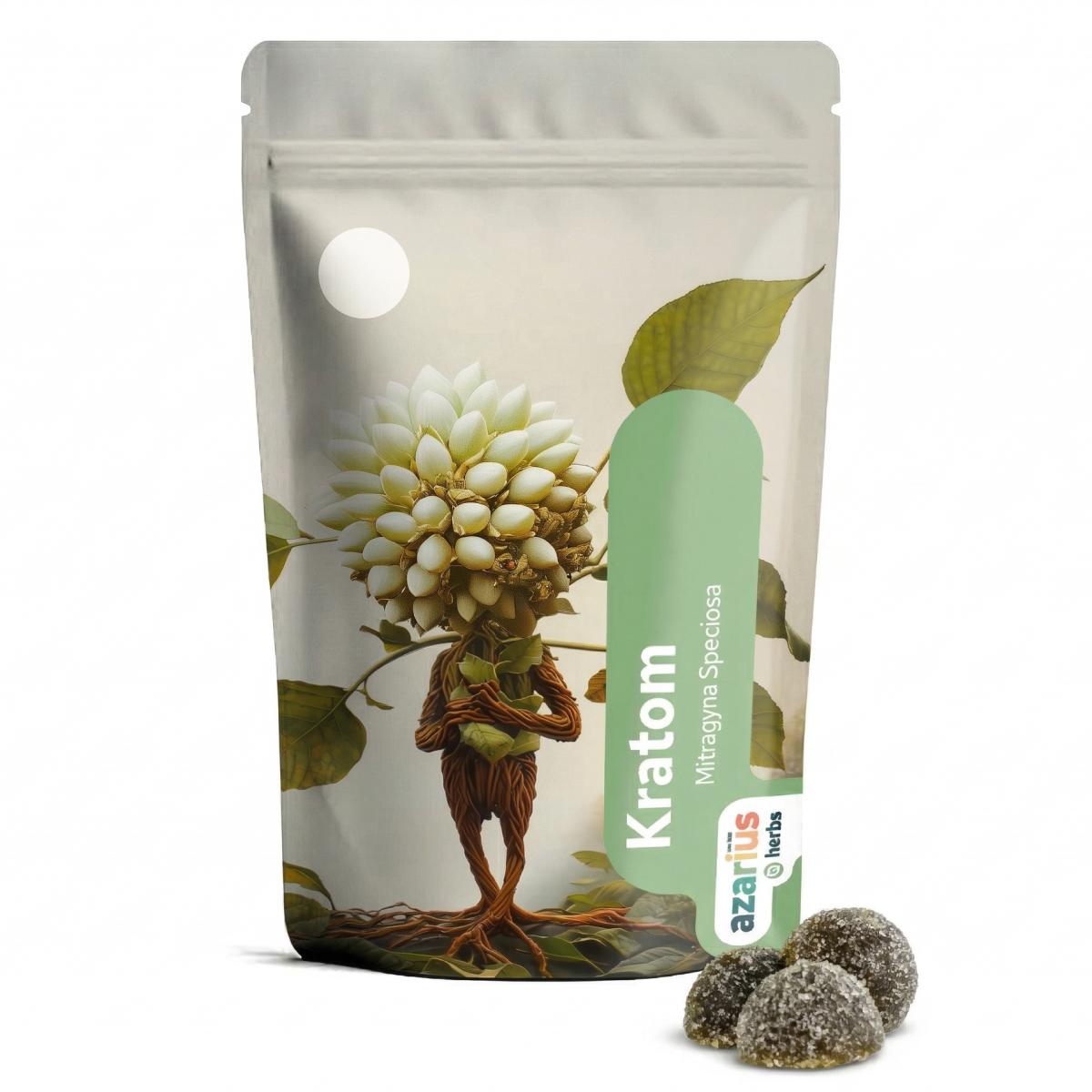
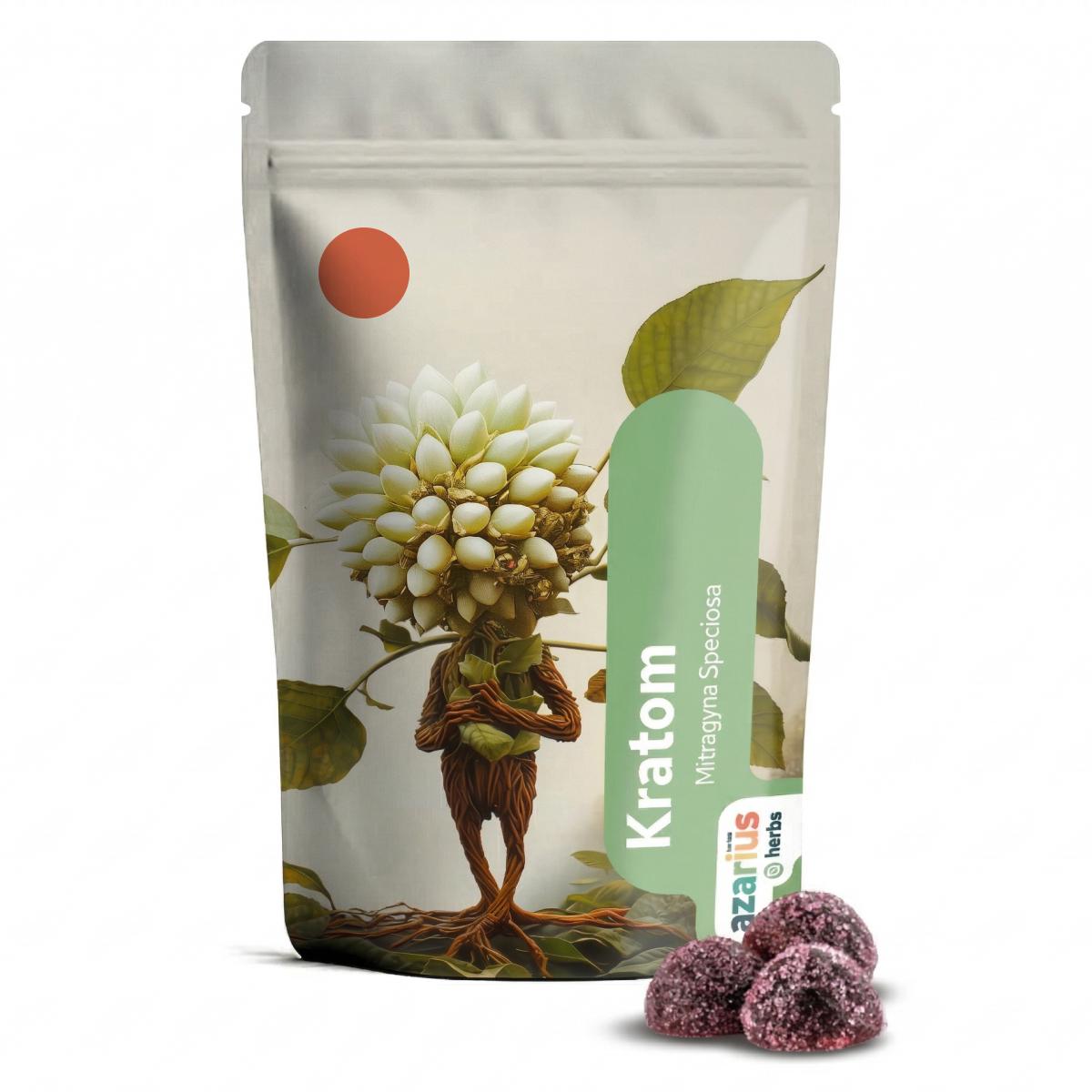
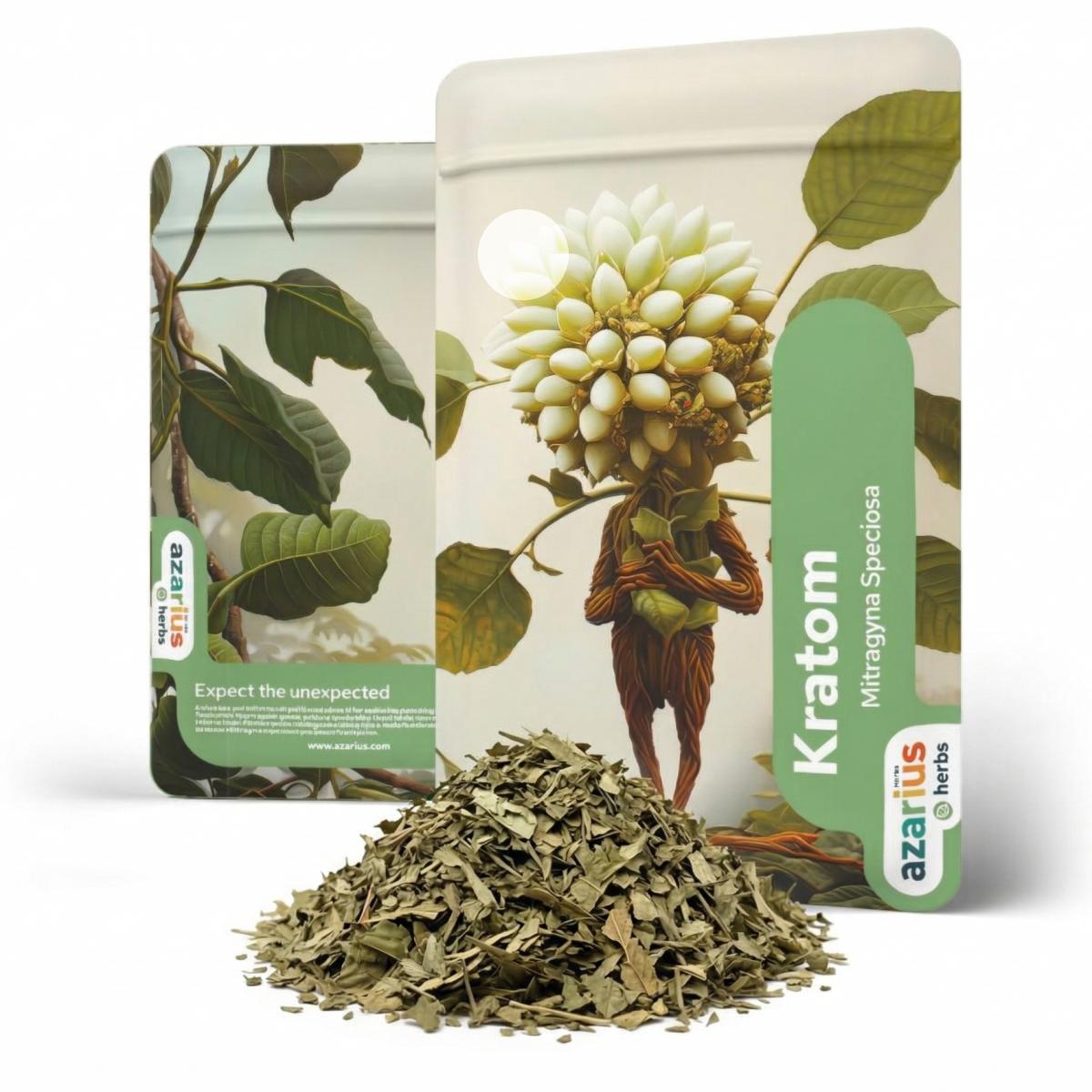
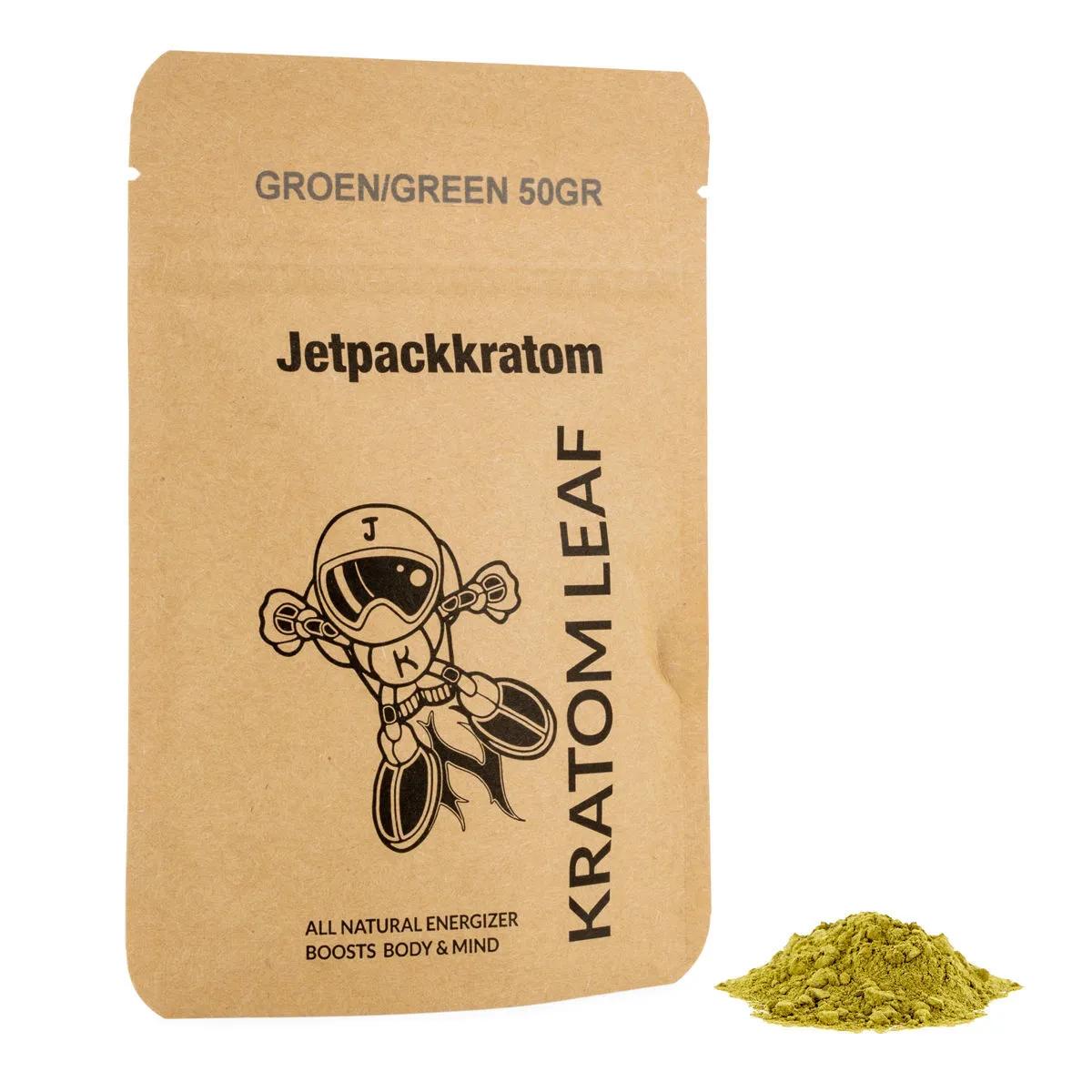
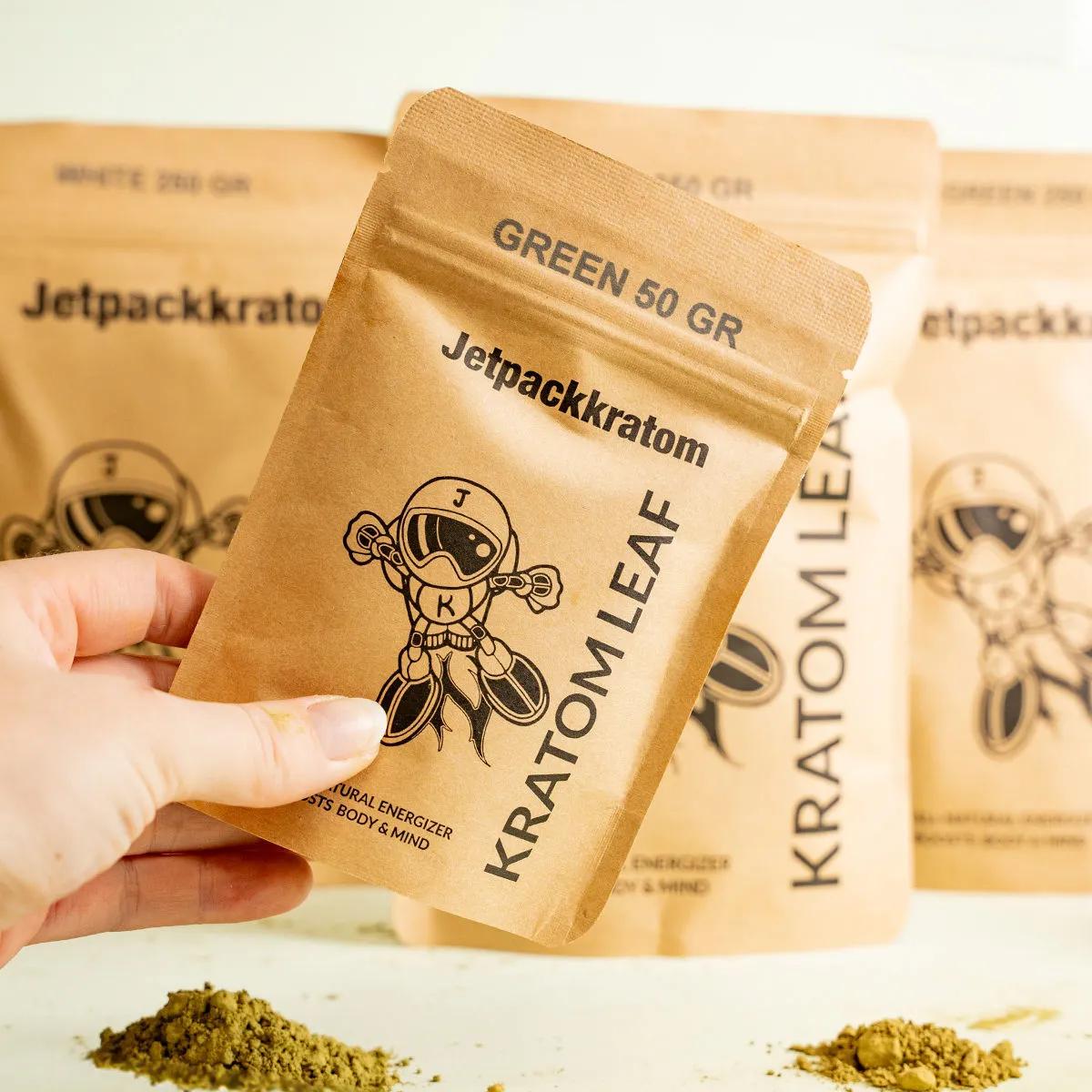
Kratom gummies are pre-dosed chewables that deliver Mitragyna speciosa extract in a sweet, portable format — no bitter powder to wash down, no capsules to count out. This guide is written for adults aged 18 and over. If you've been curious about kratom but put off by the taste of toss-and-wash, gummies are where most people buy their first experience. We've stocked kratom formats since the early 2000s and the edible shift is the biggest thing to happen to this plant in years.
Kratom Gummies — Buying Guide for a Newer Format
Gummies are the most beginner-friendly way to buy kratom. The appeal is simple: every piece is a fixed dose of standardised extract, so you skip the two things that make powder annoying — the gag-inducing flavour and the guesswork around measuring. Compared to capsules, you don't need to swallow anything whole, and absorption starts in the mouth rather than waiting for a gelatine shell to dissolve in your stomach.
The format matters because kratom is notoriously inconsistent across batches of raw leaf. A standardised extract gummy pins the active alkaloid content — mitragynine and 7-hydroxymitragynine — to a specific number per piece. That's a different value proposition from buying a bag of green Maeng Da powder where potency drifts between harvests. Roughly 1.7 million Americans reported using kratom in 2021 according to SAMHSA data, and edibles have been the fastest-growing share of that market ever since manufacturers cracked stable extract formulations around 2020. The EMCDDA has also tracked rising European interest in kratom products through its drug monitoring reports.
Gummies vs Powder vs Capsules — Which to Buy
| Format | Onset | Dose precision | Good for |
|---|---|---|---|
| Gummies (extract) | 20–45 min | Fixed per piece | First-time buyers, people who hate the taste, travel |
| Powder (leaf) | 15–30 min | Requires scale | Experienced users who want to fine-tune |
| Capsules (leaf) | 30–60 min | Fixed per cap, but needs many | People who want leaf without the taste |
| Extract tinctures | 15–30 min | Measured by dropper | Advanced users comfortable with concentrates |
Read the table by onset and dose precision first. If you've never tried kratom, a fixed-dose gummy removes two of the three variables that catch people out. The third variable — your own tolerance — is the only one you actually need to learn.
What to check before you order a kratom gummy
- Extract strength per piece — measured in milligrams of standardised extract, not leaf powder. Don't compare the two numbers directly.
- Pack size — a 30-piece pack is sensible for a first order; 60-piece once you know the format suits you.
- Flavour — sweet fruit coatings mask the earthy note; the Bitter Melon variant leans herbal for buyers tired of candy-sweet.
- Timing — empty stomach for faster onset, with food to ease in.
- Interactions — avoid combining with alcohol, benzodiazepines, or other CNS depressants.
Extract gummies are measured in milligrams of standardised extract, not milligrams of leaf powder — a small number on a gummy label represents far more alkaloid content than the same number on a bag of powder. In our shop you'll find the Azarius Kratom Gummies in both 30-piece and 60-piece packs, plus a Bitter Melon variant for buyers who prefer a less sweet profile.
From our counter: the question we get most often from walk-in customers in Amsterdam is "which one doesn't taste like kratom?" The honest answer is that none of them taste like nothing — the fruit-flavoured extract gummies are the closest you'll get to a clean chew, and even then you'll notice a faint earthy finish. Anyone who tells you otherwise is selling you something.
Honest limitation: gummies are not the cheapest way to get kratom by weight. If you're an experienced user dosing daily, powder will always be better value. Gummies earn their price on convenience, consistency, and not having to taste anything bitter — not on cost per alkaloid milligram.
Kratom sits on mu-opioid receptors as a partial agonist, which is why combining it with alcohol, benzodiazepines, or other CNS depressants is a bad idea — a 2019 review in the Journal of the American Osteopathic Association flagged polysubstance use as the dominant risk factor in kratom-related adverse events, not kratom alone. The Beckley Foundation has published parallel work on plant alkaloid pharmacology that's worth reading if you want deeper context.
Who shouldn't get kratom gummies
Skip this category if you're pregnant, breastfeeding, on prescription medication (especially SSRIs, MAOIs, or opioid-class drugs), or have liver or kidney concerns. Kratom is metabolised by CYP3A4 and CYP2D6 enzymes, so it interacts with a long list of pharmaceuticals. If you're in any of those groups, no gummy format changes that.
Frequently Asked Questions
Are kratom gummies stronger than kratom powder?
Per gram, yes — because gummies contain concentrated extract rather than ground leaf. One extract gummy can match several grams of powder in alkaloid content. Always compare extract milligrams to extract milligrams, never extract to leaf powder directly.
How long do kratom gummies take to kick in?
Usually 20–45 minutes, a little slower than powder mixed in water but faster than capsules. Empty stomach speeds onset; a full meal can push it toward the hour mark. Don't redose before 90 minutes — that's the most common mistake we see.
Can I buy kratom gummies instead of capsules if I hate the taste?
Yes, that's the main reason they exist. Capsules mask the flavour but you still need to swallow several to reach a useful dose. Gummies hit a fixed dose per piece with natural fruit flavours covering the earthy kratom note.
How should I store kratom gummies?
Cool, dark, dry. Heat degrades the alkaloids and turns the gummies sticky. Keep the pack sealed between uses and out of reach of anyone under 18 — they look like sweets, which is exactly the storage risk.
What's the difference between the regular and Bitter Melon gummies?
Flavour profile. The Bitter Melon variant leans less sweet and more herbal, which some buyers prefer when the fruit-candy taste gets old. Same extract format, different palate.
Where can I buy kratom gummies from Azarius?
Order them directly from the Azarius shop — we ship from Amsterdam and have stocked kratom formats since the early 2000s. Both 30-piece and 60-piece packs are available, alongside the Bitter Melon variant.
New to this plant? Our wiki explains the effects of kratom, dosage and safe use in depth.
Last updated: April 2026