
Bali Kratom
Bali kratom is the "classic" label in the Mitragyna speciosa world — the strain most vendors point first-timers to because the alkaloid profile sits in the middle of the road: moderate mitragynine, moderate 7-hydroxymitragynine, no extremes. Buy Bali kratom from Azarius and you're ordering the template the rest of the market gets compared to. Smartshop since 1999.
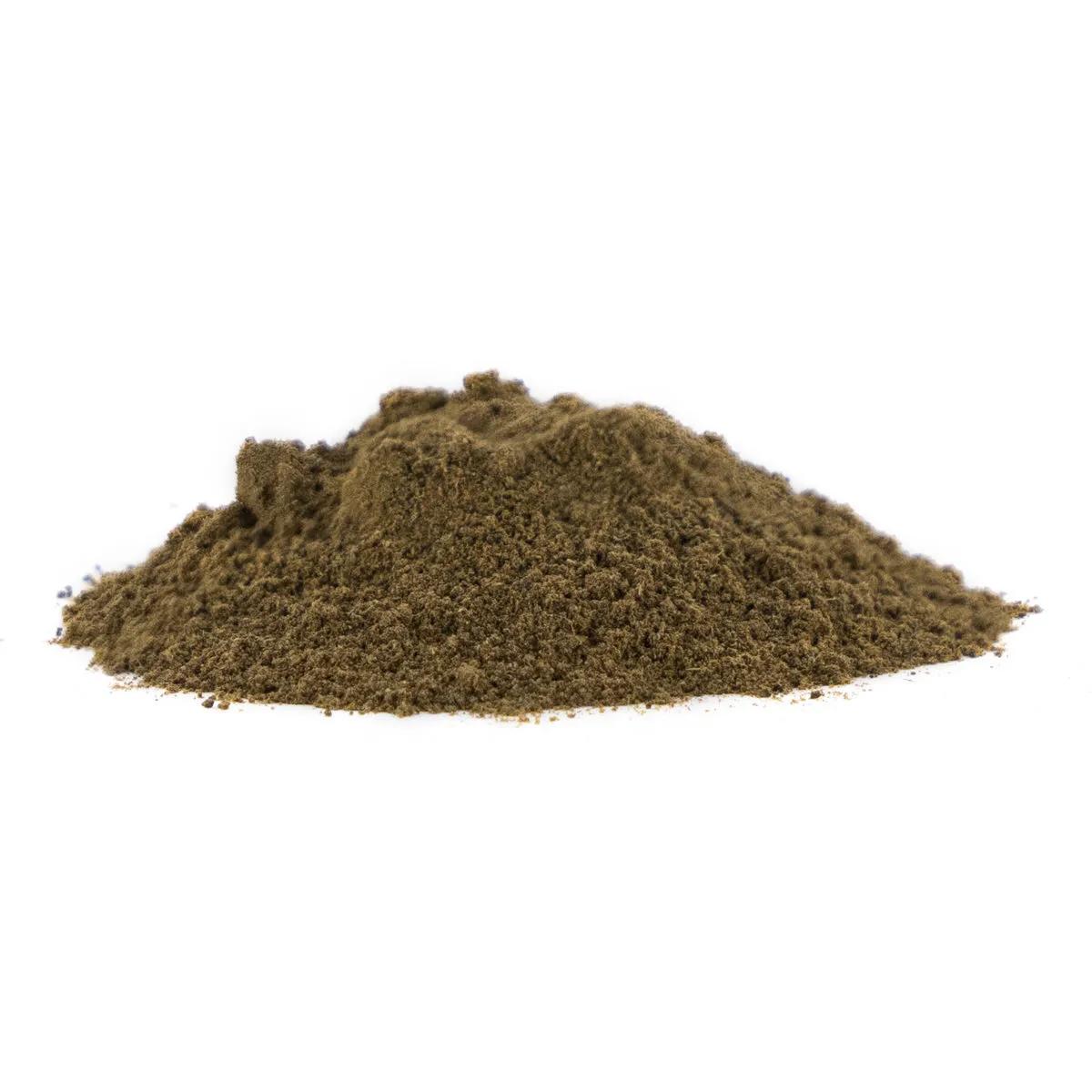
Bali kratom is the "classic" label in the Mitragyna speciosa world — the strain most vendors point first-timers to because the alkaloid profile sits in the middle of the road: moderate mitragynine, moderate 7-hydroxymitragynine, no extremes. Buy Bali kratom from Azarius and you're ordering the template the rest of the market gets compared to. Smartshop since 1999.
Bali Kratom — What the "Bali" Label Actually Means
Bali kratom refers to Mitragyna speciosa sold under the Bali strain name — traditionally associated with balanced, mid-range mitragynine content and marketed as the beginner-friendly benchmark. The island is a trading hub, not a major kratom-growing region. The leaf itself usually comes from Borneo or Sumatra, gets shipped through Bali's ports, and picks up the name along the way.
That's not a scam — it's just how the naming convention calcified in the 2000s. "Bali" became shorthand for a flavour/alkaloid style rather than a geographic origin. Vendors who tell you their Bali is grown on Bali specifically are either misinformed or stretching the truth. What you're really buying is a processing style and an alkaloid fingerprint the market agreed to call Bali.
Red, Green, White — The Three Bali Vein Colours
Bali strain comes in three vein colours, all from the same Mitragyna speciosa tree, differentiated by when the leaf is picked and how it's dried. Red Bali is the mature, fully oxidised version — the one most people mean when they just say "Bali." Green Bali is picked earlier and dried with less oxidation, giving a slightly brighter profile. White Bali is the youngest leaf, minimally oxidised, the sharpest of the three.
| Vein | Harvest stage | Alkaloid character | Good for |
|---|---|---|---|
| Red Bali | Mature leaf, full oxidation | Mellow, heavier end of the Bali range | Beginners who want the "classic" Bali starting point |
| Green Bali | Mid-stage leaf, partial oxidation | Middle of the road, most balanced | Buyers who want an everyday, middle-ground option |
| White Bali | Young leaf, minimal oxidation | Brighter, sharper profile | Experienced users looking for variety within the Bali family |
| Bali 15x extract | Concentrated powder | Fifteen times the alkaloid density of raw leaf | Users who'd rather measure in grams than tablespoons |
Bali Kratom vs Other Strain Names — How to Choose
Bali sits in the middle of the kratom naming ecosystem, which is exactly why it gets recommended to first-time buyers. Maeng Da is marketed as the stronger, more stimulating end. Borneo is often described as slower and heavier. Thai and Malay tend to be pitched as more energetic. Bali is the one without a strong marketing angle — and that's its selling point. It's the neutral reference.
Two decision criteria actually matter when you're choosing Bali over a neighbour: format and concentration. Raw Bali leaf powder means tablespoon-level scoops and a famously bitter tea. Bali extract powder — like the 15x we stock — compresses that into gram-scale portions that dissolve more readily in hot water. If you've used plain Bali powder before and found the volume annoying, extracts solve that problem. If you're brand new, raw powder is the more forgiving starting point because the dose curve is flatter.
What We Stock
- Kratom Bali 15x Extract — a concentrated Bali-strain powder for buyers who'd rather skip the large-volume scoops of raw leaf. One product, one job.
We keep the Bali category tight on purpose. The kratom market is flooded with vendors rebadging the same Indonesian leaf under a dozen names; we'd rather stock one Bali format that earns its shelf space than pad the shop with near-identical powders. If you want to shop a wider kratom range, our main kratom category has other strains and formats alongside it.
How to Choose Your Bali Kratom
If this is your first time ordering kratom at all, most people start with raw red Bali powder from our broader kratom range — the dose is forgiving and the Bali profile is the one the whole market gets benchmarked against. If you've already worked with raw kratom and you're tired of the volume, the Bali 15x extract is the logical next step: same strain family, compressed format. Start low regardless of which format you buy — extracts concentrate everything, including the bitterness.
Honest limitation: nobody can tell you a Bali extract will feel exactly 15x stronger than raw leaf. Alkaloid concentration and subjective experience don't scale linearly, and tolerance, stomach contents, and hydration all interfere. Buy small first, see how you get on, then decide whether to order more.
Frequently Asked Questions
Is Bali kratom actually from Bali?
Usually no. Most "Bali" kratom on the market is grown in Borneo or Sumatra and shipped through Bali's ports — the name is a market convention, not a geographic guarantee. Vendors who claim island-grown Bali leaf are typically overselling.
What's the difference between red, green, and white Bali?
All three come from the same Mitragyna speciosa tree — the difference is leaf maturity and drying method. Red is fully oxidised mature leaf, green is mid-stage with partial oxidation, white is young leaf with minimal oxidation. The alkaloid profiles shift accordingly.
Is Bali kratom good for beginners?
It's the strain vendors most often point beginners to, mainly because the alkaloid profile sits in the middle of the range rather than at an extreme. That said, raw Bali powder is more forgiving than Bali extract — start with the raw form if you're brand new.
What's the difference between Bali kratom powder and Bali extract?
Raw Bali powder is ground leaf measured in grams-to-tablespoons. Bali extract is concentrated powder — our 15x version delivers fifteen times the alkaloid density of raw leaf, so portion sizes drop to fractions of a gram. Extracts save volume; raw powder is more forgiving on dose.
Why does Azarius only stock one Bali kratom product?
Because the market is saturated with near-identical Indonesian leaf under different names, and we'd rather carry one Bali format that earns its place than pad the shelf. If you want broader strain variety, our main kratom category covers the rest.
Last updated: April 2026
Medical disclaimer. This content is for informational purposes only and does not constitute medical advice. Consult a qualified healthcare provider before use of any substance.