
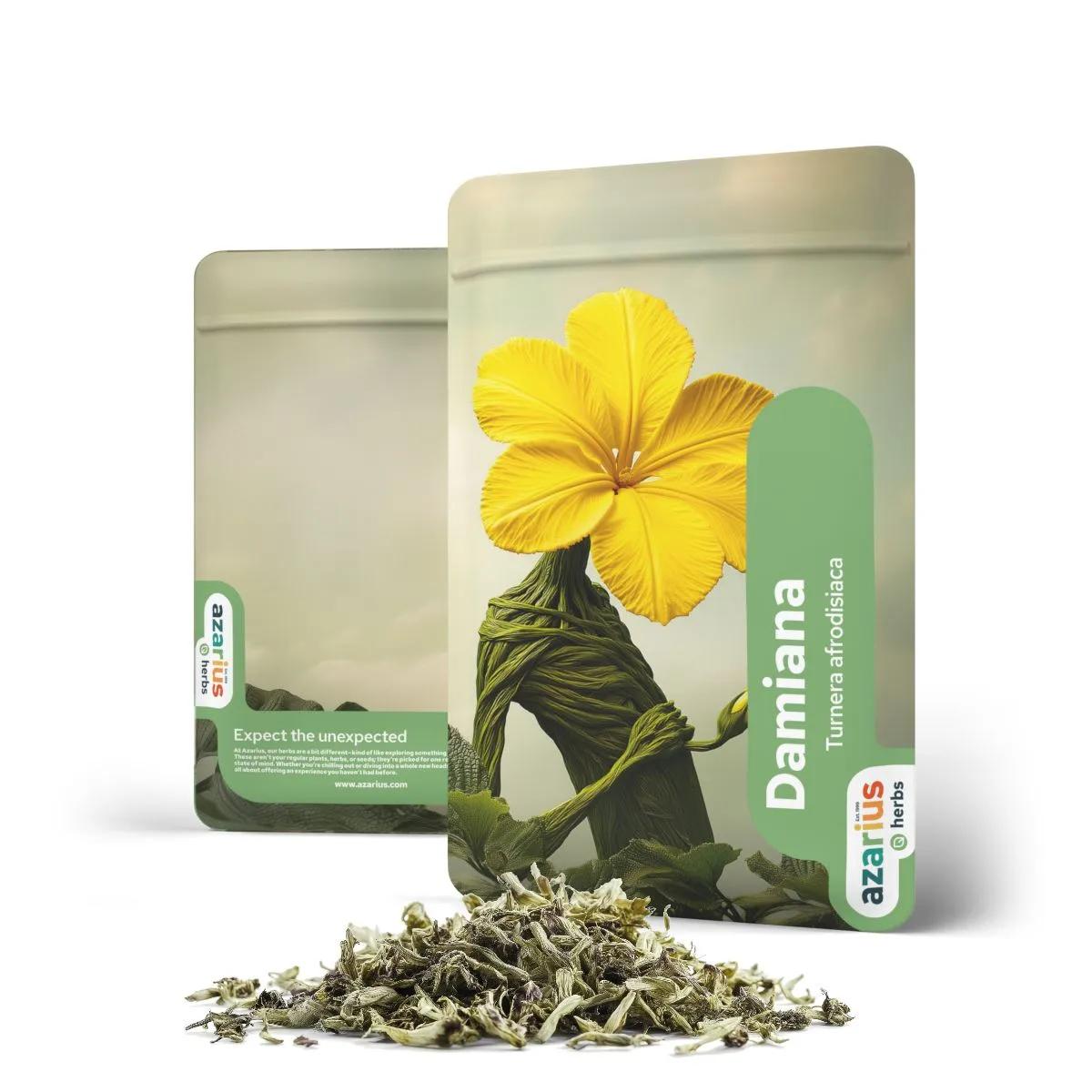
Damiana is a dried botanical herb from Turnera diffusa, a small shrub native to Central and South America, traditionally used across Mexico and the Caribbean as an aphrodisiac and gentle tonic. At Azarius we stock damiana in two formats: the raw cut leaf and a concentrated 10x extract. Buy damiana online from the world's first smartshop — shipping across the EU since 1999. Written for adults 18+.
Buy Damiana — Leaf vs Extract Buying Guide
The choice comes down to two formats: loose dried leaf, or a resin-style concentrate. Both are Turnera diffusa, both have the same traditional use, but they behave very differently once you've got them in the kitchen. Leaf is the flexible, hands-on option. Extract is the concentrated, measure-and-done option. That's basically the whole decision.
Damiana has been chewed, brewed and smoked for centuries in its native range — Mexican herbalists have written about it since at least the 1870s, and it still turns up in traditional liqueurs like Guaycura. The cut leaf is what you'll find in herbalist shops across Oaxaca; the standardised extract is a newer, European-style preparation made for people who want consistency from cup to cup.
Damiana Leaf vs Damiana Extract — At a Glance
| Format | Strength | Best for | Preparation |
|---|---|---|---|
| Cut leaf | Standard (1x) | Tea drinkers, smoking blends, tincture-makers, first-time buyers | Brew, roll, or steep in alcohol |
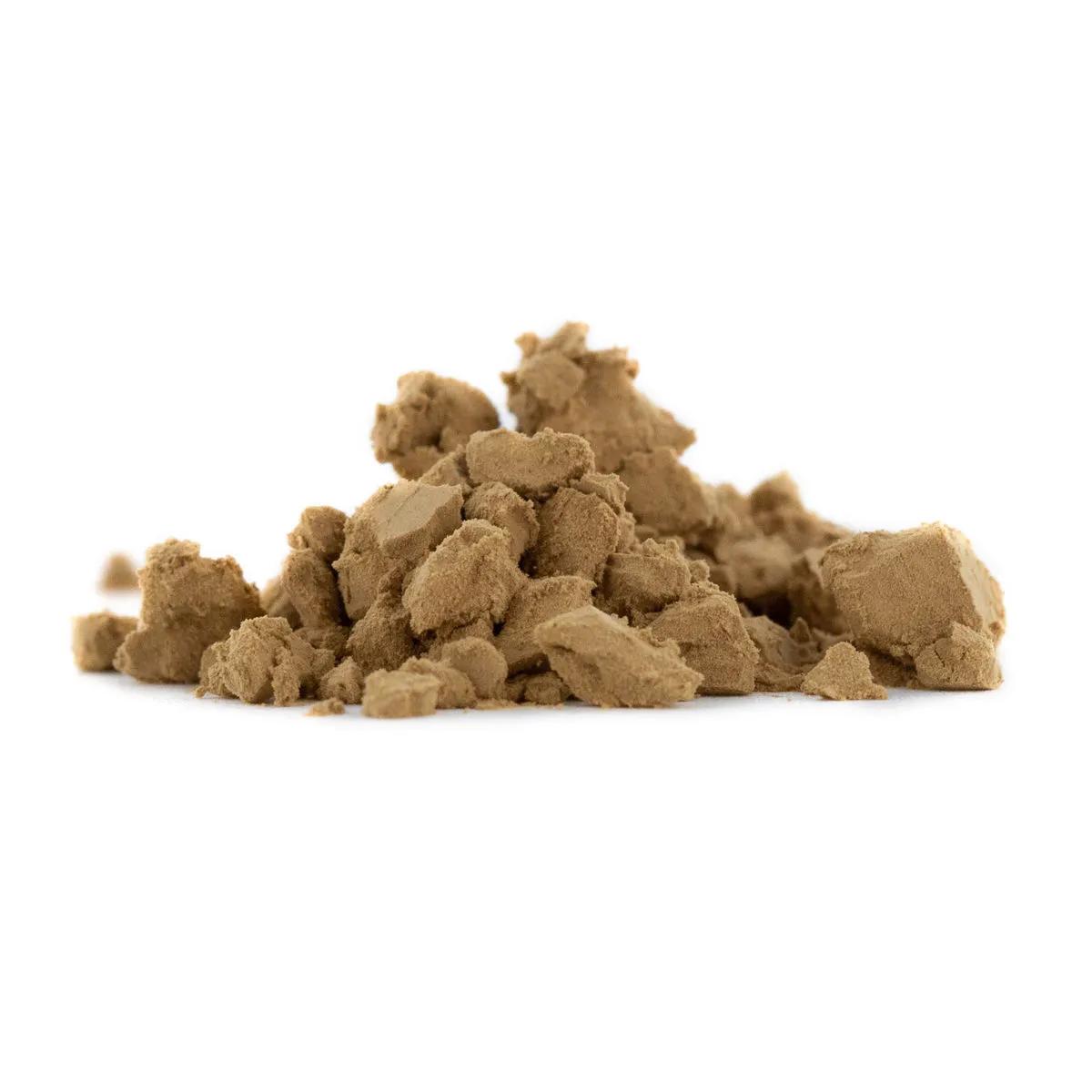
| 10x extract | Ten times concentrated | Experienced users who want a stronger cup without drinking a pot of tea | Brew a small pinch into hot water |
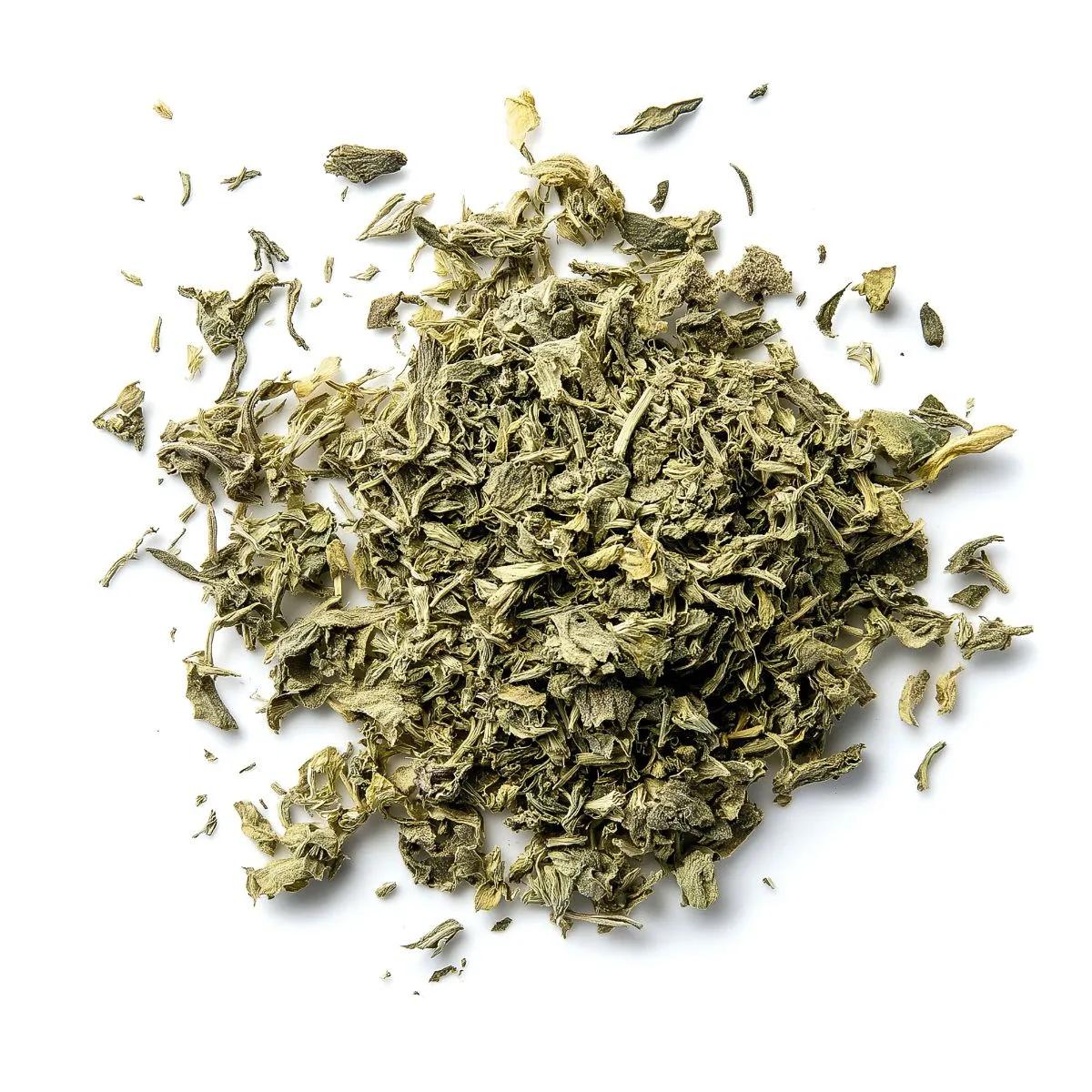
If you're new to the herb, get the leaf. It's the traditional format, it smells fantastic (warm, slightly bitter, a bit like chamomile's moodier cousin), and you can experiment — one batch as tea, another rolled into a herbal smoking mix with mullein or raspberry leaf, a third jarred up with vodka as a homemade tincture. The extract is the shortcut. Same plant, less volume, stronger cup.
What We Carry
- Damiana leaves — dried cut-and-sifted Turnera diffusa for tea, smoking blends, or tinctures. Start here if you've never tried the herb.
- Damiana 10x extract — a concentrated preparation for a quicker, stronger brew.
How to Choose Your Damiana
It's cheaper per serving, more versatile, and it teaches you what damiana actually tastes and feels like at baseline. Once you know the herb, the 10x is a sensible upgrade — especially if you're making tea daily and don't want a kitchen cupboard full of dried leaf.
A few things to weigh before you buy:
- How you'll use it. Smoking blends and tinctures need loose leaf — extracts don't roll or macerate well.
- Taste tolerance. Damiana is pleasantly bitter-floral. Extracts concentrate the bitterness too. Honey helps.
- Storage space. Leaf takes up volume. Extract is compact, which matters if you're ordering other herbs alongside it.
- Budget per cup. Gram-for-gram the extract looks pricier, but you use far less per serving — work it out per cup, not per gram.
When in doubt, start with the leaf. You can always order the extract next round.
Frequently Asked Questions
What's the difference between damiana leaf and damiana 10x extract?
The leaf is the raw dried herb; the 10x is a concentrated preparation where roughly ten parts leaf have been reduced to one part extract. Same plant, same traditional use — the extract just gives you a stronger cup from a smaller pinch. Leaf is more versatile (tea, smoking blends, tinctures); extract is more convenient for daily tea drinkers.
Can I smoke damiana leaves?
Yes — damiana is one of the classic herbs used in tobacco-free smoking blends, usually mixed with mullein, raspberry leaf, or mugwort. You'll want the cut leaf for this; the extract is designed for brewing, not rolling. Traditional smoking blends in Mexico have used damiana for well over a century.
Is damiana the same as Turnera diffusa?
Yes. Turnera diffusa is the botanical name for the damiana shrub, native to Mexico, Central America and the Caribbean. Any reputable damiana product — leaf or extract — should list Turnera diffusa on the label. If it doesn't, be sceptical.
Which damiana should I buy first?
Get the loose leaf. It's the traditional format, it's more flexible (tea, smoking, tincture), and it gives you a proper sense of the herb before you commit to a concentrate. Once you know you like damiana, the 10x extract is a sensible second order if you're brewing daily.
Last updated: April 2026