
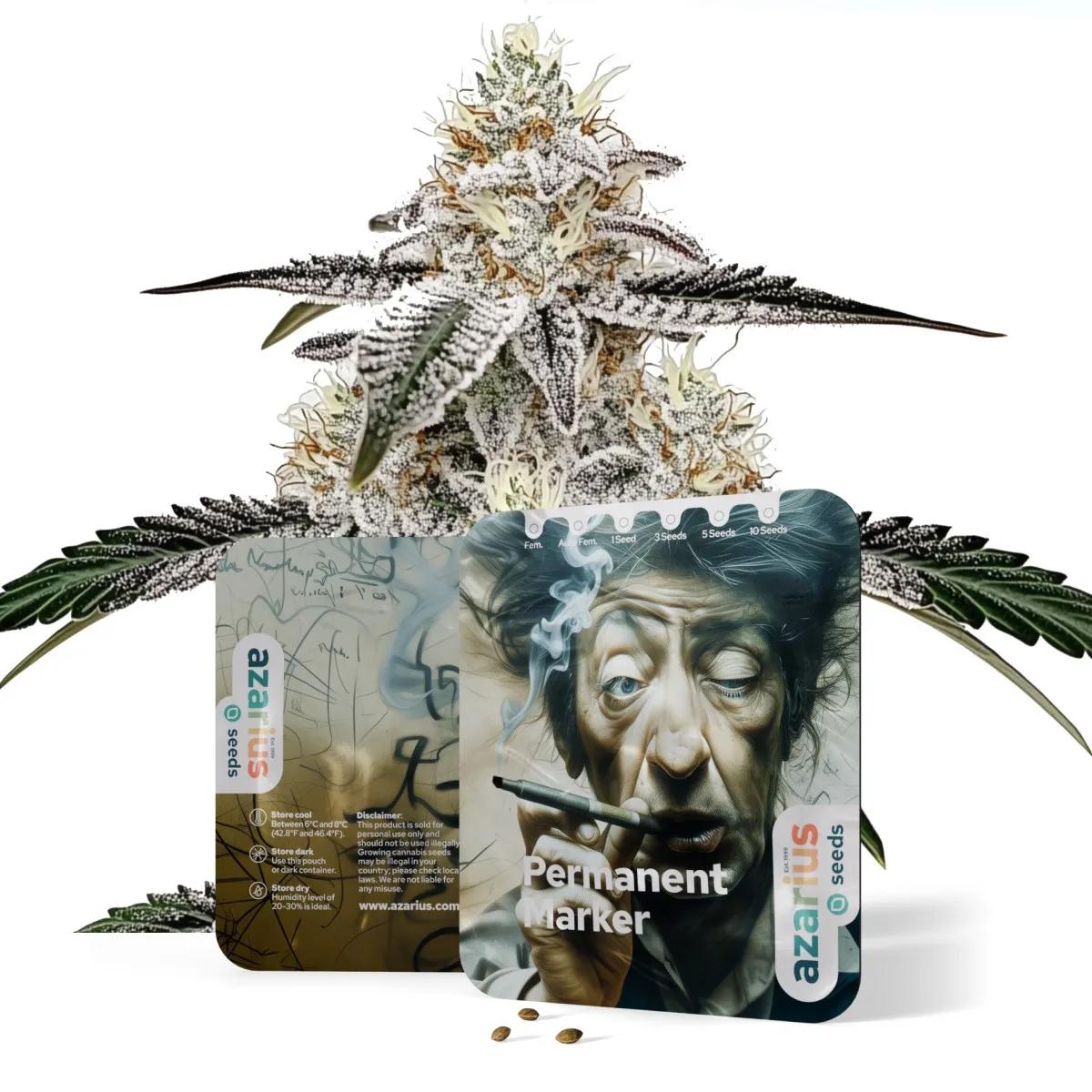
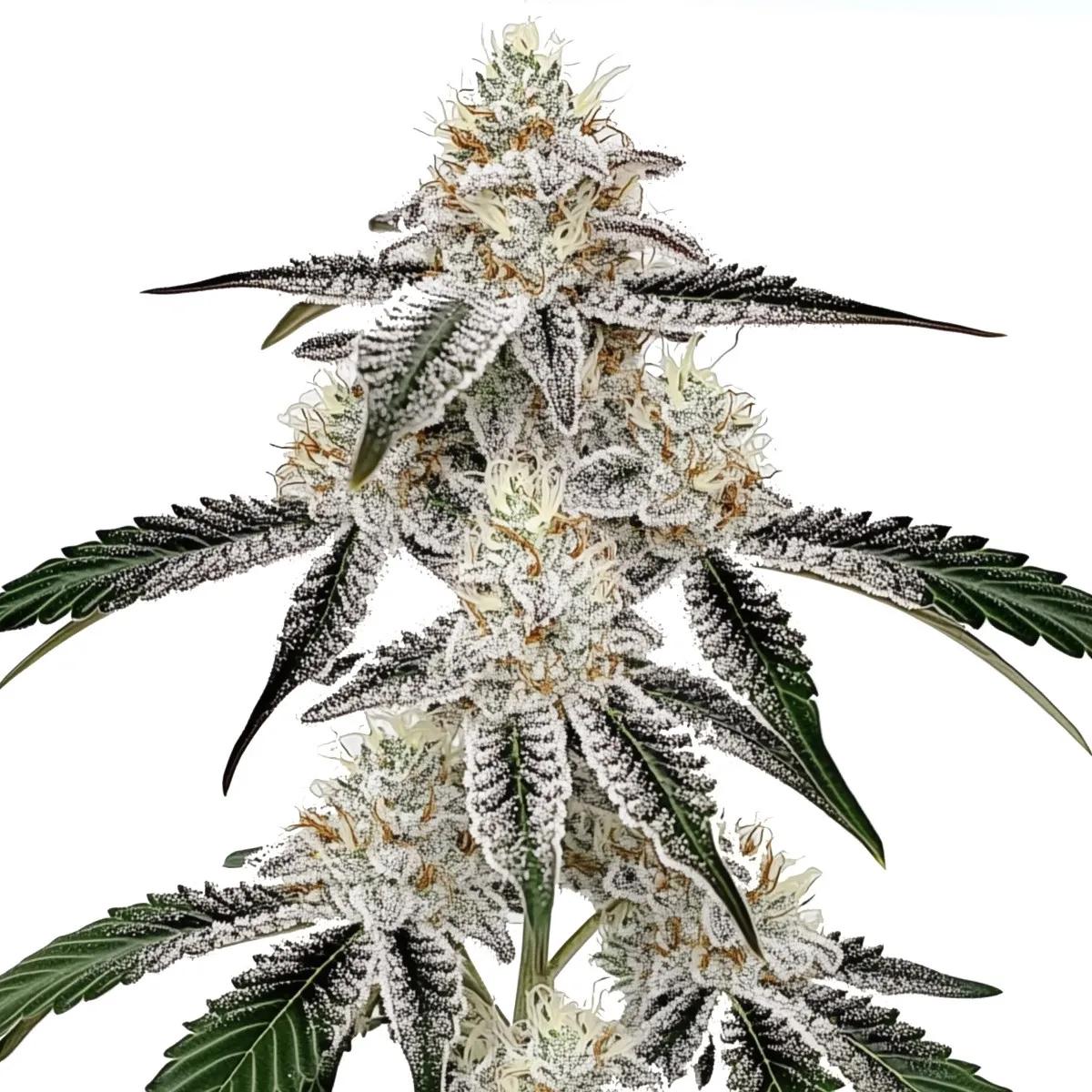
Cannabis Cup winning seeds are the strains that took home trophies at competitions like the High Times Cannabis Cup, Spannabis Champions Cup, and Emerald Cup — the genetics judges picked out from hundreds of entries as best in category. A Cup win is pedigree you can taste. We carry three Cup-pedigree feminized strains with documented competition wins and judged lineage going back decades.
Cannabis Cup Winning Seeds — Why the Trophy Actually Matters
A Cannabis Cup win means a panel of growers, breeders, and industry judges blind-scored that strain against dozens of others and put it at the top. The High Times Cannabis Cup ran in Amsterdam from 1988 to 2014 before moving stateside, Spannabis Champions Cup has been the European benchmark since 2002, and the Emerald Cup (California, since 2004) is the largest outdoor and sungrown competition in the world. These aren't marketing badges — judges score on aroma, flavour, bud structure, resin production, and in more recent years lab-verified cannabinoid and terpene profiles.
The reason it matters when you buy seeds: a Cup win tells you the genetic line has been stress-tested by people who grow and smoke for a living. White Widow (Greenhouse Seed Co., Cup winner 1995) and Northern Lights (winner 1988, '89, '90) are still in the parent lineage of roughly half the hybrids sold today. Amnesia Haze took the Cup in 2004 and again in 2012. Royal Gorilla (Royal Queen Seeds) won Best Hybrid at the Highlife Cup 2017. Pineapple Chunk from Barney's Farm picked up multiple Spannabis and High Times placements. That's three decades of competition data doing the quality control for you.
How Cannabis Cup Judging Works
Judges receive unlabelled samples and score across categories — Best Sativa, Best Indica, Best Hybrid, Best Feminized, Best CBD, Best Extract, and more recently Best Terpene Profile. Scores cover appearance (bud density, trichome coverage, trim quality), nose (terpene intensity and complexity), taste on the inhale and exhale, and effect duration. Modern Cups also require lab-verified cannabinoid panels to stop anyone fudging the numbers. Winning a single category is hard. Winning Strain of the Year — like Permanent Marker did in 2023 — means the strain outperformed everything else that crossed a judge's desk that year.
The Cup-Pedigree Seeds We Carry
Three feminized strains, three different pedigree stories:
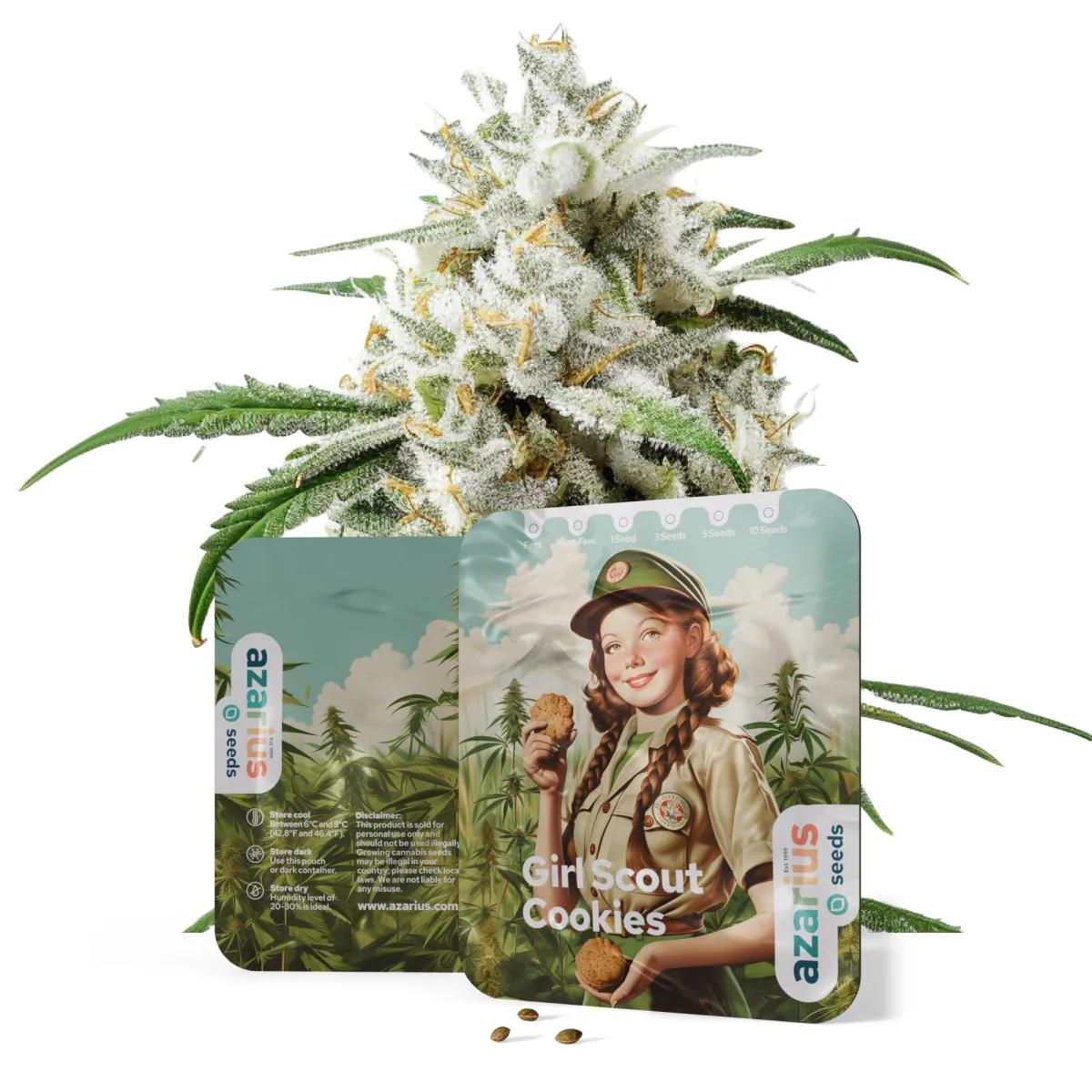
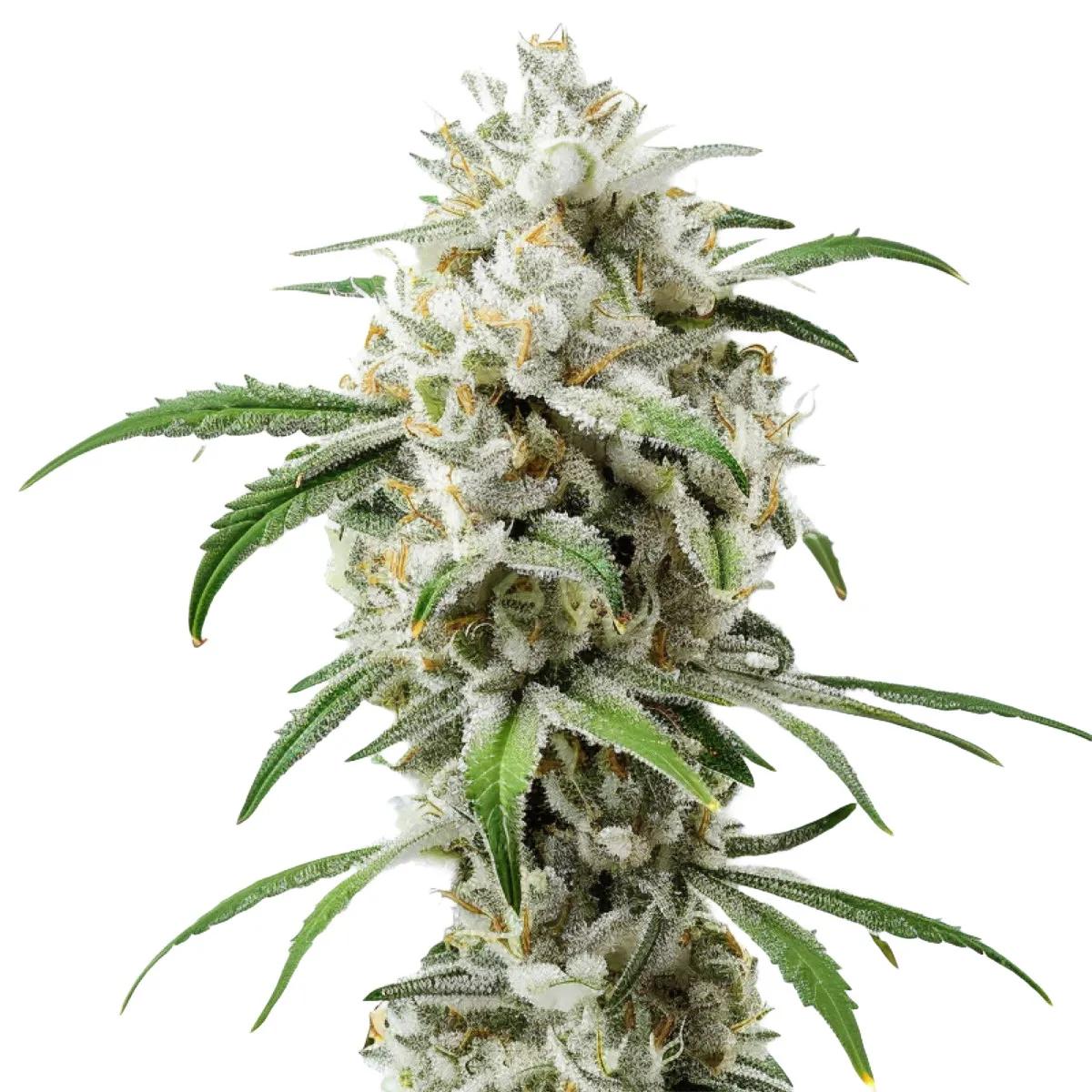
- Girl Scout Cookies — the Durban Poison x OG Kush cross that took Best Hybrid at the 2013 San Francisco High Times Cannabis Cup and set the template for the modern "dessert" strain era.
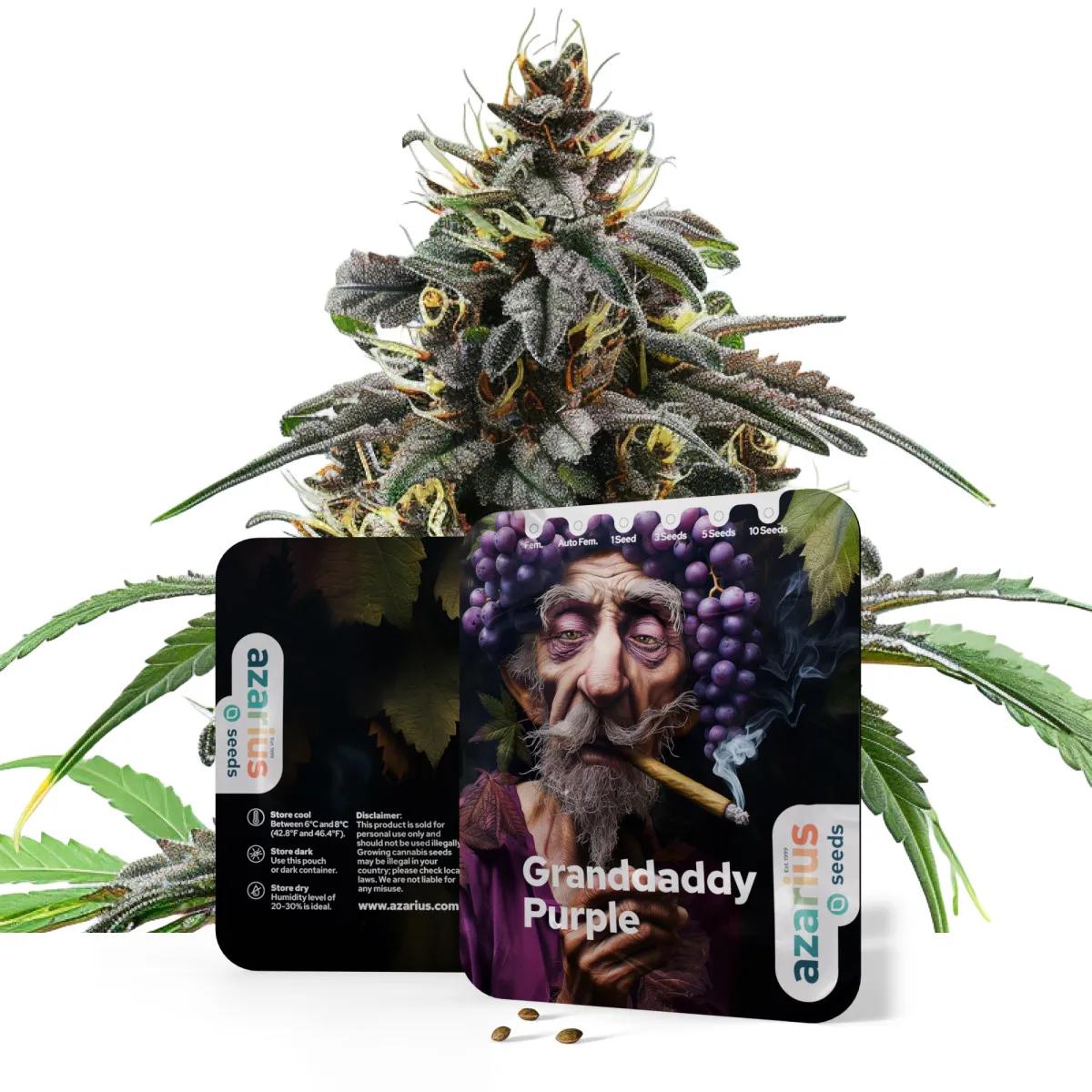
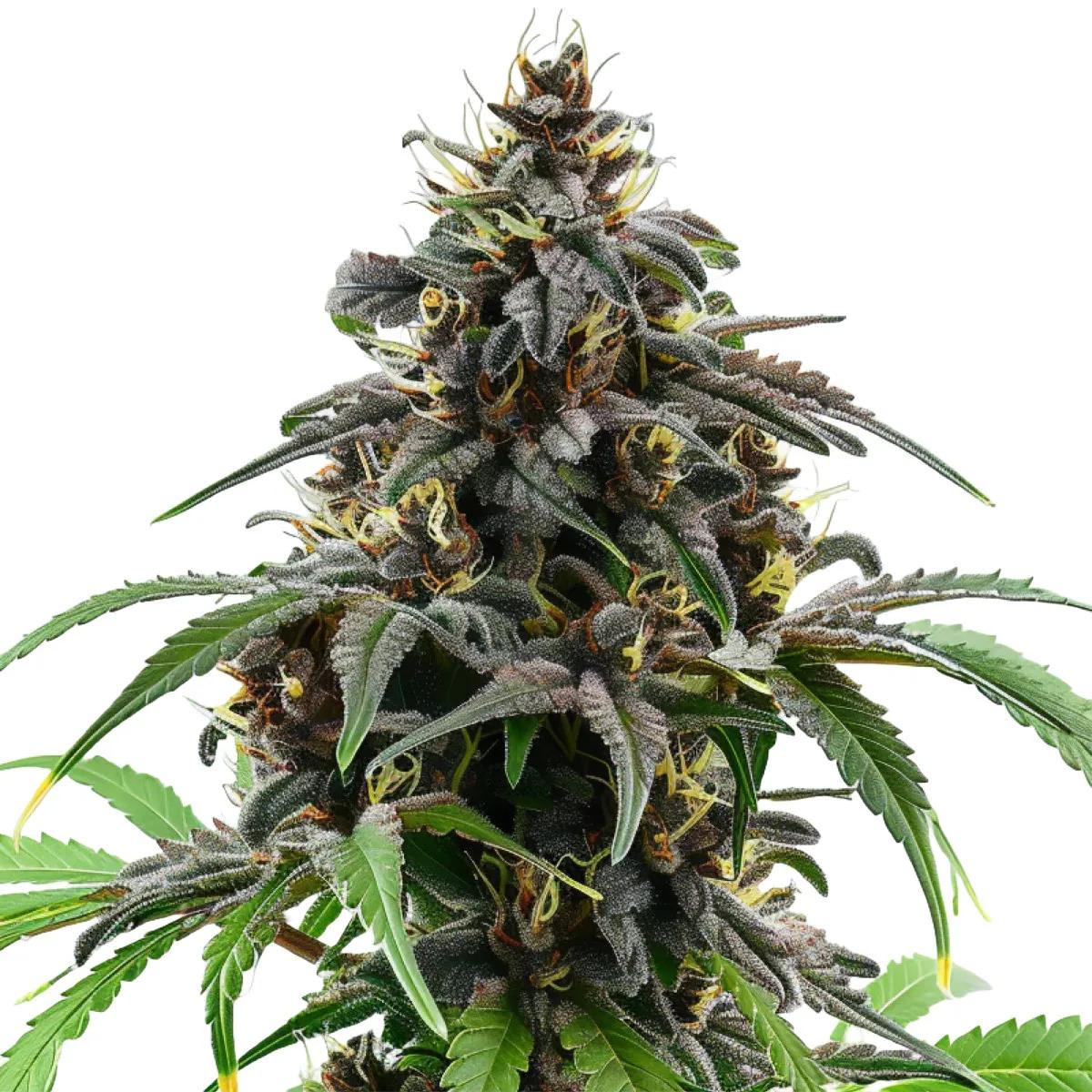
- Granddaddy Purple — Ken Estes' Purple Urkle x Big Bud indica, Cup-placed multiple times since its 2003 debut and still the reference point for any purple-phenotype strain on the market.
- Permanent Marker — Leafly's Strain of the Year 2023, a Biscotti x Jealousy x Sherb Bx cross that's become the most-hunted cut in North America in under two years.
How to Choose a Cup-Winning Strain
Decide what you want before you shop the trophy cabinet. If you're after the classic Amsterdam coffeeshop flavour profile — citrus, haze, cerebral — look at Haze-lineage winners. If you want the dense, resin-heavy buds that dominated Cups from 2010 onwards, Cookies and Kush descendants are your shelf. If colour and terpenes matter more than sheer THC numbers, the purple indica line (Granddaddy Purple, Purple Urkle) has a 20-year Cup track record. Newcomers to growing should start with a strain that has documented yield data from multiple growers — which every Cup winner does, because Cup wins generate forum threads and grow diaries for years afterward.
Worth saying plainly: a Cup win is a pedigree signal, not a guarantee. Feminized seeds from the original breeder of a Cup winner will give you genetics close to the trophy plant. Feminized seeds of a strain "inspired by" a Cup winner are a different conversation. We only stock seeds where the breeder lineage is documented.
Growing your first Cup-pedigree strain? Pair your seeds with a grow tent kit and pH meter — Cup winners reward good environment control more than they reward expensive nutrients.
Frequently Asked Questions
Which strain has won the Cannabis Cup the most times?
White Widow and Northern Lights are the two most-decorated Cup genetics, both collecting multiple first-place finishes across the 1990s and appearing in the lineage of dozens of later winners. Amnesia Haze is the most awarded sativa-dominant winner, with Cup placements in 2004, 2012, and multiple Highlife Cup wins.
Are Cannabis Cup winning seeds worth buying over regular strains?
Yes, if you want documented pedigree. A Cup win means the genetic line has been blind-judged against the best of its year on aroma, potency, and bud quality. You're buying 20+ years of competition-validated genetics instead of marketing copy. Growers also get more published grow data for Cup strains, which makes dialling in easier.
What's the difference between a High Times Cannabis Cup and a Spannabis Cup winner?
High Times Cannabis Cup ran in Amsterdam until 2014 and now runs across US states, historically judged by industry professionals and ticket-holders. Spannabis Champions Cup (Barcelona) is Europe's main competition, judged entirely by lab results and professional panels. Both are credible pedigree — Spannabis tends to favour modern high-THC hybrids, High Times had stronger historical weight on classic Amsterdam genetics.
Did Girl Scout Cookies win a Cannabis Cup?
Yes. Girl Scout Cookies took Best Hybrid at the 2013 High Times Cannabis Cup in San Francisco, and the strain has since placed in multiple regional cups. Its parents Durban Poison and OG Kush are both Cup-pedigree strains, which is why GSC became the founding genetic of the entire Cookies family.
Last updated: April 2026