


.png)


Blue lotus has a long, symbolic history that still sparks curiosity today, especially when people picture ancient Egyptian art and temple scenes. When exploring how blue lotus is traditionally prepared, sources most often point to gentle infusions, aromatic steeping, and ritual settings where the plant’s scent and meaning mattered as much as ingestion.
Accounts of how the blue lotus was consumed in ancient Egypt frequently describe it being infused into wine or left to macerate, alongside its use in ceremonies and social gatherings. Taken together, these traditional uses of blue lotus sit firmly within the ethnobotanical tradition; today’s extracts, capsules, and trend-driven blends constitute a separate, modern category with different intentions and preparation styles.
What Are the Traditional Ways People Consume Blue Lotus?
Across North Africa and the eastern Mediterranean, blue lotus appears less as an everyday “drink” and more as a culturally loaded plant used to mark moments: feasts, offerings, rites, and intimate social settings. In that context, the traditional ways people consume blue lotus can be grouped into a handful of preparation styles that prioritise aroma, symbolism, and shared experience.
| Preparation style | How it was prepared (as described) | Typical context or emphasis |
|---|---|---|
| Tea-like steeping | Dried petals or whole flowers infused in warm water, producing a light, fragrant drink rather than a strongly extracted brew. | Aroma-forward, shared and setting-dependent; treated as a gentle aromatic infusion. |
| Wine maceration | Flowers soaked, steeped, or macerated in wine or other fermented drinks to add perfume, colour, and symbolic charge. | Often associated with banquets, social gatherings, and temple imagery; sits between social pleasure and religious meaning. |
| Cold infusions | Longer soaks that emphasised scent and subtle flavour, sometimes as part of a wider herbal mixture. | Subtle flavour and fragrance; sometimes blended with other botanicals. |
| Ritual and ceremonial use | Garlands, offerings, and scent-focused handling where consumption could be secondary to symbolism. | Symbolism, devotion, and atmosphere; use could be tactile or non-ingestive. |
Taken together, these ancient blue lotus preparation methods sit apart from modern wellness formats, which tend to prioritise standardised potency over historical context.
Blue Lotus Tea and Herbal Infusions
Blue lotus can be prepared as a tea, though historically it was often treated as a gentle aromatic infusion rather than a strong “brew”. Petals or whole flowers were steeped to draw out fragrance and subtle flavour, with the experience shaped as much by setting and intention as by the plant itself.
In traditional contexts, blue lotus was used for quiet, calming moments and for spiritual or ceremonial scenes, where the act of preparing and sharing an infusion carried meaning. The plant could also be combined with other botanicals, creating simple herbal blends that suited social gatherings or ritual offerings.
Accounts vary by region and period, but how blue lotus was consumed in ancient Egypt is frequently linked to floral steeping and scent-forward preparations that complemented prayer, celebration, and symbolism. That cultural frame is worth keeping in mind because modern formats often chase convenience or potency, whereas traditional infusions lean into atmosphere, community, and ritual.
Traditional Methods for Brewing Blue Lotus Tea
Traditional brewing wasn’t a single fixed recipe; it shifted with occasion, availability, and the form of the flower. Whole blooms might be steeped for scent and symbolism, while loose petals were used when a lighter, more practical infusion was wanted.
In many accounts of ancient blue lotus preparation methods, steeping time is the main variable: short infusions favour delicate aroma, whereas longer steeps draw out more bitterness and colour. Ceremonial preparations also tended to be more intentional, prepared slowly, shared in a ritual setting, and sometimes paired with other botanicals. While everyday use, where it existed, was usually simpler and less formal.
These variations help explain why descriptions differ between sources, even when they’re talking about the same plant.
Traditional Preparation of Blue Lotus Tea and Its Cultural Effects
In historical settings, blue lotus tea was typically made by steeping petals or a whole flower in warm water, then drinking it slowly as part of a wider social or ceremonial moment. The preparation itself mattered: an aromatic infusion could be shared at gatherings, offered in ritual contexts, or used to frame quiet reflection.
Descriptions of its effects come less from “clinical” language and more from cultural signals in texts and artwork. When looking at how blue lotus is traditionally prepared, many interpretations point to its role in relaxation, sensuality, and altered mood, often alongside music, celebration, and sacred symbolism.1 Ancient Egyptian scenes showing garlands, cups, and flowers suggest the plant’s presence was intended to shape atmosphere and meaning, not to chase a precisely measured outcome.
That distinction helps keep the focus on ethnobotanical context rather than modern dosage-style guidance.
Blue Lotus Wine in Ancient Cultures
Blue lotus is strongly associated with wine in ancient records, particularly in Egypt, where banquet and ritual-feasting scenes often depict cups, flowers, and garlands together. Rather than being “fermented into” wine like a grape, the plant was more commonly infused—flowers steeped or macerated in wine or other fermented drinks to add perfume, colour, and symbolic charge.
In depictions of how blue lotus was consumed in ancient Egypt, this floral wine context sits at the crossroads of social pleasure and religious meaning. Shared drinking could be part of celebration, hospitality, or rites linked to rebirth and divine presence, with blue lotus functioning as both a botanical ingredient and a cultural signifier.
This helps explain why references to blue lotus wine aren’t just about flavour; they point to a communal practice where intoxication, reverence, and aesthetics were woven together.
Other Traditional and Ritual Consumption Methods
Beyond teas and wine, blue lotus also appeared in more direct, tactile practices. Petals might be chewed or briefly soaked and then consumed, keeping the focus on aroma and immediate sensory experience rather than a heavily extracted drink.
In ritual life, the plant wasn’t always “taken” internally at all. Some ancient blue lotus preparation methods centred on oils, perfumes, and anointing, where the flower’s scent and symbolism were carried on the skin or used to fragrance spaces.2 This kind of use fits broader ceremonial traditions in which botanical ingredients helped mark transitions, festivals, temple rites, and commemorations.
Flowers were also offered openly during ceremonies and public celebrations, reinforcing status, devotion, and the idea of renewal. These practices underscore that the blue lotus often served as a social and sacred marker, not just as an ingredient in beverages.
Can Blue Lotus Be Smoked?
Blue lotus can be smoked in modern contexts, typically as dried petals on their own or blended with other herbs, but this is best understood as contemporary experimentation rather than a firmly documented ancient norm.3
Historical sources focus far more on infusions, floral garlands, offerings, and wine-based preparations; any references to inhalation are sparse and open to interpretation. That’s why, when mapping how people traditionally consume blue lotus, smoking sits at the edge of the conversation.
Was Blue Lotus Used to Make Extracts or Tinctures?
Extracts and tinctures do exist today, but they’re essentially modern preparations rather than something clearly evidenced in ancient sources.4 Contemporary tinctures usually rely on alcohol-based extraction to concentrate certain aromatic and active compounds into a small volume.
By contrast, historical practice leaned towards simpler, low-tech preparations: petals steeped in water for tea-like infusions, or flowers infused into wine and other fermented drinks, with meaning rooted in ceremony and social setting. Seen through the lens of blue lotus traditional uses, extraction is a shift in intent as much as technique—moving from shared, sensory ritual toward standardised potency.
So while modern extracts may draw inspiration from older traditions, they shouldn’t be treated as a direct continuation of those traditional infusion methods.
How Traditional Preparation Differs From Modern Use
Traditionally, blue lotus was woven into ceremony, hospitality, and sacred symbolism, so preparation often served the moment as much as the mouth. Today, it’s more commonly framed in terms of contemporary wellness and personal experimentation, which changes how people think about “results” and consistency.
That shift also explains why a modern “recommended dosage” didn’t exist historically. When considering how people traditionally consume blue lotus, sources point to shared cups, infused wines, garlands, and offerings—practices shaped by availability, season, social setting, and ritual roles, not by measured units.
Without standardised products, labelling, or controlled extraction, traditional contexts had no single baseline to calibrate against. Instead, preparation was flexible and communal, with meaning carried through custom rather than precision.
Modern Considerations and Cultural Respect
Approaching blue lotus with respect means keeping its historical roots in mind, especially its ceremonial and symbolic roles in ancient societies. Modern interest can be genuine and thoughtful, but it’s easy to blur the line between documented tradition and newly invented “rituals”.
With traditional preparation, it helps to stick to what sources actually suggest and avoid projecting today’s wellness narratives onto the past. Practical care matters too: dried flowers should be stored in a cool, dark, and dry place in a sealed container to protect their aroma and reduce spoilage.
Most importantly, treat cultural practices as context, not marketing, credit origins accurately, and avoid sensational claims or misrepresenting traditional use as a guaranteed effect.
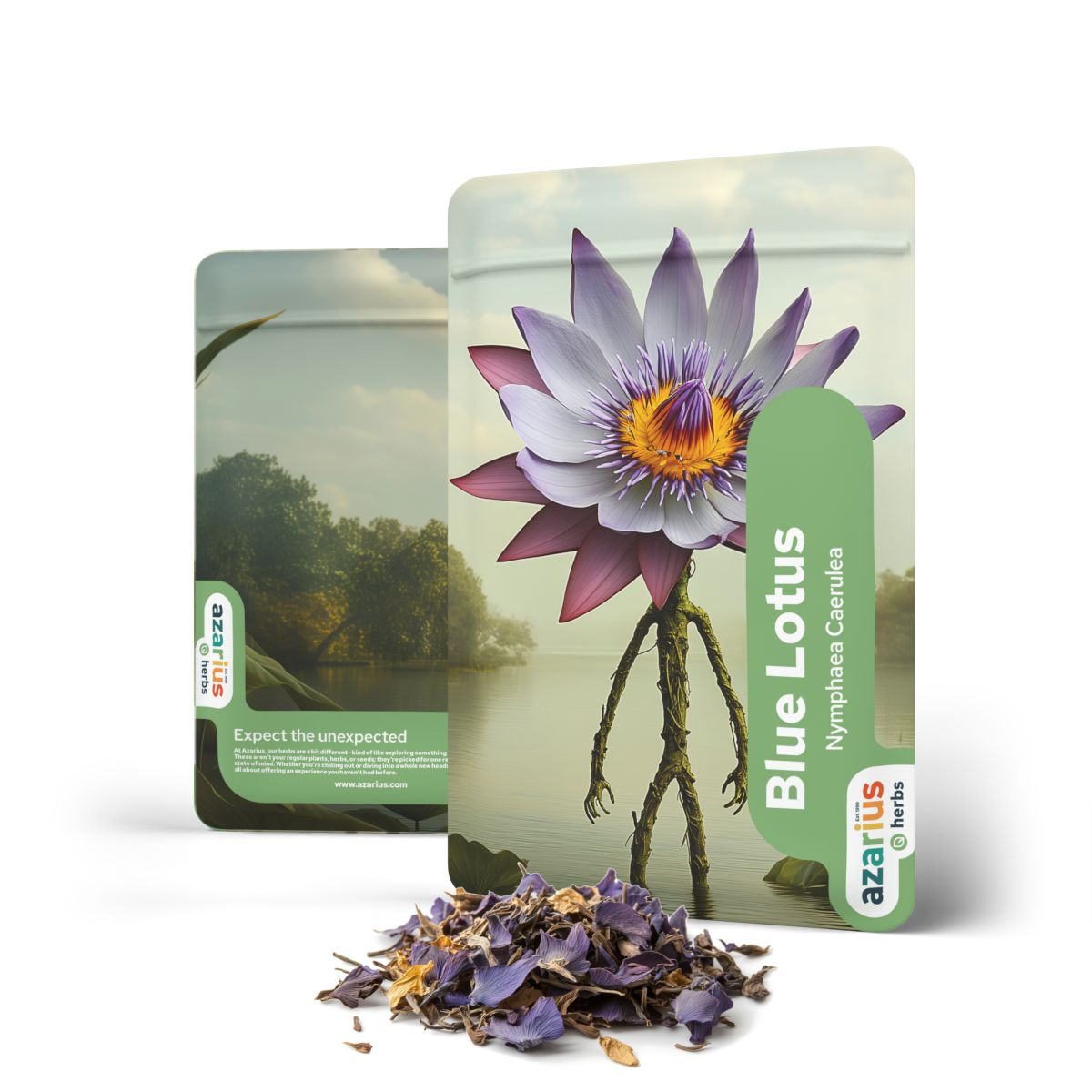
Blue Lotus leaves
Dried leaves (10g)Why Blue Lotus Preparation Methods Still Fascinate Today
Blue lotus sits at the crossroads of myth, art, and everyday ritual, which is why ancient Egyptian plant traditions still pull in curious readers. The flower’s presence in ceremonies and social scenes makes it more than a botanical footnote; it’s a window into how people once blended scent, symbolism, and altered states.
That legacy continues to shape modern ethnobotany and herbal culture, where researchers and enthusiasts look for continuity without flattening the past into a trend. For anyone exploring ancient blue lotus preparation methods, the most rewarding next step is digging into credible historical sources—museum collections, academic translations, and ethnobotanical studies—rather than relying on recycled internet lore.
References
- Bertol E, Fineschi V, Karch SB, Mari F, Riezzo I. Nymphaea cults in ancient Egypt and the New World: a lesson in empirical pharmacology. JRSM. 2004;97(2):84-85. doi:https://doi.org/10.1258/jrsm.97.2.84 ↩︎
- Emboden WA. Transcultural use of narcotic water lilies in ancient egyptian and maya drug ritual. Journal of Ethnopharmacology. 1981;3(1):39-83. doi:https://doi.org/10.1016/0378-8741(81)90013-1 ↩︎
- Schimpf M, Ulmer T, Hiller H, Barbuto AF. Toxicity From Blue Lotus (Nymphaea caerulea) After Ingestion or Inhalation: A Case Series. Military Medicine. Published online August 4, 2021. doi:https://doi.org/10.1093/milmed/usab328 ↩︎
- Dosoky NS, Shah SA, Dawson JT, et al. Chemical Composition, Market Survey, and Safety Assessment of Blue Lotus (Nymphaea caerulea Savigny) Extracts. Molecules. 2023;28(20):7014-7014. doi:https://doi.org/10.3390/molecules28207014 ↩︎