
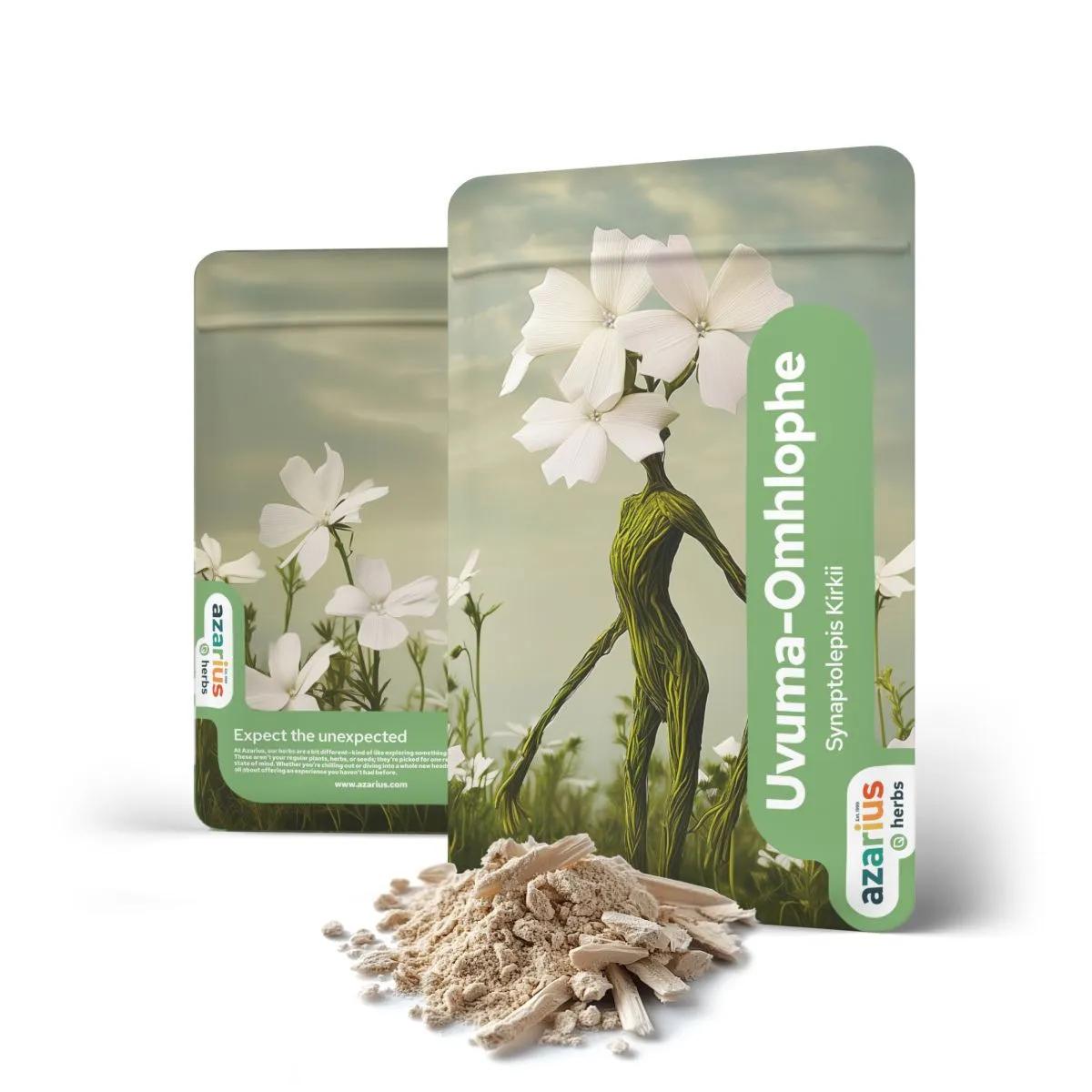
African dream herbs are a small family of southern African botanicals traditionally brewed or taken before sleep to encourage vivid, memorable dreams. This category sits at the crossover of ethnobotany and bedtime ritual — plants like Synaptolepis kirkii (uvuma-omhlophe) that Xhosa and Zulu healers have used for generations. One product here, sustainably sourced, shipped across the EU from Amsterdam since 1999.
African Dream Herbs — Category Buying Guide
African dream herbs are dried plant materials from southern Africa used traditionally to support dream recall and a quiet, settled mind before sleep. The best-known members of this group are Silene capensis (Xhosa dream root) and Synaptolepis kirkii (uvuma-omhlophe) — both rooted in Xhosa and Zulu diviner traditions, where vivid dreaming is treated as a form of ancestral communication rather than entertainment. If you've landed here looking to buy something in this space, you're in the right aisle.
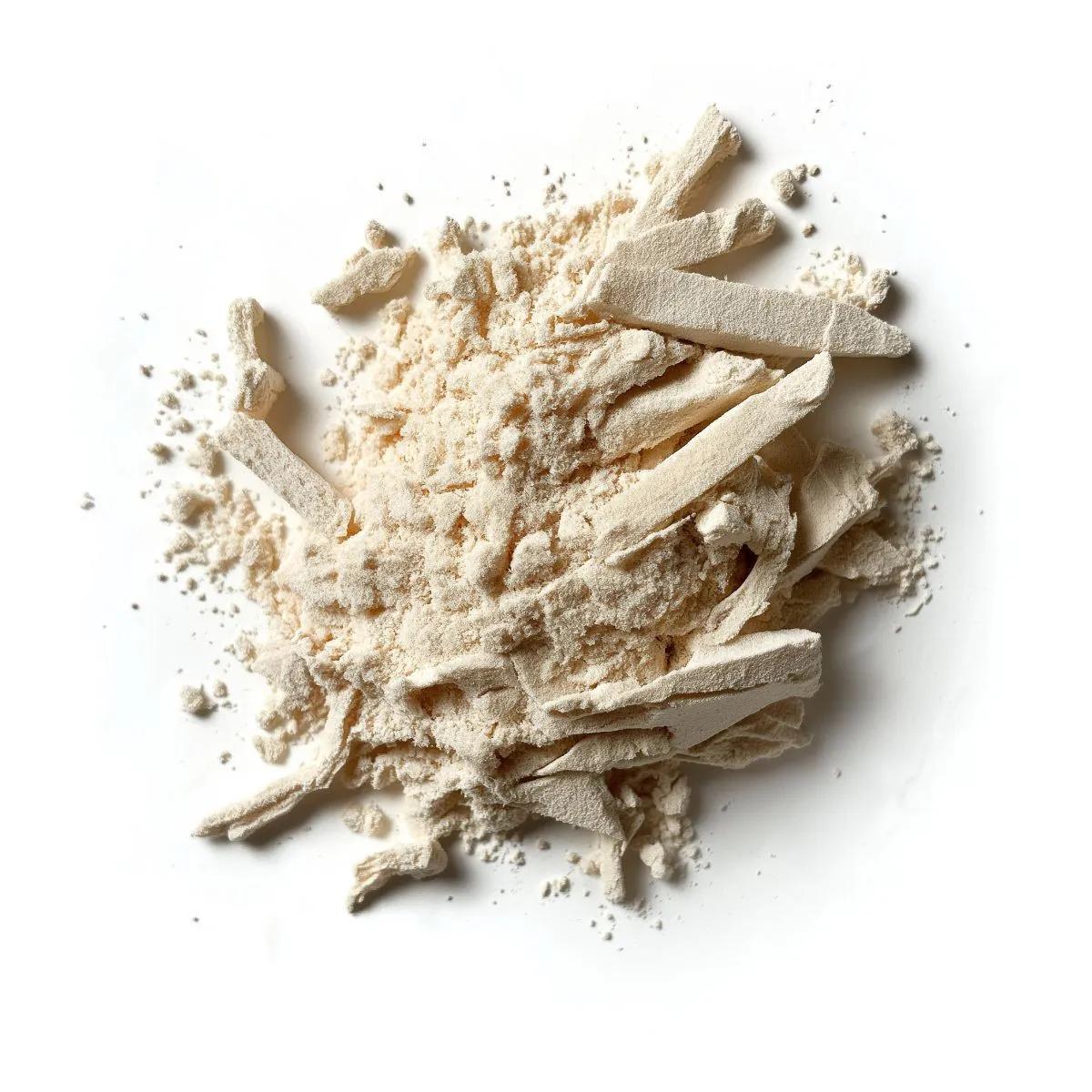
We stock one product in this niche right now: Uvuma-Omhlophe root, crushed Synaptolepis kirkii sourced sustainably from its native range. It's a rarer find than Silene capensis in European smartshops — maybe one in ten shops carries it — which is part of why we keep it on the shelf.
Dream Herbs vs. Adjacent Formats
Before you order, it helps to know where dream herbs sit next to the other "bedtime botanicals" you'll see on the site.
| Format | What it does | Good for |
|---|---|---|
| African dream herbs (Synaptolepis, Silene) | Traditionally used to encourage dream recall and lucid dreaming | Buyers curious about oneirogen ethnobotany |
| Blue lotus (Nymphaea caerulea) | Traditionally brewed as a calming bedtime tea with mild sedative character | Tea drinkers who want a lighter ritual |
| Mugwort (Artemisia vulgaris) | European dream herb, often smoked or brewed before sleep | People who prefer a European herbal tradition |
| Valerian / passionflower | Traditionally used for sleep onset, not dream recall | Buyers who want to fall asleep, not dream harder |
| Melatonin supplements | Sleep-timing supplement (the only EFSA-approved claim in this space) | Jet lag, shift work |
The simple way to think about it: valerian and melatonin are aimed at sleep. Dream herbs are aimed at what happens inside sleep. Different job.
How to Choose a Dream Herb
Three things to weigh before you buy:
- Tradition vs. novelty. If you want the deepest ethnobotanical pedigree, Xhosa and Zulu dream roots like uvuma-omhlophe sit at the top. If you want a gentler entry, blue lotus tea is easier on a first-timer's palate.
- Preparation effort. Roots need crushing, steeping, and patience — usually taken as a cold or lukewarm infusion. Powders and teas are quicker. Dream herbs generally reward people who treat them as a ritual, not a shortcut.
- Consistency over intensity. Across traditional use and the thin modern literature, users report that dream herbs tend to work better after several nights of consistent use rather than a single dose. Patience beats potency here.
Sourcing and Sustainability
Synaptolepis kirkii is a slow-growing shrub and over-harvesting is a real concern — wild populations in Mozambique, Tanzania and South Africa have been under pressure from the traditional medicine trade for decades. We only shop from suppliers who can show sustainable harvest practices. It's one reason this category stays small on our site: we'd rather carry one properly sourced dream root than six questionable ones.
Frequently Asked Questions
What are African dream herbs?
African dream herbs are botanicals from southern Africa — mainly Synaptolepis kirkii (uvuma-omhlophe) and Silene capensis (Xhosa dream root) — traditionally used by Xhosa and Zulu diviners to encourage vivid dream recall. They're taken as a cold or warm infusion before sleep, usually as part of a ritual practice rather than a one-off experiment.
What's the difference between uvuma-omhlophe and Xhosa dream root?
They're different plants from different traditions. Silene capensis (Xhosa dream root) is more widely known in Europe and is usually taken as a foamy whipped infusion. Synaptolepis kirkii (uvuma-omhlophe) comes from Zulu tradition, is rarer on the European market, and is typically prepared as a simple root tea.
Can I buy African dream herbs in Europe?
Yes — Azarius ships dream herbs across the EU under free movement of goods, and we've been shipping botanicals from Amsterdam since 1999. Order before 16:00 on a weekday and it goes out the same day.
Do dream herbs actually work?
The traditional evidence is centuries deep; the clinical evidence is thin. Modern pharmacological research on Synaptolepis kirkii is limited to a handful of phytochemical studies, so most of what we know comes from ethnographic reports. Consistent use over a week tends to produce clearer results than single-night experiments.
Are dream herbs safe to combine with other sleep aids?
We'd skip combining them with prescription sedatives, antidepressants, or anything that affects the central nervous system without talking to a doctor first. Stacking dream herbs with valerian or chamomile tea is common in traditional practice, but keep doses modest — more isn't better with this category.
Last updated: April 2026