
Bioavailability of Mushroom Compounds
Definition
Bioavailability describes the fraction of an ingested mushroom compound that actually reaches your bloodstream in active form. For most fungal polysaccharides and triterpenes, that fraction is low — Zeng et al. (2019) estimated oral bioavailability of lentinan at roughly 1.5–3% in animal models. Extraction method, molecular weight, and product format are the primary variables that determine whether a supplement delivers meaningful doses or passes through unabsorbed.
Bioavailability of mushroom compounds — the fraction of an ingested compound that reaches systemic circulation in an active form — is the single biggest gap between what functional mushroom research measures in a lab and what actually happens in your body after swallowing a capsule. When you buy a reishi, lion's mane, or turkey tail supplement, most of the bioactive compounds you are paying for are large, complex molecules: beta-glucans with molecular weights in the hundreds of kilodaltons, triterpenes locked behind chitin cell walls, and hericenones that degrade in gastric acid. Understanding how extraction, preparation format, and your own gut biology affect the bioavailability of mushroom compounds is the difference between an informed choice and an expensive placebo.
Adult audience (18+). The dosing ranges and effects described in this article apply to adult physiology. This content is not intended for minors.
Why Raw Mushroom Tissue Is Poorly Absorbed
Raw mushroom tissue delivers as little as 1.5–3% of its beta-glucan content into systemic circulation because fungal cell walls are built from chitin that humans can barely digest. Chitin is the same polymer that makes up insect exoskeletons. Humans produce very little chitinase, the enzyme needed to break chitin down. That means if you eat raw or lightly dried mushroom material, a significant portion of the bioactive compounds trapped inside those cells simply passes through your gut undigested. Vetter (2007) measured the chitin content of various edible fungi at 2–14% of dry weight, depending on species and tissue type, and noted that fruiting bodies generally carry more chitin than mycelium.
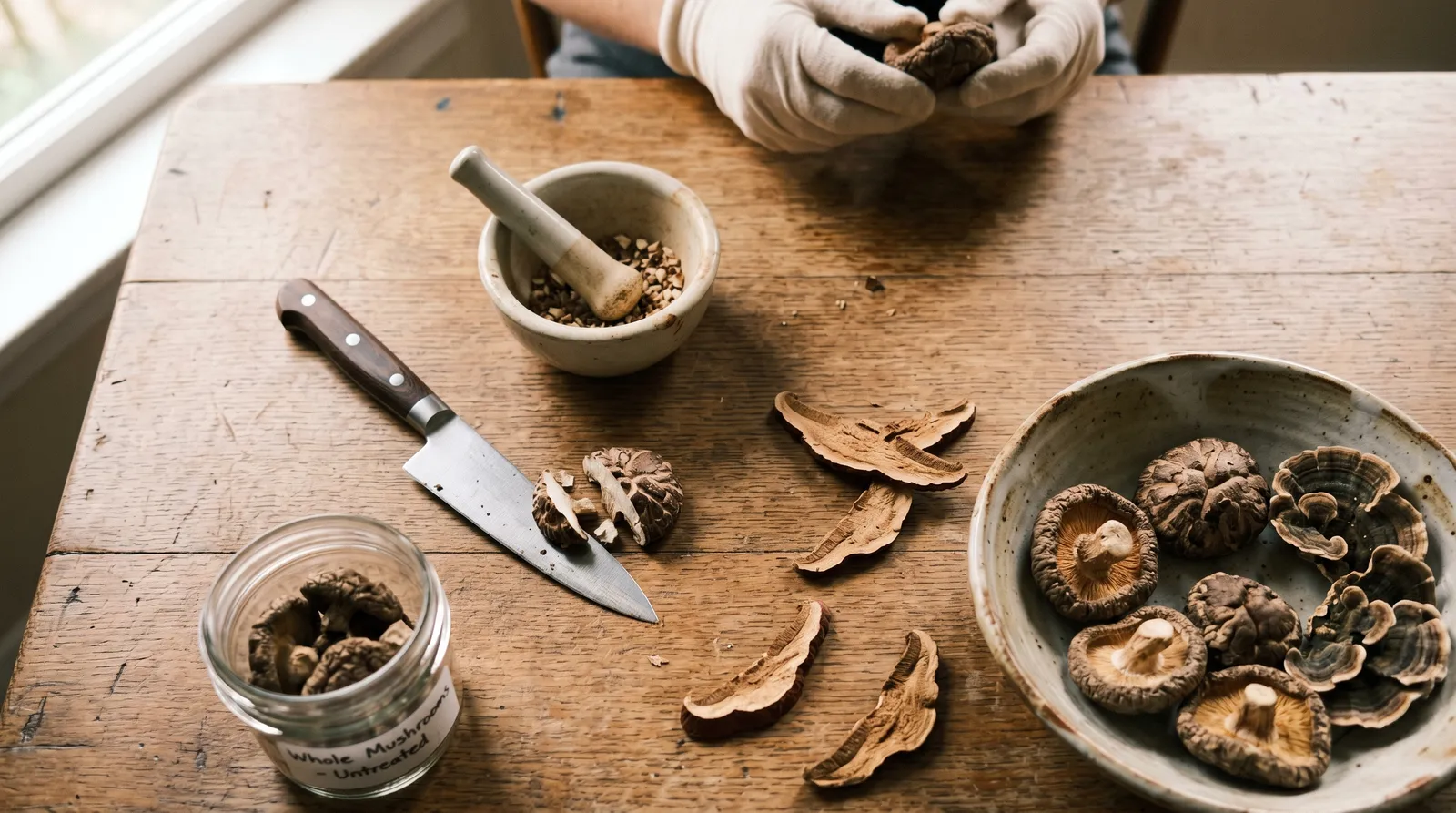
This is not a trivial problem for the bioavailability of mushroom compounds. Beta-glucans — the polysaccharides most commonly studied for immune-modulation effects — sit behind that chitin barrier. Triterpenes like the ganoderic acids in Ganoderma lucidum are embedded in cell membranes. Without some form of processing that cracks open or dissolves the cell wall, oral absorption of these compounds from whole dried powder is limited. How limited? Precise oral bioavailability figures for most mushroom polysaccharides in humans remain scarce, though animal-model work by Zeng et al. (2019) on lentinan (a beta-glucan from Lentinula edodes) estimated oral bioavailability at roughly 1.5–3% — a figure low enough to raise real questions about whether unextracted powders deliver meaningful amounts of intact polysaccharides.
Extraction Is the First Bioavailability Lever
Extraction is the single most impactful step for improving the bioavailability of mushroom compounds before they ever reach your gut. Traditional Chinese Medicine figured this out centuries ago: the standard preparation for reishi and other medicinal fungi was a prolonged decoction — simmering dried material in water for hours. That hot-water extraction does two things simultaneously. It ruptures chitin cell walls through thermal degradation, and it dissolves water-soluble polysaccharides (including beta-glucans) into the liquid, concentrating them in a form the gut can actually access.
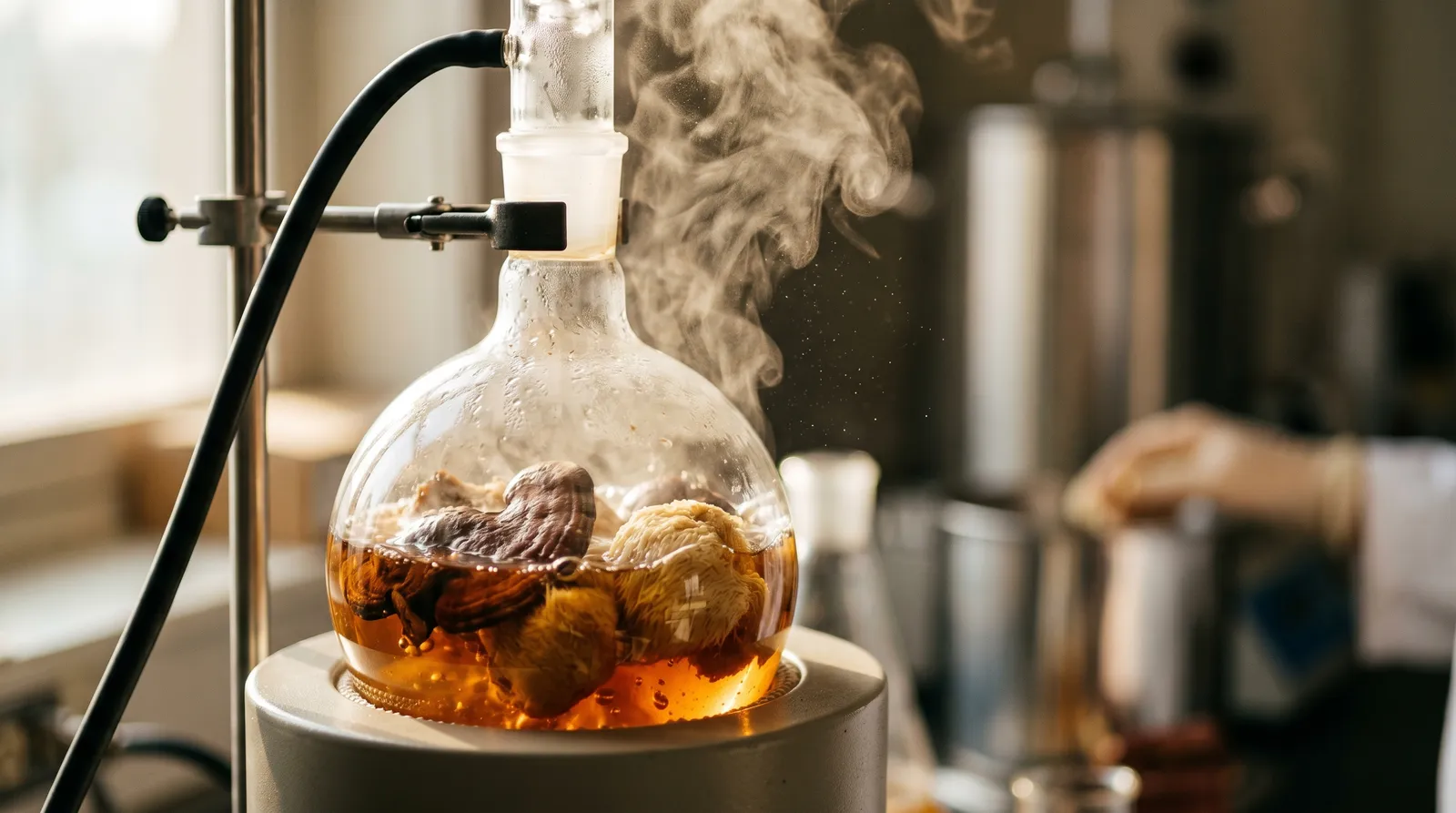
Different compound classes require different solvents, and this is where the extraction-method question becomes directly relevant to absorption:
- Hot-water extraction concentrates water-soluble polysaccharides — beta-glucans, heteroglycans, glycoproteins. This is the preparation most closely resembling what clinical trials on immune markers have used. Vetvicka and Vetvickova (2014) tested hot-water-extracted beta-glucans from several fungal species and found measurable effects on phagocytic activity in human blood samples in vitro, though transferring those findings to oral supplementation requires caution about the absorption step in between.
- Alcohol (ethanol) extraction pulls out triterpenes, sterols, and certain aromatic terpenes — the ganoderic acids and lucidenic acids in reishi, for instance. These compounds are not water-soluble. A hot-water extract of Ganoderma lucidum will contain minimal triterpene content; an alcohol tincture will contain minimal beta-glucan content. The two preparations are chemically distinct products from the same source organism.
- Dual extraction — hot water followed by alcohol, or a simultaneous process — captures both polysaccharides and triterpenes. It is the only single-product method that delivers the full spectrum of both compound classes in one preparation.
The practical consequence is straightforward: if you are interested in beta-glucans specifically, an alcohol-only tincture is the wrong format. If you are interested in triterpenes, a hot-water-only extract misses most of them. And if a product label does not specify the extraction method, you have no way of knowing which compound class it actually contains in meaningful concentrations. When you order a mushroom supplement from Azarius, the extraction method is listed on every product page — so you can verify before you buy.
Molecular Weight and Gut Absorption
High-molecular-weight beta-glucans (100–500+ kDa) cannot passively diffuse across the intestinal wall and instead rely on receptor-mediated uptake through specialised gut tissue, making molecular size a critical factor in the bioavailability of mushroom compounds. Even after extraction, the size of the molecule matters enormously. Molecules that large do not passively diffuse across the intestinal epithelium the way small molecules (caffeine at 194 Da, for comparison) do. The current understanding, reviewed by Goodridge et al. (2011), is that intact high-molecular-weight beta-glucans are taken up primarily through M-cells in Peyer's patches and by gut-associated macrophages via Dectin-1 receptors — a receptor-mediated process, not passive absorption. This is an active area of research and the quantitative efficiency of this uptake in humans remains poorly characterised.
Smaller beta-glucan fragments appear to be absorbed more readily, but the immunological activity may differ. Some research suggests that high-molecular-weight beta-glucans are more potent activators of innate immune pathways than their degraded fragments, which creates a tension: smaller fragments absorb better, but larger ones may be more active at the target. Nanoencapsulation and micronisation techniques have been explored as ways to improve absorption while preserving molecular integrity — Rathore et al. (2021) reviewed nanoformulation strategies for fungal polysaccharides and reported improved oral bioavailability in animal models — but these technologies are largely absent from consumer-grade supplements at the time of writing.
Triterpenes present a different absorption profile. Ganoderic acids are relatively small molecules (400–600 Da), lipophilic, and structurally similar to steroids. Their oral bioavailability is limited less by molecular size than by poor aqueous solubility and first-pass hepatic metabolism. Yang et al. (2012) measured the oral bioavailability of ganoderic acid A in rats at approximately 10–17%, depending on the formulation — substantially higher than polysaccharide bioavailability, but still meaning that the majority of an ingested dose never reaches systemic circulation.
Mycelium-on-Grain Versus Fruiting Body: A Bioavailability Dimension
Fruiting-body hot-water extracts typically deliver 25–50% beta-glucan by weight, while mycelium-on-grain products often fall below 5% — a difference large enough to redefine the bioavailability of mushroom compounds before absorption even enters the equation. This is a live industry debate. Many commercial supplements are produced from mycelium grown on grain substrate (typically rice or oats). The mycelium is harvested together with the grain it grew on, dried, and milled into powder. The result is a mixture of fungal biomass and grain starch.
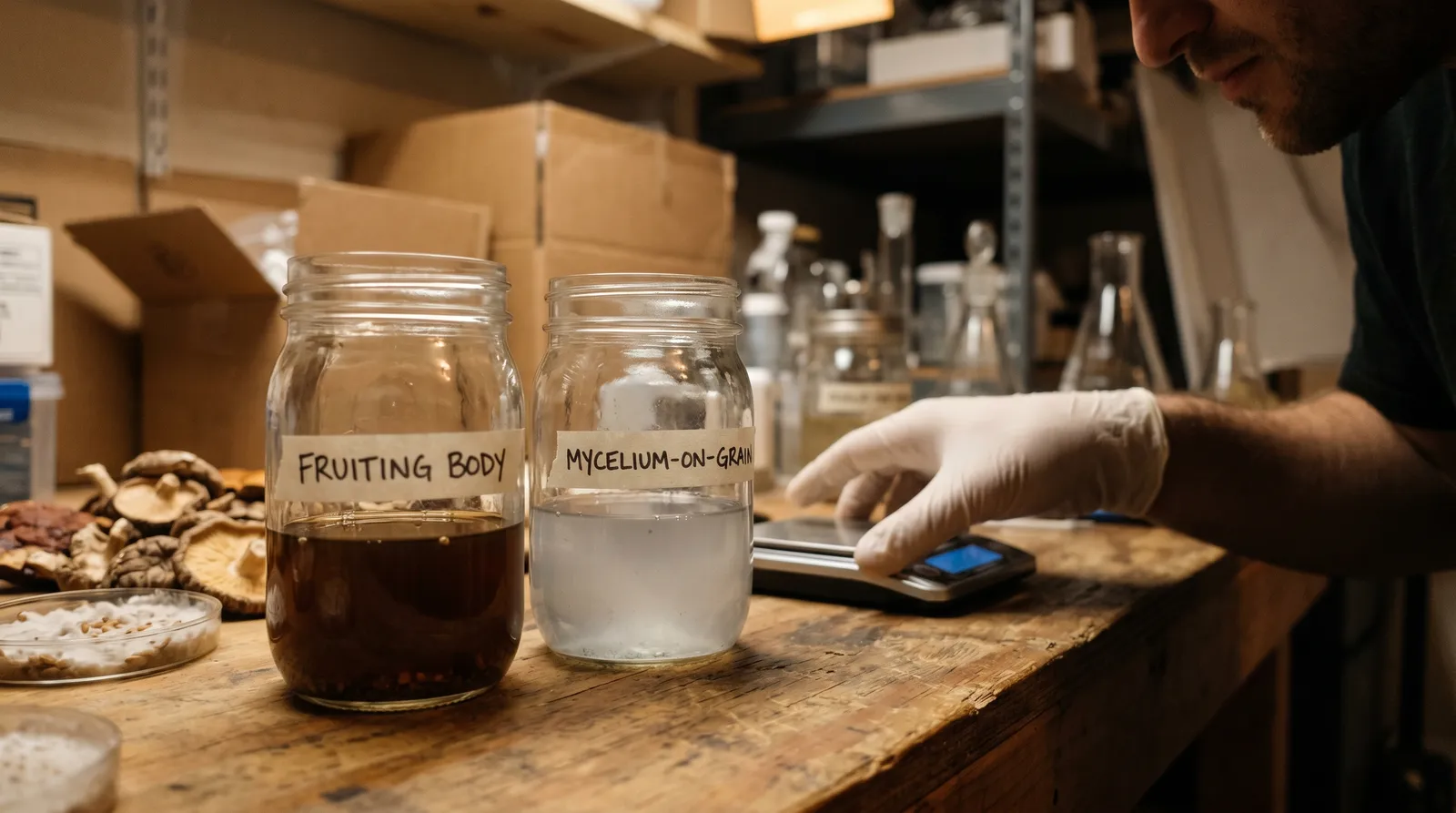
Independent testing by Reishi & Health (Wu et al., 2017) and others has repeatedly shown that mycelium-on-grain products carry substantially lower beta-glucan concentrations than fruiting-body extracts. The starch content from the grain substrate can exceed 60% of the product by weight. Since starch and beta-glucans are both polysaccharides and some testing methods (like the Megazyme assay without proper controls) can conflate the two, label claims on mycelium-on-grain products sometimes overstate true beta-glucan content.
Proponents of mycelium preparations argue that mycelium contains compounds not found in fruiting bodies — including certain extracellular metabolites and the erinacines in lion's mane mycelium (Kawagishi et al., 1994, identified erinacines specifically in Hericium erinaceus mycelium, not fruiting body). This is a legitimate point: erinacines, which have been studied in vitro for their ability to stimulate nerve growth factor synthesis, are mycelium-derived. But the overall picture is that fruiting-body extracts deliver higher concentrations of the polysaccharides and triterpenes that constitute the bulk of the clinical literature. Neither format is categorically superior — but they are not interchangeable, and the bioavailability of mushroom compounds conversation must account for what is actually present in the starting material before asking how well it absorbs.
Format and Matrix Effects on Absorption
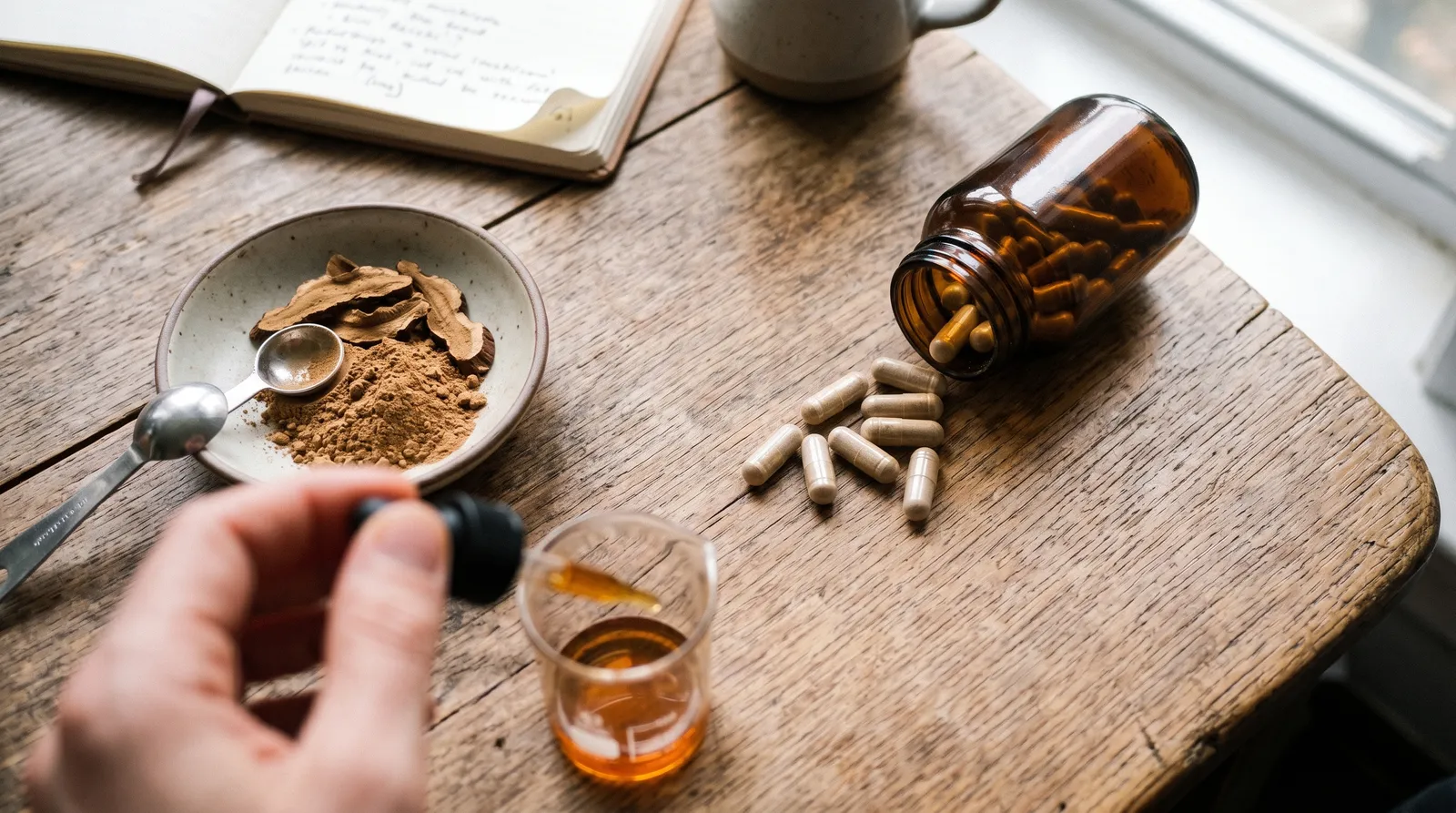
Liquid extracts generally reach the gut faster than capsules or tablets because the active compounds are already dissolved, bypassing the dissolution step entirely and meaningfully affecting the bioavailability of mushroom compounds you actually get from a product. For triterpenes in particular, alcohol-based tinctures deliver the active compounds in a solvent that also enhances intestinal permeability, which may improve absorption relative to a dry capsule containing the same extract in powdered form.
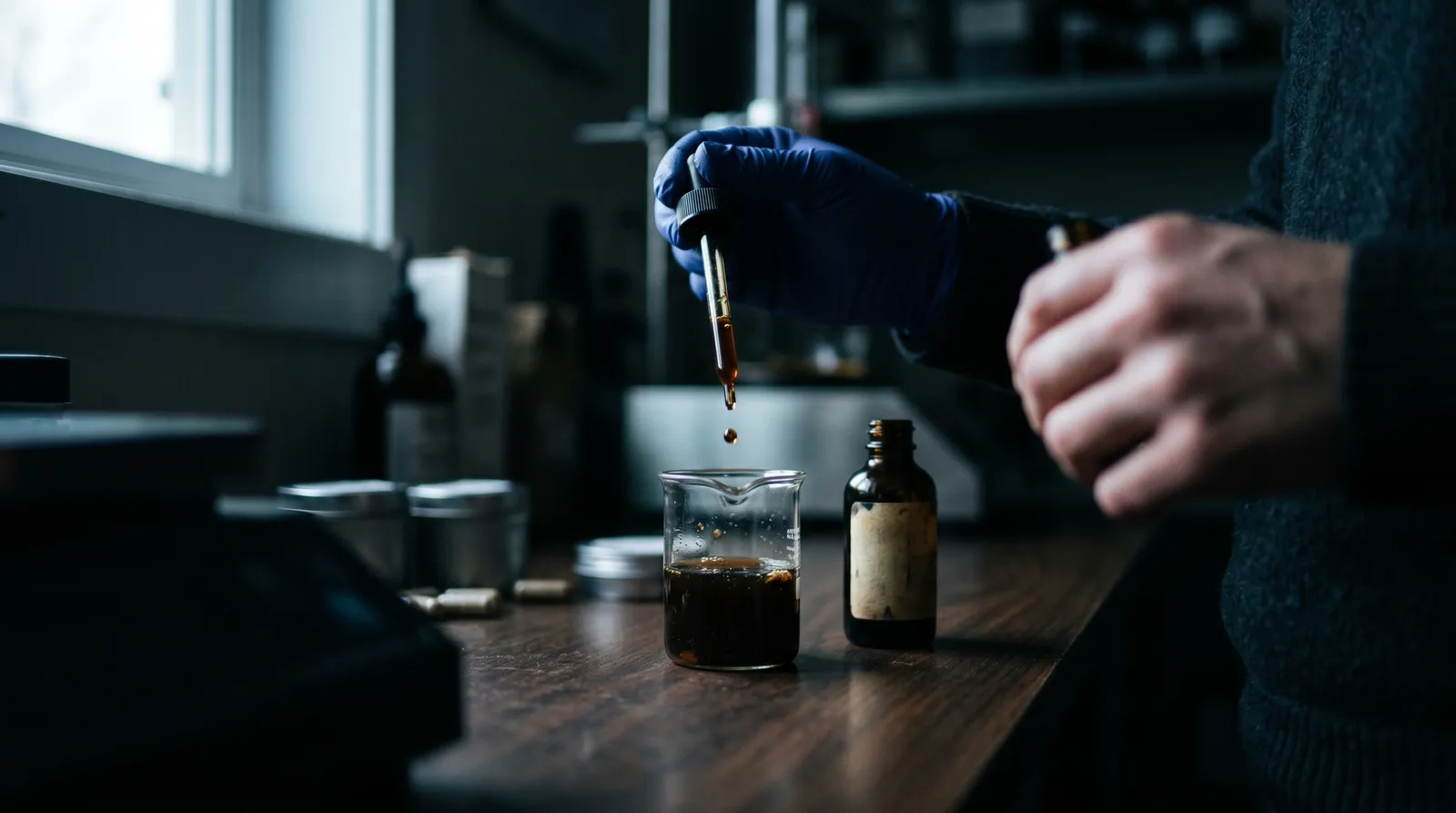
Capsule and tablet formats introduce additional variables: binder materials, capsule dissolution time, and whether the extract is spray-dried (which can alter particle size and surface area). Spray-dried extracts generally dissolve faster than coarsely milled powders, though direct comparative bioavailability studies in humans for functional mushroom extracts across formats are limited.
Co-ingestion with food — particularly fat-containing food — may improve absorption of lipophilic triterpenes. This is extrapolated from general pharmacokinetic principles rather than mushroom-specific clinical data, but the logic is sound: lipophilic compounds dissolve better in the presence of dietary fat and bile salts. For beta-glucans, the effect of food co-ingestion on absorption is less clear. When you get a mushroom supplement from Azarius, the product page specifies whether it is a tincture, capsule, or powder — so you can match the format to your target compound.
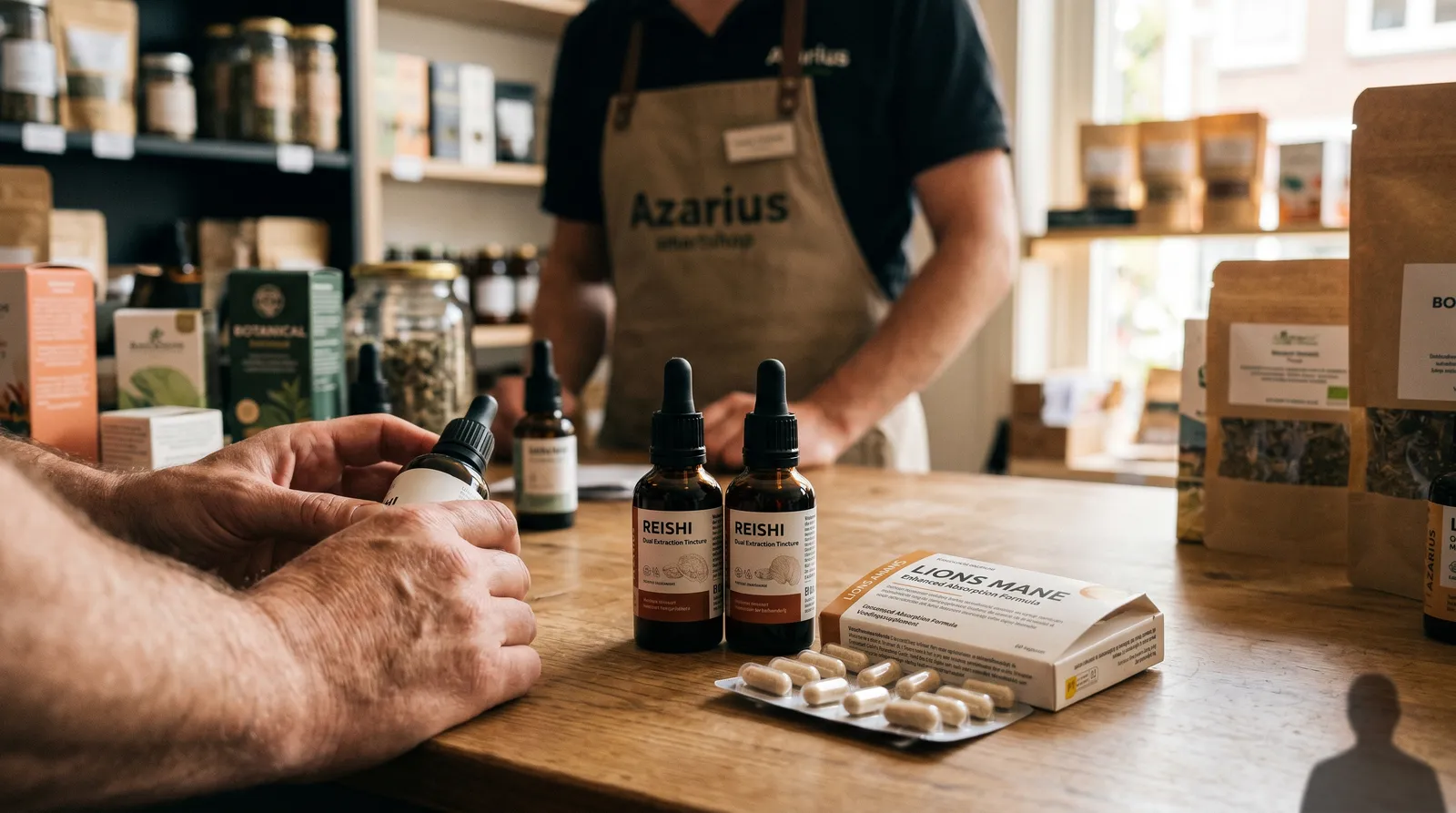
Honest limitation: we cannot verify absorption claims on most products we carry. No retailer can. What we can do is stock products that specify extraction method, source material, and beta-glucan percentage tested by validated assay — and flag the ones that do not. If a product page on Azarius does not list these details, ask us before you buy.
How Mushroom Bioavailability Compares to Other Supplement Categories
Mushroom polysaccharides sit at the low end of the oral bioavailability spectrum compared to most herbal and nutritional supplements, which helps put the bioavailability of mushroom compounds challenge in perspective. Curcumin from turmeric — another popular natural supplement — has an estimated oral bioavailability of roughly 1–2% without piperine enhancement (Anand et al., 2007), which is comparable to beta-glucan figures. Resveratrol absorbs well from the gut but undergoes rapid hepatic metabolism, yielding low systemic levels of the parent compound. By contrast, small-molecule alkaloids like caffeine achieve oral bioavailability above 50%. The bioavailability of mushroom compounds, particularly the large polysaccharides, is genuinely poor by comparison — and this is not something the mushroom supplement industry always communicates honestly. The EMCDDA has noted similar transparency concerns when evaluating health claims for botanical supplements across the European market.
How Bioavailability Compares Across Compound Classes
The differences in oral bioavailability between mushroom compound classes are large enough to change how you should think about product selection and what you actually get from each format.
| Compound Class | Typical Molecular Weight | Estimated Oral Bioavailability | Best Extraction Method | Key Absorption Barrier |
|---|---|---|---|---|
| Beta-glucans (e.g. lentinan) | 100–500+ kDa | ~1.5–3% (rat model, Zeng et al. 2019) | Hot-water extraction | Molecular size; chitin cell wall |
| Ganoderic acids (reishi triterpenes) | 400–600 Da | ~10–17% (rat model, Yang et al. 2012) | Alcohol extraction | Poor aqueous solubility; hepatic first-pass |
| Erinacines (lion's mane mycelium) | ~300–450 Da | Not yet quantified in published studies | Alcohol or dual extraction | Gastric acid degradation; limited data |
| Hericenones (lion's mane fruiting body) | ~300–500 Da | Not yet quantified in published studies | Alcohol extraction | Gastric instability; limited data |
| Cordycepin (Cordyceps) | 251 Da | Higher than polysaccharides (exact figure varies) | Hot-water or dual extraction | Rapid enzymatic deamination |
The table makes one thing visually obvious: the compounds with the most clinical research behind them (beta-glucans) are also the hardest to absorb orally. This is an honest limitation of the entire field — and one reason why the EMCDDA and other European regulatory bodies have been cautious about health claims for mushroom supplements. When you buy a mushroom supplement, this table should inform which extraction method and format you prioritise.
Safety Considerations Before Optimising Absorption
Even poorly absorbed compounds can cause interactions at the concentrations present in concentrated extracts, so safety evaluation should come before any absorption-optimisation decision. Reishi triterpenes have demonstrated anticoagulant and antiplatelet effects in vitro (Tao and Bhatt, 2016) and may interact with warfarin, apixaban, rivaroxaban, and other blood thinners — potentially increasing bleeding risk. Immune-modulating species (reishi, maitake, turkey tail, shiitake at high extract concentrations) should be discussed with a healthcare provider before combining with immunosuppressants such as methotrexate, tacrolimus, or ciclosporin, as their mechanisms may work in opposition. Cordyceps may affect blood glucose according to animal-model research and could interact with hypoglycaemic medication. Reishi, chaga, and cordyceps may modestly lower blood pressure based on preclinical data, creating cumulative risk with antihypertensive drugs. Individuals with autoimmune conditions should exercise particular caution with beta-glucan-rich species, as the theoretical concern — that immune stimulation opposes the goal of autoimmune therapy — is real, even if the clinical evidence on this specific interaction remains limited. If you take prescription medication, consult a healthcare provider before using functional mushrooms. A more detailed treatment of these risks appears in the dedicated drug interactions article in the Azarius mushroom wiki cluster.
From Our Shelf: Honest Comparison of Formats We Stock
Azarius stocks multiple mushroom supplement formats, and the bioavailability of mushroom compounds varies meaningfully across them — so transparency about what each one actually delivers matters. Our reishi dual-extract capsules combine hot-water and alcohol extraction, meaning they contain both beta-glucans and triterpenes — this is the format we recommend most often for customers who want broad-spectrum coverage. Our lion's mane fruiting body capsules are hot-water extracted and standardised to beta-glucan content; they are not the right choice if you are specifically after erinacines, which are mycelium-derived. Our turkey tail hot-water extract is one of the highest beta-glucan-per-capsule options we carry. You can also find cordyceps capsules and chaga extract in the Azarius mushroom supplements category.
Honest limitation: we do not currently stock a standalone lion's mane mycelium extract with verified erinacine content, and we have not found a supplier whose erinacine testing we fully trust. We would rather leave that gap on our shelf than fill it with a product we cannot stand behind. When you order from Azarius, the extraction method and source material are listed on every mushroom product page — if they are not, that product is under review.
Gut Microbiome and Individual Variation in Absorption
Individual gut microbiome composition can alter the bioavailability of mushroom compounds by as much as several-fold between people, making personal biology a variable that no product label can account for. Some gut bacteria produce chitinase-like enzymes that partially break down residual chitin in mushroom preparations, potentially freeing additional beta-glucans for absorption. Others ferment polysaccharides into short-chain fatty acids before they can be taken up intact — which may have its own health effects but means the parent compound never reaches systemic circulation.
Honest limitation: there are no commercial tests that reliably predict how well your individual gut will absorb mushroom polysaccharides. This is a genuine frontier in the bioavailability of mushroom compounds research, and anyone claiming to have personalised this process is ahead of the science. The Azarius blog covers emerging research on gut microbiome interactions with functional mushroom supplements as new studies are published.
Choosing the Right Format for Your Goals
The best format depends entirely on which compound class you are targeting, because the bioavailability of mushroom compounds varies dramatically by extraction method and delivery form. If your primary interest is immune-supporting beta-glucans, a hot-water-extracted fruiting body capsule — such as the turkey tail or lion's mane options available at Azarius — is the most evidence-aligned choice. If you want reishi triterpenes, an alcohol-based tincture or dual-extract capsule is the appropriate format. Customers who order both a polysaccharide-focused product and a triterpene-focused product are covering the broadest compound spectrum, though this is a practical observation rather than a clinical directive.
Honest limitation: we have not seen any consumer-grade mushroom supplement that publishes human pharmacokinetic data for its specific formulation. Until that changes, third-party beta-glucan testing and clearly stated extraction methods remain the best proxies for bioavailability that consumers can access. The Azarius blog covers updates on testing standards as they evolve.
What This Means in Practice
The bioavailability of mushroom compounds picture is, frankly, incomplete — and anyone who tells you otherwise is selling certainty they do not have. Human pharmacokinetic data exist for only a handful of isolated compounds (ganoderic acid A, lentinan via injection — which sidesteps oral bioavailability entirely), and almost no controlled human studies have measured plasma levels of beta-glucans after oral supplementation with commercial products. Most of what we know comes from animal models and in vitro work, which tells us about mechanisms but not about real-world absorption from the capsule you take with breakfast.
What the evidence does support clearly:
- Extraction matters more than almost any other variable. Unextracted dried mushroom powder delivers substantially less bioavailable compound than a properly extracted preparation.
- The extraction method must match the target compound. Hot water for polysaccharides, alcohol for triterpenes, dual extraction for both.
- Fruiting-body extracts and mycelium-on-grain products are not equivalent in beta-glucan content or composition. Research findings from one preparation do not automatically transfer to the other.
- Large polysaccharides face genuine absorption barriers that small-molecule compounds do not. The clinical significance of this for oral supplementation is still being worked out.
- Product labels that do not specify extraction method, extract source (fruiting body or mycelium), and beta-glucan percentage (tested by a validated method) make it impossible to assess what you are actually absorbing.
- When you order or get a mushroom supplement, check for third-party beta-glucan testing — it is the closest thing to a bioavailability guarantee available to consumers right now.
The gap between the promising in vitro data on fungal compounds and the reality of oral supplementation is real, and it is primarily a bioavailability of mushroom compounds gap. Extraction science, formulation, and honest labelling are the tools that narrow it — not marketing language. If you want to buy mushroom supplements that actually deliver what the research describes, start by reading the extraction method and beta-glucan percentage on the label. Products available at Azarius — including reishi dual extracts, lion's mane fruiting body capsules, and turkey tail hot-water extracts — are selected with these bioavailability of mushroom compounds criteria in mind. The Azarius mushroom supplements category, the functional mushrooms wiki overview, and the mushroom drug interactions article provide further context for making an informed choice.
Last updated: April 2026
Frequently Asked Questions
10 questionsWhy are unextracted mushroom powders poorly absorbed?
Does hot-water extraction improve beta-glucan bioavailability?
Are triterpenes from reishi better absorbed than beta-glucans?
Does the format — tincture, capsule, or powder — affect mushroom compound absorption?
Do mycelium-on-grain products have the same bioavailability as fruiting-body extracts?
How does the bioavailability of mushroom compounds compare to other supplements?
Can your gut microbiome affect how well you absorb mushroom beta-glucans?
Does chitin content vary between mushroom species and does that affect bioavailability?
Does taking mushroom extracts with fat improve absorption?
How long does it take for mushroom compounds to reach the bloodstream?
About this article


Adam Parsons is an external cannabis and psychedelics writer and editor who contributes to Azarius's wiki as both author and reviewer. On the writing side, he authors Azarius's kratom and kanna clusters, drawing on exten
This wiki article was drafted with AI assistance and reviewed by Adam Parsons, External contributor. Editorial oversight by Joshua Askew.
Medical disclaimer. This content is for informational purposes only and does not constitute medical advice. Consult a qualified healthcare provider before use of any substance.
Last reviewed April 24, 2026
References (8)
- [1]Goodridge, H. S., et al. (2011). "Beta-glucan recognition by the innate immune system." Immunological Reviews , 230(1), 38–50.
- [2]Kawagishi, H., et al. (1994). "Erinacines A, B and C, strong stimulators of nerve growth factor (NGF)-synthesis, from the mycelia of Hericium erinaceum ." Tetrahedron Letters , 35(10), 1569–1572. DOI: 10.1016/s0040-4039(00)76760-8
- [3]Rathore, H., et al. (2021). "Nanoformulation approaches for the delivery of mushroom bioactive compounds." Journal of Functional Foods , 83, 104559.
- [4]Vetter, J. (2007). "Chitin content of cultivated mushrooms Agaricus bisporus , Pleurotus ostreatus and Lentinula edodes ." Food Chemistry , 102(1), 6–9. DOI: 10.1016/j.foodchem.2006.01.037
- [5]Vetvicka, V. and Vetvickova, J. (2014). "Immune-enhancing effects of Maitake ( Grifola frondosa ) and Shiitake ( Lentinula edodes ) extracts." Annals of Translational Medicine , 2(2), 14.
- [6]Wu, D. T., et al. (2017). "Comparison of polysaccharides and beta-glucan content in fruiting bodies and mycelium of Ganoderma lucidum ." International Journal of Medicinal Mushrooms , 19(9), 821–830.
- [7]Yang, M., et al. (2012). "Pharmacokinetics of ganoderic acid A in rats by liquid chromatography–tandem mass spectrometry." Journal of Pharmaceutical and Biomedical Analysis , 66, 222–227.
- [8]Zeng, W. C., et al. (2019). "Oral bioavailability and pharmacokinetics of lentinan in rats." International Journal of Biological Macromolecules , 130, 23–30.
Related Articles

Medicinal Mushrooms TCM Western Pharmacognosy Guide
Guide to medicinal mushrooms TCM Western pharmacognosy — how reishi, lion's mane, cordyceps are classified, extracted, and studied.
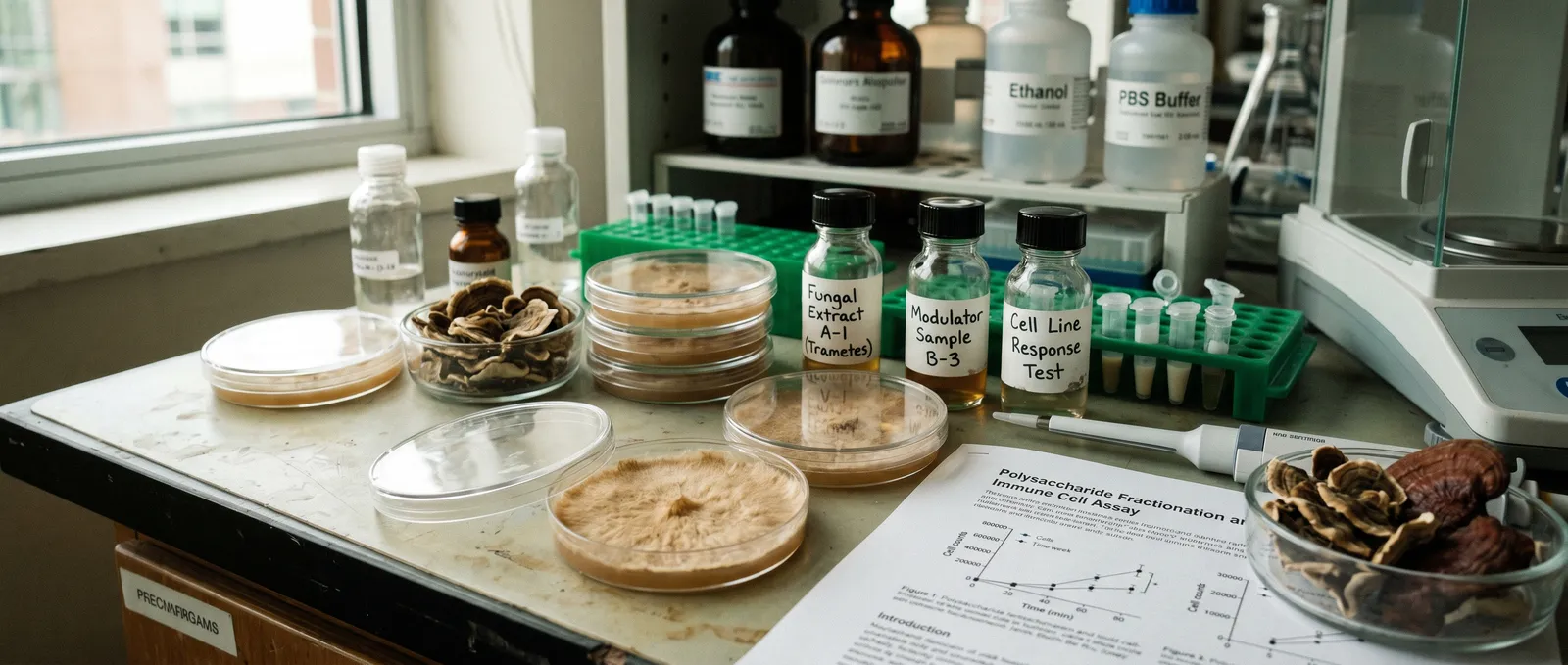
Research on Immune Modulation by Functional Mushrooms
What does research on immune modulation by functional mushrooms actually show? Beta-glucans, Dectin-1 signalling, human trials, and the honest gap...
Allergic Reactions & Mushroom Sensitivities
Understand allergic reactions and mushroom sensitivities: mould cross-reactivity, shiitake dermatitis, species-specific risks, and safer product…
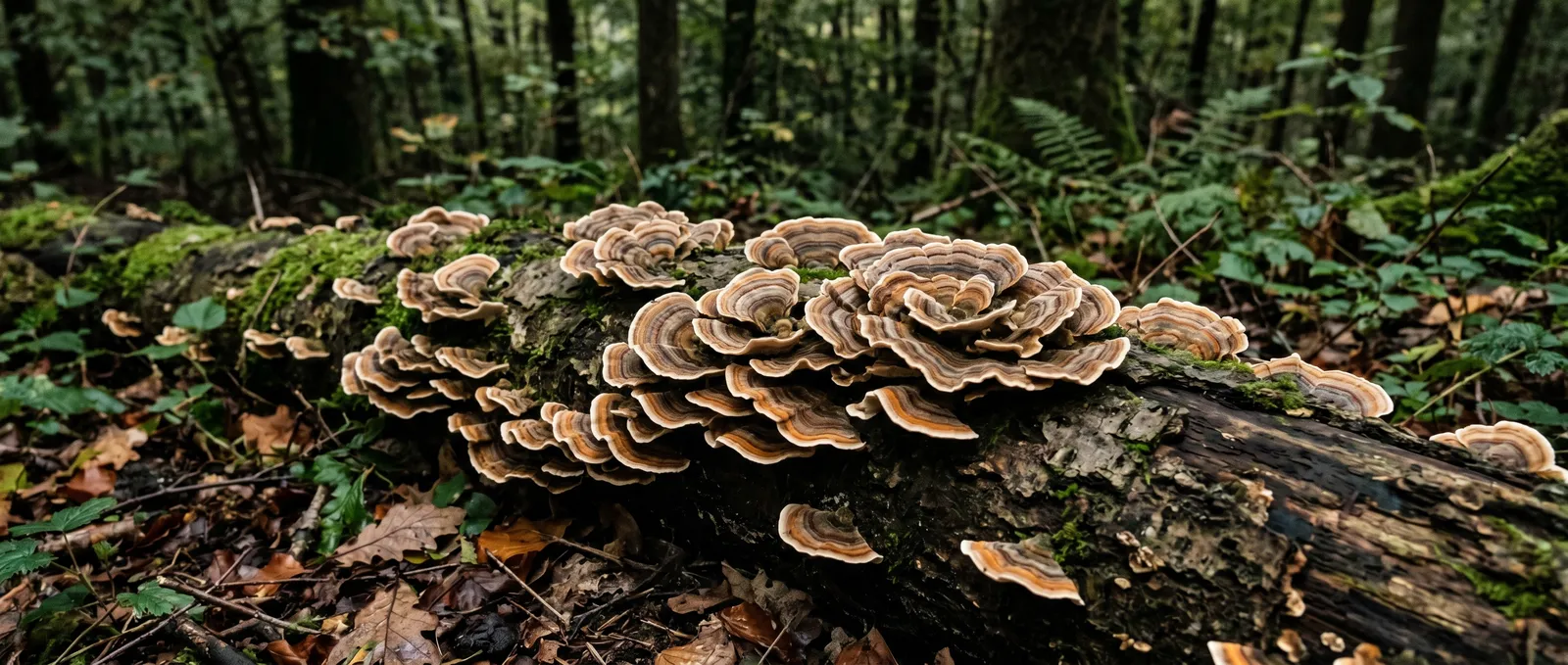
Turkey Tail Trametes versicolor — Buy Supplements
Buy turkey tail Trametes versicolor supplements at Azarius. PSK and PSP evidence, beta-glucan dosage, extraction methods, and safety.
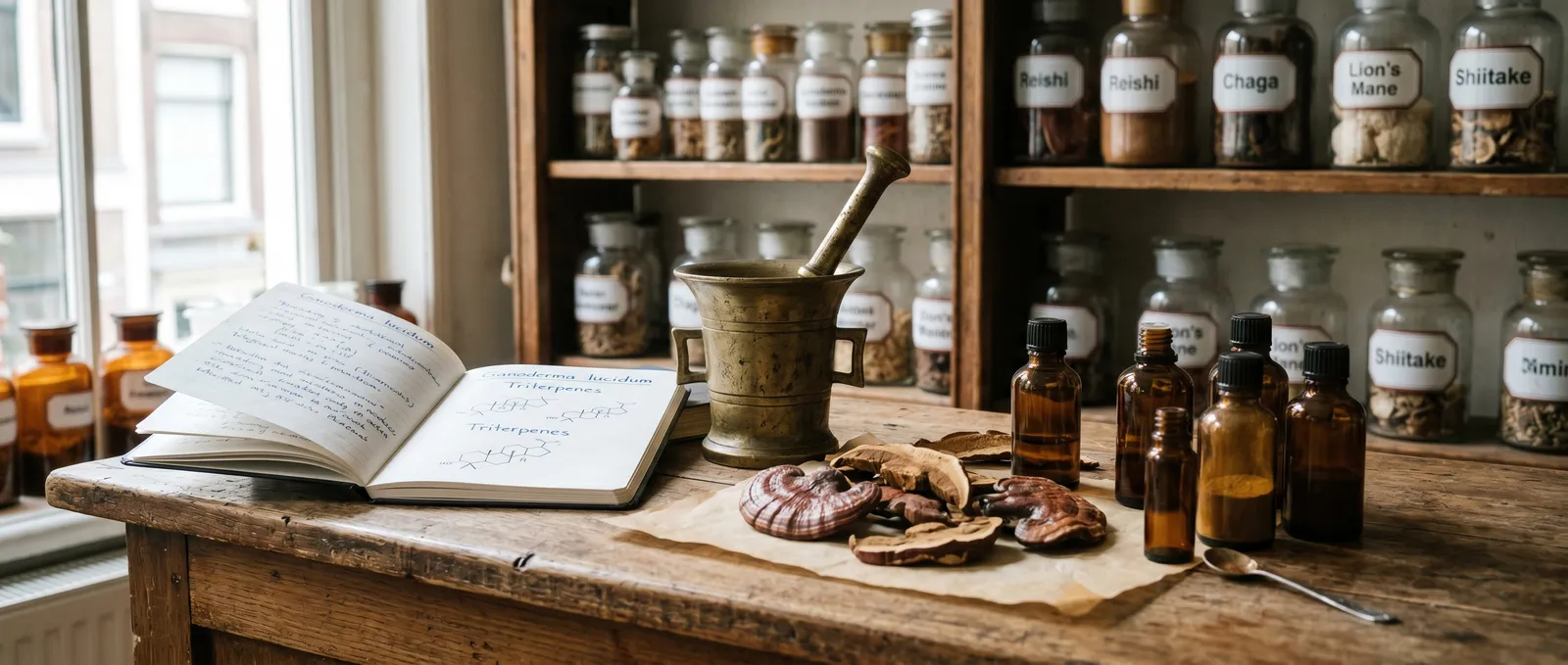
Triterpenes In Medicinal Mushrooms
Triterpenes in medicinal mushrooms are a class of 30-carbon terpenoid compounds produced as secondary metabolites by several functional mushroom species…
Chaga Siberian Nordic Folk Use
Chaga Siberian Nordic folk use is a centuries-old tradition in which indigenous Siberians and Nordic communities brewed the birch-parasitising fungus…
Red and Black Reishi Varieties
Red reishi (Ganoderma lucidum) and black reishi (Ganoderma sinense) both fall under the lingzhi umbrella in traditional Chinese medicine, but they differ in…
Lion's Mane Identification & Habitat
Hericium erinaceus is a tooth fungus that fruits as a single white, spine-covered mass on wounded or dead hardwood trees.
Cordyceps Lifecycle
The cordyceps lifecycle is a parasitic biological sequence in which a fungus infects an insect host, colonises its body from within, and erupts as a…