
This article discusses psychoactive substances intended for adults (18+). If you have a health condition or take medication, consult a doctor before use. Our age policy
Rapé Shamanic Snuff Guide: How to Use It Safely
Definition
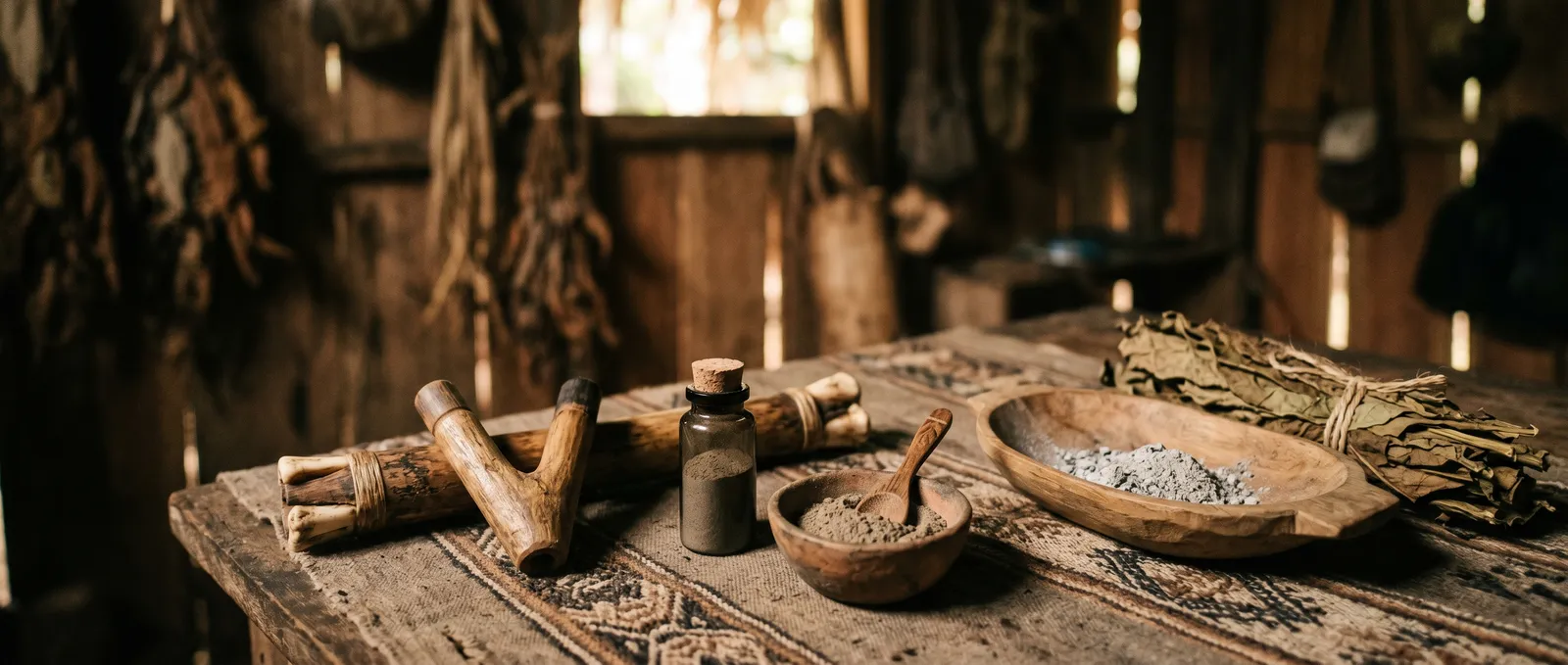
Rapé is a finely powdered Amazonian shamanic snuff made from Nicotiana rustica tobacco blended with sacred tree ashes, blown into the nostrils via a kuripe or tepi pipe and used ceremonially by peoples such as the Huni Kuin and Yawanawá (Barbosa et al., 2014).
What is rapé and why does it need a guide?
Rapé (pronounced "ha-peh" or "rah-peh") is a finely powdered shamanic snuff made from tobacco — usually Nicotiana rustica — blended with the ashes of sacred trees, and sometimes other plant materials like tonka bean, mint, or jurema bark. It's blown forcefully into both nostrils using a pipe, and it hits immediately. This guide is written for adults aged 18 and over; dosing ranges and effects described below apply to adult physiology.
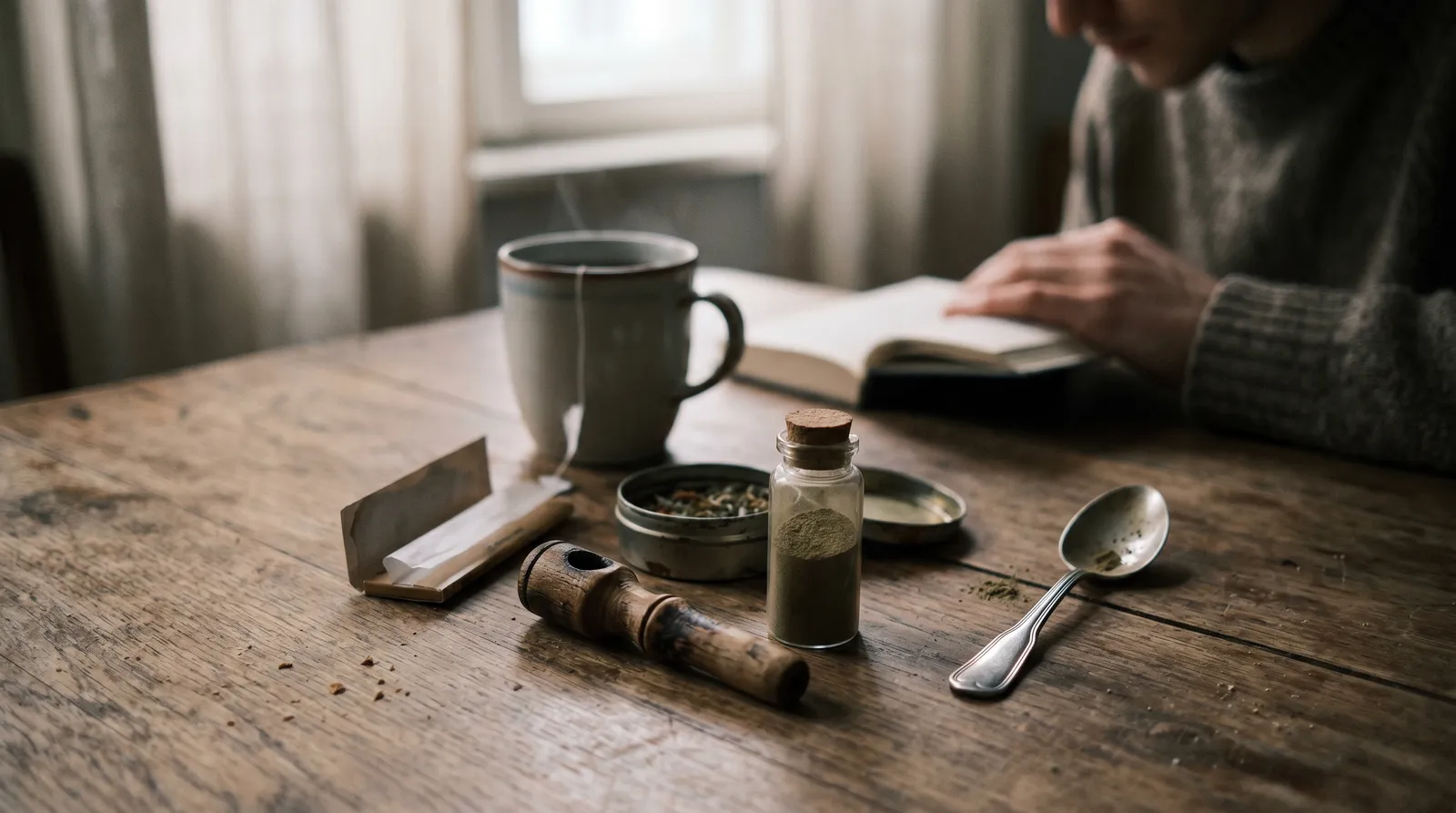
This is not recreational snuff, and it is not a substitute for a cigarette. The Huni Kuin, Yawanawá, Katukina, Kaxinawá and Nukini peoples of the western Amazon have used rapé in ceremony for centuries (Barbosa et al., 2014), and the experience is intense enough that most first-timers are surprised by how little a pea-sized dose actually does to you. The purpose of this guide is practical: how to prepare, how to self-administer or receive it, what to expect, and where the risks sit.
Key facts before you start
- Active compound: Primarily nicotine from Nicotiana rustica, which contains 10-20x the nicotine content of common cigarette tobacco (Sisson & Severson, 1990).
- Onset: 5-15 seconds via nasal mucosa absorption. Peak within 60 seconds.
- Duration: Acute effects 5-15 minutes; afterglow 30-60 minutes.
- Traditional role: Documented in Amazonian ethnobotany for healing, hunting focus, and ceremonial grounding (Schultes & Raffauf, 1990).
- Primary risks: Nicotine toxicity, cardiovascular strain, dependence potential with repeated use.
- Forms: Self-applied via kuripe (V-shaped self-pipe) or administered by another person via tepi (longer straight pipe).
Commercial disclosure
Azarius sells rapé and related shamanic snuff products and has a commercial interest in this topic. Our editorial process includes independent pharmacological review to mitigate commercial bias. This guide prioritises harm reduction over sales.
Who should not use rapé
Before anything else — some people should genuinely not touch this. The nicotine load is high, the cardiovascular impact is sharp, and the delivery route bypasses most of the body's usual buffers.
- Pregnancy and breastfeeding: Nicotine crosses the placenta and is associated with low birth weight and developmental harm (Wickström, 2007).
- Cardiovascular conditions: Hypertension, arrhythmia, recent heart attack, or stroke history. Nicotine causes acute vasoconstriction and blood pressure spikes (Benowitz & Burbank, 2016).
- MAOIs: Traditional antidepressants like phenelzine, and ayahuasca (harmine/harmaline). Nicotine clearance is affected and sympathetic load compounds.
- SSRIs and sedatives: Interaction data is limited; combining with strong CNS drugs is poorly studied.
- Nicotine-sensitive individuals: If a cigarette makes you nauseous, rapé will put you on the floor.
- Driving or operating machinery: The initial 5-10 minutes involve head rush, disorientation, and occasional vomiting. Sit down.
Where rapé comes from
Rapé traces to pre-Columbian Amazonian tobacco cultures. Spanish and Portuguese chroniclers in the 16th century described indigenous groups using snuff powders for ceremonial and medicinal purposes, and by the 17th century tobacco snuff had moved back across the Atlantic and become fashionable in European courts — but the European version was a pale echo of what the forest peoples were actually doing. Richard Evans Schultes, the Harvard ethnobotanist who mapped much of Amazonian plant use between the 1940s and 1980s, documented over a dozen distinct tribal preparations (Schultes & Raffauf, 1990).
The modern spread of rapé outside the Amazon accelerated in the early 2000s alongside the global ayahuasca revival. Tribes like the Yawanawá and Huni Kuin began sharing blends with visiting ceremonialists, and from around 2010 onward rapé became a common adjunct in neoshamanic circles in Europe, North America, and Brazil.
What's actually in it
Rapé is a two-component system at minimum: a tobacco base and an alkaline ash. The ash (commonly from Tsunu bark, Platycyamus regnellii, or cacao shells) raises the pH of the mixture, which shifts nicotine from its protonated salt form to its free-base form. Free-base nicotine absorbs faster and more completely through the nasal mucosa — the same pharmacological trick used in nicotine gum and modern snus. This is why rapé hits harder than its nicotine content alone would suggest.
Beyond nicotine, some blends contain additional plants: tonka bean (coumarin), mulungu (Erythrina mulungu, mildly sedating), jurema bark (Mimosa tenuiflora, traditionally associated with DMT but not orally bioavailable without an MAOI), mint, clove, or cinnamon. The alkaloid content of non-tobacco additives is usually low and varies wildly by blend — there is no standardised pharmacology across tribal rapés.
Typical alkaloid profile
| Component | Source | Role |
|---|---|---|
| Nicotine | Nicotiana rustica | Primary active — nACh receptor agonist |
| Nornicotine, anabasine | Tobacco minor alkaloids | Contributory stimulation |
| Alkaline ash (CaO, K2CO3) | Tsunu, cacao, cumaru | Raises pH, frees nicotine base |
| Coumarin | Tonka bean | Aromatic; mild anticoagulant effect |
| Erythrina alkaloids | Mulungu | Mildly anxiolytic in some blends |
How much each non-tobacco component contributes to the subjective experience is genuinely unclear — most reported effects can be explained by high-dose intranasal nicotine alone, though Amazonian practitioners describe tribe-specific character that is not captured in any published pharmacology paper.
What to expect
The first sensation is a sharp, burning pressure at the back of the nose — unpleasant for about 30 seconds. Then a head rush: heavy, almost dizzy, often with tears and a strong urge to spit or blow the nose. Heart rate jumps 15-25 bpm. Many people feel briefly nauseous on first use; a small minority vomit. After 2-3 minutes the heaviness lifts and leaves behind a grounded, quiet alertness — the part practitioners describe as "clarity" or "presence."
Effects by method
| Method | Onset | Peak | Duration | Intensity |
|---|---|---|---|---|
| Self-applied (kuripe) | 5-10s | 30-60s | 10-15 min acute | Moderate — you control the blow |
| Administered (tepi) | 5-10s | 30-60s | 15-30 min acute | Strong — other person controls force |
Step-by-step: how to use rapé
Step 1 — Prepare the space
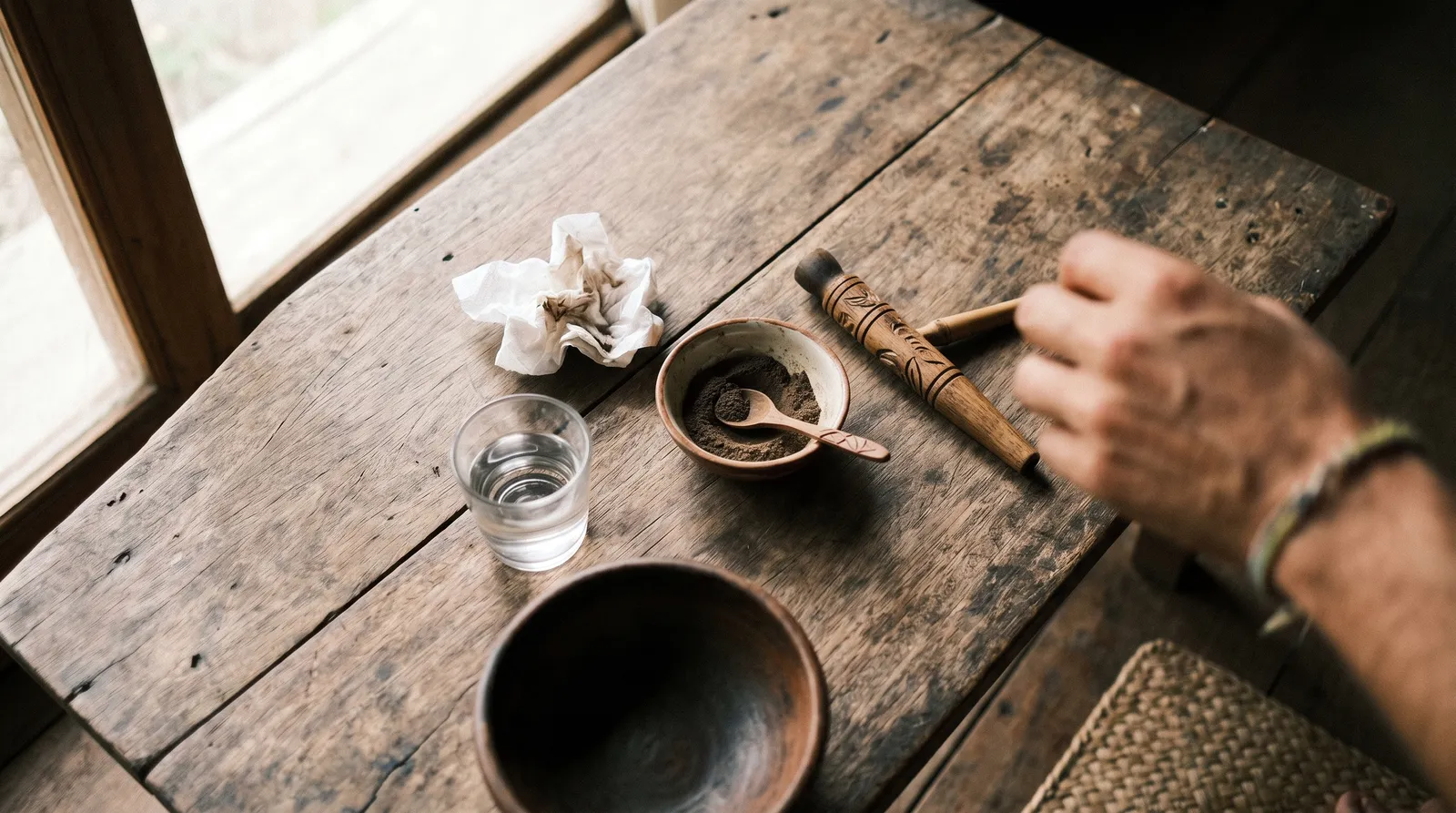
Sit down. Not on a sofa — a straight-backed chair or the floor, somewhere you can lean forward. Have tissues, a bowl or bin within arm's reach (for spitting and possible vomit), and water for after. Traditional use is ceremonial; modern use doesn't have to be, but the sitting-down part is not optional.
Step 2 — Measure the dose
Published traditional guidance and practitioner sources converge on a pea-sized portion per nostril as a standard adult dose. First-timers should start with half that — roughly a grain of rice per nostril. The reported ranges below come from practitioner literature rather than controlled clinical studies.
| Level | Amount per nostril | Context |
|---|---|---|
| Threshold | Grain of rice (~30-50mg) | First-time users, sensitive individuals |
| Low | Half a pea (~80-120mg) | Light ceremonial dose |
| Moderate | One pea (~150-200mg) | Reported traditional dose in practitioner literature |
| High | Large pea (~250-300mg) | Experienced users; substantially harder physical load |
| Very high | Above 300mg per nostril | Not documented in published safety data |
Step 3 — Load the pipe
For self-administration, use a kuripe — the small V-shaped pipe with one end for your mouth and one for your nostril. Tap the powder into the nostril end. For administration by another person, use a tepi — a longer straight pipe held by the giver.
Step 4 — Set intention
Traditional practice involves taking a moment to focus on why you're doing this. You don't have to call it spiritual. Even as a purely practical step, pausing for 20 seconds before a sharp stimulant hits your brain tends to produce a better experience than rushing it.
Step 5 — Blow (or receive the blow)
Right nostril first in most traditions. Exhale fully, place the pipe, inhale deeply and slowly from the mouthpiece end — for a kuripe, you blow out through your mouth into the pipe; you do not inhale the powder. The puff should be firm and continuous, about 1-2 seconds. Repeat on the left side.
Step 6 — Sit with it
Eyes closed. Lean forward slightly. Breathe through the mouth for the first minute. Let tears and mucus come. Spit if you need to. The acute phase passes in 5-10 minutes.
Step 7 — Integration
Don't jump up. Drink water. Wait 15-20 minutes before standing. Traditional use often follows rapé with silence or quiet conversation. Don't drive for at least an hour.
Storage and handling
Rapé is hygroscopic — it absorbs moisture and clumps, and once it clumps the dose becomes unpredictable. Store in an airtight container (a small glass jar with a tight lid), away from light, at room temperature. A silica gel packet helps in humid climates. Shelf life is roughly 12-18 months before the aroma noticeably fades; the nicotine itself is stable for longer, though the character of non-tobacco additives degrades faster.
If the powder clumps, a clean dry spoon and a few minutes of breaking it up works better than sifting through a sieve, which tends to separate the ash from the tobacco and unbalance the blend.
Safety and drug interactions
The main acute risk with rapé is nicotine overdose. Nicotiana rustica is dramatically stronger than cigarette tobacco, and the intranasal route delivers a higher peak plasma concentration than smoking (Benowitz & Burbank, 2016). Symptoms of acute nicotine toxicity include severe nausea, vomiting, cold sweat, pallor, rapid heartbeat, tremor, and in extreme cases seizures. Most cases resolve within 1-2 hours without intervention, but the experience is genuinely unpleasant and people have ended up in A&E after going too hard on an unfamiliar blend.
Cardiovascular risk is the second major concern. Nicotine causes acute vasoconstriction, raises blood pressure, and increases myocardial oxygen demand. People with undiagnosed hypertension or arrhythmias can be caught off-guard. Repeated use carries nicotine dependence risk — contrary to the "ceremonial use is non-addictive" framing that circulates in neoshamanic communities, the pharmacology is identical to any other nicotine exposure, and regular users develop tolerance and withdrawal.
Interaction table
| Combination | Risk level | Mechanism |
|---|---|---|
| MAOIs (phenelzine, ayahuasca) | Severe | Altered nicotine clearance; sympathetic compounding |
| Stimulants (amphetamines, cocaine) | High | Compounded cardiovascular load |
| SSRIs | Moderate | Limited data; nausea potentiation reported |
| Blood pressure medications | Moderate | Blunted response; acute BP spike |
| Ayahuasca (during ceremony) | Moderate | Traditional combination but compounding sympathetic/emetic load |
| Alcohol | Low-moderate | Dizziness, increased nausea |
Product quality varies substantially between suppliers. Rapé purchased from unknown sources can contain additives not listed, and moisture contamination can lead to mould growth that is invisible in dark powder. Buy from suppliers who disclose tribal origin and ingredients, and discard anything with a musty or sour smell.
If something goes wrong
Acute nicotine toxicity — persistent vomiting, chest pain, irregular heartbeat, fainting, or seizures — is a medical emergency. Call 112 in the EU, 911 in North America. Poison control: Netherlands NVIC +31 30 274 8888; UK NPIS 0344 892 0111; Belgium Antigifcentrum 070 245 245; Germany Giftnotruf varies by state.
Tell medical staff exactly what was taken: "nasal tobacco snuff containing Nicotiana rustica, approximate dose X grams." Bring the packaging if you have it. Do not hide the substance — treatment for nicotine overdose is supportive but faster when the team knows what they're treating.
Commercial disclosure
Azarius sells rapé and related shamanic snuff products and has a commercial interest in this topic. This guide prioritises harm reduction over sales, and we would rather someone use a pea-sized dose well than a tablespoon badly.
References
- Barbosa, P. C. R., et al. (2014). Health status of ayahuasca users. Drug Testing and Analysis, 4(7-8), 601-609.
- Benowitz, N. L., & Burbank, A. D. (2016). Cardiovascular toxicity of nicotine: implications for electronic cigarette use. Trends in Cardiovascular Medicine, 26(6), 515-523.
- Schultes, R. E., & Raffauf, R. F. (1990). The Healing Forest: Medicinal and Toxic Plants of the Northwest Amazonia. Dioscorides Press.
- Sisson, V. A., & Severson, R. F. (1990). Alkaloid composition of the Nicotiana species. Beiträge zur Tabakforschung International, 14(6), 327-339.
- Wickström, R. (2007). Effects of nicotine during pregnancy: human and experimental evidence. Current Neuropharmacology, 5(3), 213-222.
- Henningfield, J. E., et al. (1993). Higher levels of nicotine in arterial than in venous blood after cigarette smoking. Drug and Alcohol Dependence, 33(1), 23-29.
- Labate, B. C., & Cavnar, C. (2014). Ayahuasca Shamanism in the Amazon and Beyond. Oxford University Press.
- European Monitoring Centre for Drugs and Drug Addiction (EMCDDA). (2023). Tobacco alkaloid pharmacology technical report.
- Russo, P., et al. (2012). Nicotine intake via alternative delivery routes: pharmacokinetic considerations. Inhalation Toxicology, 24(7), 407-414.
Last updated: April 2026
Frequently Asked Questions
8 questionsHow do you pronounce rapé?
Can you get addicted to rapé?
Why do people vomit or feel sick from rapé?
What's the difference between a kuripe and a tepi?
Can you combine rapé with ayahuasca?
How much rapé should a beginner take?
Is rapé legal to buy and use in Europe?
What's the difference between rapé and hapé?
About this article


Adam Parsons is an external cannabis and psychedelics writer and editor who contributes to Azarius's wiki as both author and reviewer. On the writing side, he authors Azarius's kratom and kanna clusters, drawing on exten
This wiki article was drafted with AI assistance and reviewed by Adam Parsons, External contributor. Editorial oversight by Joshua Askew.
Medical disclaimer. This content is for informational purposes only and does not constitute medical advice. Consult a qualified healthcare provider before use of any substance.
Last reviewed April 26, 2026
Related Articles
Blue Lotus vs Kanna: Effects & Safety
Blue lotus vs kanna compared — Nymphaea caerulea's aporphine profile against Sceletium tortuosum's mesembrine chemistry, with interaction warnings.

Lotus Clinical Research Overview
What does lotus clinical research actually show? A critical review of Nymphaea caerulea and Nelumbo nucifera pharmacology, preclinical data, and…
Kanna South Africa To West History
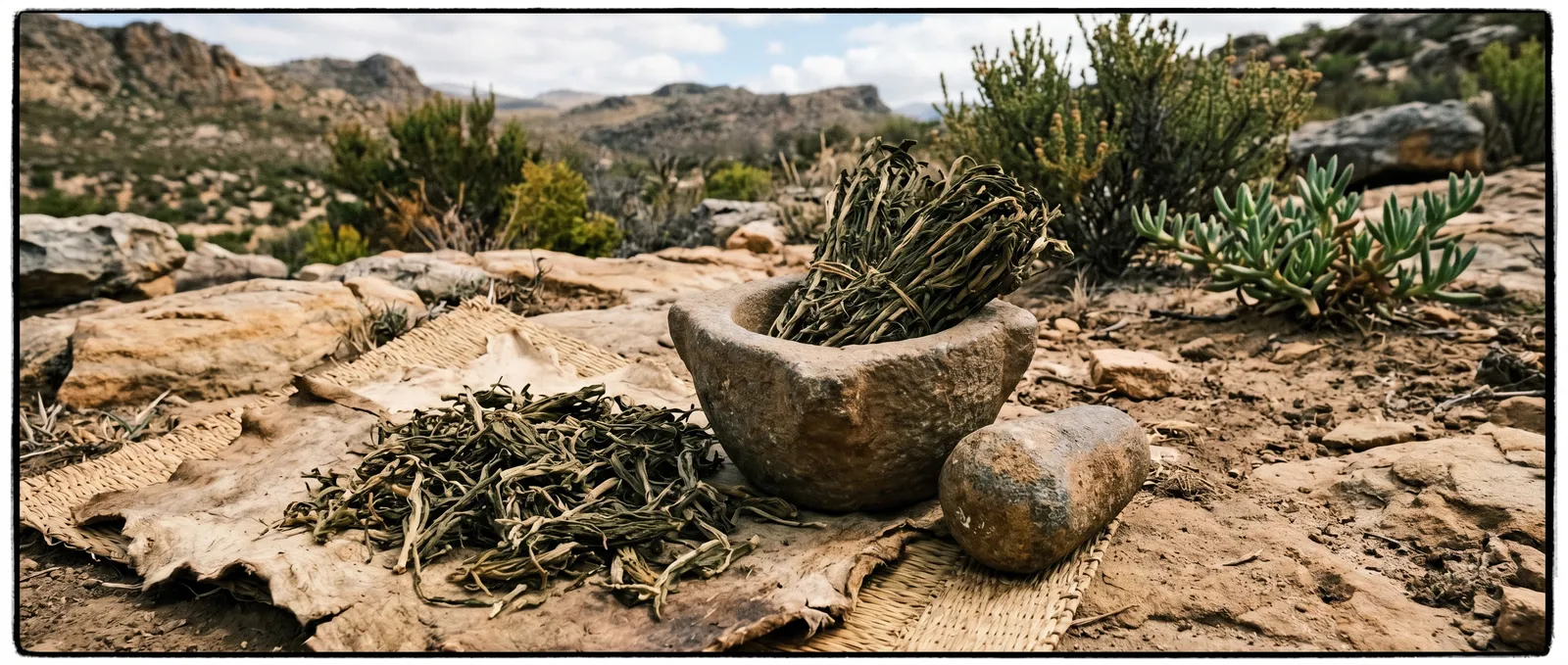
Sceletium tortuosum was used by San and Khoekhoe communities in southern Africa for centuries before European colonists first documented it in the 1660s.
Sceletium Tortuosum Plant
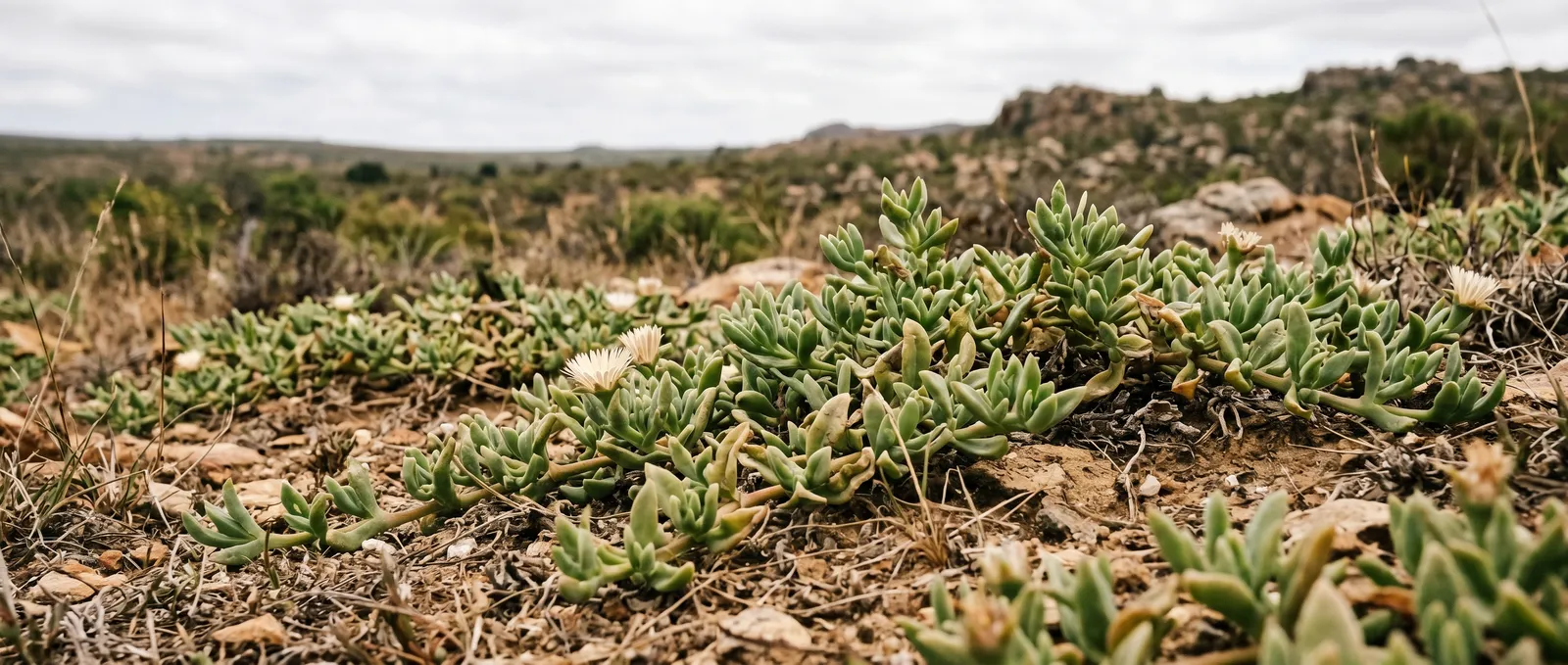
Learn about the sceletium tortuosum plant: botany, alkaloids, fermentation, safety warnings, and where to buy kanna.
Kanna Pharmacokinetics Explained
Complete guide to kanna pharmacokinetics: how Sceletium tortuosum alkaloids are absorbed, metabolised via CYP2D6, and eliminated.
Kanna Chemistry: Sceletium Alkaloids Explained
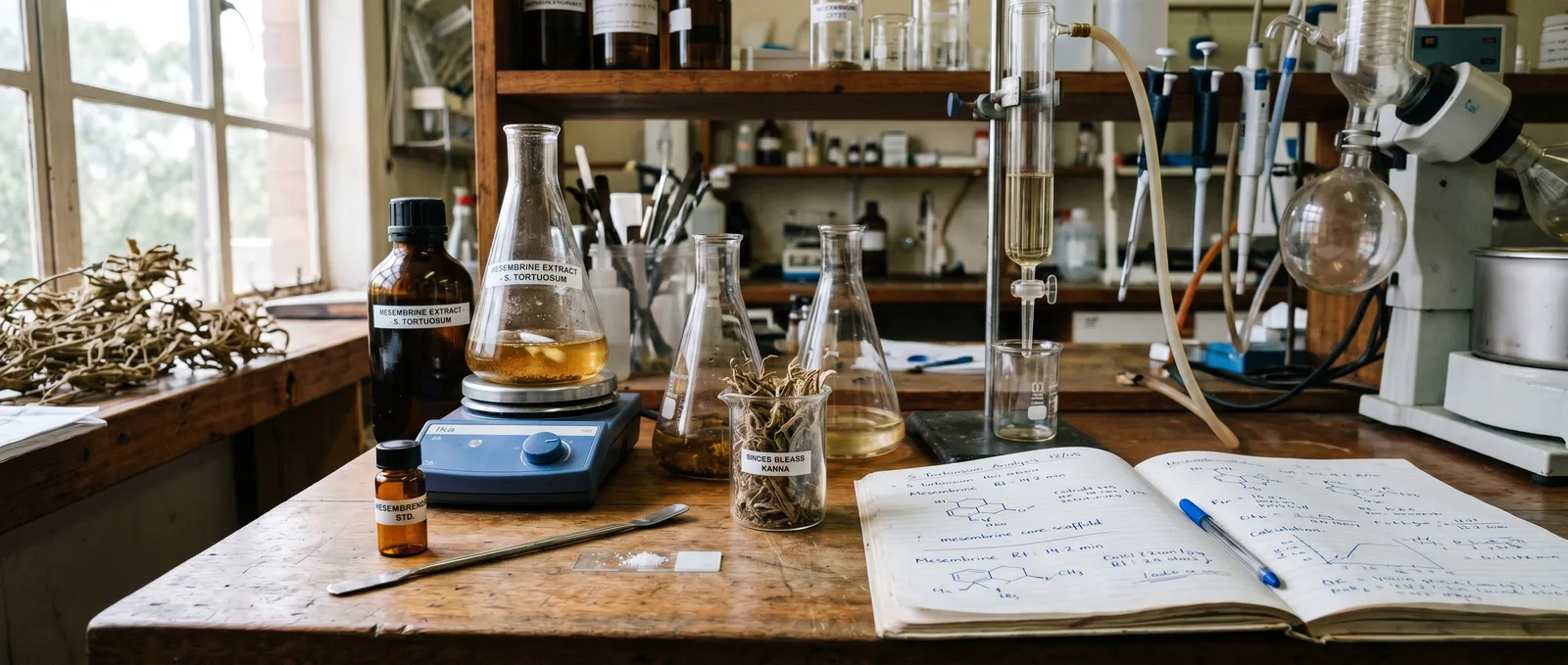
Kanna chemistry explained: mesembrine, mesembrenone, their mechanisms, how fermentation and extraction change alkaloid profiles, and why it matters…
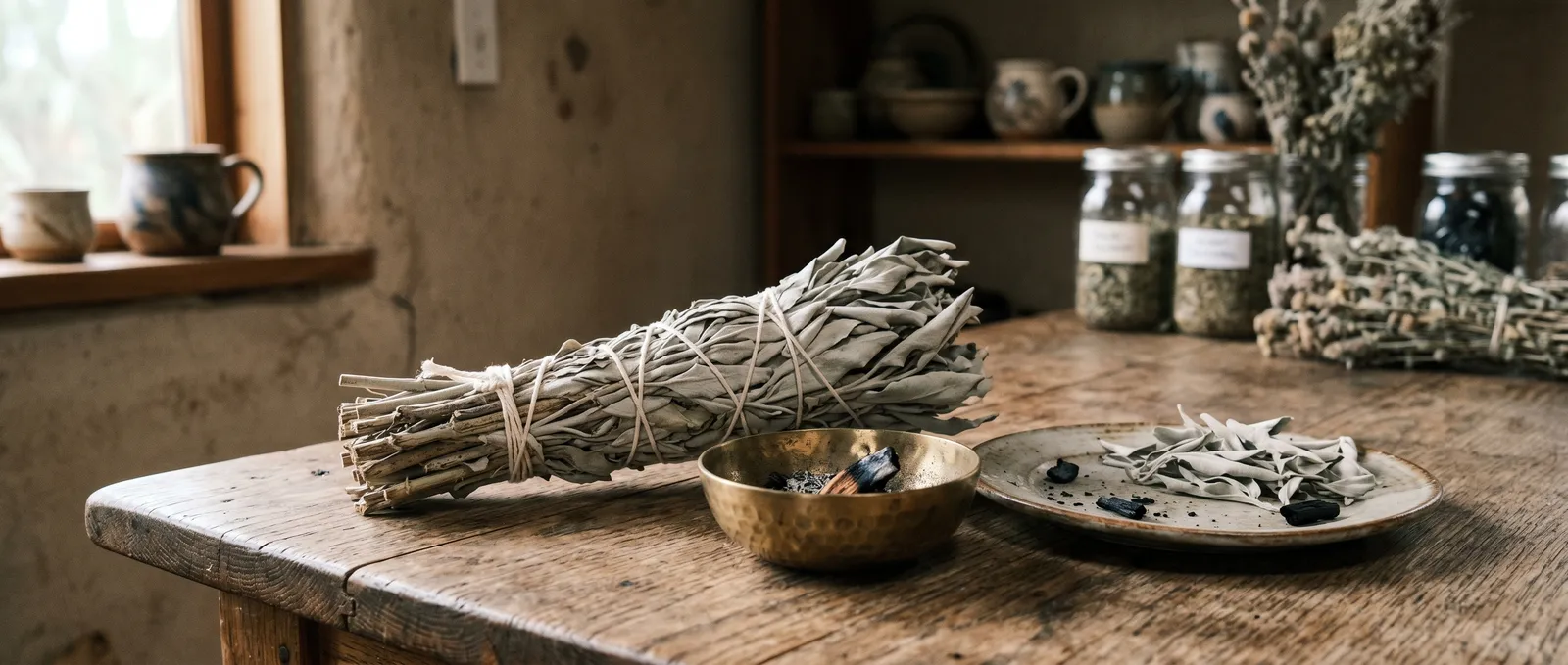
White Sage Salvia Apiana Cultural Smudging Guide
Salvia apiana is a non-psychoactive shrub native to southern California's coastal sage scrub, burned as ceremonial incense in Indigenous North American…
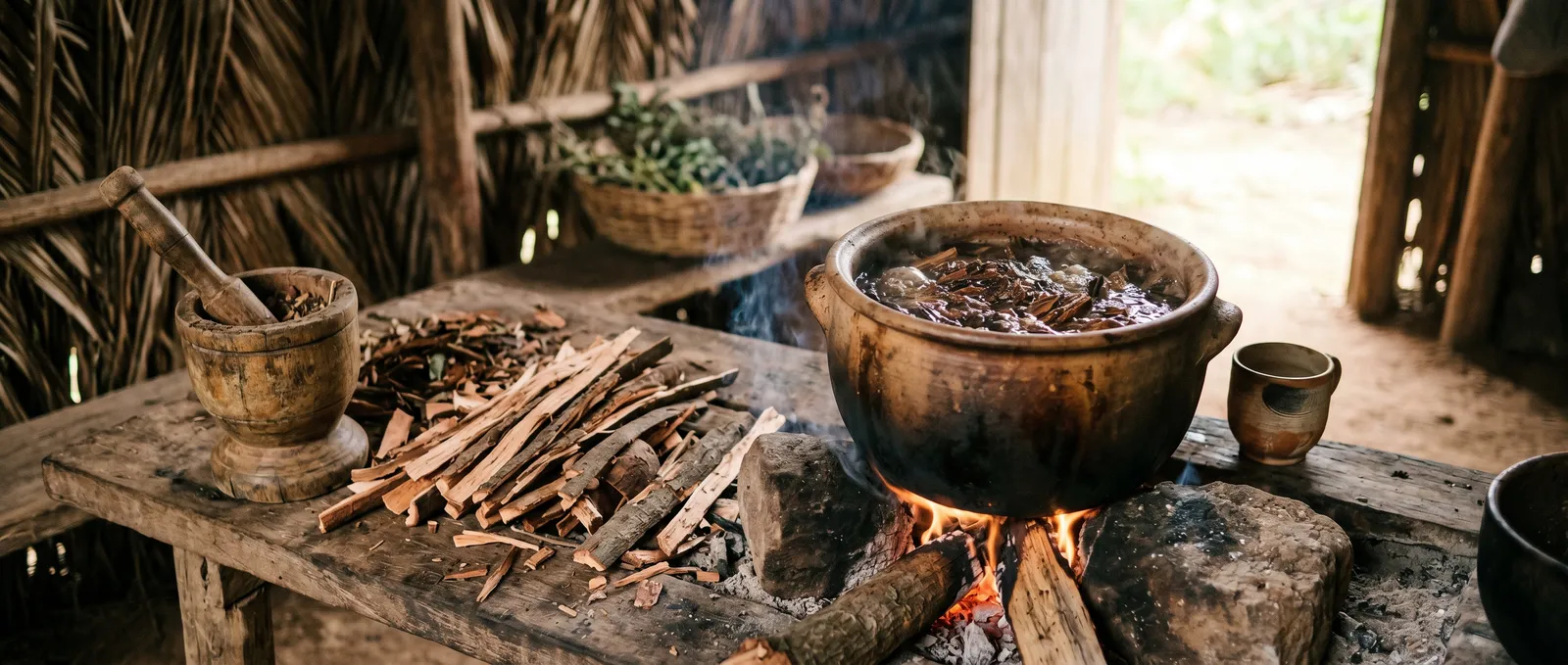
Mulungu Erythrina Traditional Amazonian Use — Bark, Alkaloids & Research
Erythrina mulungu is a Brazilian legume tree whose bark has been brewed as a calming decoction in rural folk medicine for generations.
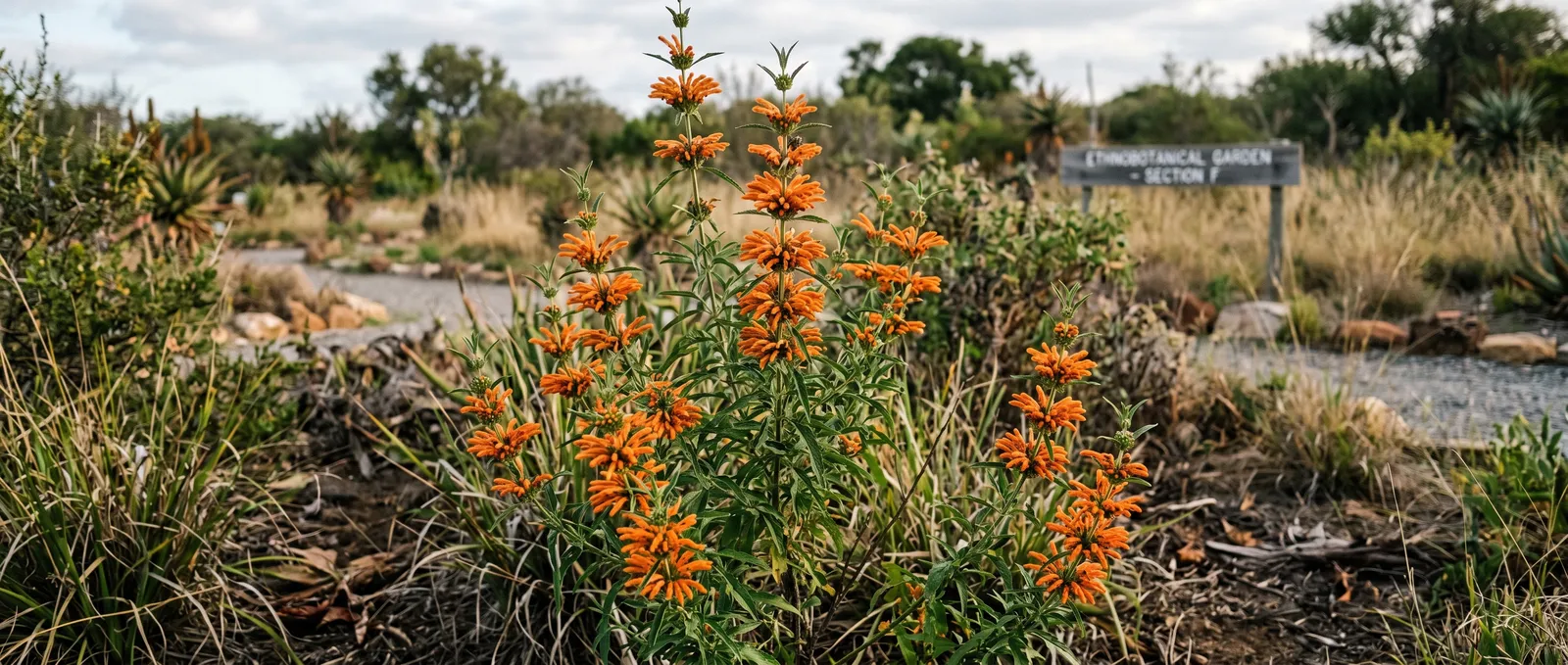
Wild Dagga Leonotis Leonurus Botany — Taxonomy, Chemistry & Traditional Use Guide
Leonotis leonurus (L.) R.Br., known as wild dagga or lion's tail, is a southern African shrub in the mint family (Lamiaceae) bearing dense whorls of orange…