
This article discusses psychoactive substances intended for adults (18+). If you have a health condition or take medication, consult a doctor before use. Our age policy
Kanna Chemistry: Sceletium Alkaloids Explained
Definition
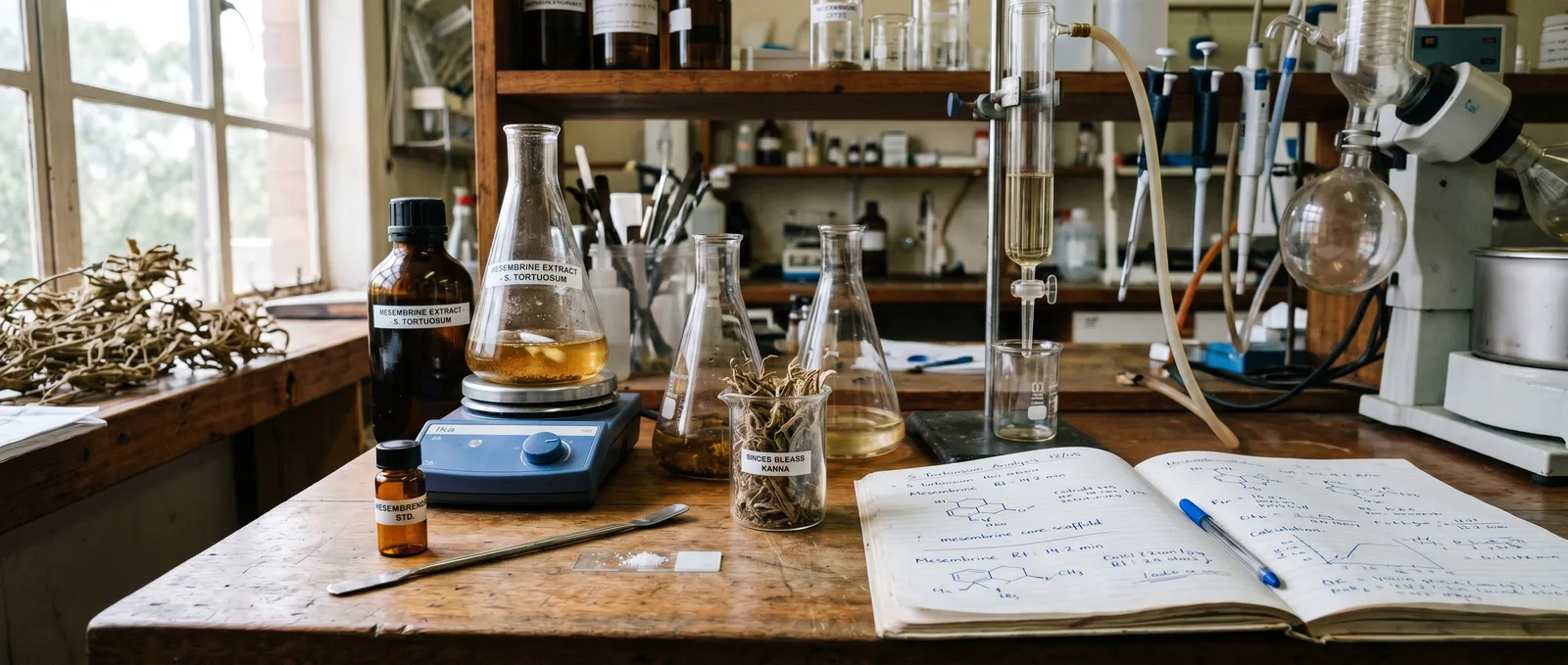
Kanna chemistry is the study of the mesembrine-type alkaloids in Sceletium tortuosum — principally mesembrine, mesembrenone, mesembrenol, and mesembranol — which drive its serotonergic activity through serotonin reuptake and PDE4 inhibition.
Kanna chemistry is the study of the mesembrine-type alkaloids produced by Sceletium tortuosum that drive its serotonergic activity. The principal compounds are mesembrine, mesembrenone, mesembrenol, and mesembranol — nitrogen-containing molecules each with a distinct pharmacological profile. Understanding kanna chemistry — what these molecules are, how they differ, and how preparation methods shift their ratios — is the foundation for understanding everything else about kanna: its effects, its safety concerns, and why two different products can feel nothing alike. Whether you want to buy kanna extract or fermented herb, the alkaloid profile determines what you are actually getting.
Adult audience (18+). The dosing ranges and effects described in this article apply to adult physiology. This content is not intended for minors.
| Alkaloid | Chemical class | Proposed primary mechanism | Relative abundance in raw plant | Notes |
|---|---|---|---|---|
| Mesembrine | Indole-type (crinane subgroup) | Serotonin reuptake inhibition (SRI); PDE4 inhibition | Dominant in most chemotypes | Most studied; concentrated by extraction |
| Mesembrenone | Indole-type (crinane subgroup) | SRI (weaker than mesembrine); possible PDE4 activity | Second most abundant in many chemotypes | Ratio to mesembrine shifts with fermentation |
| Mesembrenol | Indole-type (crinane subgroup) | Weak SRI activity reported in vitro | Minor | Less pharmacological data available |
| Mesembranol | Indole-type (crinane subgroup) | Not well characterised | Minor | Sometimes grouped with mesembrenol in analyses |
| Tortuosamine | Pyridine alkaloid | Not well characterised | Trace to minor | Identified in some chemotypes; pharmacology largely unknown |
Mesembrine: the lead alkaloid
Mesembrine (C17H23NO3) is the most pharmacologically potent alkaloid in Sceletium tortuosum and the primary driver of kanna's serotonergic effects. In vitro studies have demonstrated that it inhibits the serotonin transporter (SERT) at nanomolar concentrations — meaning it blocks the reuptake of serotonin in a manner mechanistically similar, though not identical, to pharmaceutical SSRIs (Harvey et al., 2011). The same research group reported that mesembrine also inhibits phosphodiesterase 4 (PDE4), an enzyme involved in intracellular signalling pathways linked to cognition and inflammation. The relative contribution of SRI versus PDE4 inhibition to what users actually feel remains an open question — the in vitro binding affinities are established, but translating those to human brain pharmacology at the doses people actually consume is a different matter entirely.
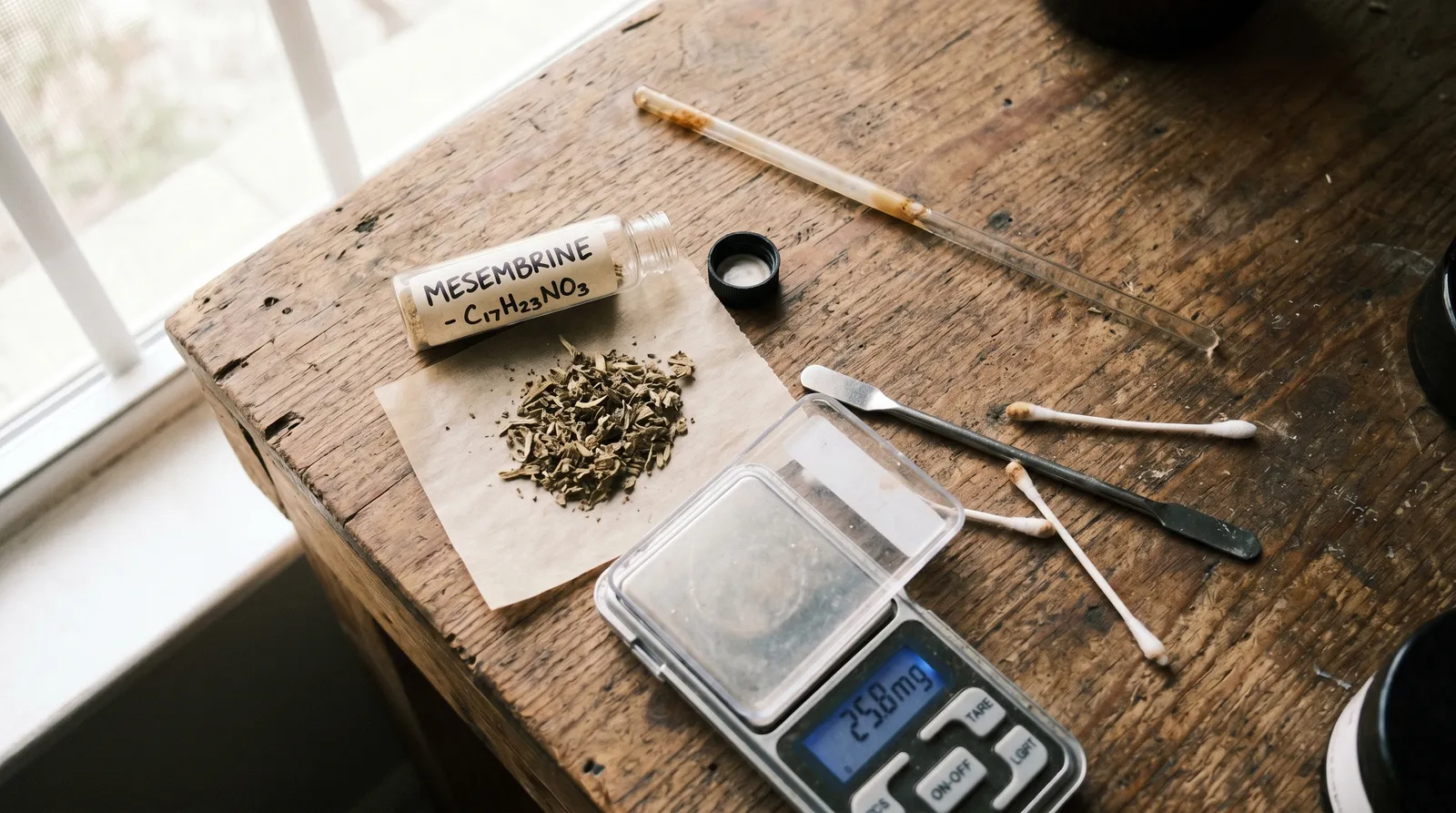
Mesembrine content varies enormously across Sceletium tortuosum specimens. Shikanga et al. (2012) analysed multiple wild-harvested and cultivated samples and found total mesembrine-type alkaloid content ranging from roughly 0.3% to 1.3% of dry weight, with the ratio of mesembrine to mesembrenone differing between individual plants and between plant parts (leaves versus stems versus roots). This natural variability in kanna chemistry is one reason why standardised extracts and raw plant material can produce quite different experiences — and why transferring findings from a specific standardised preparation to general plant material is unreliable.
Mesembrenone and the supporting cast
Mesembrenone is the second most abundant alkaloid in most kanna chemotypes, with weaker serotonin reuptake inhibition than mesembrine in vitro. It shares mesembrine's basic ring structure but carries a ketone group where mesembrine has a hydroxyl (Gericke and Viljoen, 2008). Some researchers have proposed that mesembrenone may contribute a more sedating character compared to mesembrine's reportedly more stimulating profile, but this distinction comes primarily from anecdotal and traditional accounts rather than controlled human pharmacology studies — treat it as plausible but not confirmed.
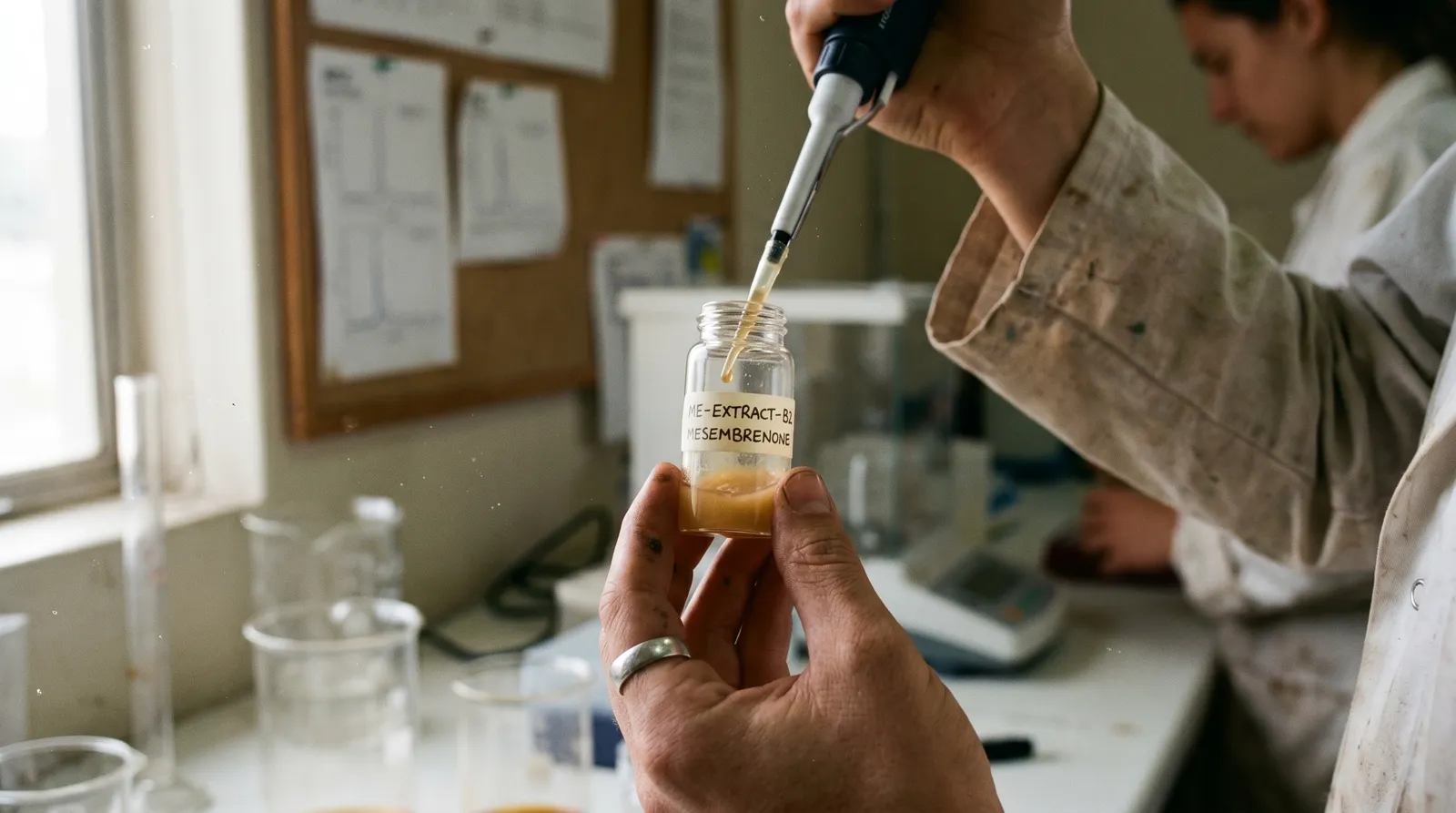
Mesembrenol and mesembranol are present in smaller quantities and have received less pharmacological scrutiny. They appear in analytical profiles of the plant and its preparations, but their individual contributions to the overall effect are not well established. Tortuosamine, a structurally distinct pyridine alkaloid identified in some Sceletium samples, is even less characterised. The honest summary: we know these molecules are there, we can measure them, but the pharmacology of the minor alkaloids in humans is largely uncharted.
How preparation changes kanna chemistry
Fermentation is the single most significant factor that transforms the alkaloid profile of raw Sceletium tortuosum. Traditional Khoisan preparation of kougoed involves bruising the aerial parts of the plant, then fermenting the material in a sealed container for several days. This process does more than just preserve the plant — it actively modifies the kanna chemistry of the final product. Gericke and Viljoen (2008) documented that fermentation tends to reduce mesembrine content relative to mesembrenone, and also significantly lowers oxalic acid levels (oxalates are present in the fresh plant and are an irritant). The result is a chemically different product from the raw, unfermented herb.
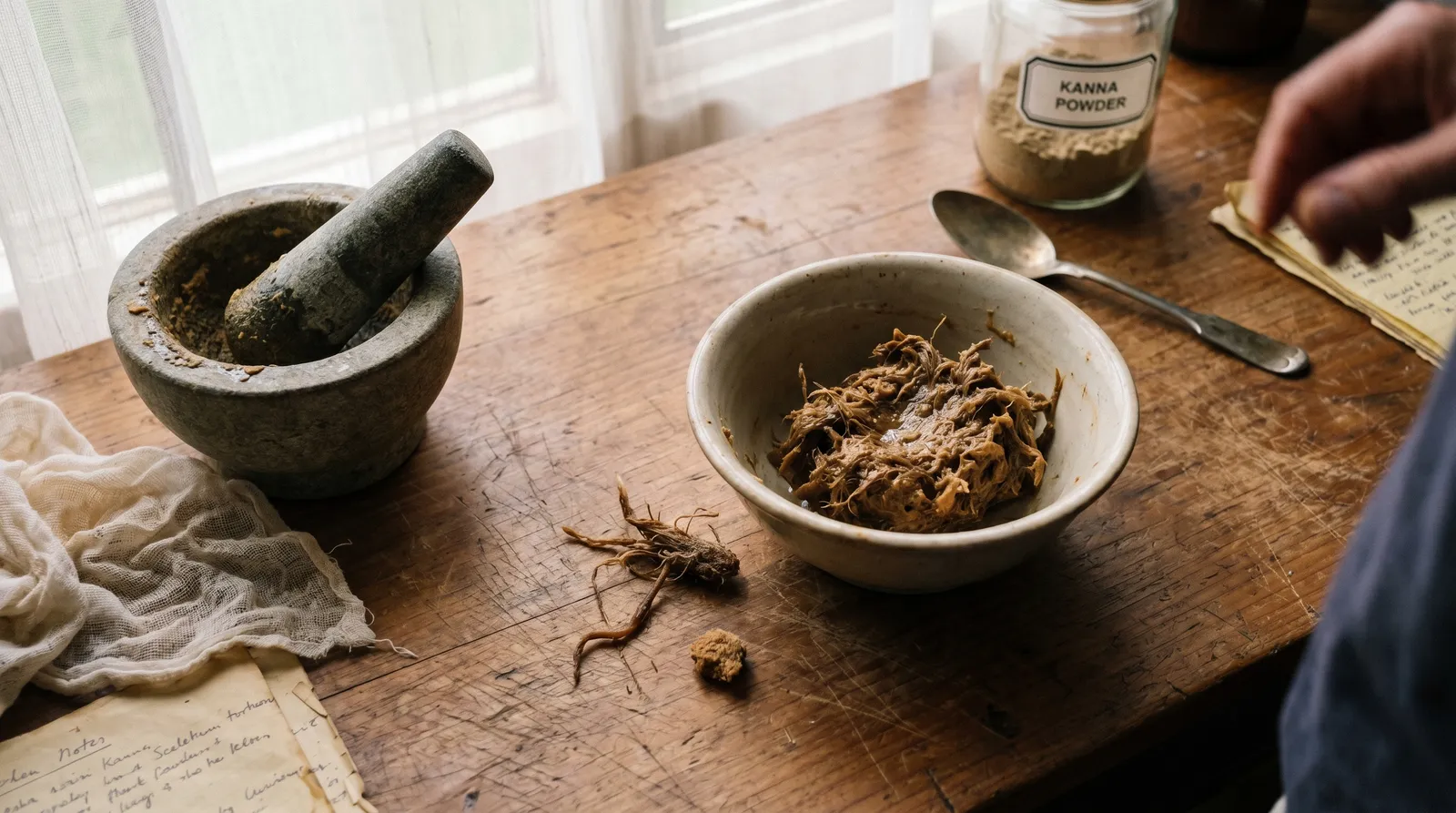
This distinction matters practically. Unfermented dried plant material, fermented kougoed, and concentrated extracts are three different things with different alkaloid profiles, different effective dose ranges, and different risk profiles. A 25:1 extract concentrates the alkaloids — primarily mesembrine — to levels far above what you would find in an equivalent weight of plant material. The serotonergic activity, and therefore the interaction risk with other serotonergic substances, scales with alkaloid concentration. Extracts demand smaller doses and more caution. If you want to order kanna in any form — raw herb, fermented, or extract — understanding this kanna chemistry distinction is essential for responsible use.
The dual mechanism question: SRI, PDE4, or both?
Mesembrine inhibits both the serotonin transporter and PDE4 in vitro, and the two mechanisms are not mutually exclusive. Harvey et al. (2011) reported that the SRI activity occurs at lower concentrations than the PDE4 inhibition. A clinical trial on a specific standardised Sceletium extract observed reduced amygdala reactivity to threat-related stimuli in healthy volunteers (Terburg et al., 2013) — a finding consistent with serotonergic modulation, though not exclusively so.
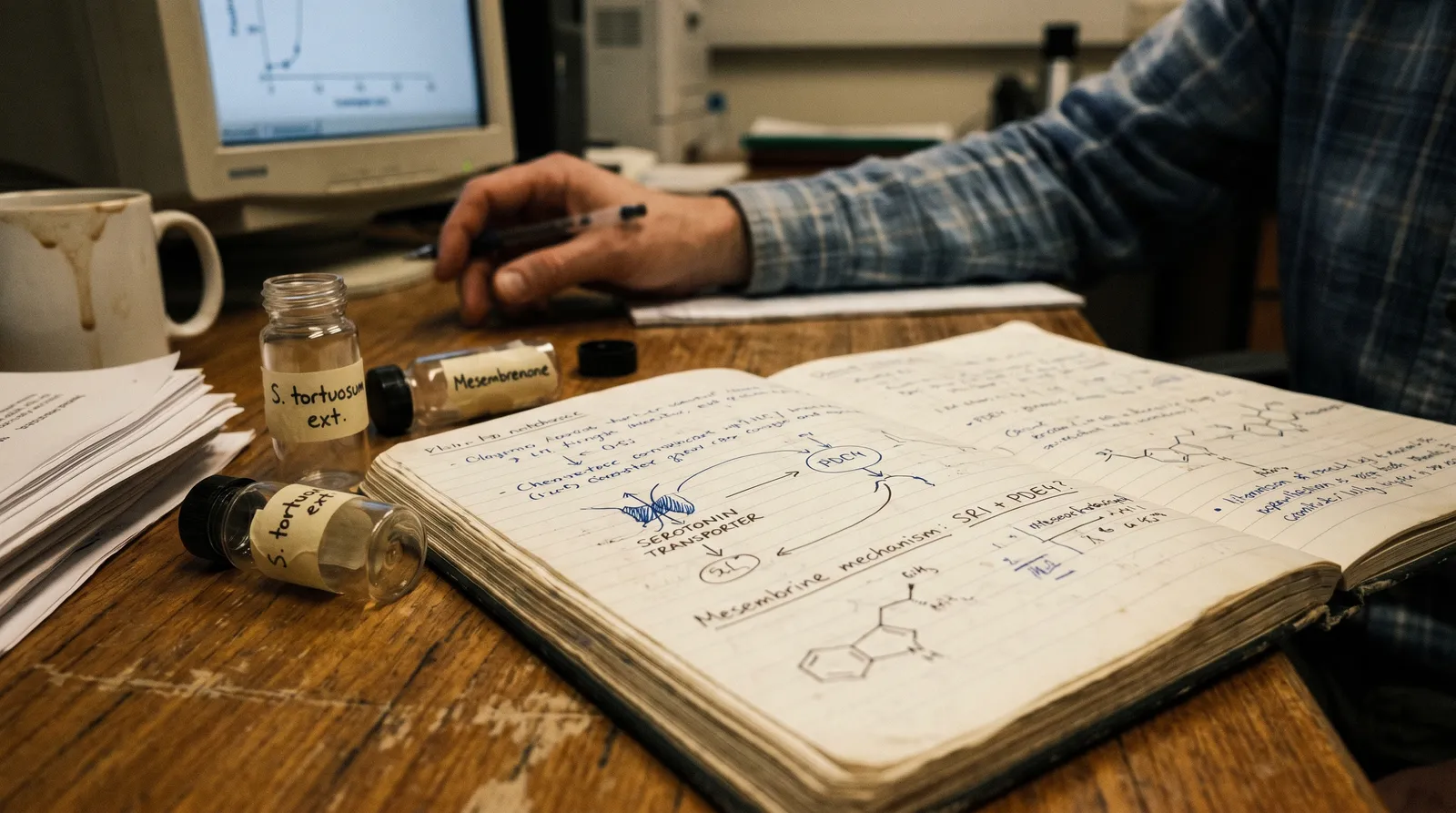
PDE4 inhibition is an interesting wrinkle in kanna chemistry. PDE4 inhibitors have been investigated pharmaceutically for their potential effects on cognition and neuroinflammation — rolipram is the classic research compound in this class. Whether the PDE4 activity of mesembrine at realistic human doses contributes meaningfully to kanna's subjective effects, or whether it is primarily a serotonergic story, is genuinely unresolved. The two mechanisms may work in concert, but the human data needed to parse their relative contributions simply does not exist yet.
Chemotype variation and what it means for kanna chemistry
Different populations of Sceletium tortuosum produce meaningfully different alkaloid ratios, and even individual plants within the same population can vary. Shikanga et al. (2012) identified distinct chemotypes: some dominated by mesembrine, others with higher proportions of mesembrenone or the minor alkaloids. Growth conditions, harvest timing, and the specific plant part used all influence the final chemical profile.
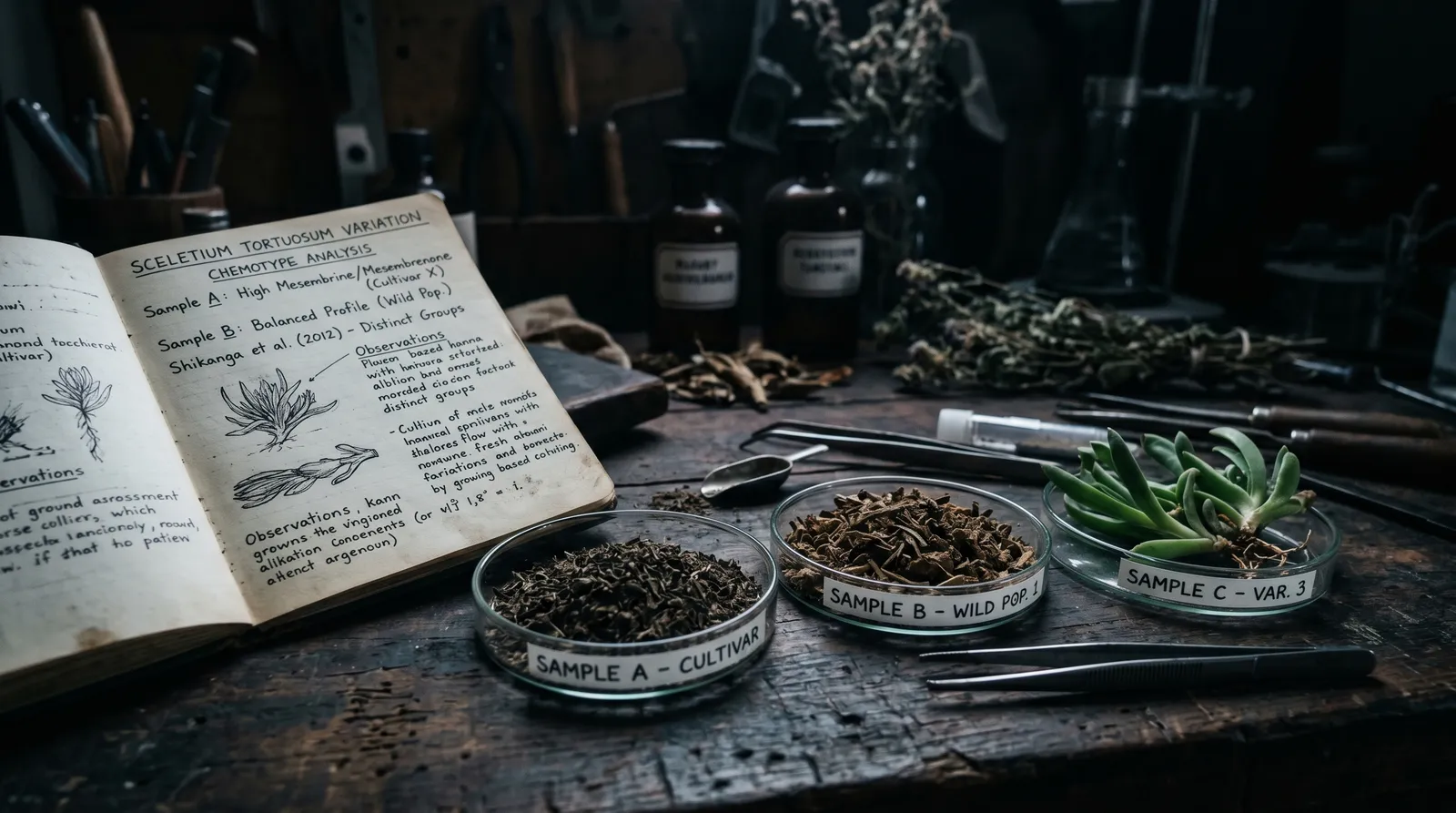
This natural variability has practical consequences. Two batches of dried Sceletium leaf, both genuinely authentic, can differ substantially in their mesembrine content. Standardised extracts address this by targeting a specific alkaloid concentration — the clinical trials that have been published used a specific standardised preparation with a defined mesembrine content, and their results apply to that preparation, not to arbitrary plant material or non-standardised extracts. This is not a minor technical point; it is the single most common source of confusion in the kanna chemistry space.
Serotonergic activity and the safety implications
Kanna's primary safety concern stems directly from its serotonergic activity: mesembrine and mesembrenone inhibit serotonin reuptake. Combining kanna — particularly concentrated extracts — with SSRIs, SNRIs, MAOIs, tricyclic antidepressants, or other serotonergic substances (including 5-HTP, St John's Wort, MDMA, and classical psychedelics such as psilocybin or LSD) risks serotonin syndrome, a rare but potentially serious and occasionally life-threatening condition characterised by agitation, hyperthermia, rapid heart rate, and muscular rigidity. Anyone taking antidepressant medication should not combine it with kanna. Note that some SSRIs — fluoxetine in particular — have long-lasting active metabolites that persist for weeks after discontinuation. The EMCDDA has flagged serotonergic botanicals as an area requiring attention given the growing overlap between herbal supplement use and prescription antidepressant use. For a full discussion of specific interactions, see the dedicated Kanna Interactions article on our wiki.
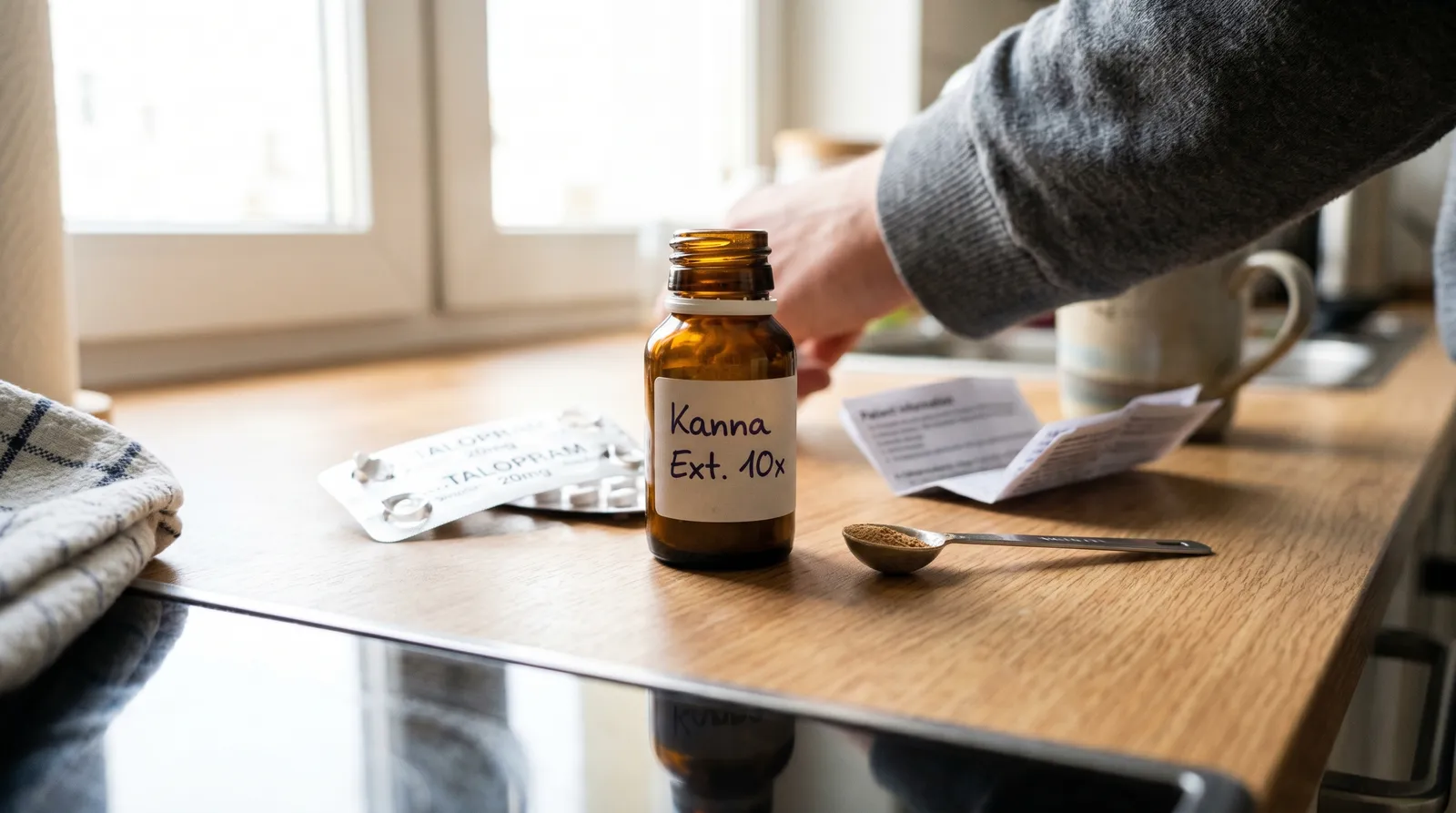
The serotonergic interaction risk applies with greater weight to extracts than to raw plant material, simply because extracts contain higher concentrations of the active alkaloids per unit weight. This does not mean plant material is free of risk — it means the margin for error is narrower with extracts.
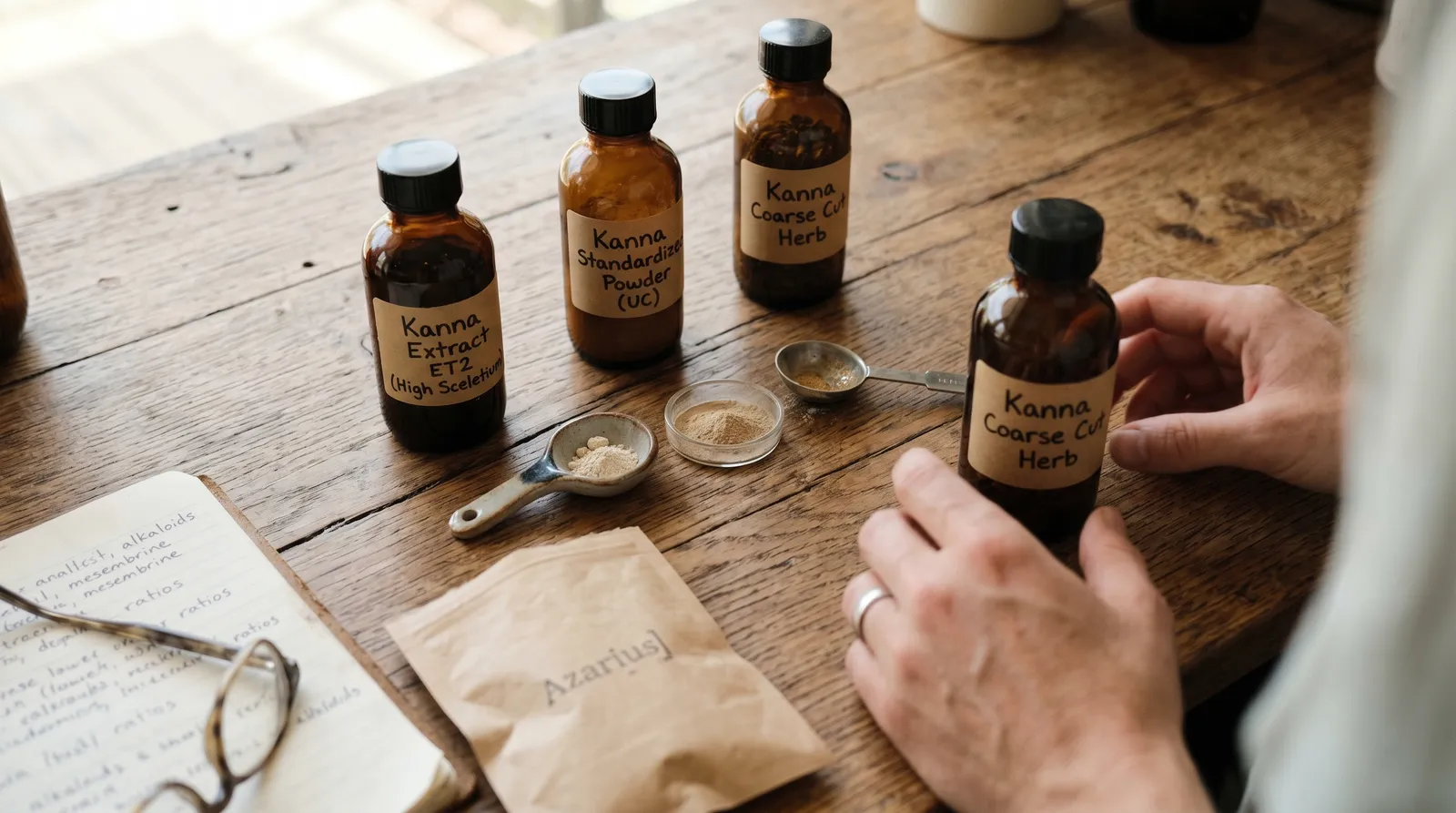
One thing we have noticed over the years: customers who take the time to understand the alkaloid profile of their specific product almost always have a better experience. Someone who knows they are working with a high-mesembrine extract approaches dosing differently than someone chewing fermented herb — and that awareness is the whole point of understanding kanna chemistry in the first place.
Honestly, there is a lot we still do not know. The minor alkaloids — mesembrenol, mesembranol, tortuosamine — are under-researched, and the question of whether PDE4 inhibition matters at real-world doses remains open. We are transparent about these gaps because overstating the science would be worse than admitting its limits. What we can say with confidence is that kanna's chemistry is more variable and more dose-sensitive than most people expect, and that understanding the alkaloid profile of whatever specific product you are using is not optional — it is the bare minimum for using kanna responsibly.
Kanna compared to other serotonergic botanicals
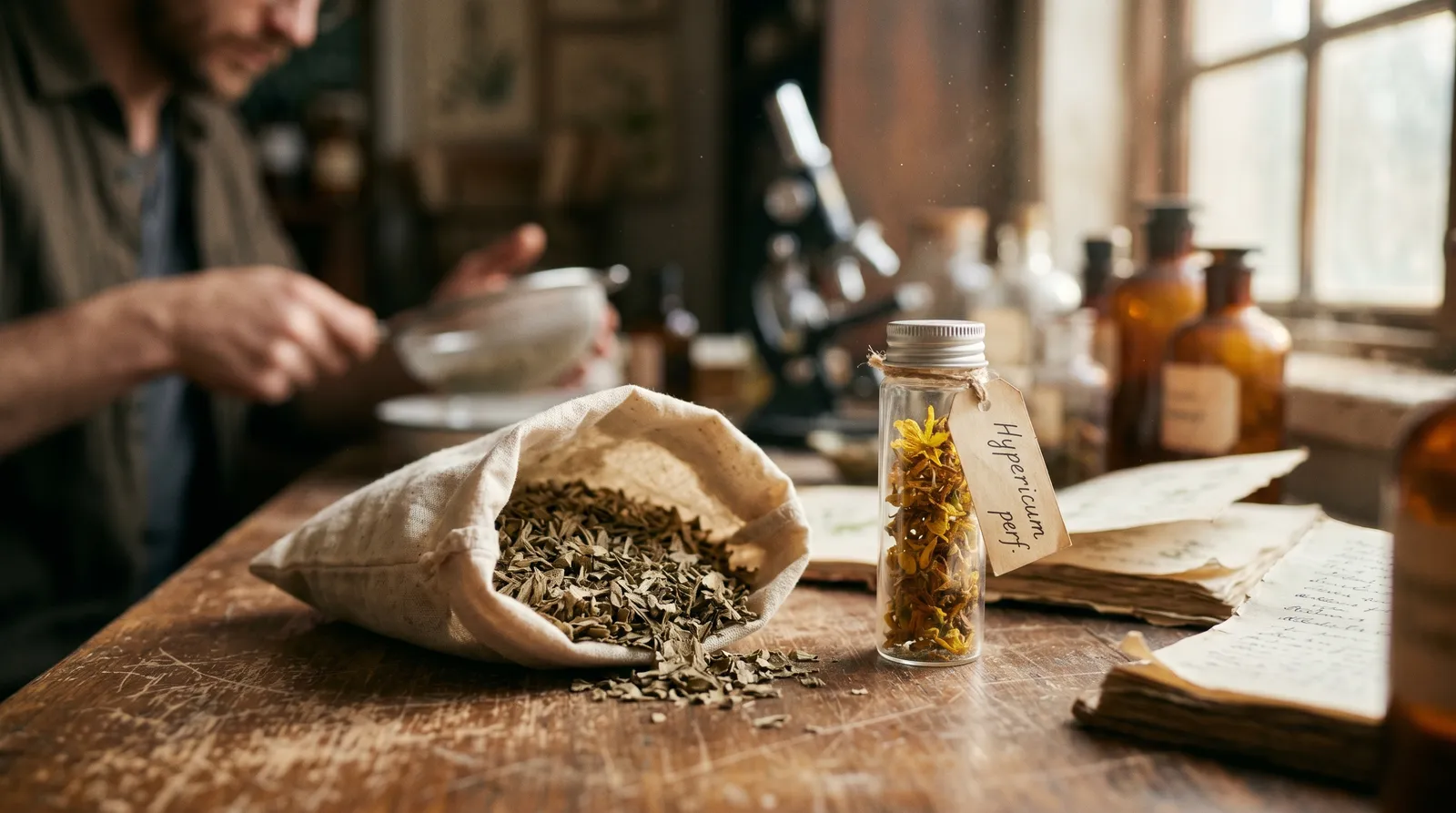
Kanna's mesembrine directly inhibits the serotonin transporter, making its mechanism more similar to pharmaceutical SSRIs than most other mood-supporting herbs. St John's Wort (Hypericum perforatum) affects serotonin through a different mechanism — primarily via hyperforin's action on multiple neurotransmitter systems rather than direct transporter inhibition. Rhodiola rosea influences serotonin and dopamine but is not classified as a reuptake inhibitor. Kanna, by contrast, has a direct, measurable SRI mechanism via mesembrine. This makes kanna's interaction profile with pharmaceutical antidepressants arguably more predictable but also more dangerous — the mechanism overlaps more directly with SSRIs than St John's Wort does, even though St John's Wort is more widely flagged for drug interactions. The Beckley Foundation's broader research into serotonergic compounds provides useful context for understanding why direct transporter inhibition carries specific risks. If you are looking to buy kanna or any serotonergic botanical, understanding these mechanistic differences matters for safety.
What the alkaloid profile means for product selection
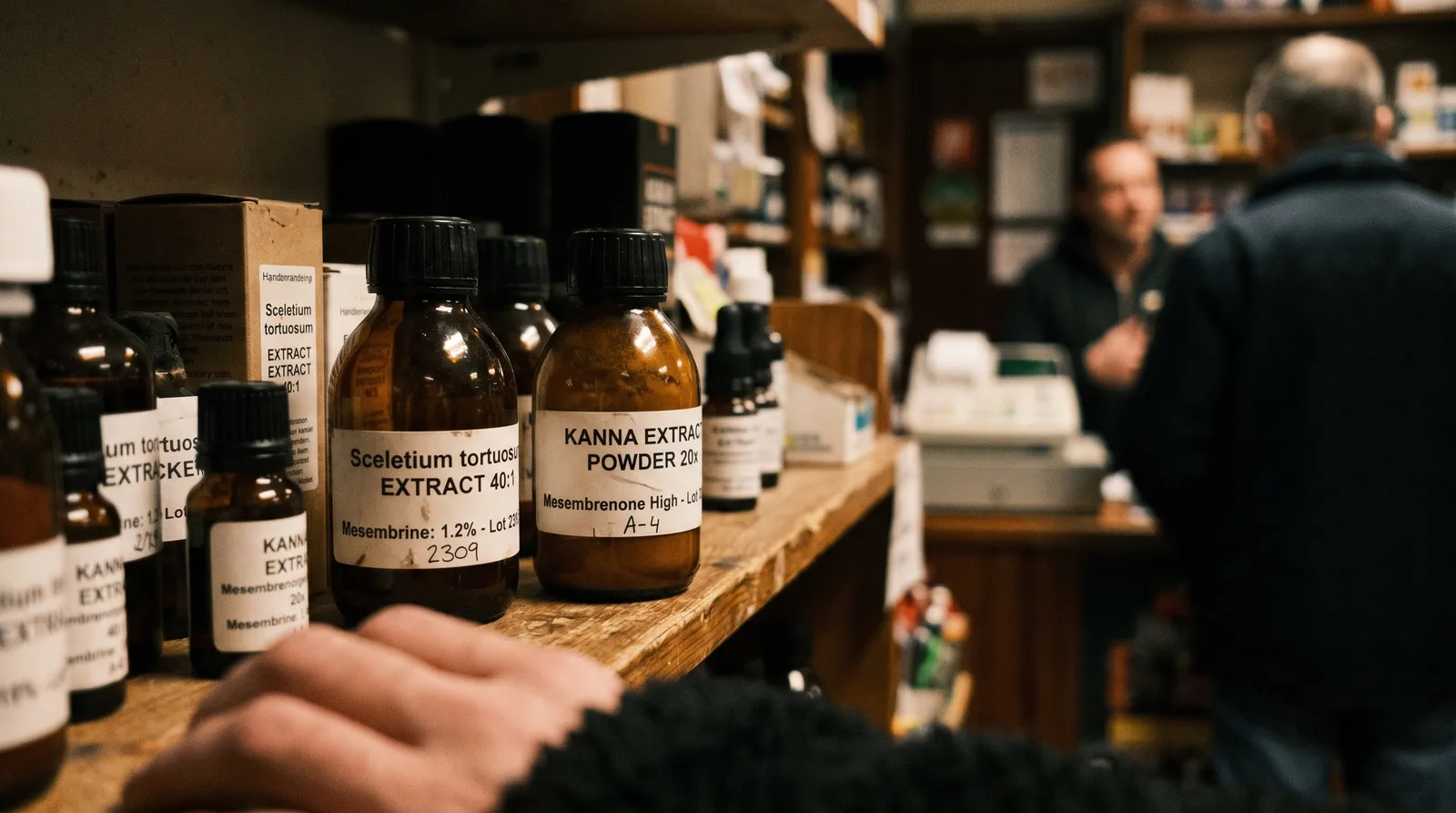
The alkaloid profile is the single most important variable when choosing a kanna product. Fermented kanna (kougoed) offers a different mesembrine-to-mesembrenone ratio than unfermented herb, and extracts concentrate mesembrine further. We carry several kanna products — including Kanna UC2 extract, fermented kanna herb, and Kanna ET2 extract — and each has a distinct alkaloid profile that determines its character and appropriate dosage. Knowing the kanna chemistry behind what you are buying is the difference between a considered experience and a guessing game. If you want to get kanna that suits your needs, start by comparing alkaloid specifications rather than price or brand.
Why kanna chemistry matters more than marketing
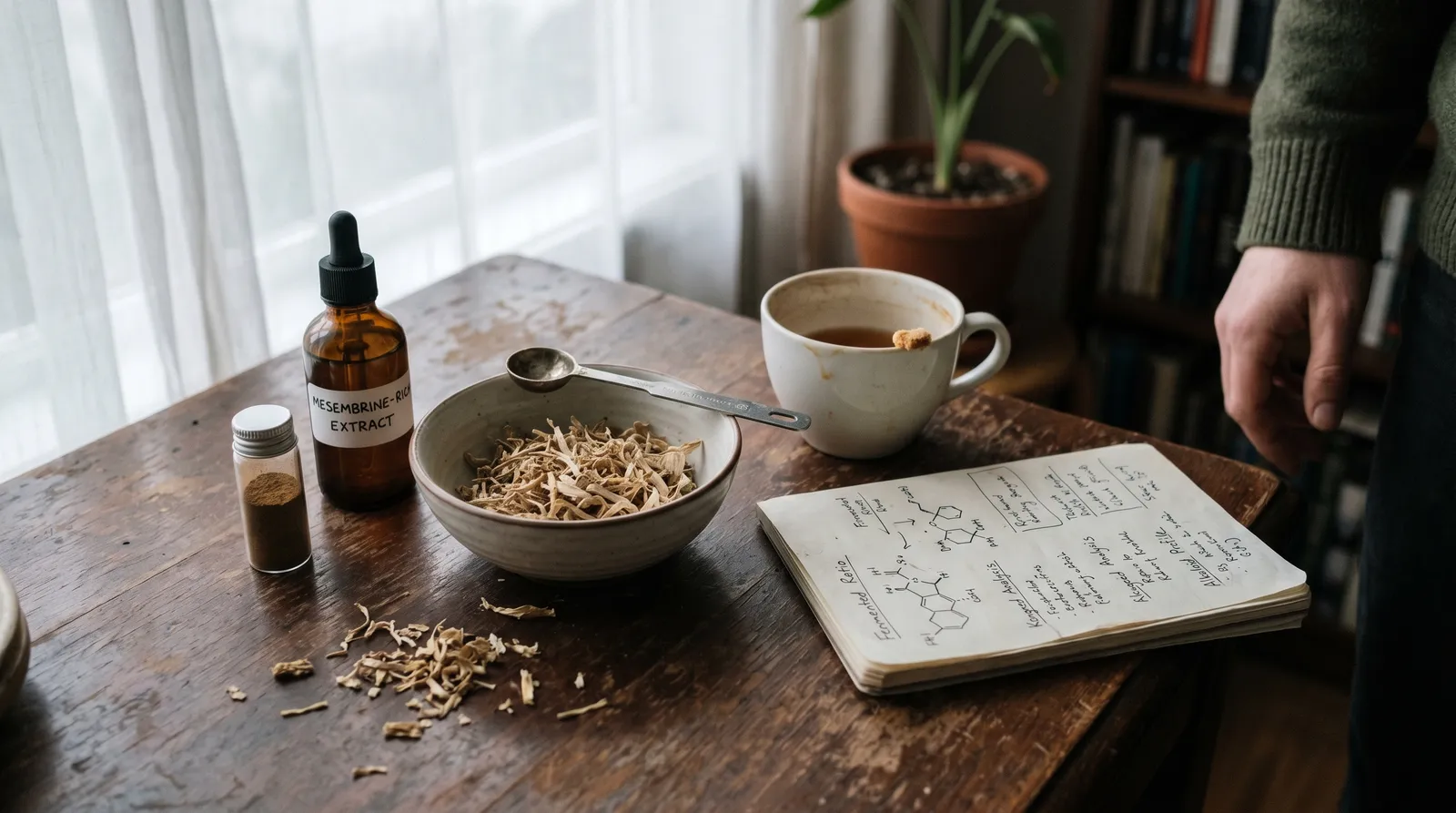
The alkaloid profile of a kanna product tells you more than any marketing claim ever will. Two products labelled "kanna extract" can have entirely different mesembrine concentrations, different mesembrine-to-mesembrenone ratios, and therefore different effects and safety profiles. This is why we always recommend checking whether a product specifies its alkaloid content — and why we think the kanna chemistry conversation is one every customer should have before they buy kanna for the first time.
Last updated: April 2026
Frequently Asked Questions
5 questionsWhat is the main psychoactive alkaloid in kanna?
How does fermentation change kanna's alkaloid profile?
Why do kanna extracts and raw plant material have different potencies?
Does kanna work through serotonin reuptake inhibition or PDE4 inhibition?
Do all Sceletium tortuosum plants contain the same alkaloids?
About this article


Adam Parsons is an external cannabis and psychedelics writer and editor who contributes to Azarius's wiki as both author and reviewer. On the writing side, he authors Azarius's kratom and kanna clusters, drawing on exten
This wiki article was drafted with AI assistance and reviewed by Adam Parsons, External contributor. Editorial oversight by Joshua Askew.
Medical disclaimer. This content is for informational purposes only and does not constitute medical advice. Consult a qualified healthcare provider before use of any substance.
Last reviewed May 12, 2026
References (6)
- [1]Gericke, N. and Viljoen, A.M. (2008). Sceletium — a review update. Journal of Ethnopharmacology , 119(3), pp.653–663. DOI: 10.1016/j.jep.2008.07.043
- [2]Harvey, A.L. et al. (2011). Pharmacological actions of the South African medicinal and functional food plant Sceletium tortuosum and its principal alkaloids. Journal of Ethnopharmacology , 137(3), pp.1124–1129. DOI: 10.1016/j.jep.2011.07.035
- [3]Shikanga, E.A. et al. (2012). A novel approach in herbal quality control using hyperspectral imaging: discriminating between Sceletium tortuosum and Sceletium crassicaule . Phytochemical Analysis , 24(6), pp.550–555.
- [4]Terburg, D. et al. (2013). Acute effects of Sceletium tortuosum (Zembrin), a dual 5-HT reuptake and PDE4 inhibitor, in the human amygdala and its connection to the hypothalamus. Neuropsychopharmacology , 38(13), pp.2708–2716. DOI: 10.1038/npp.2013.183
- [5]EMCDDA (European Monitoring Centre for Drugs and Drug Addiction). Risk assessments and monitoring reports on novel psychoactive substances and herbal products with serotonergic activity.
- [6]Beckley Foundation. Research programme on serotonergic compounds and their neuropsychopharmacology.
Related Articles
Blue Lotus vs Kanna: Effects & Safety
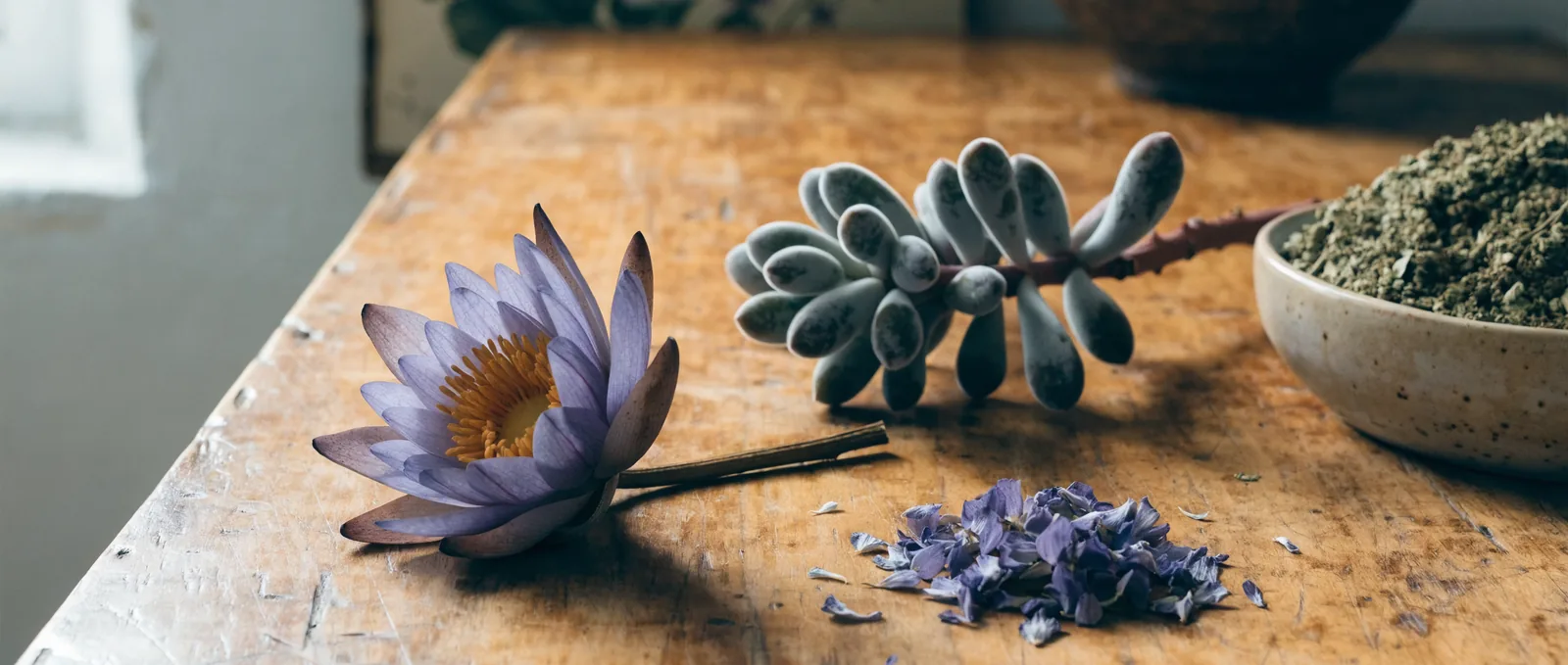
Blue lotus vs kanna compared — Nymphaea caerulea's aporphine profile against Sceletium tortuosum's mesembrine chemistry, with interaction warnings.
Lotus Clinical Research Overview
What does lotus clinical research actually show? A critical review of Nymphaea caerulea and Nelumbo nucifera pharmacology, preclinical data, and…
Kanna South Africa To West History
Sceletium tortuosum was used by San and Khoekhoe communities in southern Africa for centuries before European colonists first documented it in the 1660s.
Sceletium Tortuosum Plant
Learn about the sceletium tortuosum plant: botany, alkaloids, fermentation, safety warnings, and where to buy kanna.
Kanna Pharmacokinetics Explained
Complete guide to kanna pharmacokinetics: how Sceletium tortuosum alkaloids are absorbed, metabolised via CYP2D6, and eliminated.
Rapé Shamanic Snuff Guide: How to Use It Safely
A practical rapé shamanic snuff guide covering dose, kuripe technique, effects, nicotine safety, interactions and Amazonian tradition.

White Sage Salvia Apiana Cultural Smudging Guide
Salvia apiana is a non-psychoactive shrub native to southern California's coastal sage scrub, burned as ceremonial incense in Indigenous North American…
Mulungu Erythrina Traditional Amazonian Use — Bark, Alkaloids & Research
Erythrina mulungu is a Brazilian legume tree whose bark has been brewed as a calming decoction in rural folk medicine for generations.
Wild Dagga Leonotis Leonurus Botany — Taxonomy, Chemistry & Traditional Use Guide
Leonotis leonurus (L.) R.Br., known as wild dagga or lion's tail, is a southern African shrub in the mint family (Lamiaceae) bearing dense whorls of orange…