
This article discusses psychoactive substances intended for adults (18+). If you have a health condition or take medication, consult a doctor before use. Our age policy
Kanna South Africa To West History
Definition
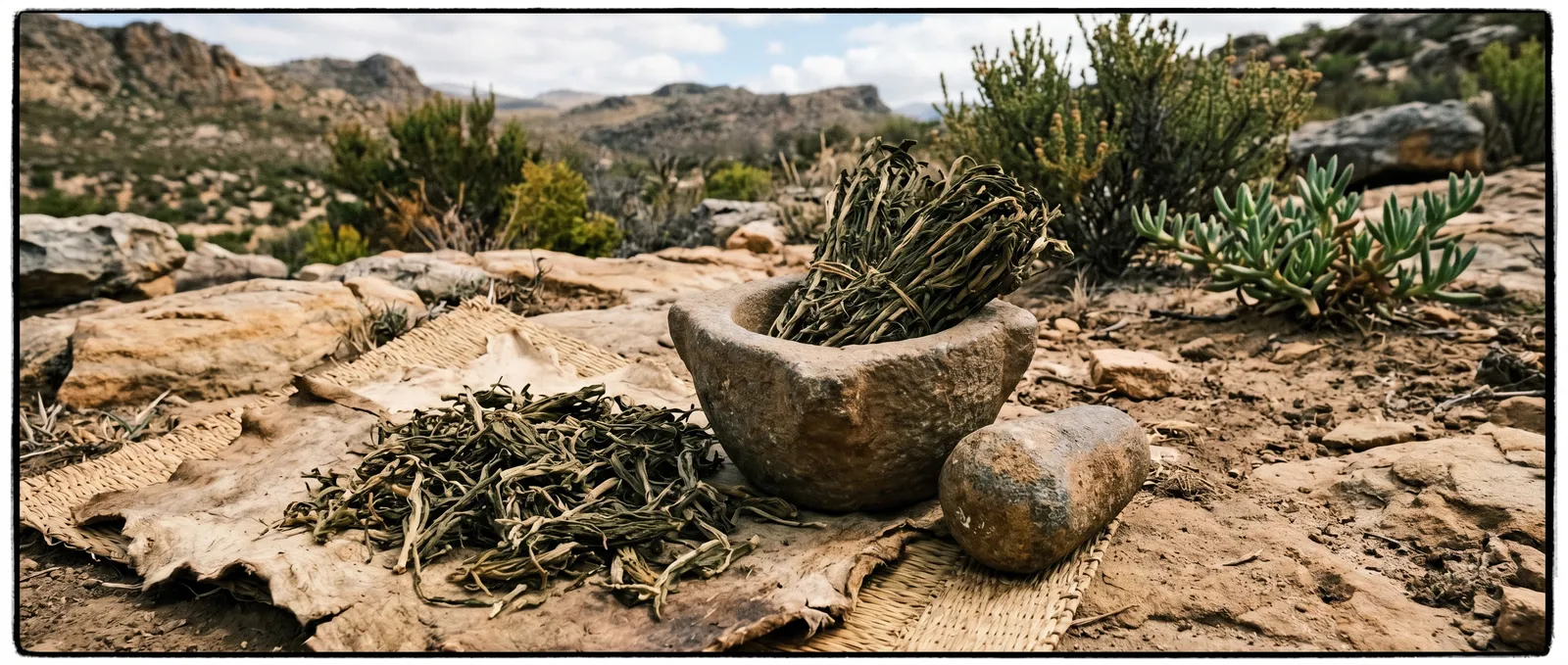
Kanna South Africa To West History is the ethnobotanical record of Sceletium tortuosum's journey from indigenous San and Khoekhoe use as a fermented chew to its first European documentation by Jan van Riebeeck in 1662 and its later pharmacological revival in the West.
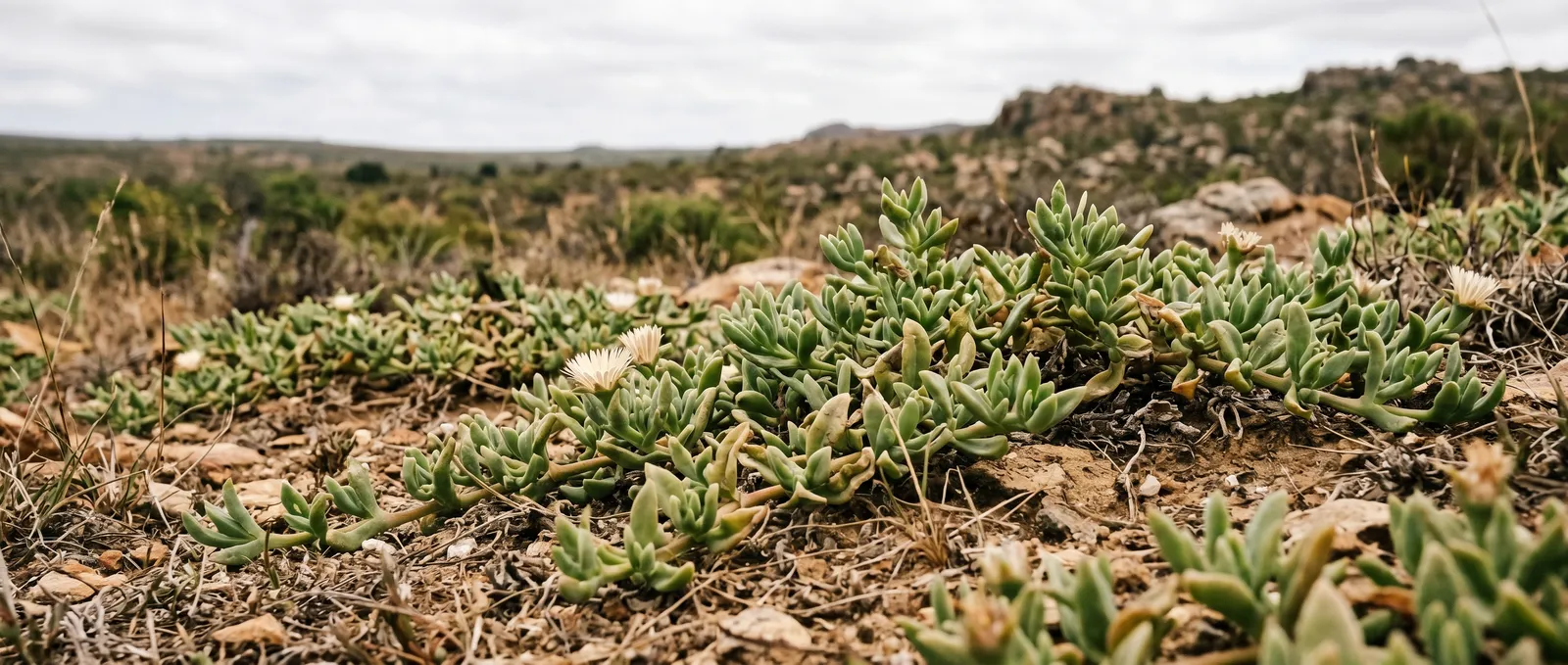
Kanna (Sceletium tortuosum) is a succulent plant native to South Africa's Western Cape that was used by San and Khoekhoe communities for centuries as a fermented mood-altering chew before European colonists documented it in the 1660s. The kanna south africa to west history is a story of colonial exploitation, two centuries of ethnobotanical neglect, and a slow-burning revival driven by pharmacological curiosity. Understanding that history matters, because the way kanna reached the West shapes how it is studied, sold, and sometimes misrepresented today. If you want to buy kanna products today, knowing this background helps you make informed choices about what you are actually getting.
This article is for informational and educational purposes only. It is not medical advice. Kanna has serotonergic activity and can interact with medications. If you take any prescription medication — especially SSRIs, SNRIs, MAOIs, or other serotonergic drugs — consult a qualified healthcare professional before using kanna in any form. Nothing on this page should be interpreted as a recommendation to treat, cure, or prevent any medical condition.
Earliest Records and Colonial Contact
The first written European account of kanna use dates to 1662, when Jan van Riebeeck of the Dutch East India Company noted Khoekhoe people trading a mood-altering chewing plant at the Cape Colony. Van Riebeeck's journal entries are sparse and transactional; he was more interested in what the Khoekhoe would accept in barter than in the plant's cultural significance. A slightly more detailed description came from Hendrik Claudius, a Dutch apothecary stationed at the Cape, who in 1685 documented the preparation method: the aerial parts of the plant were crushed, packed into animal-skin bags, and left to ferment for several days before being chewed or smoked (Gericke & Viljoen, 2008).
These early colonial records are useful but limited. They filter indigenous knowledge through the lens of trade and novelty, and they rarely distinguish between the different Sceletium species growing in the region. The San name ntai-xop and the Khoekhoe term kougoed (literally "something to chew") both appear in later ethnographic literature, but the colonial documents tend to lump everything under vague descriptions of "a chewing root" or "an intoxicating herb."
What is clear from these accounts is that kanna held genuine cultural weight. It was not a casual snack. San communities used it before hunts, during social gatherings, and in ritual contexts. The fermentation process — which modifies the alkaloid profile, notably shifting the ratio of mesembrine to mesembrenone and reducing oxalate content — was a deliberate and skilled practice, not an accident of storage (Gericke & Viljoen, 2008). That distinction matters because it tells us the indigenous users understood, at least empirically, that preparation changed the plant's effects.
The Long Gap: Two Centuries of Obscurity
Kanna essentially vanished from European scientific attention for roughly 200 years after the initial Dutch observations of the 1660s–1680s. The Cape Colony changed hands — Dutch to British, British to Boer, Boer to British again — and the botanical knowledge of the Khoekhoe and San was systematically marginalised alongside the communities themselves. Colonial-era herbaria collected Sceletium specimens, but nobody was studying the pharmacology.
It was not until 1898 that the alkaloids in Sceletium tortuosum were first isolated, and even then the work received minimal follow-up. Zwicky identified mesembrine as the principal alkaloid, but the finding sat in the literature largely unremarked upon for decades. A more thorough phytochemical characterisation did not arrive until Popelak and Lettenbauer's work in the 1960s, which identified mesembrenone, mesembrenol, and tortuosamine alongside mesembrine (Popelak & Lettenbauer, 1967). By this point, the traditional knowledge that had sustained kanna use for centuries was itself under threat — the San and Khoekhoe communities who had maintained it were displaced, dispossessed, and in many cases forcibly relocated.
This gap is not just a historical footnote. It means that when Western science finally turned its attention to kanna in earnest, it did so with almost no continuity from the indigenous knowledge base. Researchers were essentially starting from scratch, working from dried herbarium specimens and fragmentary colonial-era descriptions rather than from a living tradition of use. The kanna south africa to west history cannot be understood without reckoning with this period of erasure.
Twentieth-Century Rediscovery
Pharmacological and ethnobotanical research on kanna restarted in the 1990s through two parallel threads that would eventually converge. The first was ethnobotanical: researchers like Nigel Gericke began documenting surviving traditional knowledge, interviewing elderly Khoekhoe and San community members who still remembered kougoed preparation and use. Gericke's work, often in collaboration with the pharmacognosist Alvaro Viljoen, produced the most complete ethnobotanical picture of Sceletium use available today. Their 2008 review in the Journal of Ethnopharmacology remains a foundational text, cataloguing preparation methods, reported effects, and the cultural contexts in which kanna was used (Gericke & Viljoen, 2008).
The second thread was pharmacological. In-vitro studies beginning in the late 1990s and early 2000s demonstrated that mesembrine acts as a serotonin reuptake inhibitor, with additional activity as a PDE4 (phosphodiesterase-4) inhibitor (Harvey et al., 2011). The relative contribution of each mechanism in living humans remains an open question — the in-vitro data is solid, but translating receptor-binding affinities into real-world mood effects in a human brain is never straightforward. Harvey and colleagues at the University of the Western Cape published some of the most cited pharmacological work, establishing that Sceletium alkaloids have genuine serotonergic activity, not just folk-medicine mystique.
These two threads converged in the development of a specific standardised Sceletium extract, which became the subject of small clinical trials in the 2010s. A randomised, double-blind, placebo-controlled study using this preparation reported anxiolytic effects in 16 healthy volunteers, as measured by reduced amygdala reactivity to fearful faces on fMRI (Terburg et al., 2013). That is a genuinely interesting finding, but it is also a study of 16 people using one specific extract at one specific dose — extrapolating from it to "kanna reduces anxiety" as a general statement would be irresponsible. The extract used in these trials is not identical to traditional fermented kougoed, nor to the various non-standardised extracts and plant materials available on the commercial market.
Bioprospecting and Benefit-Sharing
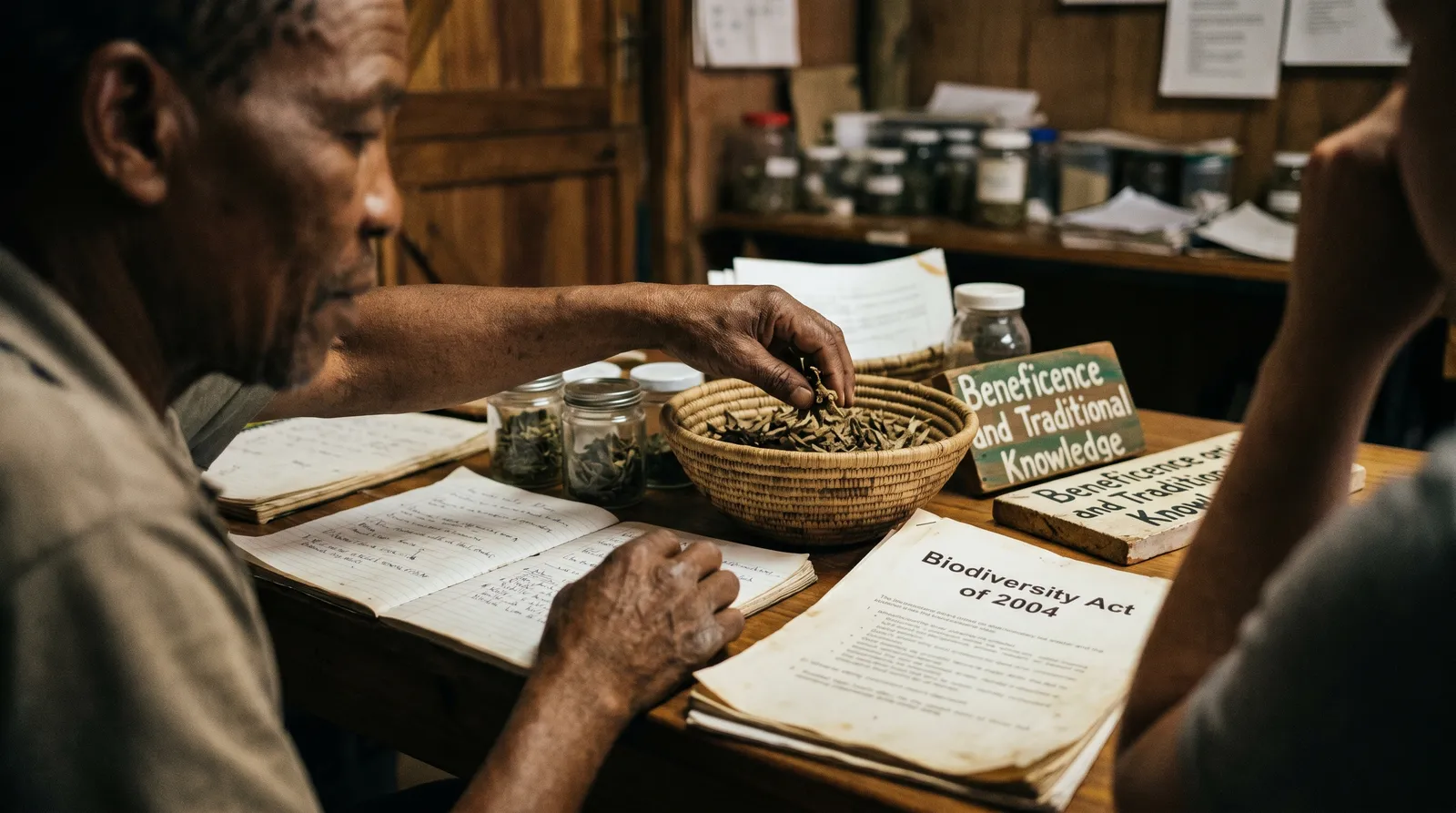
South Africa's Biodiversity Act of 2004 established the first formal framework for benefit-sharing when biological resources and associated traditional knowledge are commercialised. In the case of Sceletium, negotiations between patent holders and San and Khoekhoe representative bodies were protracted and, by many accounts, imperfect. A benefit-sharing agreement was eventually reached, though the details and adequacy of compensation remain contested within the communities involved.
This is not a resolved story. The global kanna market has grown substantially since the mid-2000s, with products ranging from raw plant material to concentrated extracts sold across Europe, North America, and online. How much of that revenue flows back to the communities whose ancestors identified, cultivated, and perfected the use of this plant is a question worth sitting with. The South African San Council has publicly raised concerns about the adequacy of existing agreements (Chennells, 2013). Data from the EMCDDA's monitoring of novel psychoactive substances has noted the increasing presence of Sceletium-derived products in European markets, underscoring how far kanna has travelled from its origins.
From Cape Town to Amsterdam and Beyond
Kanna first entered the European smartshop and ethnobotanical market in the early 2000s, initially as dried plant material and simple powdered preparations. Demand was niche — driven largely by psychonautic communities and ethnobotany enthusiasts who had read about Sceletium in sources like Jonathan Ott's work or in online forums. The market has since diversified considerably, with extracts of varying concentrations (commonly labelled as 10:1, 25:1, 50:1, or 100:1) now widely available alongside traditional fermented material.

This diversification brings its own complications. A 50:1 extract concentrates the Sceletium alkaloids — primarily mesembrine — to a degree that makes it a fundamentally different product from the fermented plant material that the San chewed. The serotonergic activity, and therefore the interaction risk with SSRIs, SNRIs, MAOIs, and other serotonergic substances, scales with alkaloid concentration. Anyone using kanna in any form should be aware of this risk: combining it with serotonergic medications or substances (including 5-HTP, St John's Wort, and MDMA) carries a risk of serotonin syndrome. The dedicated kanna interactions article covers this in detail.
Today you can order kanna in forms the San would not recognise — sublingual tinctures, standardised capsules, high-concentration powders — and this accessibility is itself a product of the kanna south africa to west history we have been tracing. Whether that accessibility is a good thing depends entirely on how well-informed the buyer is.
Comparing Kanna Forms: Traditional vs Modern
Traditional and modern kanna preparations differ in almost every measurable dimension, from alkaloid concentration to route of administration and cultural context. The table below summarises the key distinctions.
| Feature | Traditional Fermented Kougoed | Modern Concentrated Extract (e.g. 50:1) |
|---|---|---|
| Preparation | Crushed aerial parts fermented in skin bags for days | Industrial extraction and concentration of alkaloids |
| Alkaloid profile | Modified by fermentation; lower mesembrine-to-mesembrenone ratio, reduced oxalates | Concentrated mesembrine; ratio depends on extraction method |
| Typical use method | Chewed or smoked | Sublingual, oral capsules, or insufflated |
| Dosage predictability | Variable; depends on plant batch and fermentation | More consistent per weight, but potency varies between brands |
| Interaction risk | Lower due to lower alkaloid concentration | Higher; serotonergic interaction risk scales with concentration |
| Cultural context | Embedded in San and Khoekhoe social and ritual life | Sold as supplement or smartshop product |
| Alkaloid | Primary Action | Presence in Fermented Kougoed | Presence in Modern Extract |
|---|---|---|---|
| Mesembrine | Serotonin reuptake inhibitor | Present, moderated by fermentation | Concentrated; dominant alkaloid |
| Mesembrenone | Serotonin reuptake inhibitor, PDE4 inhibitor | Elevated relative to mesembrine after fermentation | Variable; depends on extraction method |
| Mesembrenol | Less characterised | Present | May be reduced in some extracts |
| Tortuosamine | Less characterised | Present | Often reduced or absent |

One thing we always flag: if you are taking any serotonergic medication, do not combine it with kanna. This is not a theoretical concern. We have had customers describe uncomfortable experiences from mixing kanna extracts with 5-HTP or St John's Wort. The kanna interactions page exists for a reason.
We also get questions about how kanna compares to other calming herbs we carry, like valerian or passionflower. The honest answer is that kanna works through a completely different mechanism — serotonin reuptake inhibition rather than GABAergic activity — so the comparison is a bit apples-to-oranges. If someone is looking for something gentler and better-studied for sleep, we will usually point them toward valerian capsules or passionflower tea instead. Kanna is more interesting for daytime mood support, but we always caveat that the evidence base is thinner than for those more established herbs.
One more anecdote worth sharing: a regular customer once brought back a bag of what was labelled "traditional kougoed" from another vendor and asked us to compare it with the Kanna Fermented Cuttings we stock. Side by side, the colour, texture, and smell were noticeably different. His product turned out to be unfermented dried leaf with a marketing label. That kind of thing is exactly why we stress checking what you are actually buying — the label does not always match the contents, and the kanna south africa to west history of this plant includes a long tradition of middlemen obscuring what is really in the bag.
Another thing we have noticed over the years: customers who have tried kratom sometimes come in expecting kanna to deliver a similar intensity. We are always upfront that the two plants are not comparable in strength or mechanism. Kratom acts on opioid receptors; kanna acts on serotonin reuptake. The subjective experience is quite different, and treating them as interchangeable leads to disappointment or, worse, unsafe combinations. If you are curious about the differences, the Azarius encyclopedia entries on both plants lay it out clearly.
What the Evidence Actually Supports — and What It Does Not
Fewer than a dozen published clinical studies on kanna exist, and most involve small sample sizes with a single standardised preparation. The serotonin reuptake inhibition and PDE4 inhibition data from in-vitro studies are real and reproducible (Harvey et al., 2011). The Terburg et al. (2013) fMRI study showing reduced amygdala reactivity is genuinely interesting. But the pharmacokinetics in humans — onset, peak plasma concentration, half-life — remain poorly characterised across different forms and routes of administration. Traditional knowledge, while ethnobotanically documented, was nearly lost entirely during the colonial period.
Compared to something like kratom, which has a larger (though still imperfect) body of clinical literature and a more continuous tradition of use in Southeast Asia, kanna's evidence base is notably thinner. Compared to St John's Wort, which has been through dozens of randomised controlled trials for depression, kanna is in its infancy as a researched substance. This does not mean kanna is without genuine pharmacological interest — it means we should be proportionally cautious in our claims about it. The Beckley Foundation's broader work on psychoactive plant research has highlighted how many traditional substances remain under-investigated by Western clinical standards, and kanna fits squarely into that category.
None of this means kanna is without value. The subjective reports from users — describing mood lift, reduced social anxiety, and a calm alertness — are consistent enough to suggest something meaningful is happening. But the gap between "something meaningful is happening" and "we understand what, how much, and for whom" remains wide. Honest engagement with that gap is the least we owe to both the plant and the people who first understood it.
How to Get Kanna and What to Look For
The most important step when you buy kanna is knowing what form suits your intentions and experience level. At Azarius we carry several options: Kanna Extract UC2, Kanna Fermented Cuttings, and Kanna Extreme Extract, among others. Each represents a different point on the spectrum from traditional to modern that we outlined above. For someone new to kanna, we generally suggest starting with a lower-concentration product — a fermented preparation or a mild extract — before moving to anything labelled 50:1 or higher. This is not upselling caution; it is genuinely the approach most likely to give you a useful first experience rather than an overwhelming or underwhelming one.
When you order kanna online, look for products that specify the extraction ratio and, ideally, the alkaloid content. Vague labelling like "kanna extract" with no further detail is a red flag. Reputable suppliers will tell you the concentration and the plant part used. If a product claims to be "traditional kougoed," it should be fermented plant material, not a concentrated extract relabelled for marketing appeal. For those exploring the broader world of ethnobotanicals, our kanna category page lists all available Sceletium products alongside detailed descriptions. The Azarius encyclopedia entry on Sceletium tortuosum provides a useful pharmacological overview, and our blog post on natural mood support covers several options side by side — both worth reading if you want to get a fuller picture before choosing a product.
Timeline: Kanna from Southern Africa to the West
- Pre-colonial era: San and Khoekhoe communities use fermented Sceletium tortuosum (kougoed) for mood alteration, social bonding, and ritual purposes across the Western and Eastern Cape.
- 1662: Jan van Riebeeck records the first written European account of kanna use at the Cape Colony.
- 1685: Dutch apothecary Hendrik Claudius documents the fermentation and preparation method.
- 1700s–1800s: Two centuries of near-total scientific neglect; colonial displacement marginalises indigenous knowledge holders.
- 1898: First isolation of mesembrine from Sceletium tortuosum; the finding receives minimal follow-up.
- 1960s: Popelak and Lettenbauer publish the first thorough phytochemical characterisation, identifying mesembrenone, mesembrenol, and tortuosamine.
- 1990s: Ethnobotanical fieldwork by Gericke and others documents surviving traditional knowledge; pharmacological studies begin.
- 2004: South Africa's Biodiversity Act establishes benefit-sharing framework for commercialised indigenous knowledge.
- Early 2000s: Kanna enters European smartshop and online markets as dried plant material and simple extracts.
- 2011: Harvey et al. publish key pharmacological data on mesembrine's serotonin reuptake and PDE4 inhibition activity.
- 2013: Terburg et al. publish fMRI study showing reduced amygdala reactivity in 16 volunteers using a standardised Sceletium extract.
- 2015: EMCDDA notes increasing presence of Sceletium-derived products in European novel psychoactive substance monitoring.
- 2020s: Market expands to include high-concentration extracts (50:1, 100:1); benefit-sharing debates continue.
Last updated: April 2026
Frequently Asked Questions
8 questionsWhen was kanna first documented by Europeans?
Why was there a gap in Western research on kanna?
How does traditional kougoed preparation differ from modern kanna extracts?
Have San communities benefited from kanna commercialisation?
When did kanna first appear in European smartshops?
Can I buy kanna legally in Europe?
Who were the first Europeans to describe kanna use among indigenous peoples?
How did kanna get its scientific name Sceletium tortuosum?
About this article


Adam Parsons is an external cannabis and psychedelics writer and editor who contributes to Azarius's wiki as both author and reviewer. On the writing side, he authors Azarius's kratom and kanna clusters, drawing on exten
This wiki article was drafted with AI assistance and reviewed by Adam Parsons, External contributor. Editorial oversight by Joshua Askew.
Medical disclaimer. This content is for informational purposes only and does not constitute medical advice. Consult a qualified healthcare provider before use of any substance.
Last reviewed May 12, 2026
References (7)
- [1]Chennells, R. (2013). Traditional knowledge and benefit sharing after the Nagoya Protocol: three cases from South Africa. Law, Environment and Development Journal , 9(2), 163–184.
- [2]EMCDDA (2015). New psychoactive substances in Europe: An update from the EU Early Warning System. European Monitoring Centre for Drugs and Drug Addiction, Lisbon.
- [3]Gericke, N. & Viljoen, A.M. (2008). Sceletium — a review update. Journal of Ethnopharmacology , 119(3), 653–663. DOI: 10.1016/j.jep.2008.07.043
- [4]Harvey, A.L., Young, P., Anderton, M.A. & Louw, C. (2011). Pharmacological actions of the South African medicinal and functional food plant Sceletium tortuosum and its principal alkaloids. Journal of Ethnopharmacology , 137(3), 1124–1129. DOI: 10.1016/j.jep.2011.07.035
- [5]Popelak, A. & Lettenbauer, G. (1967). The mesembrine alkaloids. The Alkaloids: Chemistry and Physiology , 9, 467–482. DOI: 10.1016/s1876-0813(08)60207-9
- [6]Smith, C.A., Phillips, E.P. & Van Hoepen, E. (1996). Common Names of South African Plants . Botanical Research Institute, Pretoria.
- [7]Terburg, D., Syal, S., Rosenberger, L.A., Heany, S., Phillips, N., Gericke, N., Stein, D.J. & van Honk, J. (2013). Acute effects of Sceletium tortuosum (Zembrin), a dual 5-HT reuptake and PDE4 inhibitor, in the human amygdala and its connection to the hypothalamus. Neuropsychopharmacology , 38(13), 2708–2716. DOI: 10.1038/npp.2013.183
Related Articles
Blue Lotus vs Kanna: Effects & Safety
Blue lotus vs kanna compared — Nymphaea caerulea's aporphine profile against Sceletium tortuosum's mesembrine chemistry, with interaction warnings.
Lotus Clinical Research Overview
What does lotus clinical research actually show? A critical review of Nymphaea caerulea and Nelumbo nucifera pharmacology, preclinical data, and…
Sceletium Tortuosum Plant
Learn about the sceletium tortuosum plant: botany, alkaloids, fermentation, safety warnings, and where to buy kanna.
Kanna Pharmacokinetics Explained
Complete guide to kanna pharmacokinetics: how Sceletium tortuosum alkaloids are absorbed, metabolised via CYP2D6, and eliminated.
Kanna Chemistry: Sceletium Alkaloids Explained
Kanna chemistry explained: mesembrine, mesembrenone, their mechanisms, how fermentation and extraction change alkaloid profiles, and why it matters…
Rapé Shamanic Snuff Guide: How to Use It Safely
A practical rapé shamanic snuff guide covering dose, kuripe technique, effects, nicotine safety, interactions and Amazonian tradition.
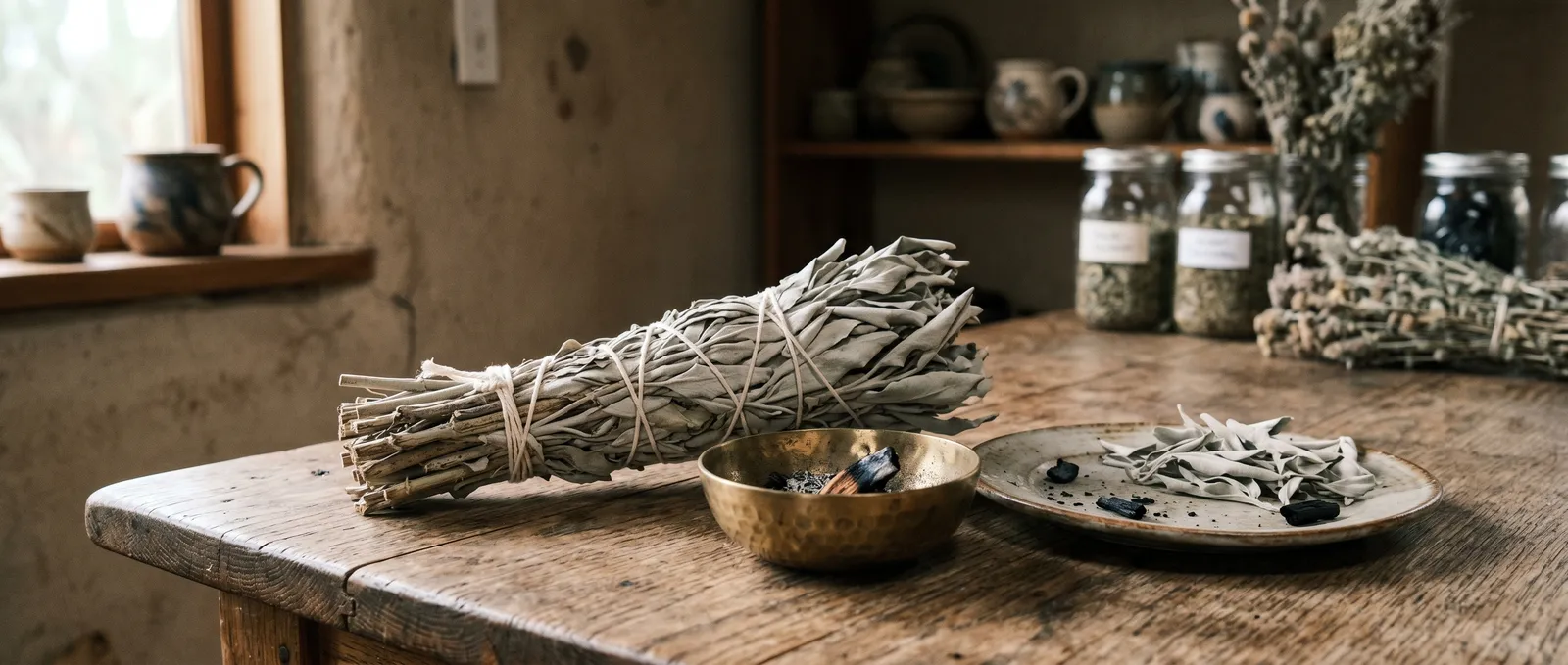
White Sage Salvia Apiana Cultural Smudging Guide
Salvia apiana is a non-psychoactive shrub native to southern California's coastal sage scrub, burned as ceremonial incense in Indigenous North American…
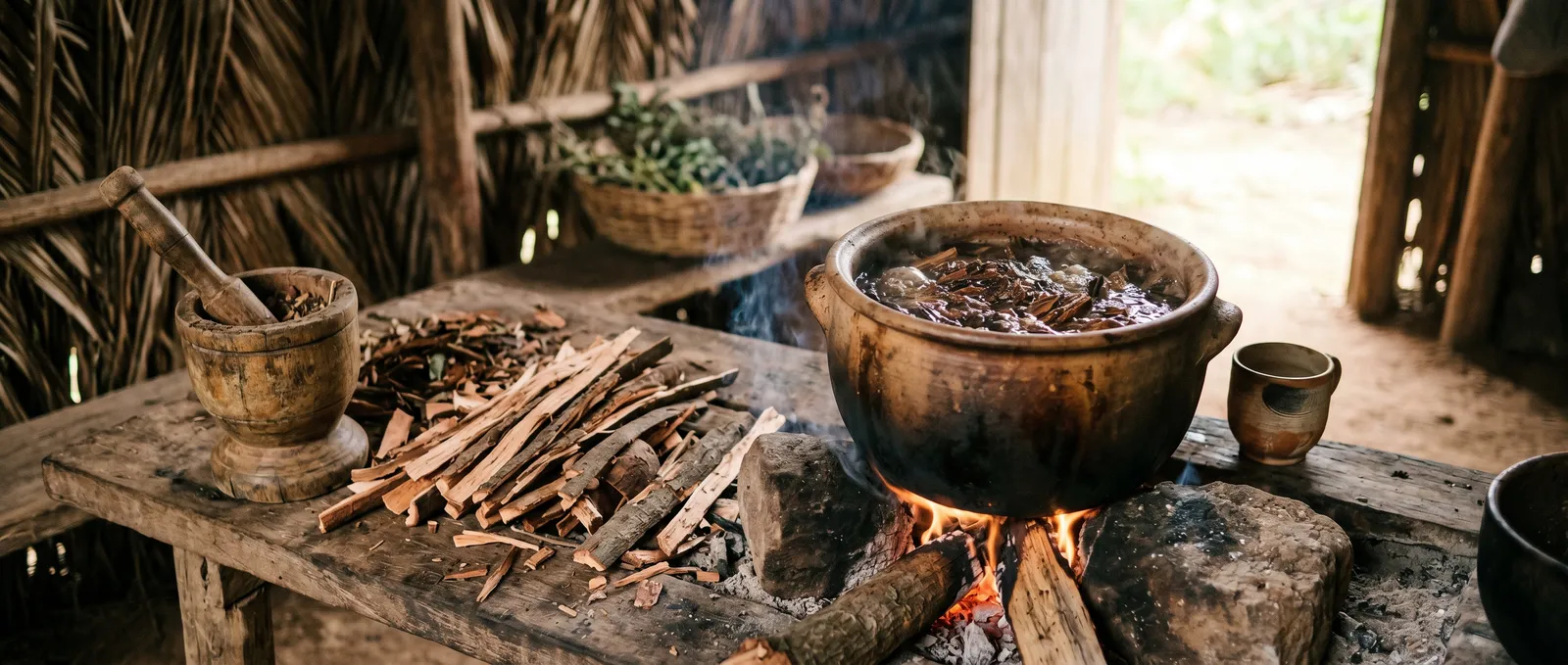
Mulungu Erythrina Traditional Amazonian Use — Bark, Alkaloids & Research
Erythrina mulungu is a Brazilian legume tree whose bark has been brewed as a calming decoction in rural folk medicine for generations.
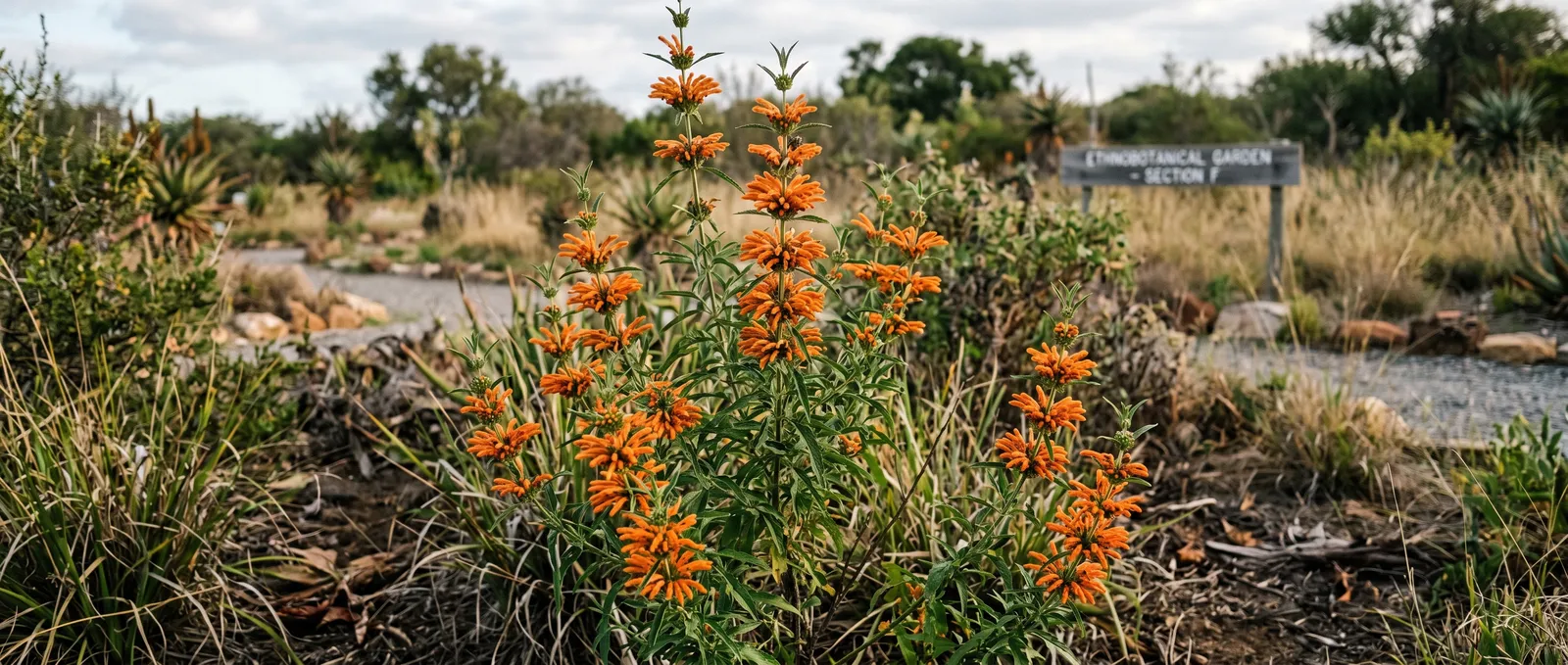
Wild Dagga Leonotis Leonurus Botany — Taxonomy, Chemistry & Traditional Use Guide
Leonotis leonurus (L.) R.Br., known as wild dagga or lion's tail, is a southern African shrub in the mint family (Lamiaceae) bearing dense whorls of orange…