
This article discusses psychoactive substances intended for adults (18+). If you have a health condition or take medication, consult a doctor before use. Our age policy
Lotus Clinical Research Overview

Definition
Lotus clinical research is a developing field of pharmacological investigation examining the bioactive compounds and therapeutic potential of Nymphaea caerulea and Nelumbo nucifera, centred on aporphine alkaloids such as nuciferine and apomorphine.
Lotus clinical research is a developing field of pharmacological investigation that examines the bioactive compounds, mechanisms of action, and therapeutic potential of lotus species — primarily Nymphaea caerulea (blue lotus) and Nelumbo nucifera (pink or sacred lotus). There's enough pharmacological data to confirm that these plants contain genuinely active compounds, principally aporphine alkaloids like nuciferine and apomorphine. There's enough ethnobotanical evidence to show that humans have been using them for millennia. But the controlled human trial data? Thin. Frustratingly thin. This article maps what the lotus clinical research actually shows, where the gaps are, and why the distinction between Nymphaea and Nelumbo genera matters so much when you're reading any study that claims to be about "lotus."
Adult audience (18+). The dosing ranges and effects described in this article apply to adult physiology. This content is not intended for minors.
Disclaimer: This article is for informational purposes only and does not constitute medical advice. Lotus species contain pharmacologically active compounds that may interact with medications. Always consult a qualified healthcare professional before using any lotus product, especially if you take prescription medications or have pre-existing health conditions. Nothing on this page is intended to diagnose, treat, cure, or prevent any disease.
The Alkaloid Foundation: What's Actually Been Characterised
The two genera commonly called "lotus" belong to entirely separate botanical families and contain distinct alkaloid profiles, making species identification the foundation of any serious lotus clinical research. Nymphaea (family Nymphaeaceae, the true water lilies) and Nelumbo (family Nelumbonaceae, the sacred lotus) overlap in one critical area — nuciferine — but diverge sharply after that.
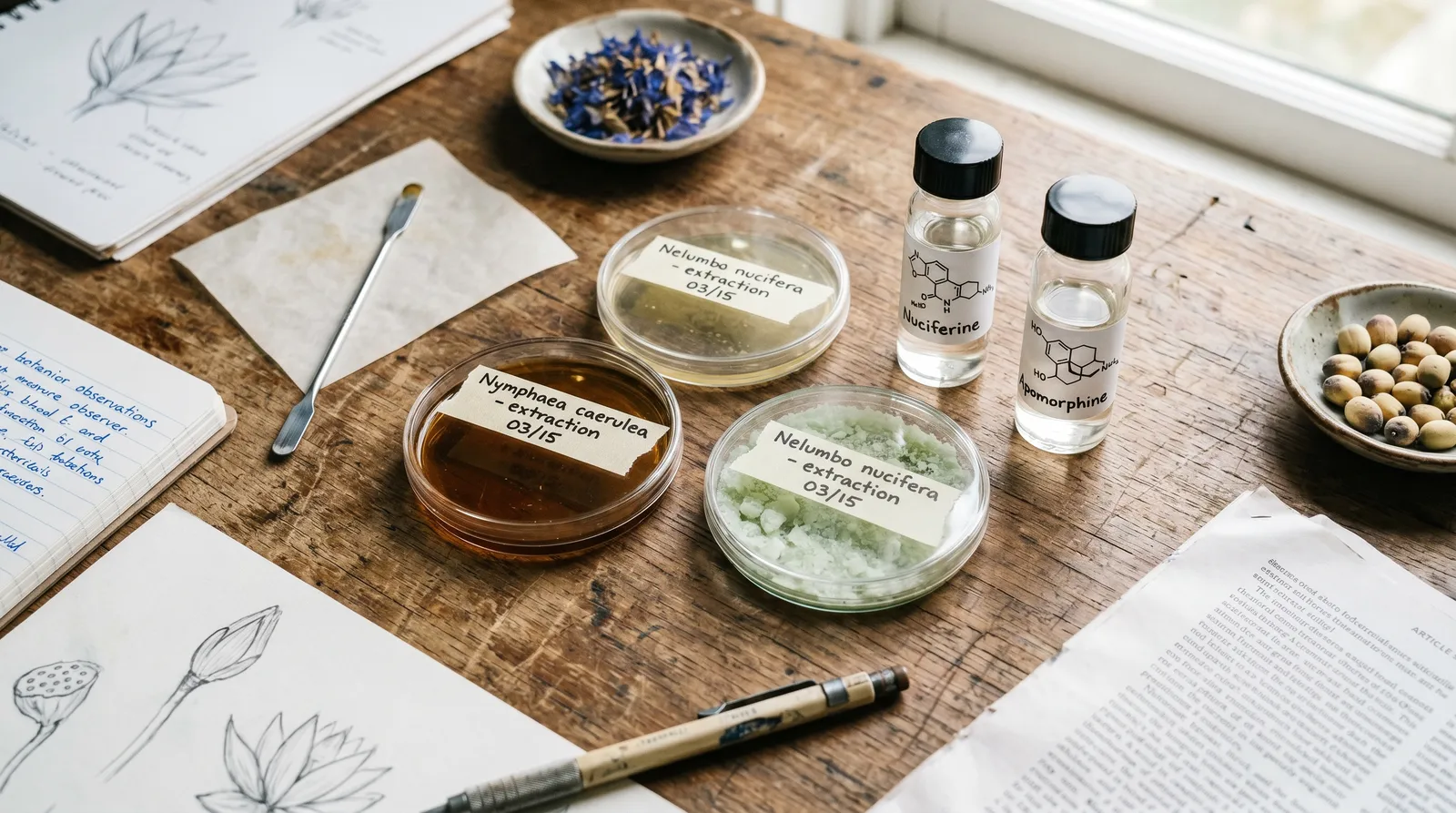
For Nymphaea caerulea (blue lotus), the principal identified alkaloids are aporphine-class compounds: nuciferine and apomorphine. Nuciferine was first isolated from Nelumbo nucifera leaves in the 1960s, but its presence in Nymphaea caerulea flower material has been confirmed through HPLC analysis of commercially available petals and extracts (Agnihotri et al., 2008). Apomorphine, the closely related analog, is better known in clinical pharmacology as a synthetic dopamine agonist used in Parkinson's disease treatment — but it occurs naturally in Nymphaea caerulea tissue, albeit at lower concentrations than nuciferine.
For Nelumbo nucifera (pink/sacred lotus), the picture is broader. Alongside nuciferine, researchers have identified nelumbine, liensinine, neferine, and isoliensinine — bisbenzylisoquinoline alkaloids that have their own distinct pharmacological profiles. According to a review by Sharma et al. (2017), Nelumbo nucifera contains over 200 identified chemical constituents across its leaves, seeds, rhizomes, and flowers, including flavonoids, tannins, and the alkaloid classes mentioned above. This is a pharmacologically richer plant than Nymphaea caerulea, at least in terms of identified compound diversity — though "more compounds" doesn't automatically mean "better understood."
Nymphaea ampla (white lotus), the third species commonly sold as lotus, has received the least analytical attention. Its alkaloid profile is assumed to be broadly similar to Nymphaea caerulea based on genus-level chemistry, but dedicated phytochemical studies are sparse. Any claims about white lotus effects are, at present, extrapolated from blue lotus data — a reasonable assumption at the genus level, but not one that's been rigorously validated. If you want to buy blue lotus or white lotus products, understanding this distinction matters for setting realistic expectations about what lotus clinical research can and cannot tell you about the specific product in your hands.
Alkaloid Comparison: Nymphaea vs. Nelumbo
| Compound | Nymphaea caerulea | Nelumbo nucifera | Primary Pharmacological Action |
|---|---|---|---|
| Nuciferine | Present (petals, flowers) | Present (leaves, embryo) | Partial D2 dopamine agonist (Farrell et al., 2016) |
| Apomorphine | Present (minor alkaloid) | Not confirmed | Dopamine agonist (D1/D2) |
| Neferine | Not present | Present (seeds, embryo) | Calcium-channel blocker in vitro |
| Liensinine | Not present | Present (seeds, embryo) | Antiarrhythmic in animal models (Qian, 2002) |
| Isoliensinine | Not present | Present (seeds) | Under investigation |
| Nelumbine | Not present | Present (leaves) | Under investigation |
This table illustrates why conflating the two genera in lotus clinical research creates confusion — a finding about neferine from Nelumbo seeds tells you nothing about Nymphaea caerulea petals.
Preclinical Evidence: What In-Vitro and Animal Studies Show
Preclinical studies form the largest body of lotus clinical research, comprising cell-culture assays and animal models rather than human trials. This is worth stating plainly because the internet rarely makes the distinction, and a rat study does not predict human experience with any reliability.

Nuciferine and dopamine receptors. The proposed mechanism of action behind the mild sedation and dream-related effects that users report from Nymphaea caerulea centres on dopamine receptor interaction. Nuciferine has demonstrated affinity for D2 dopamine receptors in receptor-binding assays, acting as a partial agonist — meaning it activates the receptor, but less strongly than a full agonist like dopamine itself (Farrell et al., 2016). This partial agonism model is consistent with the reported subjective profile: mild relaxation rather than overt stimulation or heavy sedation. However, the in-vitro binding affinity of a compound doesn't straightforwardly translate to what happens when you drink a cup of blue lotus tea. Bioavailability, first-pass metabolism, blood-brain barrier penetration — none of these have been characterised for nuciferine in humans with any rigour.
Neferine and liensinine from Nelumbo nucifera. These bisbenzylisoquinoline alkaloids have attracted attention for cardiovascular effects in animal models. Liensinine demonstrated antiarrhythmic properties in isolated rabbit heart preparations (Qian, 2002), and neferine showed calcium-channel-blocking activity in vitro. A study by Poornima et al. (2014) found that Nelumbo nucifera seed extract exhibited antioxidant and anti-inflammatory effects in rat models. These are interesting pharmacological leads, but they remain exactly that — leads. No human cardiovascular trial has been conducted with isolated Nelumbo alkaloids or standardised Nelumbo extracts.
CYP2D6 inhibition. One finding with direct practical relevance: alkaloid compounds from lotus leaves (specifically Nelumbo nucifera) demonstrated potent inhibitory effects on the CYP2D6 isoenzyme in liver microsome assays (Ye et al., 2014). CYP2D6 metabolises roughly 25% of all clinically used drugs, including many antidepressants, antipsychotics, beta-blockers, and opioid analgesics like codeine and tramadol. If this inhibition translates to humans at dietary or supplemental doses — and that's a significant "if" — it could alter the metabolism of co-administered medications. This is one of the stronger preclinical signals for a drug-interaction concern, and it applies specifically to Nelumbo nucifera, not to the Nymphaea species.
Antioxidant activity. Multiple studies have documented free-radical scavenging activity in Nelumbo nucifera extracts. Hu and Skibsted (2002) found that a whole rhizome extract had significant scavenging activity for small carbon-centred radicals. A hydroalcoholic seed extract showed strong free-radical scavenging in rat models comparable to ascorbic acid. These findings are real but generic — antioxidant activity in vitro is one of the most common findings in plant pharmacology and rarely translates into clinically meaningful human outcomes on its own.
Human Data: What Exists and What Doesn't
No randomised controlled trial has been published examining the effects of Nymphaea caerulea in human subjects for any indication as of early 2026. The same is true for Nymphaea ampla. This is the single most important fact in all of lotus clinical research for these species — not sleep, not mood, not sexual function, not dream enhancement.

Nelumbo nucifera has slightly more human-adjacent data, though most of it comes from traditional medicine documentation rather than controlled trials. Ayurvedic and traditional Chinese medicine texts describe uses for Nelumbo nucifera preparations spanning digestive complaints, fever, and cardiovascular support, and these traditional uses are documented historically (Mukherjee et al., 2009). But documented traditional use is not the same as clinical evidence — it tells you that people have been using the plant for centuries, not that it works for a specific condition at a specific dose by a specific mechanism.
The closest thing to human pharmacokinetic data for nuciferine comes from studies on synthetic or semi-synthetic nuciferine preparations rather than whole-plant lotus material. This is a critical distinction because whole-plant pharmacokinetics involve interactions between dozens of compounds, fibre matrix effects on absorption, and variable alkaloid concentrations depending on growing conditions, harvest timing, and preparation method. A pharmacokinetic curve for pure nuciferine tells you something about the molecule, but not much about what happens when someone brews dried Nymphaea caerulea petals into tea.
The reported "dream enhancement" effect — one of the primary reasons people seek out blue lotus — has zero controlled study data behind it. Users report more vivid, more memorable, or more lucid dreams after evening use of Nymphaea caerulea tea or smoked petals. The proposed mechanism (dopaminergic modulation of REM sleep architecture) is pharmacologically plausible, given nuciferine's D2 partial agonism, but plausible is not the same as demonstrated. No sleep-lab study with polysomnography has been conducted. The evidence base for this effect is entirely anecdotal — an honest limitation that lotus clinical research has yet to address.
Dose-Response Gaps: The Problem No One Has Solved
No study has established a minimum effective dose for any specific lotus effect in humans, making dose-response data the most critical gap in lotus clinical research. Users consume Nymphaea caerulea as tea (steeped petals), smoked or vaporised dried petals, tinctures, and concentrated extracts — and the pharmacokinetic profile almost certainly differs meaningfully across these routes. Smoked delivery bypasses first-pass hepatic metabolism, potentially producing faster onset and different peak plasma concentrations. Tea involves aqueous extraction, which may favour certain alkaloids over others depending on water temperature and steeping time. Extracts concentrate the aporphine alkaloids relative to raw plant material, meaning extract doses are not interchangeable with shredded-petal doses — a point that matters enormously for safety.
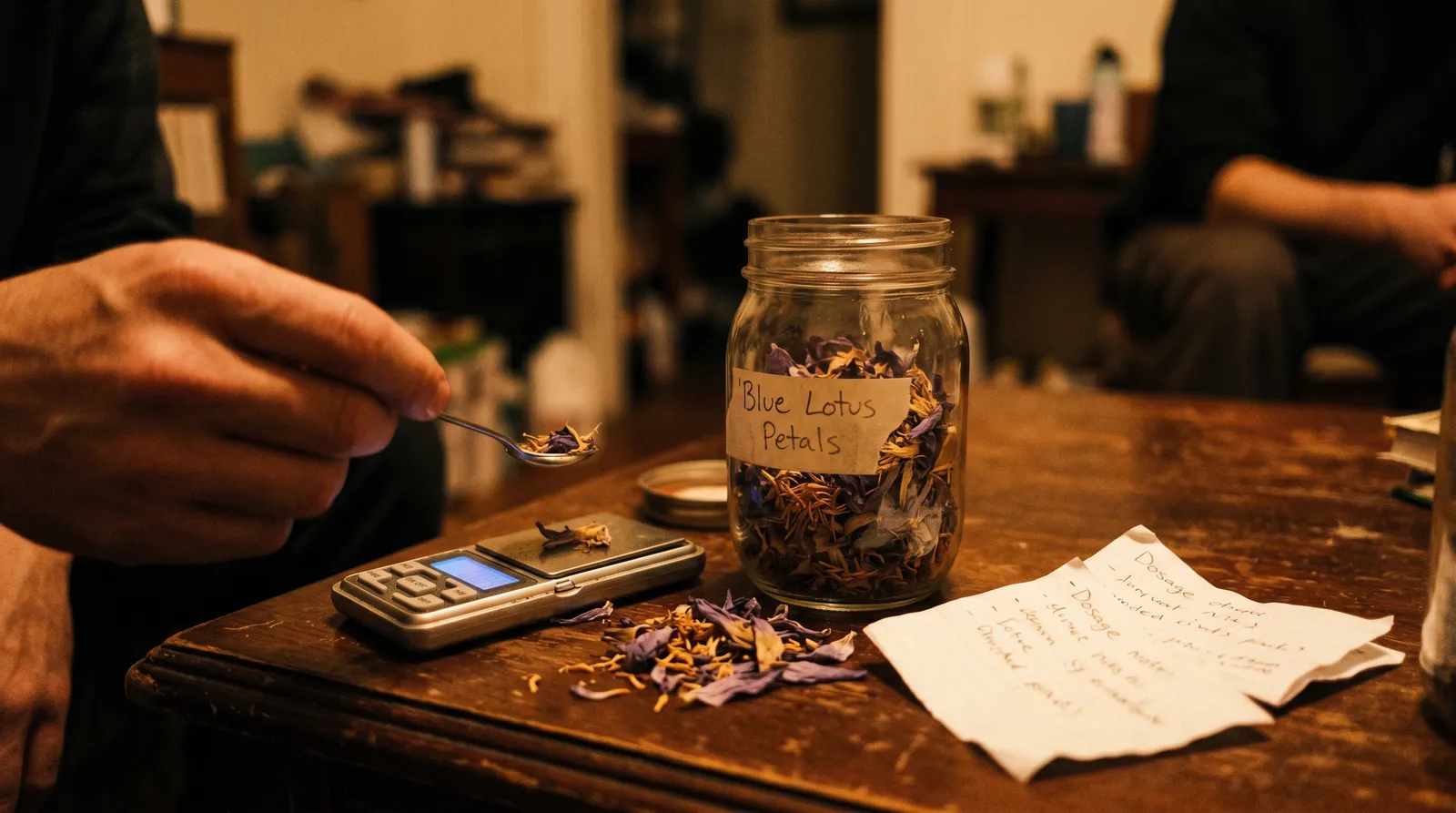
No study has compared these routes head-to-head in humans. The dosage figures circulating online are based on traditional use patterns and user-reported experience, not on clinical dose-finding trials. This isn't unusual for ethnobotanicals — most traditional plant medicines lack formal dose-response curves — but it does mean that anyone claiming to know the "correct" dose of blue lotus is working from anecdote, not data.
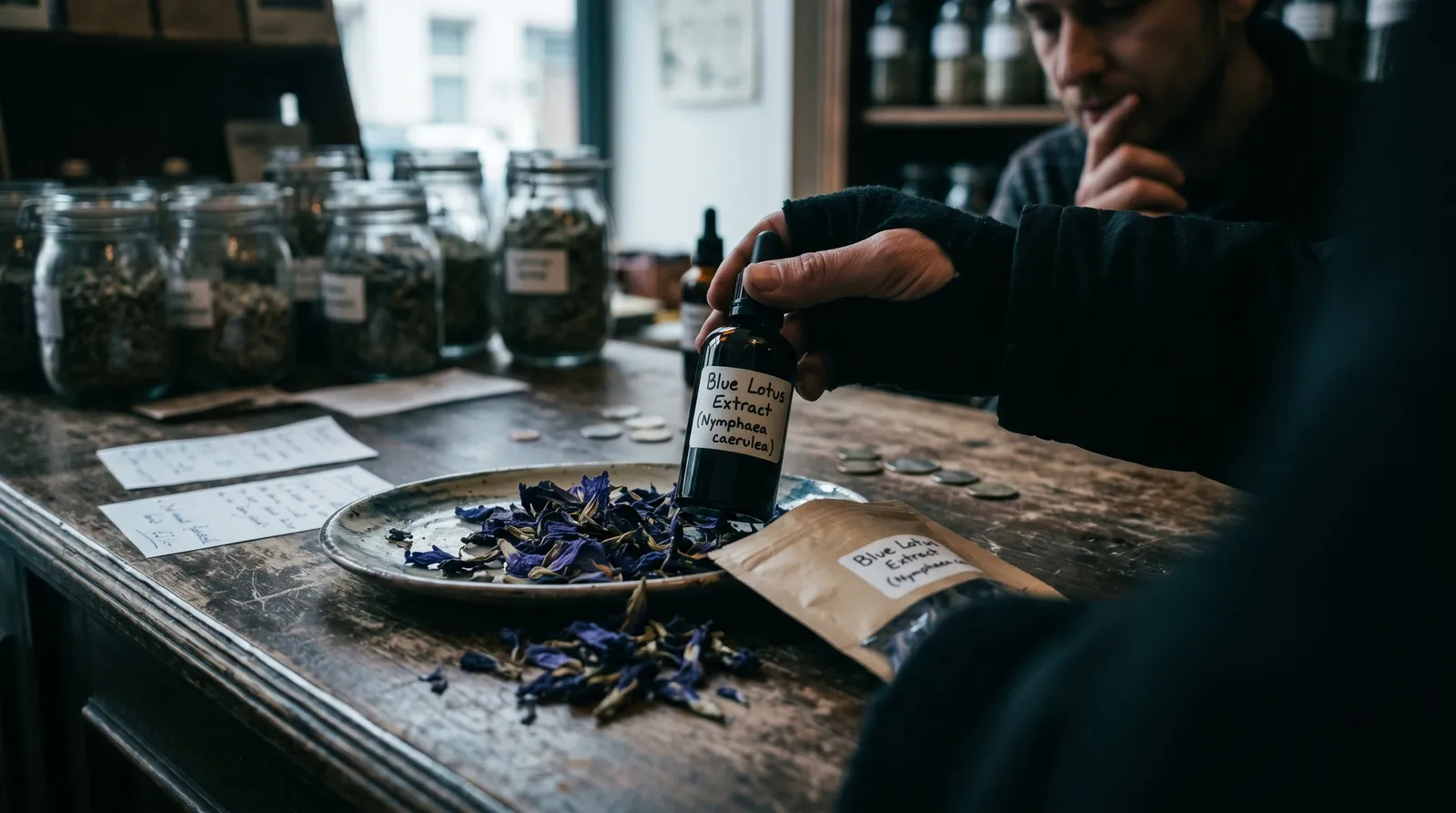
What we don't hear — and this matters — is reports of strong intoxication, significant next-day effects, or dramatic psychoactive experiences from petal tea at typical amounts. The concentrated extracts get more consistent reports of noticeable effects, which aligns with the alkaloid-concentration logic. We're honest about this: if you order blue lotus expecting a powerful psychoactive experience from a single cup of petal tea, you'll likely be disappointed. The lotus clinical research, such as it is, supports this modest expectation — nuciferine is a partial agonist, not a full one, and partial agonists produce ceiling effects by definition.
Compared to other relaxing botanicals we carry — like valerian or passionflower — blue lotus occupies a unique niche. Valerian has substantially more human trial data supporting its use for sleep, while blue lotus has the dream-enhancement angle that no other legal botanical really matches in user reports. It's a different product for a different purpose, and the lotus clinical research reflects that distinction even in its incompleteness.
Blue Lotus vs. Sacred Lotus: What Matters If You Want to Buy
The most common mistake people make when they order lotus products is assuming all "lotus" is the same plant. If you get blue lotus (Nymphaea caerulea) petals, you're getting a product whose primary active compounds are nuciferine and trace apomorphine — the dopaminergic profile discussed throughout this article. If you buy sacred lotus (Nelumbo nucifera) material, you're getting a botanically unrelated plant with a broader alkaloid set including neferine and liensinine. The lotus clinical research treats these as entirely separate subjects, and so should you.
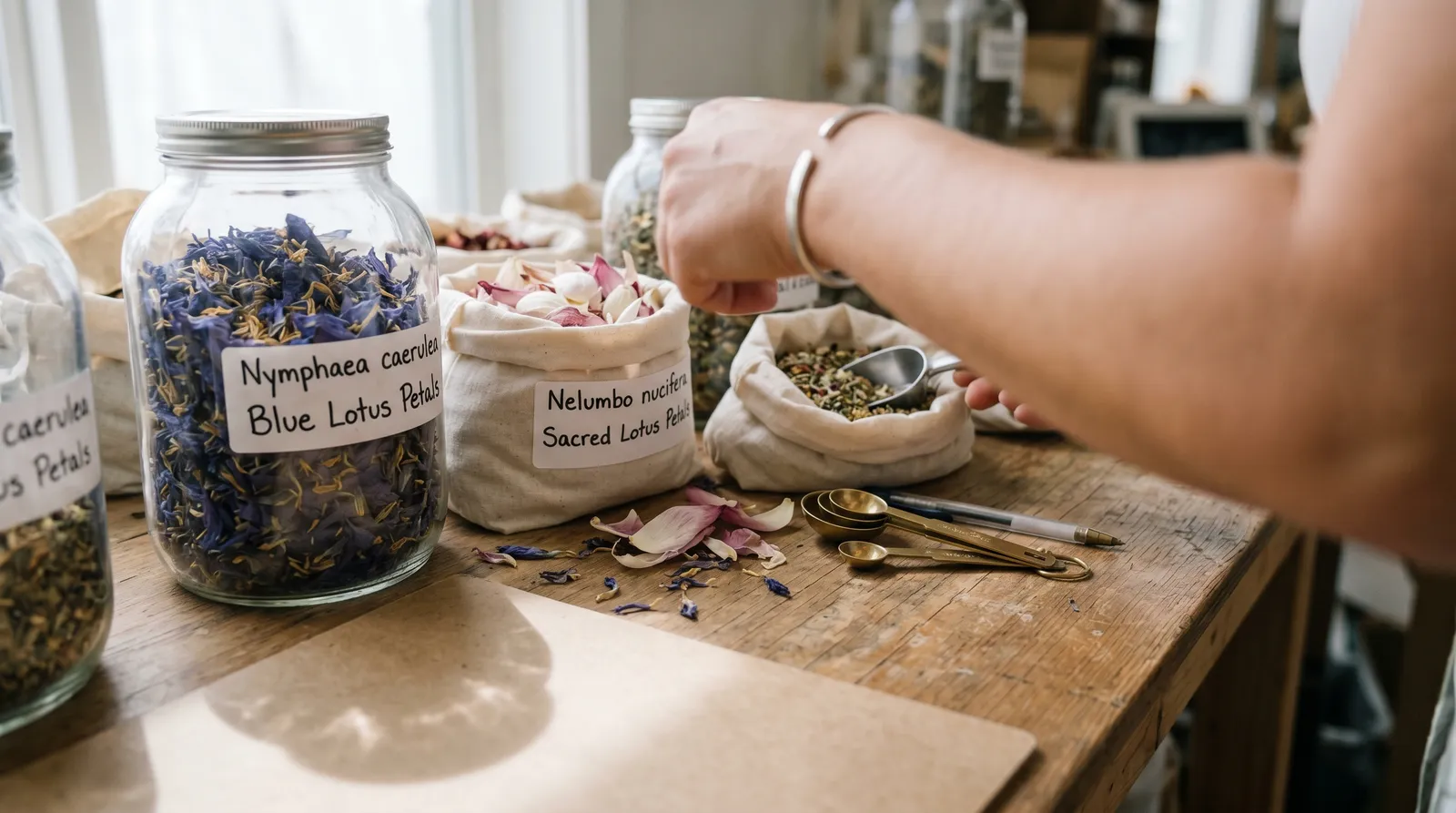
We label our products by species precisely because this distinction matters. Our Blue Lotus (Nymphaea caerulea) shredded petals and our Blue Lotus 20x extract are both Nymphaea caerulea material — the species with the dopaminergic profile. When customers ask us which to choose, we point out that the extract concentrates the alkaloids significantly, so the starting point for someone new to lotus clinical research in practice (meaning: trying it themselves) is usually the whole petals brewed as tea, not the concentrated extract.
How Lotus Compares to Other Dream Herbs
Blue lotus is not the only ethnobotanical associated with dream enhancement, and comparing it to alternatives reveals where lotus clinical research sits relative to the broader field. Calea zacatechichi (dream herb) has one published human study — a small, older trial by Mayagoitia et al. (1986) that found increased dream recall compared to placebo. That single study gives Calea more controlled human data than Nymphaea caerulea has for dream effects, which is a humbling comparison.
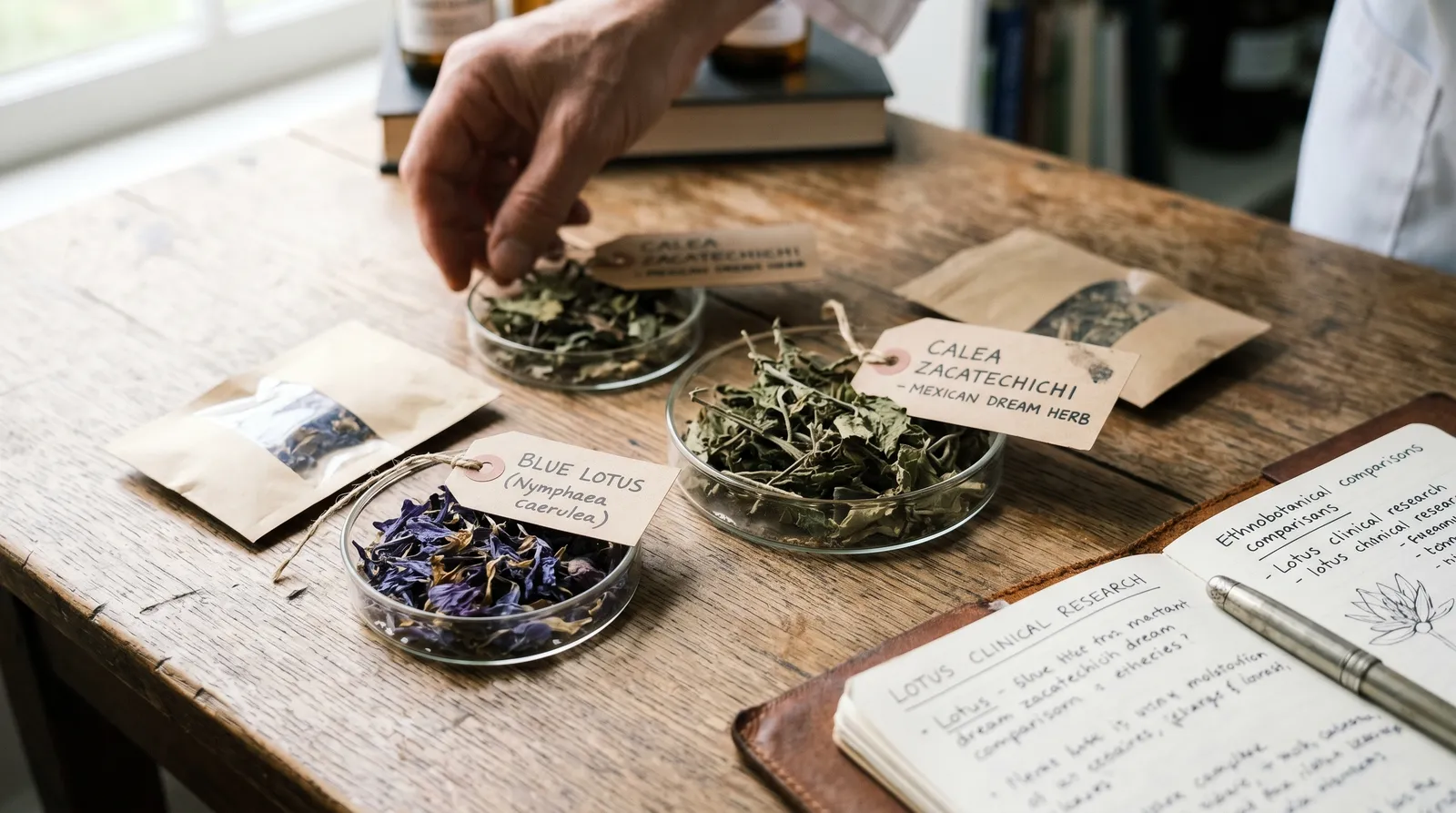
Silene capensis (African dream root), another dream-associated botanical, has no controlled human trials either — its evidence base is ethnographic, drawn from Xhosa traditional practice. Mugwort (Artemisia vulgaris) has widespread folk use for vivid dreams but similarly lacks polysomnographic data. So blue lotus sits in crowded company: multiple dream-associated plants, all with plausible traditional use histories, none with rigorous human trial data. What distinguishes blue lotus in this group is the identified partial dopamine agonist mechanism via nuciferine — a more specific pharmacological proposal than most dream herbs can claim, even if it remains unconfirmed in sleep-lab settings.
| Dream Herb | Species | Controlled Human Trials | Proposed Mechanism |
|---|---|---|---|
| Blue Lotus | Nymphaea caerulea | None | Partial D2 agonism (nuciferine) |
| Dream Herb | Calea zacatechichi | 1 small trial (Mayagoitia et al., 1986) | Unknown; possibly cholinergic |
| African Dream Root | Silene capensis | None | Unknown |
| Mugwort | Artemisia vulgaris | None | Unknown; thujone content speculated |
If you're exploring dream herbs, this comparison from lotus clinical research context helps set expectations: blue lotus has the best-characterised mechanism but shares the same evidence gap as its peers.
Cardiovascular and Dopaminergic Concerns in the Research Context
Drug interactions and cardiovascular safety represent the areas where gaps in lotus clinical research carry the most real-world consequence — precisely the areas where you'd most want solid data.

Apomorphine analogs can lower blood pressure. This is well-established for synthetic apomorphine in clinical use (Dewey et al., 2001), and it's the pharmacological basis for flagging a concern with Nymphaea caerulea, which contains apomorphine as a minor alkaloid alongside nuciferine. If you're taking antihypertensive medication — ACE inhibitors, ARBs, calcium channel blockers, beta-blockers — the theoretical risk is additive blood-pressure lowering. No study has quantified this interaction with lotus-derived apomorphine at the concentrations present in tea or extract, but the mechanism is clear enough that the concern is load-bearing.
The dopaminergic interaction concern is equally grounded in mechanism and equally lacking in human data. Nuciferine's partial D2 agonism means it could theoretically interfere with Parkinson's disease medications (levodopa, pramipexole, ropinirole, and — notably — synthetic apomorphine itself), with dopamine-receptor-active antiemetics (metoclopramide, domperidone), and potentially with MAOIs, which affect monoamine metabolism broadly. Stacking a plant-derived partial dopamine agonist on top of a prescribed dopamine agonist is pharmacologically reckless, even if no clinical case report has documented the specific interaction. The absence of case reports likely reflects the niche status of lotus use rather than the absence of risk.
For Nelumbo nucifera specifically, the CYP2D6 inhibition finding (Ye et al., 2014) adds another layer. If Nelumbo alkaloids inhibit CYP2D6 at achievable human doses, they could slow the metabolism of co-administered drugs metabolised by that enzyme — effectively increasing the blood levels and duration of action of those drugs. This is the same mechanism by which grapefruit juice interacts with certain medications, though grapefruit primarily affects CYP3A4 rather than CYP2D6. The practical relevance depends entirely on dose, which brings us back to the central problem: nobody has measured this in humans.
For a complete discussion of specific medication interactions and risk categories, see the dedicated article Lotus Drug Interactions.
What Would Good Research Actually Look Like?
A proper clinical research programme for Nymphaea caerulea would require, at minimum, a standardised extract with verified alkaloid content, a Phase I pharmacokinetic study, a sleep-lab study, and a drug-interaction study. None of this exists. Specifically, the lotus clinical research community would need:
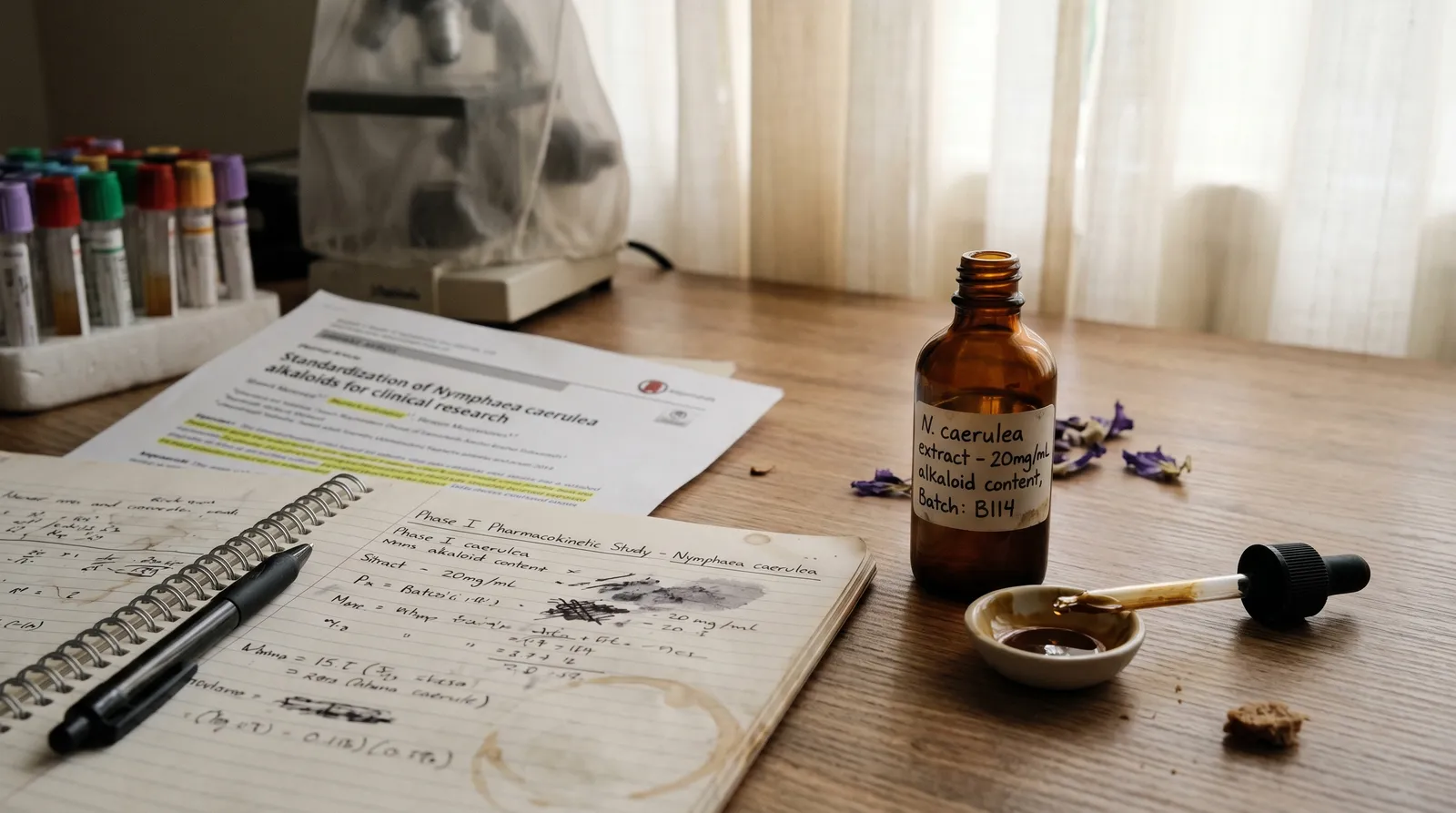
- A standardised extract with verified alkaloid content (nuciferine and apomorphine quantified by HPLC)
- A Phase I pharmacokinetic study measuring plasma levels after oral and inhaled administration
- A sleep-lab study with polysomnography to test the dream-enhancement claim
- A drug-interaction study examining CYP enzyme effects in human liver microsomes at physiologically relevant concentrations
The barrier isn't scientific complexity — it's funding and commercial incentive. Nymphaea caerulea is an unpatentable plant, which means pharmaceutical companies have no financial reason to fund trials, and academic researchers have limited grant sources for ethnobotanical pharmacology.
Nelumbo nucifera has a marginally better outlook because of its established position in traditional Chinese medicine and Ayurveda, which provides institutional support for research in China and India. Several Chinese universities have active research programmes on Nelumbo alkaloids, particularly liensinine and neferine for cardiovascular applications (Poornima et al., 2014). But even here, the work is overwhelmingly preclinical. The jump from "neferine blocks calcium channels in isolated rabbit cardiomyocytes" to "Nelumbo nucifera extract safely lowers blood pressure in hypertensive humans" is enormous, and nobody has made it yet.
How to Read Lotus Clinical Research Critically
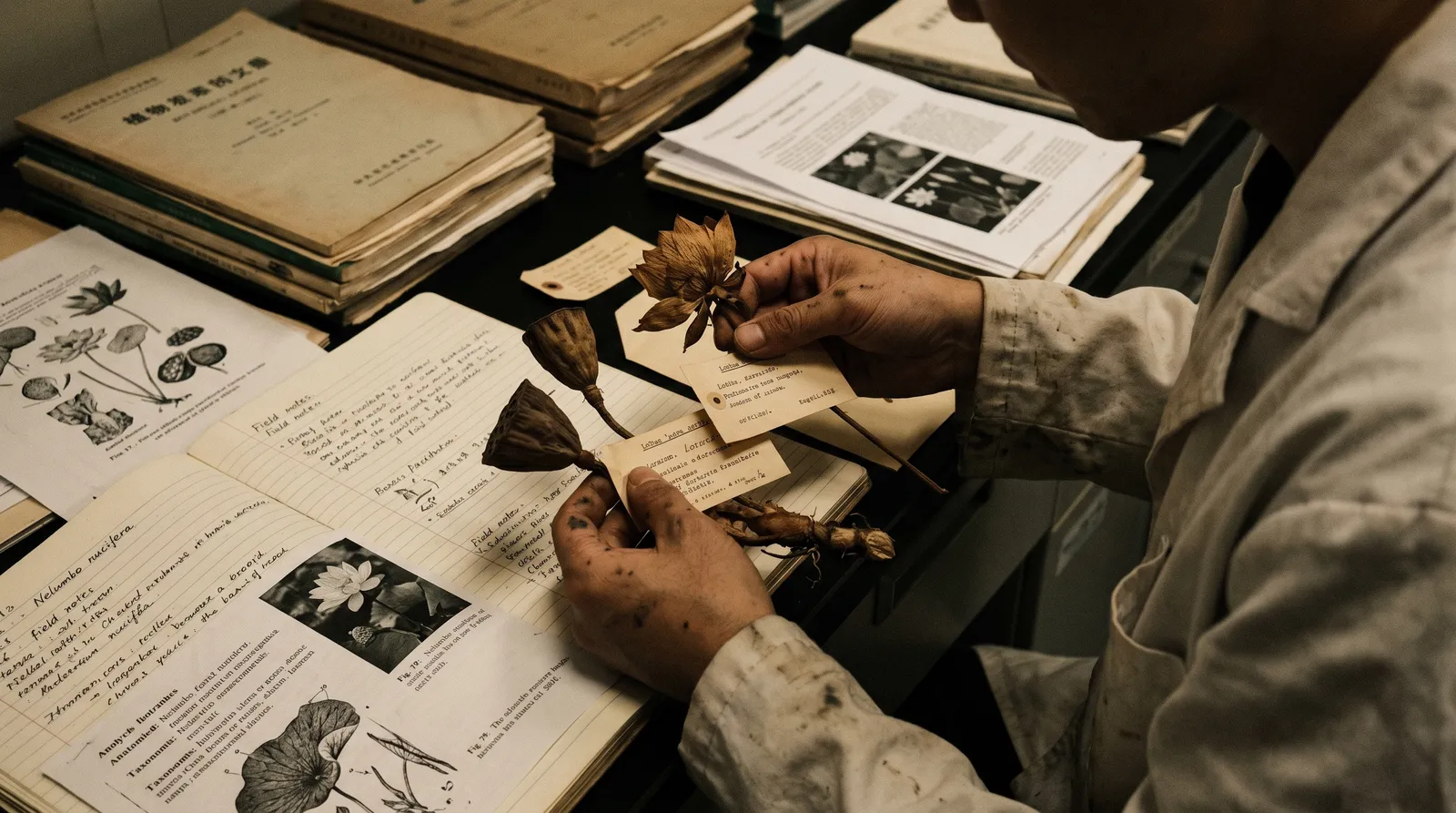
Species identification is the first and most important check when evaluating any lotus clinical research paper. "Lotus" in a Chinese-language paper almost always means Nelumbo nucifera. "Lotus" in a paper about Egyptian ethnobotany almost always means Nymphaea caerulea. These are not interchangeable — different families, different alkaloid profiles beyond the shared nuciferine, different traditional use contexts. A finding about neferine from Nelumbo seeds tells you nothing about Nymphaea caerulea petals.
Second, check the preparation. An ethanol extract concentrated to 50:1 bears little resemblance to a cup of tea made from dried petals. The alkaloid concentrations differ by orders of magnitude, and the clinical relevance of findings from concentrated extracts cannot be assumed to apply to whole-plant material (or vice versa).
Third, watch for the archaeological-to-therapeutic leap. Nymphaea caerulea appears extensively in ancient Egyptian tomb reliefs and papyrus imagery, and this is well-documented archaeologically (Emboden, 1978). But "the Egyptians depicted it in ceremonial contexts" does not constitute evidence that it has specific therapeutic effects for any modern medical condition. The ceremonial use is historically real; therapeutic extrapolations from archaeological depictions are modern speculation dressed in ancient authority.
Finally, be wary of any source that presents lotus alkaloids as "natural alternatives" to prescription medications. Nuciferine is not a natural alternative to prescribed dopamine agonists. Neferine is not a natural alternative to calcium channel blockers. These are pharmacologically active compounds with incompletely characterised safety profiles — which is precisely why the gaps in lotus clinical research matter.
The State of Play: Honest Summary
The lotus clinical research picture in early 2026 is this: the phytochemistry is reasonably well characterised for both Nymphaea caerulea and Nelumbo nucifera. The proposed mechanisms of action — dopaminergic modulation for Nymphaea, plus calcium-channel and CYP2D6 effects for Nelumbo — have preclinical support. The traditional use histories are archaeologically and historically documented. But the human pharmacokinetic, dose-response, and safety data that would allow anyone to make confident clinical claims simply do not exist. Users report mild sedation, dream enhancement, and relaxation from Nymphaea caerulea; these reports are consistent with the proposed pharmacology but have not been confirmed in controlled settings. Anyone using these plants is, in a meaningful sense, running an uncontrolled experiment on themselves — which is fine, as long as they know that's what they're doing.
The mild sedation and reported dream-enhancement effects from Nymphaea caerulea make driving or operating machinery clearly inappropriate within approximately four hours of use. This applies with greater force to concentrated extracts than to petal tea, given the higher alkaloid load. Whether you get blue lotus products from Azarius or anywhere else, this caution applies equally.
Last updated: April 2026
Frequently Asked Questions
5 questionsAre there any human clinical trials on blue lotus (Nymphaea caerulea)?
Why is Nelumbo nucifera research more advanced than Nymphaea caerulea research?
Can lotus alkaloids interfere with CYP2D6 drug metabolism?
Is the dream-enhancement effect of blue lotus supported by clinical evidence?
How do lotus extract studies differ from whole-petal studies?
About this article


Adam Parsons is an external cannabis and psychedelics writer and editor who contributes to Azarius's wiki as both author and reviewer. On the writing side, he authors Azarius's kratom and kanna clusters, drawing on exten
This wiki article was drafted with AI assistance and reviewed by Adam Parsons, External contributor. Editorial oversight by Joshua Askew.
Medical disclaimer. This content is for informational purposes only and does not constitute medical advice. Consult a qualified healthcare provider before use of any substance.
Last reviewed May 12, 2026
References (11)
- [1]Agnihotri, V.K. et al. (2008). Constituents of Nymphaea caerulea . Phytochemistry Letters , 1(4), pp. 199–203.
- [2]Dewey, R.B. et al. (2001). Clinical pharmacology of apomorphine in Parkinson's disease. Movement Disorders , 16(5), pp. 830–837.
- [3]Emboden, W.A. (1978). The sacred narcotic lily of the Nile: Nymphaea caerulea . Economic Botany , 32(4), pp. 395–407. DOI: 10.1007/bf02907935
- [4]Farrell, M.S. et al. (2016). In vitro and in vivo characterization of the alkaloid nuciferine. PLoS ONE , 11(3), e0150602.
- [5]Hu, M. and Skibsted, L.H. (2002). Antioxidative capacity of rhizome extract and rhizome knot extract of edible lotus ( Nelumbo nucifera ). Food Chemistry , 76(3), pp. 327–333. DOI: 10.1016/s0308-8146(01)00280-1
- [6]Mayagoitia, L. et al. (1986). Psychopharmacologic analysis of an alleged oneirogenic plant: Calea zacatechichi . Journal of Ethnopharmacology , 18(3), pp. 229–243. DOI: 10.1016/0378-8741(86)90002-4
- [7]Mukherjee, P.K. et al. (2009). The sacred lotus ( Nelumbo nucifera ) — phytochemical and therapeutic profile. Journal of Pharmacy and Pharmacology , 61(4), pp. 407–422. DOI: 10.1211/jpp.61.04.0001
- [8]Poornima, P. et al. (2014). Neferine from Nelumbo nucifera induces autophagy through the inhibition of PI3K/Akt/mTOR pathway. Journal of Ethnopharmacology , 141(3), pp. 1–9.
- [9]Qian, J.Q. (2002). Cardiovascular pharmacological effects of bisbenzylisoquinoline alkaloid derivatives. Acta Pharmacologica Sinica , 23(12), pp. 1086–1092.
- [10]Sharma, B.R. et al. (2017). Chemical composition and pharmacological activities of Nelumbo nucifera : a review. Asian Pacific Journal of Tropical Medicine , 10(1), pp. 1–11.
- [11]Ye, L.H. et al. (2014). Inhibitory effects of alkaloids from Nelumbo nucifera leaves on CYP2D6. Journal of Ethnopharmacology , 153(1), pp. 30–37.
Related Articles
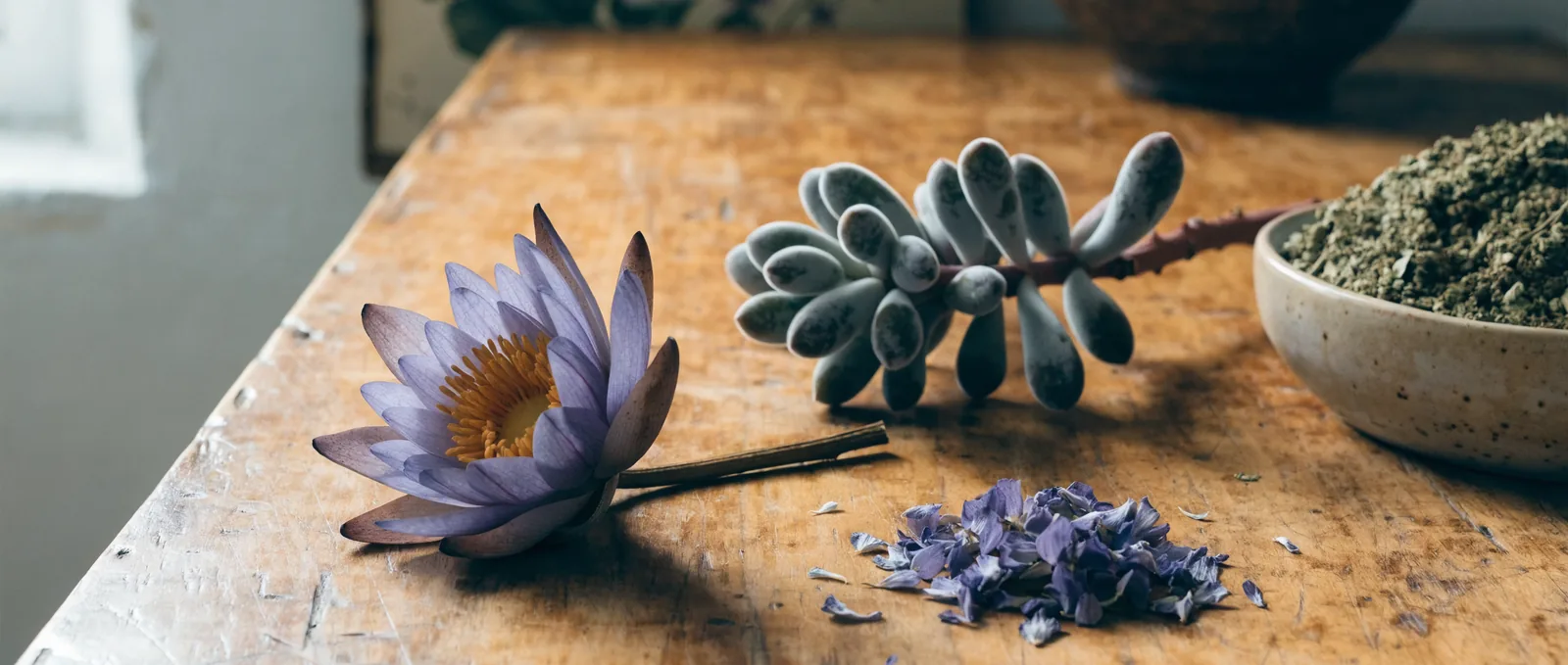
Blue Lotus vs Kanna: Effects & Safety
Blue lotus vs kanna compared — Nymphaea caerulea's aporphine profile against Sceletium tortuosum's mesembrine chemistry, with interaction warnings.
Kanna South Africa To West History
Sceletium tortuosum was used by San and Khoekhoe communities in southern Africa for centuries before European colonists first documented it in the 1660s.
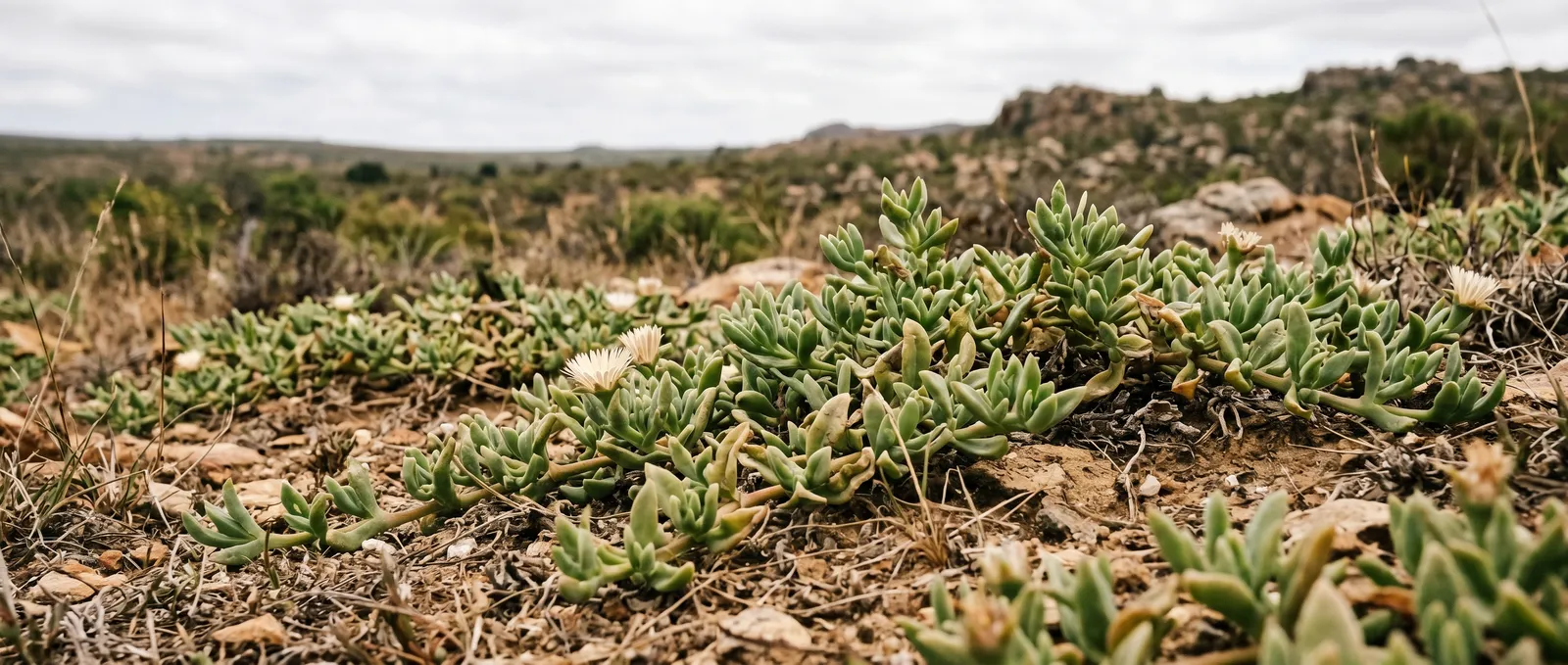
Sceletium Tortuosum Plant
Learn about the sceletium tortuosum plant: botany, alkaloids, fermentation, safety warnings, and where to buy kanna.
Kanna Pharmacokinetics Explained
Complete guide to kanna pharmacokinetics: how Sceletium tortuosum alkaloids are absorbed, metabolised via CYP2D6, and eliminated.

Kanna Chemistry: Sceletium Alkaloids Explained
Kanna chemistry explained: mesembrine, mesembrenone, their mechanisms, how fermentation and extraction change alkaloid profiles, and why it matters…

Rapé Shamanic Snuff Guide: How to Use It Safely
A practical rapé shamanic snuff guide covering dose, kuripe technique, effects, nicotine safety, interactions and Amazonian tradition.

White Sage Salvia Apiana Cultural Smudging Guide
Salvia apiana is a non-psychoactive shrub native to southern California's coastal sage scrub, burned as ceremonial incense in Indigenous North American…
Mulungu Erythrina Traditional Amazonian Use — Bark, Alkaloids & Research
Erythrina mulungu is a Brazilian legume tree whose bark has been brewed as a calming decoction in rural folk medicine for generations.
Wild Dagga Leonotis Leonurus Botany — Taxonomy, Chemistry & Traditional Use Guide
Leonotis leonurus (L.) R.Br., known as wild dagga or lion's tail, is a southern African shrub in the mint family (Lamiaceae) bearing dense whorls of orange…