
This article discusses psychoactive substances intended for adults (18+). If you have a health condition or take medication, consult a doctor before use. Our age policy
White Sage Salvia Apiana Cultural Smudging Guide
Definition
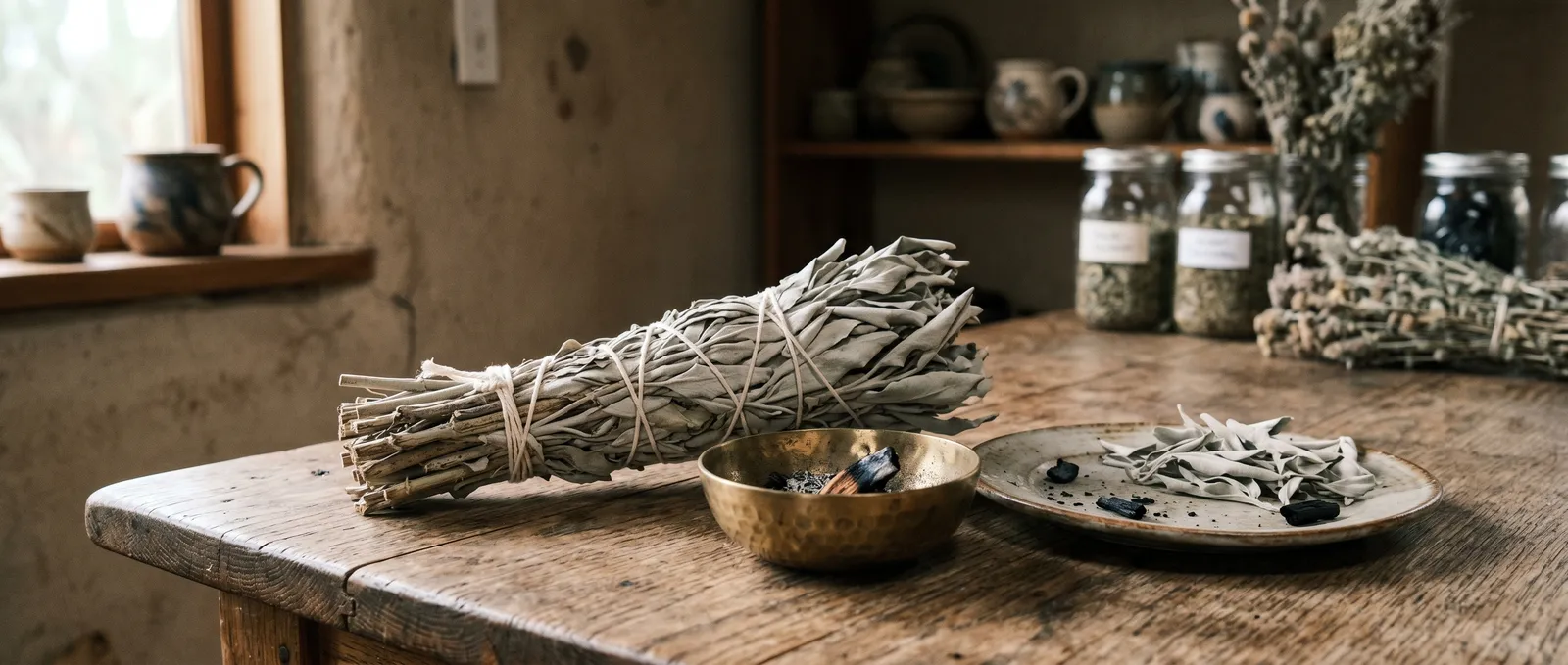
Salvia apiana is a non-psychoactive shrub native to southern California's coastal sage scrub, burned as ceremonial incense in Indigenous North American traditions for centuries. Its volatile-oil profile — dominated by 1,8-cineole and camphor — gives the smoke antimicrobial properties in vitro (Nautiyal et al., 2007), though real-world air-purification claims remain weakly supported.
What Is White Sage?
White sage Salvia apiana cultural smudging is a practice centred on a non-psychoactive perennial evergreen shrub native to the coastal sage scrub of southern California and north-western Baja Mexico. Salvia apiana (white sage) is an entirely separate plant from Salvia divinorum, used only as ceremonial incense and smudging material. The plant grows up to 1.5 metres tall with silvery-white leaves covered in fine trichomes that give it a distinctive pale, almost ghostly appearance. The leaves produce a dense, resinous smoke when dried and burned — and that smoke sits at the centre of one of the most culturally charged conversations in modern ethnobotany. If you want to buy white sage, understanding its background is the responsible first step.
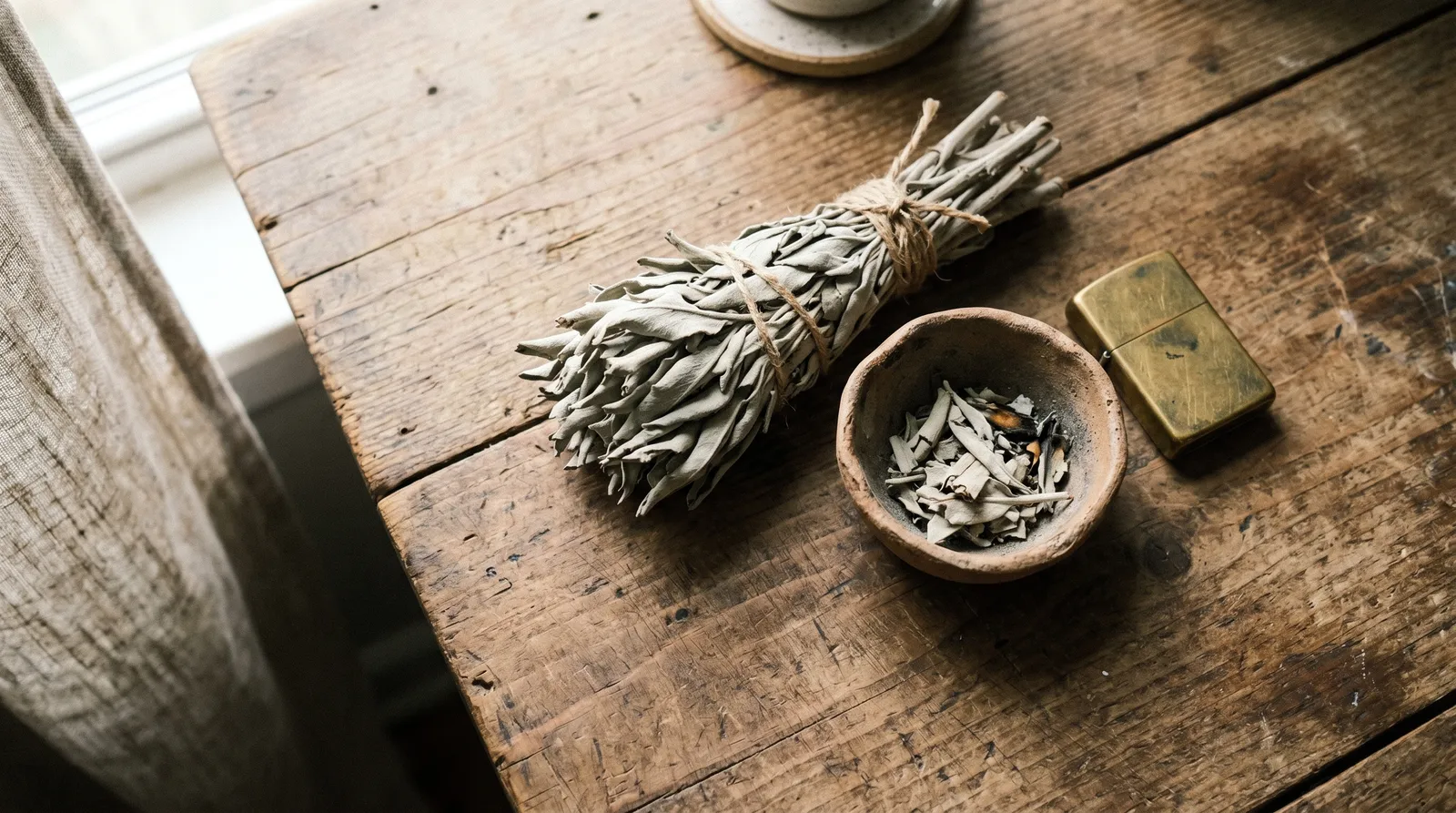
The genus Salvia contains over 900 species, from common culinary sage (Salvia officinalis) to the potently psychoactive Salvia divinorum. White sage shares a genus name with both but has no salvinorin A content and produces no psychoactive effects whatsoever. Its chemistry is dominated by monoterpenes — 1,8-cineole (eucalyptol), camphor, and α- and β-pinene — which give the smoke its sharp, camphoraceous aroma (Dentali & Hoffmann, 1992). Small amounts of thujone are present in the essential oil, though at concentrations far below those found in wormwood or even culinary sage. The EMCDDA classifies neither Salvia apiana nor its smoke as a substance of concern, which is consistent with its complete lack of psychoactivity.
Smudging and Its Cultural Origins
Smudging is a set of ceremonial purification practices originating with Indigenous peoples of North America, not a generic wellness technique. Chumash, Cahuilla, Kumeyaay, and other nations of what is now southern California have used Salvia apiana in prayer, healing ceremonies, and rites of passage for centuries — long before European contact. The ethnobotanist Jan Timbrook documented Chumash use of white sage extensively, noting that the plant served not only as ceremonial smoke but also as a food source (seeds ground into pinole) and a medicine applied externally for body aches (Timbrook, 2007).
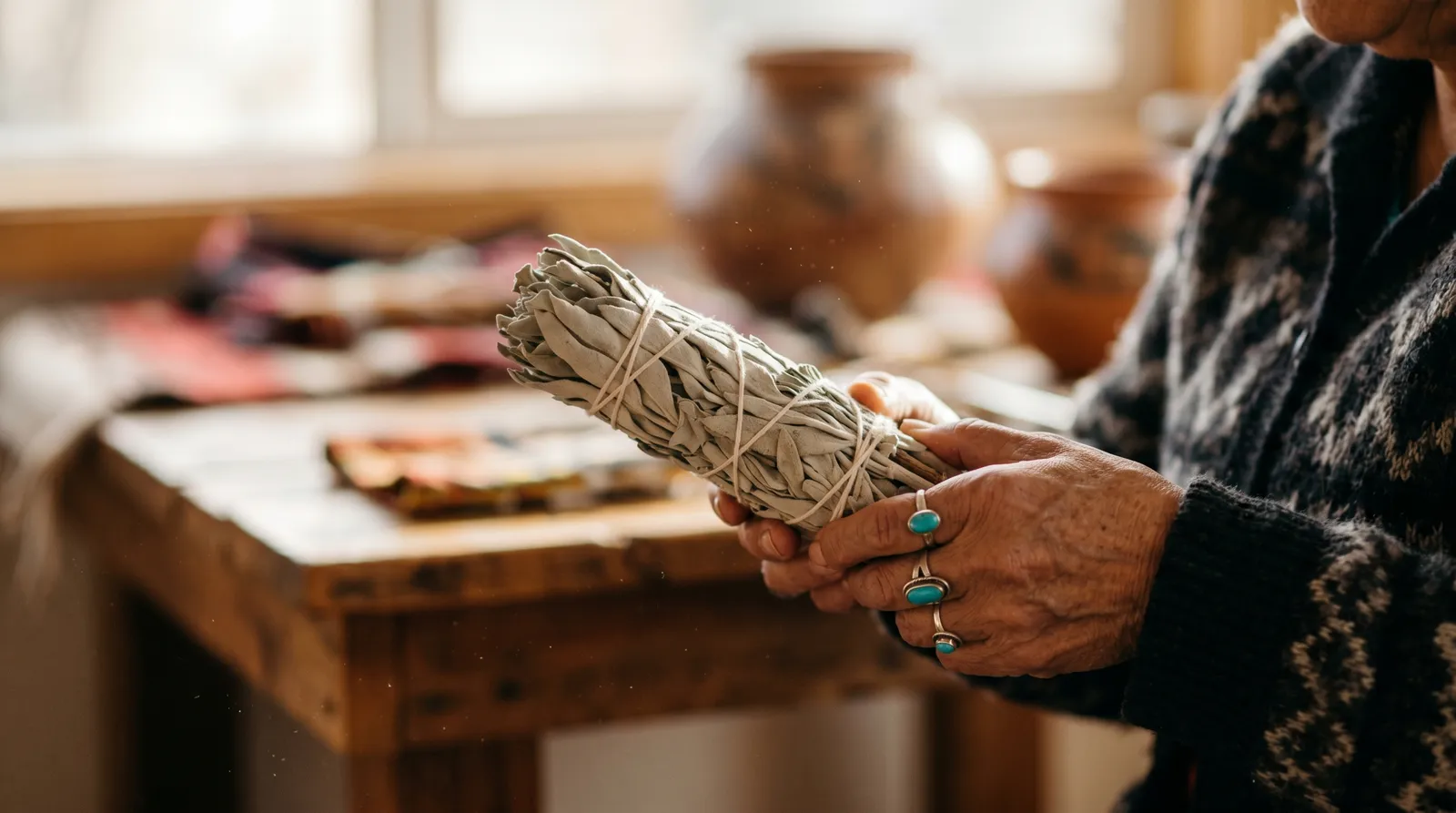
It is worth being precise here: "smudging" as a ceremonial act within these traditions is not simply "burning sage to make a room smell nice." It involves specific prayers, intentions, protocols, and often the guidance of an elder or spiritual leader. The practice carries religious significance comparable to communion bread or Shabbat candles — it is not a generic wellness technique that can be stripped from its context without loss of meaning. When non-Indigenous people light a bundle of white sage to "cleanse the vibes" in a flat in Berlin or Amsterdam, the gap between the original practice and its commercial adoption is something worth sitting with.
That said, the burning of aromatic herbs and resins for spiritual or atmospheric purposes is genuinely cross-cultural. Frankincense in Christian and Islamic traditions, copal in Mesoamerican ceremony, juniper in Tibetan Buddhist practice — smoke as a vehicle for intention appears across human cultures independently. The question with white sage specifically is not whether burning aromatic plants is universally human (it is), but whether this particular plant, from this particular tradition, is being used with appropriate respect and awareness.
Phytochemistry of the Smoke
White sage smoke contains volatile monoterpenes — chiefly 1,8-cineole, camphor, and pinene — that show antimicrobial activity in laboratory settings but have limited real-world air-purification evidence. A 2007 study published in the Journal of Ethnopharmacology by Nautiyal et al. found that smoke from a mixture of traditional medicinal herbs (including sage species) reduced airborne bacterial counts by up to 94% in a closed room, with some suppression persisting for up to 24 hours (Nautiyal et al., 2007). That study is frequently cited in popular articles as proof that "sage smoke purifies the air." The reality is more qualified: the study tested a multi-herb mixture, not Salvia apiana alone, and the experimental conditions — a sealed room, a full hour of heavy smoke — are nothing like briefly wafting a smudge stick around a living room. The antimicrobial properties are real at the phytochemical level, but extrapolating to practical air-purification claims from a single study stretches the evidence considerably.
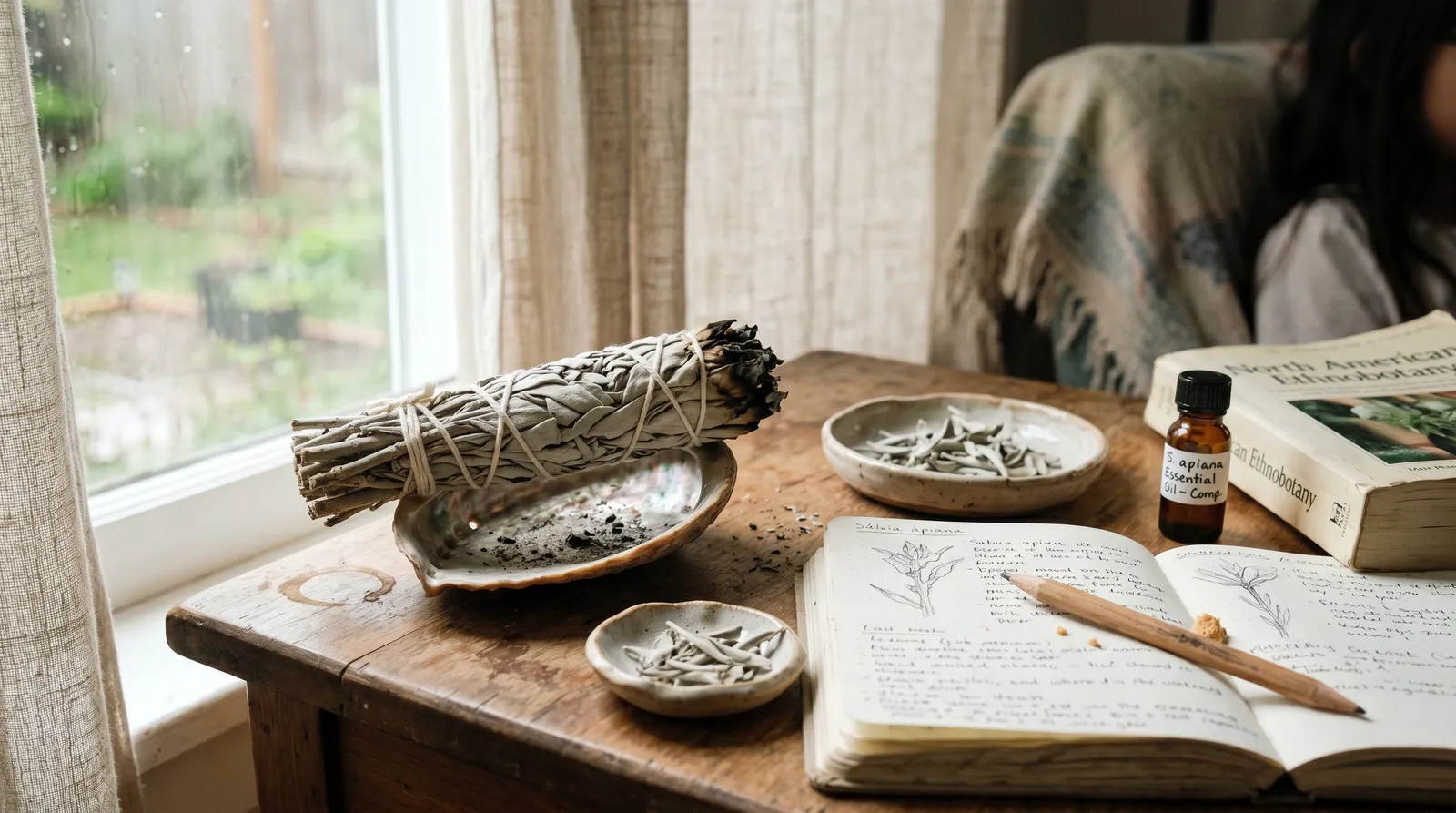
The volatile compounds in white sage smoke include 1,8-cineole, which has demonstrated antimicrobial activity in vitro (Sfara et al., 2009), and camphor, which has a long history of use in traditional medicine across multiple cultures. A 2016 review in the Journal of Traditional and Complementary Medicine catalogued the broader pharmacological profile of Salvia species, noting antioxidant and antimicrobial properties across the genus, though most data come from essential oil studies rather than combustion-smoke analysis (Ghorbani & Esmaeilizadeh, 2017). The gap between essential-oil-in-a-petri-dish and smoke-in-a-room is significant, and peer-reviewed literature specific to Salvia apiana smudging remains thin.
Sustainability and Ethical Sourcing
Wild white sage populations in southern California face documented pressure from commercial harvesting, making sourcing the single most important ethical consideration when you order this plant. The plant grows slowly, favours specific coastal sage scrub habitat that is itself shrinking due to development and wildfire, and large-scale wildcrafting operations have been caught stripping entire hillsides — sometimes on protected land. In 2018, four people were arrested in North Etiwanda Preserve in San Bernardino County for harvesting approximately 400 pounds of white sage from public conservation land without authorisation.
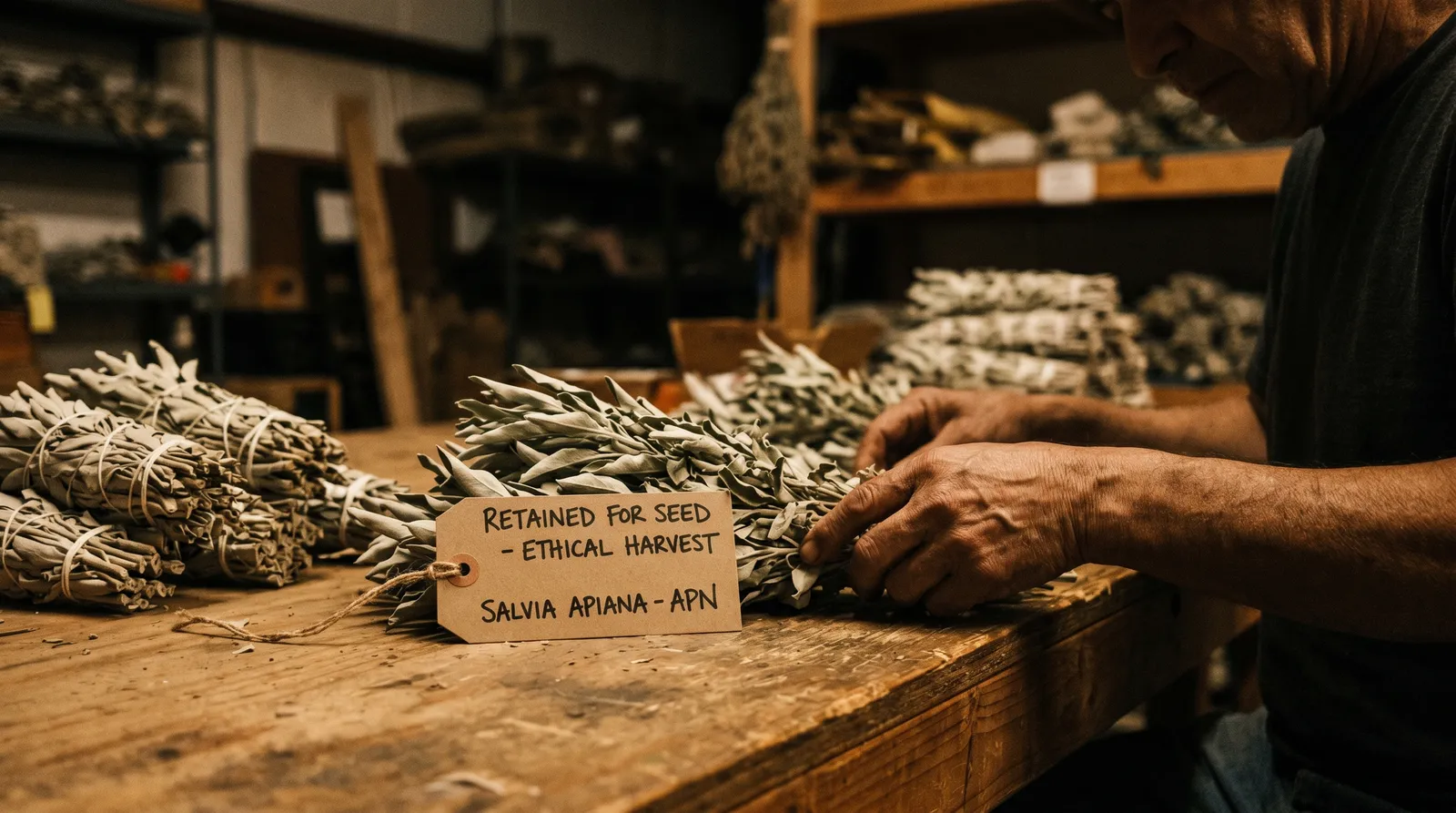
The United Plant Savers organisation lists Salvia apiana on its "To Watch" list, meaning it is not yet critically endangered but faces enough habitat and harvesting pressure to warrant monitoring. Several Kumeyaay and Cahuilla community members have spoken publicly about the pain of watching a sacred plant commodified and overharvested to supply a global wellness market that often has no connection to the traditions that gave the practice meaning.
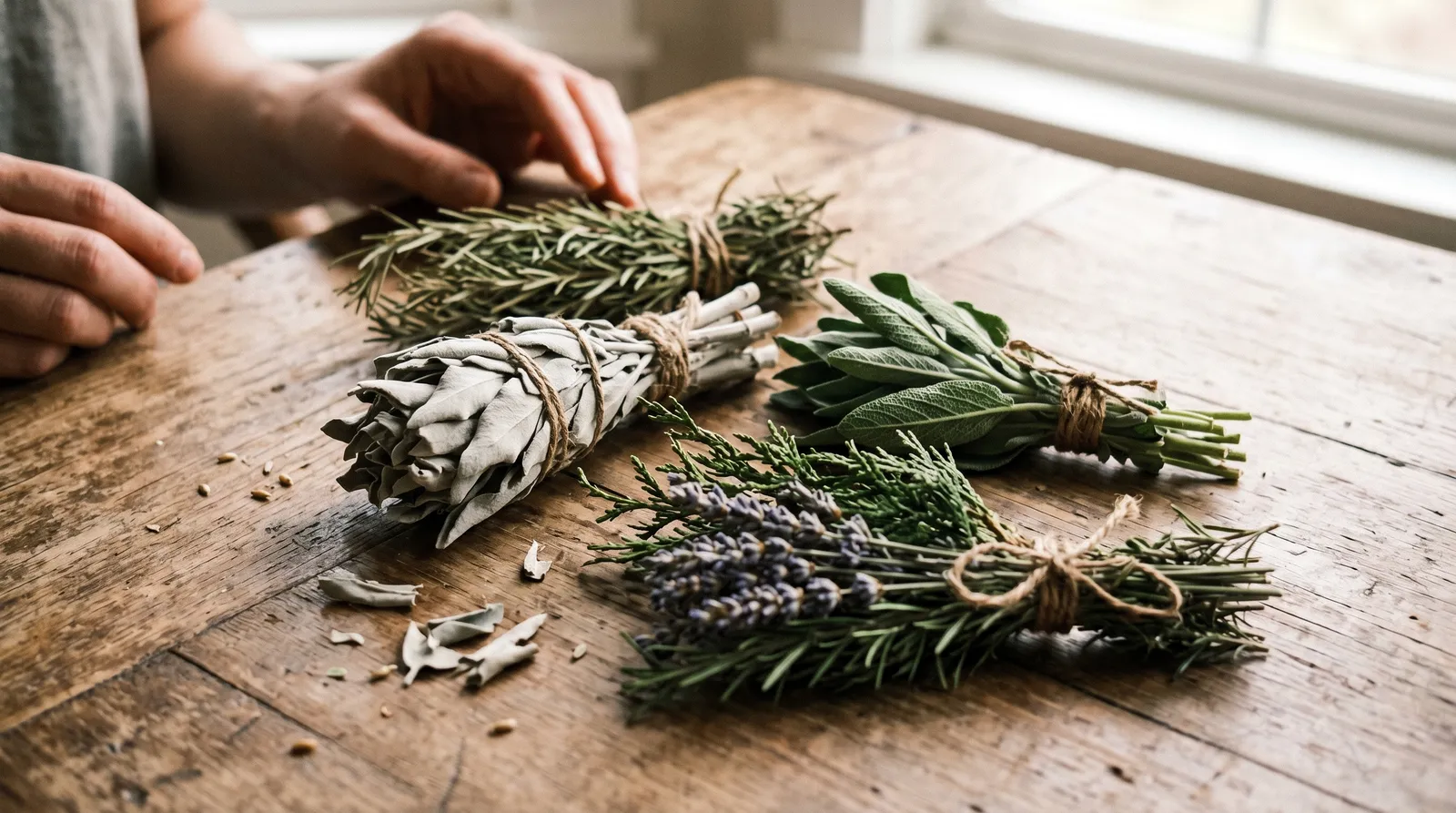
If you are going to burn white sage, sourcing matters. Look for suppliers who can verify cultivation rather than wildcrafting, or who work directly with Indigenous growers. Some Native-owned businesses sell ethically harvested white sage and reinvest in habitat restoration — supporting those operations is a concrete step beyond simply feeling guilty about it. Alternatively, consider whether your purpose might be equally well served by garden sage (Salvia officinalis), rosemary, lavender, juniper, or palo santo (Bursera graveolens) — all of which have their own aromatic smoke traditions and are more readily cultivated.
How Smudge Bundles Work in Practice
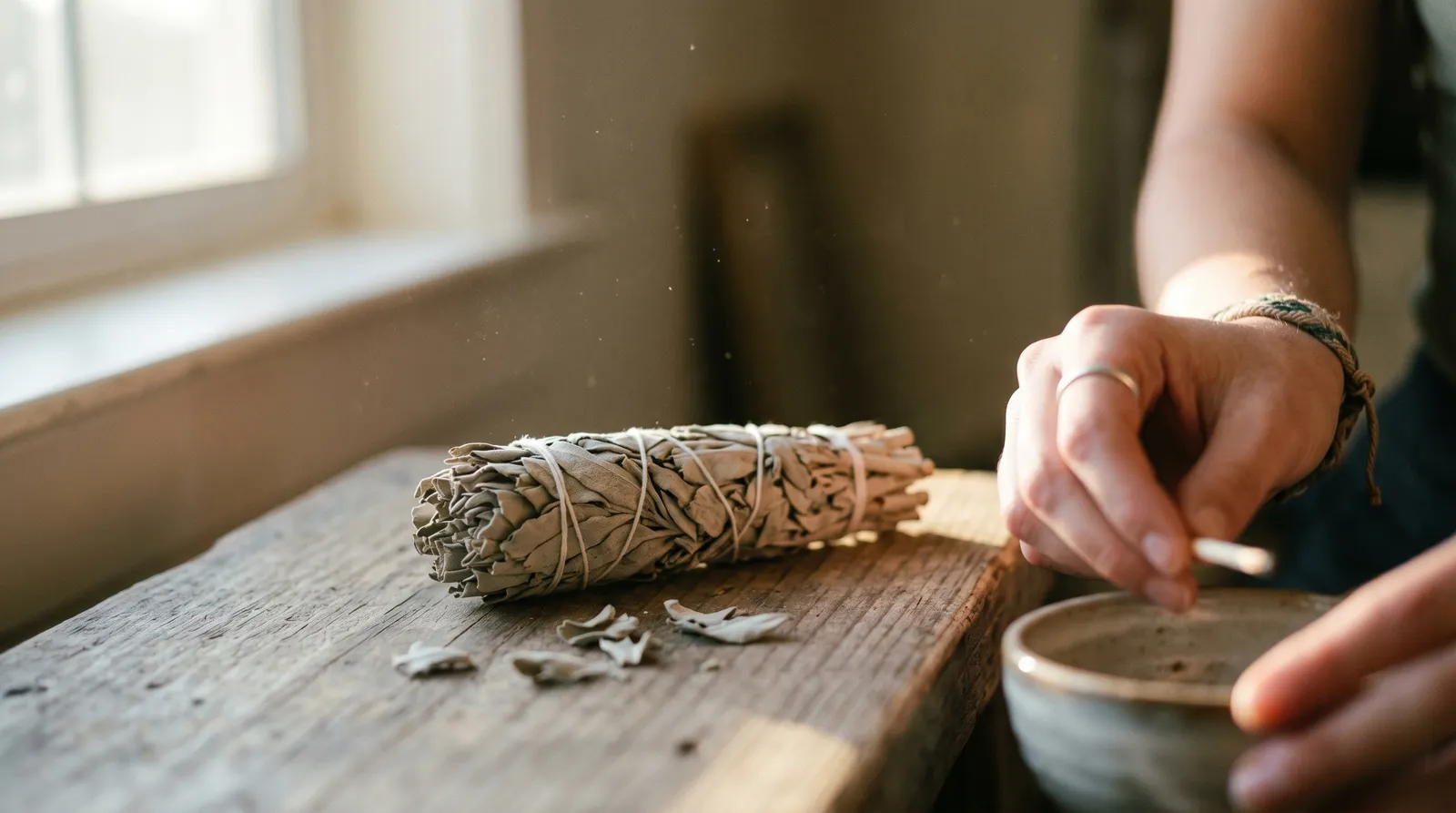
A white sage smudge bundle is a tight bundle of dried Salvia apiana leaves and stems, bound with cotton string, designed to smoulder and release aromatic smoke. To use one, you light the tip until it catches flame, then blow out the flame so the bundle smoulders and produces smoke. A fireproof dish or abalone shell placed underneath catches falling embers. The smoke is then directed around a space, object, or person using a hand or a feather.
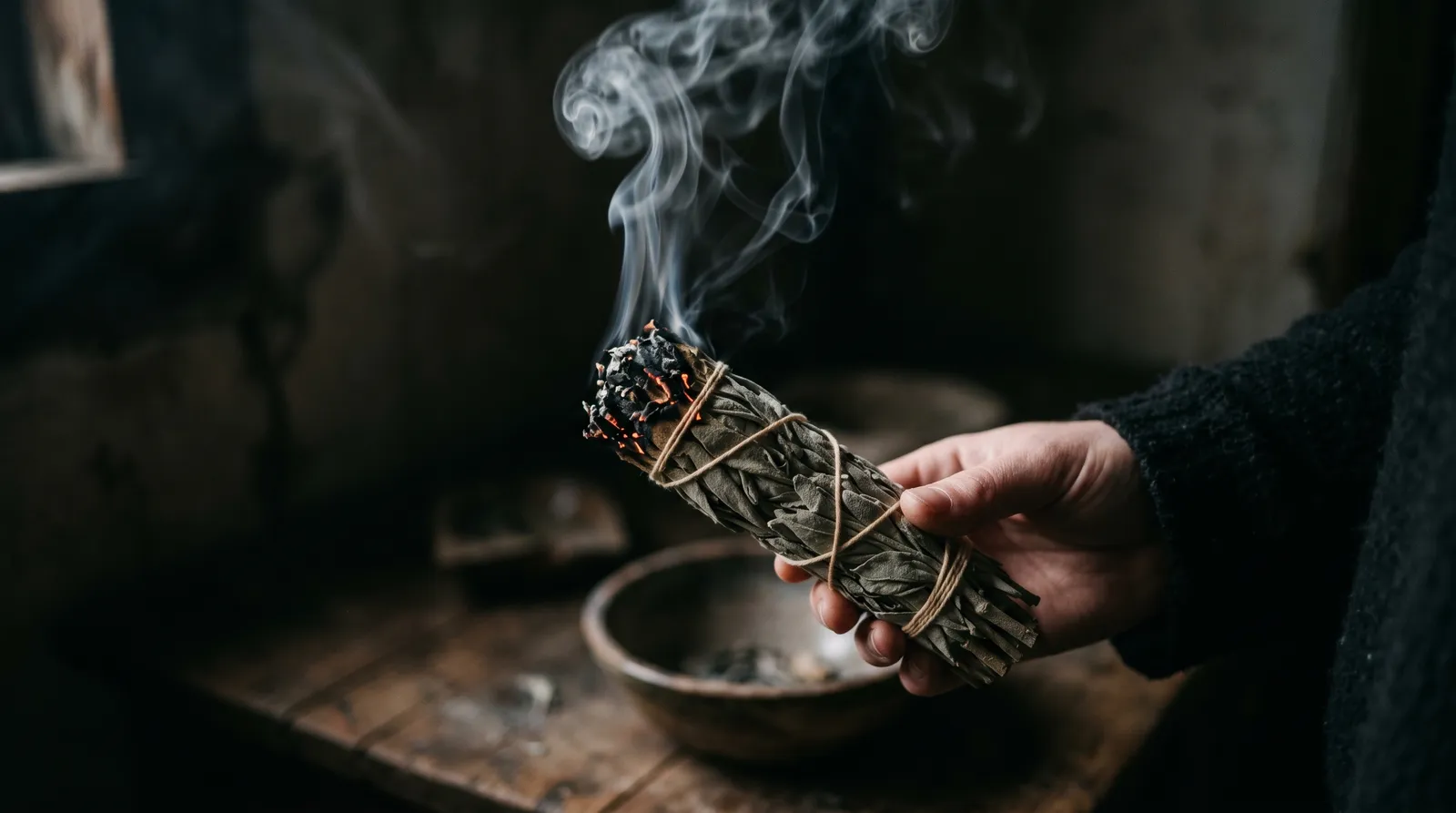
Salvia apiana (white sage) is an entirely separate plant from Salvia divinorum and is not psychoactive. White sage is used as ceremonial incense and smudging, not as an ingestible. Inhaling smoke directly is not advised; ventilate the room and remove pets and respiratory-sensitive persons before burning. White sage sourcing carries documented sustainability and cultural-appropriation concerns; consider ethically sourced alternatives where appropriate.
Practically speaking, white sage produces a lot of smoke — considerably more than palo santo or most incense sticks. A small bundle can fill a medium-sized room in under a minute. Open a window before you start, and keep it open throughout. The smoke has a strong, herbal, slightly peppery scent that lingers on fabrics and hair for hours. Some people find it pleasant; others find it overwhelming. If you share a building with neighbours, be aware that the smoke travels through ventilation systems and hallways just as tobacco smoke does.
The Appropriation Conversation
The commercialisation of white sage smudging raises genuine questions about cultural respect, environmental sustainability, and consumer responsibility — and there is no tidy resolution. Some Indigenous leaders and organisations have asked non-Native people to stop using white sage entirely, viewing its commodification as an extension of centuries of cultural erasure. Others take a more open stance, welcoming respectful engagement with the plant while asking that people learn the cultural context, source ethically, and avoid trivialising ceremonial practices.
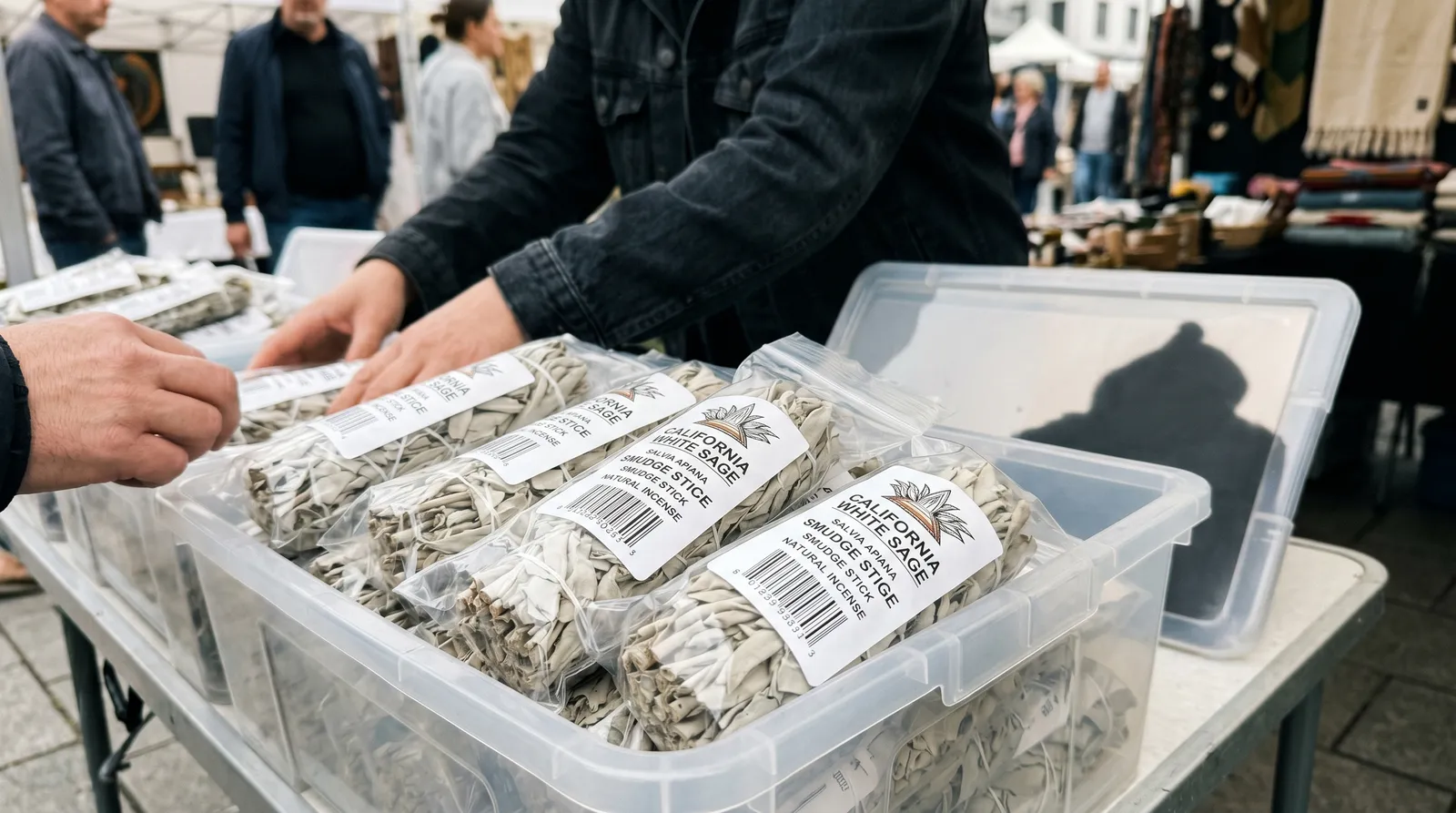
What nearly everyone agrees on: buying mass-produced white sage bundles from companies with no connection to Indigenous communities, no transparency about sourcing, and no acknowledgement of cultural origins is the least defensible option. If the practice matters enough to do, it matters enough to do thoughtfully.
For those who want aromatic smoke without the cultural weight, garden sage, cedar, sweetgrass (if sourced from growers rather than wild-harvested), rosemary, and mugwort (Artemisia vulgaris) all have long traditions of smoke use in European and other cultural contexts. The Azarius palo santo page covers similar sourcing questions for Bursera graveolens, and the Azarius herbal incense category offers a broader range of cultivated aromatic herbs worth exploring.
White Sage vs. Alternative Smudging Herbs
White sage is the most commercially popular smudging herb, but it is far from the only option — and for many users an alternative may be more appropriate both ethically and practically. The table below compares common aromatic smoke herbs across key dimensions.
| Herb | Botanical Name | Smoke Character | Cultivation Ease | Cultural Sensitivity |
|---|---|---|---|---|
| White sage | Salvia apiana | Dense, camphoraceous, peppery | Slow-growing; prefers arid climate | High — Indigenous ceremonial plant |
| Garden sage | Salvia officinalis | Lighter, herbal, slightly sweet | Easy; grows across Europe | Low — widespread culinary herb |
| Palo santo | Bursera graveolens | Warm, citrus-resinous, mild | Slow-growing tropical tree | Moderate — South American traditions |
| Rosemary | Salvia rosmarinus | Sharp, piney, invigorating | Very easy; Mediterranean native | Low — European folk tradition |
| Mugwort | Artemisia vulgaris | Earthy, slightly bitter | Very easy; often grows wild in Europe | Low — European herbalism staple |
| Juniper | Juniperus spp. | Clean, resinous, woody | Moderate; many species available | Low — Tibetan and European traditions |
| Cedar | Thuja / Calocedrus spp. | Sweet, woody, grounding | Moderate; widely cultivated | Moderate — some Indigenous use |
If you want to get a smudging herb that is easy to grow yourself, garden sage and rosemary are the clear winners — both thrive in a European balcony pot and produce pleasant, aromatic smoke with centuries of folk tradition behind them. The Azarius encyclopaedia entry on Salvia officinalis covers garden sage in more detail, and the Azarius blog post on herbal incense traditions explores European smoke practices that predate the modern smudging trend.
What White Sage Is Not
Salvia apiana contains no salvinorin A, no psilocybin, no DMT, and no other known psychoactive compound at relevant concentrations — it will not produce visions or altered states of any kind. The confusion arises entirely because it shares the genus name Salvia with Salvia divinorum, which is a potently psychoactive plant used in Mazatec ceremonial tradition in Oaxaca, Mexico. The two plants are about as similar in effect as a domestic cat and a tiger are in temperament — same family, completely different experience. The Azarius Salvia divinorum encyclopaedia entry covers that plant separately in dedicated content.
White sage is also not a dietary supplement, not a tea ingredient, and not something to be ingested. Its traditional and contemporary use is as burned incense, full stop. The essential oil exists commercially but requires enormous quantities of plant material to produce, which — given the sustainability concerns above — makes it a questionable purchase.
This article is consumer education, not medical advice. Traditional and ceremonial uses are described for cultural and historical context. Botanicals can interact with medications and are not a substitute for professional care. If you are pregnant, nursing, taking prescription medication, or managing a health condition, consult a qualified healthcare practitioner before use.
References
- Dentali, S. J. & Hoffmann, J. J. (1992). Potential antiinfective agents from Eriodictyon angustifolium and Salvia apiana. International Journal of Pharmacognosy, 30(3), 223–231.
- EMCDDA (2024). European Drug Report 2024: Trends and Developments. European Monitoring Centre for Drugs and Drug Addiction, Lisbon.
- Ghorbani, A. & Esmaeilizadeh, M. (2017). Pharmacological properties of Salvia officinalis and its components. Journal of Traditional and Complementary Medicine, 7(4), 433–440.
- Nautiyal, C. S., Chauhan, P. S. & Nene, Y. L. (2007). Medicinal smoke reduces airborne bacteria. Journal of Ethnopharmacology, 114(3), 446–451.
- Sfara, V., Zerba, E. N. & Alzogaray, R. A. (2009). Fumigant insecticidal activity and repellent effect of five essential oils and seven monoterpenes on first-instar nymphs of Rhodnius prolixus. Journal of Medical Entomology, 46(3), 511–515.
- Timbrook, J. (2007). Chumash Ethnobotany: Plant Knowledge Among the Chumash People of Southern California. Santa Barbara Museum of Natural History / Heyday Books.
Last updated: April 2026
Frequently Asked Questions
9 questionsIs burning white sage the same as smudging?
Is white sage endangered?
Does white sage smoke actually kill bacteria?
What is the difference between white sage and Salvia divinorum?
What are ethical alternatives to white sage for smoke cleansing?
Can you drink white sage tea?
Where can I buy ethically sourced white sage?
How long does white sage smoke linger indoors?
Is white sage safe around pets?
About this article


Adam Parsons is an external cannabis and psychedelics writer and editor who contributes to Azarius's wiki as both author and reviewer. On the writing side, he authors Azarius's kratom and kanna clusters, drawing on exten
This wiki article was drafted with AI assistance and reviewed by Adam Parsons, External contributor. Editorial oversight by Joshua Askew.
Medical disclaimer. This content is for informational purposes only and does not constitute medical advice. Consult a qualified healthcare provider before use of any substance.
Last reviewed April 26, 2026
Related Articles
Blue Lotus vs Kanna: Effects & Safety
Blue lotus vs kanna compared — Nymphaea caerulea's aporphine profile against Sceletium tortuosum's mesembrine chemistry, with interaction warnings.
Lotus Clinical Research Overview
What does lotus clinical research actually show? A critical review of Nymphaea caerulea and Nelumbo nucifera pharmacology, preclinical data, and…
Kanna South Africa To West History
Sceletium tortuosum was used by San and Khoekhoe communities in southern Africa for centuries before European colonists first documented it in the 1660s.
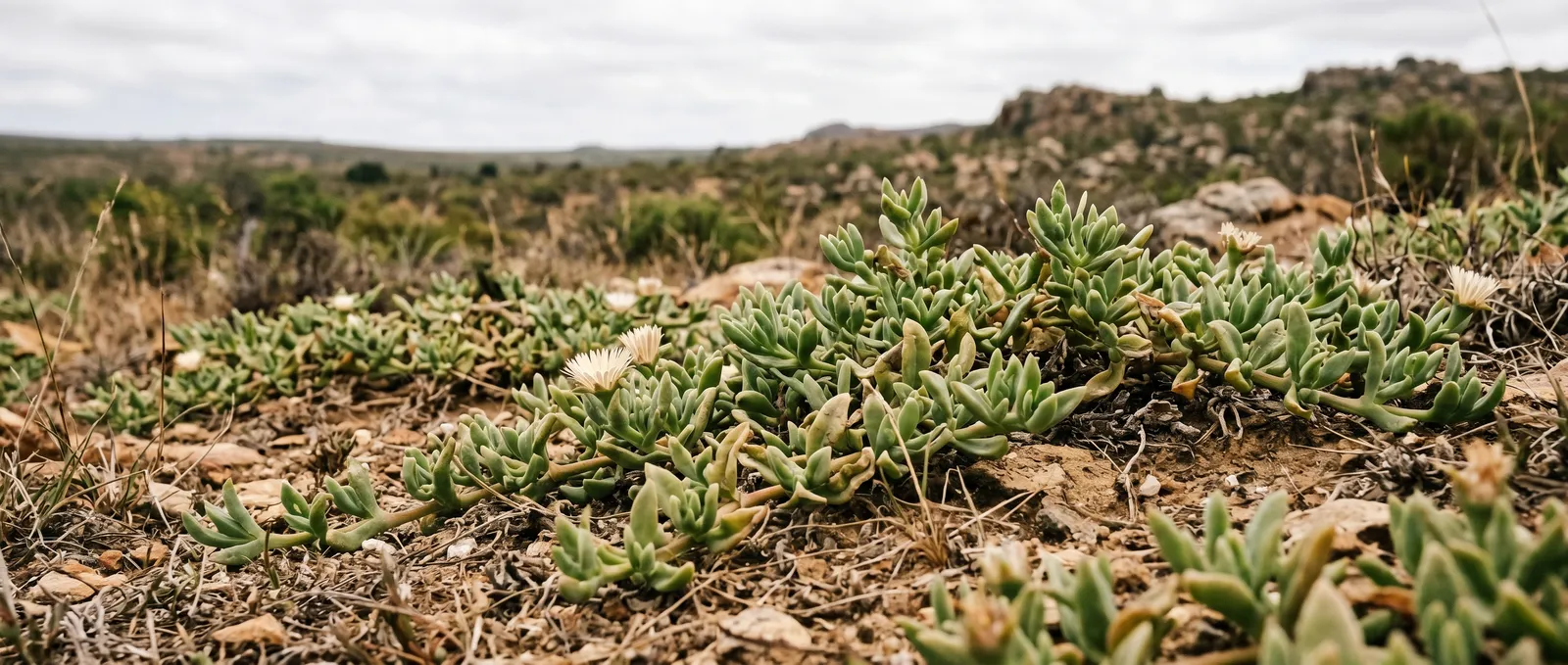
Sceletium Tortuosum Plant
Learn about the sceletium tortuosum plant: botany, alkaloids, fermentation, safety warnings, and where to buy kanna.
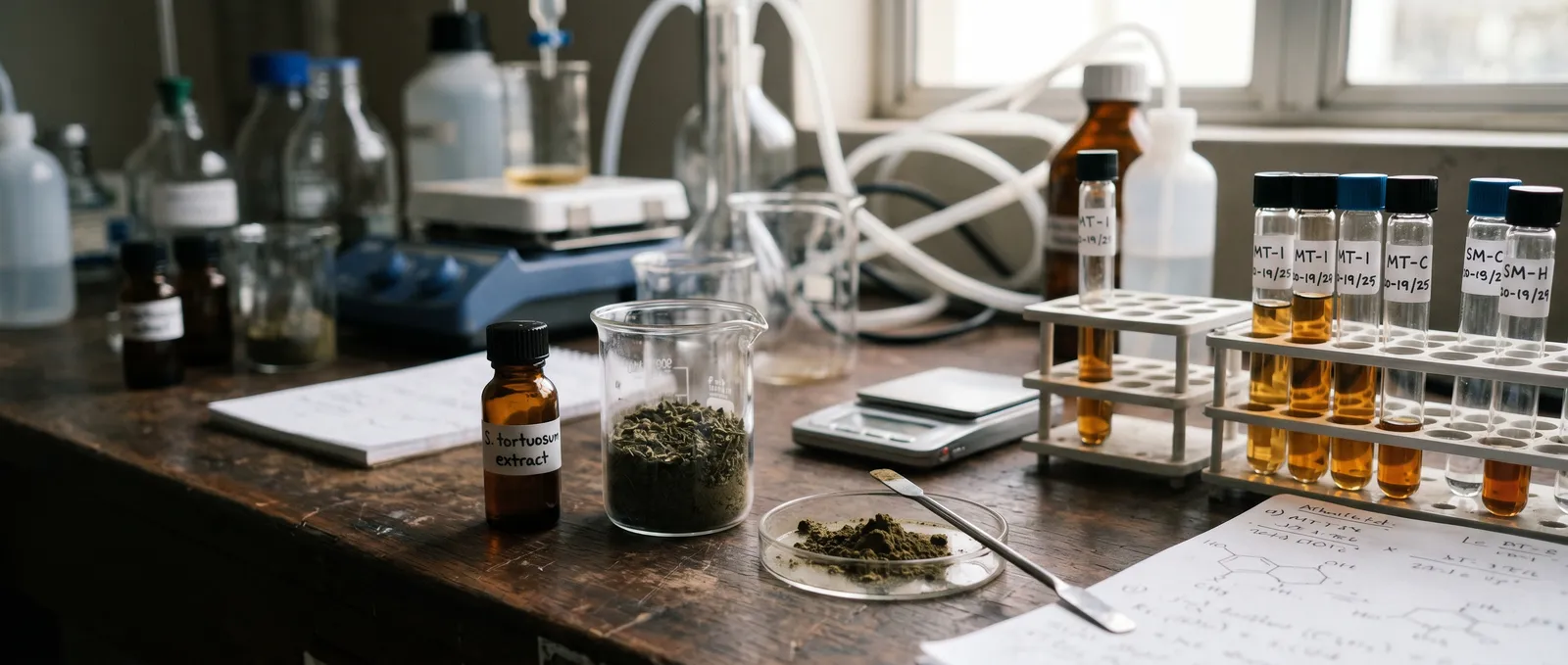
Kanna Pharmacokinetics Explained
Complete guide to kanna pharmacokinetics: how Sceletium tortuosum alkaloids are absorbed, metabolised via CYP2D6, and eliminated.
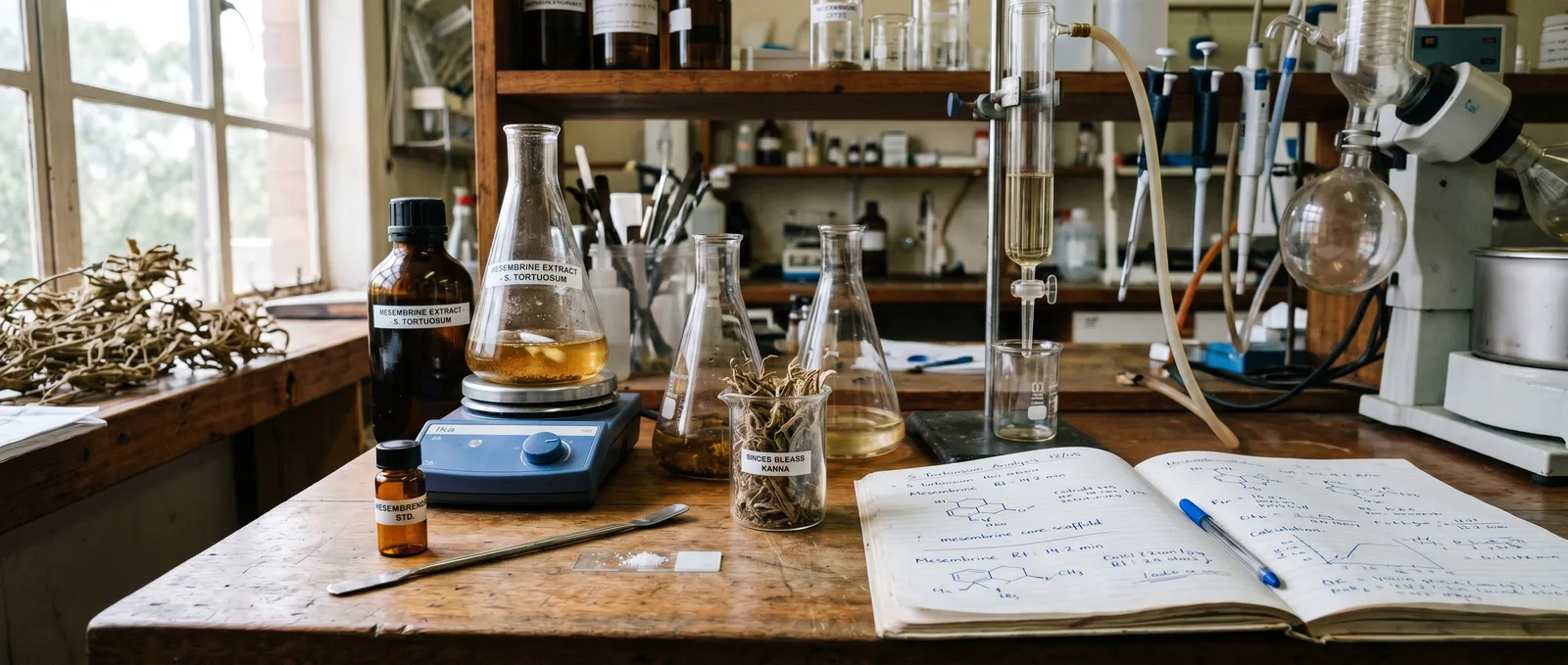
Kanna Chemistry: Sceletium Alkaloids Explained
Kanna chemistry explained: mesembrine, mesembrenone, their mechanisms, how fermentation and extraction change alkaloid profiles, and why it matters…
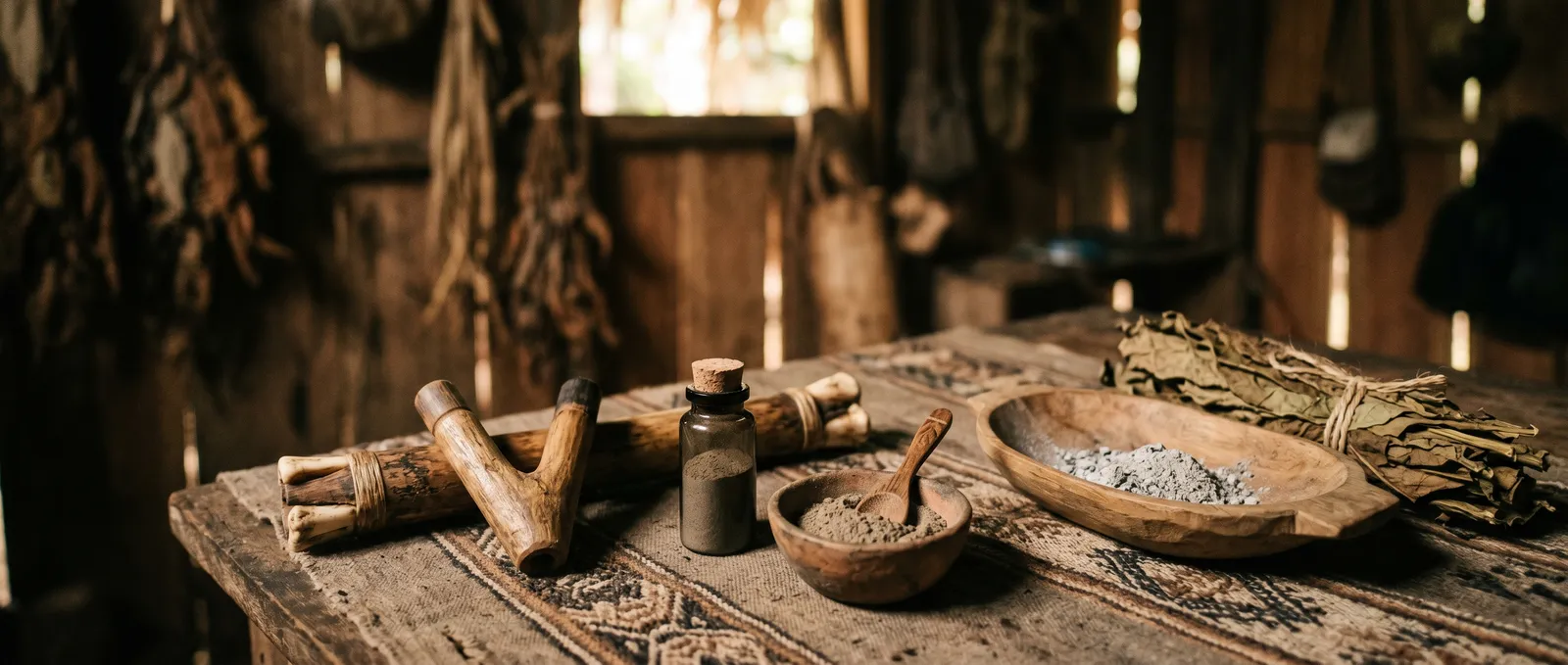
Rapé Shamanic Snuff Guide: How to Use It Safely
A practical rapé shamanic snuff guide covering dose, kuripe technique, effects, nicotine safety, interactions and Amazonian tradition.
Mulungu Erythrina Traditional Amazonian Use — Bark, Alkaloids & Research
Erythrina mulungu is a Brazilian legume tree whose bark has been brewed as a calming decoction in rural folk medicine for generations.
Wild Dagga Leonotis Leonurus Botany — Taxonomy, Chemistry & Traditional Use Guide
Leonotis leonurus (L.) R.Br., known as wild dagga or lion's tail, is a southern African shrub in the mint family (Lamiaceae) bearing dense whorls of orange…