
Buy more, pay less
Palo Santo: South America's Sacred Smoke
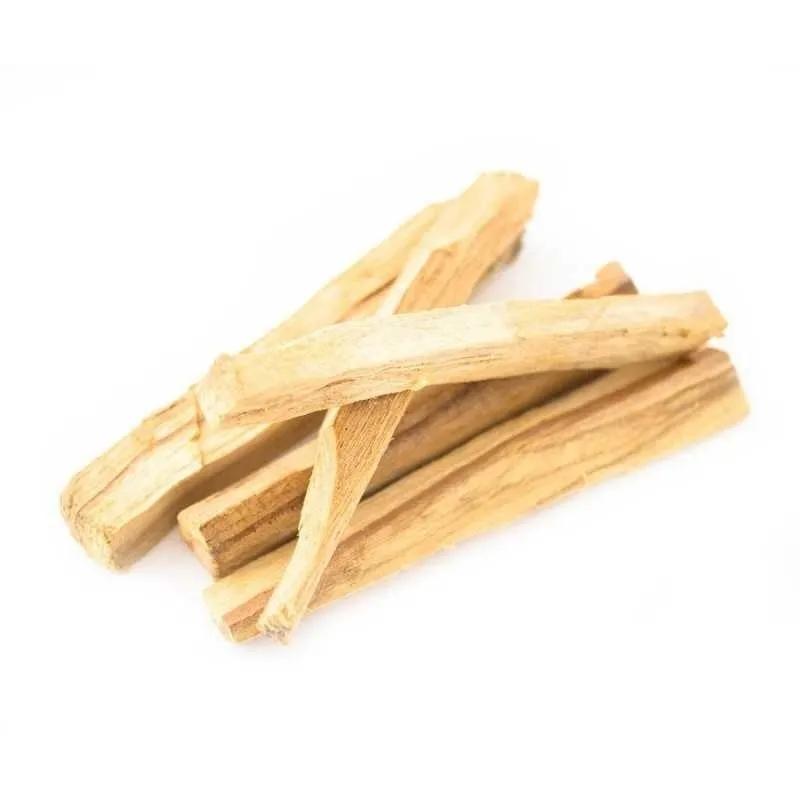
Palo Santo is a naturally aromatic wood from South America that produces a sweet, resinous smoke traditionally used for energetic cleansing during ceremony. The name translates from Spanish as 'Holy Wood' — and once you catch the first waft, you'll understand why it earned that title. Botanically related to Frankincense, Myrrh, and Copal (all members of the Burseraceae family), Palo Santo (Bursera graveolens) has been part of indigenous ritual practice for centuries. We carry it in two forms: raw wood sticks (50g) and a concentrated essential oil (5ml).
Wood or Oil — Which One?
The Wood (50 grams) is what most people picture when they think Palo Santo — chunky sticks you light, blow out, and let smoulder. You get that thick, sweet smoke that fills a room in seconds. A 50g bag typically contains several sticks, and each stick can be relit many times. This is your pick for smudging rituals, ceremony preparation, or simply making your living room smell incredible.
The Oil (5ml) is steam-distilled from the heartwood and packs the same aromatic profile into a tiny bottle. No smoke, no flame — just a drop or two on your skin (diluted with a carrier oil) or in a diffuser. The oil is more portable, more subtle, and lasts a surprisingly long time at 5ml since you only need a drop per use. Good if you want the scent without setting off the smoke alarm in a small flat.
Why Palo Santo Belongs in Your Collection
Palo Santo delivers something most incense simply can't: a scent that's simultaneously sweet, woody, and slightly citrusy, with a warmth that lingers in fabric and hair for hours after the stick has gone out. It's not perfumey or cloying — it's grounded. Think warm pine resin meeting vanilla, with a hint of lemon peel underneath. We've stocked it since the early days of the shop, and it remains one of our most consistently repurchased items.
Traditionally, Palo Santo has been burned during Ayahuasca ceremonies and other indigenous rituals across Peru and Ecuador. The smoke is said to clear stagnant energy from a space, and while that's rooted in cultural practice rather than lab data, the aromatic effect is undeniable — a room smells different, feels different, after you've walked Palo Santo smoke through it. According to an ethnopharmacological review published in PMC, Bursera graveolens has been documented across multiple traditional medicine systems in South America, with uses spanning spiritual, aromatic, and topical applications (Guillen et al., 2018).
One honest note: the smoke is potent. A single stick in a small room can be overwhelming if you let it burn too long. We'd say light it, let it flame for 20–30 seconds, blow it out, and walk the smouldering stick around your space. You can always relight it. Less is more with Palo Santo — and that's actually a selling point, because a 50g bag lasts months with regular use.
What the Research Says About Palo Santo
The scientific literature on Bursera graveolens is still catching up to centuries of traditional use. According to Healthline, "there's no hard proof that palo santo has this effect, though. The benefit is theoretical and anecdotal, so additional research is needed" (Healthline, Palo Santo Benefits). That's a fair summary of where things stand — promising traditional use, limited clinical confirmation.
That said, the essential oil has attracted more targeted research. According to a study published in PMC, B. graveolens demonstrated antioxidant and antifungal properties in laboratory settings (Fernandes et al., 2021). A separate review in PMC examining traditional herbal medicine in Mesoamerica documented broad antibacterial and anti-inflammatory uses across the Bursera genus (Heinrich et al., 2020). And research into the essential oils of related Bursera species confirmed antimicrobial activity, providing scientific support for traditional applications (Hernandez et al., 2017).
Worth mentioning: a review on incense smoke and human health noted that incense smoke in general contains irritants that may trigger allergic reactions in sensitive individuals (Lin et al., 2021). If you have respiratory sensitivities, the oil in a diffuser might be a better fit than burning the wood directly.
| Spec | Value |
|---|---|
| Botanical name | Bursera graveolens |
| Plant family | Burseraceae (related to Frankincense, Myrrh, Copal) |
| Origin | South America (Peru, Ecuador) |
| Wood variant | 50 grams — raw sticks, reusable |
| Oil variant | 5 ml — steam-distilled essential oil |
| Aroma profile | Sweet, woody, citrus, warm vanilla undertone |
| Traditional use | Energetic cleansing, ceremony, aromatherapy |
| Burn time per stick | Approximately 1–2 minutes per light (reusable) |
How to Use Palo Santo
Burning the Wood Sticks
- Hold a Palo Santo stick at a 45-degree angle and light the tip with a match or lighter. Let it burn for 20–30 seconds until a small flame establishes itself.
- Blow out the flame gently. The stick should continue to smoulder and produce a thick, fragrant smoke.
- Walk the smouldering stick through your space — around a room, over a meditation area, or wherever you want to cleanse the atmosphere. The smoke is dense, so move steadily.
- Place the stick in a fireproof dish or ceramic holder when you're done. It will extinguish itself naturally within a couple of minutes. You can relight the same stick many times.
- Store remaining sticks in a dry place. The natural oils in the wood preserve the scent for months.
Using the Essential Oil
- For aromatherapy, add 2–3 drops of Palo Santo oil to a diffuser filled with water. The scent disperses evenly without any smoke.
- For topical use, always dilute with a carrier oil — coconut, jojoba, or olive oil all work well. A ratio of 1–2 drops of Palo Santo oil per teaspoon of carrier oil is a sensible starting point.
- Apply the diluted oil to pulse points (wrists, temples) or add a few drops to a warm bath.
- Patch-test on a small area of skin first if you've never used it before. Wait 24 hours to check for any reaction.
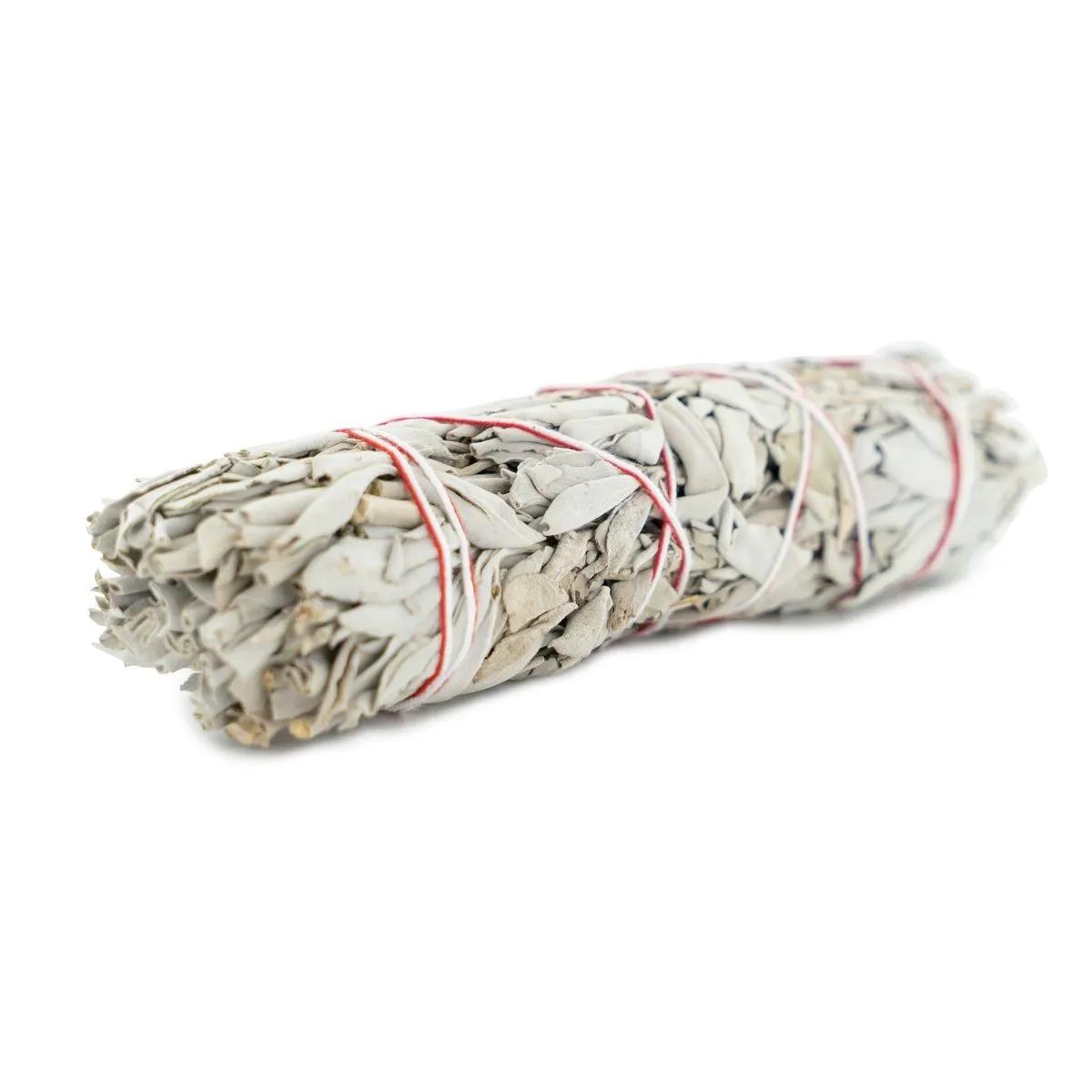
Palo Santo pairs naturally with other ceremonial incense. White Sage bundles work well for a more herbal, earthy smudge before switching to Palo Santo's sweeter finish. If you're setting up for an Ayahuasca or meditation session, Copal resin complements Palo Santo beautifully — both belong to the Burseraceae family and their smoke profiles layer without competing. A ceramic incense holder or abalone shell keeps the ash contained and your surfaces safe.
Palo Santo Compared to Other Ceremonial Incense
| Incense | Scent profile | Smoke density | Best for |
|---|---|---|---|
| Palo Santo | Sweet, woody, citrus-vanilla | Thick, lingering | Ceremony, meditation, daily cleansing |
| White Sage | Herbal, sharp, camphor-like | Very thick | Deep space cleansing, pre-ceremony |
| Copal Resin | Piney, bright, slightly citrus | Medium | Ceremony, layering with other incense |
| Frankincense | Warm, balsamic, slightly spicy | Medium-thick | Meditation, relaxation, traditional ritual |
If you're after the best single incense for daily use, we'd pick Palo Santo over White Sage. Sage is intense — almost aggressive in its smokiness — and better suited for occasional deep cleansing. Palo Santo is the one you light on a Tuesday evening because your room needs a reset. It's gentler, sweeter, and doesn't leave that heavy herbal residue on your curtains.
Frequently Asked Questions
How many times can you relight a Palo Santo stick?
Dozens of times. Each lighting burns away a small amount of wood, but a single stick from a 50g bag can last through 15–20 sessions easily. Just blow out the flame after 20–30 seconds and let the ember do the work.
Does Palo Santo have any side effects?
The smoke contains natural irritants, as with any incense. According to a review in PMC, incense smoke can trigger allergic reactions in sensitive individuals. If you have asthma or respiratory issues, use the essential oil in a diffuser instead of burning the wood directly.
What's the difference between Palo Santo wood and oil?
The wood sticks produce visible smoke and are used for smudging — you light them, blow out the flame, and let the smoke fill your space. The oil is steam-distilled from the same wood but used in diffusers or diluted on skin. Same scent, different delivery. The oil is smokeless and more portable.
Can you apply Palo Santo oil directly to skin?
No — always dilute it with a carrier oil first. Coconut, jojoba, or olive oil all work. Use 1–2 drops of Palo Santo oil per teaspoon of carrier oil. Patch-test on a small area and wait 24 hours before wider application.
Why does some Palo Santo smell stronger than others?
Age and curing time. Traditionally harvested Palo Santo comes from trees that fell naturally and cured on the forest floor for 4–10 years. This concentrates the essential oils. Freshly cut or young wood has a fraction of the scent. Look for sticks that feel dense and slightly oily — that's the good stuff.
Is Palo Santo related to Frankincense?
Yes — both belong to the Burseraceae family, along with Myrrh and Copal. They share aromatic resin-producing properties, which is why their smoke profiles complement each other so well. Palo Santo tends sweeter and more citrusy compared to Frankincense's warm, balsamic character.
How should you store Palo Santo sticks?
Keep them in a dry place at room temperature. The natural oils preserve the scent for months without any special packaging. Avoid damp environments — moisture dulls the aroma and makes the sticks harder to light.
Last updated: April 2026
Related products

Medical disclaimer. This content is for informational purposes only and does not constitute medical advice. Consult a qualified healthcare provider before use of any substance.