
Buy Smudging & Ritual Incense — A Shop-Floor Guide
Smudging is the practice of burning dried botanicals — sage, palo santo, cedar, sweetgrass, copal resin — and moving the smoke through a space with intention. It is not aromatherapy. Aromatherapy is about scent on a Tuesday afternoon; ritual incense is about smoke with a purpose. The smoke is the point.
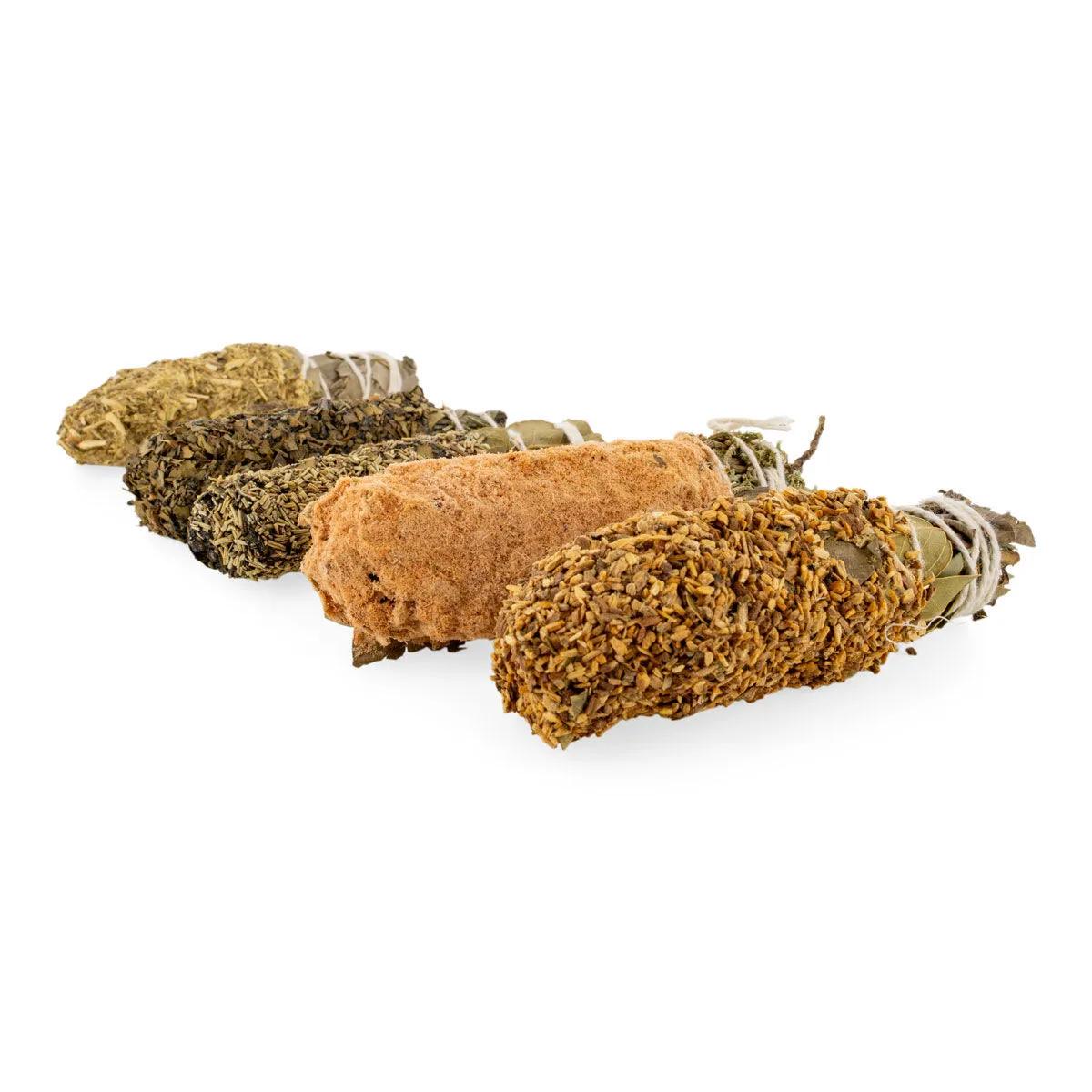
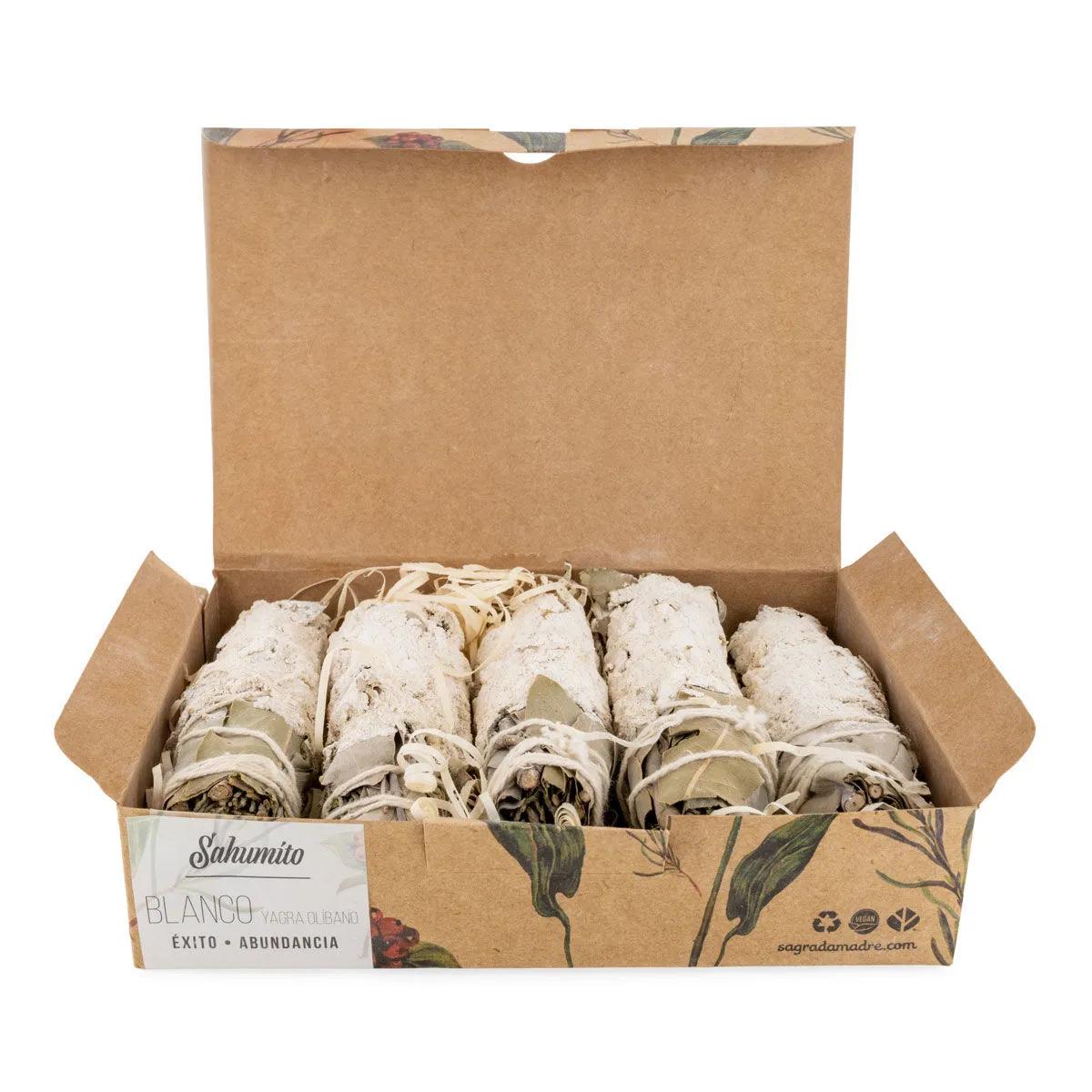
Our ritual shelf runs from loose palo santo wood and raw resins you burn on charcoal, through to pre-rolled Sagrada Madre smudge sticks blended with copal, myrrh, white yagra and sacred woods. You'll also find the hardware: abalone shells to catch ash, and pure charcoal discs for resin work. Small range, carefully chosen — we'd rather carry six things we actually use than thirty we don't.
Which Smudging Format Should You Get?
Choosing by format is simpler than choosing by scent. Decide how you want to burn it first, then pick the botanical.
| Format | How it burns | Good for |
|---|---|---|
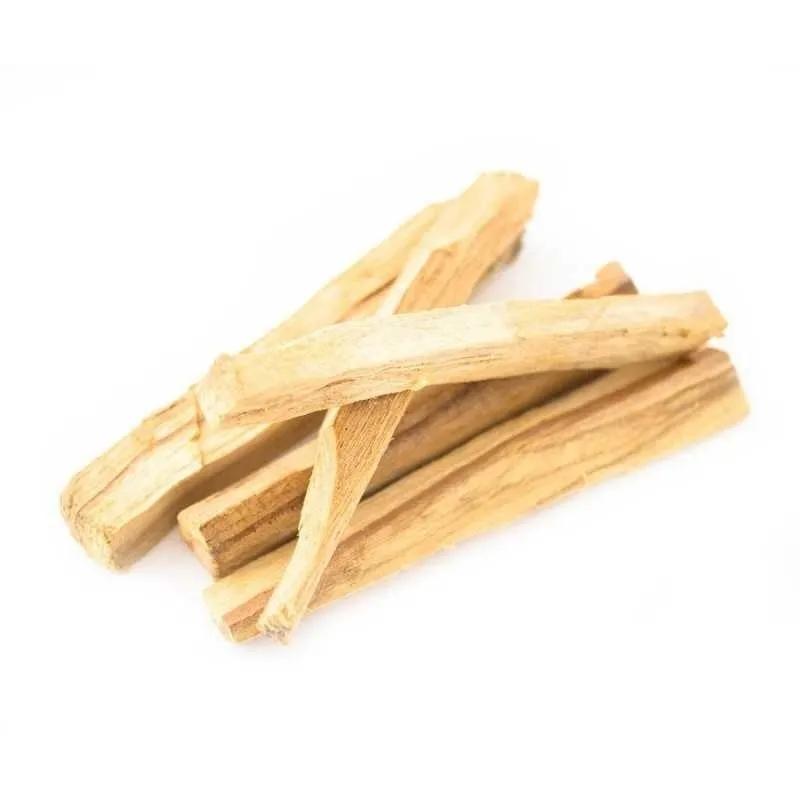
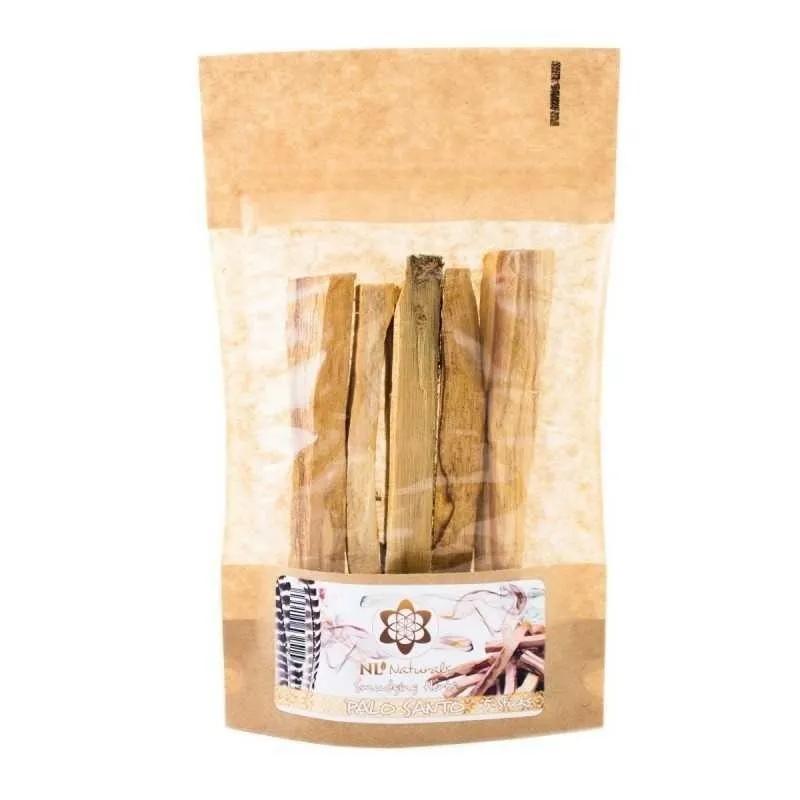
| Palo Santo sticks (raw wood) | Light the tip, blow out, let it smoulder 30–60 seconds | First-time buyers, quick space-clearing, short rituals |
| Pre-rolled smudge sticks (Sagrada Madre) | Burns like a thick incense stick, 20–40 minutes | Longer ceremony, full-house clearing, set-and-forget |
| Copal & frankincense resin | Placed on a lit charcoal disc in a heatproof dish | Deeper ritual work, traditional Mesoamerican practice |
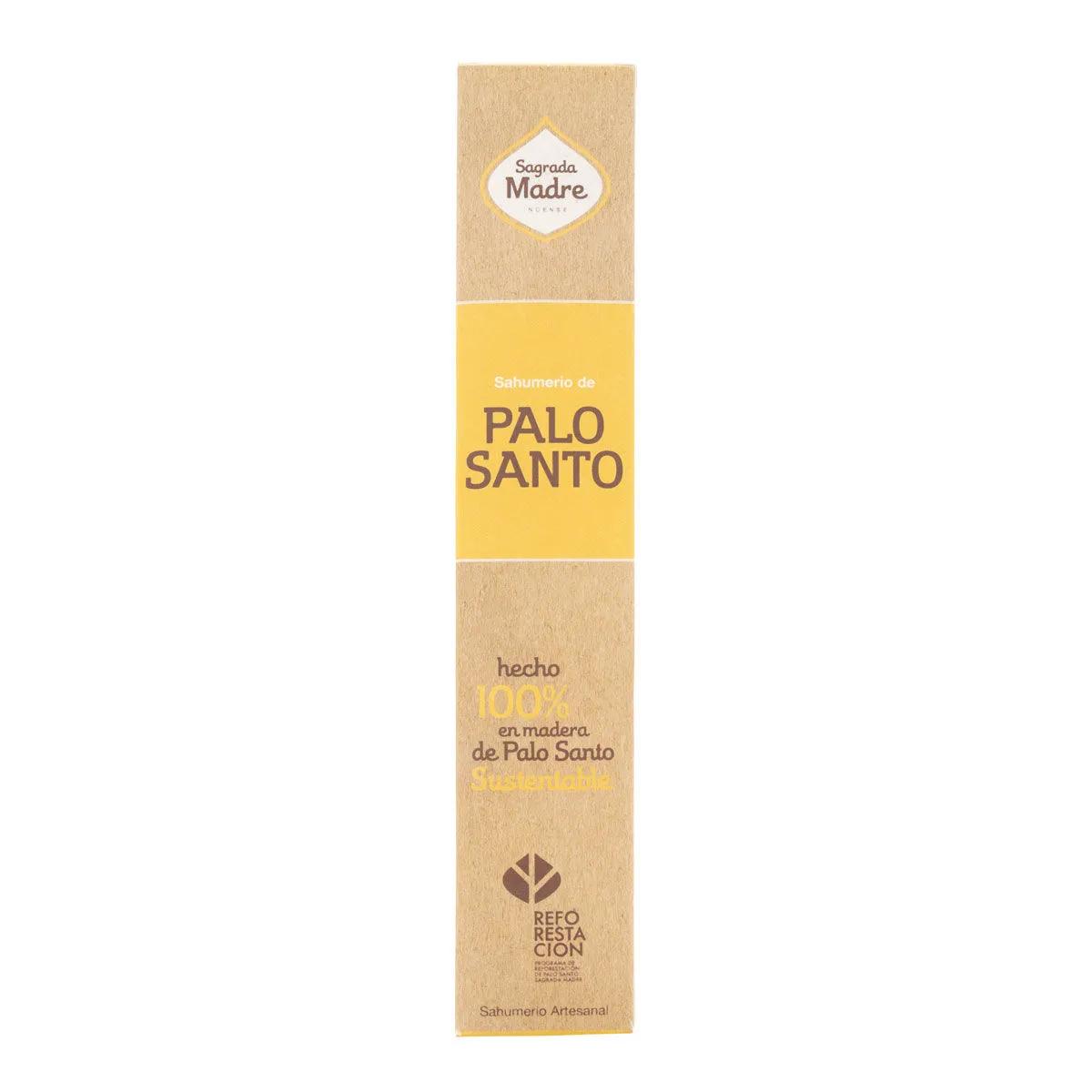
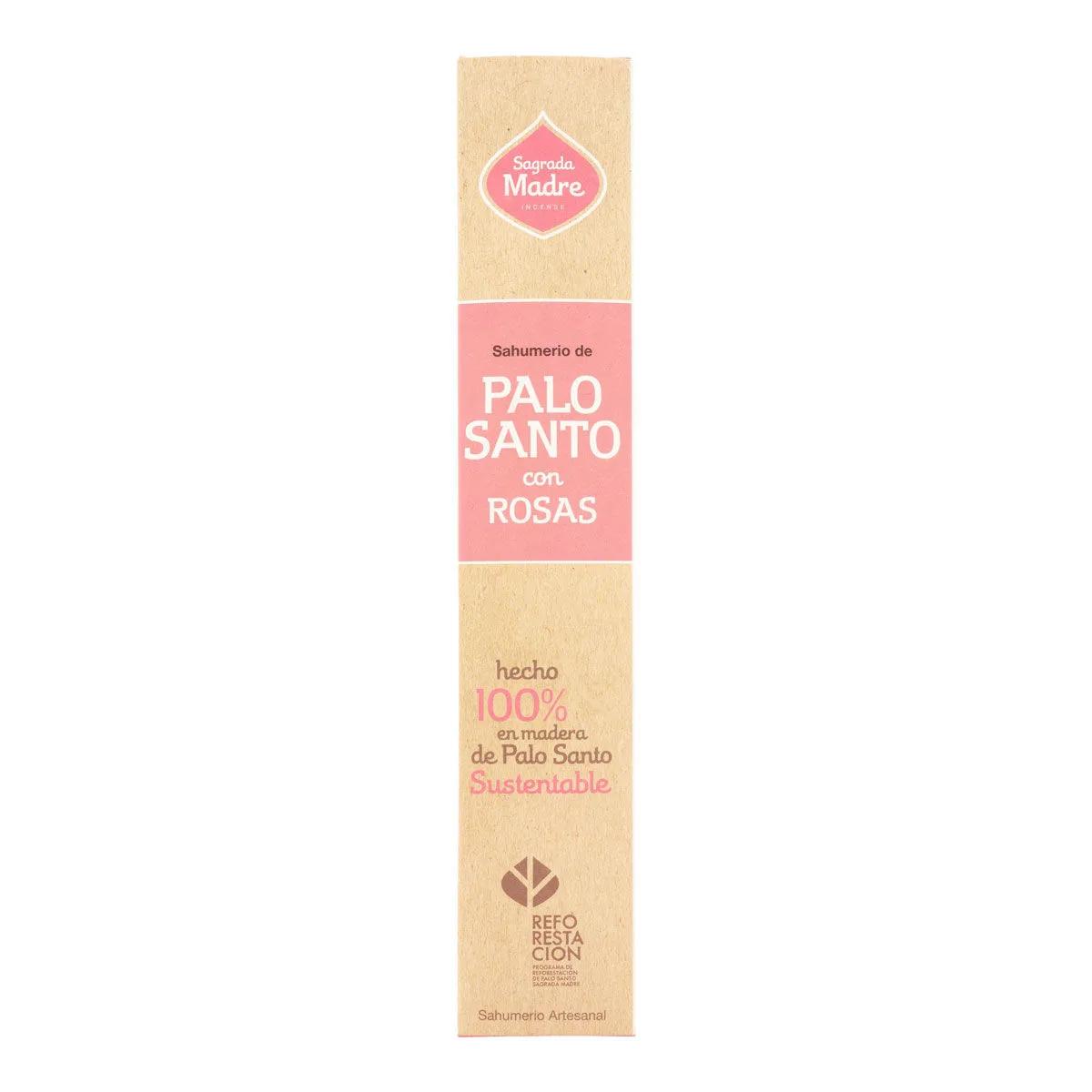
| Palo Santo incense sticks | Light, blow out, burns like standard agarbatti | Daily practice, smaller rooms, less smoke |
What We Carry on the Ritual Shelf
- Palo Santo wood — raw sticks from South America, the sweet-resinous "holy wood" you light for ceremony. Also available as an oil for anointing work.
- Sagrada Madre smudge sticks — pre-rolled blends in Copal, Myrrh & Palo Santo, Herbs & Sacred Woods, and White Yagra (a South American alternative to white sage).
- Palo Santo incense sticks — Sagrada Madre's Pure, Rose, Champa and Sandalwood variants for lighter daily use.
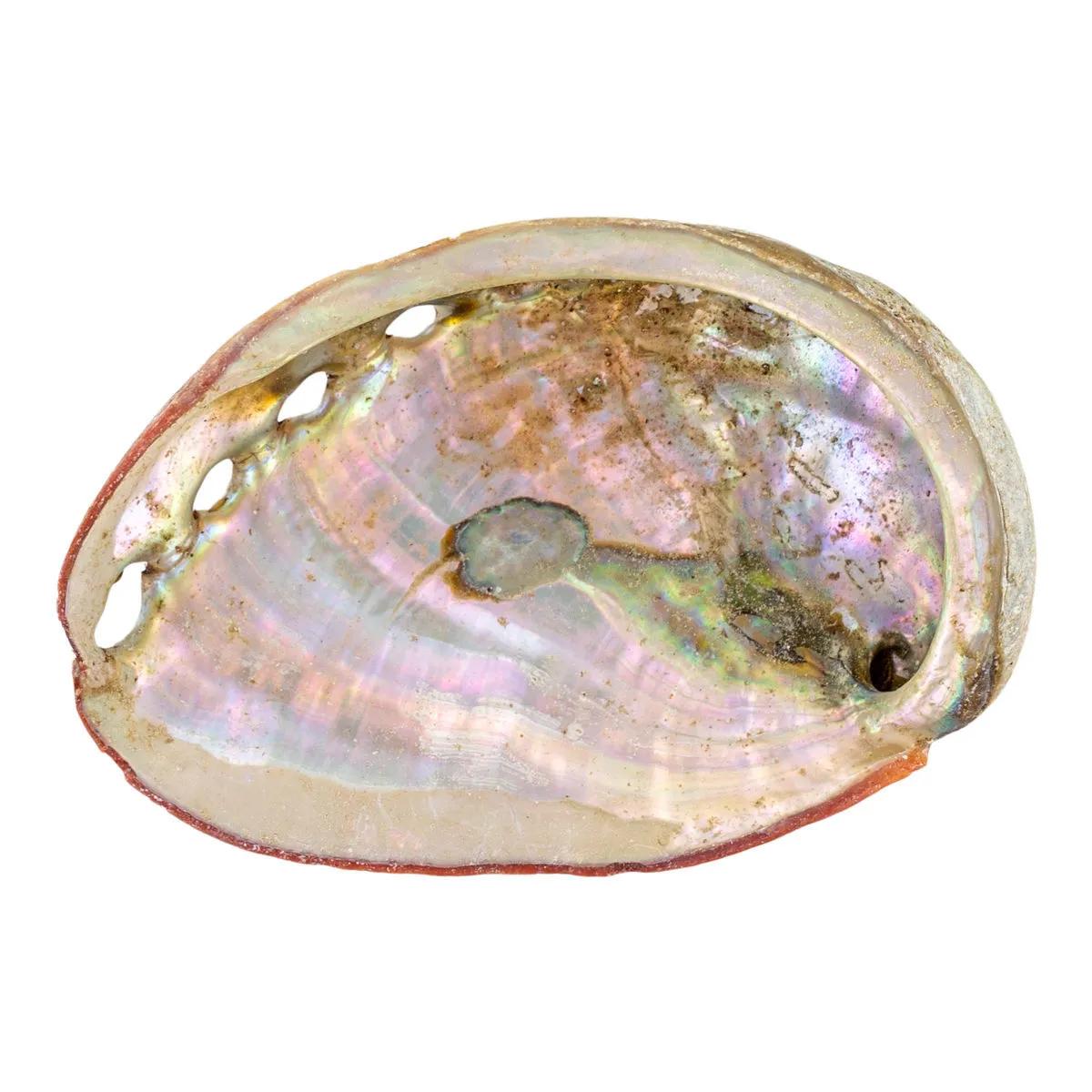
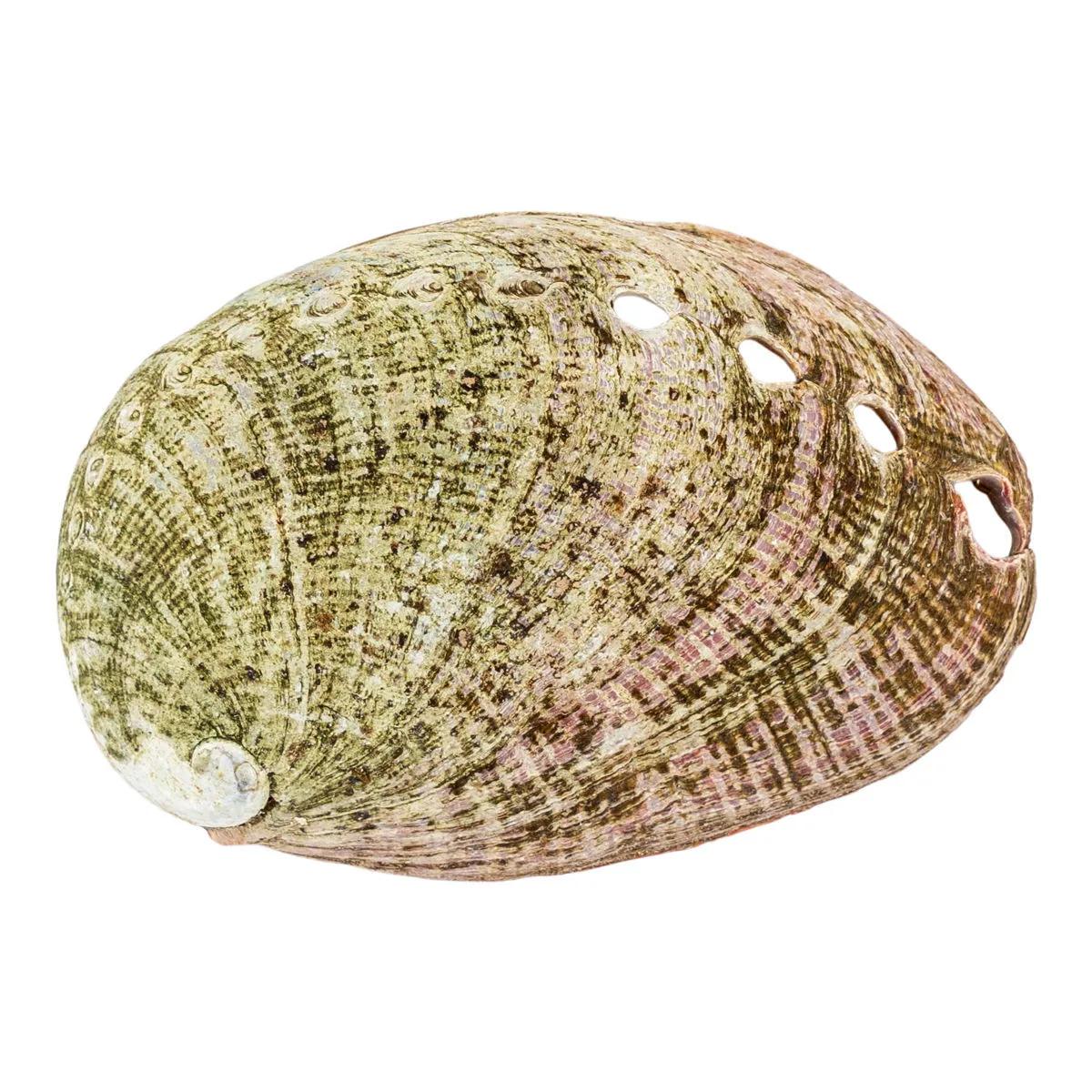
- Abalone shells — iridescent heat-resistant dish to hold smouldering bundles and catch falling ash. Sourced as a byproduct of organic farming in Chile.
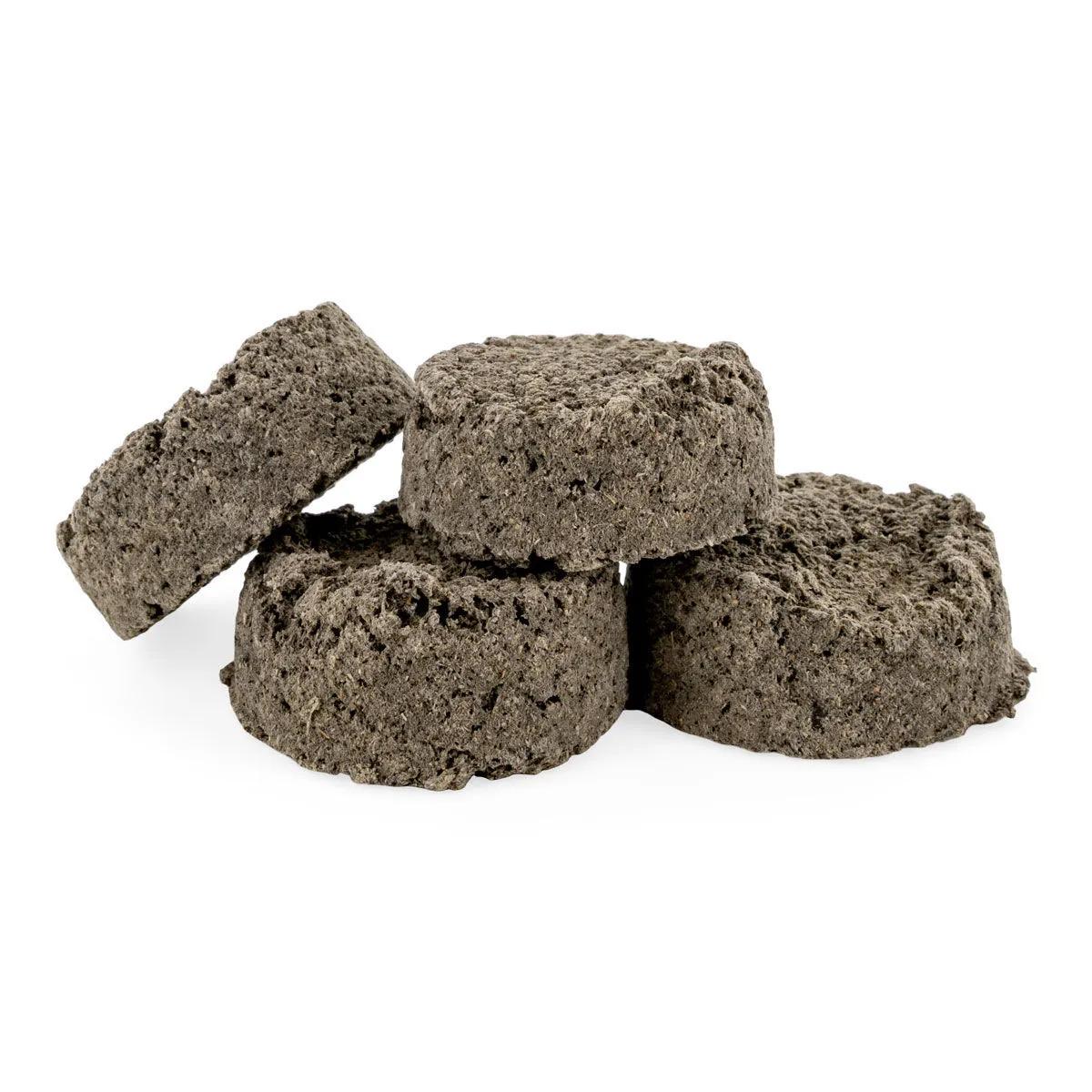
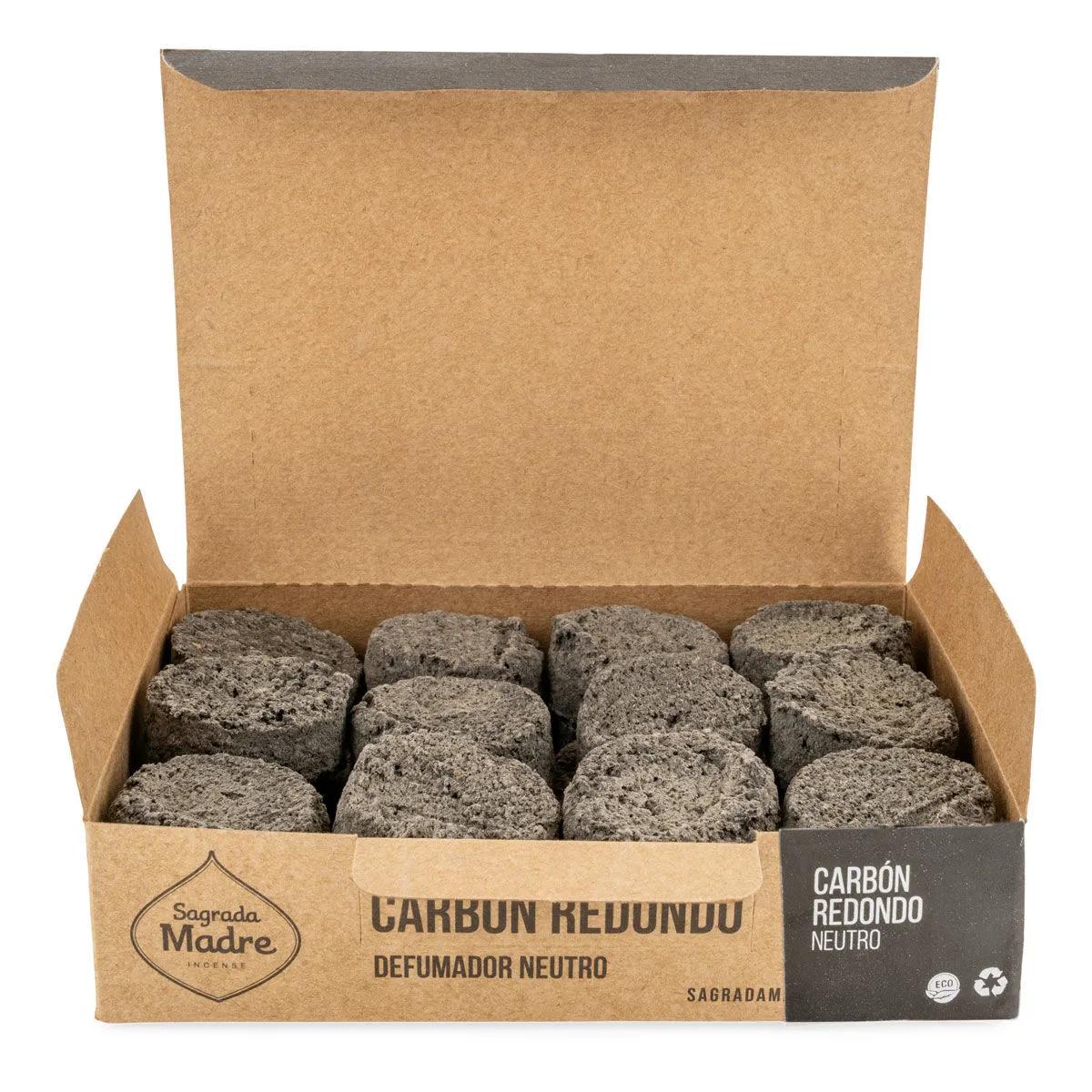
- Charcoal discs — Sagrada Madre's purifying discs for burning loose copal, frankincense and herb blends. No scent on their own.
How to Smudge — The Basic Protocol
Smudging only works if the smoke has somewhere to go. Open a window before you light anything — you're moving stagnant energy out, and stagnant air with it.
- Set intention. One sentence, spoken or thought. "I'm clearing this room." Without it, you're just burning wood.
- Light and let it smoulder. Hold the flame to the tip for 20–30 seconds, then blow it out. You want embers and smoke, not a bonfire.
- Hold your abalone shell underneath to catch ash and embers — this is the bit people forget, and it's how carpets get holes.
- Move through the space. Clockwise is the common direction in many Western-adopted practices; some Indigenous traditions move counter-clockwise. Pick one and be consistent. Corners, doorways and mirrors first — that's where stuff settles.
- Extinguish safely. Press the smouldering end firmly into sand, ash, or the dry inside of your abalone shell until no smoke rises. Never run it under water — you'll ruin the bundle and it won't relight cleanly. Check it again five minutes later. Bundles can reignite.
Smudging vs Aromatherapy — Not the Same Thing
Aromatherapy sticks are designed to scent a space for pleasure; the smoke is incidental. Ritual incense is the opposite — the smoke carries the work, and the scent is a side effect. That's why a palo santo stick is short, thick, and smoulders briefly, while a nag champa stick is thin and burns for 45 minutes of ambient fragrance. If you want your bedroom to smell nice, get incense sticks. If you want to clear a space after an argument, a house move, or a rough week, get a smudge bundle.
Sourcing — The Honest Bit
Palo Santo (Bursera graveolens) and white sage (Salvia apiana) both have sourcing issues worth knowing about. Palo Santo is not endangered as a species, but ethical suppliers only harvest from naturally fallen wood that's aged 4–10 years on the forest floor — that's when the resins develop. Our Sagrada Madre stock comes from reforestation-linked suppliers in Argentina and Peru. White sage is wild-harvested heavily in California and there are real concerns about over-harvesting from non-cultivated land; this is why we also stock White Yagra, a South American sage alternative from cultivated sources, and copal — which has never had a supply problem.
If you're new to ritual incense, start with a Palo Santo stick and an abalone shell. That's the whole starter kit. Once you know how often you actually smudge, move up to pre-rolled bundles for longer ceremony or copal resin on charcoal if you want to go deeper into traditional practice.
Frequently Asked Questions
What's the difference between smudging and burning regular incense?
Smudging uses the smoke of dried herbs and woods — sage, palo santo, cedar, copal — to cleanse a space with intention. Regular incense is made for scent. Same action, different purpose: ritual versus ambience.
Do I need to open a window when I smudge?
Yes. The traditional protocol is open windows first, then light the bundle. The smoke needs somewhere to carry the stagnant energy — if the room is sealed, you're just filling it with smoke. One cracked window is enough.
Is Palo Santo endangered?
The species itself isn't endangered, but sourcing matters. Ethical suppliers only use naturally fallen wood aged 4–10 years — the resins don't develop in fresh-cut timber. Our Sagrada Madre stock comes from reforestation-linked sources in Argentina and Peru.
How do I extinguish a smudge stick safely?
Press the smouldering tip firmly into sand, dry ash, or the inside of an abalone shell until smoke stops. Don't use water — it ruins the bundle. Check it again after five minutes; bundles can reignite from a hidden ember.
Can I use copal or frankincense resin without charcoal?
No. Resins aren't self-combusting — they need a heat source. You light a charcoal disc in a heatproof dish, wait 30 seconds for it to fully ignite, then place small resin pieces on top. The Sagrada Madre purifying discs are made for exactly this.
Clockwise or counter-clockwise when smudging a room?
Depends on tradition. Many Western-adopted practices move clockwise to invite in; some Indigenous traditions move counter-clockwise to banish. Pick the direction that matches your intention and stay consistent through the whole space.