
Aromatherapy
Aromatherapy incense for wellness is a slow-release scent ritual — sticks, cones, and resins chosen specifically for how they shift your mood across the day. Think lavender for winding down, rosemary for study sessions, frankincense for quiet contemplation. At Azarius we've been curating wellness-focused incense since 1999, and this shelf is where we point people who want mood over mysticism.
Aromatherapy incense for wellness is a slow-release scent ritual — sticks, cones, and resins chosen specifically for how they shift your mood across the day. Think lavender for winding down, rosemary for study sessions, frankincense for quiet contemplation. At Azarius we've been curating wellness-focused incense since 1999, and this shelf is where we point people who want mood over mysticism.
Aromatherapy Incense for Wellness — A Buying Guide
Wellness aromatherapy incense is the sub-shelf where scent meets routine. Unlike decorative or ceremonial incense, these are clean-burning sticks, cones, and resin blends chosen for what the aroma does to your nervous system — calming you down, sharpening focus, or lifting a flat afternoon. The format is forgiving: light one stick, put it in a safe holder, get on with your evening. No diffuser to clean, no essential oil to measure.
Compared to essential oil diffusion, incense releases scent more slowly and fills a room ambiently rather than misting it. That means a softer, warmer scent profile — but also smoke, which not everyone loves. If you're asthmatic or living with someone sensitive, a diffuser is the better shop. For everyone else, wellness incense is cheaper per session and genuinely ritualistic in a way plugging in a gadget never quite manages.
Matching Scents to Your Daily Routine
The whole point of wellness aromatherapy is pairing the right scent to the right moment. Here's the shop-floor cheat sheet we give people who walk in asking "which one should I get":
| Scent | Best for | When to burn |
|---|---|---|
| Lavender | Evening wind-down, pre-sleep | After dinner, before bed |
| Frankincense | Focused contemplation, meditation | Morning quiet time |
| Sandalwood | Grounding, calm concentration | Any time, especially overcast afternoons |
| Rosemary | Memory, study, work focus | Morning, during study sessions |
| Bay leaf & camphor | Mental reset, clearing a stuffy room | When you need to shake off a funk |
| Citrus blends | Morning energising | First thing, with coffee |
A 2008 study in the Journal of Alternative and Complementary Medicine found lavender aroma shortened sleep onset and improved sleep quality in participants with mild insomnia — one of the more robust bits of research in this area. Rosemary has its own small-but-interesting body of work around memory performance (Moss & Oliver, 2012, observed improved cognitive performance scores after rosemary aroma exposure). These aren't miracle cures, but they're reasons the traditions stuck.
Sticks, Cones, or Powder — How to Choose
Three formats show up on the wellness shelf, and they behave differently.
- Sticks — the workhorse. Burn 20–45 minutes, easy to stop early (just snuff the tip). Best for daily rituals where you want a predictable scent dose.
- Cones — shorter burn, more intense scent release, more smoke per minute. Good for quickly scenting a room before guests or before meditation. Less forgiving if you overdo it.
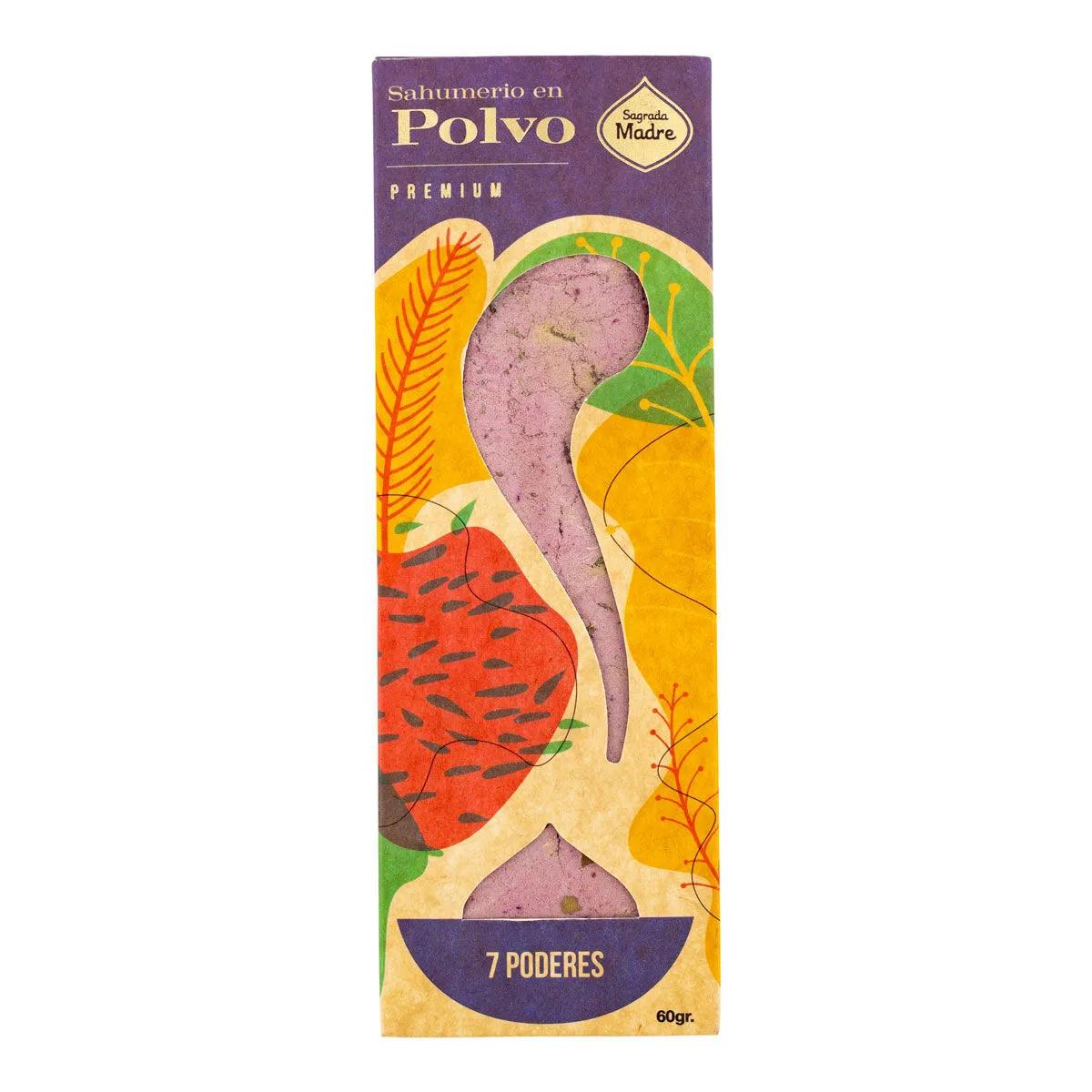
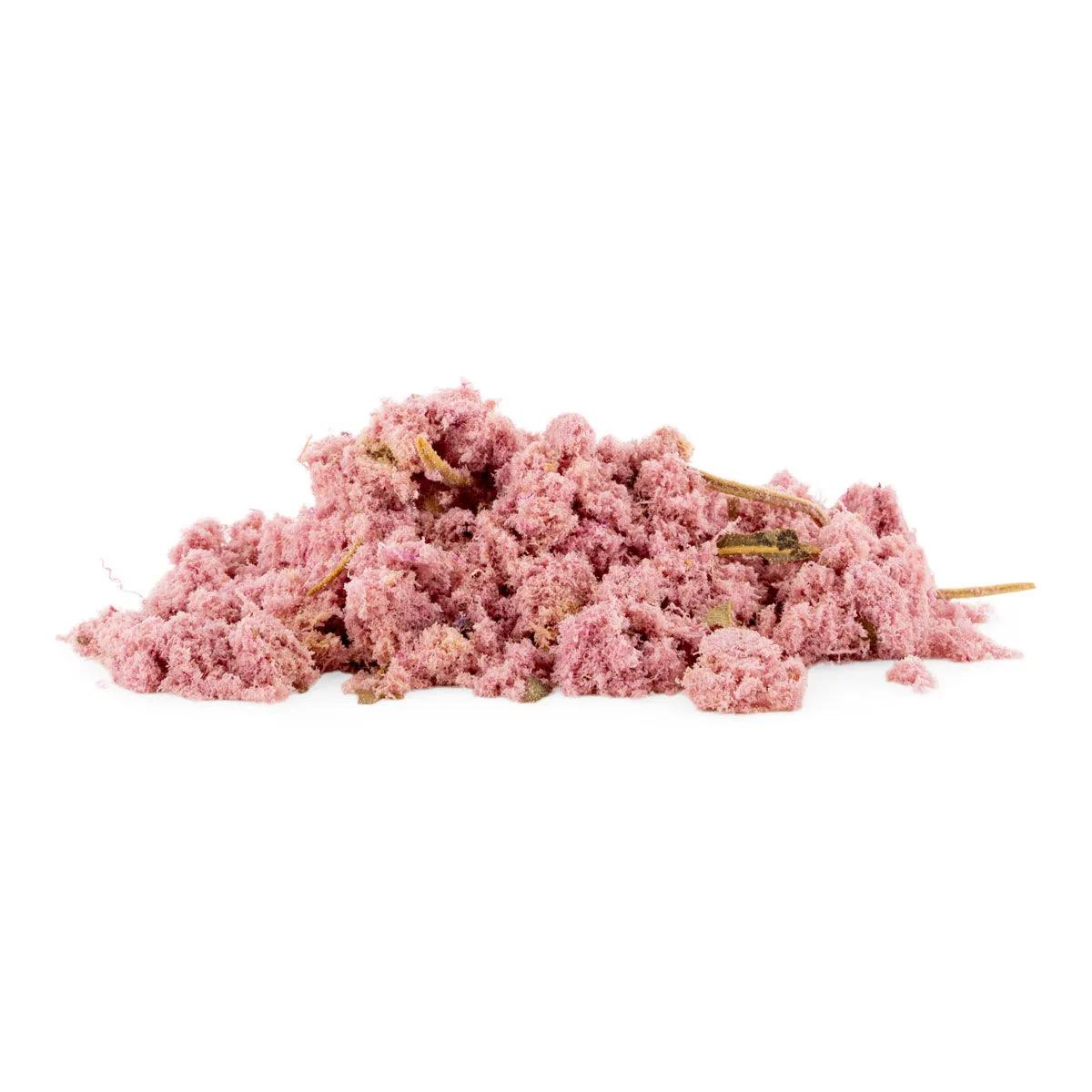
- Powders and resins — loose incense you burn on charcoal. Most traditional, most varied scent, steepest learning curve. The Sagrada Madre Incense Powder we stock (in 7 Forces and Camphor & Bay Leaf blends) falls here — a natural spice mix aimed at focus and relaxation, no synthetic fragrance.
If you're buying your first wellness incense, order sticks. They're the most forgiving, the easiest to stop, and you'll quickly learn which scents you actually want to live with.
What We Stock on the Wellness Shelf
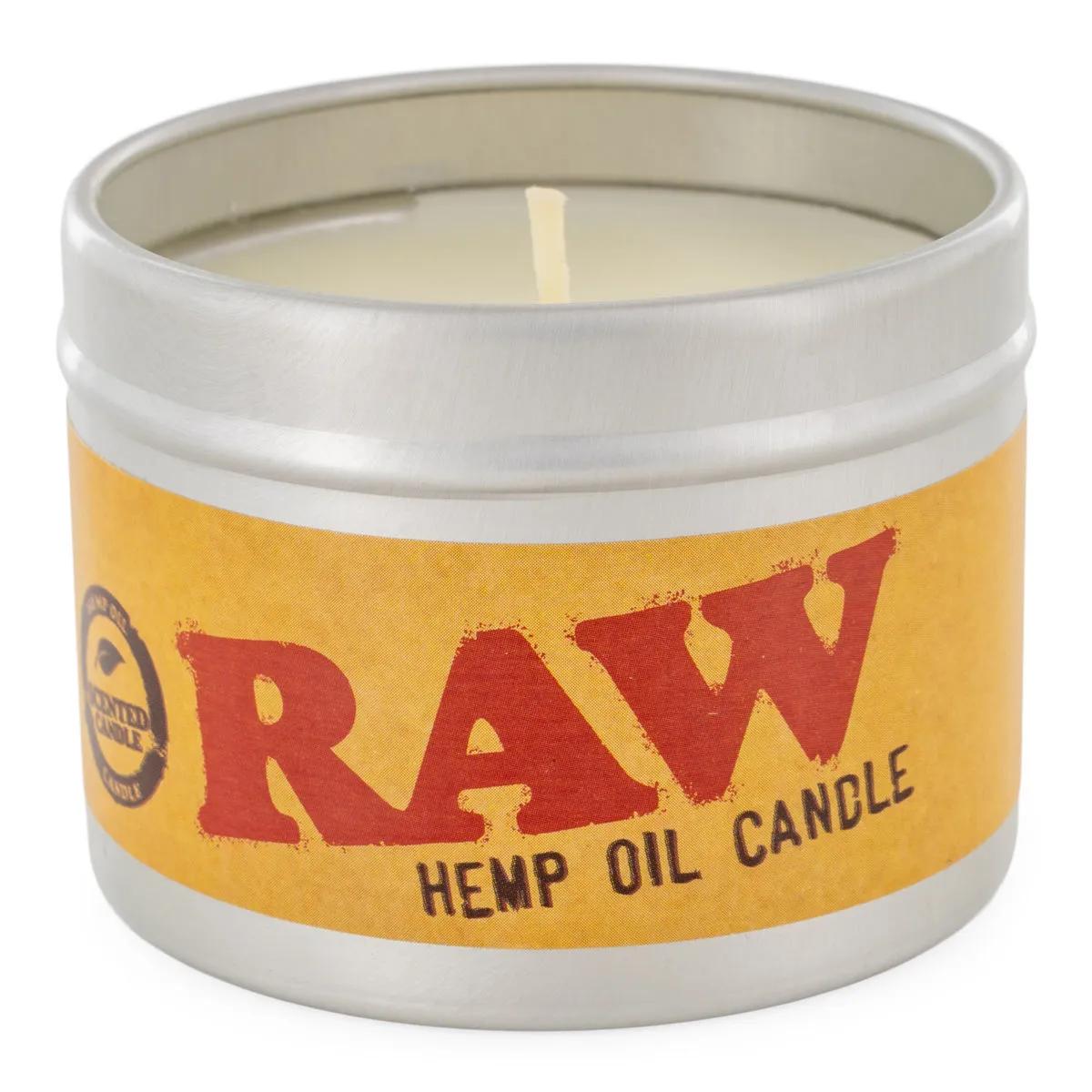
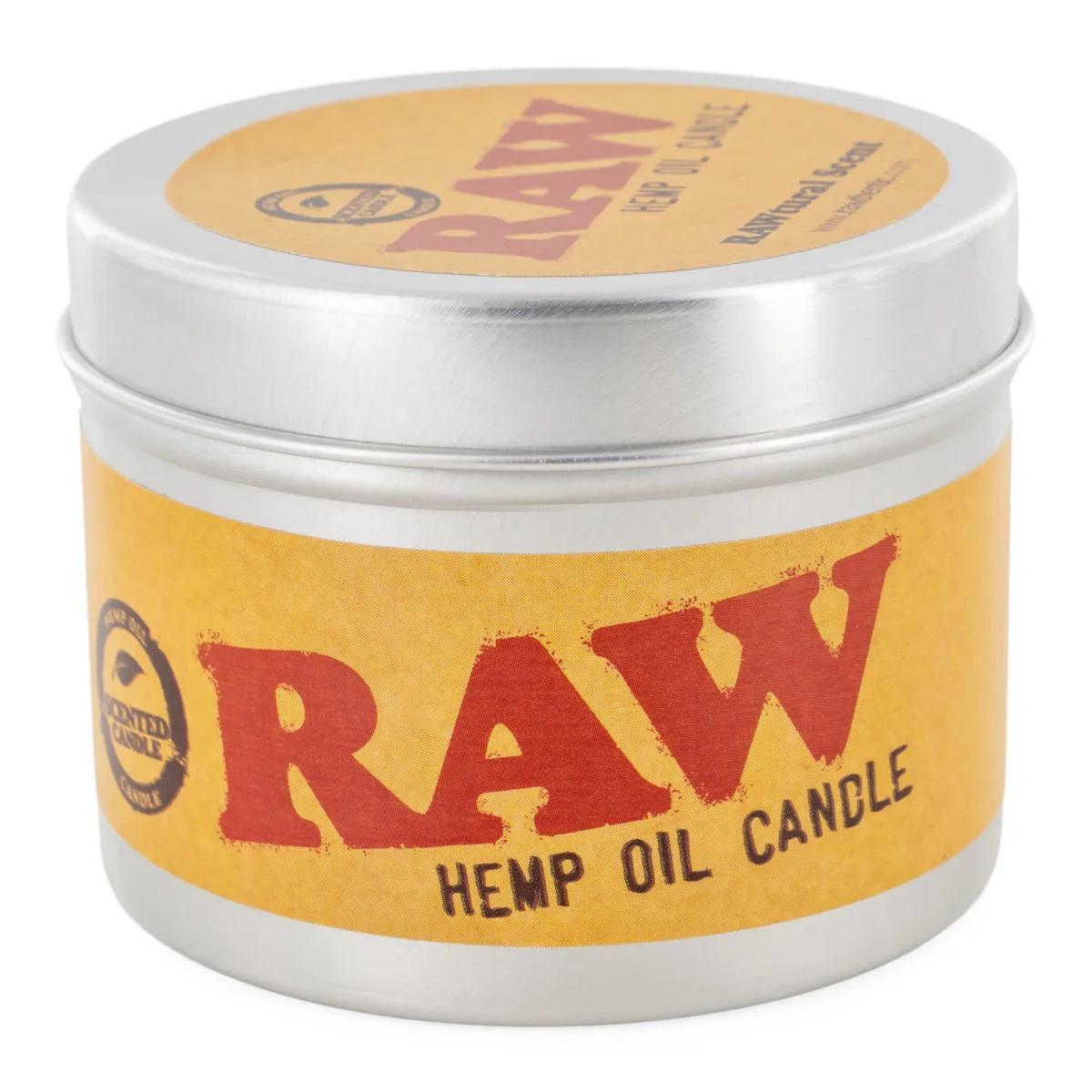
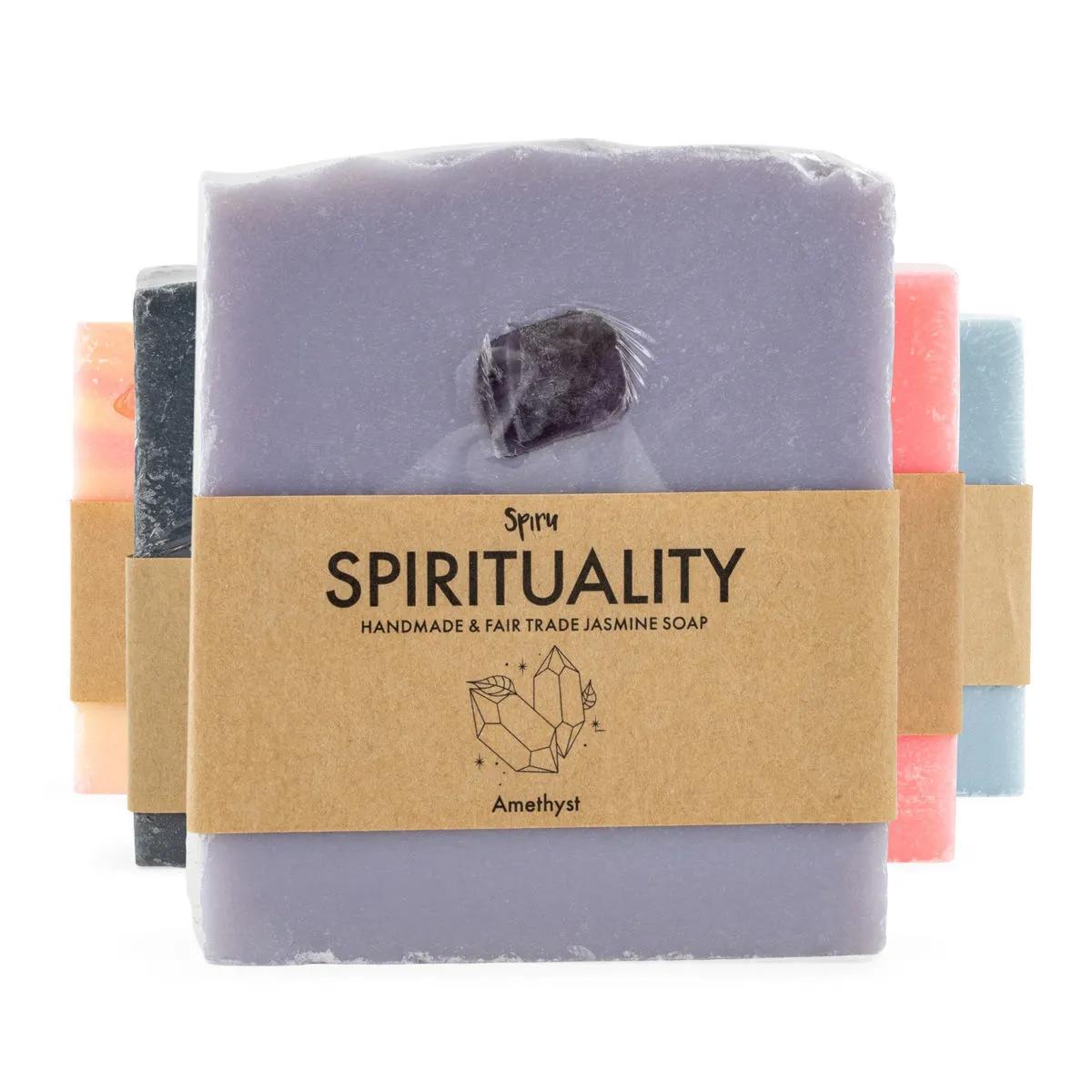
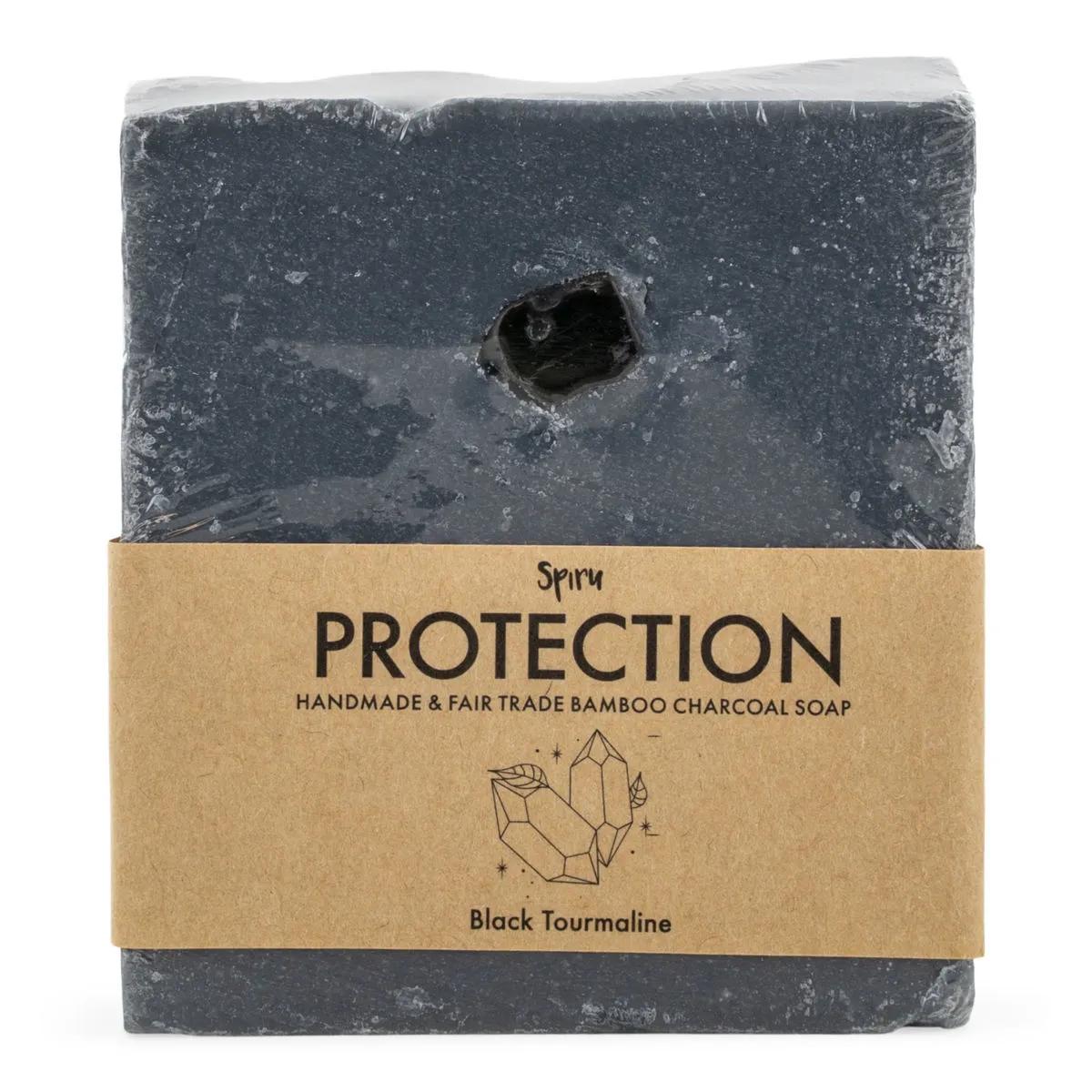
This is a small, curated shelf rather than a warehouse. Alongside the Sagrada Madre incense powder mentioned above, we carry the RAW Terpene Candle — a soy-wax candle with myrcene terpene that sits somewhere between a candle and aromatherapy incense for people who want scent without smoke — and the Spiru Fair Trade Gemstone Soaps for folks building a full sensory wind-down routine (scent plus a hot shower is an underrated combination). Three products, each doing a distinct job.
Incense vs Essential Oil Diffusion — Quick Comparison
| Wellness incense | Essential oil diffuser | |
|---|---|---|
| Scent release | Slow, ambient | Faster, mistier |
| Smoke | Yes | No |
| Cost per session | ~€0.10–0.30 | ~€0.30–1.00 |
| Ritual factor | High — you light it, watch it | Lower — set and forget |
| Sensitivity-friendly | No | Yes |
Frequently Asked Questions
What's the best aromatherapy incense for sleep?
Lavender, full stop. It's the most-researched calming aroma and the one we'd buy first if you're using incense to wind down. Burn a stick 30–60 minutes before bed in a well-ventilated room, then let the residual scent carry you off. Chamomile and sandalwood are solid runners-up.
Is aromatherapy incense better than an essential oil diffuser?
Different tools, different jobs. Incense is cheaper per session, more ritualistic, and releases scent more slowly — but it produces smoke. Diffusers are cleaner and better for sensitive lungs but cost more upfront and lack the lit-a-match-and-breathed-out feeling that makes incense a proper wind-down cue.
Can I burn wellness incense while studying?
Yes — rosemary and sandalwood are the traditional picks for focus. Research from Moss & Oliver (2012) observed improved cognitive test performance after rosemary aroma exposure. Crack a window, burn one stick at the start of a study block, and you'll associate the scent with focus within a week.
How much aromatherapy incense should I burn in one session?
One stick or one cone in a room under 30m². More than that and the scent stops being pleasant and starts being a headache — literally. Wellness incense works on the subtle-ambient principle: you should notice it, not cough from it.
Last updated: April 2026
Medical disclaimer. This content is for informational purposes only and does not constitute medical advice. Consult a qualified healthcare provider before use of any substance.