
This article discusses psychoactive substances intended for adults (18+). If you have a health condition or take medication, consult a doctor before use. Our age policy
Mulungu Erythrina Traditional Amazonian Use — Bark, Alkaloids & Research
Definition
Erythrina mulungu is a Brazilian legume tree whose bark has been brewed as a calming decoction in rural folk medicine for generations. Its erythrina alkaloids — particularly erythravine — showed anxiolytic-like activity in rodent models (Flausino et al., 2007), though no human clinical trials have been published as of 2026.
The Calming Tree of Brazilian Folk Medicine
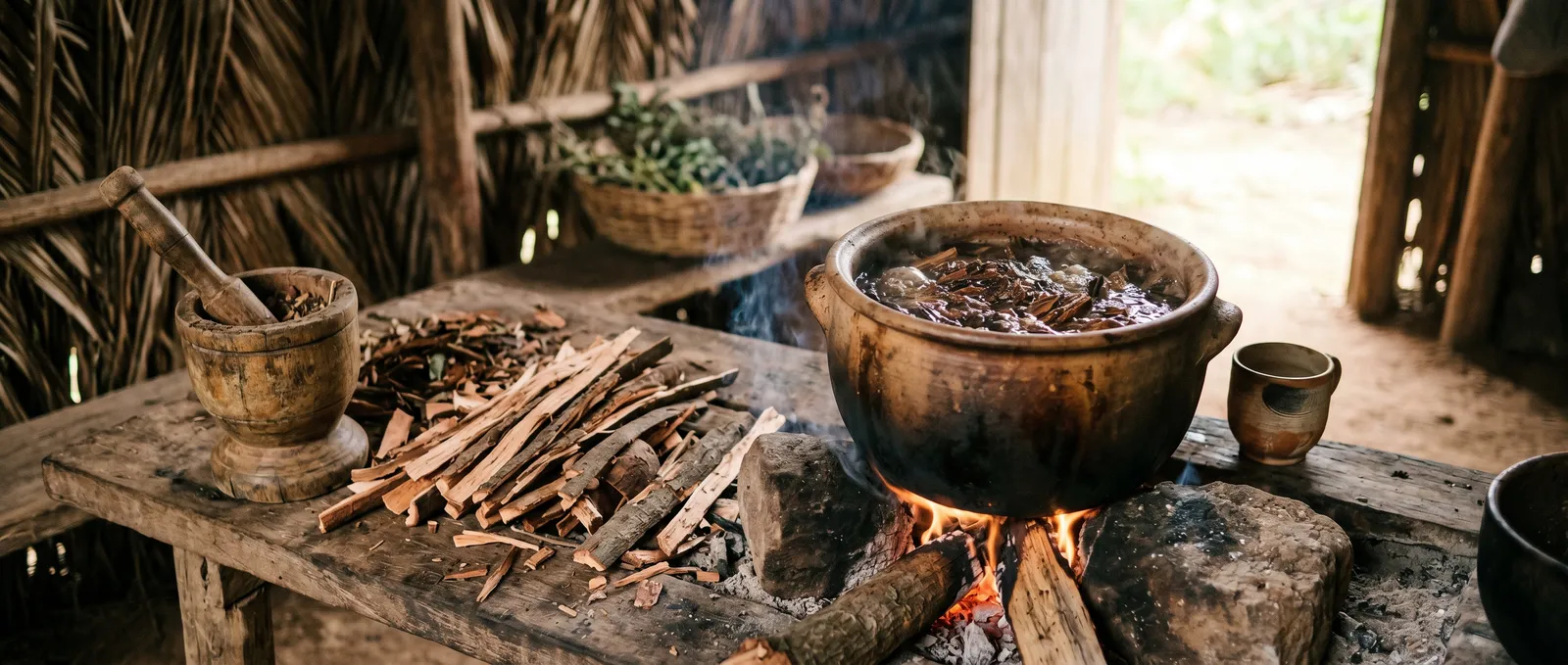
Mulungu erythrina traditional Amazonian use refers to the centuries-old practice of brewing bark from Erythrina mulungu Mart. ex Benth. as a calming decoction — a tradition rooted primarily in Brazilian folk medicine but extending into broader South American herbal practice. E. mulungu is a deciduous tree in the Fabaceae (legume) family, native to the Atlantic Forest and cerrado biomes of Brazil. It grows up to 10–14 metres tall, producing vivid coral-red flowers that bloom between August and November — well before the leaves appear, making it one of the more dramatic sights in the Brazilian dry season. The bark, and to a lesser extent the flowers and leaves, have a long record of use in Brazilian and broader Amazonian folk medicine as a calming preparation, typically brewed as a decoction or taken as a tincture. The genus Erythrina contains roughly 130 species distributed across tropical regions worldwide, but E. mulungu and the closely related E. velutina Willd. are the two species most consistently referenced in South American ethnobotanical literature (Rodrigues & Bhatt, 2023).
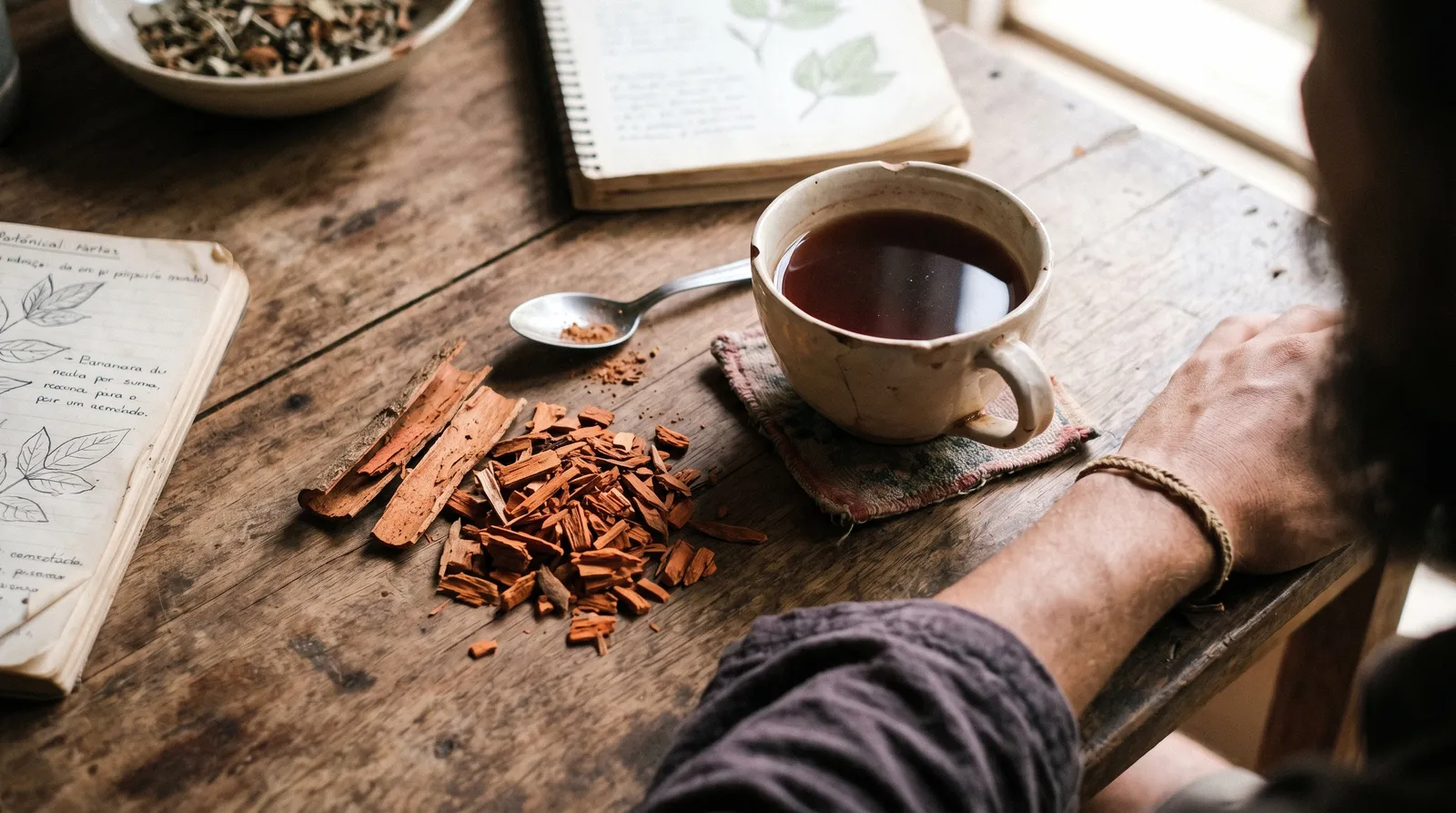
If you have come across mulungu bark in a smartshop or herbal supplier and wondered what it actually is, and whether there is any substance behind the traditional claims, this article covers the ethnobotanical record, the phytochemistry, and the current state of research — with an honest account of where the evidence thins out. Those looking to buy mulungu bark can find it as dried bark strips, powdered bark, or tincture through specialist herbal suppliers.
Who Used Mulungu, and How?
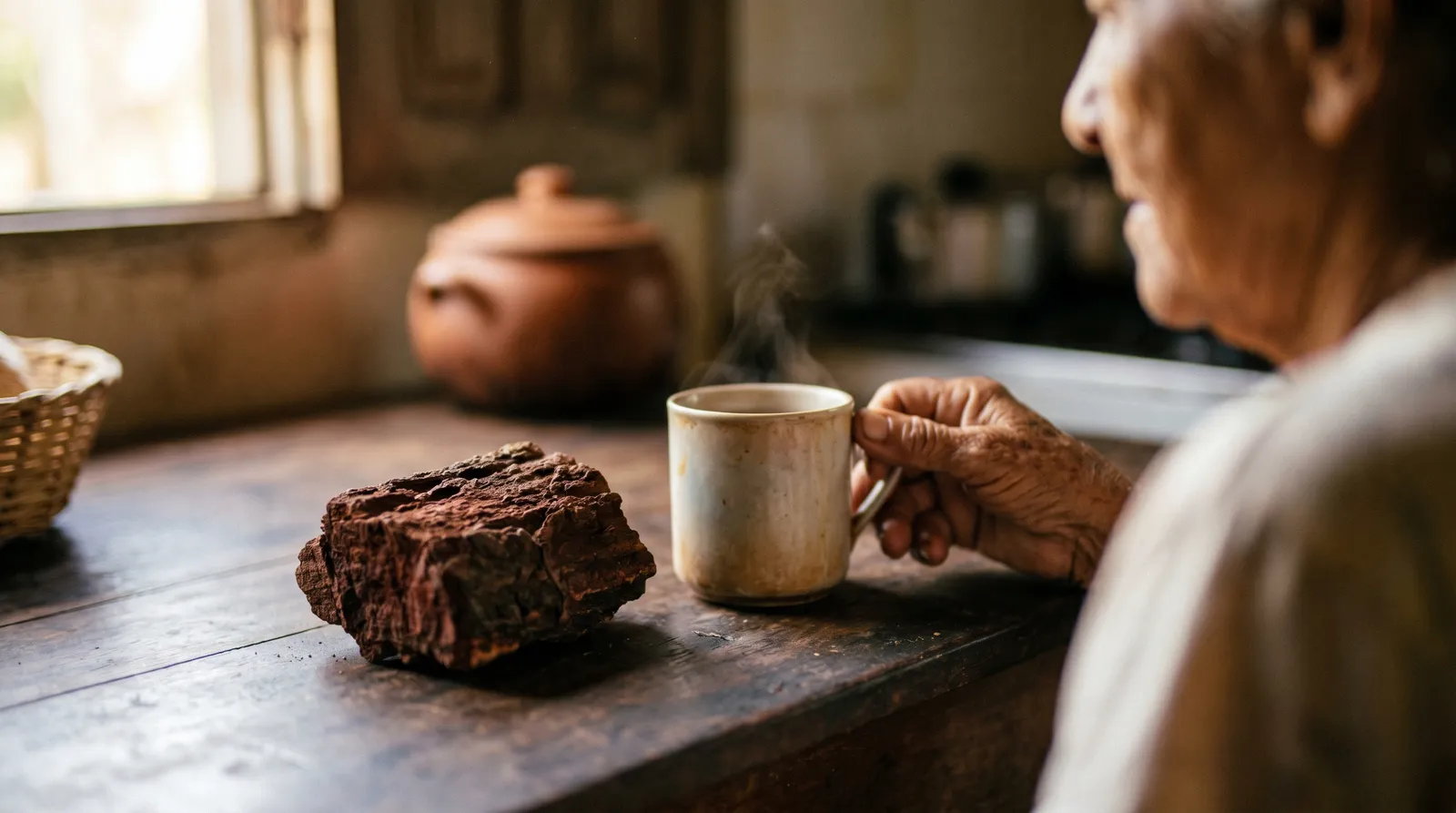
Rural Brazilian communities — not pan-Amazonian indigenous groups — are the primary documented users of mulungu bark as a calming tea. Communities in the states of Bahia, Minas Gerais, São Paulo, and Paraná have used mulungu bark decoctions for generations. The ethnobotanist Leslie Taylor, in her 2005 survey of Amazonian medicinal plants, recorded mulungu as a folk remedy for nervous agitation, sleeplessness, and what rural Brazilians call nervosismo — a culturally specific category that loosely maps onto chronic stress and anxiety but carries its own social meaning (Taylor, 2005). In the northeastern sertão, bark chips were simmered for 15–20 minutes and drunk in the evening.
In Peru, Erythrina species appear in some curandero traditions, though less prominently than in Brazil. The bark has been referenced in contexts related to calming agitation following emotional shock. Practitioners in the United States who work with Brazilian herbal traditions have adopted mulungu as part of a broader South American materia medica, typically using it in tincture form (Rodrigues & Bhatt, 2023).
One thing worth noting: mulungu is not an ayahuasca admixture, not a visionary plant, and not traditionally associated with ceremony or ritual in the way that, say, bobinsana (Calliandra angustifolia) is within certain Amazonian healing traditions. Its role is more domestic — a household calming tea, brewed from bark stripped off a tree that also serves as a shade tree and living fence post in Brazilian agriculture. The wood is soft and light (the genus name Erythrina comes from the Greek erythros, meaning red, referring to the flowers), and the trees are widely planted as ornamentals across tropical South America.
Erythrina Alkaloids: The Chemistry Behind the Tradition
Erythrina alkaloids are a class of tetracyclic isoquinoline compounds that account for most of the pharmacological interest in mulungu bark. Over 100 erythrina-type alkaloids have been isolated from various Erythrina species globally, but the ones most studied in E. mulungu bark are erythravine and (+)-11α-hydroxyerythravine (Flausino et al., 2007). These two compounds attracted attention because of their structural novelty — they are distinct from the benzodiazepine, barbiturate, or GABAergic compound classes typically associated with sedation in Western pharmacology.
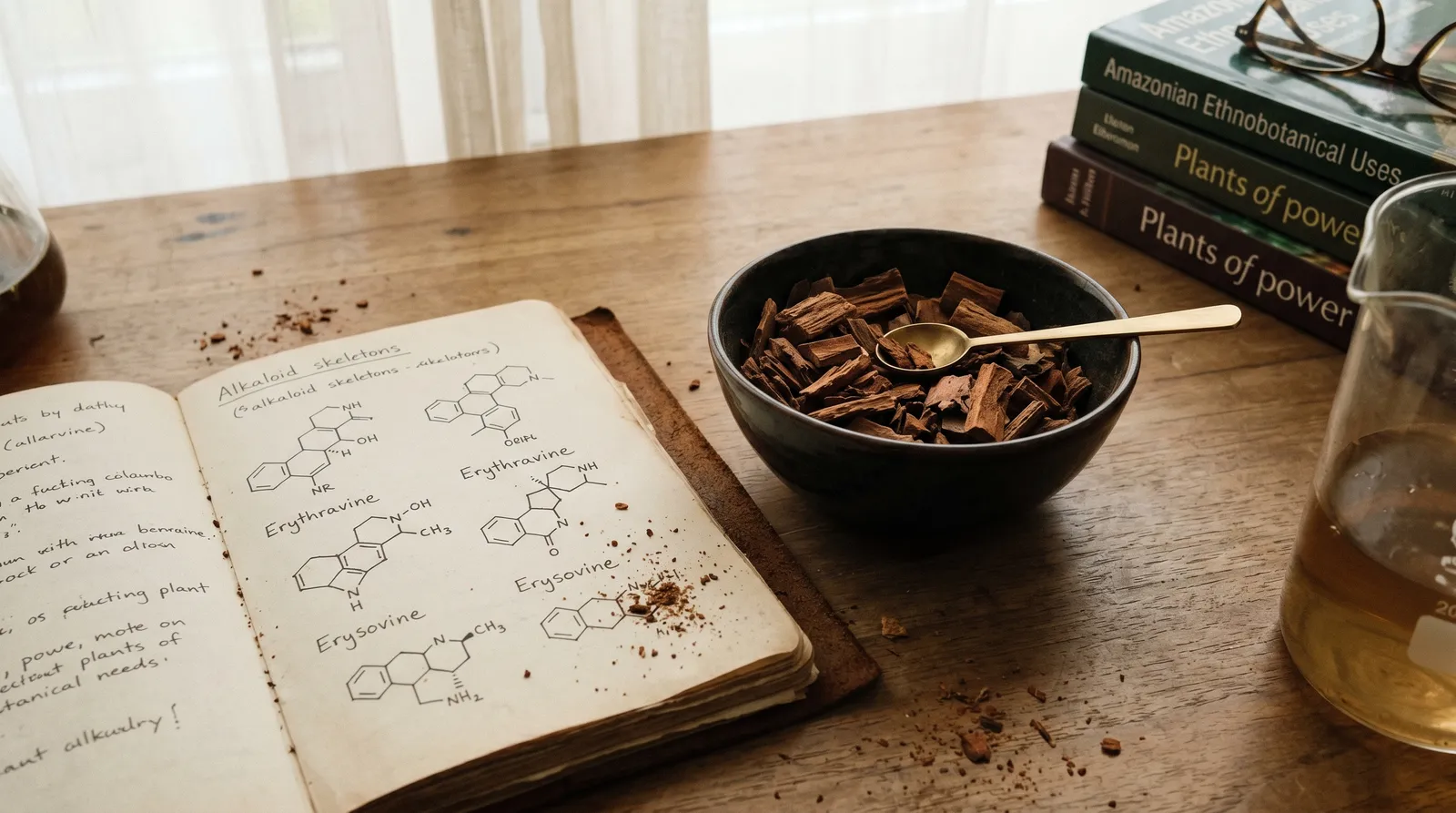
A 2007 study published in the Journal of Natural Products isolated erythravine and (+)-11α-hydroxyerythravine from E. mulungu stem bark and tested them in mouse behavioural models. Both compounds showed activity in the elevated plus-maze test — a standard rodent model for anxiety-like behaviour — at doses of 3–10 mg/kg, without producing the motor impairment typically seen with benzodiazepines (Flausino et al., 2007). That last detail is interesting because it suggests a mechanism that does not simply blanket the central nervous system the way classical sedatives do, though the exact receptor targets remain incompletely mapped.
A subsequent study by Onusic et al. (2003) examined a hydroalcoholic extract of E. mulungu flowers in mice and found dose-dependent effects in the elevated plus-maze, with 400 mg/kg of the crude extract producing measurable changes in open-arm exploration time. The authors noted that the effect profile resembled that of diazepam in some parameters but diverged in others — again hinting at a mechanism that is not a simple GABA-A agonist story, though the data is far too preliminary to draw firm conclusions.
Beyond the anxiolytic-type alkaloids, Erythrina species also contain flavonoids (including prenylated flavanones), and the bark has shown anti-inflammatory activity in preclinical models. Erythraline, another alkaloid present in several Erythrina species, has been noted for anti-inflammatory properties in animal studies, which may partially explain the traditional use for muscular and rheumatic complaints reported in some Brazilian ethnobotanical surveys (Rodrigues & Bhatt, 2023).
What the Research Actually Shows — and Where It Stops
The preclinical evidence is genuinely interesting but has not yet been validated in humans. The animal data on erythravine and related compounds is consistent enough across several independent research groups to be taken seriously as a lead for further investigation — but that is all it is at this stage.
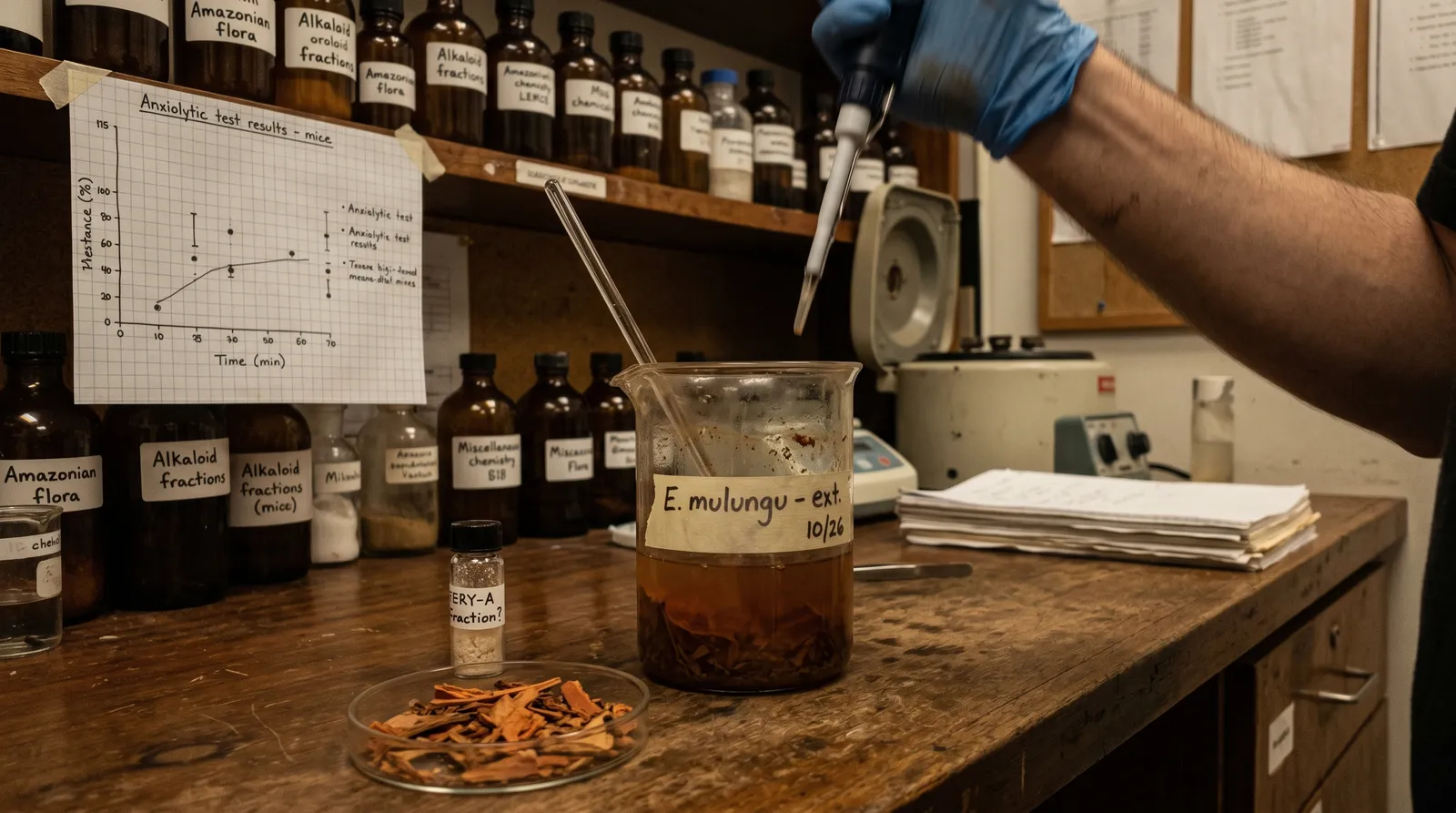
There are no published human clinical trials on E. mulungu as of early 2026. Zero randomised controlled trials, zero pharmacokinetic studies in humans, zero dose-finding studies. The entire evidence base consists of rodent behavioural models, in vitro receptor-binding assays, and ethnobotanical field reports. That does not make the traditional use meaningless — people in rural Brazil have been drinking this bark tea for a long time, and that accumulated empirical observation counts for something. It does mean that anyone extrapolating from mouse elevated-plus-maze data to specific human dosing recommendations is getting well ahead of the science.
A 2011 review in the Journal of Ethnopharmacology by Flausino and colleagues surveyed the pharmacological literature on Erythrina alkaloids and concluded that the genus represents "an underexplored source of bioactive alkaloids with potential anxiolytic activity," while explicitly noting the absence of clinical validation (Flausino et al., 2011). That assessment still holds over a decade later.
How Mulungu Compares to Other Calming Herbs
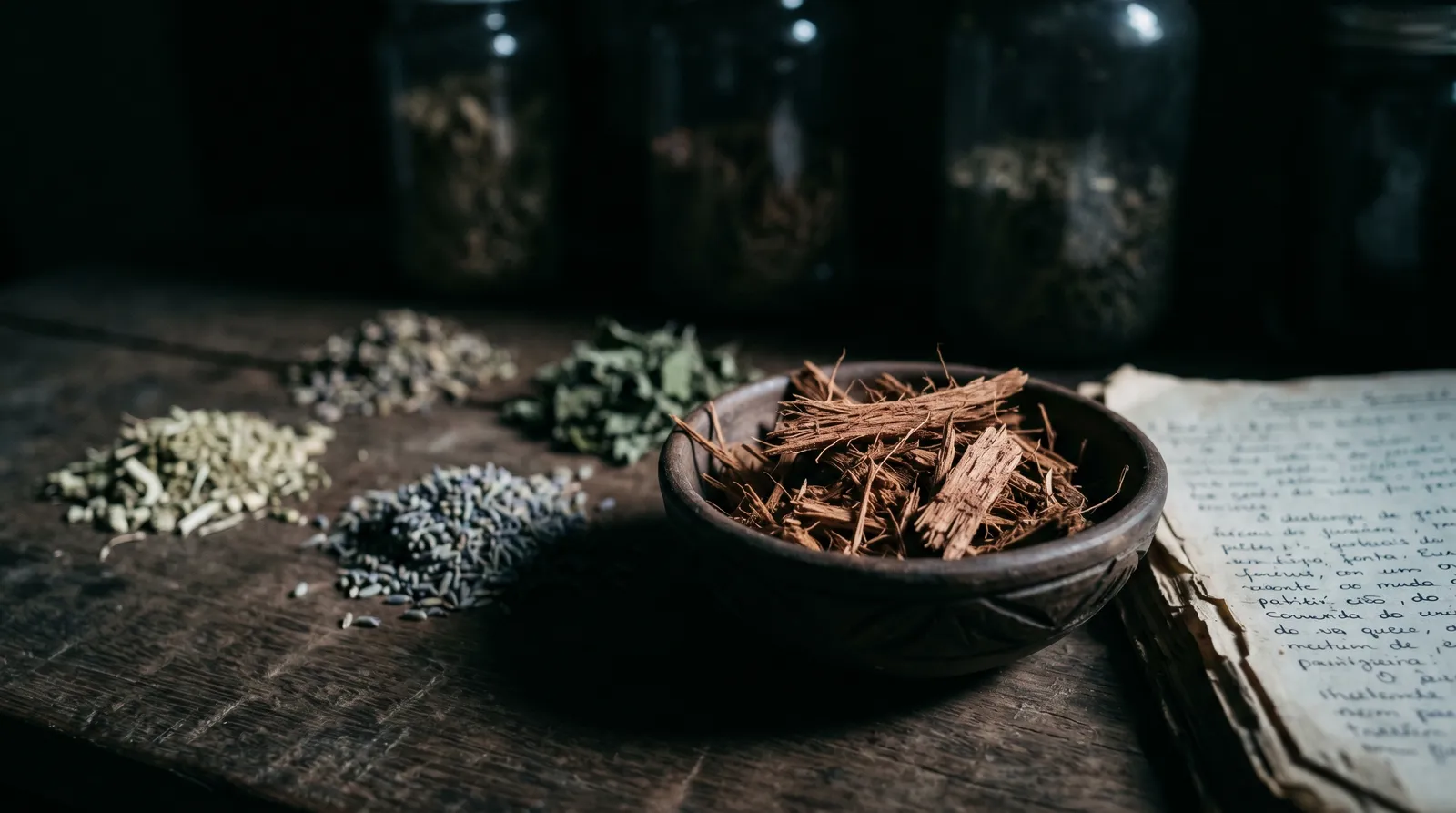
Mulungu occupies a distinct niche among calming botanicals because its active alkaloids are structurally unrelated to the compounds found in more familiar sedative herbs. The following table places mulungu alongside several other herbs commonly sought for relaxation, highlighting where each stands in terms of evidence and mechanism.
| Herb | Primary Active Compounds | Proposed Mechanism | Human Clinical Trials |
|---|---|---|---|
| Mulungu (E. mulungu) | Erythravine, (+)-11α-hydroxyerythravine | Unknown; not classic GABA-A agonism | None as of 2026 |
| Valerian (Valeriana officinalis) | Valerenic acid, isovaleric acid | GABA-A receptor modulation | Multiple (mixed results) |
| Passionflower (Passiflora incarnata) | Chrysin, vitexin, flavonoids | GABA-A receptor modulation | Several small trials |
What stands out is that mulungu is the only entry in this group whose alkaloids do not appear to work primarily through the GABA-A receptor system — at least based on what the animal data suggests so far. That makes it pharmacologically interesting, but it also means we understand less about how it works. By contrast, if you order valerian or passionflower, you are getting herbs with at least some human trial data behind them, even if that data is not always conclusive. Mulungu is, frankly, further behind in the evidence pipeline — but the novelty of its chemistry is precisely what makes it worth watching.
Traditional Preparation Methods
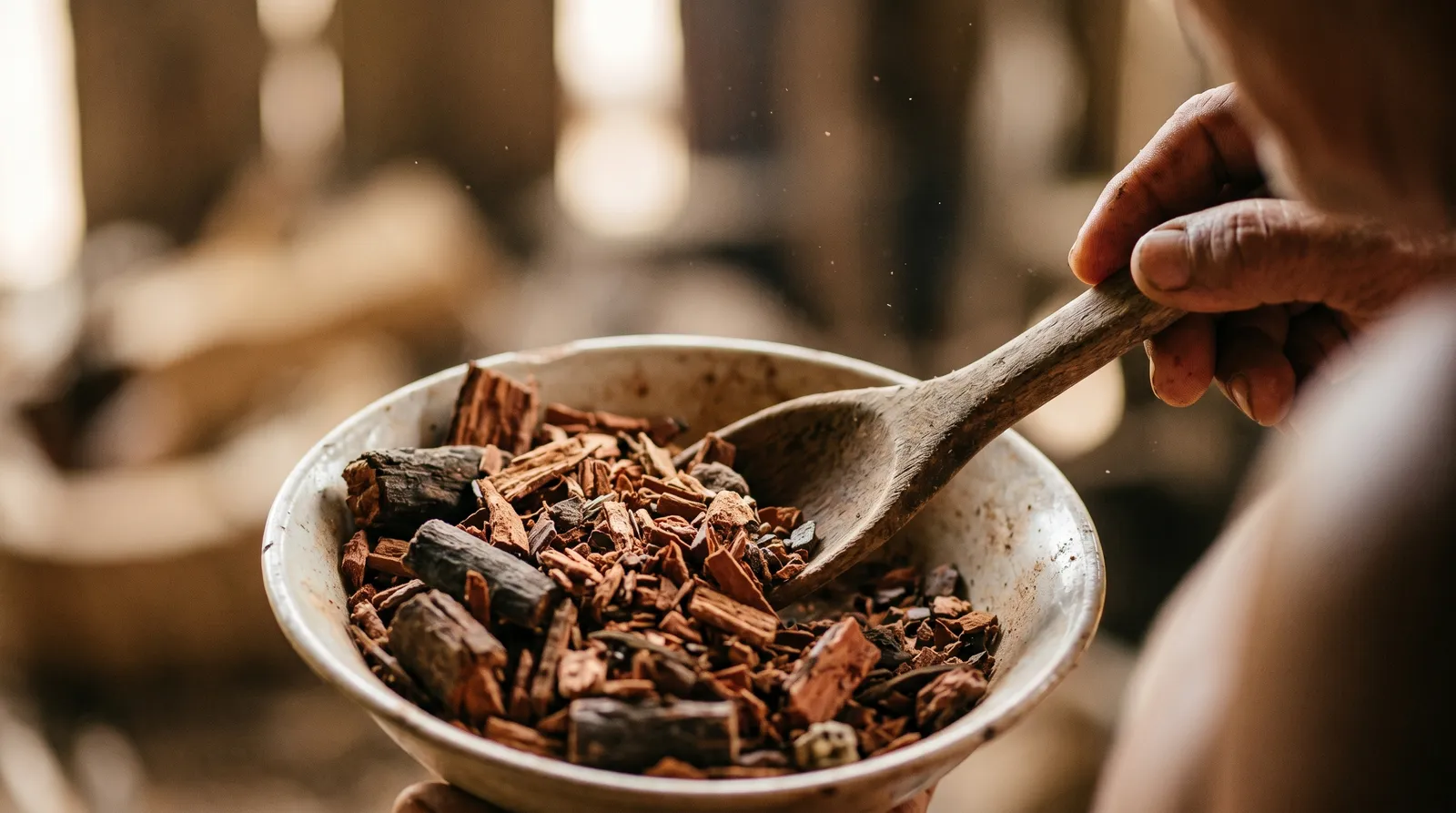
The standard Brazilian folk preparation is a decoction: bark chips or shavings simmered in water for 15–20 minutes, strained, and drunk warm. This differs from a simple infusion (pouring hot water over herb and steeping) because the woody bark requires sustained heat to extract the alkaloid content effectively. Some traditional preparations use the inner bark specifically, which is considered to have a higher concentration of active compounds than the outer bark or heartwood.
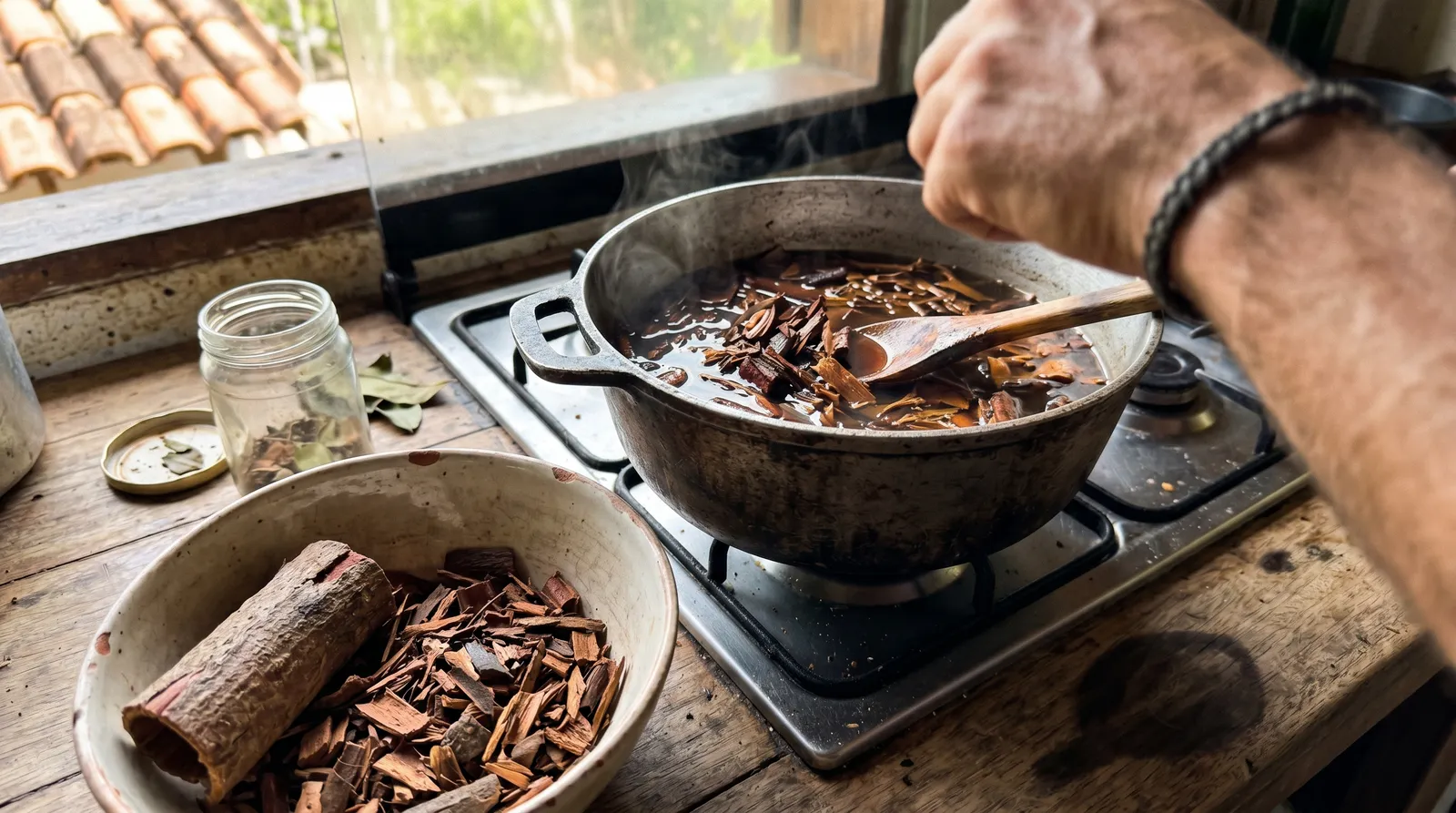
In contemporary herbal-supplement contexts outside Brazil, mulungu also appears as a powdered bark, a hydroalcoholic tincture, or occasionally in capsule form. The tincture format uses alcohol as a solvent, which is reasonably efficient at extracting isoquinoline alkaloids. Ethnobotanical references describe the taste as distinctly bitter — not unpleasant in the way some barks are, but not something most people would drink for flavour alone.
There is no standardised extract with a defined alkaloid percentage on the consumer market, which means that potency varies between batches and suppliers. This is typical for traditional herbs with thin commercial supply chains — without a large enough market to justify analytical standardisation, what you get is whole bark or crude extract, and the alkaloid content depends on the tree, the harvest season, and the part of the bark used.
Safety Considerations
The safety profile of E. mulungu in humans is poorly characterised — this is a genuine limitation, not a formality. Animal toxicity studies have not flagged acute toxicity at the doses tested in behavioural models, but chronic toxicity data is essentially absent from the published literature. Some Erythrina species (particularly E. americana and E. crista-galli) contain alkaloids with curare-like neuromuscular blocking activity at high doses — this is a genus-level concern, not specific to E. mulungu, but it means that very high doses of any Erythrina preparation should be approached with caution (Flausino et al., 2007).
Because the alkaloids may have central nervous system depressant activity, combining mulungu with alcohol, benzodiazepines, or other sedating substances is not advisable without medical supervision. The same applies to anyone taking antihypertensive medication — some ethnobotanical sources reference a traditional use for blood-pressure support, and additive hypotensive effects are plausible though unconfirmed in formal studies.
Pregnant and breastfeeding individuals should avoid mulungu — there is no safety data for these populations, and the alkaloid profile is insufficiently characterised to assume safety.
Disclaimer: This article is provided for informational and educational purposes only. It is not intended as medical advice, diagnosis, or treatment. The statements in this article have not been evaluated by any medical or regulatory authority. Mulungu bark is sold as a botanical specimen and traditional herb. If you have a medical condition, are pregnant or breastfeeding, or are taking medication, consult a qualified healthcare professional before use. Use entirely at your own risk.
Mulungu Erythrina Traditional Amazonian Use: History and Outlook
Mulungu erythrina traditional Amazonian use represents one of the more intriguing intersections of South American ethnobotany and modern pharmacological research. The accumulated folk knowledge from Brazilian rural communities — spanning generations of empirical use — aligns with preclinical findings that erythrina alkaloids have genuine bioactivity in animal models. Whether that translates into a validated human therapeutic remains an open question, and intellectual honesty requires saying so plainly.
For those interested in exploring traditional South American herbs, mulungu bark is available to buy from specialist ethnobotanical suppliers. It sits alongside other traditional calming herbs like passionflower, valerian, and blue lotus in the broader category of botanicals used for relaxation — each with its own evidence profile, its own history, and its own limitations. Approaching any of them with curiosity and reasonable caution is the sensible path.
References
- Flausino, O.A. Jr, et al. (2007). "Anxiolytic effects of erythravine and (+)-11α-hydroxyerythravine from Erythrina mulungu." Journal of Natural Products, 70(1), 48–53.
- Onusic, G.M., et al. (2003). "Effect of acute treatment with a water-alcohol extract of Erythrina mulungu on anxiety-related responses in rats." Brazilian Journal of Medical and Biological Research, 36(11), 1553–1559.
- Flausino, O.A. Jr, et al. (2011). "Erythrina alkaloids: pharmacological review and prospects." Journal of Ethnopharmacology, 137(1), 1–8.
- Taylor, L. (2005). The Healing Power of Rainforest Herbs. Square One Publishers.
- Rodrigues, E. & Bhatt, D.L. (2023). "Ethnopharmacology of Erythrina species: A review of traditional uses, phytochemistry, and biological activities." Journal of Ethnopharmacology, 302, 115899.
Last updated: April 2026
Frequently Asked Questions
8 questionsWhat do mulungu erythrina alkaloids actually do in animal studies?
Is mulungu the same as E. velutina?
Are there any human clinical trials on mulungu?
How is mulungu bark traditionally prepared?
Can mulungu be combined with other sedating herbs or medications?
Where can I buy mulungu bark?
How does mulungu compare to valerian or passionflower?
Does mulungu have any anti-inflammatory properties?
About this article


Adam Parsons is an external cannabis and psychedelics writer and editor who contributes to Azarius's wiki as both author and reviewer. On the writing side, he authors Azarius's kratom and kanna clusters, drawing on exten
This wiki article was drafted with AI assistance and reviewed by Adam Parsons, External contributor. Editorial oversight by Joshua Askew.
Medical disclaimer. This content is for informational purposes only and does not constitute medical advice. Consult a qualified healthcare provider before use of any substance.
Last reviewed April 26, 2026
Related Articles
Blue Lotus vs Kanna: Effects & Safety
Blue lotus vs kanna compared — Nymphaea caerulea's aporphine profile against Sceletium tortuosum's mesembrine chemistry, with interaction warnings.
Lotus Clinical Research Overview
What does lotus clinical research actually show? A critical review of Nymphaea caerulea and Nelumbo nucifera pharmacology, preclinical data, and…
Kanna South Africa To West History
Sceletium tortuosum was used by San and Khoekhoe communities in southern Africa for centuries before European colonists first documented it in the 1660s.
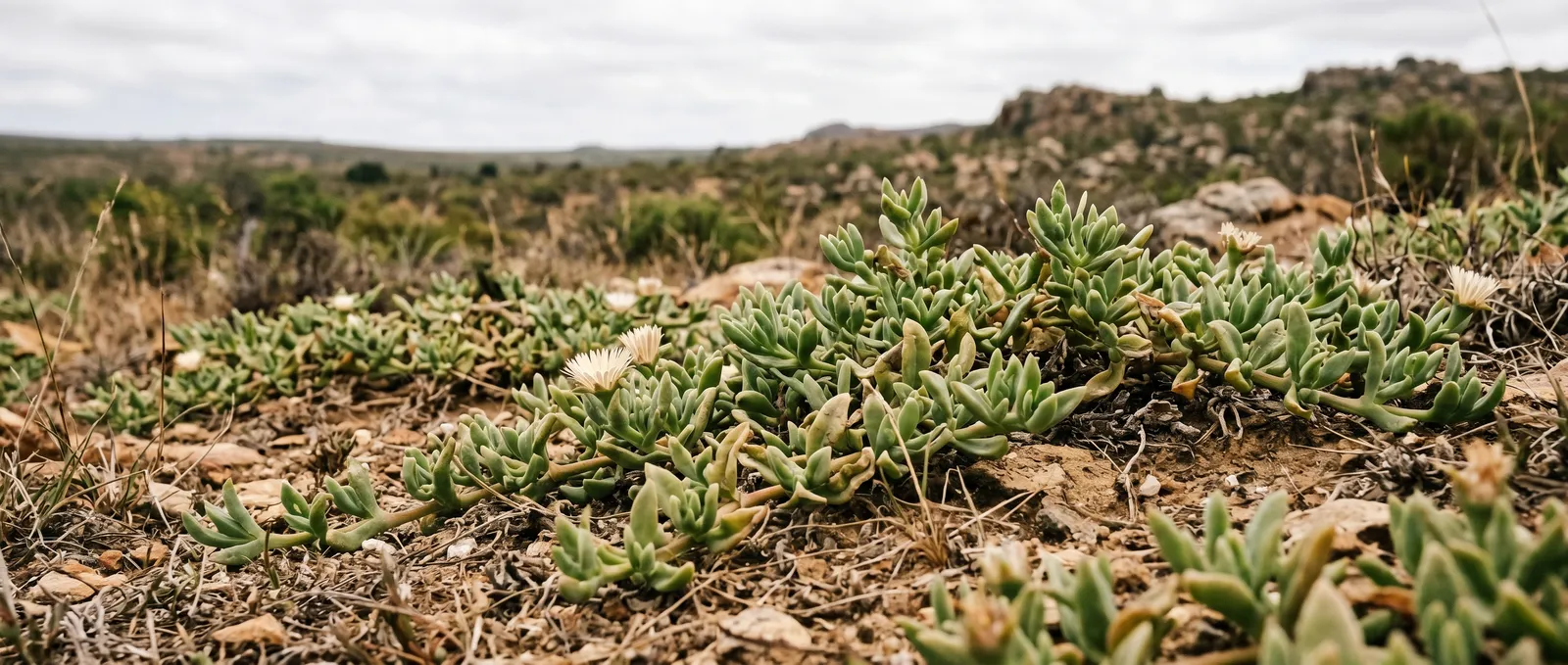
Sceletium Tortuosum Plant
Learn about the sceletium tortuosum plant: botany, alkaloids, fermentation, safety warnings, and where to buy kanna.
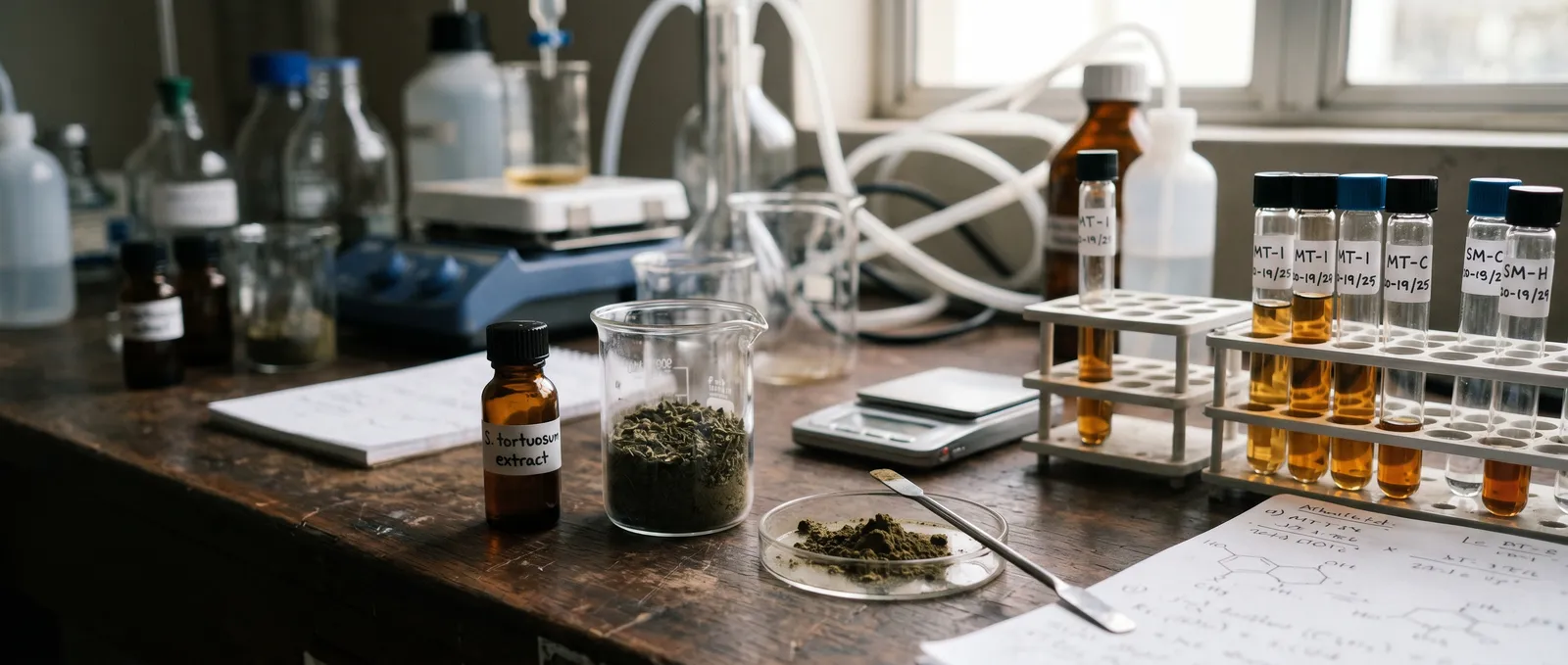
Kanna Pharmacokinetics Explained
Complete guide to kanna pharmacokinetics: how Sceletium tortuosum alkaloids are absorbed, metabolised via CYP2D6, and eliminated.
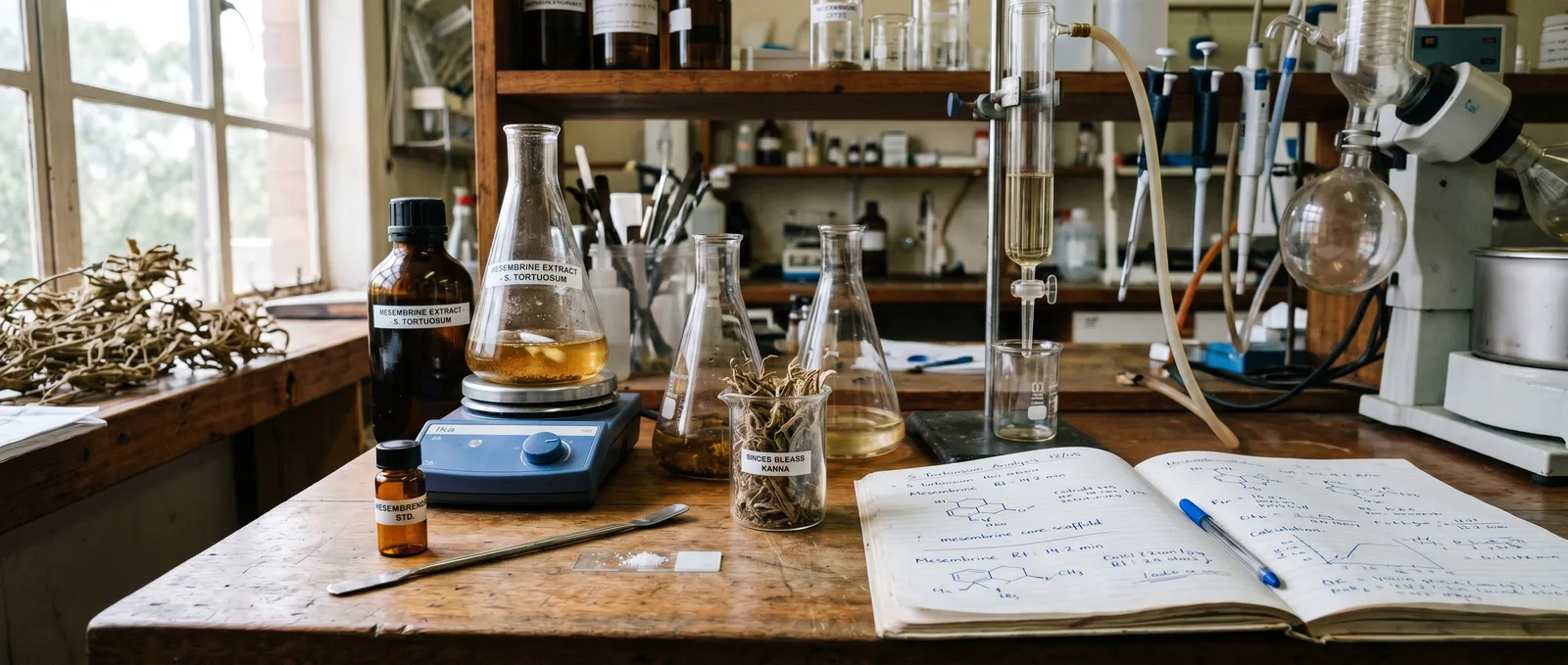
Kanna Chemistry: Sceletium Alkaloids Explained
Kanna chemistry explained: mesembrine, mesembrenone, their mechanisms, how fermentation and extraction change alkaloid profiles, and why it matters…
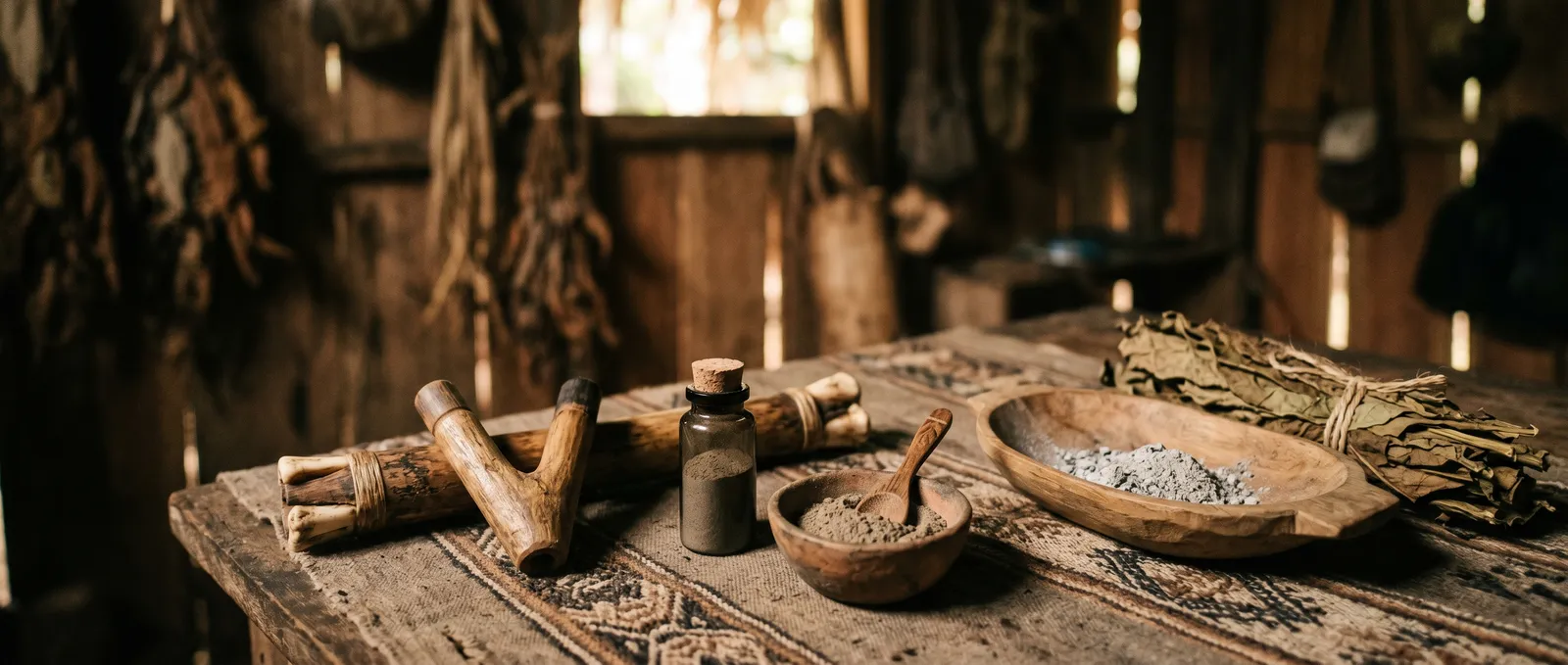
Rapé Shamanic Snuff Guide: How to Use It Safely
A practical rapé shamanic snuff guide covering dose, kuripe technique, effects, nicotine safety, interactions and Amazonian tradition.
White Sage Salvia Apiana Cultural Smudging Guide
Salvia apiana is a non-psychoactive shrub native to southern California's coastal sage scrub, burned as ceremonial incense in Indigenous North American…
Wild Dagga Leonotis Leonurus Botany — Taxonomy, Chemistry & Traditional Use Guide
Leonotis leonurus (L.) R.Br., known as wild dagga or lion's tail, is a southern African shrub in the mint family (Lamiaceae) bearing dense whorls of orange…