
Lemon Strains
Buy lemon strain cannabis seeds from Azarius — Amsterdam's original smartshop since 1999. We carry 4 limonene-rich varieties including Lemon Haze and Thai Dream in feminized and autoflower formats, all bred for that sharp citrus aroma and uplifting cerebral high. THC ranges from 15% to 25% across the collection, with each strain selected for its citrus terpene expression and growing reliability.
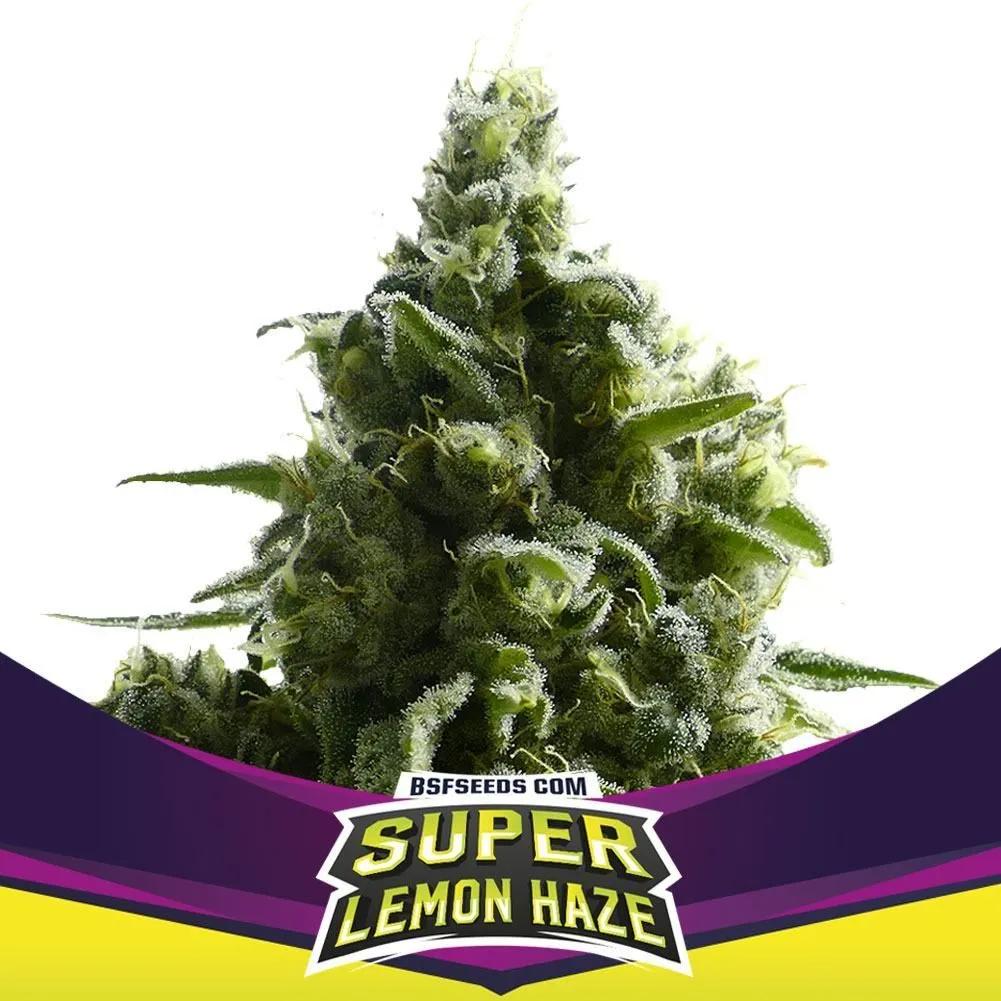
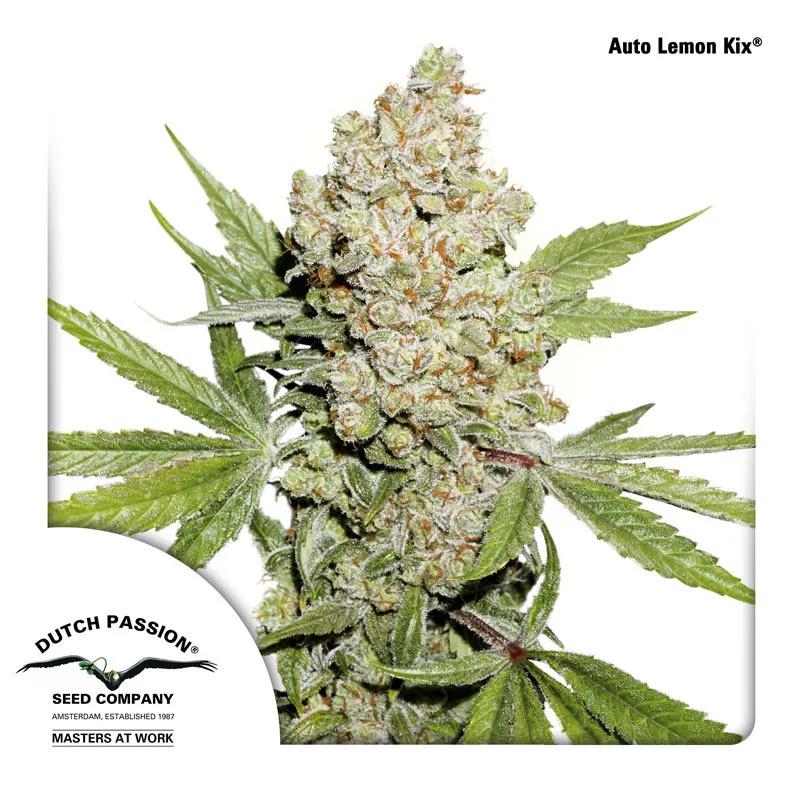
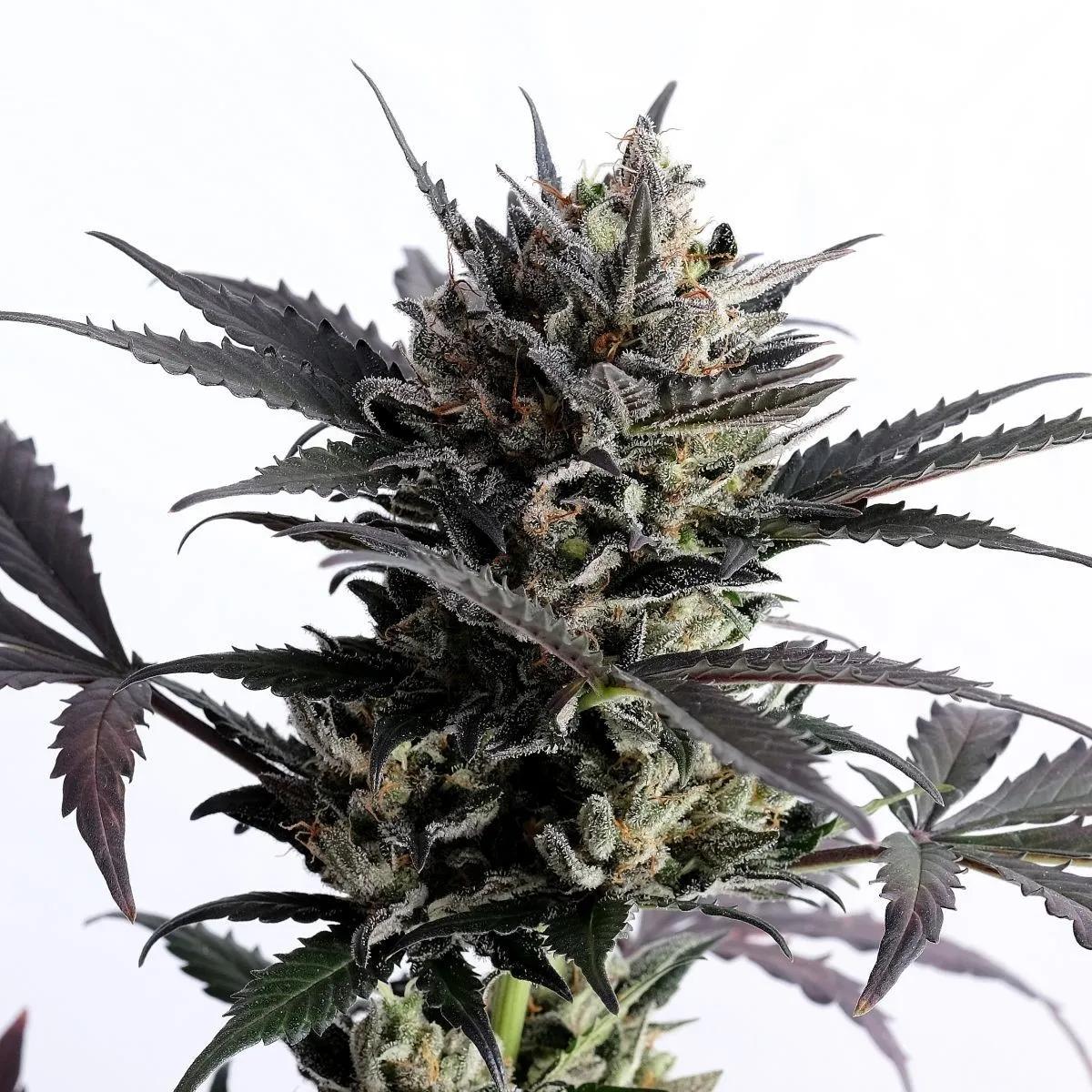
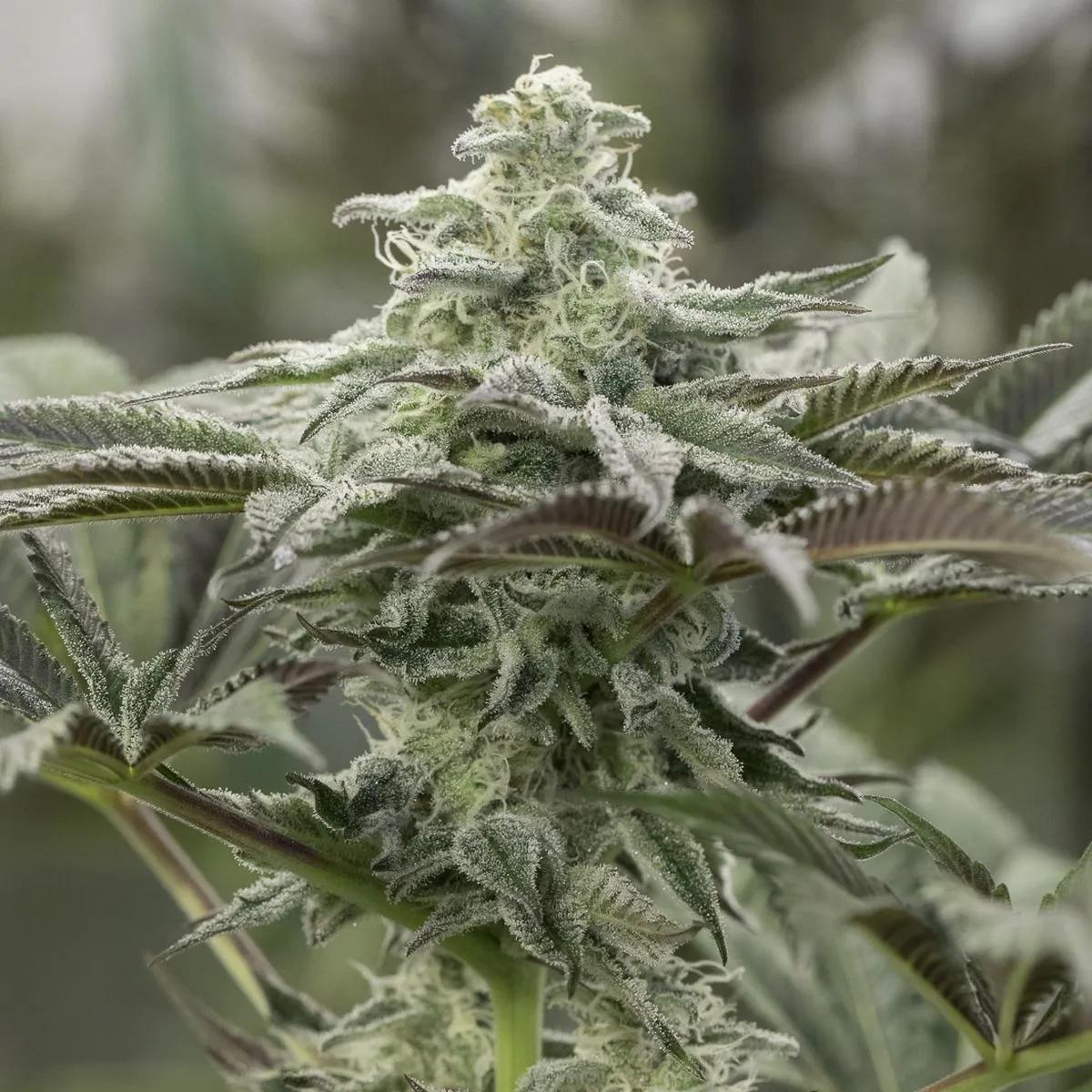
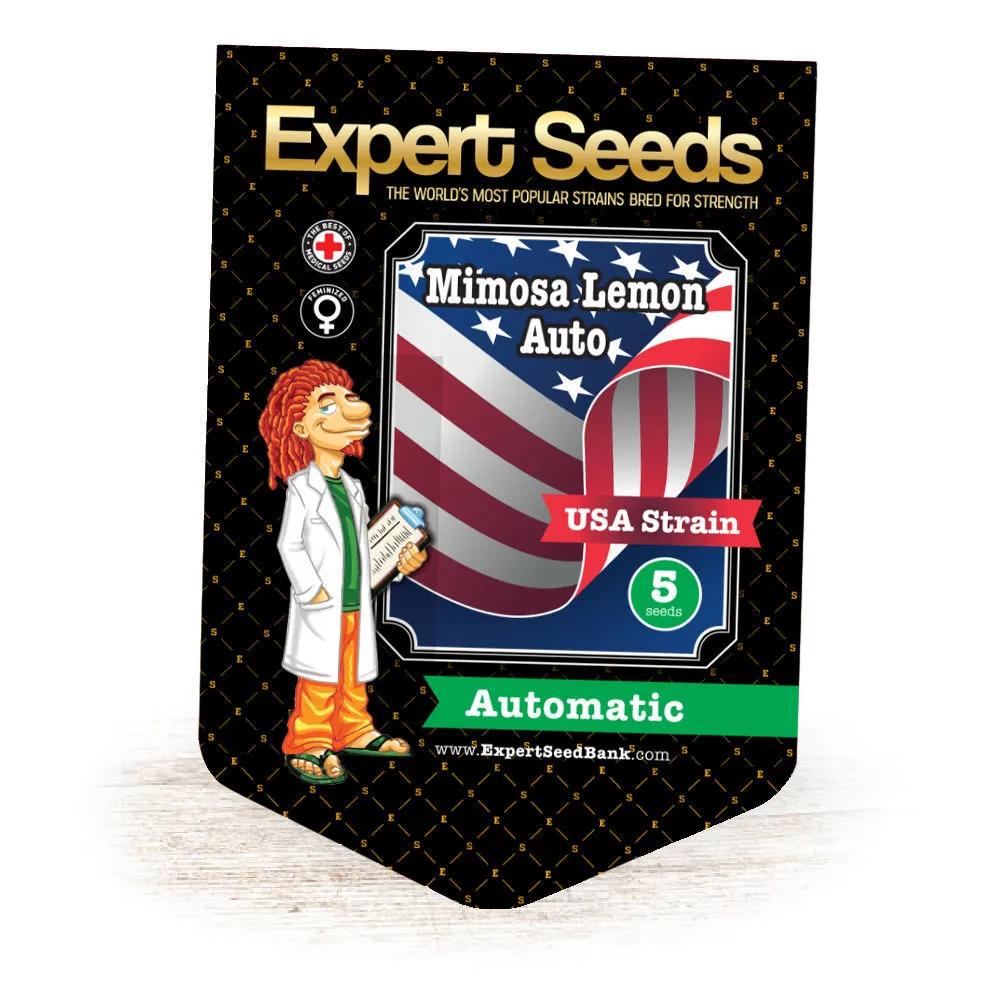
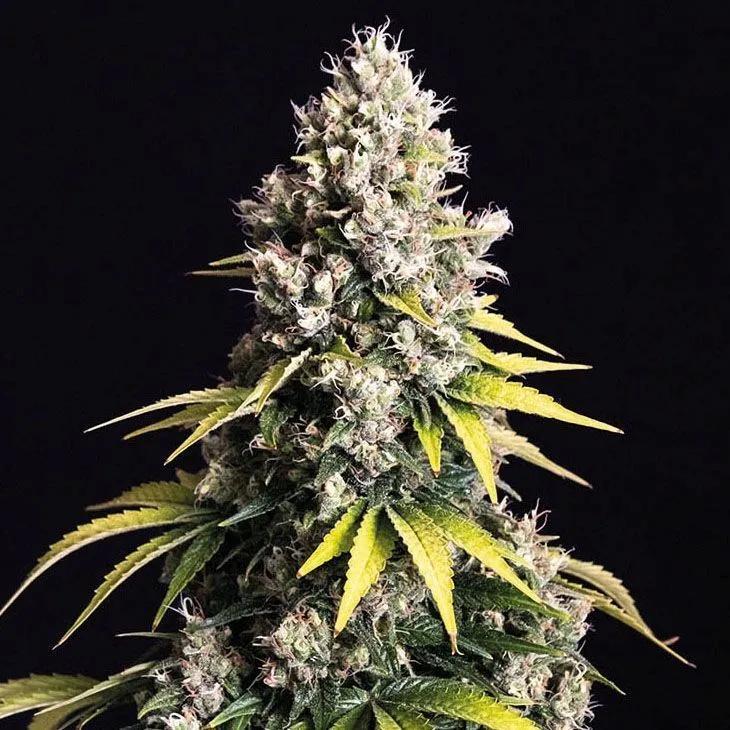

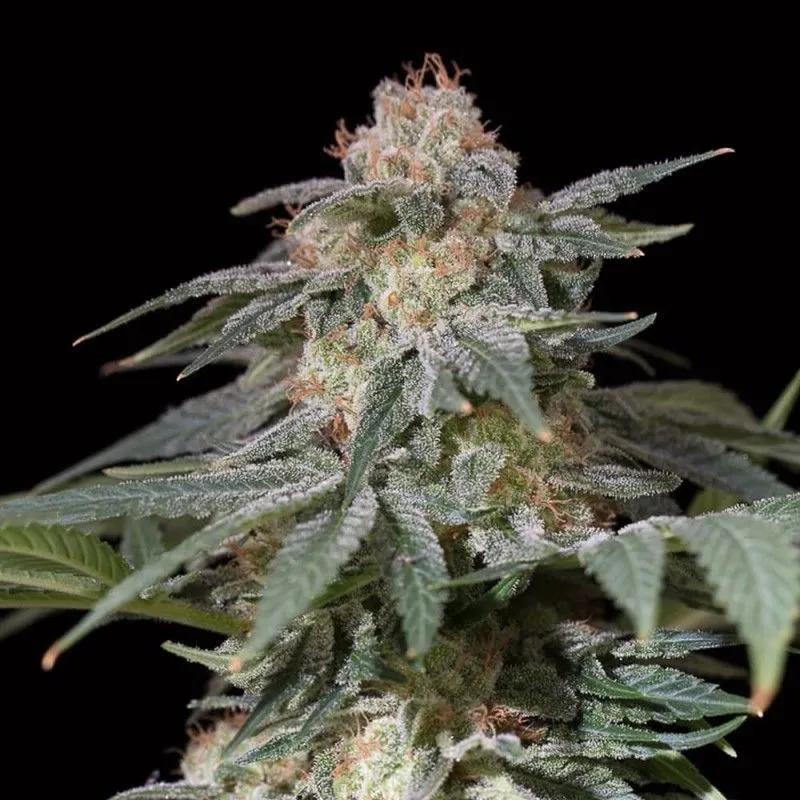
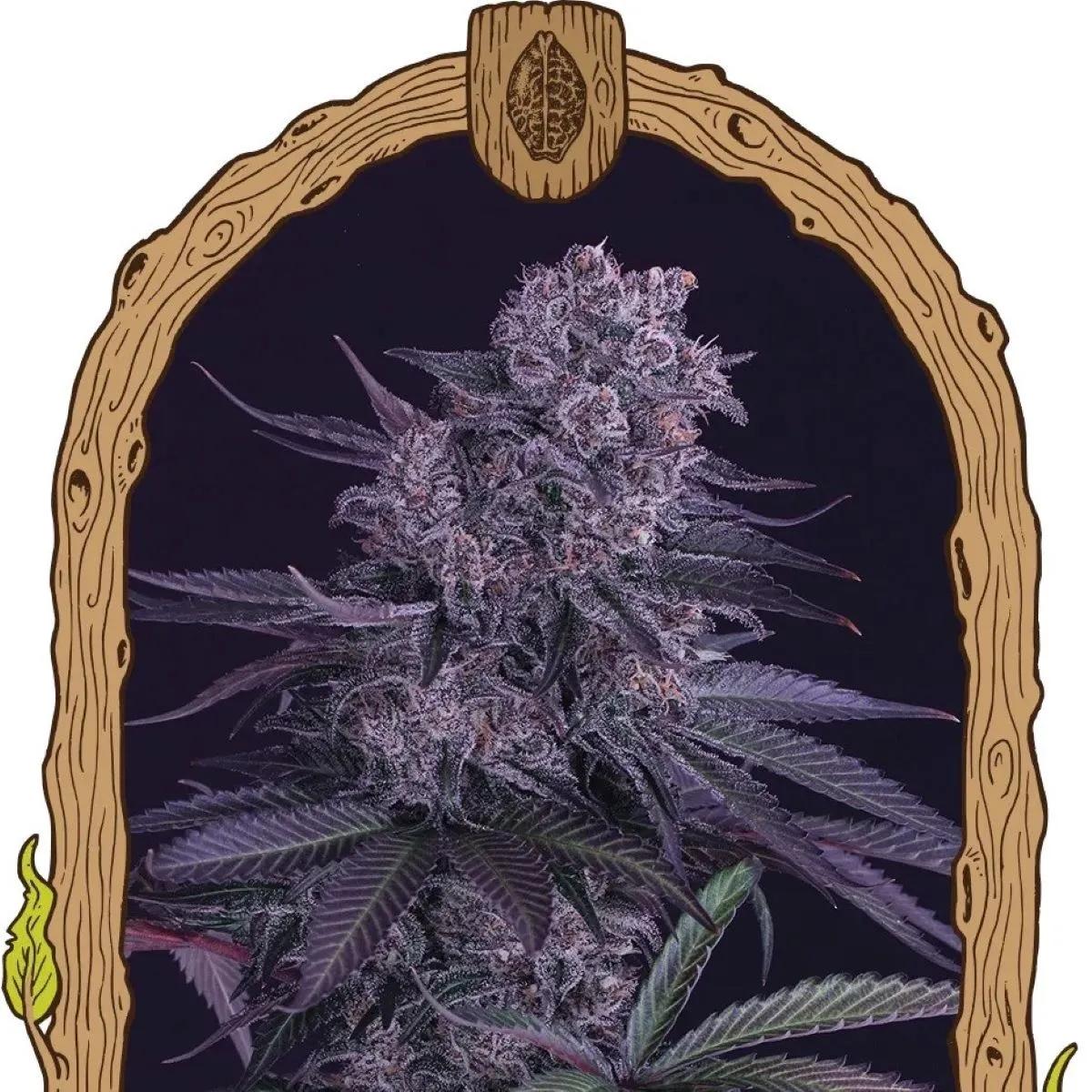
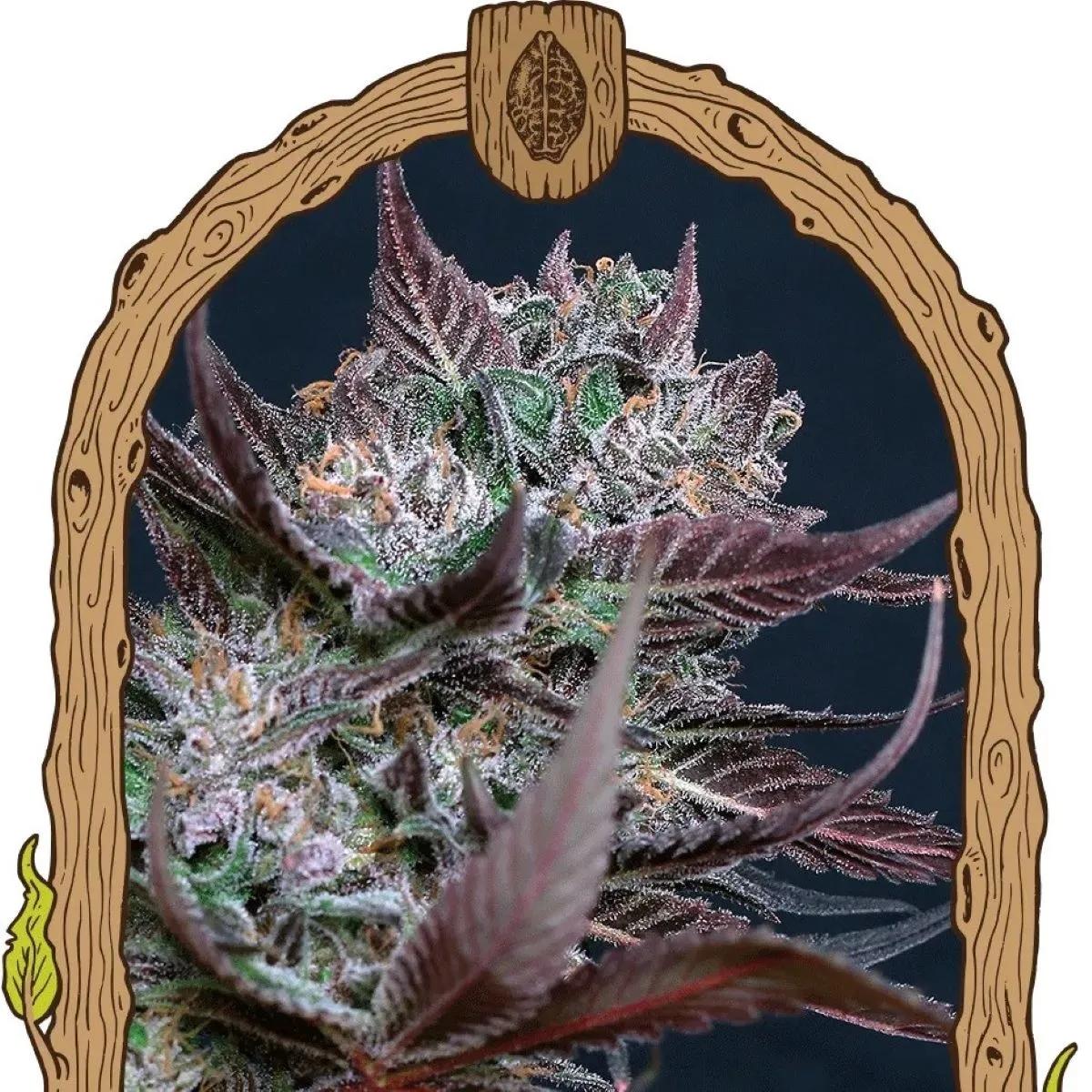
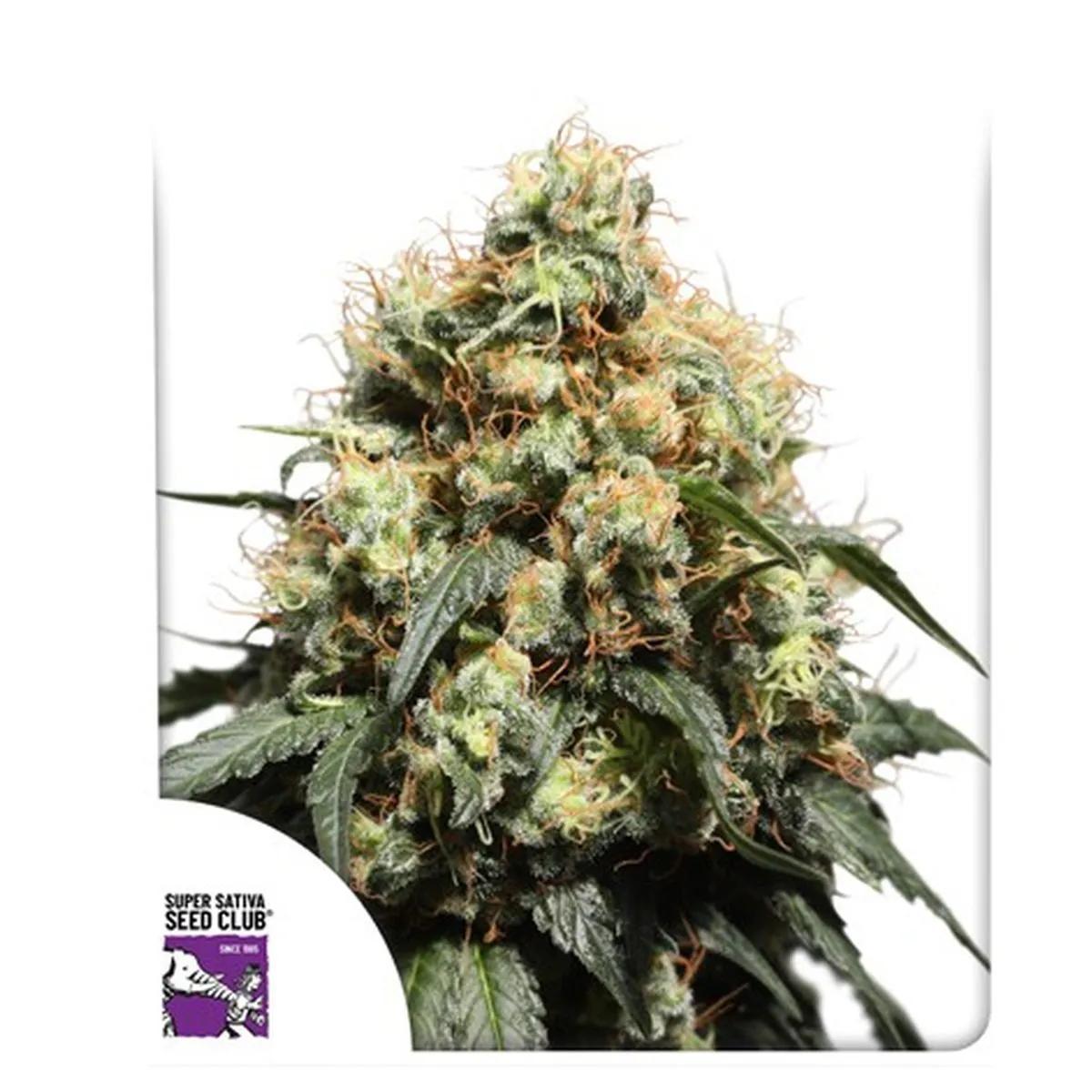
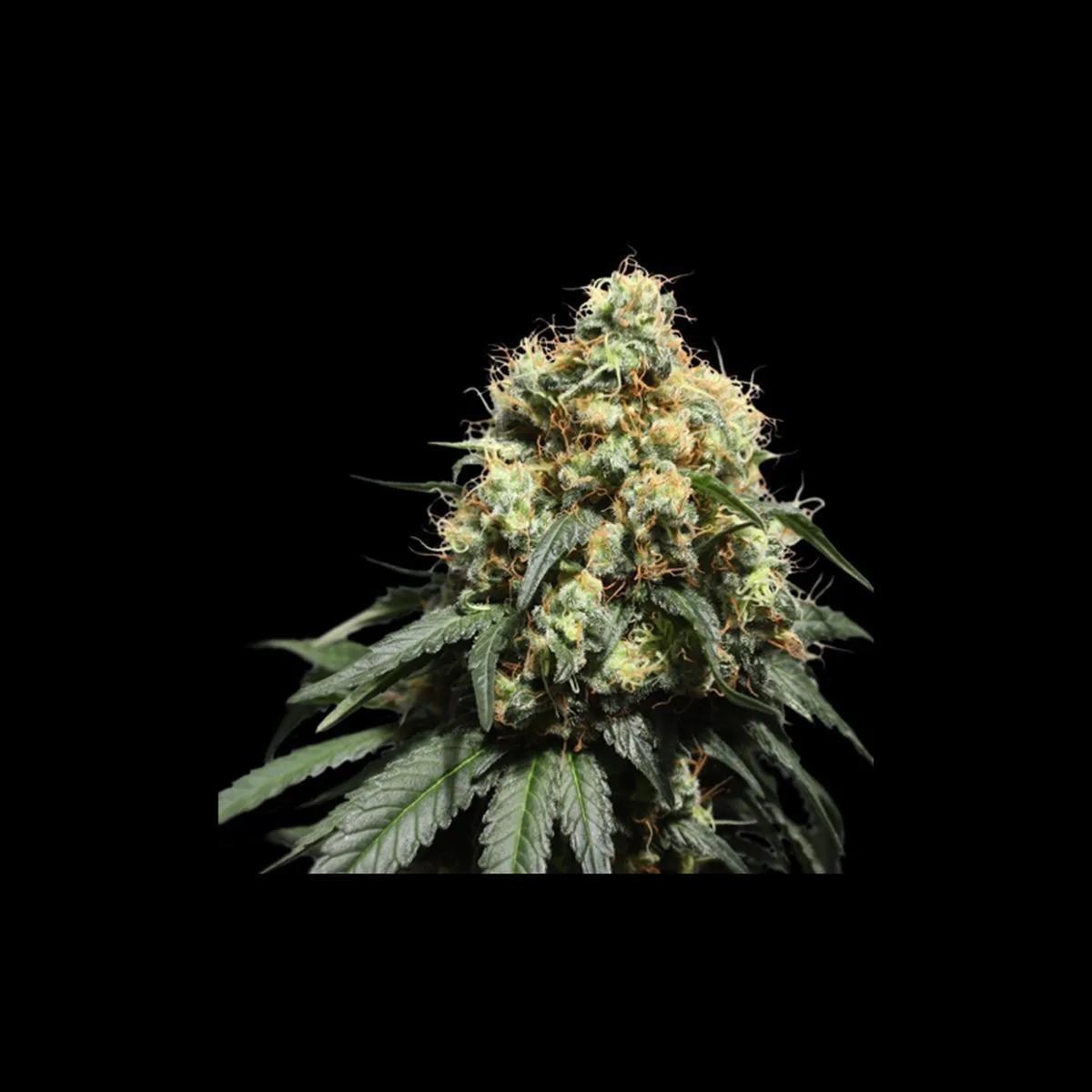
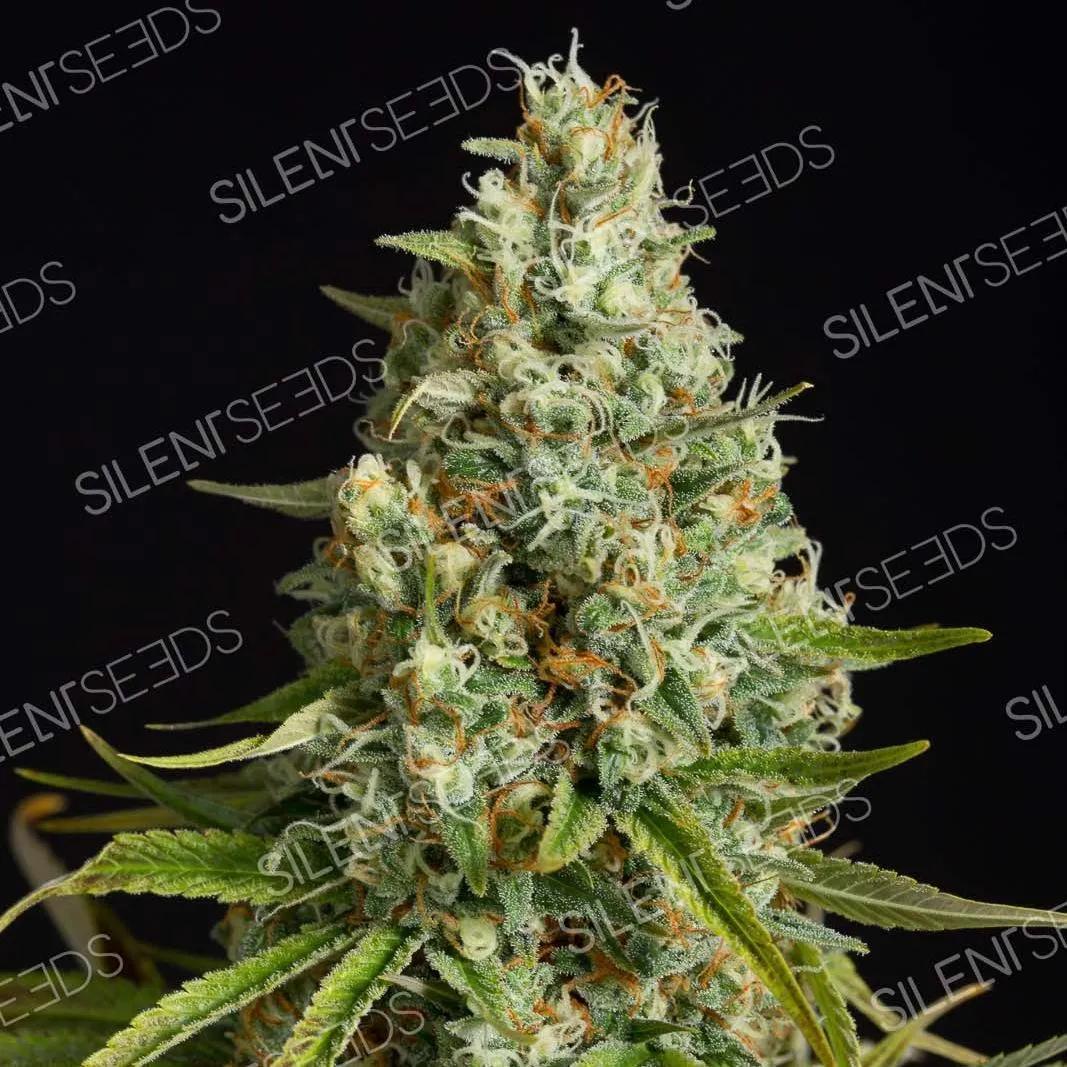
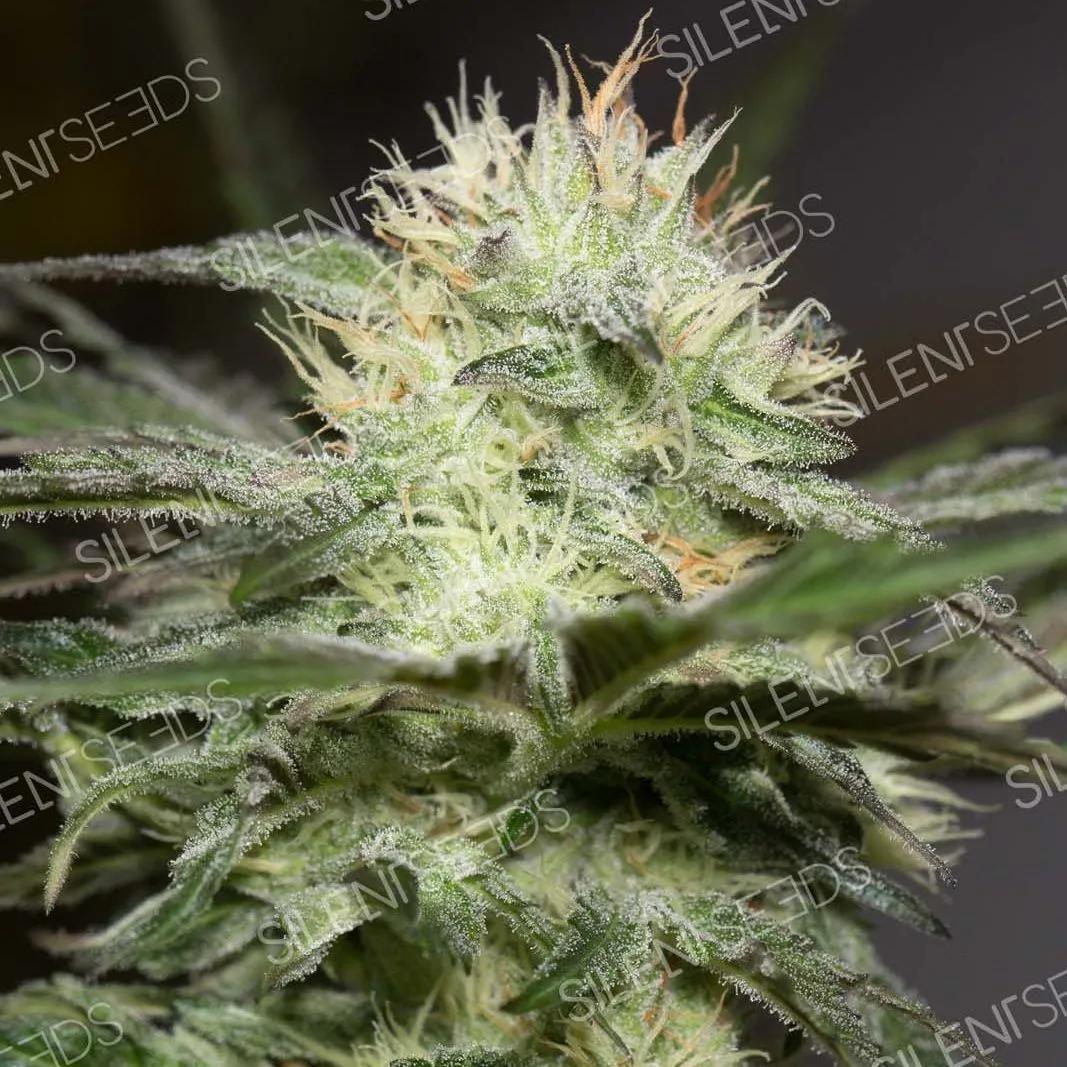
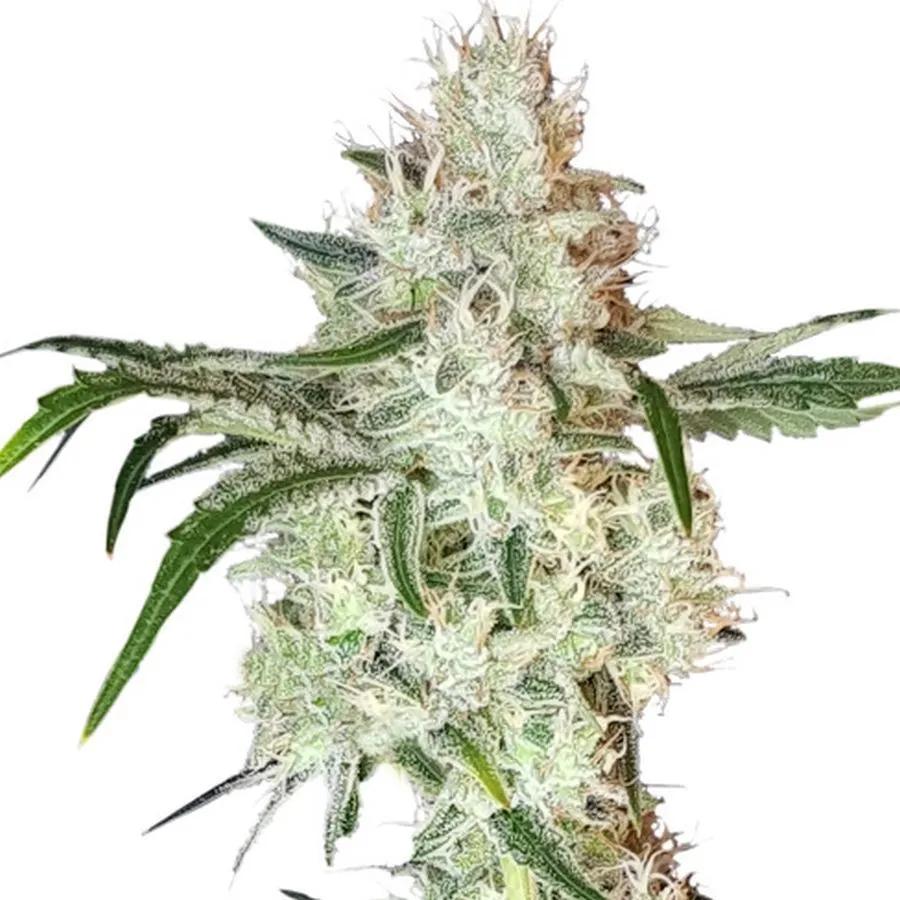
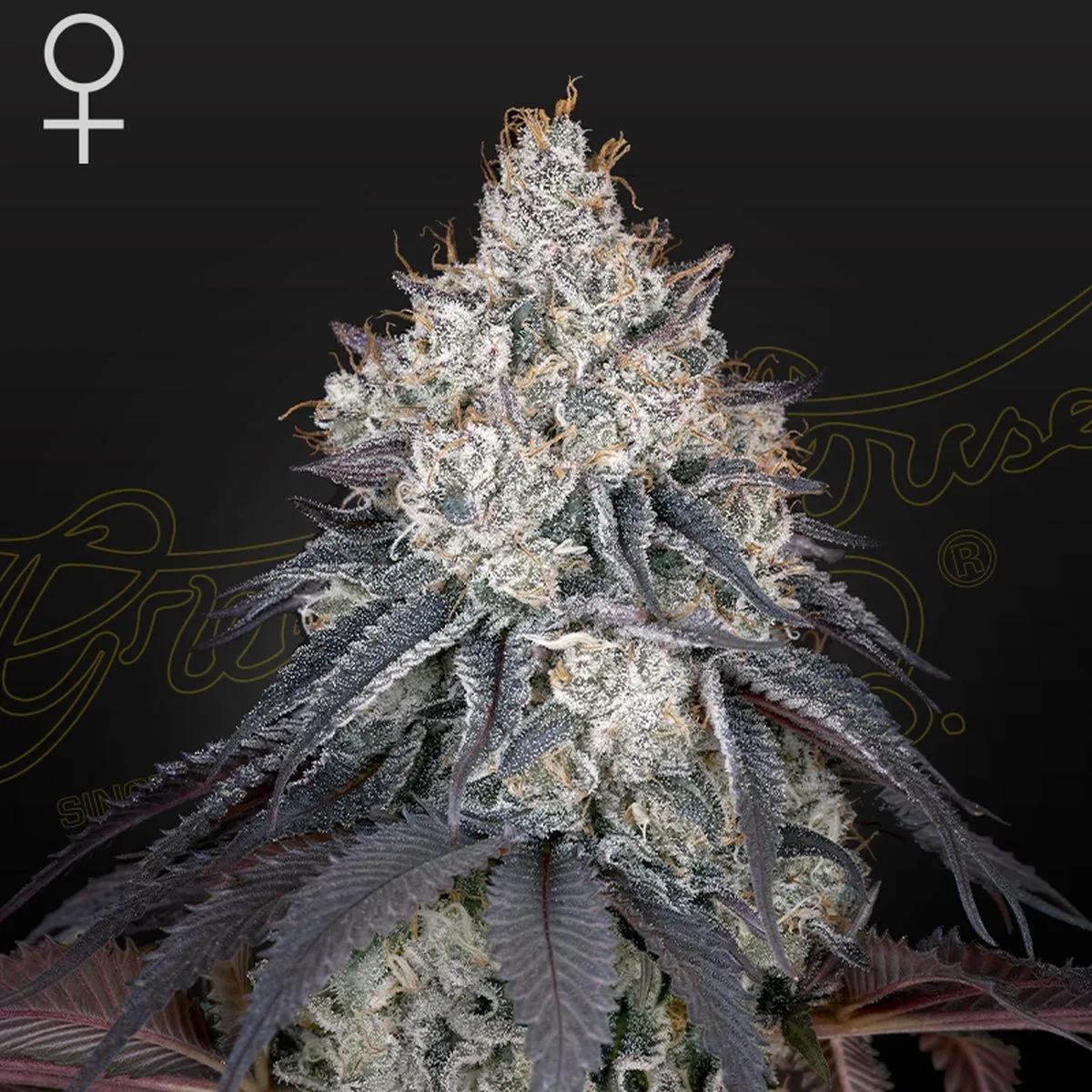
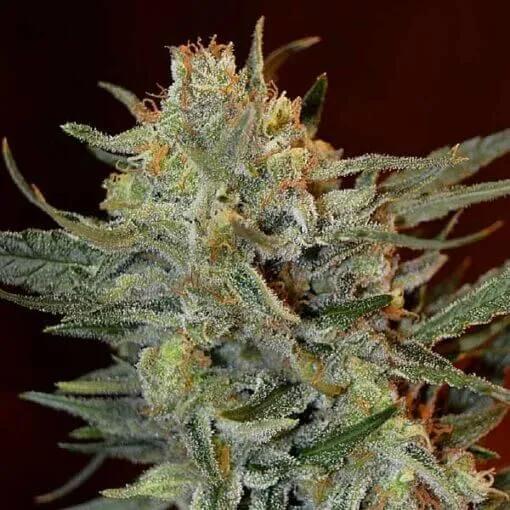
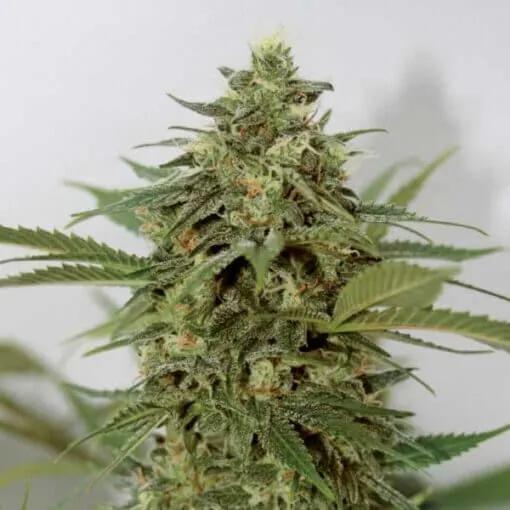
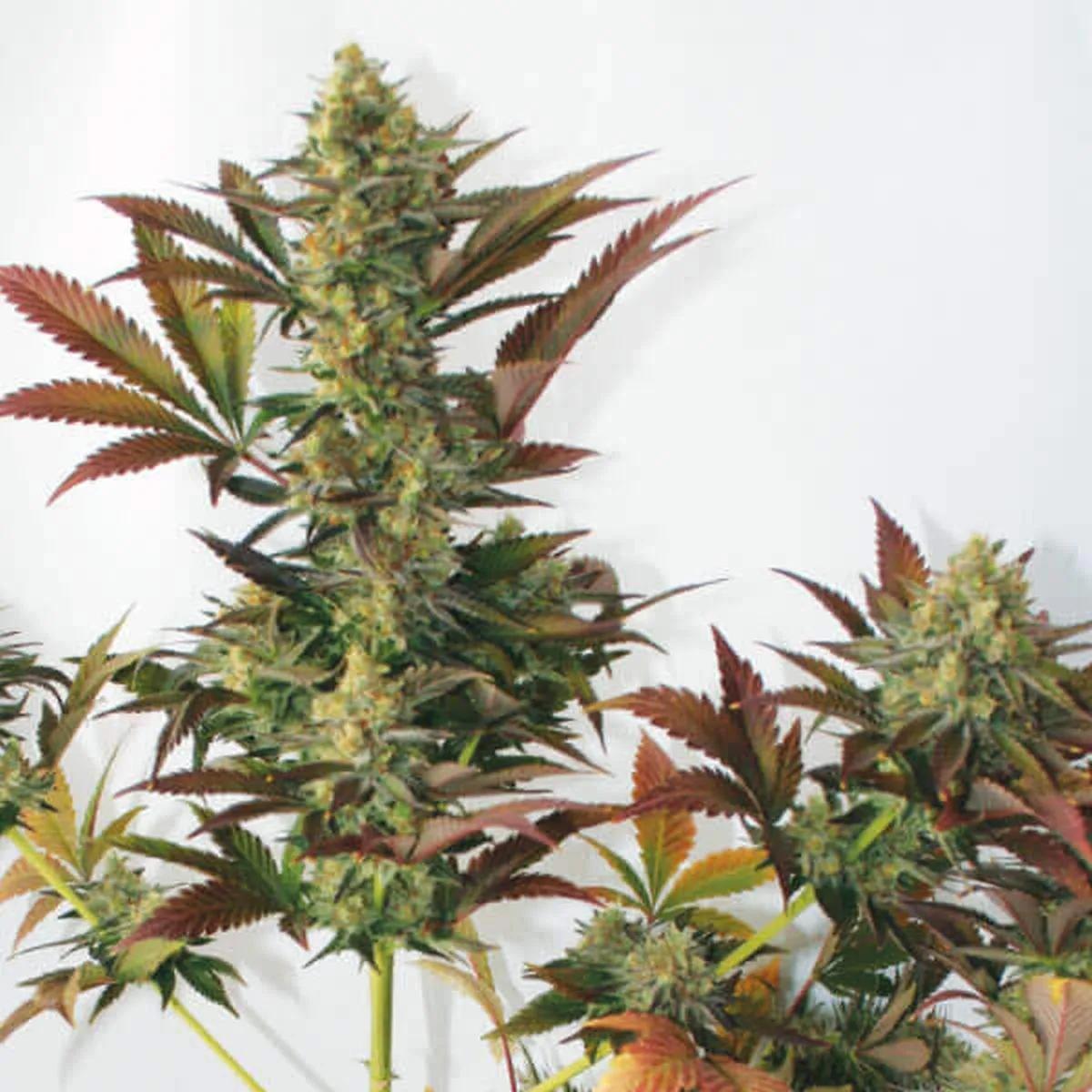
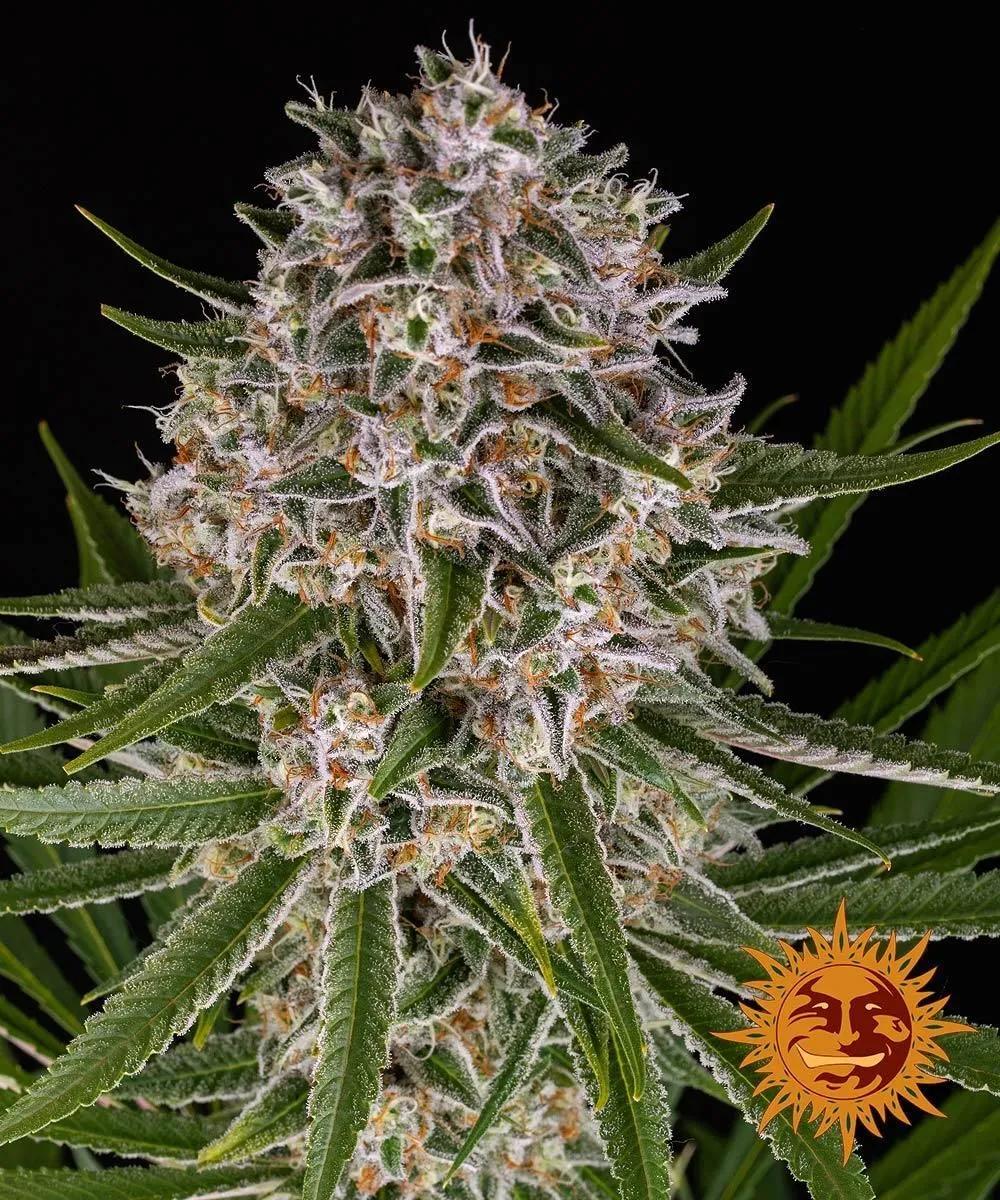
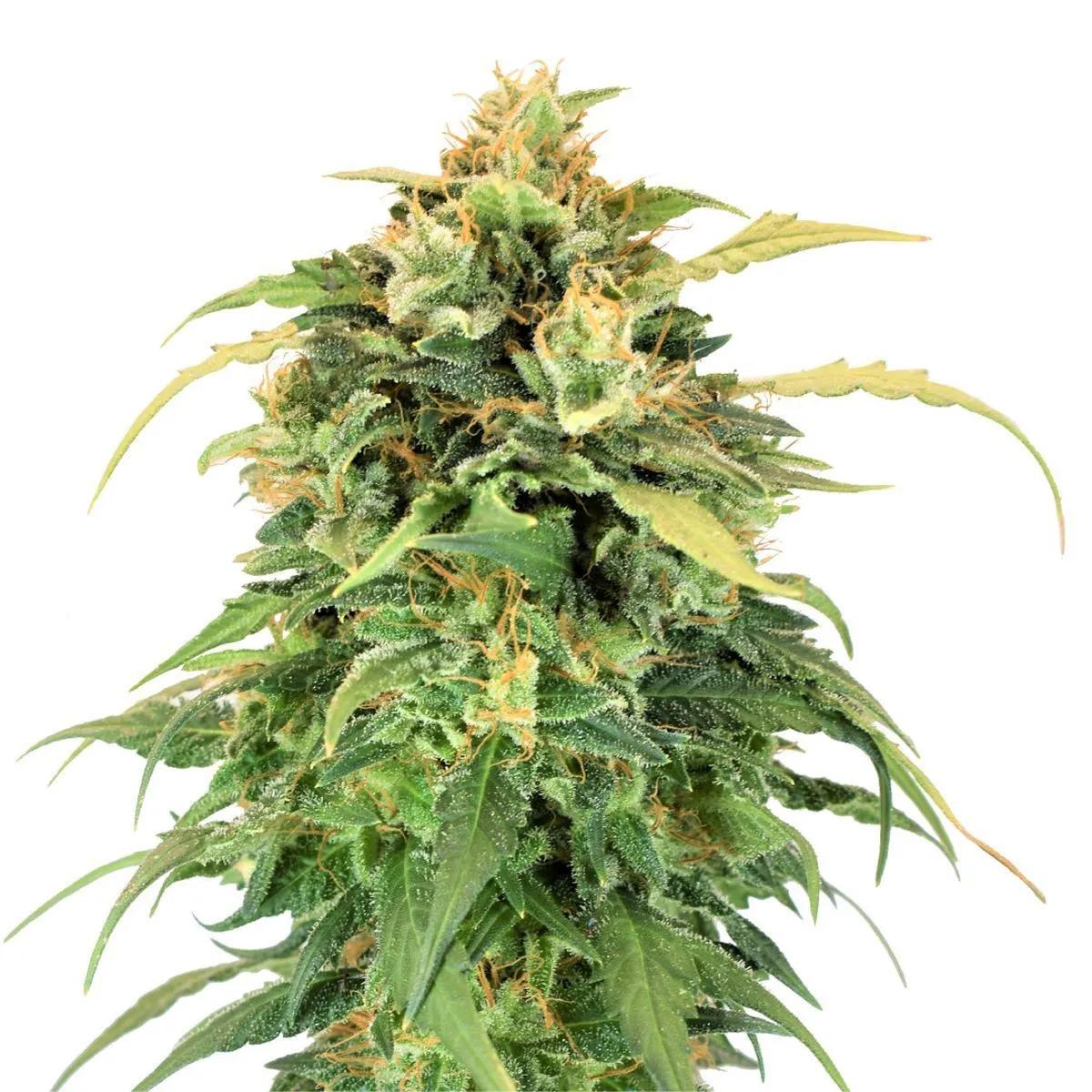
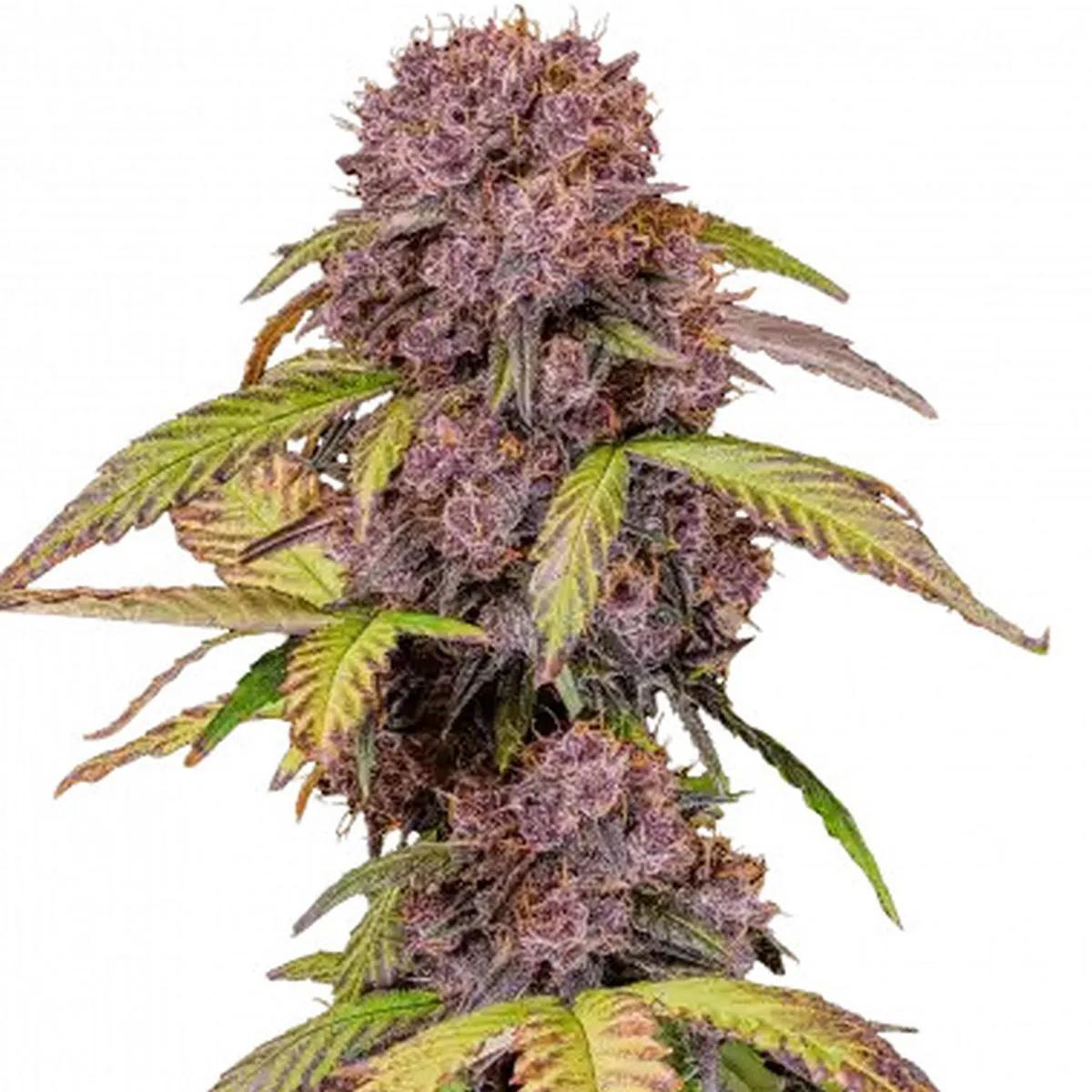
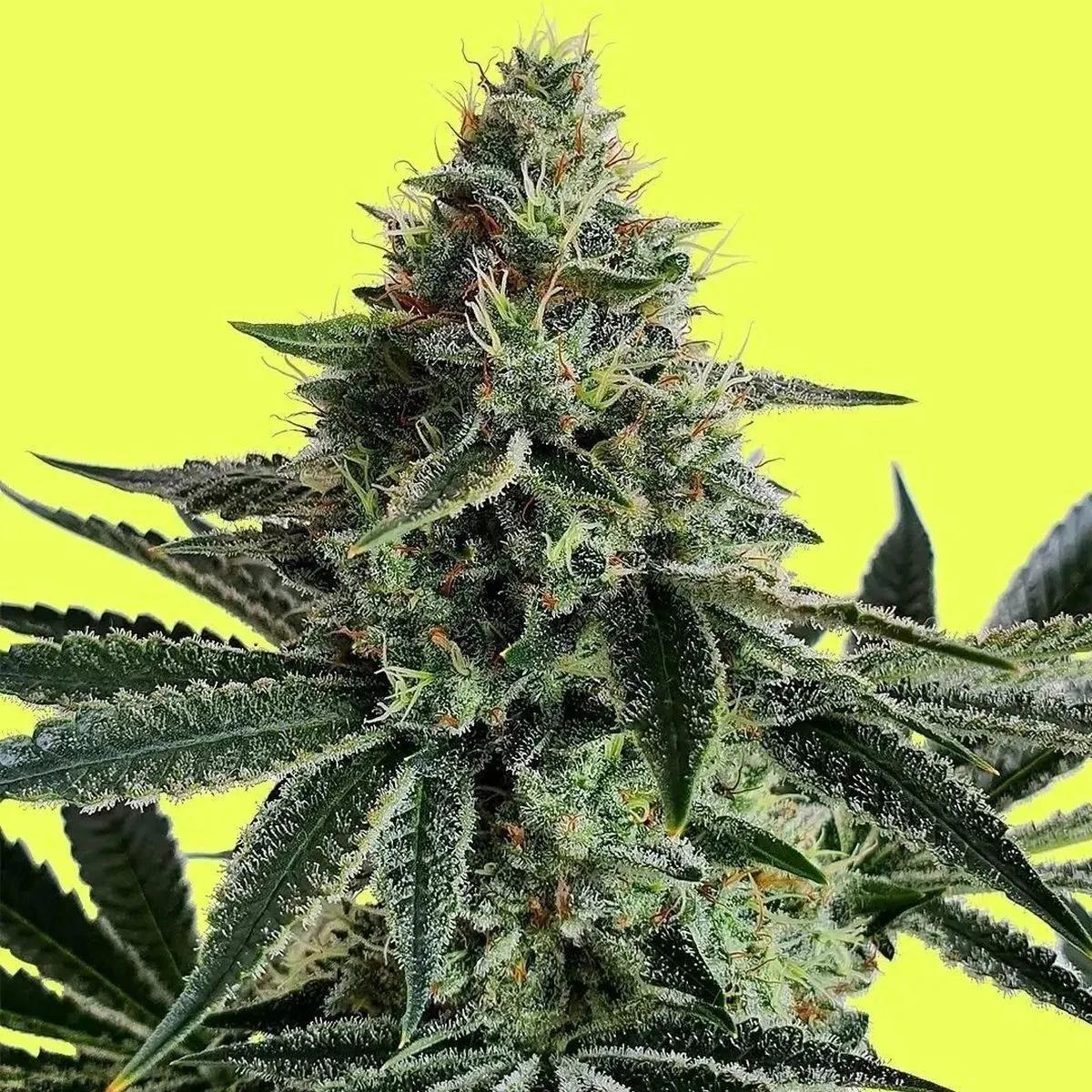
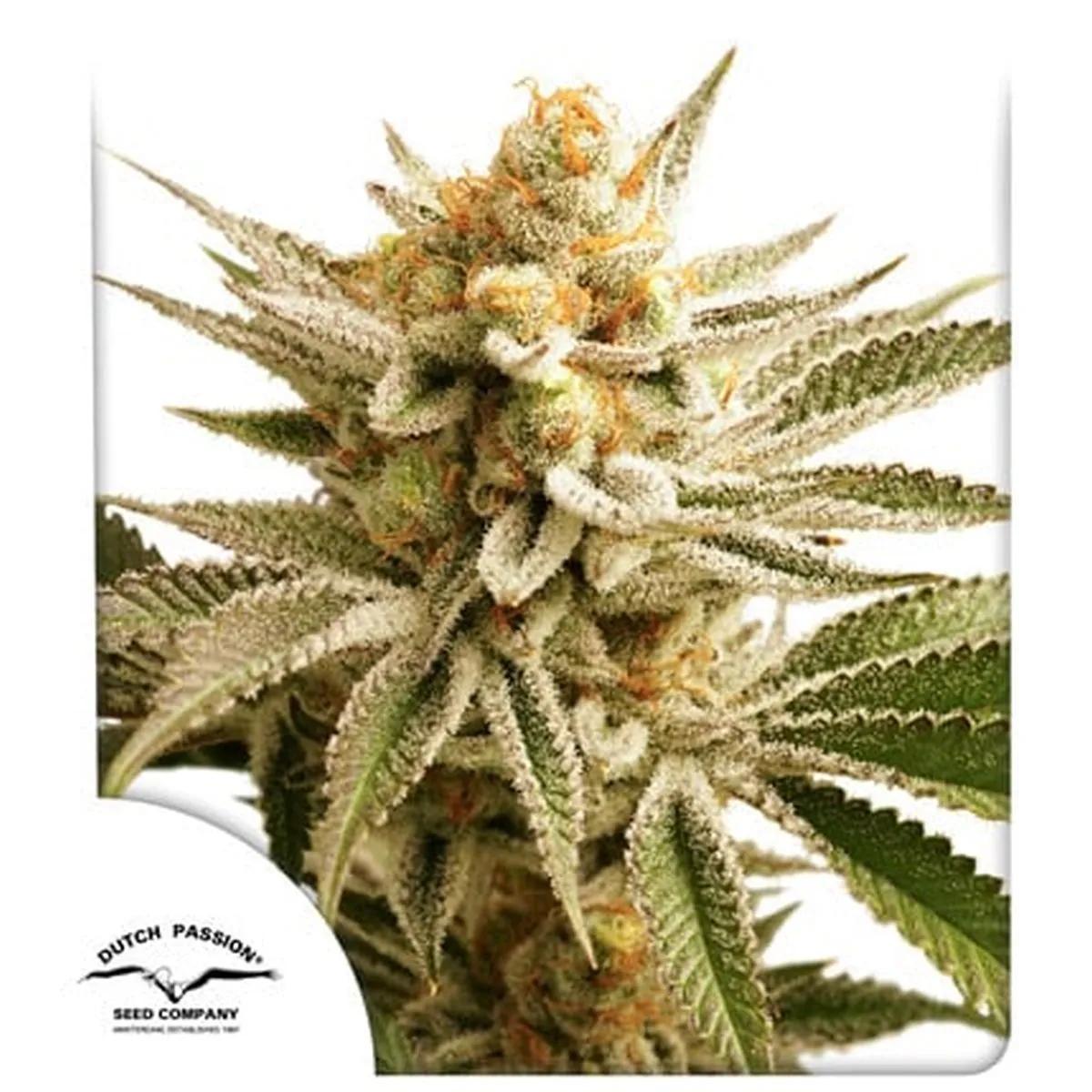
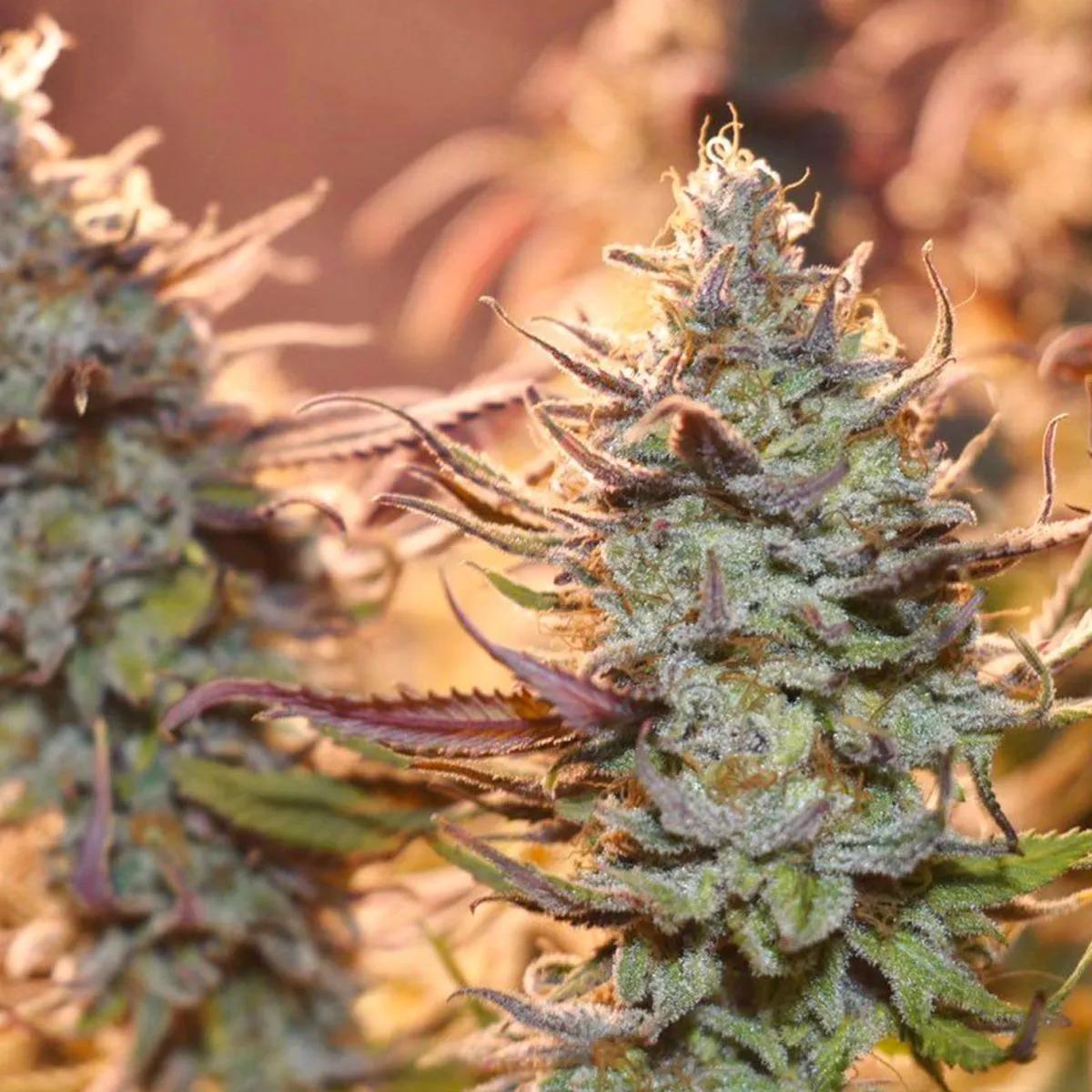
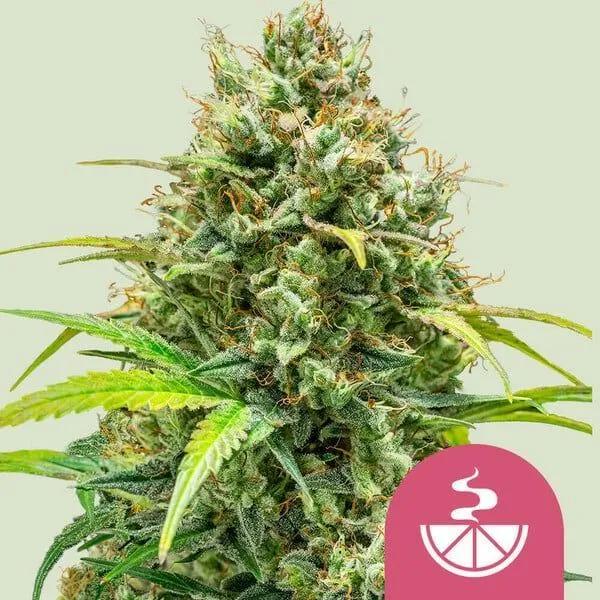
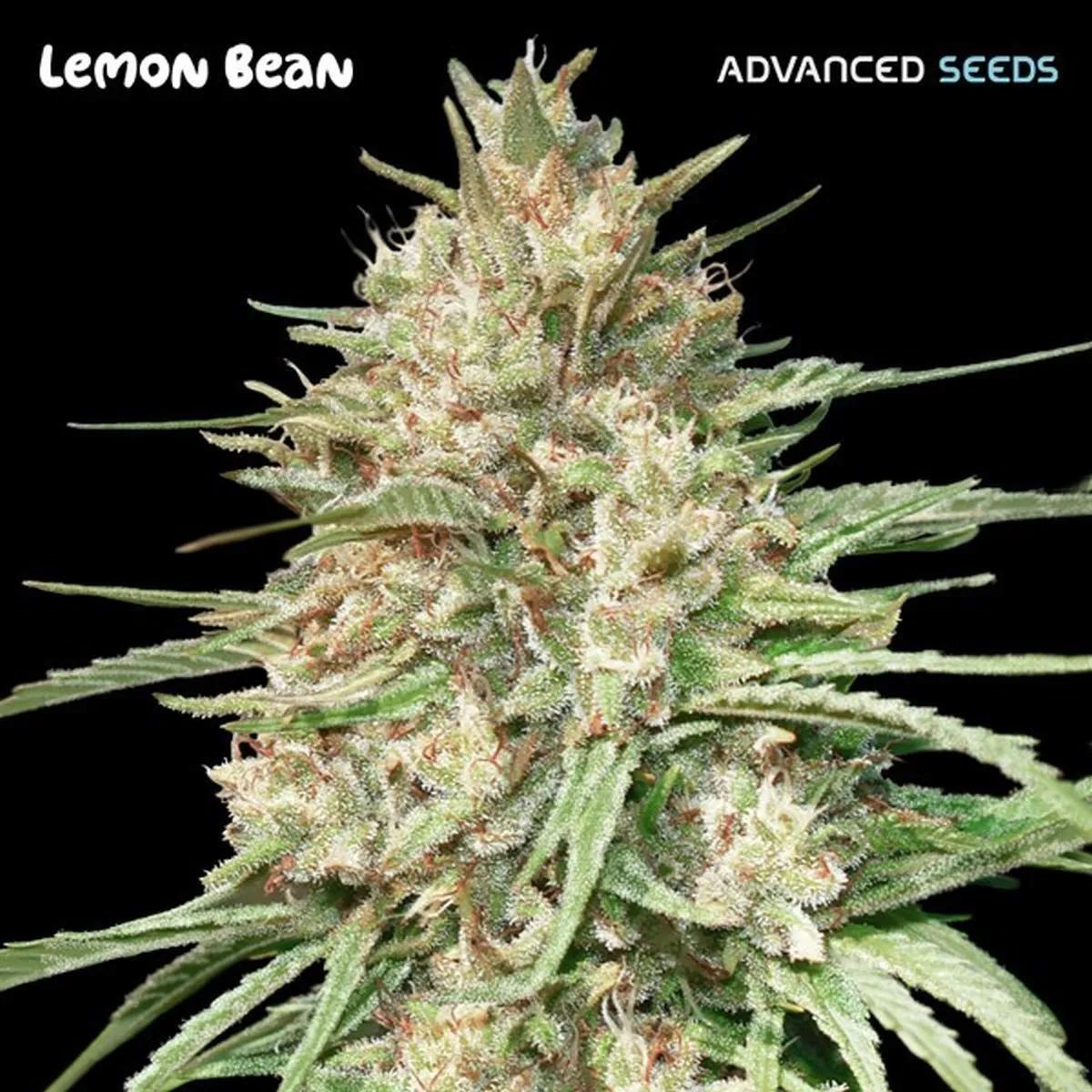
Buy lemon strain cannabis seeds from Azarius — Amsterdam's original smartshop since 1999. We carry 4 limonene-rich varieties including Lemon Haze and Thai Dream in feminized and autoflower formats, all bred for that sharp citrus aroma and uplifting cerebral high. THC ranges from 15% to 25% across the collection, with each strain selected for its citrus terpene expression and growing reliability.
Lemon Strains: Citrus Genetics That Actually Deliver
Lemon strains are cannabis seed varieties bred for high limonene content — the terpene responsible for that sharp, zesty citrus aroma you'll notice the moment you crack open a jar. We carry 15 lemon strains from breeders like Dutch Passion, Barney's Farm, and Royal Queen Seeds, covering feminized photoperiods, autoflowers, and a few sativa-dominant landrace crosses. If you're after seeds that produce plants smelling like someone squeezed a lemon over a pine forest, you're in the right section.
We've stocked lemon genetics since the early 2000s, and the one thing we keep telling customers: not all "lemon" strains taste the same. Some lean towards sweet lemon candy, others towards fuel-soaked citrus peel. The difference comes down to the full terpene profile — limonene paired with myrcene gives you a softer, fruitier result, while limonene plus caryophyllene pushes it towards spicy, sharp, almost cleaning-product territory (in a good way). Knowing what you're after saves you picking the wrong seeds.
Why Growers Keep Coming Back to Limonene-Rich Genetics
Limonene isn't just about flavour. A 2020 review published in Chemico-Biological Interactions found that limonene demonstrates anxiolytic properties in preclinical models, which lines up with what our customers report: lemon strains tend to produce an uplifting, clear-headed effect rather than a couch-lock stone. The Beckley Foundation's ongoing research into terpene-cannabinoid interactions suggests these aromatic compounds do more than smell nice — they modulate how THC and CBD interact with your endocannabinoid system, a concept often called the entourage effect.
From a cultivation standpoint, high-limonene plants tend to produce sticky, resinous flowers. That resin production means better trichome coverage, which translates directly to potency and bag appeal. If you're growing for extracts or concentrates, lemon strains are a solid starting point — the terpene profile carries through into rosin and BHO particularly well.
Our Pick: Where to Start With Lemon Seeds
New to lemon genetics? Grab the Lemon Haze — it's the benchmark for a reason. Expect flowering around 9-10 weeks, tall sativa-dominant growth, and yields that reward a bit of LST training. The smoke is unmistakably citrus with an earthy undertone, and THC sits comfortably in the 20-22% range.
If you want something faster, look at the autoflowering options. Auto lemon strains finish seed-to-harvest in roughly 10-11 weeks and stay compact enough for a 60x60 grow tent — though honestly, we'd recommend an 80x80 if you're running more than one plant. You'll thank yourself when canopy management gets real around week five.
For experienced growers chasing something unusual, Thai Dream brings landrace Thai sativa genetics into a manageable hybrid frame. Longer flowering time (11-12 weeks), but the lemon-incense terpene profile is unlike anything else in the catalogue. It's not the easiest grow — she stretches hard in the first two weeks of flower — but the end product is worth the patience.
Lemon Strains: Key Stats at a Glance
| Trait | Typical Range |
|---|---|
| Dominant terpene | Limonene (0.3-1.2% of dry weight) |
| THC range | 17-25% depending on strain and phenotype |
| Flowering time (photoperiod) | 8-12 weeks |
| Flowering time (autoflower) | 10-11 weeks seed-to-harvest |
| Yield (indoor, per m²) | 400-550g with proper training |
| Growth pattern | Mostly sativa-dominant, tall with open node spacing |
| Best extraction method | Rosin press or live resin — preserves terpene profile |
Growing Tips From
After 25 years of fielding grow questions, here's what we see go wrong with lemon strains specifically:
Underestimating the stretch. Most lemon genetics carry sativa heritage, which means they can double in height during the first two weeks of flower. If your tent ceiling is 160 cm, flip early or use aggressive topping. We've had customers run out of vertical space with Lemon Haze more times than we can count.
Overfeeding in late flower. Lemon strains are moderate feeders. Push the EC too high in weeks 6-8 and you'll burn off the very terpenes you're growing them for. A proper flush in the final 10-14 days makes a noticeable difference to the flavour — this isn't bro-science, it's something we've tested side by side.
Drying too fast. Limonene is volatile. Dry your harvest in a dark room at 18-20°C with 55-60% humidity for 10-14 days. Speed-drying at higher temperatures evaporates the lighter terpenes first, and limonene is one of the lightest. You'll end up with hay-smelling bud instead of that citrus punch you grew it for.
Feminized vs. Autoflower Lemon Seeds
Feminized photoperiod seeds give you control over veg time, meaning bigger plants and heavier yields if you've got the space and patience. Most of our lemon feminized seeds produce plants that respond well to ScrOG setups — the sativa structure and open branching fill a net beautifully.
Autoflowers sacrifice some yield and potency (typically 15-20% THC versus 20-25% for photoperiods) but finish weeks faster and don't need a light schedule change. Good if you're running a perpetual harvest or growing outdoors in a climate with short summers. The honest limitation: auto lemon strains produce less resin per gram of flower, so they're not the best choice if extraction is your goal.
What do lemon strains taste like?
Sharp citrus zest on the inhale, often with earthy or piney undertones on the exhale. The exact profile depends on the strain — Lemon Haze leans sweet and candy-like, while Thai Dream crosses are more incense-and-citrus-peel. The common thread is limonene, which gives that unmistakable fresh lemon hit.
Are lemon strains sativa or indica?
Mostly sativa-dominant. The lemon terpene profile tends to come from sativa landrace genetics — Thai, Haze, and South American lines. You'll find a few indica-leaning hybrids in the mix, but even those tend to grow tall with open node spacing. Expect uplifting, cerebral effects rather than heavy body stone.
Which lemon strain is best for beginners?
Lemon Haze. It's forgiving of minor feeding mistakes, produces solid yields without advanced training, and finishes in a reasonable 9-10 weeks of flower. If you want even less hassle, go with an autoflowering lemon variety — shorter, faster, and no need to worry about light schedules.
Do lemon strains smell strong during growing?
Yes — noticeably. Limonene-rich plants start producing aroma from mid-veg onward, and it intensifies dramatically in flower. A carbon filter isn't optional here. Budget €50-80 for a decent filter and inline fan if your tent doesn't come with one.
What is limonene and why does it matter?
Limonene is a monoterpene found in citrus peel and cannabis resin glands. Beyond flavour, research from the Beckley Foundation and others suggests it interacts with cannabinoid receptors to modulate the overall effect — potentially contributing to the uplifting, mood-enhancing quality that lemon strains are known for. It's also the reason your trimming scissors smell incredible.
Medical disclaimer. This content is for informational purposes only and does not constitute medical advice. Consult a qualified healthcare provider before use of any substance.