
This article discusses psychoactive substances intended for adults (18+). If you have a health condition or take medication, consult a doctor before use. Our age policy
7 Functional Mushrooms and What People Use Them For
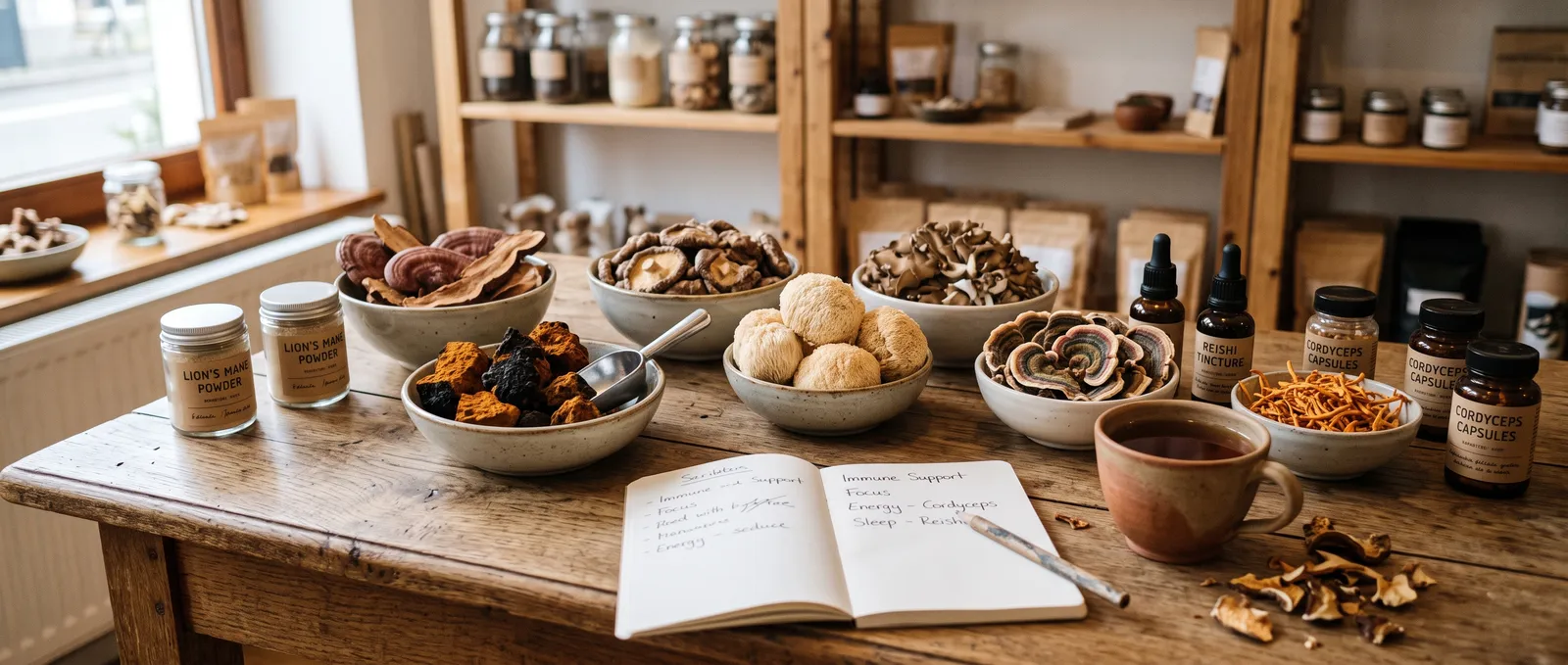
Functional mushrooms are edible or medicinal fungi taken for something other than dinner — think immune support, focus, energy, or sleep, backed by centuries of traditional use and a growing pile of clinical research. Seven names come up again and again: lion's mane, reishi, cordyceps, chaga, maitake, shiitake, and snow fungus. We've been selling functional mushrooms at the Amsterdam shop since the early 2000s, and the questions haven't really changed — people want to know what each one actually does, how to take it, and whether it's worth the shelf space. This guide covers all seven, one at a time, with what people actually use them for, the traditional context, the compounds researchers are looking at, and the practical form and dose you'll find in a real supplement. If you'd rather skip the shopping around, the 7 Mushrooms Organic Mix contains every single one on this list.
18+ only This guide is written for adults. Nothing here replaces medical advice — if you're pregnant, breastfeeding, on medication, or dealing with an autoimmune condition, talk to a professional first.
1. Lion's Mane — the one people take for focus
Lion's Mane (Hericium erinaceus) is the functional mushroom most people reach for when they want cognitive support. It looks like a shaggy white pom-pom growing on hardwood and has a mild, seafood-ish taste when cooked fresh.
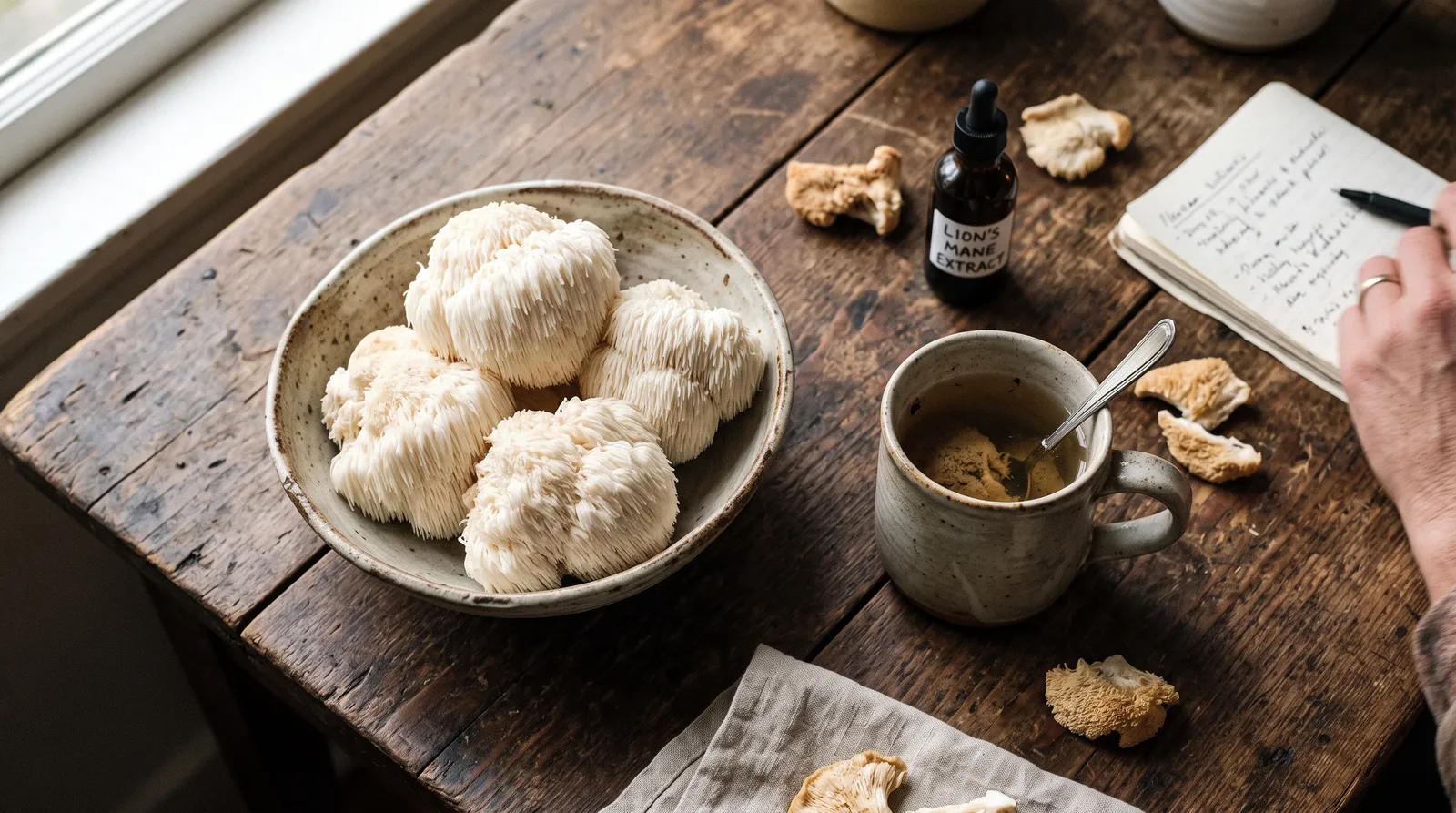
What people actually use it for: memory, focus, and general brain-fog days. Students during exams, freelancers on deadline, older adults worried about slipping recall.
Traditional use: traditionally used in Chinese and Japanese medicine as a tonic for the digestive tract and, in Buddhist monastic circles, for mental clarity during meditation.
Key active compounds: hericenones (in the fruiting body) and erinacines (in the mycelium) — both studied for their effect on nerve growth factor. In a 2009 double-blind trial by Mori et al. published in Phytotherapy Research, adults aged 50–80 with mild cognitive impairment showed improved cognitive scores after 16 weeks of 3g daily lion's mane powder.
Practical form and dose: dual-extract capsules or tincture. Research doses range from 1–3g of dried mushroom equivalent per day. You'll find it in the Power 5 Mushroom Capsules and Power 5 Mushroom Tincture.
2. Reishi — the functional mushroom for winding down
Reishi (Ganoderma lucidum) is the calm one. Glossy, red-brown, woody — you can't really eat it whole, so it's almost always taken as an extract. Bitter as anything, by the way. That's the triterpenes talking.
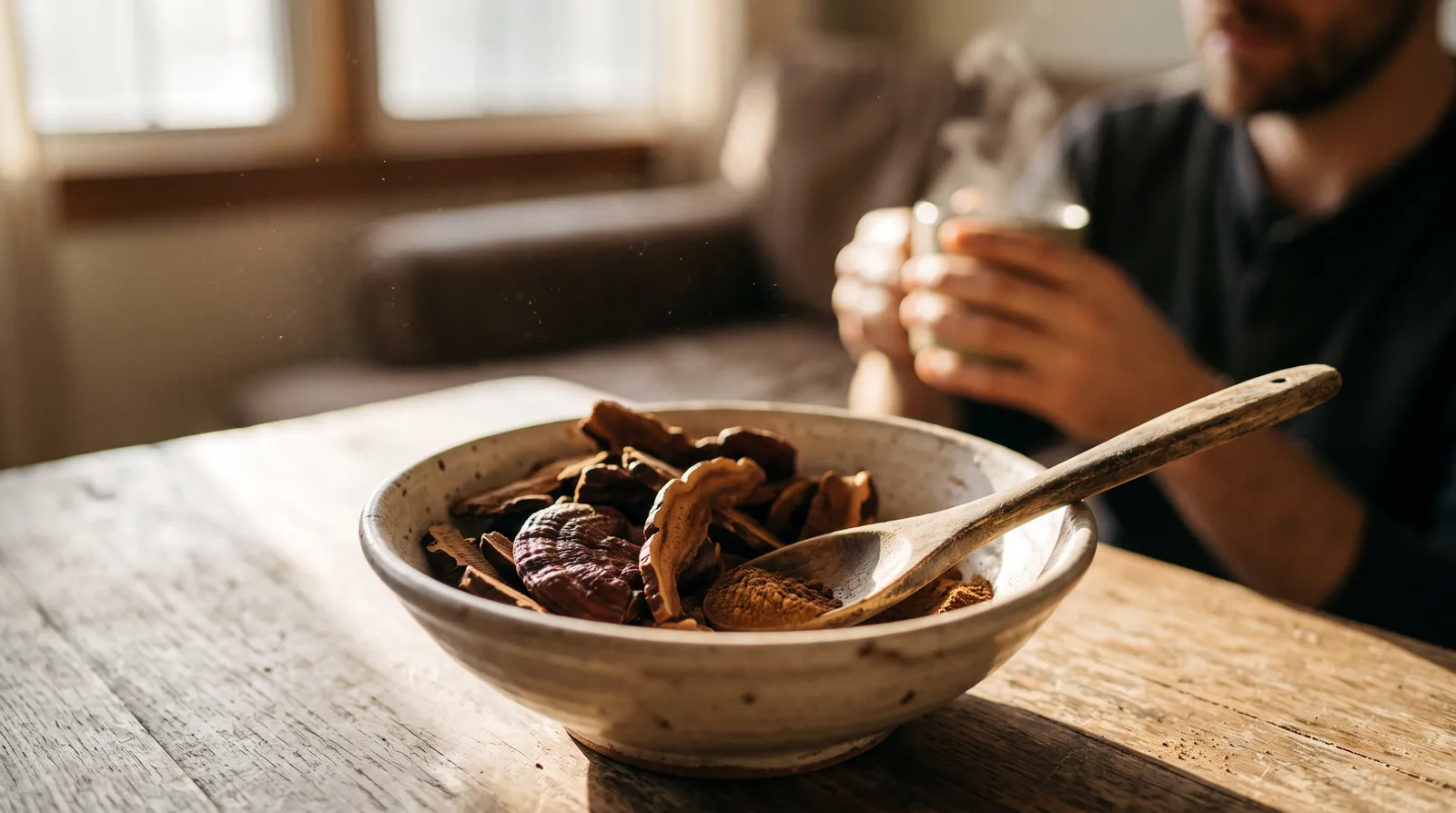
What people actually use it for: sleep support, stress recovery, and general immune upkeep during winter.
Traditional use: known in Chinese medicine as língzhī, the "mushroom of immortality," and traditionally used for over 2,000 years as a tonic for longevity and calm.
Key active compounds: triterpenes (ganoderic acids) and beta-glucans. Research suggests reishi polysaccharides show immunomodulating activity in vitro — a 2012 Cochrane review (Jin et al.) looked at reishi as an adjunct in cancer care and found modest immune parameter improvements, though the reviewers flagged the evidence quality as limited.
Practical form and dose: dual-extracted powder, capsules, or tincture — you want the extract, not raw powder, because the cell walls need breaking down. Clinical trials have used 1.5–9g of dried extract daily. Take it in the evening; it's not sedating exactly, but it settles you.
3. Cordyceps — the functional mushroom athletes talk about
Cordyceps (usually Cordyceps militaris in supplements, since the original Cordyceps sinensis is wild-harvested and eye-wateringly expensive) is the energy and endurance one. Bright orange, grown on rice or grain substrate in labs.
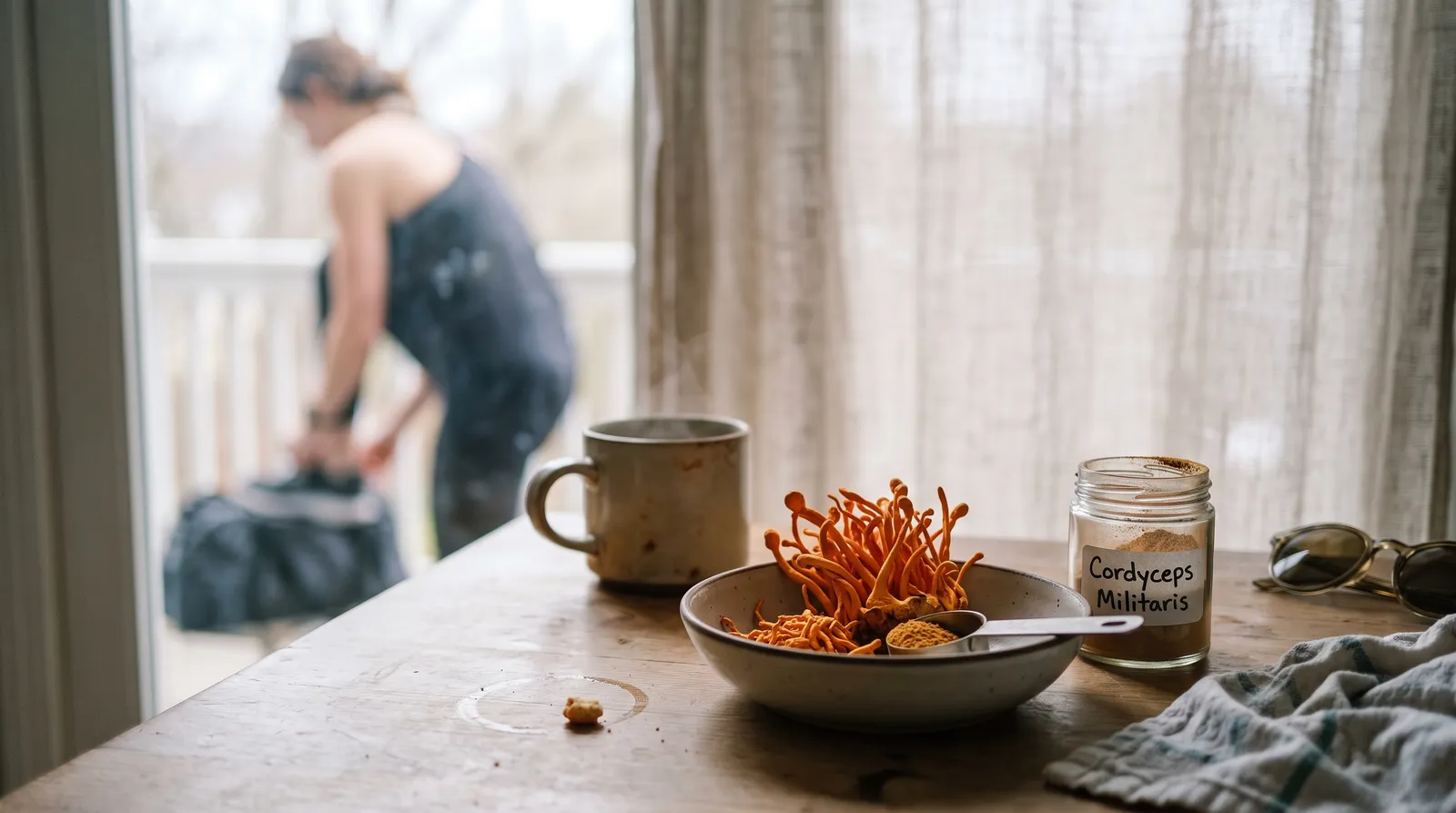
What people actually use it for: pre-workout stamina, oxygen uptake during exercise, and afternoon-slump energy without the coffee jitters.
Traditional use: traditionally used in Tibetan and Chinese medicine as a tonic for lung and kidney vitality, and famously by Chinese long-distance runners in the 1990s.
Key active compounds: cordycepin and adenosine analogues, plus beta-glucans. In a 2016 trial by Hirsch et al. (Journal of Dietary Supplements), participants taking 4g of a cordyceps-containing mushroom blend for three weeks showed improved VO2 max compared with placebo.
Practical form and dose: capsules or powder mixed into a pre-workout drink. Research ranges: 1–3g daily of C. militaris extract. If you're expecting a caffeine-style kick, adjust expectations — it's more of a slow build.
4. Chaga — the functional mushroom for antioxidants
Chaga (Inonotus obliquus) grows as a black, cracked chunk on birch trees in cold climates — Siberia, Finland, Canada. It looks like burnt charcoal and brews into a mild, earthy tea that's genuinely pleasant.
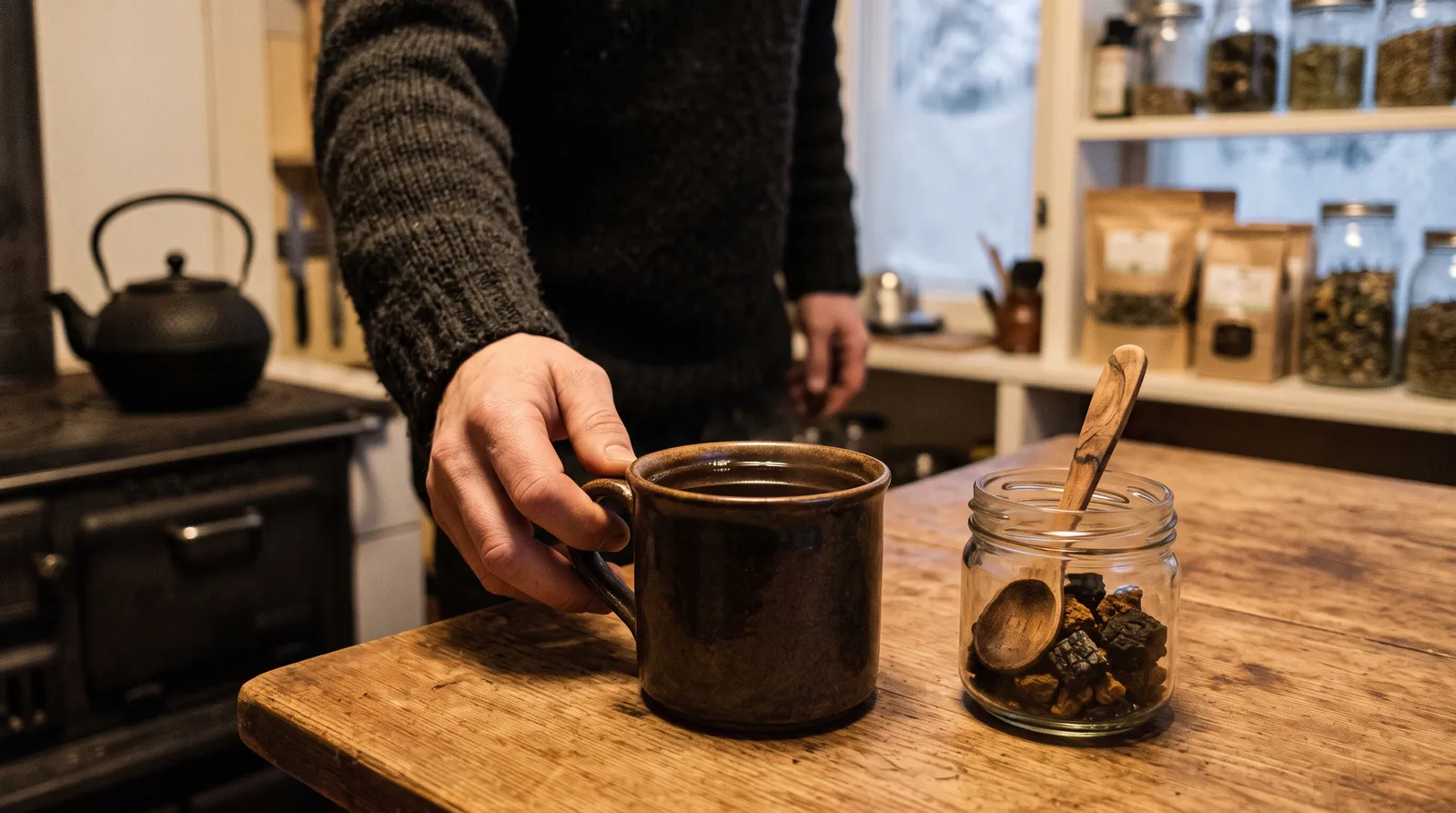
What people actually use it for: daily antioxidant intake, immune support through winter, and as a coffee replacement for people cutting caffeine.
Traditional use: traditionally used across Siberia, Scandinavia, and among First Nations peoples as an immune tonic and hot beverage.
Key active compounds: melanin, betulinic acid (drawn from the birch host), and polysaccharides. A 2011 in vitro study by Najafzadeh et al. in Biofactors reported that chaga extract reduced oxidative DNA damage in human lymphocytes — an interesting finding, though in-vitro work doesn't translate directly to human outcomes.
Practical form and dose: chunks for brewing tea (simmered slowly for 30+ minutes), or dual-extract powders and tinctures. Traditional tea preparations use around 3–5g per litre. Skip supermarket "chaga tea bags" — they're usually filler.
5. Maitake — the functional mushroom that's also dinner
Maitake (Grifola frondosa) means "dancing mushroom" in Japanese, supposedly because foragers danced when they found one. It's a genuine culinary mushroom — meaty, layered, delicious sautéed — that happens to have serious research behind it.
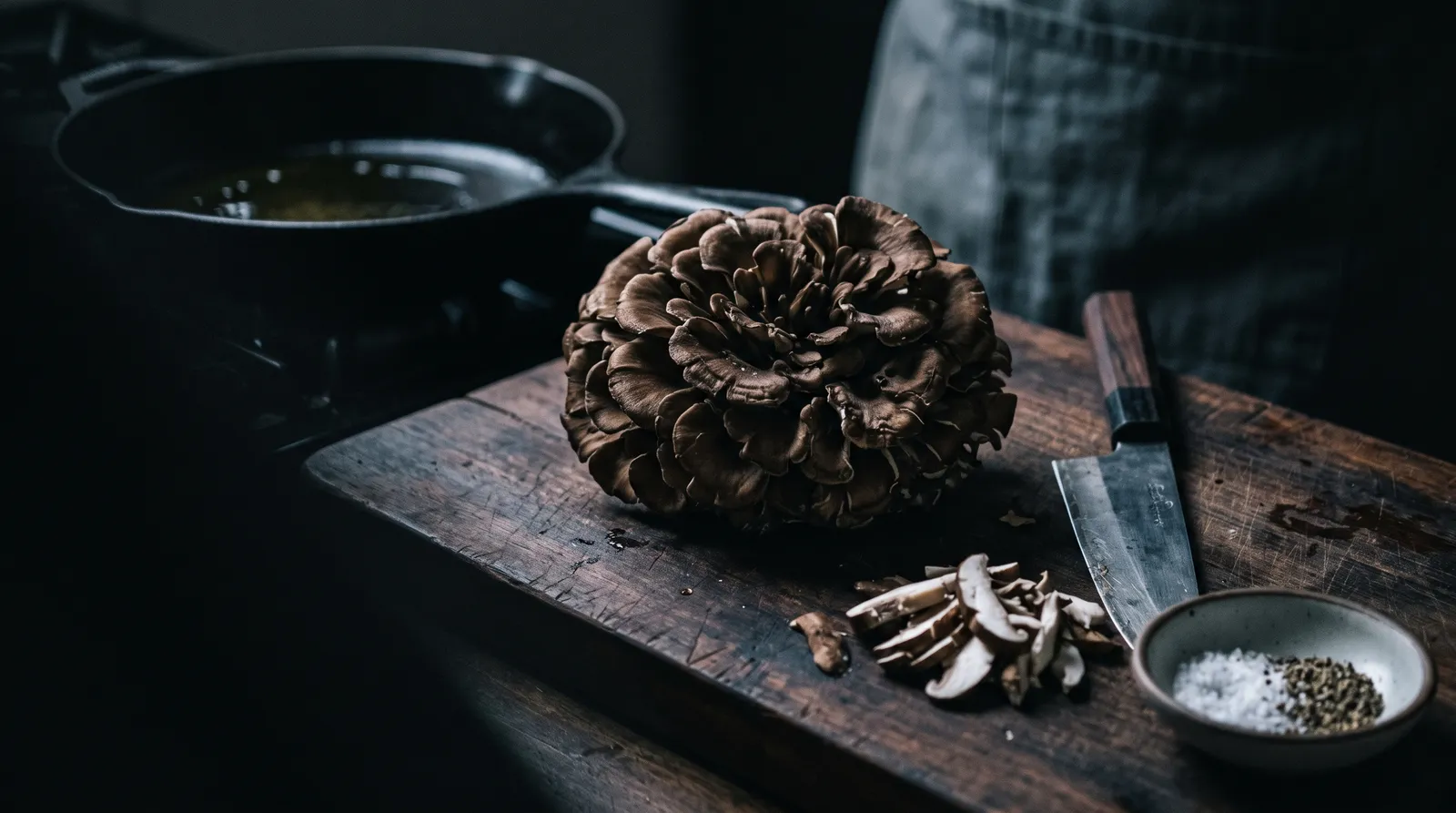
What people actually use it for: immune support and blood sugar balance, particularly people managing metabolic health.
Traditional use: traditionally used in Japanese kampo medicine as a tonic for vitality and immune resilience.
Key active compounds: the D-fraction and MD-fraction — specific beta-glucan structures unique to maitake. According to Konno et al. (2001, Diabetes, Obesity and Metabolism), maitake extract showed hypoglycaemic activity in a small pilot study of type 2 diabetes patients, though the study was preliminary and sample sizes were small.
Practical form and dose: capsules or standardised D-fraction liquid extract. Research doses vary: 3–7mg/kg of D-fraction, or roughly 1–3g of whole extract daily. Also worth eating fresh if your greengrocer stocks it.
6. Shiitake — the functional mushroom hiding in your kitchen
Shiitake (Lentinula edodes) is the one you already know. It's the umbrella-capped brown mushroom in your stir-fry, but the dried version and extracts are where the functional use comes in.
What people actually use it for: immune support, cardiovascular maintenance, and daily nutrition — it's the easiest of the seven to just eat.
Traditional use: traditionally used across China and Japan for over 1,000 years, referenced in the Ming Dynasty Compendium of Materia Medica as a food for longevity.
Key active compounds: lentinan (a beta-glucan) and eritadenine. In a 2015 study by Dai et al. (Journal of the American College of Nutrition), 52 healthy adults eating 5–10g of dried shiitake daily for four weeks showed improved markers of immune cell activity compared with baseline.
Practical form and dose: honestly? Cook and eat them. Otherwise, extract capsules at 1–3g dried equivalent per day. Lentinan itself has been used as an injectable adjunct in Japanese oncology since the 1980s, but that's a clinical setting, not a supplement.
7. Snow Fungus (Tremella fuciformis) — the functional mushroom for skin
Snow fungus, also called silver ear or tremella, is the odd one out — gelatinous, translucent, and almost flavourless. In Chinese dessert soups it's cooked with rock sugar and lotus seeds. In supplements, it's the skin and hydration mushroom.
What people actually use it for: skin hydration and elasticity, and as a plant-based alternative to hyaluronic acid.
Traditional use: traditionally used in Chinese cuisine and medicine as a beauty tonic, particularly associated with Yang Guifei, a Tang Dynasty concubine famous for her skin.
Key active compounds: tremella polysaccharides with hyaluronic-acid-like water-holding capacity. Research by Wen et al. (2016, Carbohydrate Polymers) observed that tremella polysaccharides retained moisture at rates comparable to hyaluronic acid in vitro. Whether that translates to plumper skin from an oral supplement is still an open question — the evidence base is thinner here than for the others.
Practical form and dose: capsules or powder, 1–3g daily. Or make the dessert soup — genuinely good with pear and goji.
Quick-reference table: all 7 functional mushrooms
| Mushroom | Main use | Key compound | Typical research dose |
|---|---|---|---|
| Lion's Mane | Cognitive support | Hericenones, erinacines | 1–3g/day |
| Reishi | Sleep, stress recovery | Triterpenes, beta-glucans | 1.5–9g/day |
| Cordyceps | Endurance, energy | Cordycepin | 1–3g/day |
| Chaga | Antioxidants, immune | Melanin, betulinic acid | 3–5g/day (tea) |
| Maitake | Immune, metabolic | D-fraction beta-glucans | 1–3g/day |
| Shiitake | Immune, nutrition | Lentinan | 5–10g/day (dried) |
| Snow Fungus | Skin hydration | Tremella polysaccharides | 1–3g/day |
From our counter: what people actually buy
After 25 years in the shop, here's what we've noticed. Most people don't want seven bottles — they want one thing that covers the bases. That's why blends outsell singles at least three to one at our counter. The 7 Mushrooms Organic Mix is exactly that: all seven on this list in one powder, honest ratios, no filler. If you'd rather have capsules to take with breakfast, Power 5 Mushroom Capsules covers the five most-researched (lion's mane, reishi, cordyceps, chaga, and shiitake). Prefer drops in your coffee? The Power 5 Mushroom Tincture is the same five as a dual-extract liquid.
Honest limitation: functional mushrooms are not overnight anything. Most of the research uses 4–16 week timelines. If you take one for three days and give up, you haven't really tested it. Also worth saying: raw mushroom powders (not extracts) are largely a waste of money. Chitin cell walls block absorption. Look for "dual extract" or hot-water extracted on the label.
The bottom line: which mushroom for which job
Seven mushrooms, seven jobs. Lion's mane for the brain, reishi to wind down, cordyceps for the legs, chaga for antioxidants, maitake and shiitake for immune and metabolic upkeep, snow fungus for skin. You don't need to overthink it — pick one goal, give it a month, or grab a blend like the 7 Mushrooms Organic Mix and cover the lot. Whichever route you take, look for proper dual-extract processing on the label. That's where the value actually sits.
Last updated: April 2026
Frequently Asked Questions
7 questionsAre functional mushrooms psychedelic?
Can you take different functional mushrooms together?
When's the best time to take functional mushrooms?
Are functional mushroom supplements safe?
How long until functional mushrooms actually work?
What's the difference between mycelium and fruiting body extracts?
Which functional mushroom should I start with?
About this article


Adam Parsons is an external cannabis and psychedelics writer and editor who contributes to Azarius's wiki as both author and reviewer. On the writing side, he authors Azarius's kratom and kanna clusters, drawing on exten
This blog article was drafted with AI assistance and reviewed by Adam Parsons, External contributor. Editorial oversight by Joshua Askew.
Last reviewed July 8, 2026
Related Articles
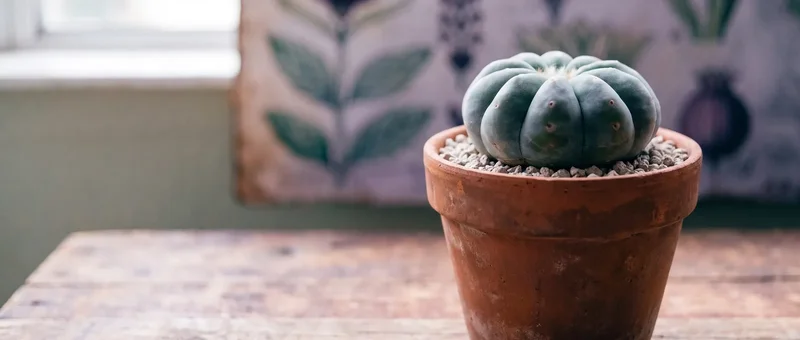
Peyote Cactus: Plant Profile and Care Guide
Peyote cactus care made simple: light, mineral soil, watering, winter rest and propagation, plus how Lophophora williamsii compares to San Pedro.
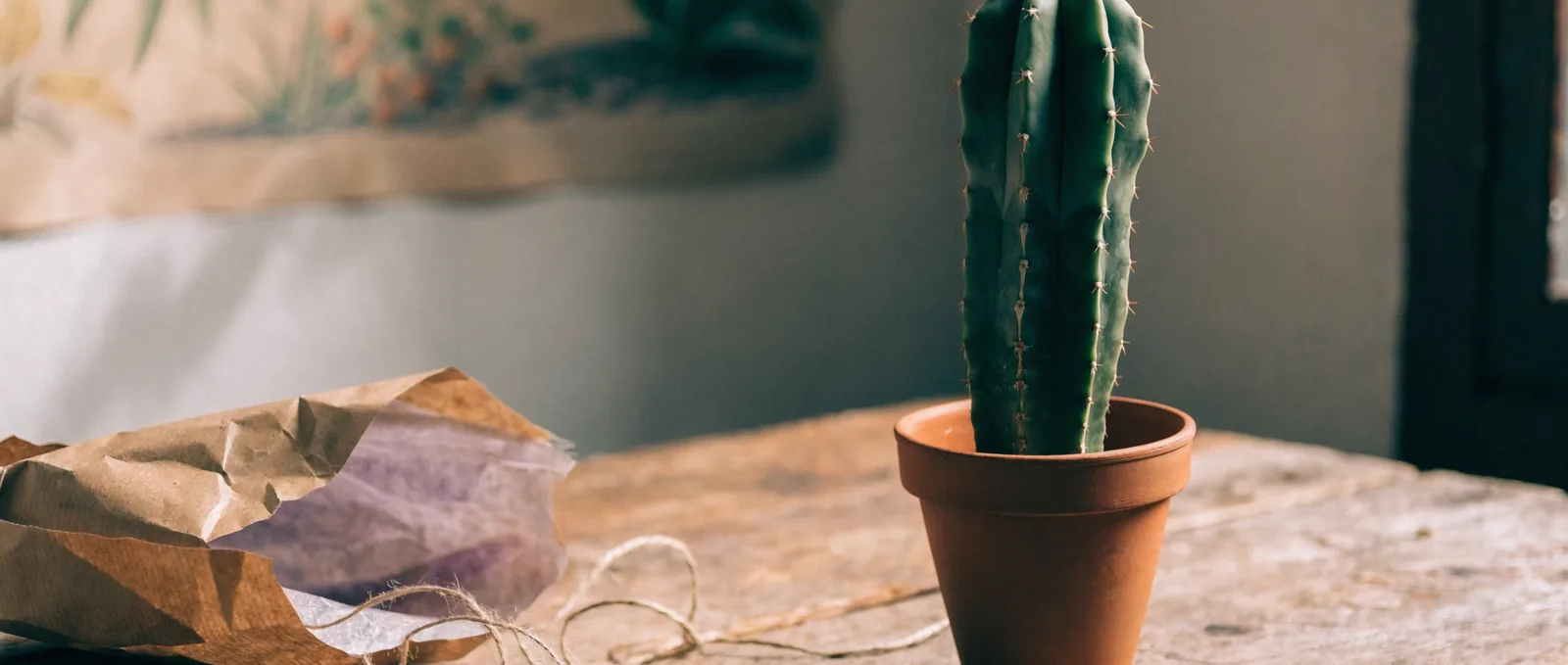
San Pedro Cactus Care: First-Year Guide for New Owners
Complete first-year san pedro cactus care guide: callusing, watering, dormancy, peyote differences, troubleshooting and species-by-species tips for…
Amanita Muscaria: Botany, Chemistry and European Folklore
Amanita muscaria is the fly agaric of European fairy tales — and a poisonous mushroom, not a magic one. The botany, the deadly lookalikes, the muscimol chemistry and the Santa myth, straight.
8 Balcony Cannabis Strains Ranked by Height for Small Grows
Eight balcony cannabis strains ranked by verified height, cycle time and THC — so your grow fits under the railing and out of the neighbours'…
How to Lemon Tek Mushrooms: Method, Dose & Timing
Learn how to lemon tek mushrooms step by step: chemistry, dosing, timing and harm reduction for a faster, sharper and shorter psilocybin experience.
Cannabis in Germany: Is Weed Legal in 2026? CanG Rules
Is weed legal? How cannabis in Germany works after CanG: 25 g possession, three plants at home, Cannabis Social Clubs and city-by-city enforcement.
How to Increase Bud Weight: 5 Hidden Yield Killers
Healthy plants, light harvests? Mr. Grow It's 5 hidden bottlenecks and exactly how to increase bud weight — without touching your nutrients.
How Long Does Being High Last? Cannabis Timeline
How long does being high last? On average about 4 hours — but smoking, edibles, dose and tolerance change everything. The full science-backed timeline.
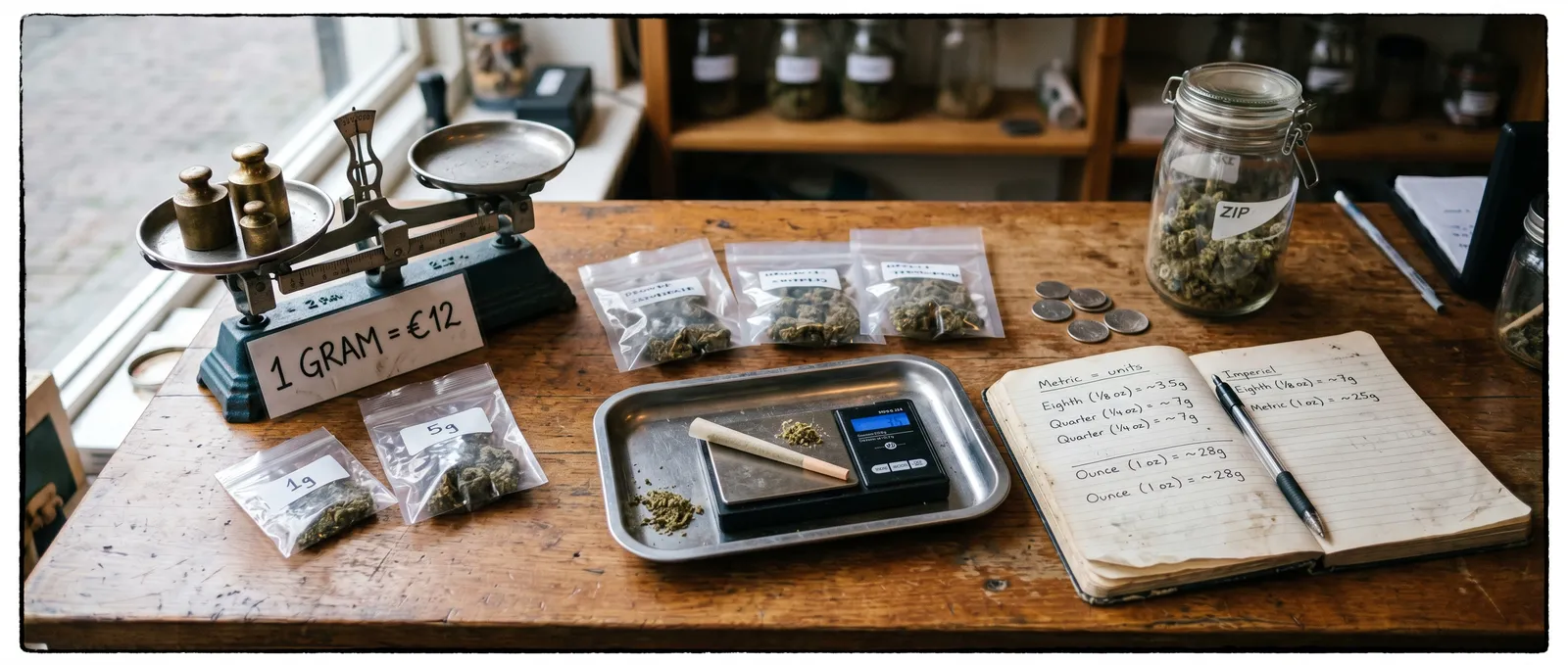
Cannabis Weed Weights & Measurements: Grams to Ounce Guide
Cannabis weed weights and measurements explained: grams, eighths, quarters, ounces and zips. Metric-first European reference with exact conversions.