
Cordyceps Militaris
Definition
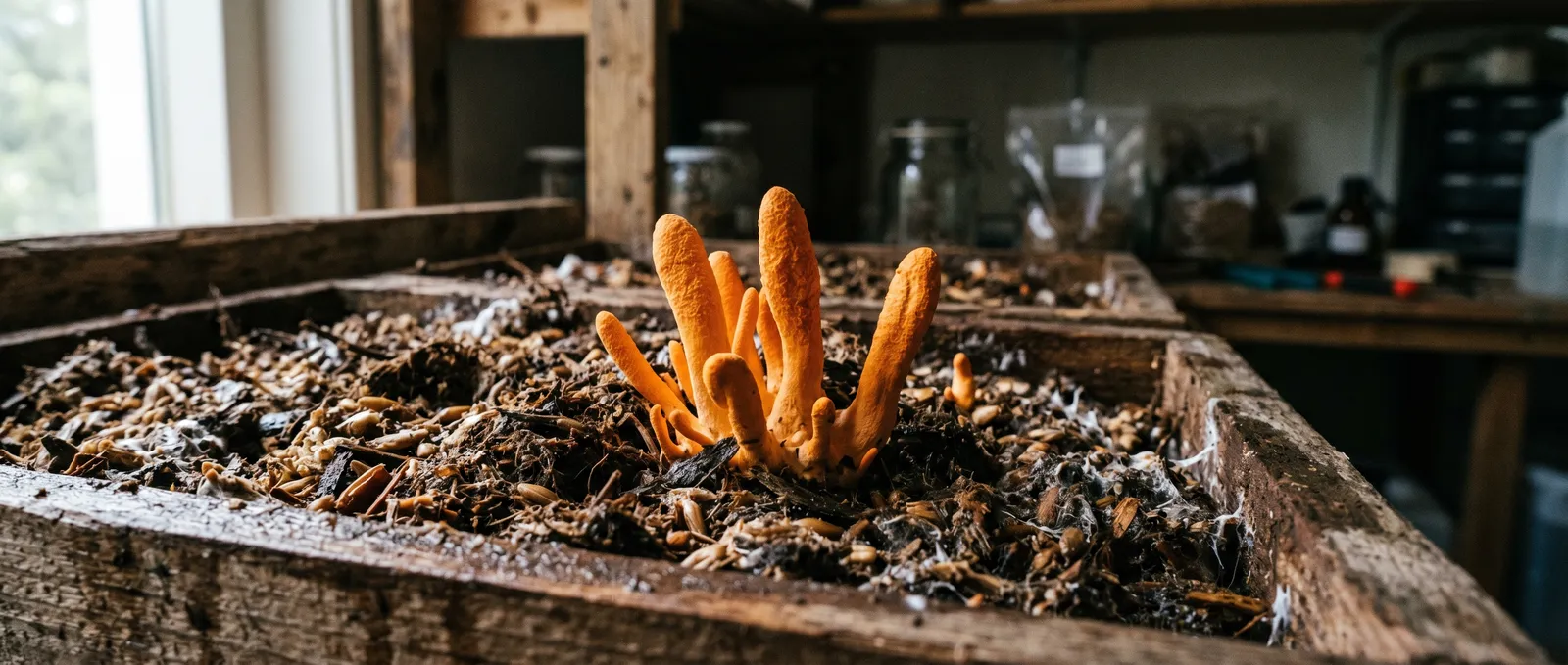
Cordyceps militaris is a cultivable parasitic fungus that produces cordycepin (3′-deoxyadenosine), a nucleoside analogue first isolated by Cunningham et al. (1950). Unlike the wild-harvested Ophiocordyceps sinensis of Tibetan medicine, C. militaris grows readily on grain substrates, making it the dominant species in commercial functional mushroom products. Its research base is substantial but leans heavily on in-vitro and animal-model work.
Cordyceps militaris is a cultivable parasitic fungus that produces cordycepin (3′-deoxyadenosine), a nucleoside analogue with a growing body of pharmacological research behind it. This species belongs to the family Cordycipitaceae and infects insect larvae, eventually replacing host tissue with its own bright orange fruiting body. Unlike its more famous relative Ophiocordyceps sinensis — which grows wild at altitude on the Tibetan Plateau and commands extremely high prices per kilogram — C. militaris is readily cultivated on grain or rice substrates in controlled indoor environments. This cultivability is precisely why it dominates the commercial functional mushroom market. Cordycepin was first isolated by Cunningham et al. (1950) and has since become the focus of substantial in-vitro and animal-model research.
Taxonomy and the Sinensis Distinction
C. militaris and Ophiocordyceps sinensis are two different species in two different genera with significantly divergent chemical profiles. The word "cordyceps" gets thrown around loosely in the supplement world, so it pays to know which organism you're actually reading about. O. sinensis (formerly classified as Cordyceps sinensis before phylogenetic revision moved it to a separate genus) is the traditional caterpillar fungus of Tibetan and Chinese medicine — wild-harvested, extremely scarce, and ecologically threatened by over-collection.
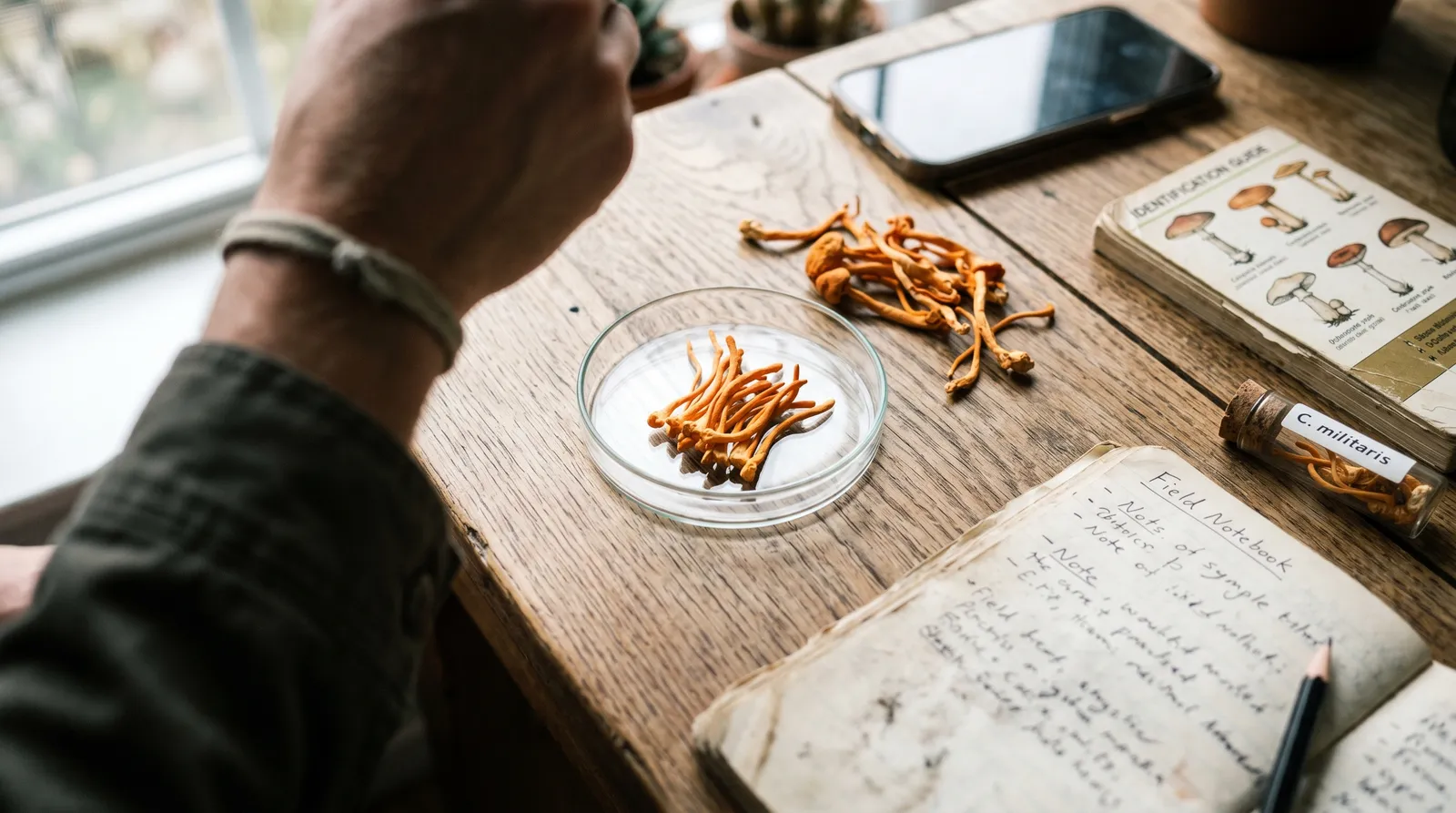
O. sinensis contains cordycepin, but at far lower concentrations. Quantitative analyses have found that C. militaris fruiting bodies can contain up to 90 times more cordycepin than O. sinensis (Shrestha et al., 2012). That gap matters because cordycepin is the compound most frequently cited in pharmacological studies on the genus.
When a supplement label says "cordyceps" without specifying the species, you have no way of knowing what's inside. Most affordable commercial products use C. militaris, which is the species this article addresses. If you encounter a product claiming to contain sinensis at a low price point, scepticism is warranted — genuine wild O. sinensis is one of the most expensive biological materials on earth.
Key Bioactive Compounds
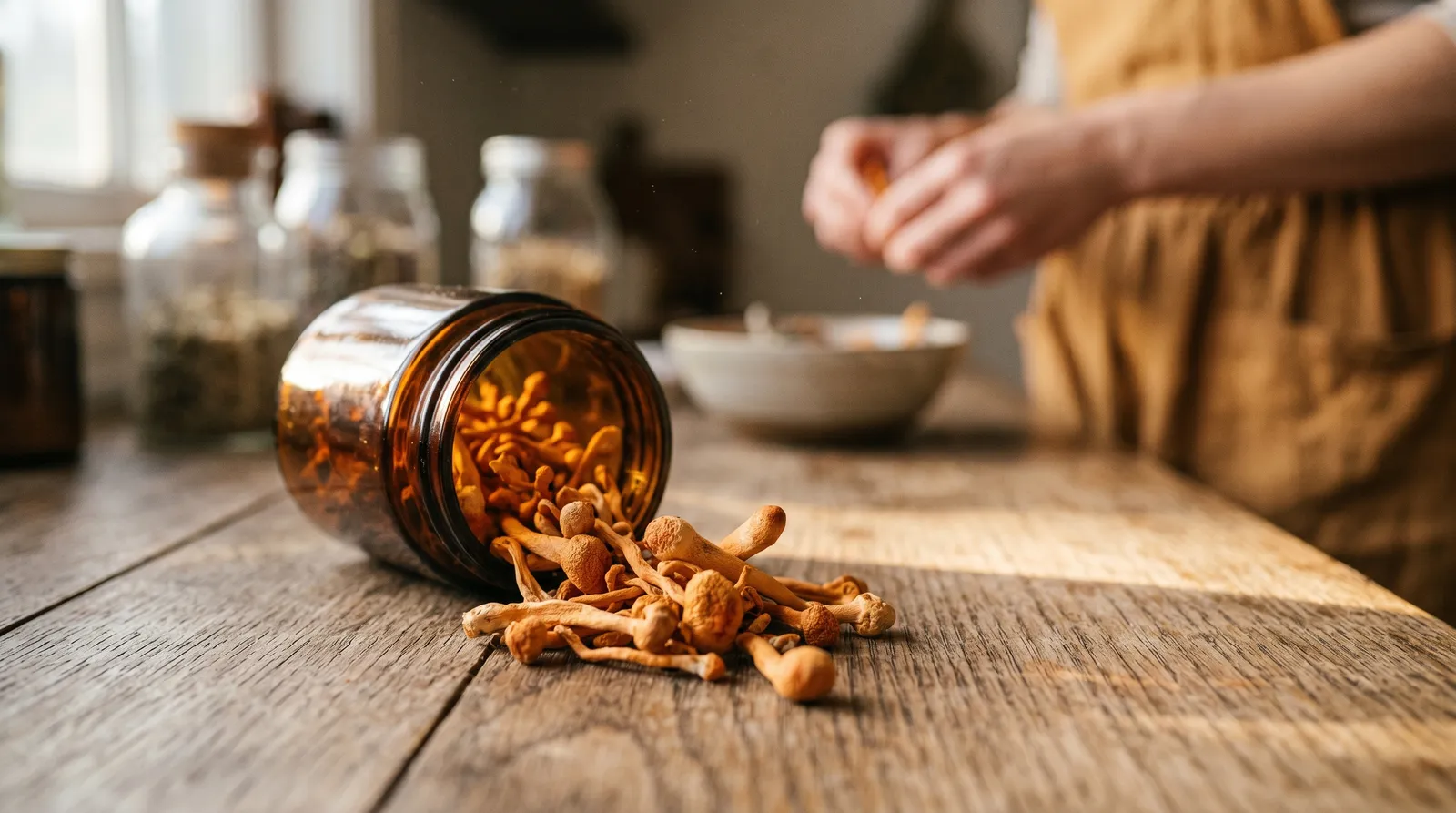
The main active constituents in C. militaris are cordycepin, pentostatin, polysaccharides (including beta-glucans), cordycepic acid, and ergosterol. The pharmacological interest centres on these compound classes, each with its own extraction requirements and research base.
- Cordycepin (3′-deoxyadenosine) — a nucleoside analogue structurally almost identical to adenosine but lacking a hydroxyl group at the 3′ position of its ribose sugar. This small difference allows it to interfere with RNA synthesis and various adenosine-dependent signalling pathways. Tuli et al. (2013) reviewed the in-vitro evidence and noted anti-proliferative, anti-inflammatory, and anti-oxidant activity in cell-culture models. The critical caveat: most of this work uses isolated cordycepin at concentrations that may not reflect what reaches systemic circulation after oral consumption of a whole-mushroom product.
- Pentostatin (2′-deoxycoformycin) — a known pharmaceutical compound used in oncology. Xia et al. (2017) confirmed its natural occurrence in C. militaris, where it appears to protect cordycepin from rapid degradation by adenosine deaminase. The co-occurrence of these two compounds in the same organism is genuinely interesting from a chemical-ecology standpoint.
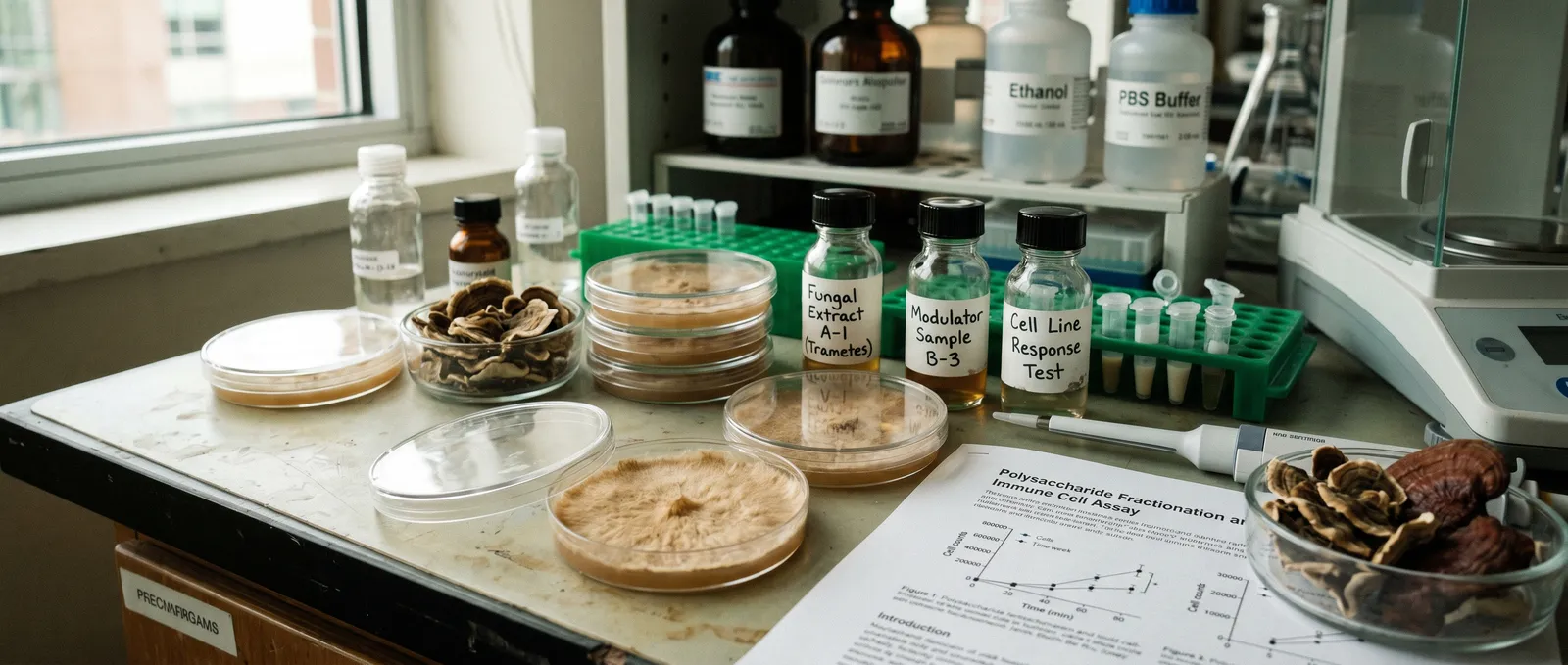
- Polysaccharides and beta-glucans — the water-soluble fraction, shared broadly across functional mushroom species. Research on C. militaris polysaccharides has examined immune-cell modulation in animal models — macrophage activation, natural-killer-cell activity, cytokine expression — but the literature here is less specific to cordyceps than it is for, say, the PSK and PSP fractions isolated from turkey tail (Trametes versicolor).
- Cordycepic acid (D-mannitol) — a sugar alcohol. Despite its specific-sounding name, D-mannitol is found widely in fungi and plants. Its inclusion in cordyceps marketing materials sometimes overstates its uniqueness.
- Ergosterol — the fungal precursor to vitamin D₂, present in fruiting bodies and useful as a marker for distinguishing genuine fruiting-body material from mycelium-on-grain preparations, which tend to carry lower ergosterol and higher starch content.
What the Research Actually Shows
The research base for C. militaris is broader than for many functional mushrooms but still leans heavily on in-vitro and animal-model work, with limited controlled human trials. Here is an honest breakdown by claim area.

Athletic Performance and Oxygen Utilisation
Short-term cordyceps supplementation does not meaningfully improve VO₂ max in trained athletes. This is the claim most commonly attached to cordyceps in popular media, and the evidence is mixed. Hirsch et al. (2017) conducted a systematic review and found that one-to-three-week supplementation showed no meaningful effect in trained populations. Some data suggest that longer supplementation periods (more than four weeks) at doses above 4 g daily may produce modest effects in untrained or elderly populations, but the trials are small and use varied preparations. Colson et al. (2005) and Earnest et al. (2004) both found no significant ergogenic benefit in their respective cycling-performance studies. The honest summary: if you are a trained athlete expecting a measurable bump in endurance from a cordyceps capsule, the published data do not support that expectation.
Blood Glucose Modulation
Animal studies have observed hypoglycaemic effects, but human clinical data remain thin. Several rodent studies have reported reductions in fasting blood glucose and improvements in insulin sensitivity markers in diabetic models (Dong et al., 2014). The animal-model findings are enough to warrant genuine caution for anyone taking diabetes medication (see Safety section below), but they are not enough to describe cordyceps as a blood-sugar management tool.
Immune Modulation
C. militaris polysaccharides stimulate macrophage and natural-killer-cell activity in cell-culture models (Lee et al., 2006). This is broadly consistent with what beta-glucan-rich fungi do in cell-culture and animal-model systems. Whether oral consumption of a commercial extract replicates these effects in a living human immune system is a different question — and one that controlled clinical trials have not convincingly answered. For comparison, lion's mane has a similarly promising in-vitro immune profile but equally limited human evidence, while turkey tail (Trametes versicolor) has progressed further toward clinical application with its PSK fraction used as an adjunct in Japanese oncology protocols.
Anti-tumour Activity
Cordycepin has demonstrated anti-proliferative effects against various cancer cell lines in vitro (Tuli et al., 2013). This is a long way from clinical oncology. Isolated-compound activity in a petri dish does not transfer to over-the-counter mushroom powders, and no clinical trial has established cordyceps as a therapy or adjunct in humans.
Neuroprotective Effects
A small number of animal studies have examined cordycepin's effects on neuroinflammation markers and memory-task performance in rodent models. The data are preliminary and insufficient to draw conclusions about cognitive effects in humans.
European Regulatory Context
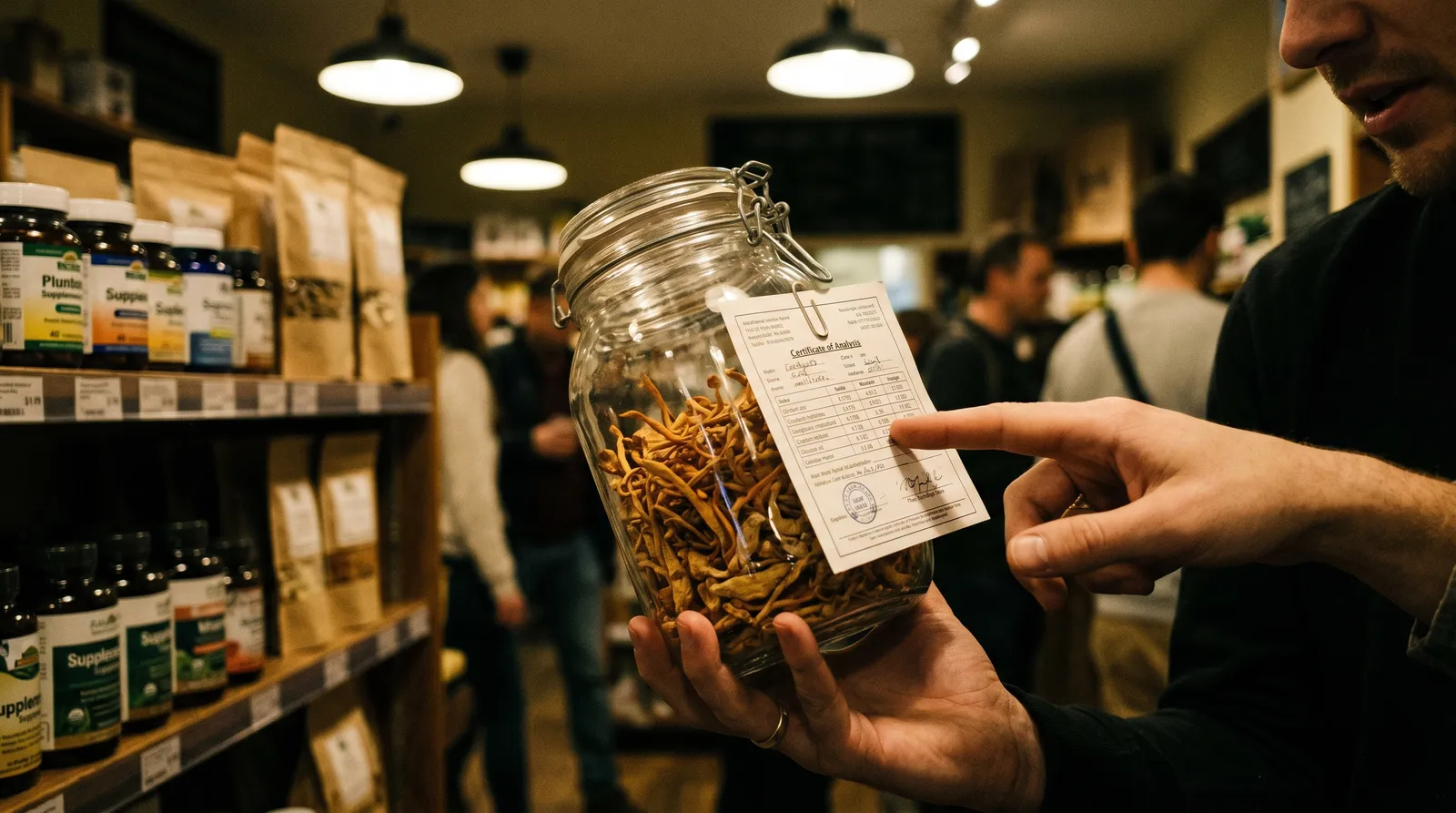
No unified EU health-claim approval exists for cordyceps militaris products. The European Food Safety Authority (EFSA) has not approved specific health claims for cordyceps-based products, which means any product sold within the EU may not legally make disease claims. In the Netherlands, the NVWA (Nederlandse Voedsel- en Warenautoriteit) oversees compliance for food supplements, including functional mushroom products. The European Medicines Agency (EMA) has not issued a monograph for C. militaris, distinguishing it from herbal substances like valerian or St John's wort that have received formal assessment. This regulatory gap means quality control falls largely on manufacturers and retailers — another reason to buy cordyceps militaris from suppliers who provide third-party certificates of analysis.
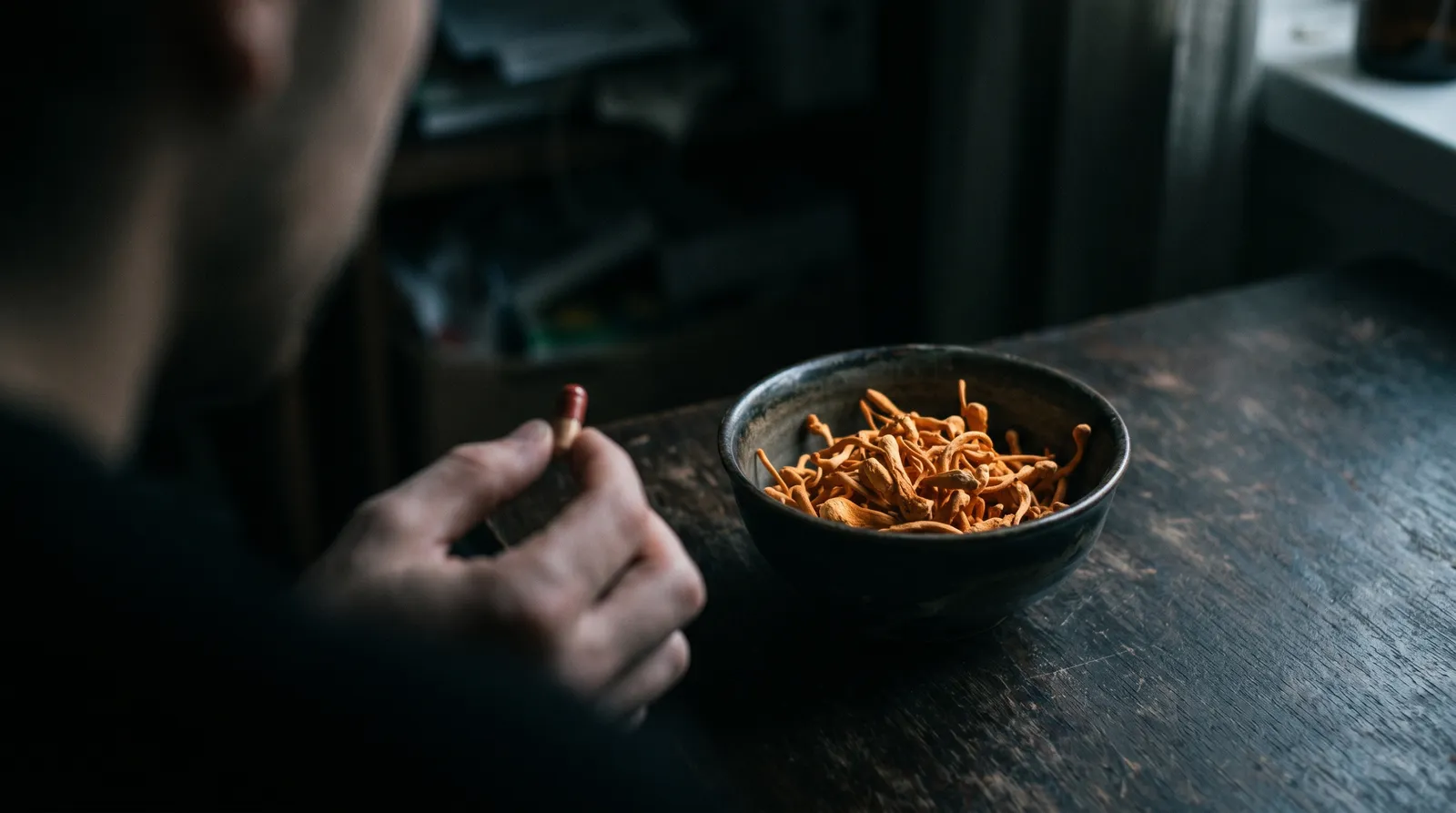
One honest limitation we'll flag: we cannot tell you with certainty what dose of cordycepin reaches your bloodstream from any given oral product. The pharmacokinetic data in humans simply do not exist at the level of detail needed to answer that question. This is a gap the entire functional mushroom industry shares, and anyone who tells you otherwise is getting ahead of the science.
That combination is one of the most popular stacks we sell, and while we cannot make clinical claims about the combination, the logic — cordycepin for metabolic pathways, hericenones and erinacines for nerve growth factor — at least makes mechanistic sense. If you're curious about stacking, our functional mushrooms category page lists every species we carry so you can compare extraction methods and compound profiles side by side.
One more observation we think is worth sharing: a handful of customers have told us they replaced their afternoon coffee with a cordyceps militaris powder stirred into warm water. They didn't describe a stimulant-like jolt — more like the mid-afternoon slump just stopped showing up after a couple of weeks. We can't generalise from anecdotes, and we wouldn't want to, but it's a pattern we've heard often enough to mention.
A third honest limitation: batch-to-batch variation in cordycepin content is real, even among reputable brands. We have seen certificates of analysis from different production runs of the same product showing measurable differences. This is not unique to cordyceps — it applies across the functional mushroom category — but it means that your experience with one batch may not perfectly replicate with the next. We mitigate this by stocking products from suppliers who test every batch, but we want you to know the limitation exists.
A fourth honest limitation worth raising: the vast majority of cordyceps militaris research uses isolated cordycepin or standardised extracts at defined concentrations, not the same commercial capsule or powder you'd get from a retail shelf. Translating a cell-culture finding into a real-world supplement outcome involves absorption, metabolism, and distribution variables that remain poorly characterised for cordycepin in humans. We sell these products because the mechanistic rationale is sound and customer feedback is consistently positive, but we refuse to pretend the clinical evidence is stronger than it is.
A fifth honest limitation we've learned the hard way: storage matters more than most people realise. We had a customer return a cordyceps militaris powder complaining it tasted off — turned out they'd been keeping it next to their stovetop for three months. Heat and moisture degrade cordycepin over time. Keep your product sealed, cool, and dry. It sounds obvious, but we mention it because it comes up more often than you'd expect.
Their reasoning was that they liked controlling the dose more precisely and could adjust upward on training days. We don't have data on whether that approach is better — just that it's a pattern we see, and it's worth knowing that powder gives you more flexibility if you prefer to experiment with timing and dose.
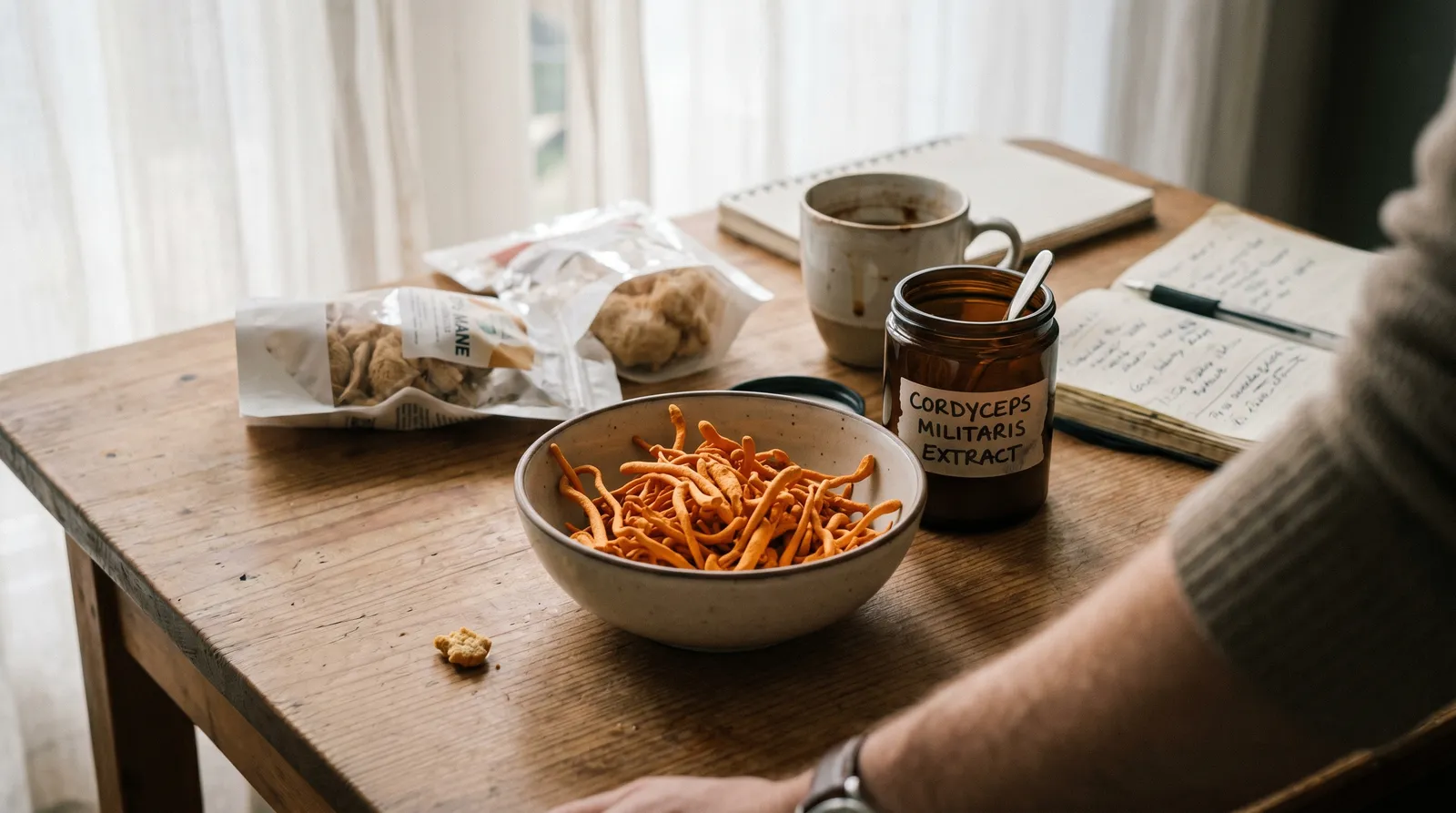
A seventh observation we keep coming back to: customers who track their supplement routines in a journal or app tend to report more clearly defined outcomes than those who just take a capsule and forget about it. One regular told us he logged his cordyceps militaris intake alongside sleep quality and afternoon energy scores for eight weeks and noticed a pattern he would have missed otherwise — his sustained-energy days correlated strongly with consistent morning dosing. Anecdote, not data, but it reinforces something the research also suggests: consistency matters more than any single dose.
An Honest Note on Expectations
Cordyceps militaris will not produce an immediate perceptible effect after a single dose — it is not a stimulant. The most common mistake we see is people expecting a noticeable shift from their first capsule. Functional mushrooms generally do not work that way. The research that does show positive trends — modest improvements in oxygen utilisation in untrained subjects, shifts in inflammatory markers in animal models — involves consistent daily use over weeks, not one-off doses. If you order cordyceps militaris from Azarius and feel nothing after three days, that is normal and not an indication that the product is inactive. Give it time, keep your expectations grounded in the science above, and track how you feel over a full month before drawing conclusions.
Extraction and Product Format
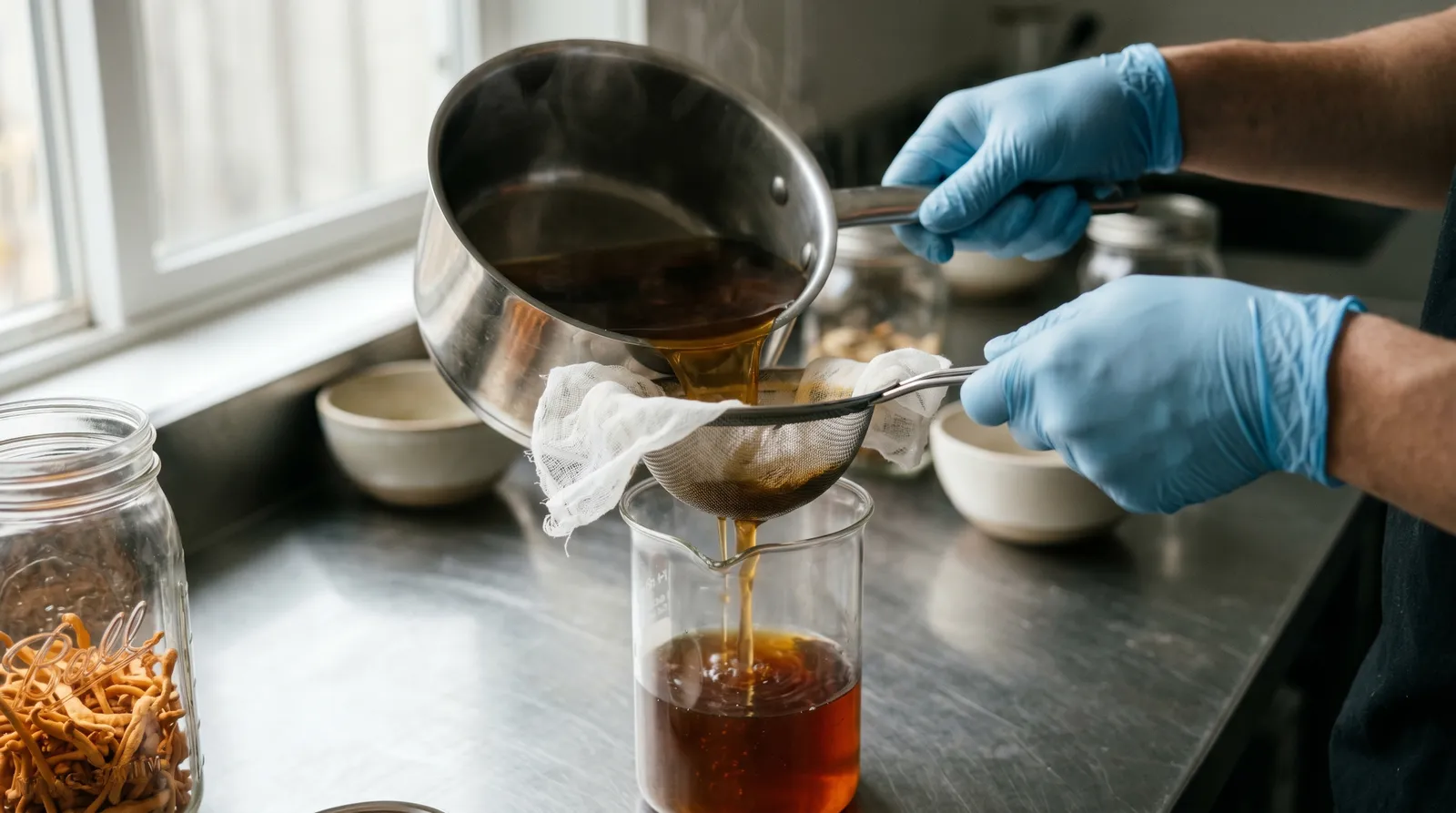
The extraction method determines which compounds a finished cordyceps militaris product actually contains. Cordycepin is water-soluble, so hot-water extraction captures it along with polysaccharides and beta-glucans. Alcohol extraction pulls different compound classes — sterols, some terpenes — but is less relevant for cordycepin specifically. Dual extraction (hot water followed by alcohol, or simultaneous) captures the broadest spectrum. For a detailed breakdown of these methods, the Azarius blog guide to functional mushroom extraction covers hot-water, alcohol, and dual-extraction processes and explains how each affects the final compound profile.
The mycelium-versus-fruiting-body debate applies here as it does across the functional mushroom category. Mycelium-on-grain products — where mycelium is grown on rice or oat substrate and the whole mass is harvested together — typically carry lower concentrations of cordycepin and beta-glucans and higher starch content from the grain itself. Fruiting-body extracts, grown to full maturity and separated from substrate before extraction, generally test higher for the target compounds. Some manufacturers argue that mycelium preparations contain intracellular compounds not found in fruiting bodies; the beta-glucan-focused position counters that the grain dilution makes these preparations substantially weaker per gram. This is an active industry disagreement, and product labels do not always make the distinction clear. If a product does not specify "fruiting body" or "mycelium on grain," the latter is more likely at lower price points.
Research findings from a standardised hot-water extract of C. militaris fruiting bodies do not automatically apply to a capsule of ground mycelium-on-grain powder. The preparation matters. If you want to buy cordyceps militaris in a form that reflects the research, look for products that specify fruiting-body extract, state the extraction method, and ideally provide a certificate of analysis showing cordycepin and beta-glucan content. At Azarius, our cordyceps militaris products meet these criteria — you can order with confidence that the product format aligns with what the published literature actually tested.
Safety and Interactions
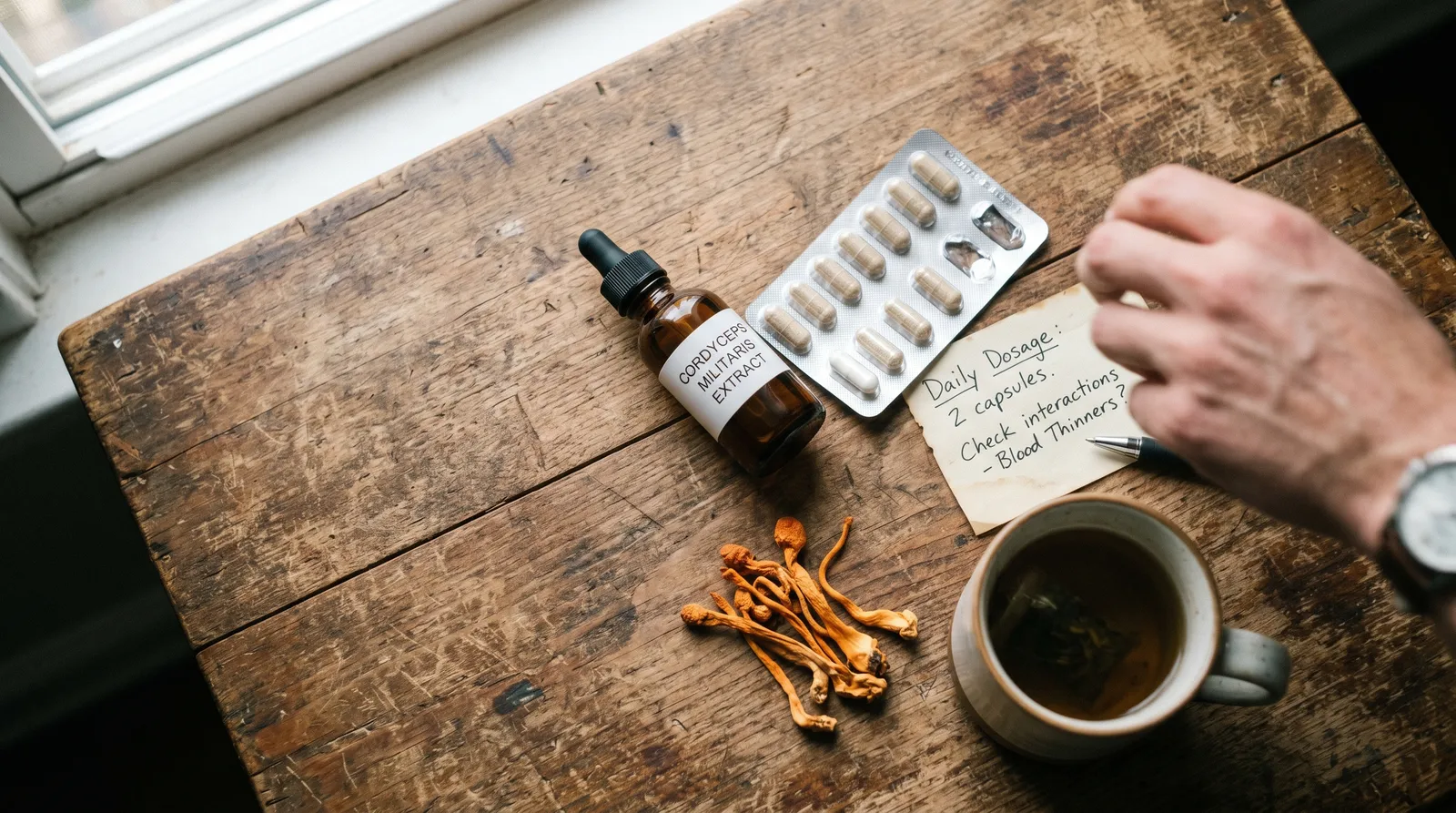
C. militaris is generally well-tolerated at studied doses of 1–4 g daily, but several interaction risks require attention. For a more detailed treatment of how functional mushrooms interact with common medications, see the dedicated functional mushroom interactions article in the Azarius wiki.

- Diabetes medication: Given the animal-model evidence for hypoglycaemic effects, C. militaris may potentiate the blood-sugar-lowering action of metformin, sulfonylureas, and insulin. The risk is additive hypoglycaemia — blood sugar dropping lower than intended. Anyone on these medications should speak with their prescriber before adding cordyceps to the mix.
- Blood pressure medication: Some evidence suggests modest blood-pressure-lowering effects. Combined with antihypertensive substances, this creates a cumulative risk of excessive blood-pressure reduction. The same caution applies to reishi and chaga.
- Anticoagulants and antiplatelets: While the anticoagulant data are stronger for reishi specifically, cordyceps has shown some antiplatelet activity in vitro. If you take warfarin, apixaban, rivaroxaban, or similar blood thinners, this interaction is worth discussing with a clinician. Discontinuation before elective surgery is a sensible precaution.
- Immunosuppressants: As a beta-glucan-containing fungus with immune-modulating properties observed in vitro, C. militaris theoretically works in opposition to immunosuppressive compounds such as methotrexate, tacrolimus, ciclosporin, and corticosteroids. The clinical evidence for this specific interaction is limited, but the mechanistic concern is real. People with autoimmune conditions or those on immunosuppressive therapy should exercise particular caution.
- Pregnancy and breastfeeding: Safety data for these populations do not exist in any meaningful form.
- Mushroom sensitivities: Fungal cross-reactivity is a genuine phenomenon. If you have known mould or mushroom sensitivities, approach any functional mushroom product cautiously.
Traditional Use
Historical cordyceps use in traditional Chinese and Tibetan medicine spans several centuries, referring primarily to wild-harvested O. sinensis rather than cultivated C. militaris. The traditional applications included fatigue, respiratory complaints, kidney function, and what classical texts described as replenishing "life essence." These traditional frameworks operate on entirely different conceptual models from modern pharmacology, and the historical use of a wild high-altitude caterpillar fungus cannot be straightforwardly mapped onto a cultivated species grown on rice substrate in a climate-controlled room — even if the two share some chemical constituents.
That said, the traditional prominence of cordyceps in East Asian medicine is what drove modern scientific interest in the genus in the first place, and the ethnobotanical record remains a legitimate starting point for research hypotheses.
How Cordyceps Militaris Compares to Other Functional Mushrooms
Cordyceps militaris is the only widely available functional mushroom species with meaningful cordycepin content, which gives it a distinct pharmacological profile. Here is a quick comparison to help you get the right product for your goals:
- Cordyceps militaris vs. lion's mane: Lion's mane (Hericium erinaceus) is primarily researched for nerve growth factor stimulation and cognitive support, while cordyceps militaris research centres on energy metabolism and cordycepin pharmacology. They target different systems and are sometimes stacked together. You can find both species in the Azarius functional mushrooms category.
- Cordyceps militaris vs. reishi: Reishi (Ganoderma lucidum) is more strongly associated with sleep support, stress adaptation, and triterpene-driven immune modulation. Cordyceps is more commonly chosen by people interested in daytime energy. Reishi has stronger anticoagulant data, so the interaction profiles differ. Both are available from Azarius.
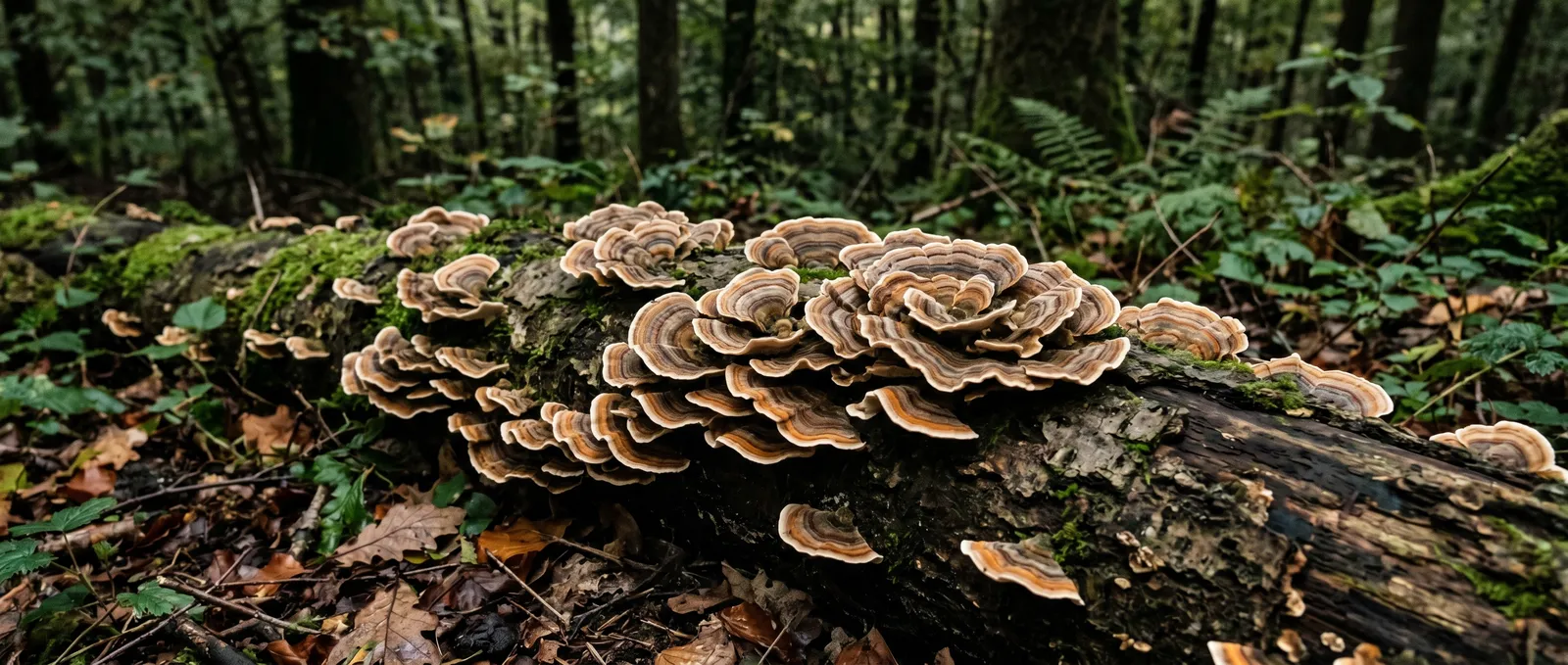
- Cordyceps militaris vs. turkey tail: Turkey tail's PSK and PSP polysaccharide fractions have progressed further into clinical oncology research than any cordyceps compound. For immune-focused supplementation specifically, turkey tail has a more developed evidence base. You can order turkey tail products from the Azarius functional mushrooms range.
- Cordyceps militaris vs. chaga: Chaga (Inonotus obliquus) is rich in antioxidant compounds (notably melanin and betulinic acid derivatives) and is traditionally used for digestive and immune support. Its research base is smaller than that of cordyceps militaris. Both are available in the Azarius functional mushrooms range.
Where to Buy Cordyceps Militaris
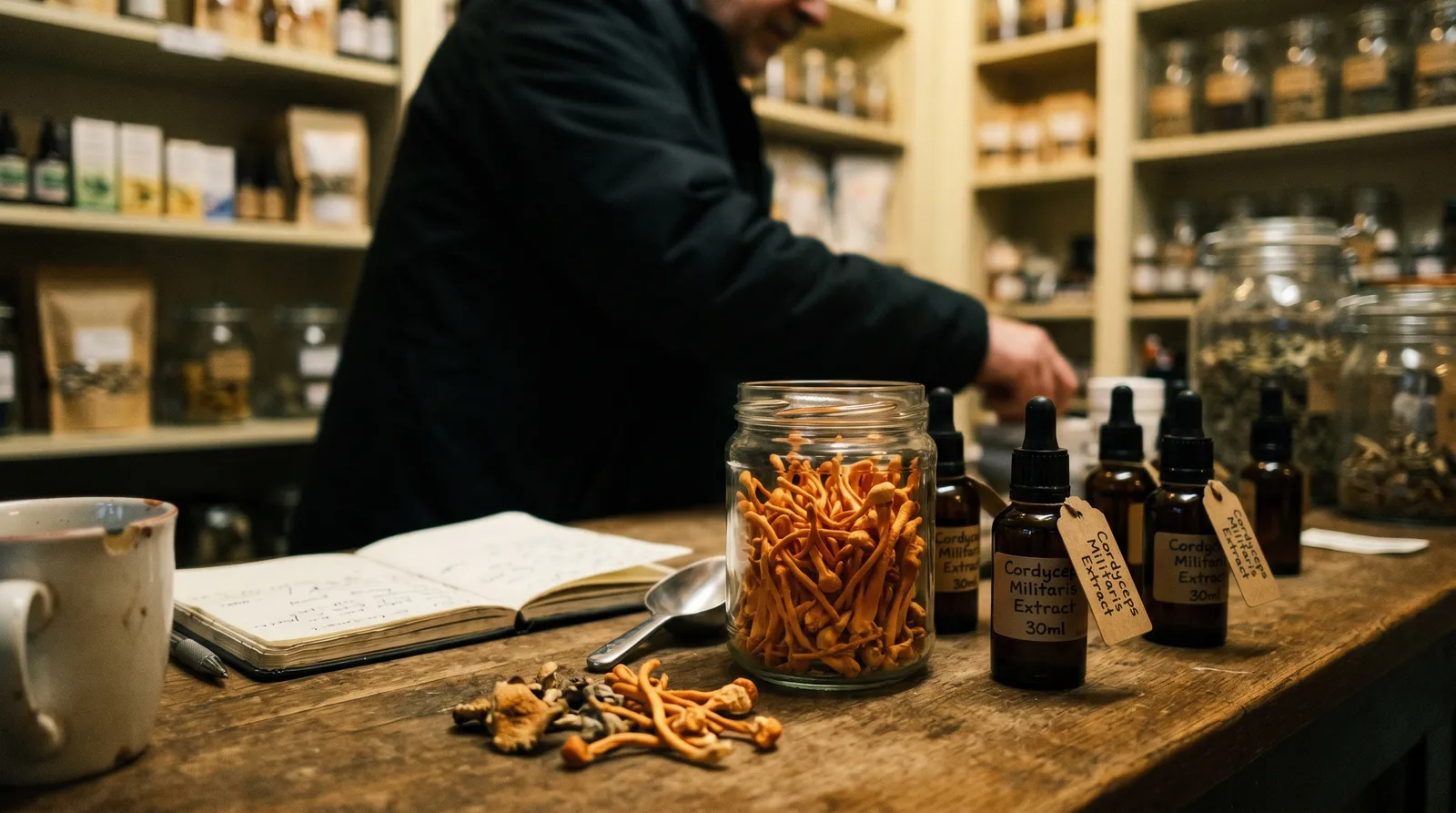
Fruiting-body extracts with verified cordycepin content and a certificate of analysis are the gold standard when you want to buy cordyceps militaris that reflects the research. At Azarius, every cordyceps militaris product we stock meets these criteria — hot-water or dual-extracted fruiting body, with batch-tested compound levels. You can order cordyceps militaris capsules, powders, and tinctures from our functional mushrooms category. We also carry lion's mane, reishi, turkey tail, and chaga if you want to build a stack or compare species side by side. For customers in the Netherlands, orders placed before 16:00 on weekdays typically ship the same day. If you're new to functional mushrooms and unsure where to start, get a cordyceps militaris capsule product — capsules make dosing straightforward and require no preparation. For a deeper look at how cordycepin and other mushroom compounds work at the molecular level, the Azarius blog has a guide to functional mushroom extraction methods that covers hot-water, alcohol, and dual-extraction processes in detail.
References
| Source | Detail |
|---|---|
| Colson et al. (2005) | No ergogenic effect of Cordyceps sinensis supplementation on cycling performance. International Journal of Sport Nutrition and Exercise Metabolism, 15(3), 236–242. |
| Cunningham et al. (1950) | Isolation and characterisation of cordycepin (3′-deoxyadenosine) from Cordyceps militaris. Journal of the Chemical Society, 2299–2300. |
| Dong et al. (2014) | Hypoglycaemic effects of Cordyceps militaris polysaccharides in streptozotocin-induced diabetic mice. International Journal of Biological Macromolecules, 64, 72–78. |
| Earnest et al. (2004) | Effects of a commercial herbal-based formula on exercise performance in cyclists. Medicine and Science in Sports and Exercise, 36(3), 504–509. |
| EFSA (2012) | Guidance on the scientific requirements for health claims related to functions of the nervous system. EFSA Journal, 10(7), 2816. (Referenced for EU health-claim framework context.) |
| Hirsch et al. (2017) | Cordyceps militaris improves tolerance to high-intensity exercise after acute and chronic supplementation. Journal of Dietary Supplements, 14(1), 42–53. |
| Lee et al. (2006) | Immunomodulatory activity of polysaccharides from Cordyceps militaris. International Immunopharmacology, 6(9), 1363–1369. |
| Shrestha et al. (2012) | Comparison of cordycepin content in Cordyceps militaris and Ophiocordyceps sinensis. Mycobiology, 40(4), 235–239. |
| Tuli et al. (2013) | Pharmacological and therapeutic potential of cordycepin. 3 Biotech, 4(1), 1–12. |
| Xia et al. (2017) | Simultaneous determination of cordycepin and pentostatin in Cordyceps militaris. Molecules, 22(7), 1148. |
Last updated: April 2026
Frequently Asked Questions
10 questionsWhat is the difference between Cordyceps militaris and Ophiocordyceps sinensis?
Does cordyceps actually improve athletic performance?
Can cordyceps interact with diabetes medication?
What is cordycepin and why does it matter?
Does it matter whether a cordyceps product uses fruiting body or mycelium on grain?
How does cordyceps militaris compare to lion's mane or reishi?
Is cordyceps militaris safe to take every day?
How much cordycepin is actually in a typical cordyceps militaris supplement?
How long does it take to notice effects from cordyceps militaris?
What is the best time of day to take cordyceps militaris?
About this article


Adam Parsons is an external cannabis and psychedelics writer and editor who contributes to Azarius's wiki as both author and reviewer. On the writing side, he authors Azarius's kratom and kanna clusters, drawing on exten
This wiki article was drafted with AI assistance and reviewed by Adam Parsons, External contributor. Editorial oversight by Joshua Askew.
Medical disclaimer. This content is for informational purposes only and does not constitute medical advice. Consult a qualified healthcare provider before use of any substance.
Last reviewed April 24, 2026
References (9)
- [1]Colson et al. (2005) — No ergogenic effect of Cordyceps sinensis supplementation on cycling performance. International Journal of Sport Nutrition and Exercise Metabolism, 15(3), 236–242.
- [2]Cunningham et al. (1950) — Isolation and characterisation of cordycepin (3′-deoxyadenosine) from Cordyceps militaris. Journal of the Chemical Society, 2299–2300.
- [3]Dong et al. (2014) — Hypoglycaemic effects of Cordyceps militaris polysaccharides in streptozotocin-induced diabetic mice. International Journal of Biological Macromolecules, 64, 72–78.
- [4]Earnest et al. (2004) — Effects of a commercial herbal-based formula on exercise performance in cyclists. Medicine and Science in Sports and Exercise, 36(3), 504–509.
- [5]Hirsch et al. (2017) — Cordyceps militaris improves tolerance to high-intensity exercise after acute and chronic supplementation. Journal of Dietary Supplements, 14(1), 42–53.
- [6]Lee et al. (2006) — Immunomodulatory activity of polysaccharides from Cordyceps militaris. International Immunopharmacology, 6(9), 1363–1369.
- [7]Shrestha et al. (2012) — Comparison of cordycepin content in Cordyceps militaris and Ophiocordyceps sinensis. Mycobiology, 40(4), 235–239.
- [8]Tuli et al. (2013) — Pharmacological and therapeutic potential of cordycepin. 3 Biotech, 4(1), 1–12.
- [9]Xia et al. (2017) — Simultaneous determination of cordycepin and pentostatin in Cordyceps militaris. Molecules, 22(7), 1148.
Related Articles

Medicinal Mushrooms TCM Western Pharmacognosy Guide
Guide to medicinal mushrooms TCM Western pharmacognosy — how reishi, lion's mane, cordyceps are classified, extracted, and studied.
Research on Immune Modulation by Functional Mushrooms
What does research on immune modulation by functional mushrooms actually show? Beta-glucans, Dectin-1 signalling, human trials, and the honest gap...
Allergic Reactions & Mushroom Sensitivities
Understand allergic reactions and mushroom sensitivities: mould cross-reactivity, shiitake dermatitis, species-specific risks, and safer product…
Turkey Tail Trametes versicolor — Buy Supplements
Buy turkey tail Trametes versicolor supplements at Azarius. PSK and PSP evidence, beta-glucan dosage, extraction methods, and safety.

Triterpenes In Medicinal Mushrooms
Triterpenes in medicinal mushrooms are a class of 30-carbon terpenoid compounds produced as secondary metabolites by several functional mushroom species…
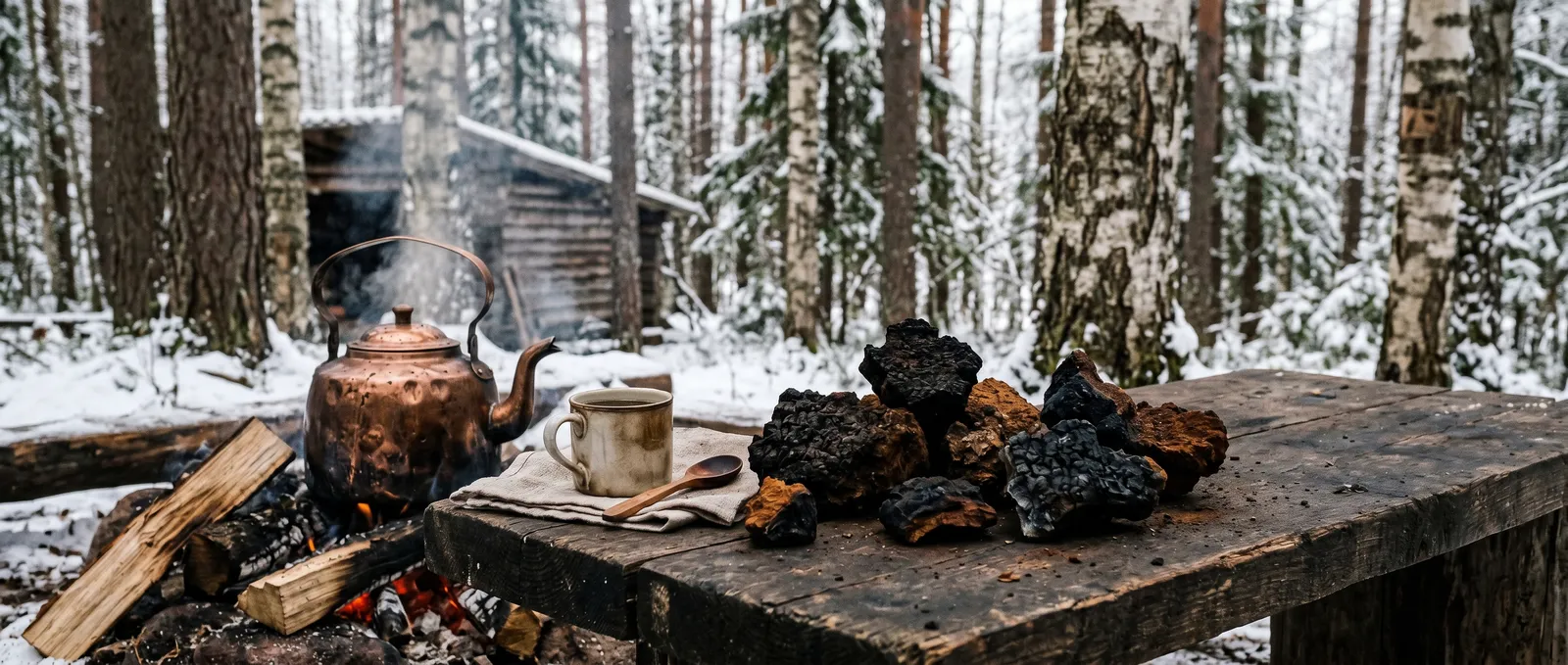
Chaga Siberian Nordic Folk Use
Chaga Siberian Nordic folk use is a centuries-old tradition in which indigenous Siberians and Nordic communities brewed the birch-parasitising fungus…
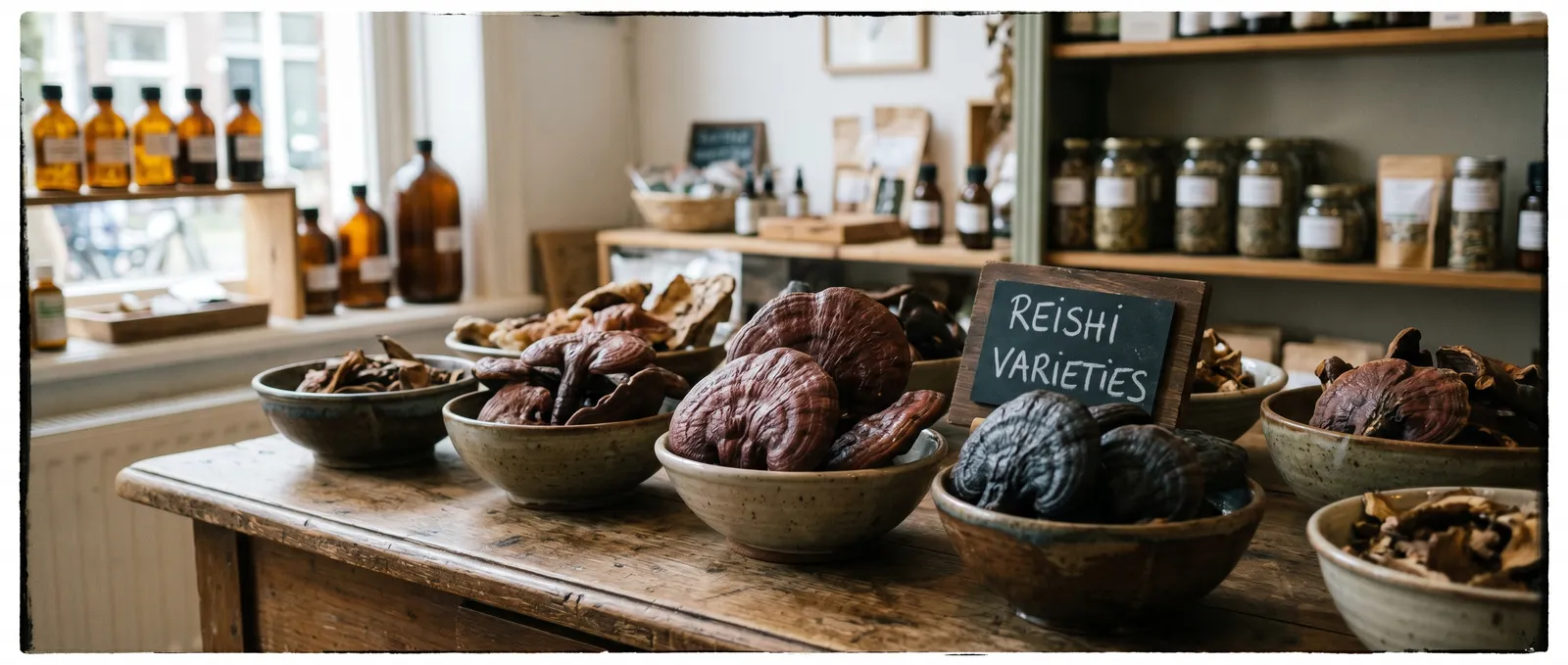
Red and Black Reishi Varieties
Red reishi (Ganoderma lucidum) and black reishi (Ganoderma sinense) both fall under the lingzhi umbrella in traditional Chinese medicine, but they differ in…
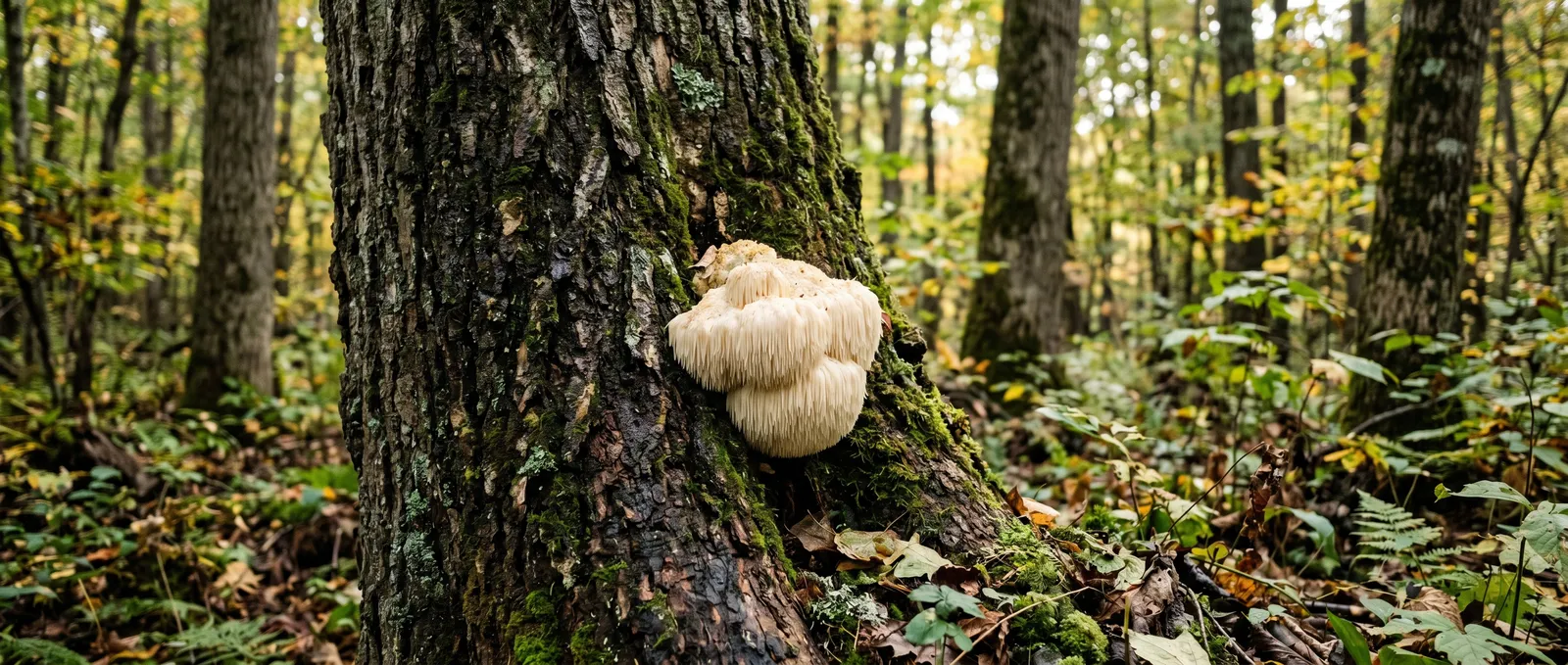
Lion's Mane Identification & Habitat
Hericium erinaceus is a tooth fungus that fruits as a single white, spine-covered mass on wounded or dead hardwood trees.
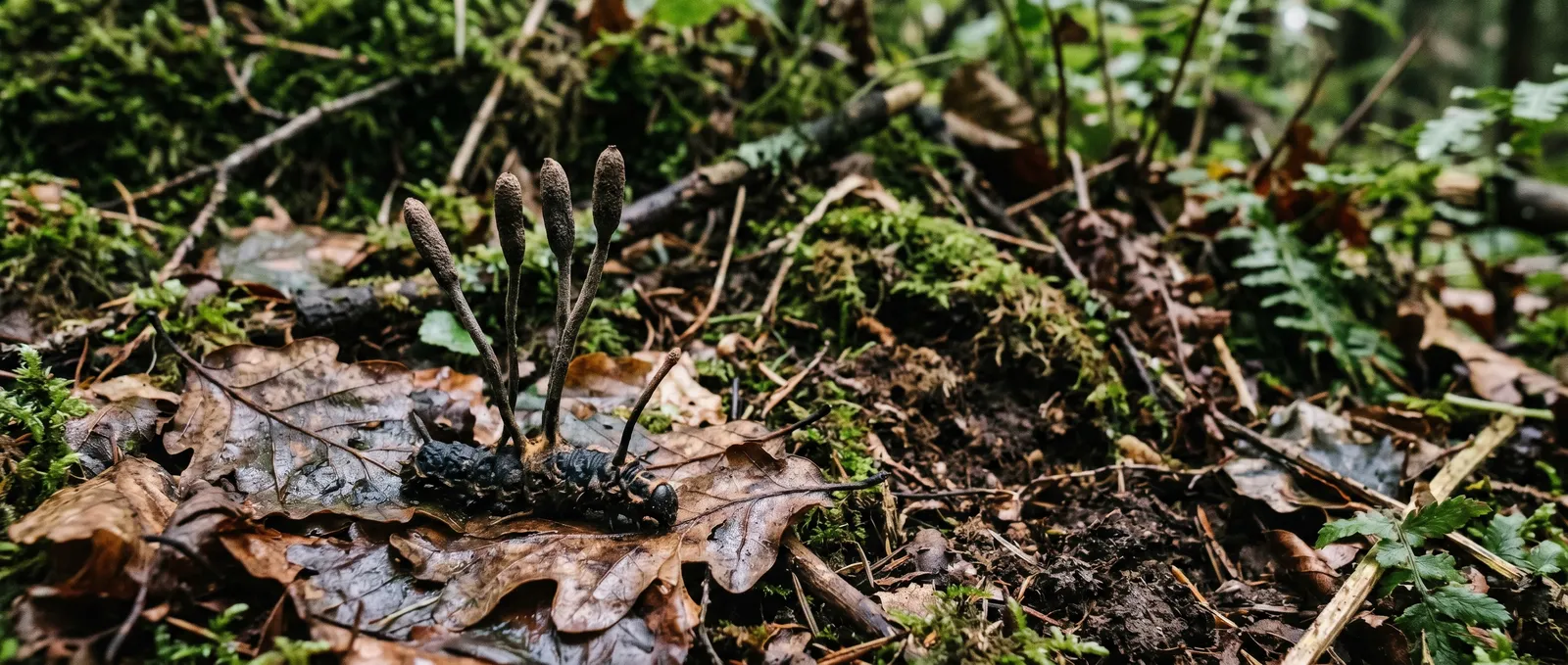
Cordyceps Lifecycle
The cordyceps lifecycle is a parasitic biological sequence in which a fungus infects an insect host, colonises its body from within, and erupts as a…