
Reishi Ganoderma Lucidum — A Complete Guide
Definition
Reishi ganoderma lucidum is a woody bracket fungus used in East Asian medicine for over 2,000 years. Its pharmacology centres on two compound families — beta-glucan polysaccharides and ganoderic acid triterpenes — each requiring different extraction methods. A Cochrane review by Klupp et al. (2015) found that clinical evidence for cardiovascular risk-factor benefits was low quality, reflecting the broader gap between preclinical promise and proven human outcomes.
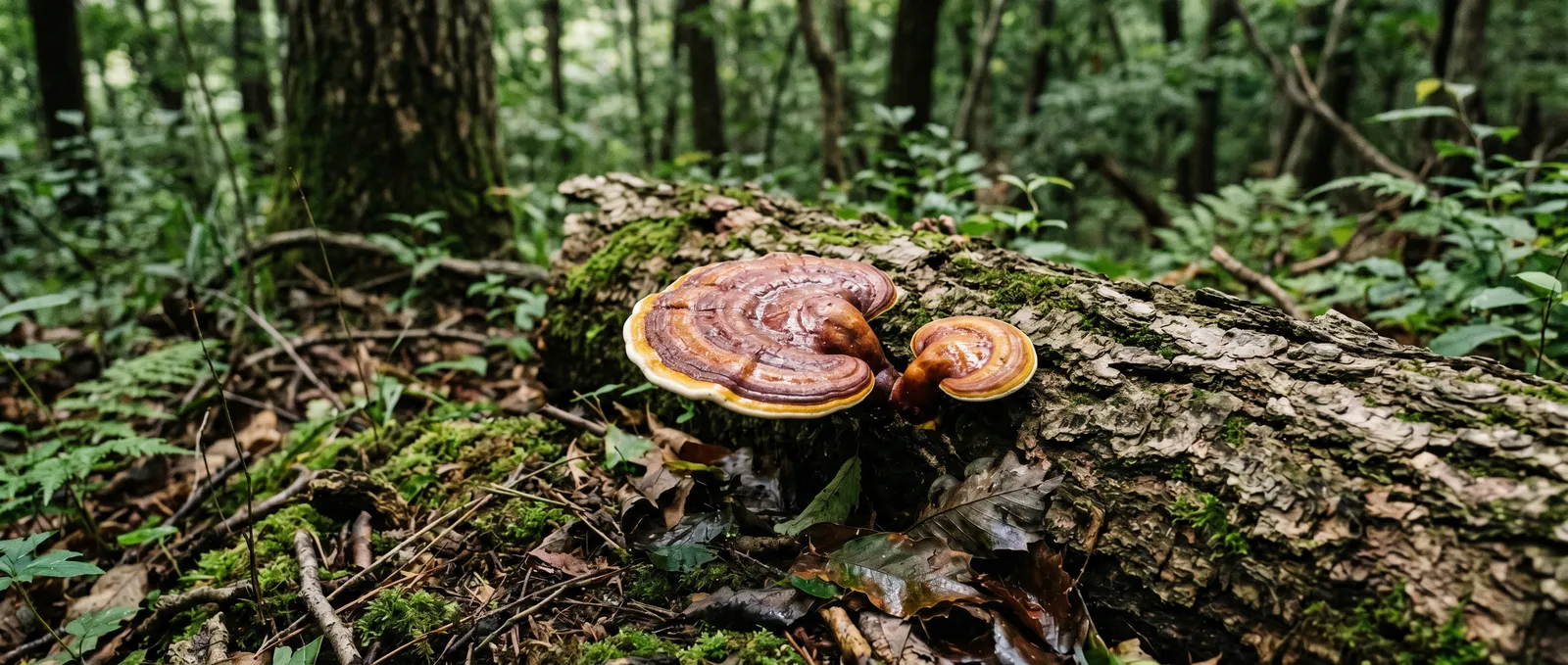
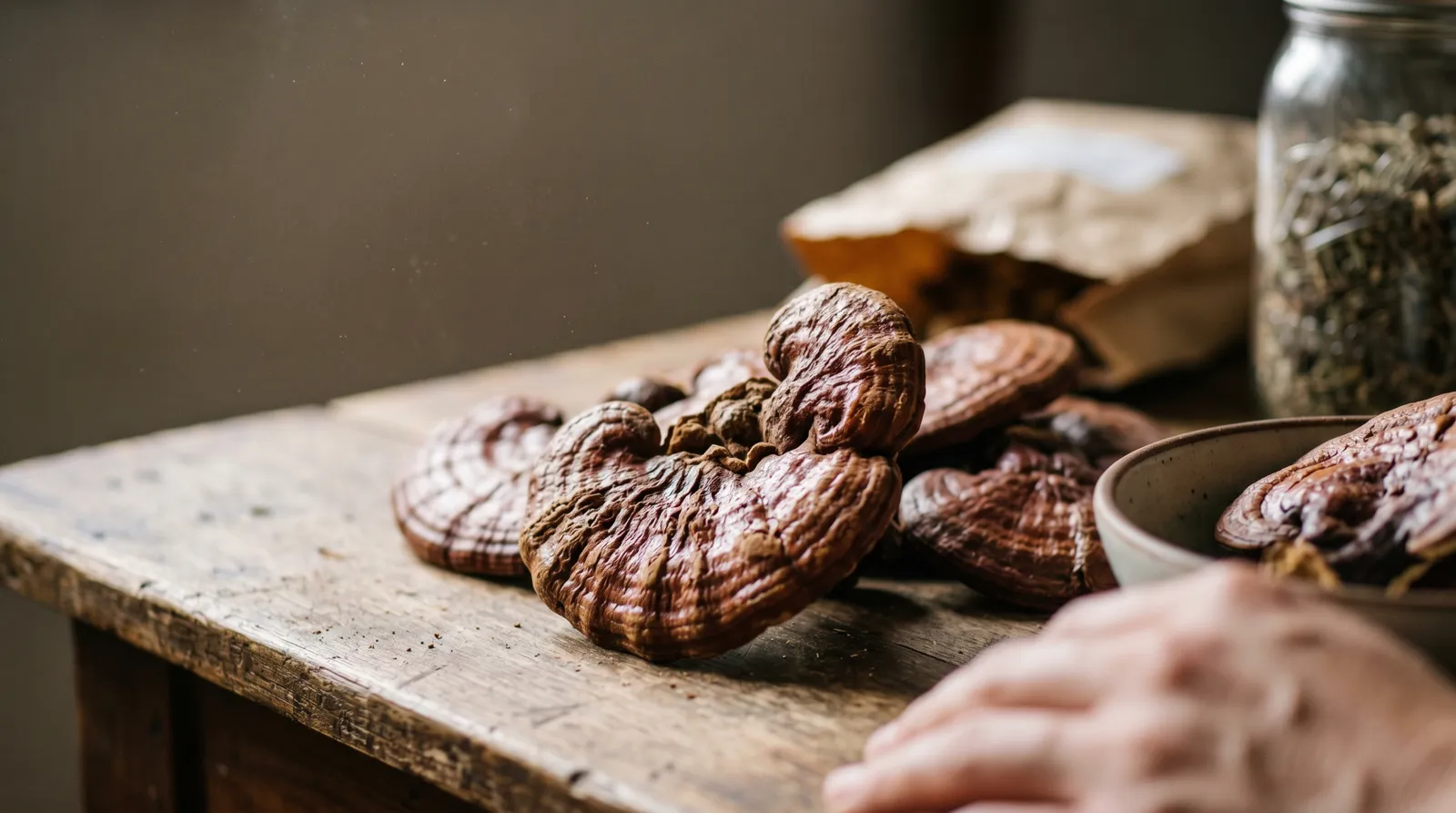
Reishi ganoderma lucidum is a woody bracket fungus in the genus Ganoderma that has occupied a central place in East Asian materia medica for over two thousand years. Known as língzhī (灵芝) in Chinese and mannentake in Japanese, the dried fruiting body is tough, woody, and deeply bitter — nothing like a culinary mushroom. If you want to buy reishi ganoderma lucidum supplements, understanding the science behind them matters. The pharmacological interest of reishi ganoderma lucidum sits in two compound families: polysaccharides (chiefly beta-glucans) and triterpenes (ganoderic acids), each requiring different extraction methods to isolate. Despite centuries of traditional use and a growing body of preclinical research, clinical evidence for most of the claims attached to this fungus remains limited and often contradictory — a gap worth understanding before you form any opinion about it.
Taxonomy and identity — which reishi ganoderma lucidum mushroom are we actually talking about?
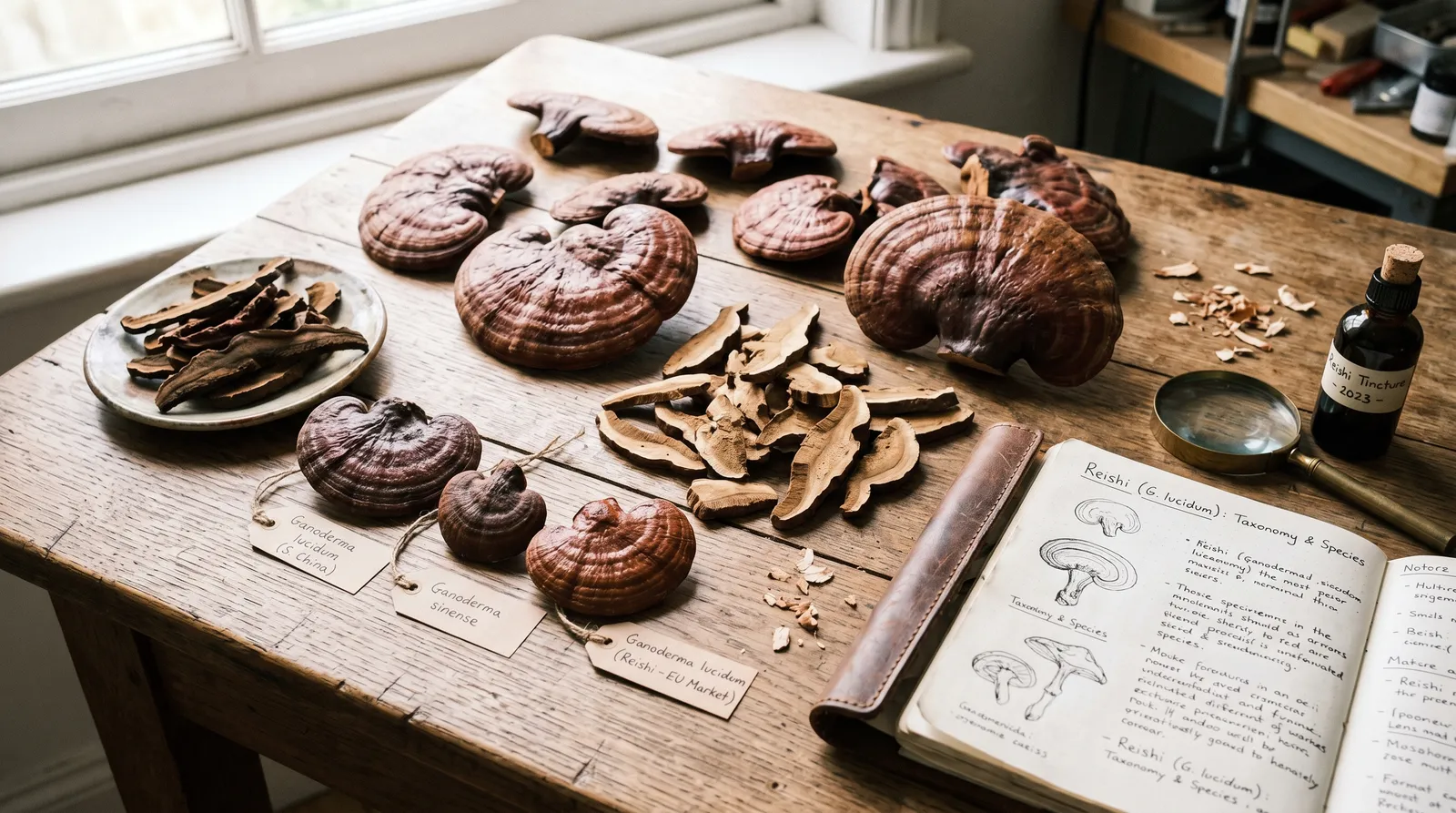
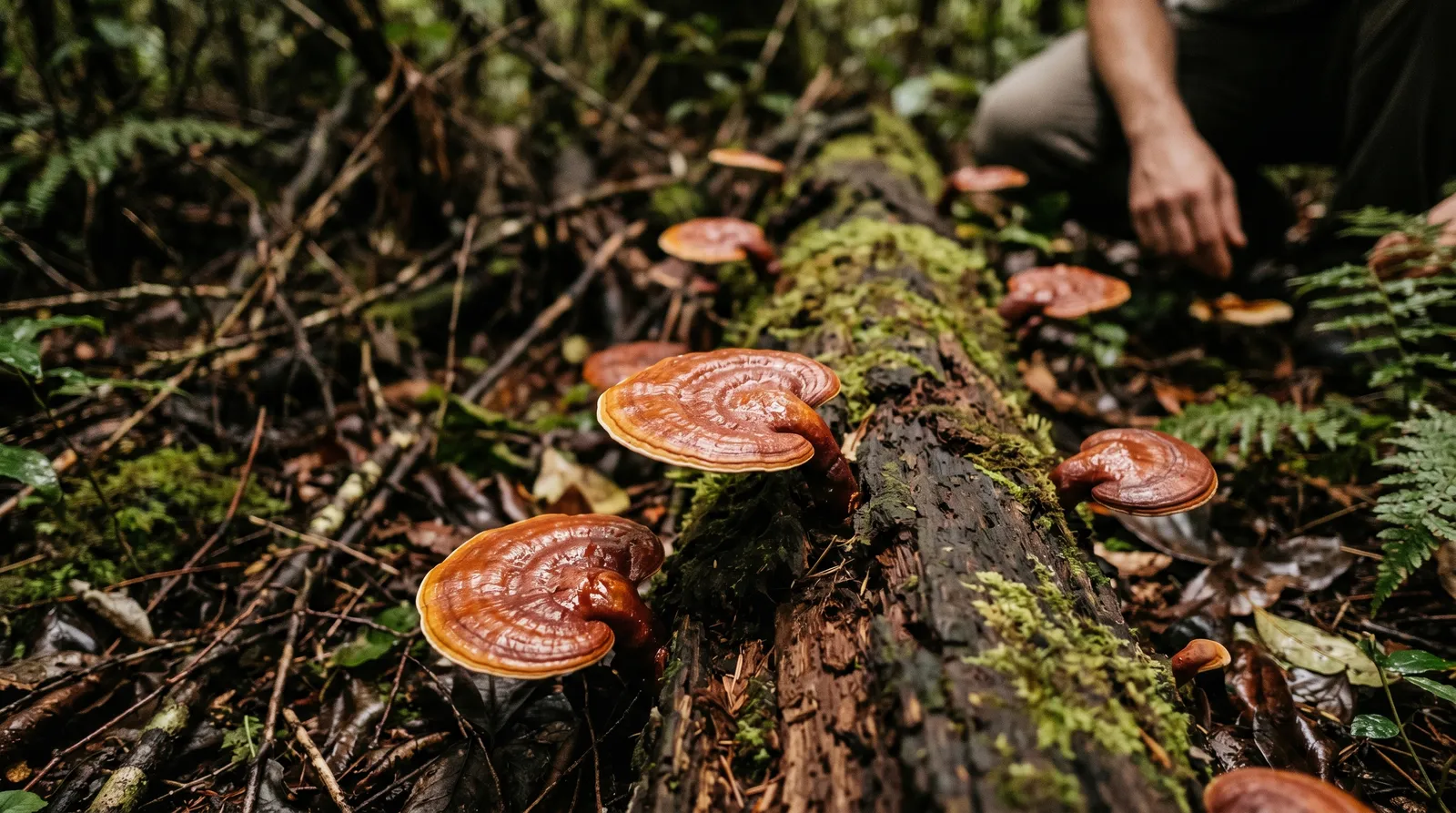
The species sold as "reishi" is not always the same fungus — taxonomic ambiguity is one of the biggest unresolved problems in the functional mushroom market. The name gets applied loosely, and in commercial supplements it almost always refers to Ganoderma lucidum, a species originally described from European specimens. However, the fungus used in traditional Chinese medicine is more accurately Ganoderma lingzhi, a distinct species native to East Asia that was formally separated from G. lucidum by Cao et al. (2012). The two share a genus and a general chemistry profile, but their triterpene compositions differ at the level of individual ganoderic acids. Most clinical studies do not specify which species was used, making it difficult to know whether results from one translate to the other. When you see "reishi" on a product label, it could be either species — or a third Ganoderma species entirely, since the genus contains over 400 described members. This taxonomic ambiguity is not a minor footnote; it directly affects whether a given study's findings apply to the preparation in your hand.
Chemistry: two compound families, two extraction methods
Reishi ganoderma lucidum contains two major classes of bioactive compounds — water-soluble polysaccharides and alcohol-soluble triterpenes — and the extraction method determines which ones end up in the final product.
Polysaccharides and beta-glucans
Hot-water extraction pulls out the water-soluble polysaccharides, including beta-1,3/1,6-glucans. These are the compounds most studied for immune-modulating activity. In-vitro and animal-model research has shown that Ganoderma beta-glucans can stimulate macrophage and natural-killer-cell activity (Xu et al., 2011). This is the basis for most "immune" claims you encounter. The critical qualifier: these effects are observed with isolated polysaccharide fractions at controlled concentrations, not with whole-mushroom powders taken orally, where bioavailability and dose are different questions entirely.
Triterpenes — ganoderic acids
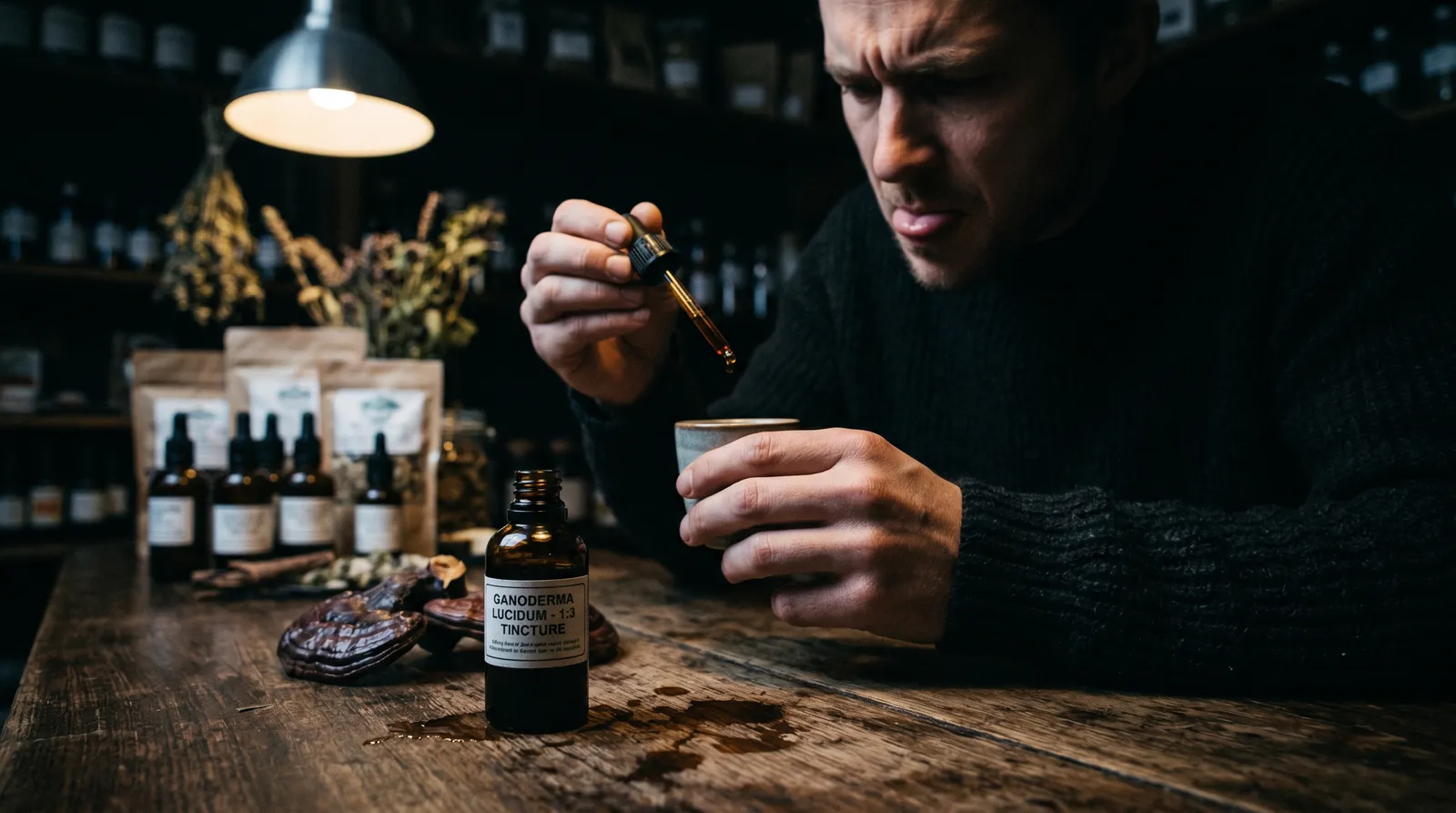
Alcohol extraction concentrates the triterpene fraction. Over 150 ganoderic acids (labelled A through Z and beyond) have been isolated from Ganoderma species (Baby et al., 2015). In-vitro studies have examined whether ganoderic acids affect platelet aggregation, hepatocyte protection, and histamine release. Ganoderic acids A and H, for instance, showed anti-platelet activity in laboratory assays (Shimizu et al., 1985). This is pharmacologically interesting, but it also means that reishi ganoderma lucidum preparations rich in triterpenes carry a real interaction risk with anticoagulant and antiplatelet medications — a point covered in the safety section below.
Dual extraction
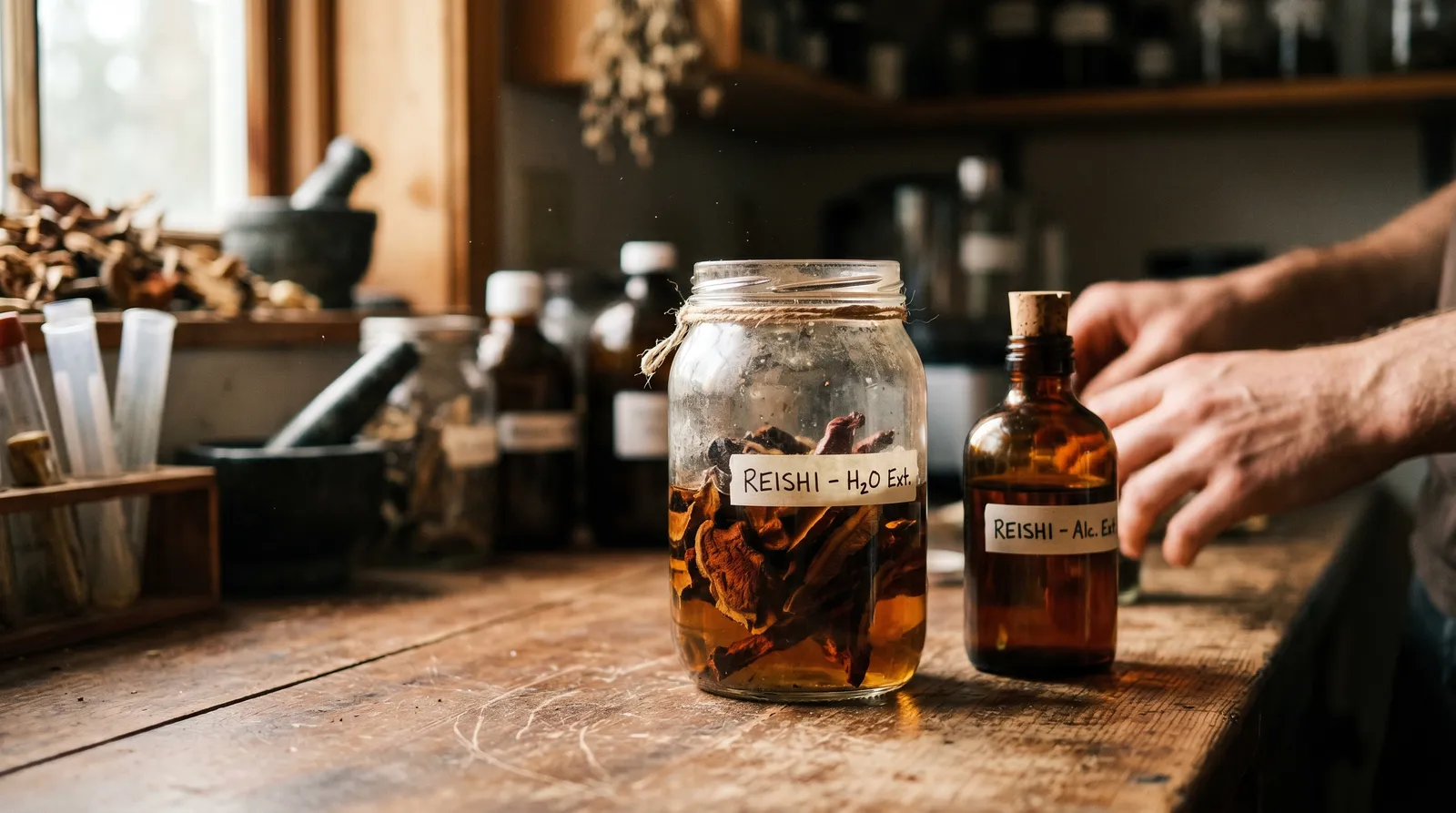
Dual extraction — hot water followed by alcohol, or a simultaneous process — captures both polysaccharides and triterpenes. A hot-water-only extract will be low in triterpenes. An alcohol-only tincture will be low in beta-glucans. The extraction method determines what is actually in the bottle, which is why "reishi extract" as a label tells you almost nothing without knowing the extraction process and the resulting beta-glucan and triterpene content.
Traditional use: two millennia of documented history
Reishi ganoderma lucidum has been documented in East Asian pharmacopoeias for roughly 2,000 years, making it one of the longest-used medicinal fungi on record. It appears in the Shénnóng Běncǎo Jīng (Divine Farmer's Classic of Materia Medica), a foundational Chinese pharmacopoeia compiled around the first or second century CE, where it is classified among the "superior" herbs — substances considered safe for long-term use and associated with longevity. In traditional Chinese medicine, it has been prescribed for what TCM practitioners describe as calming the shén (spirit), supporting the lungs, and tonifying qì. Japanese kampo medicine has a parallel tradition. None of this constitutes clinical evidence by modern standards, but it does represent a sustained, documented history of human use — a data point worth acknowledging for what it is, without inflating it into something it is not.

What the research actually shows — and where it falls short
Clinical evidence for reishi ganoderma lucidum remains weaker than most supplement marketing suggests. The preclinical literature on Ganoderma is large. The clinical literature is small, often poorly controlled, and frequently conducted on proprietary extracts that make replication difficult.

Immune modulation
Beta-glucan immune-modulation research is the strongest arm of the evidence base. Xu et al. (2011) reviewed in-vitro and animal-model data showing measurable effects on macrophage activation and cytokine production. A Cochrane review by Klupp et al. (2015) examined randomised controlled trials of G. lucidum in cardiovascular risk-factor management and found that while some trials reported changes in biomarkers, the overall quality of evidence was low, with small sample sizes and high heterogeneity. The immune-modulation data is real at the cellular level but has not been convincingly demonstrated to translate into specific clinical outcomes in humans taking over-the-counter supplements.
Sleep and anxiety
Clinical evidence for reishi's effects on sleep quality and anxiety is contested. A small, non-blinded study by Tang et al. (2005) reported improvements in subjective well-being and sleep in neurasthenia patients taking a G. lucidum polysaccharide extract for eight weeks. The study lacked a placebo control, which limits what can be concluded. Larger, well-designed trials on these endpoints are essentially absent from the literature.
Cancer-therapy adjunct
A Cochrane review by Jin et al. (2016) evaluated five randomised controlled trials examining G. lucidum alongside conventional cancer treatment. Four studies reported relatively improved quality of life in the mushroom group compared to controls. One study found that patients given G. lucidum were more likely to show a positive tumour response. However, the reviewers concluded that the evidence was insufficient to justify use of G. lucidum as a first-line cancer treatment and that the data related specifically to adjunctive use alongside conventional therapy — not to standalone supplementation.
Blood pressure and blood sugar
Some animal-model studies have observed modest hypotensive and hypoglycaemic effects with Ganoderma extracts. Human data on these endpoints is thin. The practical implication is not therapeutic — it is a safety consideration for people already on antihypertensive or blood-sugar-lowering medication, where cumulative effects could matter.
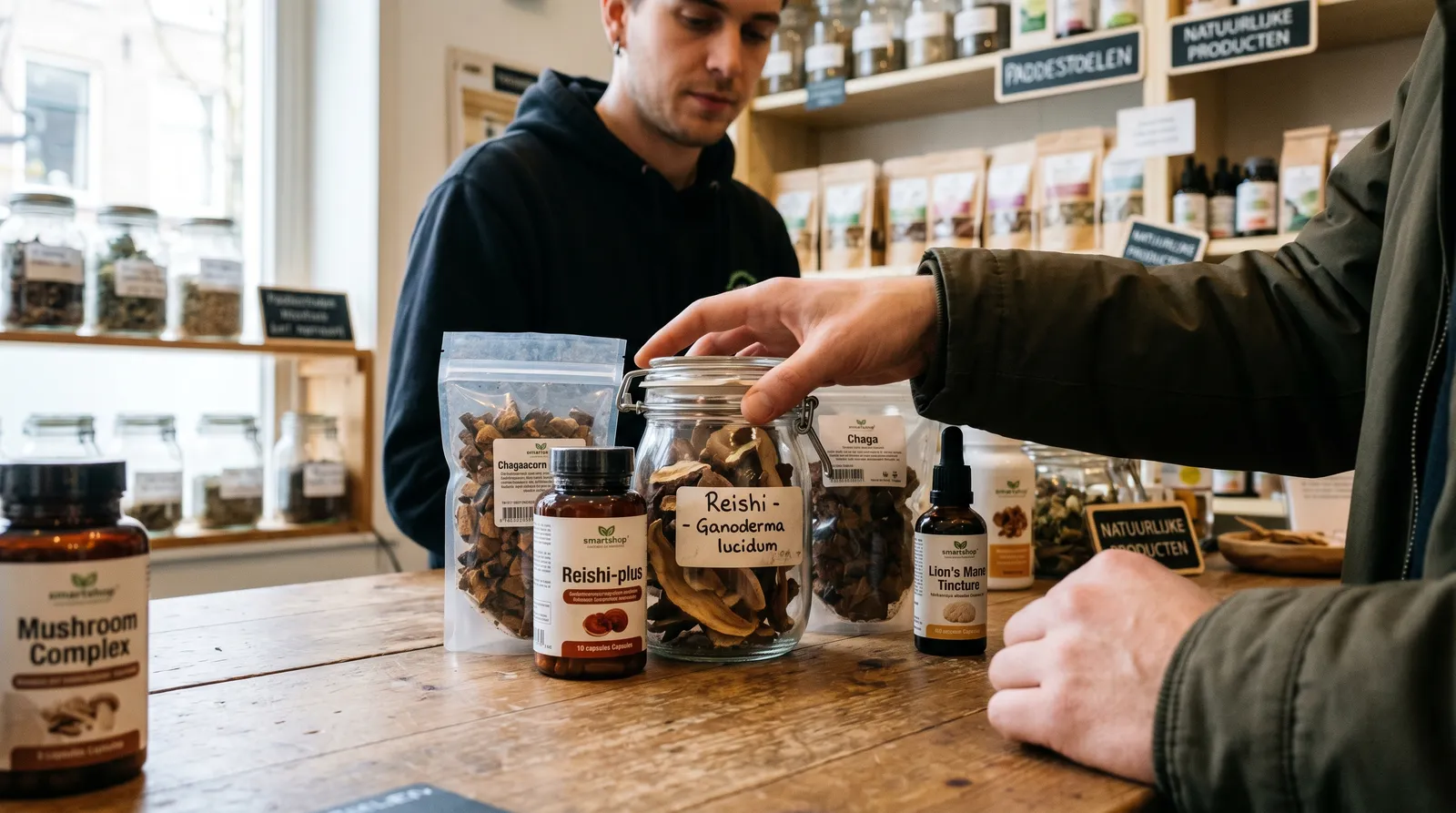
Reishi ganoderma lucidum compared to lion's mane, chaga, and cordyceps
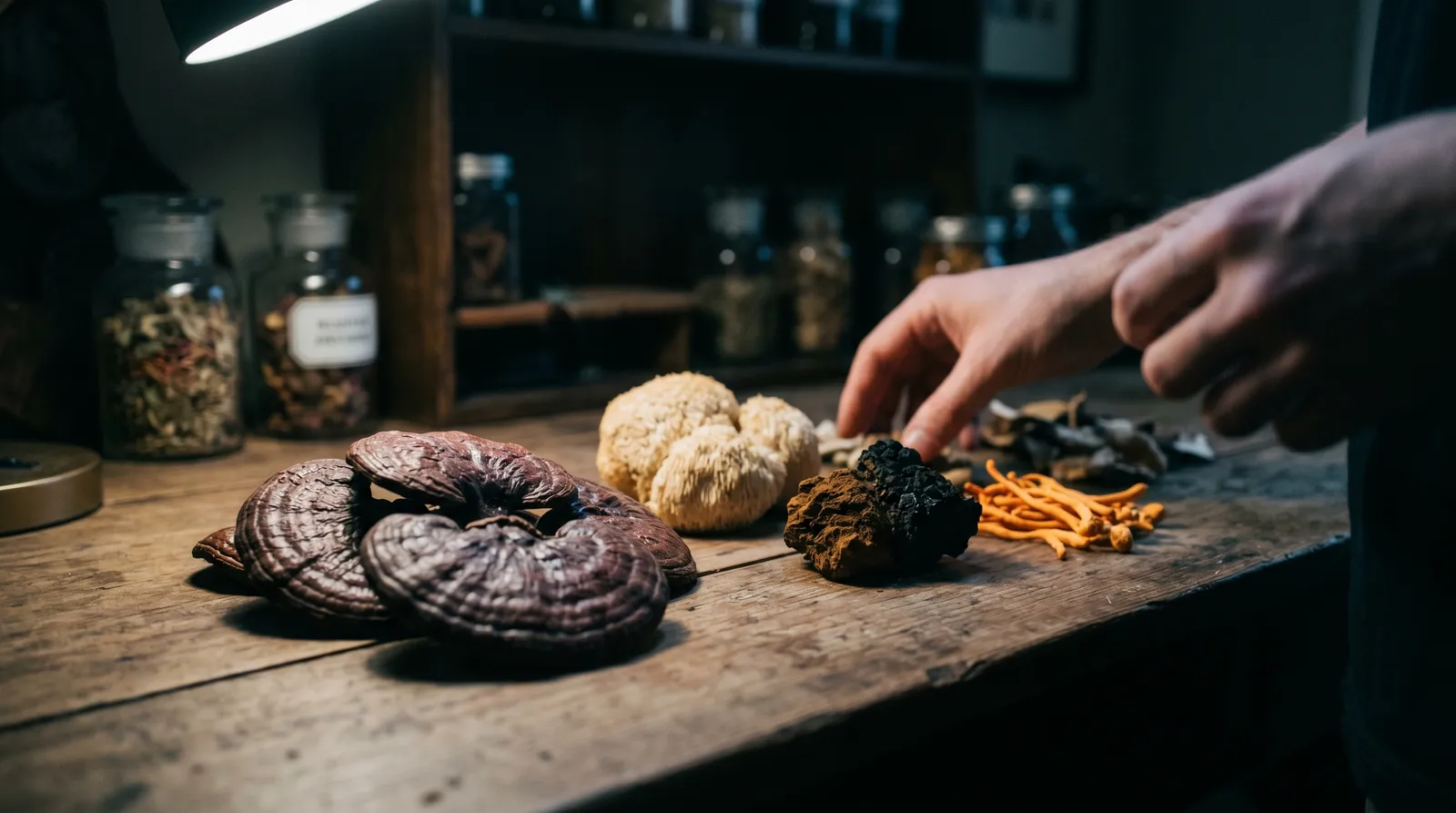
Reishi ganoderma lucidum is the only widely sold functional mushroom with a significant triterpene fraction, which gives it a distinct pharmacological and drug-interaction profile compared to lion's mane, chaga, and cordyceps.
| Mushroom | Primary active compounds | Main traditional use | Strongest research area |
|---|---|---|---|
| Reishi (G. lucidum) | Beta-glucans, ganoderic acids | Calming spirit, longevity | Immune modulation (preclinical) |
| Lion's mane (H. erinaceus) | Hericenones, erinacines | Cognitive support | Nerve growth factor stimulation |
| Chaga (I. obliquus) | Betulinic acid, melanin, polysaccharides | Digestive and immune support | Antioxidant activity (in vitro) |
| Cordyceps (C. militaris) | Cordycepin, adenosine | Energy and endurance | Oxygen utilisation (small human trials) |
The key distinction: reishi is the only one of these four with significant triterpene content, which gives it a unique drug-interaction profile — particularly regarding anticoagulant medications. If you are choosing between functional mushrooms and take blood thinners, this difference matters more than any marketing claim. For a broader comparison, see the Functional Mushroom Comparison Guide in this wiki. You can also explore the Lion's Mane wiki article and the Chaga wiki article for detailed profiles of those species.
Mycelium on grain versus fruiting body
Mycelium-on-grain and fruiting-body extracts are not interchangeable products — they differ substantially in active compound concentration. Many commercial reishi ganoderma lucidum supplements are produced from mycelium grown on grain (typically rice or oats). The mycelium is harvested together with its grain substrate, dried, and powdered. The result is a product that contains a significant proportion of grain starch alongside whatever mycelial compounds are present. Independent testing has repeatedly shown that mycelium-on-grain products carry substantially lower beta-glucan content than fruiting-body extracts, sometimes by a factor of five or more.
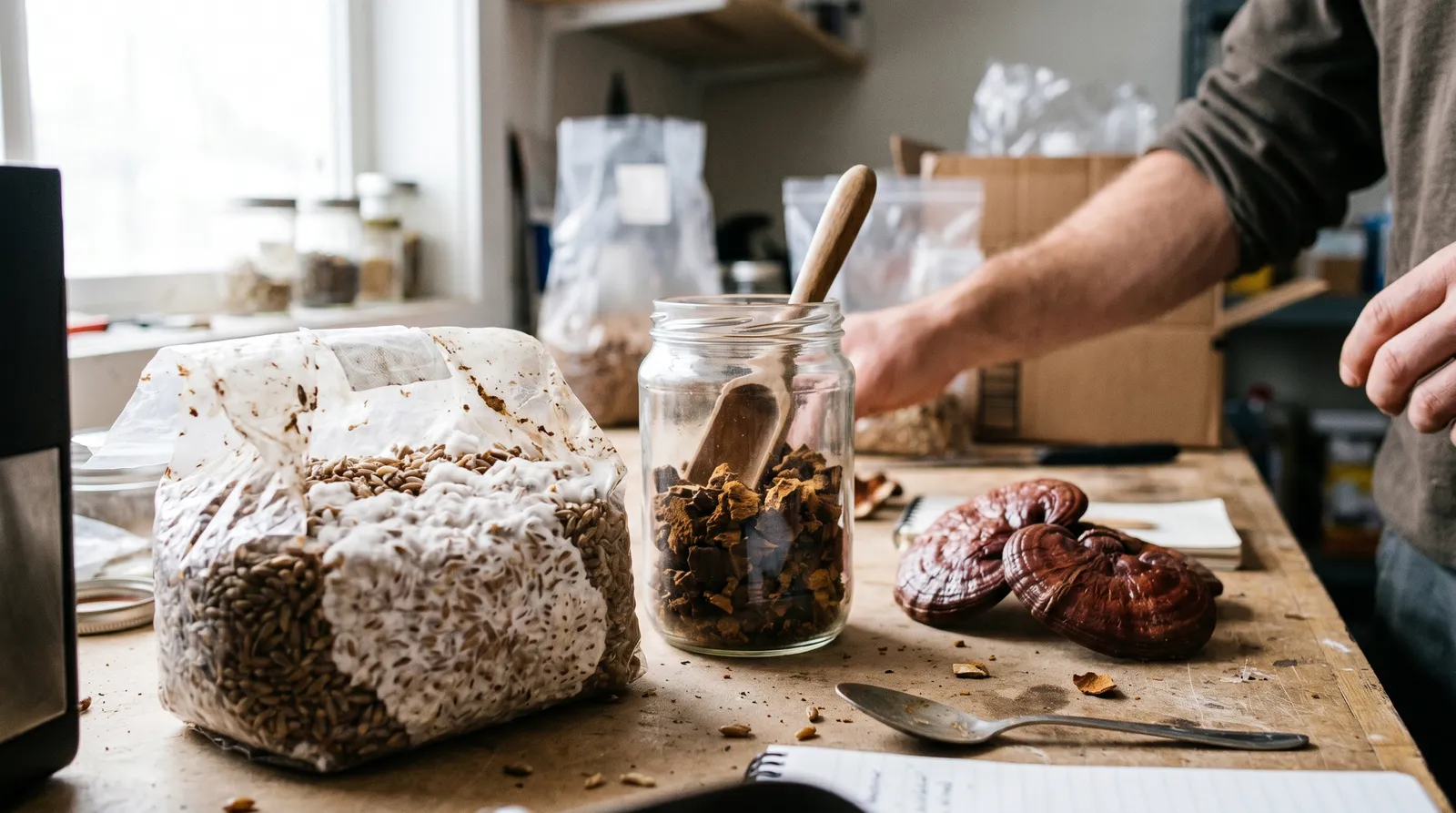
Proponents of mycelium preparations argue for a "full-spectrum biomass" concept — that the mycelium, its extracellular metabolites, and the partially digested substrate together offer a broader compound profile than an isolated fruiting-body extract. This argument has some theoretical basis but limited clinical validation. Most of the published research on Ganoderma has used either fruiting-body extracts or isolated polysaccharide fractions, not mycelium-on-grain preparations. If a study used a hot-water fruiting-body extract standardised to 30% beta-glucans, its findings do not automatically apply to a mycelium-on-grain powder testing at 6% beta-glucans with 50% starch. Treating these as interchangeable is one of the more common errors in how reishi products get discussed.
How to evaluate a reishi ganoderma lucidum product before you buy
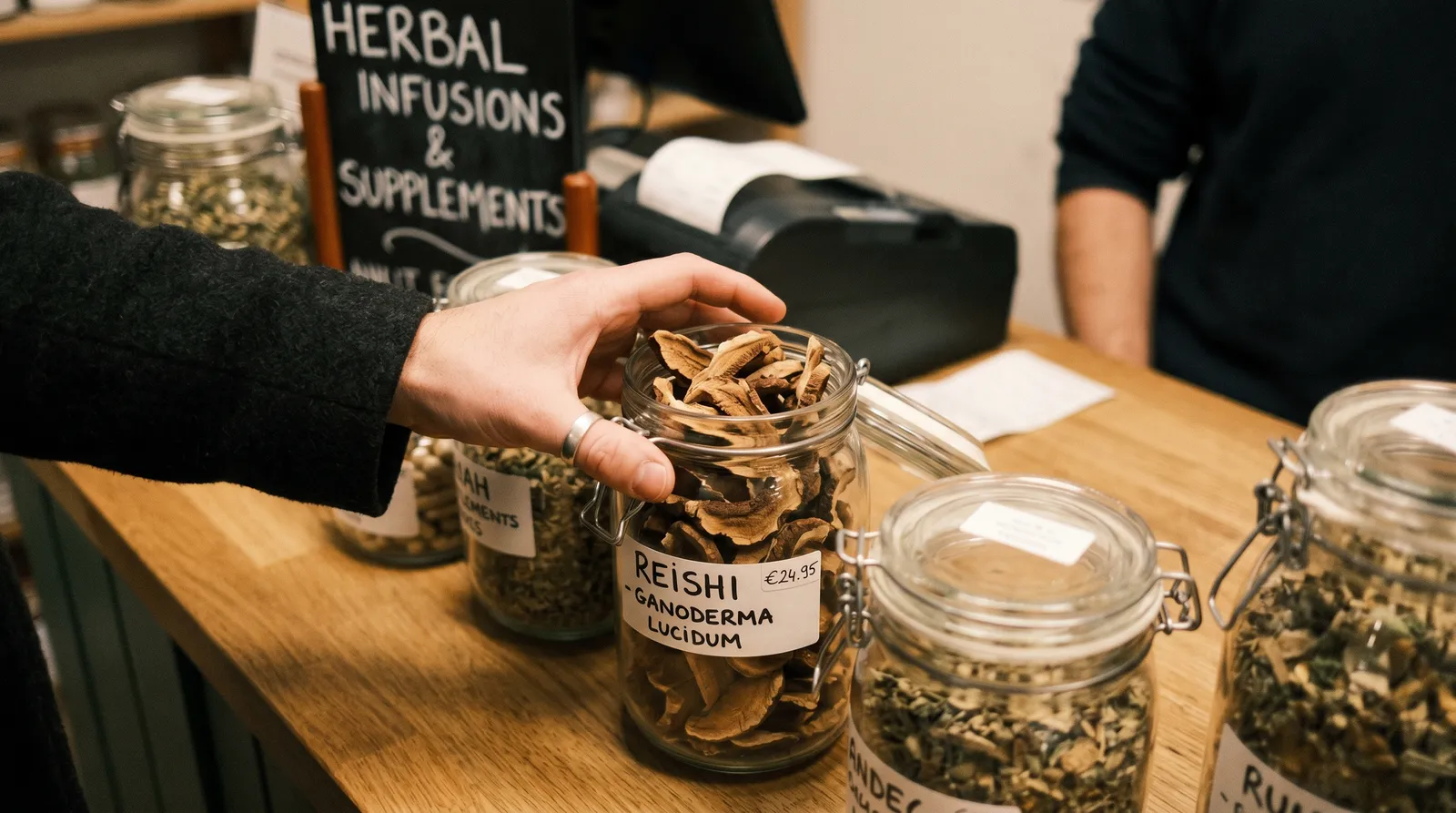
A quality reishi ganoderma lucidum product will always state its extraction method, beta-glucan percentage, and source material on the label. When you order reishi ganoderma lucidum, look for the following:
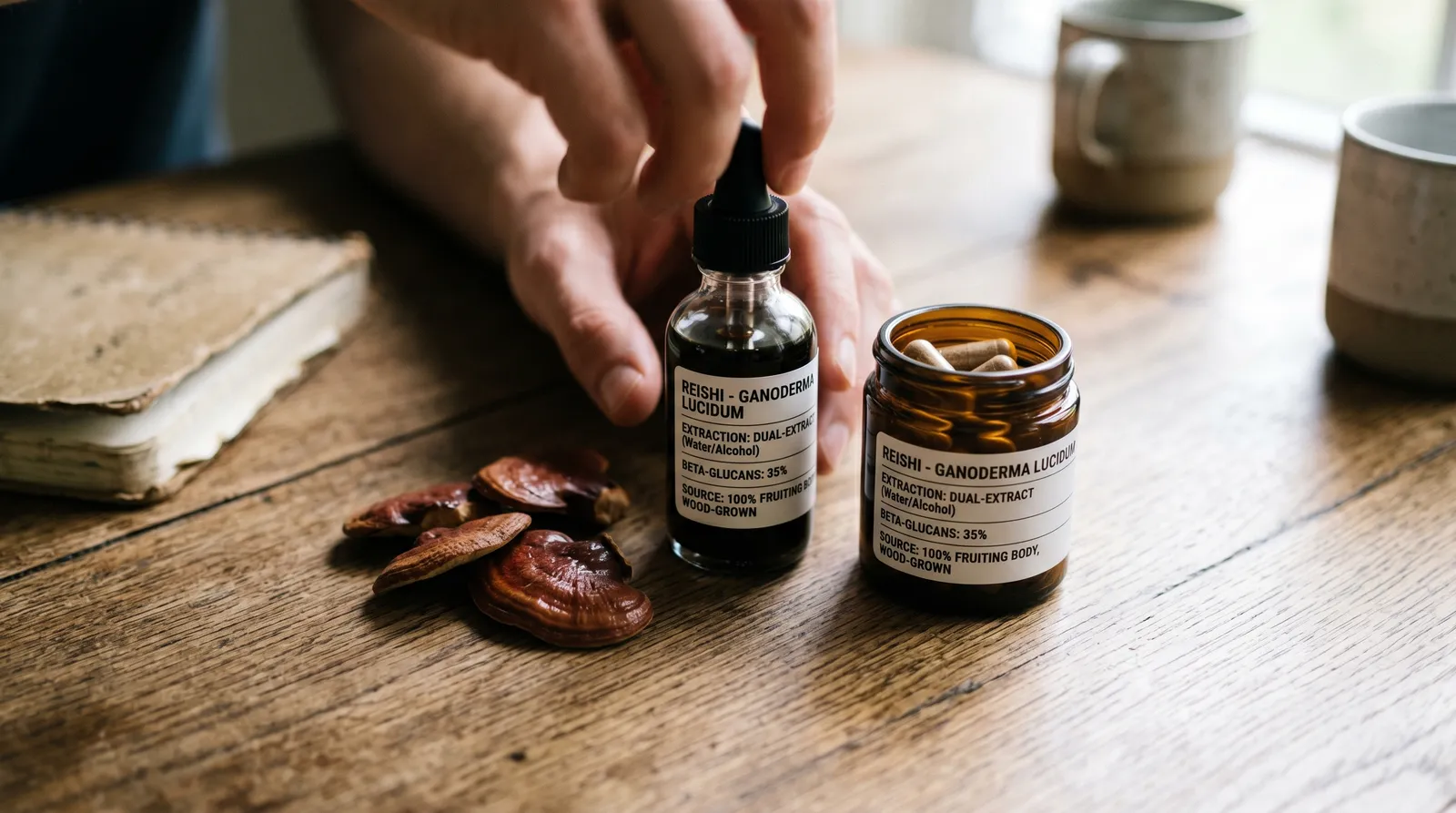
- Extraction method stated: Hot-water, alcohol, or dual extraction should be specified on the label. If it is not, you cannot know which compounds are present.
- Beta-glucan content: A quality fruiting-body extract typically tests above 20% beta-glucans. Below 10% suggests mycelium-on-grain or poor extraction.
- Triterpene content: If the product claims calming or adaptogenic effects linked to ganoderic acids, triterpene percentage should be listed. Dual extracts commonly show 2–8% triterpenes.
- Fruiting body vs. mycelium: The source should be clearly stated. "Full-spectrum" or "mycelial biomass" usually means mycelium on grain.
- Species identification: Ideally, the label specifies Ganoderma lucidum or Ganoderma lingzhi rather than just "reishi."
- Third-party testing: Independent certificates of analysis for heavy metals, pesticides, and active compound content indicate a manufacturer that takes quality seriously.
Azarius stocks reishi ganoderma lucidum products — including the Reishi Extract capsules and the Mushroom Extract Blend — that meet these criteria. Check the product descriptions for extraction method and beta-glucan percentages. You can also get reishi ganoderma lucidum tinctures in the Azarius tincture category if you prefer liquid formats. Browse the full Azarius functional mushroom category page to see every mushroom product currently in stock.
Safety and drug interactions
Drug interactions are the most practically important safety consideration for reishi ganoderma lucidum, and they deserve serious attention before any discussion of dosing. The EMCDDA and Beckley Foundation have both emphasised the importance of understanding pharmacological interactions with natural products, and reishi is a clear case where this matters.
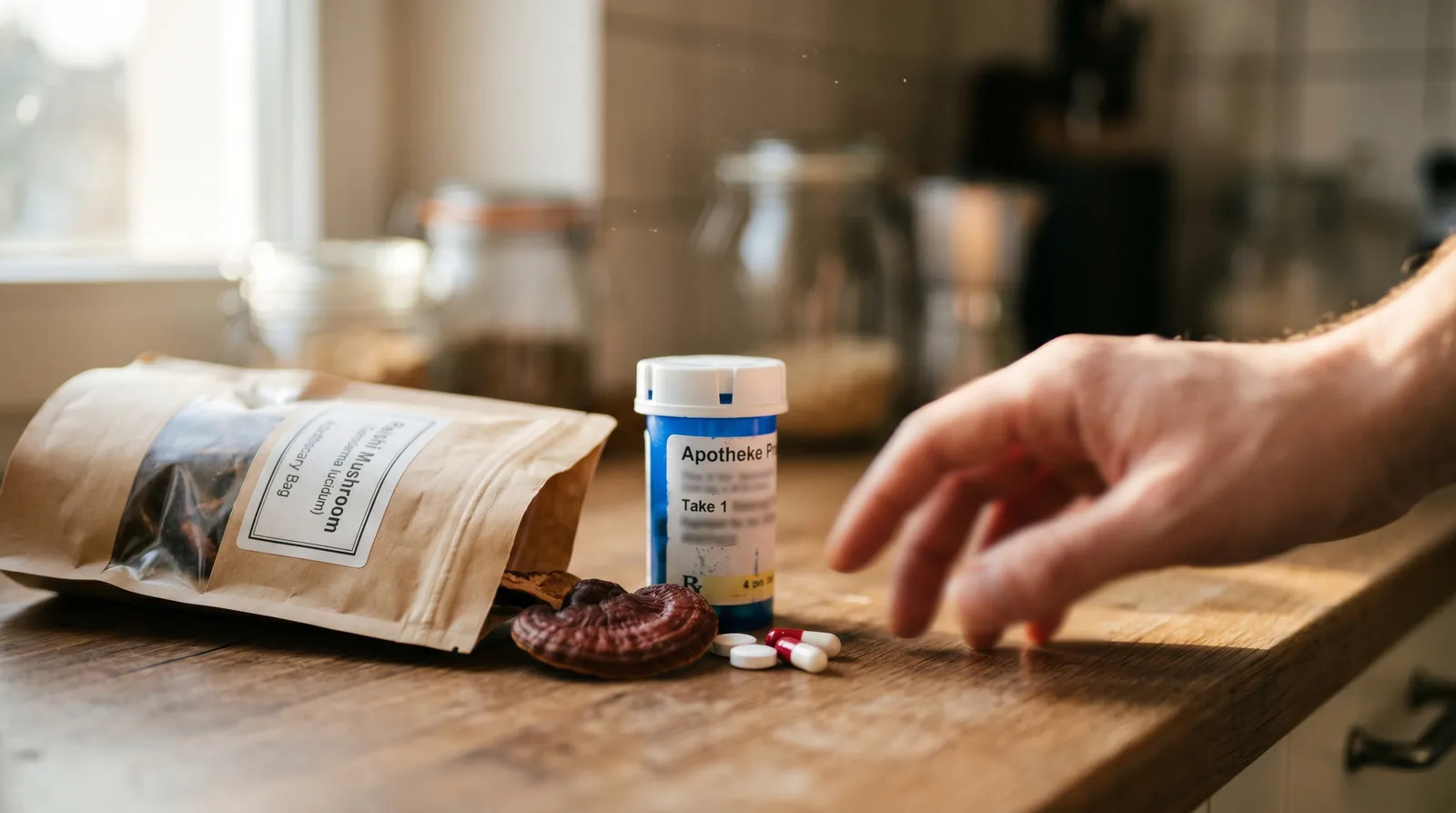
Anticoagulant and antiplatelet medications. In-vitro data shows that ganoderic acids inhibit platelet aggregation (Shimizu et al., 1985). If you take warfarin, apixaban, rivaroxaban, clopidogrel, or other blood thinners, concurrent use of reishi — particularly alcohol-extracted or dual-extracted preparations rich in triterpenes — increases bleeding risk. This is not theoretical hand-wringing; it is a direct pharmacological interaction based on the same mechanism class.
Immunosuppressants. Because beta-glucan-rich reishi preparations may stimulate immune-cell activity, they work in direct opposition to immunosuppressive drugs such as methotrexate, tacrolimus, ciclosporin, and corticosteroids. Combining immune-stimulating mushroom extracts with immunosuppressive therapy is contraindicated on mechanistic grounds.
Autoimmune conditions. For the same reason, individuals with autoimmune conditions should approach reishi with caution. The research evidence on this specific concern is limited, but the theoretical basis — that beta-glucan immune stimulation could exacerbate autoimmune flares — is sound enough to warrant the warning.
Antihypertensives and blood-sugar medication. Reishi may modestly lower blood pressure and blood sugar based on animal data. If you already take antihypertensives or hypoglycaemic medication (metformin, sulfonylureas, insulin), consider the cumulative effect. If you take prescription medication of any kind, speak with a healthcare provider before adding reishi.
Surgery. Given the antiplatelet activity, discontinue reishi well ahead of any elective surgery and discuss timing with a clinician.
General tolerability. Reported side effects in clinical studies are mostly gastrointestinal: nausea, loose stools, dry mouth. Rare cases of hepatotoxicity have been documented with powdered reishi products (Wanmuang et al., 2007), though causality is difficult to establish given the variability of preparations involved. Long-term safety data for chronic daily supplementation is limited — most published trials run eight to twelve weeks.
Pregnancy and breastfeeding. Data is insufficient. The default position is avoidance.
Mushroom allergies. Fungal cross-reactivity is real. If you have known allergies to other fungi, exercise caution.
Dosing in clinical research
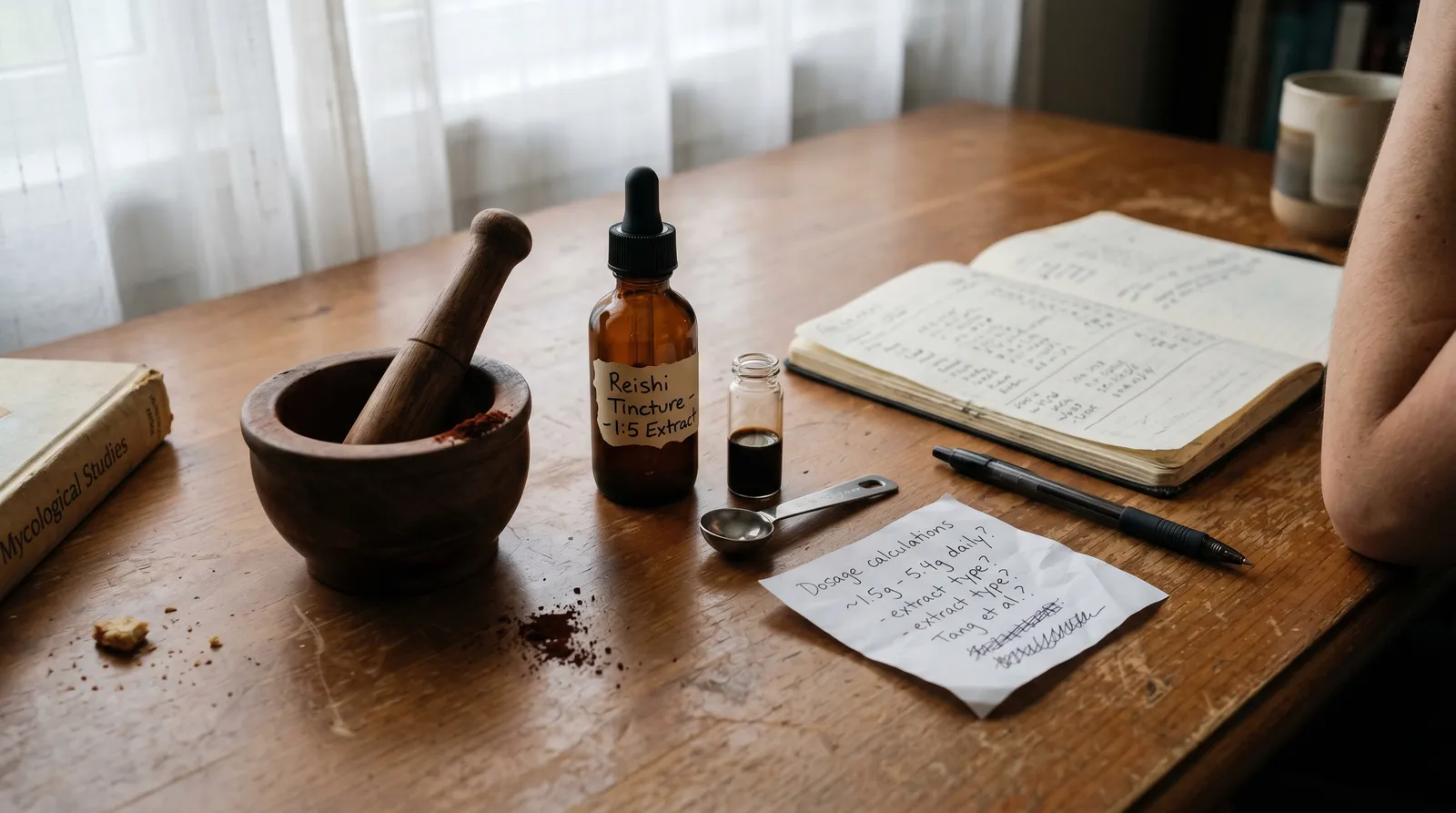
Published trials have used reishi ganoderma lucidum doses ranging from roughly 1.5 g to 5.4 g per day, but these figures are meaningless without knowing the extract type. Tang et al. (2005) used a polysaccharide extract at 1,800 mg per day. The Cochrane reviews by Klupp et al. (2015) and Jin et al. (2016) included studies using various extract types across that range. These numbers describe what researchers chose to study — they are not prescriptive recommendations, and the extract type (hot-water, alcohol, dual, whole powder) varied between trials. A dose figure without knowing the preparation, the beta-glucan or triterpene content, and the extract source is nearly meaningless.

Honest limitations: what reishi ganoderma lucidum probably cannot do
Reishi ganoderma lucidum will not cure cancer, replace immunosuppressive therapy, or reliably lower your blood pressure as a standalone intervention. We state this plainly because the gap between what gets claimed online and what the evidence supports is wide. The Cochrane reviews cited above — Klupp et al. (2015) on cardiovascular risk factors and Jin et al. (2016) on cancer adjunct therapy — both concluded that evidence quality was low. No regulatory body in the EU has approved therapeutic claims for this mushroom. If someone tells you reishi will treat a specific disease, they are making a claim the science does not currently support. What reishi does offer is a well-characterised chemistry with genuine pharmacological activity at the cellular level and a long history of traditional use — but translating that into reliable clinical outcomes at supplement doses remains unproven. We think that is worth knowing before you buy.
Dutch and European regulatory context
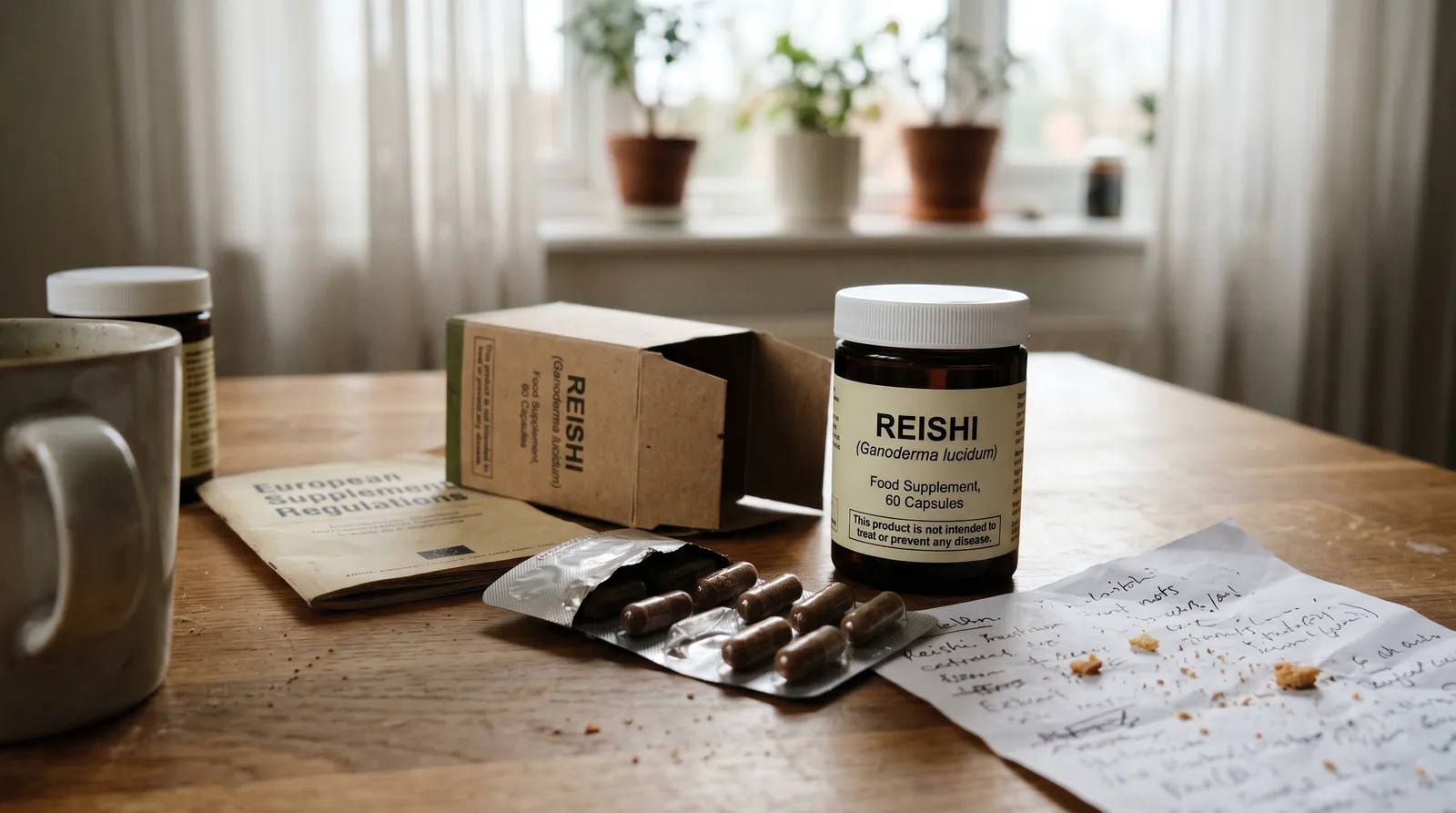
Reishi ganoderma lucidum supplements are legally sold as food supplements throughout the European Union, including the Netherlands, but they cannot carry therapeutic claims. The European Food Safety Authority (EFSA) has not approved any specific health claims for Ganoderma lucidum, which means that any product sold in the EU making explicit health claims is technically non-compliant. The EMCDDA's broader guidance on natural psychoactive and bioactive substances highlights the importance of consumers understanding what regulatory classification does and does not guarantee about efficacy. In the Netherlands specifically, the NVWA (Netherlands Food and Consumer Product Safety Authority) oversees supplement compliance. Azarius operates within this framework, which is why you will not find therapeutic claims on our product pages — only factual information about what the extracts contain and what the research literature says.
The honest picture
Ganoderma lucidum is a pharmacologically interesting fungus with a genuine traditional pedigree and a real, if modest, preclinical evidence base. Its beta-glucan and triterpene chemistry is well-characterised. What is not well-established is whether over-the-counter reishi ganoderma lucidum supplements — in the forms, doses, and preparations actually available to consumers — produce the clinical effects that the wellness industry routinely attributes to them. The gap between "ganoderic acid X inhibited platelet aggregation in a test tube" and "this capsule will do something meaningful in your body" is large, and honest engagement with reishi requires sitting with that gap rather than glossing over it. The drug-interaction risks, on the other hand, are grounded in the same chemistry and deserve to be taken seriously.
For a broader look at drug interactions across functional mushroom species, see the dedicated Functional Mushroom Drug Interactions article in this wiki. You may also find the Lion's Mane wiki article and the Chaga wiki article useful for comparison. The Cordyceps wiki article covers the endurance-focused alternative. If you want to browse all available options, the Azarius functional mushroom category page lists every mushroom product currently in stock, and the Azarius blog features seasonal guides on combining functional mushrooms with other supplements.
Last updated: April 2026
Frequently Asked Questions
9 questionsWhat is the difference between Ganoderma lucidum and Ganoderma lingzhi?
Does reishi ganoderma lucidum interact with blood thinners like warfarin?
Why does the extraction method matter for reishi ganoderma lucidum supplements?
Is reishi mycelium on grain the same as fruiting-body extract?
What doses of reishi ganoderma lucidum have been used in clinical studies?
Can you take reishi ganoderma lucidum every day long-term?
Is reishi ganoderma lucidum safe for people with autoimmune conditions?
How long does it take to feel the effects of reishi ganoderma lucidum?
Why does reishi ganoderma lucidum taste so bitter?
About this article


Adam Parsons is an external cannabis and psychedelics writer and editor who contributes to Azarius's wiki as both author and reviewer. On the writing side, he authors Azarius's kratom and kanna clusters, drawing on exten
This wiki article was drafted with AI assistance and reviewed by Adam Parsons, External contributor. Editorial oversight by Joshua Askew.
Medical disclaimer. This content is for informational purposes only and does not constitute medical advice. Consult a qualified healthcare provider before use of any substance.
Last reviewed April 24, 2026
References (4)
- [1]Baby et al. (2015). [reference pending verification]
- [2]Shimizu, A. et al. (1985). Inhibition of platelet aggregation by ganoderic acids from Ganoderma lucidum . Chemical and Pharmaceutical Bulletin , 33(7), 3012–3015.
- [3]Wanmuang, H., Leopairut, J., Kositchaiwat, C., Wananukul, W., & Bunyaratvej, S. (2007). Fatal fulminant hepatitis associated with Ganoderma lucidum (lingzhi) mushroom powder. Journal of the Medical Association of Thailand , 90(1), 179–181.
- [4]Xu et al. (2011). [reference pending verification]
Related Articles

Medicinal Mushrooms TCM Western Pharmacognosy Guide
Guide to medicinal mushrooms TCM Western pharmacognosy — how reishi, lion's mane, cordyceps are classified, extracted, and studied.
Research on Immune Modulation by Functional Mushrooms
What does research on immune modulation by functional mushrooms actually show? Beta-glucans, Dectin-1 signalling, human trials, and the honest gap...
Allergic Reactions & Mushroom Sensitivities
Understand allergic reactions and mushroom sensitivities: mould cross-reactivity, shiitake dermatitis, species-specific risks, and safer product…
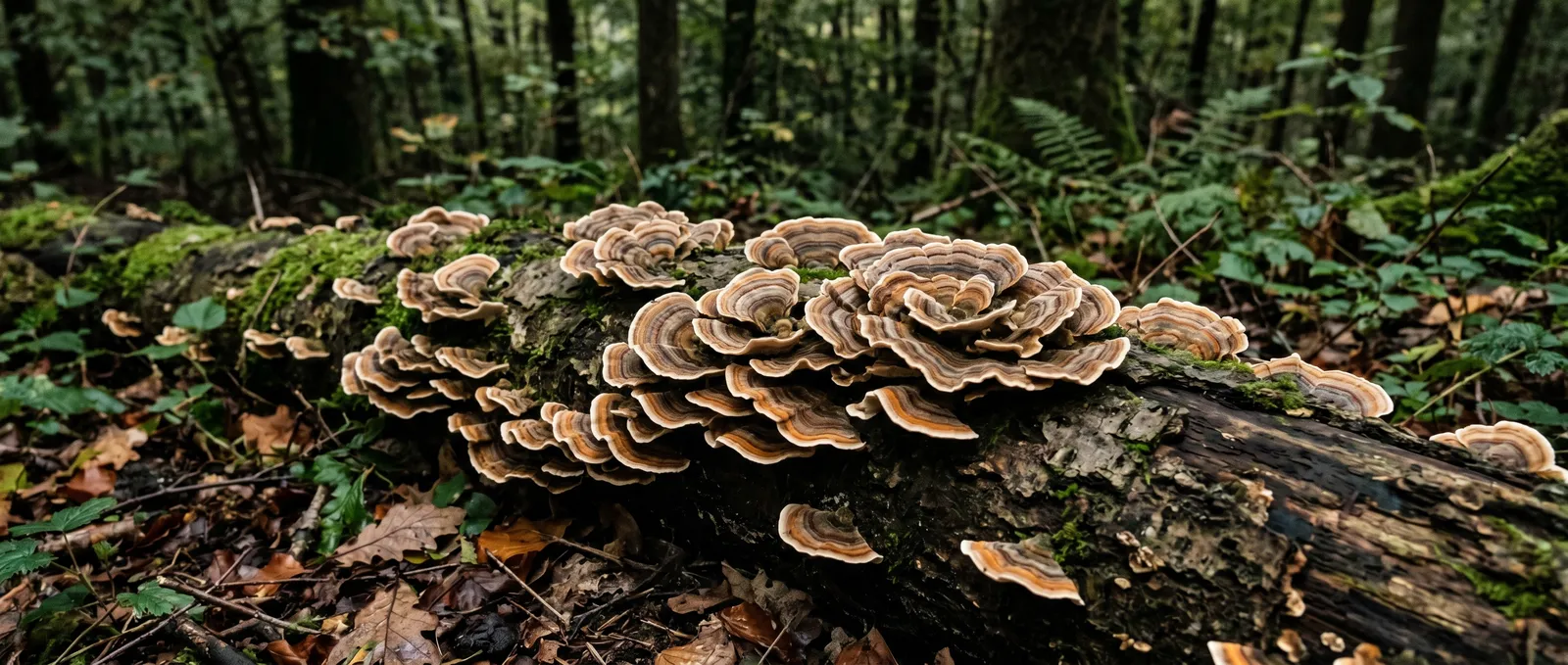
Turkey Tail Trametes versicolor — Buy Supplements
Buy turkey tail Trametes versicolor supplements at Azarius. PSK and PSP evidence, beta-glucan dosage, extraction methods, and safety.

Triterpenes In Medicinal Mushrooms
Triterpenes in medicinal mushrooms are a class of 30-carbon terpenoid compounds produced as secondary metabolites by several functional mushroom species…
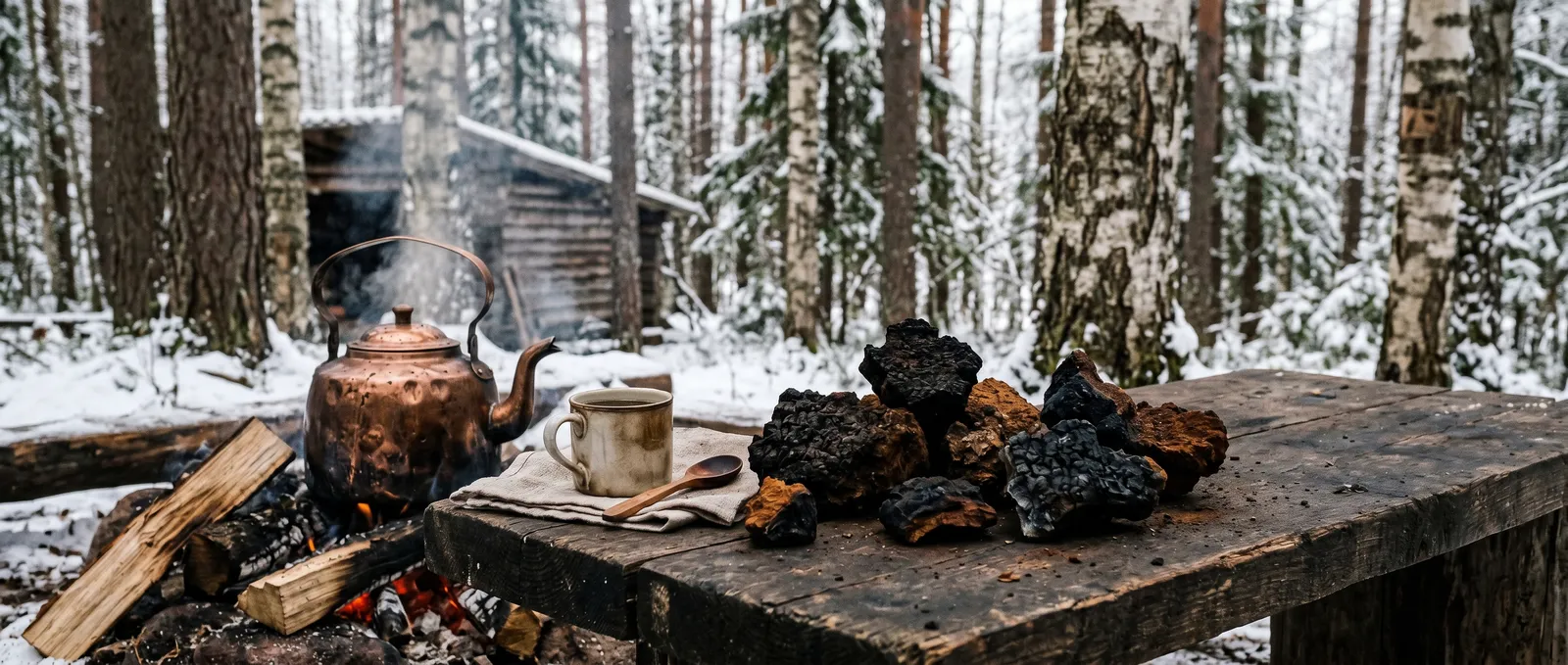
Chaga Siberian Nordic Folk Use
Chaga Siberian Nordic folk use is a centuries-old tradition in which indigenous Siberians and Nordic communities brewed the birch-parasitising fungus…
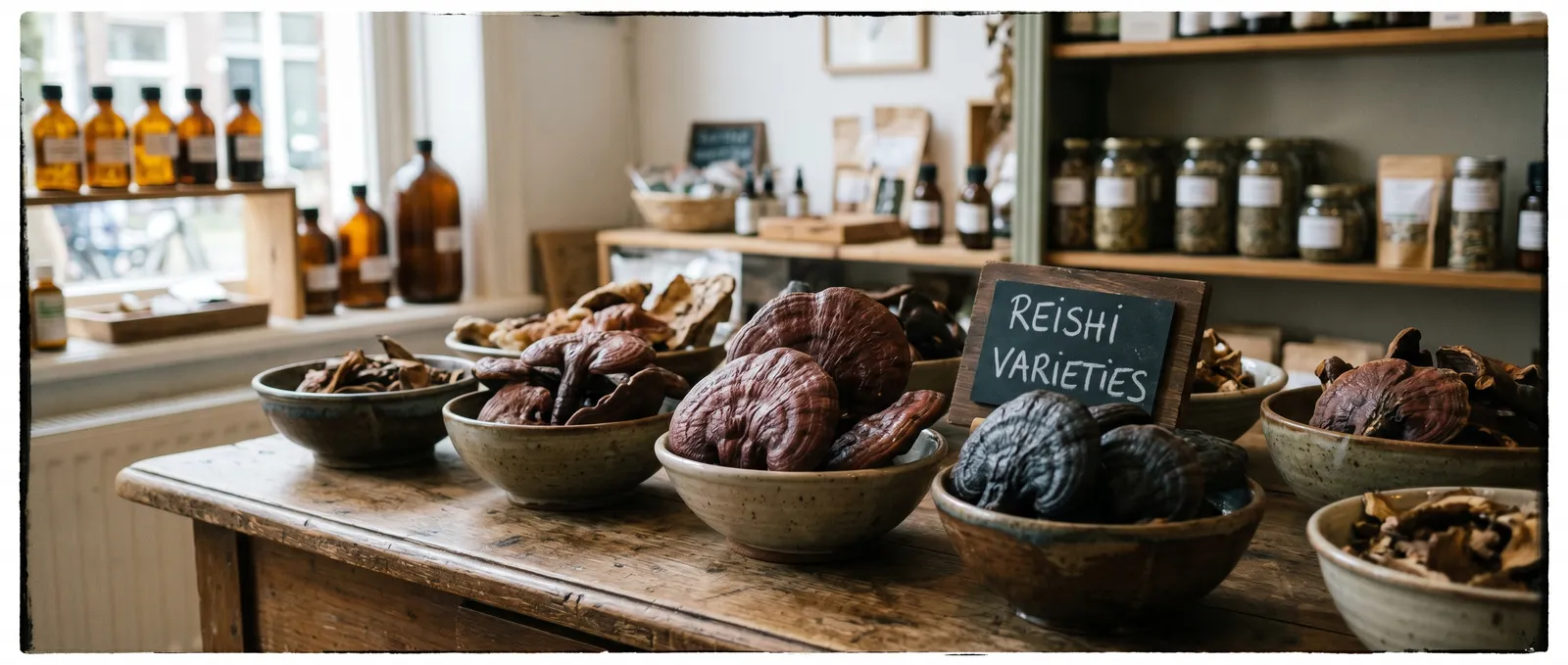
Red and Black Reishi Varieties
Red reishi (Ganoderma lucidum) and black reishi (Ganoderma sinense) both fall under the lingzhi umbrella in traditional Chinese medicine, but they differ in…
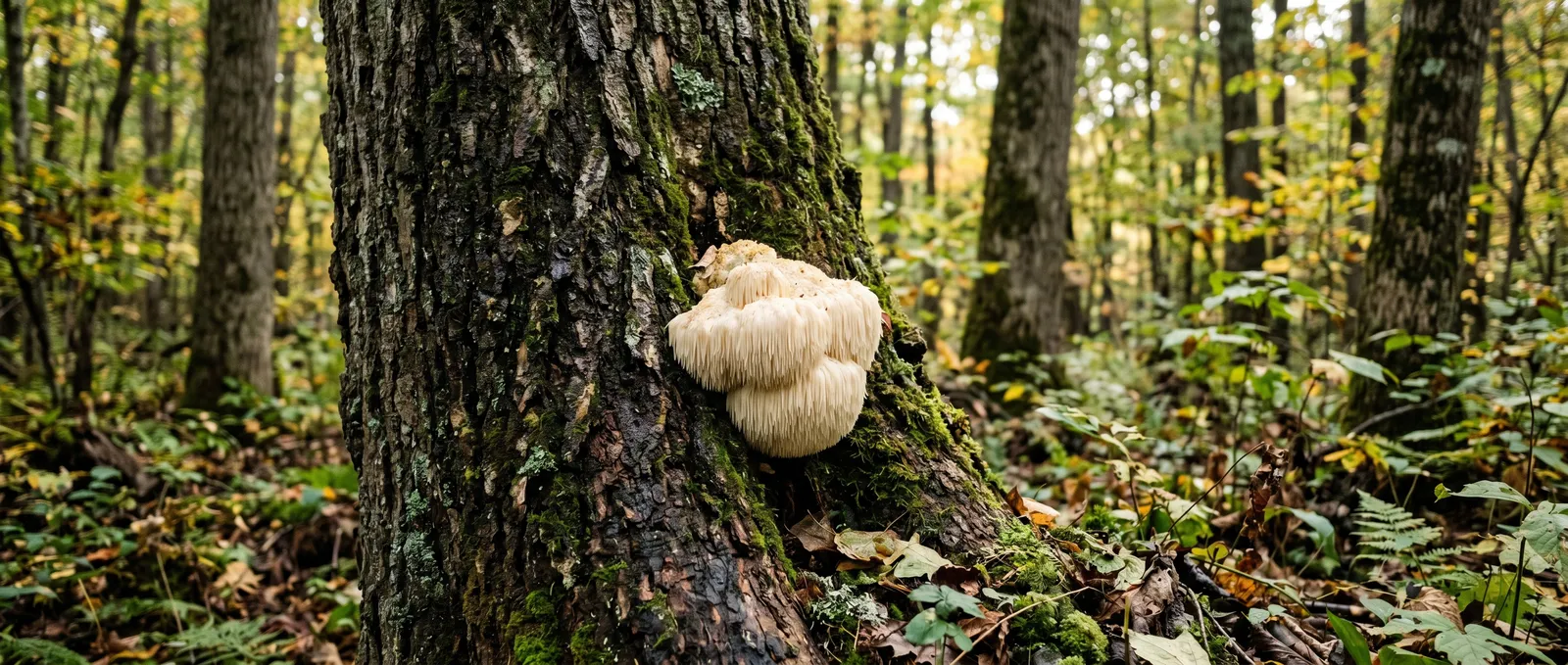
Lion's Mane Identification & Habitat
Hericium erinaceus is a tooth fungus that fruits as a single white, spine-covered mass on wounded or dead hardwood trees.
Cordyceps Lifecycle
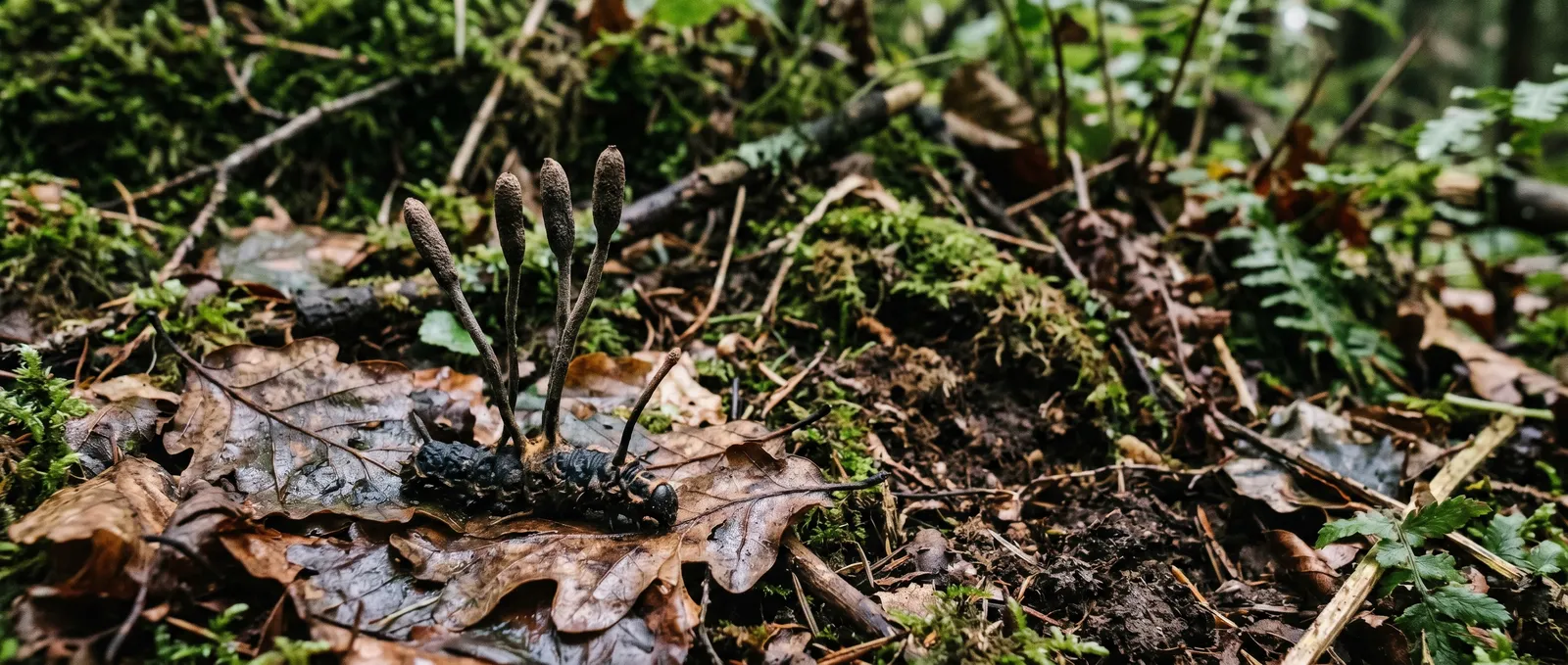
The cordyceps lifecycle is a parasitic biological sequence in which a fungus infects an insect host, colonises its body from within, and erupts as a…