
This article discusses psychoactive substances intended for adults (18+). If you have a health condition or take medication, consult a doctor before use. Our age policy
Static Hash Explained: Purity, Potency & Process
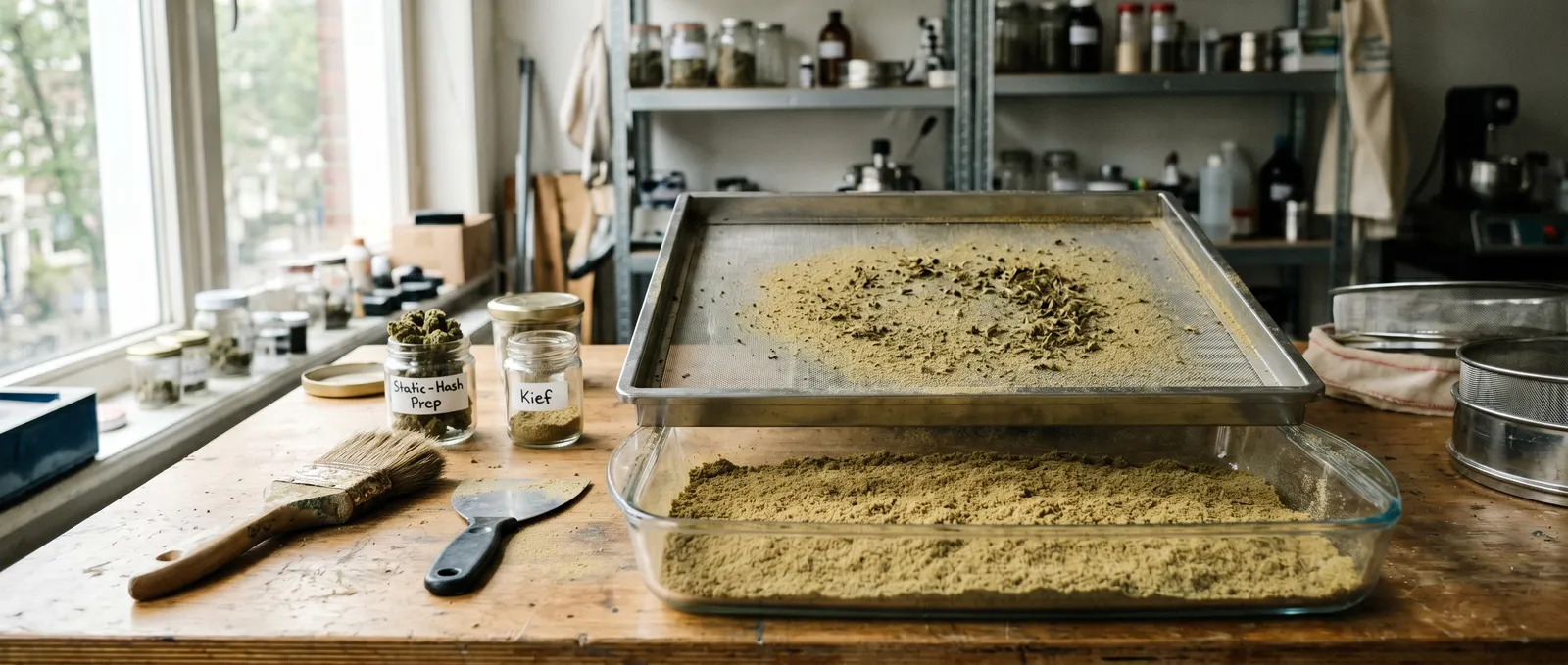
Static hash uses electrostatic separation to pull trichome heads from plant material with surgical precision. The result is a cleaner, more potent concentrate than most traditional dry-sift methods can achieve — and it's quietly become one of the most talked-about techniques in European hash circles.
What Static Hash Actually Is — and How It Differs from Dry Hash
Static hash is a solventless cannabis concentrate made by using electrostatic charge to separate trichome glands from dried plant material. Where traditional dry sift relies on gravity and mesh screens to shake trichomes loose, static extraction uses controlled electricity — think rubbing a balloon on your jumper, but scaled up and far more precise. The charge attracts the resin-heavy trichome heads while leaving behind most of the plant matter, waxes, and debris that dilute lesser hash.
The distinction matters more than you might think. Dry hash (also called dry sift) has been around for centuries and remains a solid method. You agitate dried cannabis over progressively finer screens, collecting what falls through. It works, but even with careful technique, you end up with a fair amount of contaminant material — bits of leaf, broken stalks, empty trichome shells. Static extraction sidesteps most of that by targeting the trichome heads specifically.
| Factor | Static Hash | Dry Hash (Dry Sift) |
|---|---|---|
| Separation method | Electrostatic charge | Gravity + mesh screens |
| Trichome selectivity | High — targets heads specifically | Moderate — includes stalks and debris |
| Typical purity | Higher (less plant contamination) | Variable (depends on screen quality and passes) |
| THC potency range | Often 40–60%+ | Typically 20–40% |
| Colour | Light blonde to golden | Green-tinged to brown |
| Texture | Sandy, crumbly, sometimes greasy | Powdery to pressed |
| Skill floor | Moderate — needs proper equipment | Low — screens and patience |
| Solvent use | None | None |
Both methods are solventless, which is worth noting. Neither uses butane, CO2, or ethanol. That's a selling point for people who want concentrates without chemical residues — and it's a big part of why hash is having a renaissance in 2026 after years of playing second fiddle to BHO and rosin. Data from the EMCDDA's 2025 European Drug Report confirms that cannabis resin potency across Europe has been climbing steadily, with solventless concentrates like static hash driving much of that upward trend.
How Static Hash Is Made: The Extraction Process Step by Step
Static hash production follows a controlled sequence where dried cannabis is exposed to an electrostatic charge that selectively lifts trichome heads away from plant material, collecting them on a charged surface for further refinement. The process starts with properly dried and cured cannabis — typically trim, but top-shelf producers use whole flower. The material needs to be dry enough that trichomes snap off cleanly rather than smearing. Most producers work in cold environments (below 10°C) because trichomes become brittle at lower temperatures, making separation cleaner.
The actual extraction involves passing the material over or near a surface that carries an electrostatic charge. Some producers use purpose-built static screens — essentially a charged plate that attracts trichome heads the way a statically charged surface picks up hair. Others use simpler setups: a PVC pipe rubbed to generate charge, run over material spread on parchment paper. The trichome heads jump toward the charged surface and collect there, while heavier plant material stays put.
The Critical Variables
- Temperature: Cold rooms (5–10°C) produce the cleanest results. Warm trichomes are sticky and drag contaminants along.
- Humidity: Below 40% relative humidity is the target. Static charge dissipates in moist air — anyone who's tried rubbing a balloon in a steam room knows this instinctively.
- Material quality: Garbage in, garbage out. Starting material rich in mature, intact trichomes yields dramatically better hash than shake or poorly stored trim.
- Number of passes: The first pass yields the purest collection. Each subsequent pass pulls more, but with diminishing purity. Serious producers keep first-pass and second-pass hash separate.
- Charge intensity: Too much charge and you start pulling plant material along with trichomes. Too little and you leave good heads behind. This is where experience matters.
According to analysis shared by extraction specialists at 9 Realms (2025), first-pass static hash can reach purity levels where over 90% of the collected material consists of intact trichome heads — a figure that even the best six-screen dry sift setups struggle to match consistently. Research published through the Beckley Foundation's cannabis science programme has similarly noted that solventless mechanical separation techniques are capable of producing concentrates with cannabinoid profiles rivalling solvent-based extracts, provided environmental conditions are tightly controlled.
| Pass | Typical Purity | Colour | Best Use |
|---|---|---|---|
| First pass | Highest (90%+ trichome heads) | Pale blonde / golden | Standalone smoking, pressing into temple balls |
| Second pass | Good (70–85% heads) | Slightly darker blonde | Pressing, mixing with flower |
| Third pass+ | Moderate (50–70%) | Green-tinged | Edibles, further processing |
Why Static Hash Has Become the Concentrate to Watch in 2026
Static hash has become the most sought-after solventless concentrate in Europe because it delivers potency rivalling solvent-based extracts while preserving the full terpene profile of the source plant. The solventless movement has been building for years, driven by consumers who want clean concentrates without residual solvents. Rosin presses dominated that conversation for a while, but hash — particularly static hash — has quietly overtaken it in connoisseur circles across the continent.
Amsterdam's coffeeshops have noticed. Dutch Review's 2025 roundup of the best hash in Amsterdam highlighted several static-processed varieties, including the White Choco Static from Coffeeshop Noord — a product that's become something of a benchmark for what electrostatic separation can achieve. The fact that coffeeshops are now specifically marketing hash as "static" tells you the technique has moved from niche to selling point. The EMCDDA Maps of drug markets and supply routes in Europe further illustrate how resin products, including high-purity static hash, have become a dominant segment of the European cannabis concentrate market.
A few reasons this is happening now:
Potency without solvents. Static hash routinely tests between 40% and 60% THC — competitive with many solvent-based extracts. For context, traditional Moroccan or Afghan hash typically lands between 10% and 25% THC, and even good dry sift usually tops out around 40%. That potency gap, achieved without any chemicals, is a strong argument.
Terpene preservation. Because static extraction doesn't involve heat, pressure, or solvents, the terpene profile of the starting material survives largely intact. This matters for flavour and for the entourage effect — the theory, supported by research from Russo (2011) and further explored through the Beckley Foundation's ongoing cannabis pharmacology work, that cannabinoids and terpenes work better together than in isolation.
Accessibility. You don't need a hydraulic rosin press or a closed-loop extraction system. The basic equipment for static hash is simple and relatively inexpensive. That's democratised production in a way that BHO never could.
Honestly, static hash isn't flawless. The technique demands precise environmental control — get your humidity wrong and you'll spend an afternoon generating zero useful charge. It's also slower than dry sifting for bulk processing. And the very best results require starting material that most home growers would rather smoke as flower. Compared to ice water hash (bubble hash), static hash avoids the drying step that can introduce mould risk, but bubble hash can be more forgiving in warmer climates where generating a reliable static charge is difficult. Neither method is universally superior — it depends on your environment and goals. But when static is done right, the product speaks for itself: clean, potent, flavourful, and made with nothing but physics.
If you want to get into hash-making yourself, the Azarius smartshop carries pollen presses, herb grinders with kief catchers, and storage solutions that work well for collecting and pressing your own sift. For those who'd rather buy ready-made concentrates, keep an eye on the Azarius hash and concentrate selections as new static-processed products appear. You can also order pollen press tools and sift screens directly from the Azarius accessories range to get started with your own experiments. The Azarius wiki on cannabis concentrates is also worth reading for broader context on how static hash fits into the wider world of extracts, and the Azarius blog regularly covers developments in solventless extraction techniques.
This guide is written for adults aged 18 and over.
Whether you're drawn to hash for the craft, the flavour, or the clean extraction method, static hash represents one of the most interesting developments in cannabis concentrates right now. It's old-school technique refined with a bit of science — and it's only getting better as more producers dial in their methods.
Last updated: April 2026
Frequently Asked Questions
6 questionsIs static hash stronger than regular hash?
Can you make static hash at home?
How do you store static hash to keep it fresh?
What's the difference between static hash and bubble hash?
Is static hash legal?
How is static hash different from rosin?
About this article


Luke Sholl has been writing about cannabis, cannabinoids, and the broader benefits of nature since 2011, and has personally grown cannabis in home grow tents for more than a decade. That first-hand cultivation experience
This blog article was drafted with AI assistance and reviewed by Luke Sholl, External contributor since 2026. Editorial oversight by Toine Verleijsdonk.
Last reviewed May 14, 2026
Related Articles

Peyote Cactus: Plant Profile and Care Guide
Peyote cactus care made simple: light, mineral soil, watering, winter rest and propagation, plus how Lophophora williamsii compares to San Pedro.

San Pedro Cactus Care: First-Year Guide for New Owners
Complete first-year san pedro cactus care guide: callusing, watering, dormancy, peyote differences, troubleshooting and species-by-species tips for…
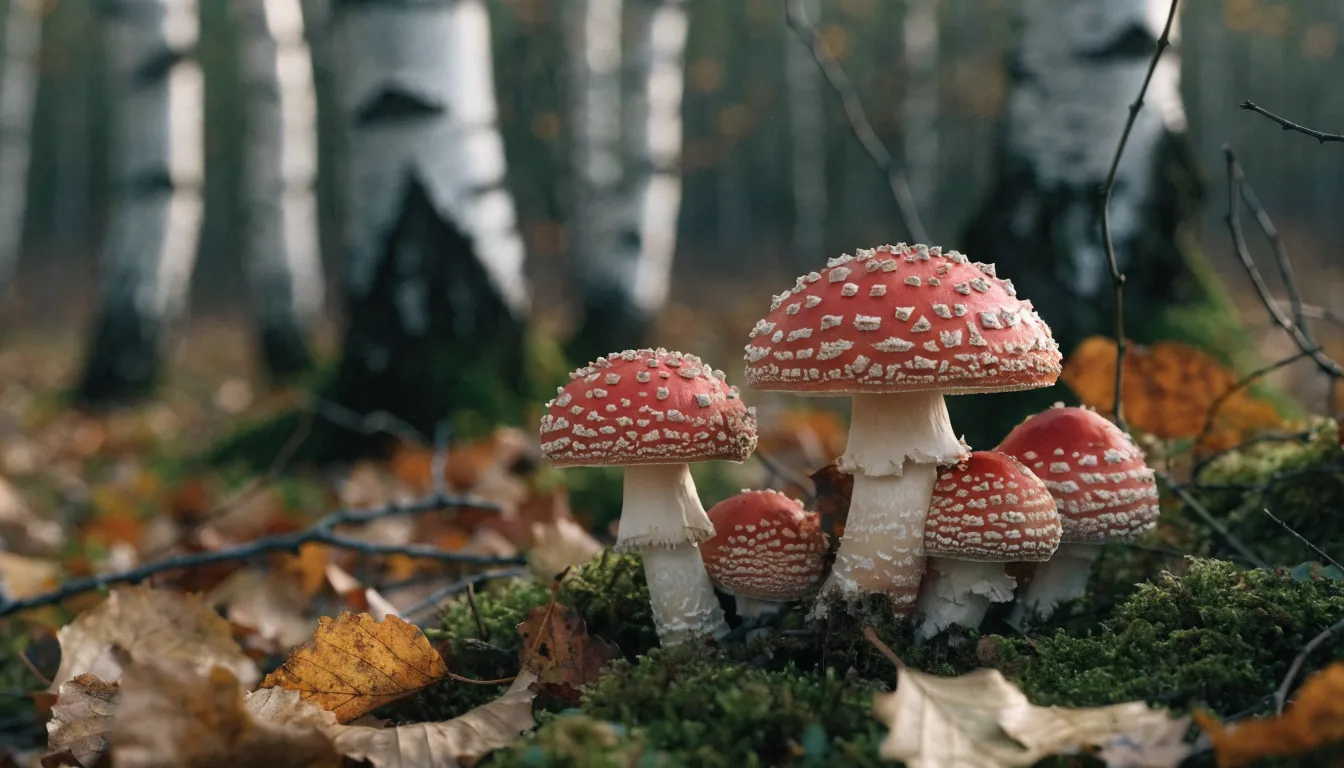
Amanita Muscaria: Botany, Chemistry and European Folklore
Amanita muscaria is the fly agaric of European fairy tales — and a poisonous mushroom, not a magic one. The botany, the deadly lookalikes, the muscimol chemistry and the Santa myth, straight.

8 Balcony Cannabis Strains Ranked by Height for Small Grows
Eight balcony cannabis strains ranked by verified height, cycle time and THC — so your grow fits under the railing and out of the neighbours'…
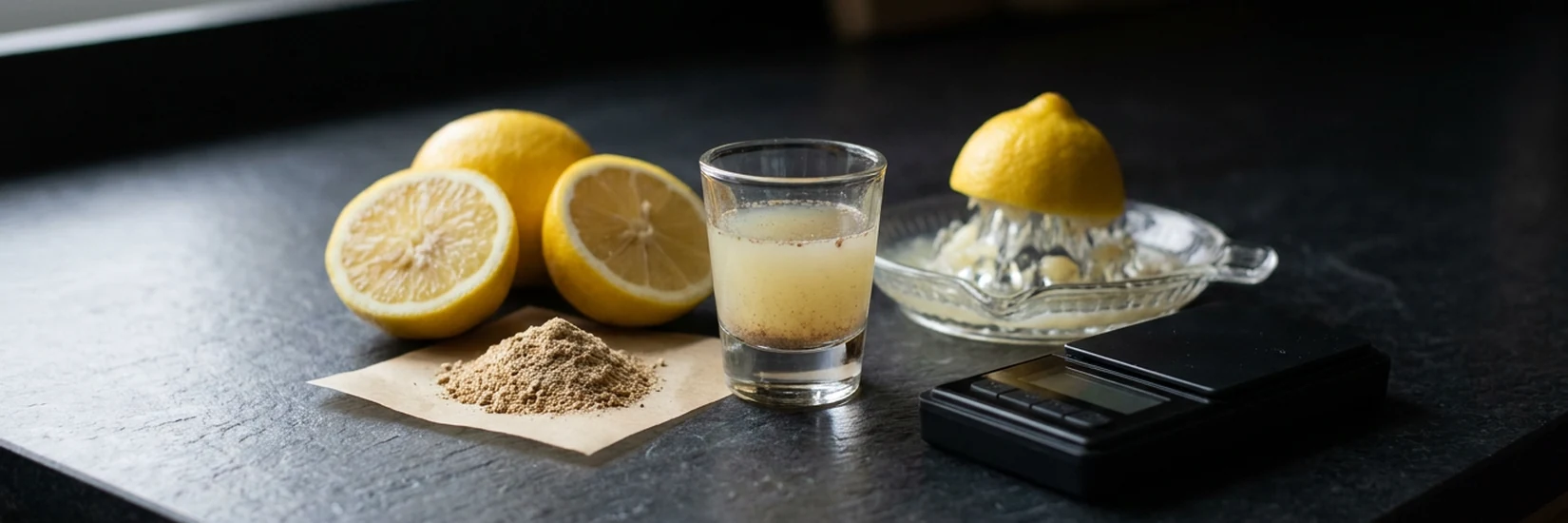
How to Lemon Tek Mushrooms: Method, Dose & Timing
Learn how to lemon tek mushrooms step by step: chemistry, dosing, timing and harm reduction for a faster, sharper and shorter psilocybin experience.
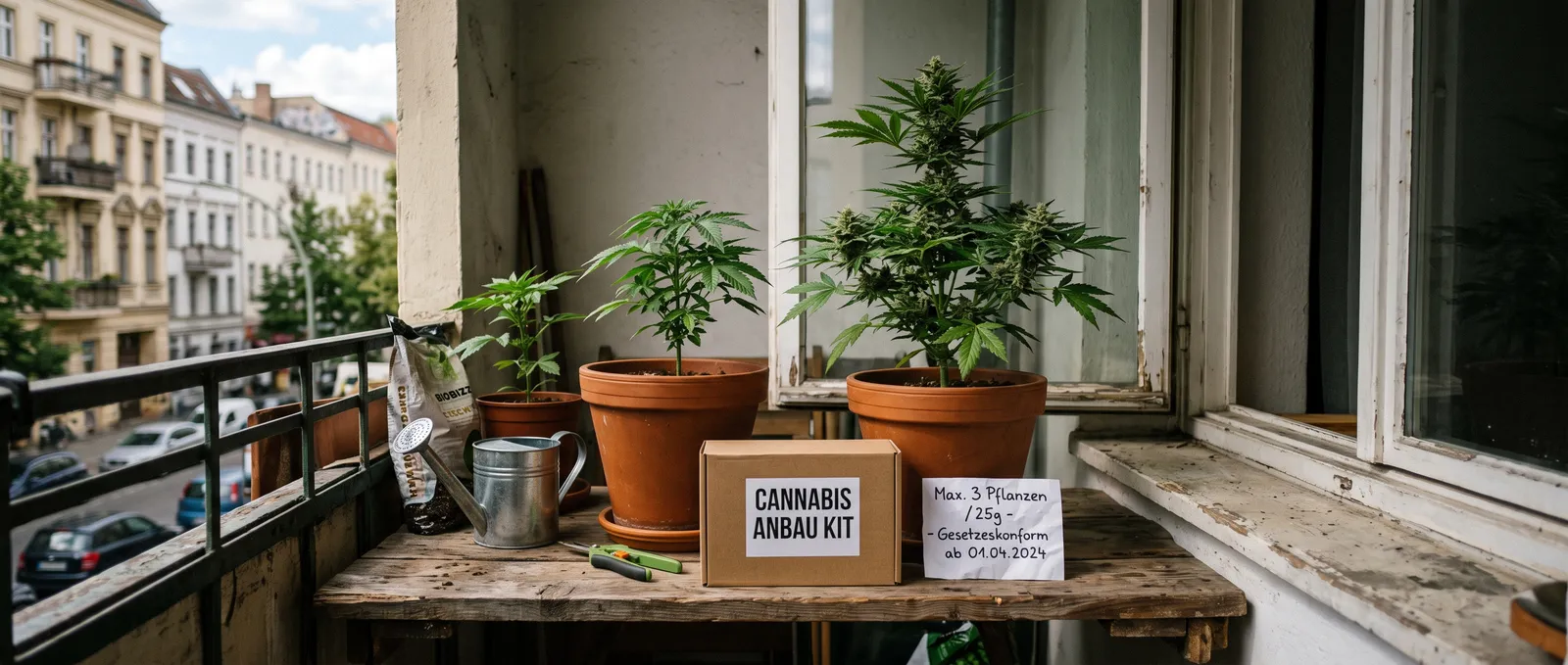
Cannabis in Germany: Is Weed Legal in 2026? CanG Rules
Is weed legal? How cannabis in Germany works after CanG: 25 g possession, three plants at home, Cannabis Social Clubs and city-by-city enforcement.

7 Functional Mushrooms and What People Use Them For
A practical guide to 7 functional mushrooms — lion's mane, reishi, cordyceps, chaga, maitake, shiitake, snow fungus — with traditional uses and…
How to Increase Bud Weight: 5 Hidden Yield Killers
Healthy plants, light harvests? Mr. Grow It's 5 hidden bottlenecks and exactly how to increase bud weight — without touching your nutrients.

How Long Does Being High Last? Cannabis Timeline
How long does being high last? On average about 4 hours — but smoking, edibles, dose and tolerance change everything. The full science-backed timeline.