
Chaga (Inonotus obliquus)
Definition
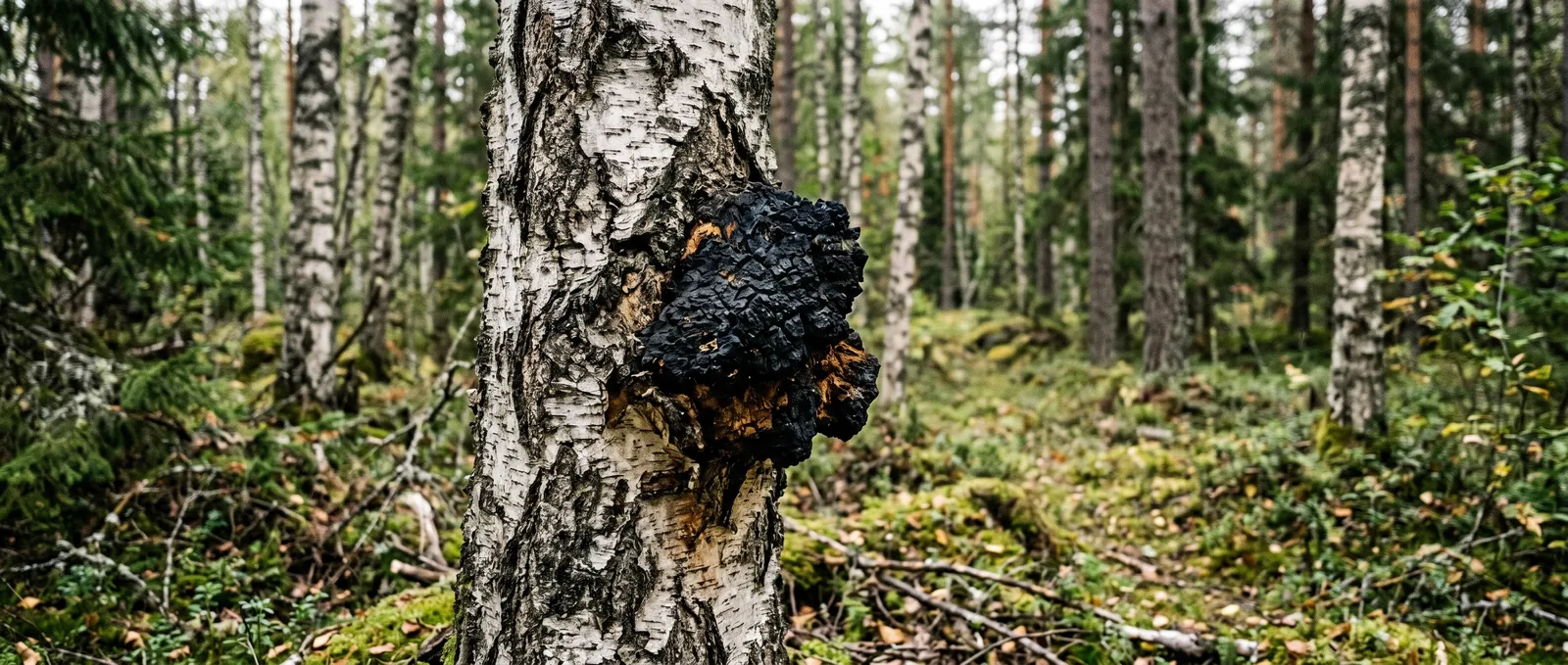
Chaga (Inonotus obliquus) is a parasitic fungus that forms dense, black sclerotia on birch trees across boreal forests. Rich in melanins, beta-glucans, and triterpenes, it has centuries of use in Russian folk medicine as a decoction. Preclinical research has examined its polysaccharide fractions for immune-modulating and antioxidant properties (Kim et al., 2005), though human clinical trial data remains thin.
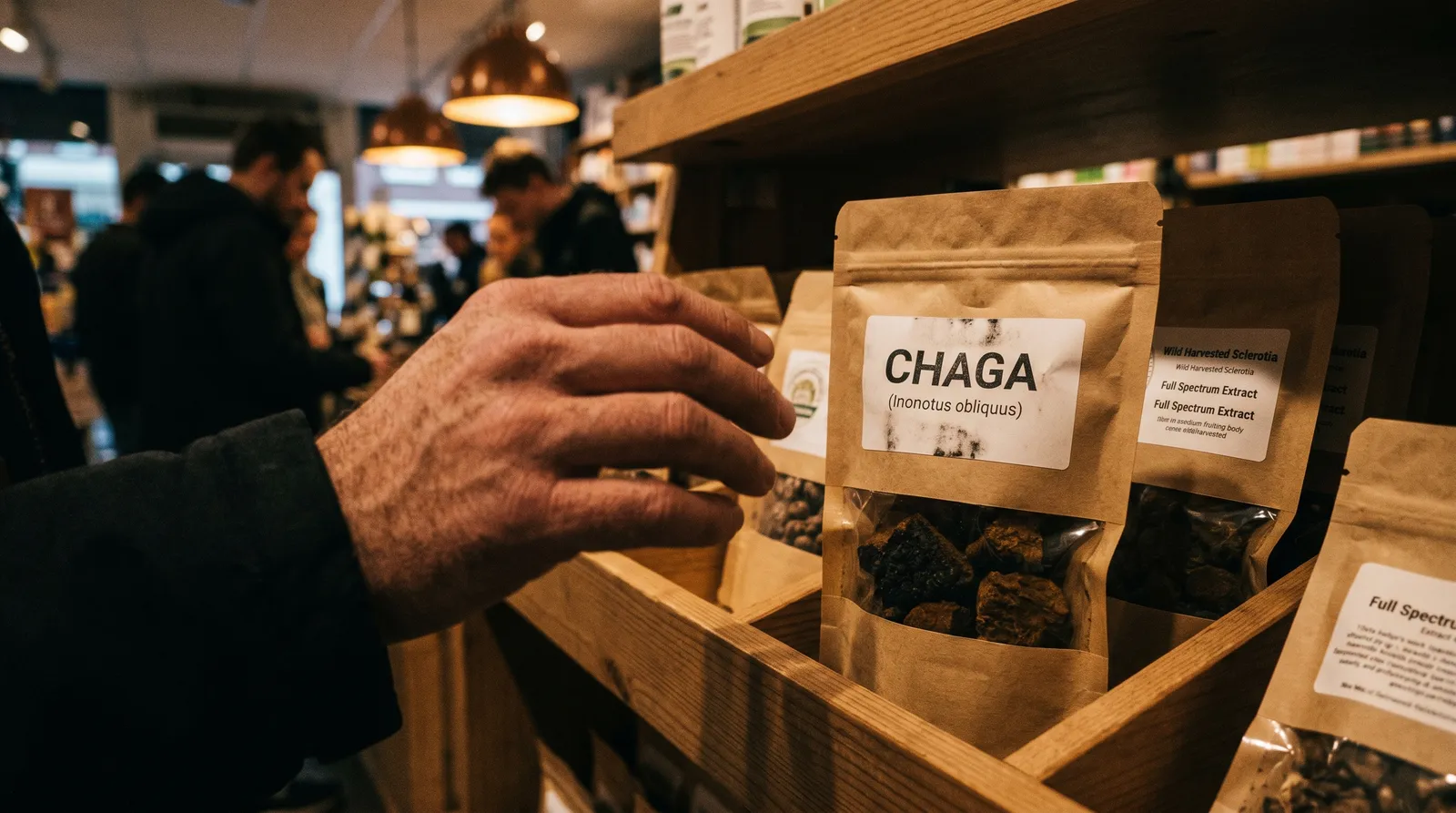
Chaga (Inonotus obliquus) is a parasitic fungus that grows primarily on birch trees across the boreal forests of Russia, Scandinavia, Canada, and northern parts of East Asia. If you want to buy chaga Inonotus obliquus products, understanding what this organism actually is matters more than most marketing copy suggests. What people harvest is not technically a mushroom in the familiar cap-and-stem sense — it is a sclerotium, a dense mass of mycelium and wood substrate that forms as a dark, irregularly shaped canker on the outside of the tree. The exterior is black and deeply cracked, almost resembling burnt charcoal, while the interior is a rusty golden-brown. Inonotus obliquus has centuries of documented use in Russian and Northern European folk medicine, primarily as a tea or decoction, and its chemistry has drawn increasing research attention since the early 2000s. If you are looking to order chaga Inonotus obliquus supplements or raw chunks, understanding the science behind the fungus will help you make a genuinely informed choice.
What chaga actually is — and what it is not
Chaga Inonotus obliquus is a sterile sclerotium, not a true mushroom — the black mass on the birch tree does not produce spores while attached to the living host. The actual fruiting body of I. obliquus — the spore-producing structure — only forms after the host tree dies, appearing as a flat, resupinate body beneath the bark. It is rarely seen and almost never harvested. So when you see chaga (Inonotus obliquus) products on the market, they are derived from the sclerotium, not from a true fruiting body in the mycological sense. This matters because the compound profile of the sclerotium differs from both the fruiting body and from mycelium grown on grain in laboratory conditions.
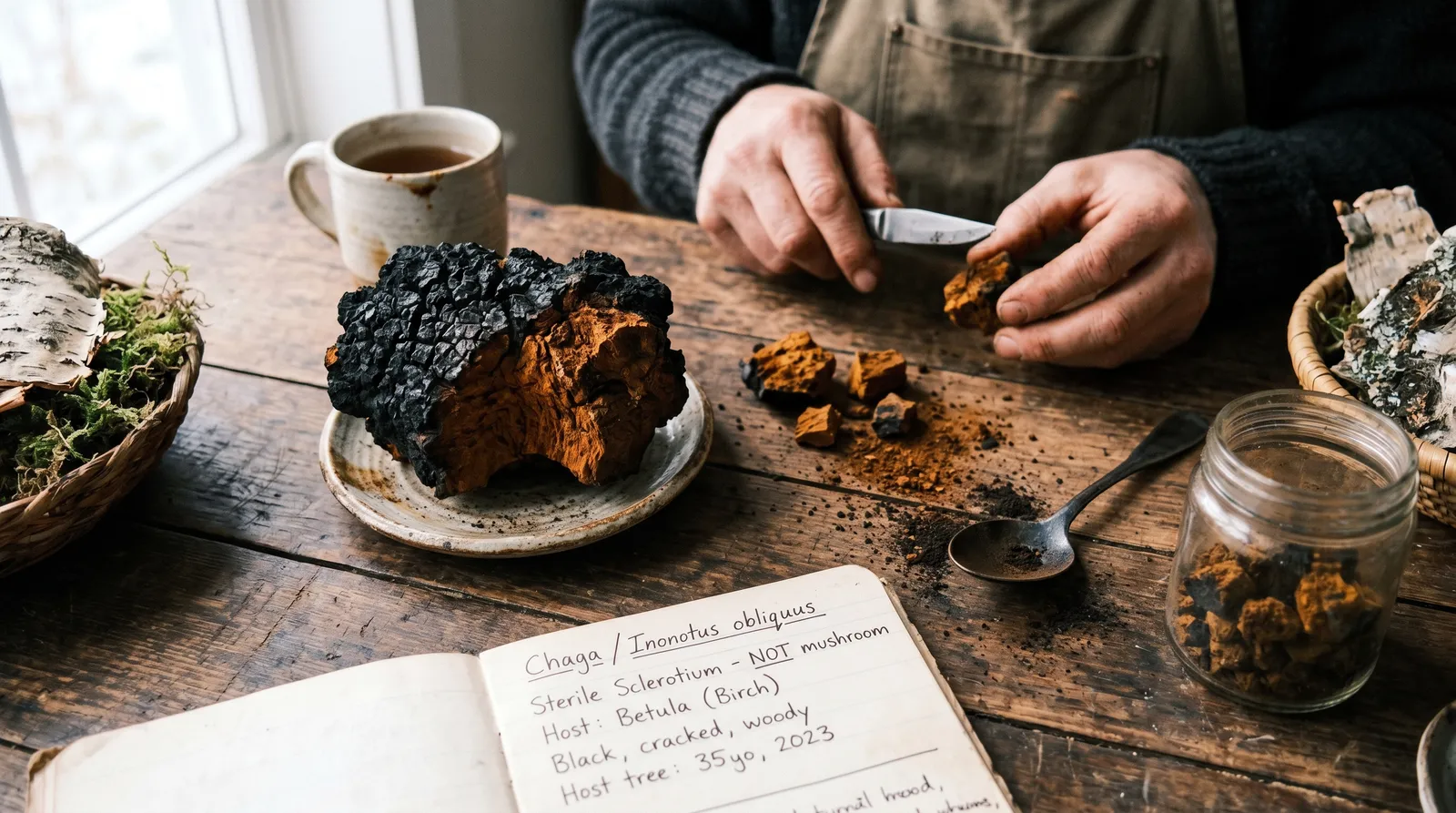
Wild-harvested chaga sclerotia contain compounds that are partly fungal in origin and partly derived from the birch host. Betulin and betulinic acid, for instance, originate in birch bark and are concentrated by the fungus during its growth — a detail that cultivated chaga (Inonotus obliquus), grown on substrates other than birch, cannot replicate. Glamočlija et al. (2015) confirmed that the chemical composition of I. obliquus varies significantly depending on the host tree species and geographic origin, which complicates any attempt to standardise "chaga" as a single, consistent product.
Key compounds and chemistry
Chaga Inonotus obliquus contains at least four major compound classes that define its chemical identity: melanins, polysaccharides, triterpenes, and birch-derived triterpenoids. Each requires different extraction methods to concentrate effectively. The following table summarises these classes, their solubility, and the extraction method required:
| Compound class | Key examples | Solubility | Extraction method | Primary research focus |
|---|---|---|---|---|
| Melanins | Melanin-glucan complexes | Water-soluble | Hot-water decoction | Antioxidant capacity (in vitro) |
| Polysaccharides / beta-glucans | 1,3/1,6-beta-glucans | Water-soluble | Hot-water extraction | Immune-cell modulation (Kim et al., 2005) |
| Triterpenes | Inotodiol, trametenolic acid, lanosterol derivatives | Alcohol-soluble | Ethanol / dual extraction | Anti-inflammatory activity (Baek et al., 2018) |
| Birch-derived compounds | Betulin, betulinic acid | Alcohol-soluble | Ethanol extraction | Cytotoxicity in cell-culture models (Fulda, 2008) |
| Product format | Compounds captured | Compounds missed | Best for |
|---|---|---|---|
| Hot-water extract powder | Beta-glucans, melanins | Triterpenes, betulinic acid | Immune-support focus |
| Alcohol tincture | Triterpenes, betulinic acid | Beta-glucans, melanins | Triterpene-focused use |
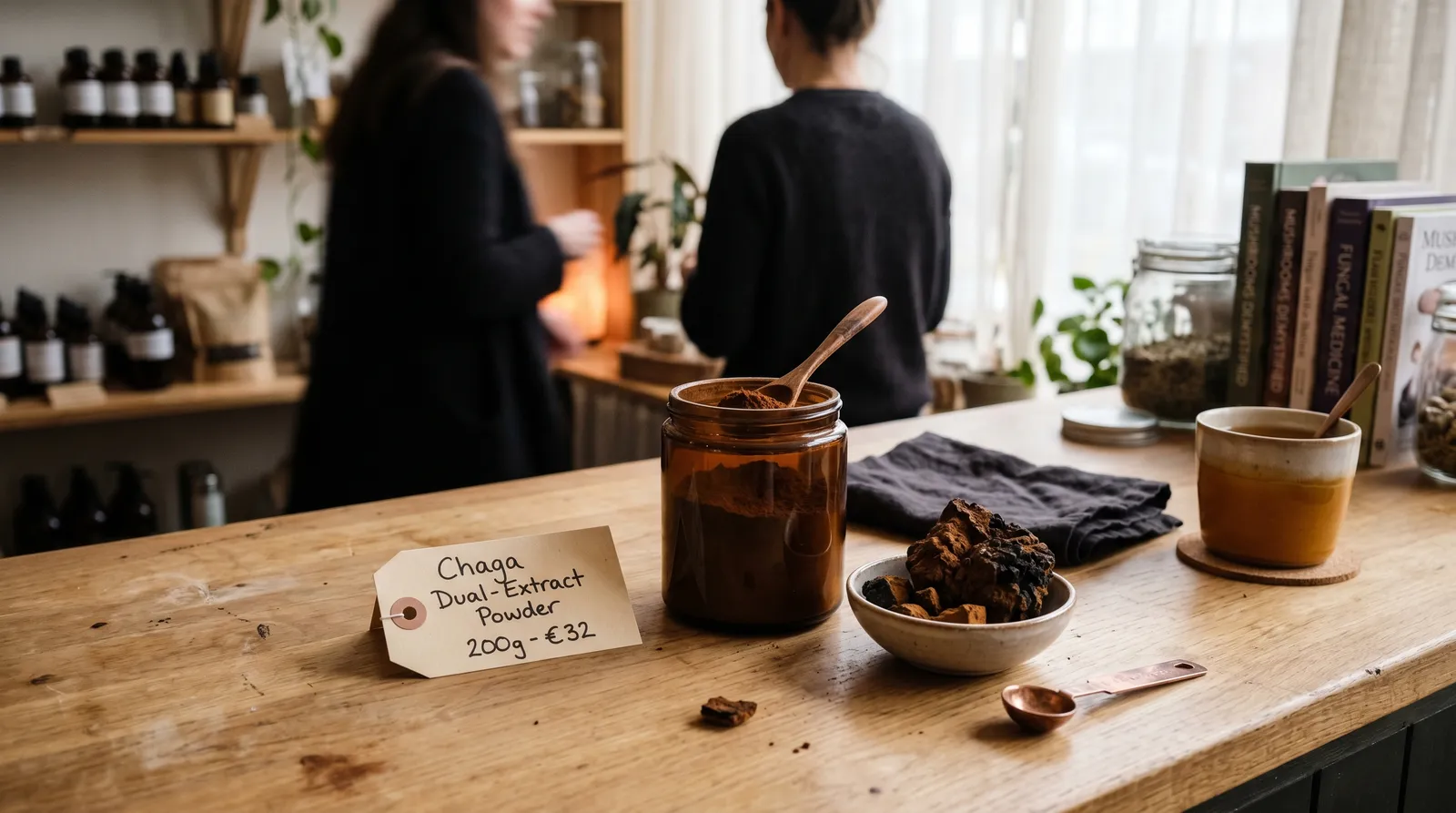
| Dual extract | Both water- and alcohol-soluble fractions | Minimal — broadest spectrum | Complete compound coverage |
| Raw chunks / powder | Full matrix (unextracted) | Bioavailability limited by chitin walls | Traditional decoction brewing |
Melanins. The black exterior is rich in melanin-glucan complexes. These are responsible for the high antioxidant scores that chaga receives in in-vitro oxygen radical absorbance capacity (ORAC) assays. Shashkina et al. (2006) described the melanin content as one of the distinguishing features of I. obliquus compared with other medicinal fungi. However, in-vitro antioxidant capacity does not translate directly to antioxidant effects in the human body — oral bioavailability of melanin-glucan complexes remains poorly characterised.
Polysaccharides and beta-glucans. Like other medicinal fungi, chaga contains beta-glucans — polysaccharides that have been studied for their effects on immune-cell markers. In-vitro and animal-model studies have observed that polysaccharide fractions from I. obliquus can modulate macrophage and natural-killer-cell activity (Kim et al., 2005). These are water-soluble compounds, so hot-water extraction is the relevant method for concentrating them. An alcohol-only tincture would capture very little of this fraction.
Triterpenes. Inotodiol, trametenolic acid, and lanosterol derivatives have been isolated from chaga. Some of these compounds have shown anti-inflammatory activity in cell-culture models (Baek et al., 2018). Triterpenes are not water-soluble — they require alcohol extraction. This is why dual-extraction preparations (hot water followed by alcohol, or simultaneous) aim to capture both the polysaccharide and triterpene fractions in a single product.
Betulin and betulinic acid. As noted above, these are birch-derived compounds concentrated in wild chaga (Inonotus obliquus). Betulinic acid has been investigated in in-vitro cancer-cell models (Fulda, 2008), but these studies used isolated, purified compounds at concentrations far removed from what you would get from drinking chaga tea. Transferring those findings onto over-the-counter chaga products is not supported by the current evidence.
How chaga compares to other functional fungi
People often ask how chaga stacks up against reishi, lion's mane, or turkey tail. The honest answer is that direct comparison is difficult because each species has a different compound emphasis. Reishi (Ganoderma lucidum) is better studied for triterpene content and has more human trial data — see the Azarius reishi extract wiki page for details. Lion's mane (Hericium erinaceus) targets nerve-growth-factor pathways that chaga does not, as covered on the Azarius lion's mane extract wiki page. Turkey tail (Trametes versicolor) has the strongest clinical evidence for its polysaccharide-K fraction in adjunctive oncology settings. Chaga's distinguishing features are its melanin content, its birch-derived compounds, and its unusually high oxalate load — that last point being a clear disadvantage. If you are deciding which functional mushroom to order, the choice depends on your specific interest and health context, not on a generic "superfood" ranking. You can compare all options on the Azarius functional mushroom category page.
What research has examined
Preclinical research on chaga Inonotus obliquus consists primarily of in-vitro and animal-model work, with human clinical data remaining extremely limited. That gap is the single most important thing to understand about the science.
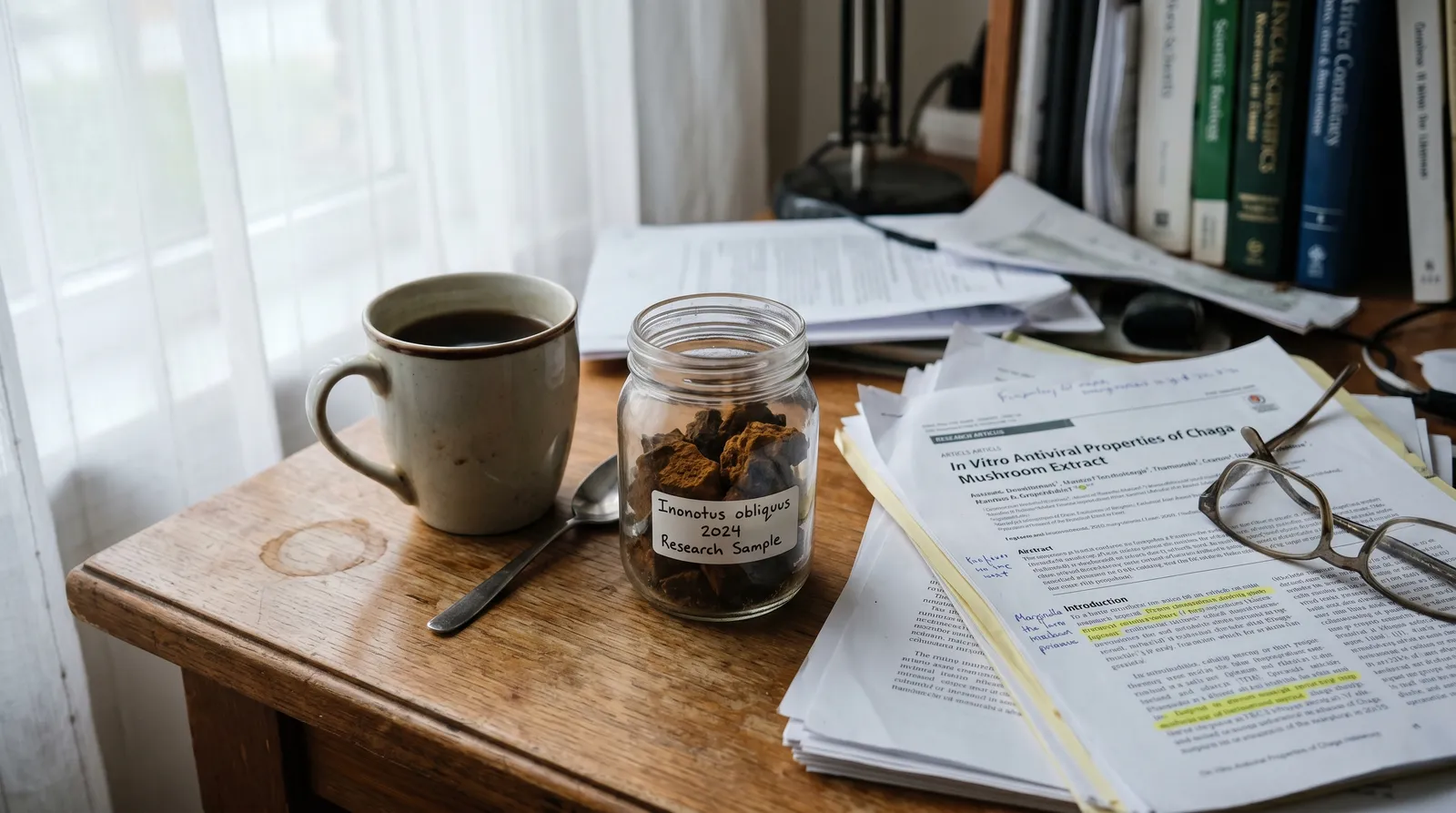
Antioxidant activity. Multiple in-vitro studies have measured high antioxidant capacity in chaga extracts. Cui et al. (2005) reported significant scavenging of DPPH and superoxide radicals by polysaccharide fractions. The limitation is consistent across this literature: in-vitro radical-scavenging does not predict what happens after oral ingestion, hepatic metabolism, and systemic distribution in humans. No controlled human trials have demonstrated that chaga supplementation measurably alters oxidative stress biomarkers in healthy adults.
Immune modulation. Kim et al. (2005) observed that hot-water extracts of I. obliquus stimulated immune-cell activity in mouse splenocyte cultures. Similar findings appear across several animal studies. Whether this translates to meaningful immune effects in humans taking commercially available chaga products has not been established in controlled clinical trials.
Blood-glucose effects. Lu et al. (2010) reported that polysaccharide fractions from I. obliquus reduced blood glucose in alloxan-induced diabetic mice. This is an animal model — the doses, the delivery method, and the extract preparation do not map neatly onto human supplementation. Still, the observation is consistent enough across several rodent studies that it warrants caution for anyone on blood-sugar-lowering medication.
Anti-tumour activity. Several in-vitro studies have examined chaga extracts against cancer cell lines. Chung et al. (2010) reported inhibition of human hepatoma cell proliferation by inotodiol fractions. These are isolated-compound, cell-culture experiments. They do not demonstrate that chaga products have anti-cancer effects in living humans, and framing them as such would be irresponsible.
Safety, interactions, and cautions
Chaga Inonotus obliquus carries specific safety concerns that distinguish it from most other functional mushrooms. It has a long history of traditional use as a tea with low acute toxicity based on historical records and animal-model data (Shashkina et al., 2006), but "low acute toxicity" is not the same as "safe for everyone in every context." Several specific concerns deserve attention before you buy chaga or add it to your daily routine.
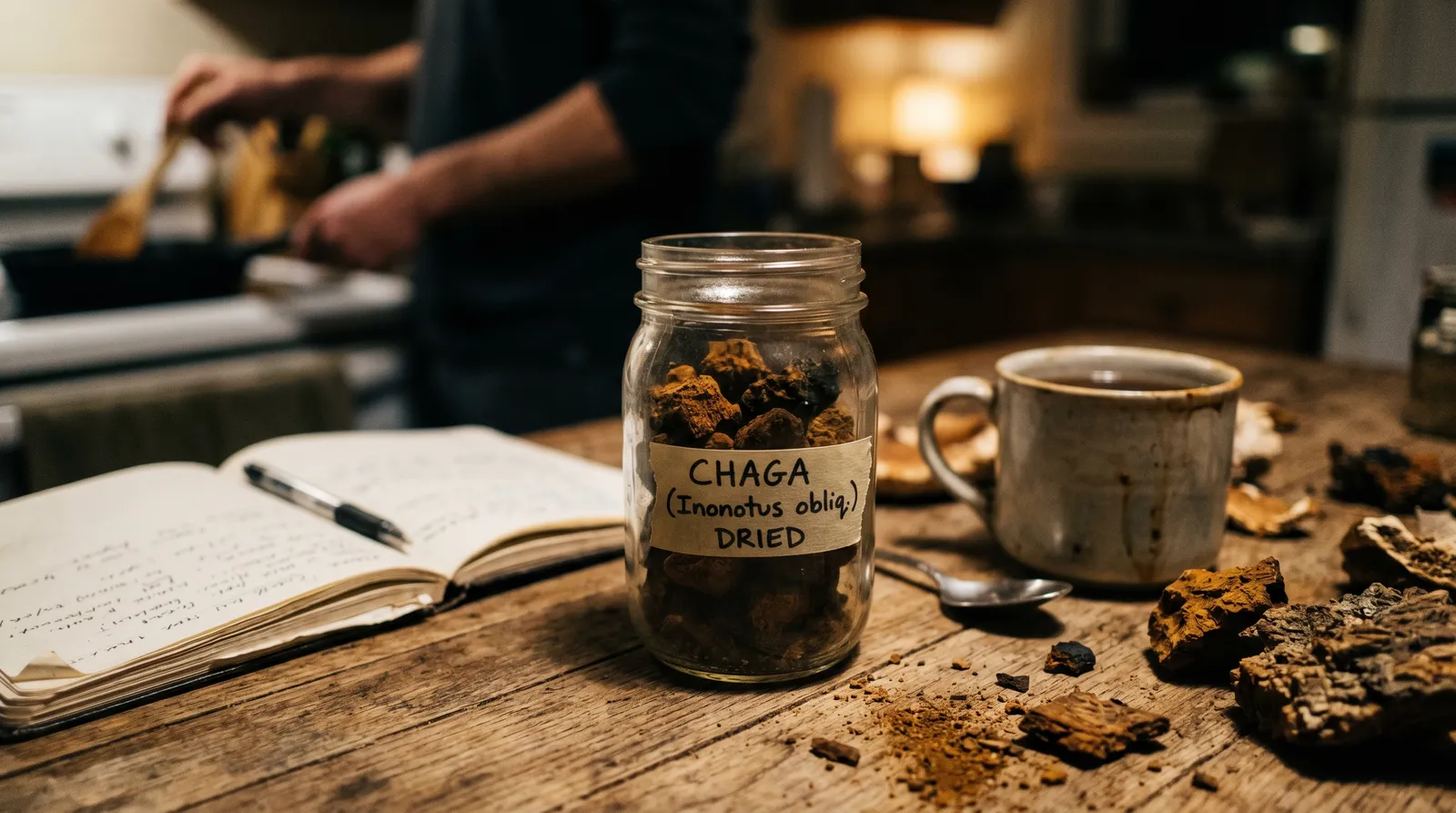
Blood-sugar interactions. Given the animal-model evidence for blood-glucose-lowering effects, chaga may potentiate hypoglycaemic medications such as metformin, sulfonylureas, and insulin. If you take any of these, the interaction risk is real enough to warrant a conversation with your prescribing clinician before adding chaga to your routine.
Blood-pressure effects. Chaga, along with reishi and cordyceps, may modestly lower blood pressure. For anyone on antihypertensive medication, the cumulative effect could push blood pressure lower than intended.
Anticoagulant caution. While chaga's anticoagulant profile is less documented than reishi's, some in-vitro data suggest effects on platelet aggregation. Anyone taking warfarin, apixaban, rivaroxaban, or other blood thinners should be cautious.
Oxalate content. This is a specific and often overlooked concern. Chaga is unusually high in oxalates. Kikuchi et al. (2014) documented a case of oxalate nephropathy — kidney damage caused by oxalate crystal deposition — in a patient who had consumed chaga powder daily for six months. High oxalate intake is a known risk factor for kidney stones and, in extreme cases, renal failure. People with a history of kidney stones or kidney disease should be particularly cautious, and high-dose daily consumption over extended periods carries a risk that most wellness sources fail to mention. The EMCDDA's broader monitoring of novel food supplements has flagged oxalate-rich botanicals as an emerging concern, and chaga fits squarely into that category.
Immune-modulation caution. As a beta-glucan-containing fungus, chaga may stimulate aspects of immune function. For individuals with autoimmune conditions or those taking immunosuppressants (methotrexate, tacrolimus, ciclosporin, corticosteroids), this theoretical opposition between immune stimulation and the therapeutic goal of immune suppression is a genuine concern, even if the clinical evidence specifically for chaga is limited.
Long-term safety data for chronic daily chaga supplementation in humans does not exist in the published literature. The traditional use pattern — intermittent consumption as a decoction — is not the same as taking concentrated extract capsules every day for years.
Extraction and preparation
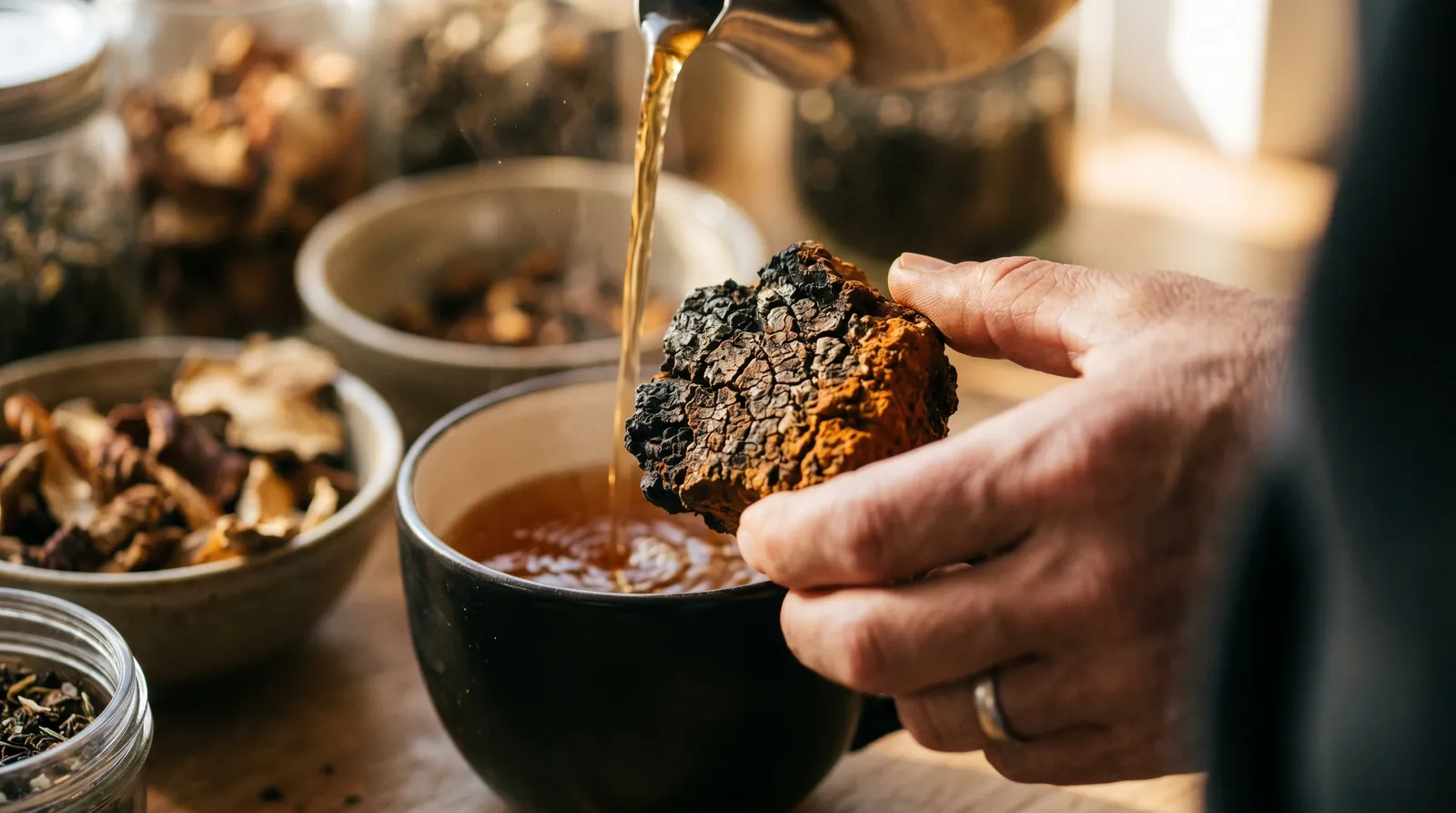
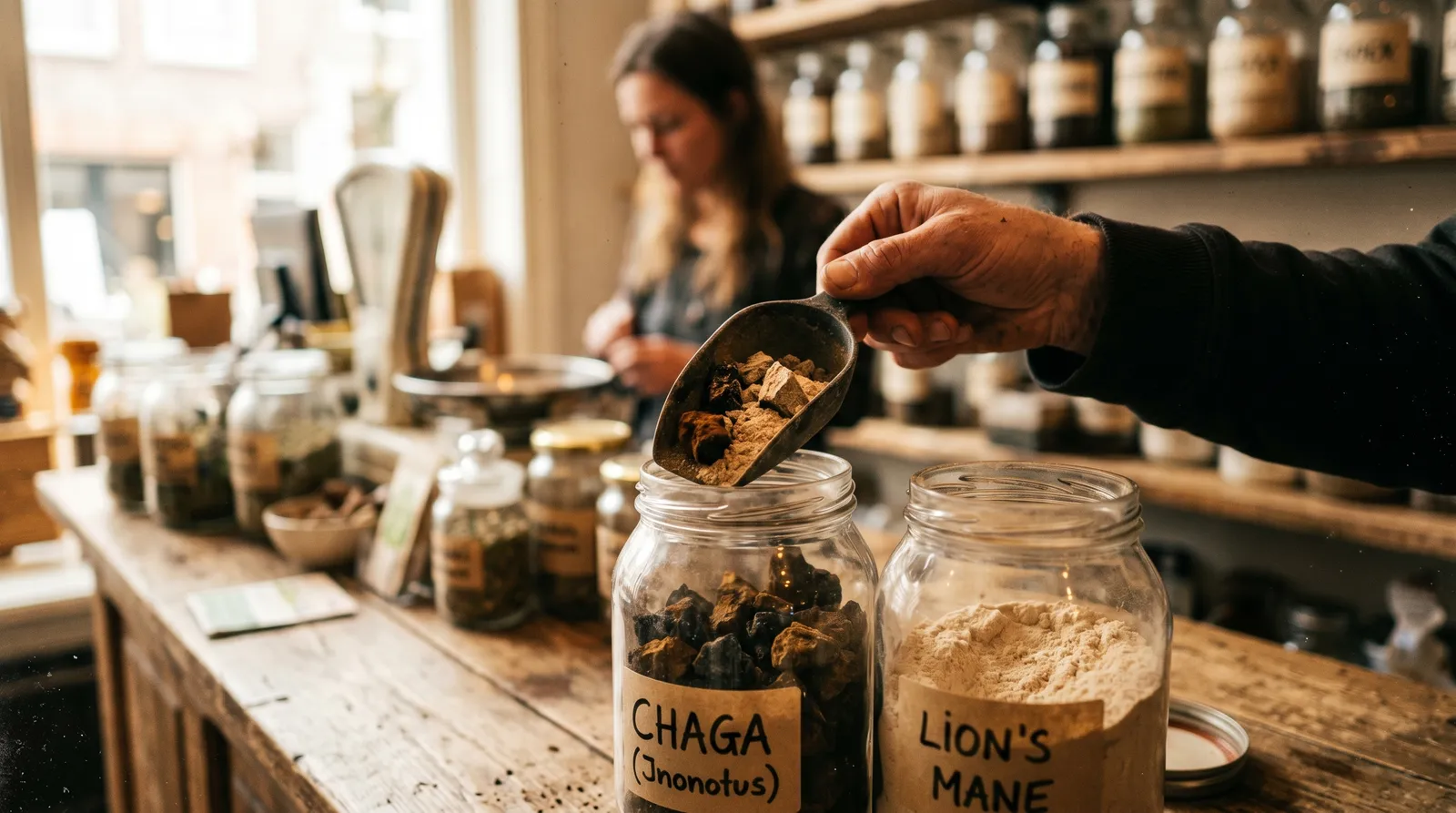
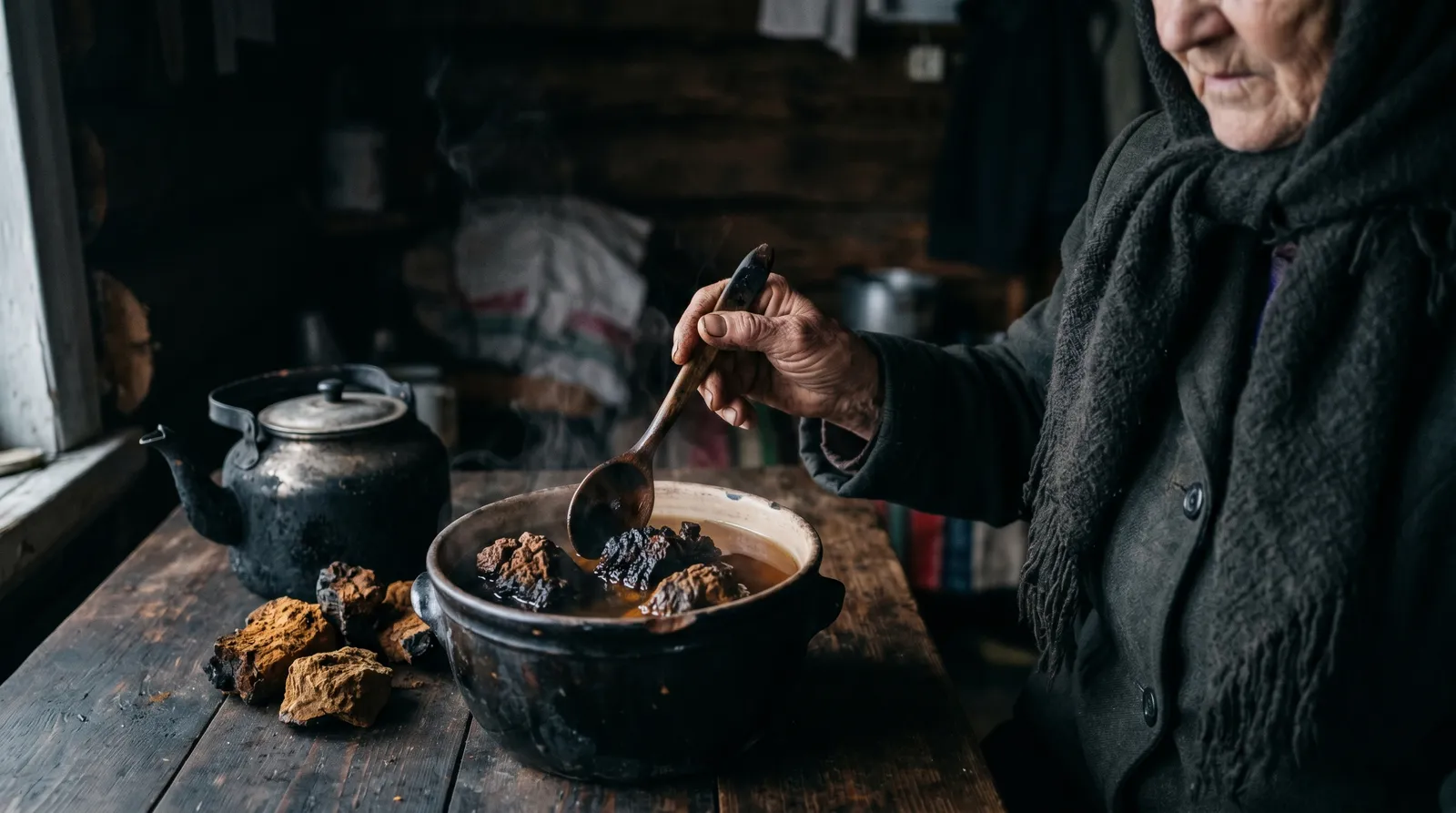
The preparation method directly determines which compounds you actually consume when using chaga Inonotus obliquus. Traditional Russian use involved simmering chunks of the sclerotium in hot water for extended periods — essentially a long decoction. This method primarily extracts water-soluble polysaccharides and melanin compounds.
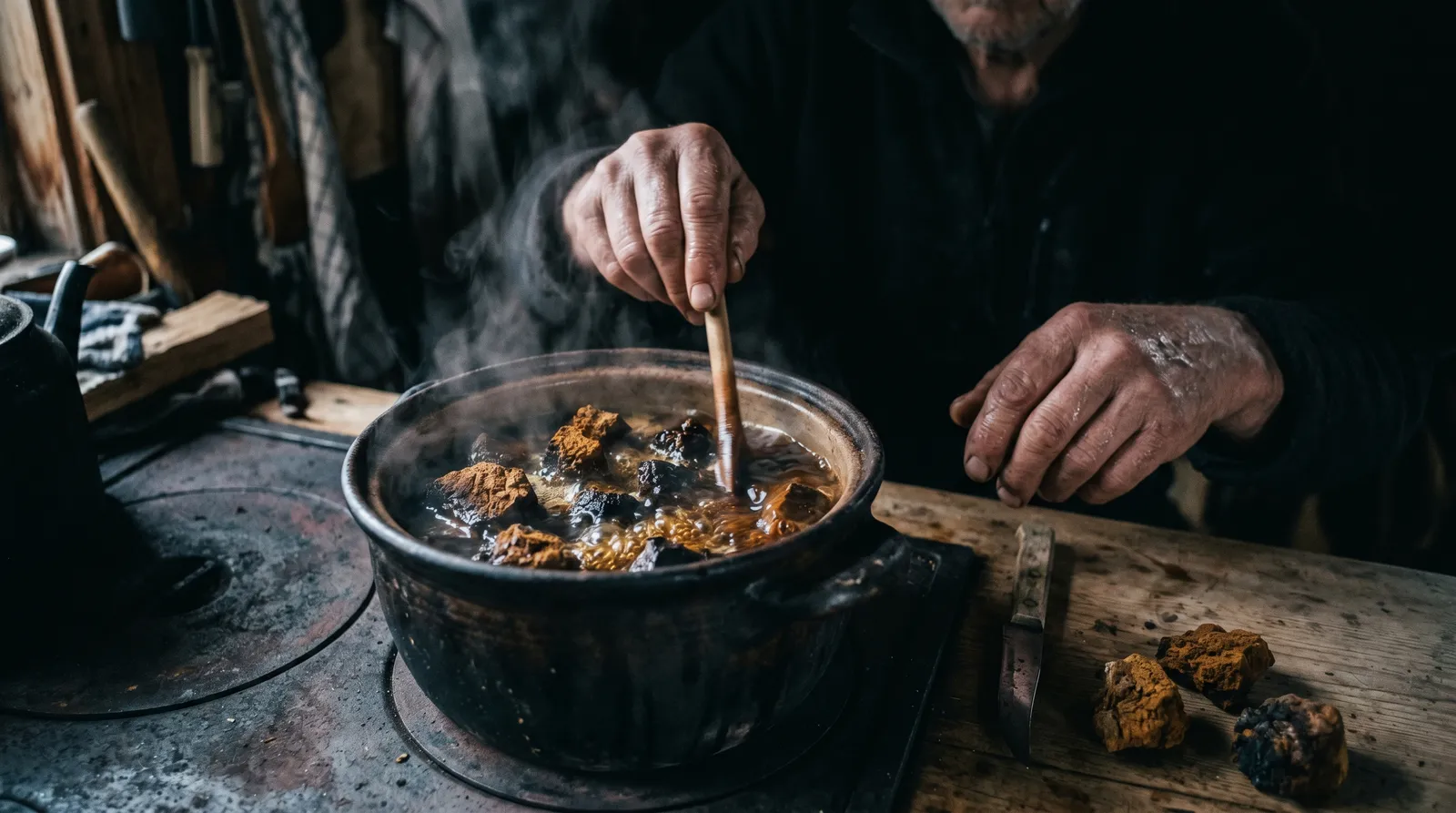
Modern products span a range of formats:
- Hot-water extracts — polysaccharide- and melanin-focused
- Alcohol tinctures — triterpene-focused
- Dual extracts — both water-soluble and alcohol-soluble fractions
- Raw powders — ground sclerotium, unextracted
A raw powder retains the full matrix of compounds but presents a bioavailability question — the chitin-rich cell walls of fungi are not easily broken down by human digestion, so unextracted powder likely delivers less of the active compounds than a properly extracted preparation. This is not unique to chaga; it applies across all functional mushroom species.
The mycelium-versus-fruiting-body debate that runs through the broader functional mushroom industry takes a slightly different shape with chaga. Since the harvested material is a sclerotium rather than a true fruiting body, and since wild chaga incorporates birch-derived compounds that lab-cultivated mycelium on grain cannot replicate, the gap between wild-harvested and cultivated chaga may be larger than for species like lion's mane or reishi. Zheng et al. (2011) found that the polysaccharide profiles of cultivated mycelium differed substantially from those of wild sclerotia. Whether those differences matter clinically is unknown — but anyone choosing between products should understand that "chaga" on a label does not guarantee a consistent compound profile.
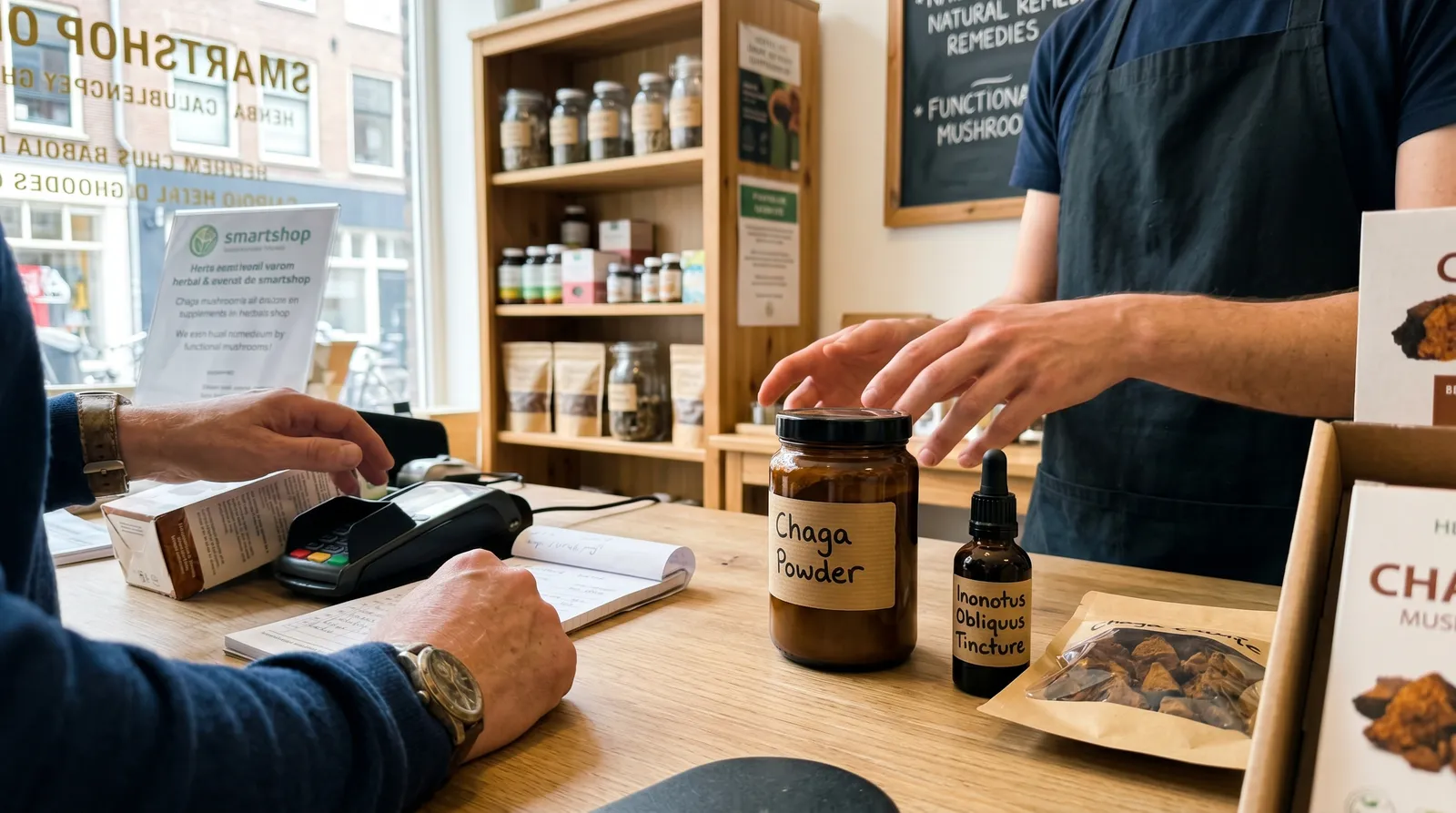
We have had customers come back surprised that a "natural" product could carry that kind of risk, and we would rather you know upfront. We also recommend checking the Azarius functional mushroom category page for comparisons with reishi extract, lion's mane extract, and turkey tail products — each has a different strength profile, and combining them is common but should be done thoughtfully.
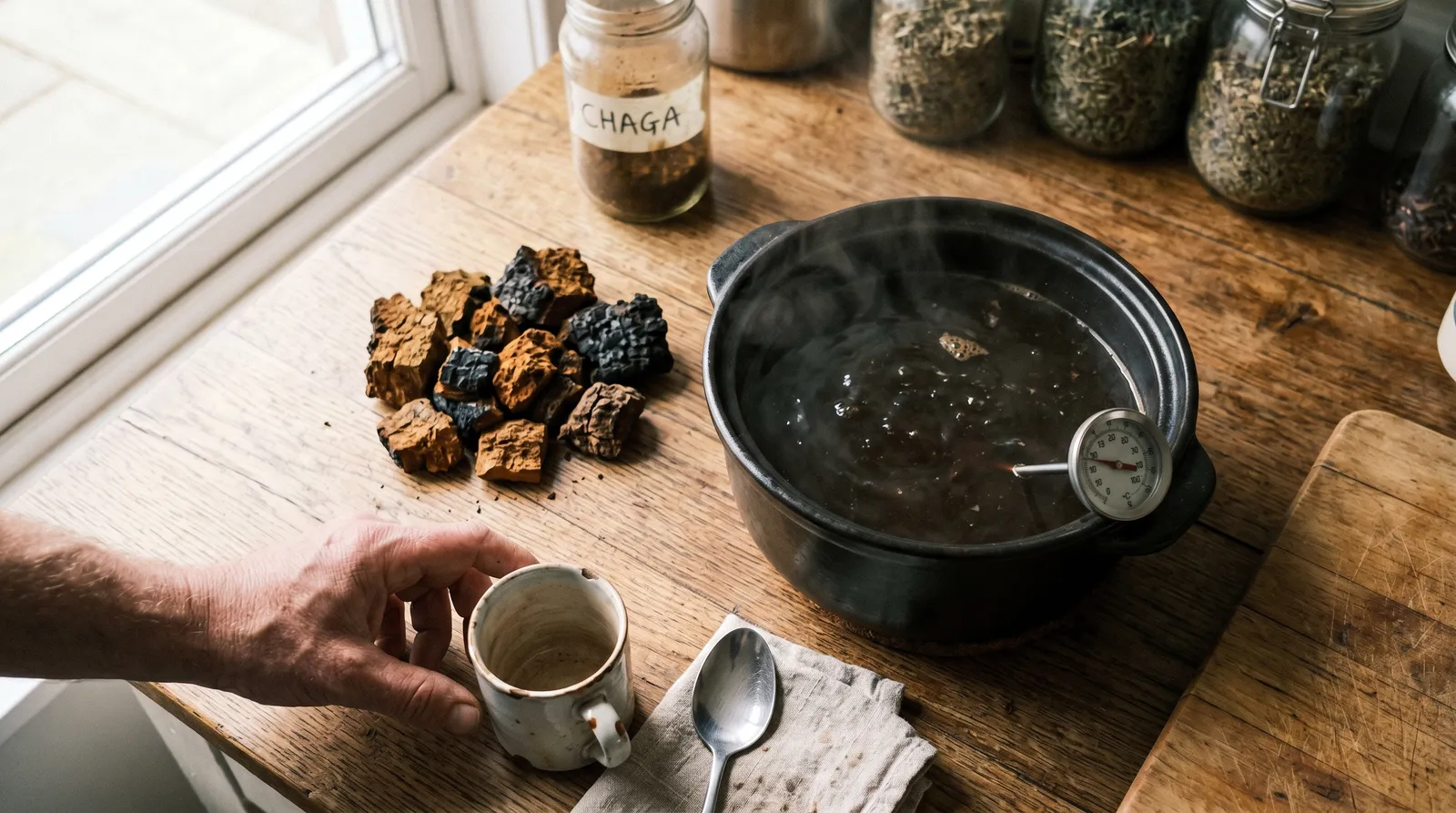
Another common mistake: storing chaga chunks in a sealed plastic bag in a warm cupboard. Moisture and warmth encourage mould. Keep them in a breathable container — a paper bag or cloth sack — in a cool, dry place. Properly dried chunks can last well over a year.
Traditional use and context
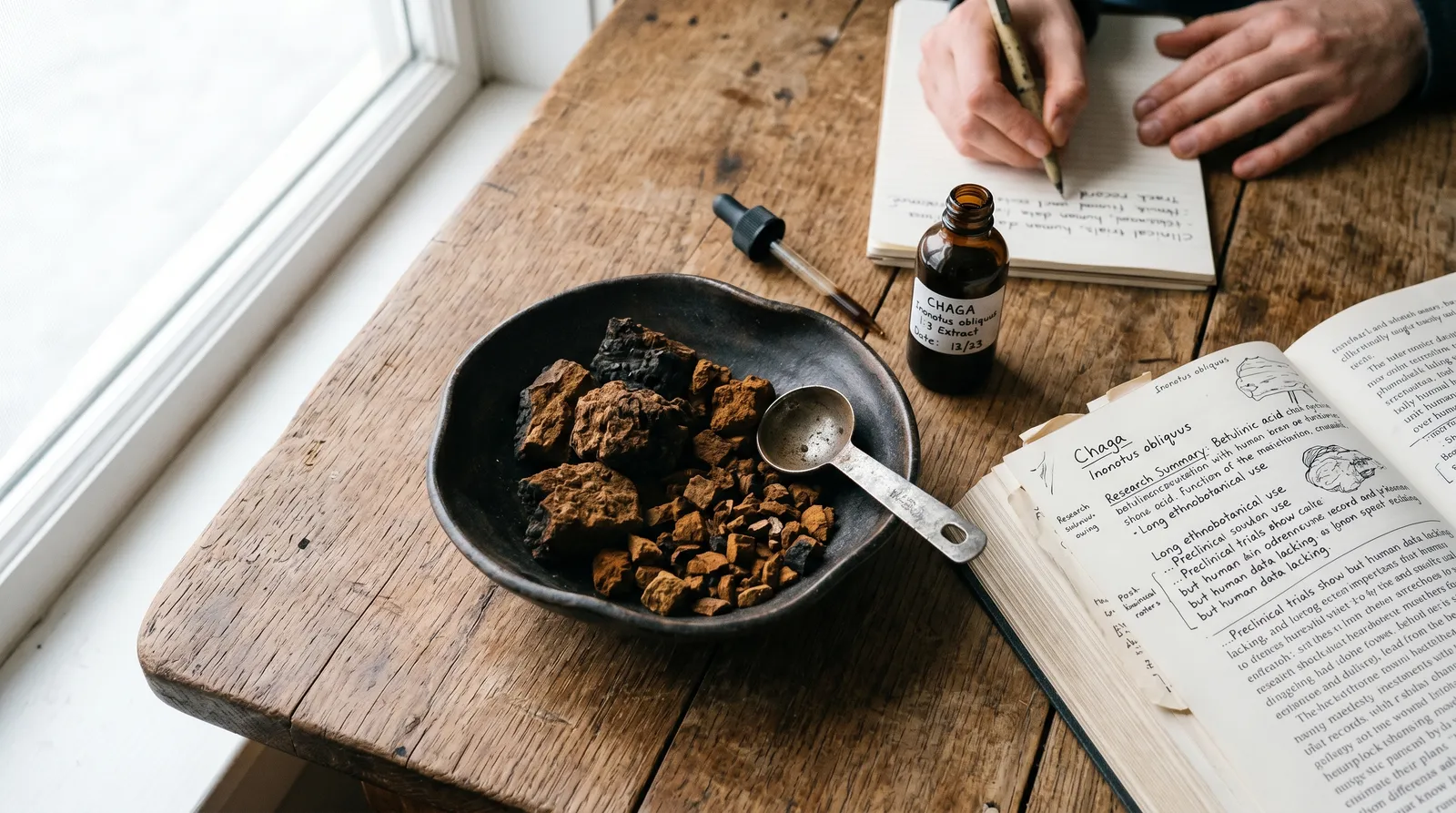
Chaga Inonotus obliquus has its best-documented traditional use in Russia and Siberia, where it was consumed as a tea called chaga or tschaga for centuries. Finnish and other Scandinavian traditions also reference birch-fungus decoctions, though the documentation is less systematic. In traditional Chinese and Korean medicine, I. obliquus appears less prominently than species like reishi or cordyceps, though it has been used in some northern Chinese folk practices. The primary traditional applications centred on general health maintenance, digestive complaints, and — in some folk accounts — tumour-related conditions.
Solzhenitsyn's 1967 novel Cancer Ward famously referenced chaga tea as a folk remedy, which brought it to wider Western attention. The literary mention is sometimes cited in marketing materials as though it constitutes medical evidence — it does not, but it does reflect the depth of chaga's cultural presence in Russian life.
What we do not know — honest limitations
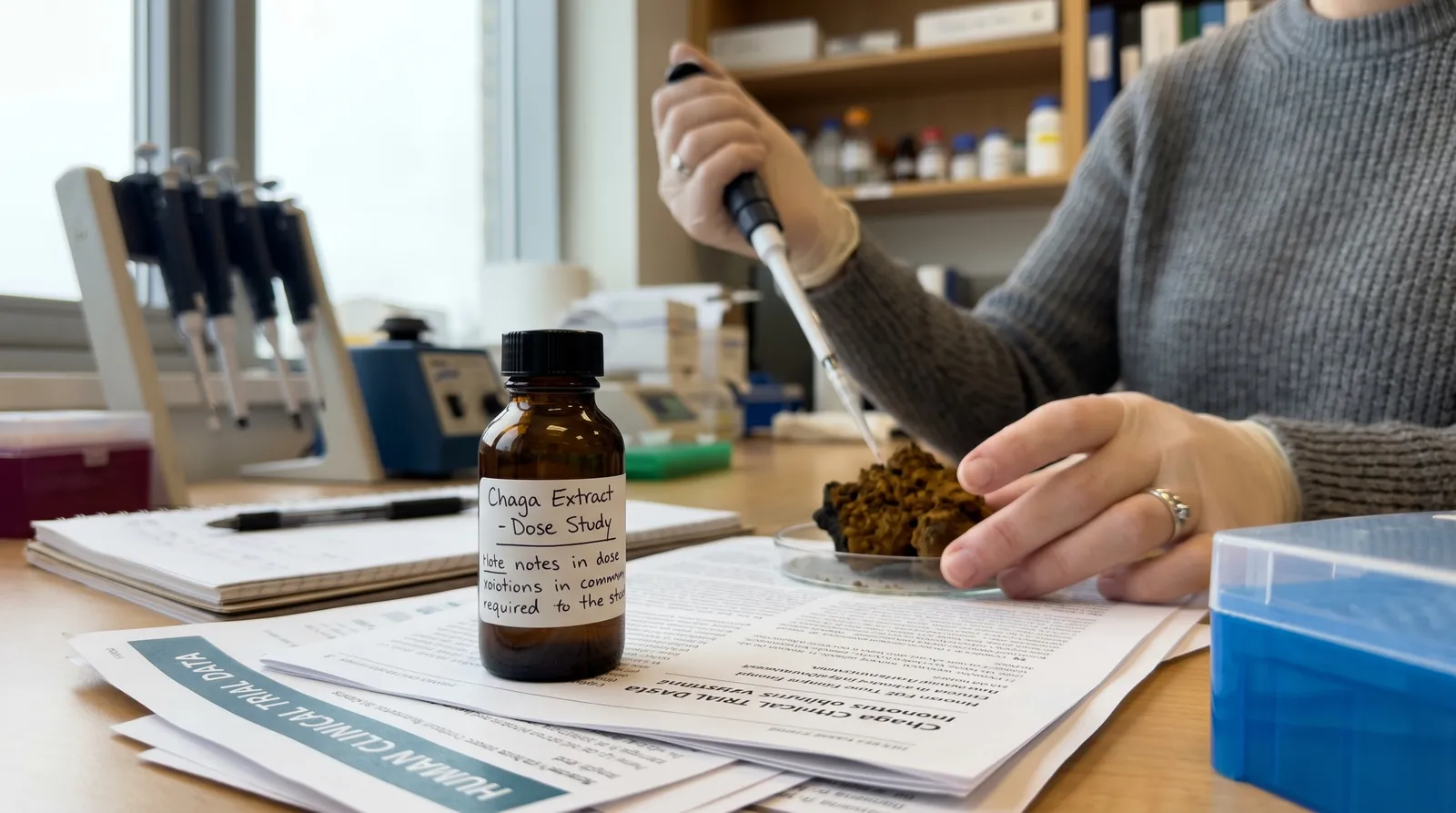
There is more that science has not established about chaga Inonotus obliquus than what it has. No human clinical trial has confirmed an effective dose for any specific health outcome. No long-term safety study has tracked daily chaga users over years. The bioavailability of most chaga compounds after oral ingestion is essentially uncharacterised. We do not know whether the immune-modulating effects seen in mouse splenocyte cultures translate to any measurable change in human immune function at supplement doses. And we do not know whether the betulinic acid content in a cup of chaga tea is pharmacologically relevant or merely detectable. Anyone who tells you otherwise is outrunning the evidence.
The honest summary
Chaga Inonotus obliquus has a genuinely interesting chemistry, a long ethnobotanical track record, and a growing body of preclinical research — but it does not yet have a meaningful base of human clinical trials. Most of what is known comes from in-vitro assays and rodent models using isolated fractions at specific doses — conditions that do not automatically apply to someone drinking chaga tea or taking a capsule. The oxalate risk is real and under-discussed. The drug-interaction concerns around blood sugar, blood pressure, and immune modulation are grounded in enough preclinical evidence to take seriously. And the difference between wild-harvested birch sclerotium and lab-grown mycelium on grain is not a marketing quibble — it is a genuine compositional gap that affects what you are actually consuming. If you decide to buy chaga Inonotus obliquus, choose your product format deliberately, respect the oxalate caution, and keep your expectations anchored to what the evidence actually supports.
Last updated: April 2026
Frequently Asked Questions
10 questionsIs chaga a true mushroom?
Why does chaga need to grow on birch?
Can chaga damage the kidneys?
Does hot-water extraction capture all of chaga's compounds?
Is cultivated chaga equivalent to wild-harvested chaga?
What is the best way to buy chaga?
Can you take chaga while on blood-thinning medication?
What is the difference between chaga melanin and the polysaccharides in chaga?
How long does it take for chaga to grow on a birch tree?
Does chaga contain caffeine?
About this article


Adam Parsons is an external cannabis and psychedelics writer and editor who contributes to Azarius's wiki as both author and reviewer. On the writing side, he authors Azarius's kratom and kanna clusters, drawing on exten
This wiki article was drafted with AI assistance and reviewed by Adam Parsons, External contributor. Editorial oversight by Joshua Askew.
Medical disclaimer. This content is for informational purposes only and does not constitute medical advice. Consult a qualified healthcare provider before use of any substance.
Last reviewed April 24, 2026
References (11)
- [1]Baek, J. et al. (2018). Anti-inflammatory activity of inotodiol from Inonotus obliquus . Journal of Natural Products , 81(9), 2137–2143.
- [2]Chung, M.J. et al. (2010). Anticancer activity of subfractions containing pure compounds of Inonotus obliquus . Nutrition Research and Practice , 4(3), 177–182. DOI: 10.4162/nrp.2010.4.3.177
- [3]Cui, Y. et al. (2005). Antioxidant effect of Inonotus obliquus . Journal of Ethnopharmacology , 96(1–2), 79–85. DOI: 10.1016/j.jep.2004.08.037
- [4]EMCDDA (2024). European Monitoring Centre for Drugs and Drug Addiction — novel psychoactive and supplement monitoring reports. Referenced for context on oxalate-rich botanical flagging.
- [5]Fulda, S. (2008). Betulinic acid for cancer treatment and prevention. International Journal of Molecular Sciences , 9(6), 1096–1107. DOI: 10.3390/ijms9061096
- [6]Glamočlija, J. et al. (2015). Chemical characterization and biological activity of chaga. Journal of Ethnopharmacology , 162, 323–332.
- [7]Kikuchi, Y. et al. (2014). Oxalate nephropathy caused by daily intake of chaga mushroom. Clinical Nephrology , 81(6), 440–444. DOI: 10.5414/cn107655
- [8]Kim, Y.O. et al. (2005). Immunostimulating activity of the endo-polysaccharide produced by submerged culture of Inonotus obliquus . Life Sciences , 77(19), 2438–2456. DOI: 10.1016/j.lfs.2005.02.023
- [9]Lu, X. et al. (2010). Hypoglycaemic activities of polysaccharides from Inonotus obliquus . International Journal of Biological Macromolecules , 46(2), 166–169.
- [10]Shashkina, M.Ya. et al. (2006). Chemical and medicobiological properties of chaga. Pharmaceutical Chemistry Journal , 40(10), 560–568. DOI: 10.1007/s11094-006-0194-4
- [11]Zheng, W. et al. (2011). Chemical diversity of polysaccharides from Inonotus obliquus and their bioactivities. International Journal of Biological Macromolecules , 48(2), 225–230.
Related Articles
Medicinal Mushrooms TCM Western Pharmacognosy Guide
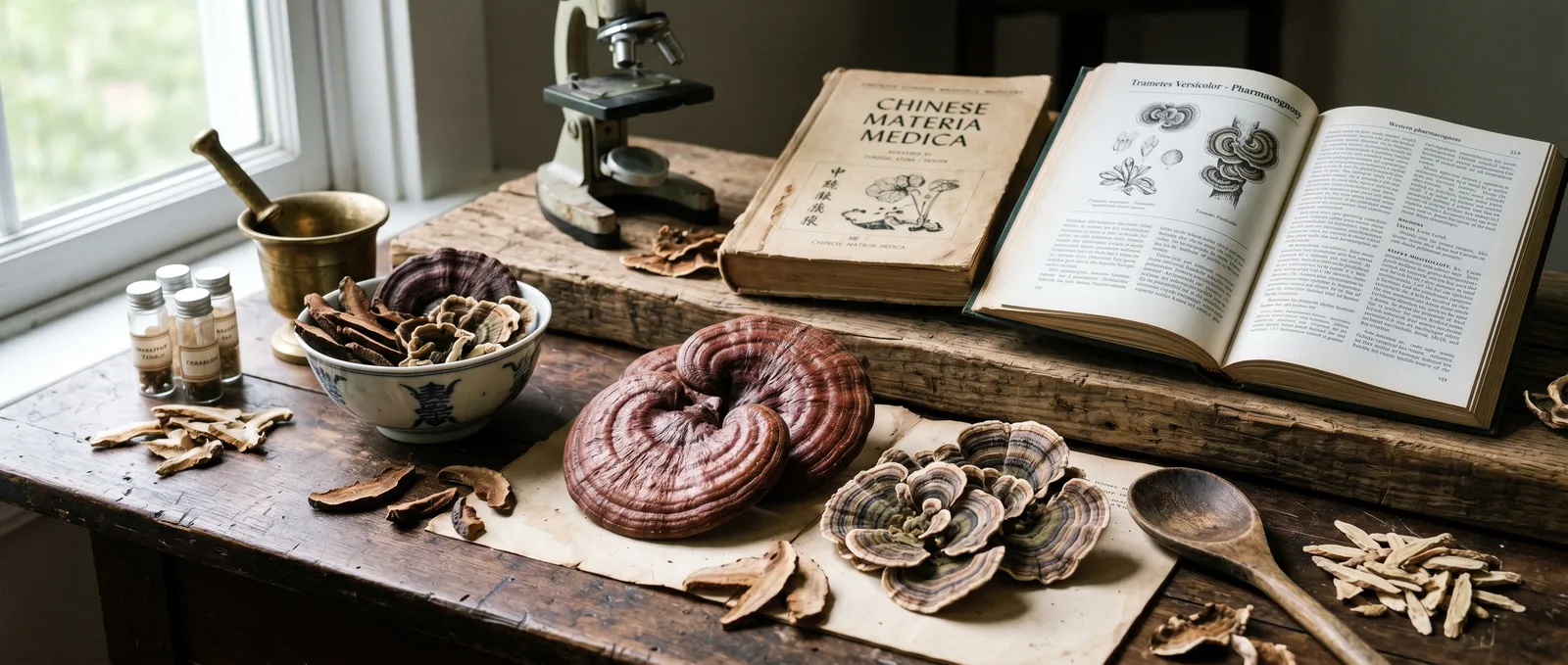
Guide to medicinal mushrooms TCM Western pharmacognosy — how reishi, lion's mane, cordyceps are classified, extracted, and studied.
Research on Immune Modulation by Functional Mushrooms
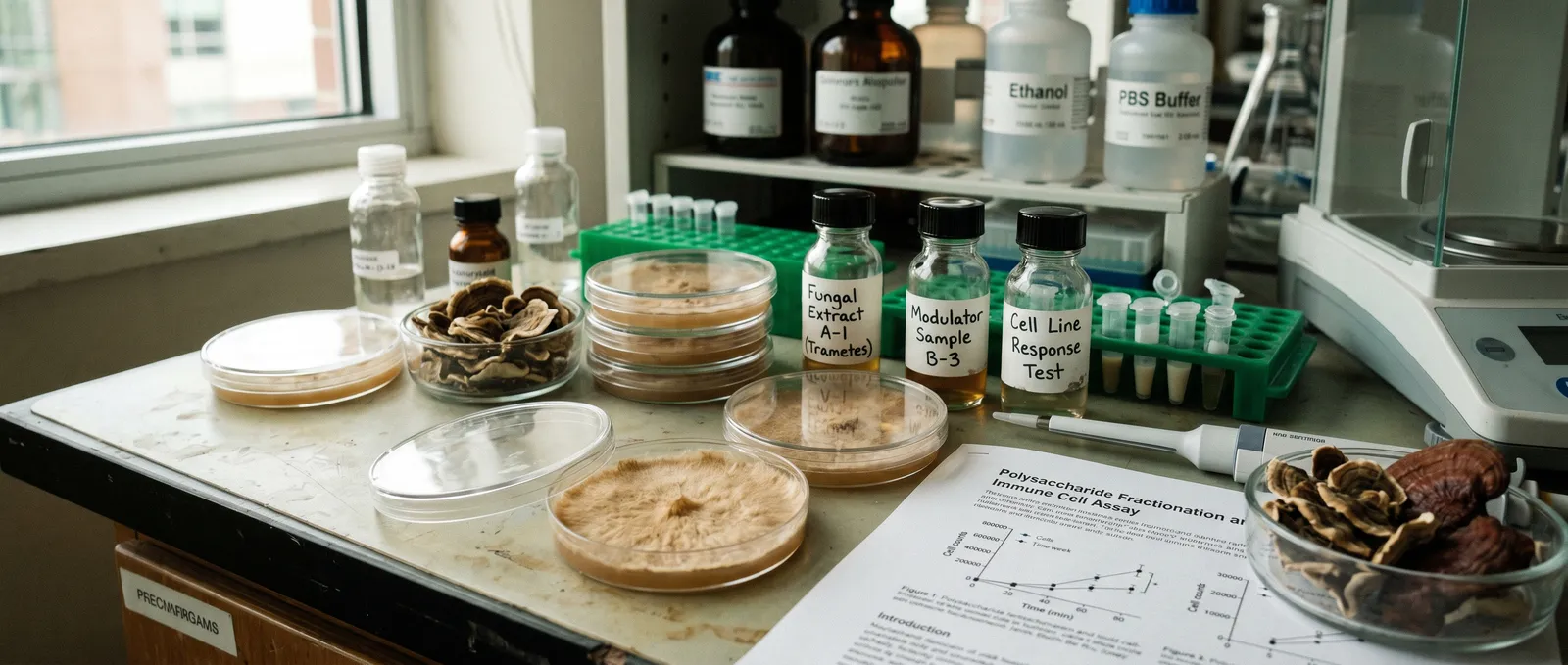
What does research on immune modulation by functional mushrooms actually show? Beta-glucans, Dectin-1 signalling, human trials, and the honest gap...
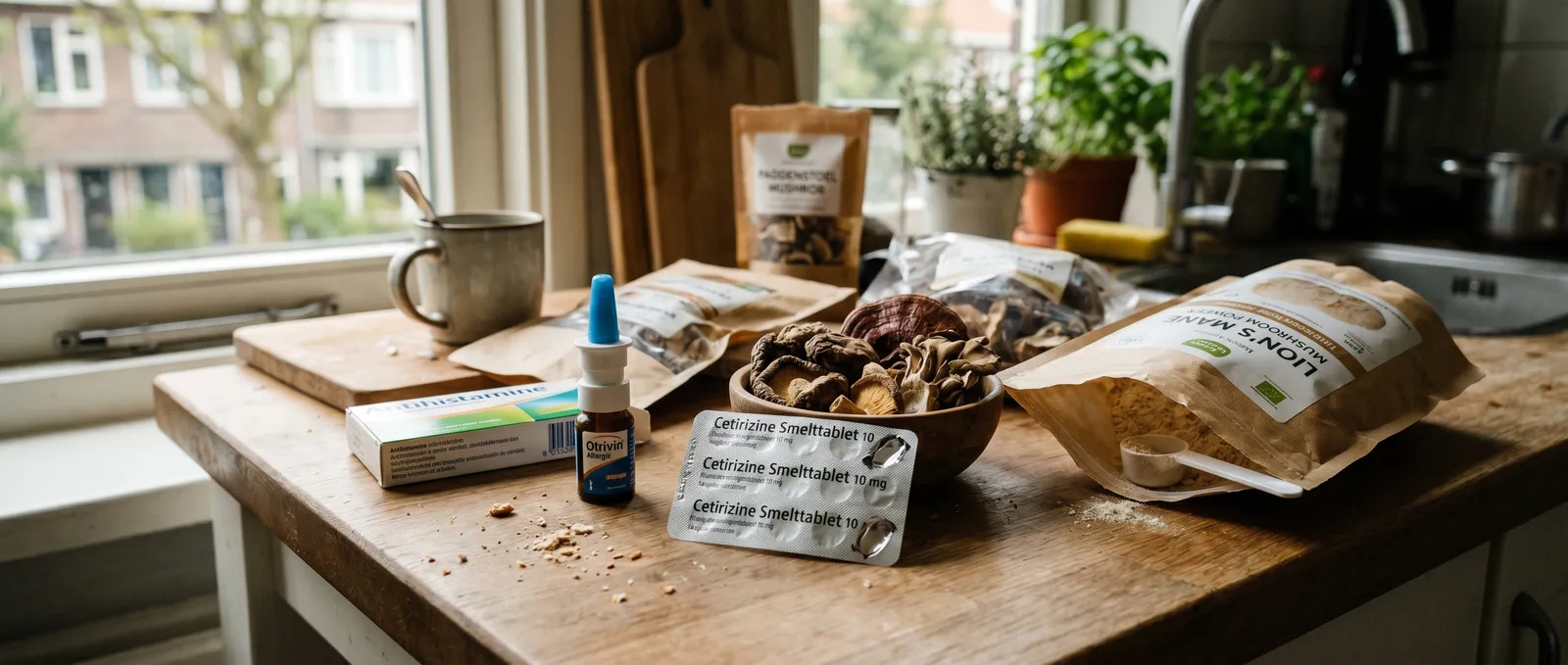
Allergic Reactions & Mushroom Sensitivities
Understand allergic reactions and mushroom sensitivities: mould cross-reactivity, shiitake dermatitis, species-specific risks, and safer product…
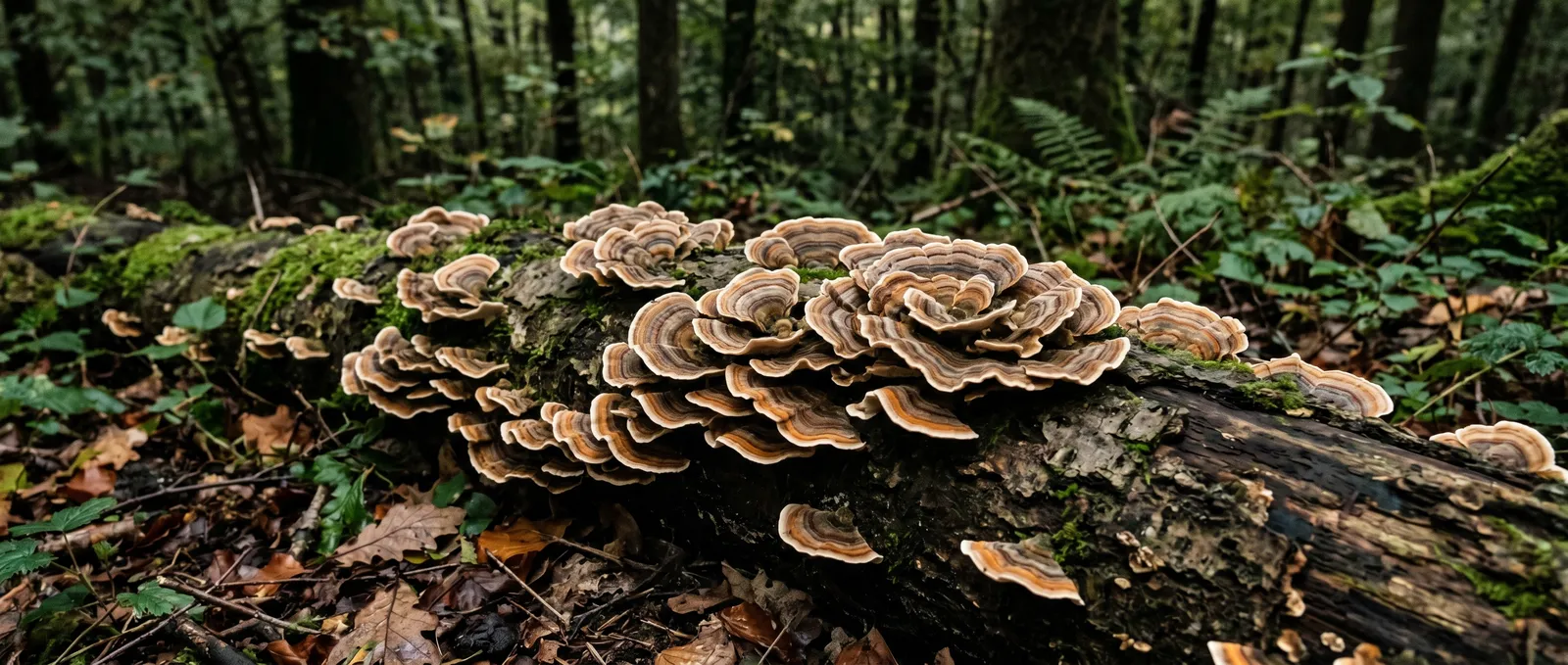
Turkey Tail Trametes versicolor — Buy Supplements
Buy turkey tail Trametes versicolor supplements at Azarius. PSK and PSP evidence, beta-glucan dosage, extraction methods, and safety.
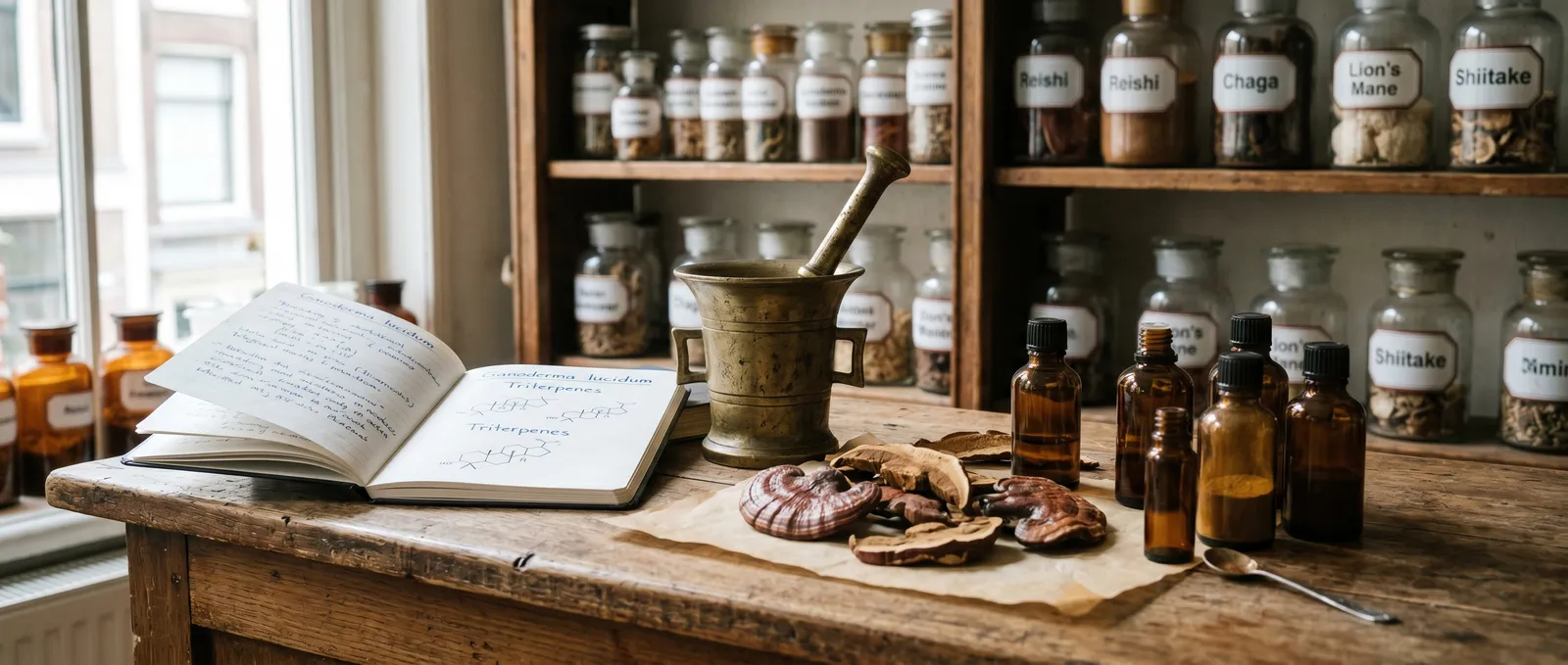
Triterpenes In Medicinal Mushrooms
Triterpenes in medicinal mushrooms are a class of 30-carbon terpenoid compounds produced as secondary metabolites by several functional mushroom species…
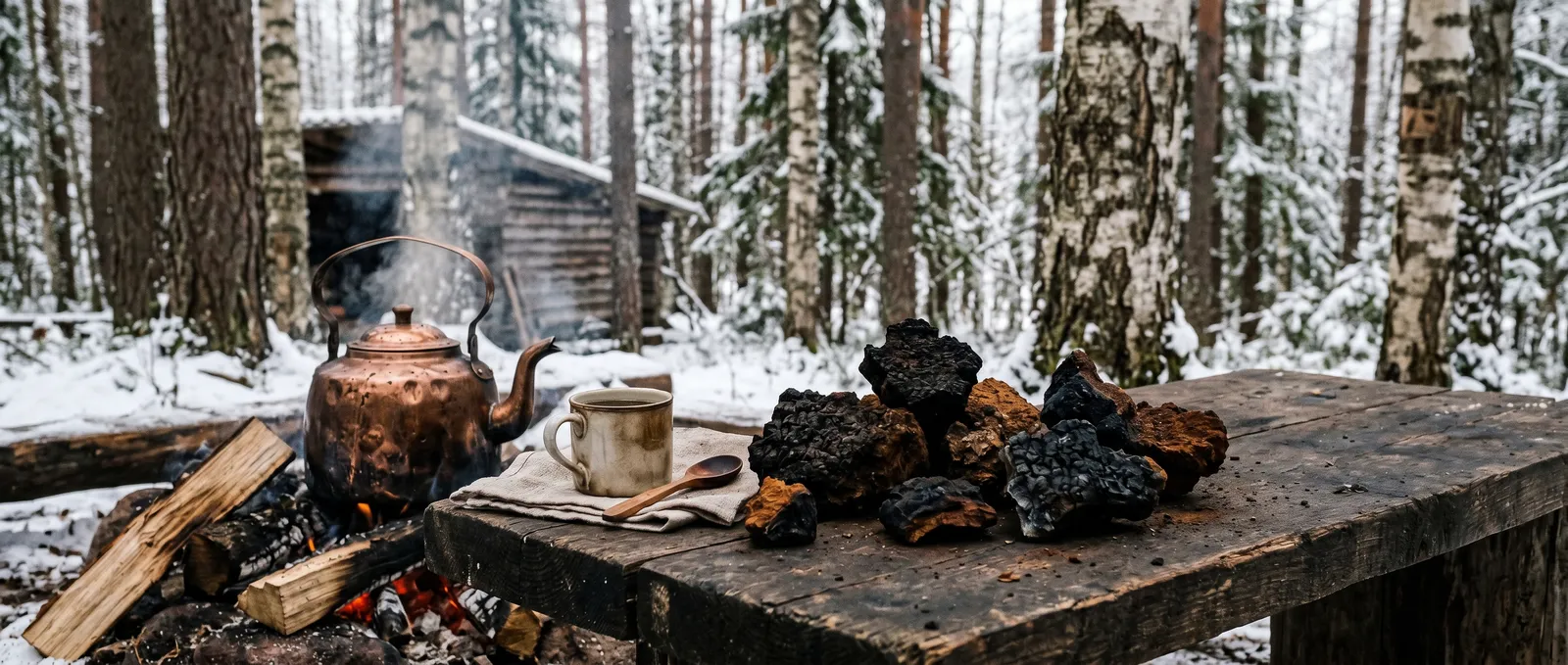
Chaga Siberian Nordic Folk Use
Chaga Siberian Nordic folk use is a centuries-old tradition in which indigenous Siberians and Nordic communities brewed the birch-parasitising fungus…
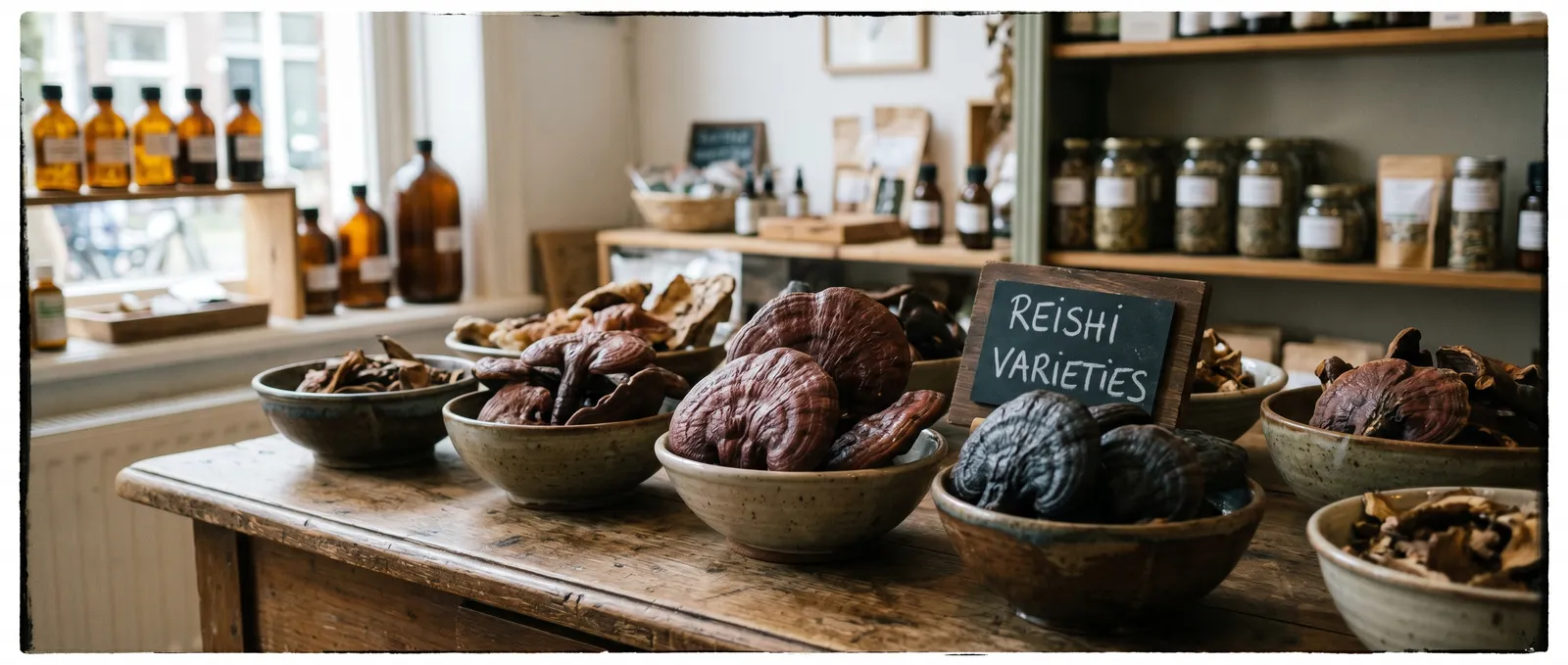
Red and Black Reishi Varieties
Red reishi (Ganoderma lucidum) and black reishi (Ganoderma sinense) both fall under the lingzhi umbrella in traditional Chinese medicine, but they differ in…
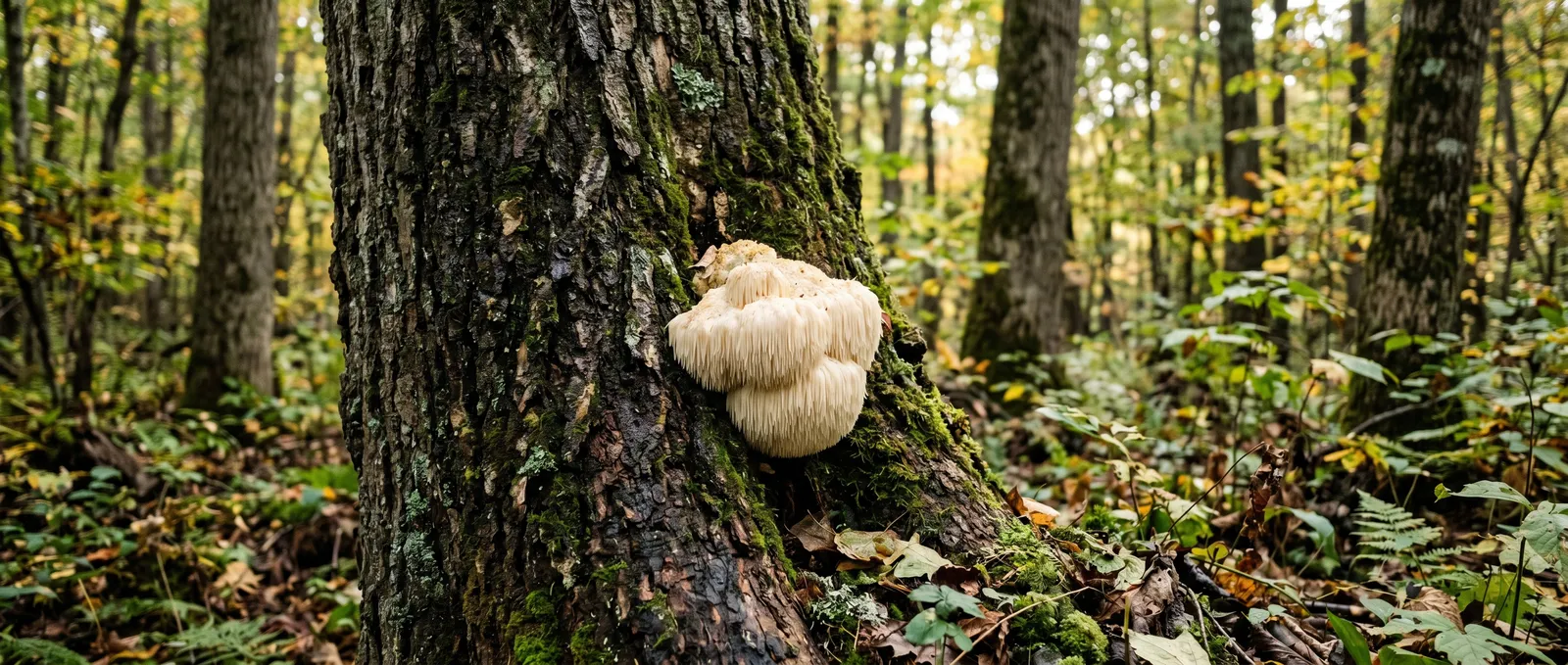
Lion's Mane Identification & Habitat
Hericium erinaceus is a tooth fungus that fruits as a single white, spine-covered mass on wounded or dead hardwood trees.
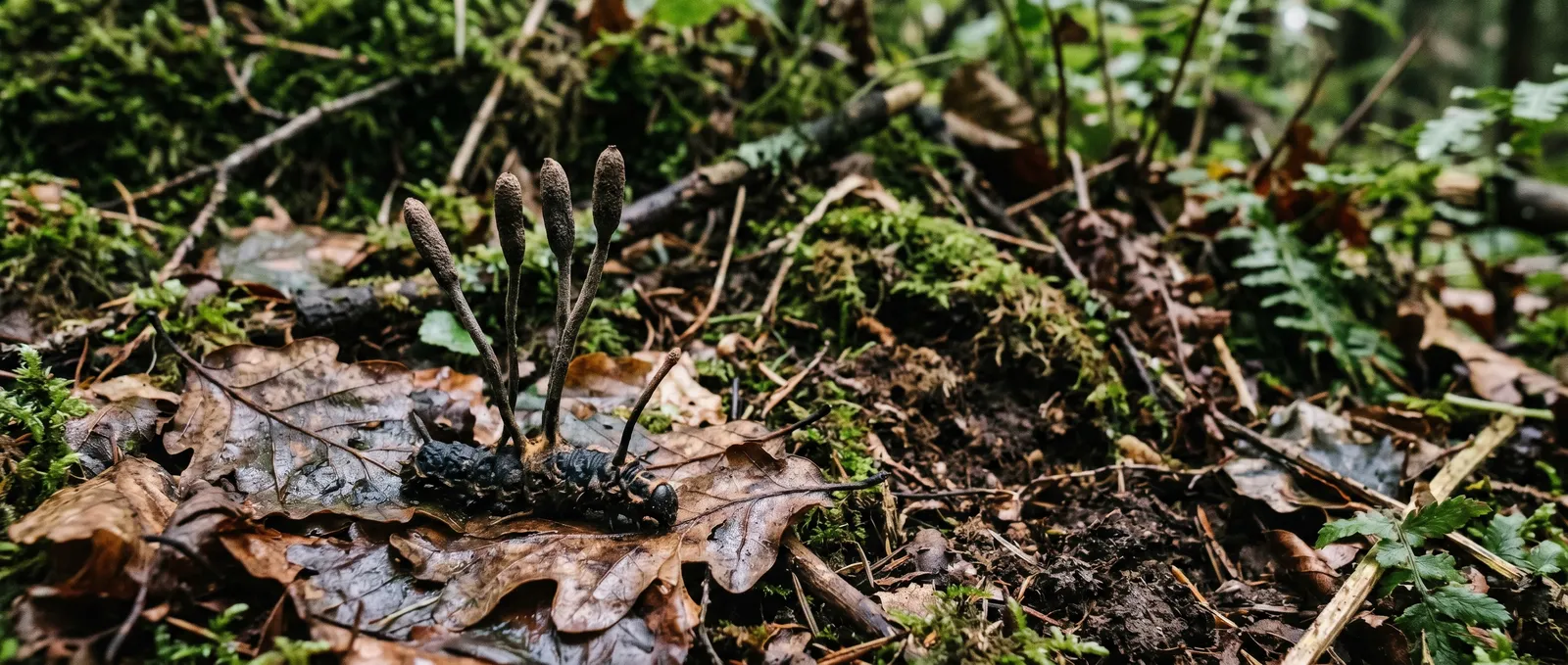
Cordyceps Lifecycle
The cordyceps lifecycle is a parasitic biological sequence in which a fungus infects an insect host, colonises its body from within, and erupts as a…