
Lion's Mane (Hericium erinaceus)
Definition
Lion's mane (Hericium erinaceus) is a tooth fungus that produces hericenones and erinacines — two compound families shown to stimulate nerve growth factor synthesis in laboratory cell cultures (Kawagishi et al., 1994). Small clinical trials have reported modest cognitive and mood effects in older adults, though the evidence base remains limited by sample size and study duration.
Lion's mane (Hericium erinaceus) is a tooth fungus that produces hericenones and erinacines — two compound families shown to stimulate nerve growth factor synthesis in laboratory settings. Unlike most functional mushrooms studied primarily for their polysaccharide content, lion's mane (Hericium erinaceus) has attracted serious research attention for its unusual chemistry targeting nerve health. That single property has made it the most talked-about fungus in the nootropic world, and also one of the most over-claimed. Whether you want to buy lion's mane (Hericium erinaceus) for cognitive support or simply understand the science, what follows is what the research actually says, where it falls short, and what matters if you are considering it.
What It Actually Is
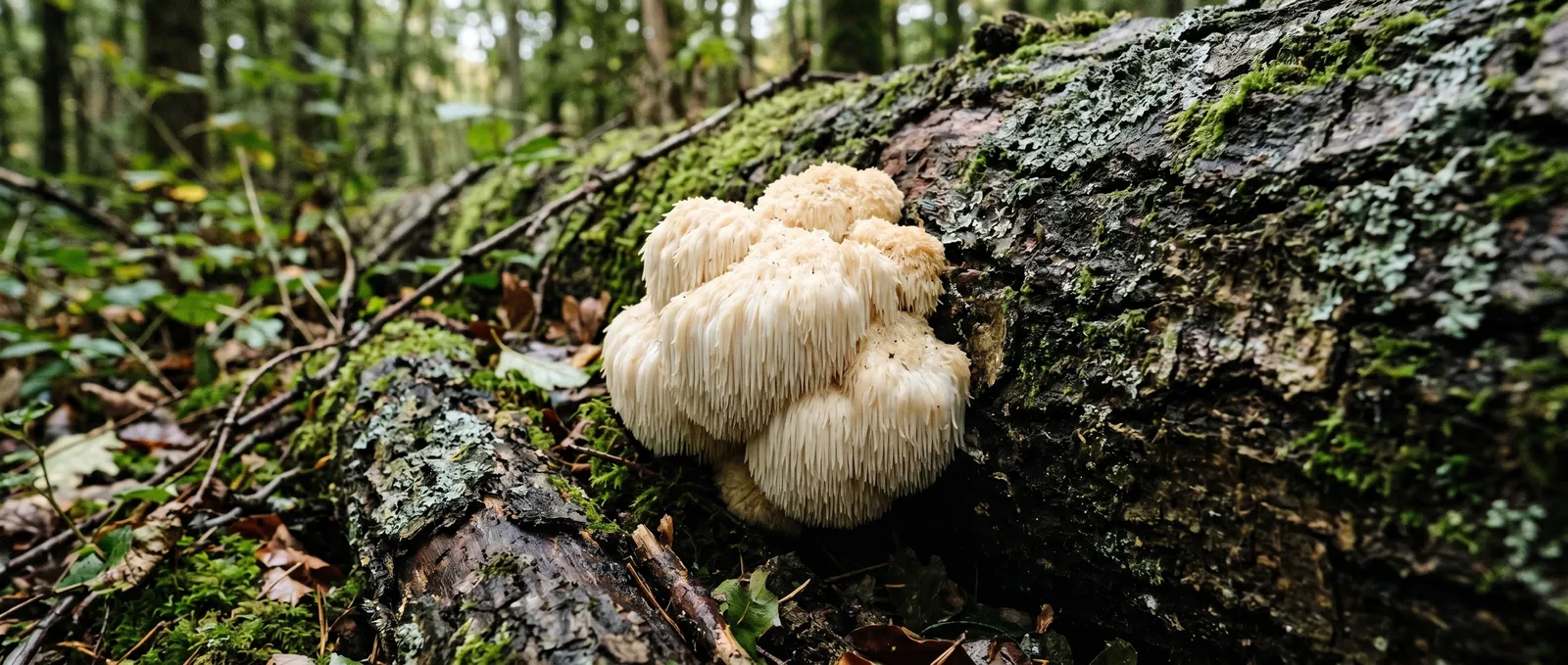
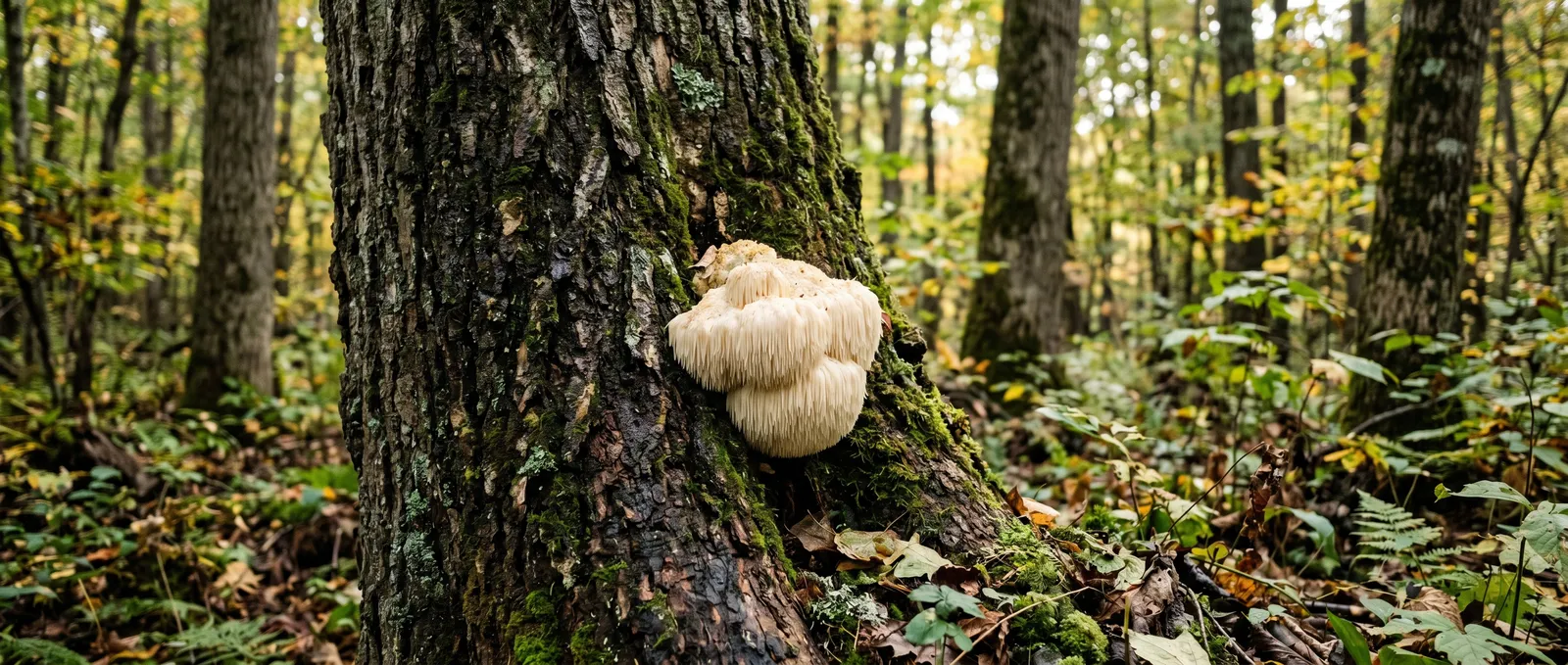
Lion's mane (Hericium erinaceus) is a saprotrophic and weakly parasitic basidiomycete found on hardwoods across temperate forests worldwide. It grows on beech, oak, and walnut in North America, Europe, and East Asia. The fruiting body is distinctive: cascading white spines rather than gills or pores, earning it names like "bearded tooth" and the Japanese yamabushitake (mountain priest mushroom). In Chinese and Japanese culinary traditions, it has been eaten as food for centuries and appears in traditional medicine texts, typically in decoction form, associated with digestive and cognitive support.
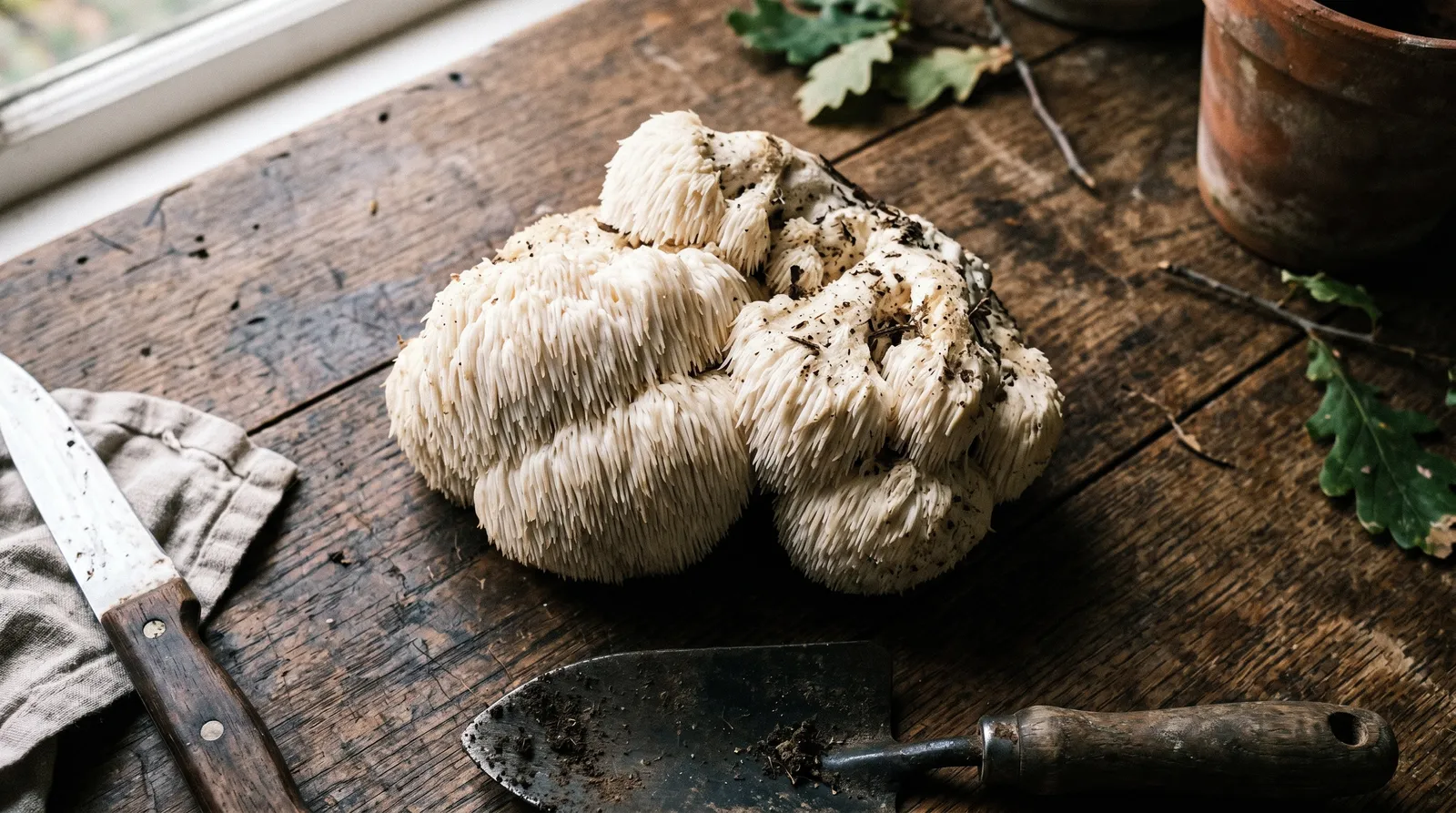
Commercially, lion's mane (Hericium erinaceus) is now cultivated at scale on supplemented hardwood sawdust or, in some cases, grain-based substrates. That cultivation method matters — more on that below.
Chemistry: Hericenones, Erinacines, and Beta-Glucans
Three compound classes account for the biological activity studied in lion's mane (Hericium erinaceus) research. Beta-glucans — the polysaccharides common to most functional mushrooms — are present and contribute to the immunomodulatory profile studied across the genus. But the compounds that set this species apart are the hericenones and erinacines.
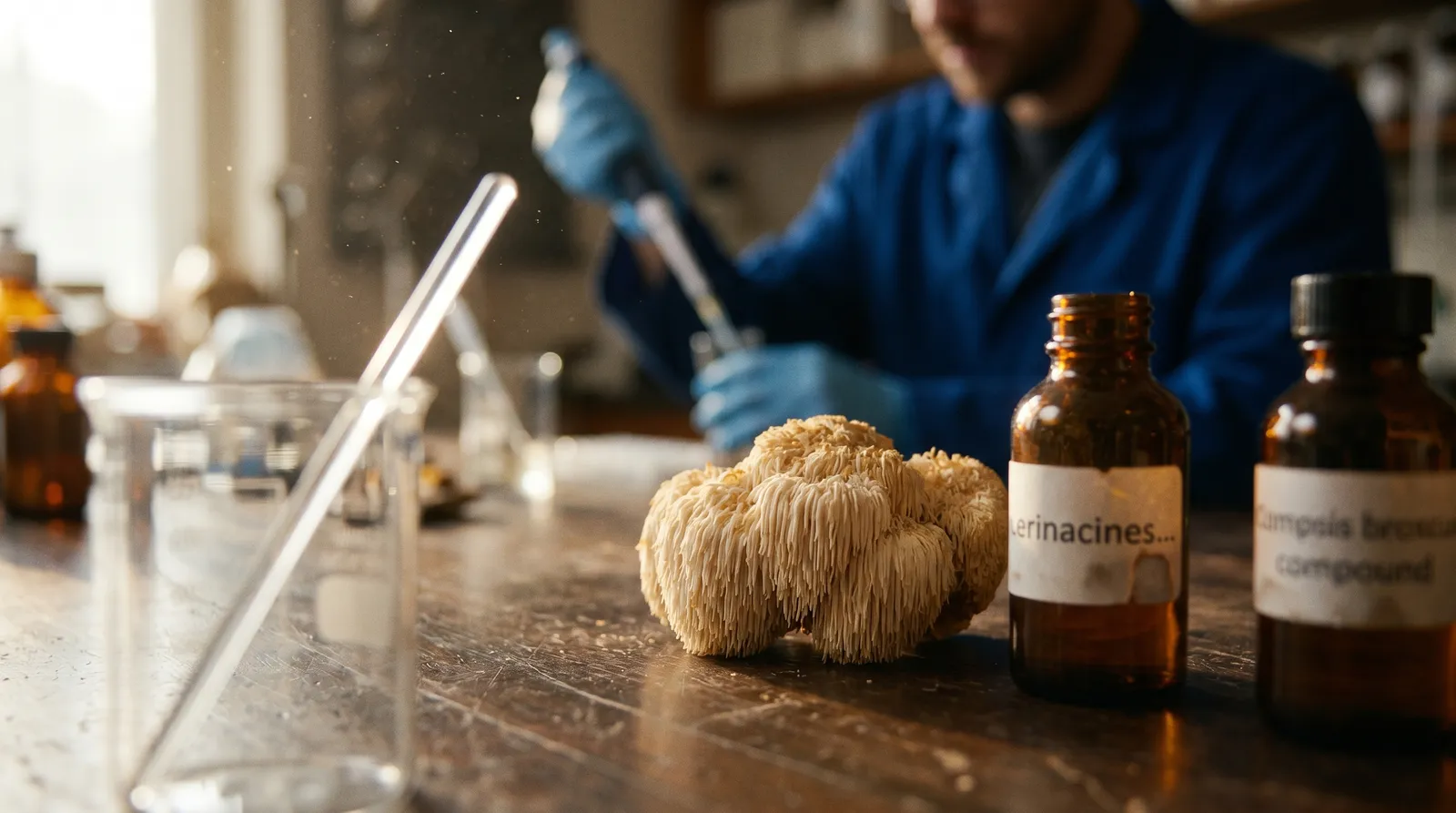
Hericenones (A through H) are aromatic compounds isolated from the fruiting body. Erinacines (A through I) are cyathane diterpenoids found primarily in the mycelium. Both families have been shown to stimulate NGF synthesis in cultured astrocytes (Kawagishi et al., 1994; Ma et al., 2010). NGF is a protein critical to the growth, maintenance, and survival of certain neurons — particularly cholinergic neurons in the basal forebrain, the population most affected in age-related cognitive decline.
Here is the first point where the science gets more complicated than the marketing. NGF stimulation in a petri dish does not automatically translate to NGF stimulation in a living human brain. The blood-brain barrier is selective, and whether orally consumed hericenones or erinacines cross it in meaningful concentrations remains an open question. Erinacine A has shown blood-brain barrier penetration in animal models (Hu et al., 2019), but equivalent human pharmacokinetic data are not yet published.
The extraction method determines which compounds end up in a given product. Hot-water extraction concentrates beta-glucans. Alcohol extraction pulls out hericenones and other lipophilic compounds more efficiently. Dual extraction — hot water followed by alcohol, or simultaneous — captures both polysaccharide and terpenoid fractions. If a product is a hot-water-only extract, its hericenone content may be minimal. If it is an alcohol-only tincture, its beta-glucan content will be low. This is not a minor technical detail; it determines what you are actually consuming.
What the Research Shows — and What It Does Not
Small human trials have reported modest, short-term cognitive and mood improvements with lion's mane (Hericium erinaceus), but the evidence base remains limited. The most cited study is Mori et al. (2009): a small, double-blind, placebo-controlled trial in which 30 Japanese adults aged 50–80 with mild cognitive impairment received 250 mg tablets of dried fruiting body powder (96% purity) three times daily for 16 weeks. The lion's mane group showed statistically significant improvements on the Revised Hasegawa Dementia Scale compared to placebo during the supplementation period. Scores declined again four weeks after supplementation stopped.

A 2023 pilot study published in Nutrients by Docherty et al. examined acute and chronic supplementation of Hericium erinaceus in young adults using a double-blind, parallel-groups design. The review reports methodological limits typical of pilot work — small sample, short duration, single product form — and is best read alongside earlier Japanese research on mycelium-derived compounds rather than as standalone evidence.
That study is frequently cited as proof that lion's mane "improves cognition." What it actually demonstrated is that a specific preparation, at a specific dose, in a small sample of older adults with existing mild impairment, produced measurable changes on one cognitive scale over 16 weeks — changes that did not persist after discontinuation. That is interesting. It is not the same as claiming lion's mane addresses cognitive decline in a general population.
A more recent double-blind trial by Saitsu et al. (2019) gave healthy Japanese adults (n=31, aged 50+) tablets containing 0.8 g of Hericium erinaceus fruiting body powder daily for 12 weeks. The study reported modest improvements in cognitive function scores compared to placebo, though the sample was small and the effect sizes were not large.
Nagano et al. (2010) examined a different outcome: mood. In a four-week trial, 30 women consumed cookies containing 0.5 g of lion's mane fruiting body powder daily. The lion's mane group reported reduced scores on the Indefinite Complaints Index for irritability and anxiety compared to placebo. The study design — cookies as the delivery vehicle, self-reported mood scales, small sample, short duration — means the findings are suggestive rather than definitive.
Animal-model studies are more numerous and more dramatic. Rodent research has reported reduced amyloid-beta plaque burden, improved spatial memory, accelerated peripheral nerve regeneration, and reduced depressive-like behaviour following lion's mane supplementation (Tsai-Teng et al., 2016; Ratto et al., 2019). These results generate hypotheses for human research; they do not confirm human outcomes.
The honest summary: small human trials on specific proprietary preparations have reported modest, short-term changes in cognitive and mood measures. The mechanistic story — NGF stimulation via hericenones and erinacines — is plausible and supported by in-vitro and animal data. But the clinical evidence in humans remains limited by small sample sizes, short durations, and the use of varied preparations that make cross-study comparison difficult.
The Mycelium-vs-Fruiting-Body Question
Fruiting body and mycelium-on-grain products contain different active compounds and are not interchangeable. This distinction matters more for lion's mane (Hericium erinaceus) than for almost any other functional mushroom. Hericenones are concentrated in the fruiting body. Erinacines are concentrated in the mycelium. In theory, a product containing both would cover both compound classes.
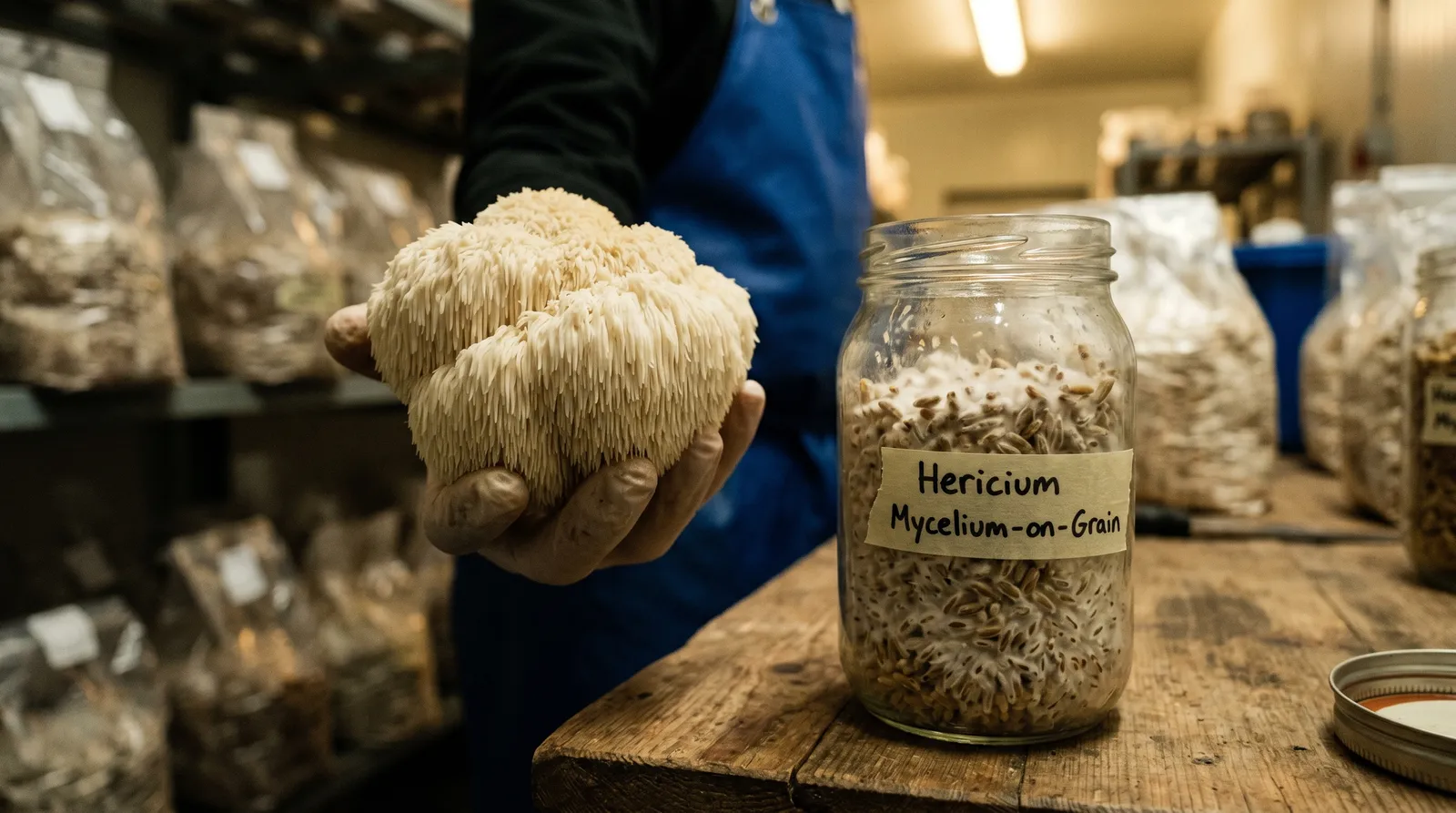
In practice, "mycelium" products on the market are often mycelium grown on grain — and the final product is harvested with its grain substrate included. This means a significant percentage of the capsule or powder is rice or oat starch, not fungal biomass. Independent testing has shown that some mycelium-on-grain products contain beta-glucan levels below 5%, compared to 25–50%+ in fruiting-body extracts. The starch content can be verified by testing for alpha-glucans — high alpha-glucan content in a mushroom product is a marker for grain residue, not fungal polysaccharides.
Manufacturers of mycelium-on-grain products argue that the full-spectrum biomass — including extracellular compounds secreted into the substrate — has value that isolated fruiting-body extracts miss. This is a live debate, not a settled one. What is settled is that the two product types are not interchangeable, and research findings from one preparation do not automatically apply to the other. Mori et al. (2009) used dried fruiting body powder. If a product is mycelium-on-grain, that study does not directly support it.
Lion's Mane vs Other Nootropic Mushrooms
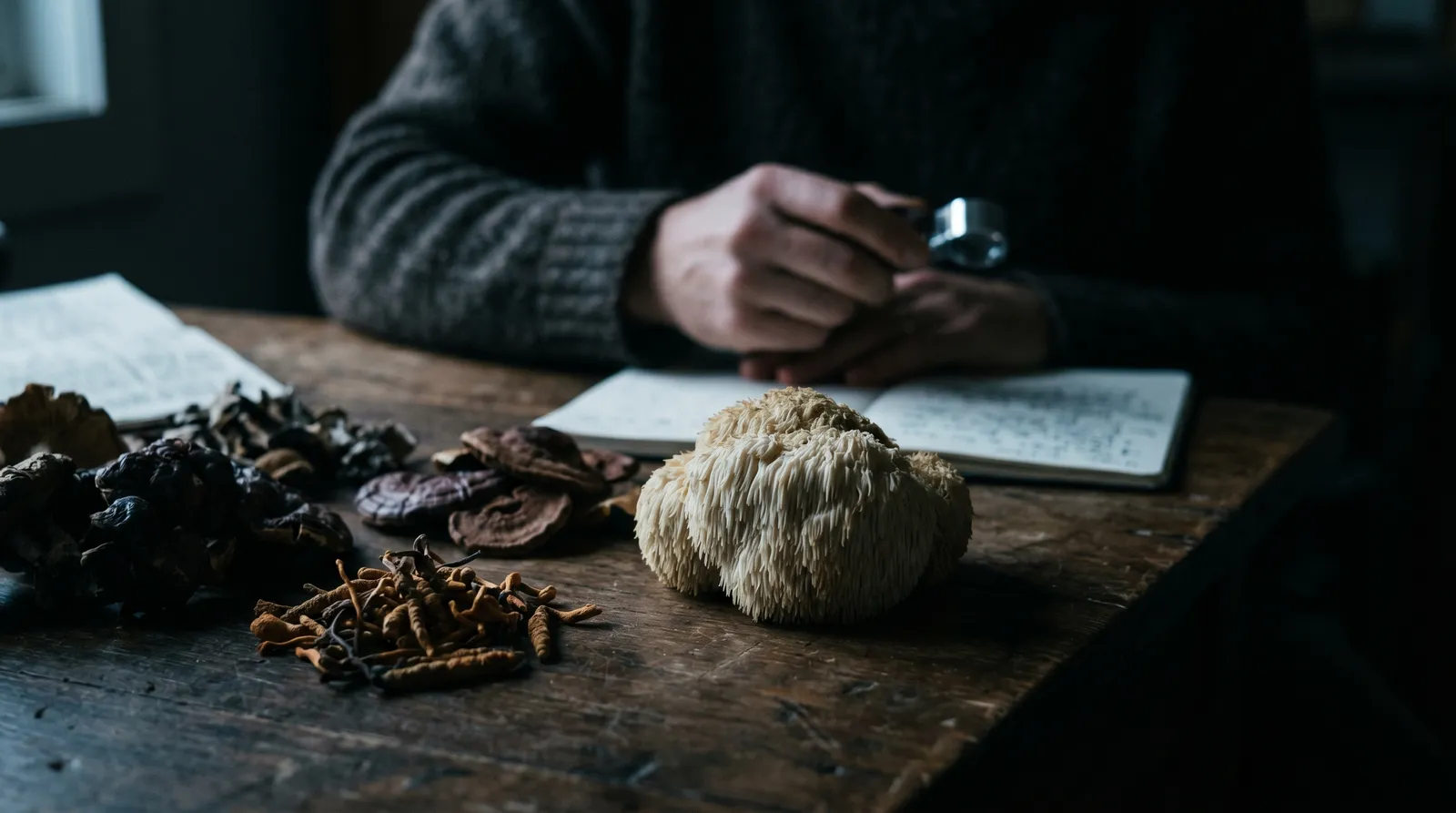
Lion's mane (Hericium erinaceus) is the only widely available functional mushroom with published data specifically on nerve growth factor stimulation. The comparison table below puts this in context, and the summary table following it highlights key decision factors when choosing between species.
| Mushroom | Primary Active Compounds | Main Researched Application | NGF Stimulation Documented |
|---|---|---|---|
| Lion's mane (Hericium erinaceus) | Hericenones, erinacines, beta-glucans | Cognitive support, nerve health | Yes (in vitro, animal) |
| Reishi (Ganoderma lucidum) | Triterpenoids, beta-glucans | Immune modulation, sleep, stress | No |
| Cordyceps (Cordyceps militaris) | Cordycepin, adenosine, beta-glucans | Energy, oxygen utilisation | No |
| Chaga (Inonotus obliquus) | Betulinic acid, melanin, beta-glucans | Antioxidant, immune support | No |
| Goal | Best-Suited Species | Why |
|---|---|---|
| Cognitive support / nerve health | Lion's mane | Only species with published NGF-stimulating compounds |
| Immune modulation / calming | Reishi | Triterpenoid and beta-glucan profile; most human immune data |
| Physical energy / endurance | Cordyceps | Cordycepin and adenosine support oxygen utilisation |
| Antioxidant / general immune | Chaga | High ORAC value; betulinic acid and melanin content |
Where reishi is typically chosen for calming and immune support, and cordyceps for physical energy, lion's mane is the only widely available functional mushroom with published data on nerve growth factor stimulation. That does not make it "better" — it makes it different, and suited to different goals. If you want to order a functional mushroom specifically for cognitive interest, lion's mane is where the relevant research points. For immune support or adaptogenic purposes, reishi or chaga may be more appropriate. The Azarius functional mushrooms category page and the wiki article on reishi cover those options in more detail.
Safety and Interactions
Lion's mane (Hericium erinaceus) has no serious adverse events reported in published human trials, giving it a reassuring acute safety profile based on available data. A toxicological assessment by Lakshmanan et al. (2023) found no acute toxicity in rodent models at high doses of organic lion's mane powder. The European Medicines Agency (EMA) has not issued a monograph on Hericium erinaceus, meaning there is no EU regulatory assessment of its efficacy or safety as a traditional herbal medicine. Human clinical trials have reported mild gastrointestinal discomfort (bloating, loose stools) as the most common side effect, typically at higher doses or in the first days of use.

Lion's mane has not been studied extensively for interactions with other substances, but theoretical concerns exist. Because some research has observed effects on blood glucose in animal models, individuals taking hypoglycaemic compounds (metformin, sulfonylureas, insulin) should be aware of potential cumulative effects on blood sugar. Similarly, any immunomodulatory activity from its beta-glucan content raises the standard caution for people on immunosuppressive regimens — the mechanisms may work in opposition. Individuals with mushroom or fungal sensitivities should exercise particular caution, as cross-reactivity is a real phenomenon.
If you take prescription compounds, speak with a healthcare provider before adding lion's mane to your routine. The dedicated functional mushroom interactions wiki article covers the broader interaction profile for this category in detail.
Long-term safety data from controlled human studies do not exist. Most clinical trials have run 8–16 weeks. What happens with daily use over years is simply not established in the published literature.
Dose Ranges Observed in Research
Published clinical studies have used doses ranging from 500 mg to 3,000 mg per day of dried lion's mane (Hericium erinaceus) fruiting body powder. Mori et al. (2009) used 3,000 mg per day of dried fruiting body powder (as four 250 mg tablets, three times daily). Saitsu et al. (2019) used 800 mg per day of fruiting body powder. Nagano et al. (2010) used 500 mg per day baked into cookies. These are dried whole-mushroom powders, not concentrated extracts — a 10:1 extract at 500 mg would represent a very different amount of starting material than 500 mg of simple dried powder.
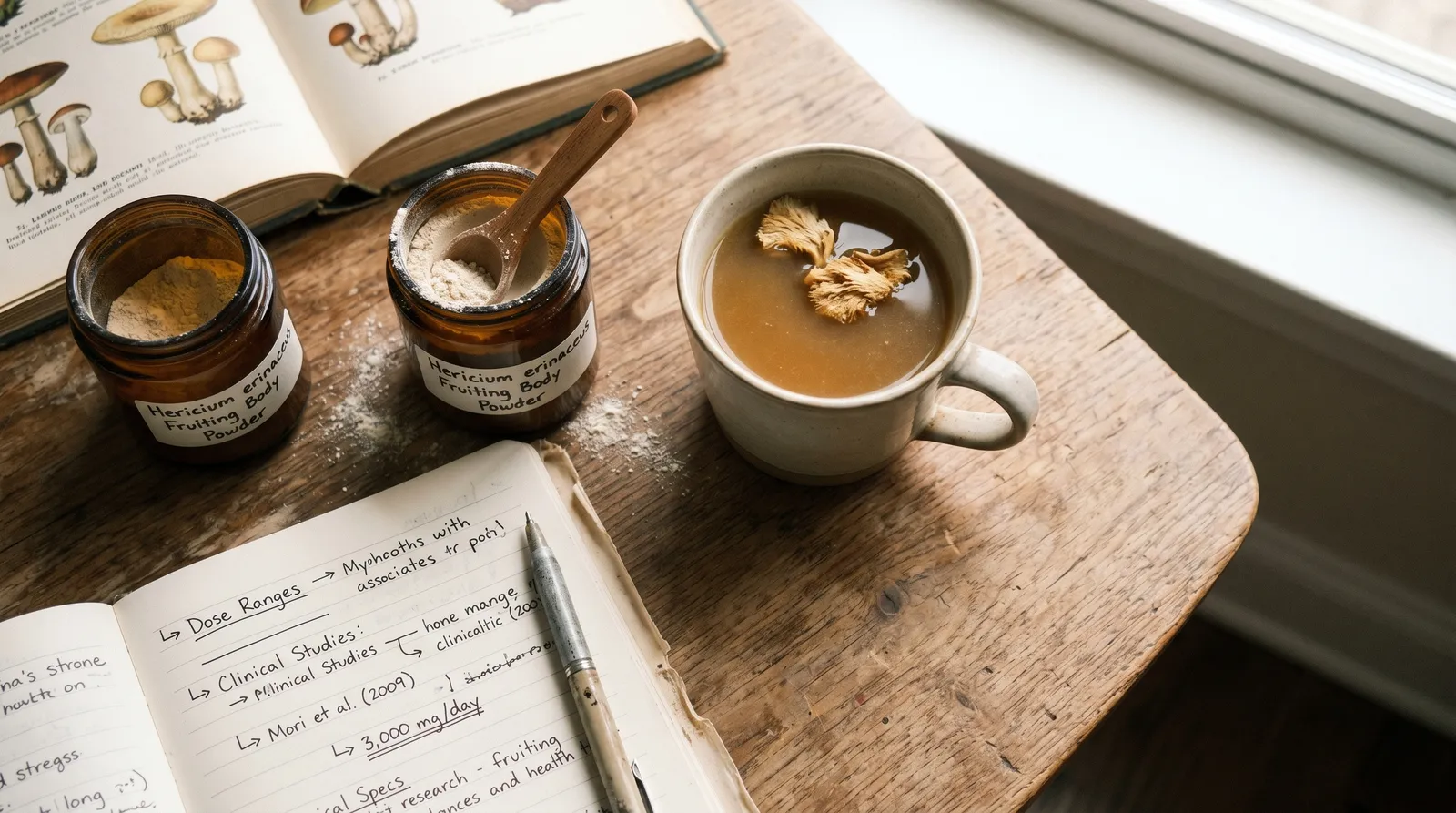
This variation makes "what dose should I take?" genuinely difficult to answer from the literature. The preparation, the extraction method, the ratio, and the source material (fruiting body vs mycelium vs mycelium-on-grain) all affect what is actually in a given milligram. A product's certificate of analysis — showing beta-glucan content, hericenone or erinacine content if tested, and alpha-glucan levels — tells you more than the milligram number on the label alone.
Formats and What They Contain
Each lion's mane (Hericium erinaceus) format delivers a different compound profile, so the format you choose should match the compounds you are after.
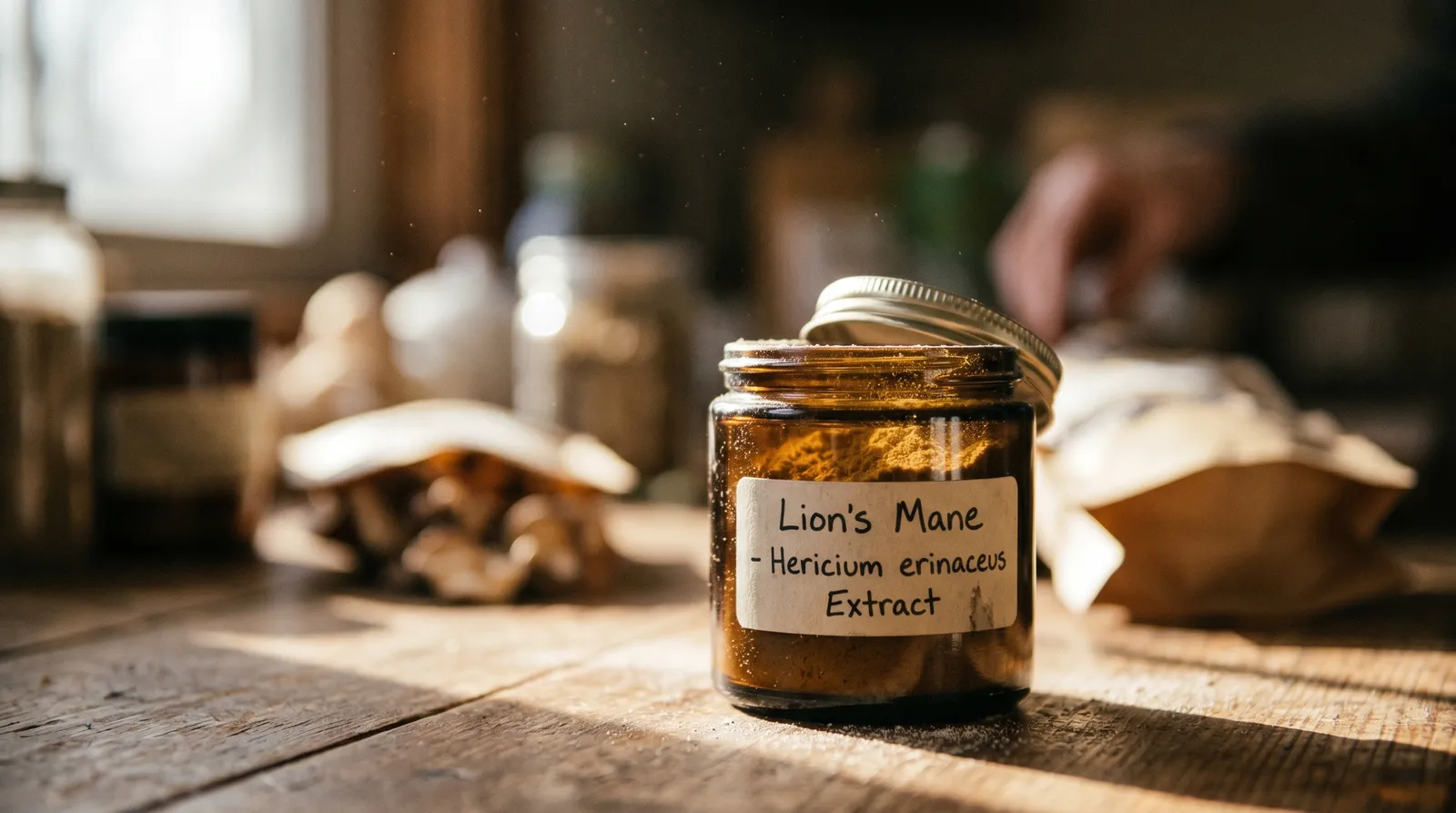
- Dried powder (whole or extracted): Hot-water extract powder will be beta-glucan-forward. Plain dried powder that has not been extracted contains all native compounds but at lower concentrations, with lower bioavailability due to intact chitin cell walls.
- Capsules: Contain powder or extract in measured doses. Convenient for consistent daily use. Check labels for extraction method and beta-glucan percentage. If you want to buy lion's mane capsules, look for products specifying dual extraction and verified beta-glucan content.
- Tinctures (alcohol or dual-extracted): Alcohol-based tinctures concentrate hericenones and other lipophilic compounds. Dual-extract tinctures capture both polysaccharide and terpenoid fractions.
- Functional blends: Increasingly found as an ingredient in functional coffee and tea blends, though the lion's mane dose per serving in these products is often lower than what clinical studies used.
This is not a case where all formats are equivalent. What you are trying to get from lion's mane — polysaccharides, hericenones, erinacines, or some combination — should determine the format and extraction method you look for. If you order lion's mane capsules, check whether the label specifies dual extraction; if it does not, you may be getting only part of the compound spectrum.

What we have noticed anecdotally — and this is shop-floor observation, not clinical data — is that customers who stick with a quality fruiting body extract for at least six to eight weeks are the ones who come back to order more. Those who try a low-dose mycelium-on-grain product for two weeks and expect dramatic results tend to be disappointed. We always recommend checking the beta-glucan percentage on the label and looking for products that specify their extraction method. If you want to buy lion's mane from Azarius, we carry fruiting body extracts with verified beta-glucan content — get in touch if you need help choosing between formats.
One more thing worth mentioning: several customers have combined lion's mane with other functional mushroom products like reishi or cordyceps as part of a broader stack. Whether that combination has synergistic effects is unstudied, but it reflects how people are actually using these products in practice.
A colleague of ours — one of the more sceptical members of the team — tried a dual-extract lion's mane capsule daily for three months. His verdict: "I did not feel smarter, but I did feel like my focus was slightly more sustained in the afternoons." That is about as honest a testimonial as you will get from behind our counter, and it lines up with what the modest clinical data would predict.
Another team member, who had been using reishi for sleep support for about a year, added lion's mane capsules to her morning routine. After about ten weeks she mentioned that she felt "slightly less scattered" during busy shifts — hardly a dramatic transformation, but she kept buying it, which says something. We share these stories not as evidence but as the kind of real-world texture you will not find in a clinical paper.
A third colleague — our most data-driven team member — ran his own informal experiment: he tracked his daily focus scores using a simple 1–10 self-rating for four weeks without lion's mane, then four weeks with a dual-extract capsule. His average went from 5.8 to 6.3. "Barely noticeable day to day," he said, "but the trend was there when I looked at the spreadsheet." We mention this not as evidence but because it captures the kind of subtle, ambiguous experience most people actually have with this mushroom — a far cry from the "limitless pill" framing you see online.
The most positive internal report was "slightly more sustained afternoon focus." If that sounds underwhelming, it is — and we think setting realistic expectations is more useful than overselling.
Stacking Lion's Mane with Other Supplements
Lion's mane (Hericium erinaceus) is most commonly stacked with reishi for combined cognitive and calming support, or with cordyceps for a focus-plus-energy combination. We have seen customers at Azarius pair lion's mane capsules with a reishi tincture in the evening and cordyceps in the morning — a routine that covers three different functional targets with three different mushroom species. There is no published clinical research on these specific combinations, so any stacking approach is based on the individual profiles of each mushroom rather than proven combination. If you are new to functional mushrooms, starting with lion's mane alone for at least eight weeks before adding other species makes it easier to gauge what each one contributes. The Azarius functional mushrooms category page lists all available species if you want to explore stacking options.
What We Would Like to See Change
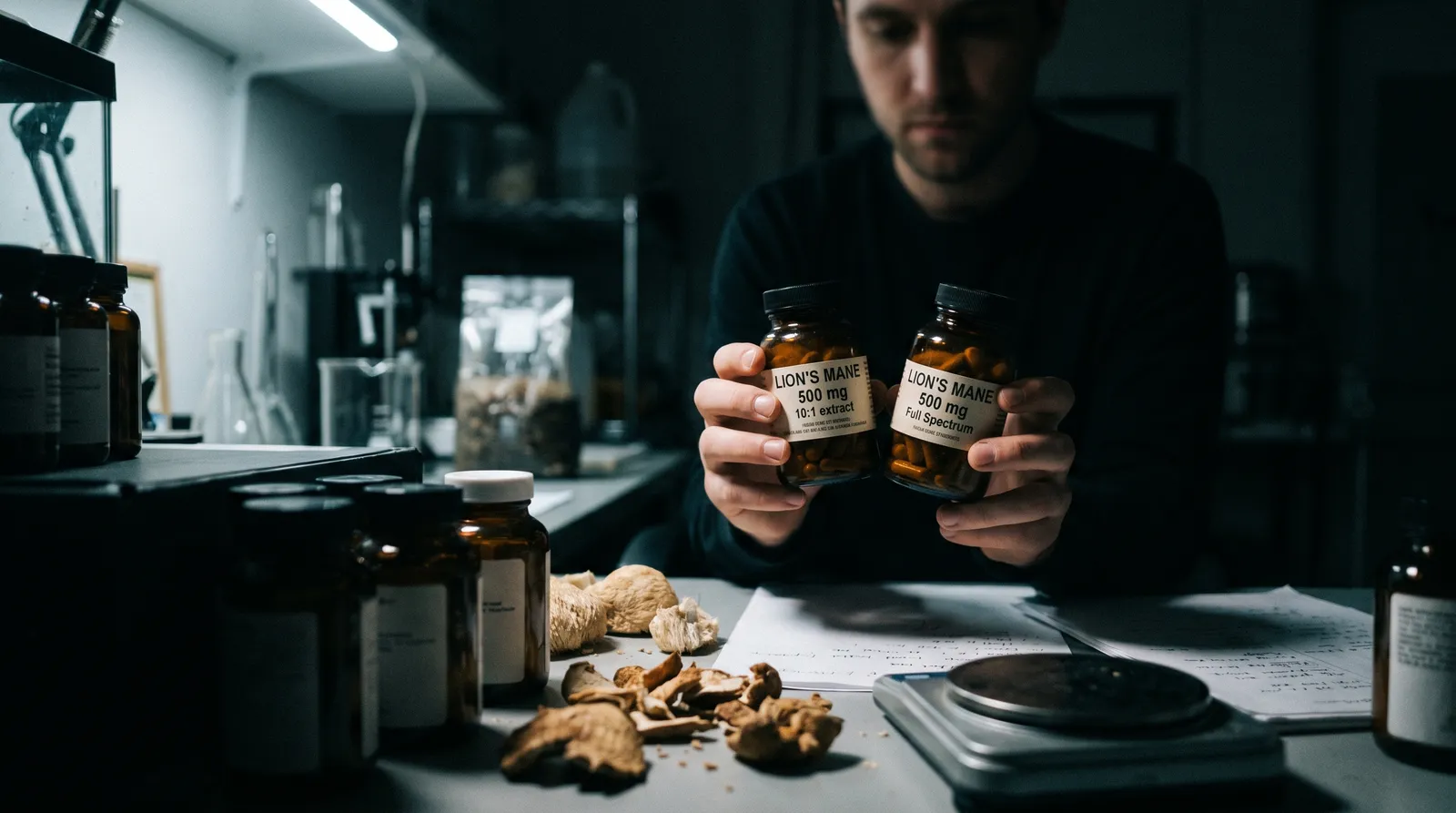
The lion's mane (Hericium erinaceus) market would benefit enormously from standardisation. Right now, two products both labelled "lion's mane 500 mg" can contain wildly different compounds depending on whether they use fruiting body or mycelium-on-grain, hot-water or dual extraction, and whether the manufacturer tests for hericenones at all. We would like to see the industry adopt mandatory labelling of beta-glucan percentage, alpha-glucan percentage, and extraction method — the way the best producers already do voluntarily.
Putting It Together
Lion's mane (Hericium erinaceus) is one of the more interesting functional mushrooms from a research standpoint, but it is not a proven cognitive enhancer. The hericenone and erinacine chemistry is genuinely unusual, the NGF-stimulation mechanism is well-characterised in vitro, and the small human trials that exist have produced positive — if modest — signals. It is not a miracle compound. The clinical evidence base is thin by pharmaceutical standards: small samples, short durations, varied preparations, and no long-term data. The gap between what in-vitro and animal studies suggest and what has been confirmed in human trials remains wide.
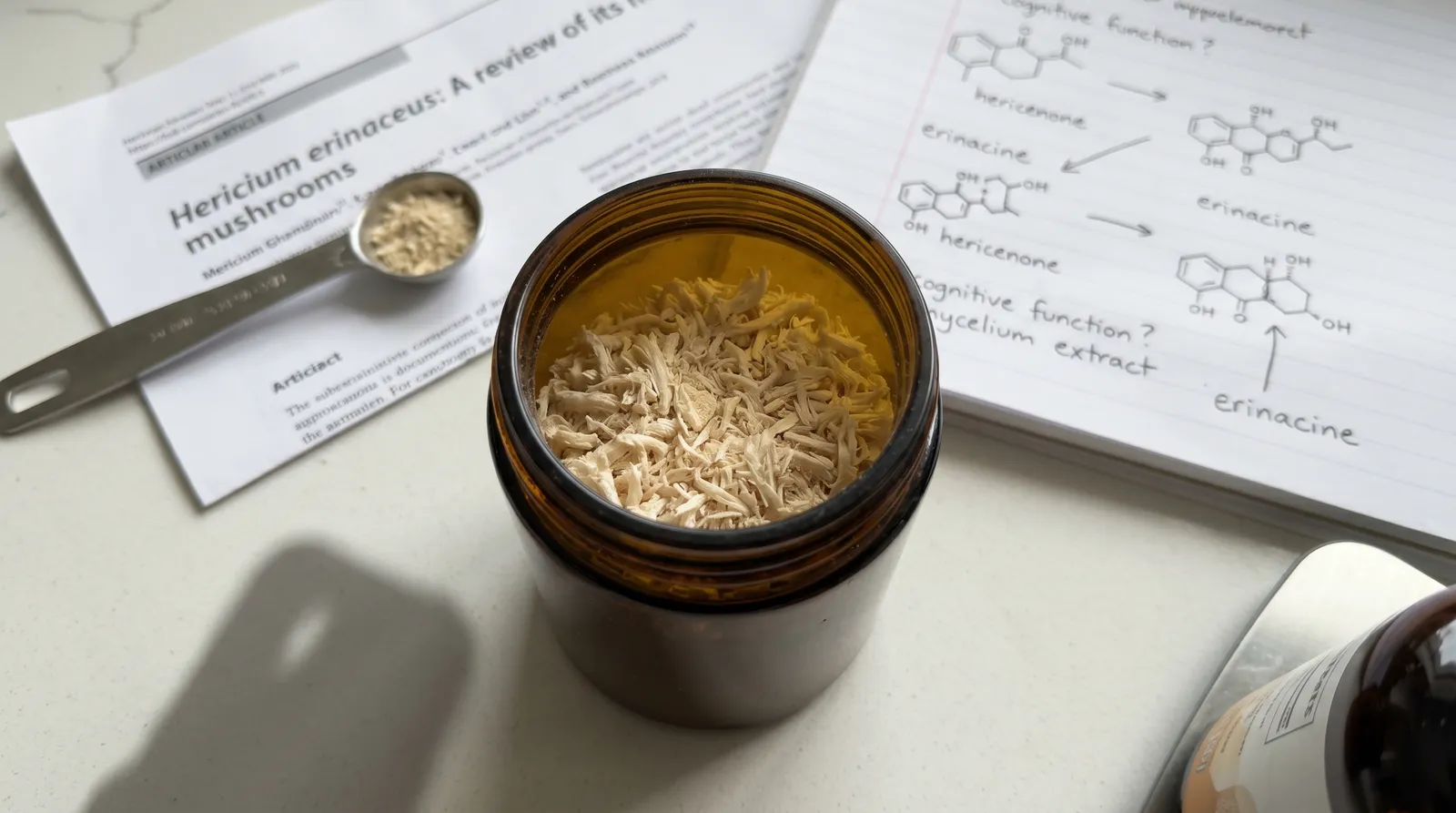
If you are interested in trying it, the most useful thing you can do is pay attention to what is actually in the product: fruiting body or mycelium-on-grain, extraction method, beta-glucan percentage, and whether any hericenone or erinacine content is specified. The research that exists used specific preparations — matching your product to those preparations as closely as possible is the closest thing to an evidence-based approach currently available. You can buy lion's mane (Hericium erinaceus) extracts and capsules from the Azarius functional mushrooms collection, and our team is always happy to help you compare what is on offer.
Last updated: April 2026
Frequently Asked Questions
10 questionsDoes lion's mane cross the blood-brain barrier?
What is the difference between lion's mane fruiting body and mycelium-on-grain products?
How long does it take for lion's mane to show effects?
Can lion's mane interact with diabetes medication?
Does the extraction method of a lion's mane product matter?
Are the cognitive benefits of lion's mane permanent?
Can you cook with lion's mane or does heat destroy the active compounds?
Is lion's mane safe to take every day long-term?
Should lion's mane be taken with food or on an empty stomach?
Can you take lion's mane together with other nootropics or adaptogens?
About this article


Joshua Askew serves as Editorial Director for Azarius wiki content. He is Managing Director at Yuqo, a content agency specialising in cannabis, psychedelics and ethnobotanical editorial work across multiple languages. Th
This wiki article was drafted with AI assistance and reviewed by Joshua Askew, Managing Director at Yuqo. Editorial oversight by Adam Parsons.
Medical disclaimer. This content is for informational purposes only and does not constitute medical advice. Consult a qualified healthcare provider before use of any substance.
Last reviewed April 24, 2026
References (9)
- [1]Hu, J.H. et al. (2019). Erinacine A–enriched Hericium erinaceus mycelium produces antidepressant-like effects through modulating BDNF/PI3K/Akt/GSK-3β signaling in mice. International Journal of Molecular Sciences , 20(1), 163.
- [2]Kawagishi, H. et al. (1994). Hericenones C, D and E, stimulators of nerve growth factor synthesis, from the mushroom Hericium erinaceum . Tetrahedron Letters , 35(10), 1569–1572. DOI: 10.1016/s0040-4039(00)76760-8
- [3]Lakshmanan, H. et al. (2023). A toxicological assessment of Hericium erinaceus (lion's mane) and Trametes versicolor (turkey tail) powders. Food and Chemical Toxicology , 175, 113715.
- [4]Ma, B.J. et al. (2010). Hericenones and erinacines: stimulators of nerve growth factor biosynthesis in Hericium erinaceus . Mycology , 1(2), 92–98. DOI: 10.1080/21501201003735556
- [5]Mori, K. et al. (2009). Improving effects of the mushroom Yamabushitake ( Hericium erinaceus ) on mild cognitive impairment: a double-blind placebo-controlled clinical trial. Phytotherapy Research , 23(3), 367–372.
- [6]Nagano, M. et al. (2010). Reduction of depression and anxiety by 4 weeks Hericium erinaceus intake. Biomedical Research , 31(4), 231–237. DOI: 10.2220/biomedres.31.231
- [7]Ratto, D. et al. (2019). Hericium erinaceus improves recognition memory and induces hippocampal and cerebellar neurogenesis in frail mice during aging. Nutrients , 11(4), 715. DOI: 10.3390/nu11040715
- [8]Saitsu, Y. et al. (2019). Improvement of cognitive functions by oral intake of Hericium erinaceus . Biomedical Research , 40(4), 125–131. DOI: 10.2220/biomedres.40.125
- [9]Tsai-Teng, T. et al. (2016). Erinacine A-enriched Hericium erinaceus mycelium ameliorates Alzheimer's disease-related pathologies in APPswe/PS1dE9 transgenic mice. Journal of Biomedical Science , 23(1), 49. DOI: 10.1186/s12929-016-0266-z
Related Articles
Medicinal Mushrooms TCM Western Pharmacognosy Guide
Guide to medicinal mushrooms TCM Western pharmacognosy — how reishi, lion's mane, cordyceps are classified, extracted, and studied.
Research on Immune Modulation by Functional Mushrooms
What does research on immune modulation by functional mushrooms actually show? Beta-glucans, Dectin-1 signalling, human trials, and the honest gap...
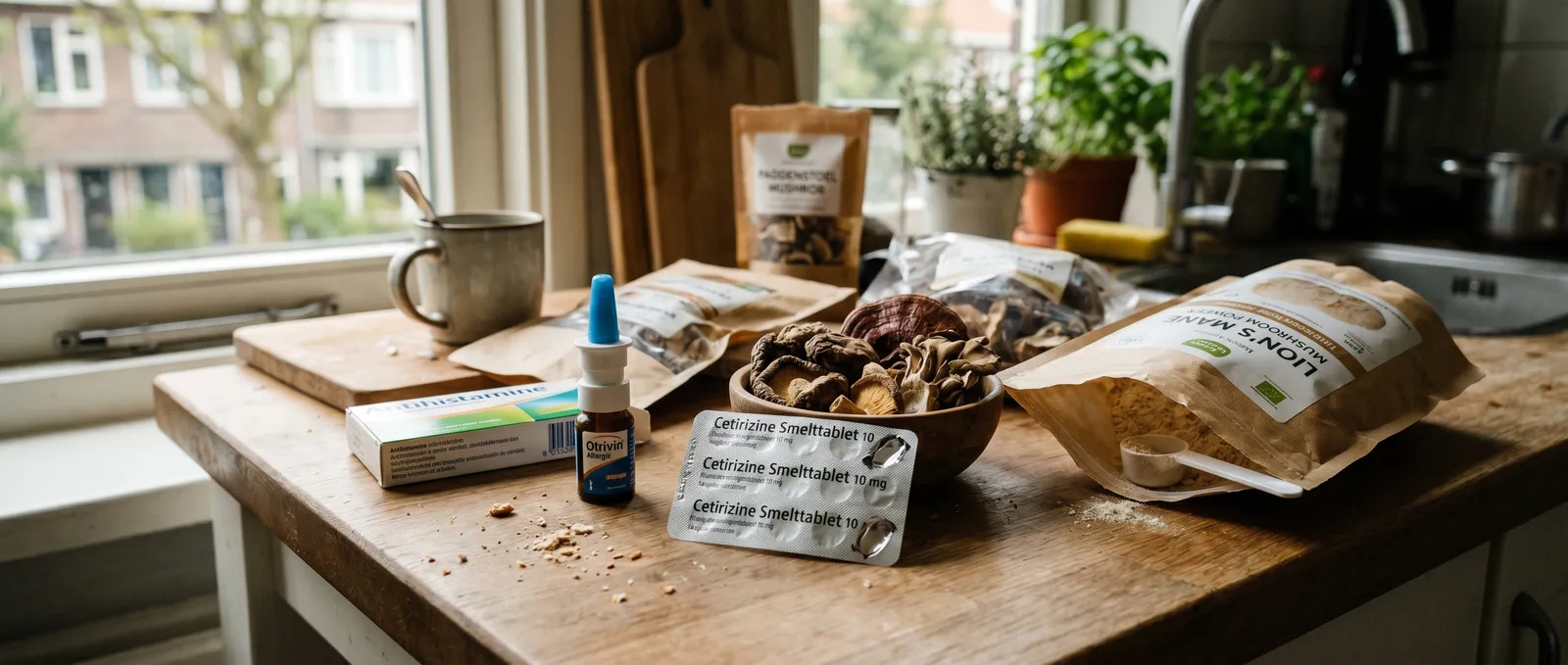
Allergic Reactions & Mushroom Sensitivities
Understand allergic reactions and mushroom sensitivities: mould cross-reactivity, shiitake dermatitis, species-specific risks, and safer product…
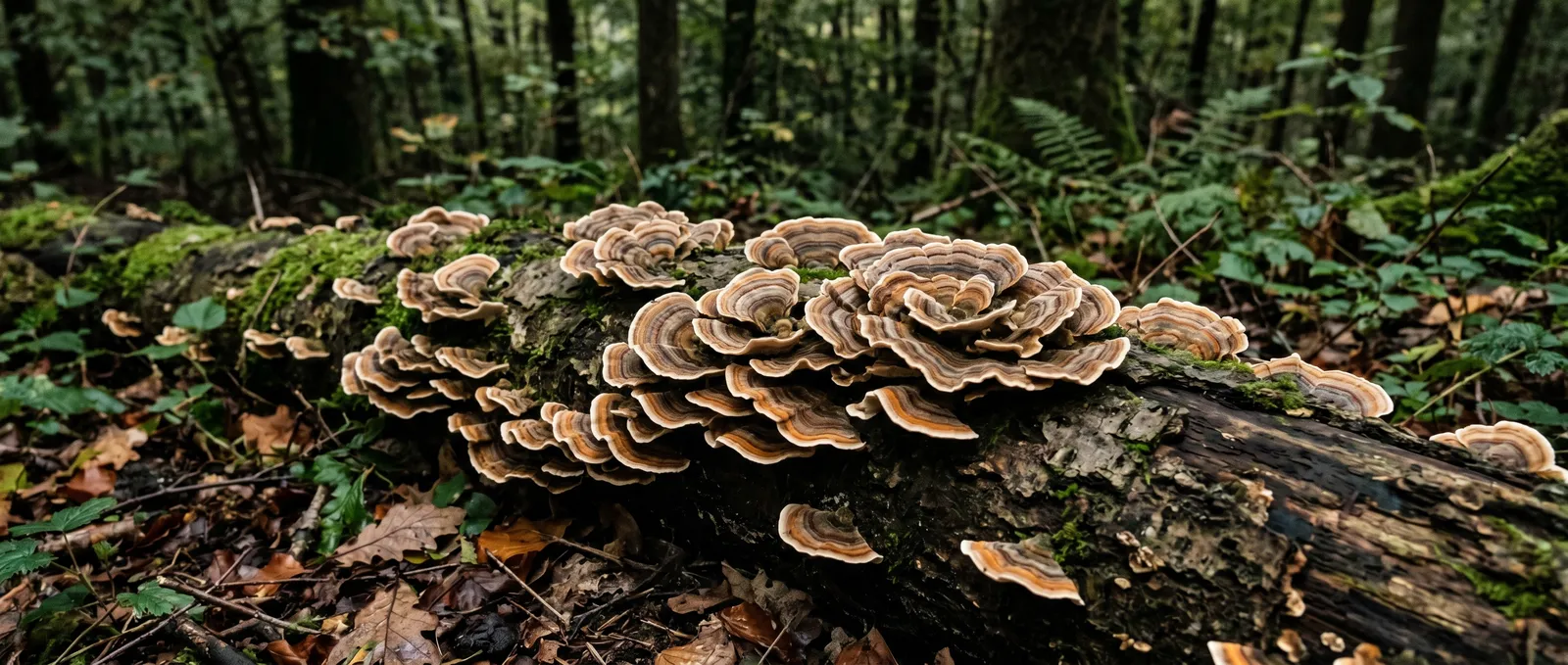
Turkey Tail Trametes versicolor — Buy Supplements
Buy turkey tail Trametes versicolor supplements at Azarius. PSK and PSP evidence, beta-glucan dosage, extraction methods, and safety.
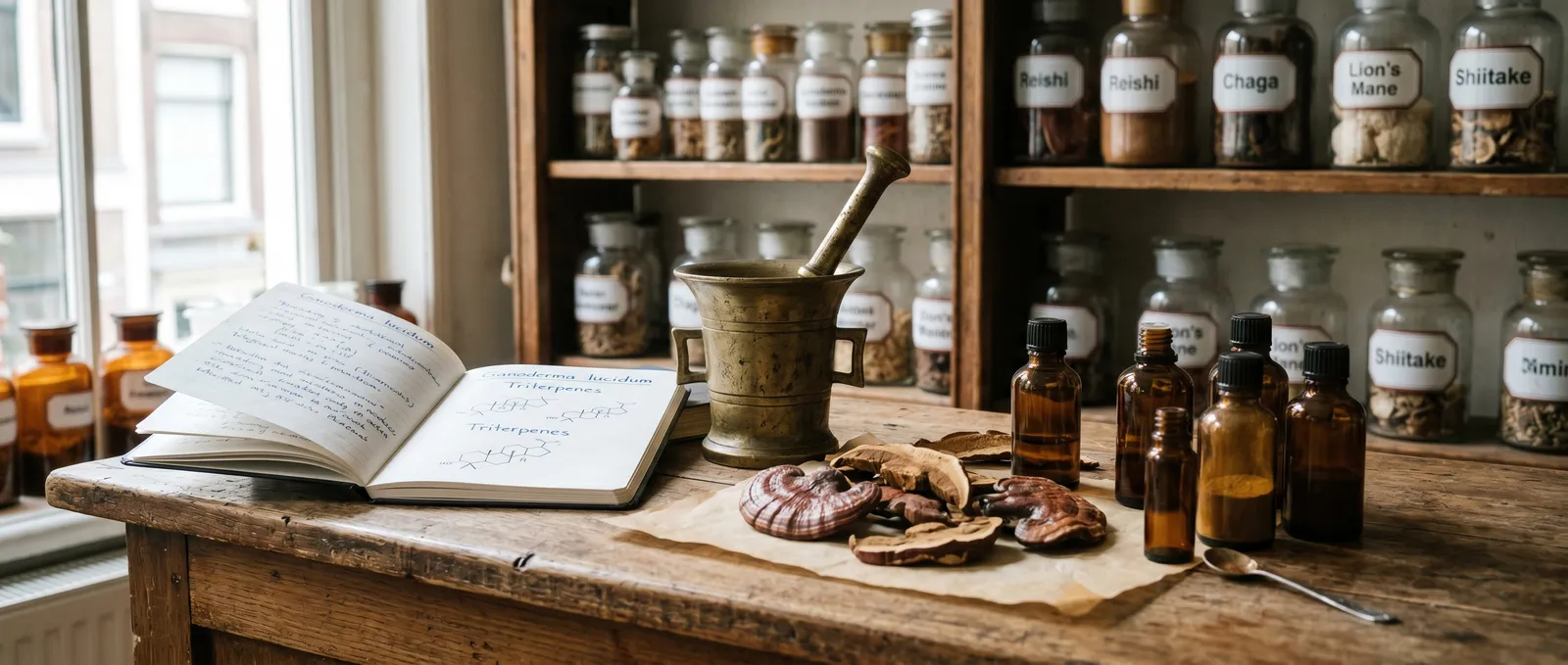
Triterpenes In Medicinal Mushrooms
Triterpenes in medicinal mushrooms are a class of 30-carbon terpenoid compounds produced as secondary metabolites by several functional mushroom species…
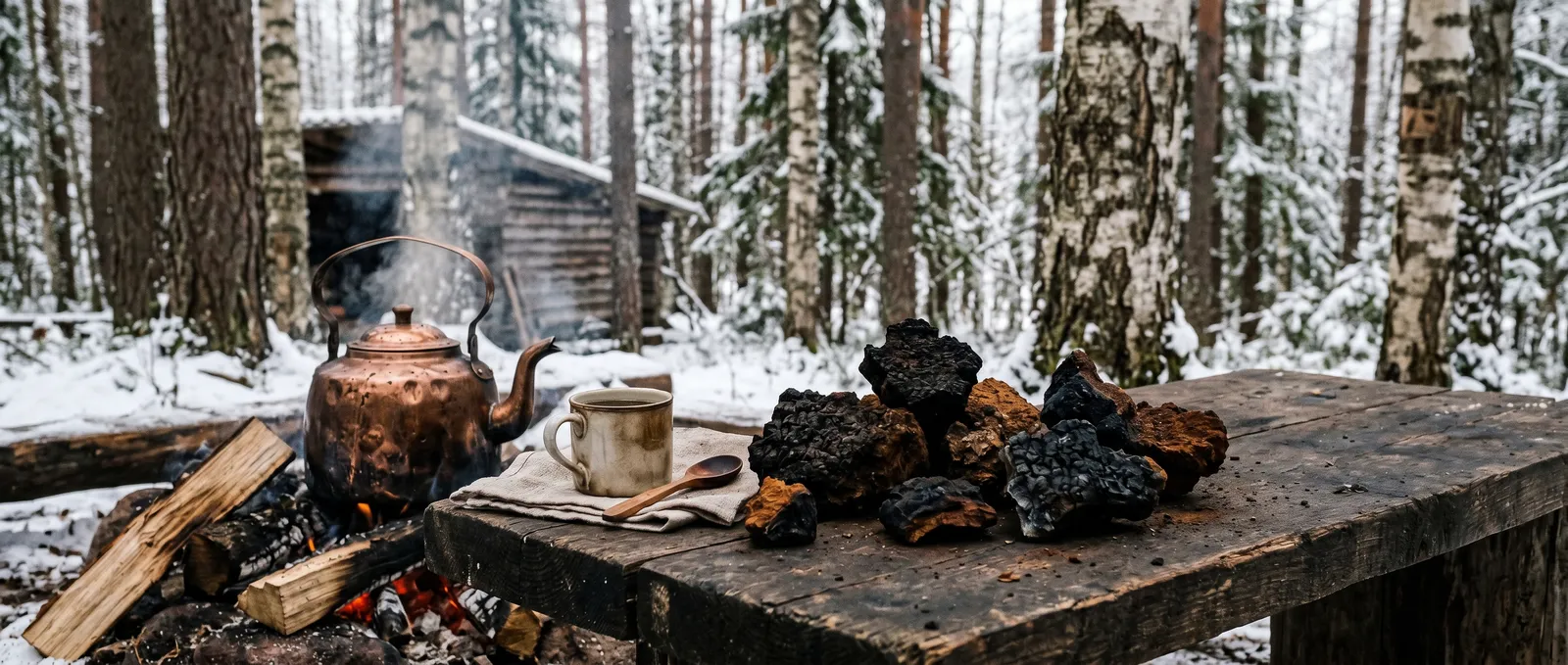
Chaga Siberian Nordic Folk Use
Chaga Siberian Nordic folk use is a centuries-old tradition in which indigenous Siberians and Nordic communities brewed the birch-parasitising fungus…
Red and Black Reishi Varieties
Red reishi (Ganoderma lucidum) and black reishi (Ganoderma sinense) both fall under the lingzhi umbrella in traditional Chinese medicine, but they differ in…
Lion's Mane Identification & Habitat
Hericium erinaceus is a tooth fungus that fruits as a single white, spine-covered mass on wounded or dead hardwood trees.
Cordyceps Lifecycle
The cordyceps lifecycle is a parasitic biological sequence in which a fungus infects an insect host, colonises its body from within, and erupts as a…