
This article discusses psychoactive substances intended for adults (18+). If you have a health condition or take medication, consult a doctor before use. Our age policy
Microdosing vs Macrodosing
Definition
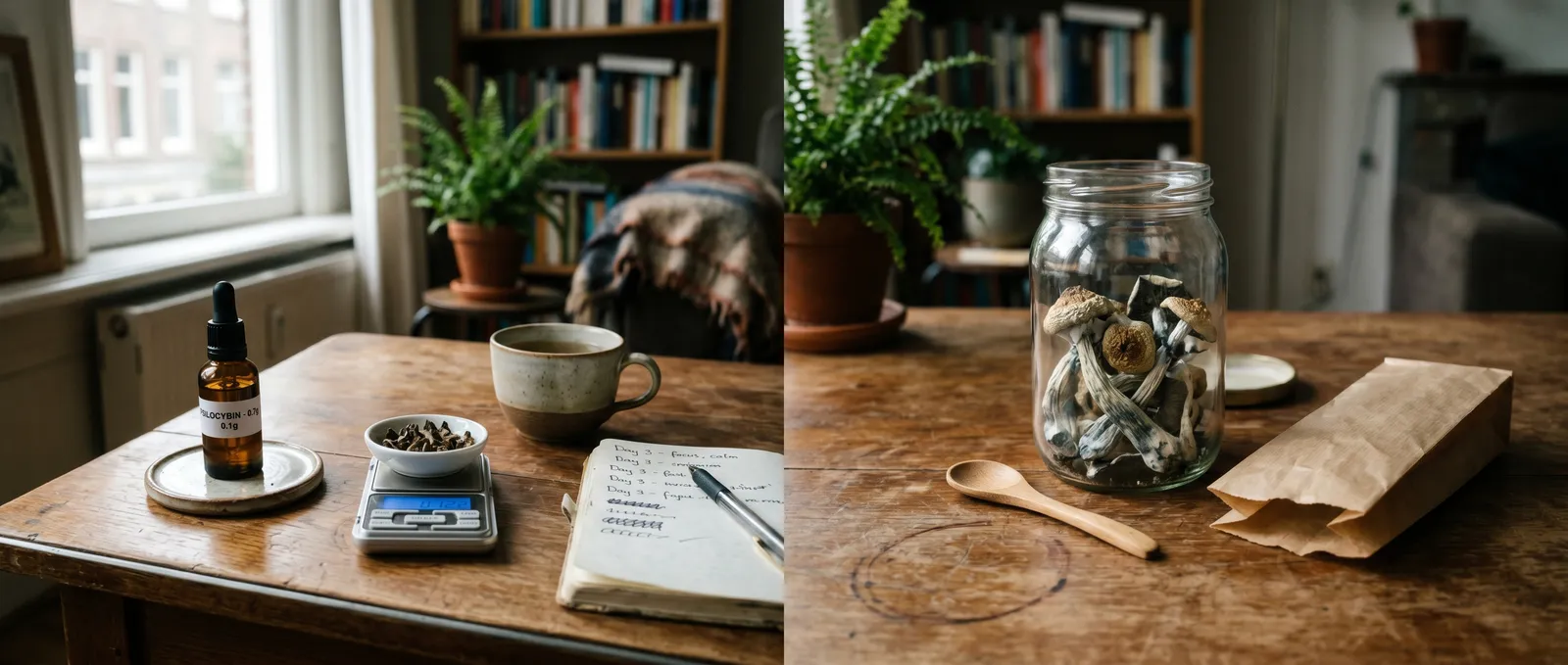
Microdosing vs macrodosing is a comparison between two psychedelic dosing strategies that use the same substances at vastly different levels — microdosing uses sub-perceptual amounts (roughly 5–10 % of a full dose) taken on a regular schedule, while macrodosing means a full dose producing pronounced altered states. Both approaches engage serotonin 5-HT2A receptors but at different intensities, with macrodosing currently backed by stronger clinical trial evidence (Carhart-Harris et al., 2021).
18+ only — the dosing ranges and effects described below apply to adult physiology.
Microdosing vs macrodosing is a comparison between two fundamentally different approaches to psychedelic use that involve the same substances — most commonly psilocybin or LSD — but at vastly different dose levels, intentions, and outcomes. Microdosing vs macrodosing is really a question about what you're after: subtle daily shifts or a full-blown altered state. One sits quietly in the background of a Tuesday morning; the other demands your entire Saturday and then some. Understanding where one ends and the other begins, and what the research actually says about each, helps you figure out which approach (if either) makes sense for you. If you're curious about exploring either path, you can buy psilocybin truffles from the Azarius smartshop to get started with a reliable, lab-tested product.
| Dimension | Microdosing | Macrodosing |
|---|---|---|
| Typical psilocybin dose | 0.05–0.3 g dried mushrooms / 0.5–1 g fresh truffles | 2–5 g dried mushrooms / 10–15 g fresh truffles |
| Typical LSD dose | 5–20 µg | 75–200 µg |
| Perceptual changes | Sub-perceptual — no visual distortion | Pronounced — visual, auditory, and cognitive shifts |
| Duration | Background effects across 4–6 hours | 4–8 hours (psilocybin) / 8–12 hours (LSD) |
| Frequency | Every 2–3 days for weeks or months | Single session or a few sessions per year |
| Setting requirements | Normal daily environment — work, studio, outdoors | Dedicated space, sitter recommended, no obligations |
| Primary reported goals | Mood lift, creative flow, focus | Deep self-reflection, emotional processing, spiritual insight |
| Clinical evidence base | Growing but mostly self-report surveys; few RCTs | Stronger — multiple RCTs for depression, addiction, end-of-life distress |
| Key risk profile | Physiological discomfort, dosing errors, unknown long-term cardiac effects | Challenging psychological experiences, temporary anxiety, risk of re-traumatisation |
| Pain reduction (self-reported) | Moderate perceived reduction | Statistically higher perceived reduction (Bonnelle et al., 2024) |
What Counts as a Microdose?
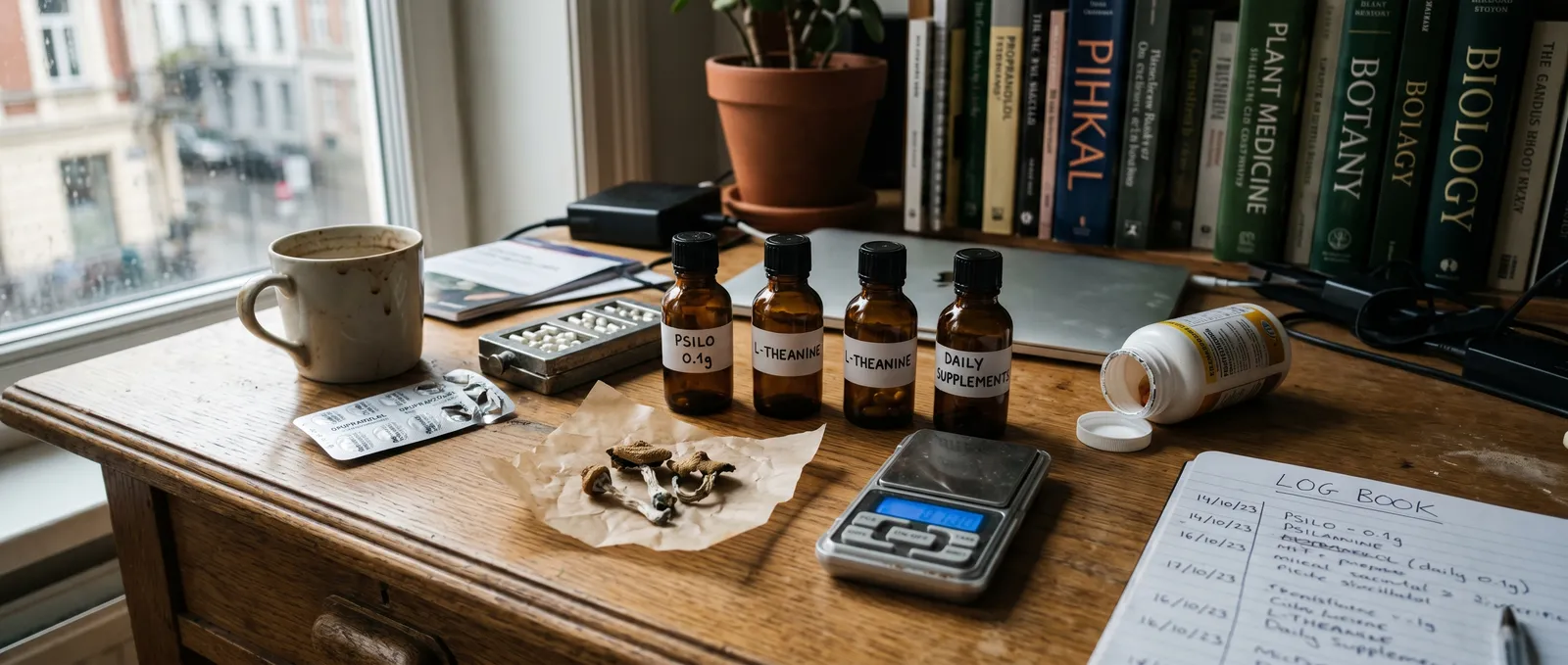
A microdose is a sub-perceptual amount of a psychedelic substance — roughly 5–10 % of a full dose — that produces no noticeable alteration in perception. If the walls are breathing, you've overshot. For psilocybin truffles, that typically means somewhere around 0.5–1 g of fresh material, though potency varies between species. Tampanensis is milder than Hollandia, for instance, so the same gram weight can land differently. Many people who want to order microdosing truffles start with a pre-measured strip to reduce guesswork. When weighing microdosing vs macrodosing for daily life, the microdose is specifically designed to stay invisible.
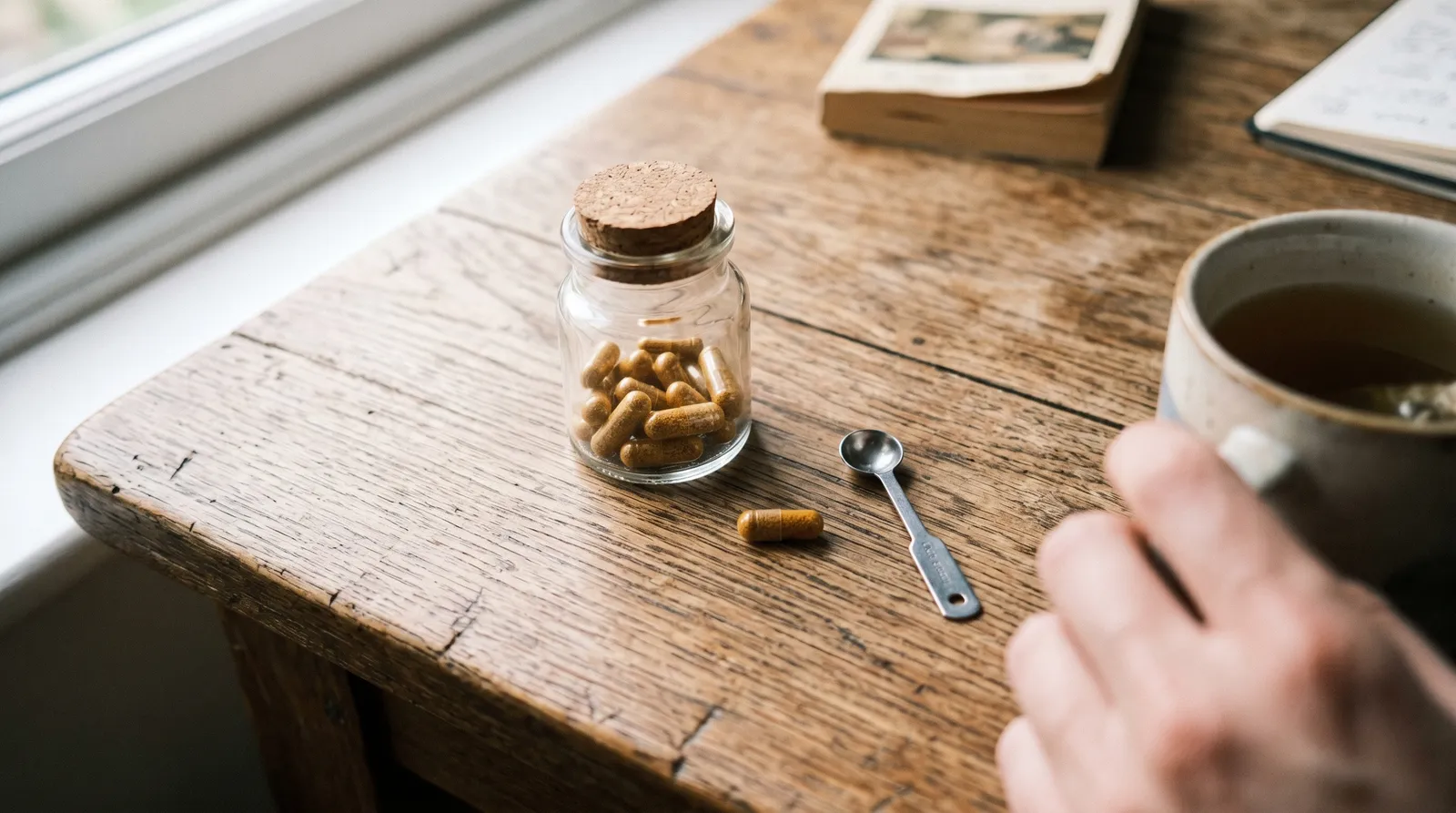
Most microdosing vs macrodosing discussions hinge on protocol. James Fadiman's original protocol suggests one day on, two days off. Paul Stamets proposed a different rhythm — four days on, three off, sometimes stacked with lion's mane and niacin, though the evidence for that stack remains preliminary. The point of spacing doses is to avoid tolerance buildup. Psilocybin downregulates 5-HT2A receptors fairly quickly, so daily dosing would likely flatten any benefit within a week.
According to a large self-report study by Kuypers et al. (2019) published in Psychopharmacology, microdosers most commonly reported improvements in focus, mood, and creativity — but the study also found that expectations played a significant role in perceived outcomes. That's the elephant in the room with microdosing research: placebo effects are strong, and blinding is difficult when the substance is self-administered on a schedule you designed yourself.
A 2022 randomised controlled trial by Szigeti et al., published in eLife, found that microdosing LSD did not outperform placebo on measures of well-being, creativity, or cognition when participants were properly blinded. The results weren't zero — both groups improved — but the active substance didn't beat the dummy pill. That doesn't mean microdosing "doesn't work," but it does mean the mechanism might be more psychological than pharmacological at these doses.
What Counts as a Macrodose?
A macrodose is a full psychedelic dose — enough to produce noticeable perceptual, emotional, and cognitive changes that last several hours. For psilocybin, clinical trials typically use 25 mg of synthetic psilocybin (roughly equivalent to 3.5–5 g of dried Psilocybe cubensis). For truffles, a full experience usually starts around 10 g of fresh material for moderate-strength varieties, going up to 15 g for a strong session. If you want to buy fresh truffles for a macrodose session, Azarius carries several potency tiers so you can match the product to your experience level.

The clinical evidence here is considerably more robust. A trial by Carhart-Harris et al. (2021), published in the New England Journal of Medicine, compared psilocybin-assisted therapy to escitalopram (a common SSRI) for major depressive disorder. Both groups improved, with psilocybin showing faster onset of effect and higher remission rates on secondary measures, though the primary outcome didn't reach statistical significance. A follow-up by Goodwin et al. (2022) in the same journal found that a single 25 mg dose of psilocybin produced significant reductions in depression scores at three weeks compared to placebo.
The experience itself is intense. A macrodose session typically lasts four to six hours with psilocybin, peaking around 60–90 minutes in. Visual distortions, emotional amplification, ego dissolution, time distortion — these aren't side effects, they're the main event. Clinical settings pair the substance with trained therapists, eyeshades, and curated music playlists. The therapeutic model uses the intense experience as the mechanism, not a byproduct.
Set and setting matter enormously here. The same dose in a calm, supported environment can produce profound emotional breakthroughs; the same dose at a crowded party can produce panic. The pillar article on psilocybin truffles covers set and setting in detail.
Where Does One End and the Other Begin?
The boundary between microdosing and macrodosing sits in a grey zone between roughly 0.3 g and 1.5 g of dried psilocybin mushrooms (or 1–5 g of fresh truffles). Some people call this range a "museum dose" — enough to notice a mild shift in perception and mood, not enough for a full-blown altered state. You might see colours slightly more vividly, feel a bit more emotionally open, notice music differently. This middle territory is where the microdosing vs macrodosing distinction gets genuinely fuzzy.
This middle ground is under-studied. Most clinical trials use either clearly sub-perceptual doses or clearly full doses. The space between hasn't attracted much research funding, partly because it's harder to justify clinically — it's too much for daily functioning, too little for the kind of deep emotional processing that therapists are interested in. The European Monitoring Centre for Drugs and Drug Addiction (EMCDDA) has noted the general lack of standardised dosing frameworks for psilocybin, which makes this grey zone even harder to characterise formally.
Reported Benefits: What the Research Says
Macrodosing currently has stronger clinical evidence than microdosing, with multiple randomised controlled trials showing statistically significant outcomes for depression, addiction, and end-of-life distress. For microdosing, the evidence is mostly observational. A 2021 prospective study by Rootman et al. in Scientific Reports tracked over 900 microdosers and non-microdosers over 30 days. Microdosers showed small but statistically significant improvements in mood and mental health scores compared to non-microdosers — but without a placebo control, expectancy effects can't be ruled out.

For macrodosing, beyond depression, clinical trials have shown promise for psilocybin-assisted therapy in treatment-resistant depression (Carhart-Harris et al., 2018), alcohol use disorder (Bogenschutz et al., 2022), and existential distress in terminal illness (Griffiths et al., 2016). Johns Hopkins researchers found that 67 % of participants rated a single high-dose psilocybin session among the five most meaningful experiences of their lives — even 14 months later (Griffiths et al., 2008). Research from the Beckley Foundation has also contributed to our understanding of psilocybin's neural mechanisms, particularly regarding default mode network disruption during macrodose sessions.
On pain, Bonnelle et al. (2024) found that both macro and microdosing were associated with perceived improvements in pain intensity and emotional acceptance of pain, but macrodosing produced statistically significantly higher perceived reduction in pain intensity (p < 0.001, N = 107). The study relied on self-report data, so take the exact magnitudes with a grain of salt, but the direction is consistent across multiple surveys. In the microdosing vs macrodosing comparison for pain specifically, macrodosing appears to have the edge based on current data.
Risks and Downsides
Microdosing risks are generally milder but less well-characterised than macrodosing risks. The most commonly reported negative effects in survey data include physiological discomfort — temperature dysregulation, insomnia, reduced appetite, and headaches (Kuypers et al., 2019). There's also a theoretical concern about cardiac valve effects from chronic 5-HT2B receptor agonism, similar to what was seen with fenfluramine (the diet drug pulled in the 1990s). No human data confirms this for psilocybin microdosing specifically, but the receptor pharmacology raises a flag that hasn't been fully investigated, and long-term safety studies simply don't exist yet.
Macrodosing risks are more acute and better documented. Challenging experiences — sometimes called "bad trips," though that term oversimplifies things — can involve intense anxiety, paranoia, confusion, and temporary psychotic-like symptoms. In clinical settings with screening and support, serious adverse events are rare. Outside clinical settings, the risks rise with dose, lack of preparation, pre-existing psychiatric vulnerability, and substance combinations. Anyone taking SSRIs, MAOIs, or lithium faces specific interaction risks — the dedicated interactions article covers these in detail. Data published by the EMCDDA confirms that psilocybin's physiological toxicity profile is low relative to other controlled substances, but psychological risks remain significant without proper preparation.
Integration is also a real consideration with macrodosing. A powerful experience without follow-up processing can leave you more confused, not less. The key is incorporating insights into daily life — whether the dose was large or small. When people ask us about microdosing vs macrodosing safety, we always emphasise that risk management looks different for each approach but is essential for both.
Choosing Between Them
The choice between microdosing and macrodosing depends on your goals, your schedule, and your tolerance for intensity — it is not an either/or decision, and framing it as one misses the point. They serve different purposes.
Microdosing suits people looking for subtle, sustained shifts — a slight creative edge, a gentler emotional baseline, a bit more presence in daily life. The commitment is low per session but high over time (weeks to months of regular dosing). The evidence is promising but not yet conclusive, and you should be honest with yourself about how much of the benefit might be expectancy-driven. That doesn't make it useless — placebo responses are real physiological events — but it's worth knowing. If you want to get started with microdosing, pre-portioned truffle strips like the McMicrodose from the Azarius smartshop make dosing consistency easier.
Macrodosing suits people looking for a deep, concentrated experience — working through grief, existential questions, or creative blocks in a single intensive session. The evidence is stronger, but so are the demands: you need a clear day, a safe space, ideally a sitter, and time afterwards to process what came up. It's not something you slot into a lunch break. You can order full-strength fresh truffles in varieties ranging from mild Tampanensis to potent Hollandia depending on how deep you want to go.
Some people do both — periodic macrodoses for deep work, microdosing between sessions to maintain a baseline. There's no clinical data on this combined approach, but it's common in practice.
The most useful question in the microdosing vs macrodosing debate isn't "which is better?" but "what am I actually trying to do?" — and then matching the tool to the job.
Azarius Product Comparison for Microdosing vs Macrodosing
| Use case | Suggested product type | Notes |
|---|---|---|
| Microdosing | Microdosing truffle strips (e.g. McMicrodose) | Pre-portioned for consistency; ideal for Fadiman or Stamets protocols |
| Macrodosing (moderate) | Fresh psilocybin truffles — Tampanensis or Mexicana | Milder varieties; good for a first full experience |
| Macrodosing (strong) | Fresh psilocybin truffles — Hollandia or Qubit | Higher potency; experienced users only |
Last updated: April 2026
Frequently Asked Questions
10 questionsWhen does a microdose become a macrodose?
Is the evidence for microdosing as strong as for macrodosing?
Can you microdose and macrodose in the same period?
Does macrodosing reduce pain more than microdosing?
What are the main risks of long-term microdosing?
Where can I buy truffles for microdosing or macrodosing?
Which microdosing protocol should I follow — Fadiman or Stamets?
Does truffle potency vary between species when microdosing or macrodosing?
How long does a microdose take to kick in compared to a macrodose?
Should I take a break between microdosing and macrodosing sessions?
About this article

Joshua Askew serves as Editorial Director for Azarius wiki content. He is Managing Director at Yuqo, a content agency specialising in cannabis, psychedelics and ethnobotanical editorial work across multiple languages. Th
This wiki article was drafted with AI assistance and reviewed by Joshua Askew, Managing Director at Yuqo. Editorial oversight by Adam Parsons.
Medical disclaimer. This content is for informational purposes only and does not constitute medical advice. Consult a qualified healthcare provider before use of any substance.
Last reviewed April 24, 2026
References (10)
- [1]Bonnelle, V., Smith, W.J., Mason, N.L., Cavarra, M., Kryskow, P. & Kuypers, K.P.C. (2024). Analgesic potential of macrodoses and microdoses of classical psychedelics in chronic pain. Frontiers in Pain Research.
- [2]Bogenschutz, M.P. et al. (2022). Percentage of heavy drinking days following psilocybin-assisted psychotherapy vs placebo in the treatment of adult patients with alcohol use disorder. JAMA Psychiatry, 79(10), 953–962.
- [3]Carhart-Harris, R.L. et al. (2018). Psilocybin with psychological support for treatment-resistant depression: six-month follow-up. Psychopharmacology, 235(2), 399–408.
- [4]Carhart-Harris, R.L. et al. (2021). Trial of psilocybin versus escitalopram for depression. New England Journal of Medicine, 384(15), 1402–1411.
- [5]Goodwin, G.M. et al. (2022). Single-dose psilocybin for a treatment-resistant episode of major depression. New England Journal of Medicine, 387(18), 1637–1648.
- [6]Griffiths, R.R. et al. (2008). Mystical-type experiences occasioned by psilocybin mediate the attribution of personal meaning and spiritual significance 14 months later. Journal of Psychopharmacology, 22(6), 621–632.
- [7]Griffiths, R.R. et al. (2016). Psilocybin produces substantial and sustained decreases in depression and anxiety in patients with life-threatening cancer. Journal of Psychopharmacology, 30(12), 1181–1197.
- [8]Kuypers, K.P.C. et al. (2019). Microdosing psychedelics: more questions than answers? An overview and suggestions for future research. Journal of Psychopharmacology, 33(9), 1039–1057.
- [9]Rootman, J.M. et al. (2021). Adults who microdose psychedelics report health-related motivations and lower levels of anxiety and depression. Scientific Reports, 11, 22479.
- [10]Szigeti, B. et al. (2022). Self-blinding citizen science to explore psychedelic microdosing. eLife, 10, e62878.
Related Articles
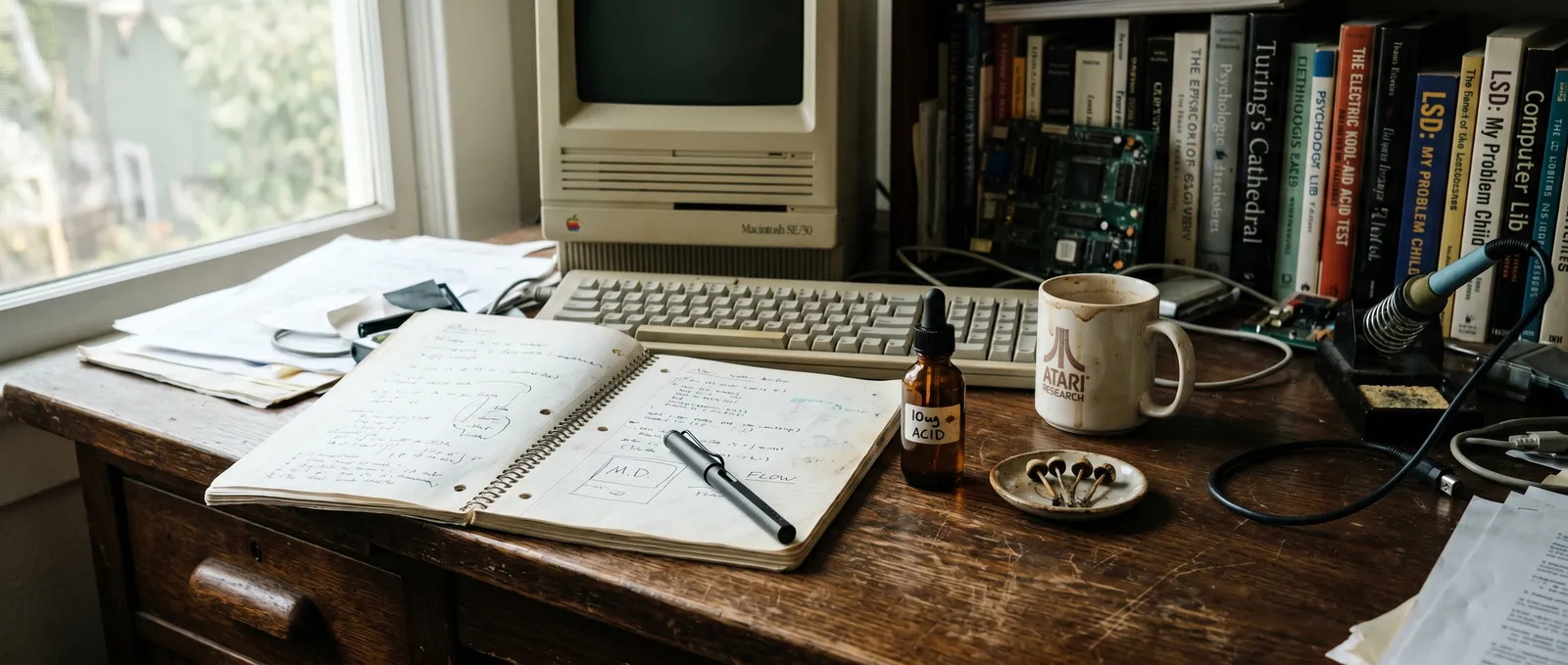
Microdosing Silicon Valley History: How Sub-Perceptual Doses Went from Fringe to Boardroom
Sub-perceptual psychedelic dosing and Silicon Valley share roots stretching back to the 1960s, when engineers at Menlo Park research labs first combined LSD…

Microdosing Myths and Misconceptions
Microdosing myths and misconceptions is a category of persistent misinformation that has grown alongside the practice itself.

Microdosing When Inadvisable
Microdosing when inadvisable is a harm-reduction framework that identifies the specific medical, psychiatric, pharmacological, and situational circumstances…
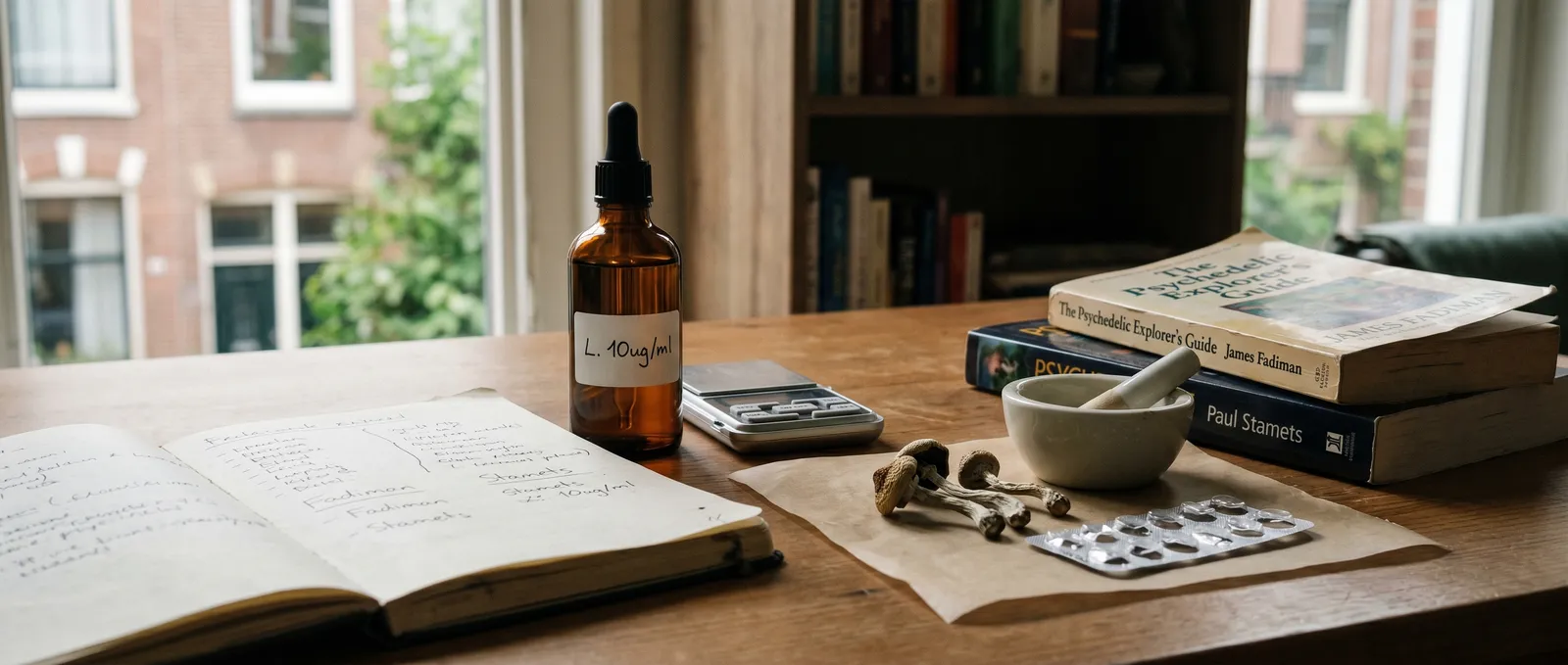
Microdosing Protocols Fadiman Stamets: Full Comparison Guide
A microdosing protocol is a structured schedule dictating dose days and rest days, designed to produce sub-perceptual cognitive shifts without tolerance buildup.
The Microdosing Placebo Debate: How to Tell If It's Actually Working
The microdosing placebo debate is a scientific and practical controversy that examines whether sub-perceptual doses of psilocybin or LSD produce genuine…

Origin of Microdosing Fadiman: How His Protocol Became the Standard
The origin of microdosing as a formalised practice traces to James Fadiman's 2011 book The Psychedelic Explorer's Guide, which introduced sub-perceptual…
Microdosing Research Current State
The current state of microdosing research reveals a field caught between enthusiastic self-reports and sobering controlled data.
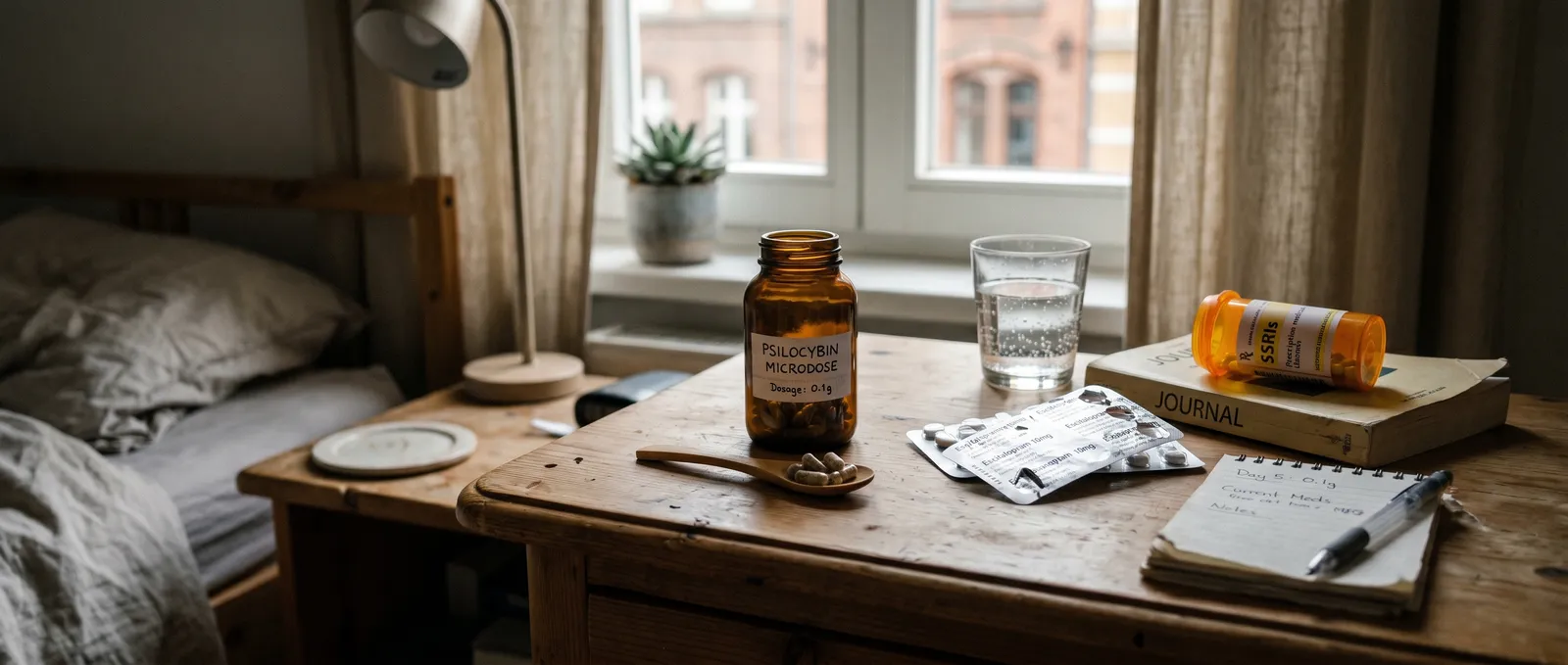
Microdosing Medication Interactions
Microdosing medication interactions describe how sub-perceptual doses of psilocybin or LSD affect — or are affected by — prescribed drugs.
Microdosing Contraindications
A microdosing contraindication is a medical condition, psychiatric history, or concurrent medication that makes sub-perceptual psychedelic dosing inadvisable…