
This article discusses psychoactive substances intended for adults (18+). If you have a health condition or take medication, consult a doctor before use. Our age policy
Microdosing Legal Status Europe: A Country-by-Country Breakdown
Definition
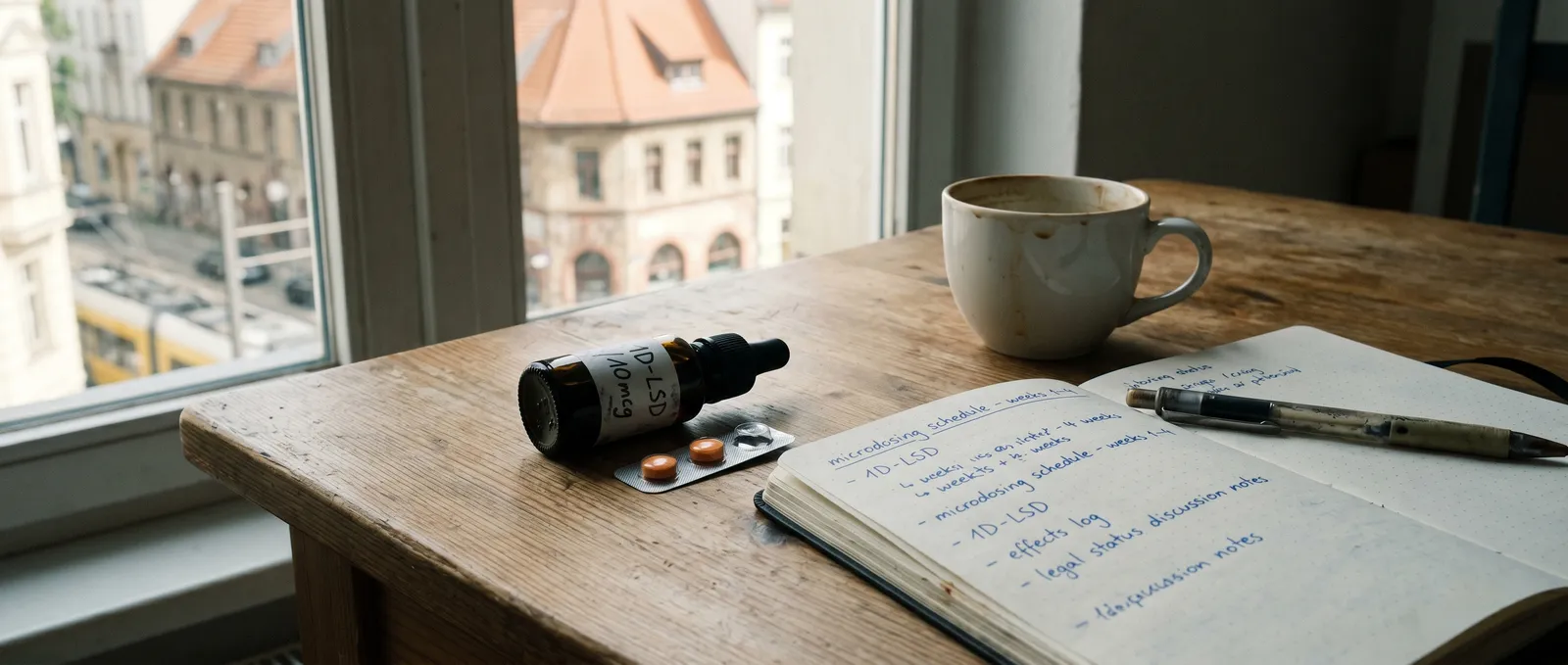
The microdosing legal status in Europe is a regulatory patchwork that varies dramatically from one country to the next, with no unified EU-wide framework governing sub-perceptual doses of psilocybin or LSD. The EMCDDA's 2023 European Drug Report confirms that scheduling decisions remain national, creating a situation where the same truffle strip is available in Amsterdam and a controlled substance 200 kilometres east.
18+ only — This guide covers adult use of psychoactive substances and applies to adult physiology only.
The microdosing legal status in Europe is a regulatory patchwork that varies dramatically from one country to the next, with no unified EU-wide framework governing sub-perceptual doses of psilocybin, LSD, or other classic psychedelics. Each member state sets its own rules on possession, sale, and therapeutic use — and some of those rules have surprising grey areas. If you're trying to figure out where microdosing sits legally across the continent, the table below is your starting point, followed by the detail that makes sense of it.
Legal Status Overview Table
The following table summarises the microdosing legal status Europe overview for the most commonly referenced countries, covering psilocybin mushrooms, truffles, and LSD.
| Country | Psilocybin Mushrooms | Psilocybin Truffles (Sclerotia) | LSD | Notes |
|---|---|---|---|---|
| Netherlands | Prohibited (since 2008) | Legal — sold in smartshops | Prohibited | Truffles (sclerotia) were excluded from the 2008 ban on dried/fresh mushrooms. Microdosing truffles are commercially available. |
| Portugal | Decriminalised (personal use) | Decriminalised (personal use) | Decriminalised (personal use) | Since 2001, possession of up to 10-day personal supply is an administrative offence, not criminal. Sale remains prohibited. |
| Czech Republic | Decriminalised (small amounts) | Decriminalised (small amounts) | Decriminalised (small amounts) | Personal possession of small quantities of psilocybin, LSD, and MDMA decriminalised. Thresholds defined by government decree. |
| Switzerland | Prohibited (except medical) | Prohibited (except medical) | Prohibited (except medical) | Since 2014, physicians can apply for exceptional authorisation to administer psilocybin, LSD, or MDMA to patients. Expanded in 2022. |
| Germany | Prohibited | Prohibited | Prohibited | Psilocybin listed under BtMG (Narcotics Act). Spore syringes technically not scheduled (no psilocybin content). No medical exemption programme. |
| France | Prohibited | Prohibited | Prohibited | Psilocybin classified as a stupéfiant. No decriminalisation or medical access pathway. |
| Spain | Prohibited (sale); grey area (personal cultivation) | Prohibited (sale) | Prohibited | Personal cultivation for private use is a grey area — not explicitly criminalised in some regions, but sale and distribution are prohibited. No medical exemption. No decriminalisation framework. |
| Austria | Prohibited | Prohibited | Prohibited | Possession for personal use may result in diversion to counselling rather than prosecution, but substances remain controlled. |
| United Kingdom | Prohibited (Class A) | Prohibited (Class A) | Prohibited (Class A) | Psilocybin is a Class A substance. Clinical trials permitted under Home Office licence. No medical access outside trials. |
Sources: EMCDDA European Drug Report (2023); national narcotics legislation as cited per country. Last updated: April 2026.
What the Table Actually Means for Microdosers
No European country has explicitly made microdosing a distinct category in its statutes. The concept of taking a sub-perceptual dose — typically 0.5–1g of fresh psilocybin truffles or roughly 1/10th to 1/20th of a standard dose of LSD — doesn't appear in any statute. Regulations target the substance, not the dose. Whether you possess 0.1g or 10g of psilocybin-containing material, the same legislation applies. Three things jump out from the microdosing legal status Europe overview above.
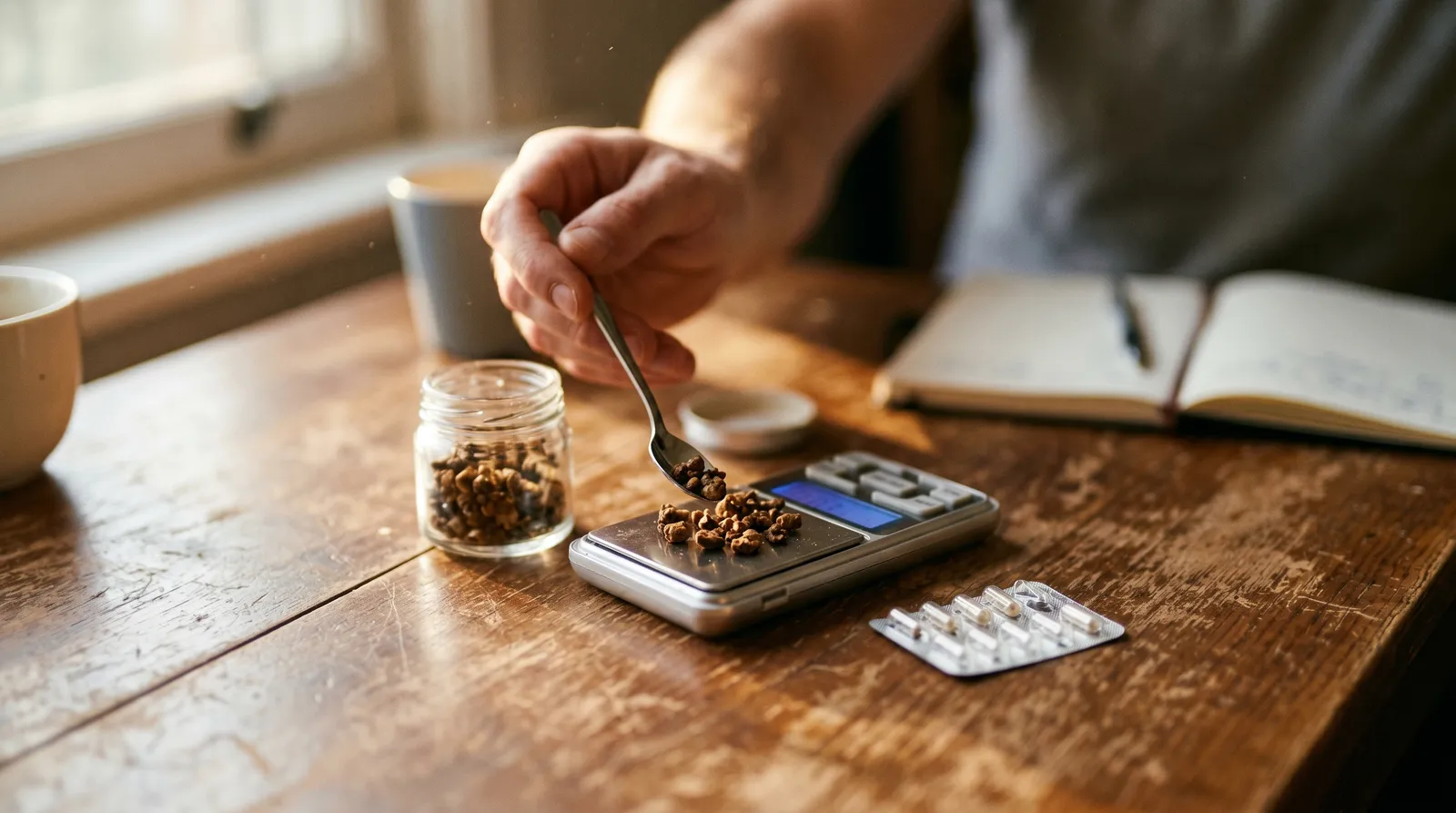
First, the Netherlands stands alone in having a commercially available psilocybin product suitable for microdosing. When dried and fresh psilocybin mushrooms were banned in 2008, sclerotia (truffles) were not included in the prohibition. This wasn't an oversight — it was a deliberate legislative distinction. The result: smartshops across the Netherlands sell pre-packaged microdosing truffles openly. Those who want to buy microdosing truffles can do so over the counter at licensed Dutch smartshops, including at Azarius. Shipping across EU borders invokes the principle of free movement of goods, though the microdosing legal status upon arrival depends entirely on the destination country's regulations.
Second, "decriminalised" and "permitted" are not the same thing. Portugal decriminalised personal possession of all drugs in 2001, meaning you won't face criminal charges for carrying a small personal supply. The Czech Republic similarly decriminalised possession of small amounts of psilocybin (the threshold is roughly 40 magic mushrooms or 5g of dried material, per government decree), but production and sale remain criminal offences.
Third, the microdosing legal status Europe field is shifting. Switzerland's medical pathway, the EMA's Breakthrough Therapy designation for COMPASS Pathways' psilocybin therapy, and growing clinical interest across the continent all point toward change — but none of it has yet translated into a framework for self-directed microdosing outside the Netherlands.
The Dutch Exception and Why It Matters
The Netherlands is the only EU country where psilocybin-containing products can be produced, packaged, and sold for microdosing. Every commercial microdosing company profiled in Sifted's 2022 investigation was based in the Netherlands, for this straightforward reason.
The basis is the Opium Act (Opiumwet). Psilocybin mushrooms — specifically "preparations" of the species listed in Schedule II — were added after a series of incidents involving tourists in Amsterdam in 2007–2008. But sclerotia (the underground growth stage of certain psilocybin-producing fungi) were not named in the ban. The Dutch courts have upheld this distinction repeatedly. Truffles containing psilocybin remain available to sell in licensed smartshops.
For microdosing specifically, this means pre-portioned truffle strips — typically containing 0.5–1g of fresh sclerotia per dose — are sold over the counter. Products like the Microdosing XP Truffles pack available at Azarius are designed for this purpose. The psilocybin content in these portions is low enough that users report no perceptual effects, which is the entire point of a microdose. If you want to order microdosing truffles, the Azarius smartshop section carries several options alongside accessories like the Microdosing XP Strips and precision scales.
Switzerland: The Medical Pathway
Switzerland operates the most established medical psychedelic programme in Europe, though it does not currently cover self-directed microdosing. Since 2014, the Federal Office of Public Health (FOPH) has allowed physicians to apply for "exceptional authorisation" to administer psilocybin, LSD, or MDMA to patients who haven't responded to conventional approaches. According to the FOPH's 2022 update, the programme expanded significantly during and after the COVID-19 pandemic, with the number of approved applications rising from a handful per year to several dozen.
This isn't microdosing in the popular sense — it's medically supervised psychedelic-assisted therapy, typically involving full doses in a clinical setting. But it sets a precedent. Switzerland allows these substances to be administered under specific conditions, rather than categorising them as inherently criminal materials. Whether this eventually opens a door for prescribed microdosing protocols remains to be seen — the clinical evidence for microdosing specifically is still thin. A 2022 double-blind placebo-controlled study published in Translational Psychiatry (Szigeti et al., 2022) found that psilocybin microdosing did not significantly outperform placebo on primary outcome measures, though participants did report subjective improvements.
Decriminalisation vs Legalisation: Why the Distinction Matters
Decriminalisation removes criminal penalties for personal possession but does not create a supply chain where products can be sold openly. Portugal's 2001 decriminalisation is often cited as a model, but it's frequently misunderstood. Possession of any drug for personal use — defined as up to a 10-day supply — is not a criminal offence. Instead, it's handled by "Commissions for the Dissuasion of Drug Addiction," which can impose administrative sanctions like fines or mandatory counselling. The EMCDDA's 2023 European Drug Report noted that Portugal's approach has been associated with reduced drug-related mortality and reduced HIV infections among people who use drugs, though the report attributes this to the combined effect of decriminalisation plus expanded services, not decriminalisation alone.
The Czech Republic took a different approach in 2010, setting specific quantity thresholds below which possession is a misdemeanour rather than a felony. For psilocybin mushrooms, the threshold is approximately 40 pieces of fresh mushrooms or 5g dried. Above that, you're looking at criminal charges. LSD has a threshold of 5 paper trips. These numbers are periodically reviewed.
For a microdoser, decriminalisation means reduced personal risk if you're caught with a small amount. It does not mean you can source the substance openly, grow it commercially, or import it without risk. The supply side remains fully criminalised in both countries. Understanding the microdosing legal status in Europe at this level of detail is essential before making any decisions.
Grey Areas: Spores, Grow Kits, and Analogues
Several European countries have grey areas around psilocybin-adjacent products that do not contain scheduled substances themselves. These grey areas exist because regulations typically target the active compound, not the organism or precursor in every growth stage:
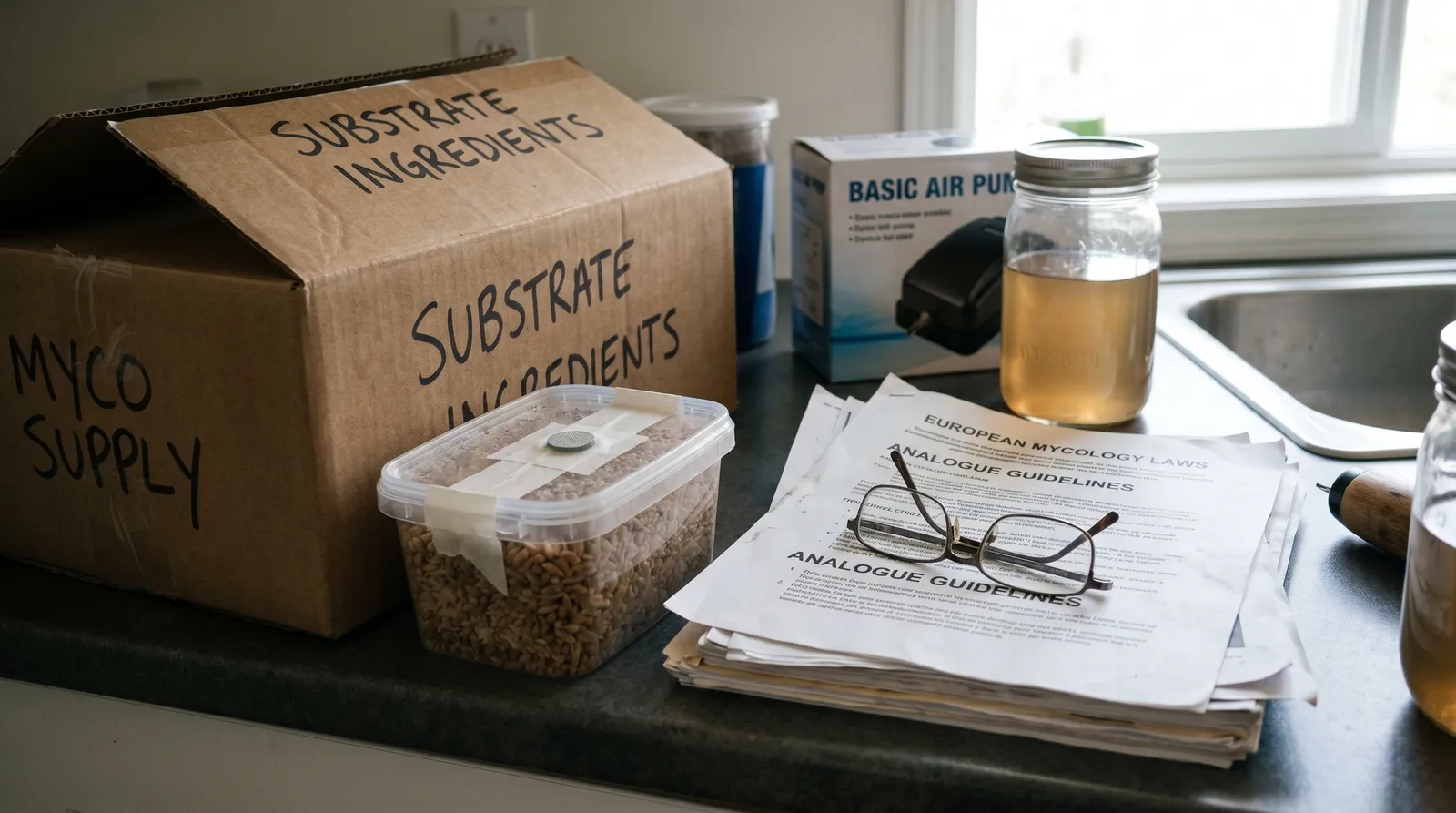
- Spore syringes and prints: In Germany, the UK, and several other countries, psilocybin mushroom spores are technically not scheduled because they contain no psilocybin or psilocin. They're sold for "microscopy purposes." The line is biological, not commercial.
- 1P-LSD and other analogues: Several LSD analogues (1P-LSD, 1cP-LSD, 1V-LSD) have been sold as "research chemicals" in various EU countries. Germany specifically banned 1cP-LSD and 1V-LSD under its New Psychoactive Substances Act (NpSG) in 2021 and 2022 respectively. The status of analogues changes rapidly — what's available today may be scheduled tomorrow.
- Spain's personal cultivation: Spanish regulation is ambiguous about growing psilocybin mushrooms for strictly personal use in a private space. There's no explicit exemption, but prosecution is rare for small-scale personal cultivation that doesn't involve distribution. This is not advice — it's an observation about enforcement patterns.
EU-Level Policy: Where Things Stand
There is no EU-wide drug scheduling system that overrides national regulations on microdosing legal status in Europe. The EMCDDA (now the European Union Drugs Agency, or EUDA, as of its 2024 expanded mandate) monitors drug trends and provides data to member states, but scheduling decisions remain national. The 1971 UN Convention on Psychotropic Substances, to which all EU member states are signatories, lists psilocybin and LSD in Schedule I — but the convention allows for national-level exceptions for medical and scientific use.
The EUDA's 2023 analysis of psychedelic substances noted growing clinical interest across Europe but made no recommendation toward rescheduling. Meanwhile, the European Medicines Agency (EMA) granted Breakthrough Therapy designation to COMP360 psilocybin therapy (developed by COMPASS Pathways) for addressing treatment-resistant depression, which could eventually create a regulatory pathway for psilocybin as a licensed medicine — though this would be for full-dose therapeutic use, not self-directed microdosing.
Microdosing Truffles vs Other Substances: A Practical Comparison
Psilocybin truffles are the most accessible option for those looking to buy microdosing products within a clear regulatory framework in Europe. Here is how the main options compare in practical terms:
| Factor | Psilocybin Truffles (NL) | LSD | LSD Analogues (1P-LSD etc.) |
|---|---|---|---|
| Availability in EU | Available in the Netherlands only | Prohibited everywhere | Varies; rapidly being scheduled |
| Dose consistency | Moderate — natural product, varies by batch | Low — blotter dosing unreliable | Moderate — lab-produced |
| Duration | 3–5 hours (sub-perceptual) | 8–12 hours (sub-perceptual) | 6–10 hours (sub-perceptual) |
| Shelf life | Weeks (fresh); months (vacuum-sealed) | Years if stored properly | Years if stored properly |
We should be honest about a limitation here: natural truffle products vary in psilocybin concentration between batches. Pre-portioned strips from reputable smartshops mitigate this, but they don't eliminate it entirely. A precision scale — such as the Microbalance 0.001g available at Azarius — is a worthwhile investment for anyone serious about consistent dosing.
The Practical Reality for Microdosers in Europe
If you're in the Netherlands, microdosing with psilocybin truffles is permitted, commercially supported, and socially unremarkable. If you're anywhere else in Europe, the substances most commonly used for microdosing — psilocybin and LSD — are controlled. Decriminalisation in Portugal and the Czech Republic reduces the personal consequences of possession but doesn't create an open supply chain. Switzerland's medical programme is the closest thing to a clinical pathway, but it's therapist-directed and not designed for self-administered microdosing protocols.
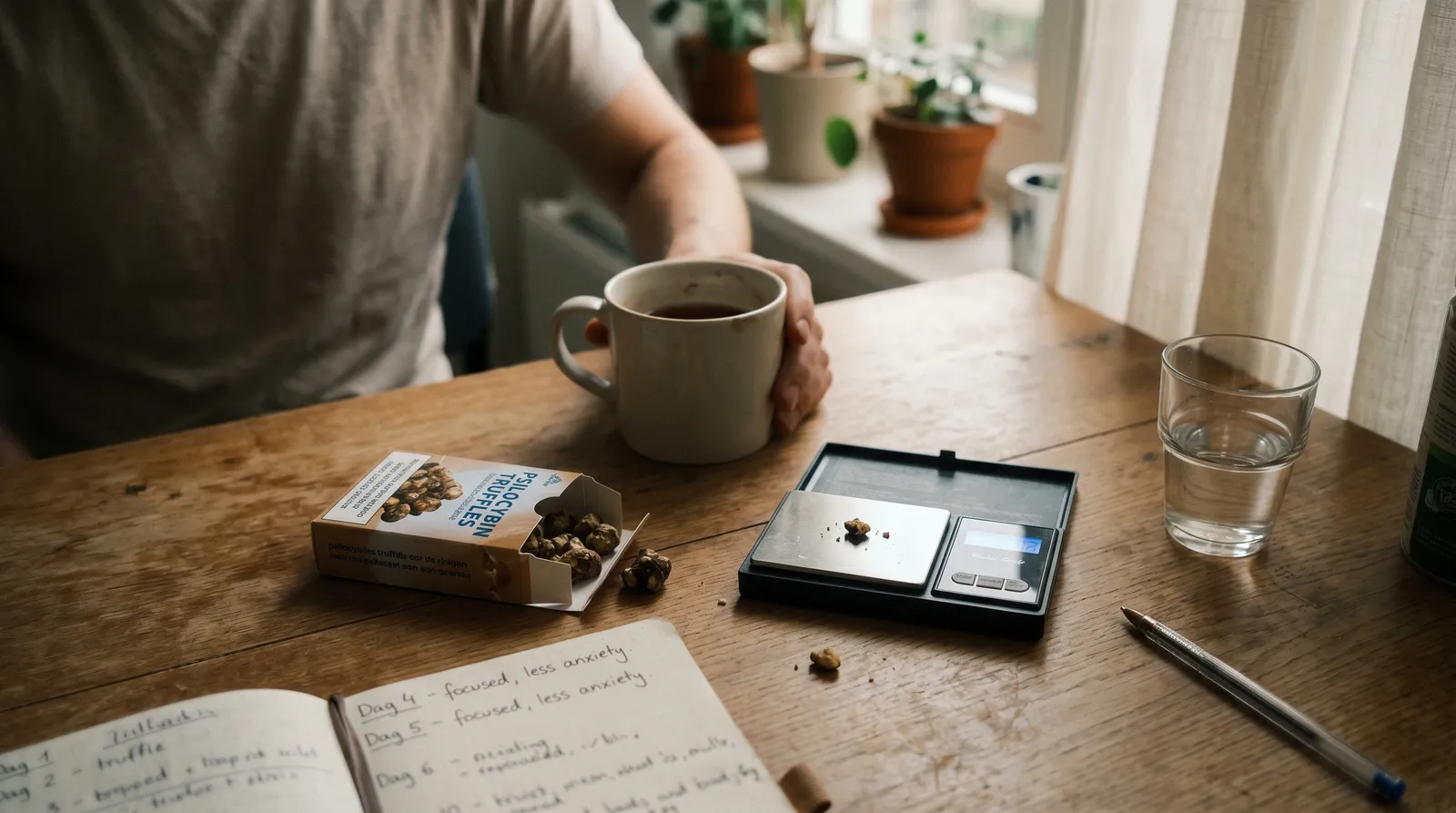
The evidence base for microdosing itself remains mixed. Szigeti et al. (2022) found no significant difference between psilocybin microdoses and placebo on their primary measures, while Rootman et al. (2022), publishing in Scientific Reports, observed that psilocybin microdosers reported greater improvements in mood and mental well-being at one month compared to non-microdosing controls — though that study relied on self-report data, which carries obvious expectancy bias. Anyone considering microdosing should weigh this limited evidence alongside the microdosing legal status in Europe for their specific country.
For those in the Netherlands looking to get started with microdosing truffles, the Azarius smartshop carries a range of pre-portioned options including the Microdosing XP Truffles. For information on how psilocybin interacts with SSRIs, MAOIs, lithium, and other medications, see the dedicated psilocybin drug interactions article in the Azarius encyclopedia — those risks apply regardless of dose size. The Azarius encyclopedia also covers psilocybin truffles in detail, including storage, dosing protocols, and what to expect. You can also browse the full magic truffles category for all available products.
Last updated: April 2026
Frequently Asked Questions
5 questionsIs microdosing legal anywhere in Europe?
Can I legally buy magic truffles in the Netherlands?
Is it legal to travel with microdoses between European countries?
What about LSD microdosing in Europe?
Are psilocybin spores legal to possess in Europe?
About this article
Joshua Askew serves as Editorial Director for Azarius wiki content. He is Managing Director at Yuqo, a content agency specialising in cannabis, psychedelics and ethnobotanical editorial work across multiple languages. Th
This wiki article was drafted with AI assistance and reviewed by Joshua Askew, Managing Director at Yuqo. Editorial oversight by Adam Parsons.
Medical disclaimer. This content is for informational purposes only and does not constitute medical advice. Consult a qualified healthcare provider before use of any substance.
Last reviewed April 24, 2026
References (6)
- [1]EMCDDA (2023). European Drug Report 2023: Trends and Developments. European Monitoring Centre for Drugs and Drug Addiction, Lisbon.
- [2]Szigeti, B. et al. (2022). "Microdosing with psilocybin mushrooms: a double-blind placebo-controlled study." Translational Psychiatry, 12, 307.
- [3]Rootman, J. M. et al. (2022). "Psilocybin microdosers demonstrate greater observed improvements in mood and mental health at one month relative to non-microdosing controls." Scientific Reports, 12, 11091.
- [4]Federal Office of Public Health, Switzerland (2022). Exceptional authorisation for restricted substances — updated guidance.
- [5]Sifted (2022). "Europe's microdosing companies." Sifted.eu.
- [6]Dutch Opium Act (Opiumwet), Schedule II amendment, 2008.
Related Articles
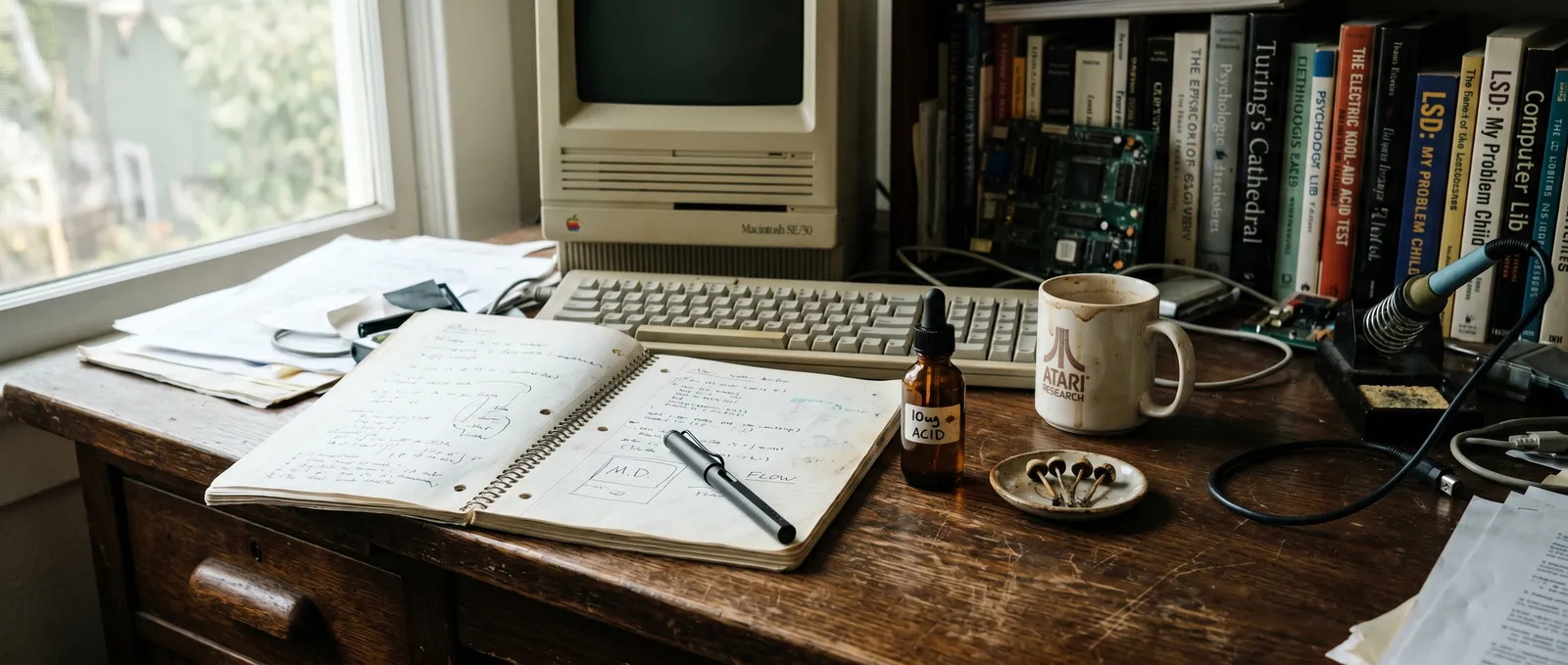
Microdosing Silicon Valley History: How Sub-Perceptual Doses Went from Fringe to Boardroom
Sub-perceptual psychedelic dosing and Silicon Valley share roots stretching back to the 1960s, when engineers at Menlo Park research labs first combined LSD…
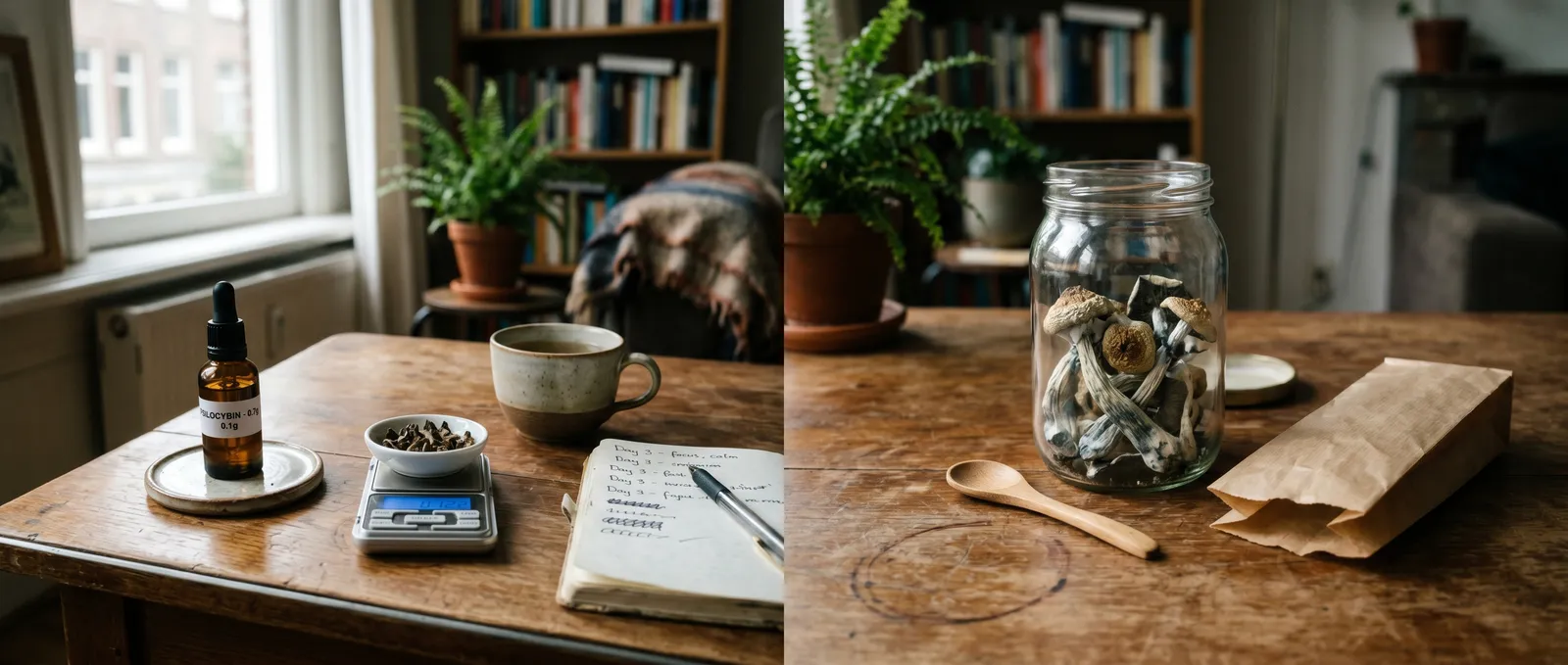
Microdosing vs Macrodosing
Microdosing vs macrodosing is a comparison between two psychedelic dosing strategies that use the same substances at vastly different levels — microdosing…
Microdosing Myths and Misconceptions
Microdosing myths and misconceptions is a category of persistent misinformation that has grown alongside the practice itself.
Microdosing When Inadvisable
Microdosing when inadvisable is a harm-reduction framework that identifies the specific medical, psychiatric, pharmacological, and situational circumstances…
Microdosing Protocols Fadiman Stamets: Full Comparison Guide
A microdosing protocol is a structured schedule dictating dose days and rest days, designed to produce sub-perceptual cognitive shifts without tolerance buildup.
The Microdosing Placebo Debate: How to Tell If It's Actually Working
The microdosing placebo debate is a scientific and practical controversy that examines whether sub-perceptual doses of psilocybin or LSD produce genuine…

Origin of Microdosing Fadiman: How His Protocol Became the Standard
The origin of microdosing as a formalised practice traces to James Fadiman's 2011 book The Psychedelic Explorer's Guide, which introduced sub-perceptual…
Microdosing Research Current State
The current state of microdosing research reveals a field caught between enthusiastic self-reports and sobering controlled data.
Microdosing Medication Interactions
Microdosing medication interactions describe how sub-perceptual doses of psilocybin or LSD affect — or are affected by — prescribed drugs.