
F1 Hybrid Cannabis Genetics: Inside RQS Testing at Inexo

F1 hybrid cannabis genetics are the first-generation offspring of two highly stable, homozygous inbred parent lines that produce uniform, vigorous plants — essentially clones from seed, without any lab gene-splicing. But uniformity on paper is one thing; watching a hundred plants stand shoulder-to-shoulder in a research greenhouse and behave like siblings is another. That's exactly what Royal Queen Seeds filmed at Inexo, a specialised cannabis research facility in the Netherlands, where breeders Dominic and Michael have been putting RQS seed lines through their paces for more than three years. We watched the video, took notes, and here's what actually happens when serious cannabis breeding leaves the spreadsheet and hits soil.

Video: Royal Queen Seeds — "Inside a Cannabis Research Facility: Testing New F1 Hybrid Genetics". This one is age-restricted on YouTube, so the thumbnail opens it in a new tab.
Inside Inexo: where testing cannabis genetics actually happens
Inexo is the Dutch research facility Royal Queen Seeds trusts to field-test its F1 hybrid cannabis genetics under real cultivation pressure. The channel's own footage shows Dominic and Michael walking RQS expert Max through rows of mature plants — the kind of setting where a breeder's promises either hold up or fall apart. Max is blunt about it: the Inexo team "took real good care of our babies" for over three years. That timeline matters. Cannabis seed testing isn't a one-harvest affair; you need multiple runs across seasons to see how a line handles heat, humidity swings, and different feeding regimes before you can honestly call it stable.

Three years also gives breeders enough data to compare phenotypes, cull outliers, and lock in the parent lines that eventually cross into a proper F1. Skip that step and you're just selling seeds with a nice name on the packet.
What breeders actually look for in F1 hybrid cannabis genetics
Uniformity is the single trait that separates a real F1 hybrid from a marketing sticker. At Inexo, Max highlights flower-shape consistency across the whole batch — plants that grow quite tall, with beautiful nugs stacked at different levels, and even the bottom-level flowers coming in thick rather than airy. That's the tell-tale signature of hybrid vigour (heterosis) layered on top of genetic stability.
The rest of the checklist reads like a grower's wish-list: high flower density, the strong THC development you'd expect from a modern line, and an aroma profile Max describes as fruity with a creamy undertone. Trichome coverage extends nicely onto the sugar leaves. And when flowering wraps up, the nugs go from firm to genuinely hard — drop one on a bench and it lands with a "thud". That's not poetic license; that's a density benchmark experienced cannabis breeding teams actually use.
From Our Counter: we get customers every week asking which F1 hybrid seeds will actually look like the picture. That's the whole point of an F1 — the picture is the plant, because the genetics are locked in.
Structural traits: why sturdy stems matter in cannabis breeding
Royal Queen Seeds selected these F1 lines for cola size and structural sturdiness — not one or the other. Max points out thick main stems and rigid side branches that don't lean or bend under the weight of the flowers. The main stem essentially holds the whole plant upright without staking. For anyone growing outdoor seeds in a Dutch autumn — or anywhere else the wind picks up in September — that's not a nice-to-have, it's the difference between a harvest and a heartbreak.

It's also a good example of how modern cannabis breeding has moved beyond chasing pure THC numbers. If your plant snaps in a storm two weeks before chop, the cannabinoid content is irrelevant.
The red-black phenotype: when cannabis genetics get theatrical
One cultivar in the Inexo trial is visually unlike anything most growers have seen. Its stems and branches run deep red to black, and the foliage darkens further as flowering progresses. Against that dark backdrop, the bright white pistils and frosty trichomes almost glow. Royal Queen Seeds filmed this in midsummer heat, and the red-black colouring held — no fading under stress, which suggests the pigmentation is genetically anchored rather than a cold-snap reaction.
Traits like this are exactly why multi-year cannabis seed testing exists. You want to know whether a phenotype is a one-off or a reliable expression before you cross it into a commercial line.
Traits RQS selects for: at a glance
| Trait category | What Inexo confirmed | Why it matters to growers |
|---|---|---|
| Uniformity | Consistent flower shape across all plants | Predictable harvests, easier canopy management |
| Density | Hard, heavy nugs that land with a thud | Better bag appeal, less airy filler |
| Structure | Thick main stem, rigid side branches | Handles wind and weight outdoors |
| Aroma | Fruity with a creamy undertone | Complex terpene profile, not one-note |
| Visuals | Red-black stems, white pistils, heavy trichomes | Colour holds through midsummer heat |
| Yield distribution | Thick nugs even at the bottom of the plant | Lower larf percentage, more usable flower |
The story of 2019: when a great plant misses the F1 bar
2019 is the RQS super-feminized strain that grew too well to throw away but too variably to sell as an F1 hybrid. One cultivar in the Inexo trial came in exceptionally strong and large, with a very sweet aroma and dark leaves that formed a genuinely even canopy — the same height everywhere. Impressive mid-flower size, huge finished plants. The only problem: it fell slightly short of the strict uniformity threshold Royal Queen Seeds holds its F1 lines to.
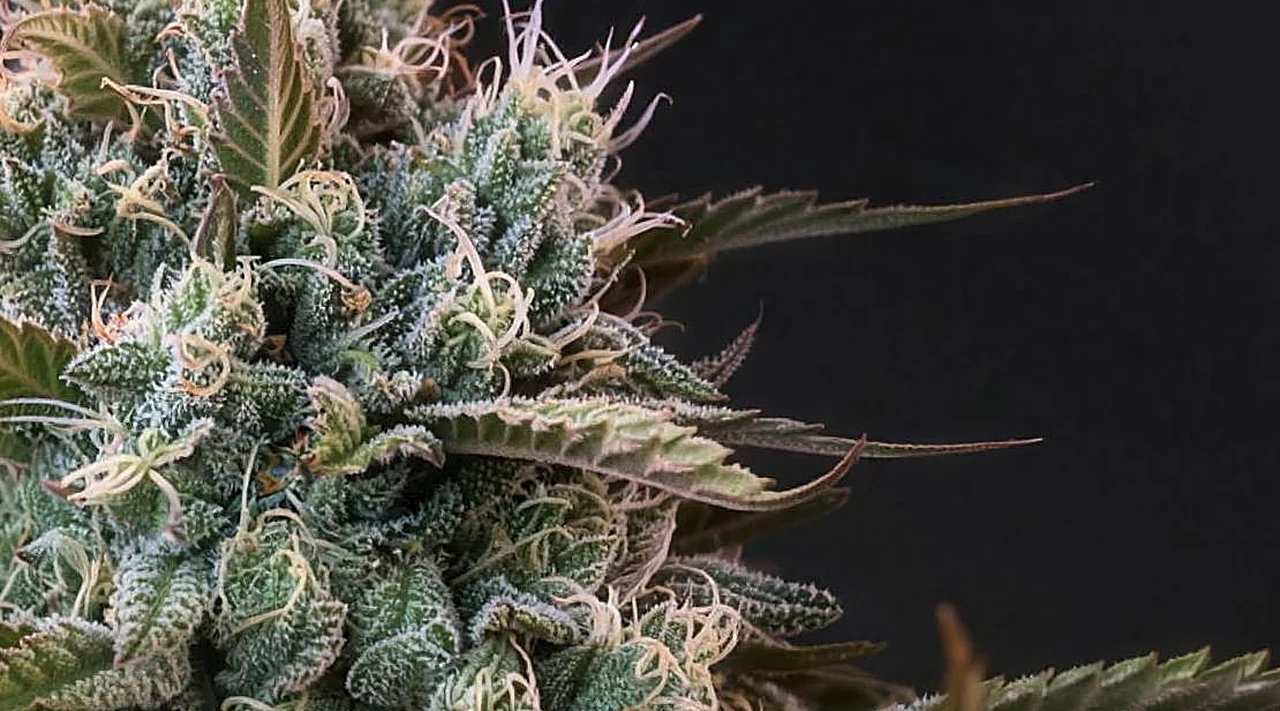
Rather than lower the bar — Max is firm that they refused to do that — or bin a clearly excellent plant, RQS released it as a super-feminized strain under the name 2019. As Max puts it in the video: "Who are we to define nature?" It flowers about an extra week to one-and-a-half weeks longer than the F1 line, so factor that into your grow calendar. Like most modern feminized seeds, it still gives you near-100% female plants; you just won't get the clone-like consistency of a true F1.
From Our Counter: growers who prioritise sheer size and a sweet nose often prefer 2019 anyway. The F1 line is for consistency freaks. Different tools, different jobs.
What this means for growers picking seeds today
The Inexo trial confirms that Royal Queen Seeds' newer F1 hybrid cannabis genetics deliver on the two hardest promises in cannabis breeding: uniformity and structural durability. As Max signs off in the RQS video, "innovation never stops" — and after three years of cannabis seed testing at a dedicated research facility, that's more than a slogan. Whether you want the locked-in predictability of an F1 or the outsized, sweet-smelling exuberance of 2019, at least now you know what was measured, by whom, and for how long before those seeds hit the shelf. When you're ready to pick, browse the full range of cannabis seeds and match the genetics to your grow.
Last updated: July 2026
Curious about the thinking behind these hybrids? We sat down with RQS breeder Max for a wider chat on F1 hybrids, autoflowers vs photoperiods and what they mean for home growers.
Frequently Asked Questions
8 questionsWhat are F1 hybrid cannabis seeds?
Are F1 hybrids genetically modified?
How long does Royal Queen Seeds test new genetics before release?
What is the RQS 2019 strain?
How much longer does 2019 flower compared to the F1 line?
Are these F1 hybrids good for outdoor growing?
Why do the stems turn red or black on one of the cultivars?
What does "hybrid vigour" mean in cannabis breeding?
About this article


Adam Parsons is an external cannabis and psychedelics writer and editor who contributes to Azarius's wiki as both author and reviewer. On the writing side, he authors Azarius's kratom and kanna clusters, drawing on exten
This blog article was drafted with AI assistance and reviewed by Adam Parsons, External contributor. Editorial oversight by Joshua Askew.
Last reviewed July 21, 2026
Related Articles

Substrata: Our First Psybient Album
Substrata is our first psybient album: 20 tracks, 1h 22m of psydub and downtempo, free on YouTube with custom trippy visuals for every song.

Strain Hunters Kyrgyzstan: Wild Landrace Hunt Recap
Strain Hunters Kyrgyzstan documentary recap: horseback landrace hunt to 3,550 m, purple high-altitude phenos, the 1971 ban, and what it means for…

Cloning Magic Mushrooms: Inside VICE's Blueprint
An Amsterdam smartshop take on VICE's Blueprint documentary — grow-room cloning, María Sabina's Oaxaca, and the mycology behind Psilocybe.
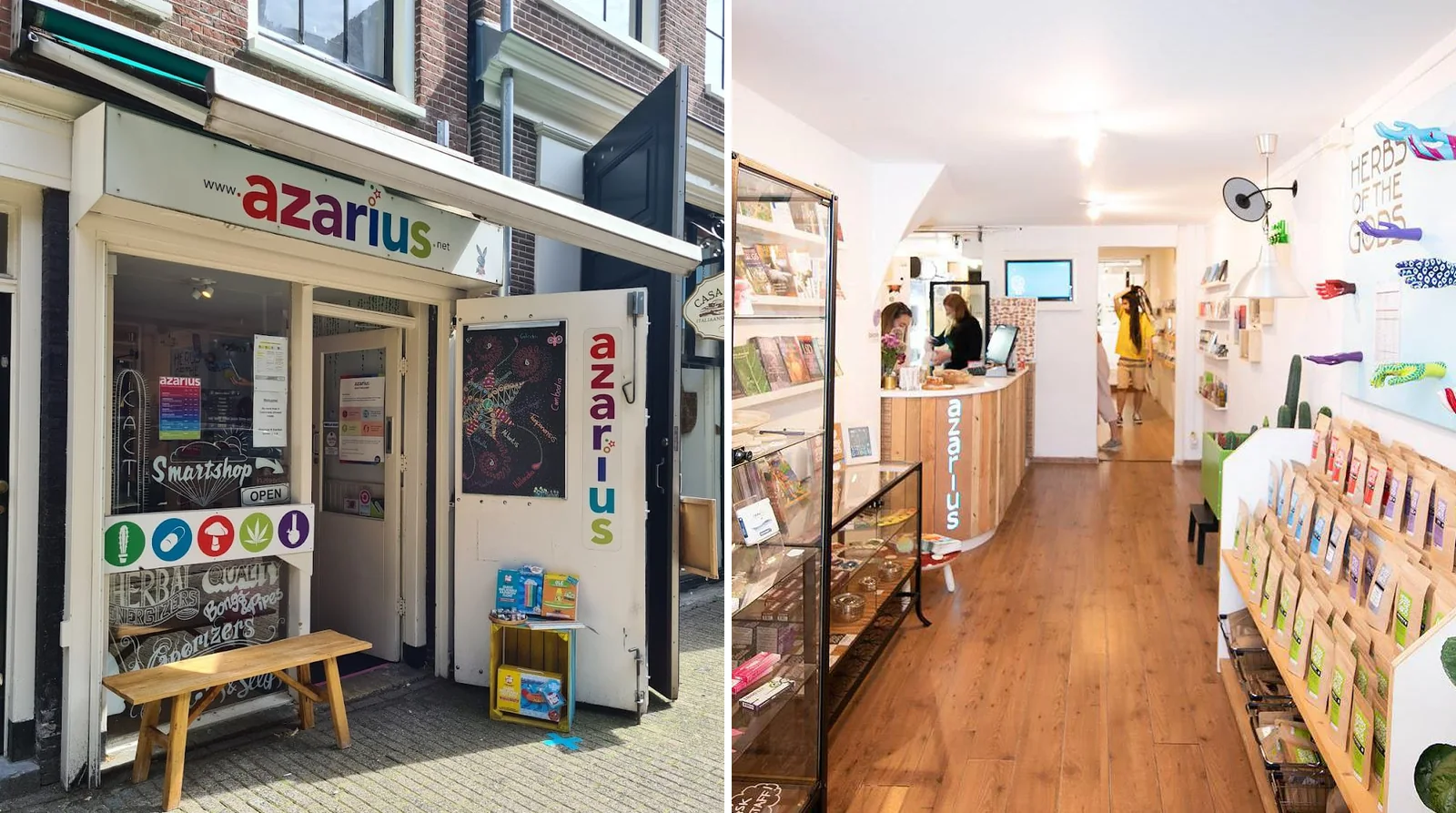
Amsterdam Smartshop History: From 1993 to Today
Amsterdam smartshop history from Conscious Dreams in 1993 to the 2008 mushroom ban and the rise of truffles — the full story, decade by decade.
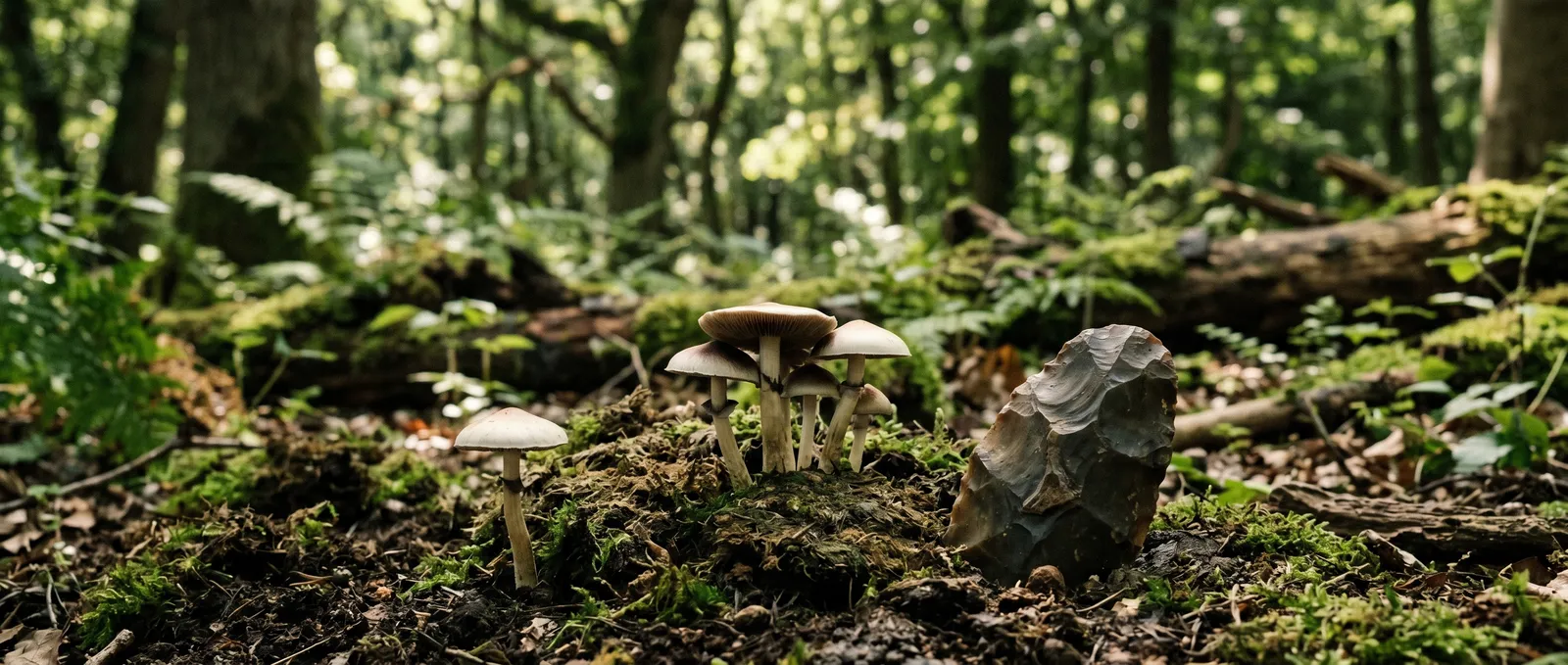
Stoned Ape Theory: Did Magic Mushrooms Make Us Human?
The Stoned Ape Theory claims psilocybin shaped human evolution. We weigh McKenna's hypothesis against modern neuroscience and its critics.
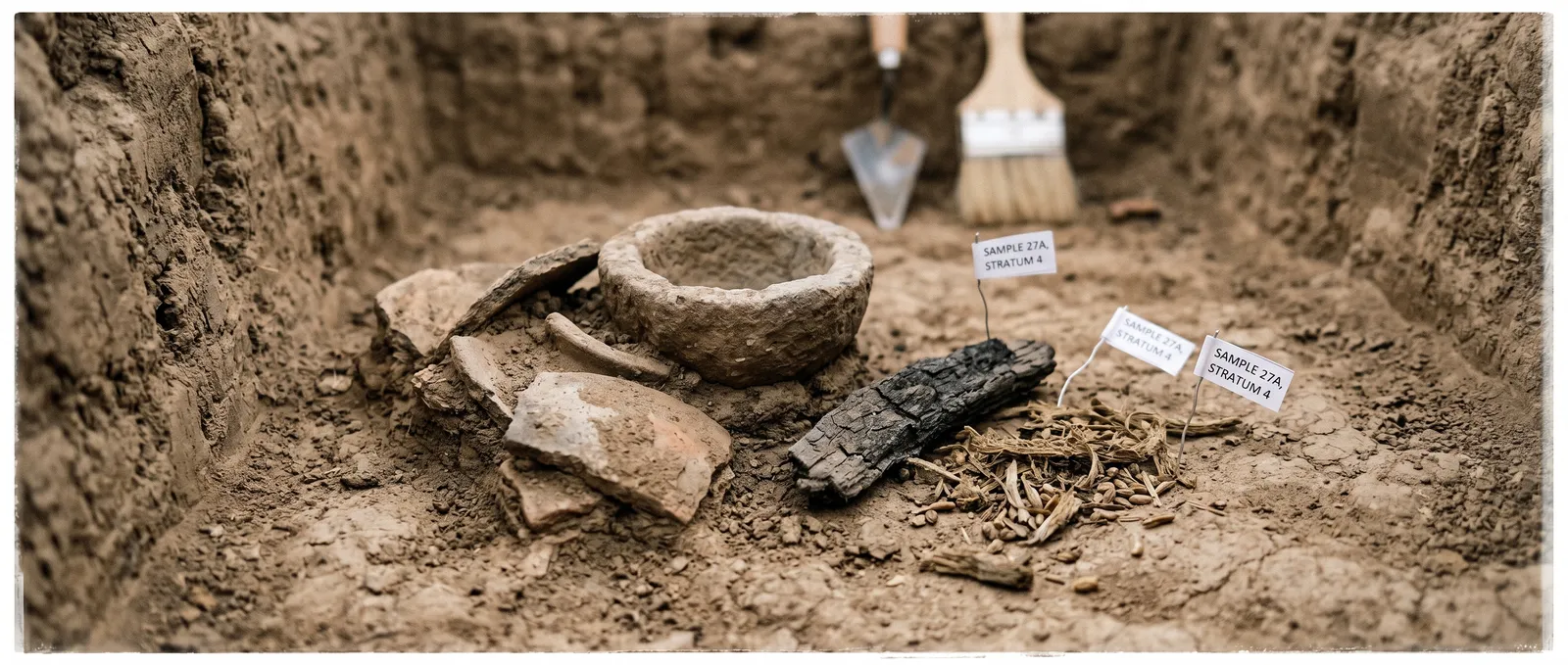
When Did Humans Start Smoking Cannabis? 12,000 Years
When did humans start smoking cannabis? Chemical proof goes back 2,700 years — and the full plant-human story runs 12,000 years deep.
Ancient Psychedelic Mushrooms: Every Species Explained
A tour of ancient psychedelic mushrooms — from Aztec teonanácatl and the liberty cap to Amanita muscaria, María Sabina and the Stoned Ape idea of…
The Best Stoner Movies Ever — Ranked by Tier
The best stoner movies ever, ranked S to F tier. From Fear and Loathing to Pineapple Express — and the sequels to skip tonight.
Saint Vincent Pheno Hunt: A Landrace Survives a Volcano
The Saint Vincent pheno hunt documents Caribbean landrace sativa genetics rescued by Rastafarian farmers after La Soufrière erupted in 2021.