
Amsterdam Smartshop History: From 1993 to Today
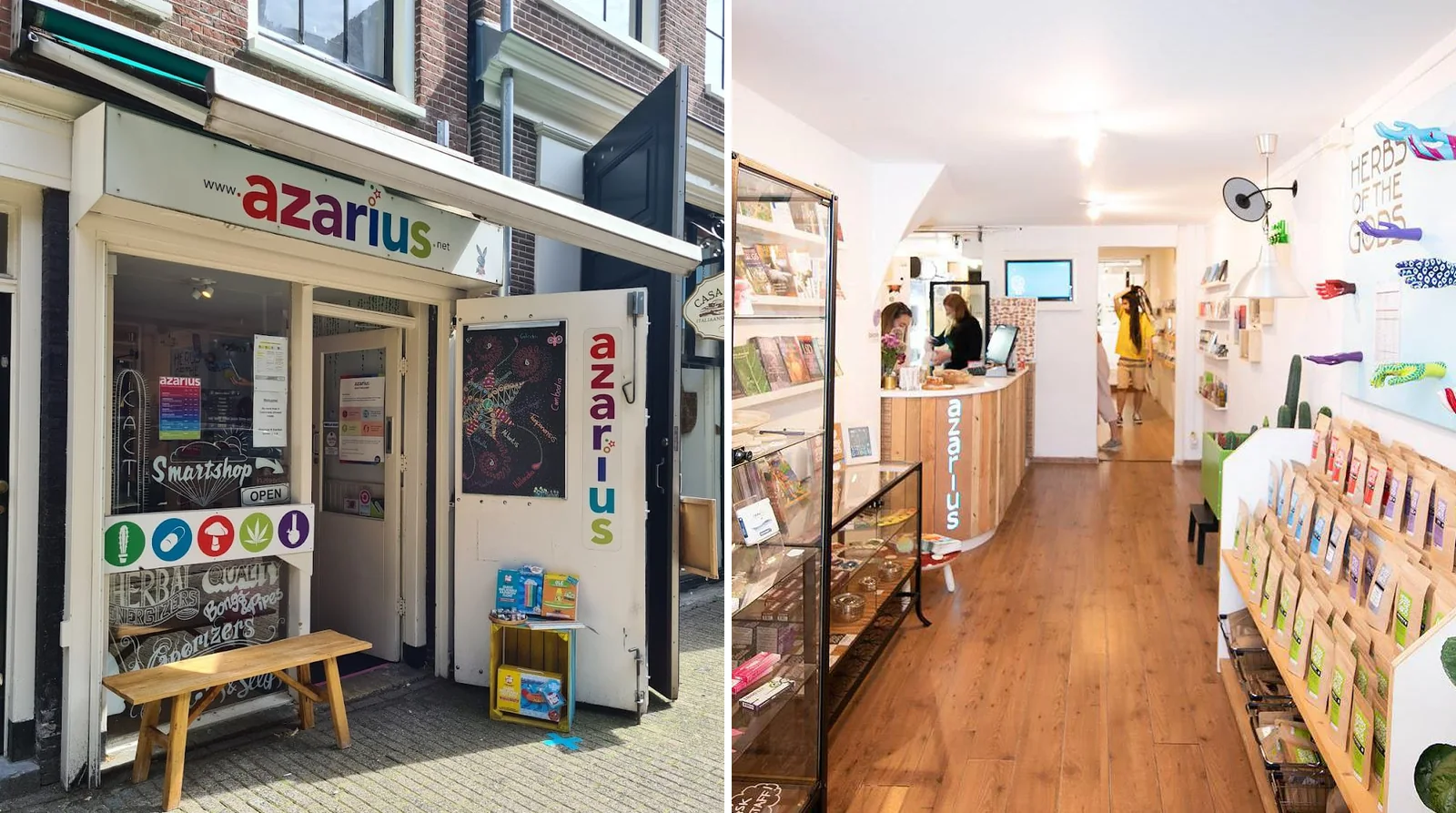
Amsterdam smartshop history is a record of counterculture becoming commerce — a story of harm-reduction politics, entrepreneurial nerve, and a city that tolerated what other capitals prosecuted. A smartshop is a retail format that sells psychoactive plants, fungi, and herbal products openly, with trained staff and accurate information attached to every product. What started as a single shop in the early 1990s became a global reference point for how psychoactive substances could be sold responsibly, and without the back-alley associations that followed them everywhere else. If you want to buy truffles or herbal products with genuine expertise behind the counter, this is where that tradition began.
This is that story, told decade by decade.
1993–1995: Conscious Dreams and the Birth of the Amsterdam Smartshop
The Amsterdam smartshop format was born in October 1993, when Hans van den Hurk opened Conscious Dreams — initially out of an art gallery in central Amsterdam — and changed what a shop selling psychoactive products could look like. It sold psychoactive plants, herbs, and fungi not as grey-market curiosities but as products with information attached. Staff could tell you what something was, how it worked, and what to expect. That was the point.
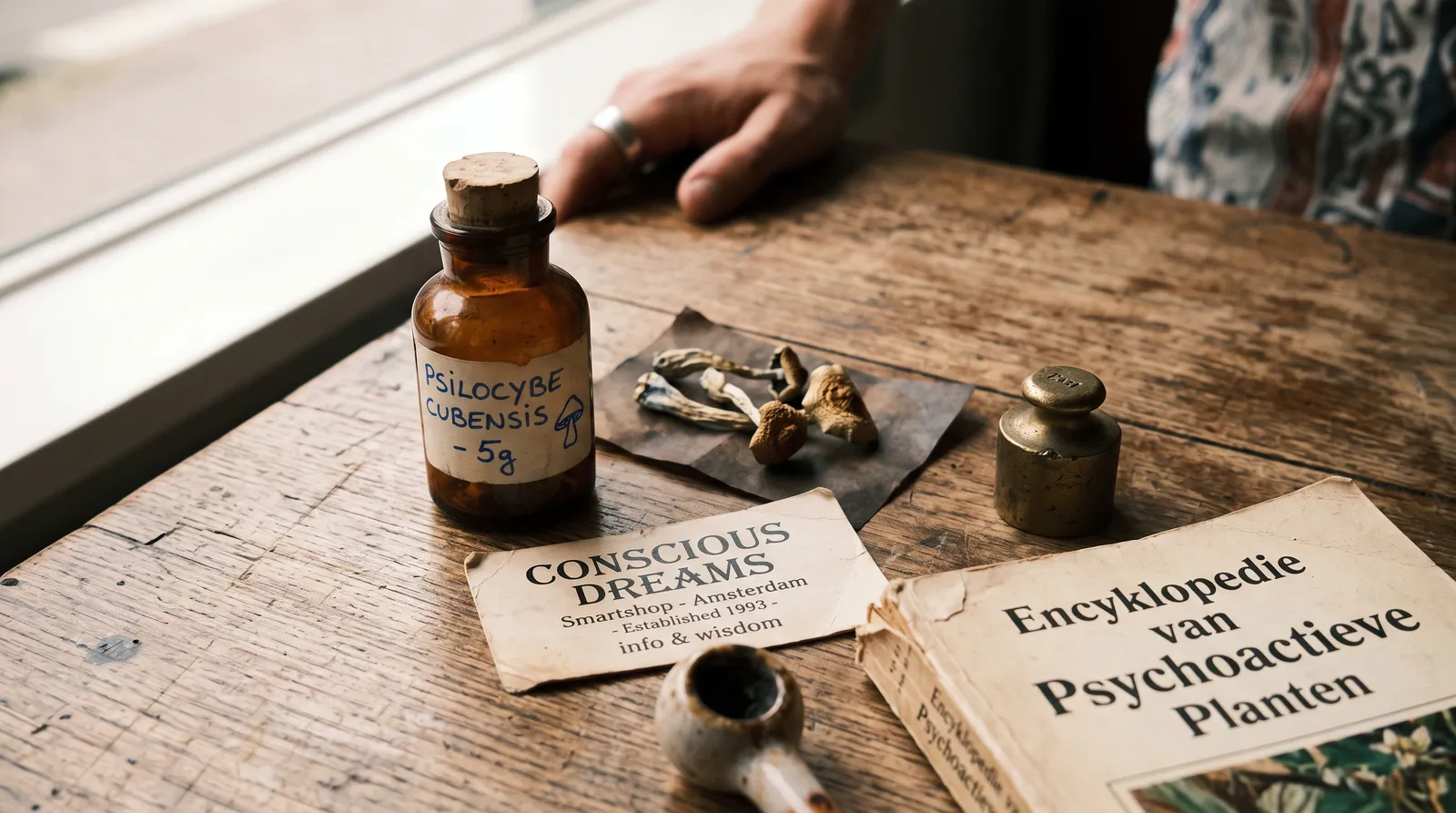
The context matters. The Netherlands had been developing its gedoogbeleid — tolerance policy — since the 1970s, and by the early 1990s the principle that personal drug use was a health issue rather than a criminal one was reasonably well established in Amsterdam. The smartshop model extended that logic to a retail setting. Fresh psilocybin mushrooms were not yet scheduled under Dutch rules. Selling them wasn't just tolerated; it was technically straightforward.
What Conscious Dreams introduced wasn't just a product range. It introduced a retail philosophy: substances sold with education, not in spite of it. That distinction would define the smartshop format for the next three decades.
1995–1999: The Smartshop Boom and a New Amsterdam Institution
By the mid-1990s, the model had proved itself and competitors followed quickly — Amsterdam went from one pioneering shop to somewhere between 50 and 100 operating across the city by 1999. Shops like Kokopelli, which opened on the Warmoesstraat in 1999 and is still there today, became landmarks. The Nieuwendijk and the Jordaan both had clusters of them.
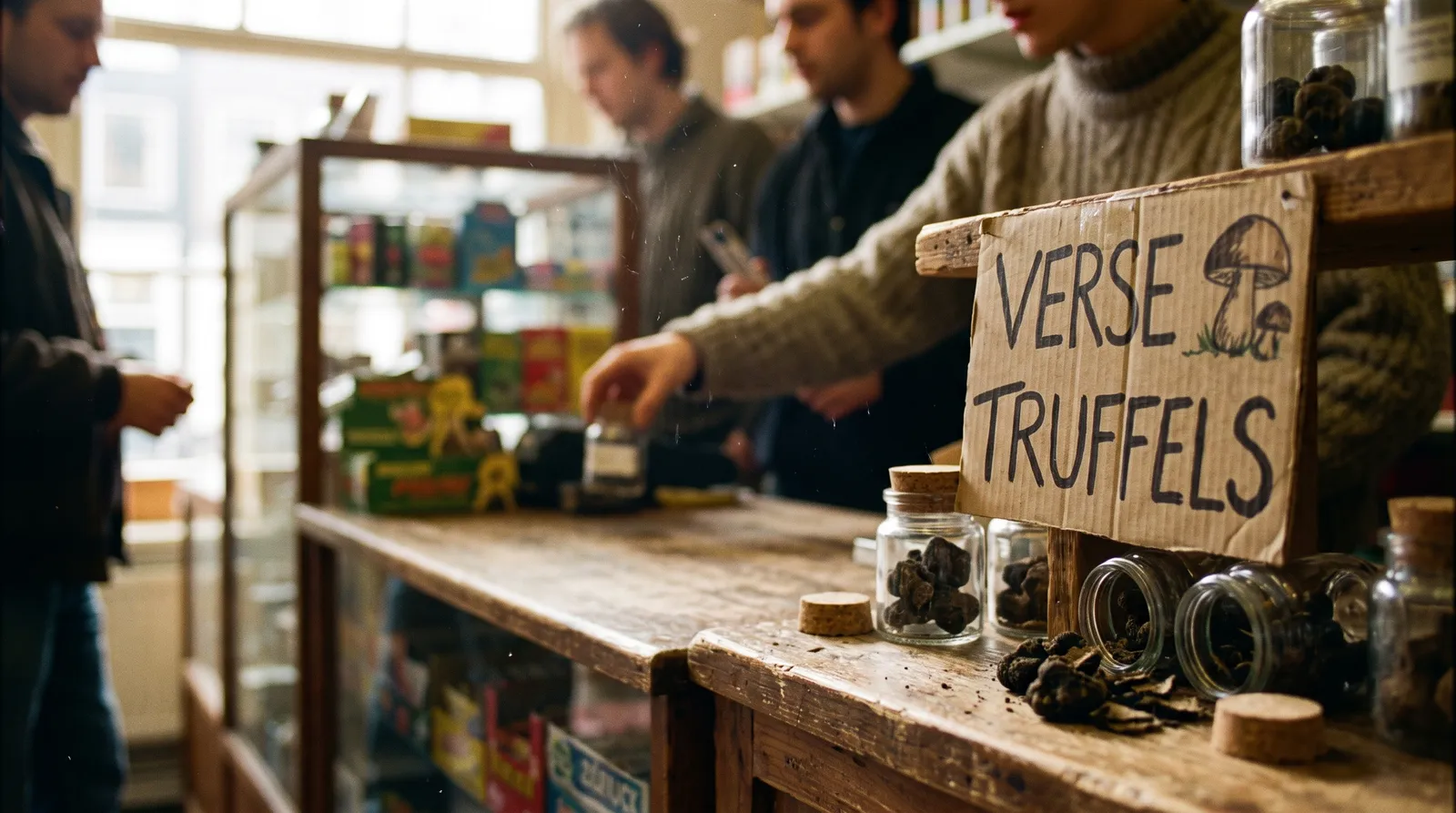
The product range during this period centred on three things:
- Fresh magic mushrooms — Psilocybe cubensis being the dominant variety — which drew the tourists
- Herbal products including kava, guarana, and various aphrodisiac blends, which built a local clientele
- Smart drugs — early nootropics, mostly amino acid stacks and plant extracts marketed at students and professionals
Dutch media coverage was mixed but not hostile. The shops were visible, they were staffed by people who knew what they were selling, and serious incidents were rare enough that the political pressure to close them down hadn't yet built to a head. That would come later.
It was in this environment, at the tail end of 1999, that Azarius launched — not as a physical shop but as a website. The world's first online smartshop, selling to customers across Europe from Amsterdam. The timing was deliberate: the internet was opening up distribution in ways that brick-and-mortar retail couldn't match, and Azarius was the first in the smartshop world to act on that.
2000–2007: Herbal XTC, Growing Scrutiny, and the Limits of Tolerance
The early 2000s brought a new product category that would eventually cause serious problems for the industry: herbal XTC blends, which were combinations of ephedra, caffeine, and various stimulant herbs marketed as alternatives to MDMA. They sold well, particularly to the festival and club crowd, and they attracted exactly the kind of media attention that the smartshop industry didn't need.
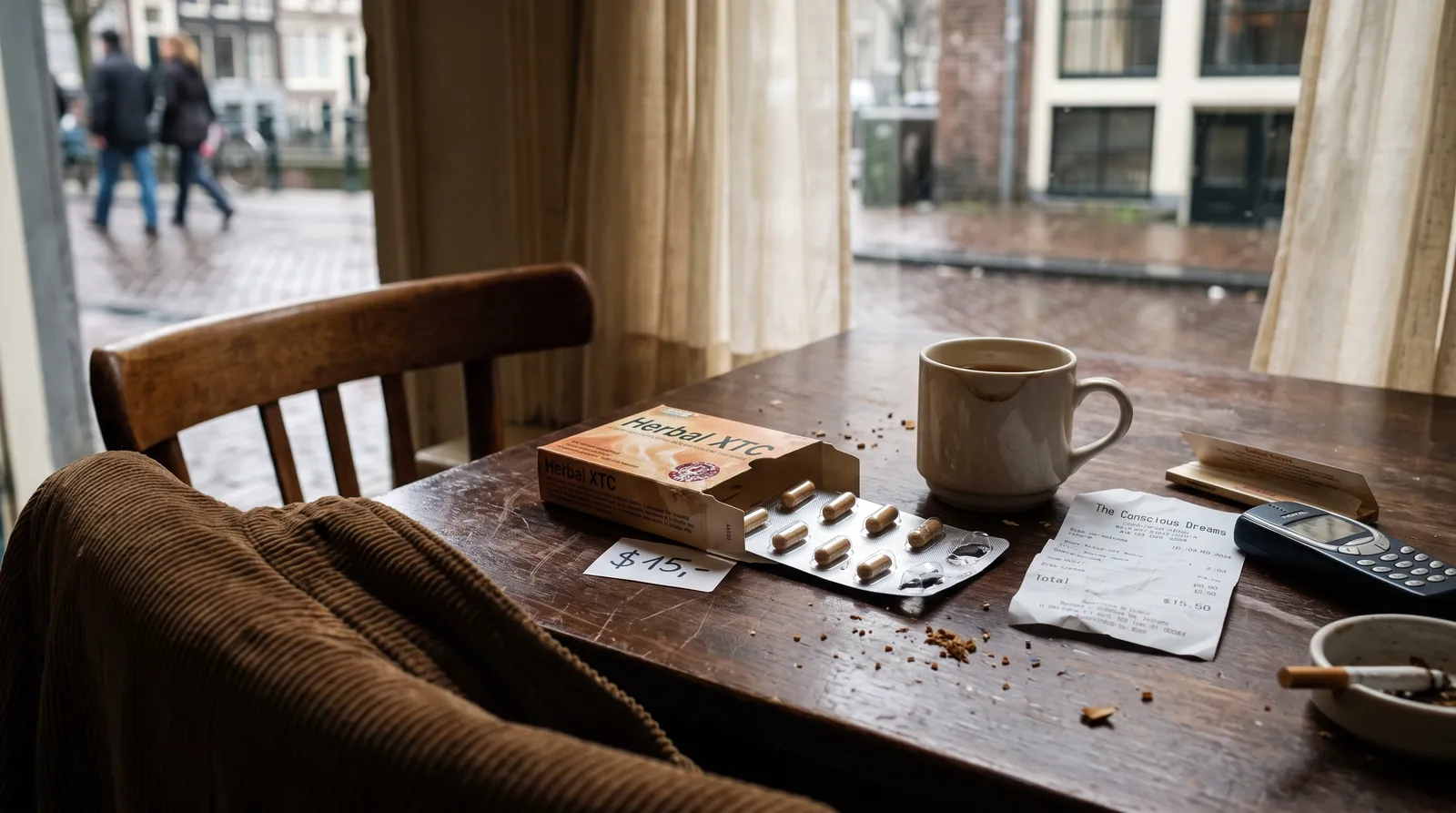
Ephedra (Ephedra sinica) was the active ingredient in most of the popular blends. In 2004, the Dutch government moved to restrict ephedra-containing products following a string of adverse event reports, several of them serious. The herbal XTC category largely collapsed as a result. Shops that had built significant revenue around it had to restructure quickly.
The magic mushroom trade, meanwhile, continued to grow. Amsterdam's tourism economy was booming through the mid-2000s, and fresh mushrooms were a significant draw. But the incidents were accumulating. In 2007, a French teenager jumped from a bridge in Amsterdam after consuming mushrooms. The case received extensive coverage and gave politicians the momentum they needed. The Dutch health ministry had been under pressure for years; after 2007, the question wasn't whether to act but how quickly.
2008: The Mushroom Ban and the Industry's Pivot to Truffles
In December 2008, the Dutch government banned the sale of fresh and dried magic mushrooms — and the smartshop industry responded within months with one of the most coherent pivots in Amsterdam retail history. Psilocybe cubensis and related species were added to List II of the Opium Act. Overnight, the product that had defined the smartshop format for fifteen years was gone from the shelves.
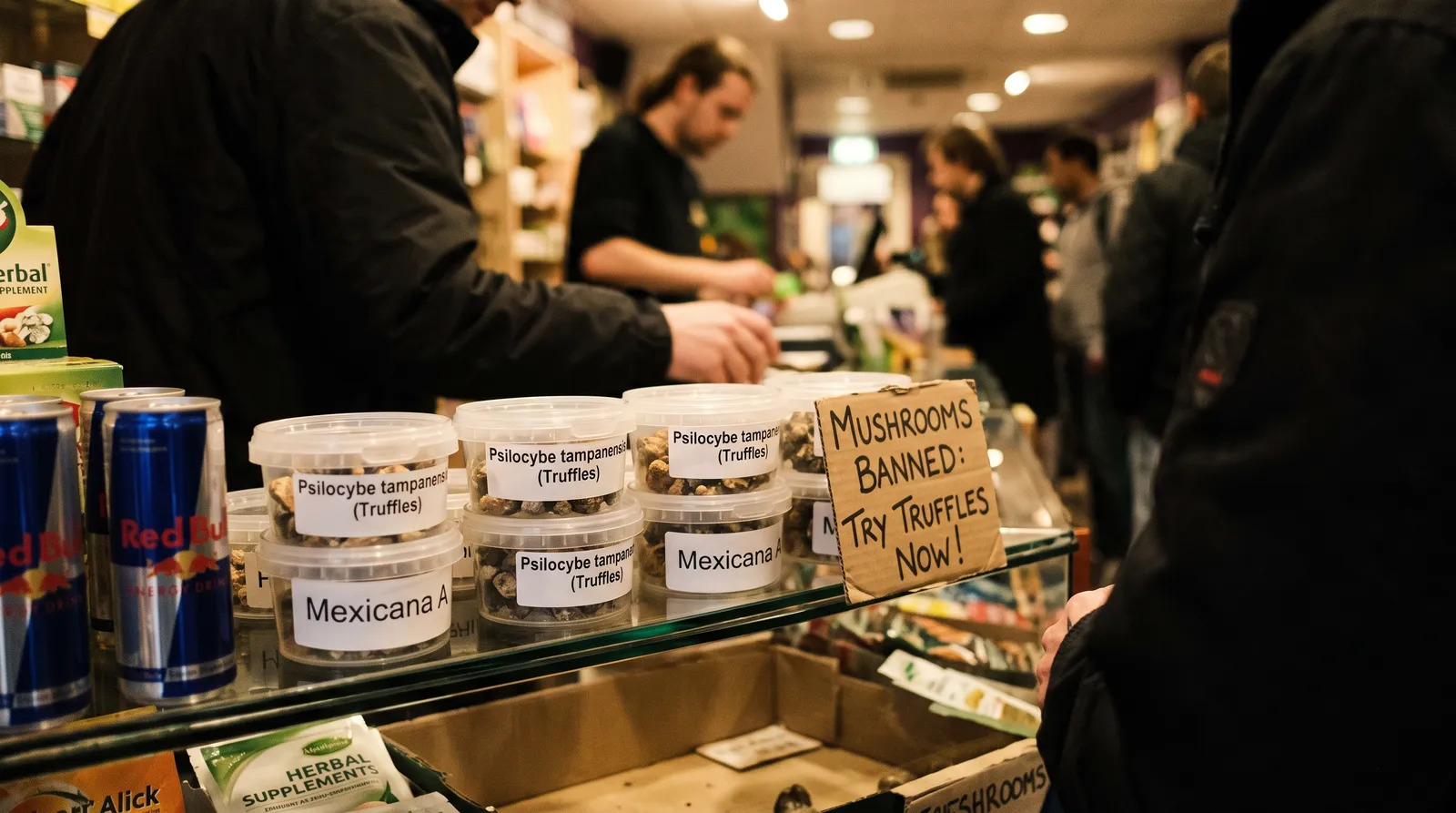
The industry's response was rapid and, in retrospect, impressively coherent. Psilocybin truffles — technically the sclerotia, or underground food reserves, of certain Psilocybe species — had not been explicitly included in the ban. Psilocybe tampanensis and Psilocybe atlantis both produce sclerotia that contain psilocybin and psilocin, and they had been known to the smartshop trade for years, though they were a niche product compared to the mushrooms. After December 2008, they became the primary product.
The pivot required investment. Growing sclerotia at scale is technically more demanding than growing mushrooms, and the supply chain had to be rebuilt almost from scratch. Dutch truffle farms — several of them established specifically in response to the ban — developed the cultivation expertise needed to produce consistent, high-quality product. Within two to three years, truffles had effectively replaced mushrooms as the smartshop's signature offering.
It's worth noting what didn't change: the retail philosophy. Shops continued to sell with information attached, continued to train staff in harm reduction, and continued to operate within the tolerance framework that had made the format possible in the first place.
2010s: Professionalisation, Consolidation, and the Online Shift
The 2010s were a decade of maturation — the smartshop industry emerged from the 2008 ban leaner, more professional, and increasingly oriented around online retail. Several of the smaller shops that had opened during the 1990s boom had already closed; those that remained had generally done so by building genuine expertise and loyal customer bases rather than riding tourist footfall alone.
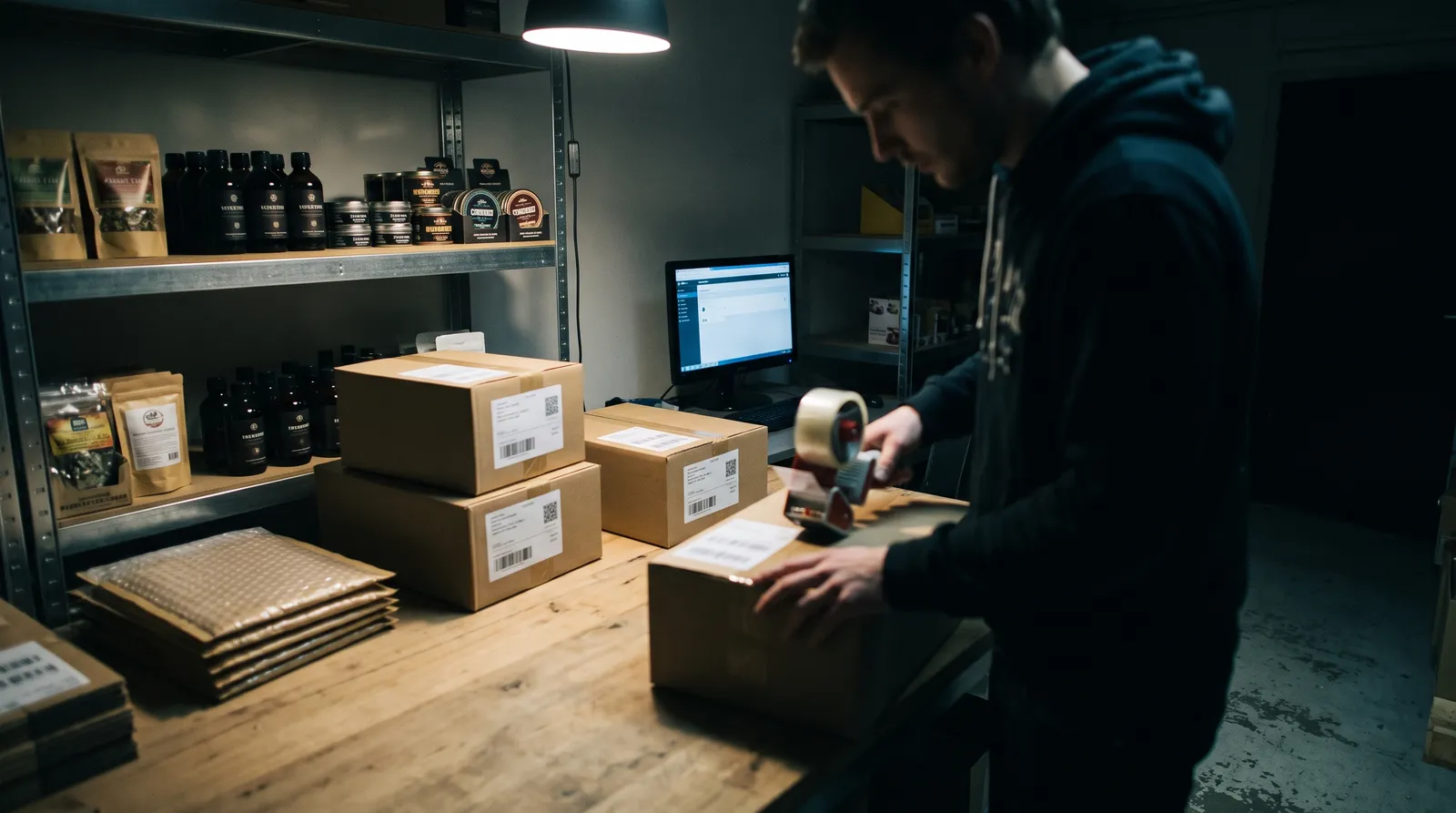
Online retail, which Azarius had pioneered in 1999, became increasingly central to the industry during this period. EU free movement of goods meant that a smartshop operating from Amsterdam could ship truffles, herbal products, and grow kits to customers across Europe. The physical shop remained important — particularly for Amsterdam's substantial tourist trade — but the online channel grew steadily throughout the decade.
From our counter, the shift was visible in real time: customers who had once visited in person began ordering online, and new customers who had never set foot in Amsterdam were getting in touch with questions that would once have been asked face-to-face. That change in how people shop for these products is probably the biggest structural shift the industry has seen since 2008.
The product range also broadened significantly. Microdosing, which had been a fringe practice discussed in psychedelic research circles, began attracting mainstream attention from around 2015 onwards, driven partly by coverage in tech and business media. Smartshops were well positioned to serve that emerging interest: they already carried truffles, they already had the harm-reduction infrastructure, and they already had the customer relationships. Several shops, including Azarius, developed specific microdosing product lines and educational resources during this period.
The 2010s also saw the first serious wave of clinical psilocybin research reach public consciousness. Imperial College London's work on psilocybin for depression, published from 2016 onwards, and Johns Hopkins University's research programme both generated significant media coverage. The smartshop industry benefited from the reframing: psilocybin was increasingly discussed as a substance with genuine therapeutic potential, not just a recreational one. That shift in public perception made the shops' harm-reduction model look prescient rather than permissive.
The Scene Today: Truffles, Microdosing, and 30 Years of Accumulated Knowledge
Amsterdam still has smartshops today — fewer than at the late-1990s peak, but the ones that remain are well-run, knowledgeable operations that have survived multiple rounds of regulatory change and market disruption. The product field looks quite different from 1993: fresh mushrooms are gone, herbal XTC is gone, and the range has consolidated around psilocybin truffles, grow kits, herbal products, and microdosing preparations. Customers who want to get psilocybin truffles or order grow kits now have access to a far more sophisticated and quality-controlled supply than anything available in the 1990s.
What hasn't changed is the fundamental model. The smartshop format was always built on the idea that people are better served by accurate information than by prohibition, and that a knowledgeable shopkeeper is a harm-reduction asset rather than a liability. Thirty years of operation, across multiple product generations and several significant regulatory shifts, suggest that model was basically right.
The truffle farms that supply the industry are now genuinely sophisticated operations. Varieties like Psilocybe hollandia — developed specifically for the post-2008 truffle market — didn't exist before the ban. The ban, paradoxically, drove product development. The industry that emerged from it is more specialised, more technically competent, and arguably more focused on quality than the one that preceded it. We'd be the first to admit that the truffle products available today are not identical in character to the mushrooms they replaced — the experience differs in ways that are worth understanding before you buy.
Azarius, which launched in 1999 as the world's first online smartshop, still operates from Amsterdam today — shipping across Europe and growing its own truffles at the Azarius Fungi Farm. Twenty-five-plus years in, the shop that started as a website in the last year of the twentieth century is still here, still selling with information attached.
Last updated: April 2026
Frequently Asked Questions
5 questionsWhat was the first smartshop in Amsterdam?
Why were magic mushrooms banned in the Netherlands in 2008?
What are psilocybin truffles and how do they differ from magic mushrooms?
When did Azarius open, and what made it different from other smartshops?
How many smartshops were there in Amsterdam at the peak?
About this article


Adam Parsons is an external cannabis and psychedelics writer and editor who contributes to Azarius's wiki as both author and reviewer. On the writing side, he authors Azarius's kratom and kanna clusters, drawing on exten
This blog article was drafted with AI assistance and reviewed by Adam Parsons, External contributor. Editorial oversight by Joshua Askew.
Last reviewed July 3, 2026
Related Articles

Substrata: Our First Psybient Album
Substrata is our first psybient album: 20 tracks, 1h 22m of psydub and downtempo, free on YouTube with custom trippy visuals for every song.
F1 Hybrid Cannabis Genetics: Inside RQS Testing at Inexo
Royal Queen Seeds field-tested new F1 hybrid cannabis genetics for 3+ years at Inexo. Inside the trials, the traits selected, and the story of strain…

Strain Hunters Kyrgyzstan: Wild Landrace Hunt Recap
Strain Hunters Kyrgyzstan documentary recap: horseback landrace hunt to 3,550 m, purple high-altitude phenos, the 1971 ban, and what it means for…
Cloning Magic Mushrooms: Inside VICE's Blueprint
An Amsterdam smartshop take on VICE's Blueprint documentary — grow-room cloning, María Sabina's Oaxaca, and the mycology behind Psilocybe.
Stoned Ape Theory: Did Magic Mushrooms Make Us Human?
The Stoned Ape Theory claims psilocybin shaped human evolution. We weigh McKenna's hypothesis against modern neuroscience and its critics.
When Did Humans Start Smoking Cannabis? 12,000 Years
When did humans start smoking cannabis? Chemical proof goes back 2,700 years — and the full plant-human story runs 12,000 years deep.
Ancient Psychedelic Mushrooms: Every Species Explained
A tour of ancient psychedelic mushrooms — from Aztec teonanácatl and the liberty cap to Amanita muscaria, María Sabina and the Stoned Ape idea of…
The Best Stoner Movies Ever — Ranked by Tier
The best stoner movies ever, ranked S to F tier. From Fear and Loathing to Pineapple Express — and the sequels to skip tonight.
Saint Vincent Pheno Hunt: A Landrace Survives a Volcano
The Saint Vincent pheno hunt documents Caribbean landrace sativa genetics rescued by Rastafarian farmers after La Soufrière erupted in 2021.