
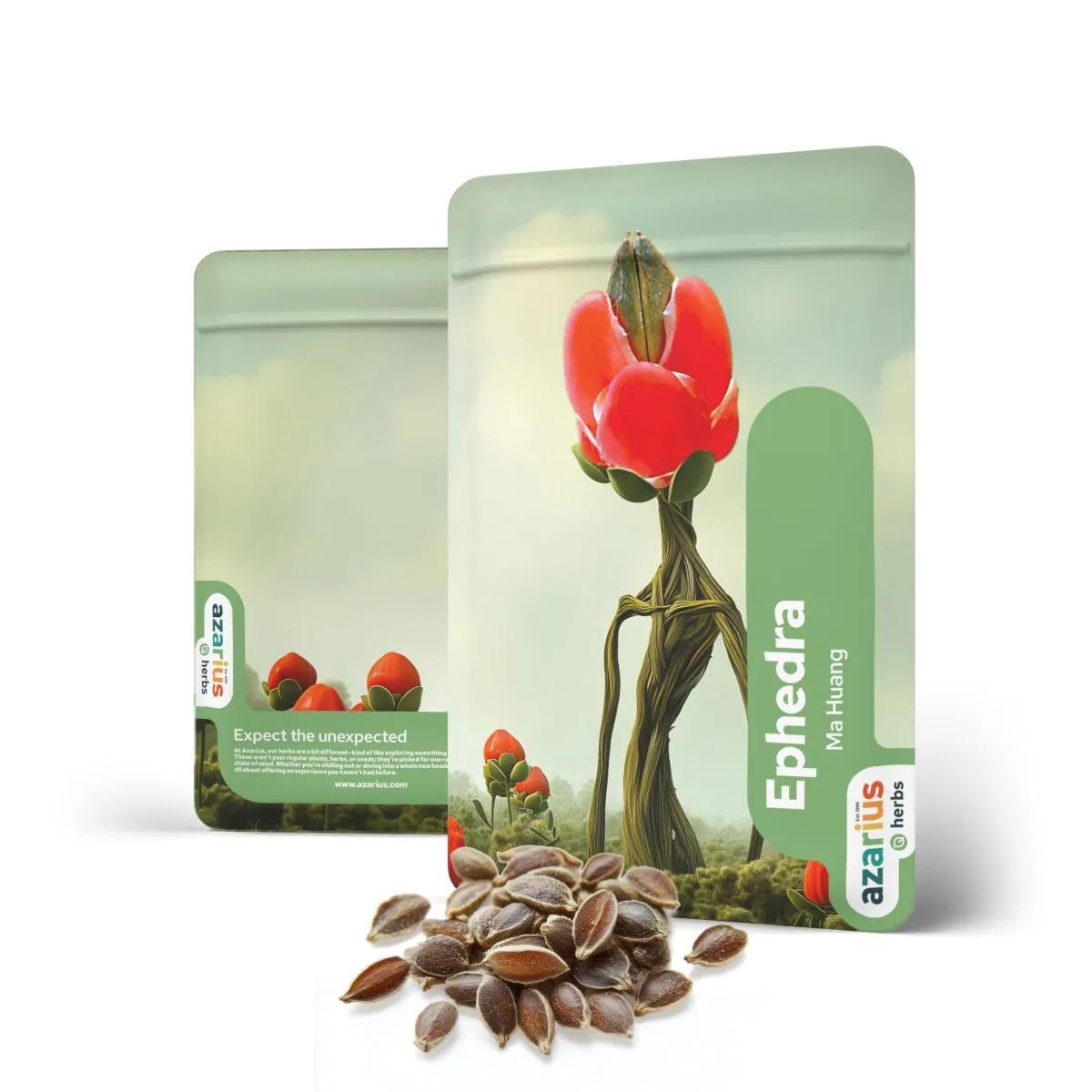
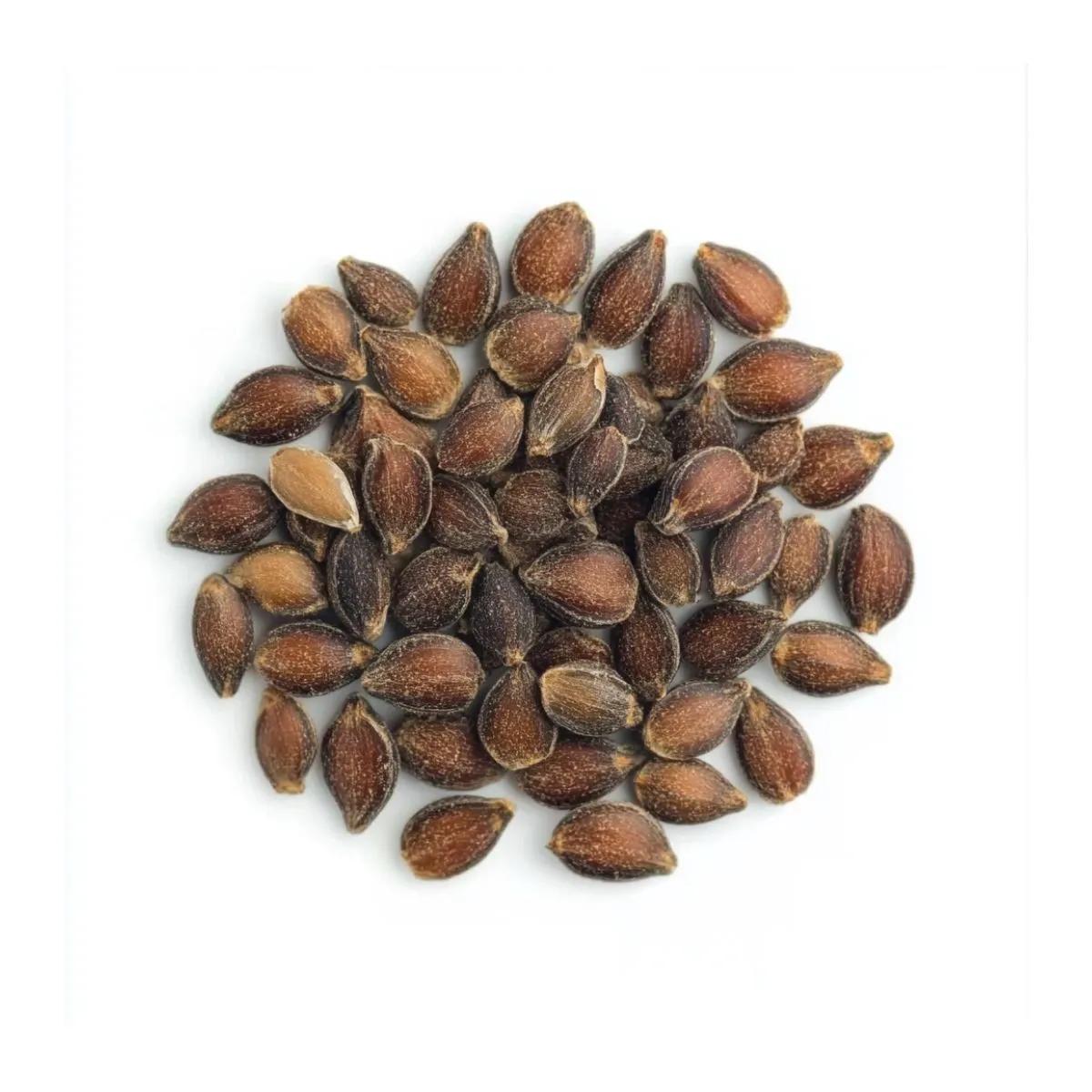
Ephedra seeds are the starting point for growing your own Ephedra sinica — the hardy desert shrub behind Ma Huang, a plant with over 2,000 years of documented use in traditional Chinese herbalism. This category covers live seed stock for home cultivation, aimed at gardeners and ethnobotany enthusiasts who'd rather raise a plant from scratch than buy dried material. Shop ethnobotanical seeds at Azarius — online since 1999.
Buy Ephedra Seeds — What This Category Is About
This is a seed category, not a finished botanical. You're buying genetic material to grow a shrub — not cut-and-sifted herb, not an extract, not a tincture. That distinction matters, because the three formats attract very different buyers, and mixing them up leads to disappointment. If you want something to brew this weekend, seeds aren't it. If you want a plant in your garden that you'll still be harvesting from a decade later, this is exactly the right aisle.
Ephedra sinica is a slow-growing desert perennial from northern China and Mongolia, and it's one of the oldest cultivated medicinal plants on record — references to Ma Huang appear in the Shennong Bencao Jing, compiled around 200 CE. The shrub itself looks nothing like what people expect: jointed green stems, tiny scale-like leaves, and small cones rather than flowers. It tolerates drought, poor soil, and cold winters down to around -20°C, which is why it thrives across Eurasian steppe regions where softer herbs would die.
Seeds vs Dried Herb vs Live Plant — How To Choose
Three formats, three buyers. Here's how they compare so you know which one to order.
| Format | Time to use | Good for |
|---|---|---|
| Seeds | 2–4 years to mature harvest | Gardeners, ethnobotany collectors, people who want a living specimen |
| Dried cut herb | Ready on arrival | Tea brewers, researchers who want finished material |
| Live plant / cutting | 6–12 months to establish | Buyers who want a head start without seed-starting hassle |
Seeds are the cheapest entry point and the most rewarding long-term, but they're also the slowest and the most work. You're signing up for cold stratification, germination patience (Ephedra is notoriously uneven — germination rates of 40–60% are considered normal), and a couple of seasons before the shrub is established enough to harvest from. Dried herb skips all of that but ends when the bag is empty. A live plant splits the difference, though shipping established shrubs across Europe is rarely practical.
What We Stock
- Ephedra Seeds — viable Ephedra sinica seed for home cultivation. One product in the category, one job: start a plant.
How To Choose Your Ephedra Seeds
For a single-product category, the real question isn't which SKU — it's whether seeds are the right format for you at all. Honest answer: if you've never cold-stratified a seed, never grown a perennial shrub from scratch, and you want Ma Huang material to experiment with this month, buy dried herb instead. Seeds are for the patient gardener, not the impatient brewer.
If you do have the patience — a sunny spot, sandy well-draining soil, and a willingness to wait — Ephedra is a genuinely satisfying plant to raise. It lives for decades once established, it looks striking in a xeriscape or rock garden, and you end up with a connection to a plant that's been grown for two millennia. Start with a small test batch before committing a whole bed. Germination is uneven and it's better to know what you're working with before you scale up.
Our blunt opinion: if you just want to tick an ethnobotanical box, order seeds. If you actually plan to use the harvest, budget the 2–4 years it'll take before the plant gives you anything worth harvesting. No shortcuts.
Browsing ethnobotanical seeds? Also check our kratom seeds, San Pedro cactus seeds, and wider ethnobotanical herb range.
Frequently Asked Questions
Do Ephedra seeds need cold stratification?
Yes. Ephedra sinica seeds germinate far more reliably after 4–8 weeks of cold stratification — typically in damp sand or paper towel in the fridge at around 4°C. Skipping this step drops germination rates significantly. Sow into sandy, free-draining soil after stratification.
How long does Ephedra take to grow from seed?
Germination takes 2–6 weeks after stratification. The shrub itself grows slowly — expect 2–3 years before it's established enough for light harvesting, and 4–5 years for a mature plant. This isn't a quick-turnaround herb. If you want faster results, buy dried Ma Huang herb instead of seeds.
What's the difference between Ephedra seeds and dried Ma Huang?
Seeds are genetic material for growing a living plant; dried Ma Huang is the harvested and processed stems ready for traditional preparations. Seeds suit gardeners and collectors. Dried herb suits people who want finished material without the multi-year wait. Different products, different buyers.
Can you grow Ephedra sinica in a European climate?
Yes — it handles cold winters down to around -20°C and thrives in dry, sunny, well-drained conditions. It struggles in heavy wet soil and humid climates. Northern and central Europe work well if you plant in sand-amended soil; Mediterranean gardens suit it perfectly. Rock gardens and xeriscaped beds are ideal.
Last updated: April 2026