
Functional Mushrooms
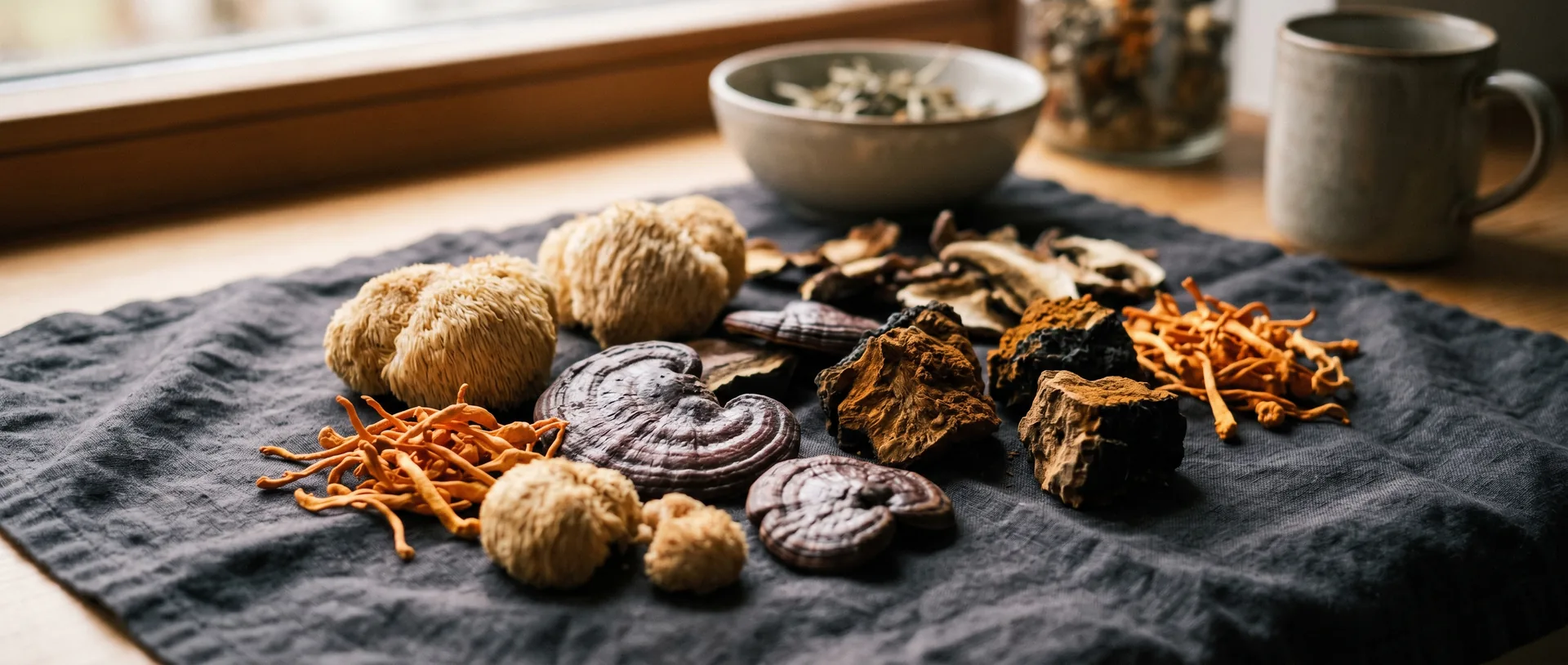
Lion's mane, reishi, cordyceps, and chaga — adaptogens with peer-reviewed evidence for health and cognition.
Medicinal Mushrooms TCM Western Pharmacognosy Guide
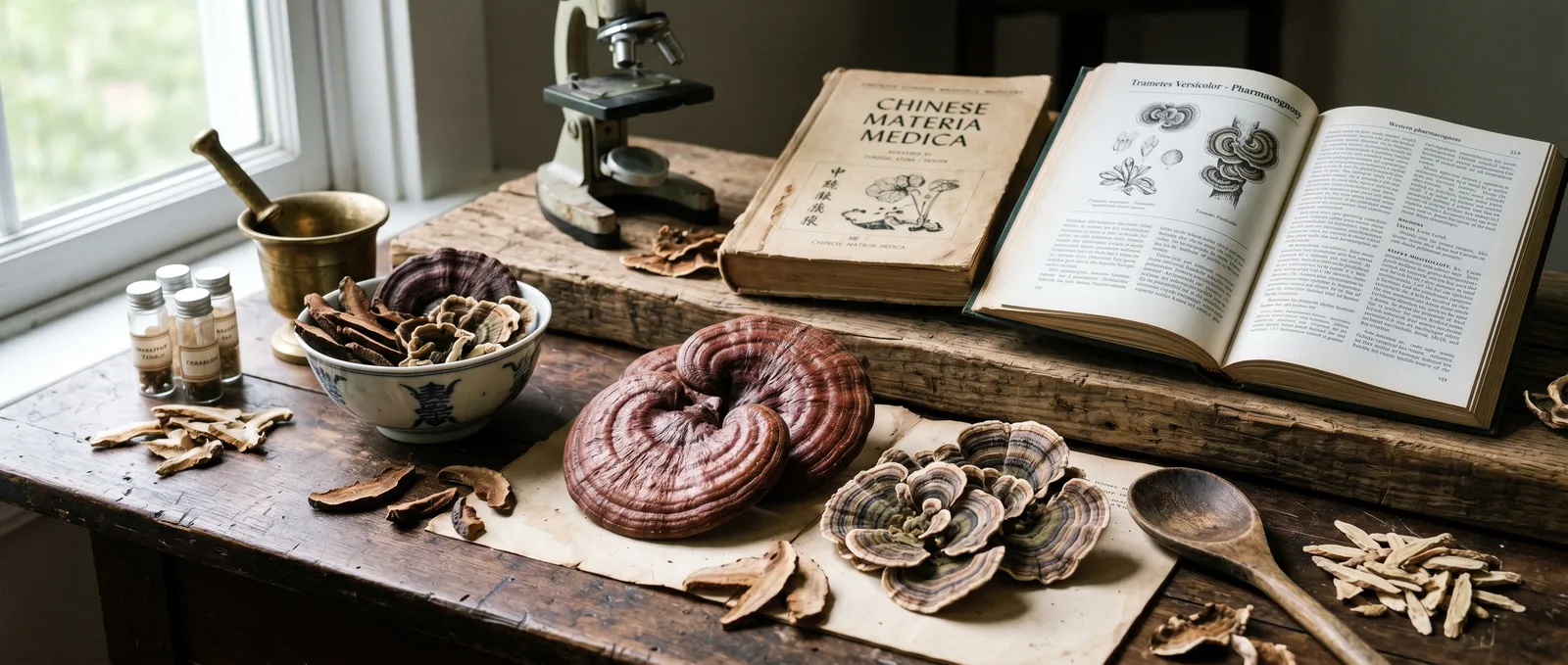
Medicinal Mushrooms TCM Western Pharmacognosy Guide is a comparative reference that examines how fungi like reishi, lion's mane, cordyceps, and turkey tail are classified in classical Chinese materia medica and characterised in modern pharmacognosy through their polysaccharide fractions and receptor interactions.
Explore by species
Chaga
5 articles
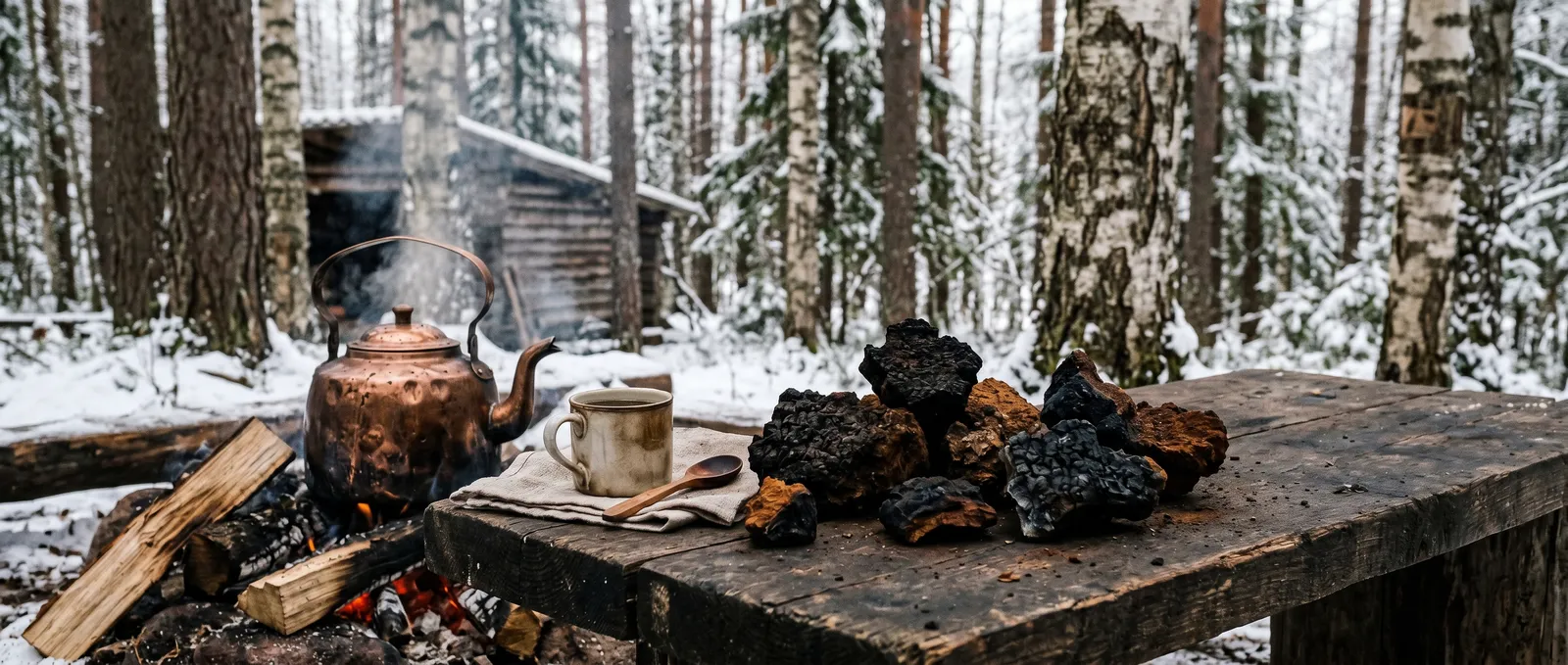
Chaga (Inonotus obliquus) is a parasitic fungus growing on birch trees, traditionally brewed as tea across Northern and Eastern Europe. Read about identification, harvesting, brewing, and folk uses.
Reishi
5 articles
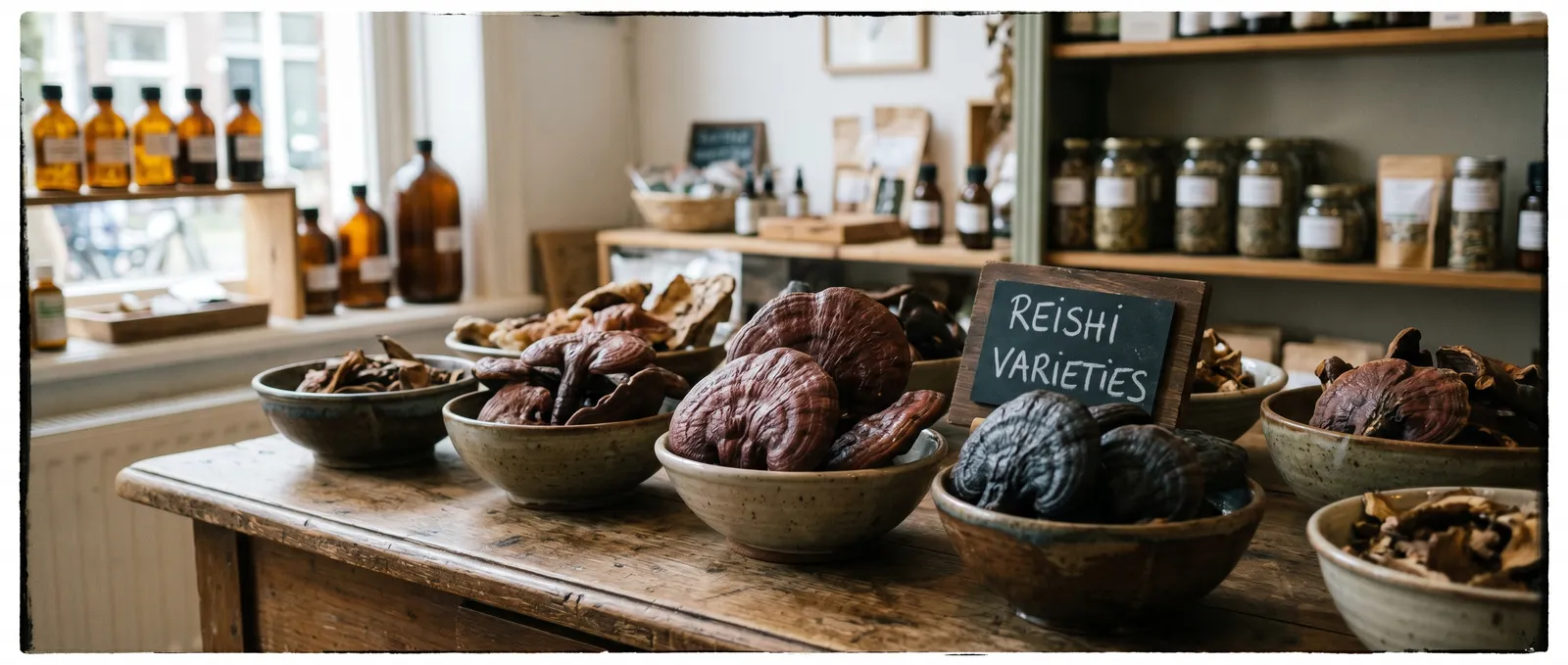
Reishi (Ganoderma lucidum) is a polypore mushroom with centuries of use in East Asian herbal traditions. Explore varieties, brewing methods, and the cultivated vs wild distinction.
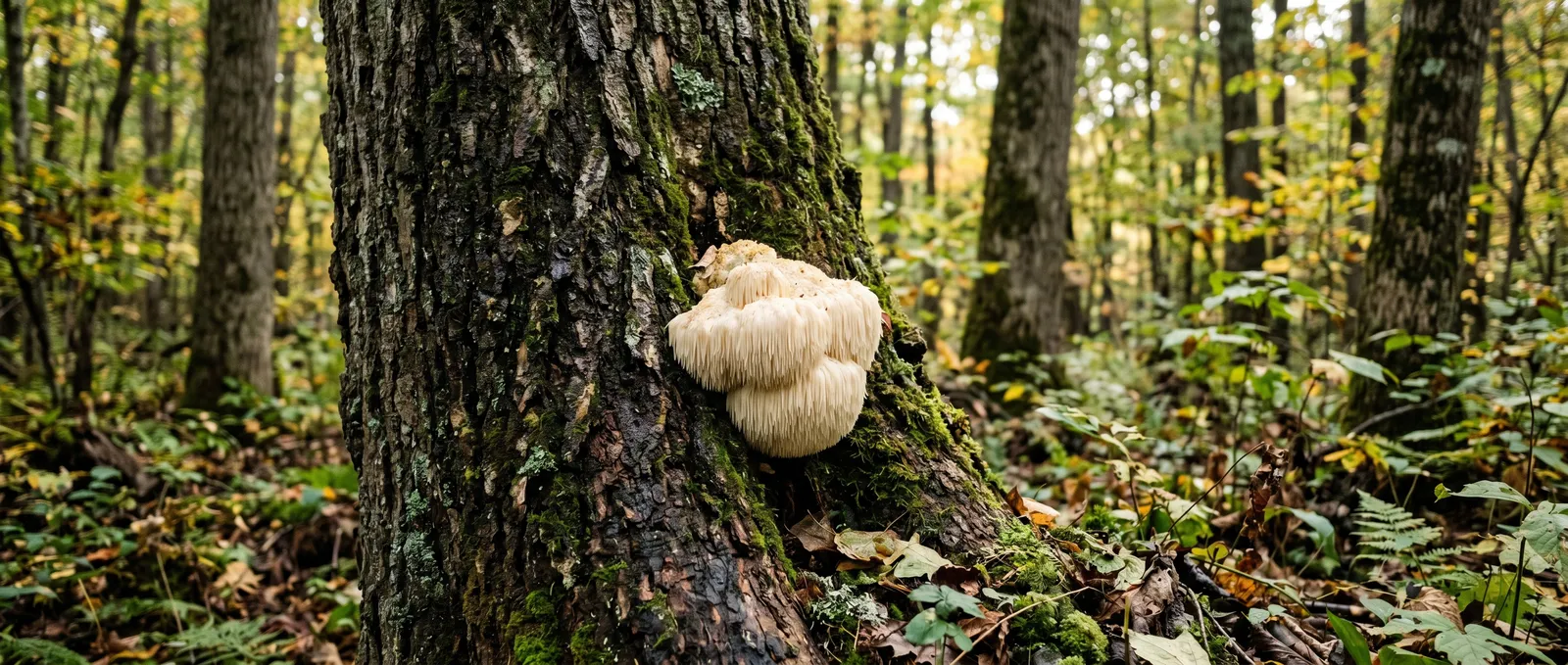
Lion's Mane
5 articles
Lion's Mane (Hericium erinaceus) is an edible mushroom recognised by its cascading white spines and studied for nervous-system support. Find identification, cooking, and home-cultivation guides.
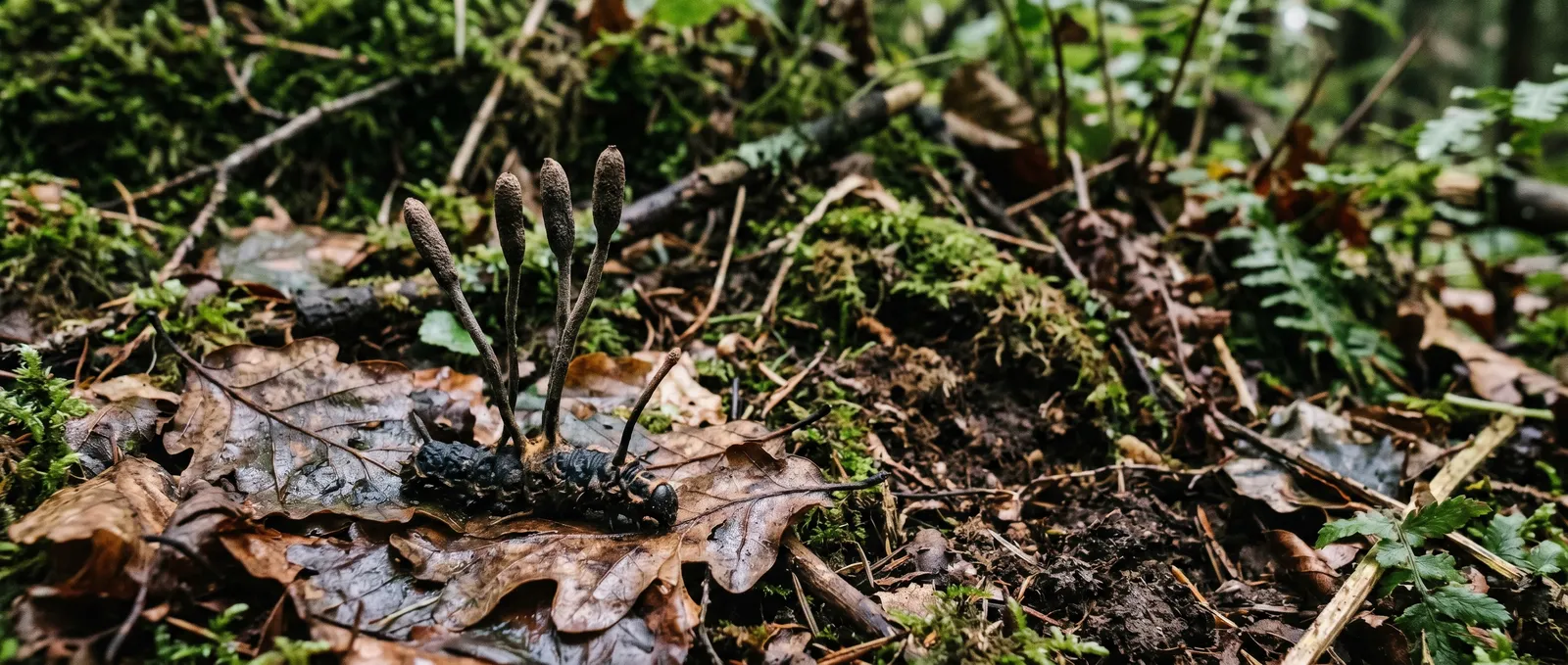
Cordyceps
5 articles
Cordyceps are entomopathogenic fungi traditionally used in East Asian medicine and studied for adaptogenic properties. Learn the lifecycle, militaris vs sinensis differences, and cultivation.
More Functional Mushrooms articles
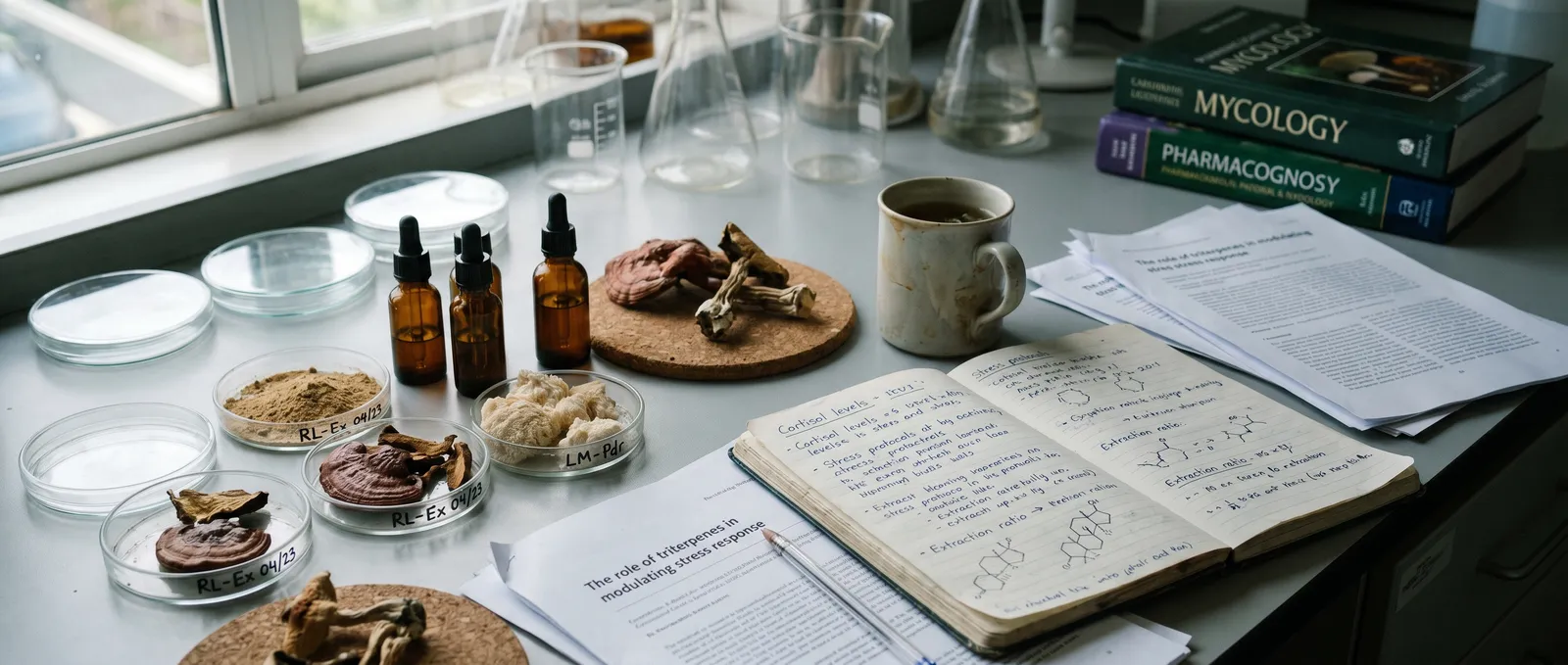
Research on Stress and Adaptogenic Mushrooms
Research stress adaptogen science is a growing field that examines whether specific fungal extracts — particularly reishi, cordyceps, and lion's mane — can…

Research on Cognitive Support with Functional Mushrooms
Cognitive support is among the most common reasons people try functional mushroom extracts, yet the clinical evidence remains narrow.
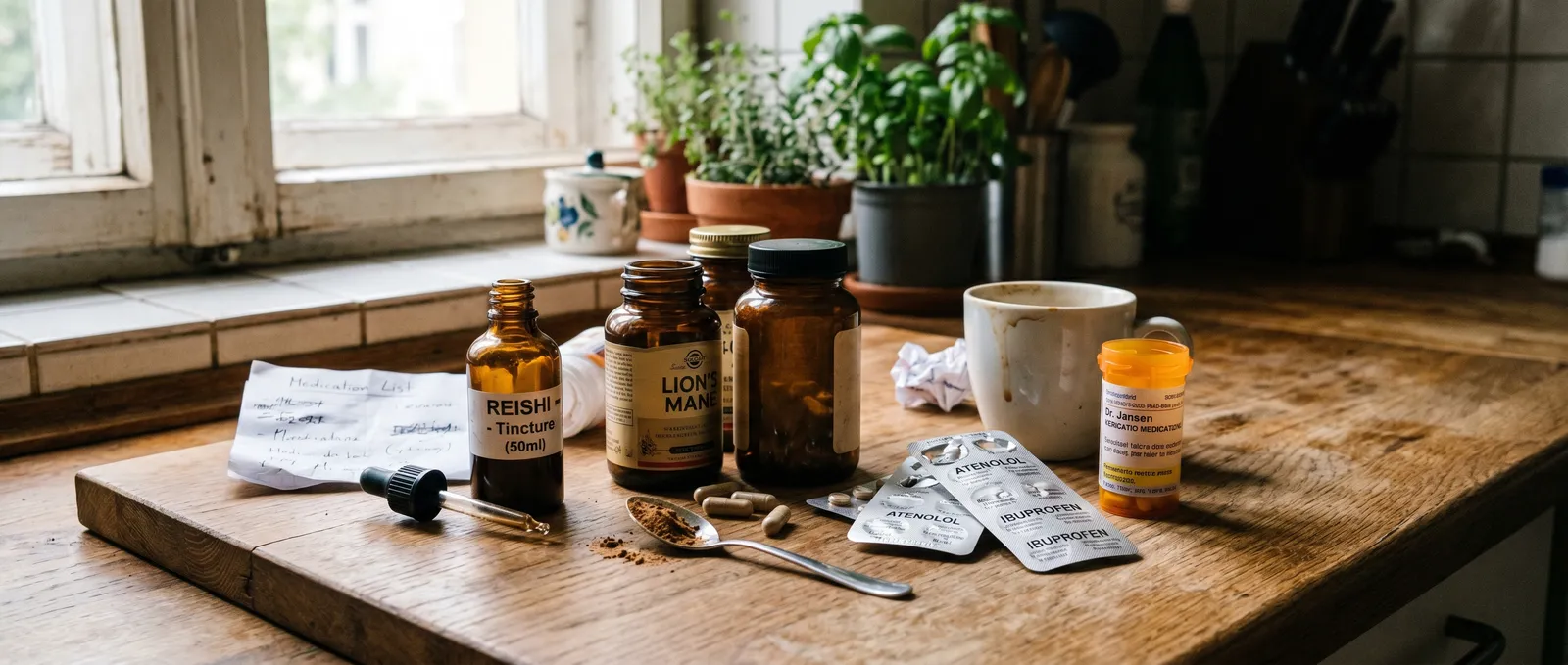
Functional Mushroom Drug Interactions
Functional mushroom drug interactions occur when bioactive compounds in species like reishi, cordyceps, and maitake affect the same physiological pathways…
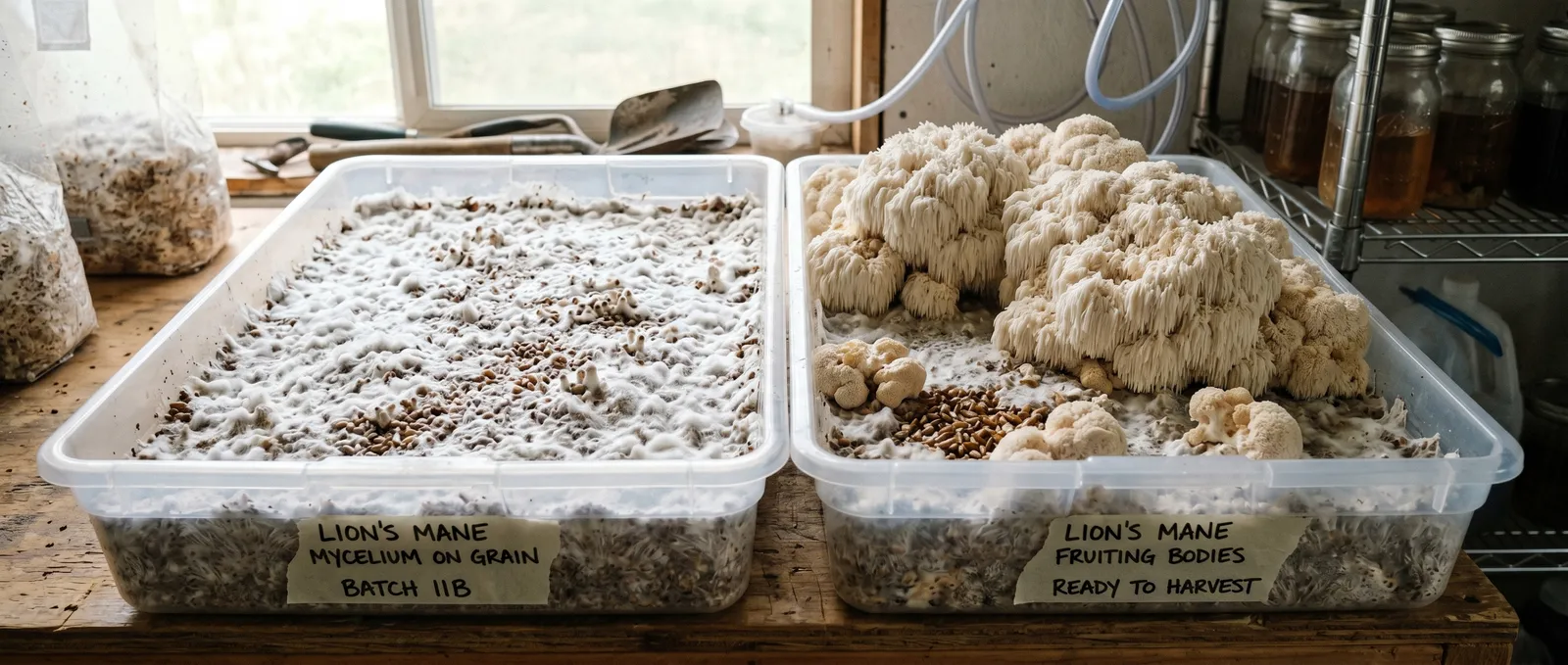
Mycelium vs Fruiting Body: What Actually Ends Up in Your Supplement
The difference between mycelium-on-grain and fruiting body extracts is the most consequential variable in functional mushroom supplements.
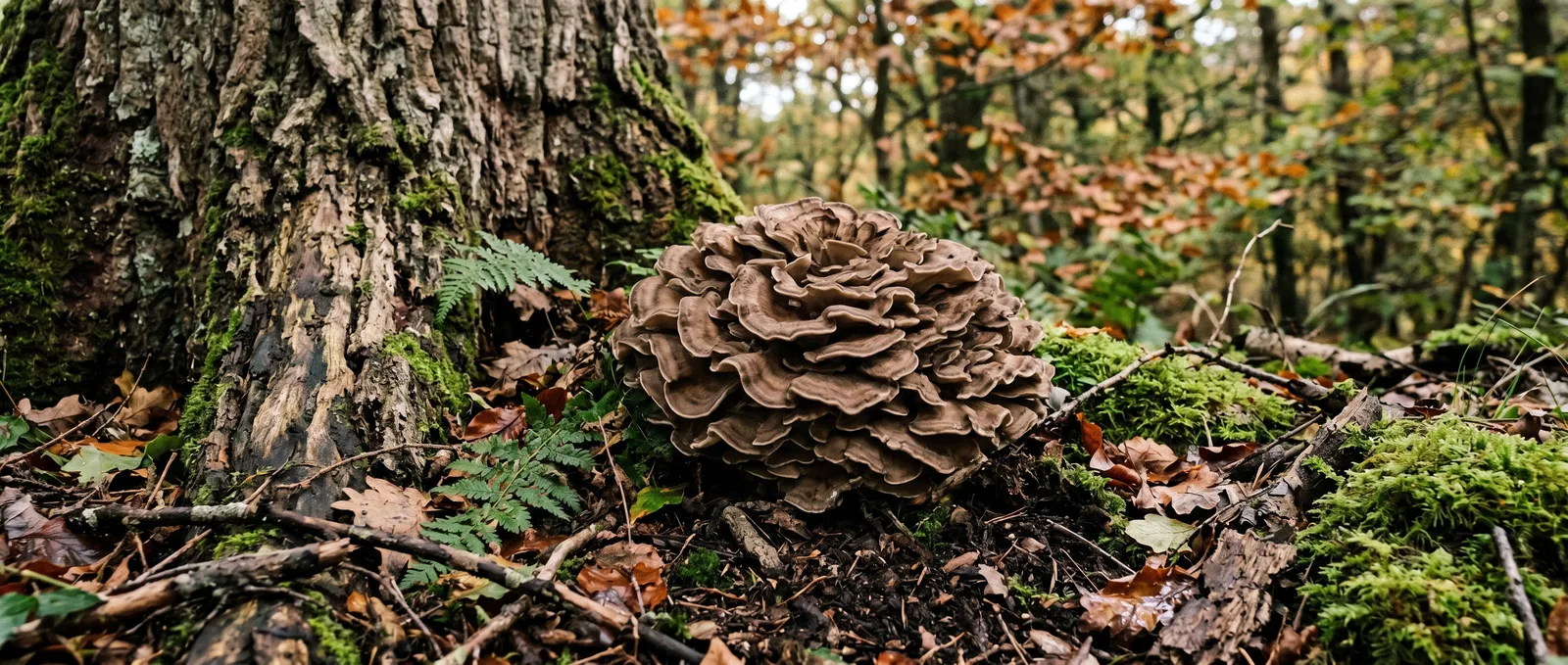
Maitake (Grifola frondosa)
Grifola frondosa — commonly called maitake or hen of the woods — is a polypore mushroom native to temperate hardwood forests in Japan, North America, and Europe.
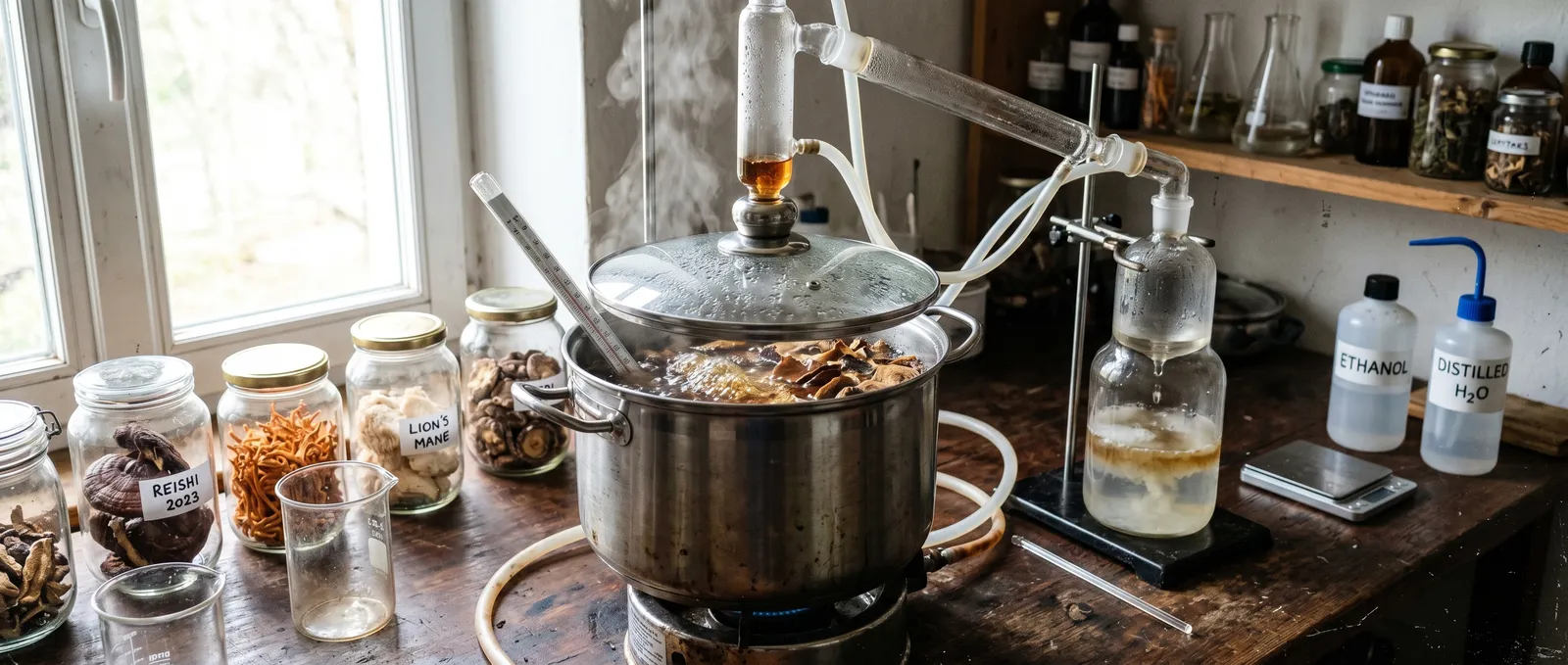
Hot Water, Alcohol & Steam Extraction
Hot water alcohol steam extraction is a set of three principal methods used to isolate bioactive compounds from functional mushrooms.
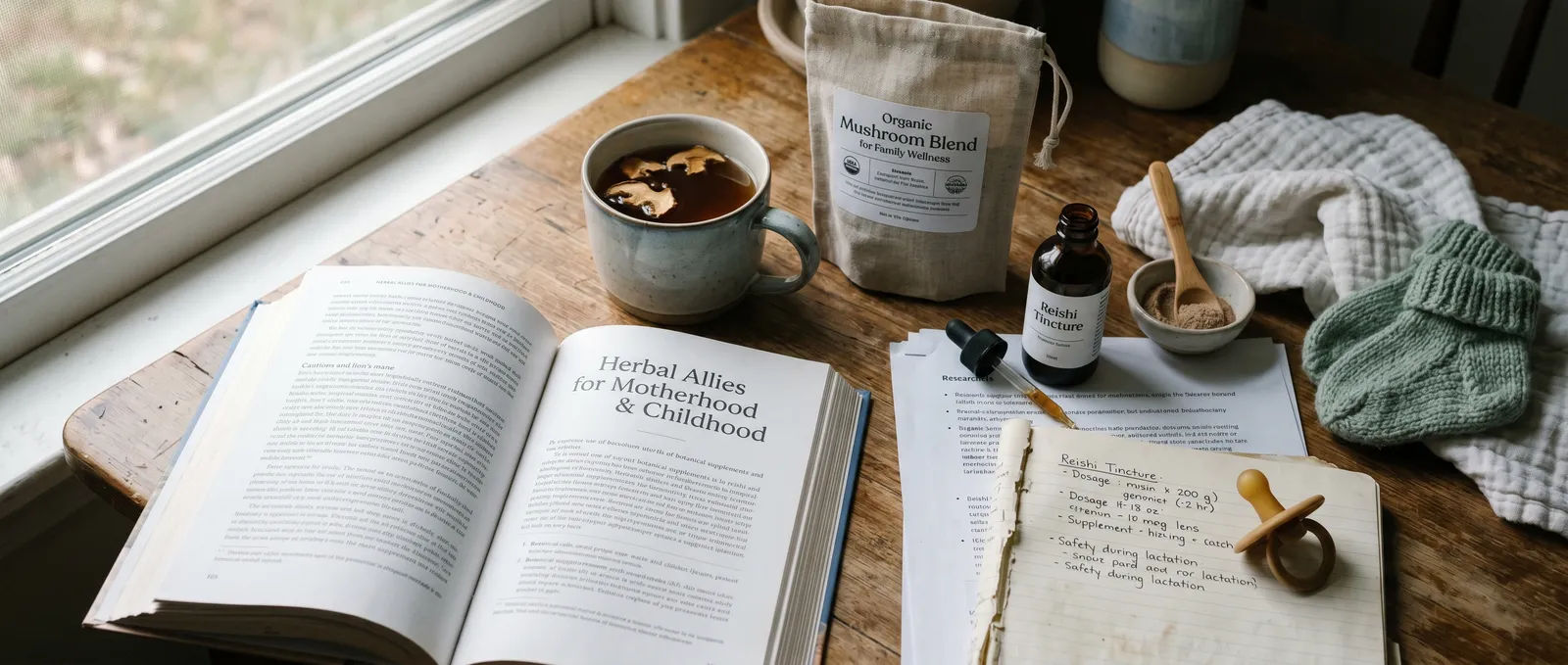
Pregnancy, Breastfeeding, and Pediatric Use of Functional Mushrooms
Safety data on functional mushrooms during pregnancy, breastfeeding, and in children are almost entirely absent from the clinical literature.
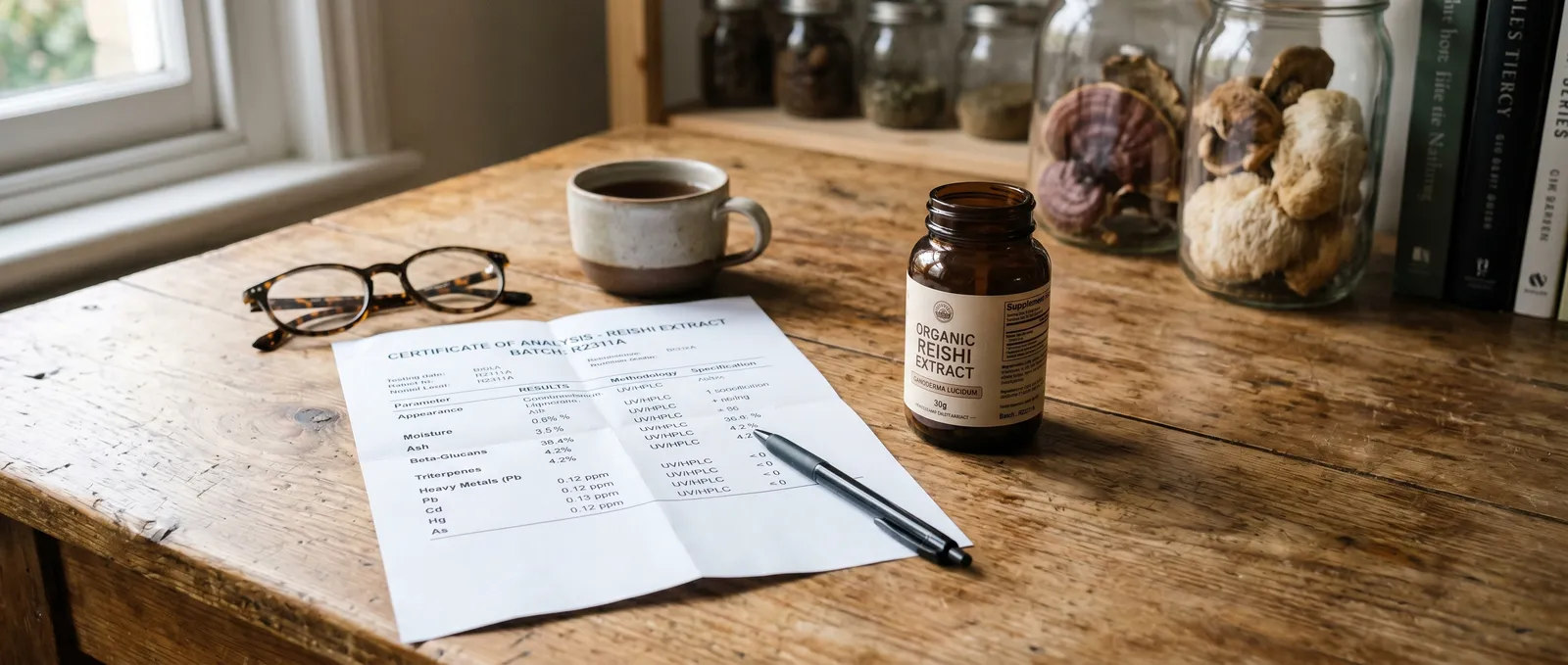
Reading a Mushroom Supplement Label and Certificate of Analysis
A certificate of analysis (CoA) is a laboratory document reporting the actual active compounds, contaminant levels, and species identity inside a mushroom…
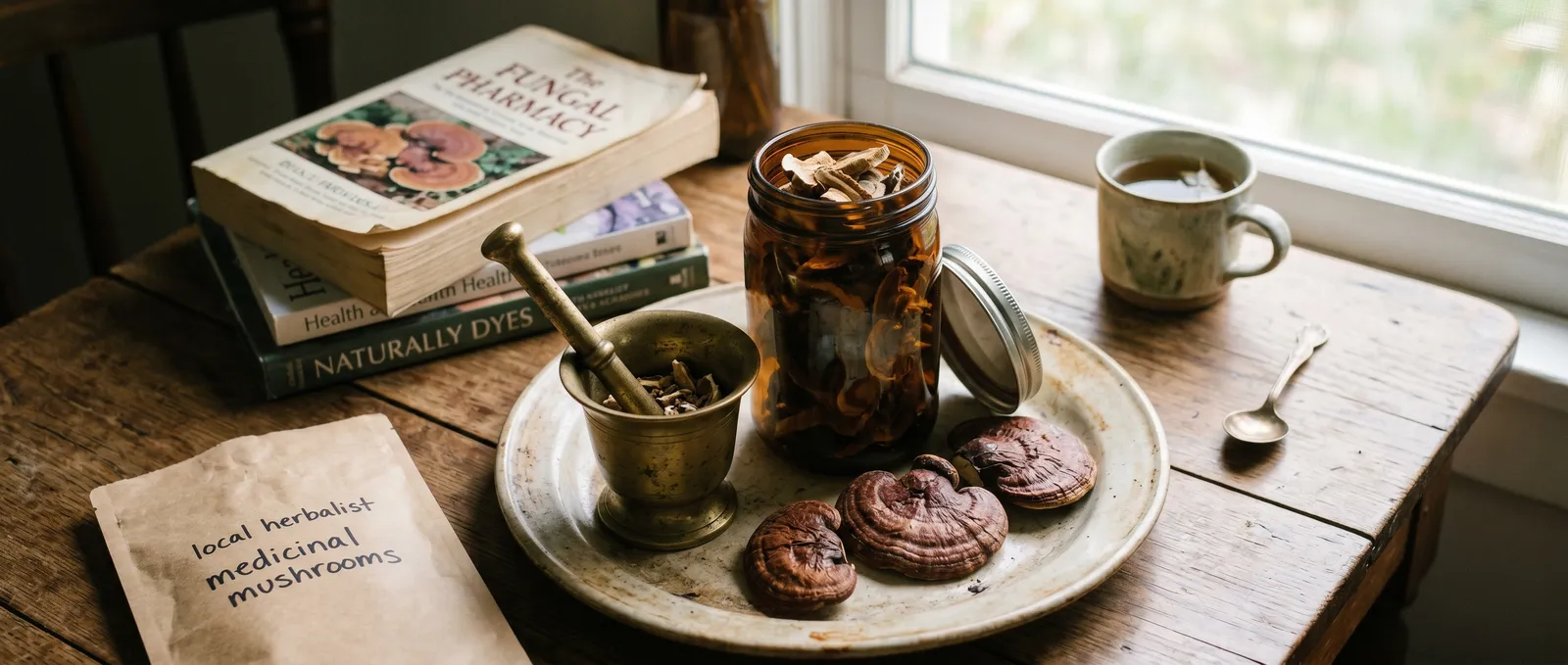
Autoimmune Conditions Mushrooms — Safety, Research, and What We Actually Know
Functional mushrooms like reishi, turkey tail, and maitake contain beta-glucans that can activate immune cells in laboratory settings (Chan et al., 2009).
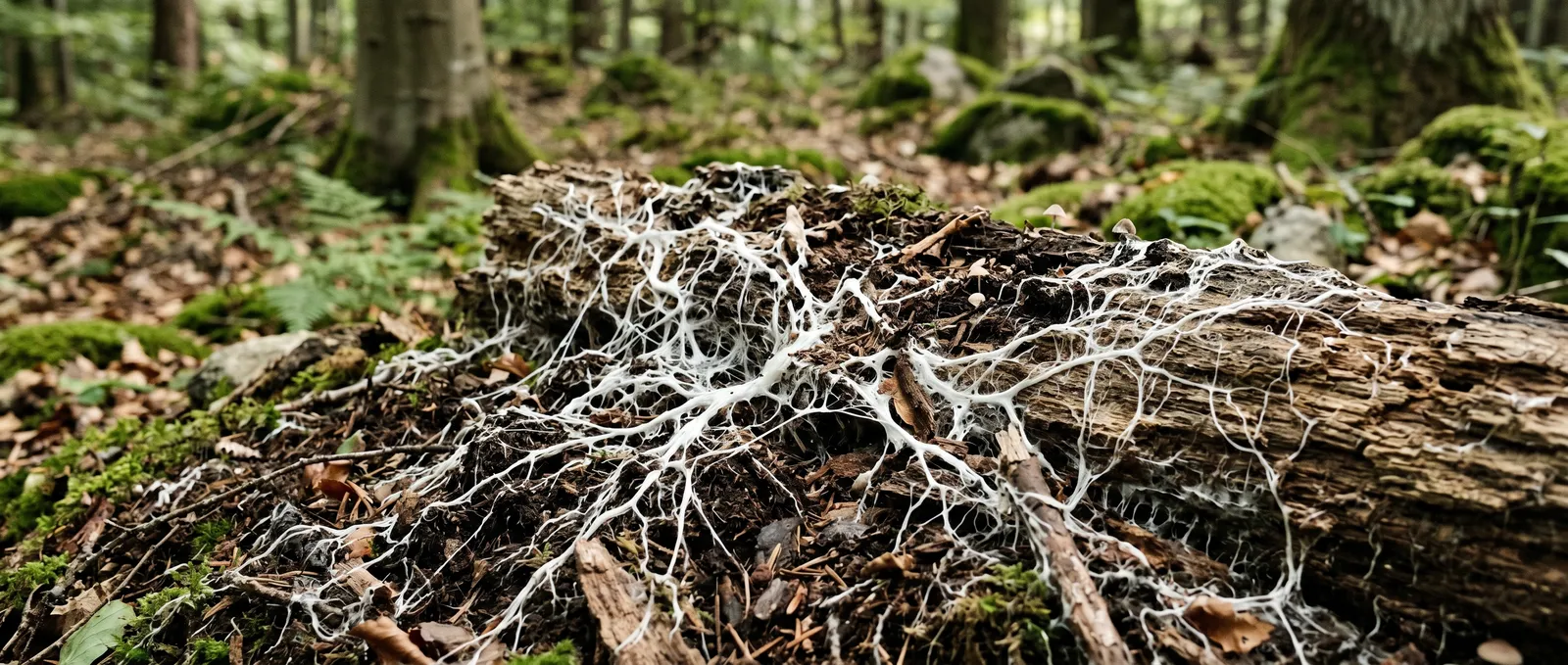
Mycelium Network: How Fungi Work
Mycelium is the thread-like vegetative body of a fungus — the actual organism, not the mushroom.
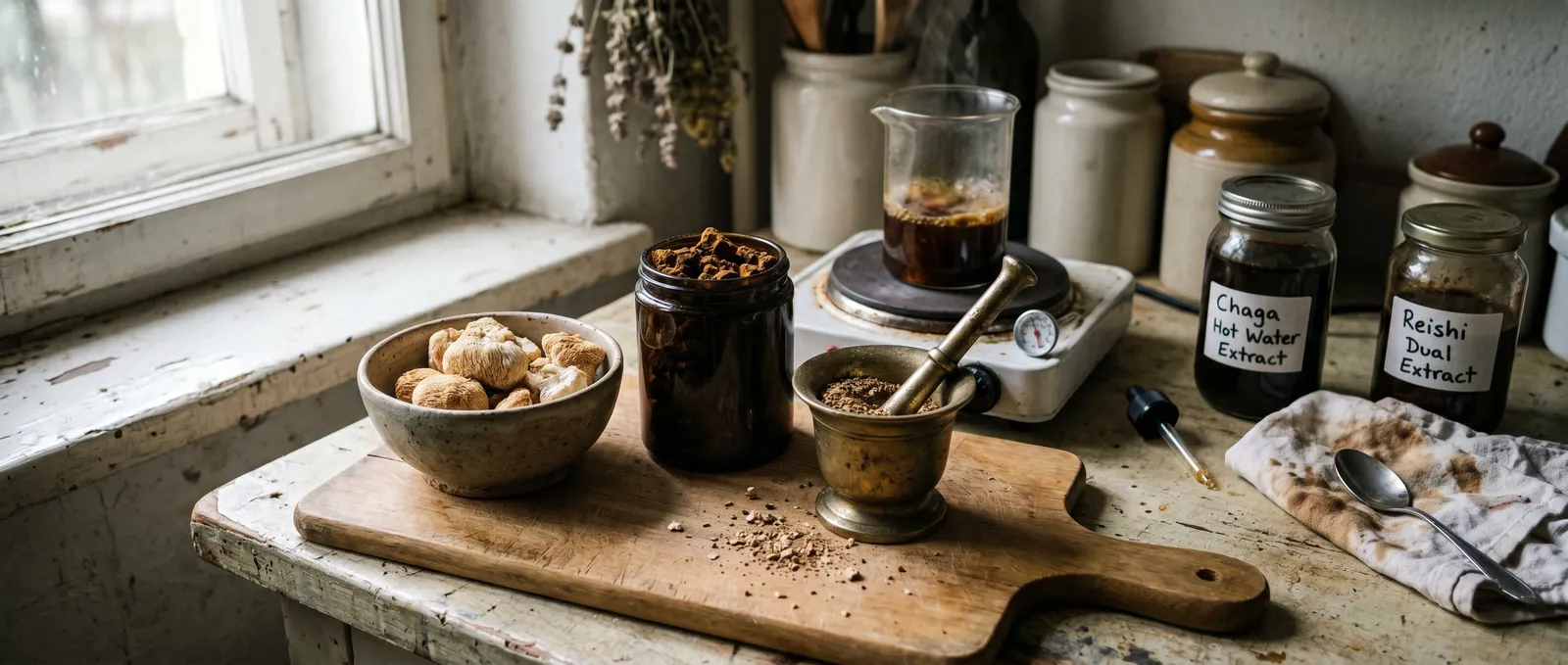
Bioavailability of Mushroom Compounds
Bioavailability describes the fraction of an ingested mushroom compound that actually reaches your bloodstream in active form.
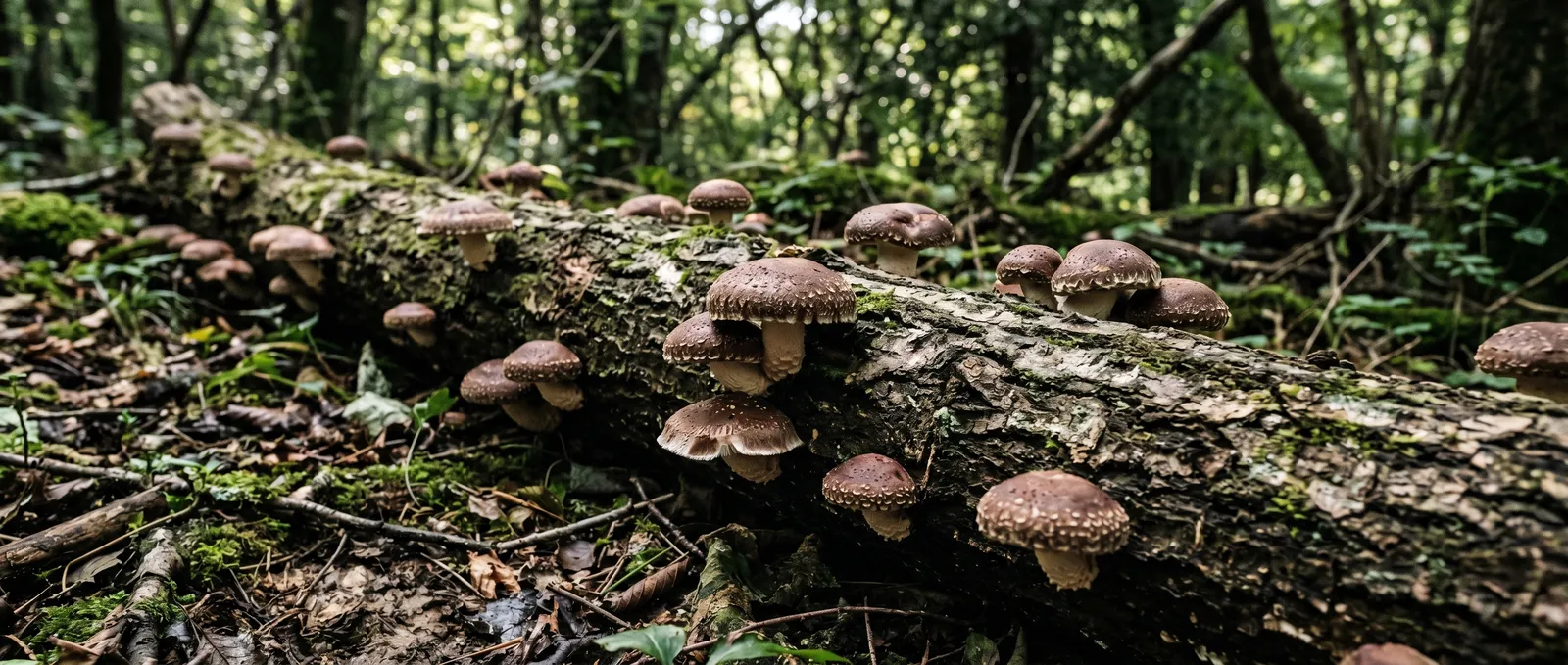
Shiitake (Lentinula edodes)
Lentinula edodes — shiitake — is the world's second most cultivated mushroom and the source of lentinan, a purified beta-glucan fraction studied in oncology…
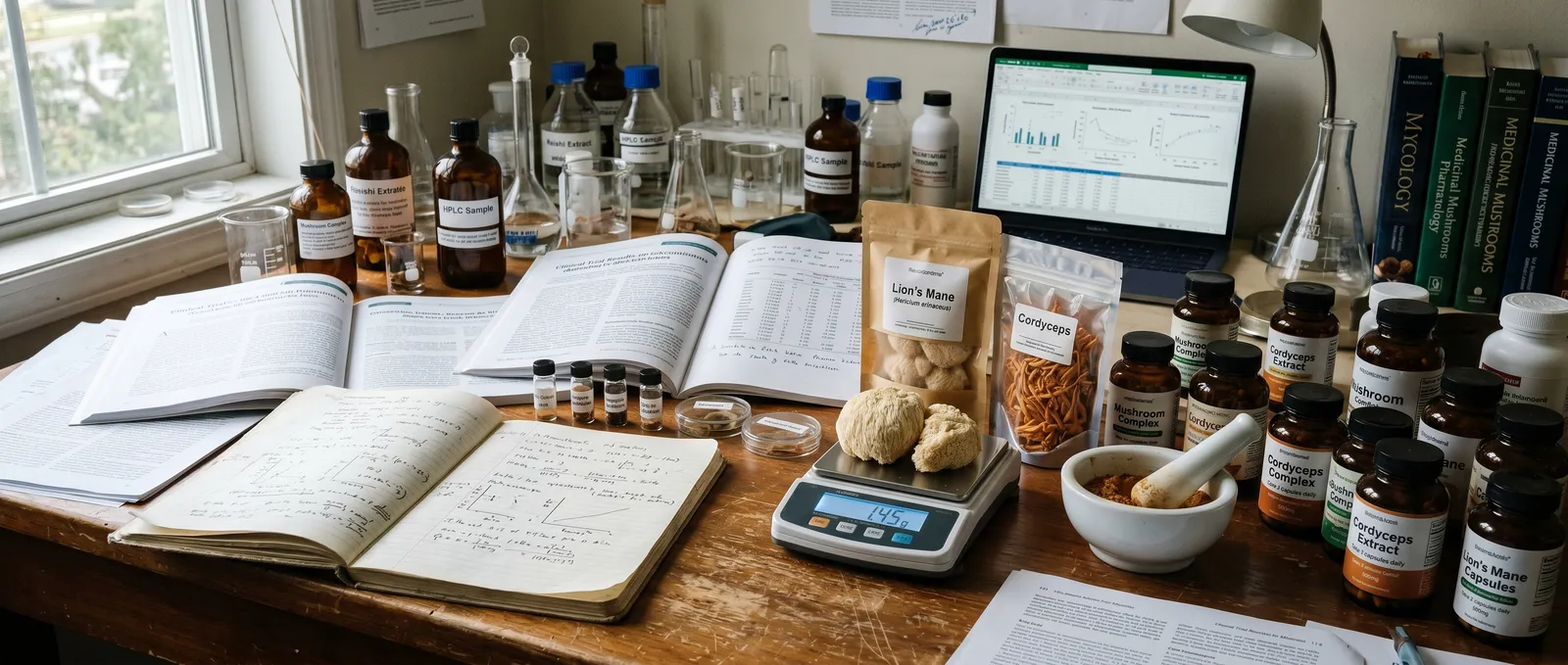
Dosage Research vs Supplementation: What the Studies Actually Used vs What's on the Shelf
Clinical trials on functional mushrooms use defined extracts at specific doses — often 1,500–4,000 mg/day of characterised preparations.
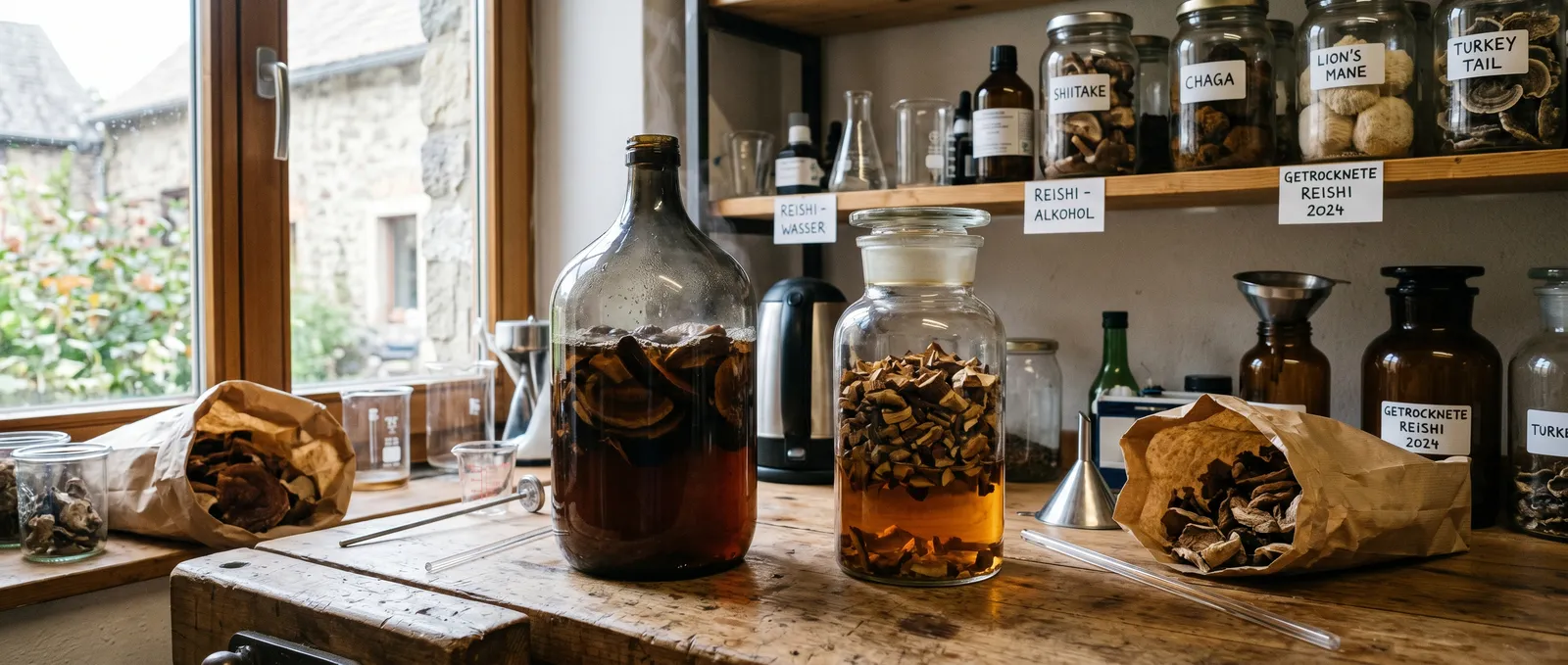
Dual Extraction Water Alcohol
Dual extraction is a two-stage process combining hot water and alcohol to capture both water-soluble polysaccharides (beta-glucans) and alcohol-soluble…
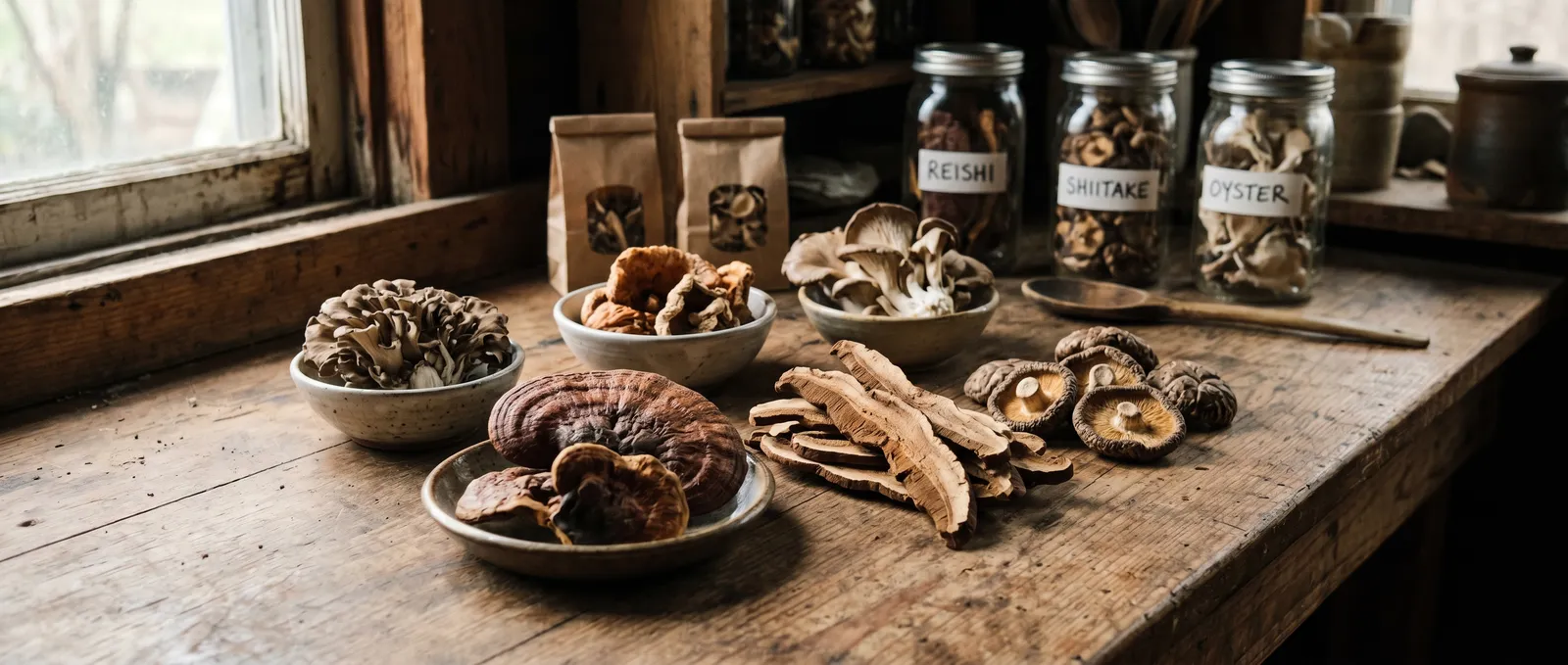
Beta-Glucans Bioactive Framework
Beta-glucans are β-(1→3)(1→6)-linked polysaccharides found in fungal cell walls that interact with innate immune receptors, primarily Dectin-1.
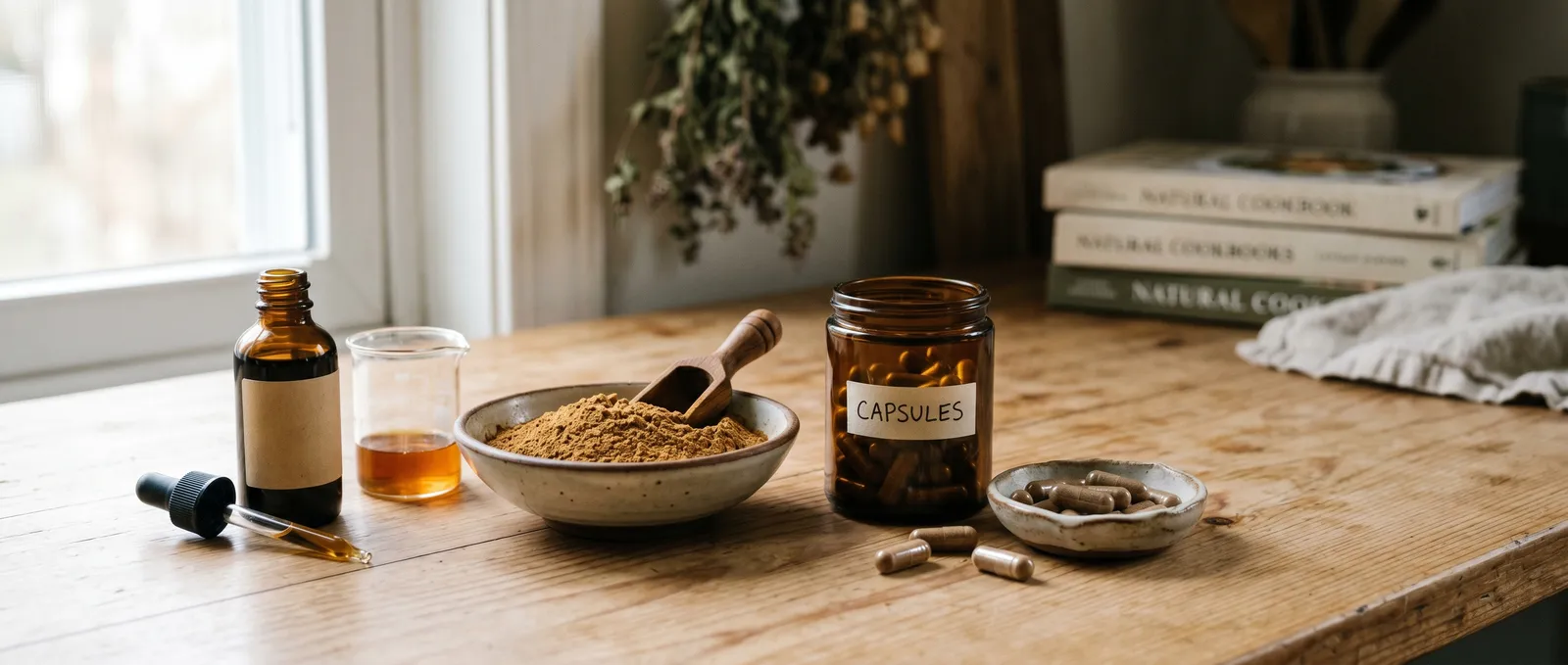
Tinctures vs Powders vs Capsules: Functional Mushroom Formats Compared
Functional mushroom tinctures, powders, and capsules differ not just in convenience but in which active compounds they actually deliver.
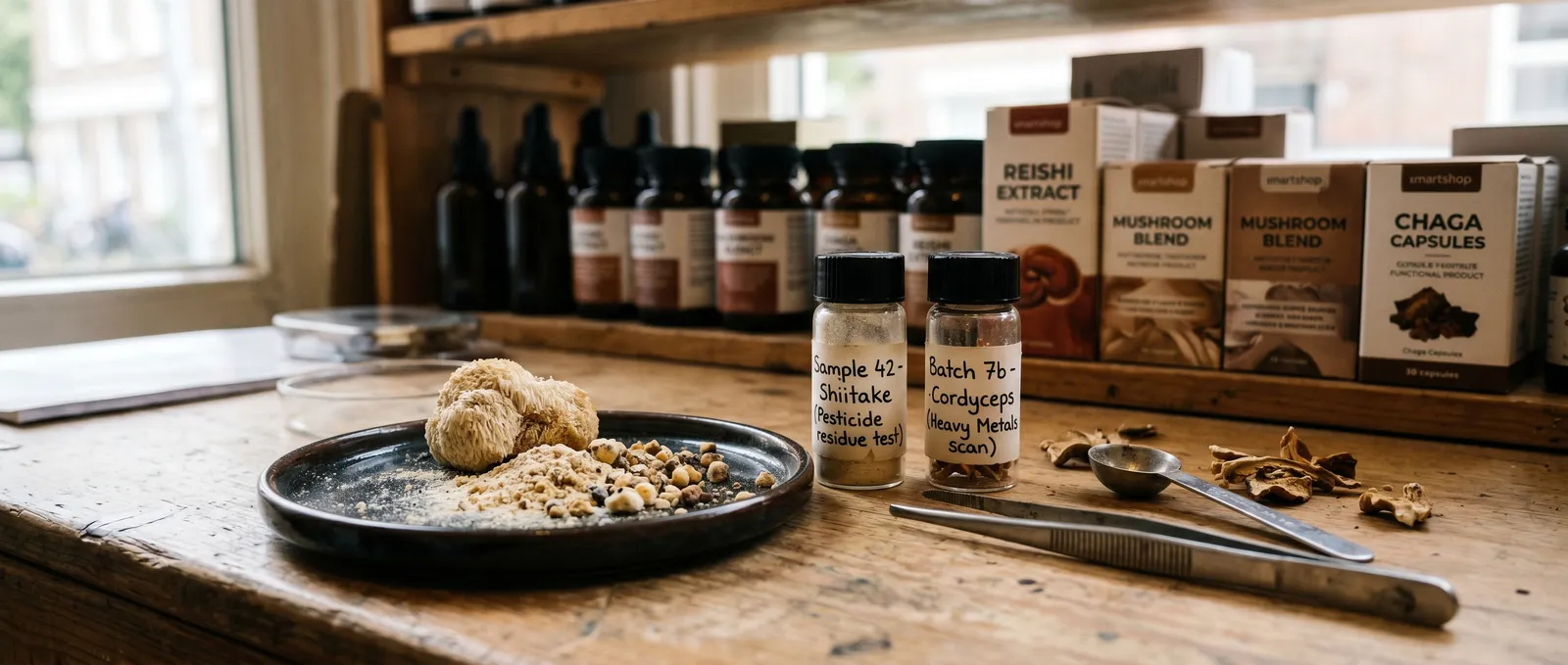
Functional Mushroom Quality, Contamination, and Adulteration
Quality problems in functional mushroom products span heavy metal contamination, microbial pathogens, species substitution, and starch-based adulteration.
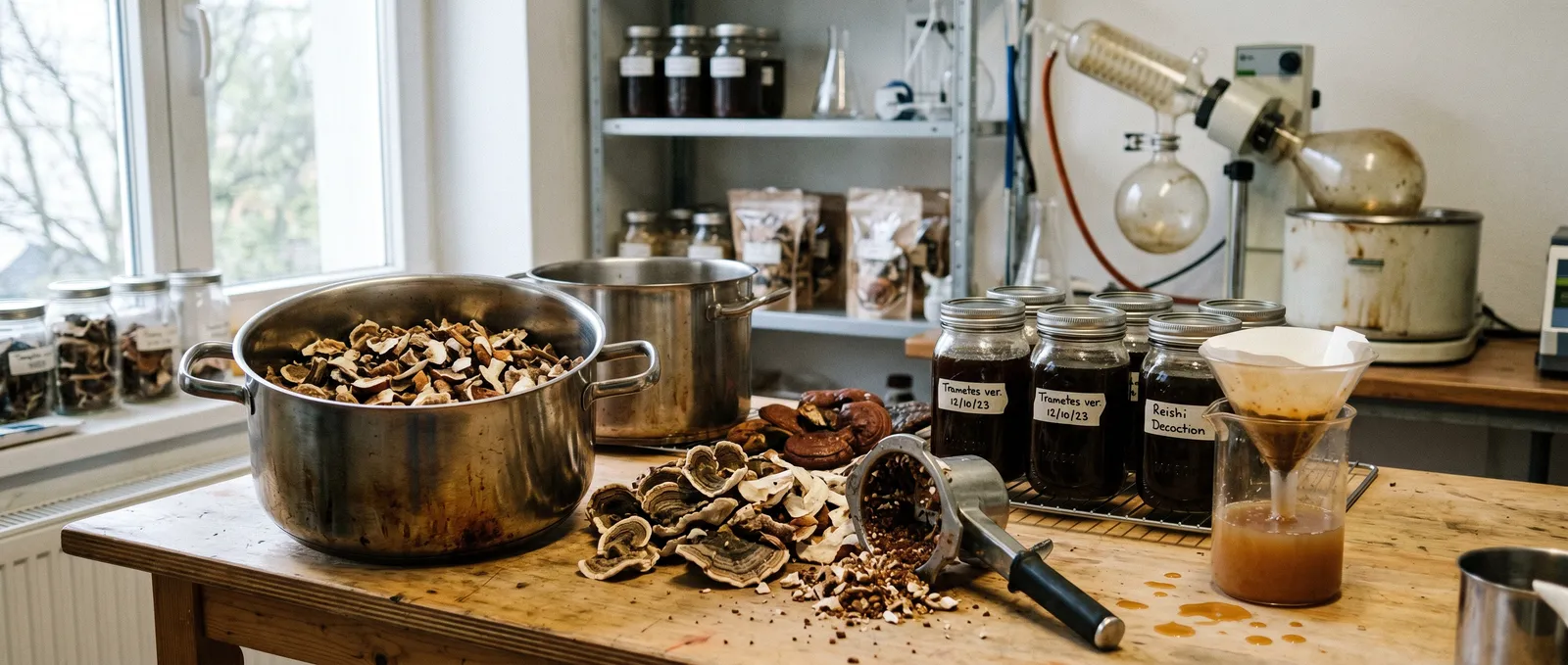
Polysaccharide Extraction from Mushrooms: Chemistry & Methods
Polysaccharide extraction from mushrooms is a processing technique that breaks open chitin-rich fungal cell walls to isolate bioactive compounds — primarily…
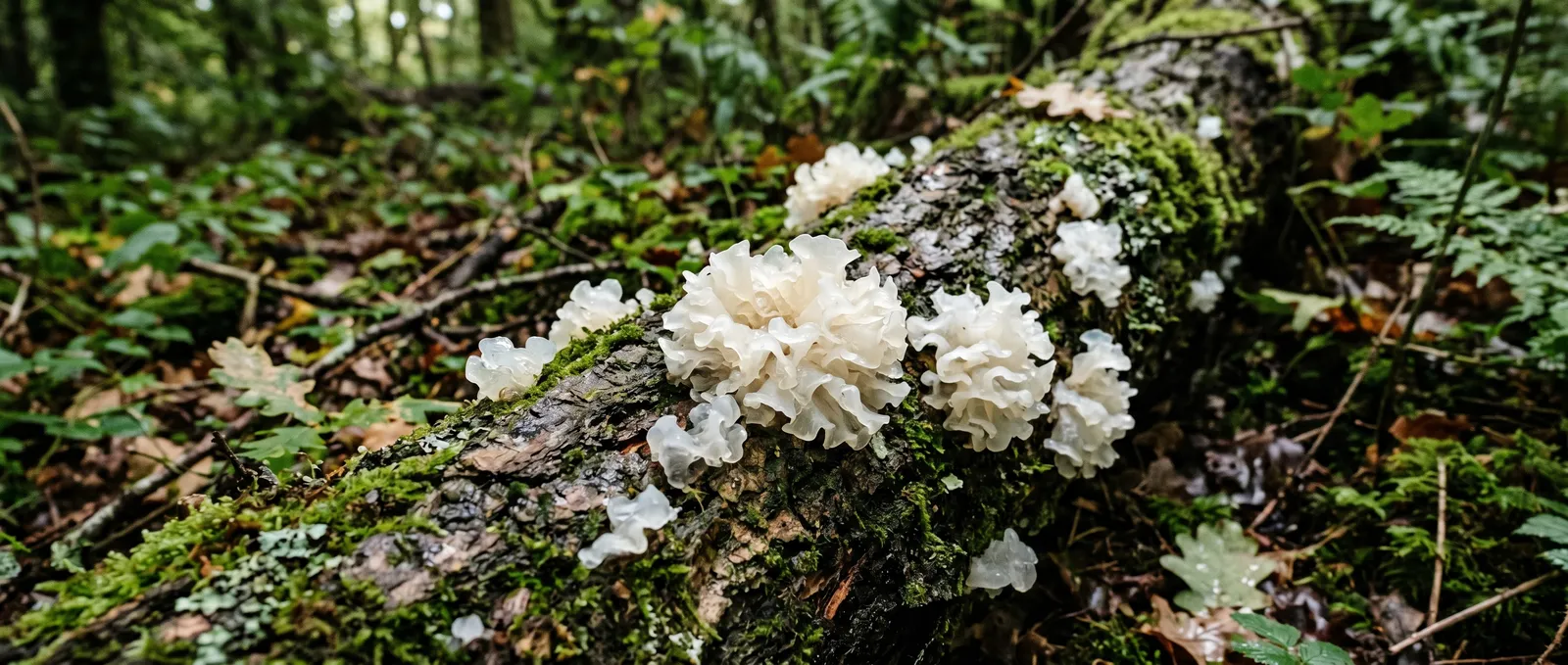
Tremella Fuciformis
Tremella fuciformis is a parasitic jelly fungus with a long history in East Asian cuisine and traditional medicine.