
This article discusses psychoactive substances intended for adults (18+). If you have a health condition or take medication, consult a doctor before use. Our age policy
Lemon Balm (Melissa officinalis) — Traditional Use
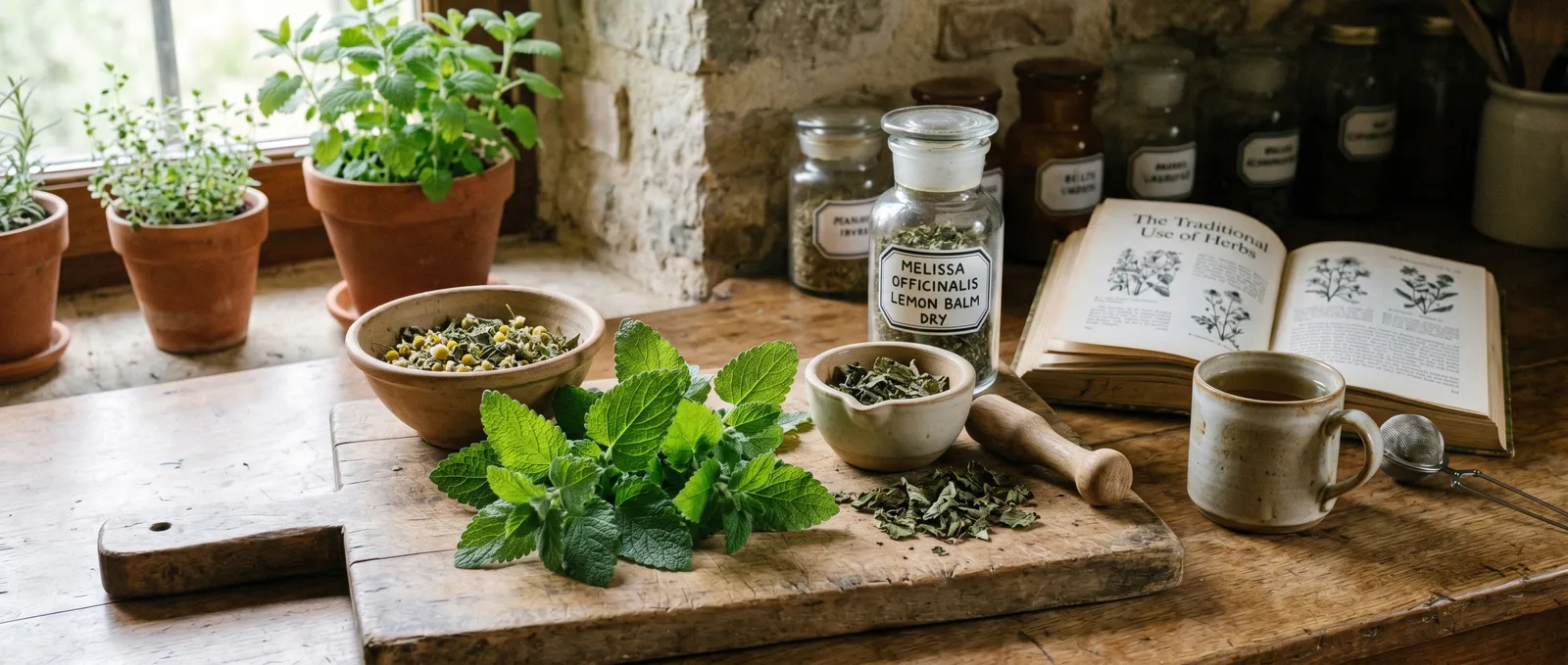
Definition
Lemon balm (Melissa officinalis L.) is a mint-family perennial with a documented history of traditional use for calming and sleep support stretching back to Dioscorides in the first century CE. Its leaf contains rosmarinic acid, citral, and citronellal — compounds that have attracted modest but growing clinical interest (Kennedy et al., 2003).
The Herb That Charmed Charlemagne
Lemon balm (Melissa officinalis L.) is a perennial herb in the Lamiaceae (mint) family, native to the eastern Mediterranean and western Asia. Its lemony scent comes from volatile monoterpenes — primarily citral, citronellal, and geraniol — while its broader phytochemical profile includes rosmarinic acid, caffeic acid, and a handful of flavonoids (Cases et al., 2011). The plant has been cultivated in European gardens for well over a thousand years, and its traditional uses stretch from ancient Greek beekeeping to medieval monastic medicine cabinets. The Latin genus name Melissa itself comes from the Greek word for honeybee, a nod to the plant's long history as a bee-forage crop.
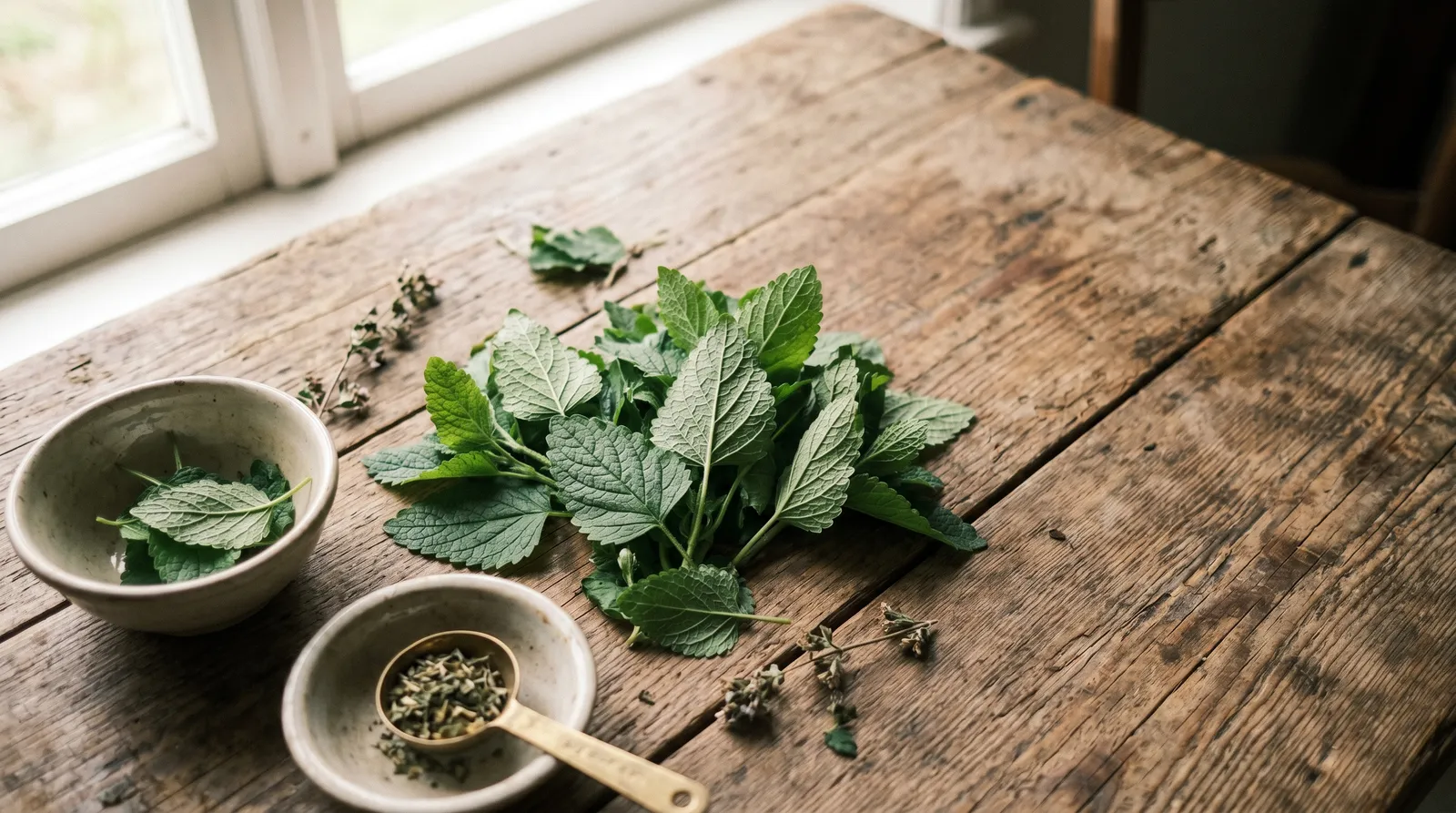
If you know lemon balm at all, you probably know it as a tea ingredient — something mild, pleasant, and vaguely associated with winding down in the evening. That reputation is not accidental. It sits on centuries of documented use as a calming herb, and a growing — if still modest — body of modern research that tries to pin down exactly what the plant does and why.
Ancient and Medieval Roots
The earliest written references to Melissa officinalis appear in classical Greek and Roman texts. Dioscorides mentioned the herb in De Materia Medica (first century CE), noting its use as a poultice for insect stings and its attractiveness to bees. Pliny the Elder described similar applications around the same period. In both cases, the plant's role was practical and agricultural as much as medicinal — beekeepers rubbed crushed leaves on empty hives to attract swarms, a practice that persisted in parts of southern Europe into the twentieth century.
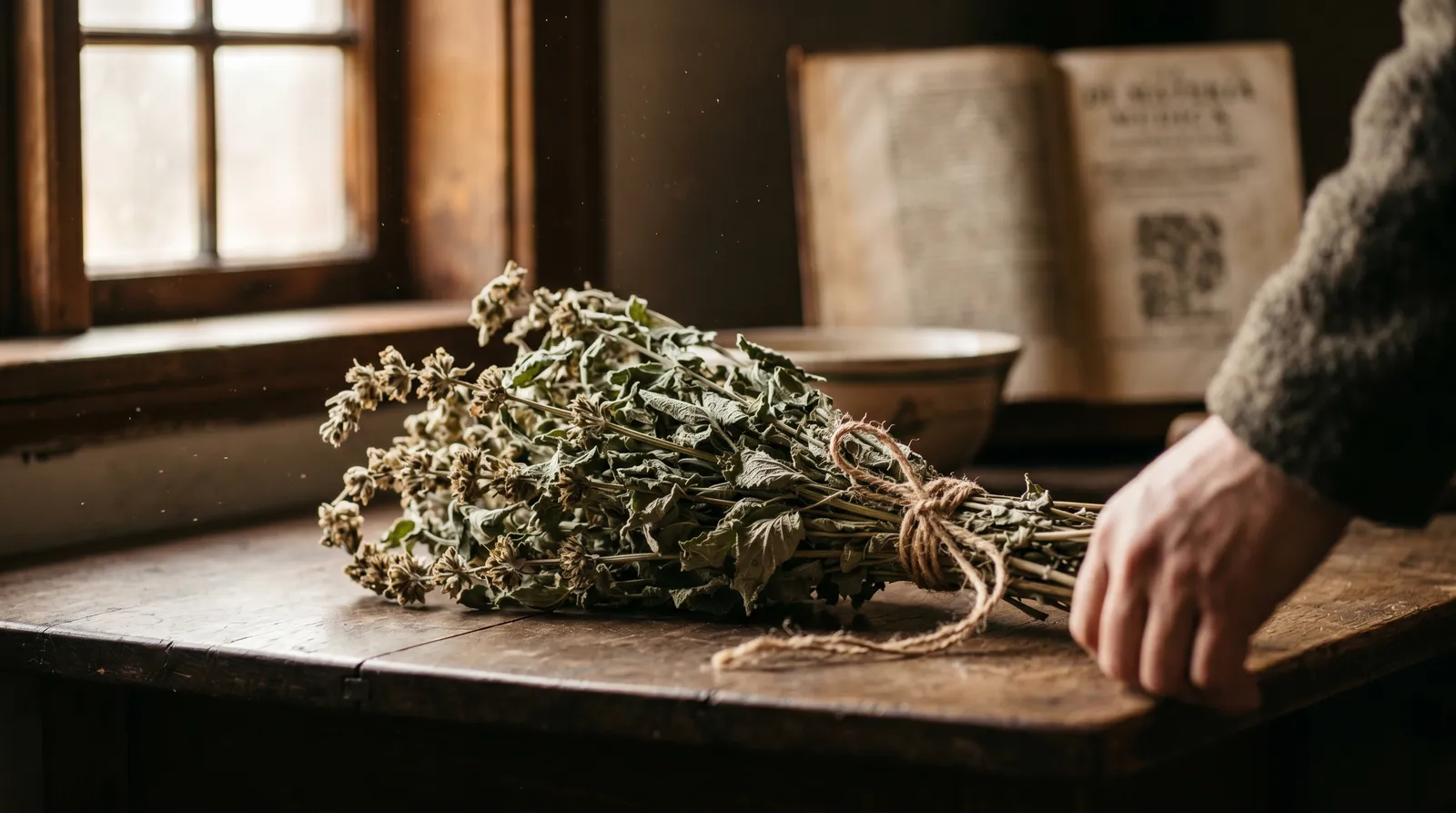
The herb's reputation as a calming agent gained real traction in the medieval period. The Persian physician Avicenna (Ibn Sina), writing in the eleventh century, recommended lemon balm for its ability to "make the heart merry" — a phrase that gets quoted in nearly every lemon balm article ever written, and for good reason. It captures the traditional framing perfectly: not a sedative hammer, but something gentler, aimed at lifting mood and easing nervous tension.
In Europe, Charlemagne reportedly ordered lemon balm planted in every monastery garden under his rule around 800 CE, according to the Capitulare de villis, a decree governing the management of imperial estates. Benedictine and Carmelite monks cultivated it extensively. The famous Carmelite Water (Eau de Mélisse des Carmes), first produced by Carmelite nuns in Paris around 1611, combined lemon balm with angelica root, lemon peel, coriander, and nutmeg in an alcohol base. It was sold as a general tonic and digestive aid for centuries — you can still buy versions of it in French pharmacies today, though the formula has evolved.
The Swiss physician Paracelsus (sixteenth century) called lemon balm the "elixir of life" and recommended it for nervous conditions. Nicholas Culpeper, the seventeenth-century English herbalist, wrote that it "driveth away all troublesome cares and thoughts out of the mind, arising from melancholy and black choler." Both attributions are historical claims, not clinical evidence, but they show a remarkably consistent thread: across cultures and centuries, people kept reaching for this plant when they felt anxious, restless, or low.
Phytochemistry: What's Actually in the Leaf
The volatile oil of Melissa officinalis — typically present at 0.02–0.30% of dried leaf weight, which is low compared to many aromatic herbs — contains citral (a mixture of the isomers neral and geranial), citronellal, geraniol, linalool, and β-caryophyllene. The exact proportions vary with growing conditions, harvest timing, and chemotype. True melissa essential oil is notoriously expensive because the yield per kilogram of plant material is small; much of what is sold as "melissa oil" is actually a blend of lemongrass and citronella (Shakeri et al., 2016).
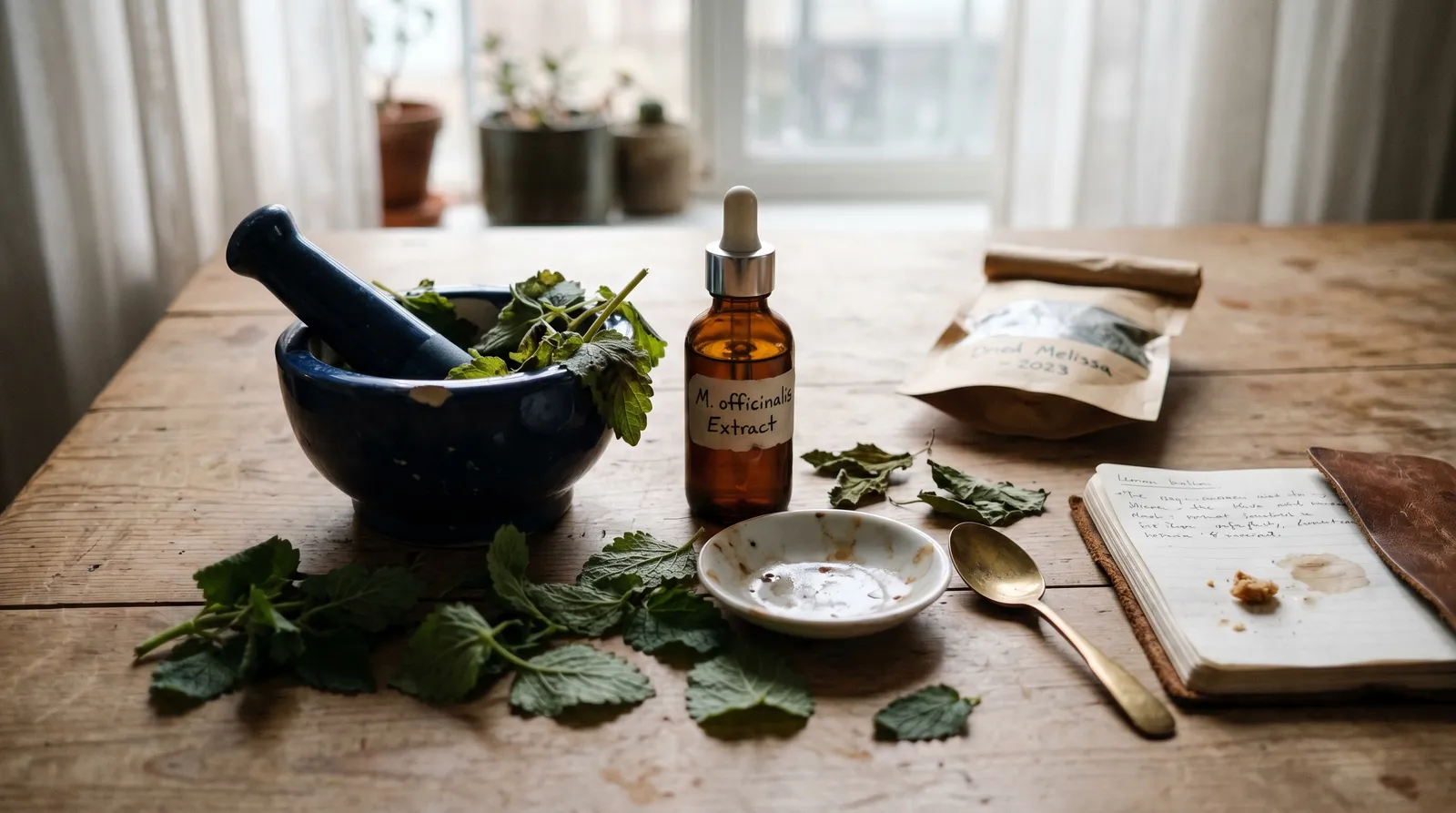
Beyond the volatile fraction, the compound that gets the most attention in modern research is rosmarinic acid, a polyphenolic ester of caffeic acid. Dried lemon balm leaf can contain 1–6% rosmarinic acid by weight, depending on extraction conditions (Petersen & Simmonds, 2003). Rosmarinic acid has demonstrated antioxidant activity in vitro, and some researchers have explored its potential role in the plant's traditional calming reputation, though the mechanism in humans remains an open question.
Other phenolic compounds present include protocatechuic acid, caffeic acid, luteolin-7-O-glucoside, and apigenin — the last of which also appears in chamomile and passionflower (Passiflora incarnata), two other herbs with long histories of traditional use as evening teas.
What Modern Research Has — and Hasn't — Found
A handful of small clinical trials have examined lemon balm in human subjects, mostly looking at mood, cognitive function, and sleep. A frequently cited study by Kennedy et al. (2003) gave healthy volunteers single doses of 300 mg and 600 mg of a standardised Melissa officinalis extract and measured mood and cognitive performance. The 600 mg dose was associated with improved calmness ratings and faster mathematical processing speed, though the sample size was small (20 participants) and the design was acute (single-dose, single-day).
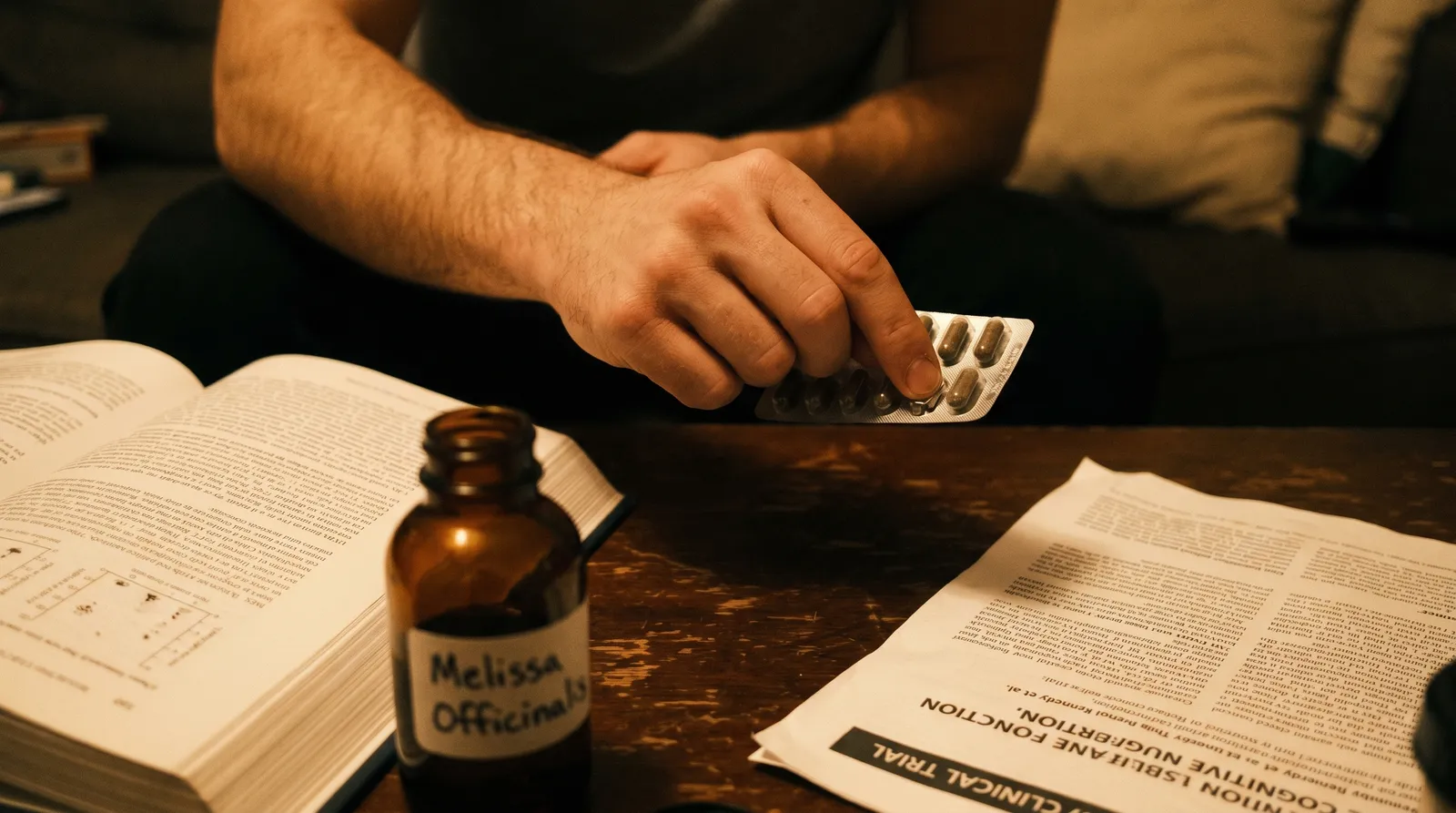
Cases et al. (2011) conducted a pilot study with 20 volunteers taking a standardised lemon balm extract (0.3 mg rosmarinic acid per dose) for 15 days. They reported reduced anxiety-associated symptoms and improved sleep quality based on self-report questionnaires. Again, the sample was small and lacked a placebo control group, which limits how much weight the findings can carry.
A more recent randomised, double-blind, placebo-controlled trial by Haybar et al. (2018) looked at 80 patients with chronic stable angina who received 3 g/day of lemon balm leaf or placebo for eight weeks. The lemon balm group showed reduced scores on a depression, anxiety, and stress scale compared to placebo. The result is interesting but the population was specific (cardiac patients), and the study has not been widely replicated.
On the sleep front, a combination study by Cerny and Schmid (1999) tested a valerian–lemon balm preparation against a benzodiazepine (triazolam 0.125 mg) in 98 volunteers. The herbal combination performed comparably to the low-dose benzodiazepine on subjective sleep quality measures, though objective polysomnography data were not collected. This study is often cited in valerian research as well — the challenge is disentangling which herb contributed what.
The European Medicines Agency's Committee on Herbal Medicinal Products (HMPC) lists Melissa officinalis leaf as a "traditional herbal medicinal product" for the relief of mild symptoms of mental stress and to aid sleep, based on long-standing use rather than clinical trial evidence. The WHO monograph on lemon balm makes a similar traditional-use designation. Neither constitutes a clinical endorsement — both are essentially saying "people have used this for a long time and it appears to be well tolerated."
The honest summary: the traditional reputation is consistent and centuries-old, the phytochemistry is real and well-characterised, and the clinical data points in a plausible direction — but the trials are small, few are well-controlled, and no large-scale systematic review has declared the evidence strong. If you are comparing this evidence base to, say, valerian root (which has at least a couple of Cochrane-level reviews), lemon balm's research portfolio is thinner.
Traditional Preparations
The most common traditional preparation — and still the most popular today — is a simple hot-water infusion. European herbal pharmacopoeias typically describe steeping 1.5–4.5 g of dried leaf in approximately 150 mL of boiling water, covered, for five to ten minutes. Covering the cup matters: the volatile compounds that give lemon balm its aroma are the same ones that evaporate into steam if the infusion is left open.
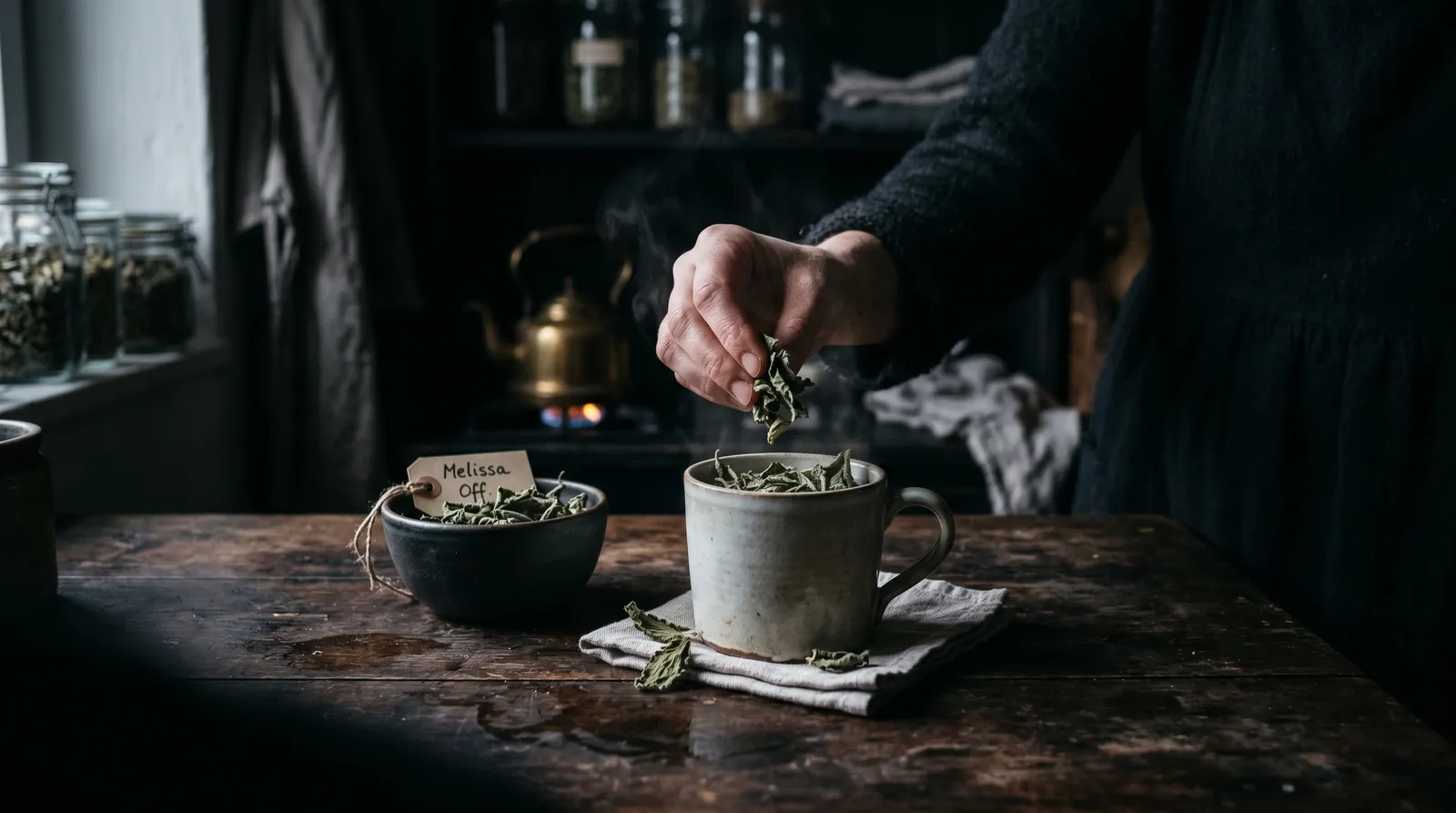
Tinctures (hydroalcoholic extracts) represent another traditional format, particularly in the German and Swiss phytotherapy traditions. Concentrated extracts standardised to rosmarinic acid content are used in some modern supplement capsules, though the standardisation methods vary between manufacturers.
In folk medicine across southern Europe and the Middle East, fresh lemon balm leaves were also applied topically — crushed onto insect bites, or infused in oil for skin irritation. Topical use is a separate tradition from the calming-tea tradition and falls outside the scope of this article.
Lemon balm also appears as a component in traditional herbal smoking blends, alongside damiana (Turnera diffusa), mullein, and passionflower. In that context, the herb contributes a mild flavour and smooth smoke rather than any pronounced standalone effect. The respiratory caution applies to any combusted botanical: inhaling smoke of any kind carries the same tar and particulate risks regardless of the plant source.
Safety and Cautions
Lemon balm is generally well tolerated at traditional tea doses. The HMPC assessment notes no significant adverse effects at recommended use levels. That said, a few cautions are worth flagging.
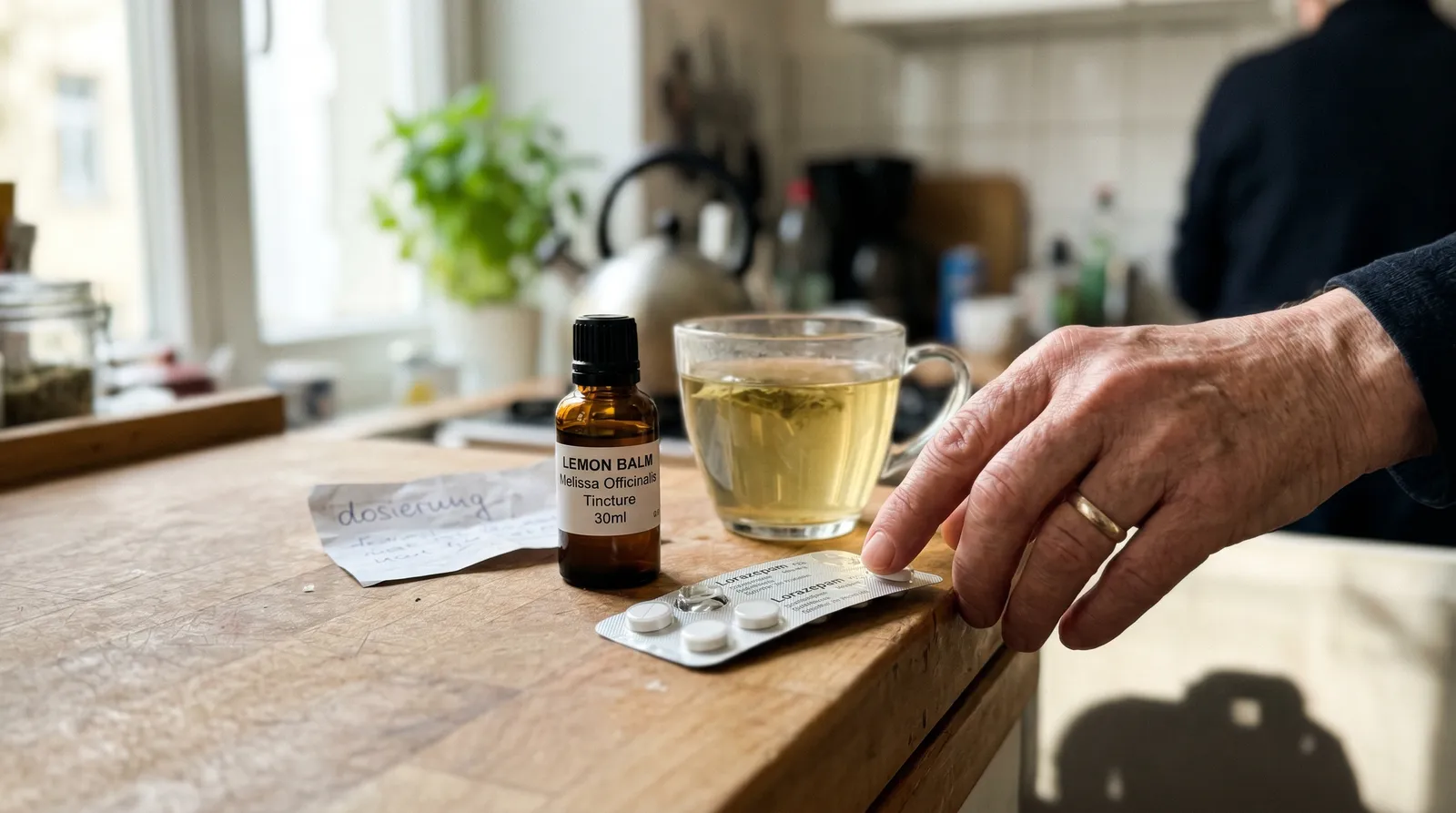
Lemon balm has mild sedative-leaning activity in some preparations. Do not combine with alcohol or other CNS depressants without medical supervision. This includes benzodiazepines, opioids, and other sedating herbs such as valerian or hops — stacking multiple sedative botanicals increases the chance of excessive drowsiness. Do not drive or operate heavy machinery after taking a sedative dose.
There is limited in vitro evidence suggesting lemon balm extracts may inhibit thyroid-stimulating hormone (TSH) binding and interfere with thyroid function (Auf'mkolk et al., 1984). The clinical relevance of this finding is unclear — it has not been confirmed in human trials at normal dietary doses — but individuals managing thyroid conditions should be aware of it and discuss use with a healthcare practitioner.
Pregnancy and breastfeeding data are insufficient to confirm safety. As with most herbs lacking specific gestational safety studies, caution is the default recommendation.
This article is consumer education, not medical advice. Traditional and ceremonial uses are described for cultural and historical context. Botanicals can interact with medications and are not a substitute for professional care. If you are pregnant, nursing, taking prescription medication, or managing a health condition, consult a qualified healthcare practitioner before use.
References
- Auf'mkolk, M. et al. (1984). Extracts and auto-oxidized constituents of certain plants inhibit the receptor-binding and the biological activity of Graves' immunoglobulins. Endocrinology, 116(5), 1687–1693.
- Cases, J. et al. (2011). Pilot trial of Melissa officinalis L. leaf extract in the treatment of volunteers suffering from mild-to-moderate anxiety disorders and sleep disturbances. Mediterranean Journal of Nutrition and Metabolism, 4(3), 211–218.
- Cerny, A. & Schmid, K. (1999). Tolerability and efficacy of valerian/lemon balm in healthy volunteers (a double-blind, placebo-controlled, multicentre study). Fitoterapia, 70(3), 221–228.
- Haybar, H. et al. (2018). The effects of Melissa officinalis supplementation on depression, anxiety, stress, and sleep disorder in patients with chronic stable angina. Clinical Nutrition ESPEN, 26, 47–52.
- Kennedy, D.O. et al. (2003). Modulation of mood and cognitive performance following acute administration of single doses of Melissa officinalis (lemon balm) with human CNS nicotinic and muscarinic receptor-binding properties. Neuropsychopharmacology, 28(10), 1871–1881.
- Petersen, M. & Simmonds, M.S.J. (2003). Rosmarinic acid. Phytochemistry, 62(2), 121–125.
- Shakeri, A. et al. (2016). Melissa officinalis L. — A review of its traditional uses, phytochemistry and pharmacology. Journal of Ethnopharmacology, 188, 204–228.
Last updated: April 2026
Frequently Asked Questions
7 questionsDoes lemon balm actually help with sleep or is it just a mild tea?
What is rosmarinic acid and why does it matter in lemon balm?
Can lemon balm affect thyroid function?
How should dried lemon balm be steeped for tea?
Is lemon balm safe to combine with valerian or passionflower?
What are the main active compounds in lemon balm leaves?
Why did Charlemagne order lemon balm planted in monastery gardens?
About this article


Adam Parsons is an external cannabis and psychedelics writer and editor who contributes to Azarius's wiki as both author and reviewer. On the writing side, he authors Azarius's kratom and kanna clusters, drawing on exten
This wiki article was drafted with AI assistance and reviewed by Adam Parsons, External contributor. Editorial oversight by Joshua Askew.
Medical disclaimer. This content is for informational purposes only and does not constitute medical advice. Consult a qualified healthcare provider before use of any substance.
Last reviewed April 25, 2026
Related Articles
Blue Lotus vs Kanna: Effects & Safety
Blue lotus vs kanna compared — Nymphaea caerulea's aporphine profile against Sceletium tortuosum's mesembrine chemistry, with interaction warnings.
Lotus Clinical Research Overview
What does lotus clinical research actually show? A critical review of Nymphaea caerulea and Nelumbo nucifera pharmacology, preclinical data, and…
Kanna South Africa To West History
Sceletium tortuosum was used by San and Khoekhoe communities in southern Africa for centuries before European colonists first documented it in the 1660s.
Sceletium Tortuosum Plant
Learn about the sceletium tortuosum plant: botany, alkaloids, fermentation, safety warnings, and where to buy kanna.
Kanna Pharmacokinetics Explained
Complete guide to kanna pharmacokinetics: how Sceletium tortuosum alkaloids are absorbed, metabolised via CYP2D6, and eliminated.
Kanna Chemistry: Sceletium Alkaloids Explained
Kanna chemistry explained: mesembrine, mesembrenone, their mechanisms, how fermentation and extraction change alkaloid profiles, and why it matters…
Rapé Shamanic Snuff Guide: How to Use It Safely
A practical rapé shamanic snuff guide covering dose, kuripe technique, effects, nicotine safety, interactions and Amazonian tradition.
White Sage Salvia Apiana Cultural Smudging Guide
Salvia apiana is a non-psychoactive shrub native to southern California's coastal sage scrub, burned as ceremonial incense in Indigenous North American…
Mulungu Erythrina Traditional Amazonian Use — Bark, Alkaloids & Research
Erythrina mulungu is a Brazilian legume tree whose bark has been brewed as a calming decoction in rural folk medicine for generations.