
Buy more, pay less
Reishi Liquid Culture Syringe — Grow the Mushroom of Immortality at Home
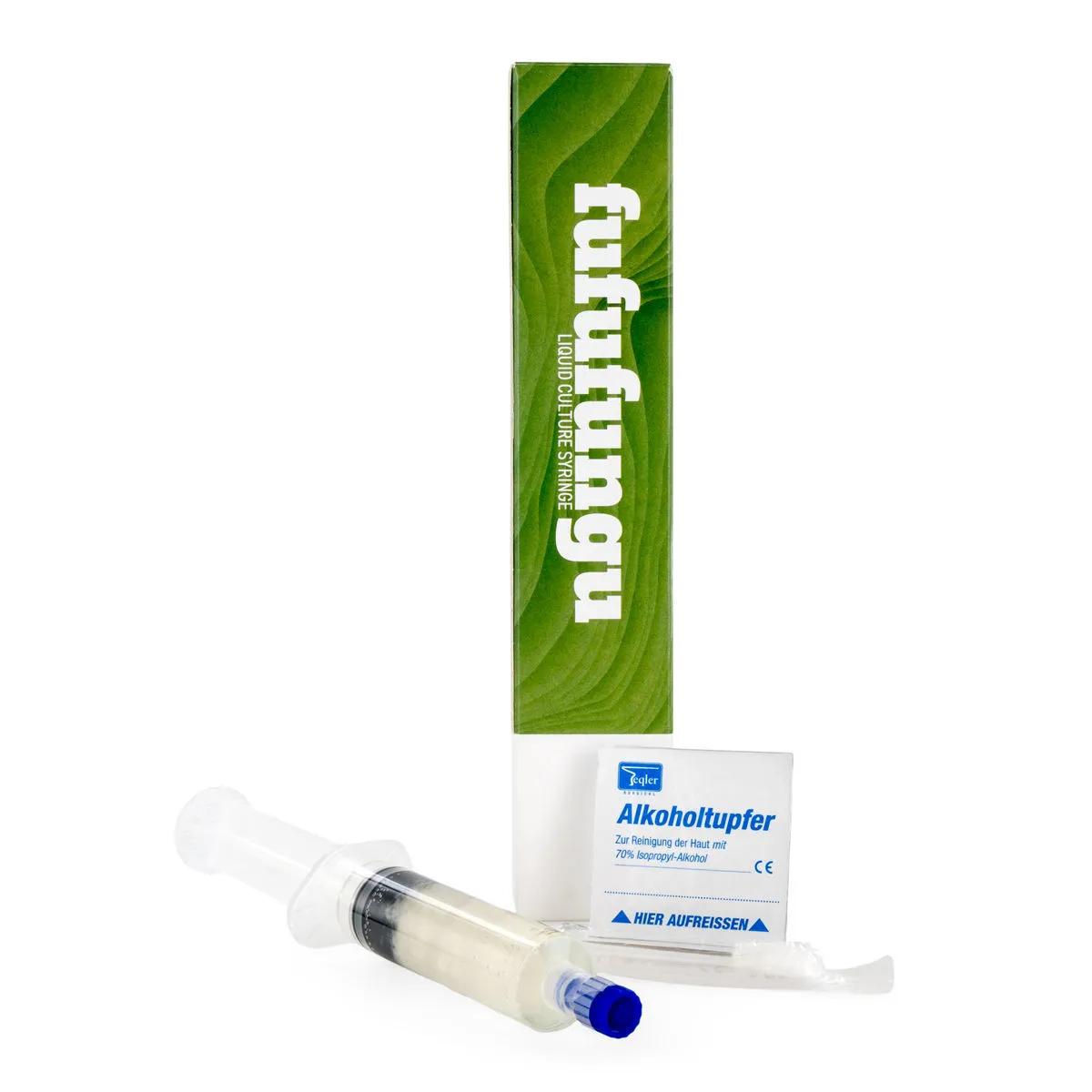
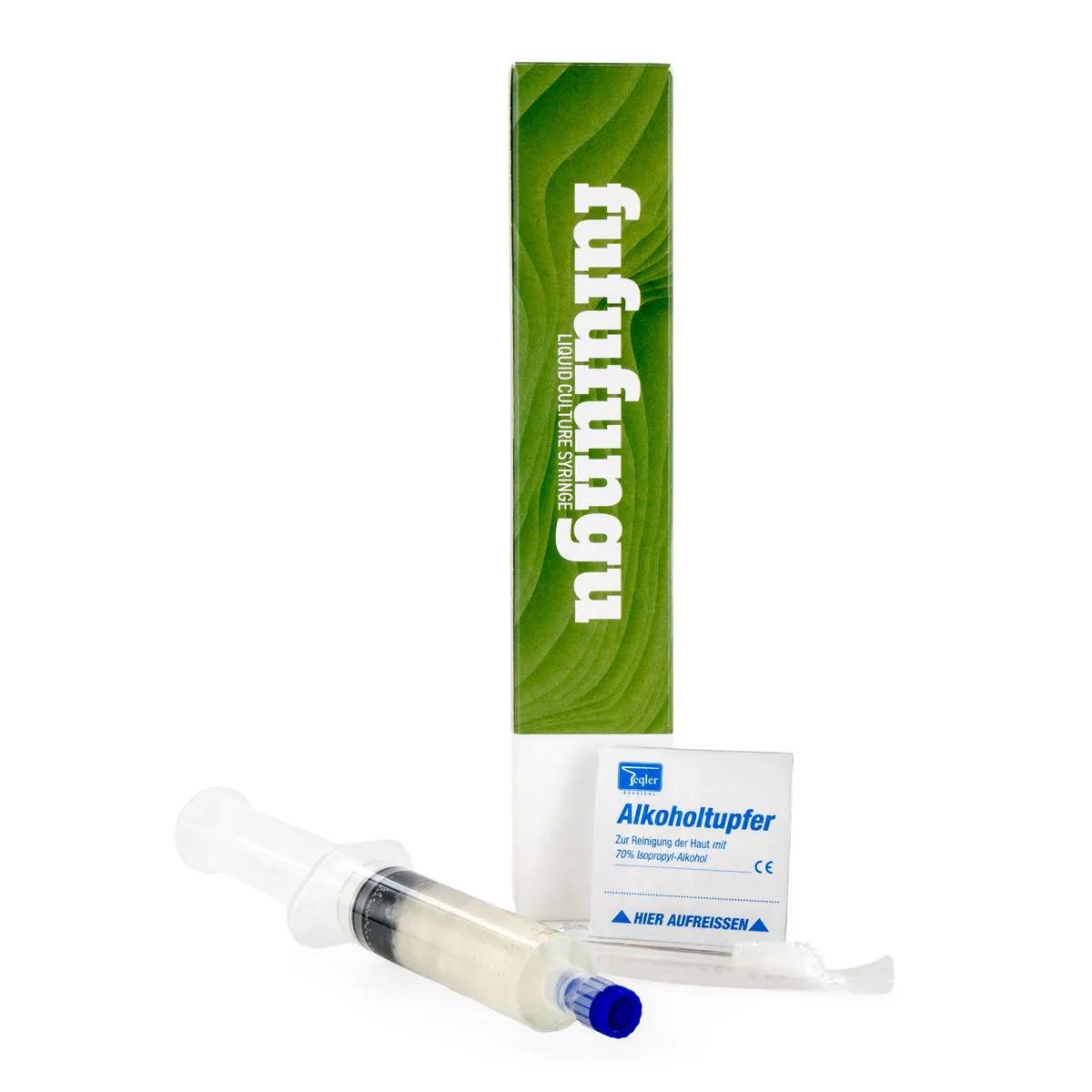
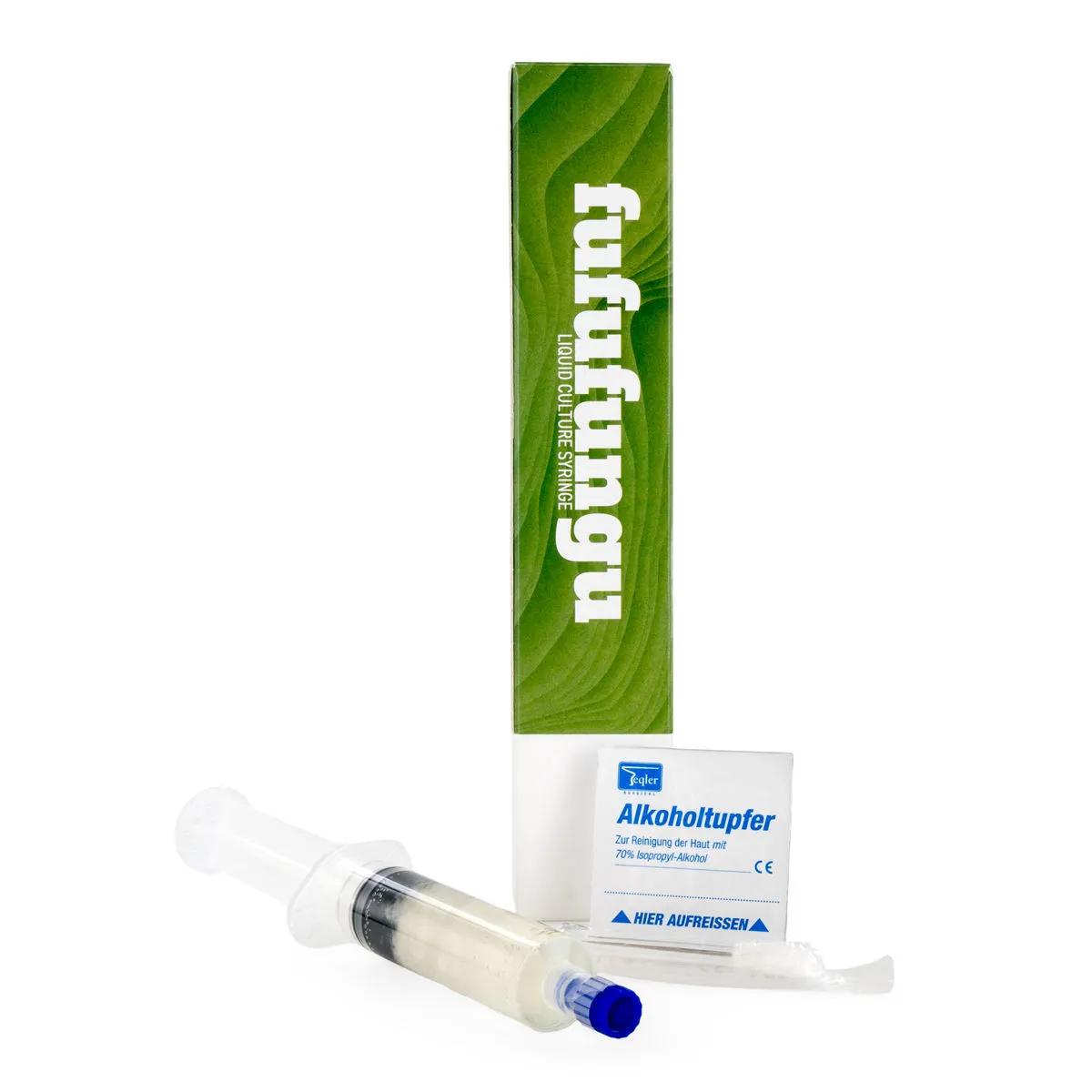
The Reishi Liquid Culture Syringe is a ready-to-inoculate syringe containing live mycelium of Ganoderma lucidum, the legendary reishi mushroom that has anchored traditional Chinese wellness practices for over 2,000 years. Produced by fufufungu, this liquid culture delivers fast, reliable colonisation of hardwood substrates — so you can go from inoculation to stunning, deep-red fruiting bodies in a matter of weeks rather than months. If you've ever wanted to cultivate one of the most visually striking and historically significant fungi on the planet, this is where you start.
Why Grow Reishi with a Liquid Culture Syringe
A reishi liquid culture syringe gives you a head start that spore syringes simply cannot match. Because the mycelium is already alive and actively growing in a nutrient-rich solution, it colonises your substrate dramatically faster — we're talking days to see visible growth, not the weeks you'd wait with a multi-spore syringe. That speed matters. Every extra day your substrate sits partially colonised is another day contamination can creep in. Liquid culture slashes that window.
The fufufungu syringe ships with vigorous, clean genetics of Ganoderma lucidum. Reishi is a hardwood-loving species — it thrives on supplemented hardwood sawdust, oak dowels, or hardwood pellet-based substrates. The mycelium in this syringe is selected for strong colonisation and reliable fruiting, which means fewer stalled grows and more of those gorgeous lacquered caps that make reishi one of the most photogenic mushrooms you'll ever cultivate.
One thing we'd flag honestly: your substrate choice will make or break this grow. Reishi on grain spawn alone tends to underperform compared to reishi on supplemented hardwood. If you're coming from growing Psilocybe cubensis on brown rice flour or rye grain, you'll need to adjust your approach. Hardwood sawdust supplemented with wheat bran (roughly 80/20 ratio) is the gold standard for reishi. Get the substrate right and the mycelium does the rest.
What Makes Reishi Worth Growing
Reishi — also called lingzhi in Chinese, meaning "spiritual potency" — has been a cornerstone of traditional Chinese medicine since the Han dynasty, over 2,000 years ago. Categorised as a red mushroom in classical Chinese pharmacology, reishi was traditionally prescribed to address chest and heart qi (energy). But the research that's accumulated in modern times goes well beyond traditional use.
According to a review published in PMC, clinical investigations have revealed G. lucidum's capacity to lower blood pressure, cholesterol, and glucose levels (The Nutritional Significance of Ganoderma lucidum, PMC). A randomised, double-blind, placebo-controlled study observed improvements in fatigue and wellbeing measures over an 8-week supplementation period (PubMed, 2005). And according to a systematic review in PMC, G. lucidum has been investigated as a supportive agent alongside conventional cancer treatment, though the authors note that further rigorous trials are needed (PMC, 2019).
Research also suggests that G. lucidum polysaccharides may support immune function. In one study, 71 adult patients with confirmed type 2 diabetes were supplemented with Ganopoly — a polysaccharide extract from reishi — with observed effects on glycaemic markers (NCBI Bookshelf — Herbal Medicine). A separate review of bioactive components noted that reishi spore oil may have potential in prolonging survival times in certain experimental models (PMC, 2024).
None of this means reishi is a cure for anything — the research is ongoing and the authors themselves call for larger, better-designed trials. But when you grow your own, you know exactly what you're getting: fresh, whole fruiting bodies with no fillers, no starch, and no mystery supply chain.
Fan Shape or Antler Shape — Both Are Normal
Here's something that catches first-time reishi growers off guard: your fruiting bodies might not look like the classic fan-shaped conks you see in photos. Reishi can produce two very different growth forms depending on CO2 levels in your growing environment. In fresh air with good airflow exchange, you'll get the typical kidney-shaped or fan-like caps with that deep-red, lacquered surface — genuinely one of the most beautiful things you'll ever grow. In higher CO2 environments (like a sealed monotub or poorly ventilated fruiting chamber), reishi produces elongated, antler-like fingers that reach upward searching for fresh air.
Both forms are perfectly healthy and contain the same bioactive compounds. Some growers actually prefer the antler form — it looks otherworldly, like something from a coral reef. If you want the classic fan shape, increase your fresh air exchange. If you're happy with antlers, let them do their thing. Either way, the deep-red to mahogany colouring and woody, slightly bitter aroma when dried are unmistakable. Fresh reishi has a firm, almost rubbery texture — nothing like the soft flesh of a culinary mushroom.
| Specification | Detail |
|---|---|
| Species | Ganoderma lucidum (Reishi / Lingzhi) |
| Brand | fufufungu |
| Contents | Live liquid culture syringe with active mycelium |
| Recommended substrate | Supplemented hardwood sawdust (80% hardwood / 20% wheat bran) |
| Alternative substrates | Hardwood dowels, hardwood pellets, sterilised logs |
| Colonisation speed | Visible growth within days; full colonisation in 2–4 weeks (substrate-dependent) |
| Fruiting time | Several weeks after full colonisation |
| Fruiting temperature | 20–28°C |
| Fruiting forms | Fan-shaped (high FAE) or antler-shaped (low FAE) |
| Traditional use | Over 2,000 years in Chinese medicine (Han dynasty onward) |
Complete your reishi grow setup with a sterilised hardwood substrate bag — pre-hydrated and ready for inoculation. If you're planning multiple grows, a pressure cooker for sterilising your own substrate pays for itself after two or three batches. And if you want to expand your liquid culture collection, check out the Lion's Mane and Shiitake liquid culture syringes from fufufungu for a full medicinal mushroom rotation.
Why a Liquid Culture Syringe Beats Spore Syringes for Reishi
We get asked this a lot: why pay for liquid culture when spore syringes exist? The answer comes down to time, reliability, and contamination resistance.
Spores need to germinate before they can colonise. That germination phase can take a week or more, and during that time your substrate is vulnerable. Contaminants — particularly Trichoderma, the green mould that haunts mushroom growers — move fast. If your spores are still germinating while Trichoderma is already spreading, you lose the race.
Liquid culture mycelium is already alive and growing. The moment it hits your substrate, it starts colonising. That speed advantage compounds: faster colonisation means the mycelium claims the substrate before contaminants can establish. For a slow-fruiting species like reishi — which takes longer than something like oyster mushrooms — that head start is critical. We've seen growers lose entire reishi batches to contamination that started during a sluggish colonisation phase. Liquid culture won't make you immune to contamination, but it stacks the odds heavily in your favour.
The one honest limitation: liquid culture syringes are living organisms. They have a shelf life. Use yours within a few weeks of receiving it for best results, and store it in the fridge (4–8°C) if you're not inoculating immediately. Don't freeze it — that kills the mycelium.
How to Use the Reishi Liquid Culture Syringe
- Prepare your substrate. Supplemented hardwood sawdust (80% hardwood, 20% wheat bran by dry weight) is the best option for reishi. Hydrate to approximately 60–65% moisture content, load into autoclavable bags with filter patches, and sterilise at 15 PSI for 90–120 minutes. Allow to cool completely to room temperature before inoculating.
- Set up a still-air box or work in front of a laminar flow hood. Wipe all surfaces with 70% isopropyl alcohol. Flame-sterilise the syringe needle until it glows red, then allow it to cool for a few seconds before use.
- Shake the syringe gently to distribute the mycelium evenly throughout the liquid. You should see small clumps or wisps of white mycelium suspended in the solution — that's what you want.
- Inject 2–5 ml of liquid culture into each substrate bag through the injection port or through a small hole sealed with micropore tape. Distribute the liquid across multiple injection points if possible for faster, more even colonisation.
- Seal the injection site with micropore tape if needed, then store the inoculated bags at 22–26°C in a dark, clean space. You should see white mycelial growth within 3–7 days.
- Wait for full colonisation — the entire substrate should be covered in white mycelium with no uncolonised patches. For reishi on hardwood, this typically takes 2–4 weeks depending on bag size and temperature.
- Once fully colonised, introduce fruiting conditions: cut open the top of the bag or slice an X into the side, increase humidity to 85–95%, and provide 12 hours of indirect light per day. For fan-shaped caps, ensure good fresh air exchange (fan the fruiting chamber 2–3 times daily or use passive ventilation).
- Harvest when the white growing edge of the cap disappears and the entire surface shows the characteristic deep-red lacquer. Reishi is typically dried rather than eaten fresh — slice thinly and use a food dehydrator at 40–50°C, or air-dry in a warm, ventilated space.
Reishi Liquid Culture vs. Other Cultivation Methods
| Method | Colonisation speed | Contamination risk | Best for |
|---|---|---|---|
| Liquid culture syringe (this product) | Fast — visible growth in 3–7 days | Lower — active mycelium outpaces contaminants | Indoor substrate bags, controlled growing |
| Spore syringe | Slow — germination adds 7–14 days | Higher — longer vulnerable window | Genetic diversity projects, agar work |
| Agar wedge transfer | Moderate — depends on culture vigour | Low — if agar is clean | Experienced growers with laminar flow |
| Plug spawn (hardwood dowels) | Very slow — months for outdoor logs | Variable — outdoor environment | Outdoor log cultivation, long-term projects |
Frequently Asked Questions
How long does reishi take to fruit from a liquid culture syringe?
Full colonisation of a hardwood substrate bag typically takes 2–4 weeks after inoculation. Fruiting adds several more weeks on top of that. Total time from inoculation to harvest is usually 6–10 weeks, depending on substrate type, temperature, and humidity levels.
What substrate works best for reishi mushrooms?
Supplemented hardwood sawdust is the gold standard — 80% hardwood sawdust mixed with 20% wheat bran by dry weight, hydrated to around 60–65% moisture. Oak, beech, and maple all work well. Avoid softwoods like pine or cedar, which contain antifungal resins that inhibit mycelial growth.
Why is my reishi growing antler shapes instead of fan shapes?
Antler-shaped reishi forms in high-CO2 environments. The mushroom is reaching upward searching for fresh air. Increase your fresh air exchange — open the fruiting chamber more often or add passive ventilation holes — and subsequent growth should flatten into the classic fan shape.
Can I use the liquid culture syringe more than once?
Yes. Each syringe contains enough liquid culture for multiple inoculations — typically 3–5 substrate bags at 2–5 ml per injection. Use it in a single session if possible, or re-cap the needle, wipe with alcohol, and refrigerate between uses. Don't store a partially used syringe for more than a couple of weeks.
How should I store the reishi liquid culture syringe before use?
Refrigerate at 4–8°C until you're ready to inoculate. Do not freeze — freezing kills the live mycelium. Use the syringe within a few weeks of purchase for the strongest colonisation. If you notice the liquid turning cloudy or discoloured with no visible mycelium clumps, the culture may have degraded.
Are there any side effects from consuming home-grown reishi?
According to published research, reishi supplements can cause side effects including dry mouth, dizziness, stomach upset, and skin irritation in some individuals. If you are taking blood thinners, blood pressure medication, or immunosuppressants, consult a healthcare professional before consuming reishi, as interactions have been reported in the literature.
How do I dry and prepare reishi after harvesting?
Slice the fruiting bodies into thin strips (5–8 mm) while still slightly pliable. Dry in a food dehydrator at 40–50°C until completely brittle, or air-dry in a warm space with good airflow. Once fully dried, reishi can be brewed as tea, ground into powder, or used in tincture preparations. Dried reishi stores for 12 months or more in an airtight container.
Last updated: April 2026
Related products
Medical disclaimer. This content is for informational purposes only and does not constitute medical advice. Consult a qualified healthcare provider before use of any substance.