
Buy more, pay less
Shiitake Liquid Culture Syringe: Fast-Track Your Gourmet Mushroom Grow
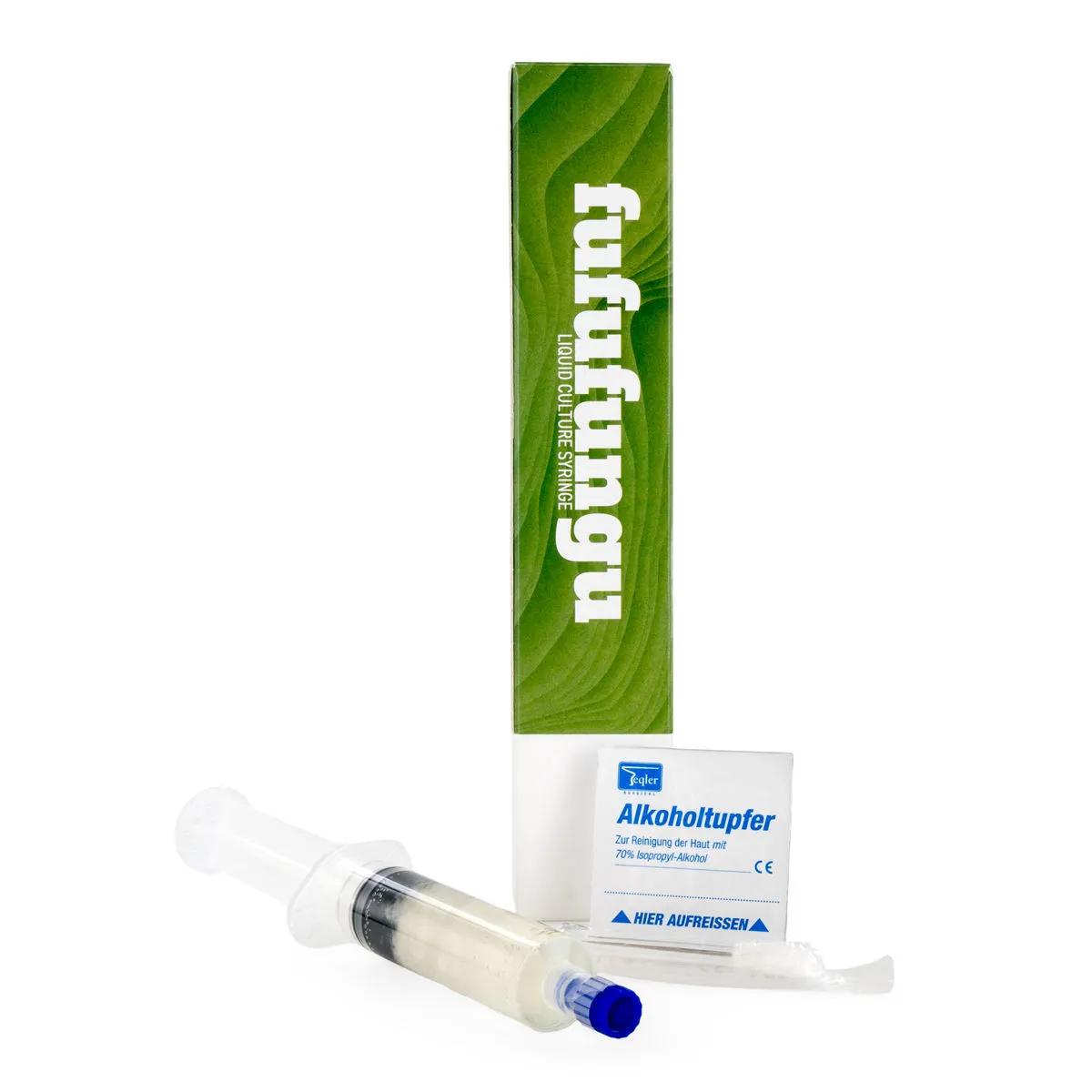
The Shiitake Liquid Culture Syringe is a 20ml syringe loaded with live Lentinula edodes mycelium — the fastest way to start colonising substrate for one of the world's most sought-after gourmet mushrooms. Unlike spore syringes, which need time to germinate and establish, liquid culture contains vigorous, actively growing mycelium that hits the ground running. You inject it straight into sterilised grain, and colonisation is noticeably quicker — we're talking days shaved off your timeline compared to starting from spores.
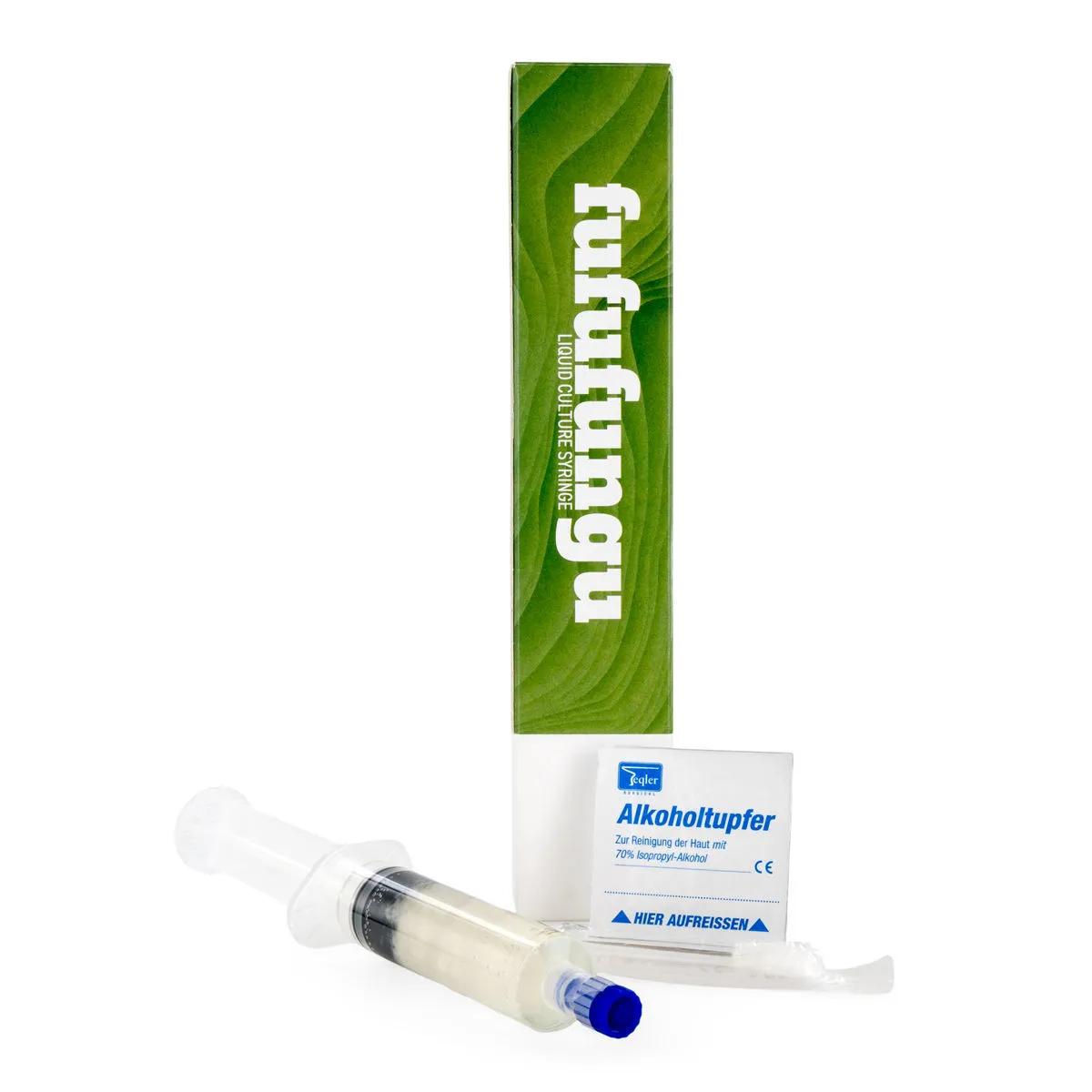
What's Inside the Shiitake Liquid Culture Kit
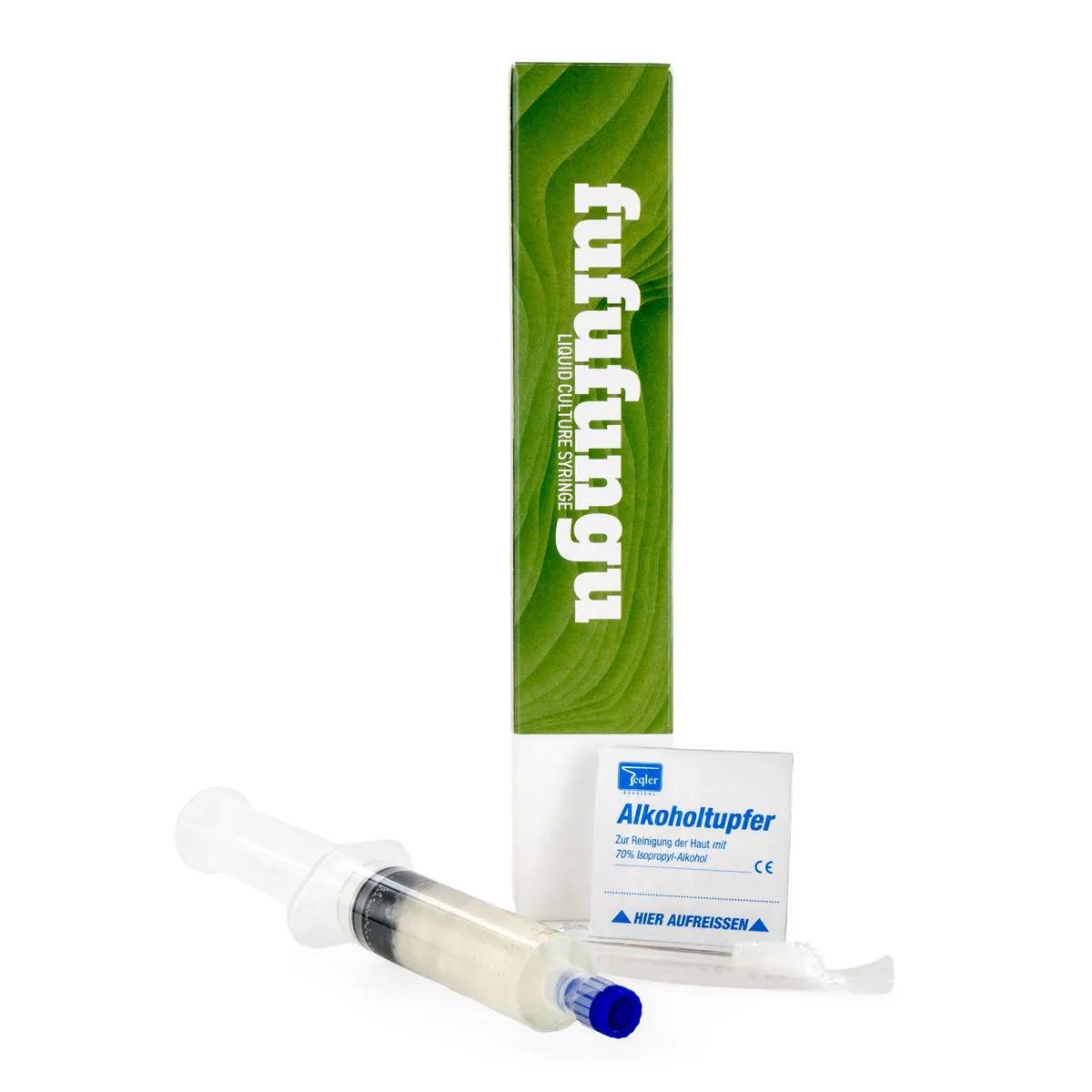
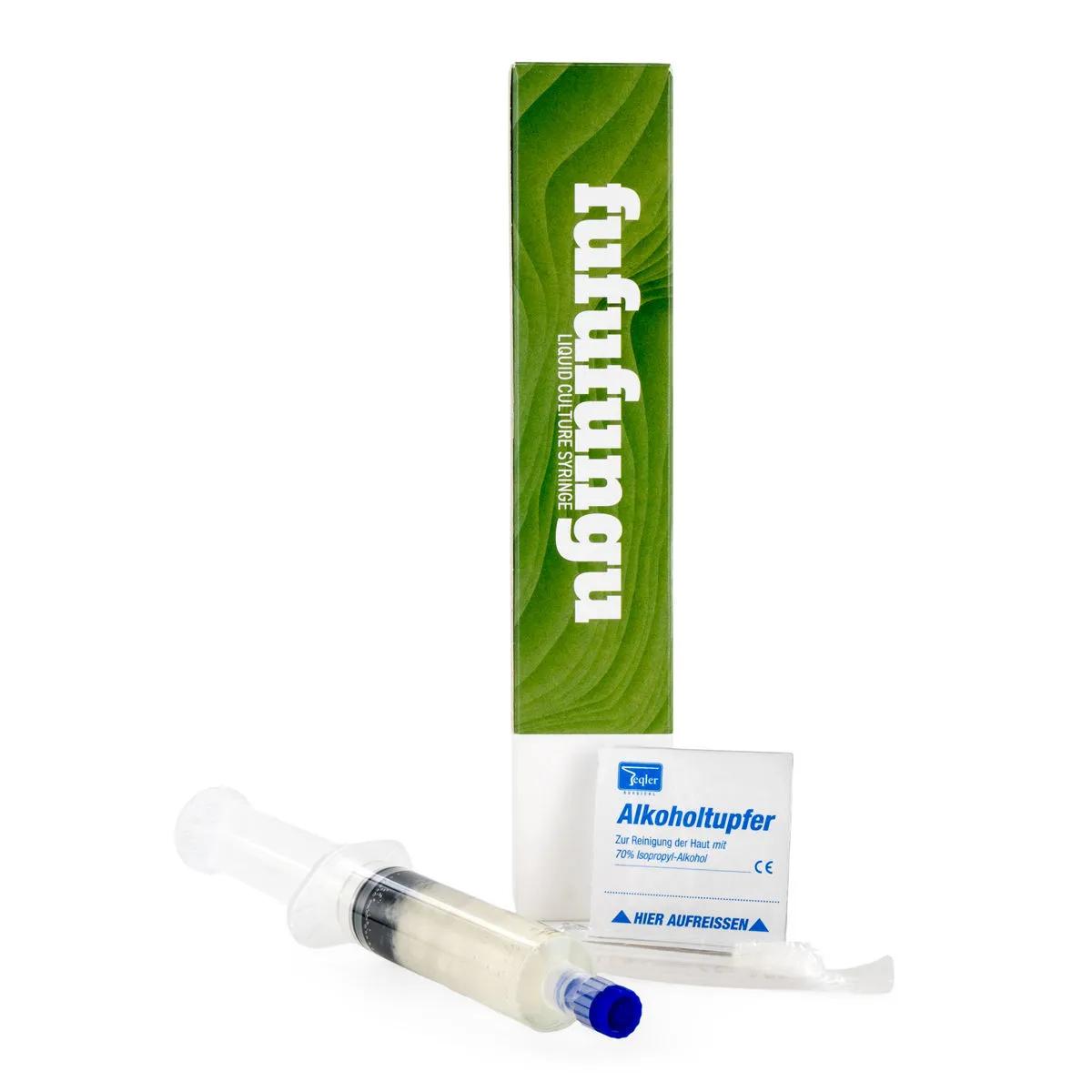
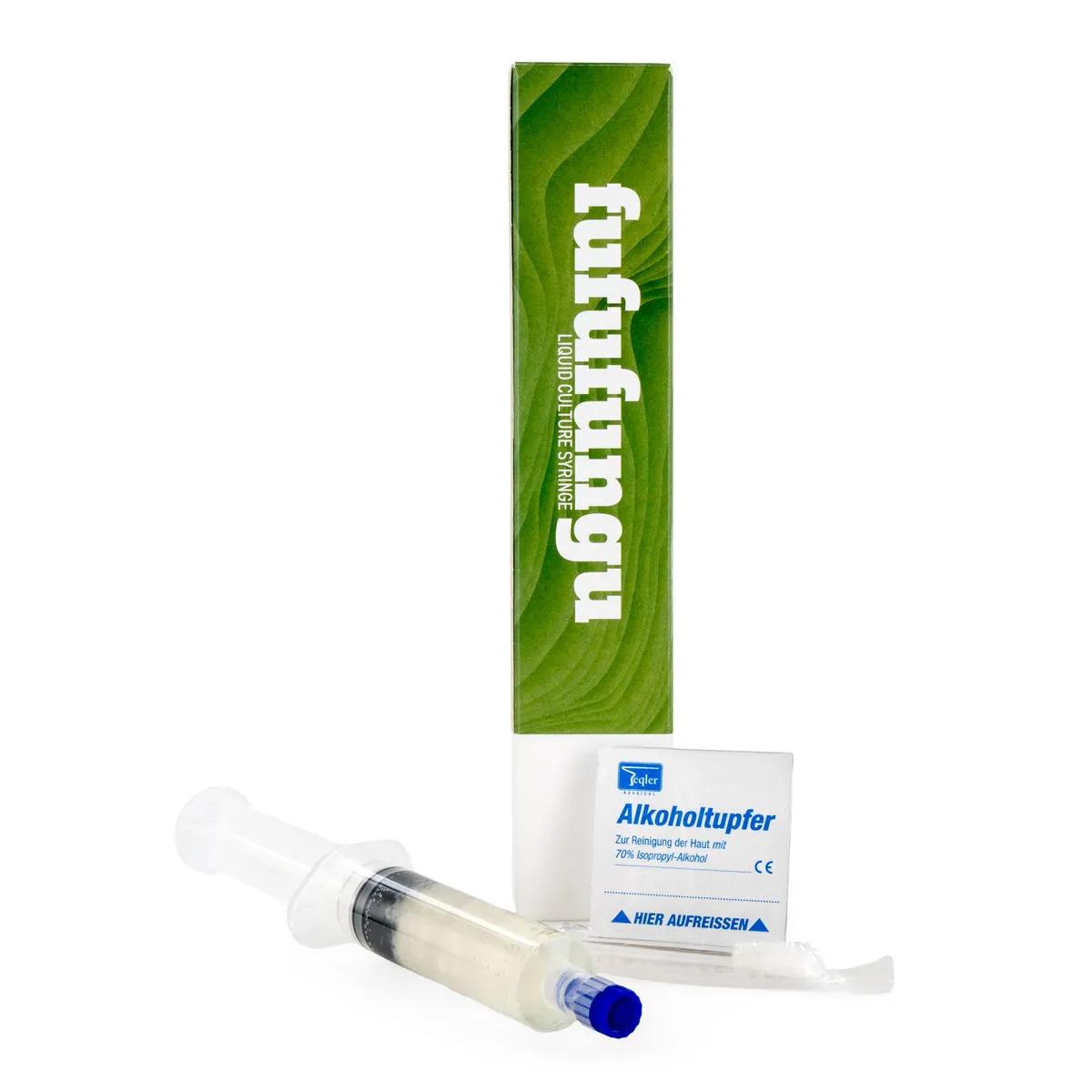
Each kit arrives ready to use — no extra purchases needed to get started with inoculation. Made by Fufufungu, the syringe is filled under sterile conditions with healthy mycelium suspended in nutrient broth.
| Spec | Detail |
|---|---|
| Species | Lentinula edodes (Shiitake) |
| Brand | Fufufungu (distributed by Mycotech) |
| Volume | 20ml liquid culture syringe |
| Inoculation Rate | 2–5ml per litre/quart jar of sterilised grain |
| Included | 1x syringe, 2x alcohol wipes, 1x sterilised needle |
| Shelf Life | Use within 2 months of delivery |
| Storage | Cool, dark place (fridge recommended), away from UV light |
| Best Substrate | Supplemented hardwood: oak, beech, birch, alder, chestnut, pasania |
| Type | Gourmet mushroom cultivation |
Why Liquid Culture Beats Spore Syringes for Shiitake
Liquid culture gives you a genuine head start over spore-based methods. Spores need to germinate, find a mating partner, and then establish mycelium before colonisation even begins. With liquid culture, that work is already done — the mycelium is alive, vigorous, and ready to consume substrate the moment it touches grain.
In practical terms, that means faster colonisation, fewer stall-outs, and a much lower chance of incomplete colonisation. We've seen growers lose weeks waiting on sluggish spore germination, especially with shiitake, which can be pickier than oyster mushrooms about getting established. Liquid culture sidesteps that frustration almost entirely. Shiitake mycelium from this syringe grows virulently — Fufufungu's description isn't exaggerating on that point.
The trade-off? Liquid culture is more perishable than spore prints or spore syringes. Spores can sit in a fridge for months (sometimes years) and still be viable. Liquid culture mycelium is a living organism that needs to be used within about 2 months. So Best used within 6 months of receipt; store refrigerated for maximum viability.
Best Substrate for Shiitake Mushroom Cultivation
Shiitake mushrooms grow on decaying hardwood in the wild, and your substrate choice should reflect that. The best results come from supplemented hardwood sawdust or hardwood logs. Oak is the classic choice — it's what commercial shiitake farms have used for centuries in East Asia — but beech, birch, alder, chestnut, and pasania all work well.
If you're growing indoors using bags (the most common home method), you'll want hardwood sawdust or pellets as your base. You can supplement with oat bran, wheat bran, rice bran, or soy hulls to boost your yield. But here's the honest caveat from Fufufungu that's worth repeating: go light on supplements. A high ratio of supplementation can lead to deformed mushrooms. We'd suggest keeping supplements to around 10–15% of your total substrate weight — enough to give the mycelium extra nutrition without throwing off the fruiting.
For outdoor growers, hardwood logs (freshly cut, 10–20cm diameter) are the traditional method. Drill holes, inject or plug with colonised spawn, seal with wax, and wait. Log cultivation takes longer — sometimes 6–12 months before the first flush — but the mushrooms have a deeper flavour and the logs can keep producing for 3–5 years.
| Substrate Type | Best For | Time to First Flush |
|---|---|---|
| Hardwood sawdust + bran (bags) | Indoor growers, faster results | 8–12 weeks |
| Hardwood logs (oak, beech) | Outdoor growers, long-term production | 6–12 months |
| Hardwood pellets (rehydrated) | Convenient indoor option | 8–12 weeks |
How to Use the Shiitake Liquid Culture Syringe
Sterile technique is everything here. One ungloved hand, one uncleaned injection port, and you're growing trichoderma instead of shiitake. Follow these steps and you'll be fine.
- Shake the syringe well before use. The mycelium clumps together during storage — shaking breaks it up and gives you even distribution across your grain jars or bags.
- Wipe down your work surface, hands, and the injection port of your grain jar or bag with the included alcohol wipes. If you have a still air box or laminar flow hood, use it.
- Attach the sterilised needle to the syringe. Flame-sterilise the needle tip with a lighter until it glows red, then let it cool for a few seconds.
- Inject 2–5ml of liquid culture per litre (or quart jar) of sterilised grain. Aim for multiple injection points around the jar to speed up colonisation — 3–4 spots works well.
- Seal the injection port with micropore tape if it doesn't self-heal. Place the inoculated grain in a dark spot at 20–24°C.
- Wait for full colonisation. You should see white mycelium spreading within 5–10 days. Full colonisation typically takes 2–4 weeks depending on temperature and grain type.
- Once fully colonised, break up the grain and mix it into your prepared hardwood substrate (bags or logs).
- After substrate colonisation is complete, initiate fruiting by dropping the temperature to 10–16°C and increasing fresh air exchange and humidity (80–90% RH).
Growing shiitake from liquid culture means you'll need sterilised grain spawn jars or bags, plus a hardwood substrate. If you're setting up an indoor grow, a monotub or fruiting chamber with humidity control makes the fruiting stage much more reliable. Check out our grow supplies for substrate bags, grain jars, and cultivation accessories.
What Do Shiitake Mushrooms Taste Like?
There's a reason shiitake is the second most cultivated mushroom on the planet (after the common button mushroom). The flavour is rich, savoury, and deeply umami — that fifth taste that makes your mouth water. Fresh shiitake have a meaty, almost buttery texture when sautéed, with an earthy backbone that intensifies when dried. Dried shiitake, rehydrated and sliced into soups or stir-fries, have a concentrated depth that fresh ones can't quite match.
Growing your own means harvesting at peak freshness — something you'll never get from a supermarket punnet that's been sitting in a cold chain for a week. The difference in texture alone is worth the effort. Home-grown shiitake have a firmness and snap that commercial ones lose in transit.
Shiitake: What the Research Says
Beyond the kitchen, shiitake has attracted serious scientific interest. According to a review published in Nutrients (PMC8401741), the immunomodulatory potential of shiitake has been investigated in many clinical trials, with findings from preclinical studies prompting further research into its effects on immune function. The compound lentinan — a beta-glucan polysaccharide found in shiitake cell walls — has been the focus of much of this research.
A study published in PubMed (PMID 24593132) found that a polysaccharide isolated from liquid culture of Lentinula edodes significantly extended the lifespan of mice infected with a lethal dose of S. Typhimurium, suggesting potential immune-supporting properties that warrant further human research.
An in vitro study published in PMC (PMC3182071) assessed shiitake mushroom extracts for their effects on oral microbial communities, adding to the body of research exploring the mushroom's bioactive compounds beyond culinary use.
None of this means shiitake is medicine — it means scientists keep finding reasons to study it. Cook them because they taste brilliant. If the research catches up with solid human clinical data, that's a bonus.
Frequently Asked Questions
How long does the shiitake liquid culture syringe last before I need to use it?
Use it within 2 months of delivery. Store it in the fridge, away from UV light. Unlike spore syringes, liquid culture contains living mycelium that degrades over time. Don't stockpile — order when you're ready to inoculate.
How much liquid culture do I inject per jar?
2–5ml per litre or quart jar of sterilised grain. The 20ml syringe gives you enough for 4–10 jars depending on how generous you are. Multiple injection points per jar (3–4 spots) speed up colonisation.
Can I use this liquid culture with brown rice flour (BRF) jars?
You can, but shiitake strongly prefers hardwood-based substrates. BRF works for species like cubensis, but shiitake mycelium performs best on supplemented hardwood sawdust, pellets, or logs. Stick with what the species evolved to eat.
What temperature does shiitake need for colonisation and fruiting?
Colonise at 20–24°C in the dark. For fruiting, drop the temperature to 10–16°C with high humidity (80–90% RH) and good fresh air exchange. That cold shock is what triggers pinning — shiitake won't fruit well at warm room temperature.
Is liquid culture better than a spore syringe for growing shiitake?
Yes, for speed and reliability. Liquid culture contains established mycelium that colonises grain much faster than spores, which need to germinate first. The downside is shorter shelf life — about 2 months versus potentially years for spore syringes.
How do I know if the liquid culture is contaminated?
Healthy liquid culture looks like wispy white clouds or strands floating in clear to slightly yellowish broth. If the liquid is cloudy, green, black, or smells sour or foul, don't use it. Contact us — we'll sort it out.
Can I grow shiitake mushrooms outdoors on logs with this syringe?
Not directly. You'll first need to colonise sterilised grain with the liquid culture, then use that colonised grain as spawn to inoculate hardwood logs. Drill holes in fresh-cut logs, pack in spawn, seal with wax, and wait 6–12 months for the first flush.
Are shiitake mushrooms safe to eat raw?
Always cook shiitake thoroughly. Raw or undercooked shiitake can cause shiitake dermatitis — a skin rash caused by the compound lentinan that breaks down with heat. A few minutes in a hot pan is all it takes.
Last updated: April 2026
Related products
Medical disclaimer. This content is for informational purposes only and does not constitute medical advice. Consult a qualified healthcare provider before use of any substance.