
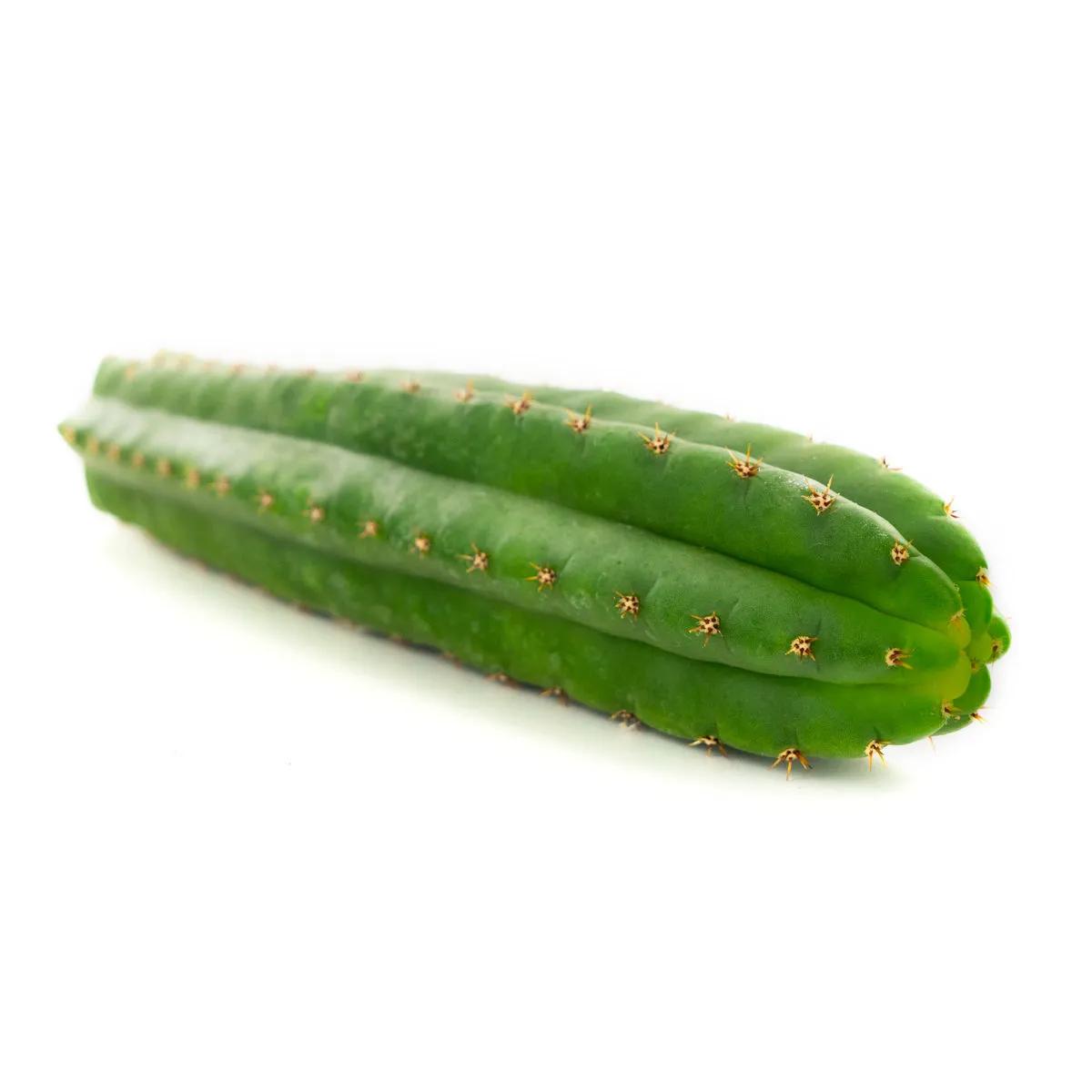
San Pedro
Mescaline cacti
by Unbranded
San Pedro Cactus — The Sacred Mescaline Cactus from the Andes
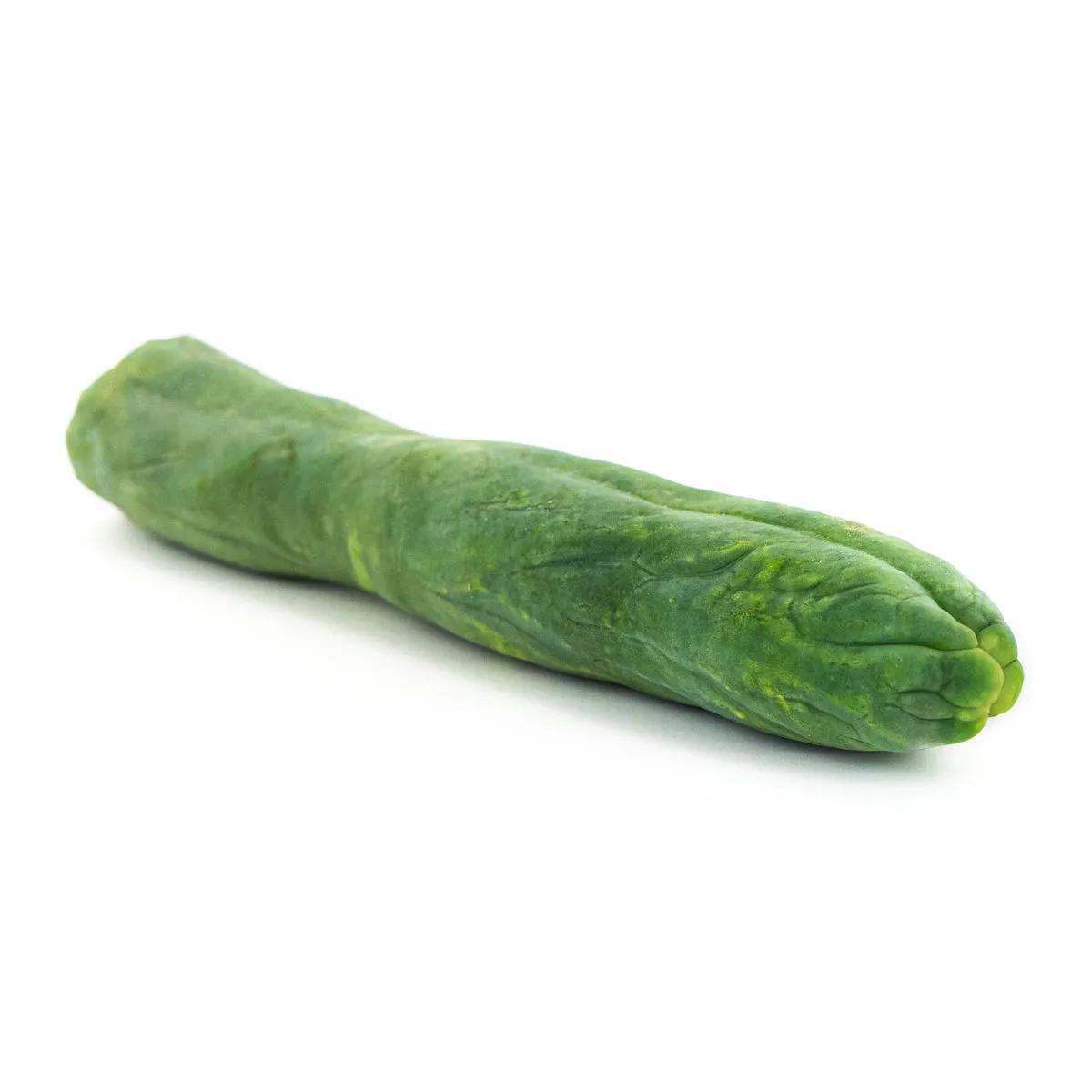
San Pedro (Echinopsis pachanoi) is a fast-growing columnar cactus native to the mountains of Peru and Ecuador, containing the naturally occurring psychoactive compound mescaline. For thousands of years, this cactus has held a central role in Latin American shamanic traditions. According to research published in the Journal of Ethnopharmacology, archaeological and ethnographic evidence confirms mescaline use in San Pedro rituals dating back millennia in northern Peru (Bussmann & Sharon, 2006). We sell live cuttings in three sizes — small, medium, and large — that root easily and resume growing like they were never separated from the mother plant.
Which San Pedro Cutting Size Should You Pick?
All three sizes are genuine cuttings taken from healthy, mature San Pedro cacti. The difference is straightforward: how long you want to wait before you have an impressive cactus on your windowsill or balcony.
| Variant | Length | SKU | Best for |
|---|---|---|---|
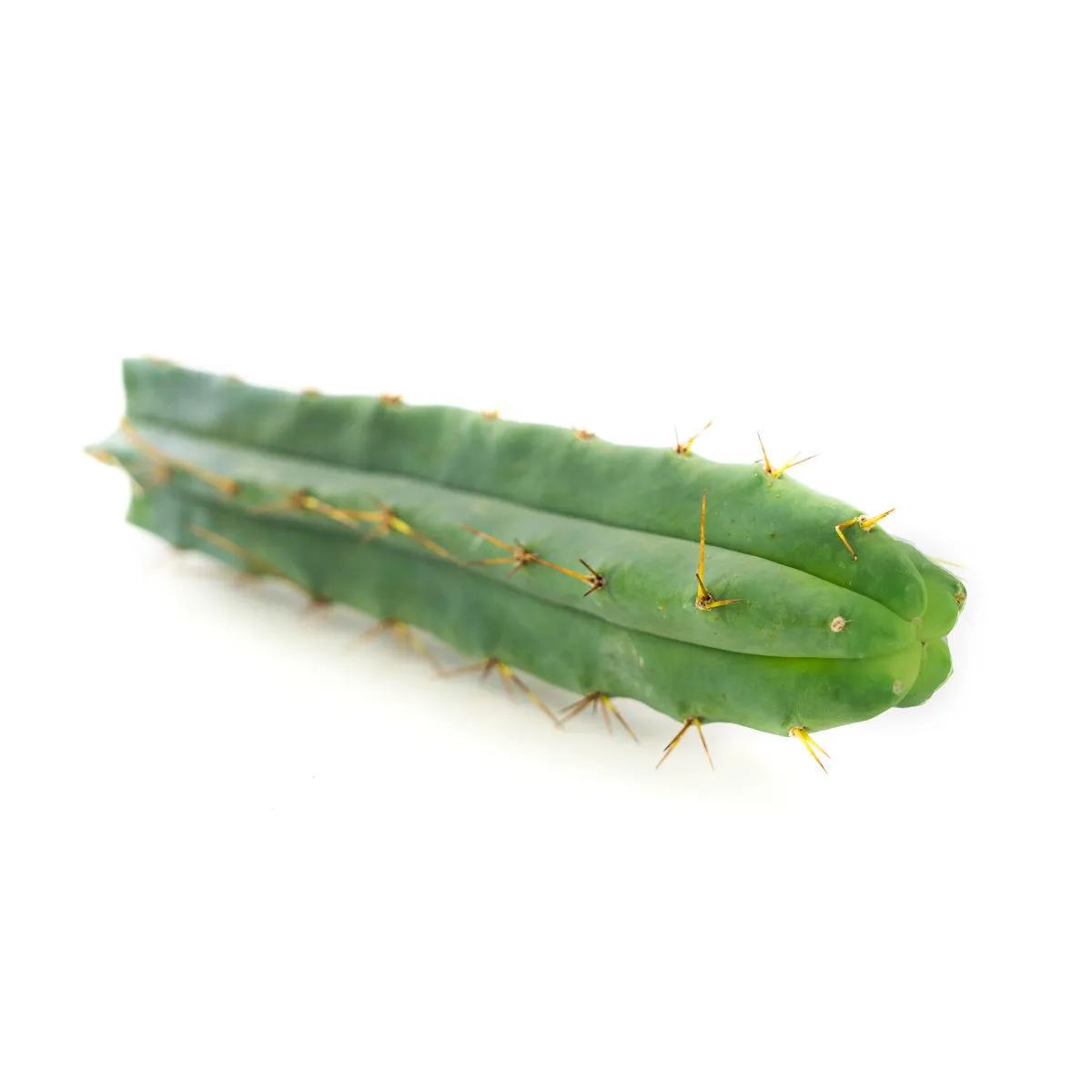
| Small | 10-11 cm | SM0056 | Starting a collection, gifting, patient growers |
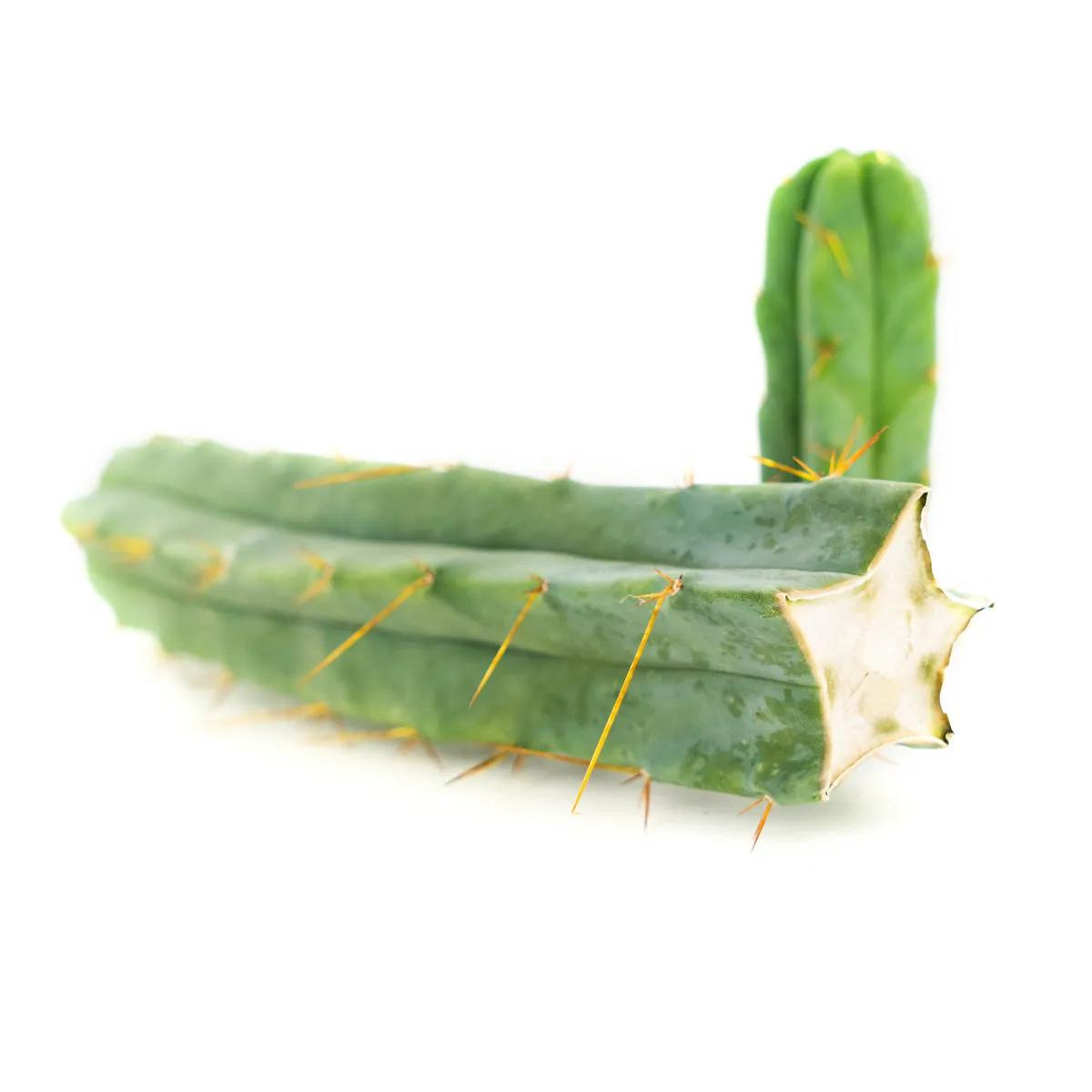
| Medium | 25-30 cm | SM0057 | Good balance of size and value — our most popular pick |
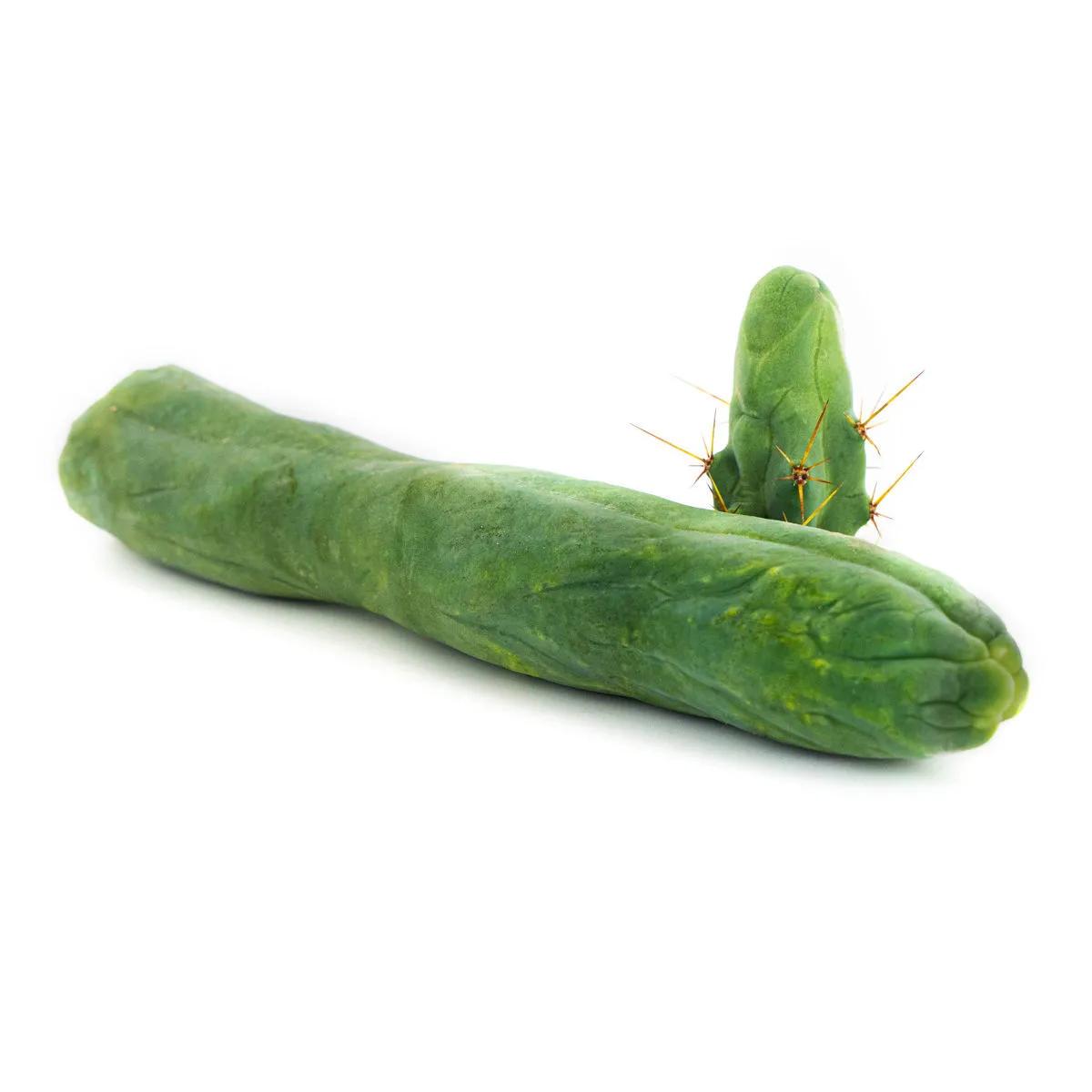
| Large | 50-60 cm | SM0058 | Instant visual impact, faster maturation |
If you're buying your first San Pedro, we'd go with the medium cutting. It's substantial enough to feel like a real plant from day one, roots quickly, and gives you a solid head start. The small is great if you want several cuttings to experiment with, and the large is for anyone who doesn't want to wait — you'll have a proper cactus column within a single growing season.
San Pedro Cactus Specifications
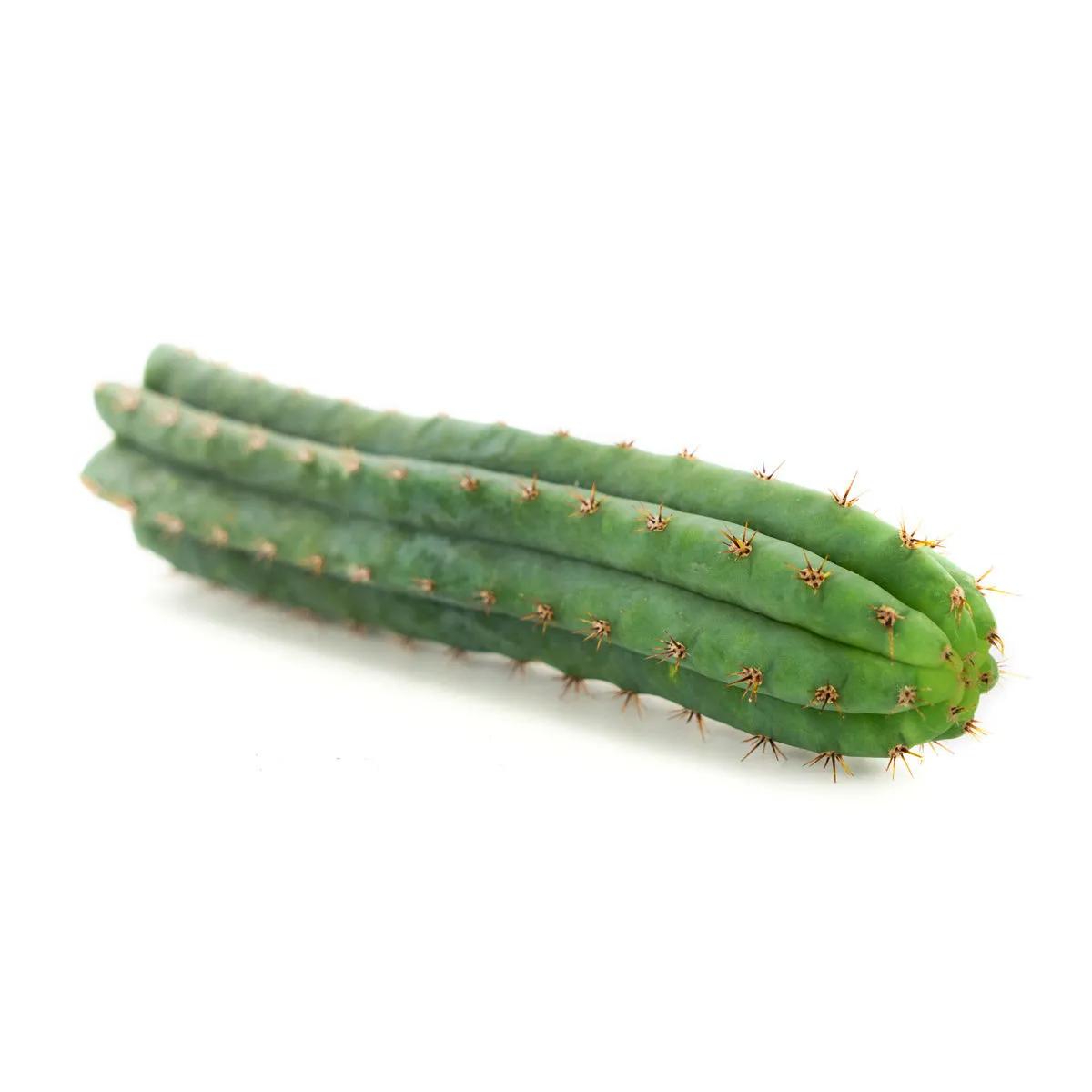
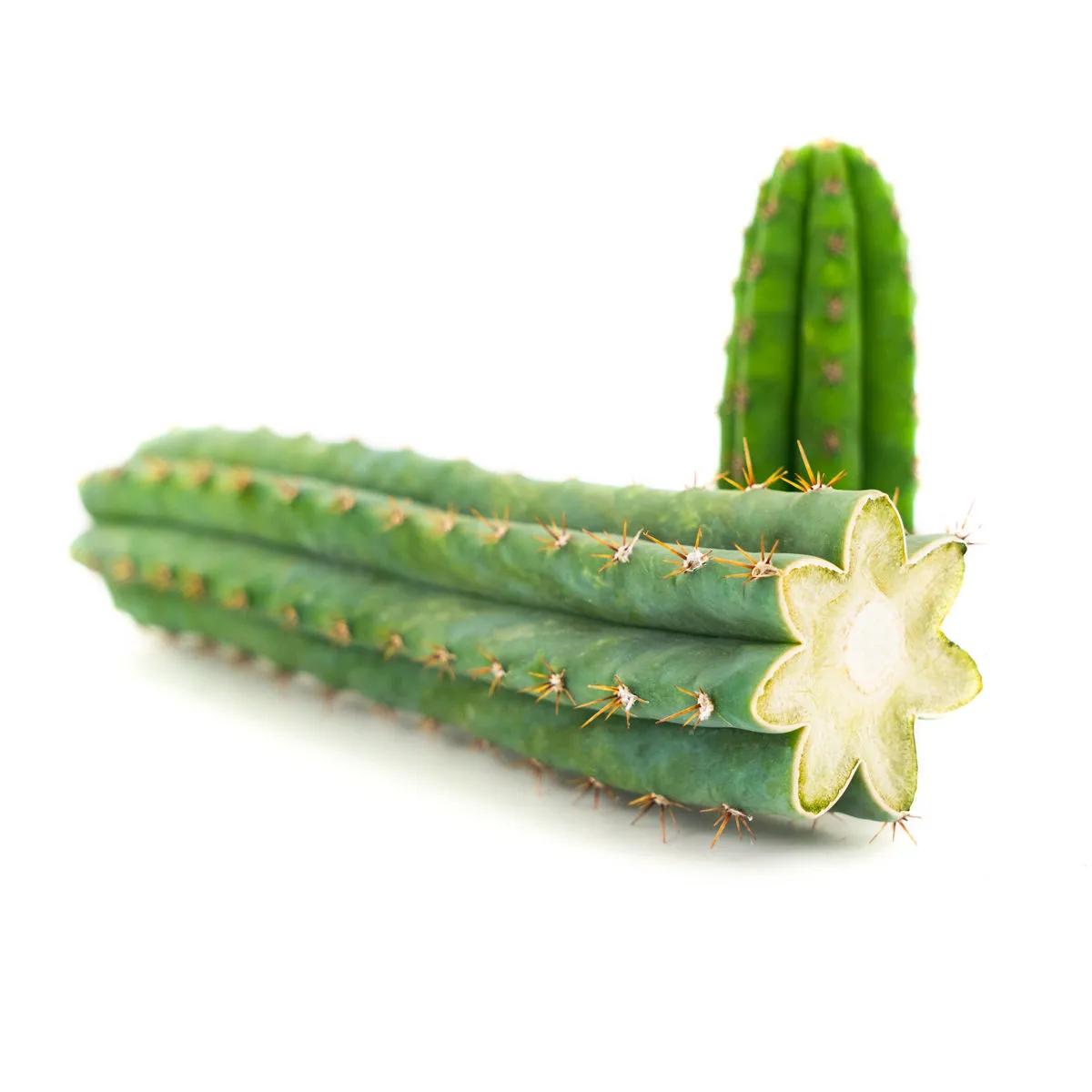
Echinopsis pachanoi — previously classified as Trichocereus pachanoi — is a columnar cactus with a distinctive ribbed structure, typically featuring 6-8 ribs running vertically along its trunk. Here are the key specs.
| Specification | Detail |
|---|---|
| Botanical name | Echinopsis pachanoi (syn. Trichocereus pachanoi) |
| Common names | San Pedro, Huachuma, Wachuma, Aguacolla |
| Origin | Andes mountains — Peru, Ecuador, Bolivia, Argentina |
| Natural altitude | 2,000-3,000 metres |
| Active compound | Mescaline (3,4,5-trimethoxy-phenethylamine) |
| Growth rate | 30-40 cm per year under good conditions |
| Soil type | Specialist cactus soil (not standard potting mix) |
| Watering (summer) | 3-5 times per week |
| Watering (winter) | Once every 2-3 weeks |
| Available sizes | Small (10-11 cm), Medium (25-30 cm), Large (50-60 cm) |
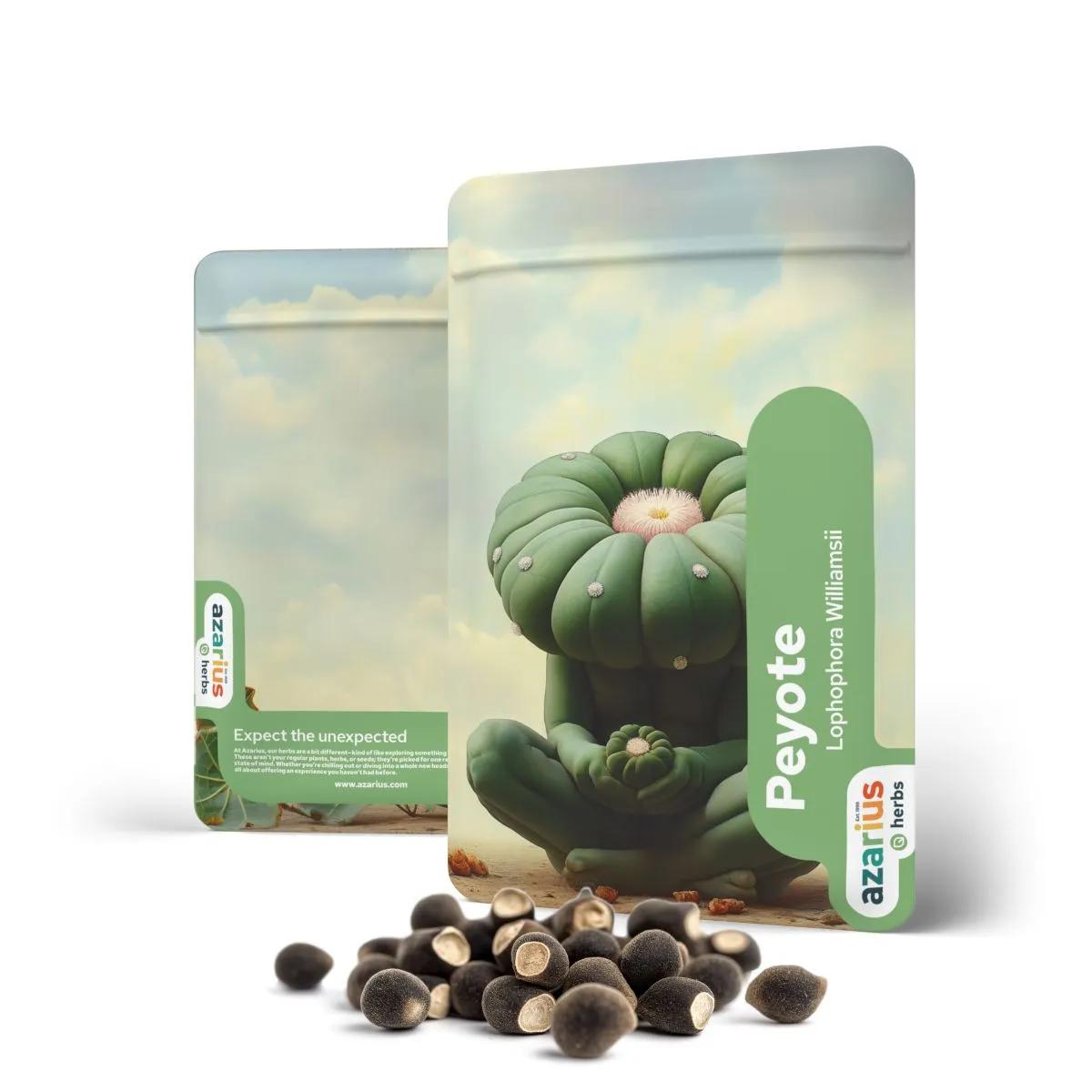
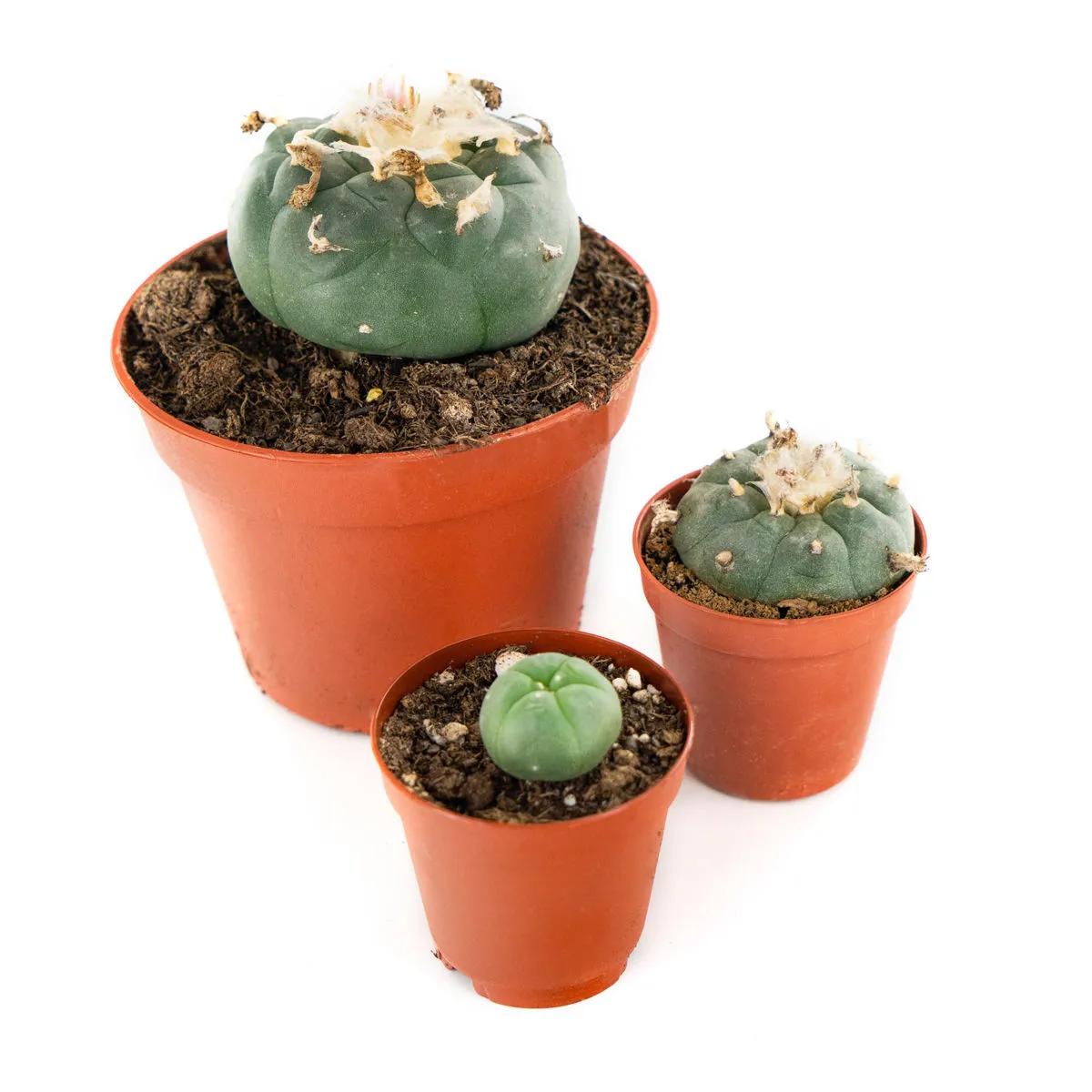
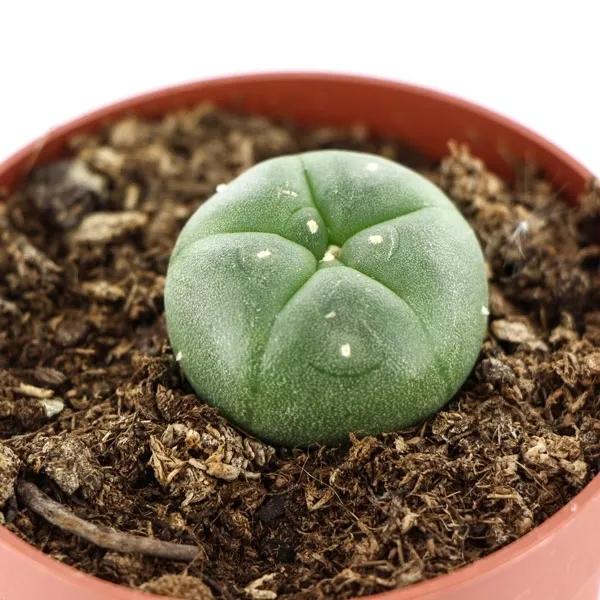
Growing a cactus collection? The Peyote cactus (Lophophora williamsii) and Peruvian Torch (Echinopsis peruviana) are close relatives of San Pedro — both mescaline-containing cacti with their own distinct growth habits and appearance. Pair your San Pedro with a bag of specialist cactus soil to give it the nutrient balance it actually needs from day one.
Why Grow a San Pedro Cactus?
San Pedro is one of the fastest-growing mescaline cacti on the planet. Where a Peyote cactus might take a decade to reach a decent size, San Pedro can put on 30-40 cm in a single year. That makes it genuinely rewarding to grow — you can actually watch it change month to month instead of squinting at it annually wondering if anything happened.
The cultural history runs deep. According to Bussmann and Sharon's ethnobotanical research, San Pedro has been used in healing ceremonies across northern Peru for at least 3,000 years (PubMed, 2006). The cactus is still used by curanderos in traditional mesa ceremonies — a practice that has survived colonisation, modernisation, and everything in between. Research published in Clinical Applications of Hallucinogens describes mescaline as "a naturally occurring psychedelic found in a number of cacti including peyote" and San Pedro (Schenberg, 2016). According to a review in Neuropharmacology, mescaline acts as a serotonin 5HT2A/2C receptor agonist, with its main effects mediated via the 5HT2A receptor (Dinis-Oliveira, 2022).
One honest limitation: San Pedro is not a low-maintenance houseplant in the way a succulent is. It needs proper cactus soil, careful watering, and decent light. Overwater it and the base rots. Use standard potting soil and the nutrient ratio is wrong — too much nitrogen, not enough drainage. But if you follow the care steps below, it's genuinely hard to kill. We've had customers bring back photos of cuttings that have grown into 2-metre columns in 4-5 years. The texture of the skin is waxy and slightly cool to the touch, with small clusters of spines along each rib that are more decorative than dangerous. The colour is a deep blue-green that looks striking against terracotta.
How to Grow Your San Pedro Cutting
These cuttings are taken from healthy, mature cacti and will root without fuss. Here's the step-by-step process we recommend based on 25+ years of selling these plants.
- Let the cut end dry. Before planting, leave the cutting upright in a dry, shaded spot for 1-2 weeks. The cut end needs to form a callus — a dry, slightly hardened layer — before it goes into soil. Skipping this step is the number one way to get rot.
- Use proper cactus soil. Standard potting soil retains too much moisture and has the wrong nutrient ratio for cacti. Buy a dedicated cactus mix or make your own with 60% mineral substrate (perlite, coarse sand, pumice) and 40% organic matter.
- Plant the cutting about 5-8 cm deep. Push it into the soil just enough that it stands upright on its own. You can prop it with stones or a small stake if it wobbles. Don't pack the soil too tightly — the roots need air.
- Keep it in shade for the first month. Direct sunlight on a freshly planted cutting can cause sunburn before the roots have established. Indirect light or dappled shade is what you want. After 4-6 weeks, gradually move it into brighter conditions.
- Water from the bottom. Place the pot (which must have drainage holes) in a shallow dish of water and let the cactus absorb what it needs through the base. This prevents water sitting around the stem, which causes rot. In summer, water 3-5 times a week. In spring and autumn, once a week. In winter, once every 2-3 weeks.
- Watch for new growth. Within a few weeks, the cutting will begin to shoot roots. You'll notice the tip of the cactus starting to grow — fresh, lighter-green tissue appearing at the top. That's your sign everything is working.
Mescaline: What the Research Says
Mescaline (3,4,5-trimethoxyphenethylamine) is the primary psychoactive alkaloid in San Pedro. According to a 2022 review published in the journal Neuropharmacology, mescaline is a serotonin 5HT2A/2C receptor agonist, placing it pharmacologically in the same class as psilocybin and LSD (Dinis-Oliveira, 2022). Research published in the journal Drug and Alcohol Dependence notes that the main adverse effects of mescaline reported in epidemiological data are psychological, including anxiety and disorganised behaviour (Agin-Liebes et al., 2022). A review in Psychopharmacology noted that acute adverse effects such as nausea and mild headaches were reported by some participants in clinical settings, but no clinically significant or lasting harms resulted (Rucker et al., 2015).
The recommended dose range referenced in harm-reduction literature for mescaline is approximately 200-300 mg for a person weighing around 70 kg. It is worth noting that mescaline content varies between individual cacti, growing conditions, and the specific part of the cactus — there is no way to know the exact concentration without laboratory analysis. Set and setting matter enormously, as with any psychoactive substance. If you're unfamiliar with mescaline, do your research thoroughly before considering any use.
San Pedro vs. Other Mescaline Cacti
San Pedro isn't the only mescaline cactus out there, but it's the most practical one to grow at home. Here's how it stacks up.
| Cactus | Growth rate | Size at maturity | Ease of cultivation |
|---|---|---|---|
| San Pedro (Echinopsis pachanoi) | 30-40 cm/year | Up to 6 metres | Easy — roots from cuttings, tolerates varied conditions |
| Peruvian Torch (Echinopsis peruviana) | 20-30 cm/year | Up to 4 metres | Moderate — needs slightly more warmth |
| Peyote (Lophophora williamsii) | 1-2 cm/year | 5-12 cm diameter | Difficult — extremely slow, sensitive to overwatering |
San Pedro is the best mescaline cactus for home growers who want visible results within a single season. Peyote is beautiful but demands serious patience — we're talking years before it reaches a meaningful size. Peruvian Torch sits in the middle and makes a great companion plant if you want variety in your collection.
Frequently Asked Questions
How long does it take for a San Pedro cutting to root?
Most cuttings develop roots within 2-4 weeks after planting, assuming you've let the cut end callus over first. You'll know it's rooting when you see fresh green growth at the tip. Don't tug on it to check — just be patient and watch the top.
Can I grow San Pedro indoors?
Yes, as long as it gets plenty of light. A south-facing windowsill works well. In winter, growth slows down naturally — that's normal. The cactus won't die indoors, but it'll grow faster if you move it outside during warm months (above 10°C at night).
Why do I need cactus soil instead of regular potting mix?
Standard potting soil retains too much moisture and has the wrong nutrient balance for cacti. It often leads to root rot. Cactus soil contains more mineral material — perlite, sand, pumice — which drains quickly and mimics the arid conditions San Pedro evolved in at 2,000-3,000 metres altitude.
How often should I water San Pedro in winter?
Once every 2-3 weeks is enough. The cactus enters a semi-dormant phase in winter and needs very little water. Overwatering in cold months is the fastest way to rot the base. When in doubt, skip a watering — San Pedro handles drought far better than soggy roots.
What is the difference between Echinopsis pachanoi and Trichocereus pachanoi?
They're the same plant. Trichocereus pachanoi was the older classification. Taxonomists reclassified it under Echinopsis pachanoi, though many growers and ethnobotanists still use the Trichocereus name. You'll see both in literature and shops — don't worry, it's identical.
Does San Pedro need full sun?
Mature plants thrive in full sun, but fresh cuttings should be kept in shade for the first month to prevent sunburn before roots establish. After that, gradually introduce more light. Six or more hours of direct sunlight per day in summer produces the best growth — up to 30-40 cm annually.
What does mescaline do pharmacologically?
According to a review in Neuropharmacology, mescaline is a serotonin 5HT2A/2C receptor agonist — the same receptor family targeted by psilocybin and LSD (Dinis-Oliveira, 2022). Research notes potential adverse effects including nausea, anxiety, and increased heart rate.
How big can a San Pedro cactus get?
In its native Andes habitat, San Pedro can reach up to 6 metres tall. In home cultivation, 2-3 metres is realistic over several years. Growth rate depends on light, soil quality, and watering — expect 30-40 cm per year under good conditions, less in low-light indoor setups.
Last updated: April 2026
Related products
Medical disclaimer. This content is for informational purposes only and does not constitute medical advice. Consult a qualified healthcare provider before use of any substance.