
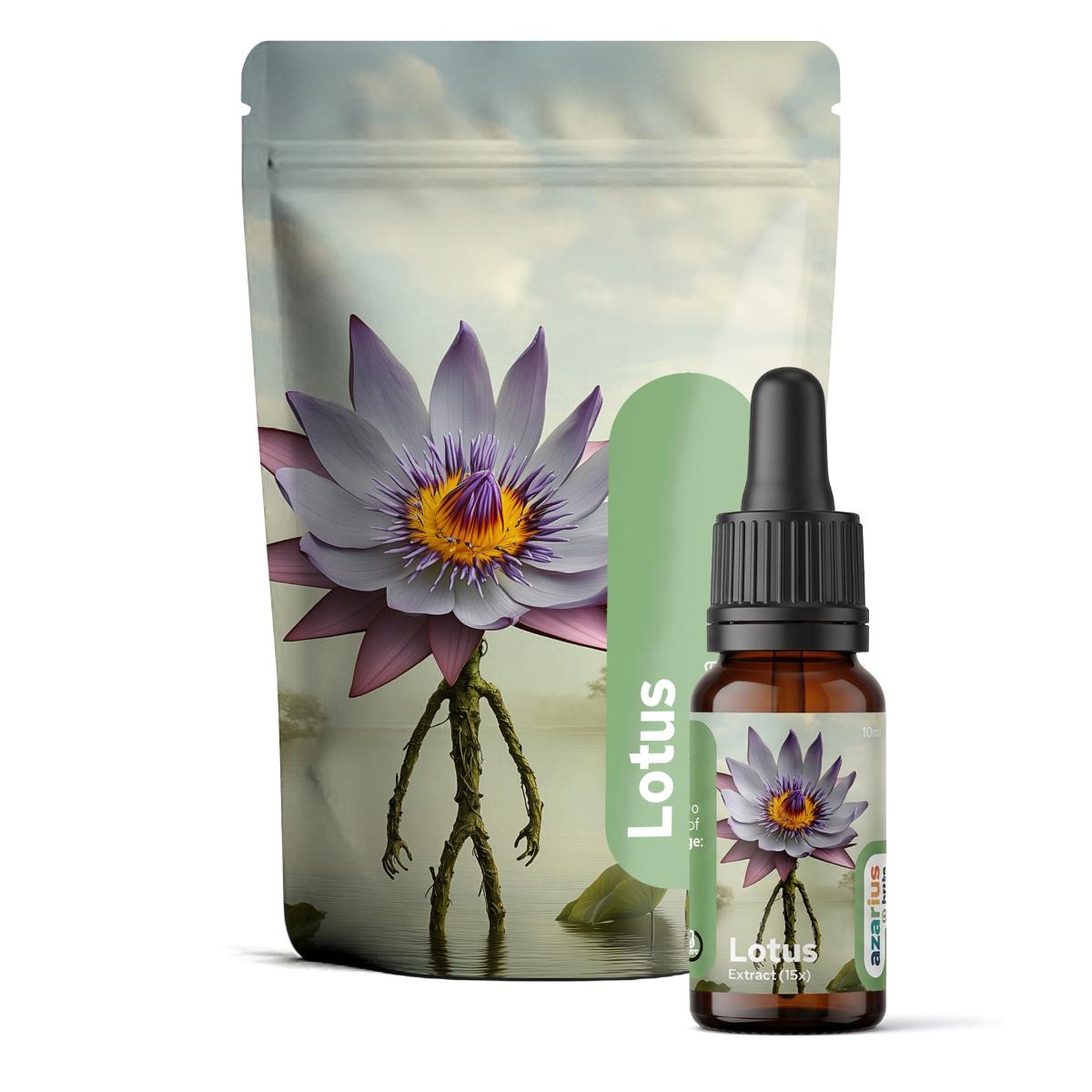
Blue Lotus Liquid Extract
10ml (15x)
by Azarius
Buy more, pay less
We'll only email you about this product — no marketing.
Blue Lotus Liquid Extract (15x) — Concentrated Nymphaea caerulea Tincture
Blue Lotus Liquid Extract (15x) is a concentrated botanical tincture made from Nymphaea caerulea, the sacred Egyptian water lily prized for centuries in traditional practice. Fifteen times the strength of a standard dried flower preparation, this liquid extract delivers the full alkaloid profile of blue lotus — including apomorphine and nuciferine — in a few measured drops. No brewing, no grinding, no waiting around for a tea to steep.
What Makes This Blue Lotus Extract Worth Your Attention
A 15x concentration means the active compounds from fifteen parts of dried blue lotus flower have been reduced into one part of liquid extract. That's a significant step up from brewing loose petals into tea, where extraction is partial at best and wildly inconsistent from cup to cup. With a liquid extract, you get a standardised dose every time — same dropper, same amount, same experience.
The texture is thick and slightly resinous, with a deep amber colour that looks almost like dark honey in the dropper. The taste sits somewhere between earthy and floral — not unpleasant, but distinctly botanical. You'll know it's not just flavoured water. A few drops under the tongue and you can feel the warmth of it within about 20 minutes, which is roughly half the onset time of a traditional blue lotus tea.
One honest limitation: liquid extracts are potent, and that concentration cuts both ways. If you're used to sipping a mild blue lotus tea, the 15x extract will feel noticeably stronger drop for drop. Start conservatively. You can always add more — you can't take it back.
Blue Lotus: A Brief History of Nymphaea caerulea
Nymphaea caerulea has been used in the Nile Valley for thousands of years — depictions appear in Egyptian tomb paintings, temple carvings, and funerary art dating back to 1500 BCE. The flower was associated with the sun god Ra and featured prominently in rituals, social gatherings, and traditional wellness practices. Two key alkaloids — apomorphine (a dopamine receptor agonist) and nuciferine (associated with dopamine receptor modulation) — are the primary active compounds responsible for the flower's traditional reputation.
According to ethnobotanical literature, blue lotus was traditionally used as a calming and mood-supporting botanical, often steeped in wine or water. Modern interest in Nymphaea caerulea has grown steadily since the early 2000s, and concentrated extracts like this 15x liquid make the flower accessible without needing to source and prepare large quantities of dried petals.
How the 15x Concentration Works
The "15x" designation means that 15 grams of dried Nymphaea caerulea flower were used to produce each gram of finished extract. This ratio concentrates the alkaloid content — primarily apomorphine and nuciferine — into a small-volume liquid that's practical to dose with a standard dropper. For context, a typical blue lotus tea uses 3–5 grams of dried flower per cup. A few drops of this 15x extract contain the equivalent alkaloid content of a full strong cup, compressed into a fraction of the volume.
| Specification | Detail |
|---|---|
| Botanical Name | Nymphaea caerulea |
| Common Names | Blue Lotus, Sacred Blue Lily, Egyptian Blue Water Lily |
| Extract Ratio | 15:1 (15x concentrated) |
| Format | Liquid tincture with dropper |
| Key Alkaloids | Apomorphine, Nuciferine |
| Traditional Use Region | Nile Valley, Egypt |
| Onset Time (sublingual) | Approximately 15–25 minutes |
| Historical Record | Depicted in Egyptian art from approximately 1500 BCE |
How to Use Blue Lotus Liquid Extract (15x)
Liquid extracts are the most straightforward way to work with concentrated botanicals. No preparation, no equipment, no cleanup. Here's the practical approach:
- Shake the bottle gently before use — the concentrated compounds can settle during storage.
- Draw up a small amount using the included dropper. If this is your first time with a 15x extract, keep the amount minimal — a few drops is a reasonable starting point.
- Place the drops under your tongue (sublingual administration) and hold for 30–60 seconds before swallowing. This allows faster absorption through the mucous membranes compared to swallowing directly.
- Alternatively, add drops to a small glass of warm water or herbal tea. The warm liquid helps disperse the extract evenly. Avoid mixing with very hot liquids, as excessive heat may degrade some compounds.
- Wait at least 30–45 minutes before considering additional drops. The 15x concentration means onset may be quicker than tea, but full effects develop gradually.
- Store the bottle in a cool, dark place with the cap tightly sealed. Direct sunlight and heat will degrade the extract over time.
Blue Lotus Liquid Extract vs. Dried Flower and Resin
We carry blue lotus in several forms, and each has its strengths. The liquid extract sits in the middle ground — more concentrated and convenient than dried flower, more versatile than resin. Here's how they compare:
| Format | Concentration | Preparation | Best For |
|---|---|---|---|
| Dried Blue Lotus Flower | 1x (raw herb) | Steep 3–5g in hot water for 10–15 min | Traditional tea ritual, gentle introduction |
| Blue Lotus Liquid Extract (15x) | 15x concentrated | Dropper — sublingual or in water | Convenience, consistent dosing, portability |
| Blue Lotus Resin (100x) | 100x concentrated | Dissolve a rice-grain-sized piece in warm water | Experienced users wanting maximum concentration |
If you've never tried blue lotus before, we'd actually suggest starting with the dried flower as a tea — it's the gentlest introduction and gives you a baseline to compare against. But if you already know you like blue lotus and want something you can slip into a bag without carrying loose herbs and a strainer, this 15x liquid is the practical choice. The 100x resin is for people who know exactly what they're after and want the smallest possible amount to work with.
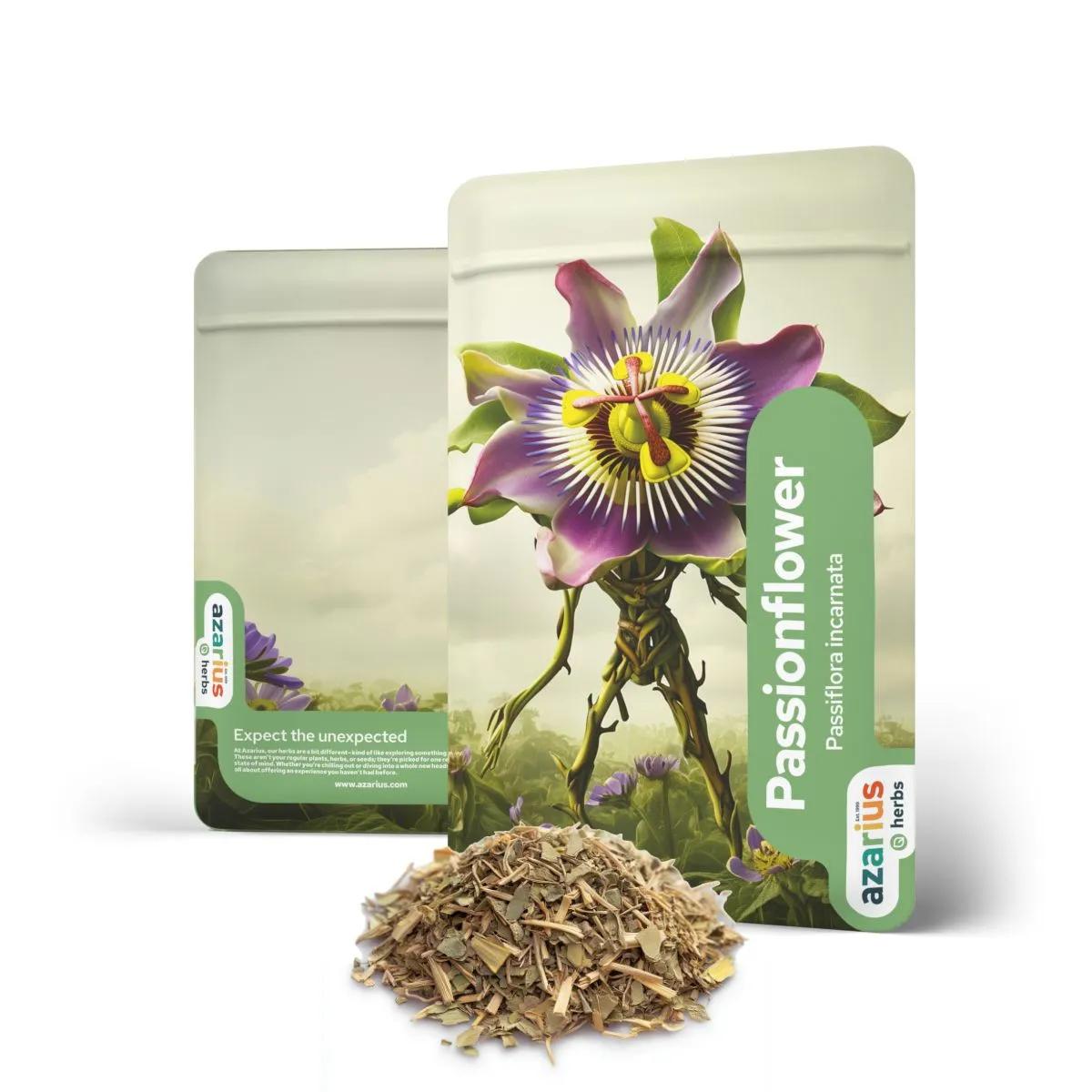
Complete your blue lotus collection: pair this 15x liquid extract with dried Blue Lotus Flower for tea-making, or step up to Blue Lotus Resin (100x) when you want the most concentrated form available. For a broader calming botanical experience, Passionflower (Passiflora incarnata) dried herb makes a complementary evening tea.
Safety and Interactions
Blue lotus is generally well-tolerated at traditional use levels, but a 15x extract demands more respect than a mild tea. Nausea is the most commonly reported side effect, particularly when taken on an empty stomach or in larger amounts. If you experience any stomach discomfort, try taking the extract with a small amount of food or diluted in warm water rather than sublingually.
The alkaloid nuciferine interacts with dopamine receptors, and apomorphine is a known dopamine agonist. If you're taking any medication that affects dopamine pathways — including certain antidepressants, antipsychotics, or Parkinson's medications — speak with a healthcare provider before using this extract. The same applies if you're using sedative medications or other calming botanicals, as effects may compound.
Avoid combining blue lotus extract with alcohol. Traditional Egyptian use did involve steeping the flowers in wine, but a 15x concentrated extract is a different proposition entirely — the alkaloid load is substantially higher than what you'd get from a few petals floating in a cup of wine.
Frequently Asked Questions
What does "15x" mean on a blue lotus extract?
It means 15 grams of dried Nymphaea caerulea flower were concentrated into 1 gram of liquid extract. The alkaloid content — primarily apomorphine and nuciferine — is roughly 15 times more concentrated than the raw dried flower.
How quickly does blue lotus liquid extract take effect?
Sublingual administration typically produces noticeable effects within 15–25 minutes. Adding the extract to water or tea may extend onset to 30–45 minutes as it passes through the digestive system first.
Can I add blue lotus liquid extract to tea?
Yes. Add drops to warm (not boiling) water or herbal tea. Excessive heat may degrade some active compounds, so let your tea cool slightly before adding the extract.
Is this extract the same as blue lotus vape juice or e-liquid?
No. This is a sublingual/oral liquid tincture, not an e-liquid formulated for vaporisation. The carrier liquid and concentration are designed for oral use only.
How should I store blue lotus liquid extract?
Keep the bottle sealed tightly in a cool, dark place — a cupboard or drawer away from direct sunlight. Properly stored, liquid botanical extracts typically maintain potency for 1–2 years.
What's the difference between blue lotus and blue lily?
They're the same plant. Nymphaea caerulea is commonly called both "blue lotus" and "blue lily" (or "sacred blue lily"). Despite the lotus name, it's technically a water lily, not a true lotus (Nelumbo).
Can I combine blue lotus extract with other herbs?
Some people pair it with other calming botanicals like passionflower or valerian for evening use. Be cautious with combinations — a 15x extract is already concentrated, and stacking sedative herbs can amplify effects beyond what you expect.
Last updated: April 2026
Related products
Medical disclaimer. This content is for informational purposes only and does not constitute medical advice. Consult a qualified healthcare provider before use of any substance.