
This article discusses psychoactive substances intended for adults (18+). If you have a health condition or take medication, consult a doctor before use. Our age policy
Psychedelic Comedown Guide: Afterglow, Integration & Recovery Tips
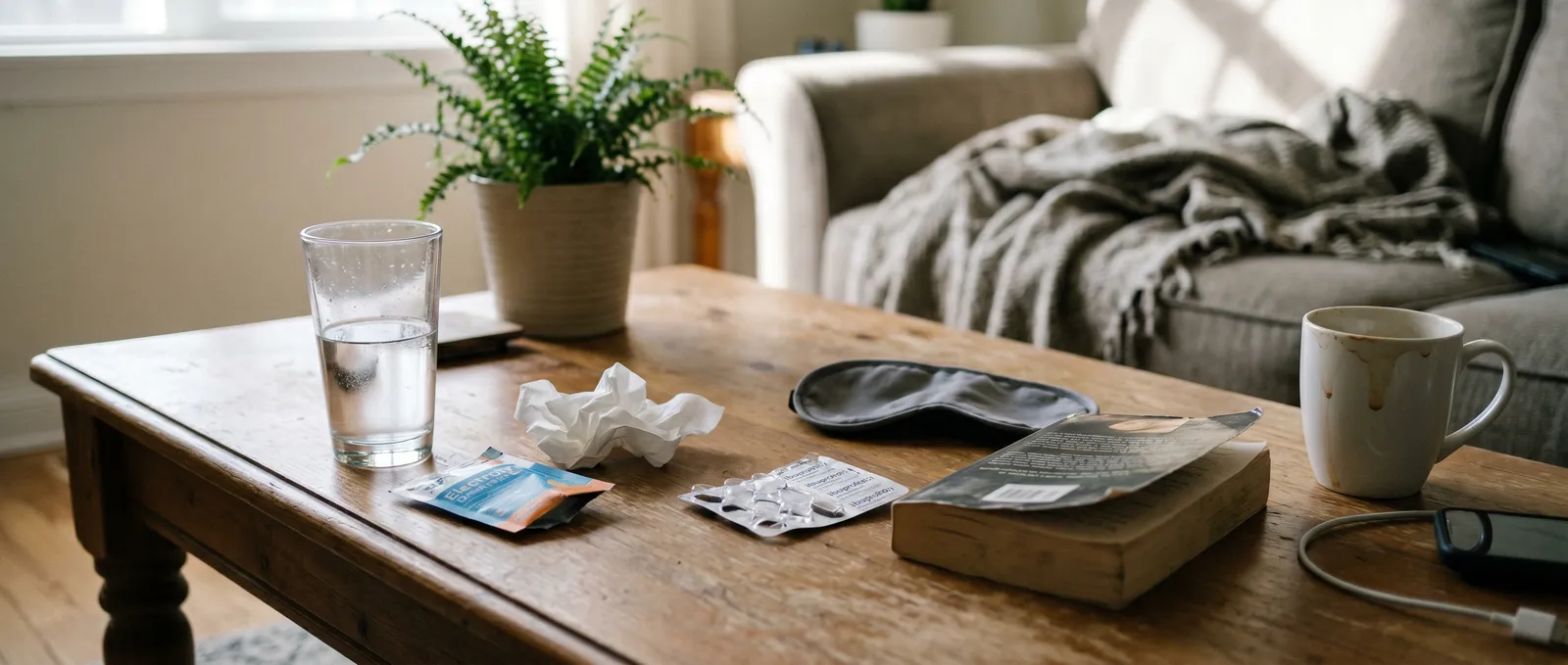
A psychedelic comedown is a transitional neurochemical state that follows the acute effects of a psychoactive substance, characterised by emotional recalibration, sensory normalisation, and — for many people — a confusing mix of afterglow and fatigue. Everyone talks about the peak. The visuals, the ego dissolution, the cosmic revelation that you and the fern on your windowsill are somehow the same organism. What barely anyone mentions is what happens after. The slow return to gravity. The morning where your cereal tastes both entirely normal and slightly alien. The vague emotional hangover that Google can't quite explain.
This is about that part. The comedown, the afterglow, the strange days that follow a psychedelic experience — and what to actually do with them.
What the psychedelic comedown actually feels like
The psychedelic comedown is a temporary neurochemical adjustment period that typically lasts between 12 and 72 hours after the acute effects subside. Let's drop the pretence that every journey ends with a beatific smile and a newfound love for humanity. Sometimes it does. Sometimes you feel like you've been gently tumble-dried.

The psychedelic comedown isn't a single feeling — it's a spectrum. On one end, there's the afterglow: that soft, open state where colours look richer, music sounds better, and you feel genuinely fond of the barista who always spells your name wrong. Afterglow experiences can last hours or even days. According to a 2019 survey published in the Journal of Psychopharmacology, approximately 76% of psilocybin users reported positive mood changes persisting for at least 24 hours after their session. Some people describe it as the best part of the whole journey.
On the other end, there's the hollow. A flatness. You might feel emotionally drained, slightly sad, or just… off. Your brain spent the last several hours doing the neurochemical equivalent of rearranging all the furniture, and now it's standing in the middle of the room wondering where the sofa went. Research from the Beckley Foundation has noted that around 10–15% of participants in clinical psilocybin studies report transient low mood in the 48 hours following a session. A separate Beckley-Imperial collaboration found that default mode network connectivity remained altered for up to 24 hours post-session, which may partly explain the lingering sense of perceptual strangeness many people describe.
Both responses are normal. The difference often comes down to a few things:
- Substance and dose. A gentle psilocybin experience tends to leave a warmer afterglow than a high-dose synthetic session. Truffles, in particular, are known for a relatively smooth landing.
- Set and setting. If you journeyed in a safe, comfortable space with people you trust, the transition back tends to be gentler. If you spent four hours on a stranger's sofa questioning every life choice since 2014, less so.
- Sleep. Or lack of it. Nothing makes a comedown feel worse than being awake at 5am staring at the ceiling, too wired to sleep but too tired to do anything useful. Studies suggest that sleep deprivation amplifies negative affect by up to 60%, which compounds any post-session vulnerability.
- Your baseline mental state. If you went in carrying stress, unresolved grief, or a week of poor sleep, the comedown will likely amplify that. A 2021 analysis in Psychopharmacology found that pre-session anxiety scores predicted post-session low mood with 68% accuracy.
Why post-session low mood happens — and when it passes
Post-session low mood is a temporary serotonergic downregulation that occurs when 5-HT2A receptors readjust after intense activation, and it typically resolves within one to three days. Let's talk about the elephant in the room. This phenomenon is real, and pretending it doesn't exist doesn't help anyone.

Here's what's going on under the bonnet. During a psychedelic experience, your brain floods certain receptors — particularly 5-HT2A serotonin receptors — with activity. The result is that extraordinary expansion of perception and emotion. When the substance clears your system, those receptors downregulate temporarily. Your brain's mood chemistry needs a beat to find its footing again. Data from the EMCDDA notes that serotonergic substances are among the most commonly reported psychoactives in European harm-reduction surveys, underscoring how widespread this recalibration experience is. The EMCDDA's 2023 European Drug Report further noted that psilocybin-containing fungi remain the most commonly used naturally occurring psychedelic across EU member states, which means millions of people go through this comedown cycle every year.
Think of it like this: you've been listening to music at full volume with perfect acoustics. Then someone switches it off. The silence isn't actually silence — it just feels empty by comparison.
For most people, this recalibration takes one to three days. You might feel:
- Unusually tearful or emotionally raw
- A sense of loss, like you've left somewhere important
- Low motivation or mild brain fog
- Irritability — especially if people around you are being aggressively normal
- A strange nostalgia for the headspace you were in
This is not a sign that something went wrong. This is your nervous system doing its accounting.
When to actually pay attention: if the low mood persists beyond a week, if you're having persistent intrusive thoughts, or if you feel genuinely unable to function — that's worth taking seriously. Talk to someone. A therapist experienced with psychedelic integration is ideal, but any mental health professional you trust is a good start. There's no weakness in asking for help with something your brain is struggling to file properly.
Psychedelic integration: what to do with the days after
Psychedelic integration is the deliberate practice of reflecting on, processing, and applying insights from a psychedelic experience into everyday life. Here's where most guides just... stop. You had your experience, good luck, see you next time. But the days after a psychedelic experience are arguably more important than the experience itself. This is where integration happens — the process of making sense of what you went through and weaving it into your actual life.

Without integration, even the most profound session becomes a strange memory that gradually fades. With integration, it becomes something you can actually use. A 2022 study from Imperial College London found that participants who engaged in structured integration practices reported sustained wellbeing improvements at the six-month mark at roughly double the rate of those who did not.
Write it down — even badly
Journaling within the first 24 hours is the single most effective integration tool. It doesn't need to be eloquent. Bullet points, sentence fragments, little drawings — whatever captures the feeling. Psychedelic insights are slippery; they make perfect sense during the experience and evaporate like morning dew if you don't pin them down.
Don't try to interpret everything immediately. Just record. The meaning often becomes clear days or weeks later.
Move your body, gently
Not a CrossFit session. A walk. Stretching. Swimming if you have access to water. Yoga if that's your thing. Your body held a lot during the experience — tension, emotion, energy — and gentle movement helps it release what's left. Nature is particularly good here. Something about trees and moving water seems to smooth the transition back.
Be careful with substances
The temptation to drink alcohol, smoke heavily, or immediately dose again to recapture the feeling is real. Resist it. Your neurochemistry is in a delicate window. Alcohol in particular tends to deepen the post-session low. Give yourself at least a few days of clean living. Your future self will thank you.
Gentle herbs for gentle landings
This is where some support from the herb shop can genuinely help. If you're looking to buy natural support for the days after, a few classics stand out. Valerian is a staple for helping with sleep on that first night back — when your mind is still buzzing but your body is exhausted. Passionflower leaves work beautifully as a mild anxiolytic if you're feeling jittery or emotionally raw. Both have centuries of traditional use for exactly this kind of nervous system settling.
For a broader toolkit, consider browsing the relaxing and soothing section. Lemon balm is another gentle option — it's been used in European herbal traditions for centuries and pairs well with passionflower for daytime calm without drowsiness. You can also get Ashwagandha, an adaptogenic root that has shown promise in clinical research for reducing cortisol levels — a 2019 randomised controlled study found that participants taking ashwagandha extract experienced a 30% greater reduction in cortisol compared to placebo, which is relevant when your stress response is still settling after an intense session.
And if the experience was particularly intense or took an unexpected turn, having a recovery kit on hand for next time is just common sense — not because you did anything wrong, but because preparation is its own form of respect for the experience.
Talk to someone — but choose wisely
Talking about your experience helps enormously, but pick your audience. The friend who's going to say "you just got high, mate" is not the right person. Find someone who can listen without judgement and without trying to immediately explain your experience back to you. Integration circles and psychedelic societies exist in many cities now and can be a good resource. For more on navigating the psychedelic experience itself, our {{blog:psychedelic-guide:psychedelic guide}} covers preparation and set-and-setting in detail.
Compared to stimulant comedowns
It's worth noting how different a psychedelic comedown is from, say, a stimulant or MDMA comedown. Stimulant crashes tend to involve dopamine depletion — that classic "everything is grey and pointless" feeling that can last three to five days. The psychedelic comedown, by contrast, is more serotonergic and tends to be emotionally complex rather than simply flat. Some people even find the days after a psilocybin session to be more emotionally rich than their baseline, not less. They're not comparable experiences, and treating them the same way — loading up on 5-HTP, for instance — isn't always appropriate.
Compared to cannabis aftereffects
Another comparison worth making: the psychedelic comedown versus the cannabis "hangover." Cannabis aftereffects tend to be cognitive — grogginess, mild short-term memory fuzziness, a general slowness that lifts by midday. The psychedelic comedown is far more emotional and perceptual. You're not foggy so much as recalibrated. The world looks the same but feels subtly different. If you've only experienced cannabis aftereffects, the emotional depth of a psychedelic comedown can catch you off guard. They require different recovery approaches — the psychedelic comedown benefits from active reflection and integration, whereas a cannabis hangover mostly just needs water and breakfast.
Give it time
Perhaps the most underrated integration practice: patience. Some experiences take weeks or months to fully settle. You might have a sudden insight in the shower three weeks later that connects something from the session to something in your life. That's normal. The psyche works on its own schedule.
The full arc of a psychedelic experience isn't peak-then-done. It's preparation, experience, return, and integration. Most of the culture focuses on the middle two. The people who get the most out of these experiences focus on all four.
Rest well. Write it down. Be gentle with yourself. The comedown isn't a failure of the experience — it's part of it.
Browse herbs for rest and recovery
Browse selectionSoft landing soundtrack: our psybient album Substrata was built for exactly this glide path — 20 downtempo tracks, free on YouTube.
Last updated: April 2026
Frequently Asked Questions
5 questionsHow long does a psychedelic comedown last?
What helps with post-psychedelic low mood?
Is it normal to feel emotional days after a psychedelic experience?
Where can I buy herbs to support psychedelic recovery?
How is a psychedelic comedown different from an MDMA or stimulant comedown?
About this article


Adam Parsons is an external cannabis and psychedelics writer and editor who contributes to Azarius's wiki as both author and reviewer. On the writing side, he authors Azarius's kratom and kanna clusters, drawing on exten
This blog article was drafted with AI assistance and reviewed by Adam Parsons, External contributor. Editorial oversight by Joshua Askew.
Medical disclaimer. This content is for informational purposes only and does not constitute medical advice. Consult a qualified healthcare provider before use of any substance.
Last reviewed April 23, 2026
Related Articles

Peyote Cactus: Plant Profile and Care Guide
Peyote cactus care made simple: light, mineral soil, watering, winter rest and propagation, plus how Lophophora williamsii compares to San Pedro.

San Pedro Cactus Care: First-Year Guide for New Owners
Complete first-year san pedro cactus care guide: callusing, watering, dormancy, peyote differences, troubleshooting and species-by-species tips for…
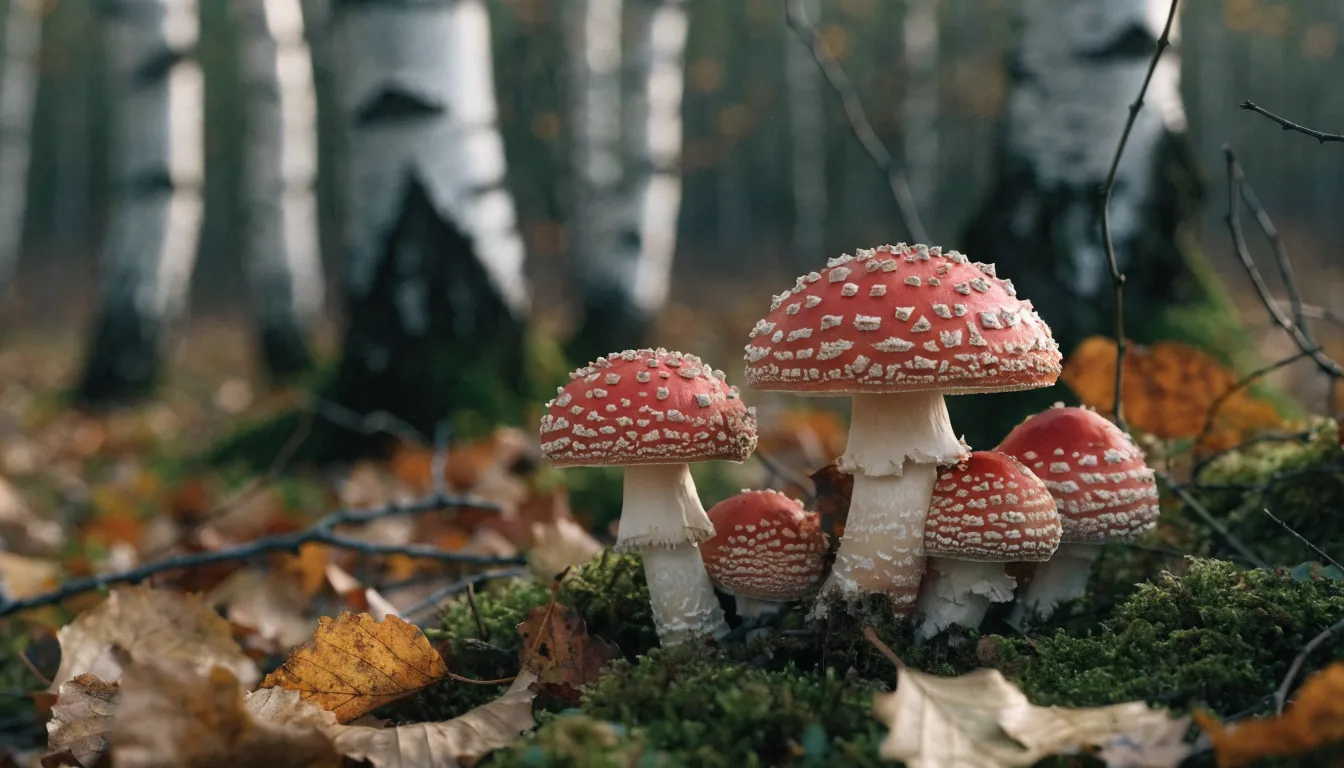
Amanita Muscaria: Botany, Chemistry and European Folklore
Amanita muscaria is the fly agaric of European fairy tales — and a poisonous mushroom, not a magic one. The botany, the deadly lookalikes, the muscimol chemistry and the Santa myth, straight.
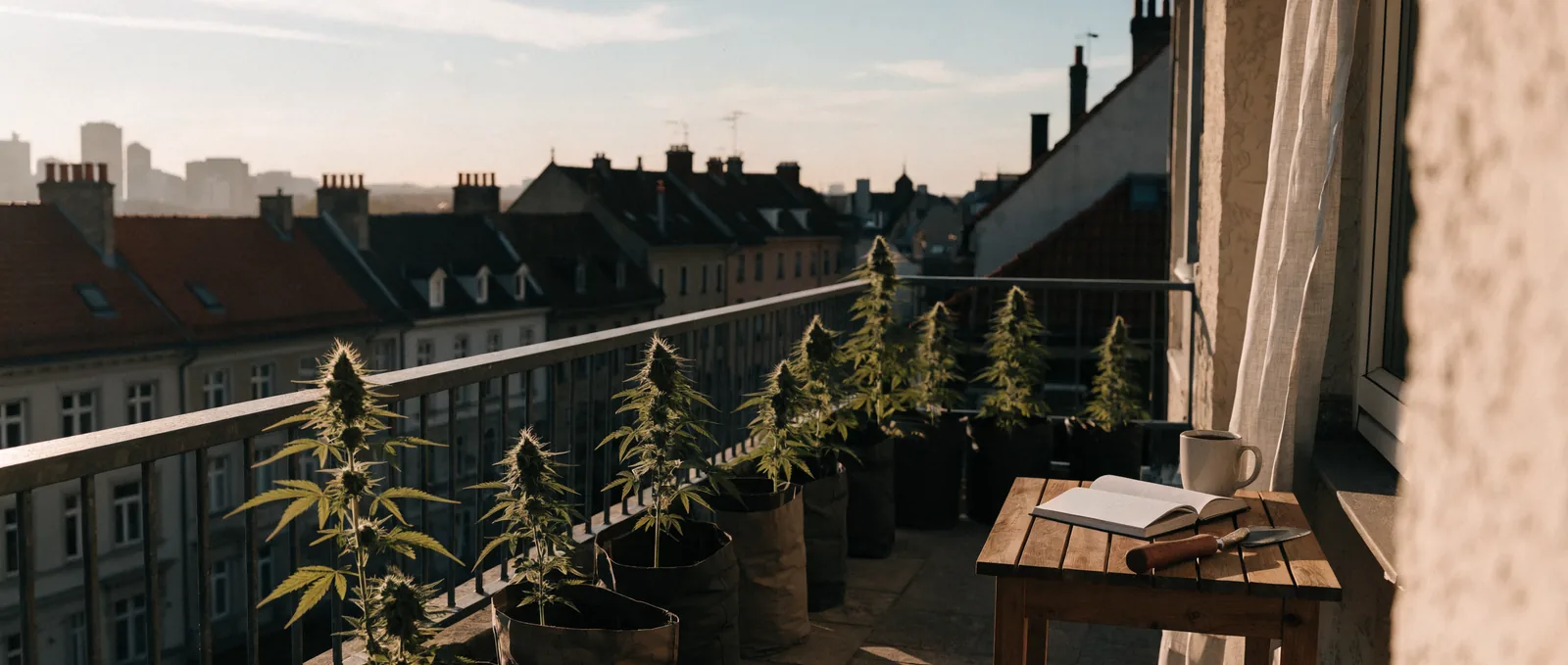
8 Balcony Cannabis Strains Ranked by Height for Small Grows
Eight balcony cannabis strains ranked by verified height, cycle time and THC — so your grow fits under the railing and out of the neighbours'…
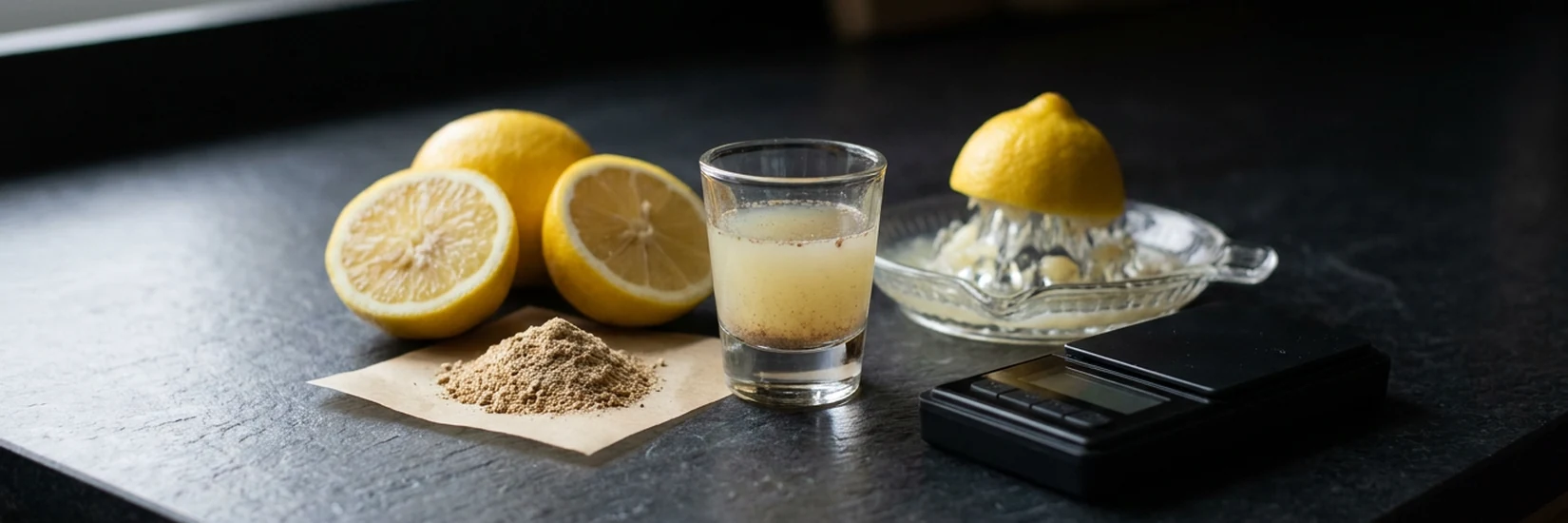
How to Lemon Tek Mushrooms: Method, Dose & Timing
Learn how to lemon tek mushrooms step by step: chemistry, dosing, timing and harm reduction for a faster, sharper and shorter psilocybin experience.
Cannabis in Germany: Is Weed Legal in 2026? CanG Rules
Is weed legal? How cannabis in Germany works after CanG: 25 g possession, three plants at home, Cannabis Social Clubs and city-by-city enforcement.

7 Functional Mushrooms and What People Use Them For
A practical guide to 7 functional mushrooms — lion's mane, reishi, cordyceps, chaga, maitake, shiitake, snow fungus — with traditional uses and…
How to Increase Bud Weight: 5 Hidden Yield Killers
Healthy plants, light harvests? Mr. Grow It's 5 hidden bottlenecks and exactly how to increase bud weight — without touching your nutrients.
How Long Does Being High Last? Cannabis Timeline
How long does being high last? On average about 4 hours — but smoking, edibles, dose and tolerance change everything. The full science-backed timeline.