


.png)


What Is Kratom and Where Does It Come From?
Kratom has gained increasing attention worldwide, but few people know about its ancient roots and diverse strains. Here’s what you should know about where kratom comes from, what it is, and how it has been used for generations.
Kratom’s appeal lies not only in its reported effects but also in its rich cultural and botanical history, which continues to intrigue scientists and herbal enthusiasts alike.
What Is Kratom?
Kratom, scientifically known as Mitragyna speciosa, is a tropical evergreen tree belonging to the coffee family (Rubiaceae). It is native to Southeast Asia and grows naturally in humid, low-lying forests across Thailand, Malaysia, Indonesia, and Myanmar.1
The tree can reach over 20 metres tall, with broad, glossy leaves that contain the plant’s characteristic alkaloids. Traditionally, the leaves are harvested, dried, and prepared in several ways, including:
- Drink it: Brewing into tea using dried leaves steeped in hot water to make a bitter herbal infusion.
- Eat it: Chewing fresh leaves is a long-standing local practice among rural labourers in some regions.
- Wash it: Dried leaves ground for use in beverages or other preparations.
- Shot it: Using kratom concentrates for potent, fast-acting effects.
New to the prep methods? See how to take kratom for tea, capsules, and extracts with pros & cons.
Each preparation method has been described as producing a slightly different traditional experience, reflecting variation in how people have historically consumed the plant.2
Are Kratom and Kava the Same?
Although both kratom and kava are traditional plants used across Southeast Asia and the Pacific, they differ substantially in their botanical classification and active compounds.
Kratom (Mitragyna speciosa) belongs to the coffee family (Rubiaceae) and contains alkaloids such as mitragynine and 7-hydroxymitragynine, which have been studied for their pharmacological activity.3
Kava (Piper methysticum), on the other hand, is part of the pepper family (Piperaceae) and contains kavalactones, compounds reported to produce relaxing, non-stimulant effects.
In summary, kratom has been described in research and traditional reports as showing dose-dependent, stimulant-like or sedating properties, whereas kava is generally regarded as consistently relaxing.
Where Does Kratom Grow Naturally?
Kratom’s natural habitat lies in the tropical rainforests of Southeast Asia, where the tree thrives in warm, humid climates with fertile, well-drained soil.
It often grows near rivers and forest edges within its native range, which includes:
- Thailand: Historically one of the main regions of traditional kratom use.
- Malaysia: Locally called ketum, traditionally used in various community settings.
- Indonesia: Currently one of the world’s largest kratom-producing regions.
- Myanmar: Home to wild populations growing naturally along forest margins.
Modern Cultivation of Kratom
Today, kratom is cultivated primarily on smallholder and community farms, especially in Indonesia’s Borneo region. Responsible cultivation typically involves:
- Selective harvesting to support regeneration.
- Shade growth and pruning to maintain leaf quality.
- Sustainable land-use practices aimed at conserving ecosystems.
- Community-based production networks that contribute to the global botanical market.
These approaches reflect a balance between traditional ecological knowledge and modern sustainability standards.
How Many Kratom Strains Are There?
Although all kratom originates from the same species, Mitragyna speciosa, so-called “strains” are trade and marketing conventions, not separate botanical varieties.
They are typically grouped by the colour of the leaf vein and region of cultivation, which producers associate with certain user-reported effects.
| Vein Colour | Typical User-Reported Profile |
|---|---|
| White vein | Commonly described as stimulating or focusing |
| Yellow vein | Usually a blend of all vein types, with effects dose-dependent |
| Green vein | Said to balance energising qualities with focus and social ease |
| Red vein | Often described as calming or relaxing |
For vein colours, regional names, and FAQs, start with a beginner’s guide to kratom strains.
These categories help consumers distinguish between marketed varieties but do not represent distinct species or verified pharmacological differences.
Traditional and Cultural Use of Kratom
For centuries, kratom has been integrated into the daily and cultural life of communities across Southeast Asia.4
Everyday Use
In rural areas of Thailand and Malaysia, agricultural labourers traditionally chewed fresh kratom leaves during long days in the sun. This practice was reported to help sustain energy and focus throughout physical work. Some communities also brewed kratom tea by steeping dried leaves in hot water, creating a mildly bitter beverage shared socially.
Ritual and Social Contexts
Kratom has also held a place in certain local ceremonies and gatherings, symbolising endurance, respect, and connection to the community.
Traditional Beliefs
Historical accounts describe kratom as part of local understandings of balance and wellbeing, used respectfully and in moderation. These traditions often emphasised moderation as a sign of wisdom, a theme echoed in later research exploring kratom’s dose-dependent nature.
What Are the Active Compounds in Kratom?
The pharmacology of Mitragyna speciosa is largely attributed to its alkaloids, naturally occurring compounds that interact with the body’s receptors. The key active compounds are:
- Mitragynine: The most abundant alkaloid, associated with mild stimulation and focus at lower doses.5
- 7-hydroxymitragynine: Present in smaller amounts but much more potent. Analgesia-like effects have been reported in preclinical models; clinical evidence remains limited.6
These compounds act on opioid receptors, though their mechanism differs from classical opioids. Reports indicate dose-dependent profiles, with stimulant-like effects at lower amounts and more sedating effects at higher amounts.
For benefits, side effects, contraindications, and interactions, read kratom’s effects and risks.
What Should People Know Before Trying Kratom for the First Time?
Curiosity about kratom often leads people to explore its natural properties. However, kratom’s effects can vary widely based on strain, dosage, and individual sensitivity.
Beginners should also note that, depending on preparation and metabolism, effects may take 30–60 minutes to manifest and can last several hours.
Unsure where to start? Follow a dosage guide before experimenting.
Combining kratom with other substances, even caffeine or herbal teas, can amplify or alter effects, highlighting the importance of careful experimentation.
If you choose to explore kratom, make sure to review independent laboratory reports and verify product quality before purchase.
How Kratom Entered the Western World
Kratom’s journey from local tradition to global awareness began in the late 19th and early 20th centuries, when explorers and botanists documented its use in Thailand and Malaysia.
By the 2000s, kratom appeared in Western herbal markets, attracting attention for its diverse effects.
Today, kratom sits at the intersection of traditional plant use and modern supplement culture, sparking ongoing discussions about safety, regulation, and responsible use.
What Are Some Common Street Names for Kratom?
Kratom goes by many names across regions and cultures. Common terms for the plant include:
| Term | Region | Notes |
|---|---|---|
| Biak-biak | Malaysia | Local Malay term |
| Ketum | Malaysia, Indonesia | Common in public/media discourse |
| Thang / Kakuam / Ithang | Thailand | Varies by dialect/usage |
| Kratom powder / kratom tea | International markets | Modern retail/online |
These terms often reflect local dialects, preparation methods, or modern marketing trends. This table is not exhaustive.
What Are the Legal Regulations Around Kratom?
Kratom’s legal status varies worldwide. Some countries recognise it as a traditional botanical, while others classify it as a controlled substance due to its psychoactive properties.
- Thailand: Once banned, kratom was decriminalised in 2021 under the Kratom Plant Act.7, 8, 9
- Malaysia: Remains regulated under local narcotics law.
- United States: The FDA has not approved kratom for medical use and continues to issue safety advisories.10
- Europe: Mixed status; refer to the EUDA profile for an overview.
Kratom’s Past, Present, and Future
From its ancient use among Southeast Asian communities to its rising global profile, kratom’s story is one of tradition meeting modern curiosity. Understanding kratom’s origins, cultural use, and active compounds helps cut through misinformation, offering a grounded perspective rooted in culture and science.
As global interest grows, education remains key. Respect for traditional practices, understanding of scientific research, and a responsible approach to kratom ensure its continued role as both a cultural treasure and a botanical of interest. Opt for responsibly sourced, legally compliant products if you decide to explore.
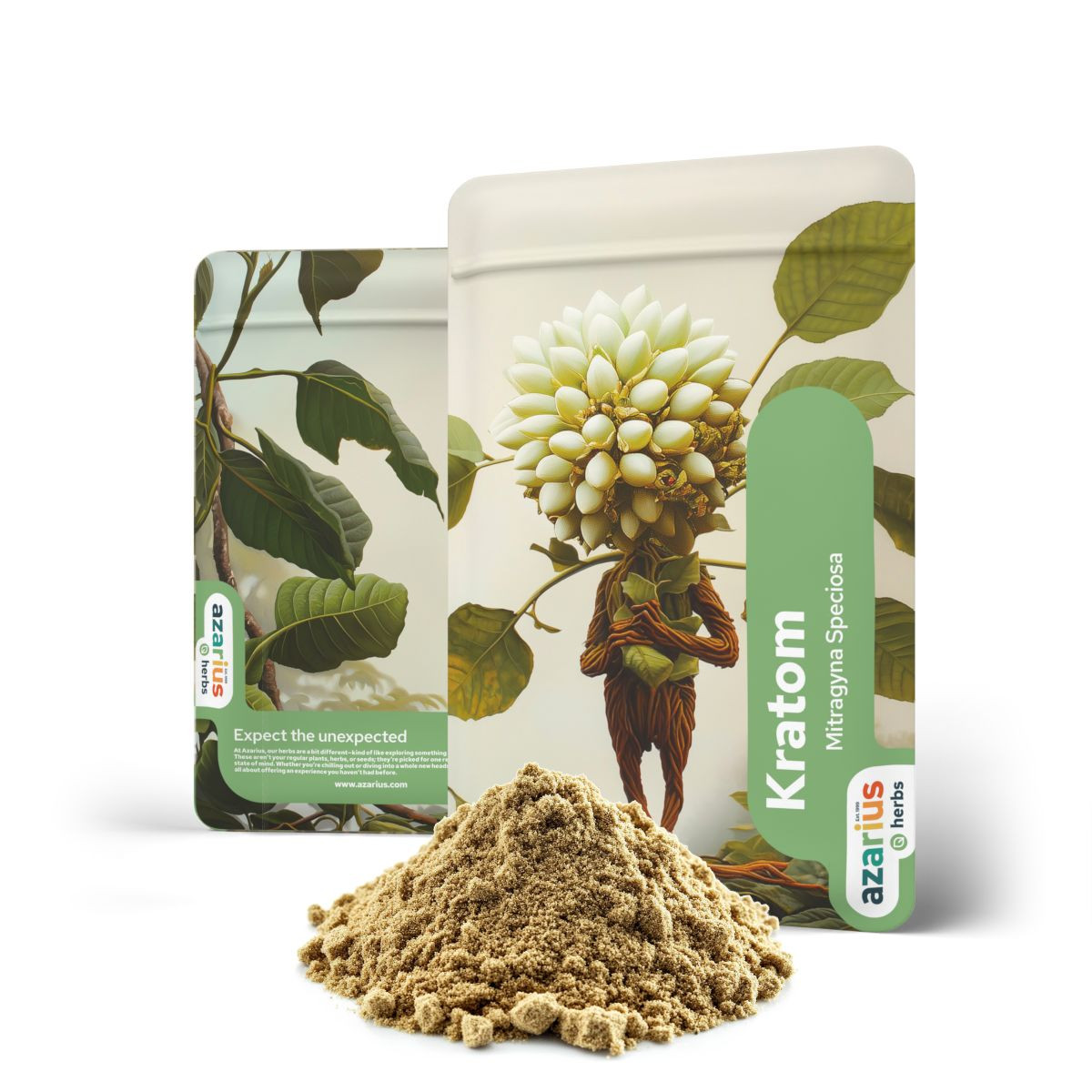
Kratom extract
Maeng Da Powder (50g)References
- Sottosanti K. Kratom | Plant, Drug, Effects, Use, Legality, & Facts. Encyclopedia Britannica. Published March 11, 2025. Accessed October 21, 2025. https://www.britannica.com/plant/kratom ⬆️ Back to text
- Kratom (Mitragyna speciosa) drug profile | www.euda.europa.eu. Published 2024. https://www.euda.europa.eu/publications/drug-profiles/kratom_en ⬆️ Back to text
- Geneva. Pre-Review Report: Kratom (Mitragyna Speciosa), Mitragynine, and 7-Hydroxymitragynine. WHO Expert Committee on Drug Dependence, 44th Meeting. 2021. WHO ECDD Report (PDF) ⬆️ Back to text
- Prevete E, Kuypers KPC, Theunissen EL, et al. Clinical Implications of Kratom (Mitragyna speciosa) Use: a Literature Review. Current Addiction Reports. 2023;10(2):317–334. https://doi.org/10.1007/s40429-023-00478-3 ⬆️ Back to text
- National Institute on Drug Abuse. Kratom. Published March 25, 2022. https://nida.nih.gov/research-topics/kratom ⬆️ Back to text
- Karunakaran T, Ngew KZ, Zailan AAD, Mian Jong VY, Abu Bakar MH. The Chemical and Pharmacological Properties of Mitragynine and Its Diastereomers: An Insight Review. Frontiers in Pharmacology. 2022;13. https://doi.org/10.3389/fphar.2022.805986 ⬆️ Back to text
- Office of the Narcotics Control Board (Thailand). Kratom Plant Act (B.E. 2565). Published 2022. Official PDF ⬆️ Back to text
- Kowit Somwaiya. Kratom Is No Longer a Narcotic. Lexology. Published September 2021. Accessed October 21, 2025. Lexology article ⬆️ Back to text
- Thailand’s New Legal Framework for Kratom. Tilleke & Gibbins. Published September 15, 2022. Tilleke & Gibbins ⬆️ Back to text
- U.S. Food and Drug Administration. FDA and Kratom. Published 2019. https://www.fda.gov/news-events/public-health-focus/fda-and-kratom ⬆️ Back to text
Related posts
Is Kratom Addictive?
Is kratom addictive? This evidence-based guide examines what research says about kratom’s addiction potential, brain...
Read more
Kratom Dosage: What You Need to Know
Wondering how much kratom you should take? This guide explains safe kratom dosage by weight, tolerance, and strain....
Read more
A Beginner's Guide to Kratom Strains
Curious about red, green, or white kratom? This beginner’s guide explains what kratom strains are, how colour and...
Read more
What Are the Effects of Kratom on the Body?
Kratom affects the body in complex ways, influencing mood, energy, and pain perception. This article explores how...
Read more
How to Prepare and Use Kratom
Curious about kratom? This guide explains safe and effective ways to prepare and use kratom, from teas and capsules...
Read more
What are the side effects of kratom
Kratom is often seen as a natural remedy, but how safe is it? This guide explores the latest research on kratom side...
Read more
How to Take Damiana: Traditional Methods and Modern Options
A respectful and educational examination of Turnera diffusa in Indigenous and folk medicine. Discover how it was...
Read more
What Are the Side Effects of Damiana?
A clear guide to damiana risks for wellness, sexual health, or mood support. Learn what to watch for, who should...
Read more
How Is Khat Chewed and Consumed? A Complete Guide
Learn how khat chewing is practised in East African and Arabian communities, from preparing fresh leaves to session...
Read more
What Is Blue Lotus and What Are Its Main Uses?
A grounded guide to the blue lotus flower (Nymphaea caerulea): its history, how people use it today, what to expect...
Read more
What are the side effects of Blue Lotus
Learn what we do (and don’t) know about blue lotus drug interactions, dosing, and how to reduce avoidable risks. Keep...
Read more
Hawaiian Baby Woodrose: Side Effects, Health Risks, and What You Should Know
Hawaiian baby woodrose seeds contain LSA and can cause psychoactive effects, health risks, and have varying legal...
Read more
What Is Kanna and What Are Its Traditional Uses?
Kanna, also known as Sceletium tortuosum, has been used for centuries by the Khoikhoi and San peoples for relaxation,...
Read more
How Does Kanna Work in the Body? Effects on Mood and Stress
Explore how kanna (Sceletium tortuosum) works in the body, focusing on its alkaloids such as mesembrine, serotonin...
Read more
How to Take Kanna: Powder, Capsules, Tea & More Explained
Curious about how to take kanna? This beginner-friendly guide explores common kanna consumption methods, including...
Read more
Buying Kanna Supplements: What to Look For
Curious about buying kanna supplements but unsure what really matters? This guide explains extract types, dosage...
Read more
Are There Side Effects or Risks Associated With Kanna?
Kanna is known for its gentle mood-enhancing effects, but like any active plant, it has potential side effects and...
Read more
How to Choose the Best Damiana Supplement
Not all damiana products are made alike. This guide breaks down labels, extracts, tinctures vs capsules, and quality...
Read more
What is Khat and Where Does it Originate From?
A straightforward guide to khat: its botanical background, where it comes from, the cultural history of khat chewing,...
Read more
What Is Hawaiian Baby Woodrose and What Are Its Common Uses?
Curious about Hawaiian baby woodrose seeds? This guide separates plant ID from internet lore, with a harm-aware look...
Read more