
This article discusses psychoactive substances intended for adults (18+). If you have a health condition or take medication, consult a doctor before use. Our age policy
Damiana Traditional Use — History, Phytochemistry & Preparations
Definition
Damiana (Turnera diffusa Willd.) is an aromatic Mexican shrub with a centuries-long folk reputation as a relaxant and aphrodisiac. Szewczyk and Zidorn (2014) reviewed the available pharmacological literature and found the clinical evidence for any specific benefit in humans remains insufficient, though the leaf contains identifiable bioactive flavonoids including apigenin.
A Small Aromatic Shrub With a Long Reputation
Damiana traditional use stretches back centuries across Mexico, Central America, and the Caribbean, making this aromatic shrub one of the most enduring herbs in Mesoamerican folk practice. Damiana — Turnera diffusa Willd. ex Schult., sometimes still listed under the older synonym Turnera aphrodisiaca — is a woody, aromatic shrub native to Mexico, Central America, and parts of the Caribbean. It rarely tops a metre in height, produces small yellow flowers, and gives off a distinctive warm, slightly bitter scent when the leaves are crushed. That scent is the first thing most people notice: resinous, faintly sweet, somewhere between chamomile and dried tobacco. The plant belongs to the family Passifloraceae (previously Turneraceae), making it a distant botanical cousin of passionflower (Passiflora incarnata) — a herb you can also buy as dried leaf from specialist ethnobotanical suppliers.
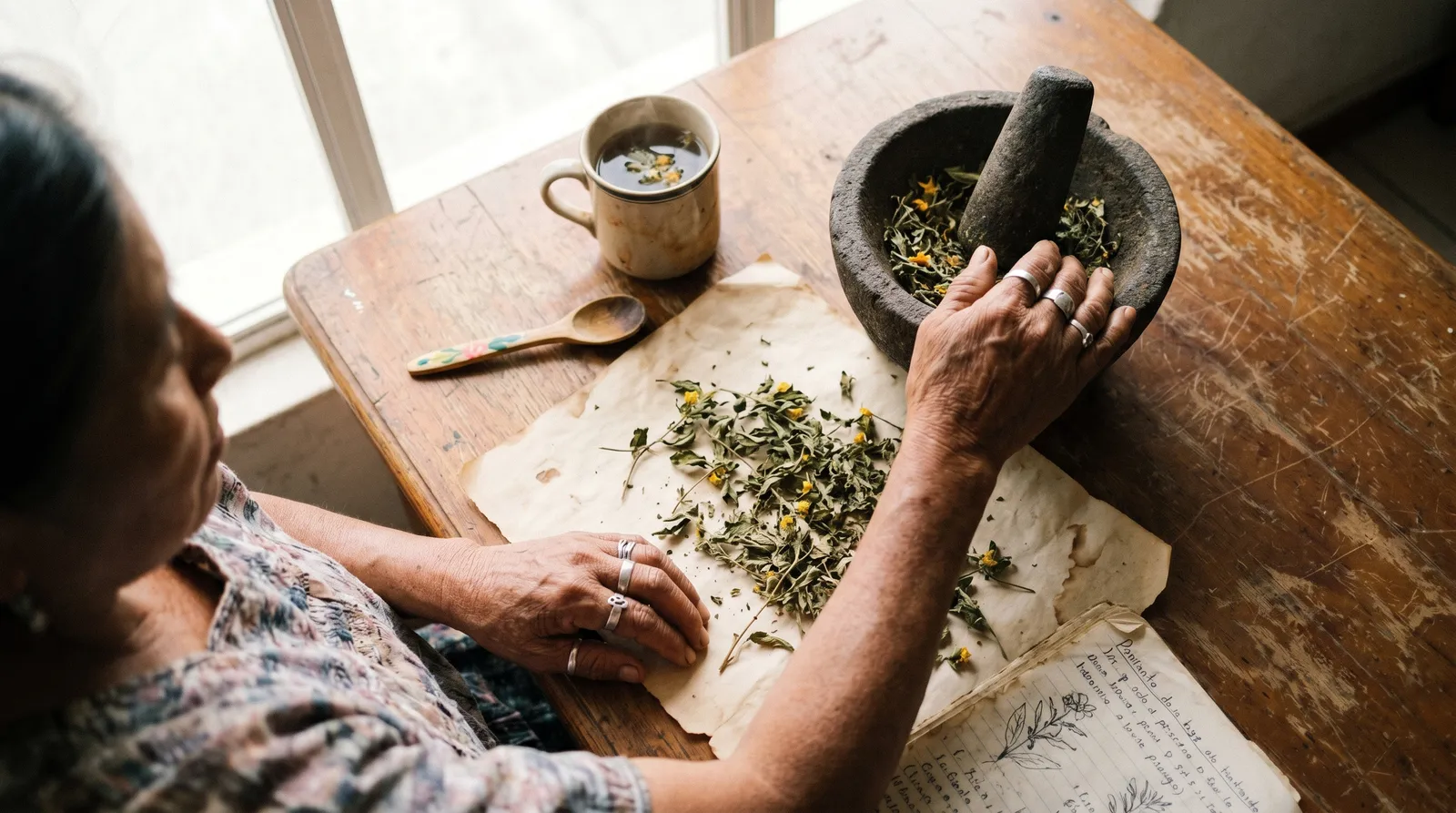
For at least several hundred years, damiana leaves have been dried and brewed into tea, macerated into liqueurs, or smoked in herbal blends across Mexico and the Caribbean basin. The damiana traditional use profile centres on two themes — as a mild relaxant and as an aphrodisiac — though the peer-reviewed evidence supporting either role remains thin. This article traces the ethnobotanical record, identifies the key phytochemical compounds researchers have isolated, and is honest about where the science currently stands.
Pre-Columbian and Colonial Mexican Use
The oldest documented damiana traditional use comes from indigenous communities in what is now northern Mexico and the Baja California peninsula. The Maya of the Yucatán reportedly used a leaf infusion they called misib-coc, meaning "asthma broom," as a general tonic (Szewczyk & Zidorn, 2014). Separate from Mayan use, the Guaycura people of Baja California Sur prepared damiana tea as a traditional relaxant, a practice recorded by Jesuit missionaries stationed in the region during the seventeenth and eighteenth centuries.
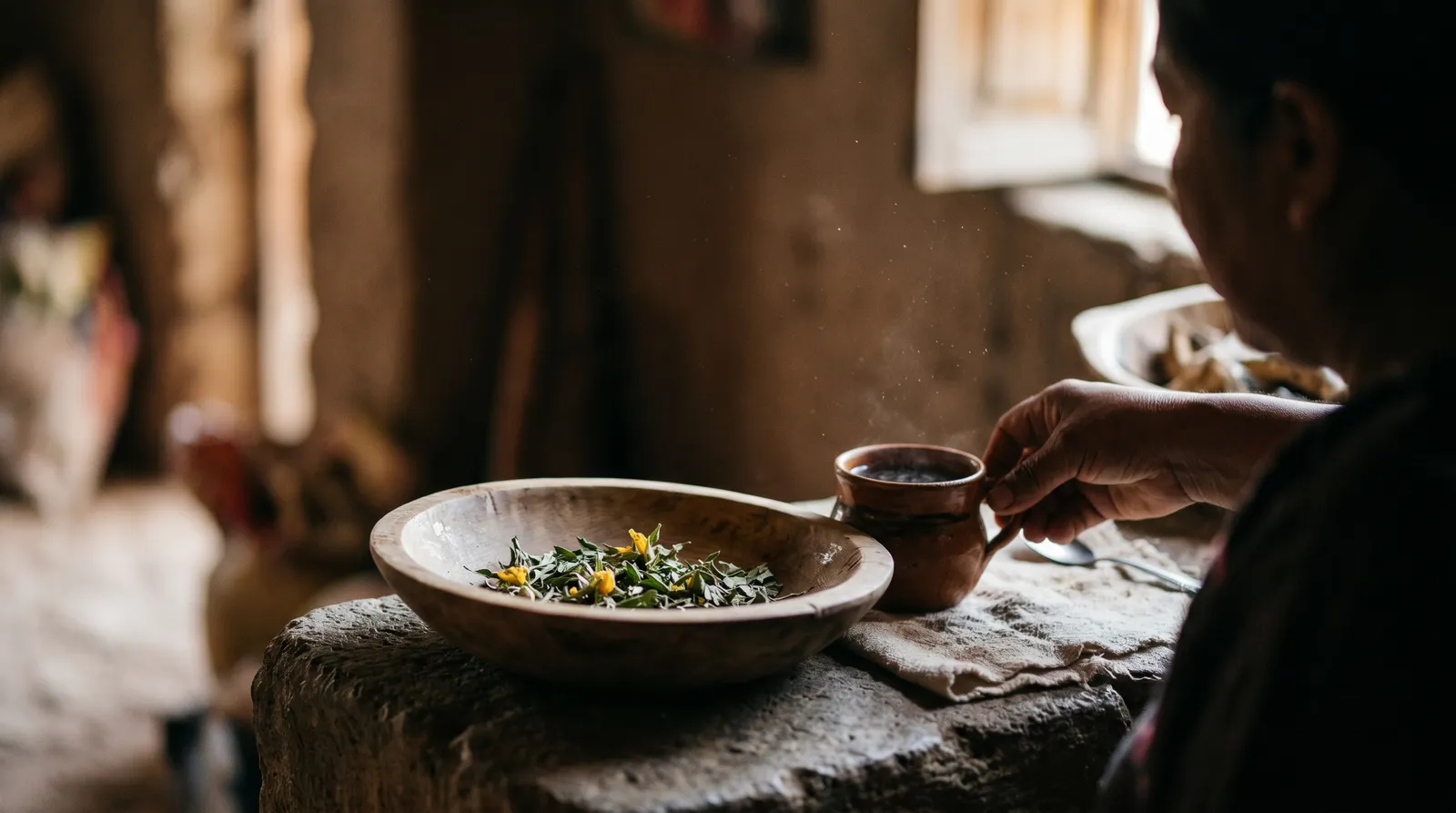
By the time Spanish colonial physicians began cataloguing New World botanicals, damiana had already acquired its aphrodisiac reputation. The Mexican herbal tradition — a blend of indigenous Mesoamerican plant knowledge and Spanish colonial medicine — listed damiana leaf tea as a tonic for general debility and low vitality. Rätsch, in The Encyclopedia of Psychoactive Plants (2005), notes that damiana was consumed both as a warm infusion and smoked in combination with other dried herbs, a practice that persisted in rural Oaxacan and Chihuahuan communities well into the twentieth century.
One thing worth noting: the "aphrodisiac" label was applied loosely in colonial-era herbalism. It often meant a general vitality tonic rather than a specific sexual-function remedy in the modern pharmacological sense. That distinction matters when reading older ethnobotanical sources.
Nineteenth-Century Export and the Patent Medicine Era
Damiana entered European and North American commercial awareness in the 1870s, largely through herbalists who imported dried leaves from Mexico. The plant was briefly included in the National Formulary of the United States (first listed 1888) as a mild stimulant and tonic, though it was removed by the mid-twentieth century as evidence-based standards tightened.
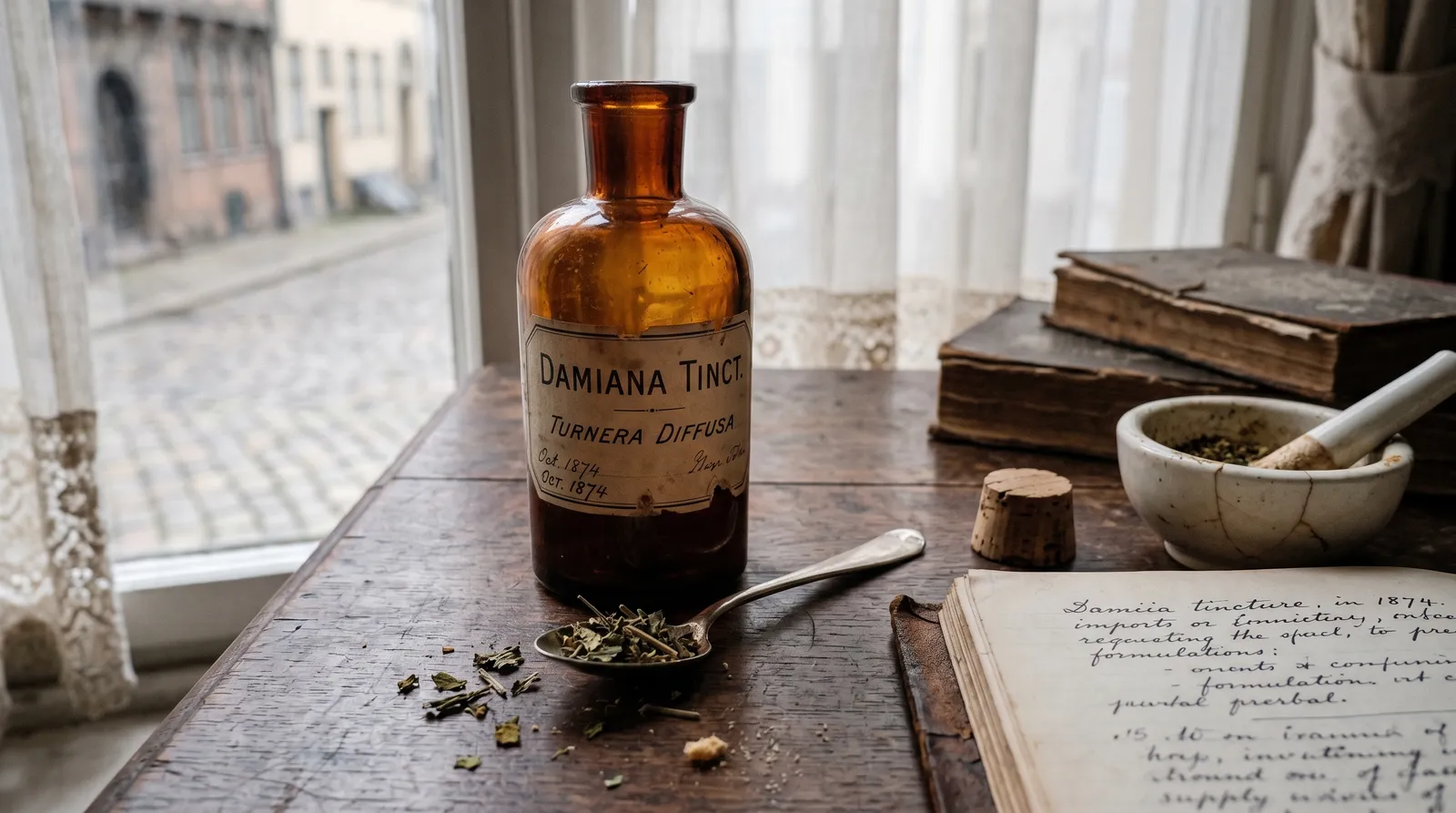
During the late 1800s, damiana featured prominently in patent medicines — those largely unregulated tonics that promised everything from restored vigour to cured melancholy. A well-known example was "Damiana Bitters," marketed in the United States and Britain as a restorative elixir. The Mexican liqueur Guapo, and later the better-known Damiana Licor from Baja California, also traded on the plant's aphrodisiac folklore. That liqueur, sold in a bottle shaped like a pregnant woman, is still produced today and remains a minor tourist curiosity in Los Cabos.
The patent-medicine era did damiana no favours in terms of scientific credibility. By the time pharmacology professionalised in the early twentieth century, the plant was associated more with quackery than with legitimate botanical inquiry — a reputation it has been slow to shake.
Caribbean and Central American Traditions
Damiana traditional use outside Mexico is best documented in Guatemala, Honduras, and several Caribbean island communities. In Guatemala and Honduras, leaf infusions were traditionally prepared for digestive complaints and as a mild mood-lifter after heavy labour. In parts of the Caribbean — particularly in communities with mixed Indigenous and African herbal traditions — damiana tea appears alongside other aromatic herbs in "bush tea" blends used as evening relaxants.
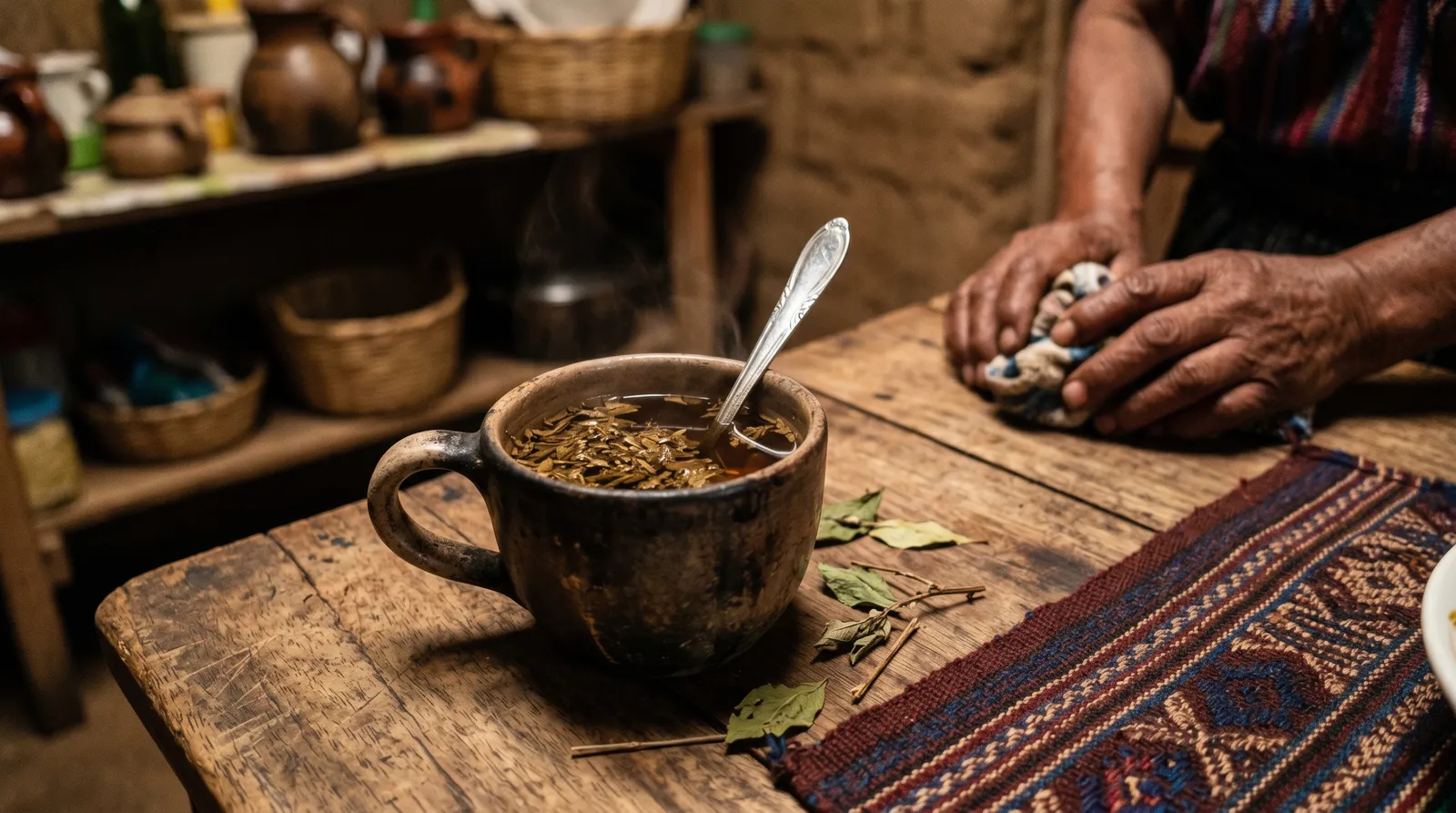
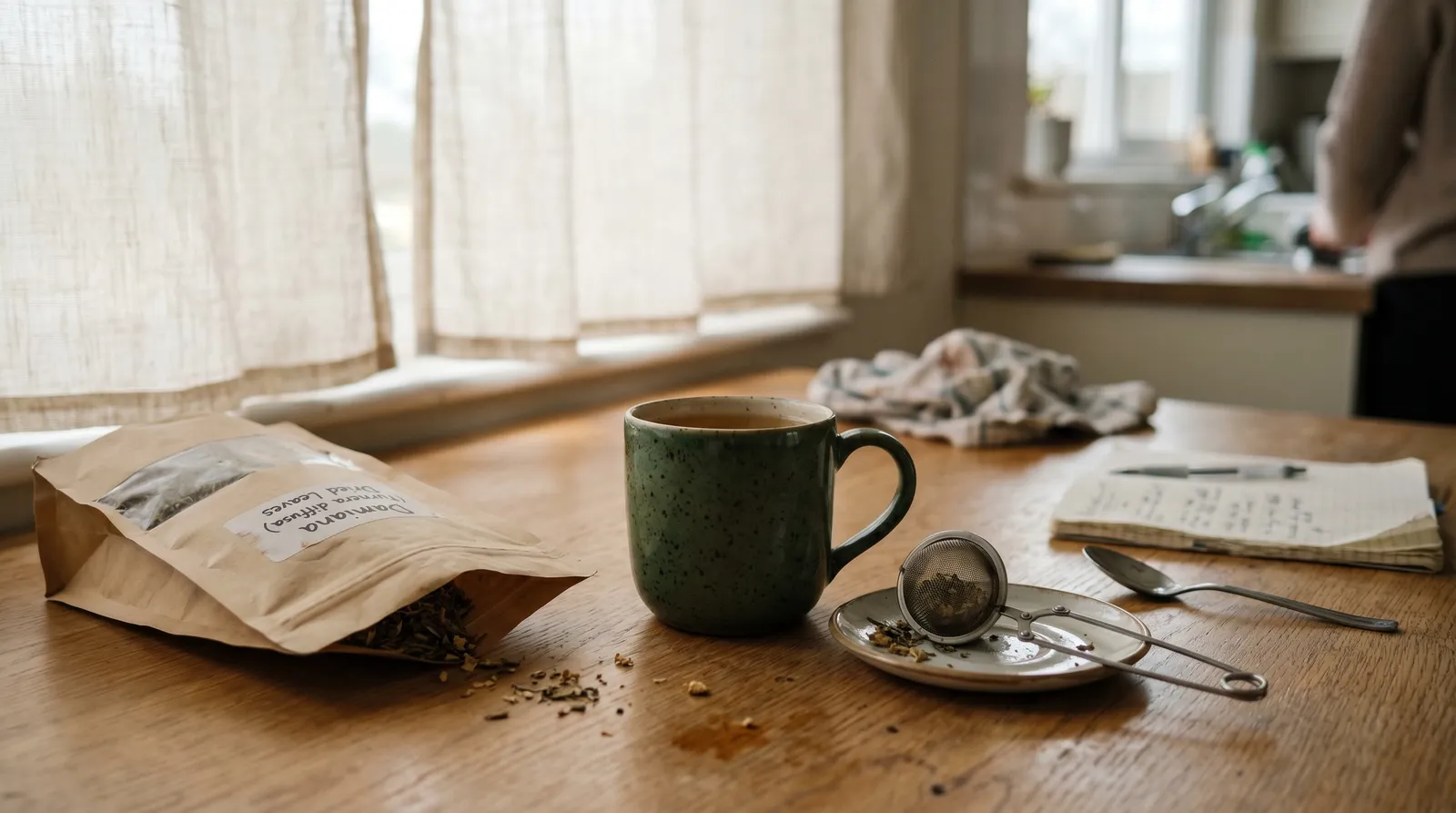
Kumar and Sharma (2005) note that across its native range, damiana was most commonly prepared as a simple hot-water infusion: roughly a tablespoon of dried, crumbled leaves steeped for ten to fifteen minutes. The resulting tea is pale gold, mildly bitter, and aromatic. A second traditional preparation involved steeping leaves in aguardiente or mezcal for several weeks to produce a digestif-style tincture — essentially the ancestor of modern damiana liqueur.
Damiana Compared to Similar Ethnobotanicals
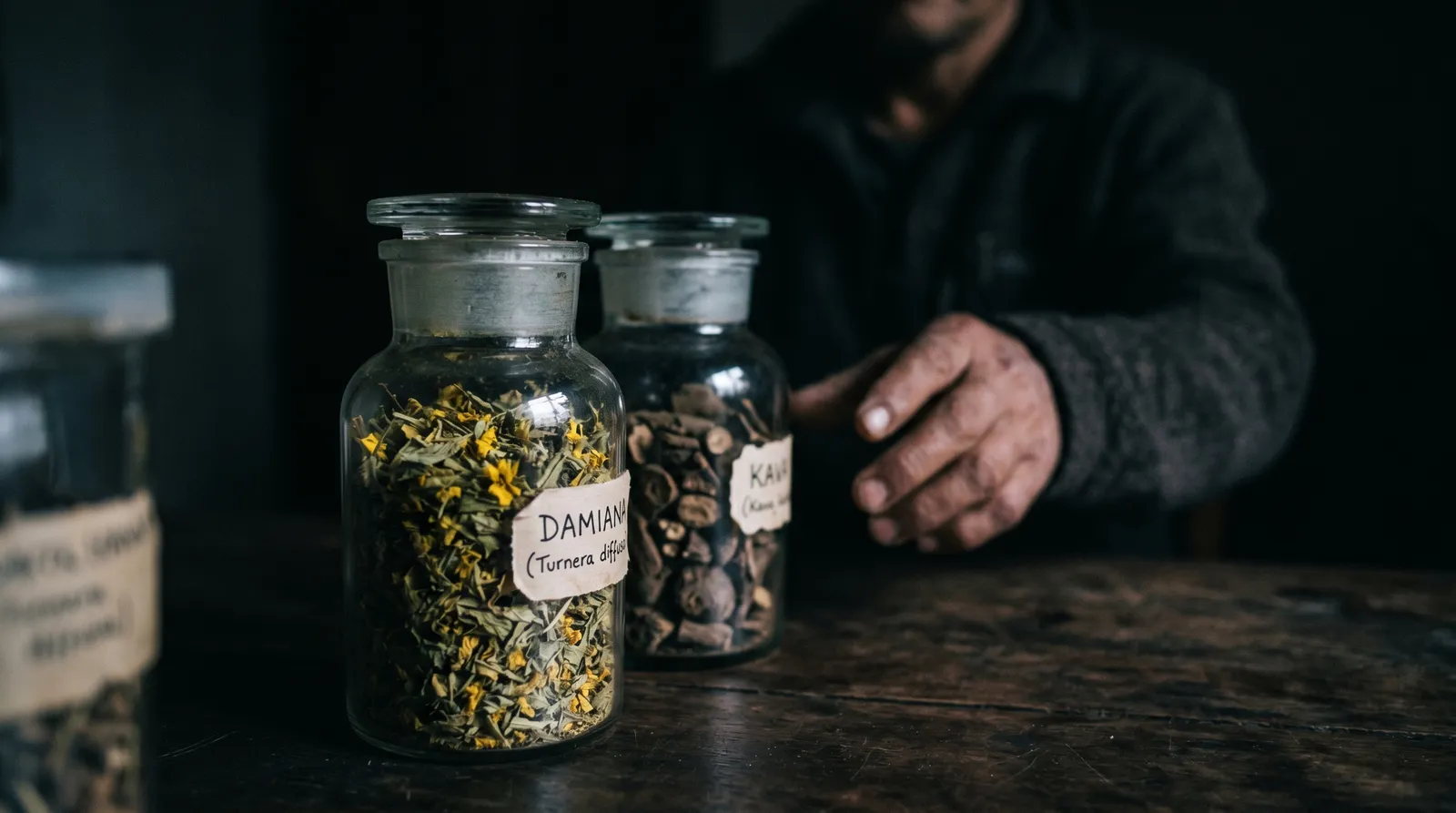
Damiana occupies a niche shared by several other traditional herbs marketed as relaxants or mild mood-lifters, and the differences are worth spelling out. The table below compares damiana with three herbs that customers frequently ask us about side by side.
| Herb | Primary traditional use | Key compound | Human clinical evidence |
|---|---|---|---|
| Damiana (T. diffusa) | Relaxant, reputed aphrodisiac | Apigenin, gonzalitosin I | None (preclinical only) |
| Passionflower (P. incarnata) | Anxiolytic, sleep aid | Chrysin, apigenin | Limited (small RCTs) |
| Blue lotus (N. caerulea) | Mild euphoria, relaxation | Apomorphine, nuciferine | None (preclinical only) |
| Wild dagga (L. leonurus) | Mild relaxant, smoked herb | Leonurine | None (preclinical only) |
As the table shows, damiana is not unusual in having a long folk history paired with a thin clinical evidence base — that pattern is the norm rather than the exception among ethnobotanicals. What sets damiana apart is the breadth of its traditional preparation methods: tea, smoke, and alcoholic maceration are all well-documented historically, whereas most comparable herbs are associated primarily with one route.
Phytochemistry: What Is Actually in the Leaf
Researchers have identified a varied mix of compounds in T. diffusa leaf material, and these are the basis for most pharmacological interest in the plant. The most frequently cited include:
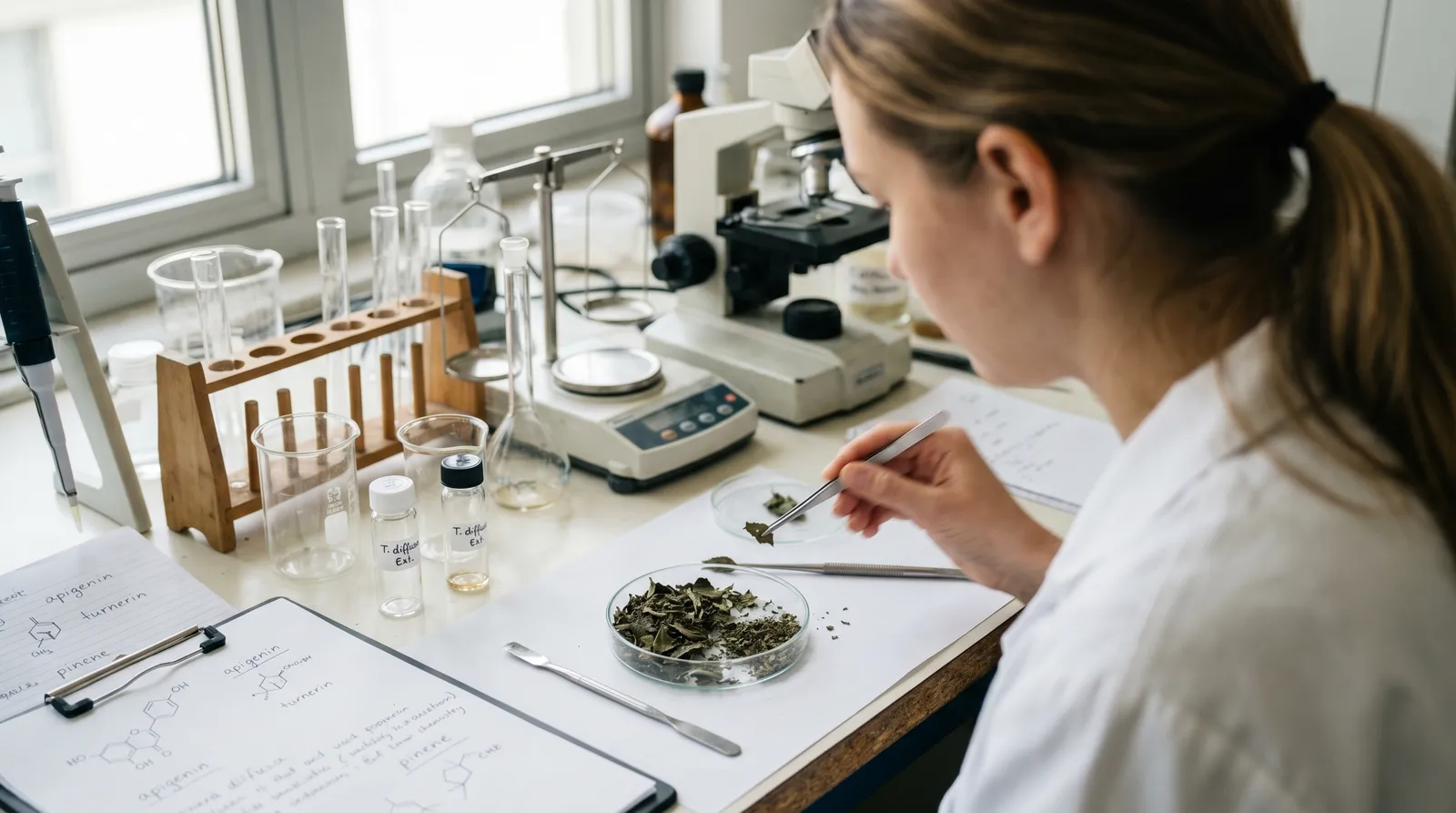
- Apigenin — a flavonoid also found in chamomile and passionflower, with documented affinity for GABA-A receptors in in vitro studies (Zhao et al., 2014). Apigenin is one of the better-characterised compounds in the leaf, though the concentrations in a cup of damiana tea are far lower than in standardised chamomile extracts.
- Gonzalitosin I — a flavonoid glycoside specific to Turnera species, identified by Domínguez and Hinojosa (1976). Its pharmacological activity in humans is not established.
- Arbutin — a hydroquinone glycoside also found in bearberry (Arctostaphylos uva-ursi), traditionally associated with urinary-tract use in European herbalism.
- Damianin — a bitter principle isolated from the leaf, poorly characterised in modern literature.
- Essential oils — including 1,8-cineole (eucalyptol), alpha-pinene, beta-pinene, and thymol. These volatile terpenes account for damiana's distinctive aroma and are the reason the dried leaf works well in herbal smoking blends — the smoke is aromatic and comparatively mild.
A 2009 study by Zhao et al. published in the Journal of Ethnopharmacology reported that a methanol extract of T. diffusa showed aromatase-inhibitory activity in vitro, which the authors speculated might relate to the plant's traditional aphrodisiac use. That is a long way from demonstrating any such effect in a living human body, and the study has not been replicated in clinical trials. A separate in vitro investigation by Estrada-Reyes et al. (2009) found anxiolytic-like effects in mice at specific extract doses, but rodent behavioural models translate to human experience unreliably at best.
The honest summary: damiana contains real, identifiable bioactive compounds — apigenin chief among them — but no clinical trial in humans has demonstrated a specific therapeutic effect for any of the plant's traditional uses. The research base consists mostly of in vitro and animal studies, many with small sample sizes and no replication. The European Monitoring Centre for Drugs and Drug Addiction (EMCDDA) does not maintain a specific risk profile for damiana, which reflects both its low acute-harm profile and the general absence of clinical data.
Traditional Preparations: Tea, Smoke, and Tincture
Damiana traditional use across its native range falls into three main preparation methods, each extracting a slightly different compound profile from the leaf.
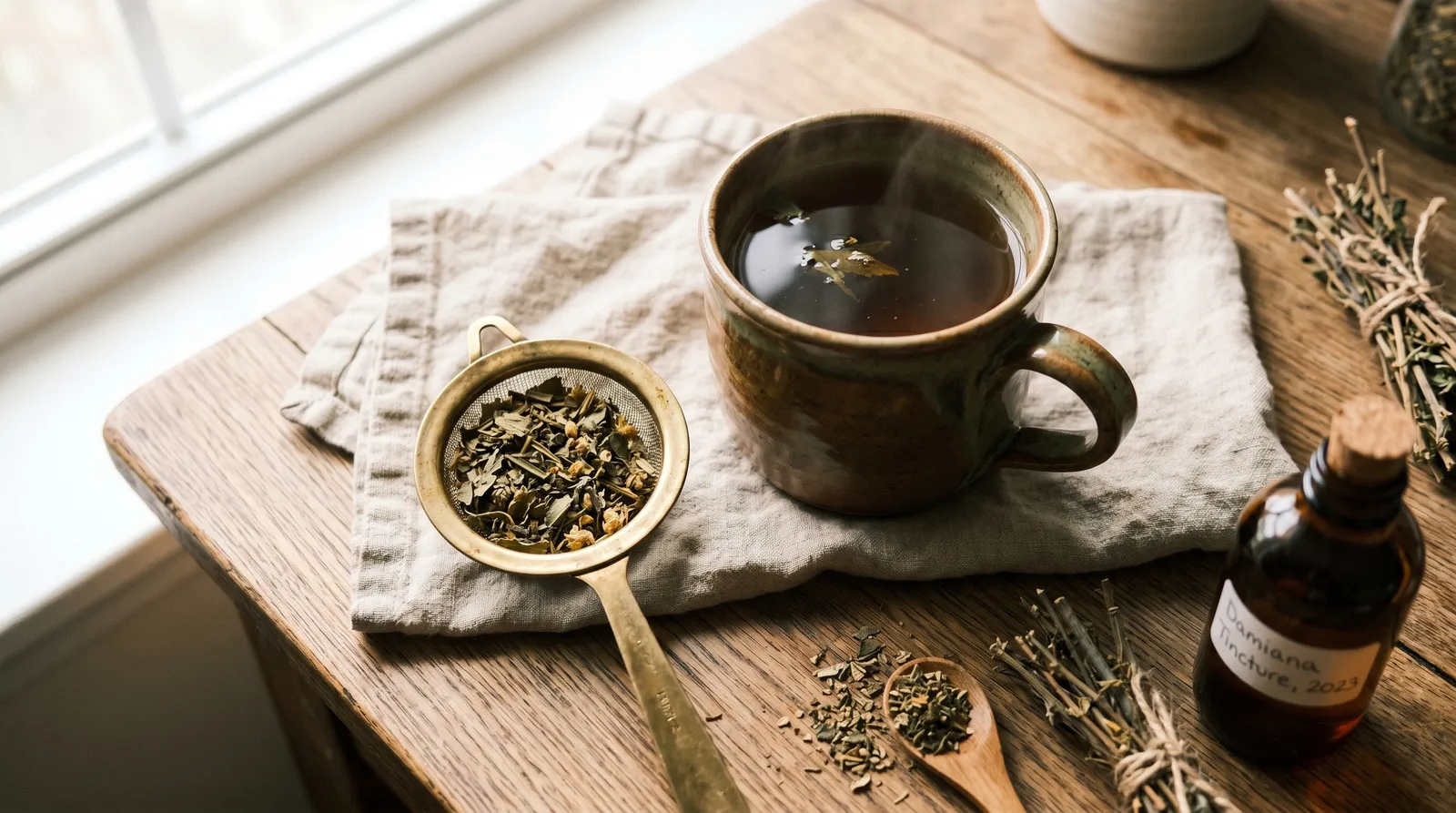
Tea infusion: The most common preparation historically and today. Dried crumbled leaves are steeped in near-boiling water for ten to fifteen minutes. The flavour is mildly bitter with a warm, herbal finish — palatable on its own, though many people blend it with honey or other herbs. Traditional Mexican recipes sometimes combine damiana with cinnamon bark or hierba buena (spearmint).
Herbal smoking blends: Damiana leaf has a long history as a base ingredient in tobacco-free herbal smoking blends. The dried leaf burns evenly, produces a smooth, mildly aromatic smoke, and is less harsh than many other dried herbs. In traditional Mexican practice, it was sometimes rolled with wild dagga (Leonotis leonurus) flowers or mullein leaf. Any combustion of plant material carries respiratory risks — the same tar and particulate concerns that apply to tobacco smoke apply to herbal smoke, full stop.
Alcoholic maceration: Leaves steeped in spirits for two to four weeks produce a bitter, aromatic tincture. This is the basis for traditional damiana liqueurs still made in Baja California. The alcohol likely extracts a broader range of compounds than hot water alone, including more of the lipophilic terpenes.
What the Research Does and Does Not Support
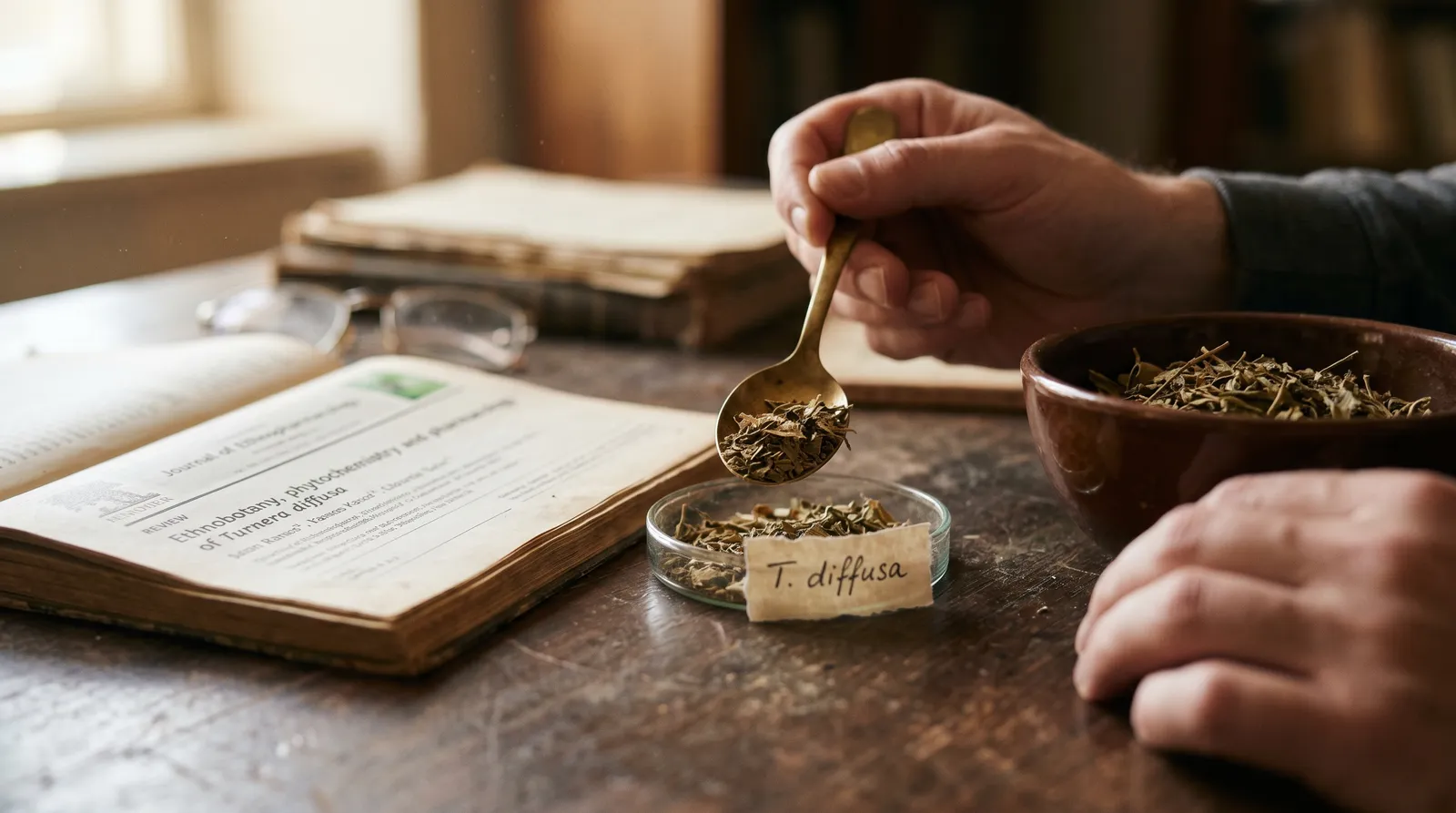
The peer-reviewed literature on T. diffusa is limited, and intellectual honesty requires stating that plainly. A 2014 review by Szewczyk and Zidorn, published in the Journal of Ethnopharmacology, surveyed the available pharmacological studies and concluded that while damiana contains pharmacologically interesting compounds, the clinical evidence for any specific health benefit in humans is insufficient. Most studies are preclinical — cell cultures and rodent models — and the few human-adjacent investigations have been small, uncontrolled, or conducted with multi-herb formulations where damiana's individual contribution cannot be isolated.
One frequently cited human study (Ito et al., 2006) tested a commercial supplement containing damiana alongside yerba maté and guarana for effects on body weight. The supplement showed modest short-term effects, but the formula contained three caffeine-bearing or bioactive plants, making it impossible to attribute any result specifically to damiana.
The aphrodisiac claim — the one most associated with damiana traditional use in popular culture — has not been tested in a controlled human trial as of early 2026. The in vitro aromatase and PDE-5 inhibition data (Zhao et al., 2009) are preliminary and have not progressed to clinical investigation.
Safety and Practical Considerations
Damiana is generally well-tolerated at the doses used in traditional tea preparation, but the absence of formal clinical safety studies means that no authoritative upper dose limit has been established. The Beckley Foundation's broader reviews of ethnobotanical substances note that traditional-use history provides some reassurance about acute safety but cannot substitute for controlled toxicological data.
Reported side effects in anecdotal and case-report literature are rare and mostly limited to mild gastrointestinal discomfort at high doses. The arbutin content is worth noting: arbutin metabolises to hydroquinone, which in large quantities is a concern, though the amounts present in a standard cup of damiana tea are very small.
If you want to get damiana for personal exploration, buy it as whole dried leaf or coarse-cut leaf from a reputable ethnobotanical supplier — this lets you inspect the material visually and by smell before use. Pre-ground powders are harder to assess for quality and freshness.
Disclaimer: This article is provided for informational and educational purposes only. It is not medical advice. The compounds and traditional uses described here have not been evaluated in sufficient human clinical trials to support therapeutic claims. If you are pregnant, breastfeeding, taking medication, or have a medical condition, consult a qualified healthcare practitioner before using damiana or any herbal product. Azarius does not claim that damiana treats, cures, or prevents any disease.
References
- Szewczyk, K. & Zidorn, C. (2014). Ethnobotany, phytochemistry, and bioactivity of the genus Turnera (Passifloraceae) with a focus on damiana — Turnera diffusa. Journal of Ethnopharmacology, 152(3), 424–443.
- Rätsch, C. (2005). The Encyclopedia of Psychoactive Plants: Ethnopharmacology and Its Applications. Park Street Press.
- Zhao, J., Dasmahapatra, A.K., Khan, S.I. & Khan, I.A. (2009). Anti-aromatase activity of the constituents from damiana (Turnera diffusa). Journal of Ethnopharmacology, 120(3), 387–393.
- Estrada-Reyes, R., Ortiz-López, P., Gutiérrez-Ortíz, J. & Martínez-Mota, L. (2009). Turnera diffusa Wild (Turneraceae) recovers sexual behavior in sexually exhausted males. Journal of Ethnopharmacology, 123(3), 423–429.
- Kumar, S. & Sharma, A. (2005). Anti-anxiety activity studies on homoeopathic formulations of Turnera aphrodisiaca Ward. Evidence-Based Complementary and Alternative Medicine, 2(1), 117–119.
- Domínguez, X.A. & Hinojosa, M. (1976). Mexican medicinal plants. XXVIII. Isolation of 5-hydroxy-7,3′,4′-trimethoxyflavone from Turnera diffusa. Planta Medica, 30(1), 68–71.
- Ito, T.Y., Trant, A.S. & Polan, M.L. (2006). A double-blind placebo-controlled study of ArginMax, a nutritional supplement for enhancement of female sexual function. Journal of Sex & Marital Therapy, 27(5), 541–549.
Last updated: April 2026
Frequently Asked Questions
8 questionsWhat does damiana tea taste like?
Is damiana actually an aphrodisiac?
Can you smoke damiana leaves?
What active compounds are in damiana?
Is damiana safe during pregnancy?
Where can I buy damiana dried leaf?
How does damiana compare to passionflower?
What is the best way to prepare damiana?
About this article


Adam Parsons is an external cannabis and psychedelics writer and editor who contributes to Azarius's wiki as both author and reviewer. On the writing side, he authors Azarius's kratom and kanna clusters, drawing on exten
This wiki article was drafted with AI assistance and reviewed by Adam Parsons, External contributor. Editorial oversight by Joshua Askew.
Medical disclaimer. This content is for informational purposes only and does not constitute medical advice. Consult a qualified healthcare provider before use of any substance.
Last reviewed April 26, 2026
Related Articles
Blue Lotus vs Kanna: Effects & Safety
Blue lotus vs kanna compared — Nymphaea caerulea's aporphine profile against Sceletium tortuosum's mesembrine chemistry, with interaction warnings.
Lotus Clinical Research Overview
What does lotus clinical research actually show? A critical review of Nymphaea caerulea and Nelumbo nucifera pharmacology, preclinical data, and…
Kanna South Africa To West History
Sceletium tortuosum was used by San and Khoekhoe communities in southern Africa for centuries before European colonists first documented it in the 1660s.
Sceletium Tortuosum Plant
Learn about the sceletium tortuosum plant: botany, alkaloids, fermentation, safety warnings, and where to buy kanna.
Kanna Pharmacokinetics Explained
Complete guide to kanna pharmacokinetics: how Sceletium tortuosum alkaloids are absorbed, metabolised via CYP2D6, and eliminated.
Kanna Chemistry: Sceletium Alkaloids Explained
Kanna chemistry explained: mesembrine, mesembrenone, their mechanisms, how fermentation and extraction change alkaloid profiles, and why it matters…
Rapé Shamanic Snuff Guide: How to Use It Safely
A practical rapé shamanic snuff guide covering dose, kuripe technique, effects, nicotine safety, interactions and Amazonian tradition.
White Sage Salvia Apiana Cultural Smudging Guide
Salvia apiana is a non-psychoactive shrub native to southern California's coastal sage scrub, burned as ceremonial incense in Indigenous North American…
Mulungu Erythrina Traditional Amazonian Use — Bark, Alkaloids & Research
Erythrina mulungu is a Brazilian legume tree whose bark has been brewed as a calming decoction in rural folk medicine for generations.